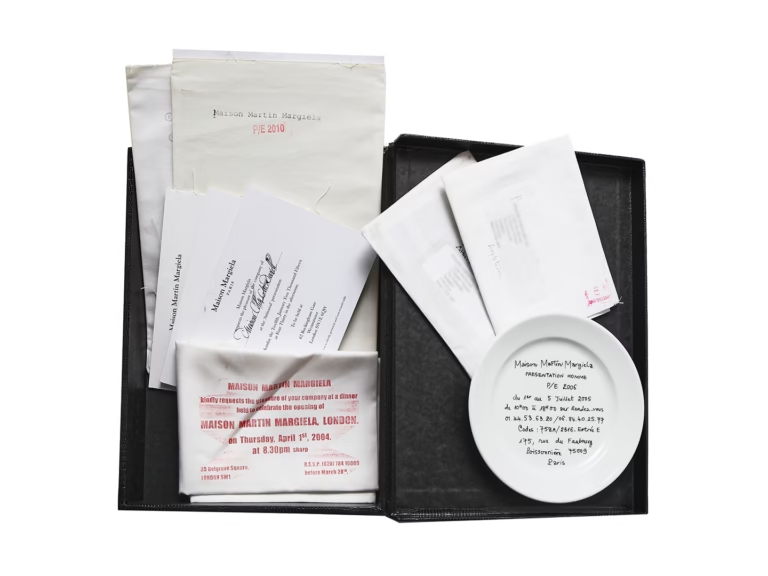
Before continuous broadcasting, television stations regularly filled gaps in their schedules with test cards. These controlled images allowed engineers, repair shops, television dealers, and viewers to identify problems in transmission and receiving equipment. Circles revealed distorted proportions, fine lines measured resolution, greyscale strips tested brightness and contrast, and grids exposed alignment errors. What now appears to be a series of abstract graphics was designed as a compact diagnostic system.
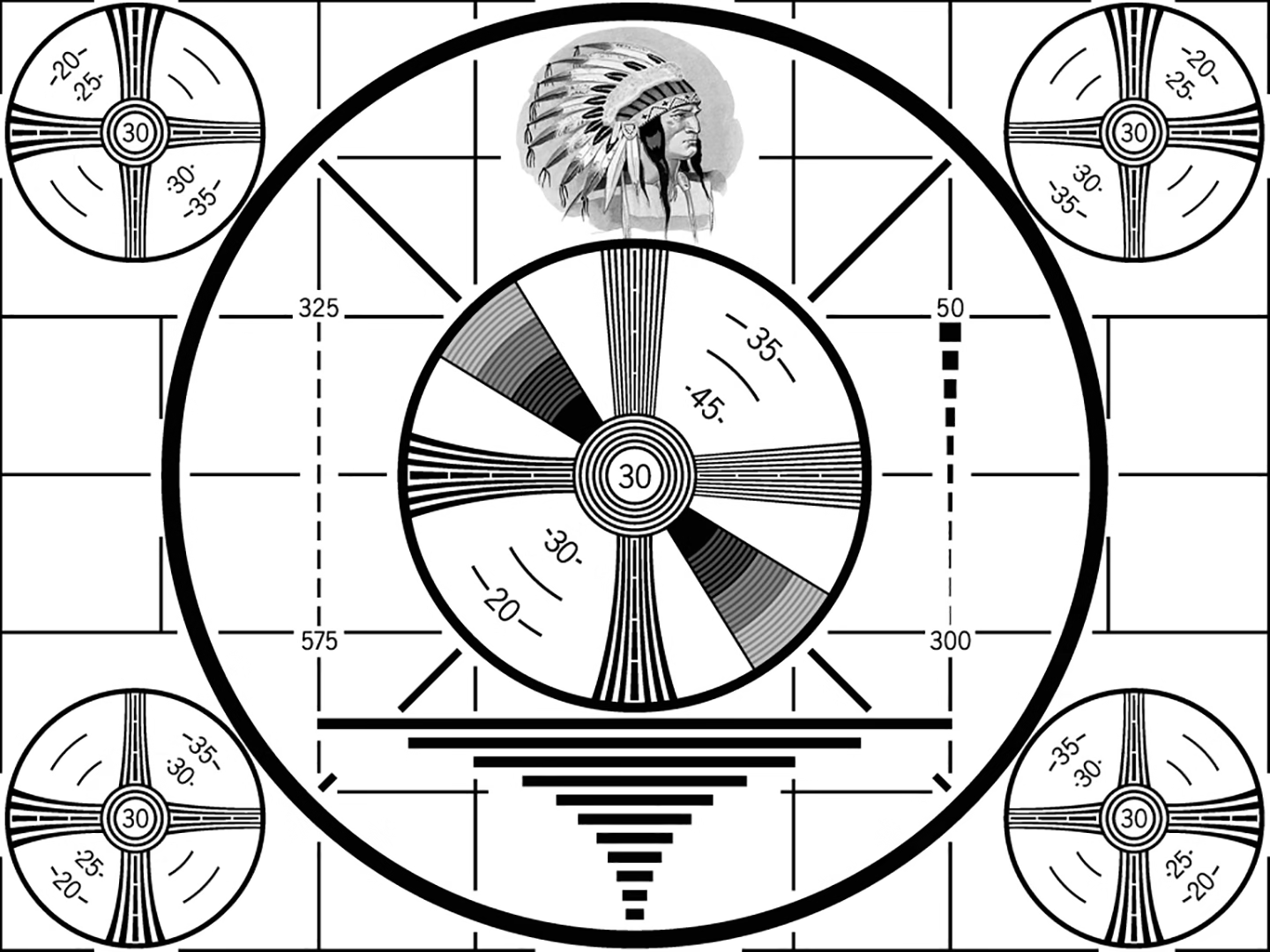
1. RCA Indian-Head Test Pattern, 1939
Introduced by RCA for its TK-1 monoscope, the Indian-head pattern could be transmitted from an image permanently embedded inside a tube, removing the need to keep a camera pointed at a printed card. Its outer circle revealed stretching and compression, while tapered lines narrowed until the television could no longer separate them, indicating its resolution limit. Greyscale wedges and bars tested brightness, contrast, focus, and signal response.
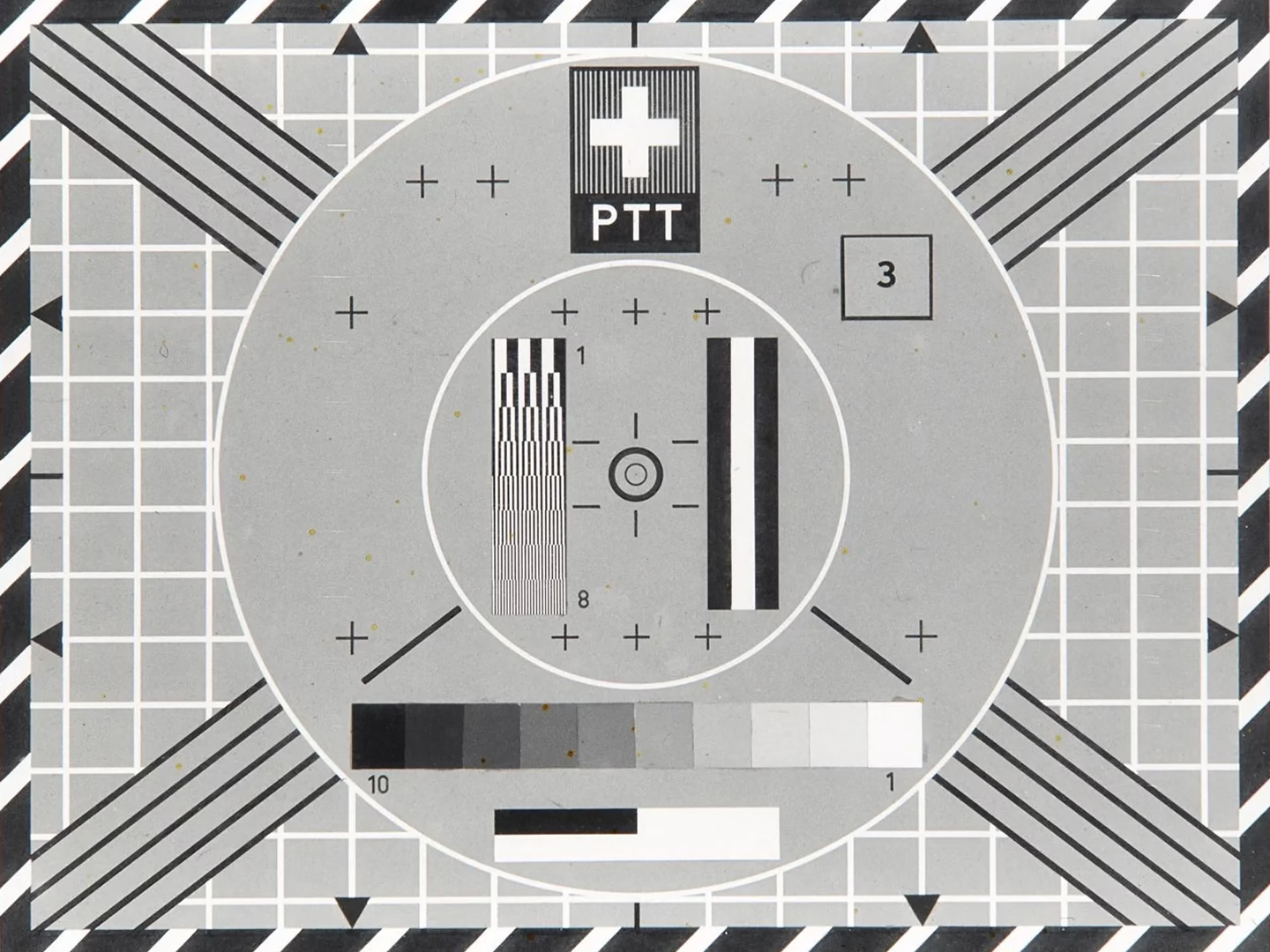
2. Swiss PTT Test Card, 1958
Swiss Television introduced this monochrome card in 1958. Its double circle, surrounding grid, and diagonal lines exposed geometry and scanning errors, while the fine central gratings tested focus and resolution. A greyscale strip helped adjust brightness and contrast. The prominent PTT logo identified the Swiss signal in neighbouring countries, while a numbered field indicated the transmitter, studio, or outside broadcast source producing it.
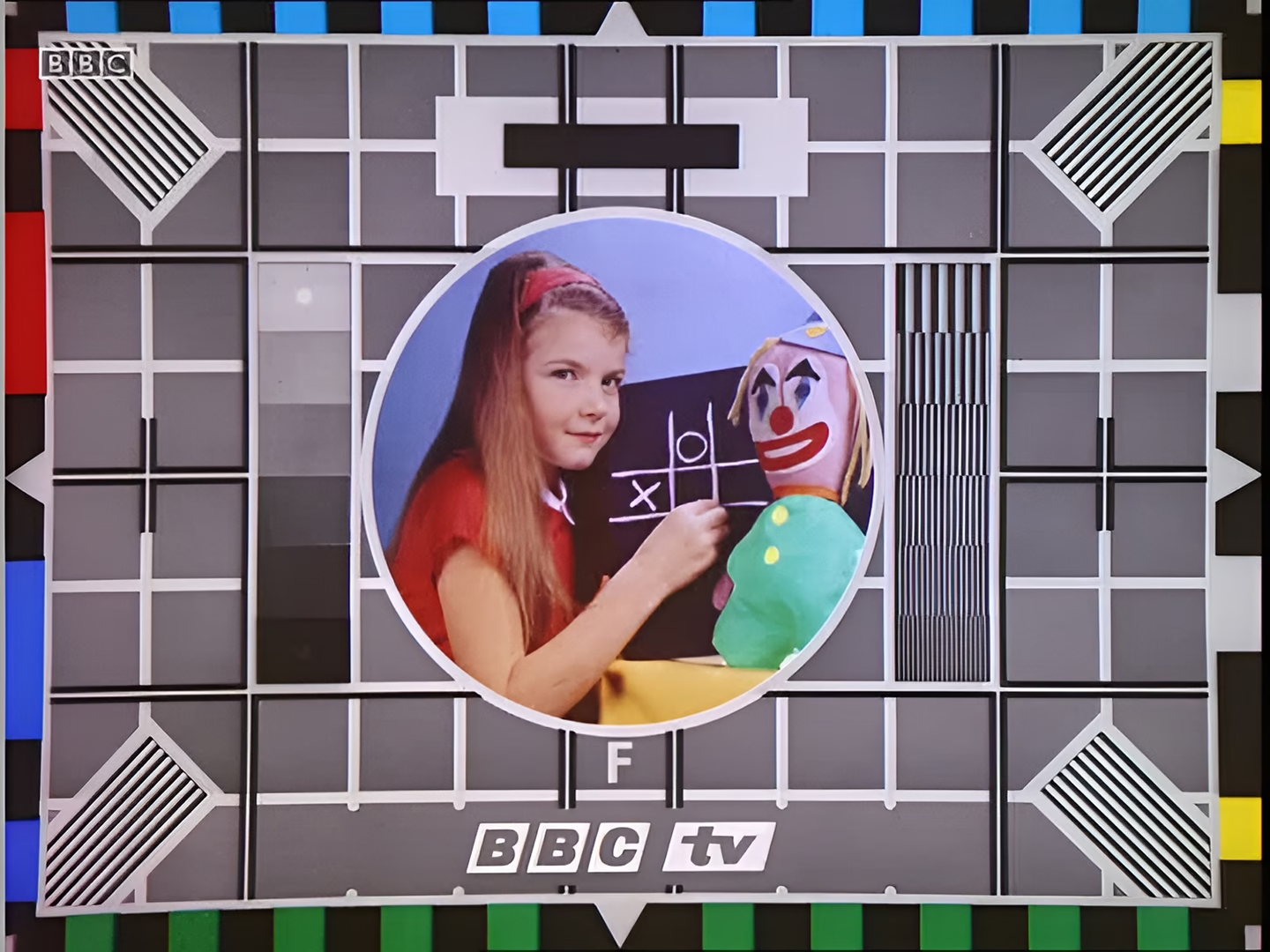
3. BBC Test Card F, 1967
First broadcast on BBC Two, Test Card F placed engineer George Hersee’s daughter Carole beside a toy clown named Bubbles. Their skin, hair, clothing, and painted surfaces made unnatural colour balance easier to recognise. Bubbles’ yellow buttons could expose timing errors between colour and brightness information, while the X on the game board marked the centre of the screen. Surrounding gratings, greyscales, and edge markers tested focus, contrast, resolution, and overscan.
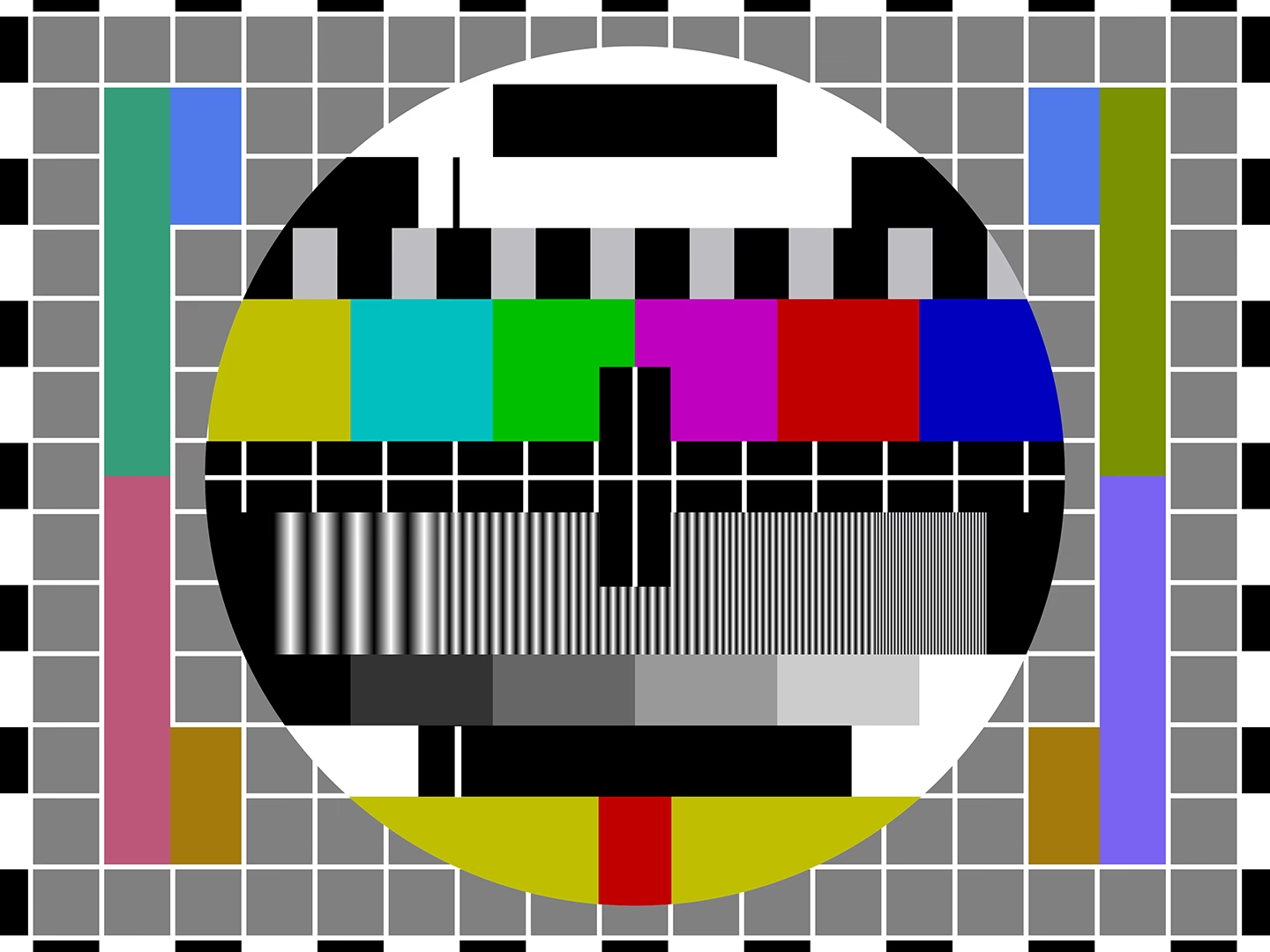
4. Philips PM5544, 1968–69
Developed at Philips’ television laboratory near Copenhagen, the PM5544 generated its image electronically rather than reproducing a photographed card. Its circle tested geometry, while colour bars, greyscale steps, grids, and fine gratings checked colour, alignment, and resolution. Because suitable semiconductor memory was not yet widely available, the generator stored only part of the central circle and repeated it through symmetry to complete the image. The pattern was later adapted by broadcasters around the world.
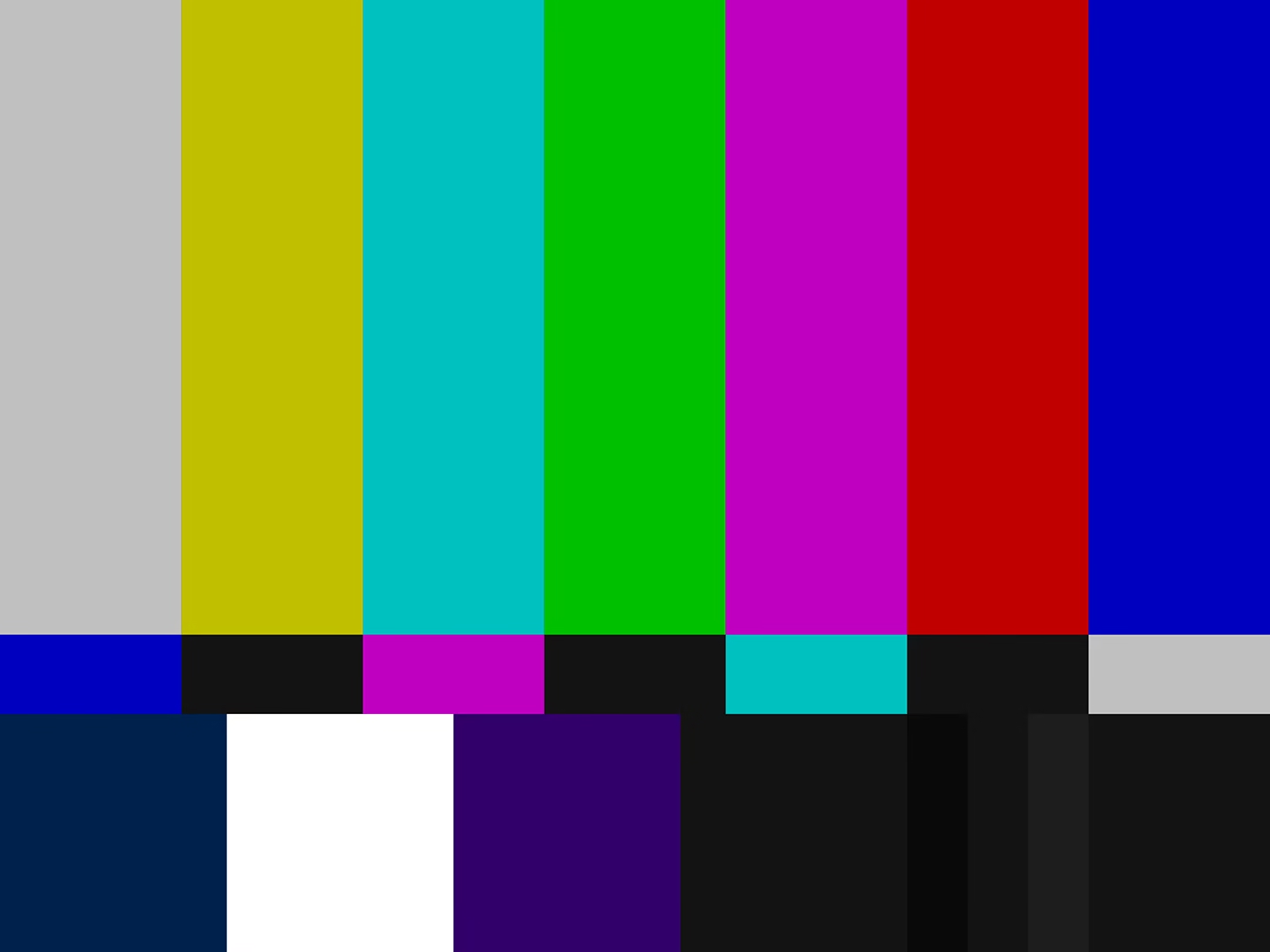
5. SMPTE Color Bars, 1978
Proposed by the Society of Motion Picture and Television Engineers, SMPTE Color Bars arranged known colour and brightness values into a standard reference image. The upper bars checked chroma and luminance across cameras, recording equipment, transmission systems, and monitors, while the lower sections helped adjust colour and black levels. Unlike earlier broadcaster-specific cards, the pattern provided a consistent reference across television production.