Before smartphones settled into their familiar glass rectangles, fashion houses were experimenting with mobile phones as extensions of their identities. Throughout the 2000s, designers collaborated with electronics manufacturers to create everything from diamond-encrusted flip phones to minimalist touchscreens and wearable accessories. While most of these collaborations were short-lived, they captured a period when mobile technology offered considerably more room for experimentation. Here are five examples of when fashion made its way into the mobile phone industry.
1. Baby Phat × Motorola i833
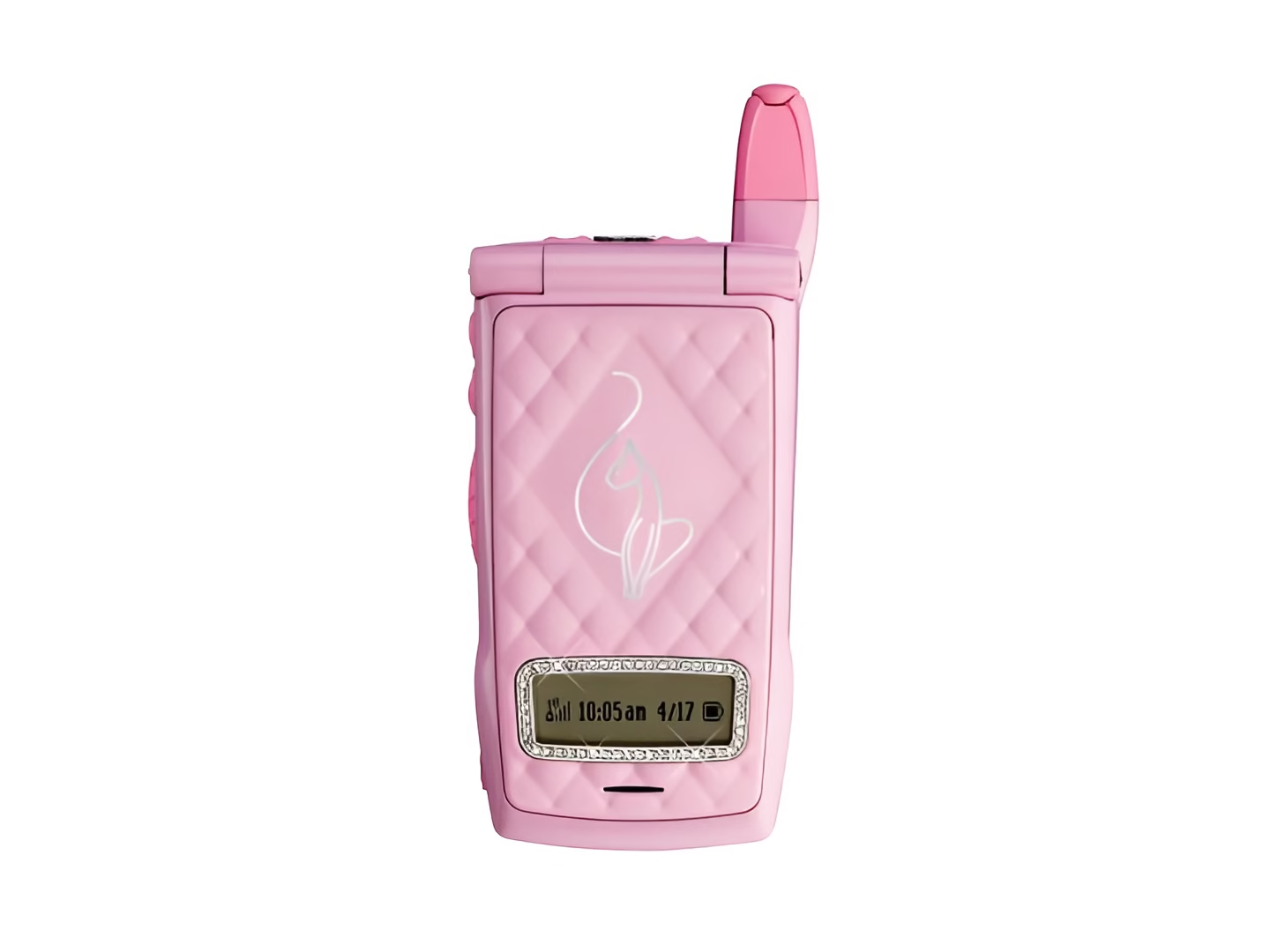
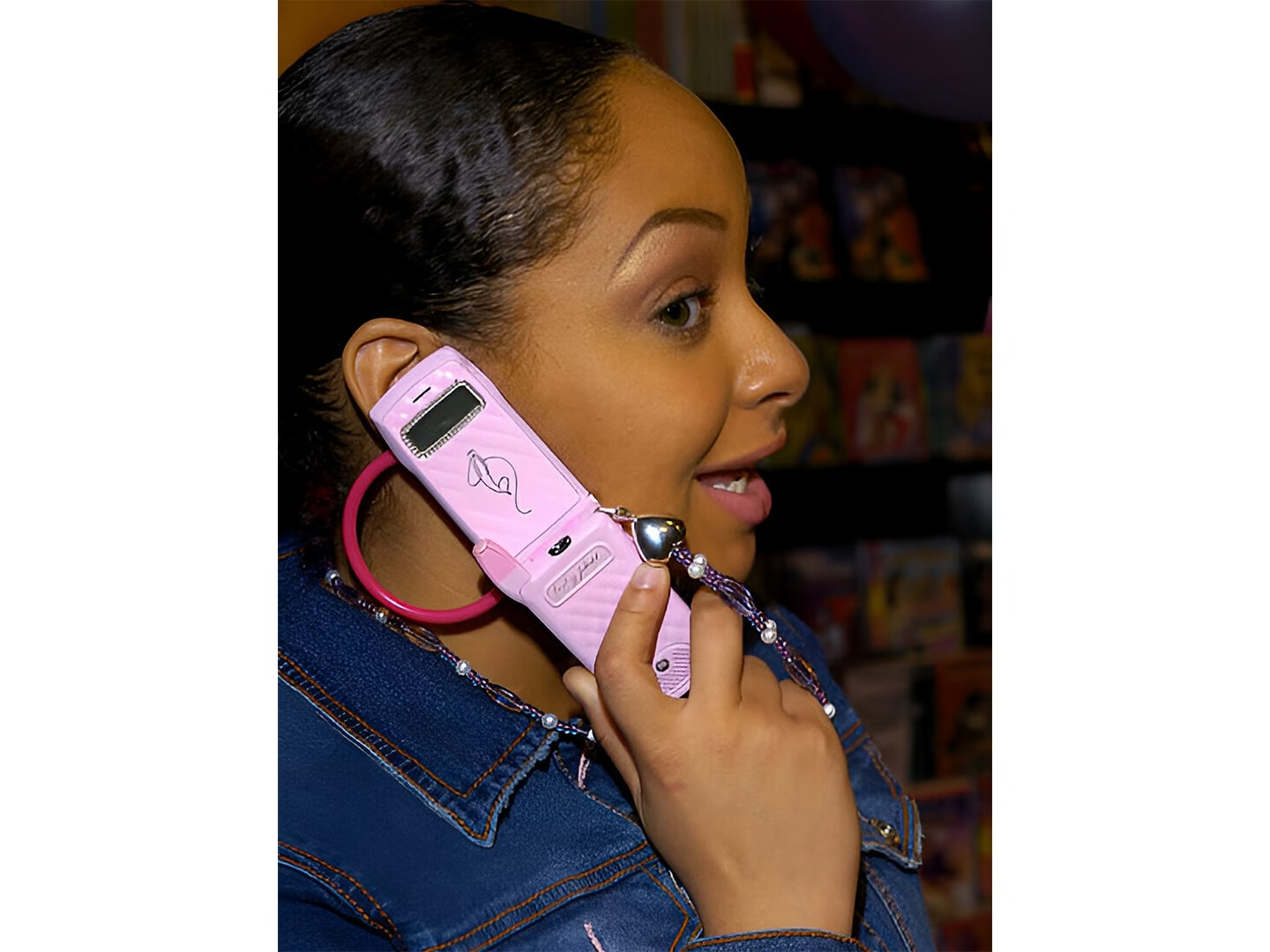
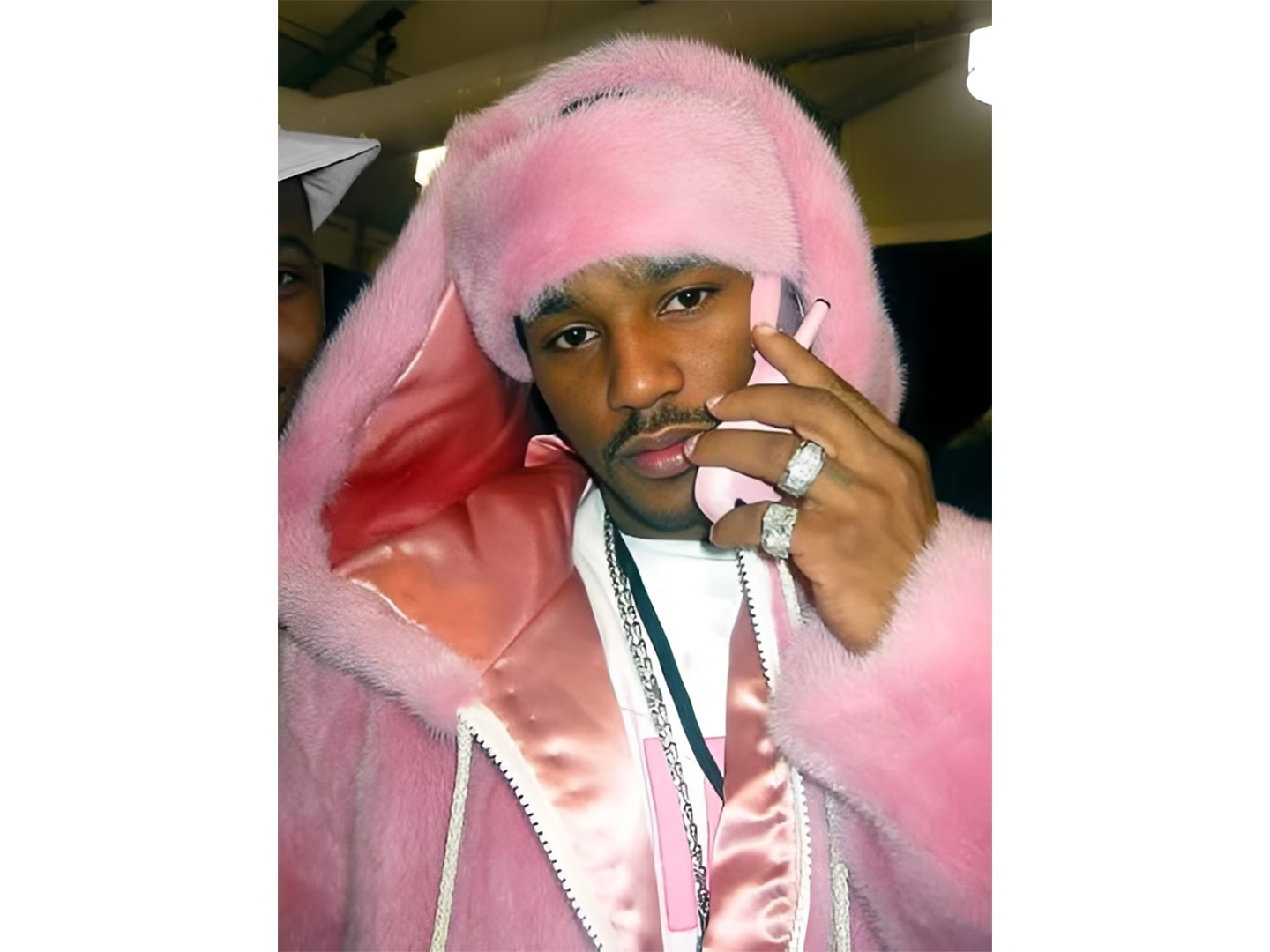
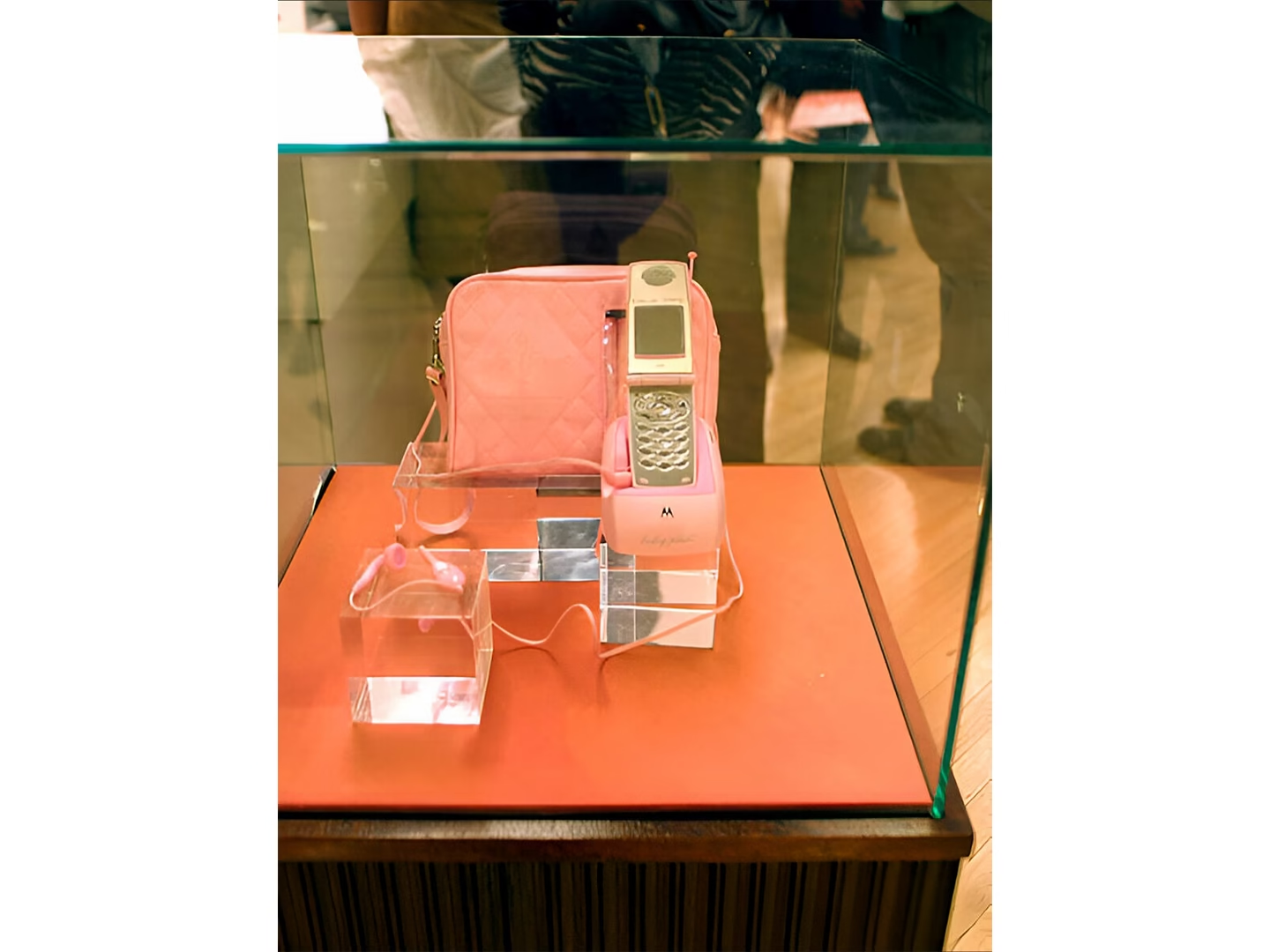
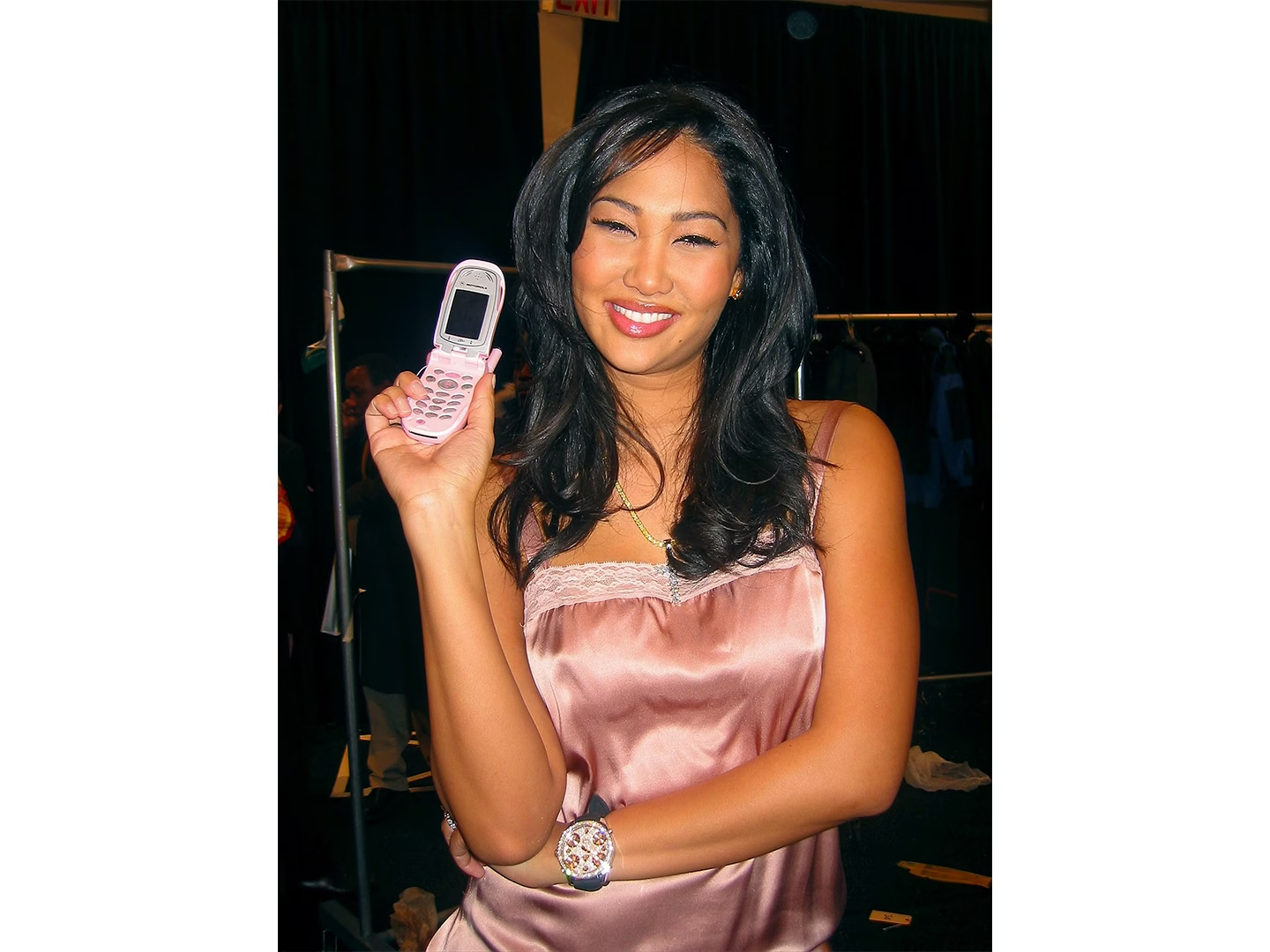
In 2004, Kimora Lee Simmons collaborated with Motorola to introduce a limited-edition phone under her label Baby Phat. Featuring a pink quilted exterior, the brand’s signature cat emblem and 0.4 carats of genuine diamonds surrounding its external display, the phone embraced the glamour of early-2000s fashion. Even its wallpapers and ringtones received the Baby Phat treatment. Sold for approximately $700 through Bloomingdale’s, it was designed to be as much a fashion accessory as a communication device.
2. Prada × LG KE850
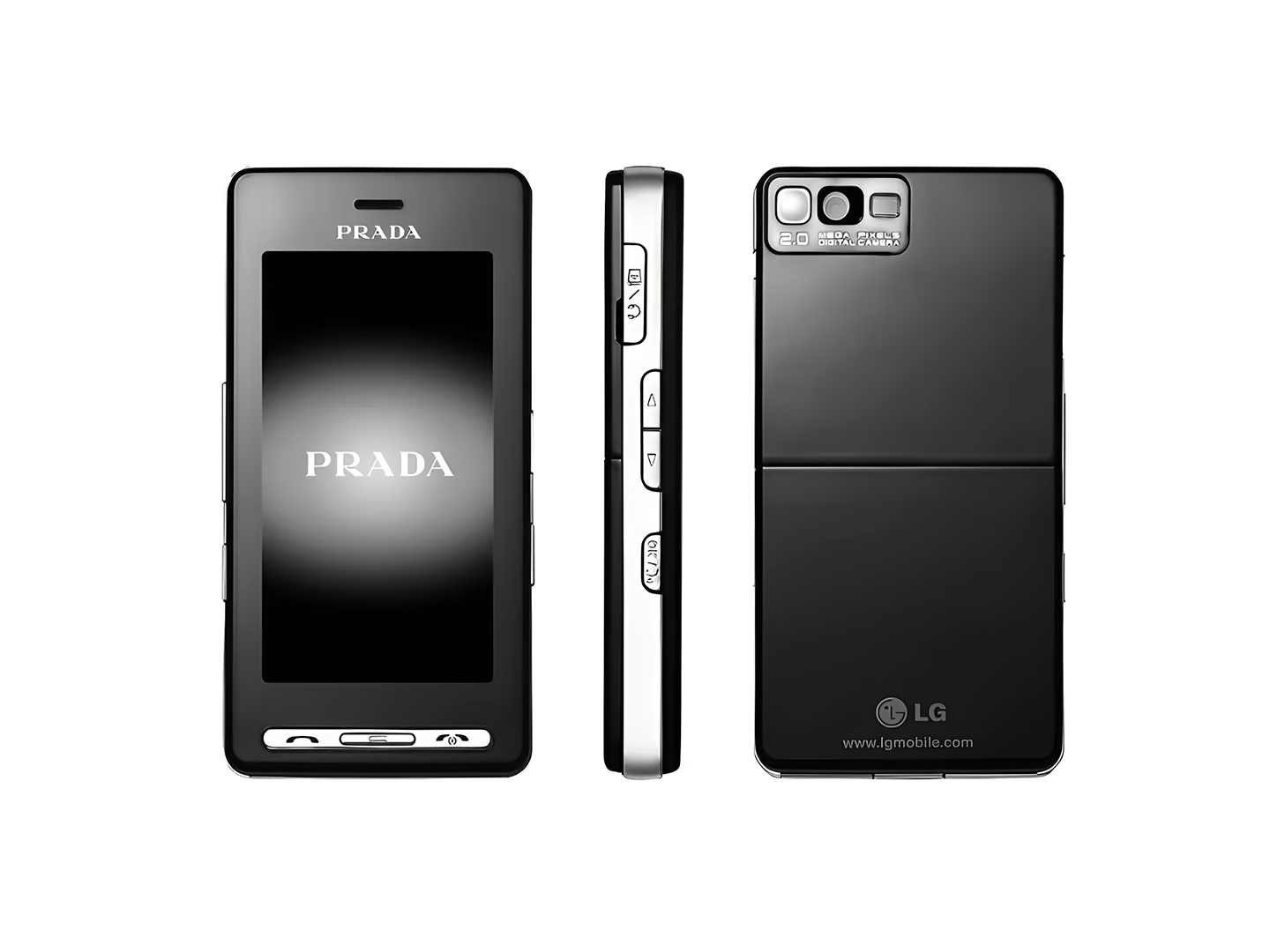
Prada took a more restrained approach when it partnered with LG to develop the KE850 in 2007. Featuring a minimalist black exterior, a three-inch touchscreen and a monochromatic interface, the phone eliminated the conventional numeric keypad. Prada’s involvement extended to the interface, ringtones, accessories and packaging, making it more than a simple branding exercise. Released before Apple’s first iPhone, the KE850 demonstrated how a fashion house’s design philosophy could influence the experience of using technology.
3. Levi’s × ModeLabs
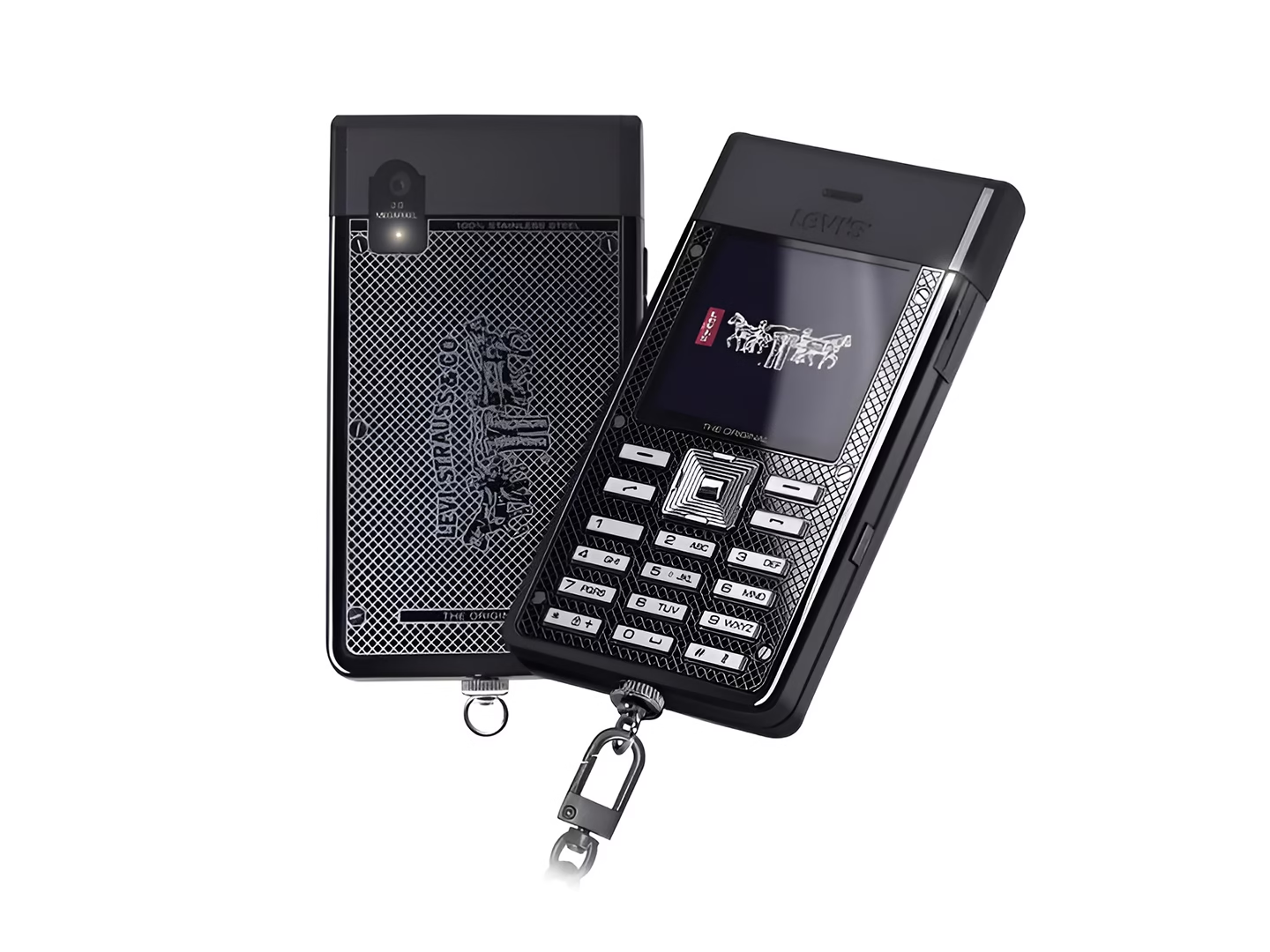
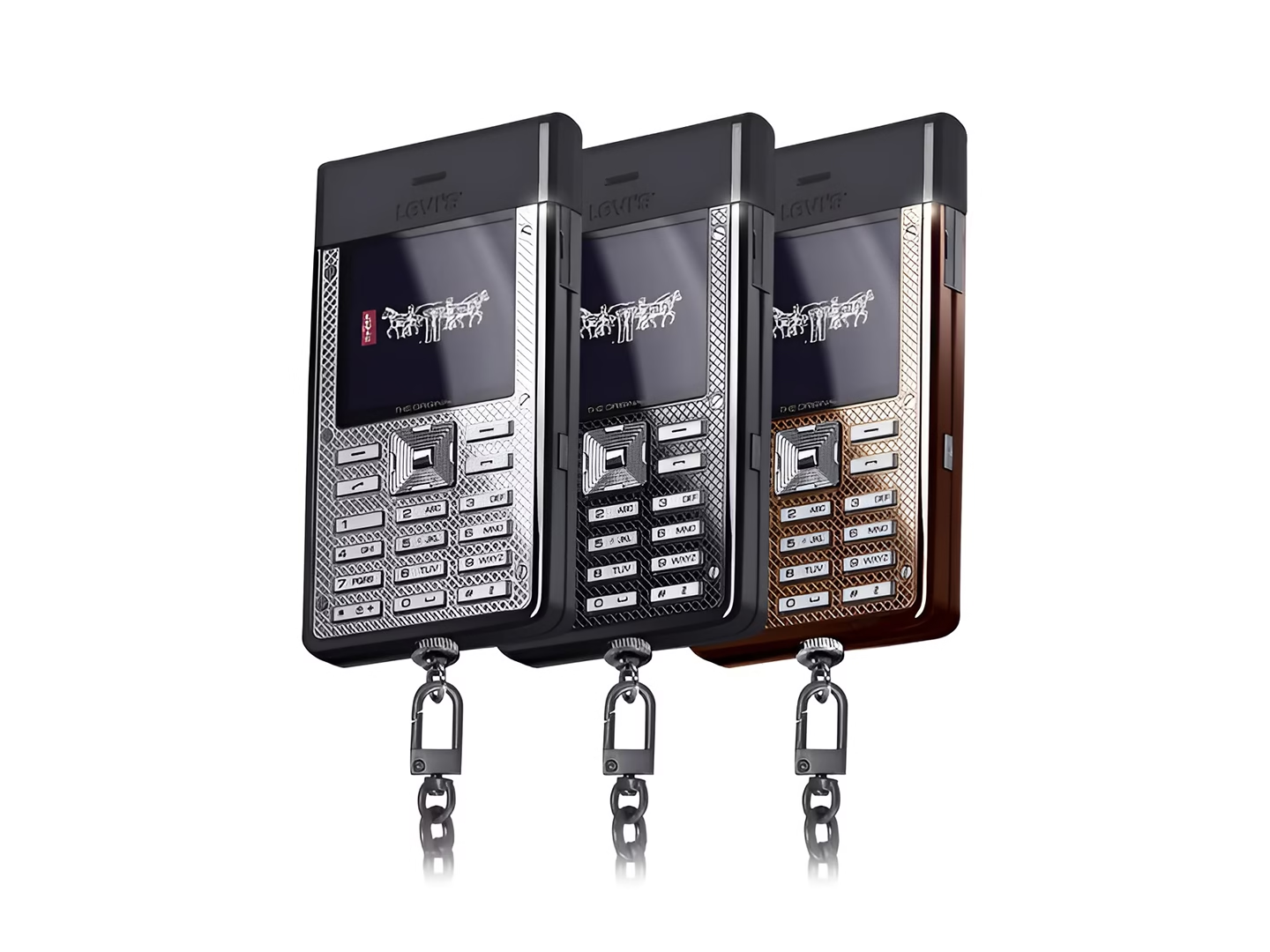
Levi’s partnered with French manufacturer ModeLabs in 2007 to translate its workwear heritage into a mobile phone. Featuring a riveted steel casing and a detachable metal chain inspired by traditional wallet chains, the device could be secured to a belt loop rather than carried in a pocket. Available in several metallic finishes, it also included a camera, music player and Bluetooth connectivity. The result was a distinctive interpretation of Levi’s utilitarian design language in electronic form.
4. Dior Phone & My Dior
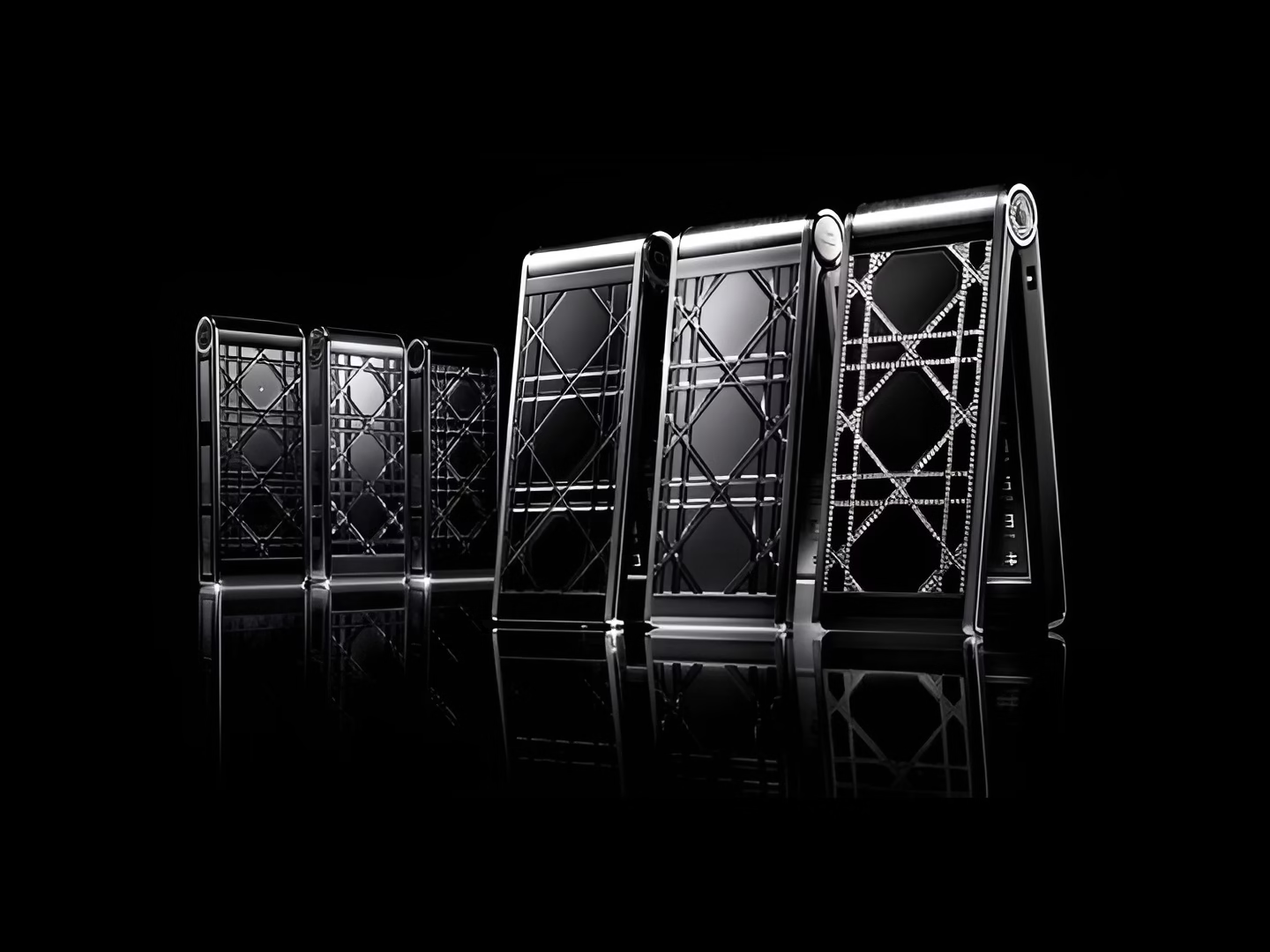
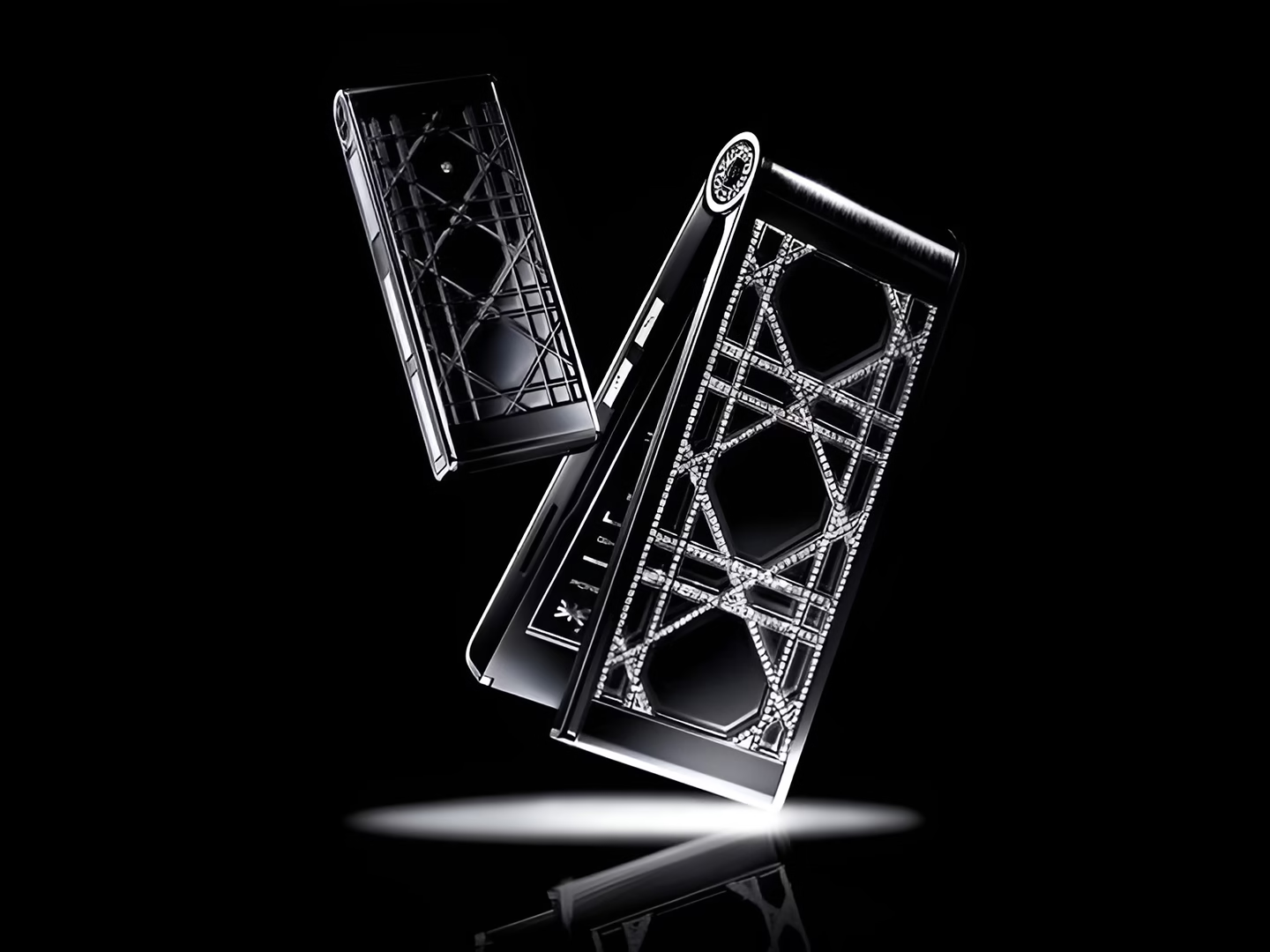
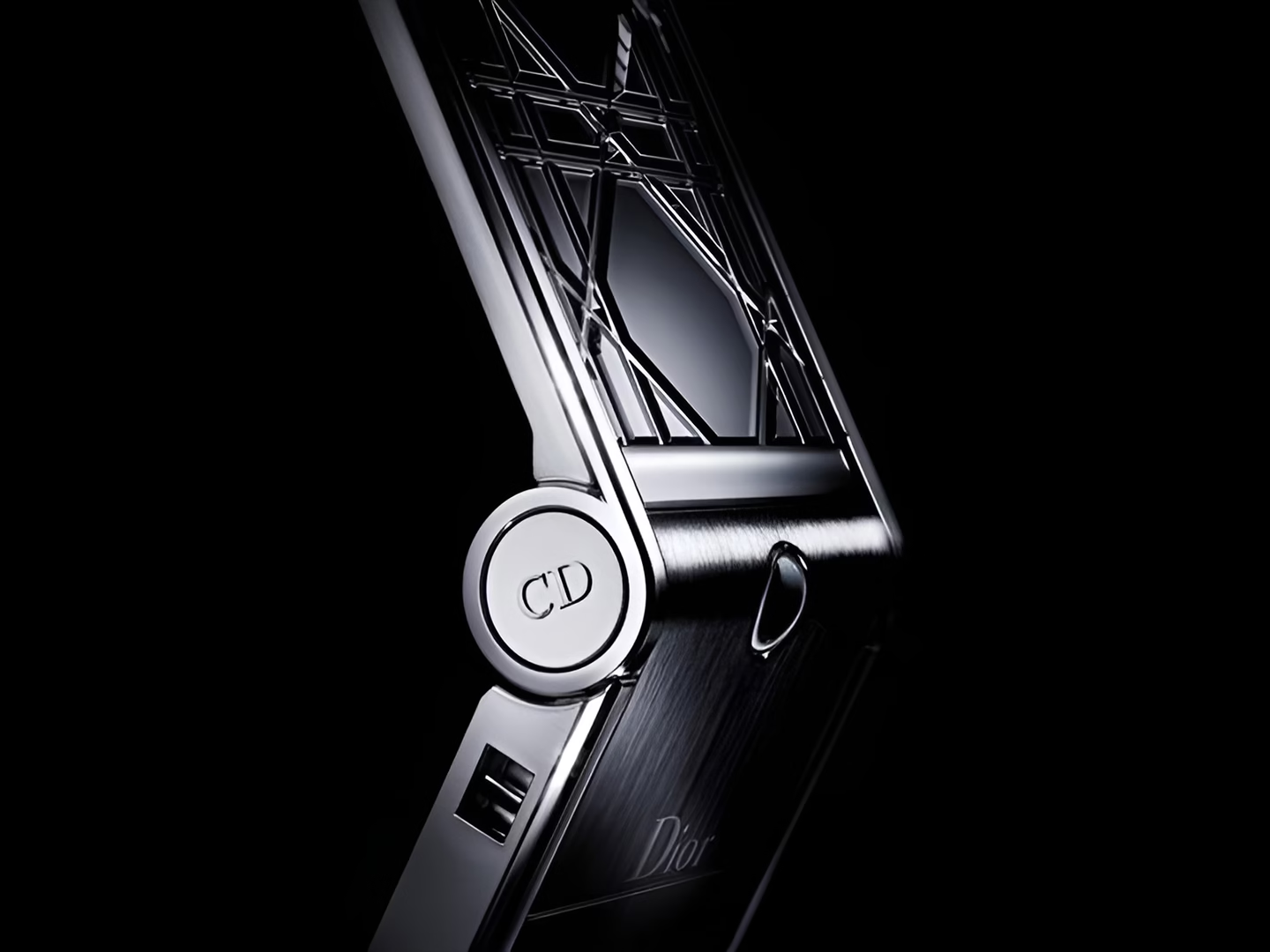
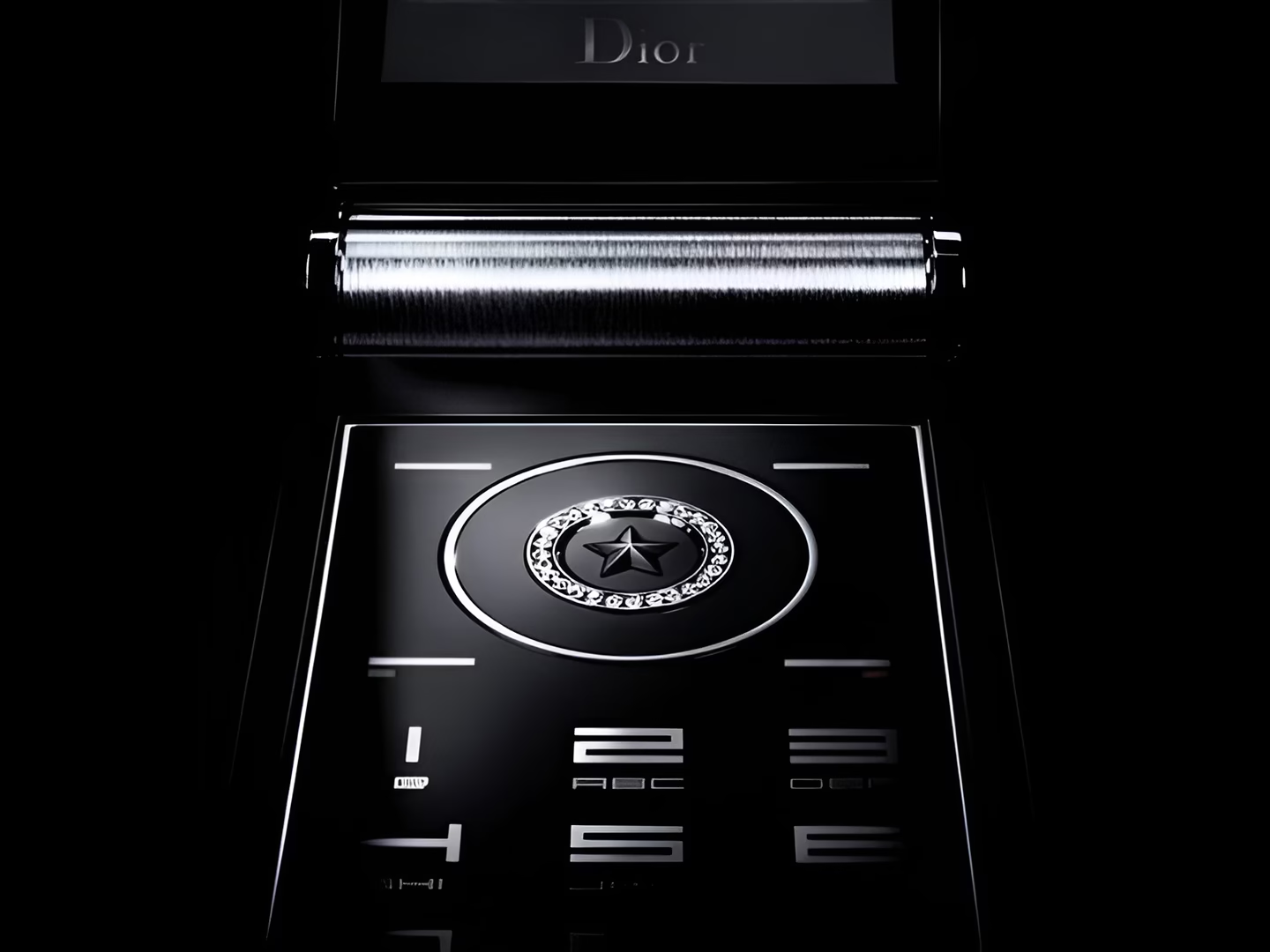
Developed with ModeLabs in 2008, the Dior Phone incorporated the house’s signature Cannage-inspired detailing and luxurious finishes. Its most unusual feature was My Dior, a miniature Bluetooth handset that could be attached to a handbag, allowing calls to be made without retrieving the main phone. With prices starting around €3,500 and reaching considerably higher for precious-metal and diamond-set versions, Dior transformed the mobile phone into a coordinated couture accessory.
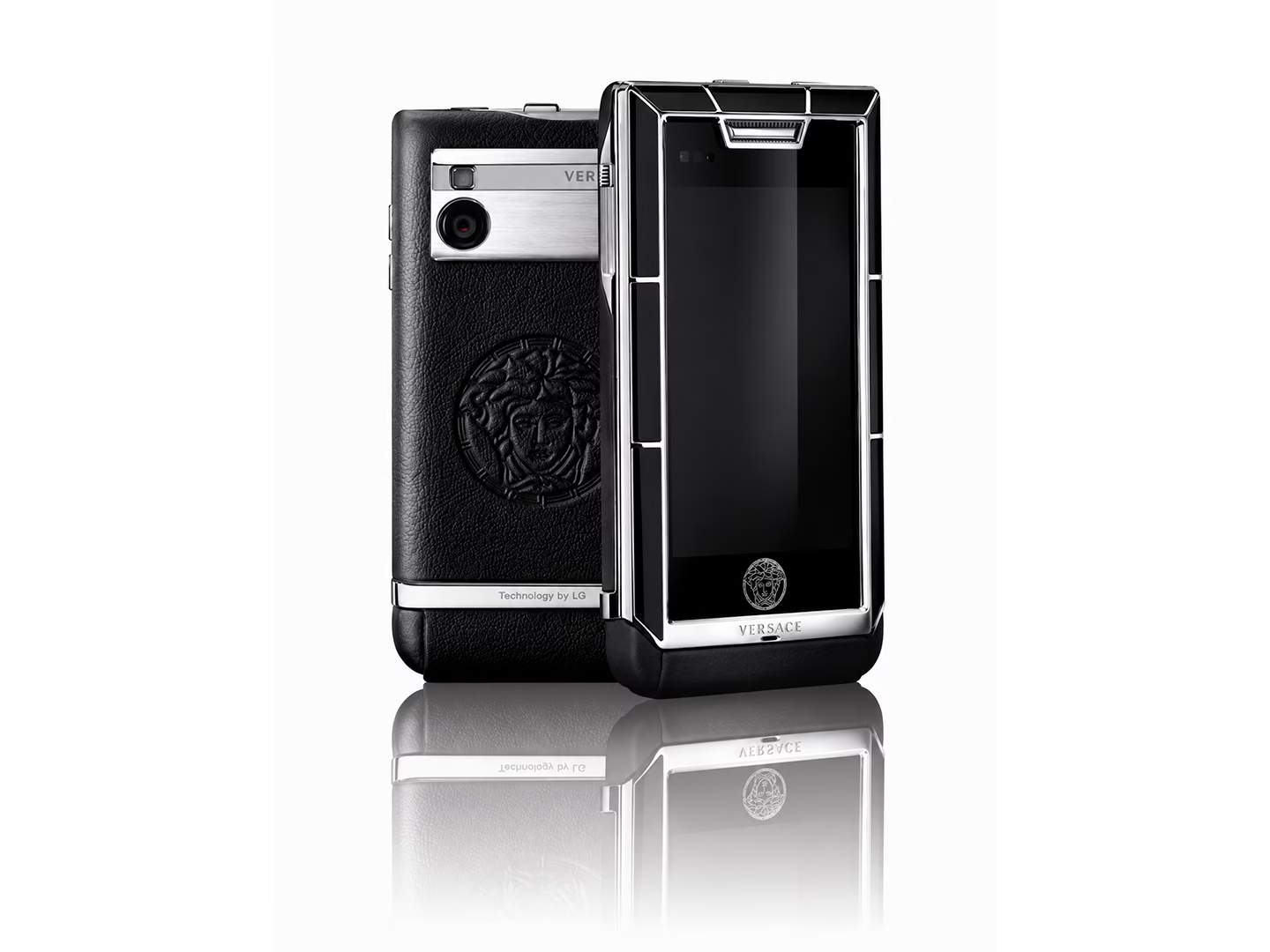
5. Versace Unique
Introduced in 2010, Versace Unique combined mobile technology with materials more commonly found in luxury watches and jewellery. Developed with ModeLabs and LG, the handset was assembled in France and featured ceramic or lacquer finishes, Medusa-embossed leather, precious-metal detailing and a sapphire-crystal touchscreen. Sold through Versace boutiques and luxury retailers, the phone represented an extravagant interpretation of personal technology at a time when smartphones were rapidly becoming the industry standard.