
Frank Lloyd Wright in Japan
A Tokyo hotel commission connected Wright with educators, brewers and architects across Japan.

A Tokyo hotel commission connected Wright with educators, brewers and architects across Japan.

A pop identity built through colour, repetition and a measured amount of discomfort.
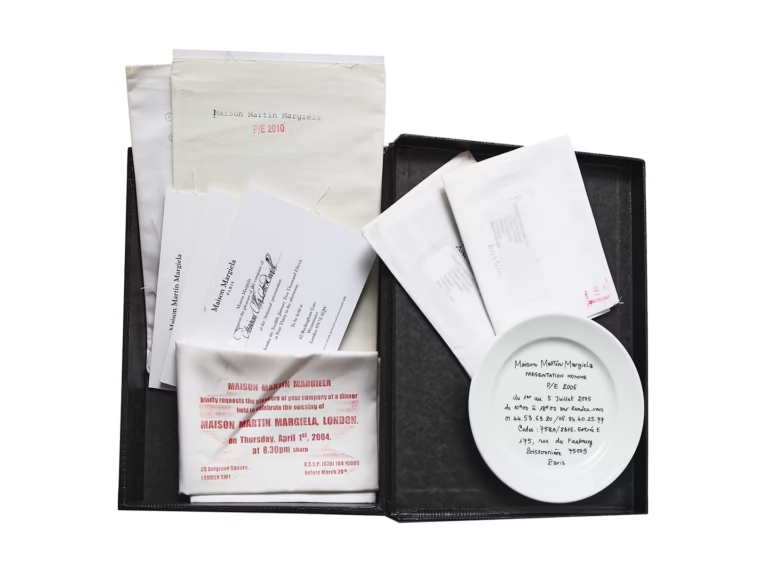
The printed matter and familiar objects behind Maison Martin Margiela’s unconventional show invitations.

Television’s empty hours were filled with circles, grids, faces, and bars, each designed to expose a different technical fault.
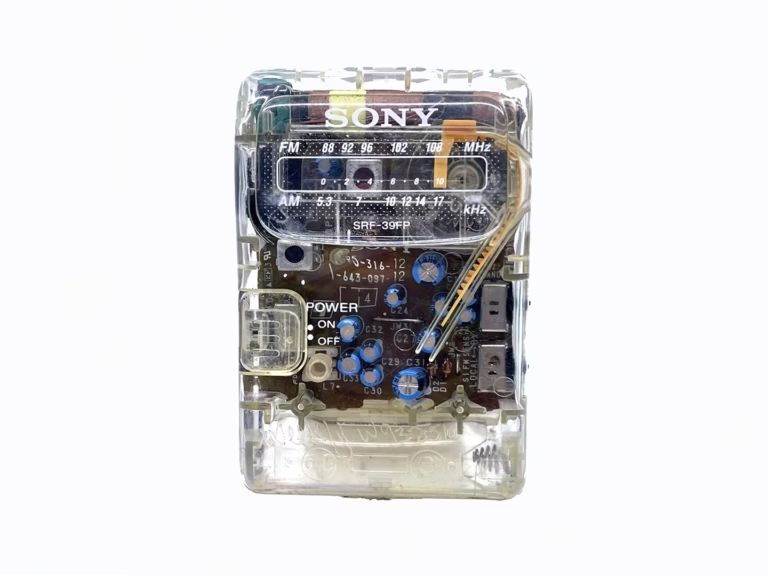
Why prison electronics are transparent, and how familiar consumer products are modified for inspection, restricted access and controlled use.
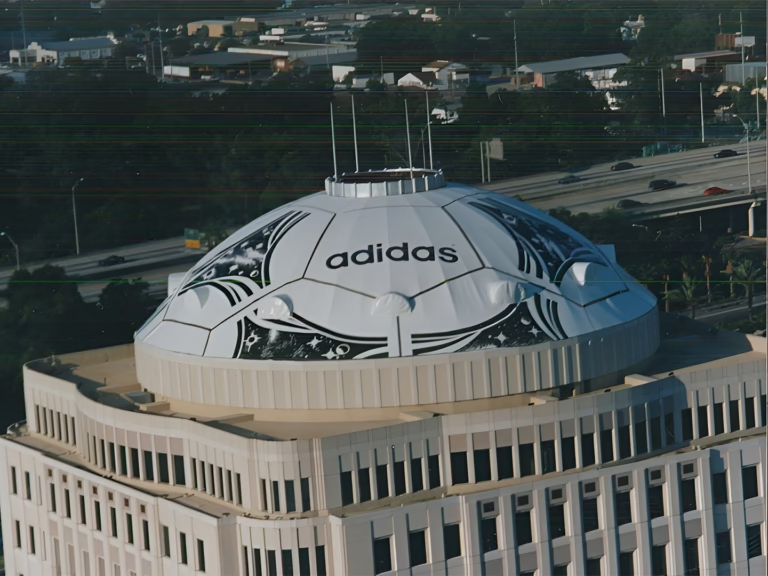
Before color, the World Cup match ball evolved through pattern, material, and tournament identity.
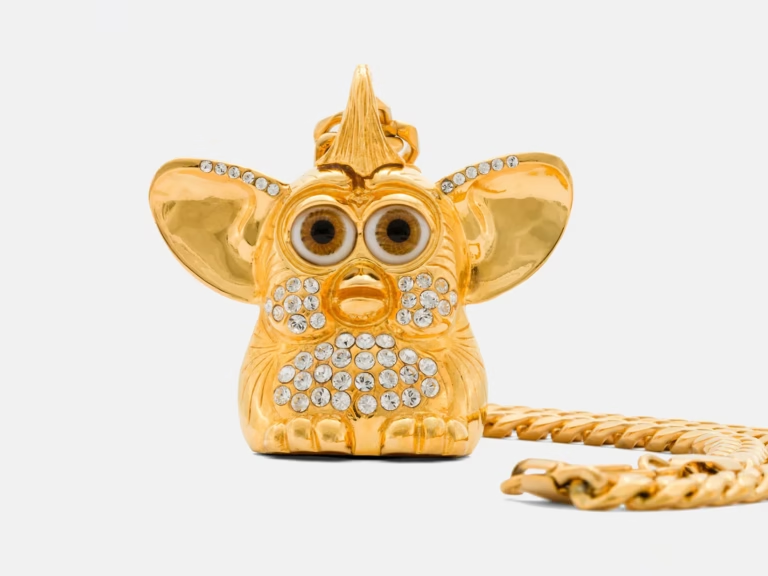
Not quite props, not quite souvenirs. These A24 collectibles extend their films through objects made for shelves, tables, and hands.
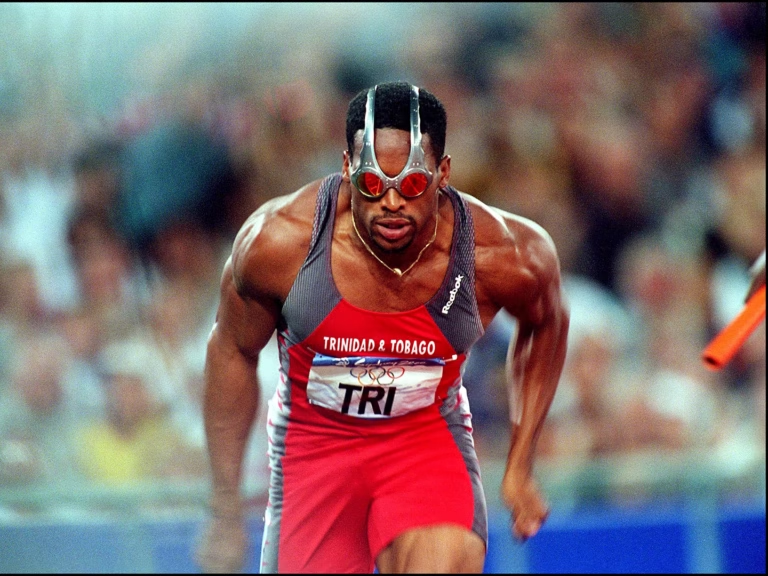
The Oakley designs that still feel displaced in time.
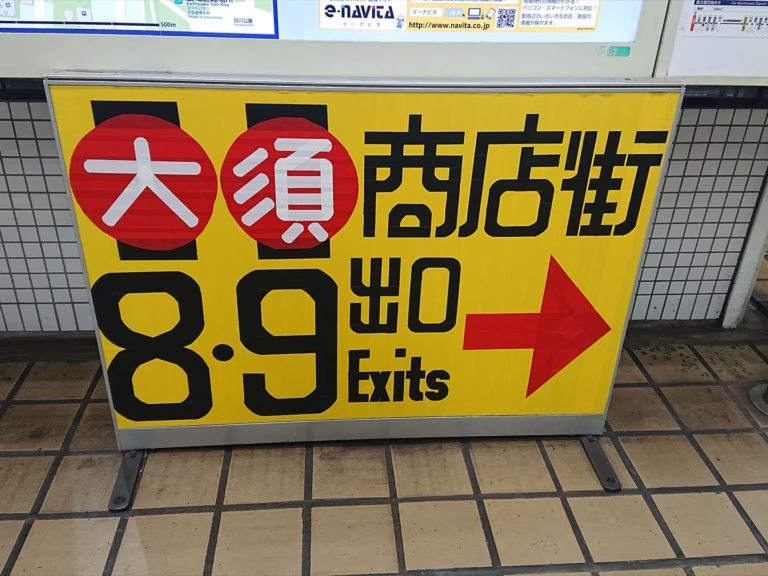
A security guard’s temporary station signs became one of Tokyo’s most recognizable forms of handmade typography.
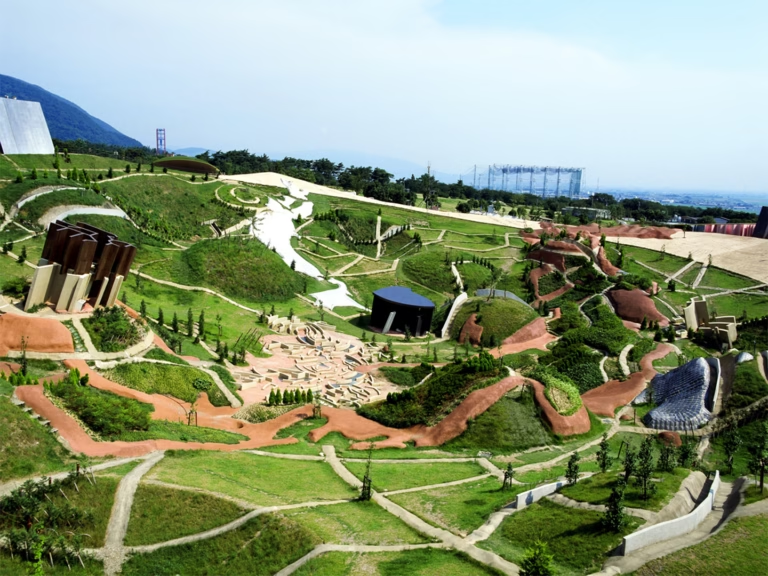
Sculptural playgrounds across Japan built between the 1960s and 2000s.