Ryuichi Sakamoto approached film music through changing combinations of melody, instrumentation, texture, and silence. Some assignments were completed under compressed deadlines, while others developed through extended exchanges with directors or from existing recordings placed during editing. Across four decades, these soundtracks followed his movement between electronic production, orchestral composition, solo piano, and environmental sound.
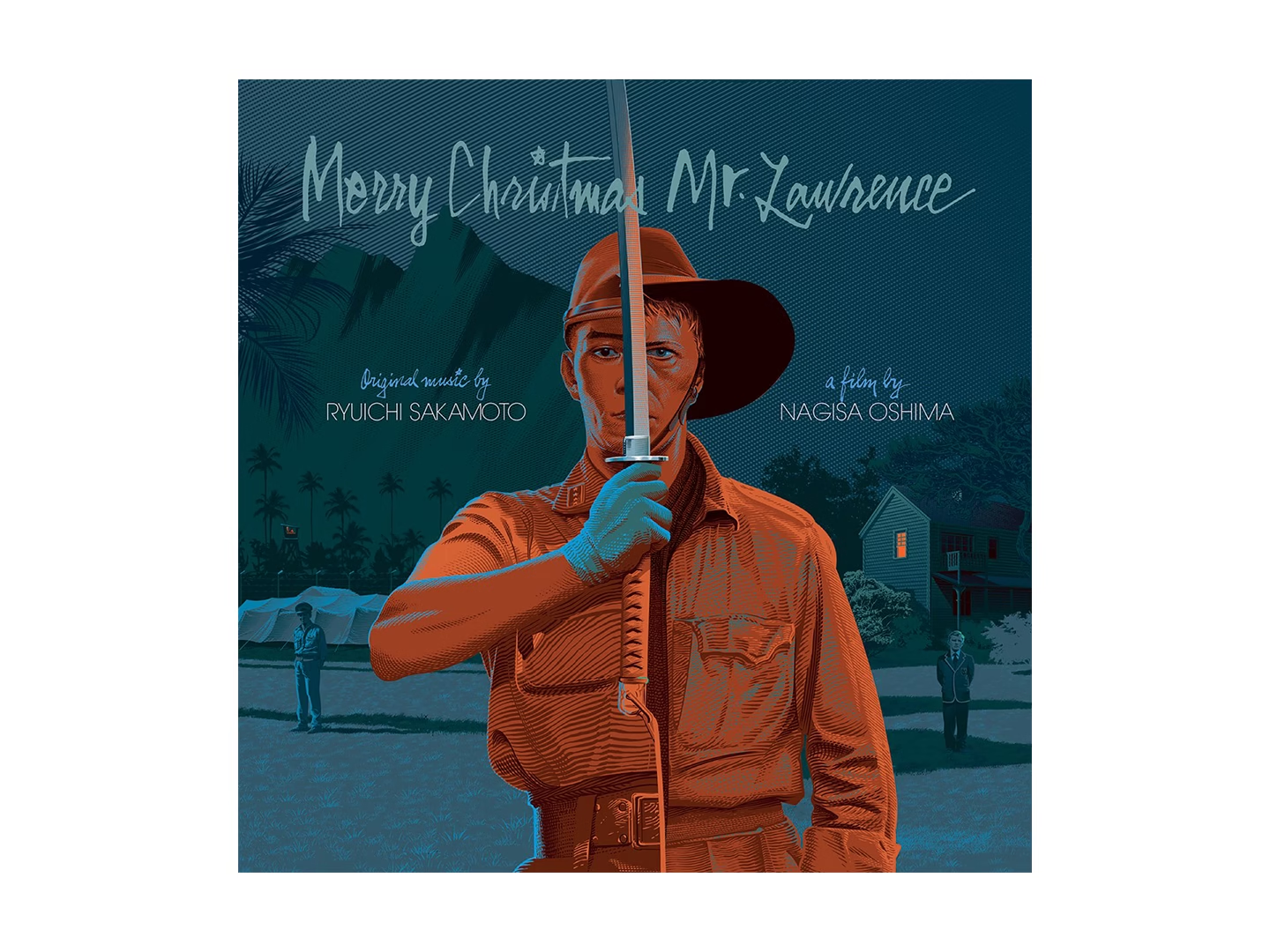
1. Merry Christmas, Mr. Lawrence (1983)
Japanese director Nagisa Ōshima first approached Sakamoto to act in the film, which Sakamoto later described as his first filmmaking experience. Although he had no established method for scoring cinema, Ōshima gave him extensive creative freedom. When Sakamoto asked British producer Jeremy Thomas for a musical reference, Thomas suggested that he watch Citizen Kane. The title piece combined acoustic piano with a Prophet-5 synthesizer, LinnDrum, and Fairlight CMI, built around Sakamoto’s idea of a Christmas melody for a tropical island during wartime. It was later adapted into “Forbidden Colours” with English musician David Sylvian. Sakamoto had initially invited his co-star David Bowie to sing, but Bowie chose to concentrate on acting in the film.
Key track “Merry Christmas Mr. Lawrence”
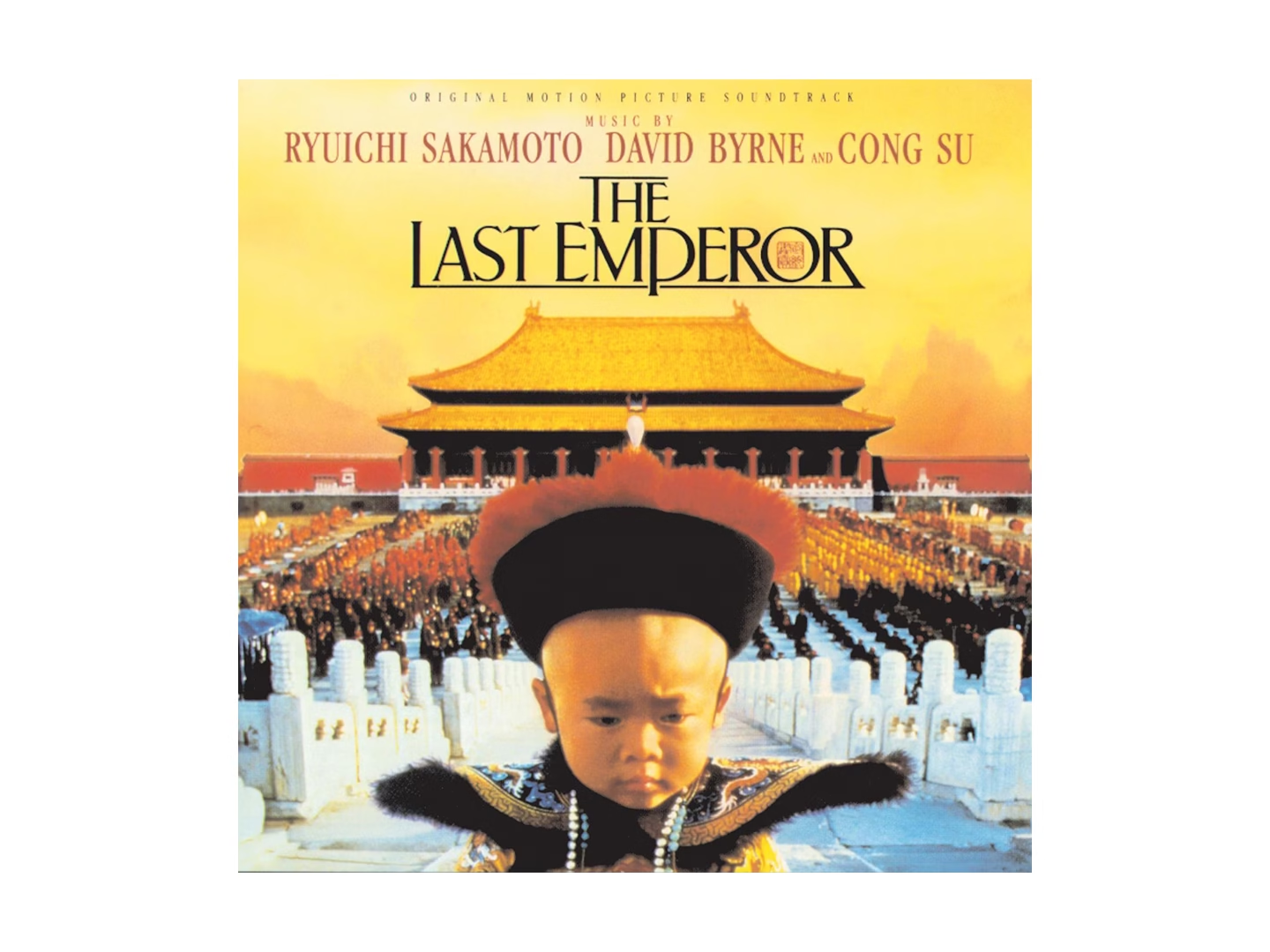
2. The Last Emperor (1987)
Sakamoto joined Italian director Bernardo Bertolucci’s production as an actor, portraying Masahiko Amakasu, without expecting to compose its music. Several months after filming, he was asked to contribute to the score and worked under a one-week deadline, later recalling that he produced 45 cues during that period. He located Chinese musicians around Tokyo, recorded them, and carried the material to London. He also recalled an enthusiastic response when he first played “Rain” for Bertolucci and the editorial team. The released album contains nine pieces by Sakamoto, five by musician and composer David Byrne, and one by composer Cong Su.
Key track “The Last Emperor Theme”
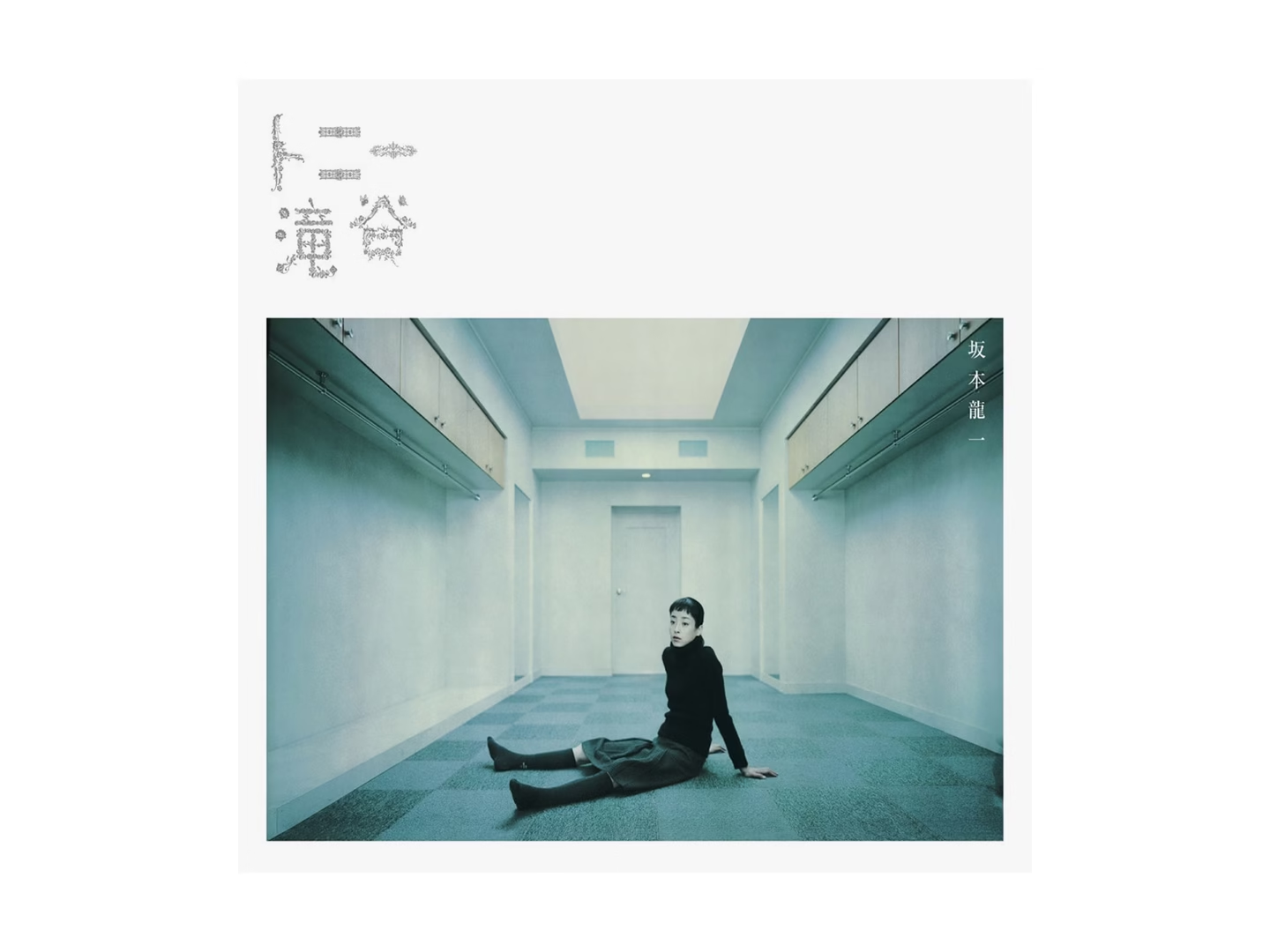
3. Tony Takitani (2004)
Japanese director Jun Ichikawa’s adaptation of a short story by novelist Haruki Murakami received an eleven-track score performed entirely on piano. Its sequence repeatedly returns to “Solitude” and “Harmonics,” including variations titled “Solitude Short,” “Solitude One Note,” and “Solitude Theme.” Initially available only as a digital release, the soundtrack appeared on CD in 2007 and received its first vinyl edition in 2024. “Solitude” also remained part of Sakamoto’s concert repertoire and was included in his final concert film, Ryuichi Sakamoto | Opus. For that performance, filmmaker Neo Sora, Sakamoto’s son, used lateral camera movement to echo the tracking shots found in Ichikawa’s film.
Key track “Solitude”
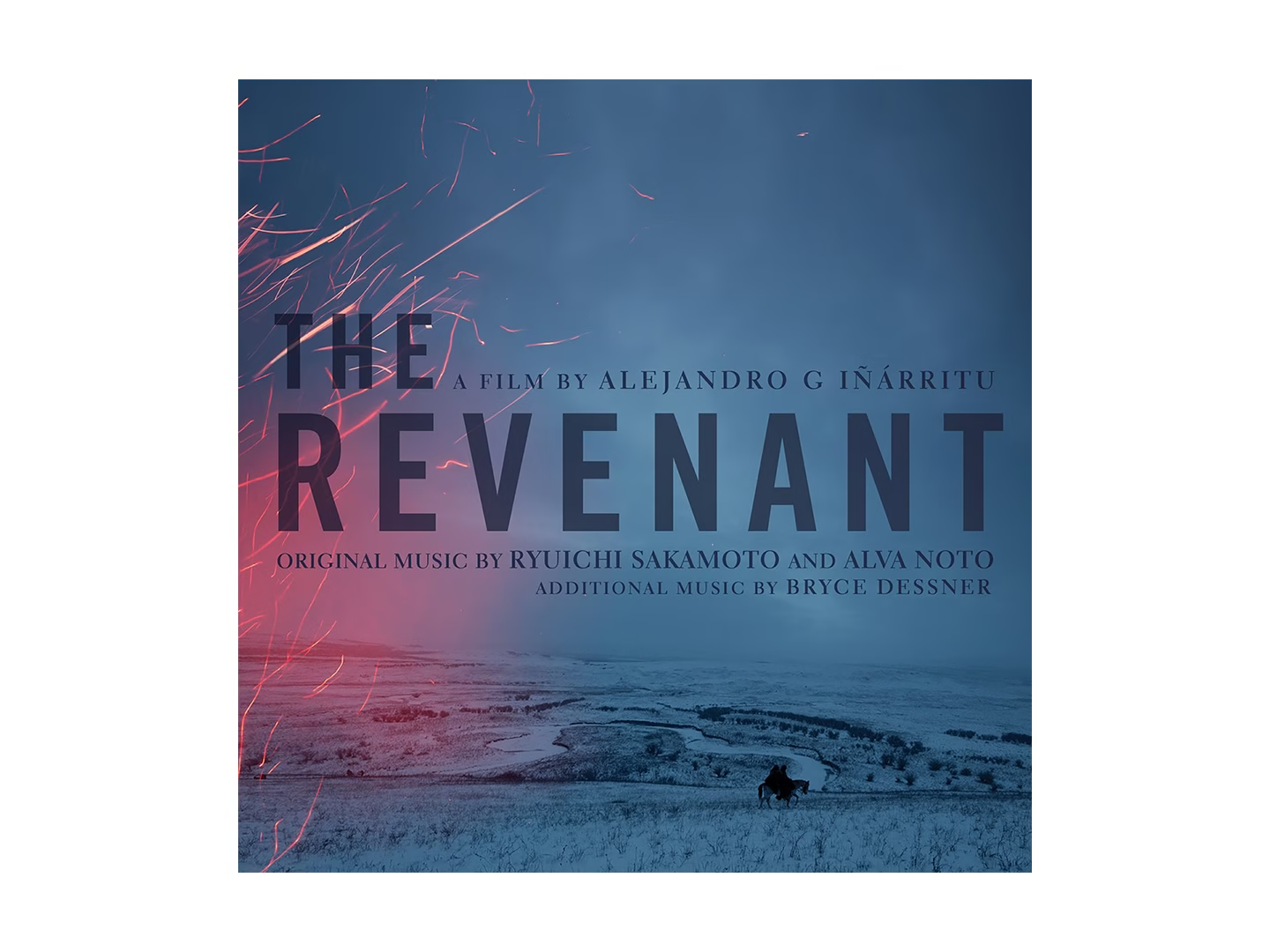
4. The Revenant (2015)
Created as Sakamoto returned to work following a year-long hiatus, the score developed into a collaboration with German electronic artist Alva Noto and composer Bryce Dessner. As Mexican director Alejandro González Iñárritu requested further electronic textures, the growing workload led Sakamoto and the director to bring Noto into the project. Sakamoto composed and recorded most of the orchestral strings, which Noto processed and treated electronically. Among the material Sakamoto submitted were synthesizers, piano, and taiko drums, while the sessions also featured Icelandic composer and cellist Hildur Guðnadóttir and Ondes Martenot player Motoko Oya. Sakamoto said he wanted the score to complement the stark, cold simplicity of nature and function as an extension of the images.
Key track “The Revenant Main Theme”
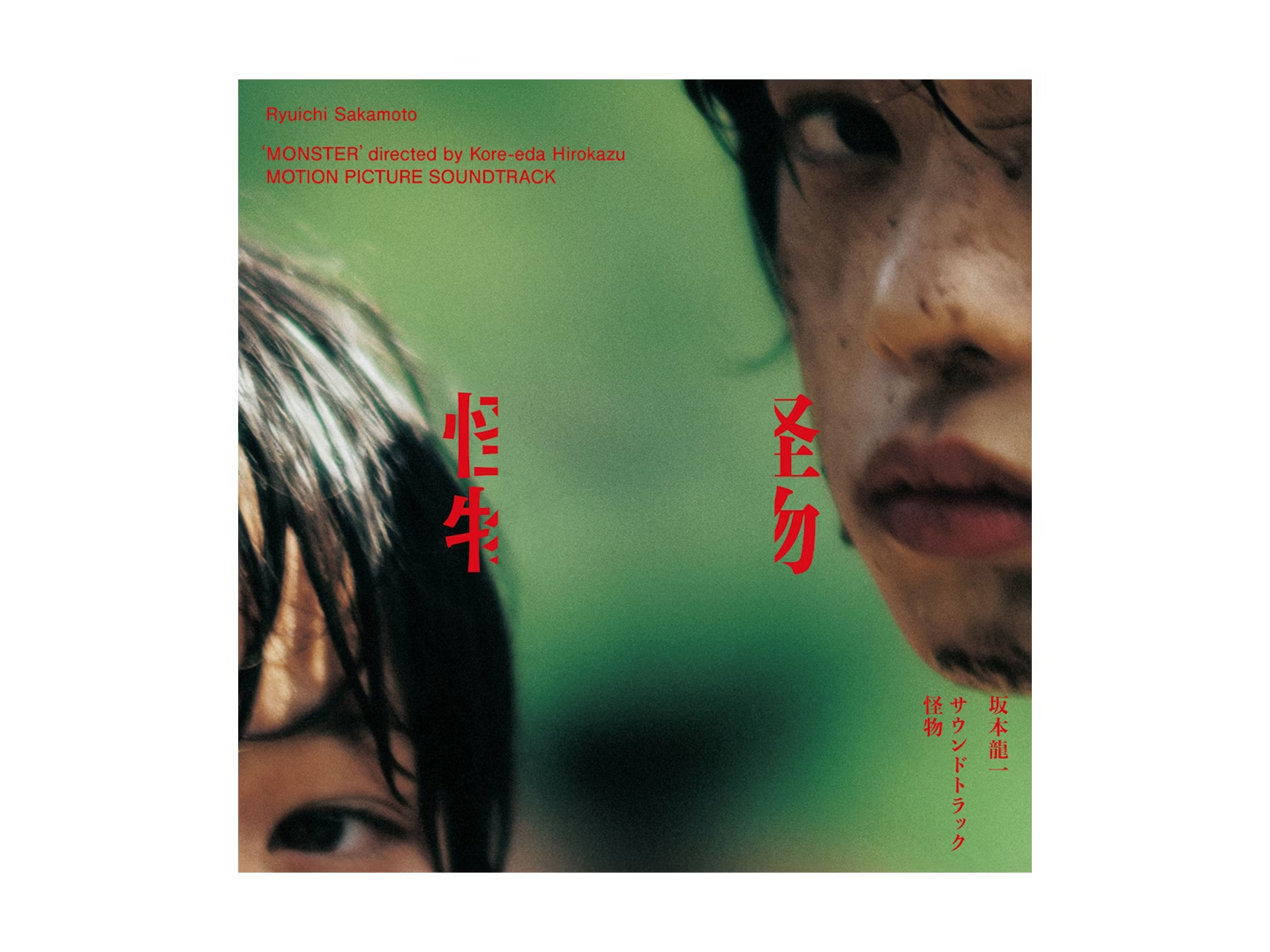
5. Monster (2023)
Japanese director Hirokazu Kore-eda had wanted to work with Sakamoto for roughly a decade before their collaboration became possible. During editing, the director assembled an early cut using existing Sakamoto recordings and sent it to him as a reference. Unable to produce an entirely new score, Sakamoto contributed two original piano pieces titled “Monster 1” and “Monster 2.” The completed soundtrack combines them with the previously released “20220207,” “20220302,” “hwit,” “hibari,” and “Aqua.” Kore-eda stated that if Sakamoto had declined, he would have used environmental sound instead of approaching another composer. Working with the recording department, he distinguished sounds such as fire, water, rain, footsteps, and changing interior spaces alongside Sakamoto’s music.
Key track “Monster 1”