In parts of the United States prison system, personal electronics and appliances are designed around inspection. Items permitted as inmate property can be required to use clear housings, making their internal components visible and reducing spaces where contraband or unauthorized modifications could be hidden. Other restrictions may limit recording functions, data ports, removable parts and adjustable controls. The result is a distinct category of familiar products rebuilt for correctional use.
1. Sony SRF-39FP Radio
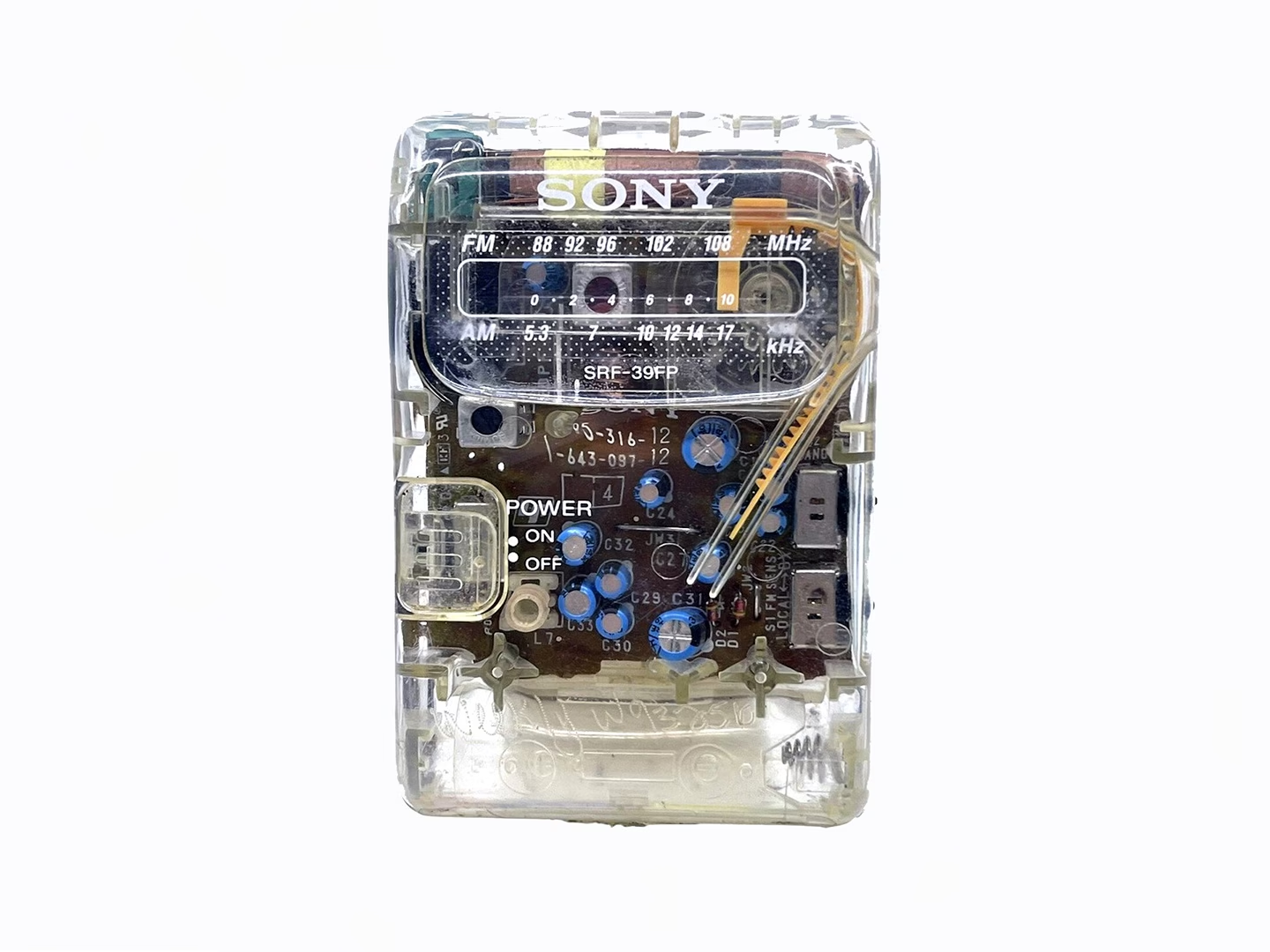
Correctional records provide unusually direct evidence for Sony’s prison radio. The company’s support archive identifies the SRF-39FP as its “Clear Body Prison Model,” while records from Orange and Los Angeles counties name the exact device. Its transparent shell exposes the circuit board, tuning assembly, antenna and single AA battery. The radio provided approximately 40 hours of listening from one battery, a practical advantage when batteries had to be purchased through a commissary. Its familiar Sony branding and analog controls remained intact, but the casing was rebuilt for inspection.
2. Clear Tunes 13-Inch Television
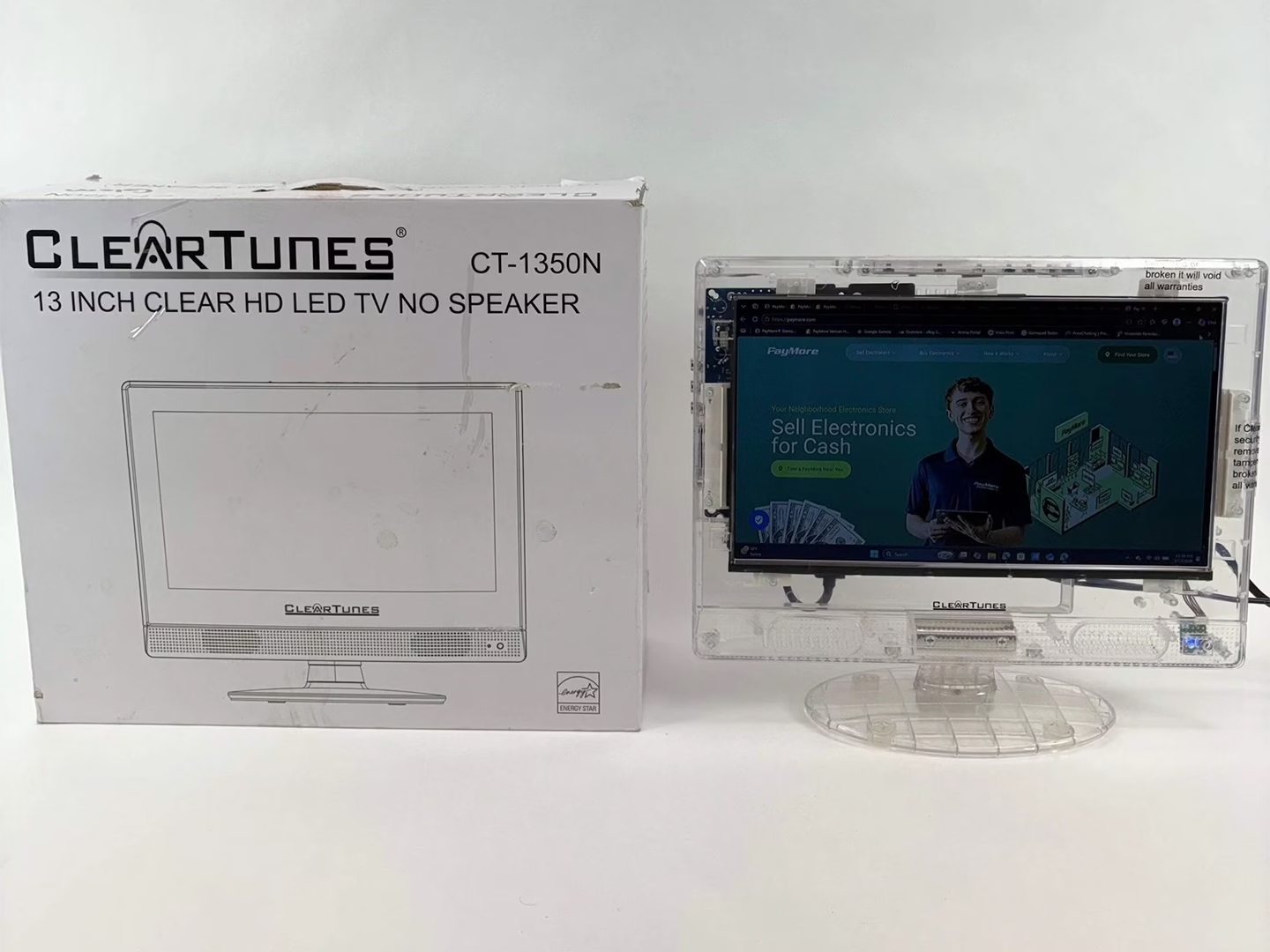
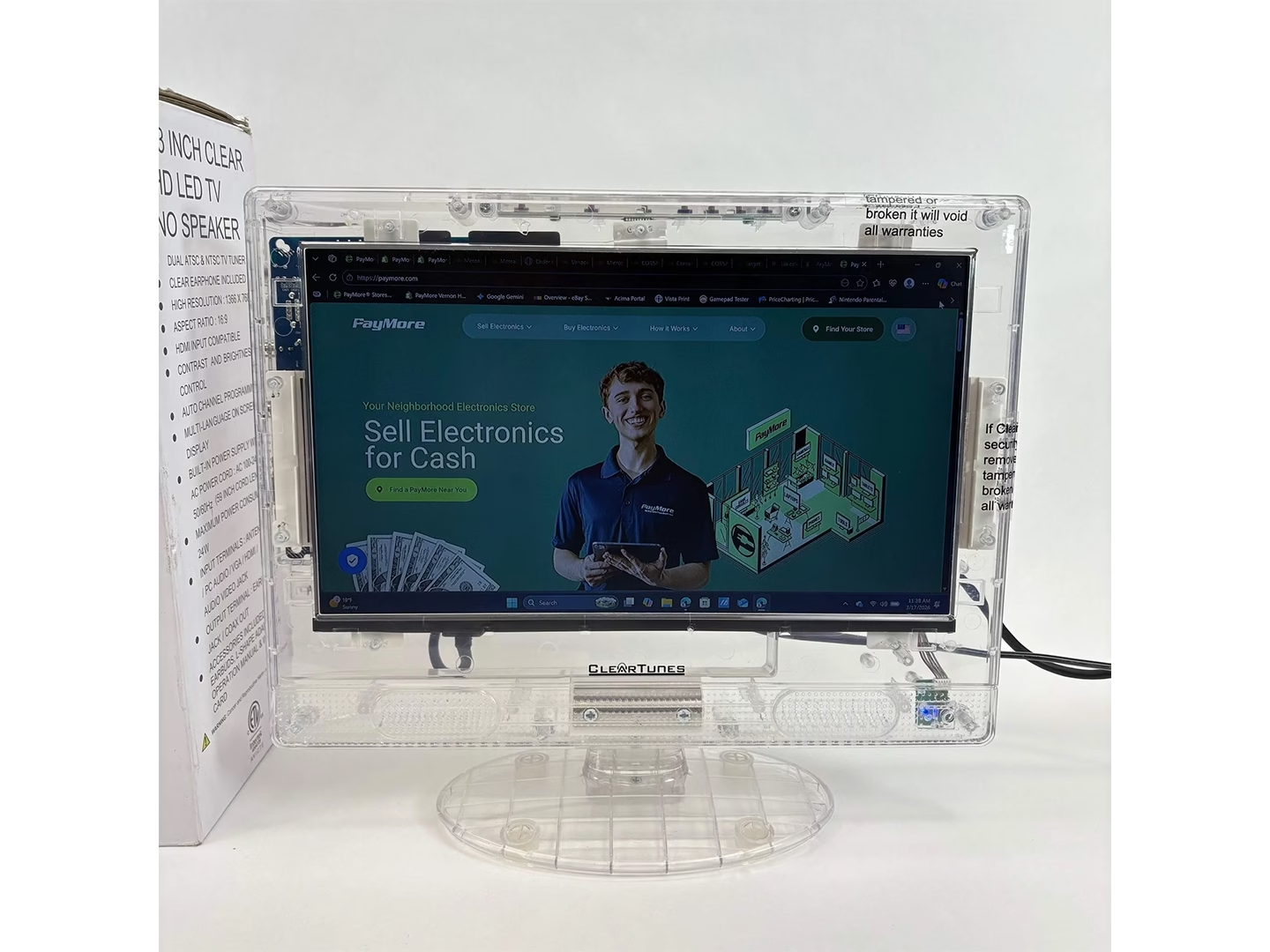
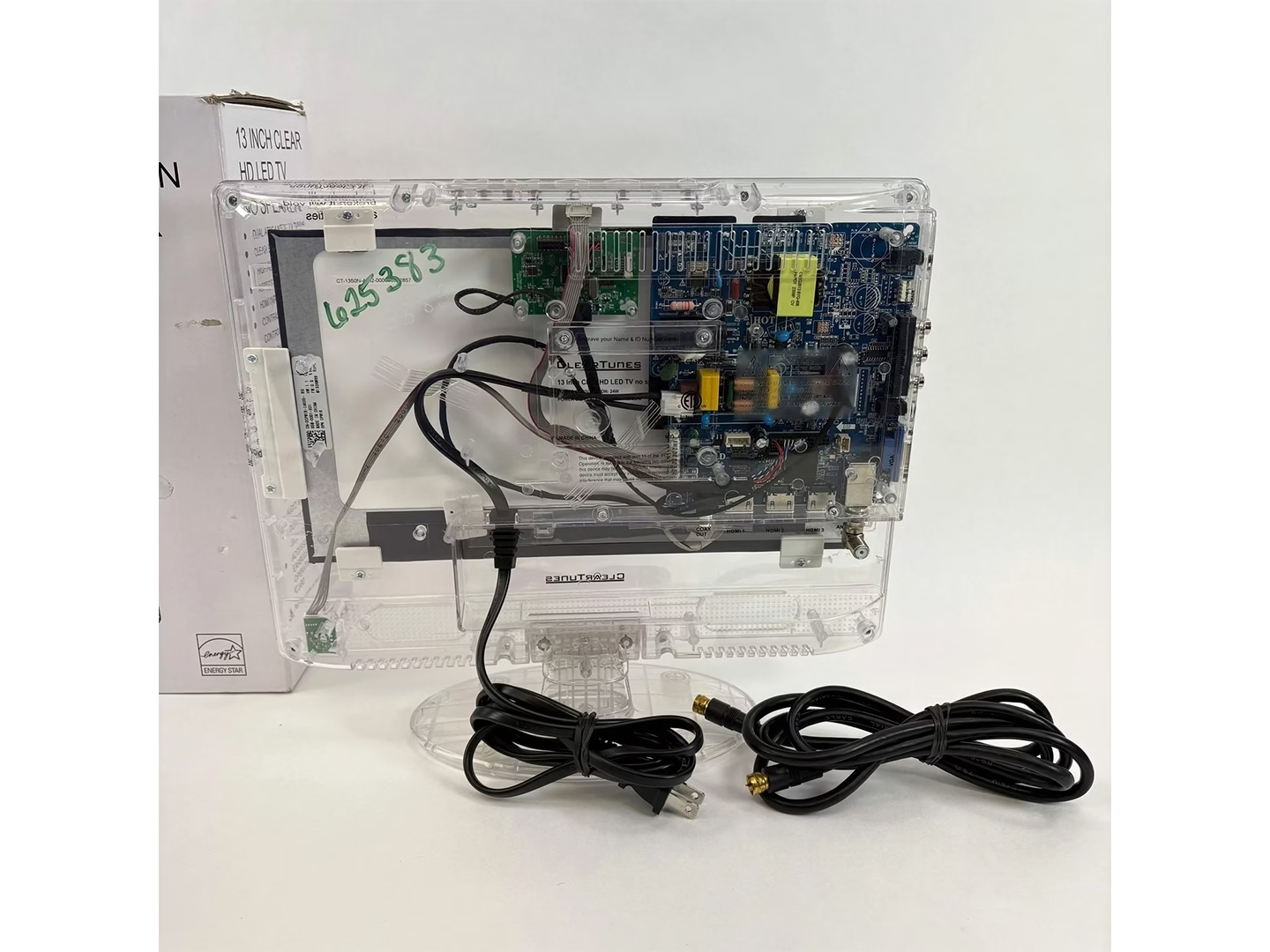
Transparent televisions applied the same principle to an object with considerably more internal space. The CT-1350N pictured here belongs to a series of 13-inch clear televisions sold under the Clear Tunes name. A Kansas Department of Corrections property menu confirms that 13-inch Clear Tunes televisions without speakers were available for inmate purchase, although it does not specify the model number. The transparent rear cabinet leaves the circuit boards, power supply and wiring visible. Screen size, speakers, remote controls and external connections could also be restricted.
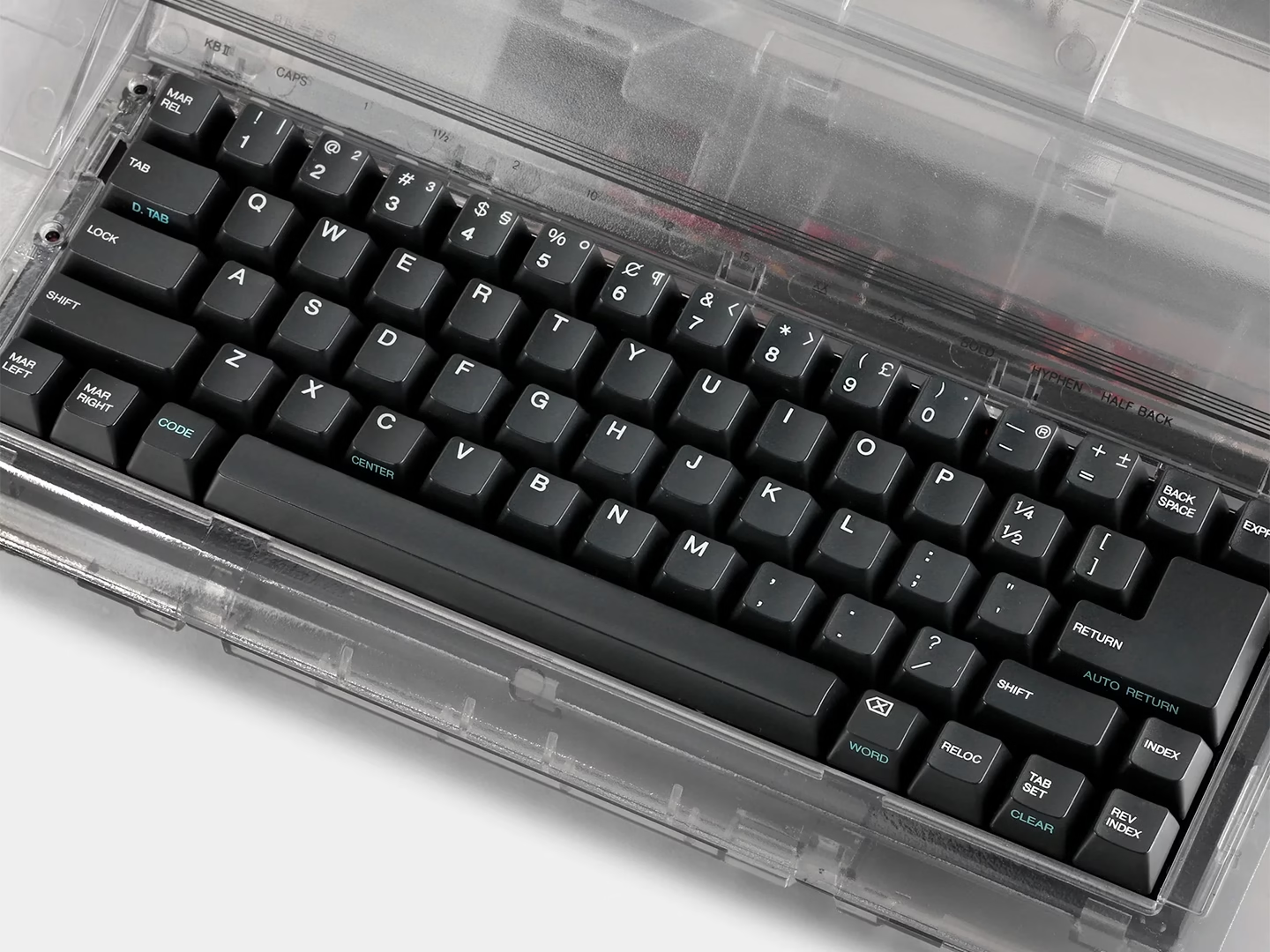
3. Swintec 2410CC Typewriter
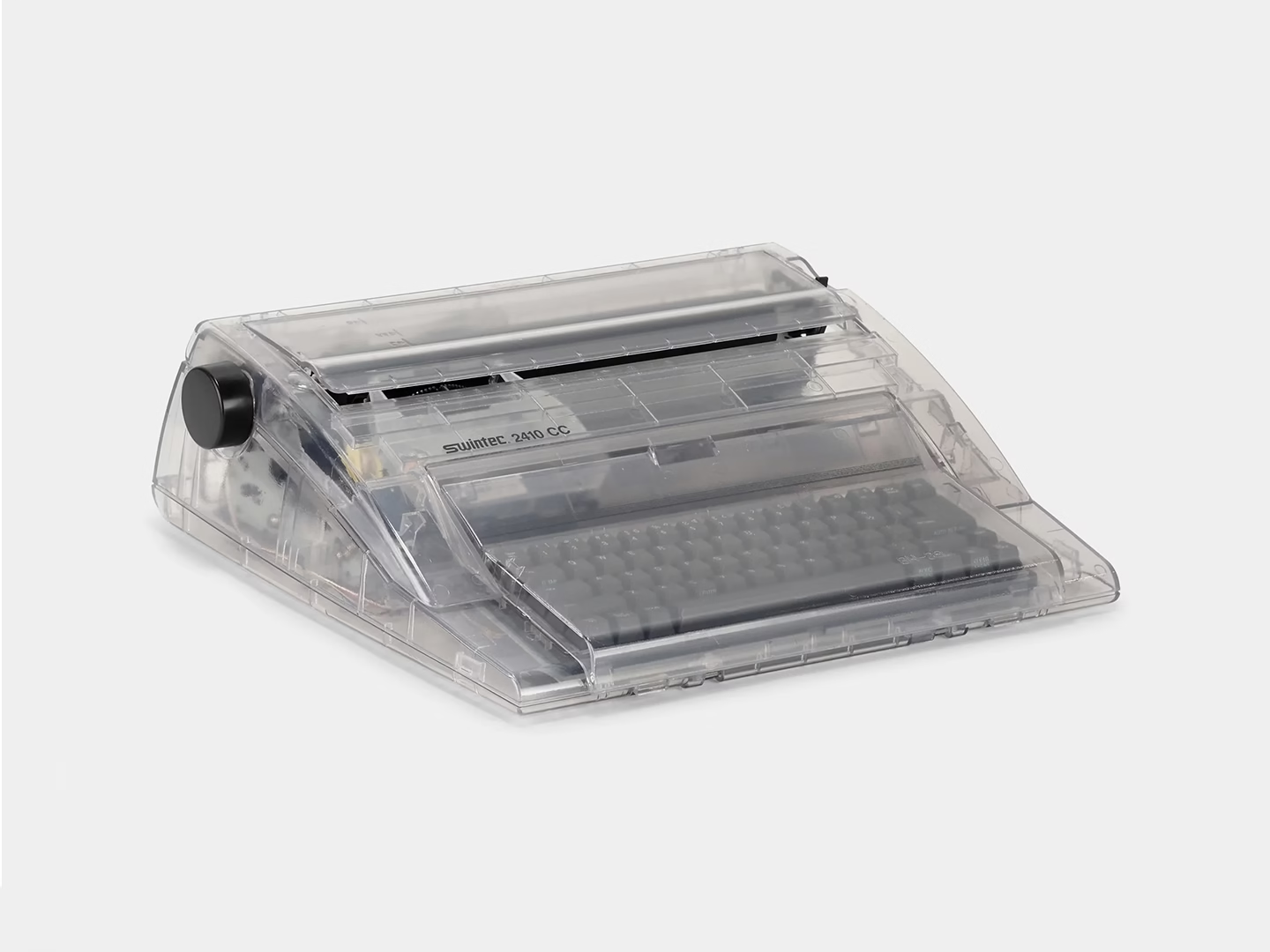
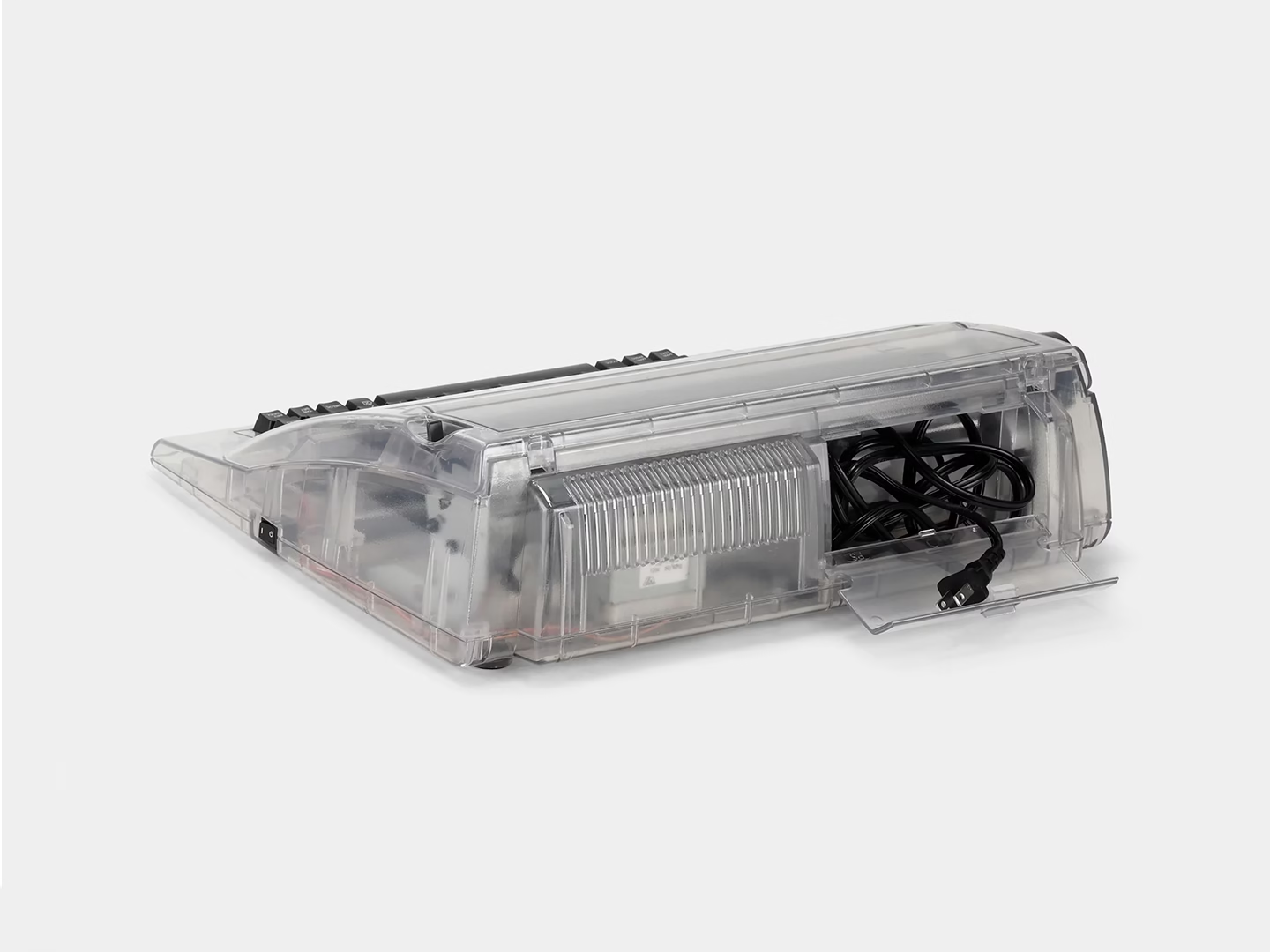
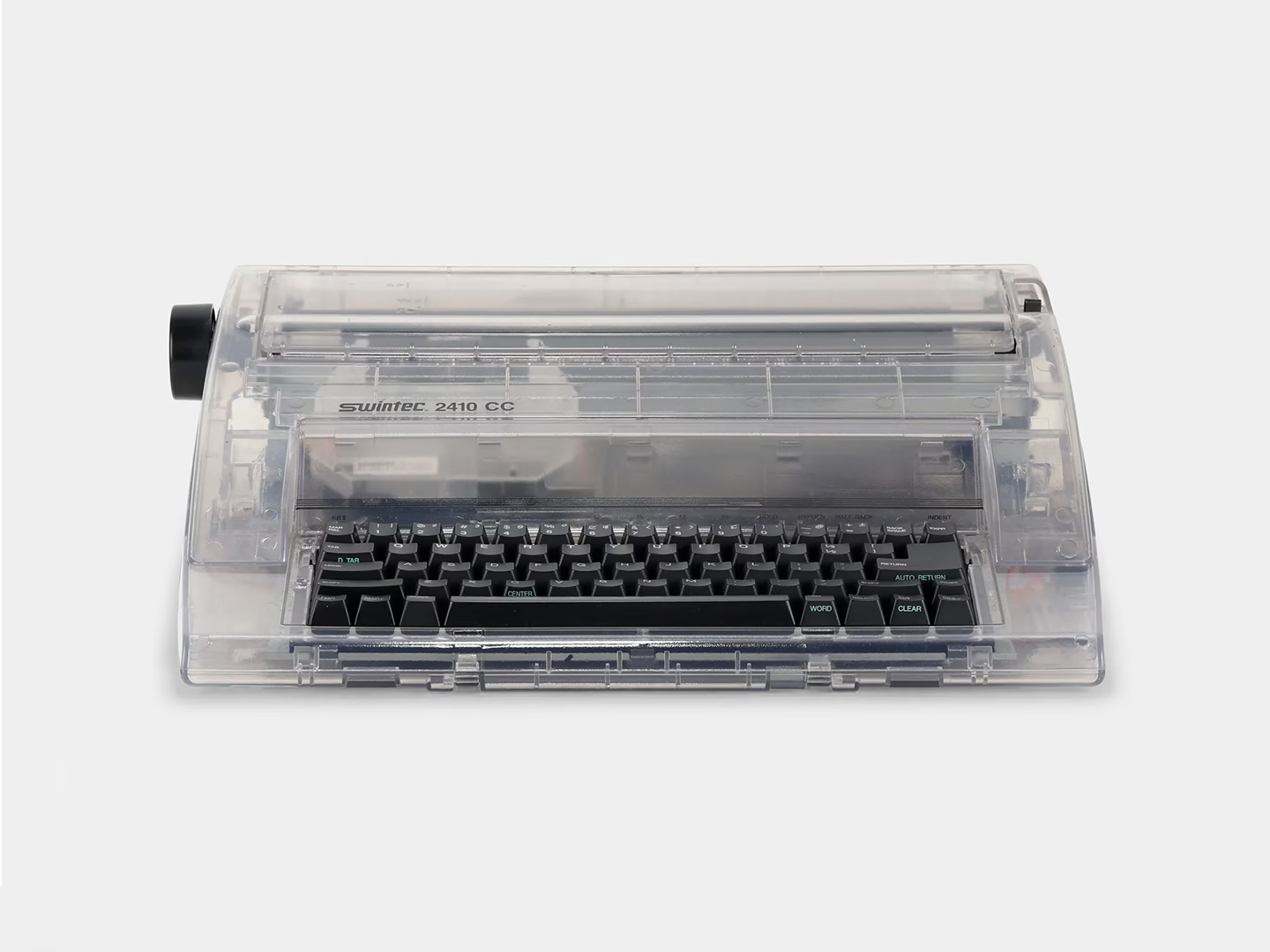
Electric typewriters presented a different inspection problem because of their internal machinery and open space. The Swintec 2410CC uses a clear cabinet that exposes its motor, wiring, ribbon system and print mechanism. Swintec describes it as designed for correctional institutions, and the exact model appears on approved property lists from Michigan and Kansas. Rules could also limit memory, removable storage and data ports. The 2410CC retained functions such as correction memory and decimal tabulation within this controlled design.
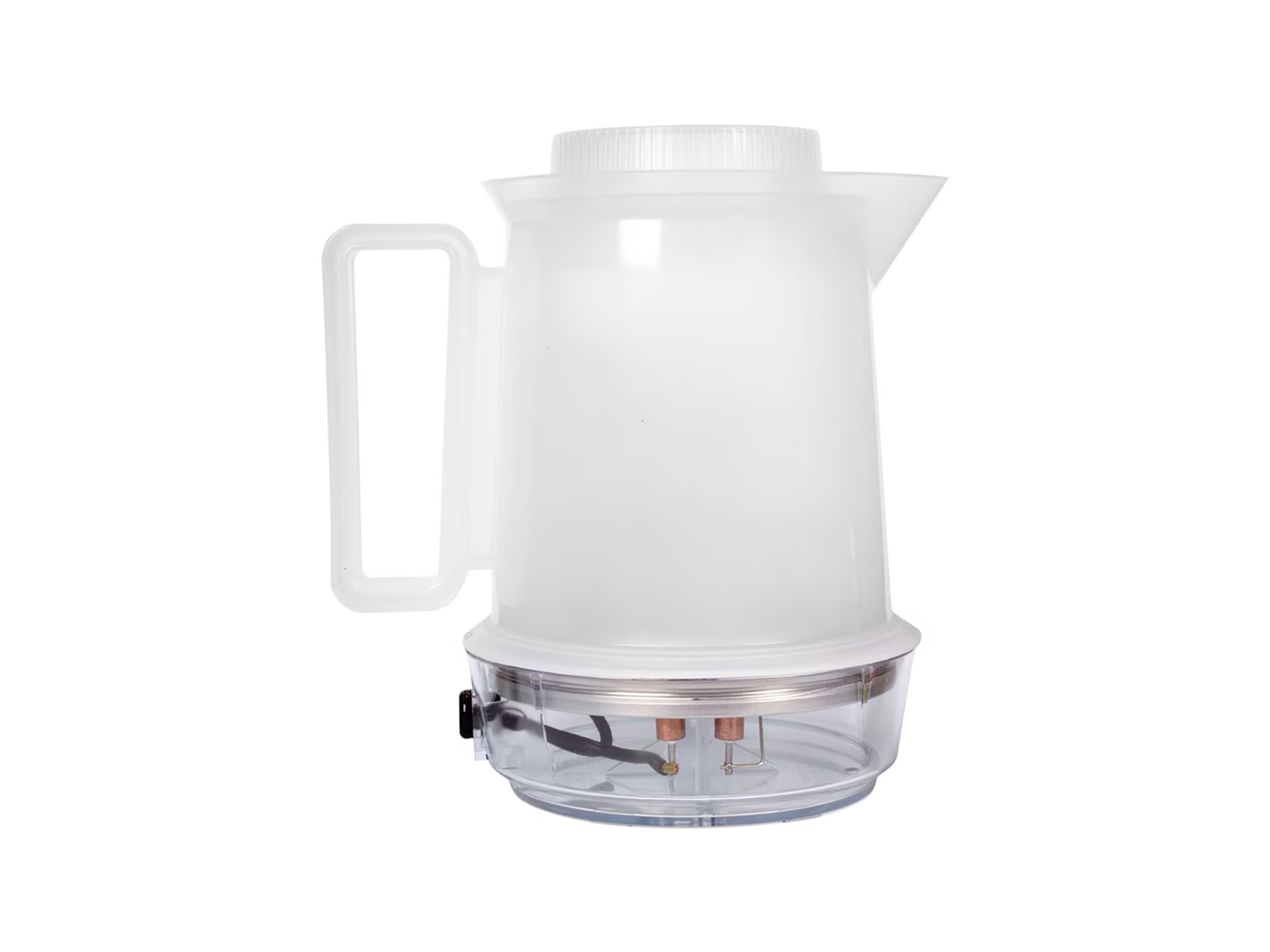
4. West Bend Prison Hot Pot
The West Bend 53645R uses a translucent container and clear, non-removable base that exposes the electrical components underneath. Missouri correctional specifications also required internal ribs, countersunk break-off screws, a fixed thermostat and a temperature-sensitive thermal fuse. Operating at no more than 350 watts, the hot pot was set to approximately 157 degrees Fahrenheit, below the boiling point of water. Its construction combined visibility with restrictions on temperature, power and internal access.
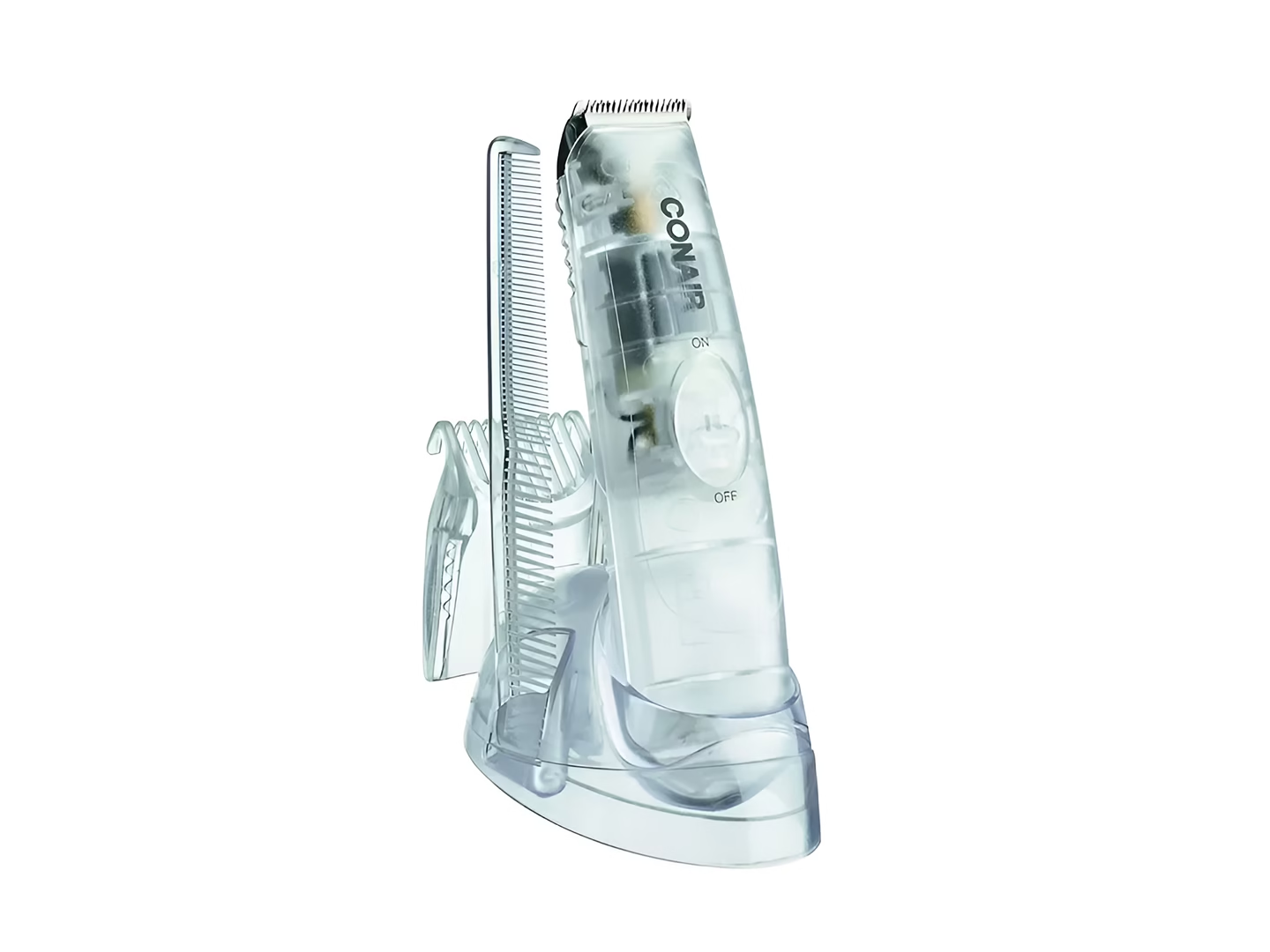
5. Conair GMT100A Trimmer
Small grooming devices could also contain enclosed space, removable components and accessible blades. The battery-operated Conair GMT100A uses a transparent body that exposes its motor, wiring and two AA batteries. A 2026 Louisiana correctional procurement document requested 600 units for canteen resale, while Michigan lists the Conair 100A as approved prisoner property. The trimmer includes an adjustable guide, comb, cleaning brush and storage stand. Correctional policies can further regulate blade length, attachments, spare blades and lubricating oil.