Friedensreich Hundertwasser (1928–2000) was an Austrian painter and environmentalist whose work extended into architecture. Born Friedrich Stowasser in Vienna, he challenged the uniformity of modern buildings and advocated individual expression and a closer relationship with nature. Working with architects, he developed projects with irregular forms, ceramic surfaces and planted roofs. Selected for their unexpected uses, these projects show how his architectural ideas took shape in places built around everyday needs.
1. Maishima Incineration Plant
Osaka, Japan · 2001
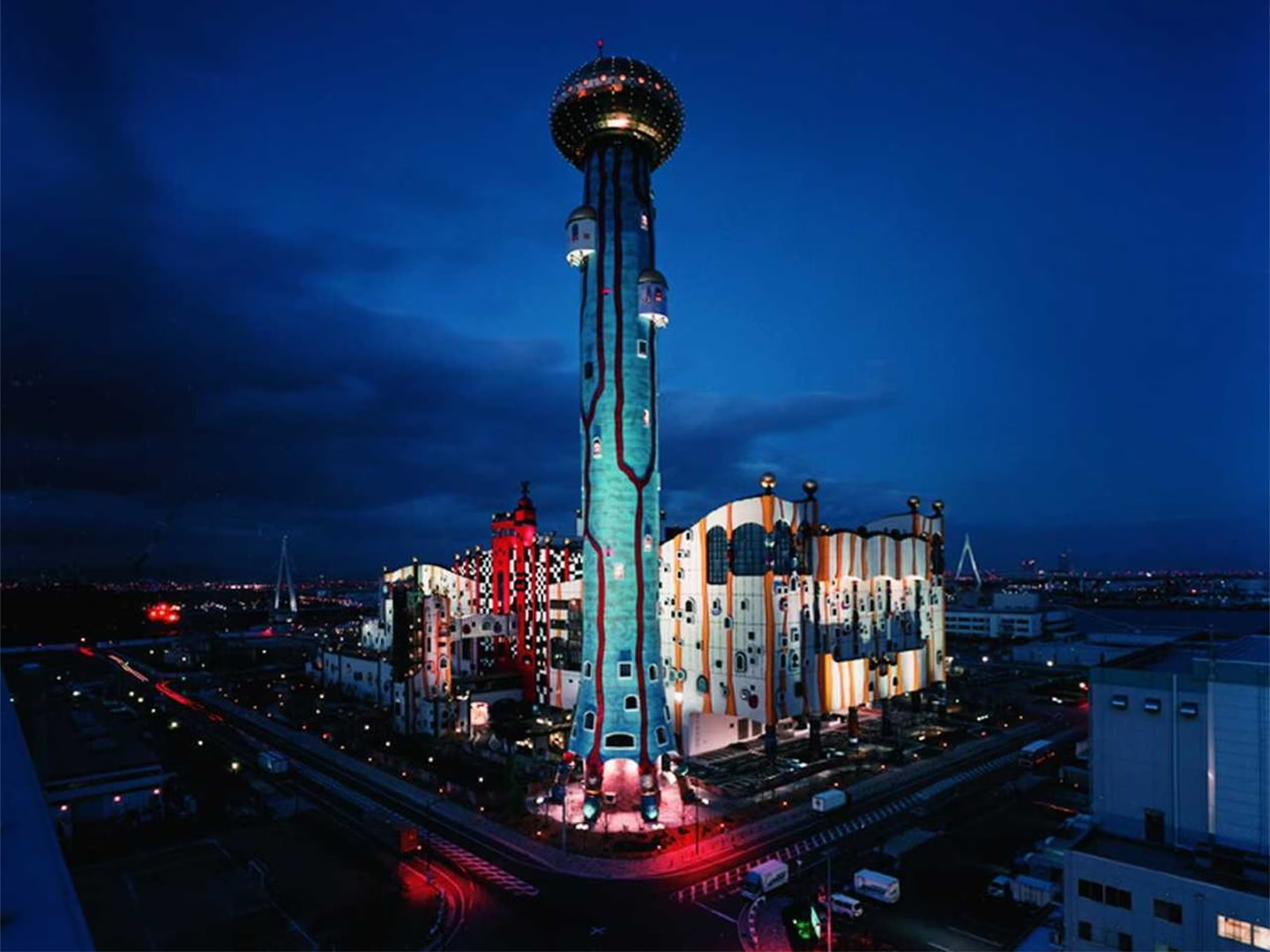
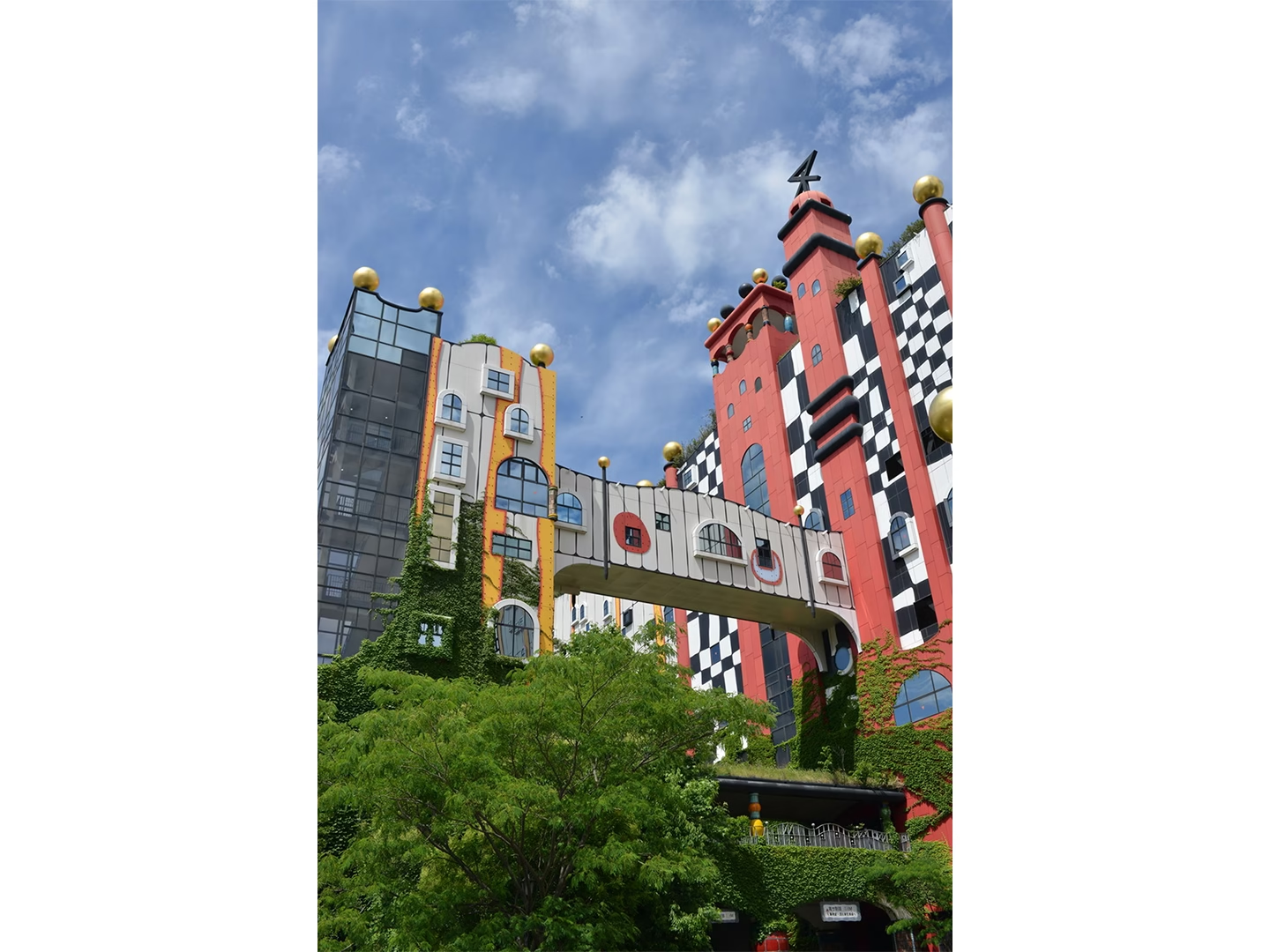
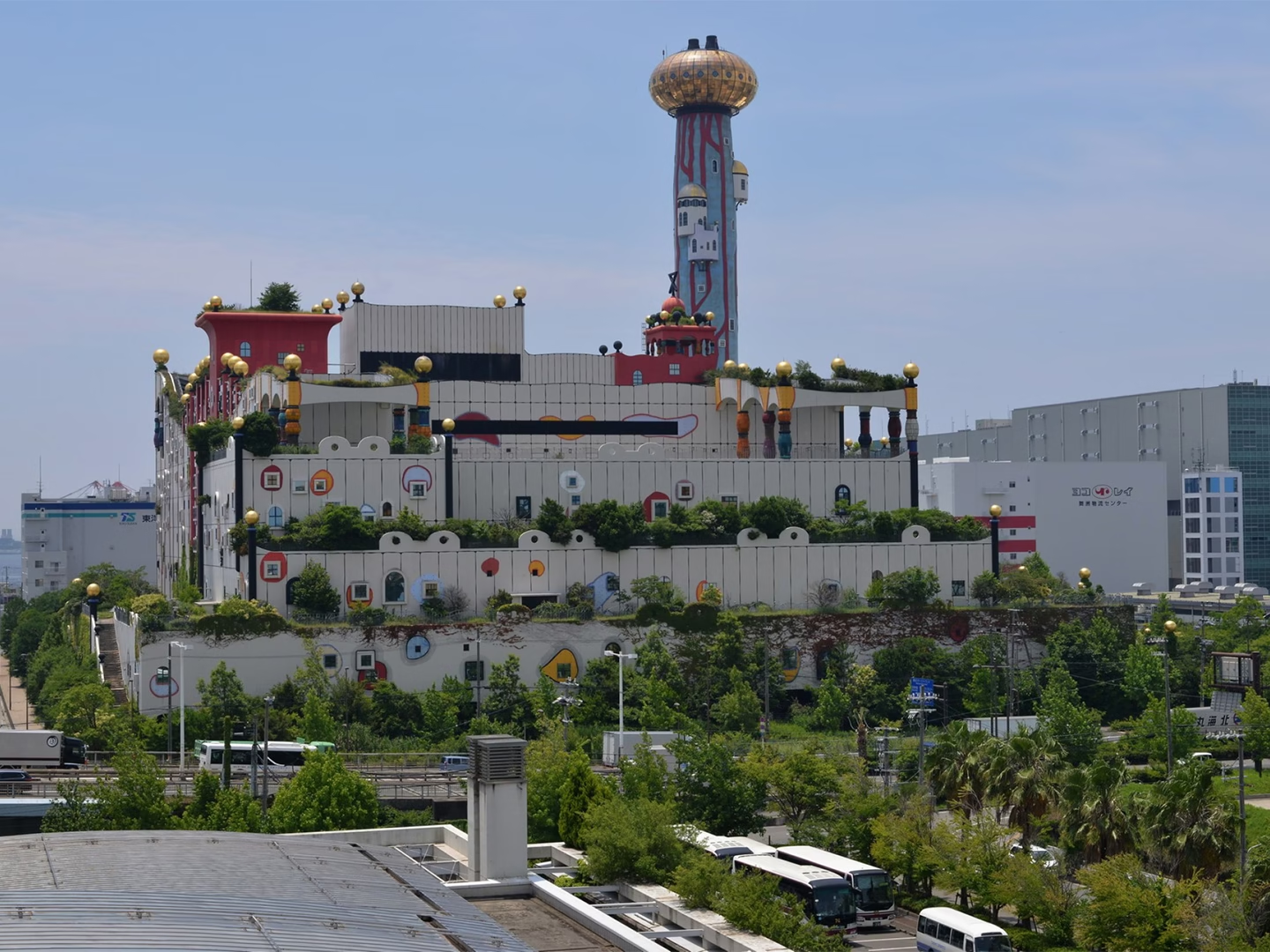
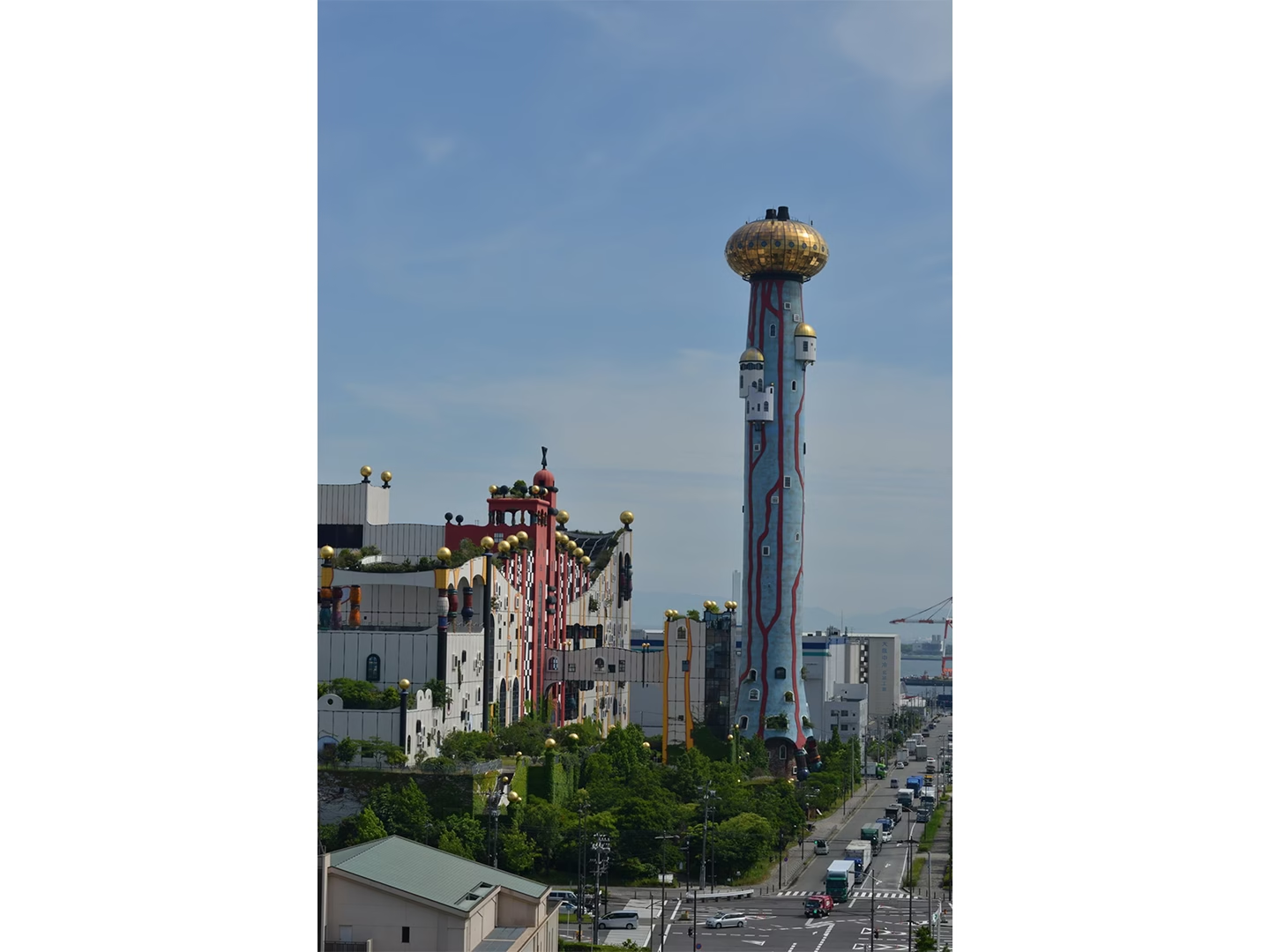
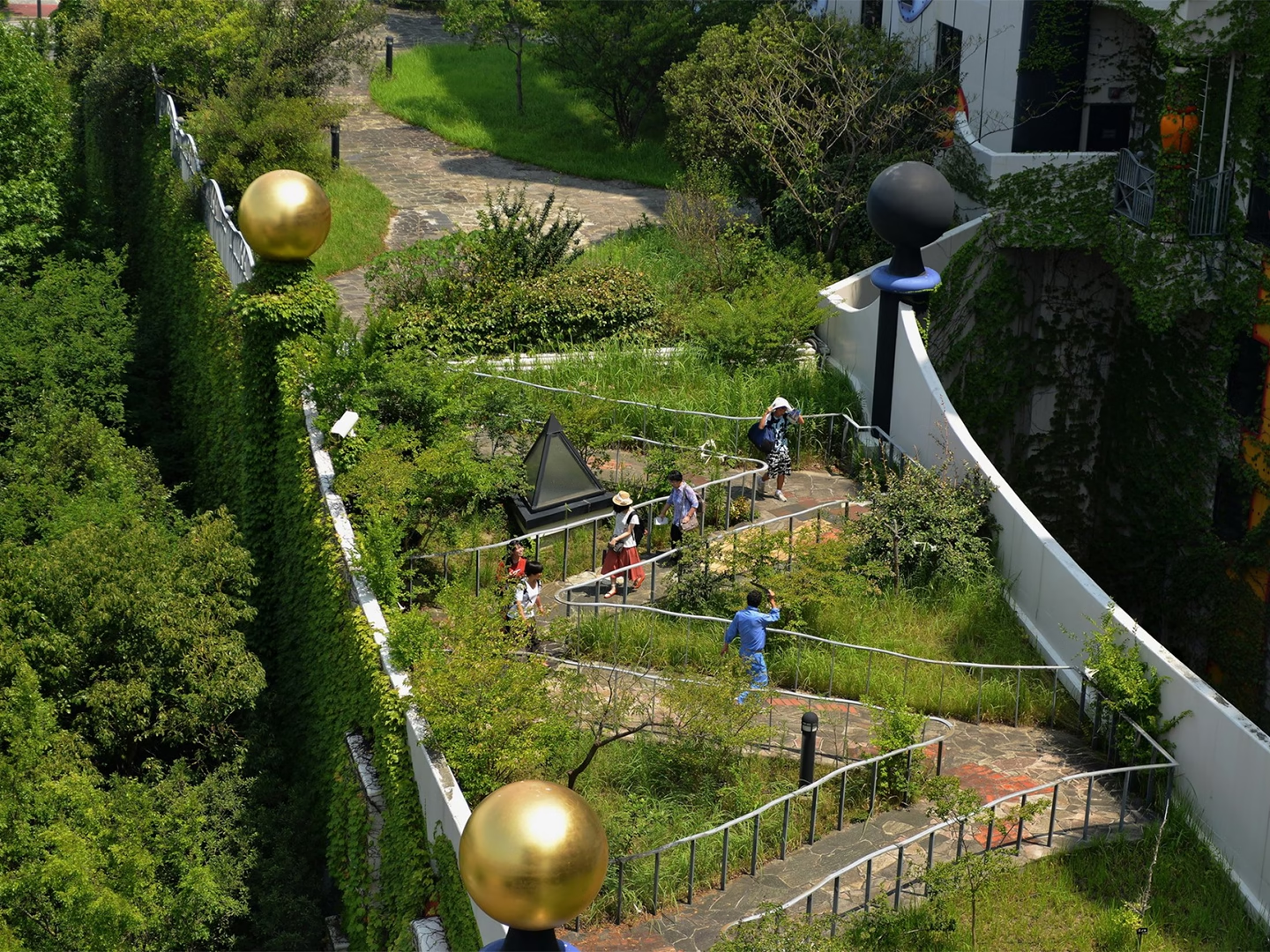
Maishima’s red and yellow stripes refer to the flames burning inside the building. Hundertwasser was commissioned to redesign the exterior and 120-metre chimney of this waste incineration plant, planned by the Japanese firm Showa Sekkei. The project also made room for visitors, with three floors designed to introduce the public, particularly schoolchildren, to the problems of waste. Its curved forms and planted surroundings accompanied a working facility that invited people to learn about the rubbish the city produced.
2. Kawakawa Public Toilets
Kawakawa, New Zealand · 1999
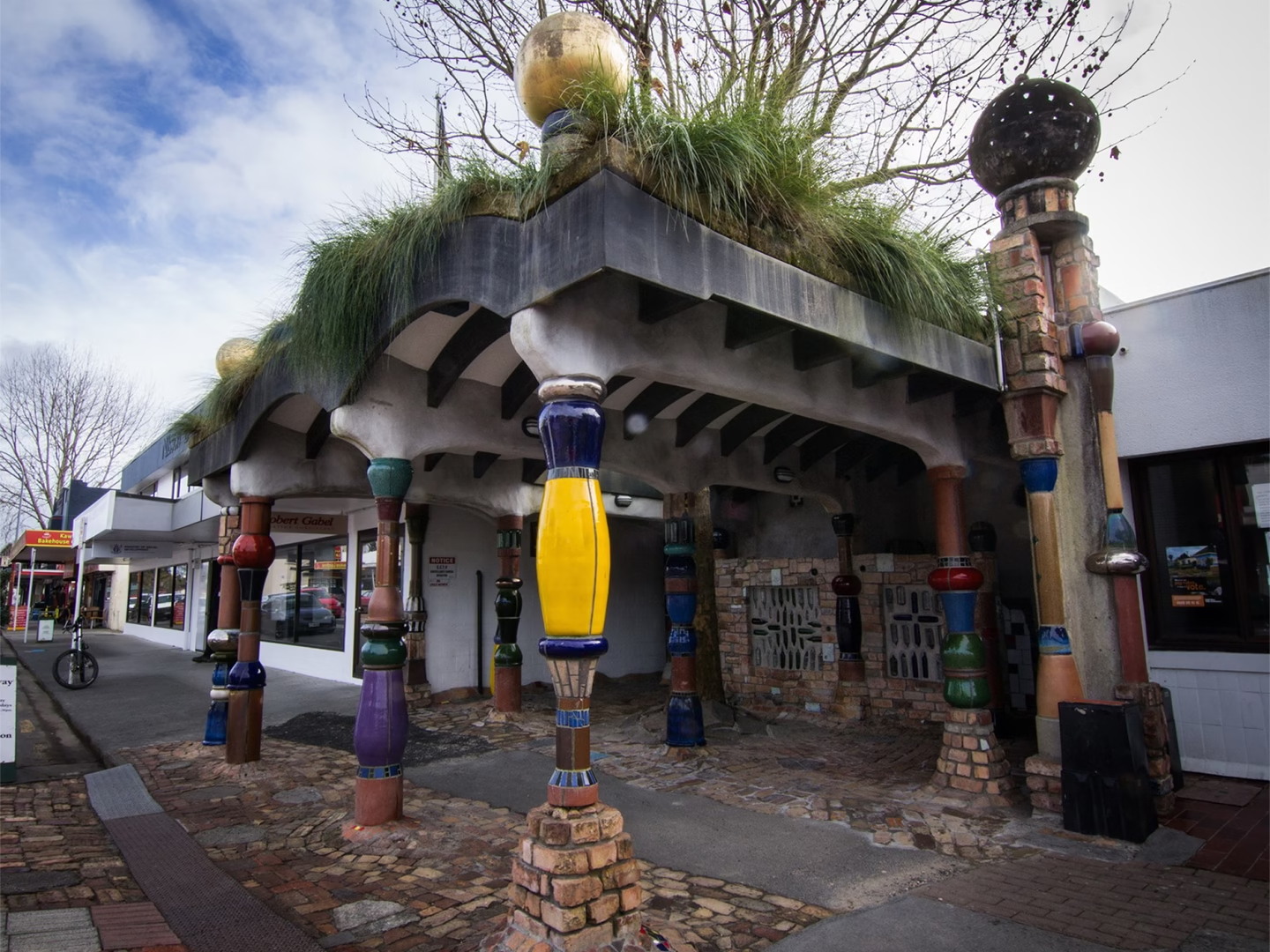
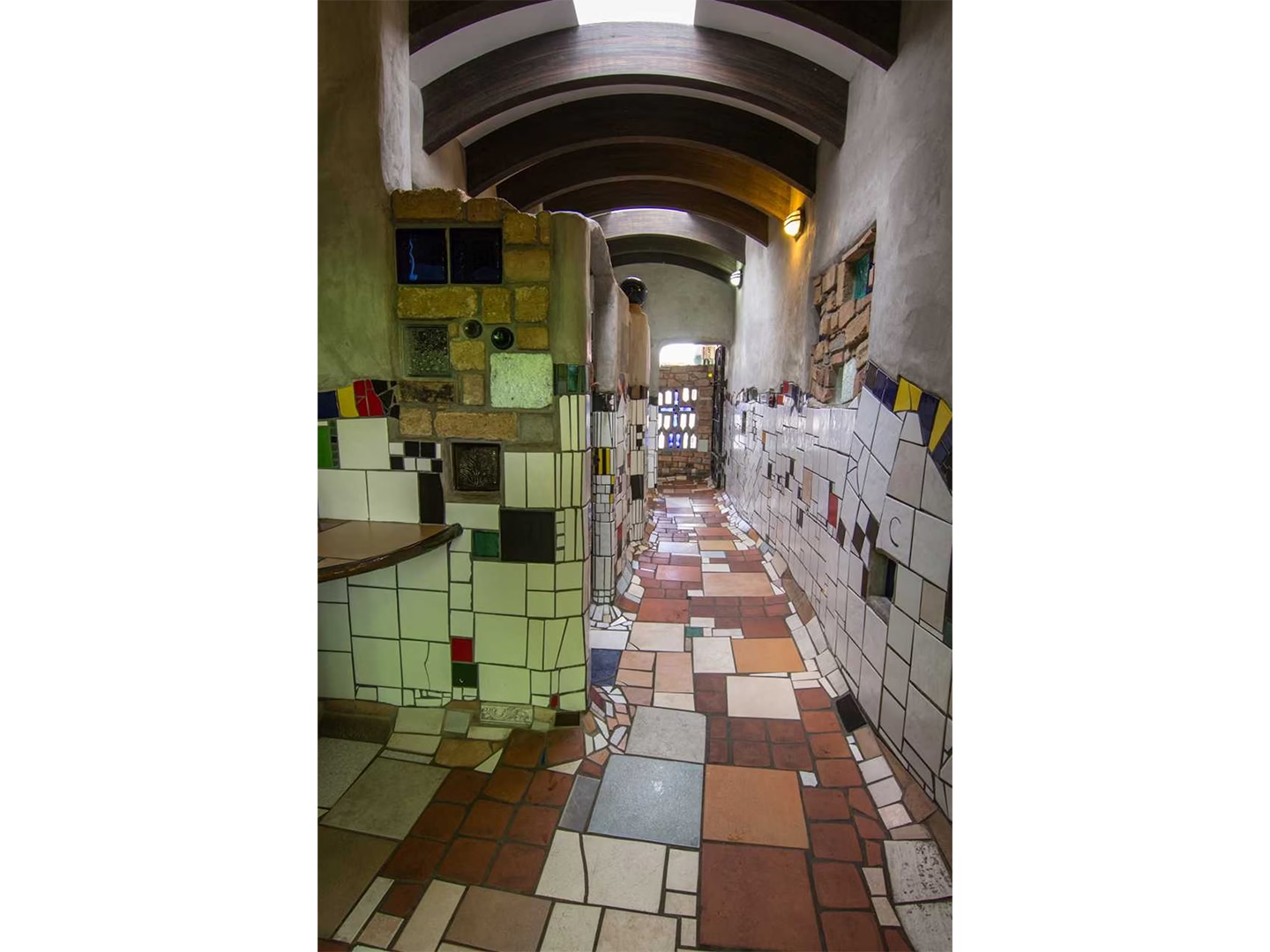
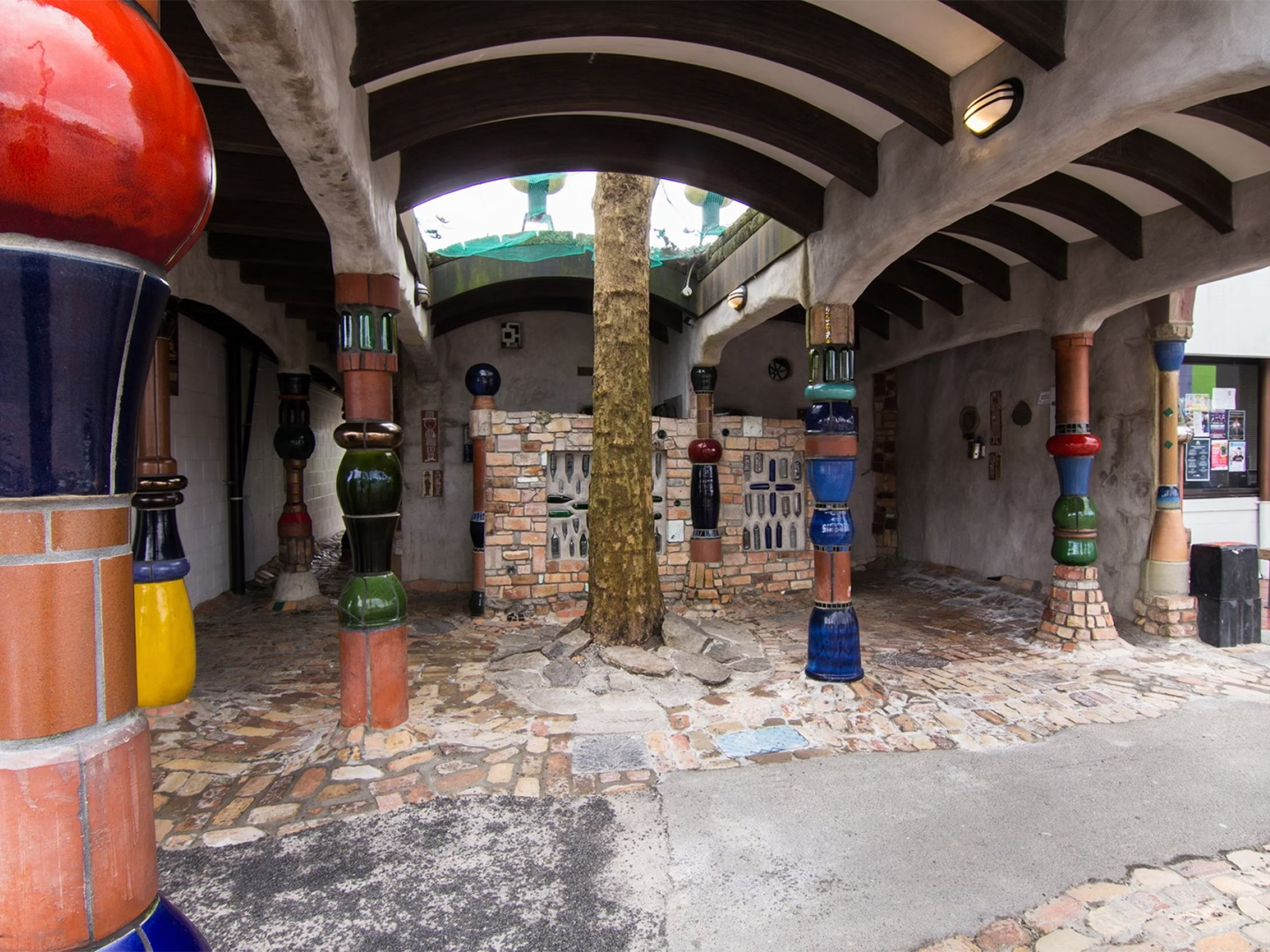
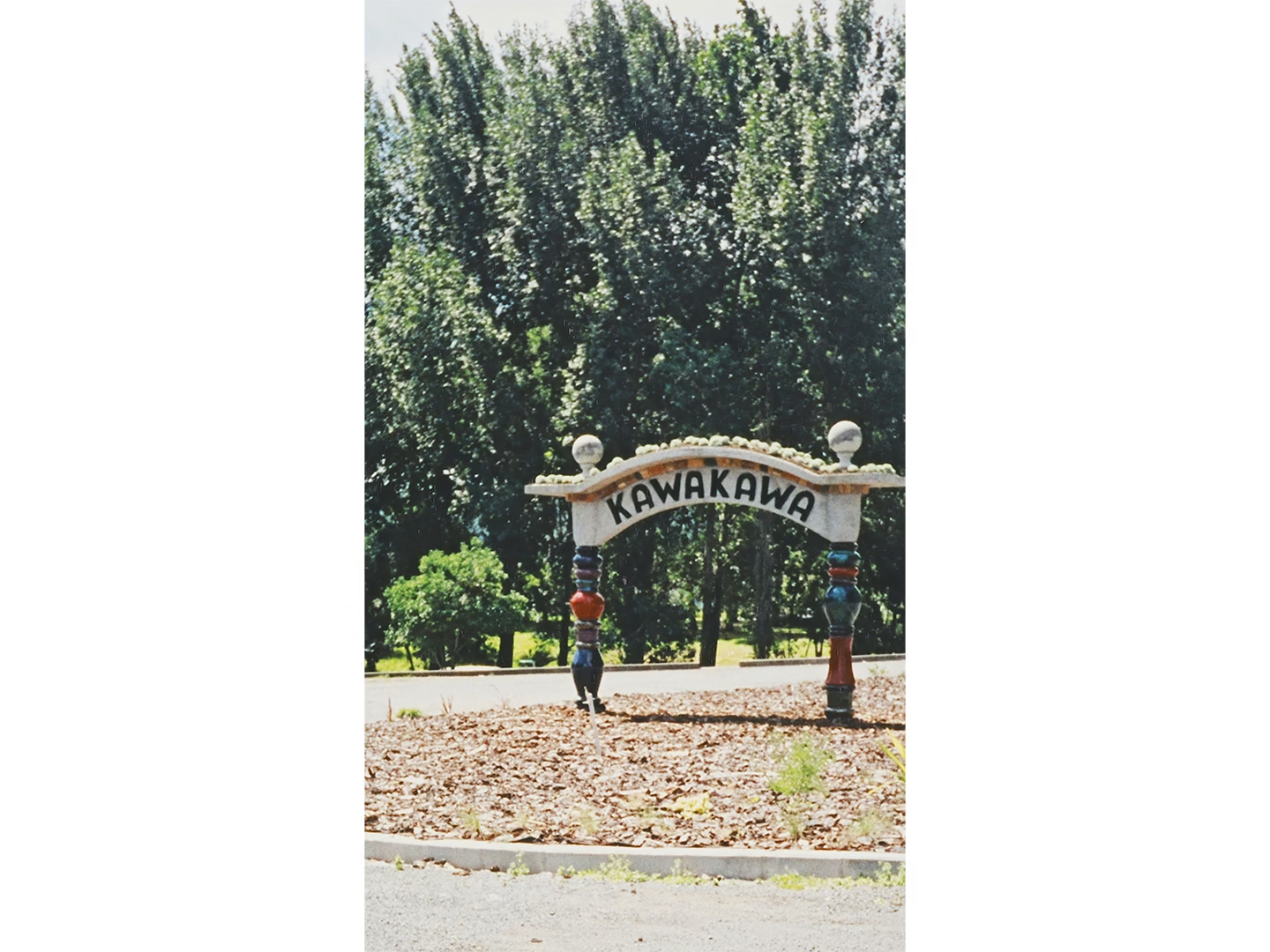
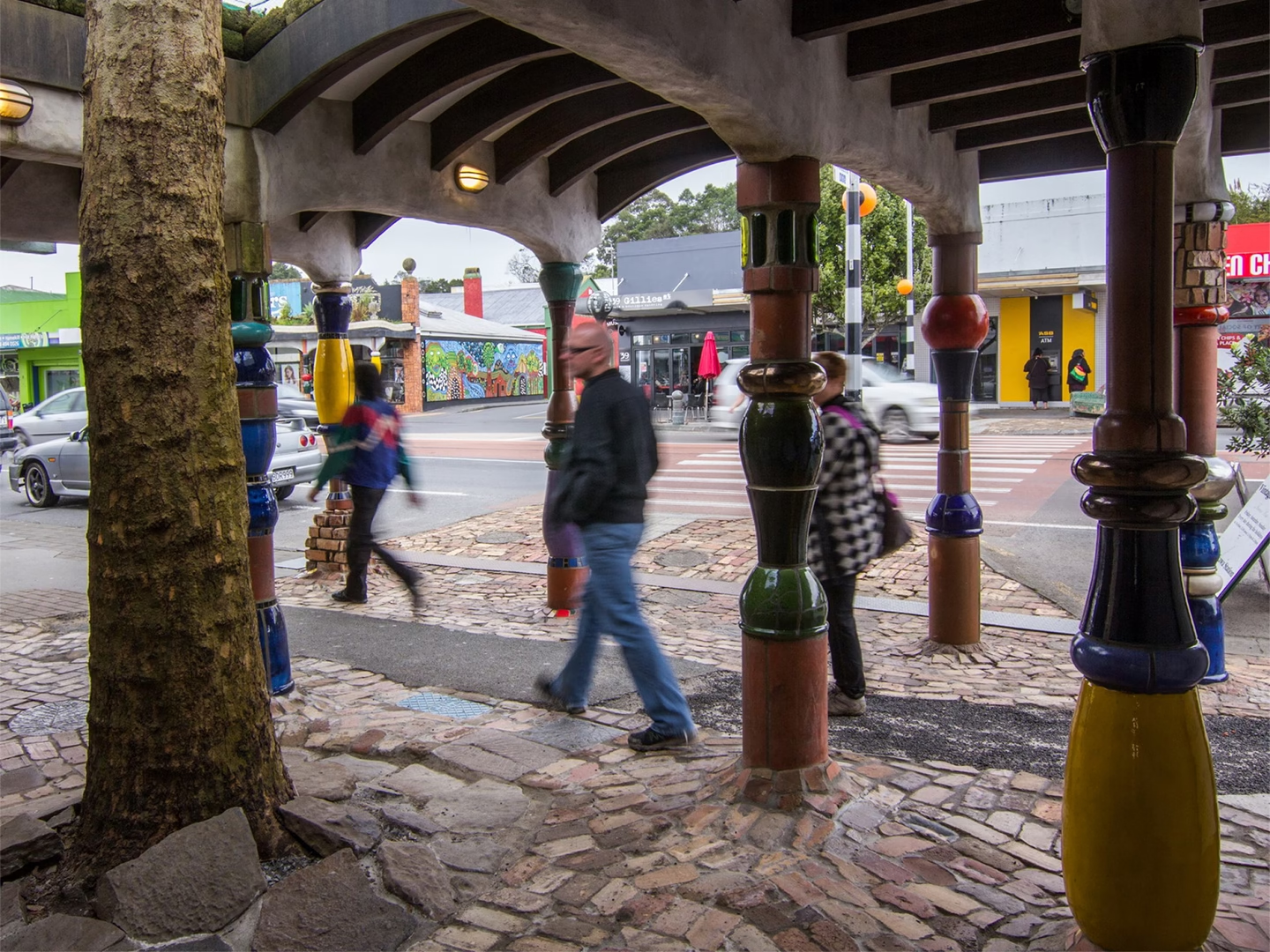
A local business association asked Hundertwasser to refurbish Kawakawa’s public toilets, which dated to the 1960s. He became personally involved in the work, assembling columns with Asian ceramics and introducing a wall of glass bottles that recalled a bottle house on his own property. Trees were planted on the roof, including a plane tree at the front and a tulip tree at the back. Māori artists also contributed to the project, which opened in 1999.
3. Uelzen Railway Station
Uelzen, Germany · 2000
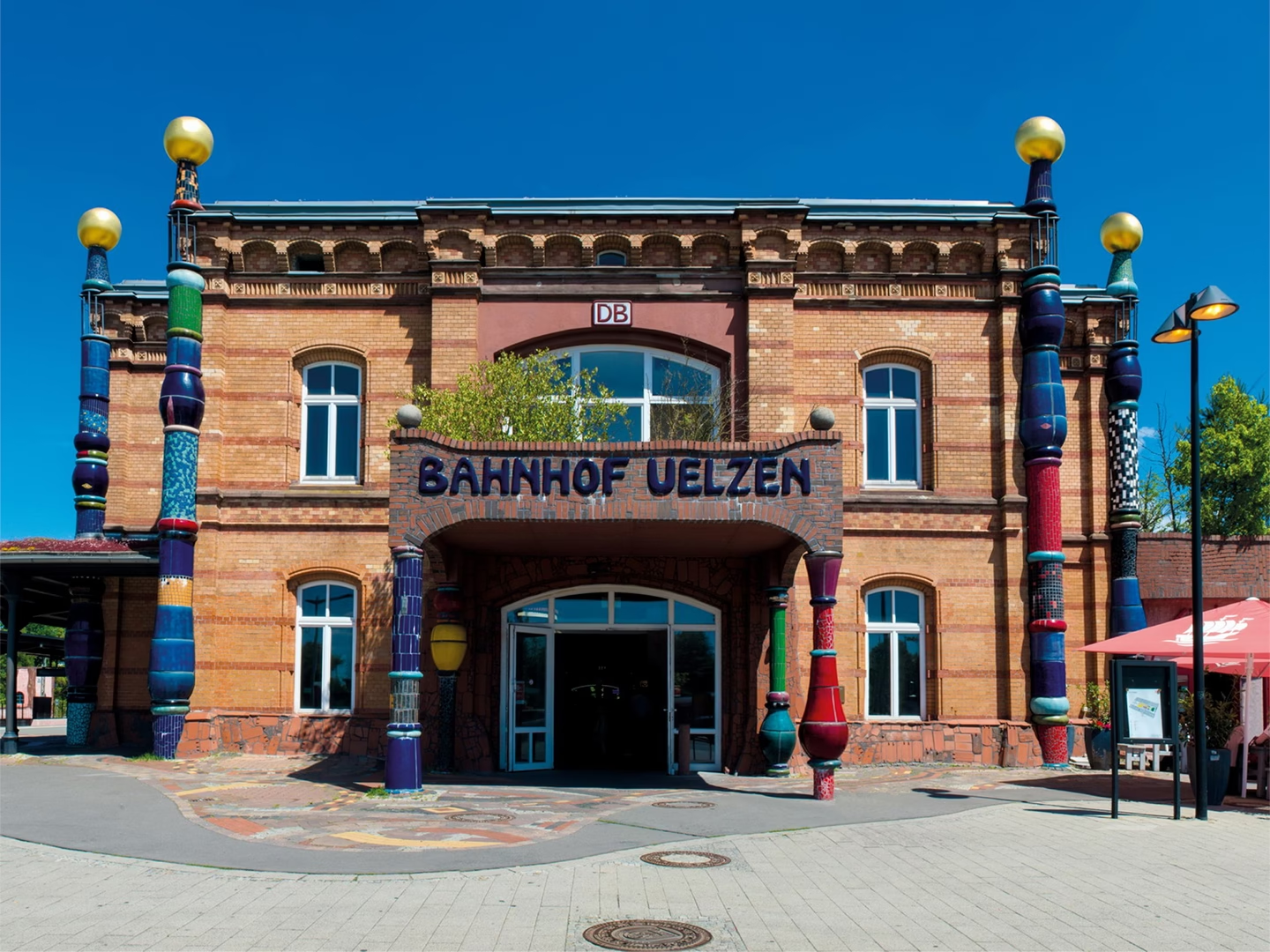
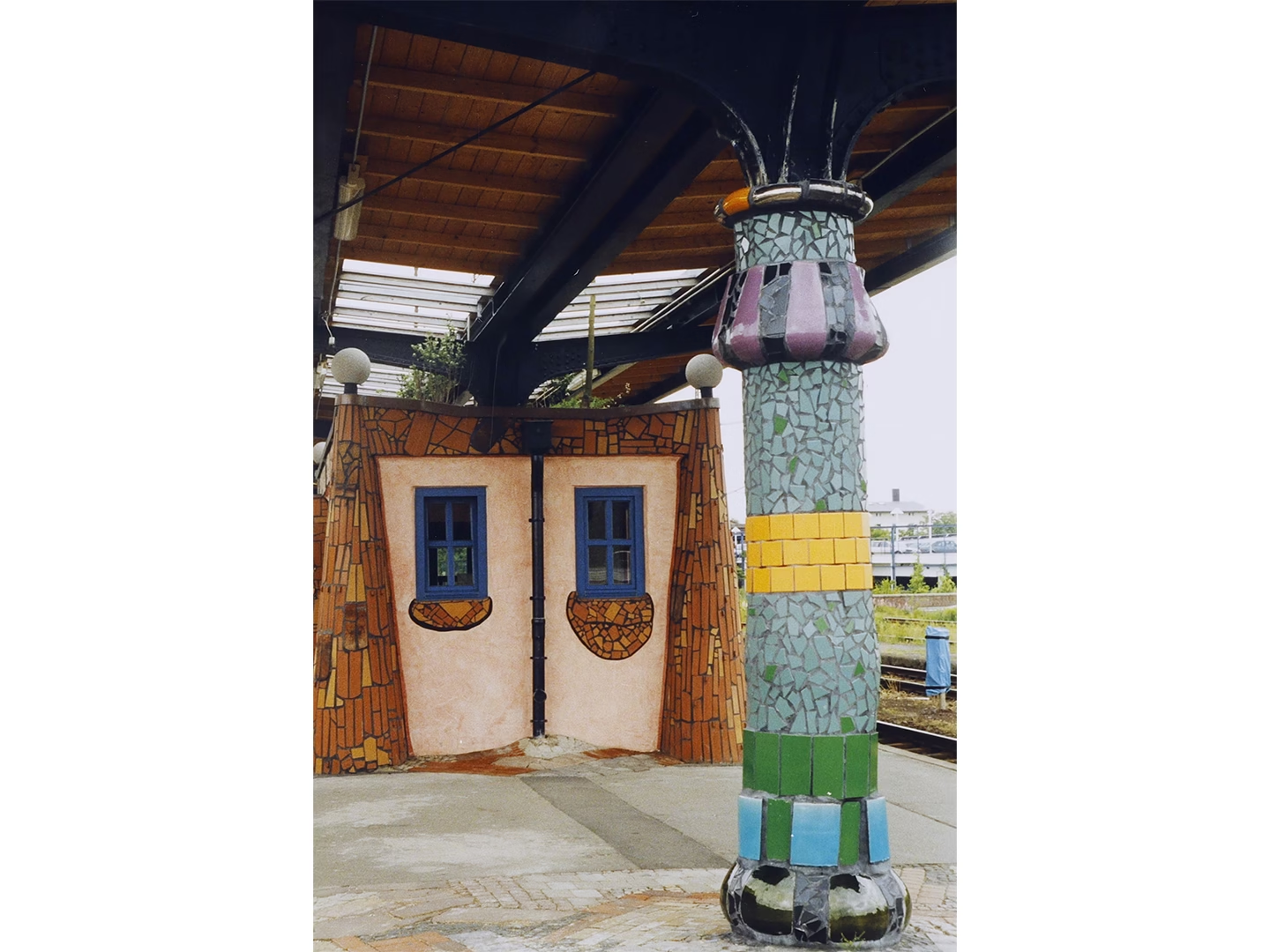
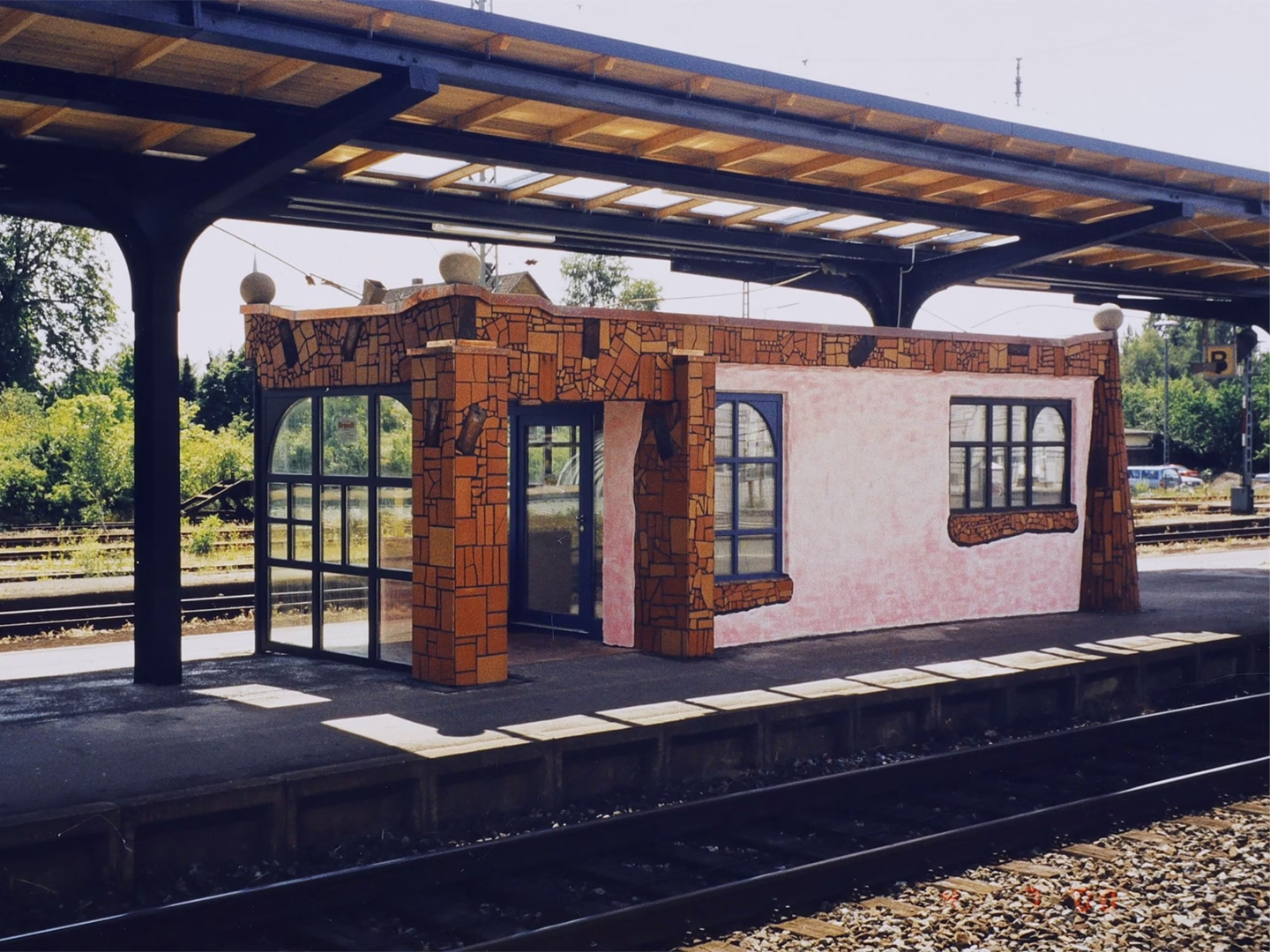
The redesign of Uelzen’s railway station became a project associated with Expo 2000 in Hanover. Hundertwasser’s conditions included uncovering the original façade of the 1887 building, which had been obscured by later alterations, and planting trees wherever possible. His commission extended through the station hall and entrance to the platform roofs, alongside shops, restaurants and railway services. The rebuilt station opened in November 2000, following several years of discussions with Deutsche Bahn.
4. Quixote Winery
Napa Valley, California · 1999
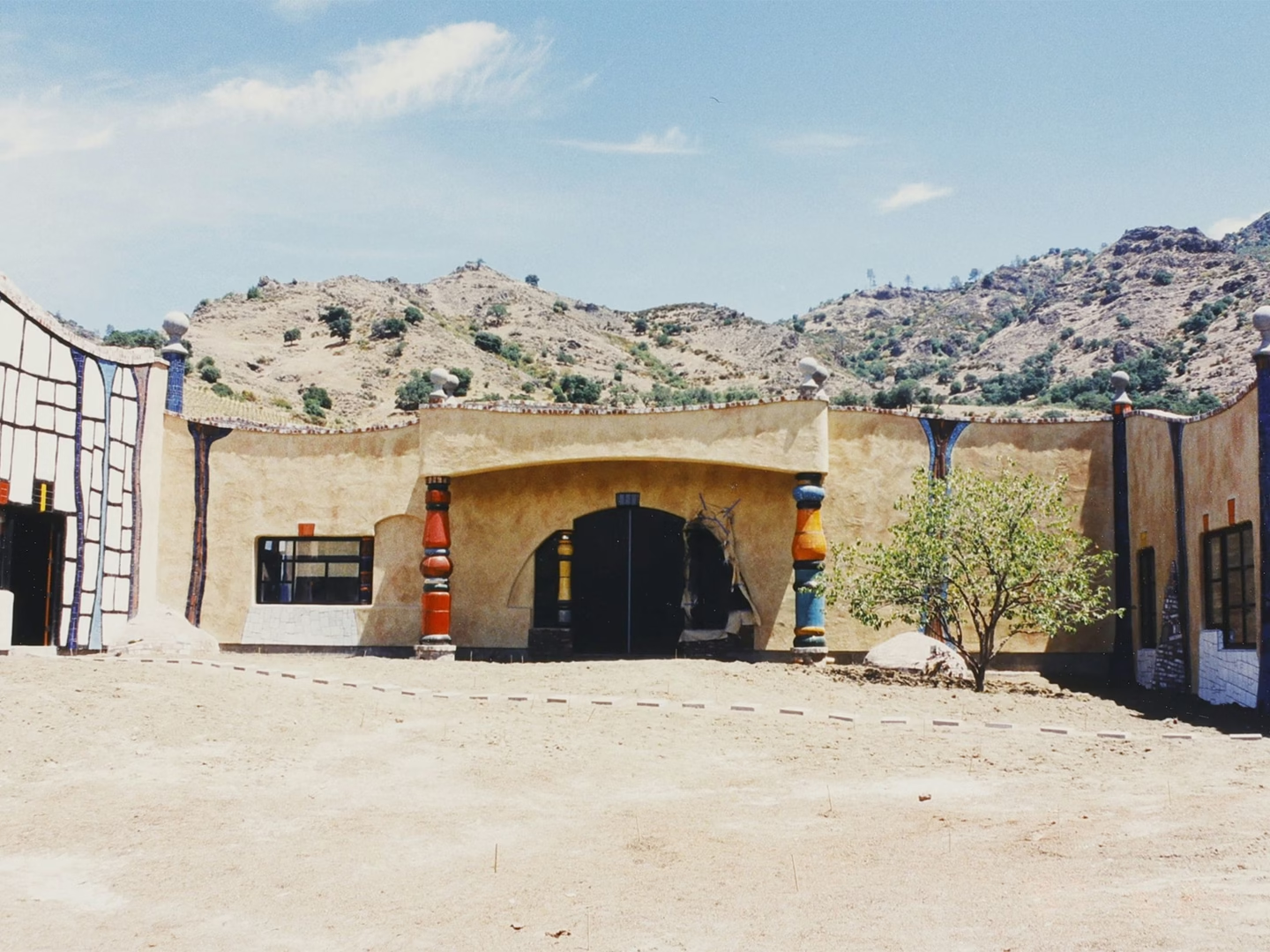
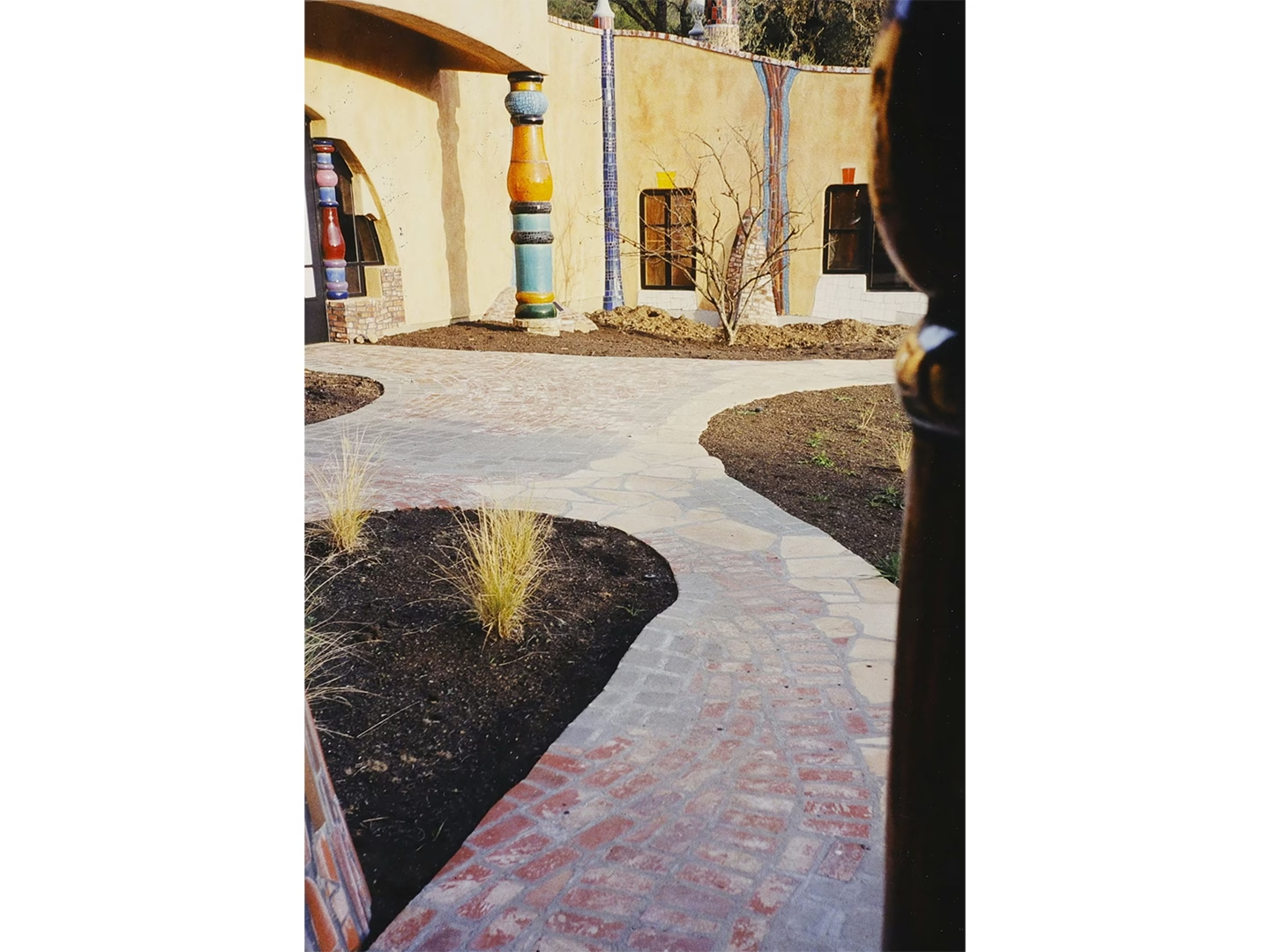
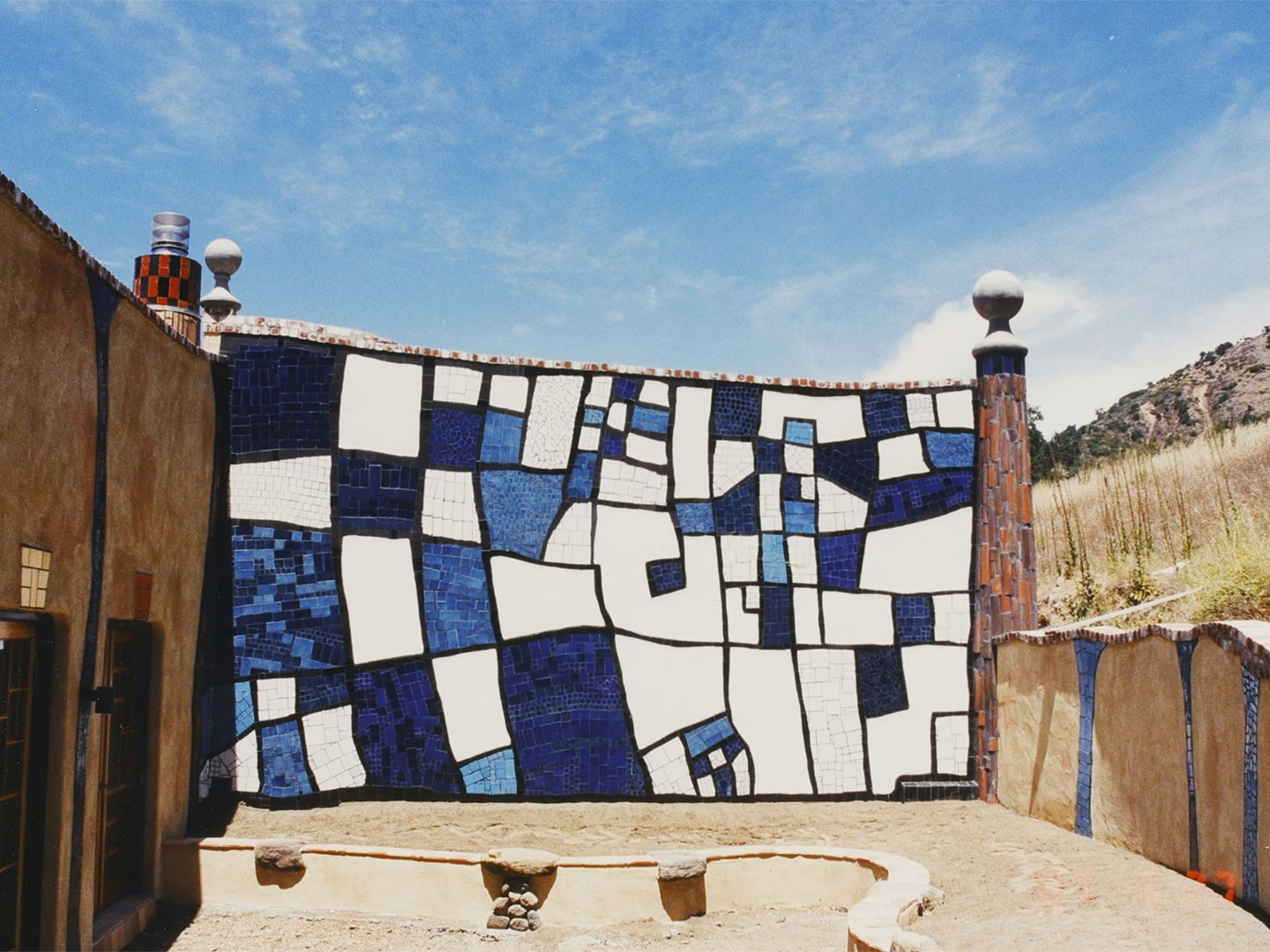
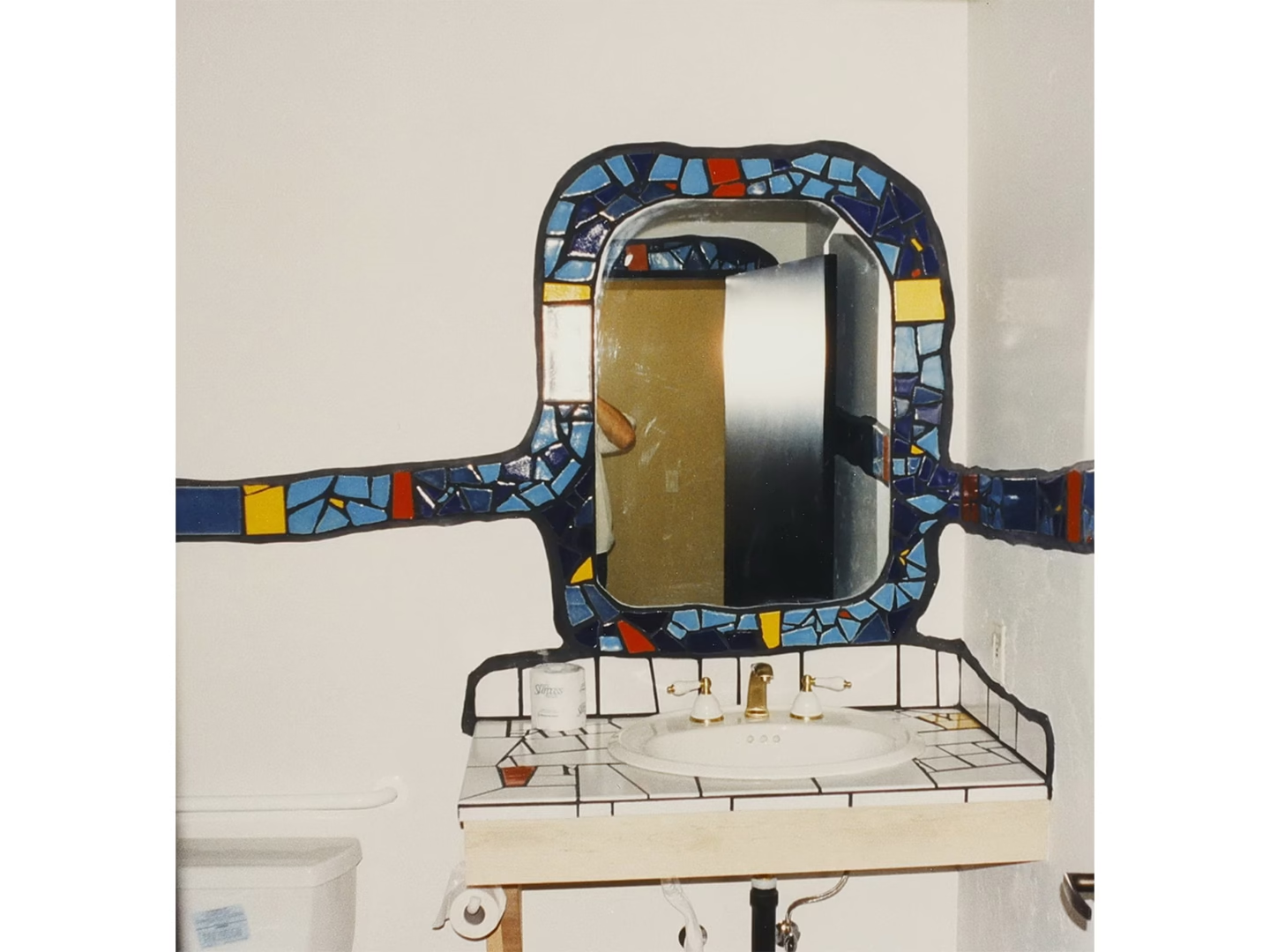
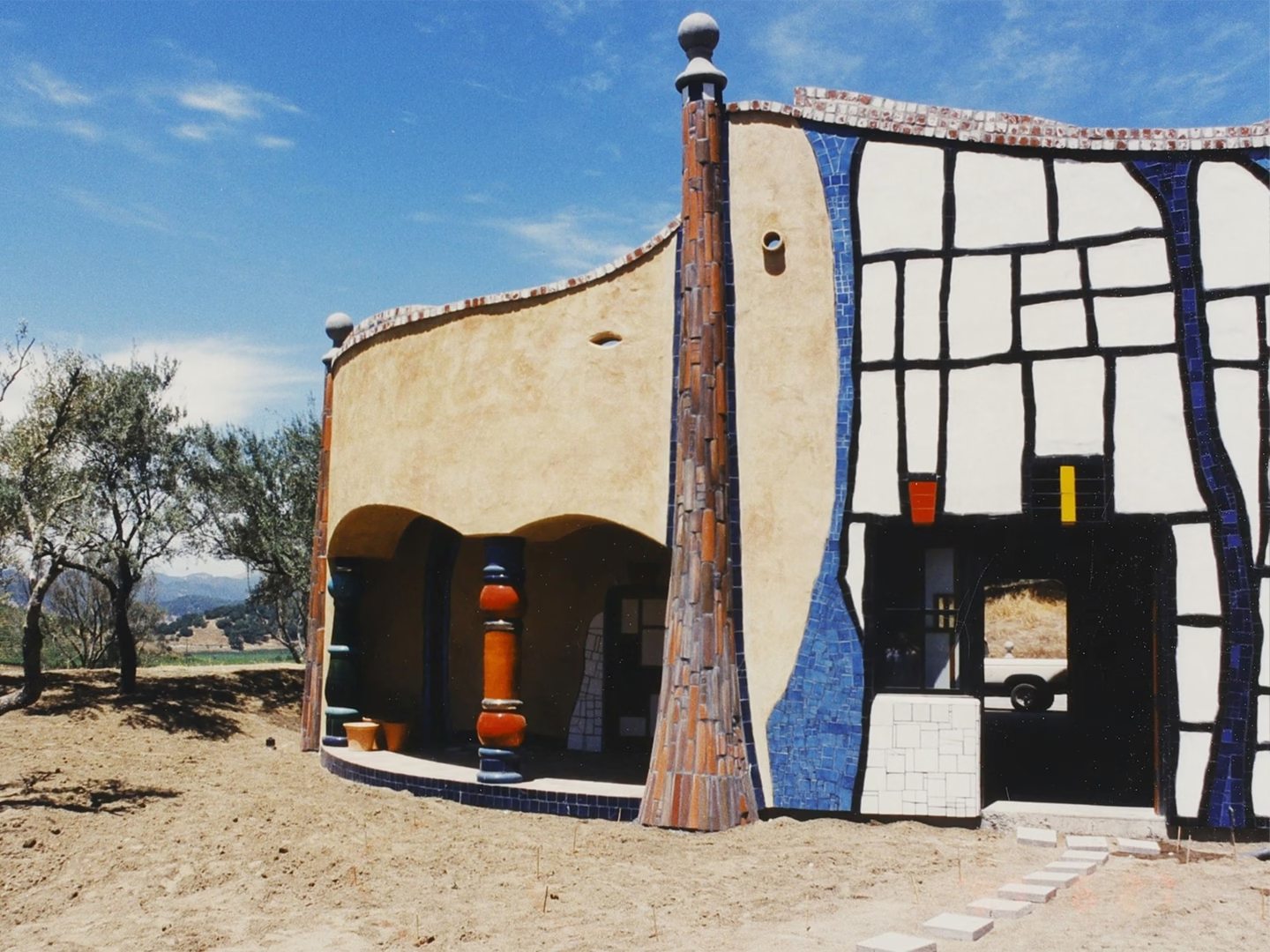
Winemaker Carl Doumani discovered Hundertwasser’s work in 1989 and commissioned him to design a winery in Napa Valley. Doumani wanted a building that reflected his belief that wine should be associated with pleasure, finding an affinity with the artist’s resistance to convention. Completed in 1999, Quixote combines mosaics and irregular forms with a planted roof above the production spaces. The roof follows Hundertwasser’s argument that vegetation displaced by construction should be returned above the building, making planting part of the winery’s design.
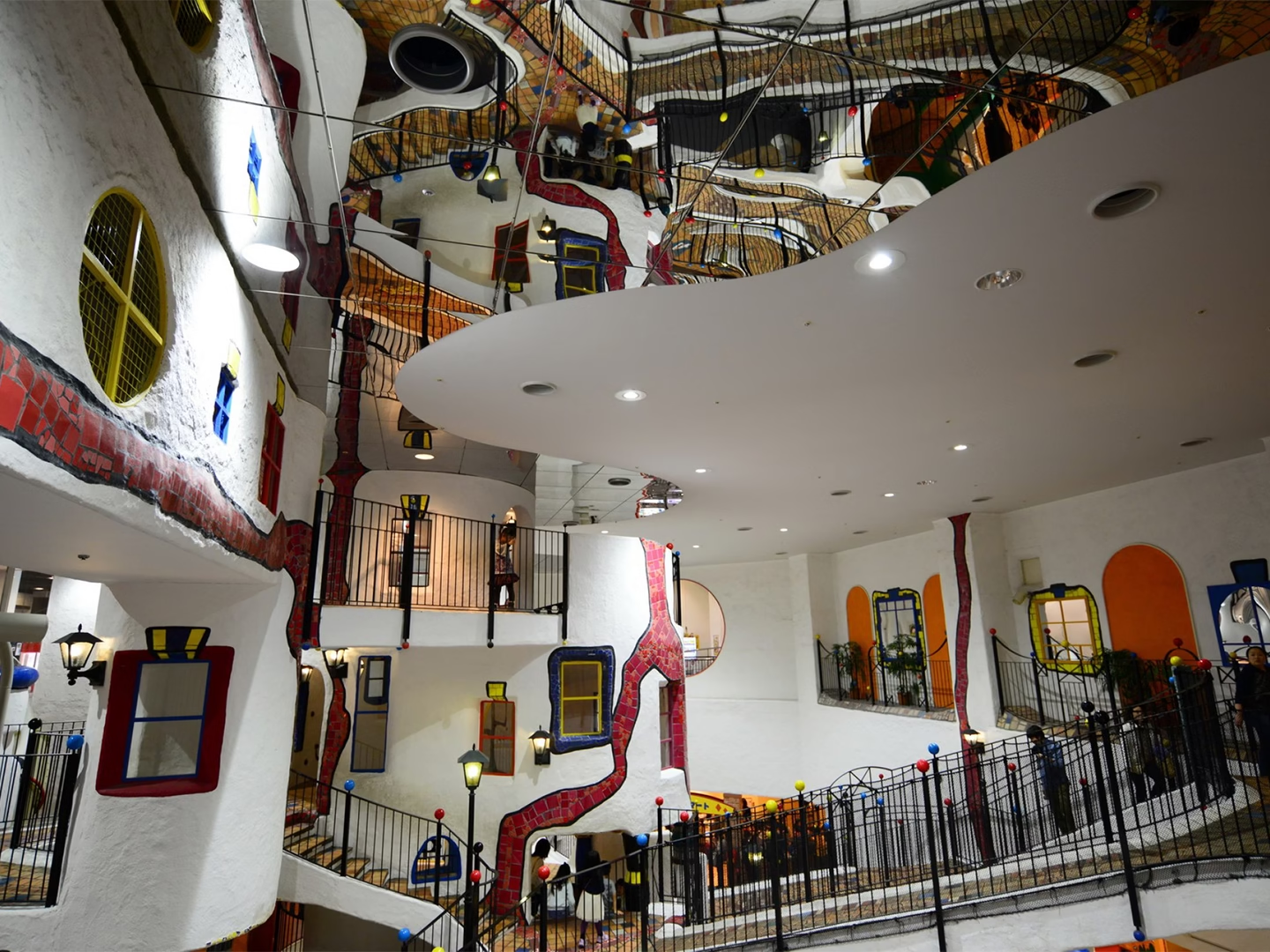
5. Kids’ Town at Kids Plaza Osaka
Osaka, Japan · 1997
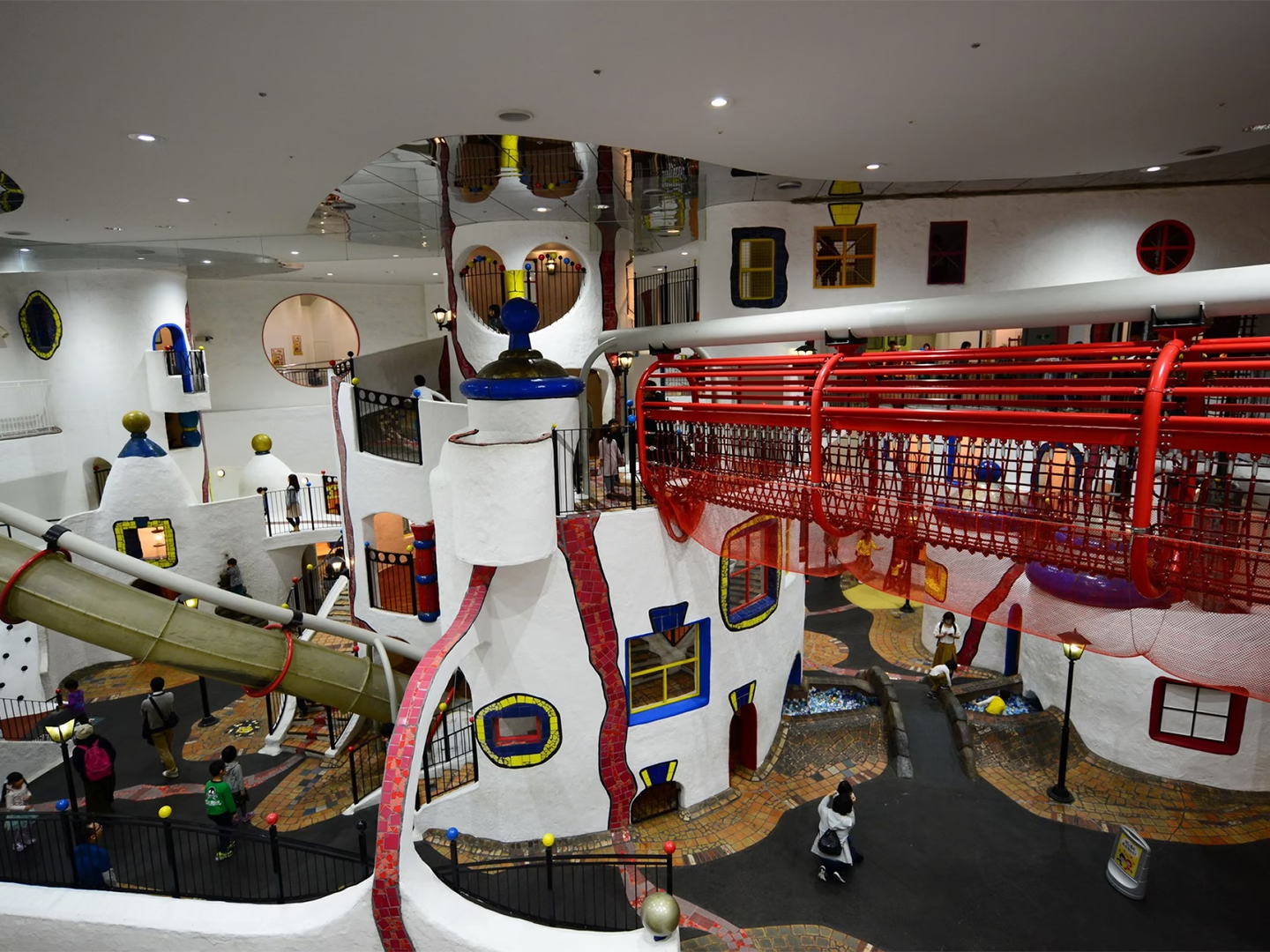
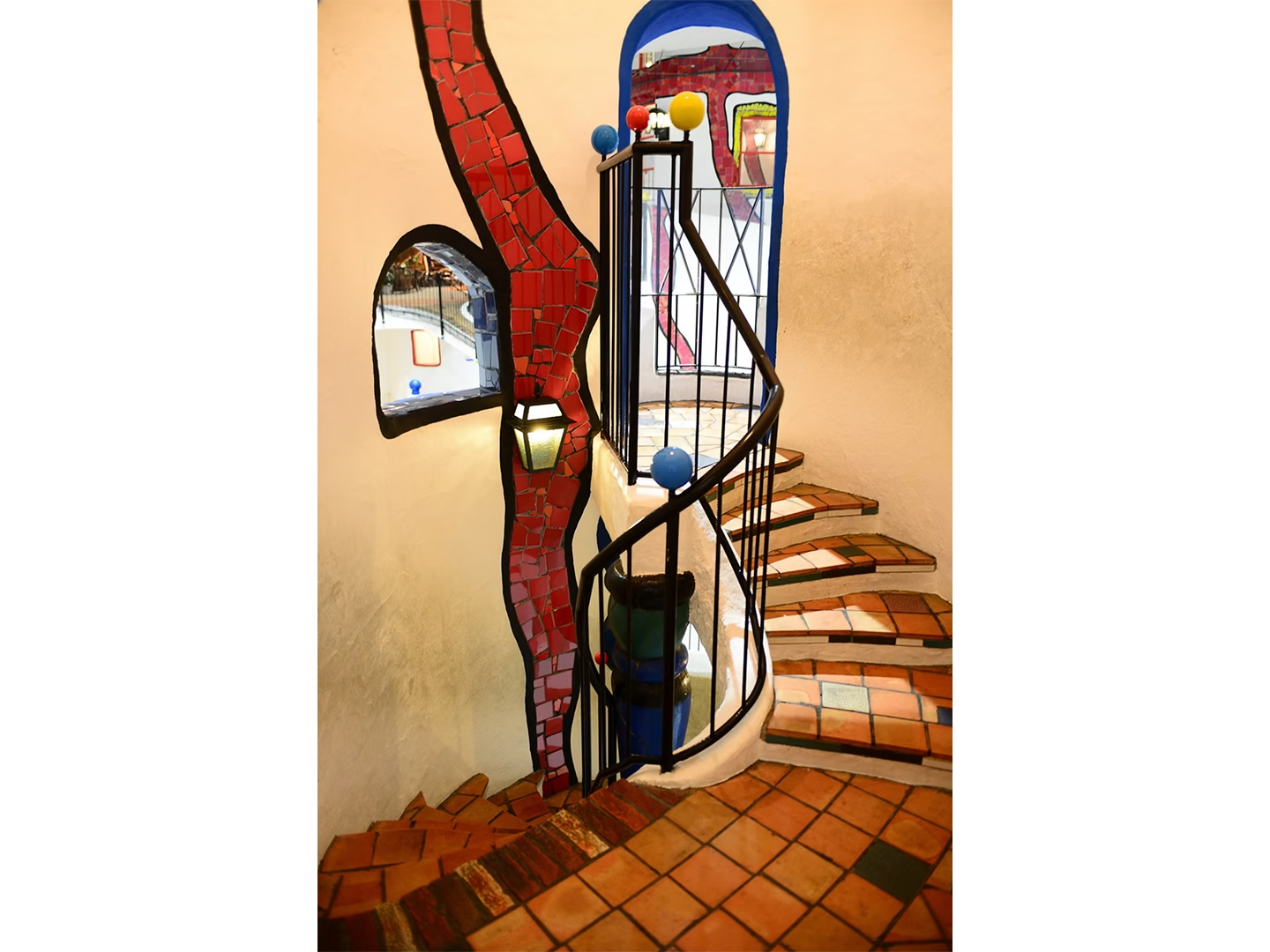
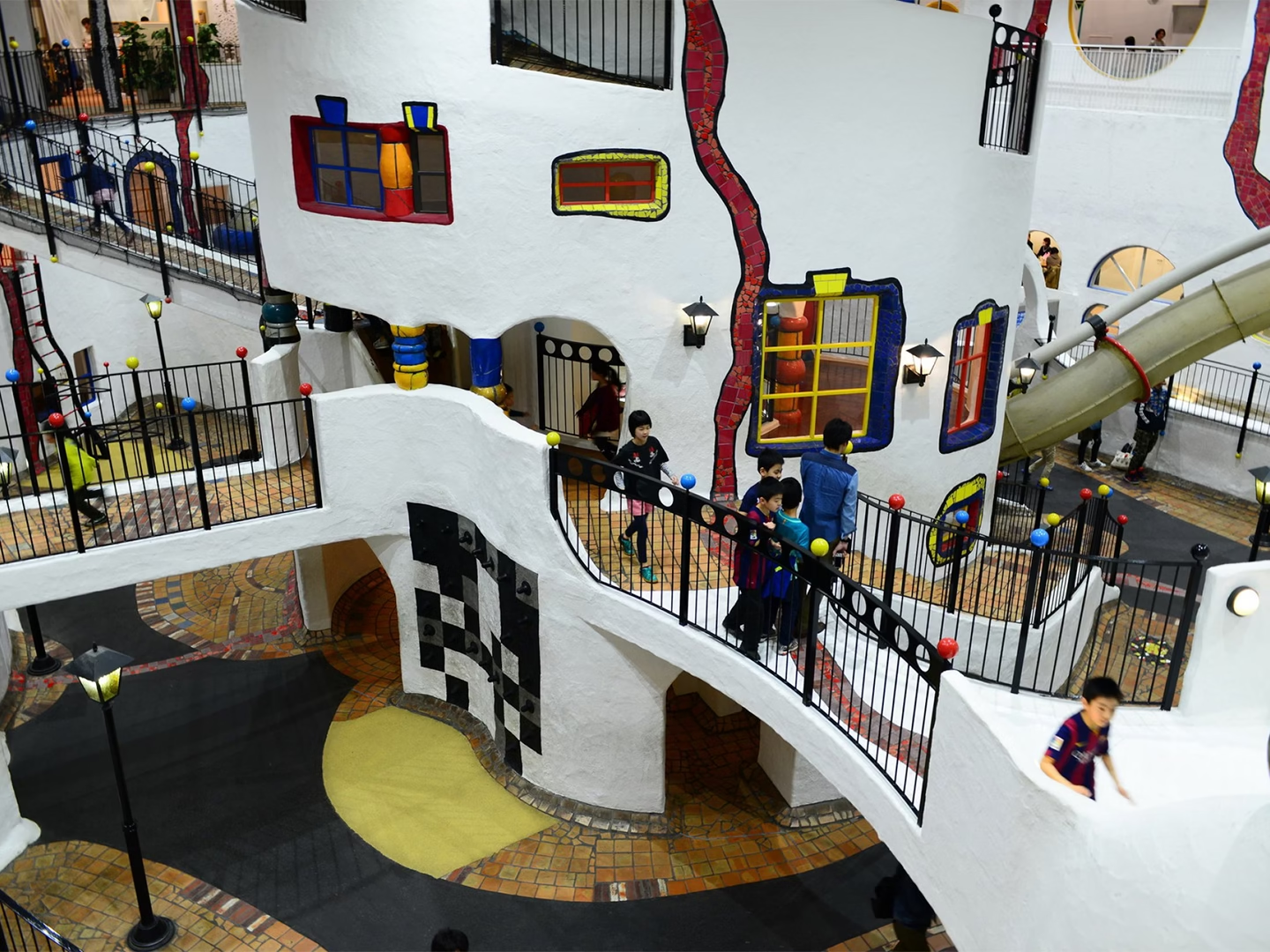
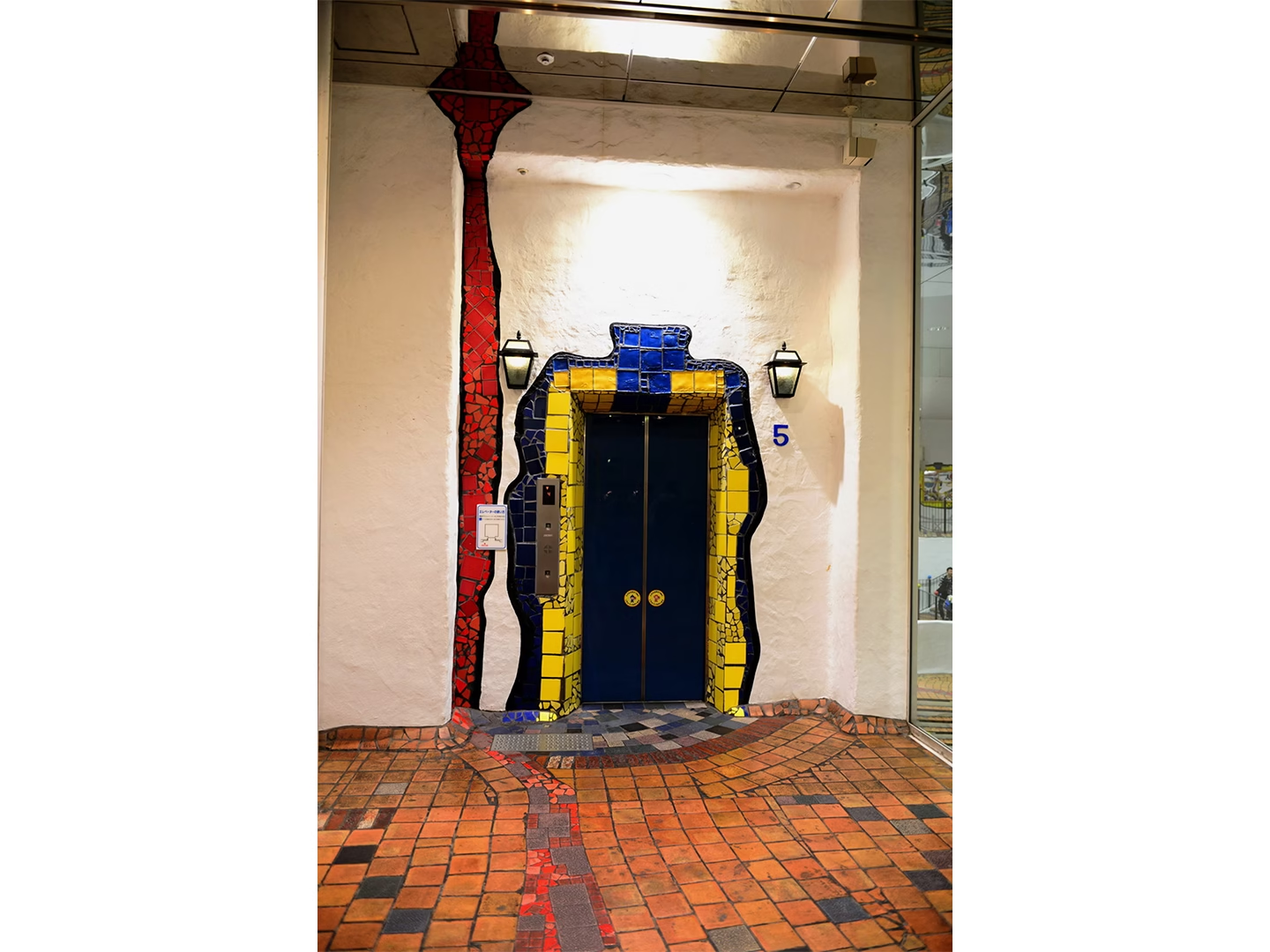
Inside Kids Plaza Osaka, Hundertwasser designed Kids’ Town, a play environment occupying the atrium between the museum’s fourth and fifth floors. Opened in 1997, it centres on a spiral tower surrounded by curving walls, winding passages and windows of different shapes and colours. The architectural features also provide ways to play. Children can climb walls, cross a suspension bridge and descend a tube slide, exploring the irregular spaces through movement.