Masayoshi Takanaka built his solo career around instrumental music that emphasized atmosphere and setting rather than personal storytelling. From the beginning of his solo work, his music avoided narrative lyrics or overt statements, instead relying on guitar tone, rhythm, and arrangement to construct self-contained sonic environments. This approach became a defining feature of his output and remained consistent across decades.
Born in 1953 in Tokyo, Takanaka taught himself guitar through close listening and repetition as Western rock and instrumental music entered Japan. He began his professional career in the early 1970s with Flied Egg and later Sadistic Mika Band, developing within a disciplined studio and live performance environment before shifting fully into instrumental solo work. While his discography includes dozens of releases, the five albums below best capture the evolution of his signature sound and the period that established his legacy.

1. SEYCHELLES (1976)
Released in 1976, SEYCHELLES marked Takanaka’s solo debut and introduced the musical language that would define much of his career. Blending jazz fusion, funk, pop, and Caribbean influences, the album creates an imagined tropical atmosphere through melodic guitar lines and relaxed rhythms rather than lyrical storytelling. Its bright production and accessible compositions distinguished Takanaka within Japan’s growing fusion scene, and it has since become one of his most celebrated releases and a common starting point for new listeners.
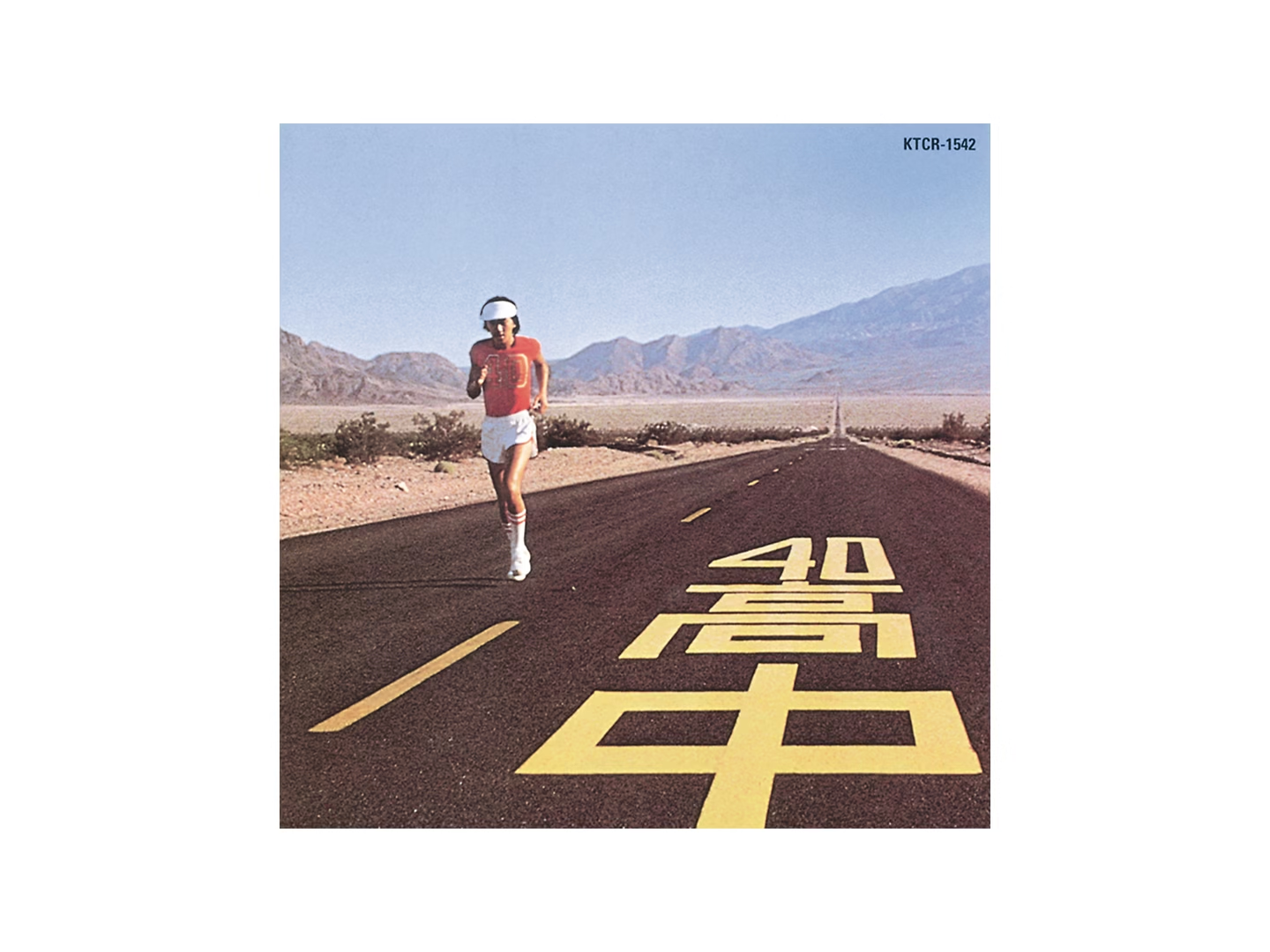
2. AN INSATIABLE HIGH (1977)
Recorded in Los Angeles with a group of American session musicians, An Insatiable High expanded the sound introduced on SEYCHELLES through more sophisticated arrangements and polished production. The album balances technical musicianship with memorable melodies, seamlessly blending jazz, funk, and Latin influences. It is frequently regarded by critics and longtime fans as one of the strongest recordings in Takanaka’s catalog and a landmark of Japanese jazz fusion.
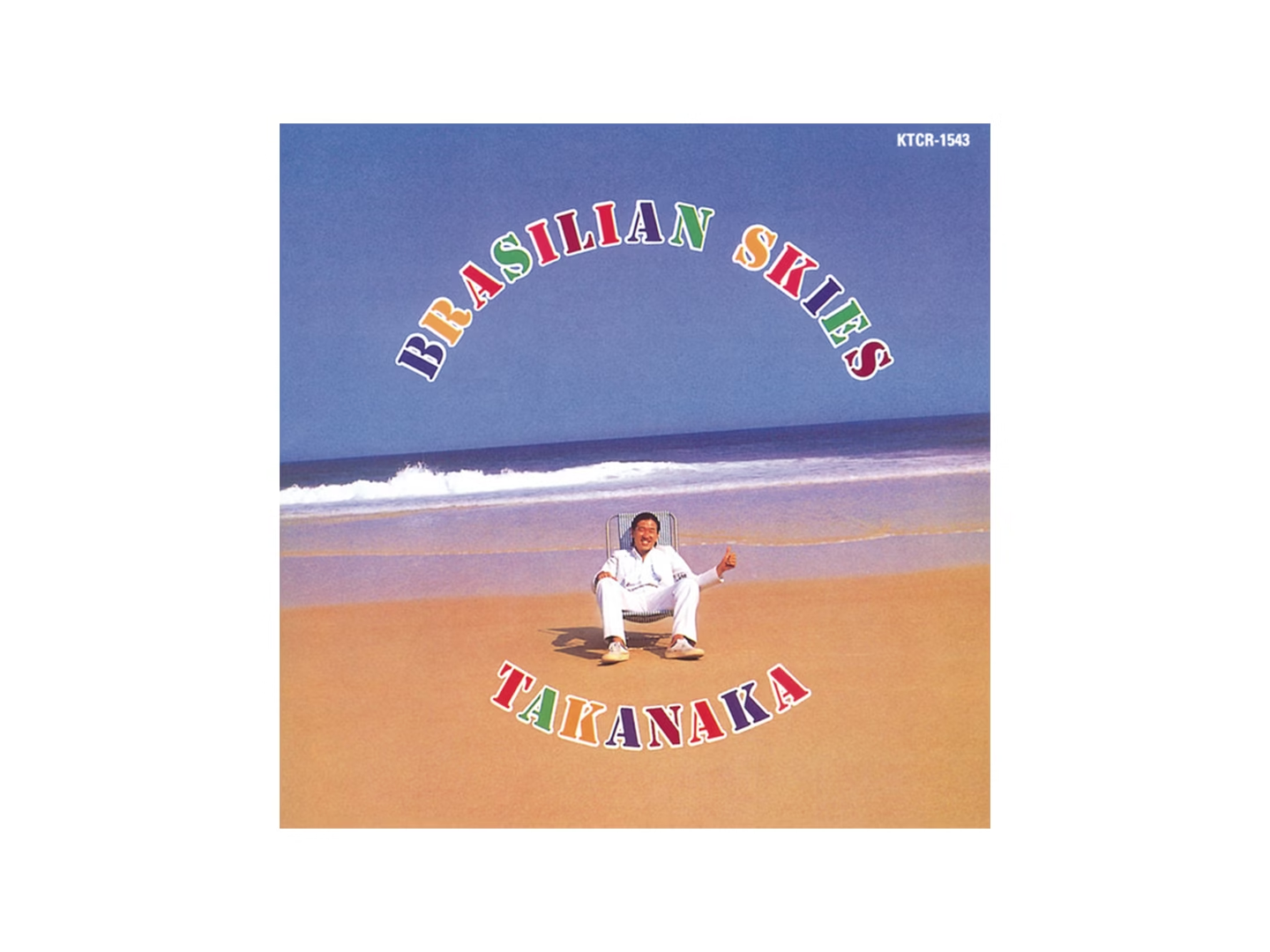
3. BRASILIAN SKIES (1978)
With Brasilian Skies, Takanaka further embraced Brazilian rhythms while refining the melodic guitar style that had become his signature. The album pairs rhythmic complexity with an inviting sense of warmth and includes “Blue Lagoon,” one of his most recognizable compositions and a fixture of his live performances. For many listeners, it represents the point where his musical identity became fully realized.
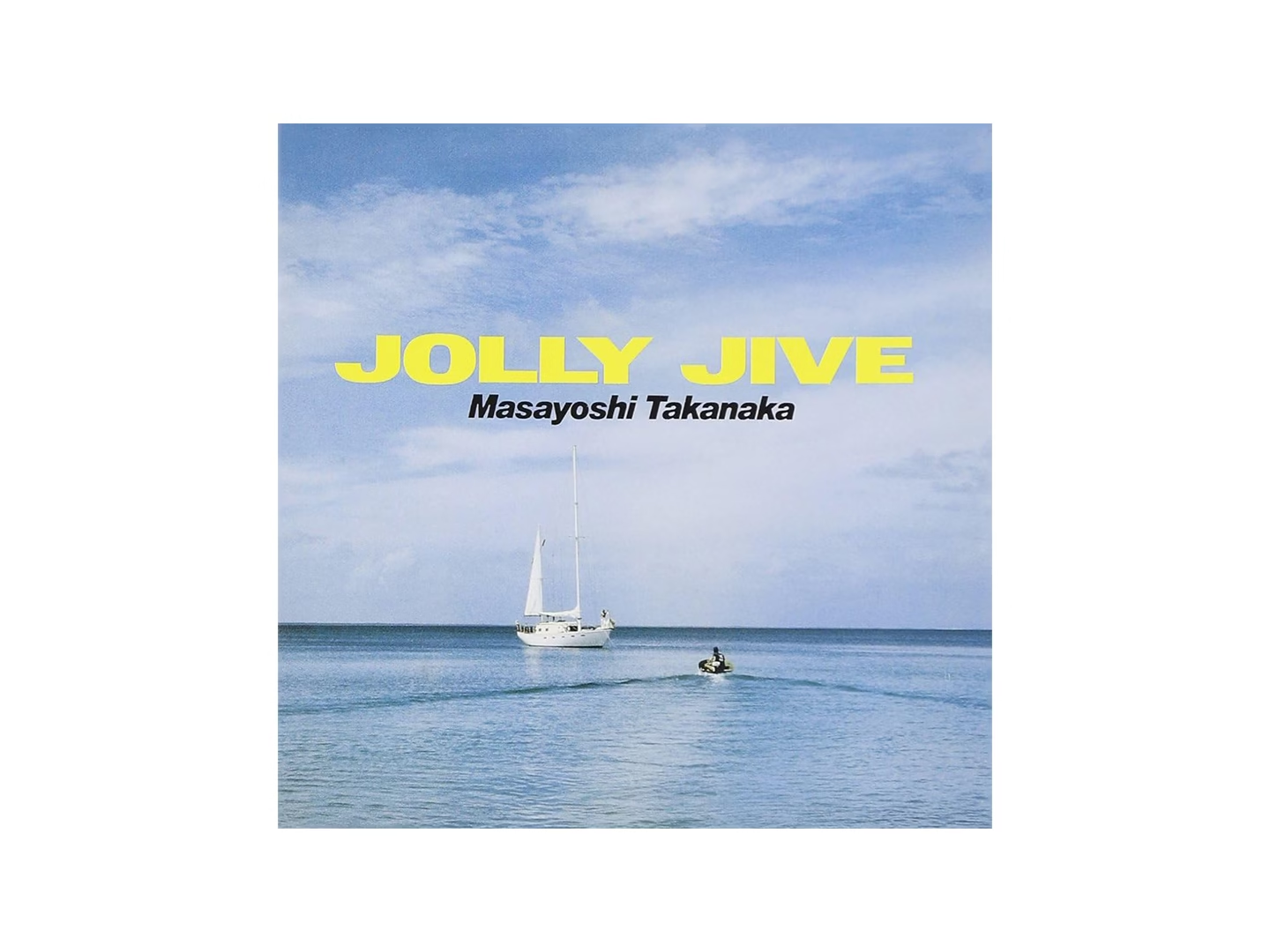
4. JOLLY JIVE (1979)
Released at a time when Takanaka’s popularity was rapidly growing, Jolly Jive combined sophisticated musicianship with playful arrangements and memorable melodies, making it one of the most approachable albums in his discography. Its colorful visual identity reinforced the optimistic character of his music, while its commercial success helped establish him as one of Japan’s leading instrumental artists without compromising his fusion roots.
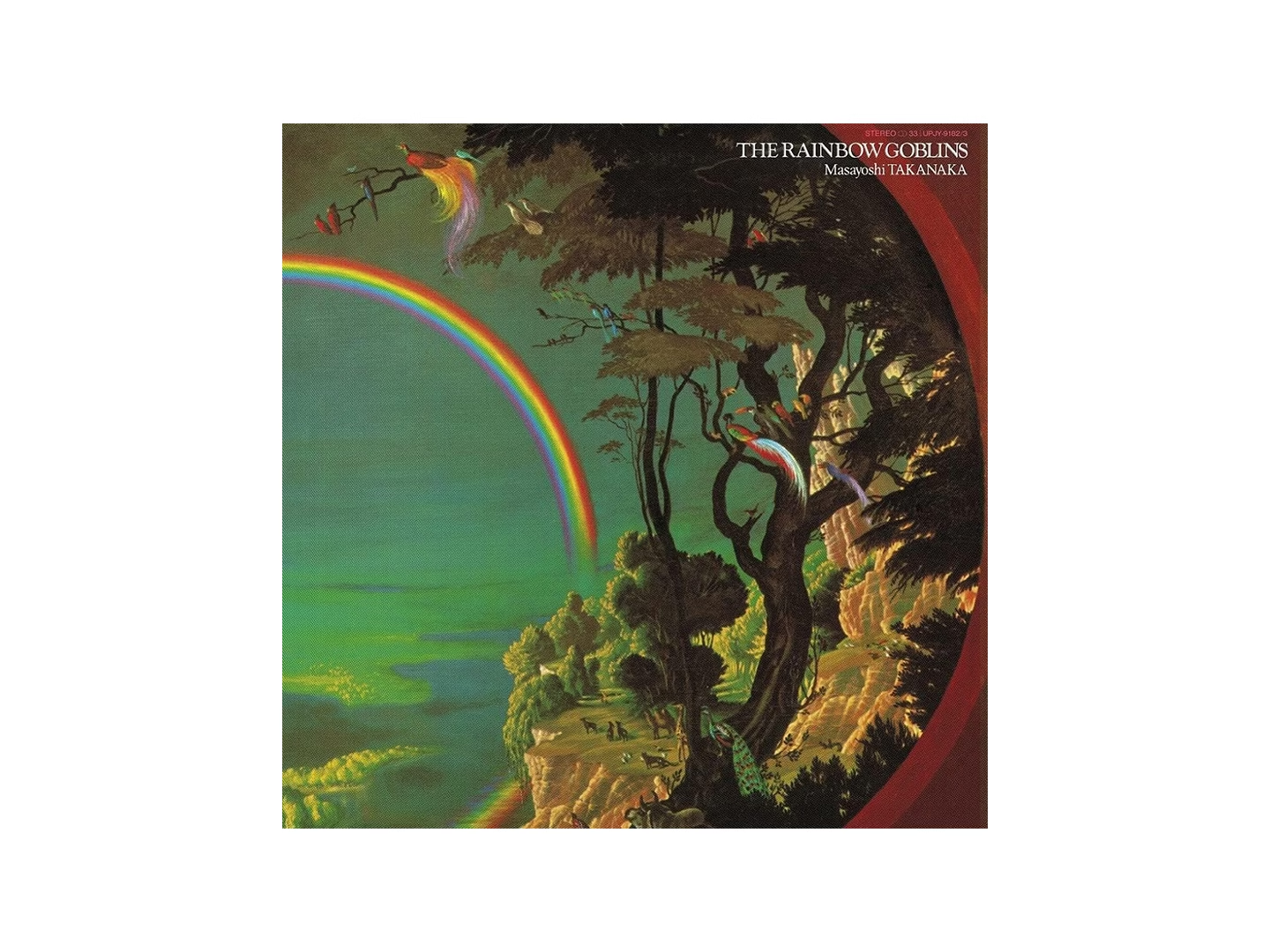
5. THE RAINBOW GOBLINS (1981)
Inspired by Ul de Rico’s illustrated book The Rainbow Goblins, this ambitious concept album presents a continuous musical narrative through orchestral arrangements, narration, and jazz fusion. Rather than a collection of individual tracks, the album unfolds as a cohesive work and demonstrated the scale of Takanaka’s artistic vision while preserving the melodic guitar playing that defined his earlier releases. It remains one of the landmark concept albums in Japanese jazz fusion and one of the defining works of his career.