Japan’s fascination with Americana grew through a mix of aspiration, fashion magazines and vintage collecting. In the 1960s, local brands and publications popularized Ivy League style, presenting an image of American prosperity and youth culture. Later, collectors and dealers sought out workwear, denim and military garments, building knowledge around their fabrics, construction and history. That interest helped support Japanese makers who recreated old designs, developed their own materials and revived earlier production methods. Over time, certain pieces became closely associated with the brands making them. These five signatures offer a way into that world: garments that reveal a maker’s approach through the cloth it develops, the details it preserves and the fit it refines.
1. orSlow
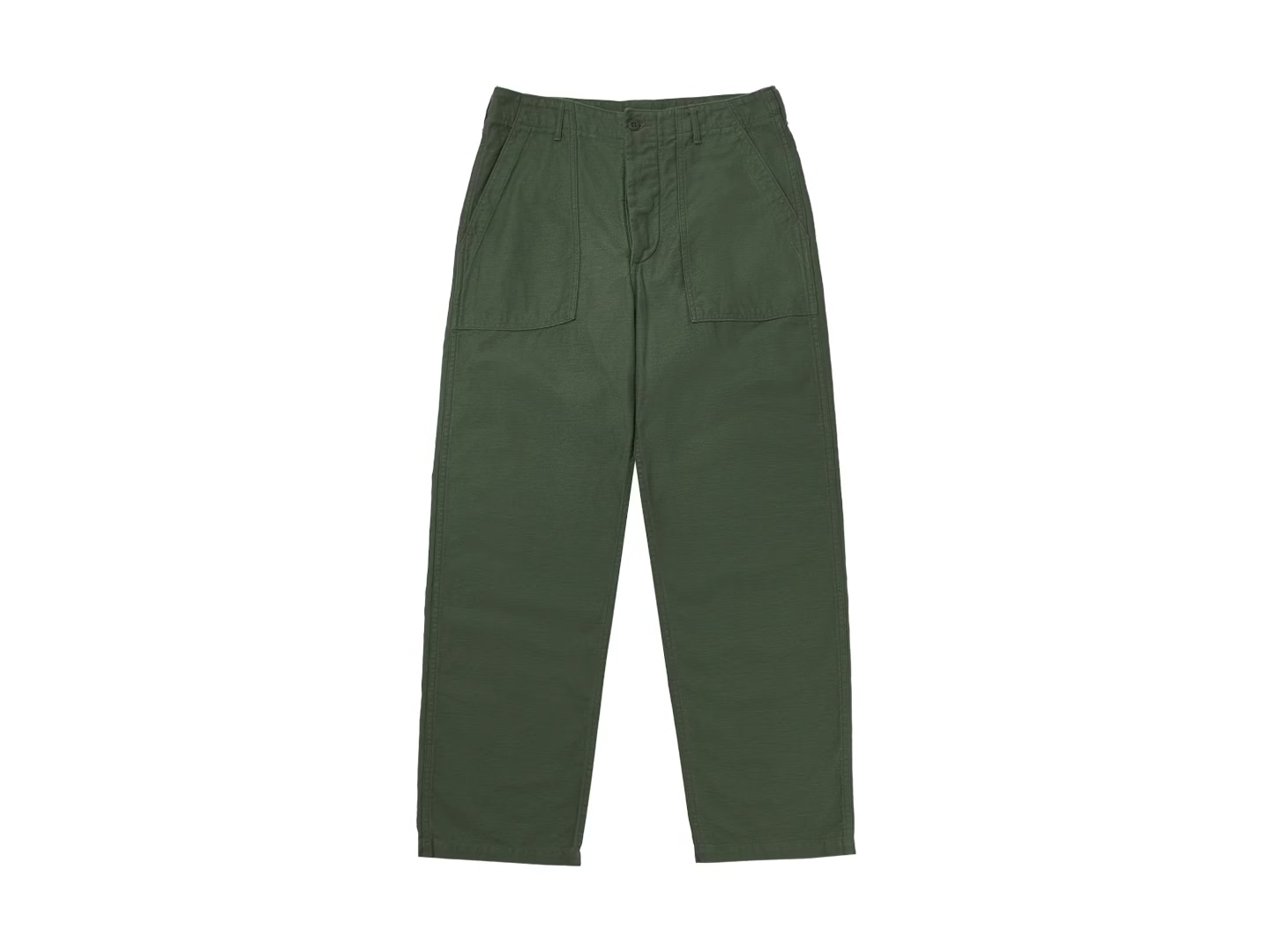
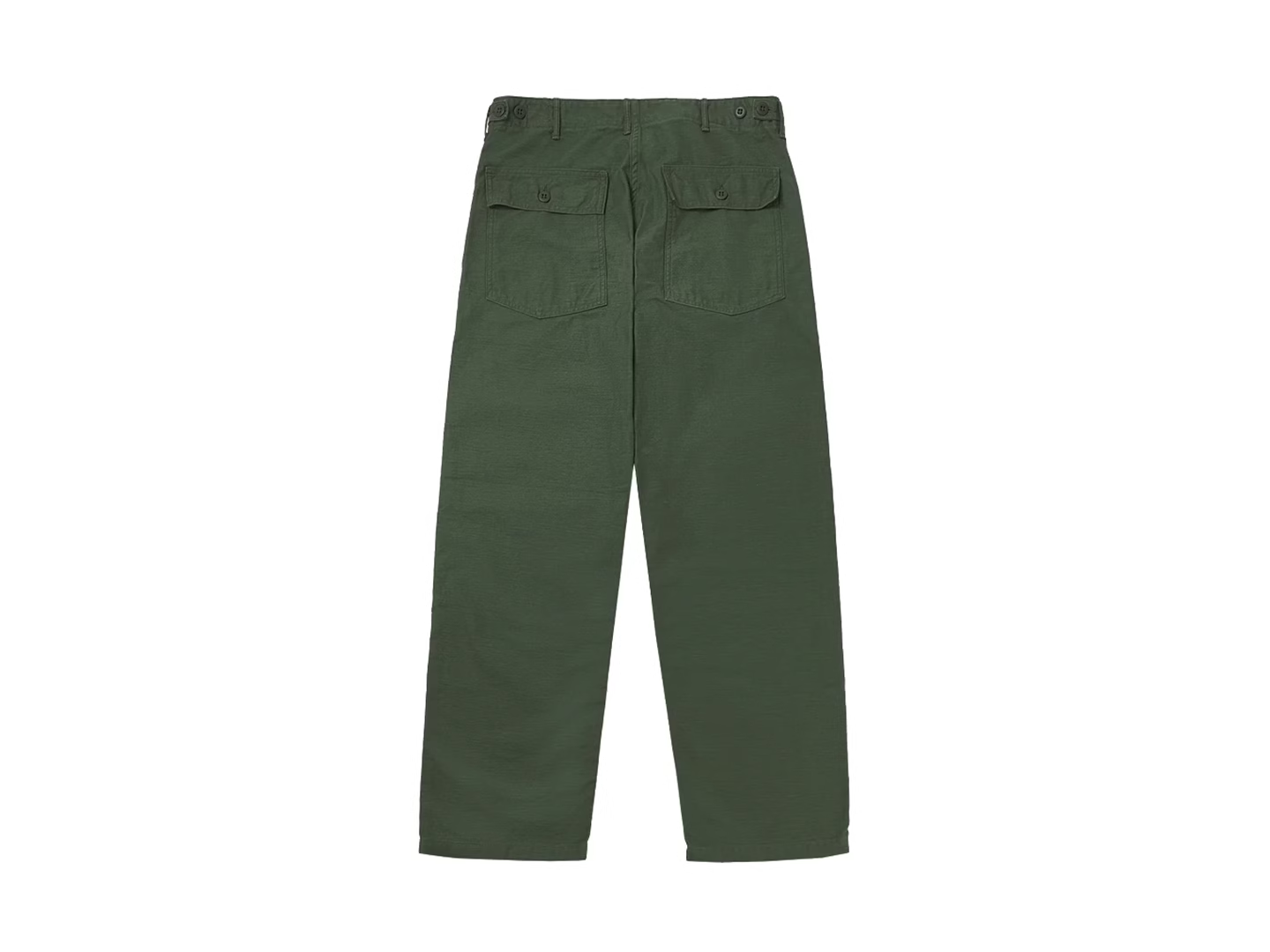
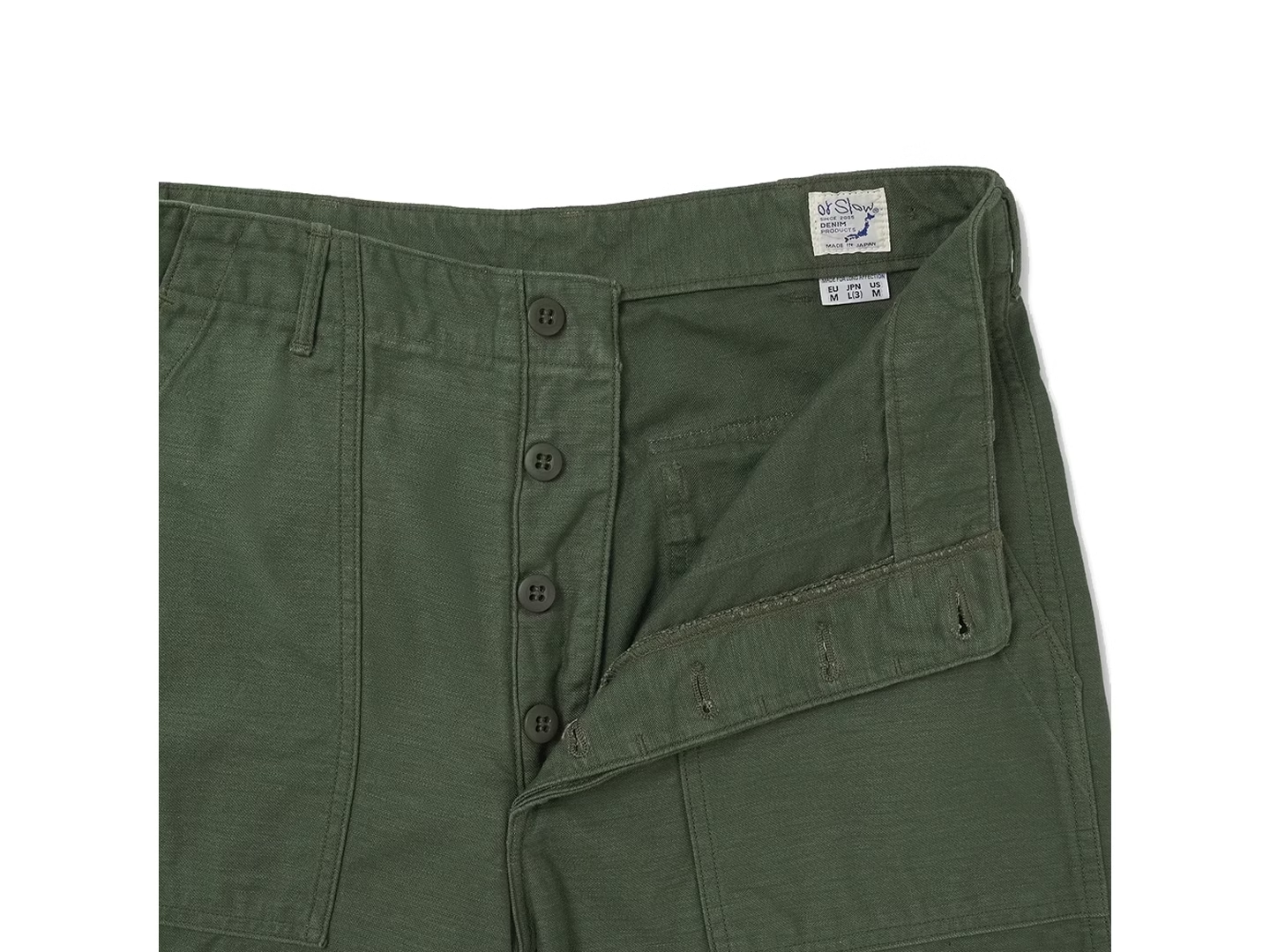
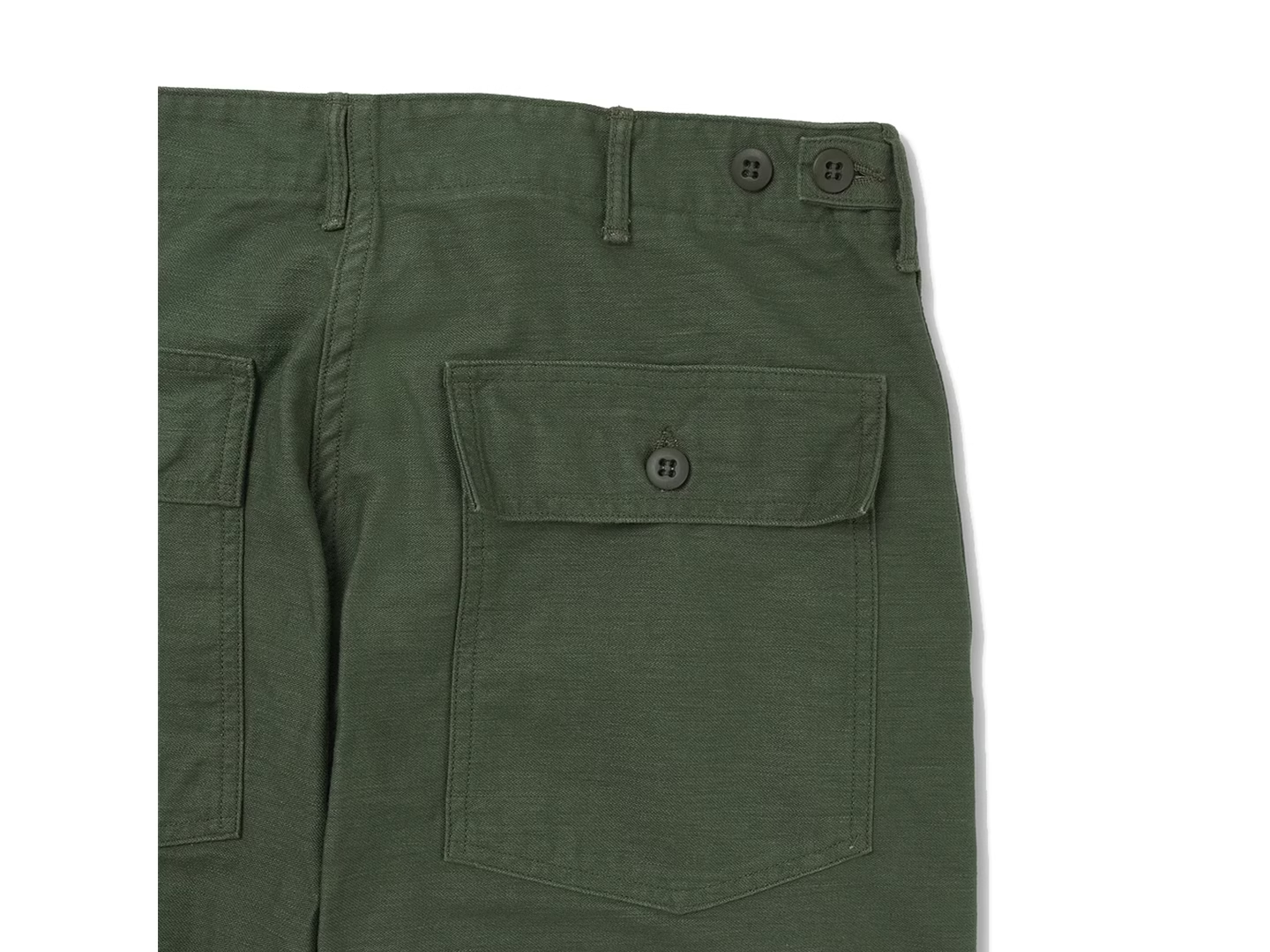
5002 US Army Fatigue Pants
Ichiro Nakatsu’s orSlow adapts vintage workwear and military clothing for everyday use. Its 5002 US Army Fatigue Pants have been part of the collection since 2006, taking their cues from American military work trousers of the 1960s. The slightly wide cut is made in original reverse sateen, woven with deliberately uneven yarn. That irregularity gives the fabric its texture, while repeated wear and washing gradually fade its color. The design has undergone only minor revisions since its introduction.
2. Buzz Rickson’s
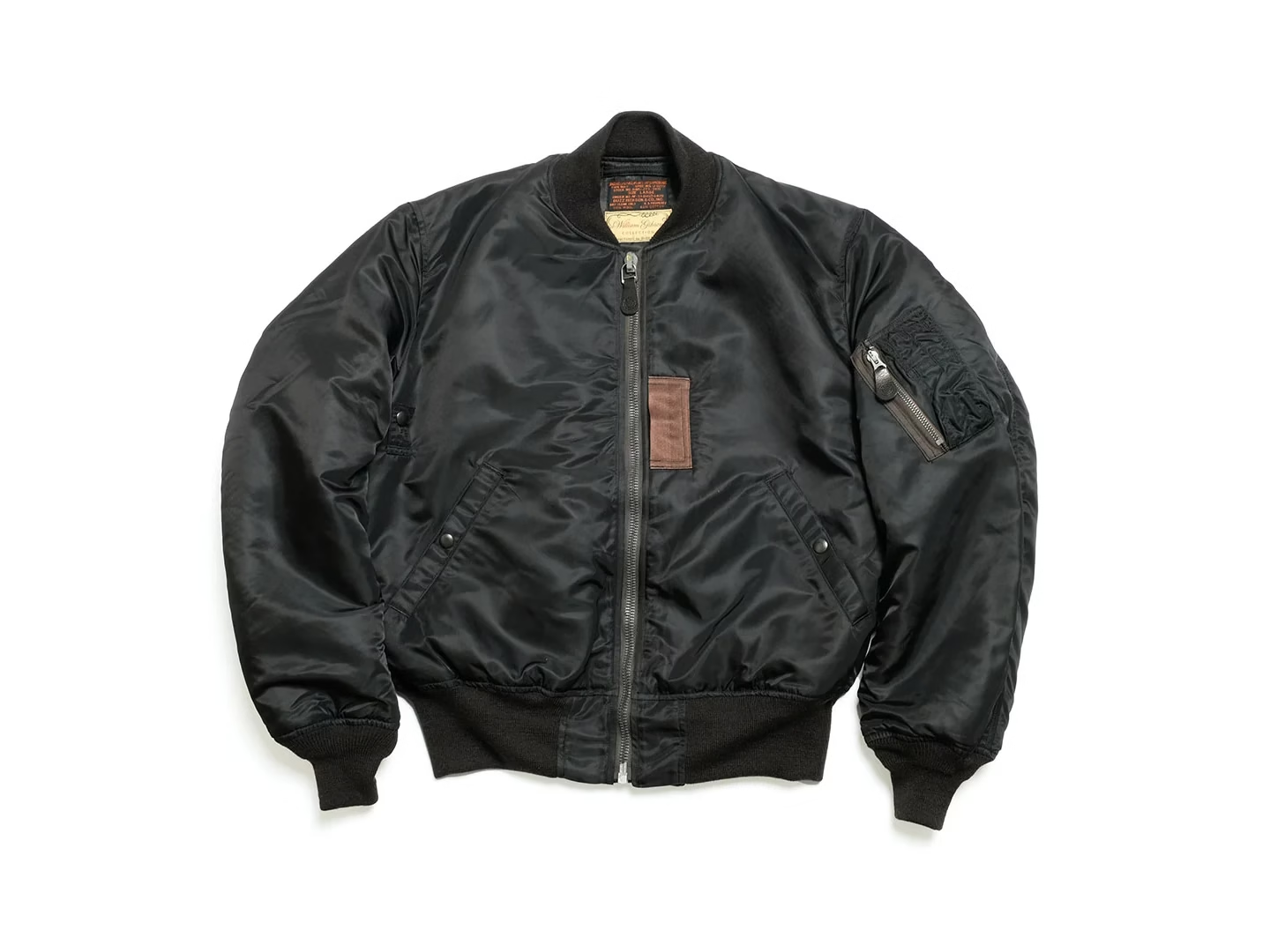
MA-1 Flight Jacket
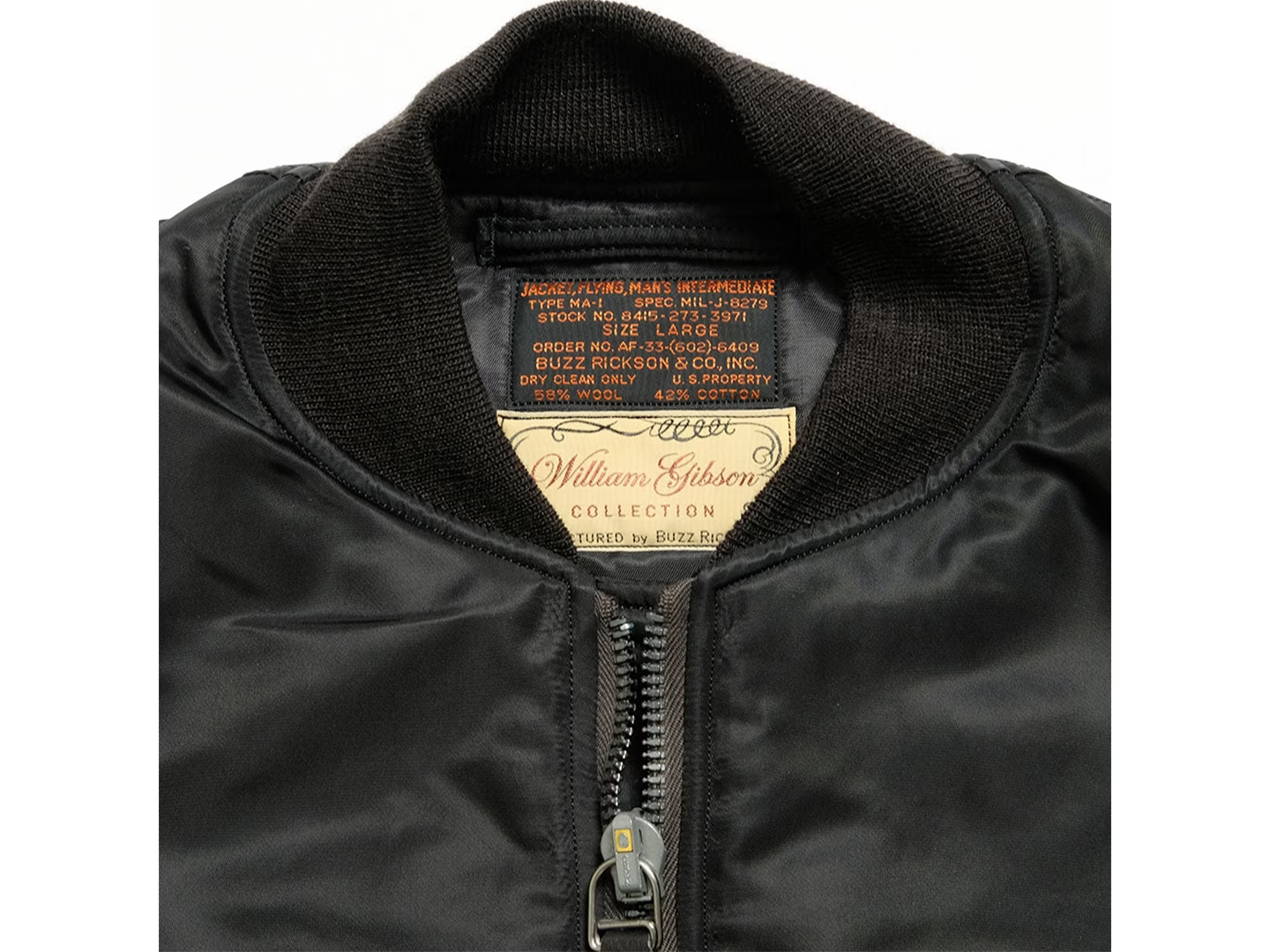
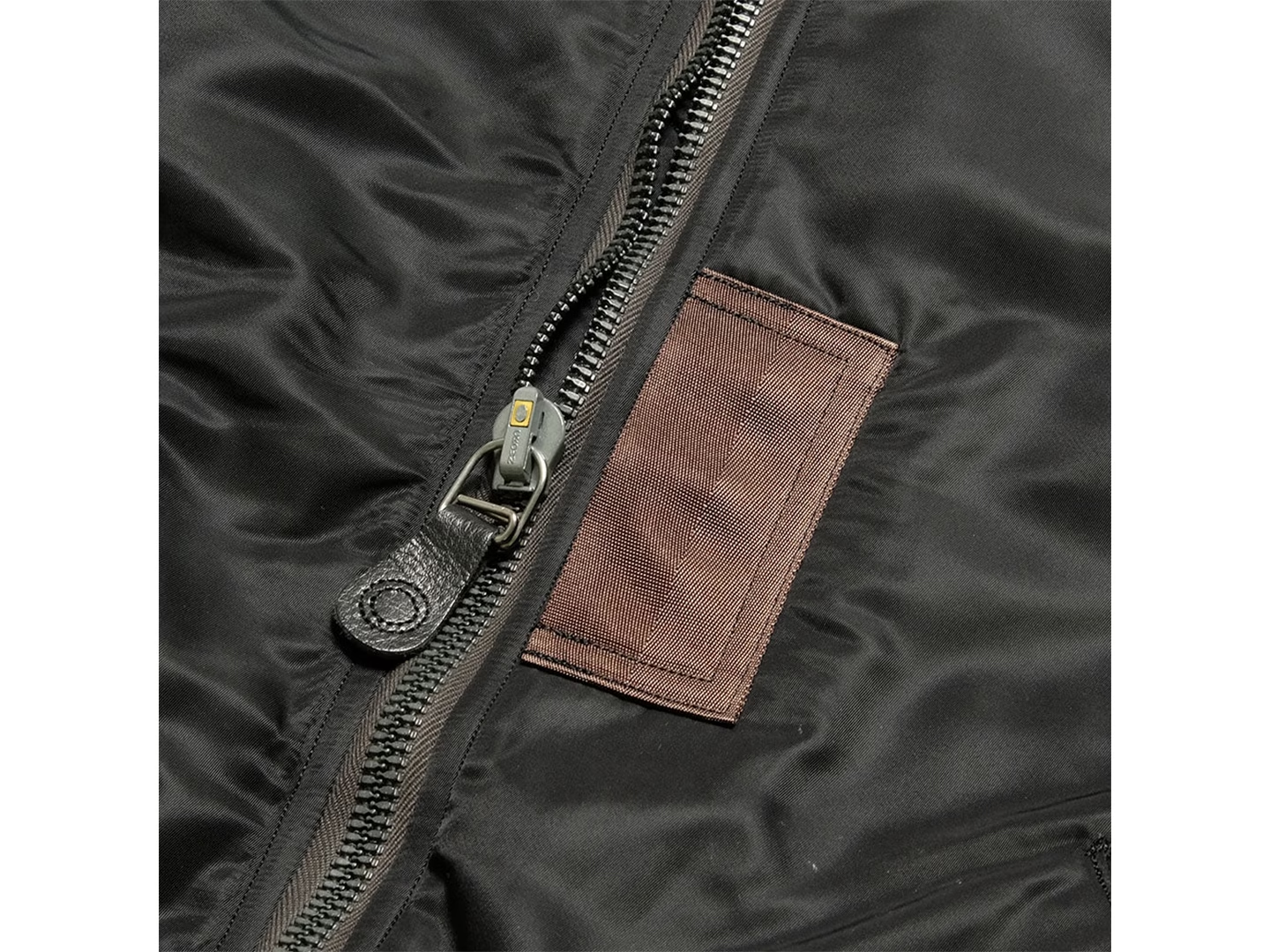
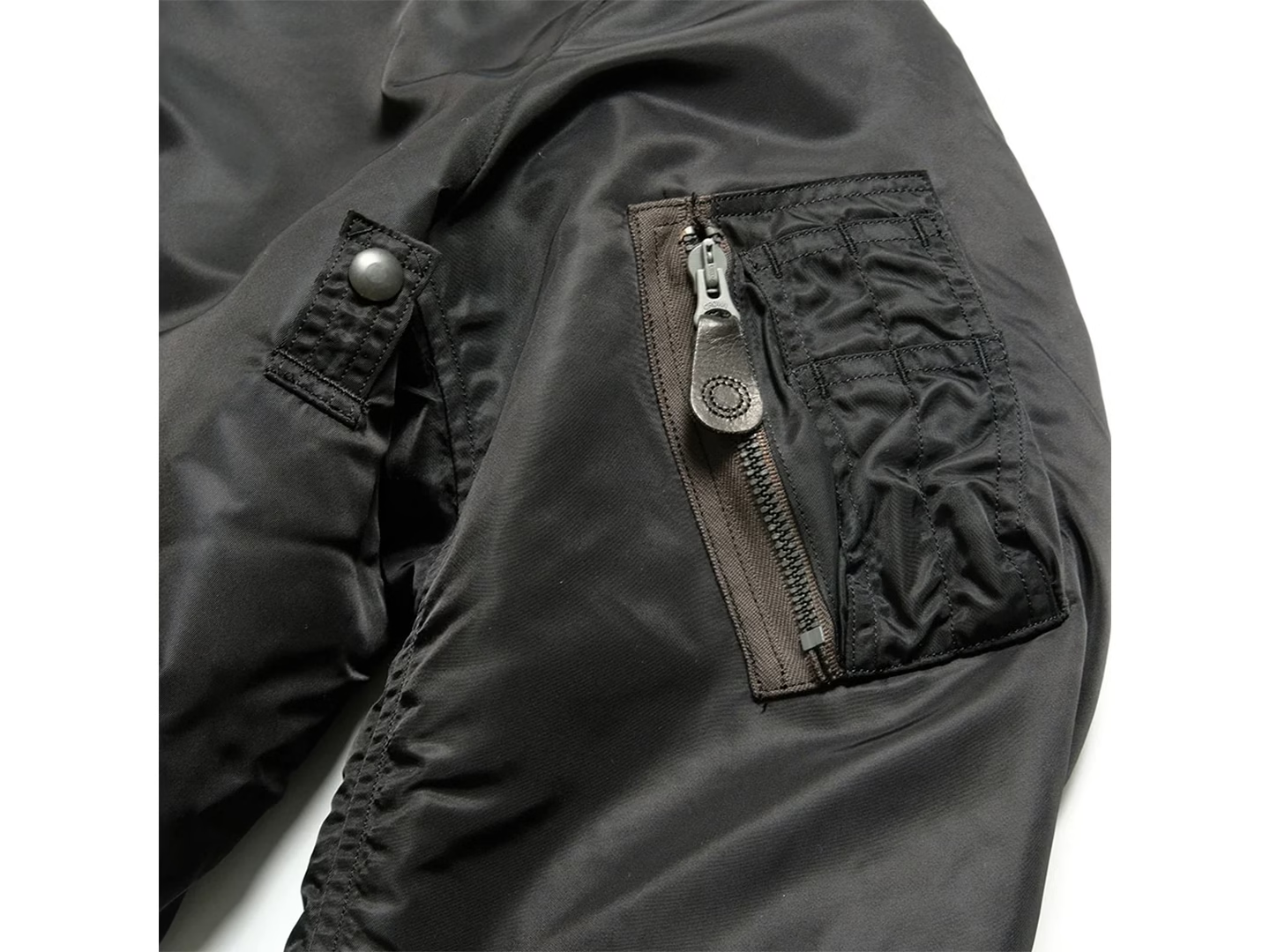
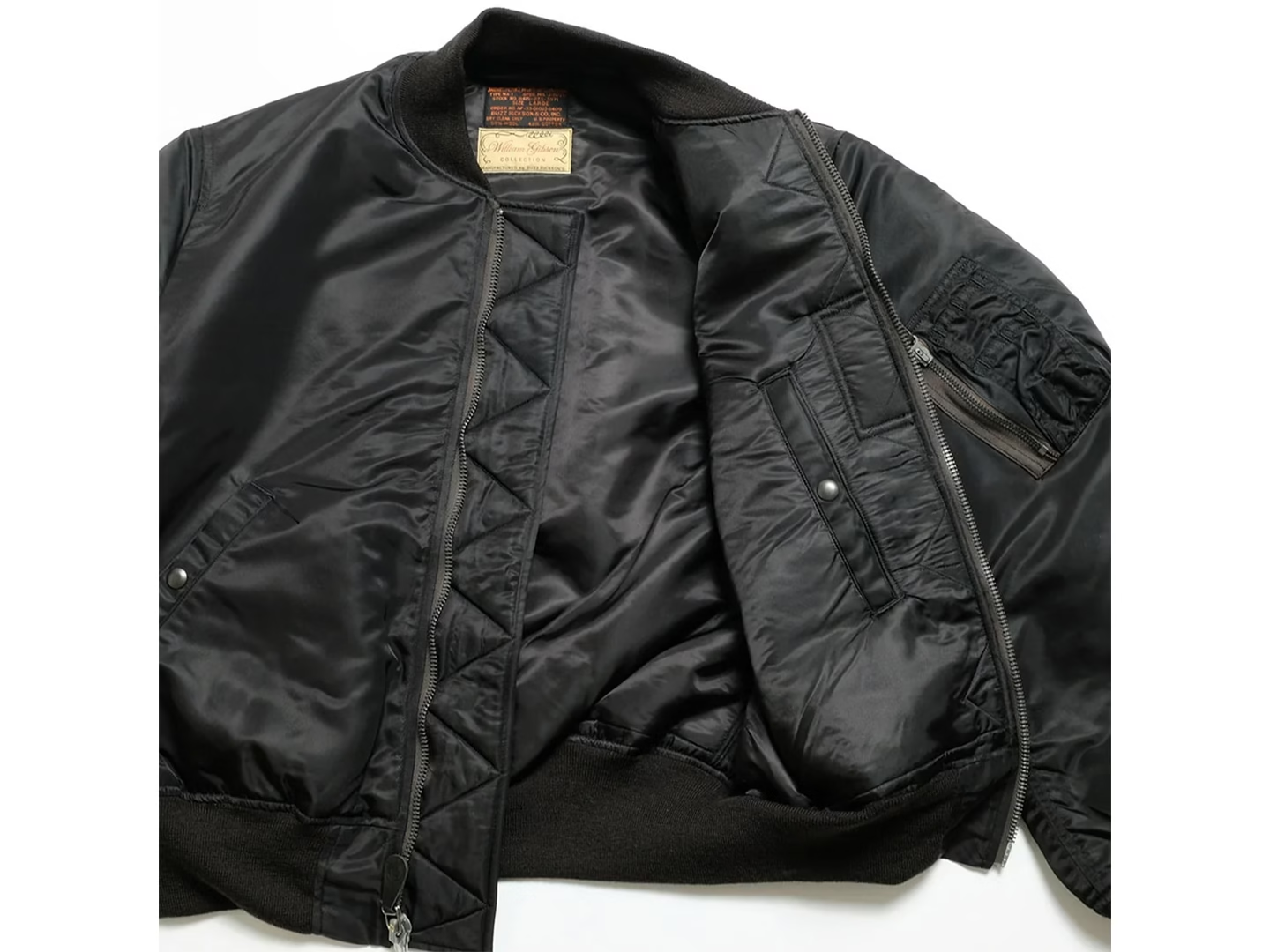
Buzz Rickson’s studies the fabrics, hardware and military specifications of American flight jackets. Its MA-1 follows that approach, while the William Gibson version adds an unusual chapter. In Gibson’s 2003 novel Pattern Recognition, protagonist Cayce Pollard wears a black Buzz Rickson’s MA-1 that did not yet exist. The brand subsequently produced it, translating the construction of the original sage-green military jacket into black. A garment imagined for a fictional character became part of the brand’s own collection.
3. The Real McCoy’s
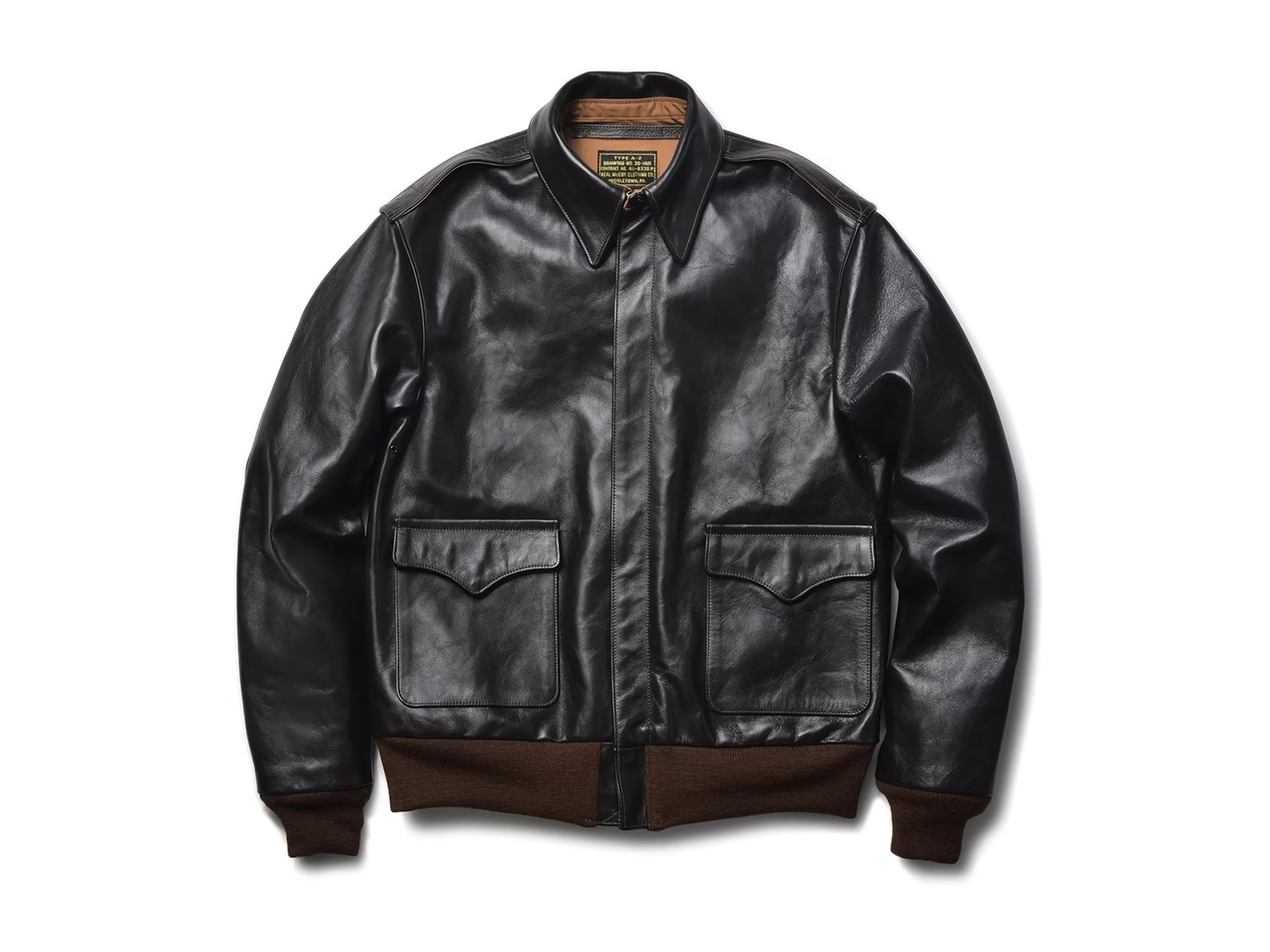
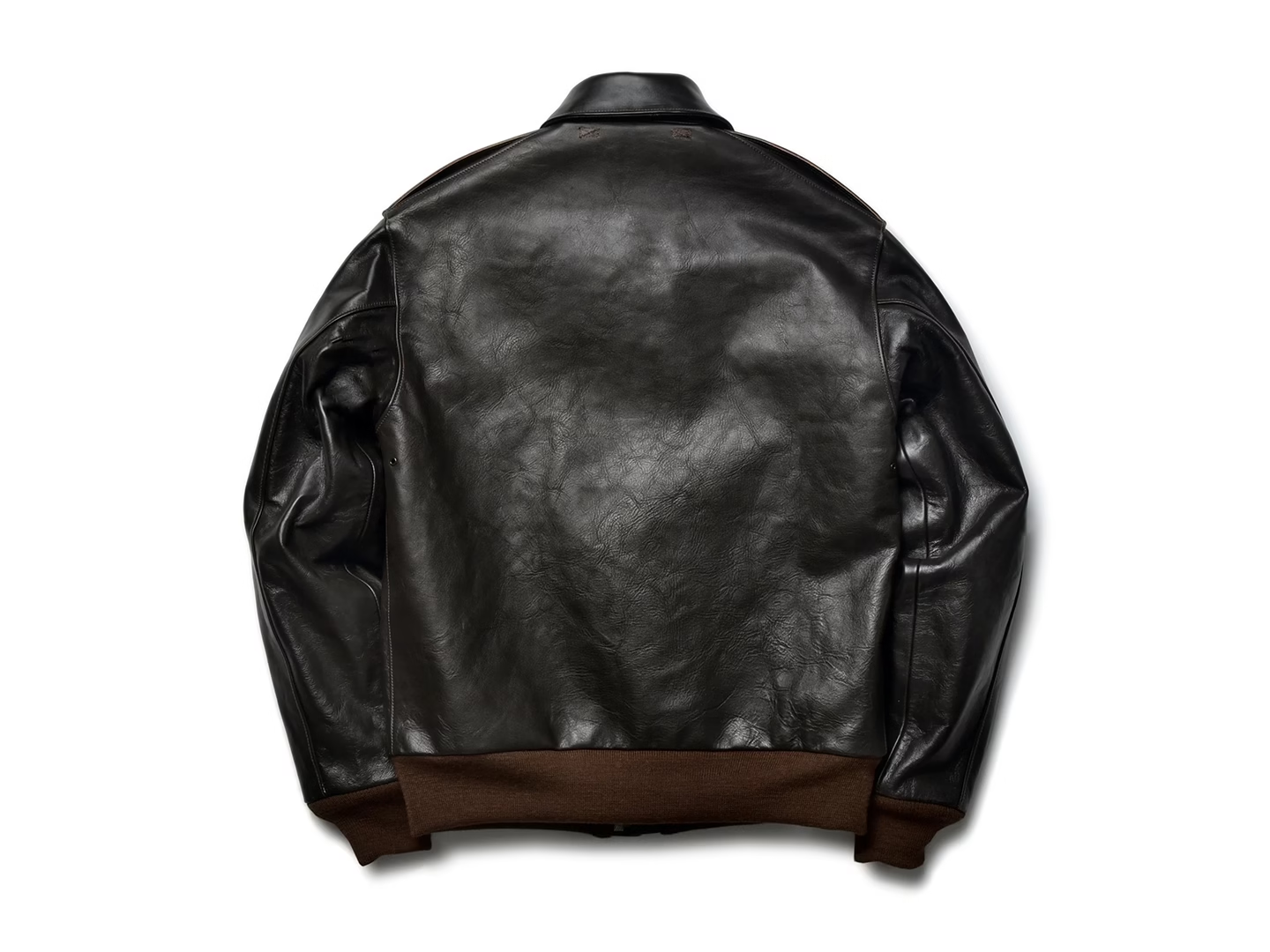
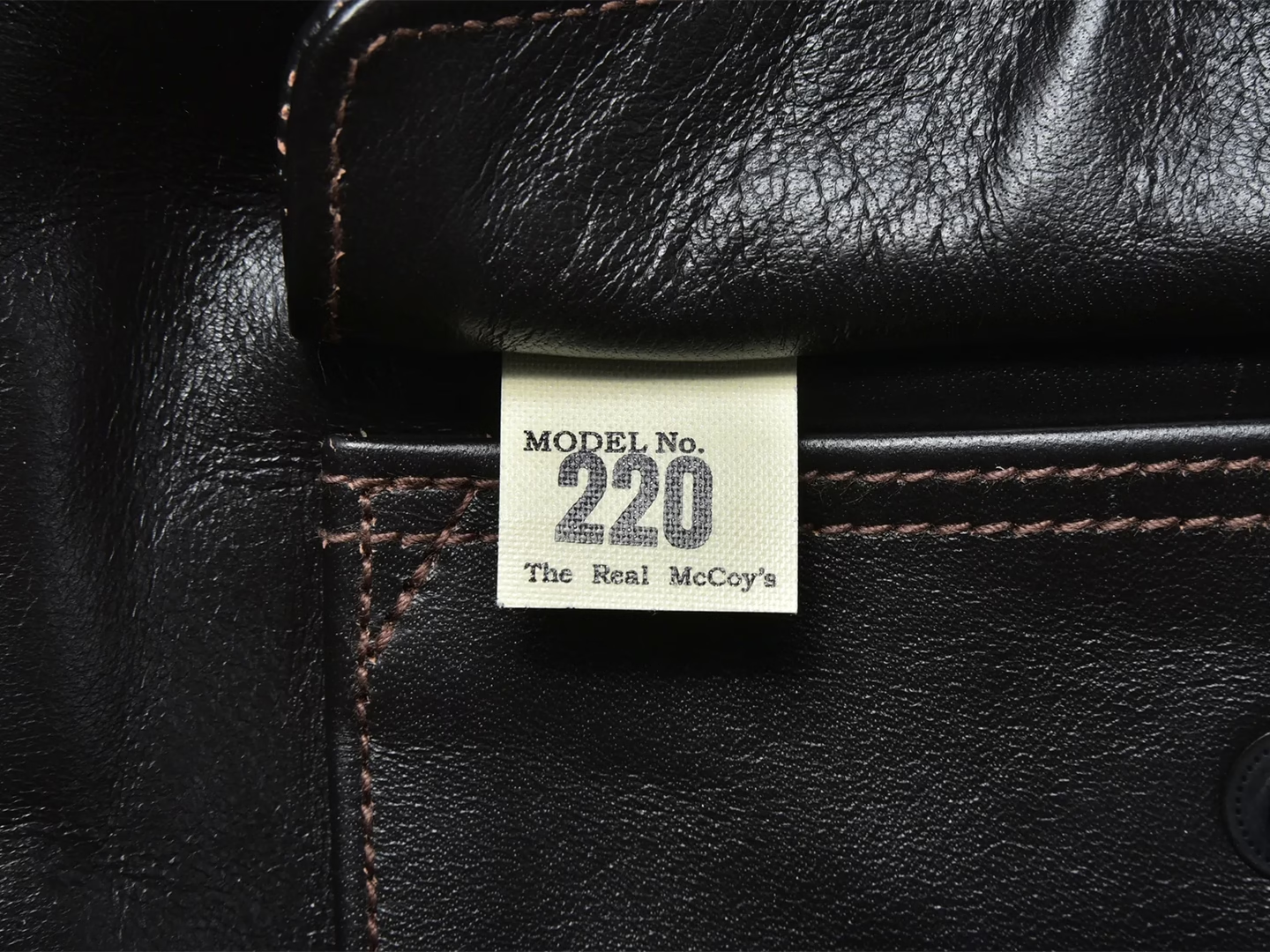
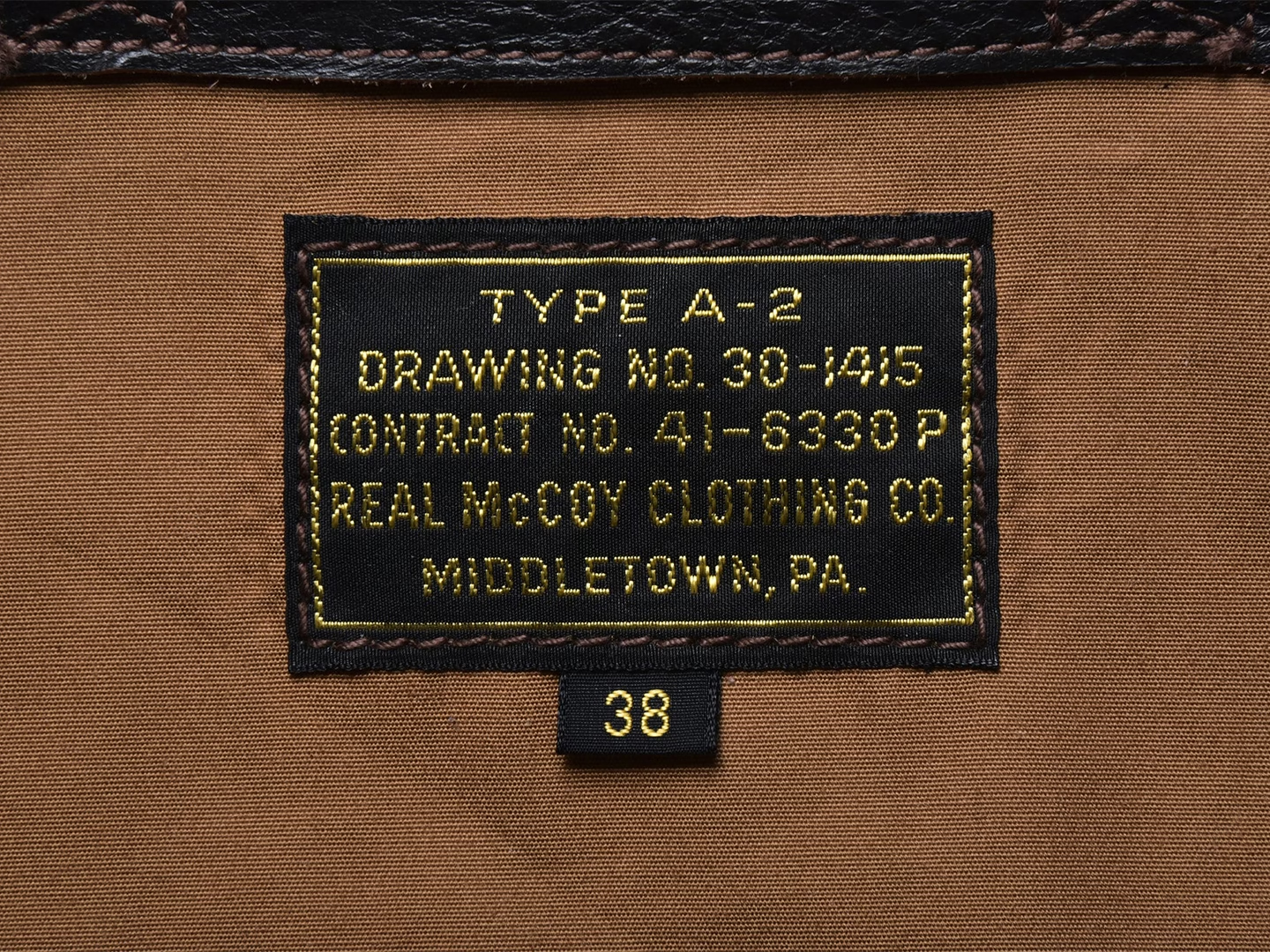
Type A-2 REAL McCOY MFG. CO.
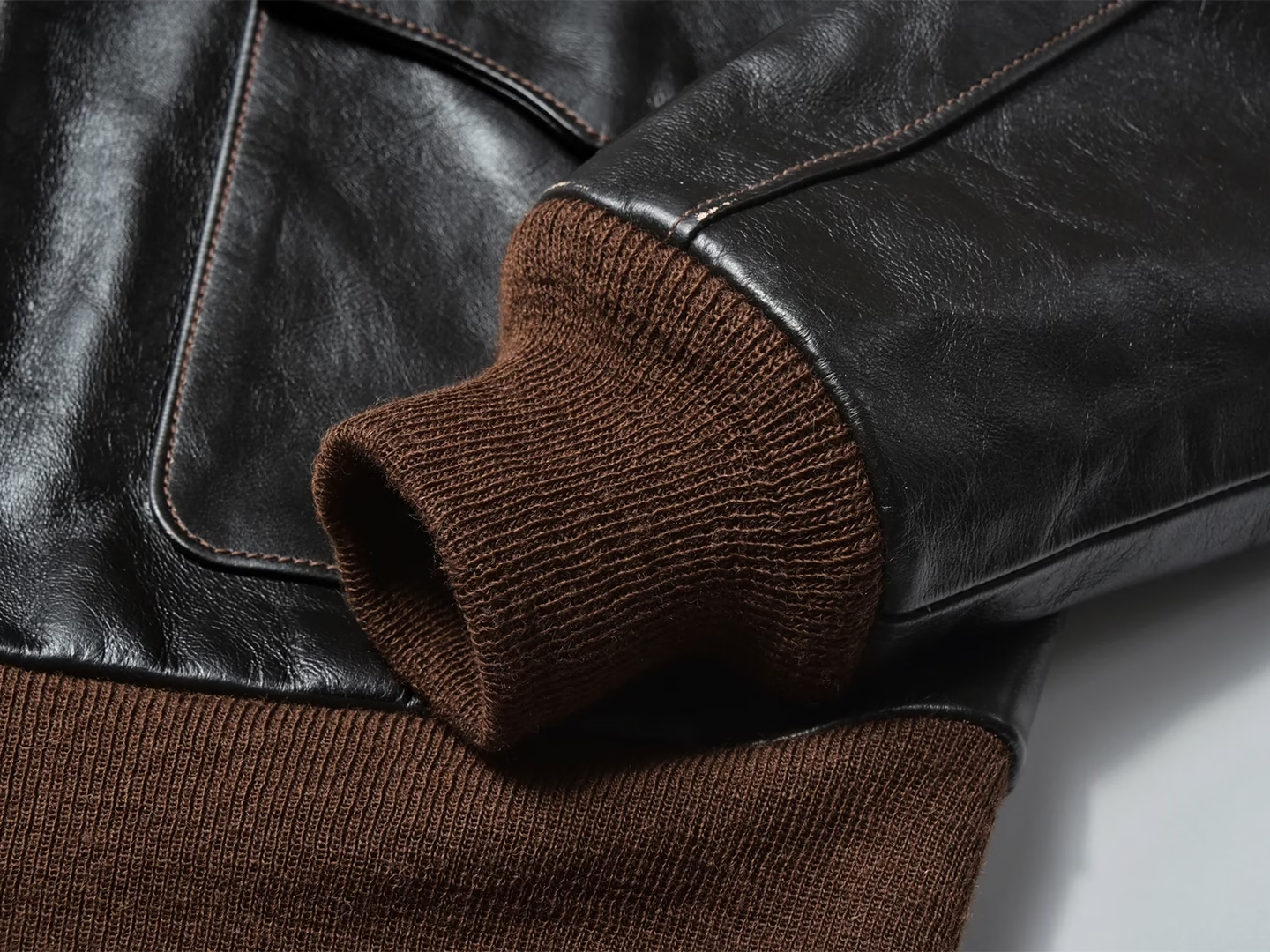
The Real McCoy’s recreates American military and civilian clothing through close study of materials and construction. The A-2 flight jacket was central to its beginnings and remains a signature. Horsehide jackets are made at the brand’s Kobe workshop, where different parts of the hide are selected for their role in the garment. On the A-2, leather is thinned where seams overlap to reduce bulk. The REAL McCOY MFG. CO. model retains vegetable-tanned horsehide, cotton lining and wool ribbing, with a house cut adjusted for movement and comfort.
4. Freewheelers
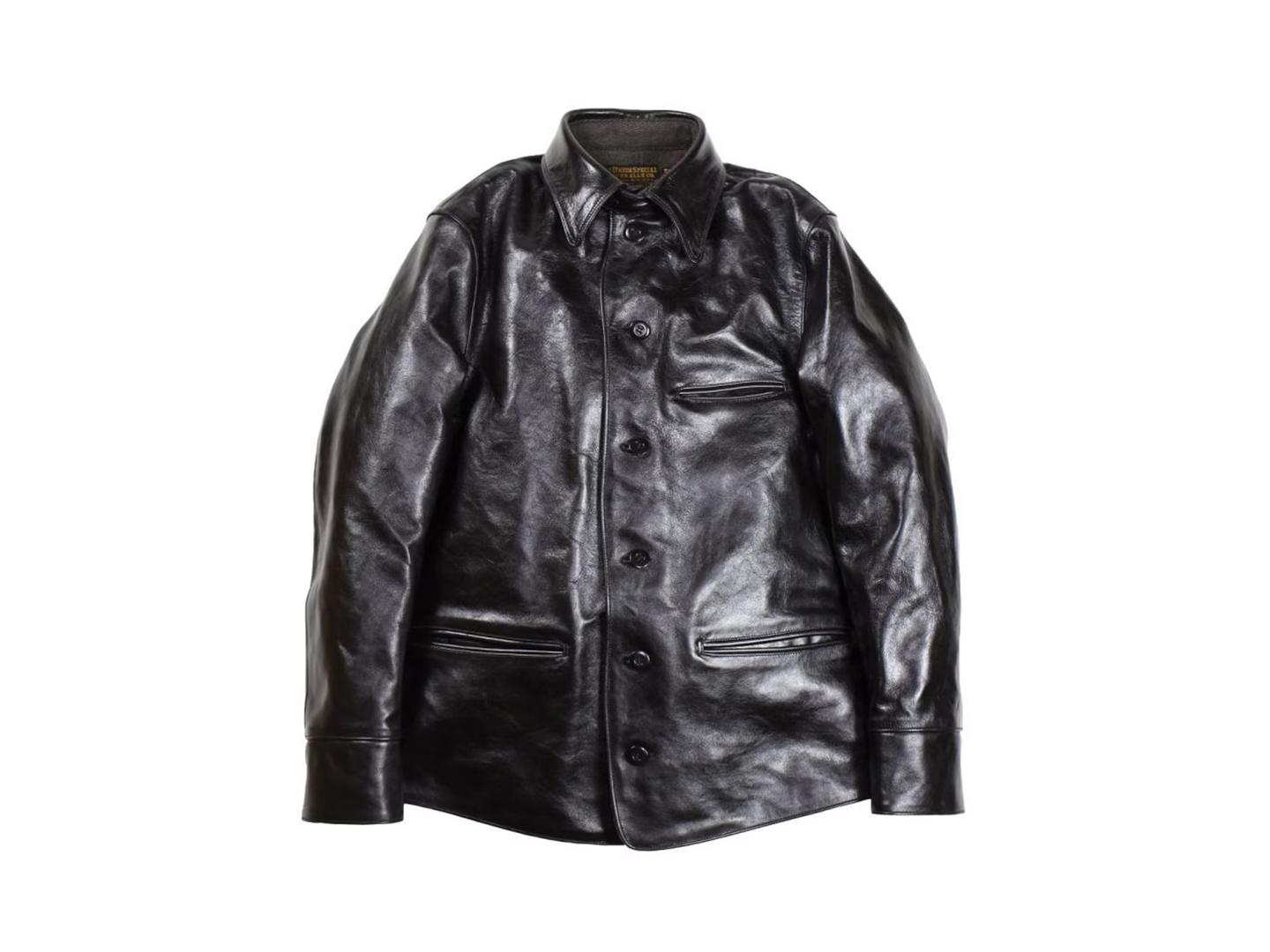
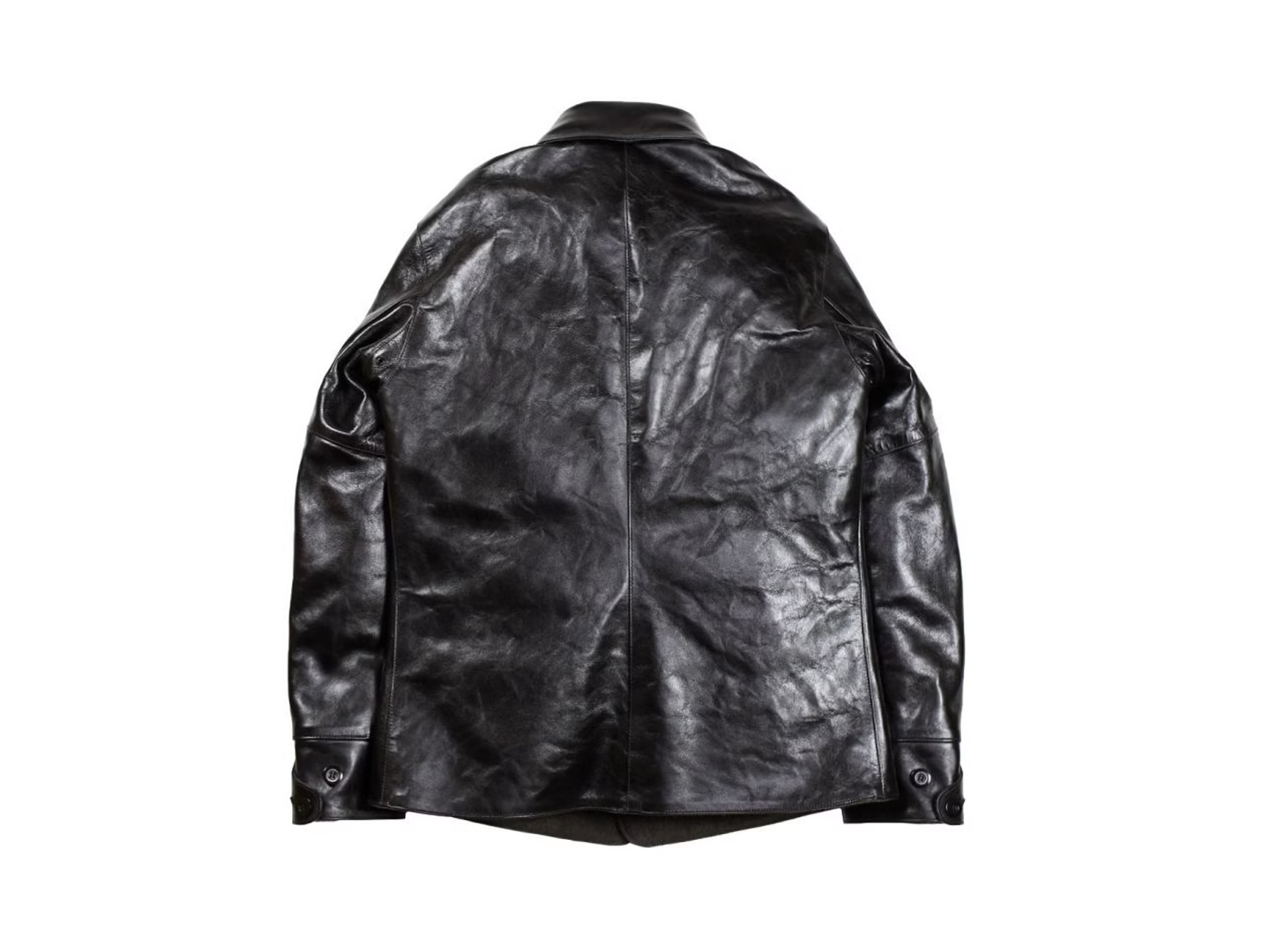
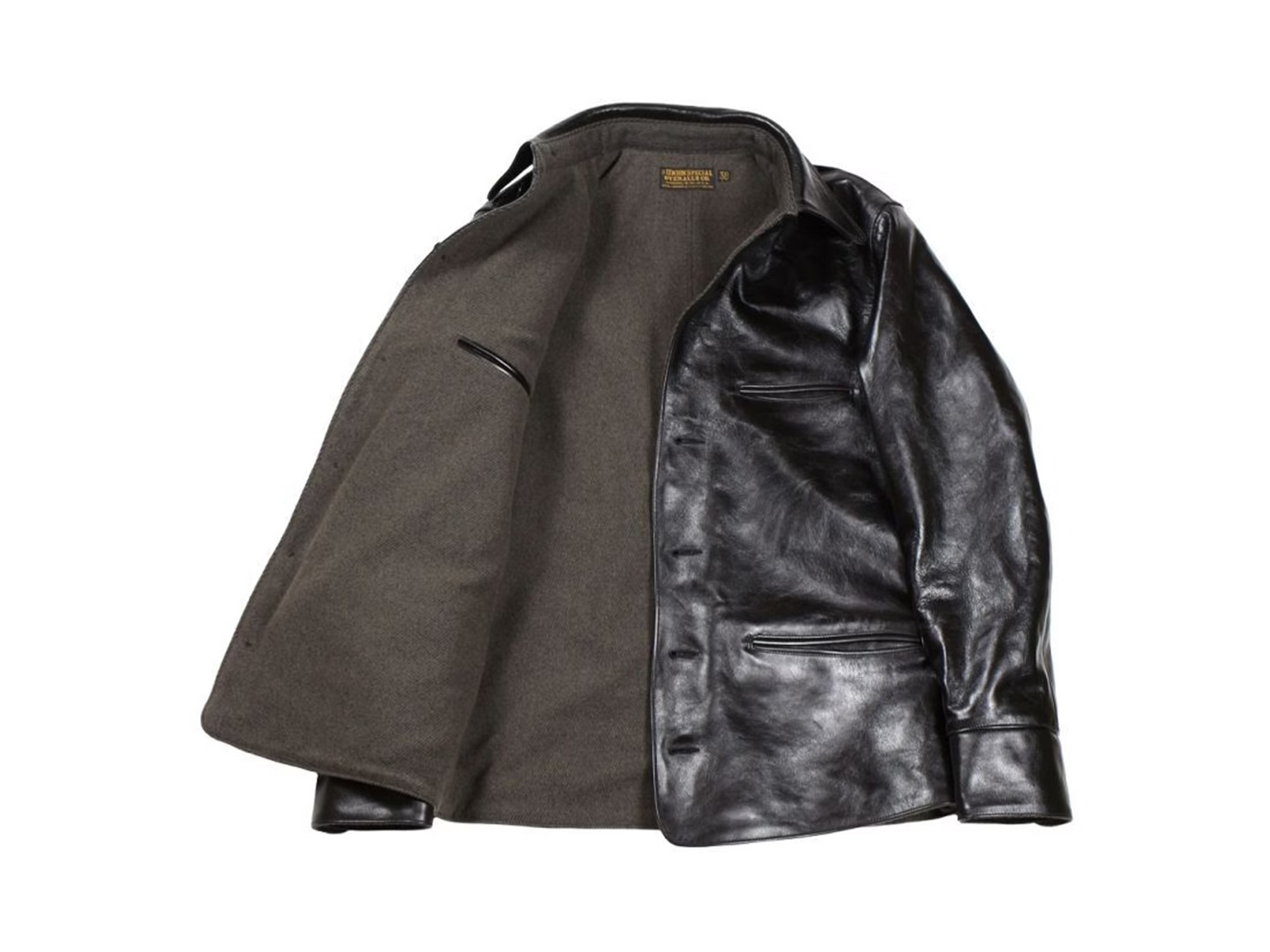
Brakeman Work Coat
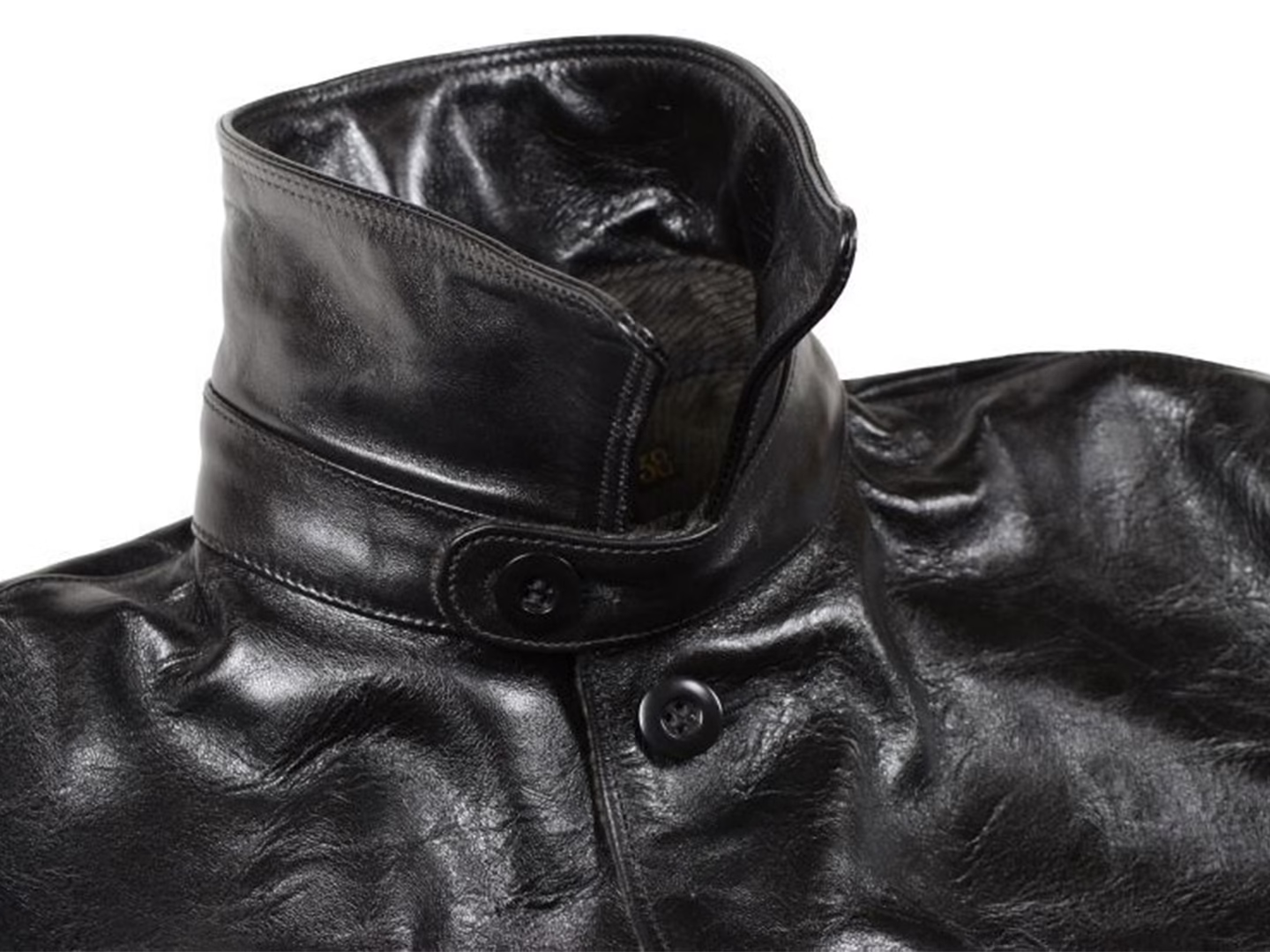
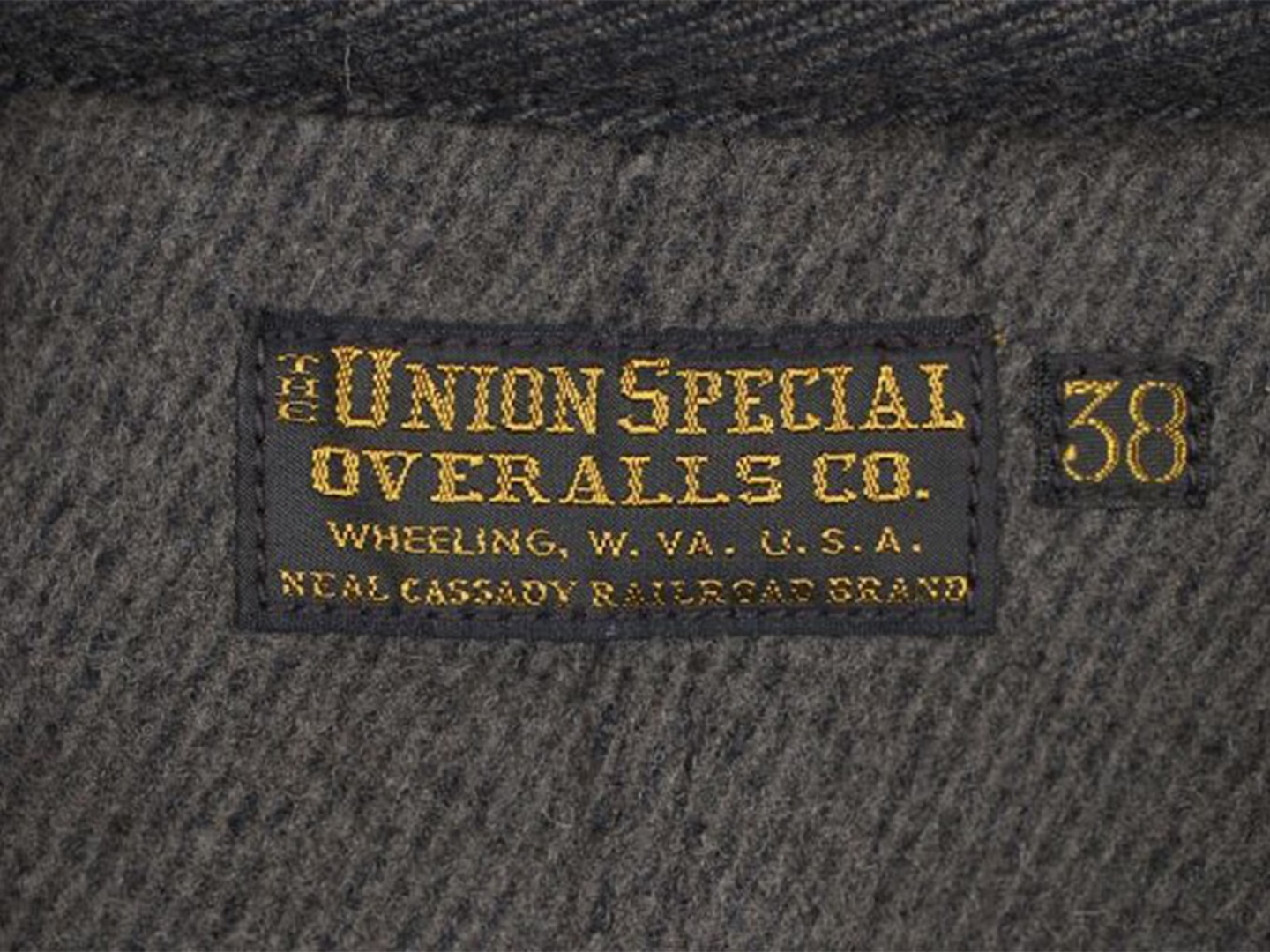
Freewheelers draws on early American work clothing, with the Brakeman Work Coat belonging to its Union Special Overalls line. Its reference is a railroad worker’s coat of the 1920s. The exterior uses thick, glossy horsehide, backed by a cotton-and-wool body lining and cotton flannel inside the sleeves. Those layers give the coat substance both inside and out. A recurring part of the brand’s leather offering, the Brakeman appears in its own archive as early as 2013.
5. Jelado
Unionworkers Flannel Shirt
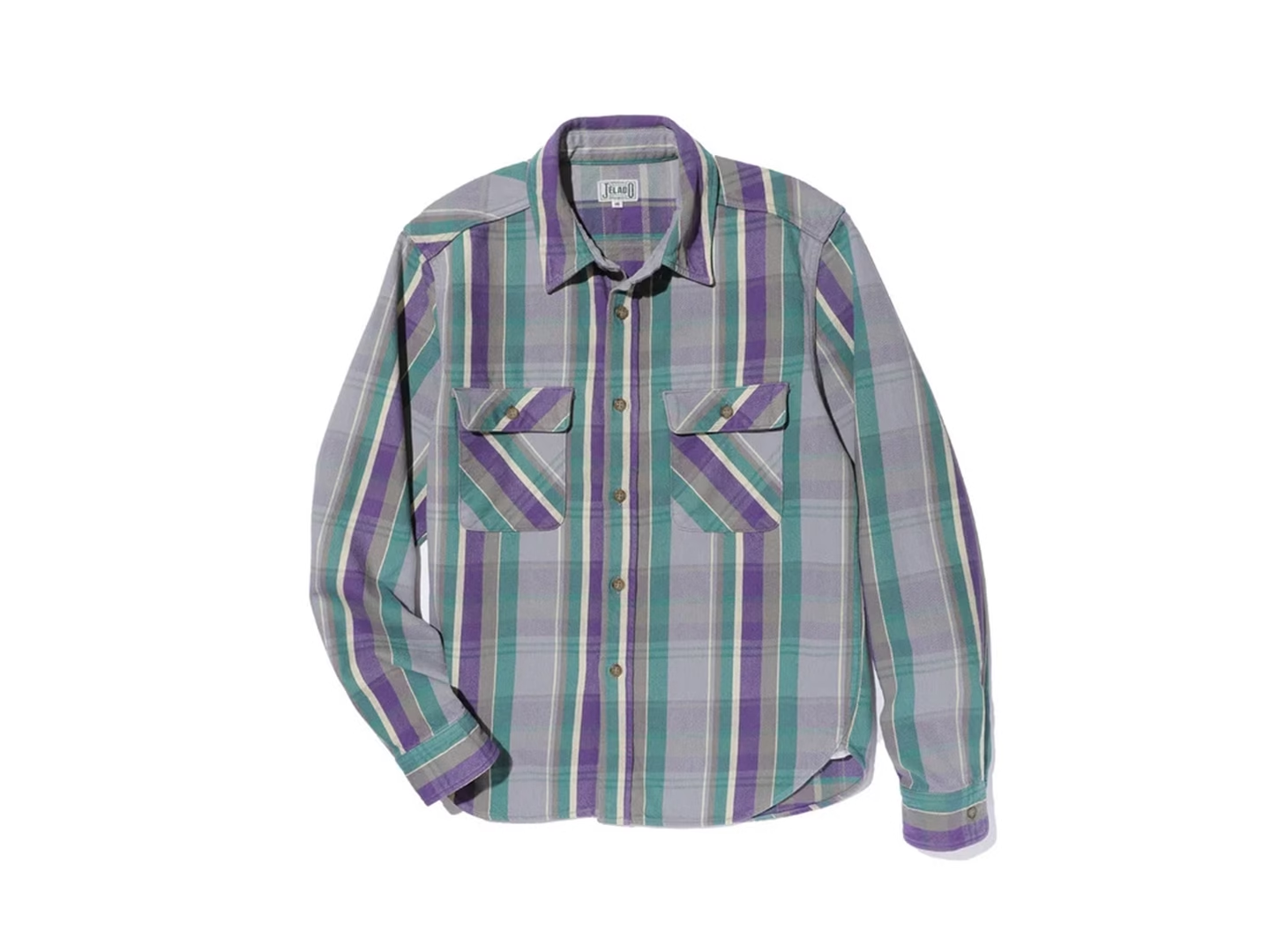
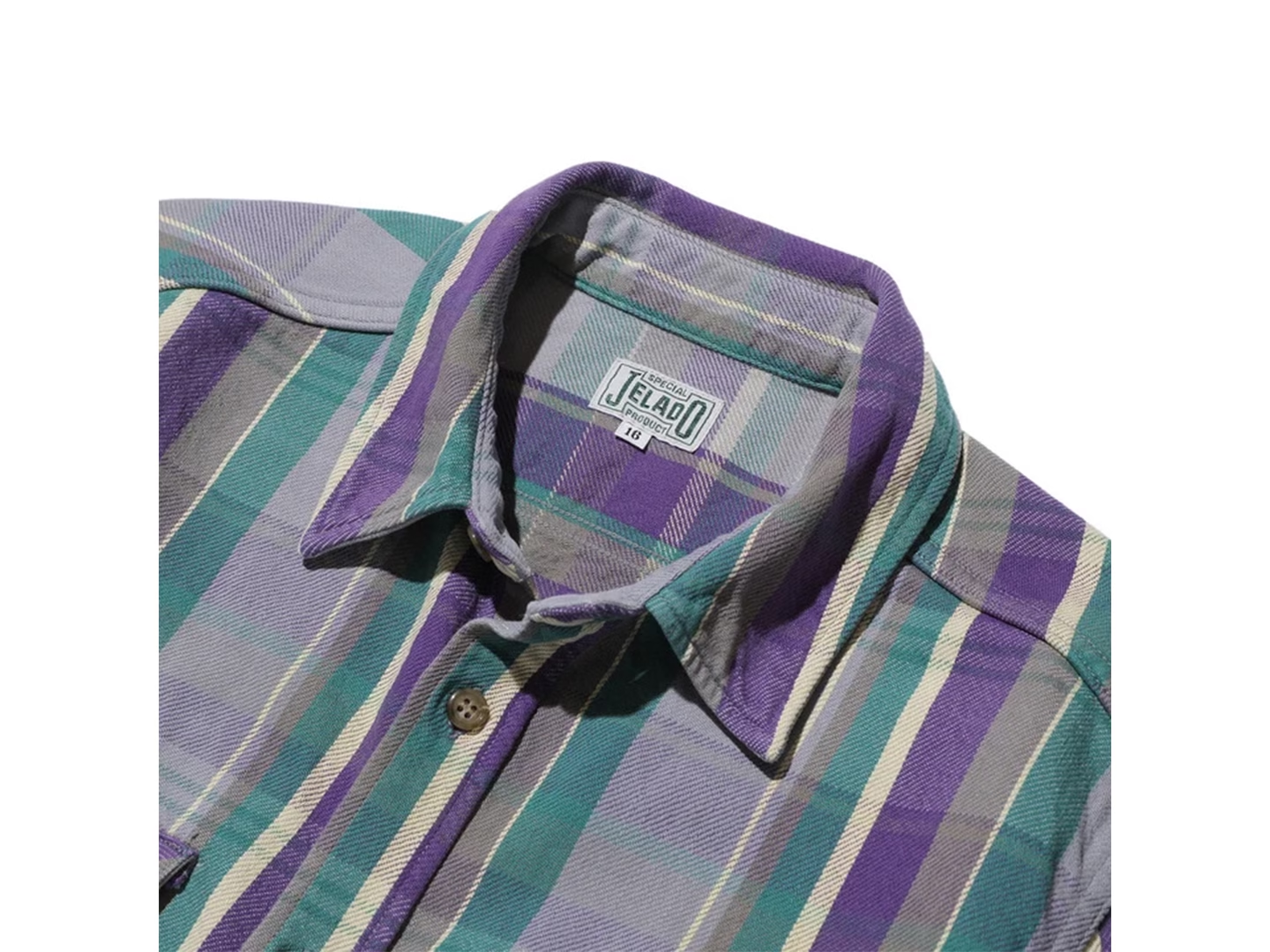
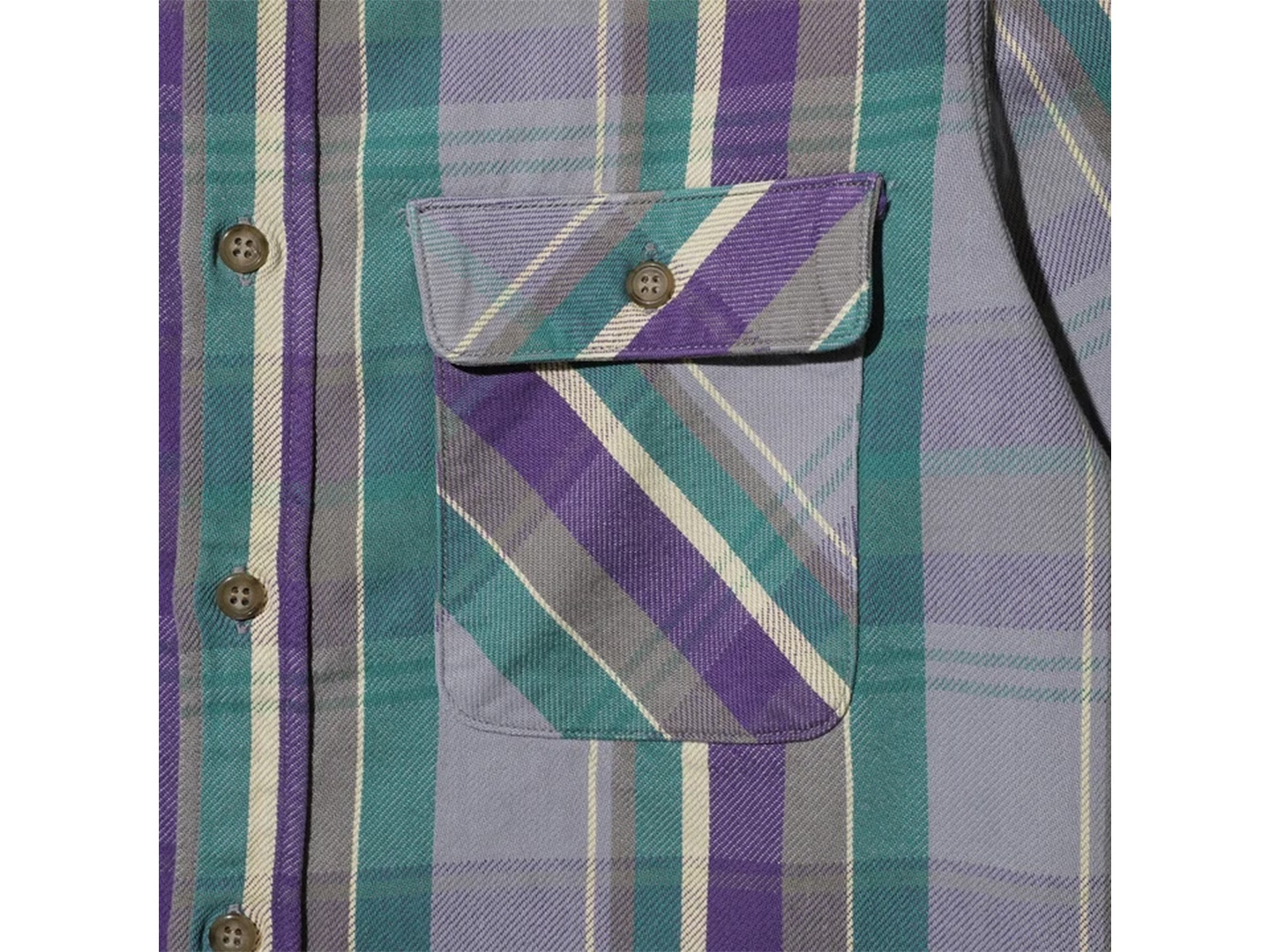
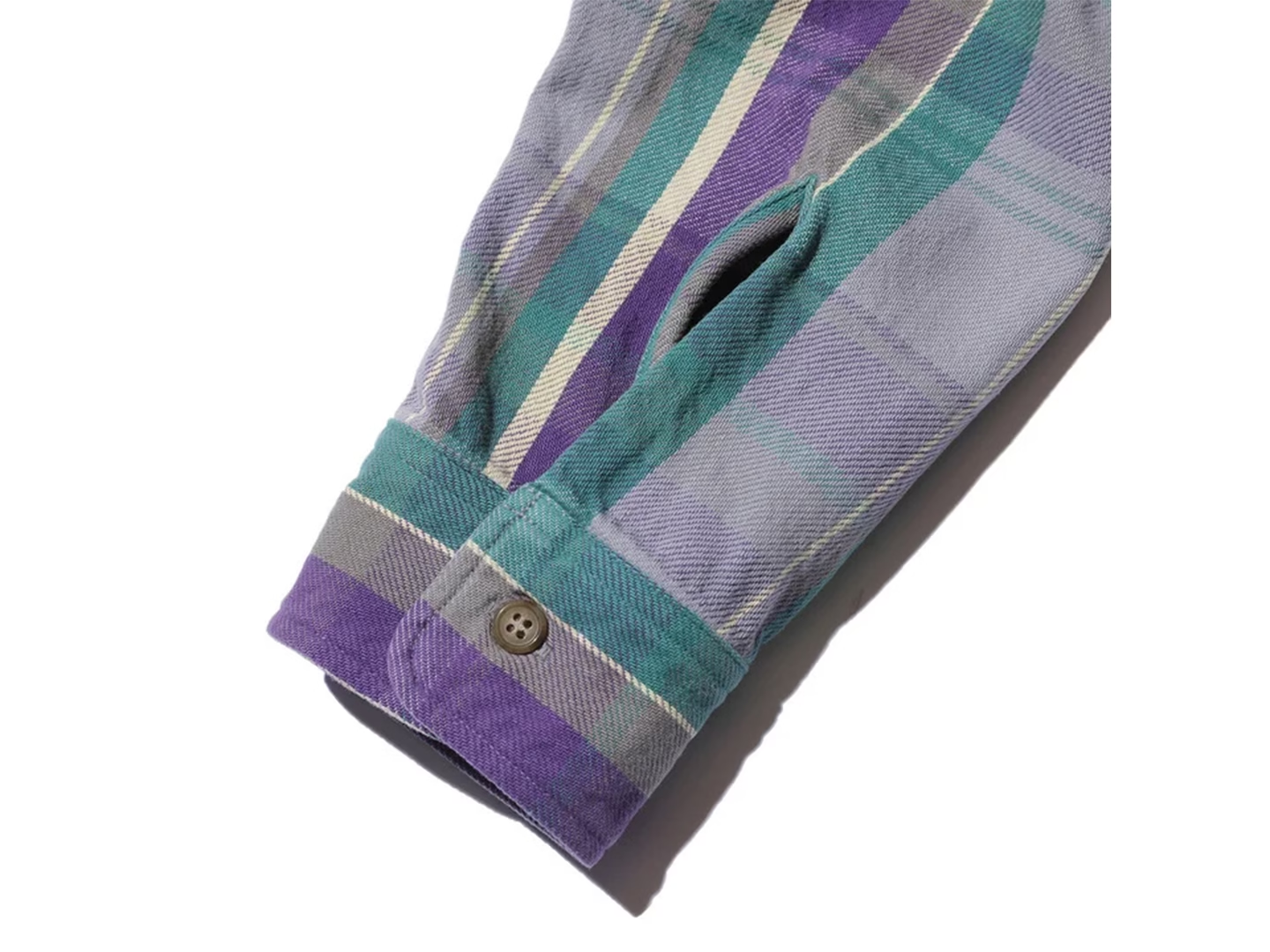
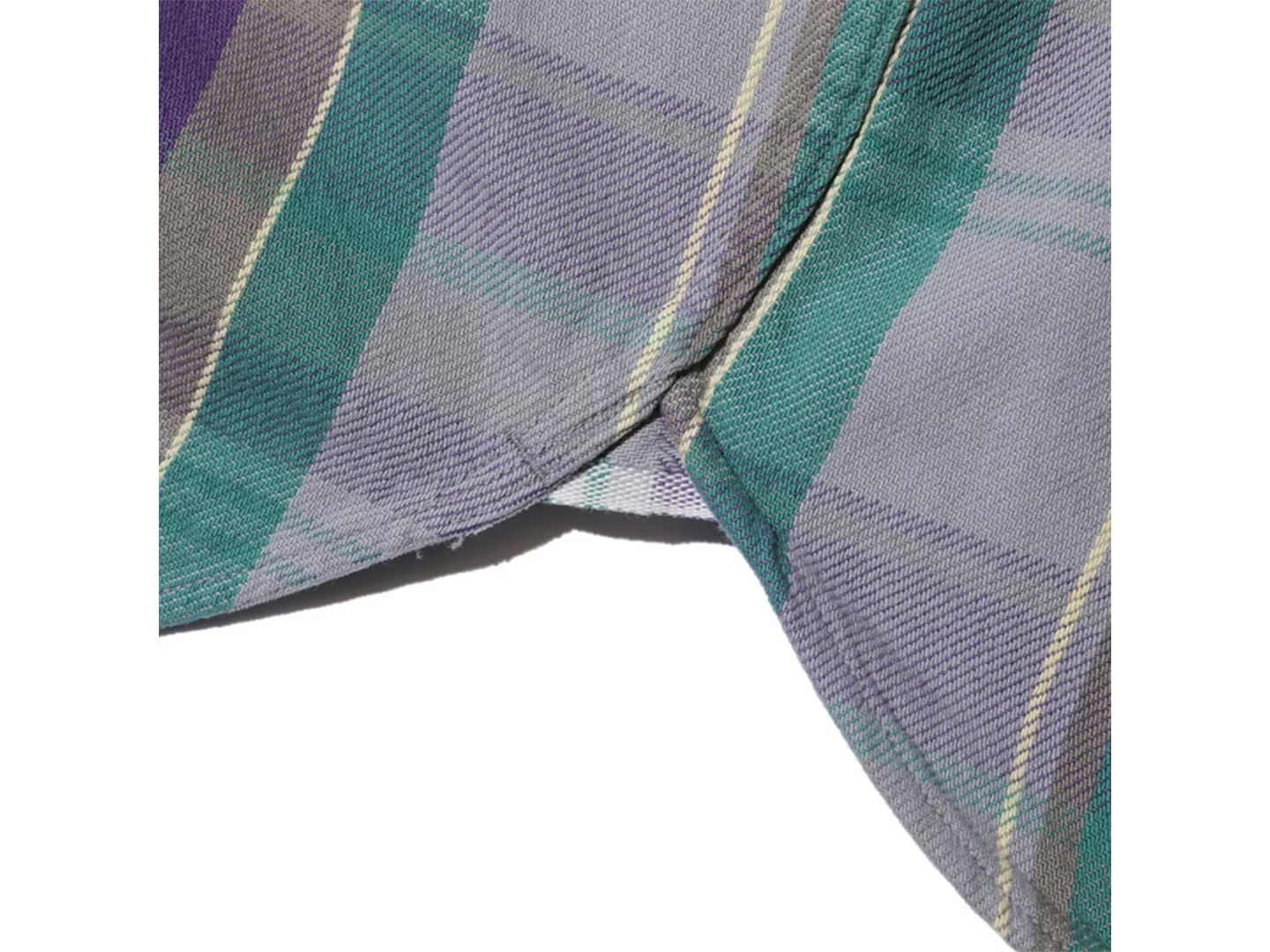
Jelado’s interest in vintage American clothing extends to the way old fabric feels. Its Unionworkers flannel shirt is a longstanding staple, made with custom cloth woven on older power looms. Thick yarns are densely woven, then brushed on the inside and finished to produce a dry, worn-in surface. The fabric combines a substantial outer texture with a softly brushed underside. Colors change between releases, while short and regular lengths offer two versions of the same familiar work shirt.