In 1995, Danish filmmakers Lars von Trier and Thomas Vinterberg launched Dogma 95, a radical manifesto that rejected the polish of modern cinema. They believed that film had become too artificial, too dependent on lighting, sets, and special effects. Their “Vow of Chastity” banned all of it, demanding real locations, natural sound, handheld cameras, and stories set in the present. By stripping film of illusion, Dogma 95 sought emotional truth through imperfection. The movement reshaped global filmmaking for a decade, inspiring directors to rediscover realism through limitation.
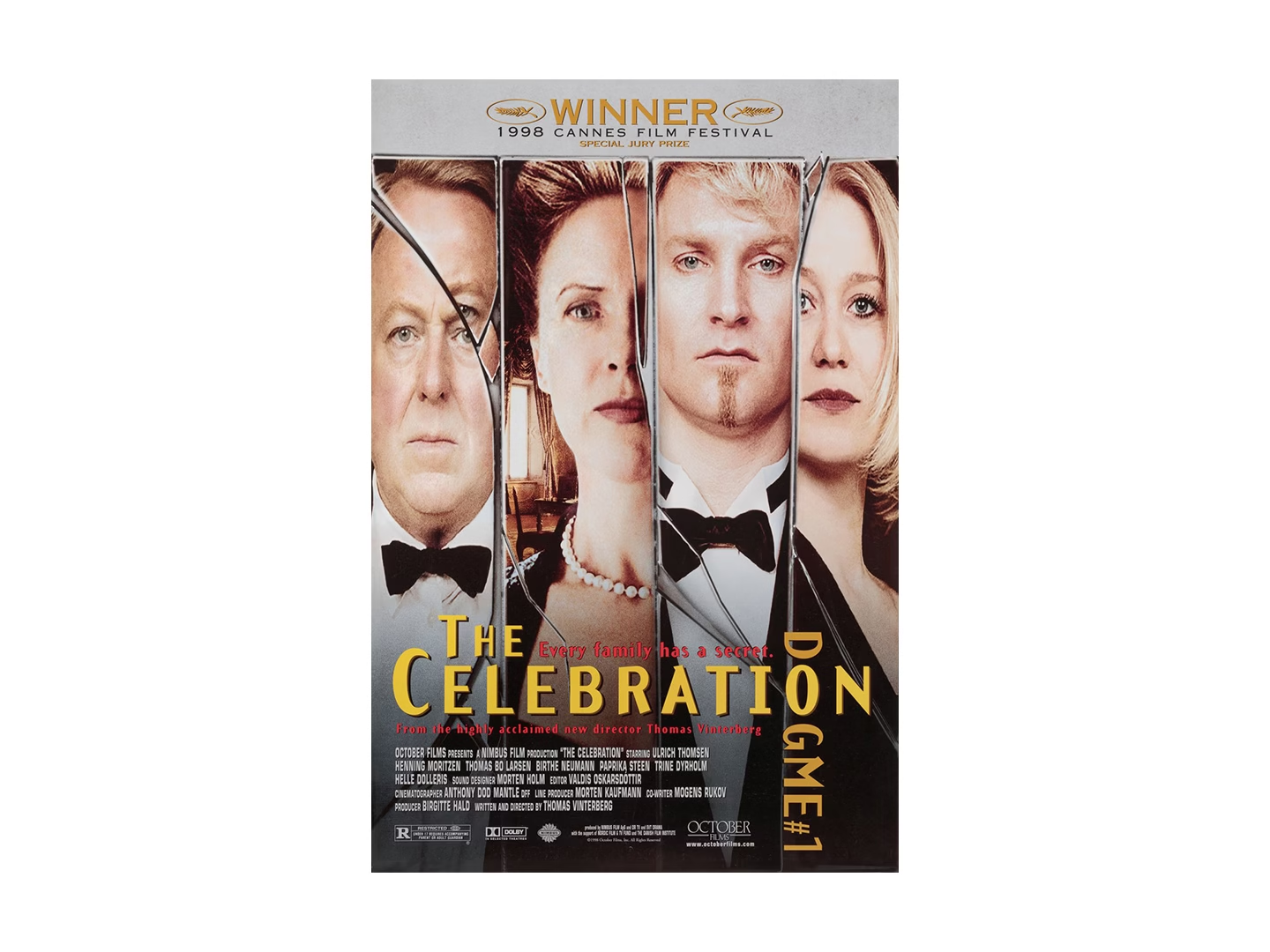
1. Festen (The Celebration, 1998)
Thomas Vinterberg’s debut was the first official Dogma film and its defining example. Shot entirely on handheld digital video, it follows a family gathering that descends into confrontation when buried trauma surfaces. The absence of controlled lighting and clean framing heightens the discomfort, creating a sense of real time and raw emotion. Festen won the Jury Prize at Cannes and became a landmark of stripped-down storytelling.
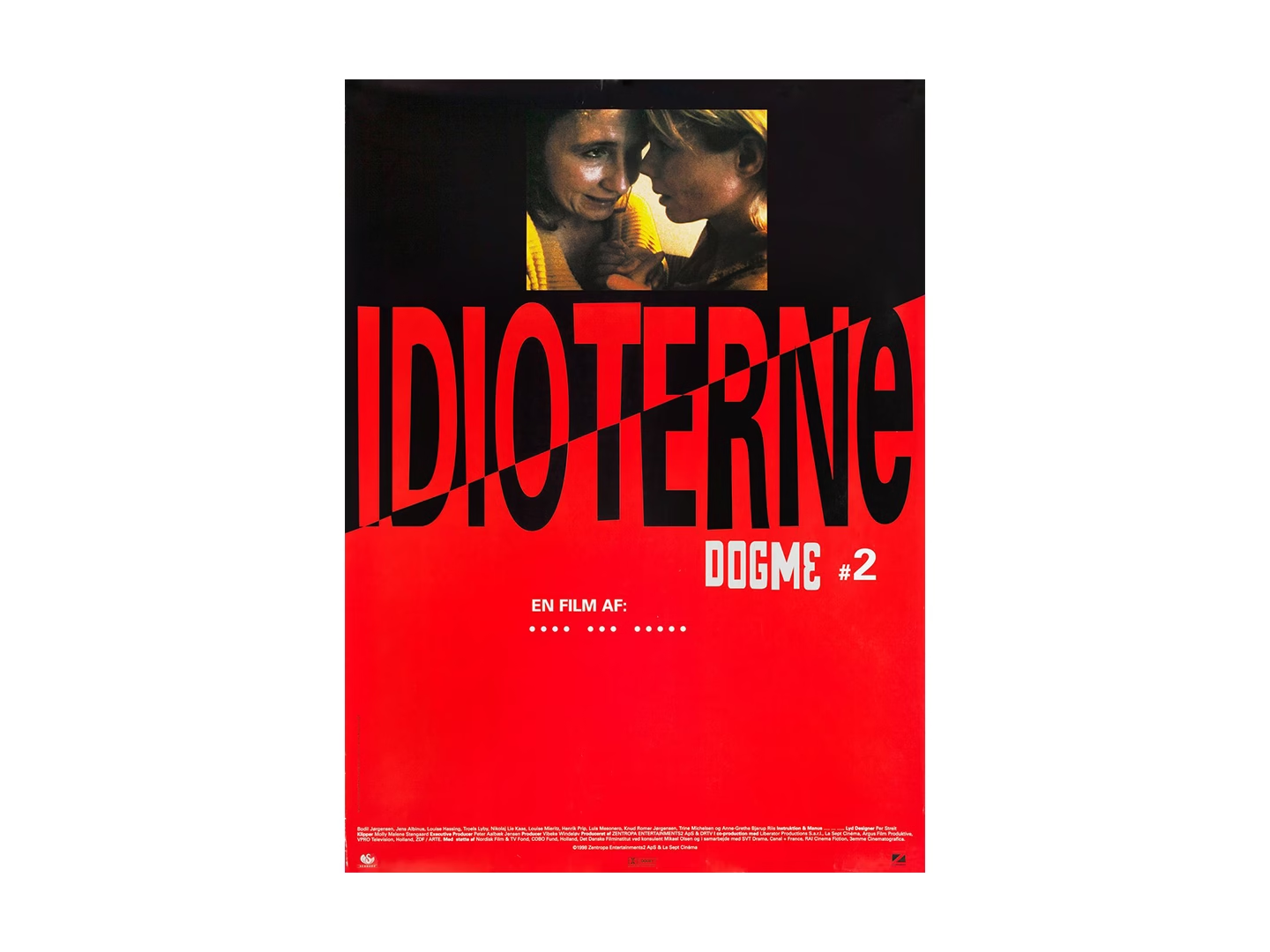
2. Idioterne (The Idiots, 1998)
Lars von Trier’s own Dogma entry tested the movement’s boundaries. The film follows a group of adults who pretend to be disabled in public as a form of social rebellion. Its shaky camerawork and improvised energy make it feel unsettlingly real. The Idiots remains the most controversial Dogma film, both for its subject matter and its uncompromising execution.
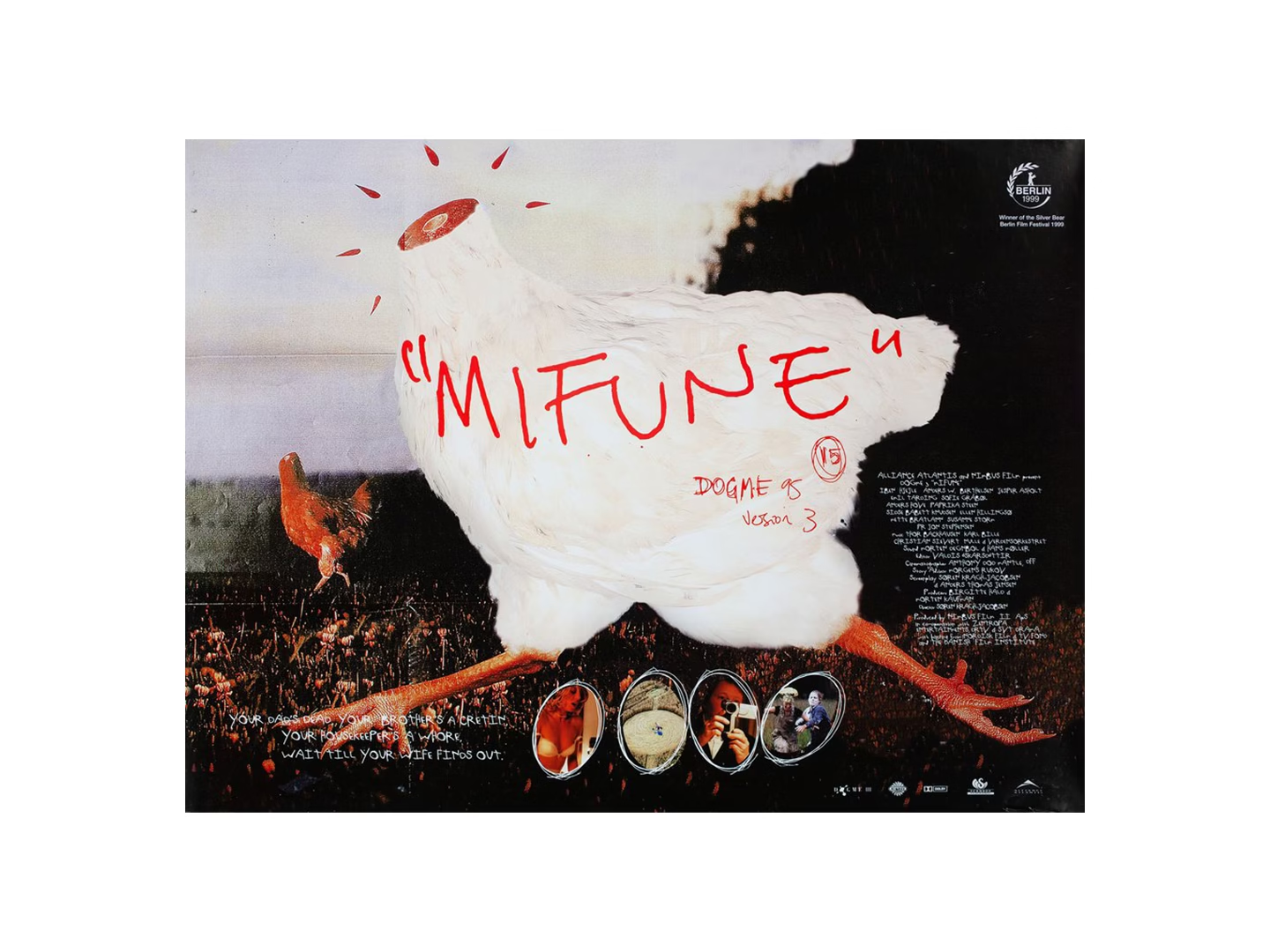
3. Mifunes Sidste Sang (Mifune’s Last Song, 1999)
Directed by Søren Kragh-Jacobsen, Mifune’s Last Song brought humor and warmth to the manifesto. A city man returns to his rural home to care for his brother, finding redemption and connection in the process. The story’s softness contrasts the movement’s harsh minimalism, proving that Dogma’s rules could still accommodate intimacy and tenderness.
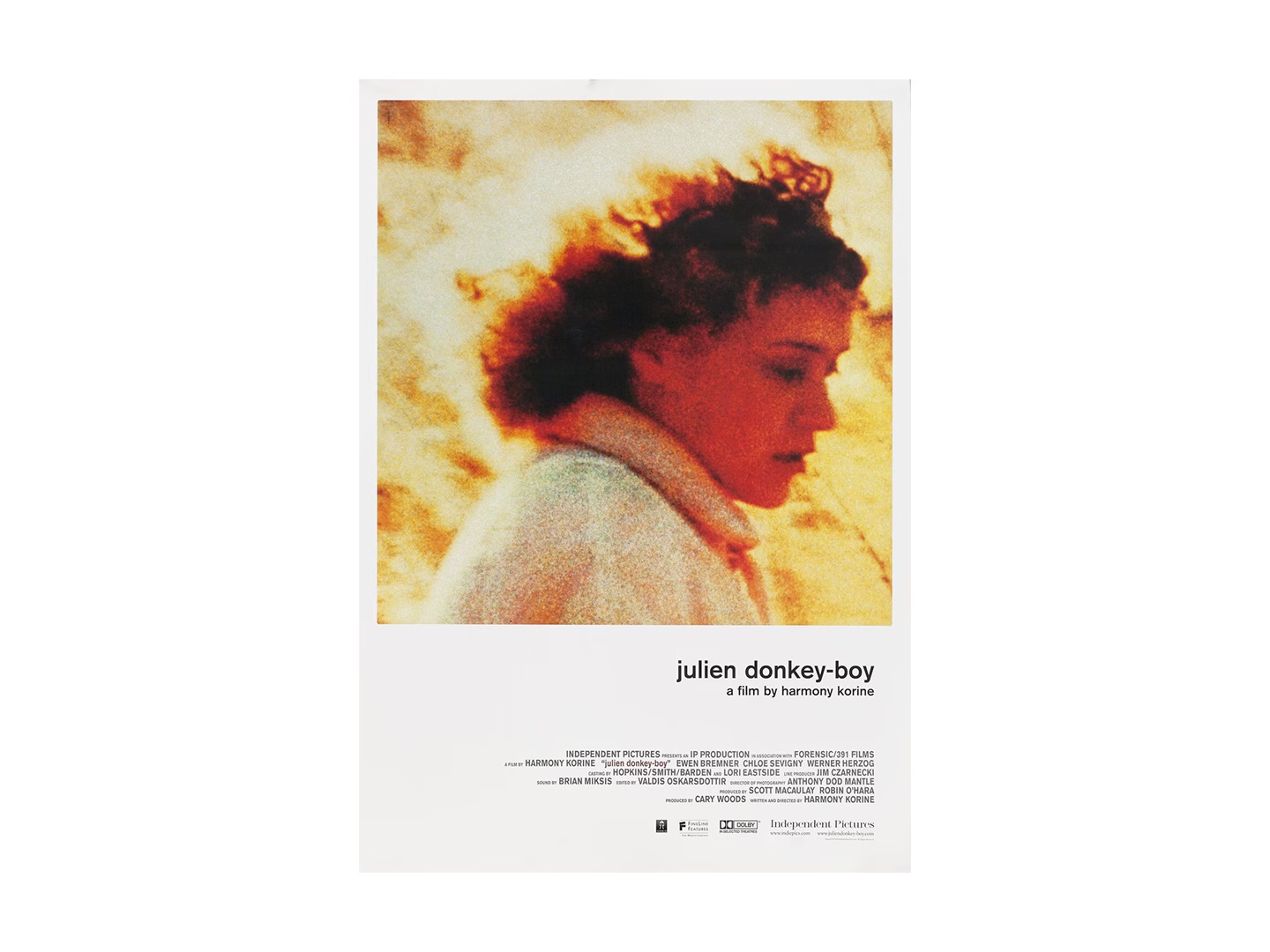
4. Julien Donkey-Boy (1999)
American director Harmony Korine adapted Dogma’s principles to a fractured portrait of mental illness. Grainy images, distorted sound, and non-linear scenes create a portrait that feels closer to memory than narrative. It linked Dogma 95 to the American underground and showed how its rules could be used to explore inner chaos instead of external control.
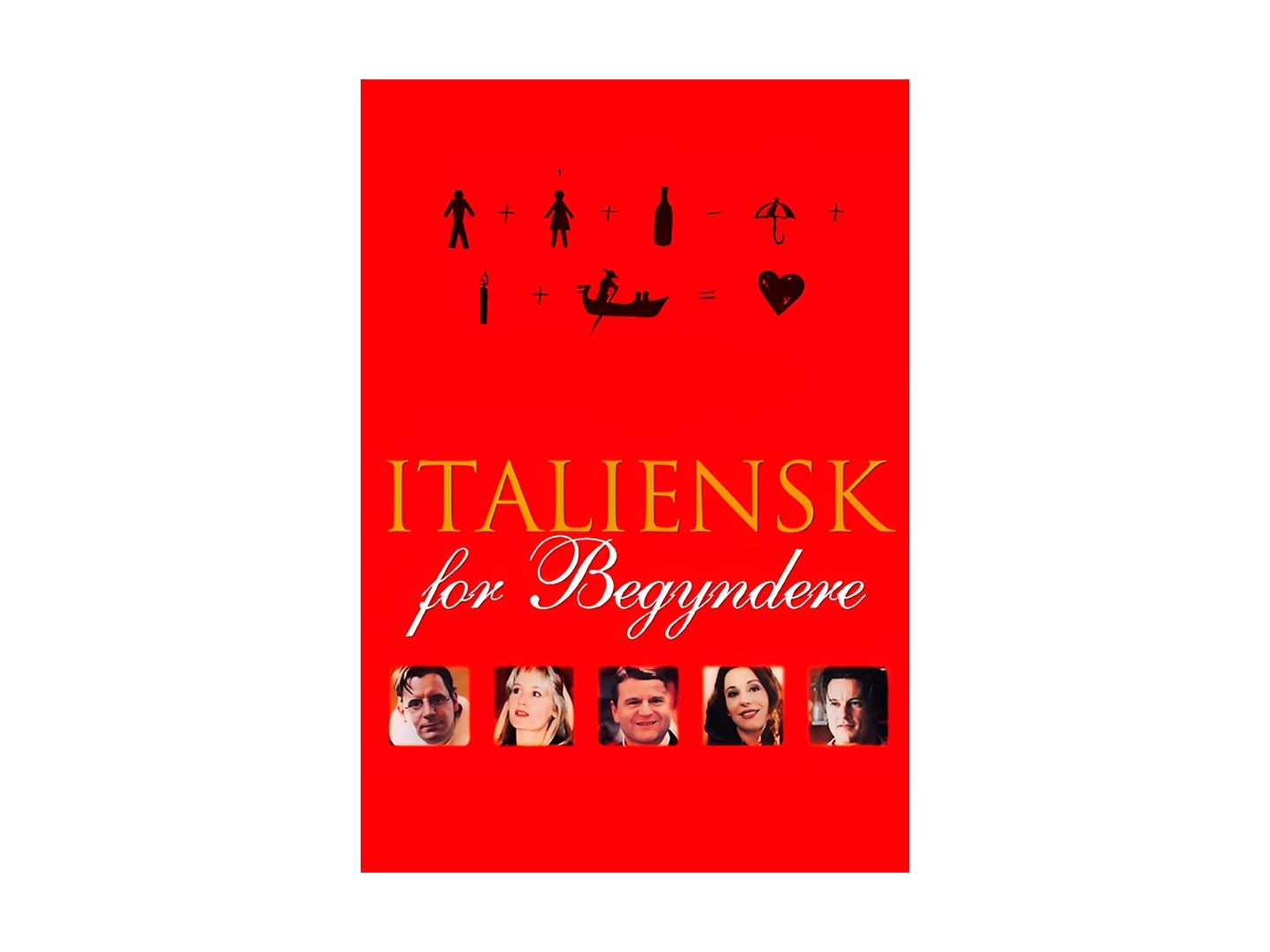
5. Italiensk for Begyndere (Italian for Beginners, 2000)
Lone Scherfig’s ensemble romance revealed the most human side of the movement. Set in a small-town language class, the film uses natural light and everyday spaces to find beauty in awkwardness. Its understated optimism and gentle humor introduced Dogma 95 to a wider audience and proved that realism could also be warm.