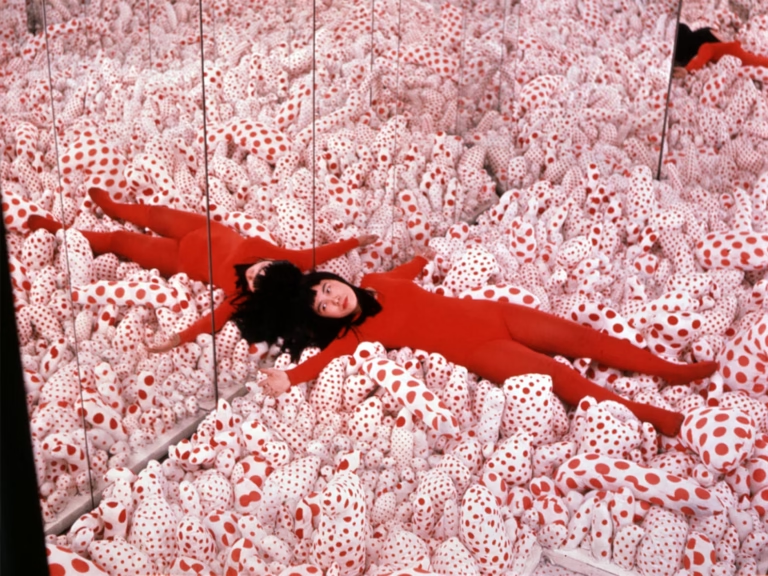
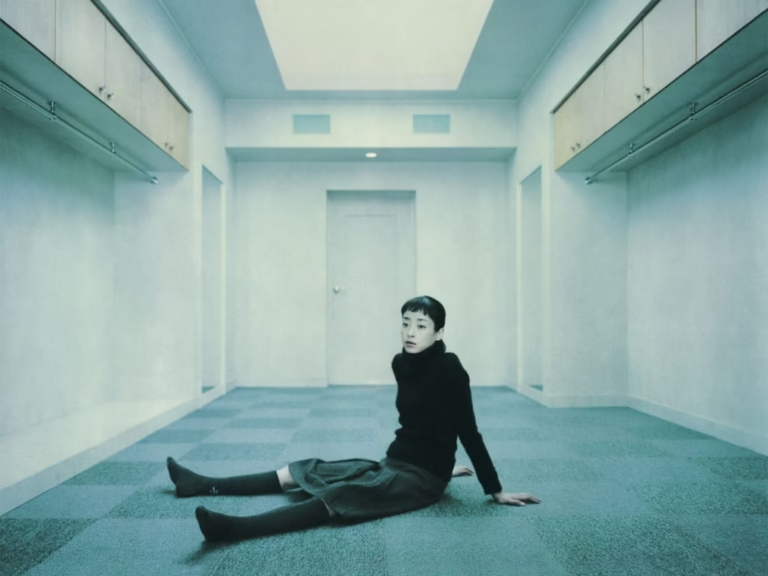
French photographer Charles Fréger’s Wilder Mann documents ritual costumes that transform the human body into something animal, vegetal, seasonal, and communal. Photographed across Europe in 2010 and 2011, then published as a book in April 2012, the project extends Fréger’s wider interest in groups, uniforms, clothing, and the way dress marks belonging. His biography describes his practice as focused on communities and the body through clothing, before turning from uniform to costume as a vehicle for becoming animal or vegetal.
1. Bulgaria
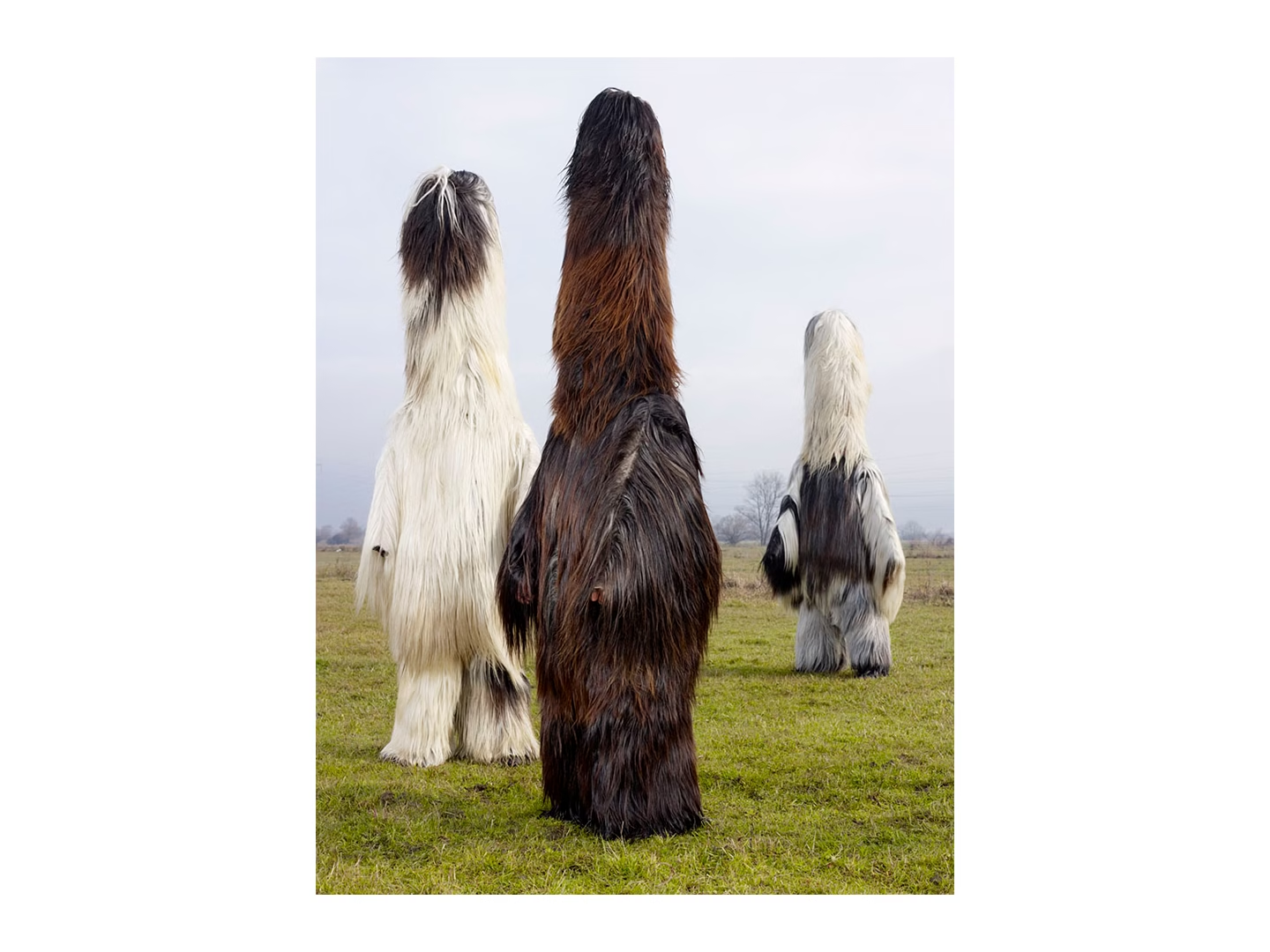
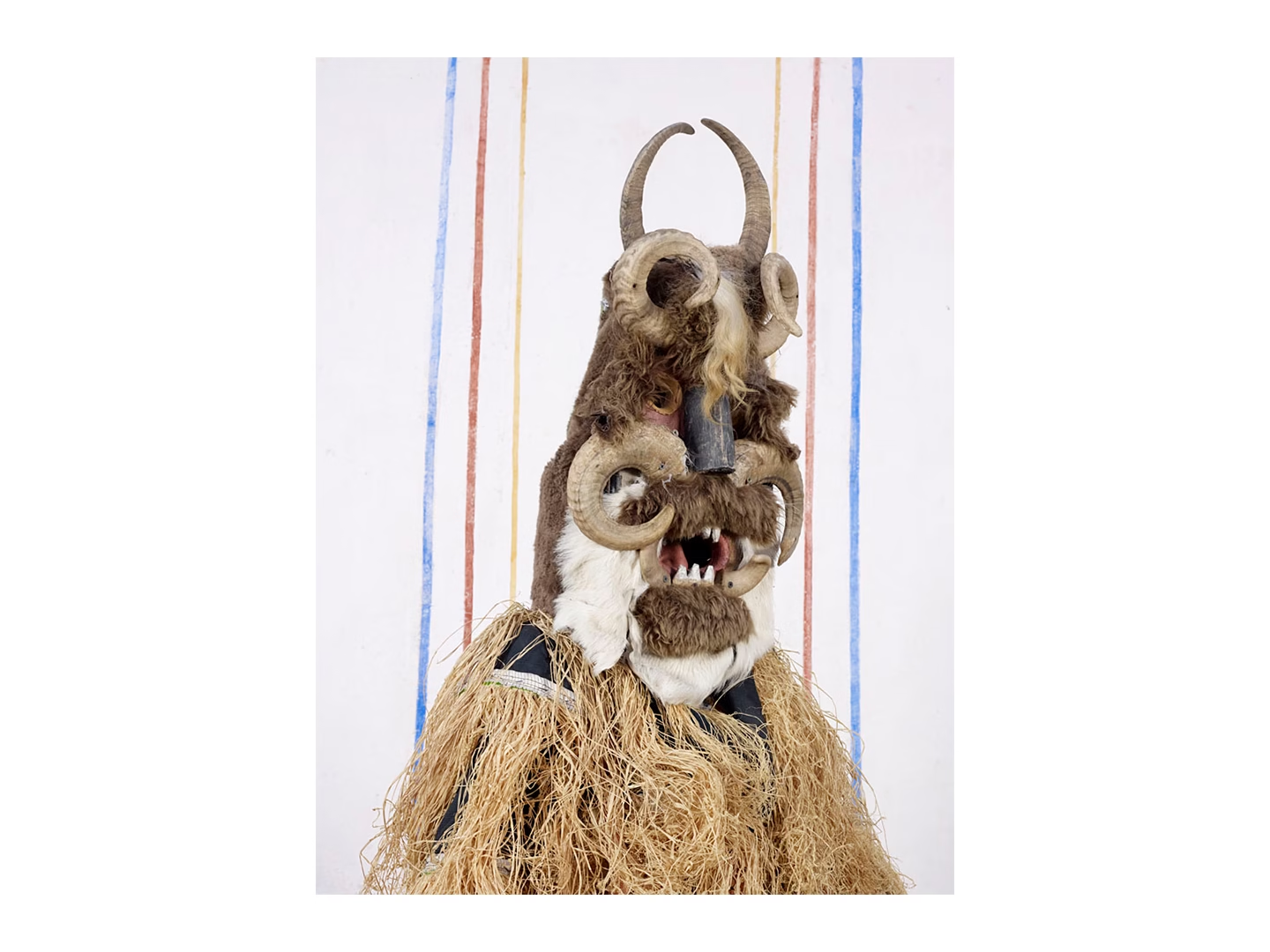
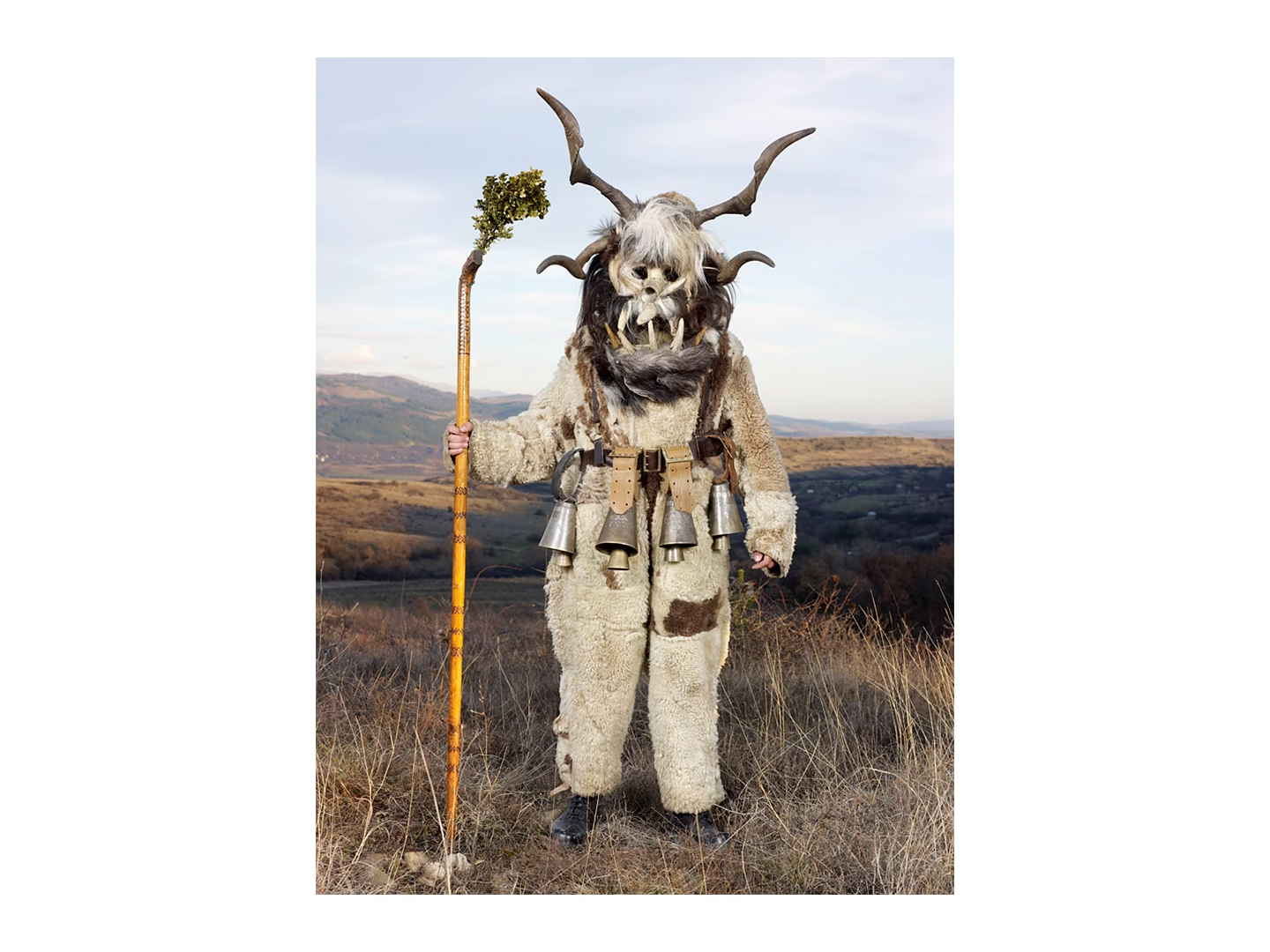
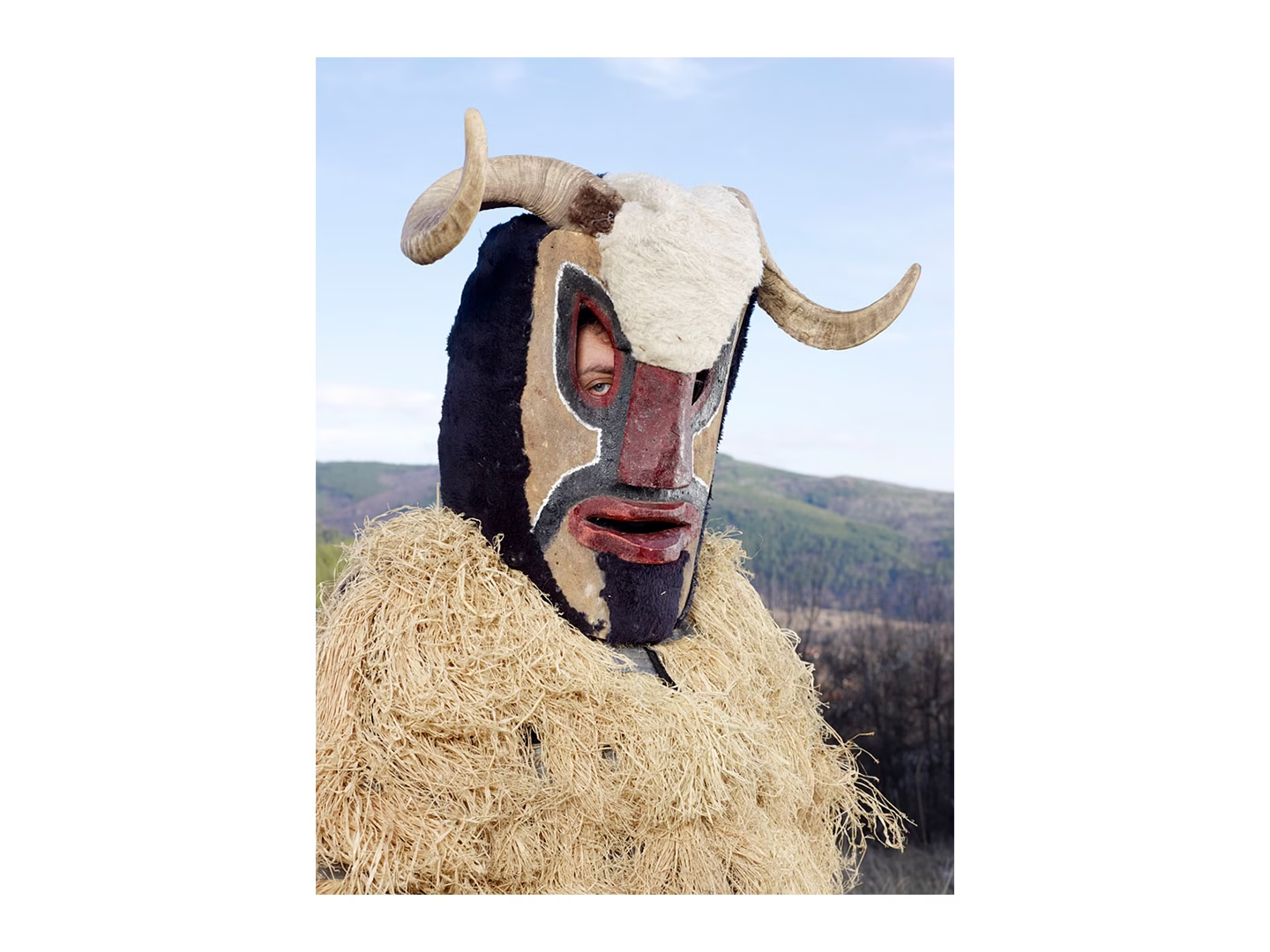
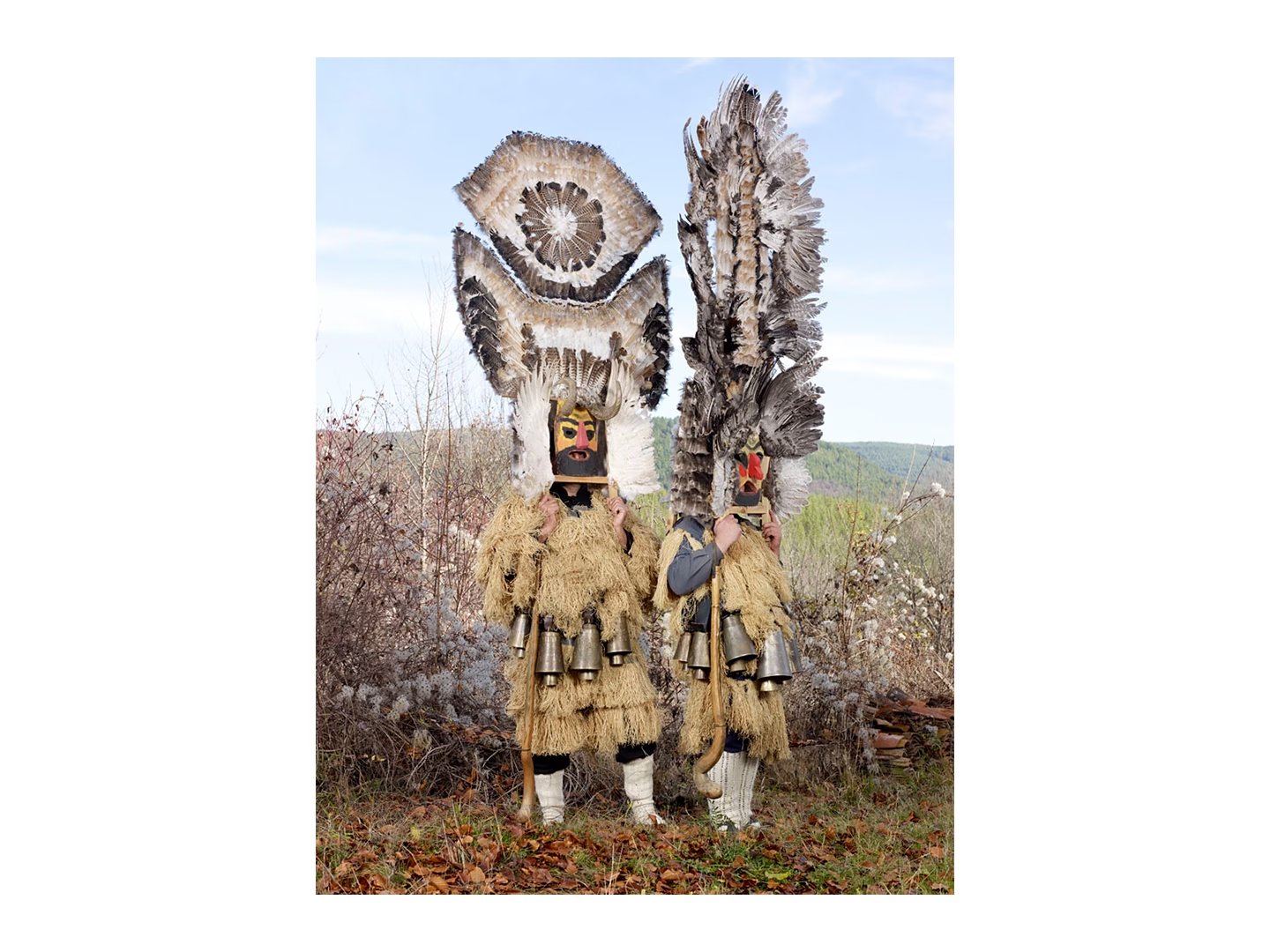
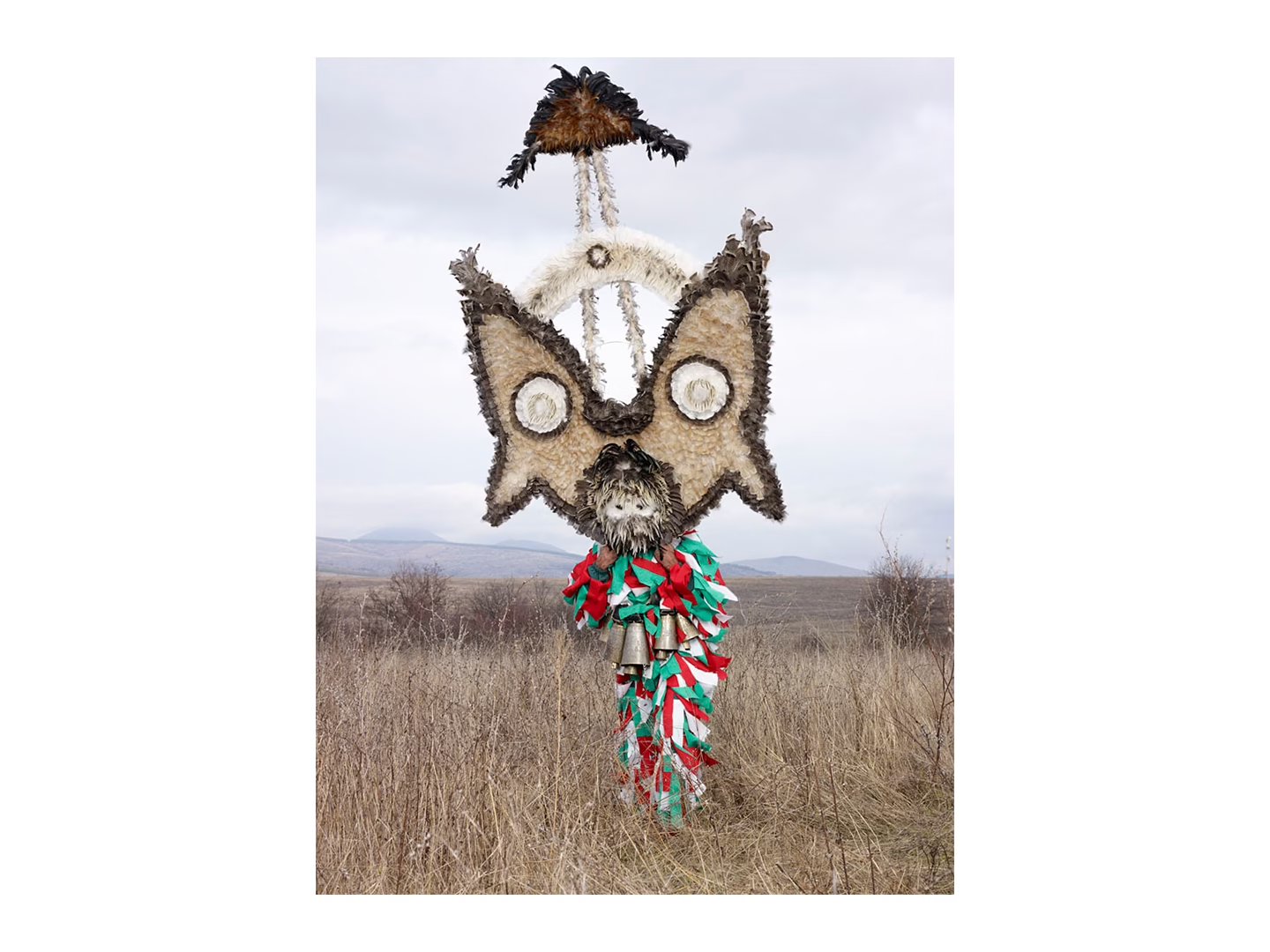
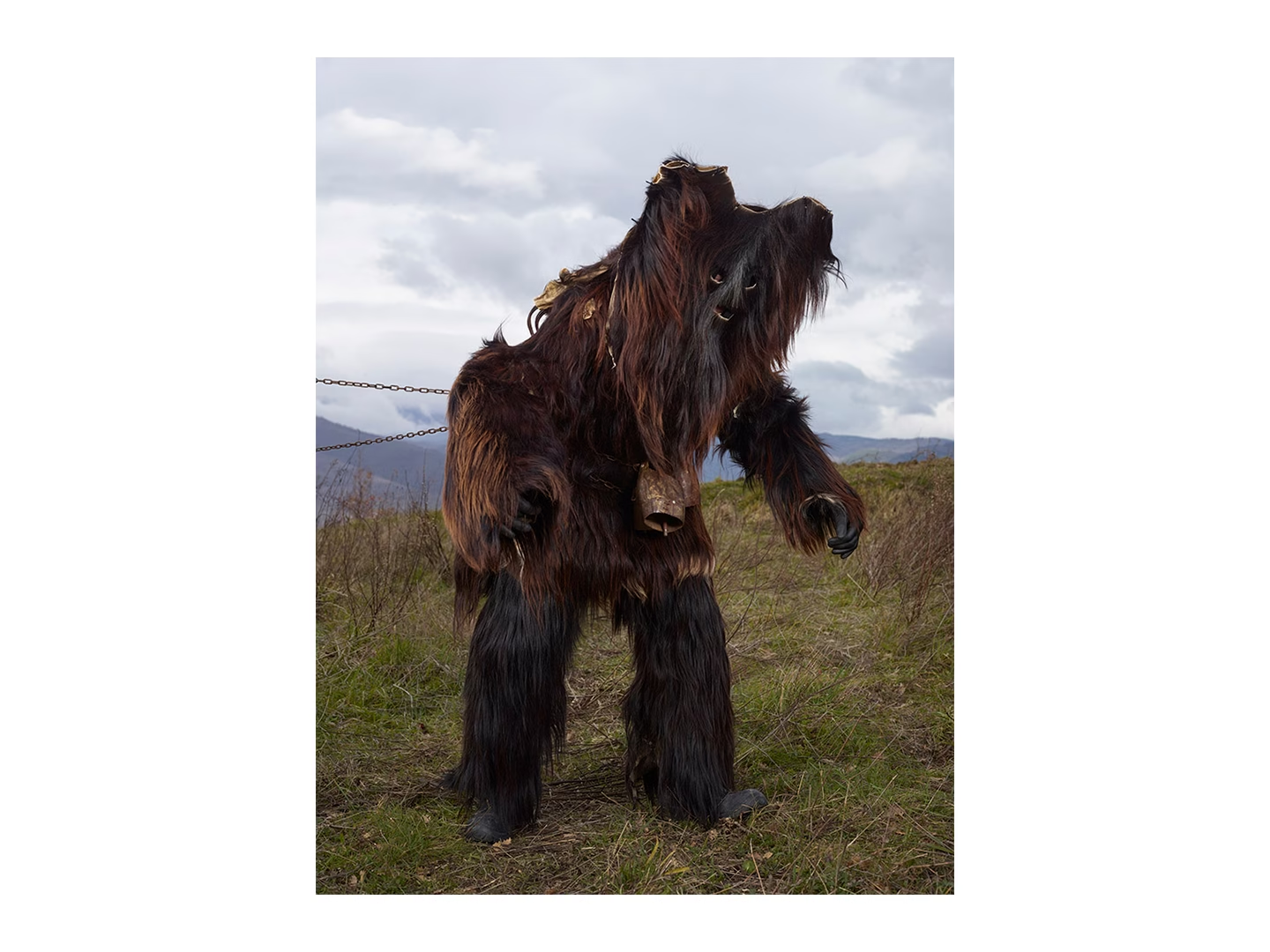
In the Pernik region of Bulgaria, the Surova folk feast takes place on January 13 and 14, marking the New Year according to the old calendar. Groups of Survakari wear specially prepared masks and costumes, gather around fires, and move through the village with characters such as the leader, newlyweds, priest, and bear. The next morning, they visit homes, perform symbolic marriages, and have the bear “maul” people for good health. Fréger has also spoken about photographing the Bulgarian Babugeri, full-body goat-fur figures connected to rituals intended to banish evil spirits. In a Guardian interview, he said one costume can take around eight goats’ worth of fur and is heavy enough to require a young, fit wearer.
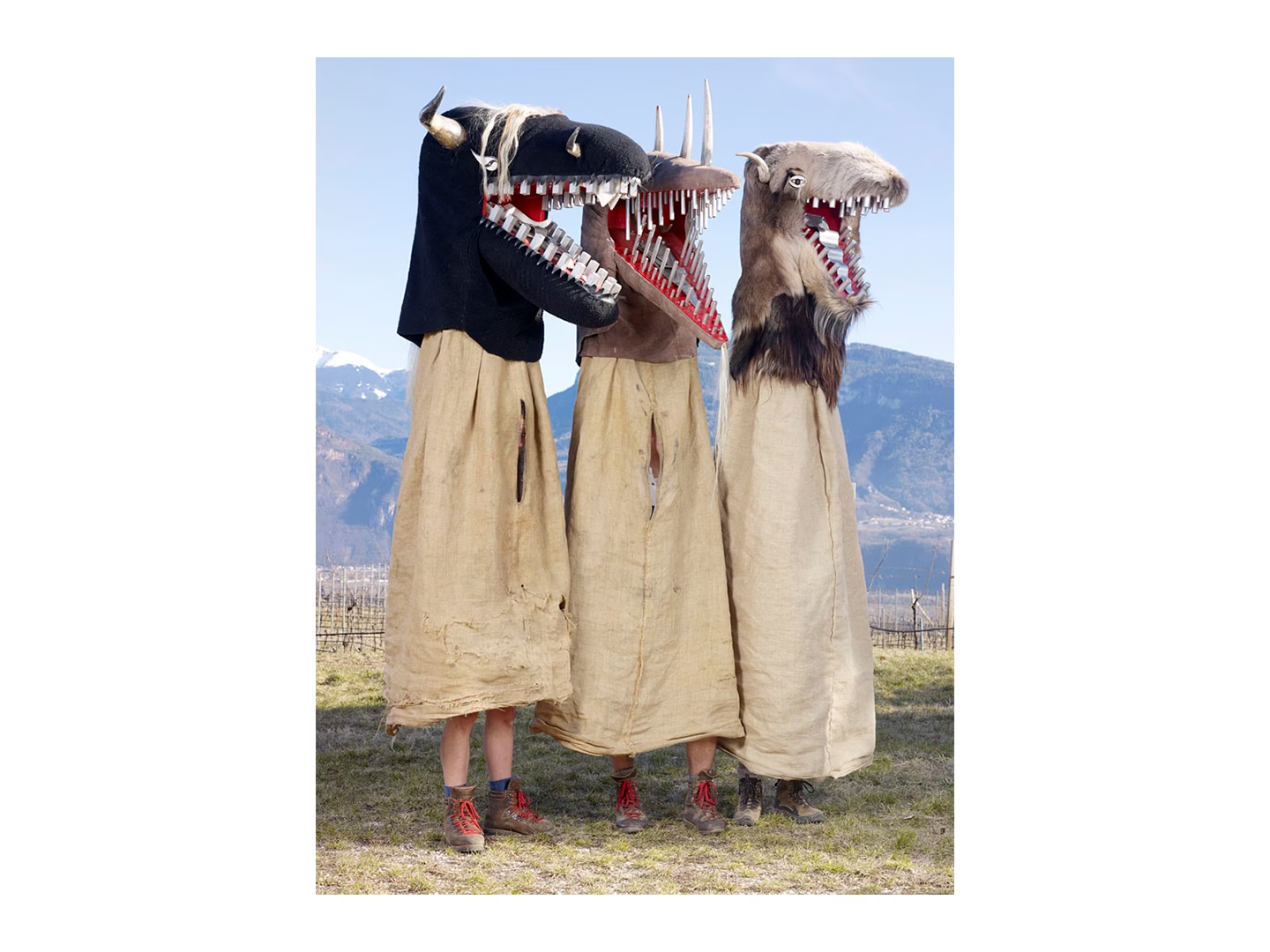
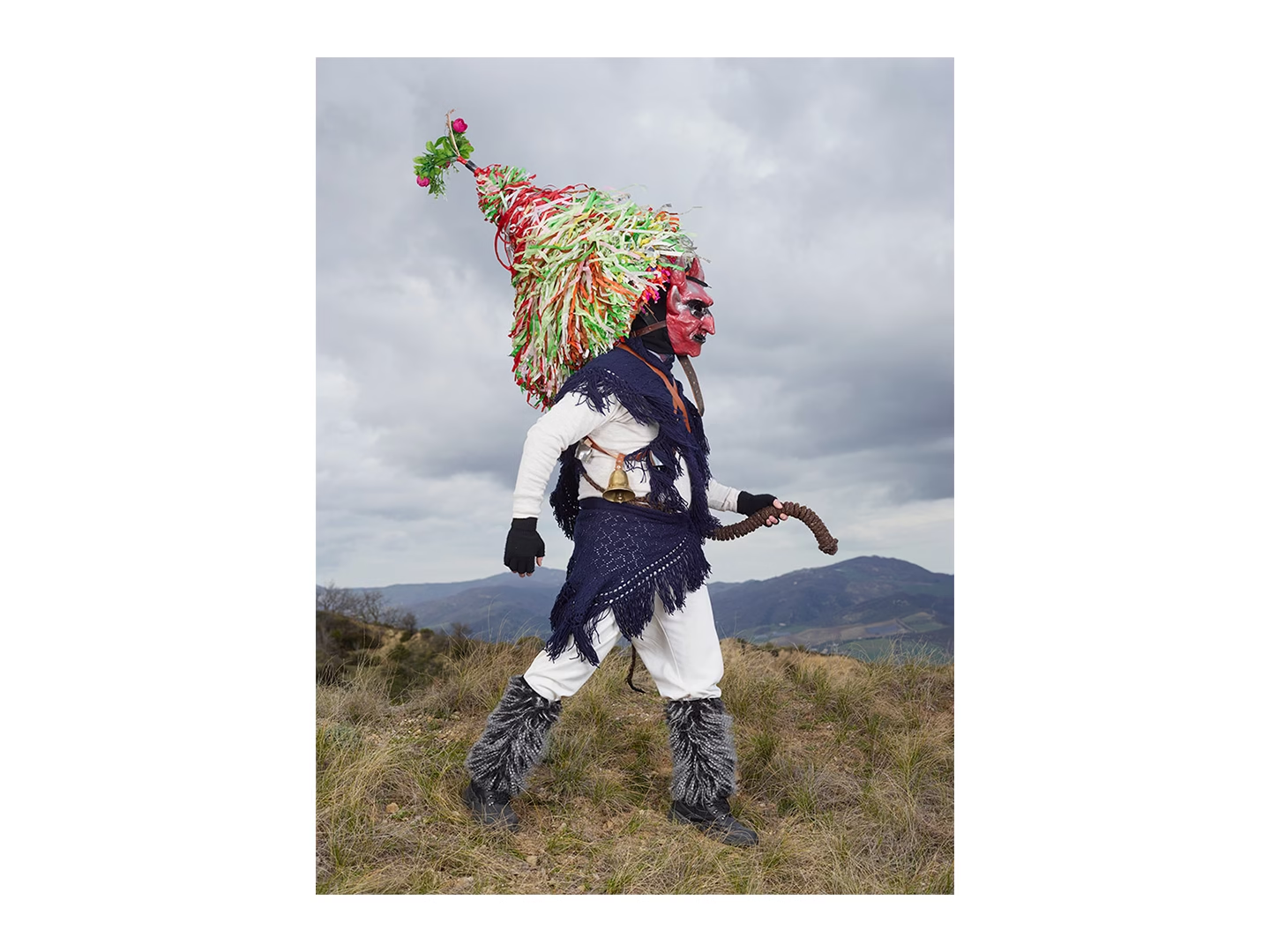
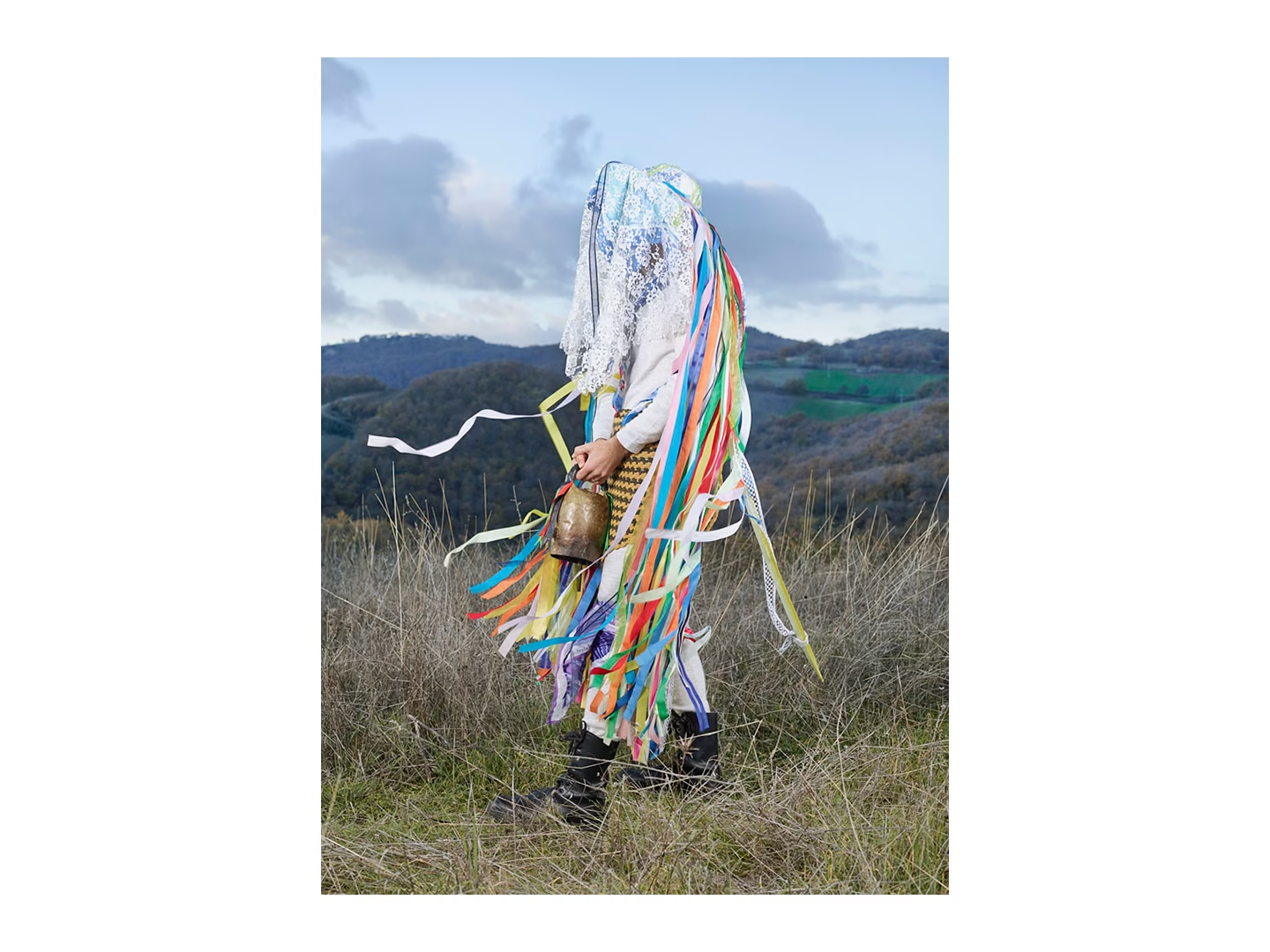
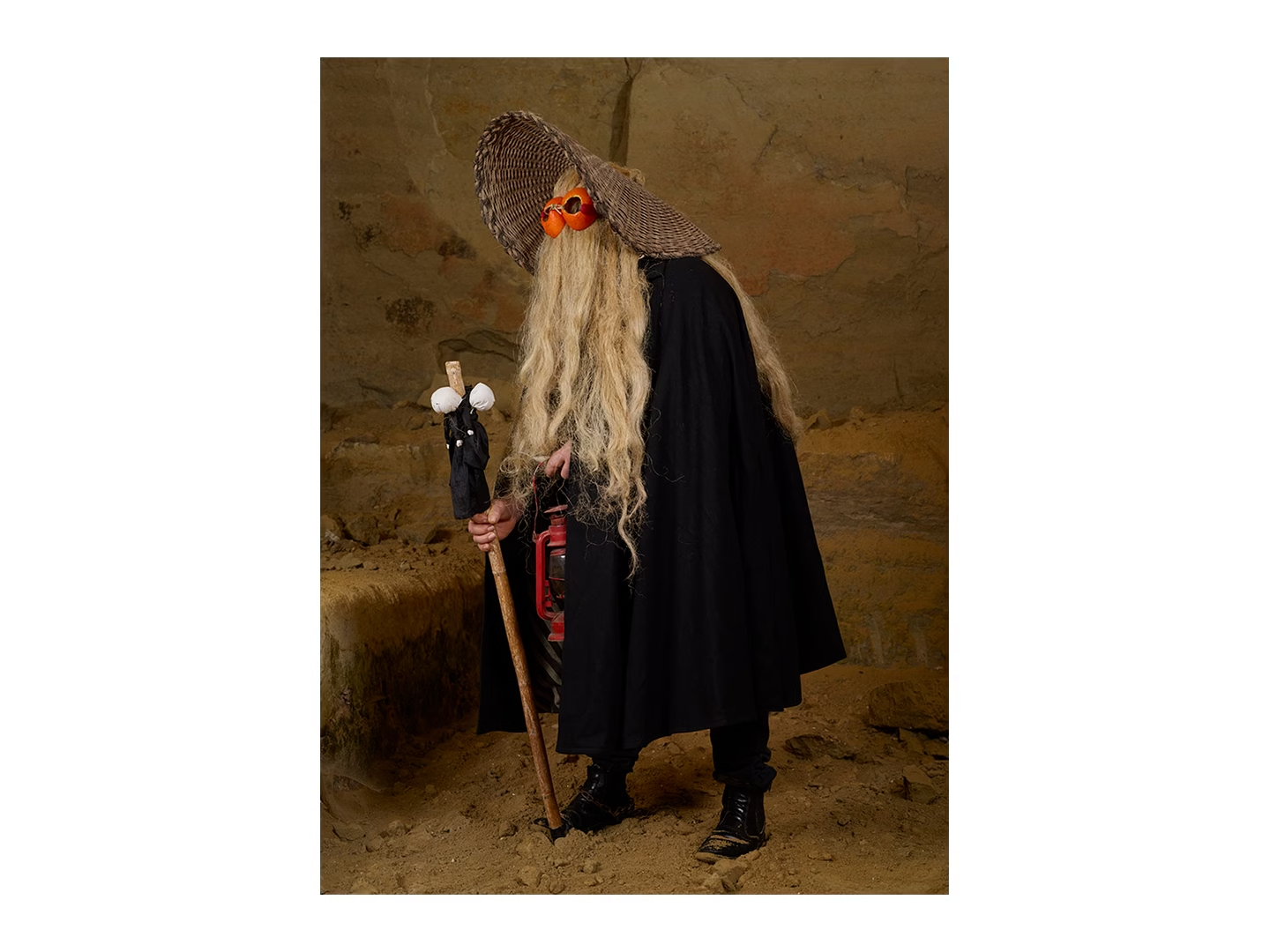
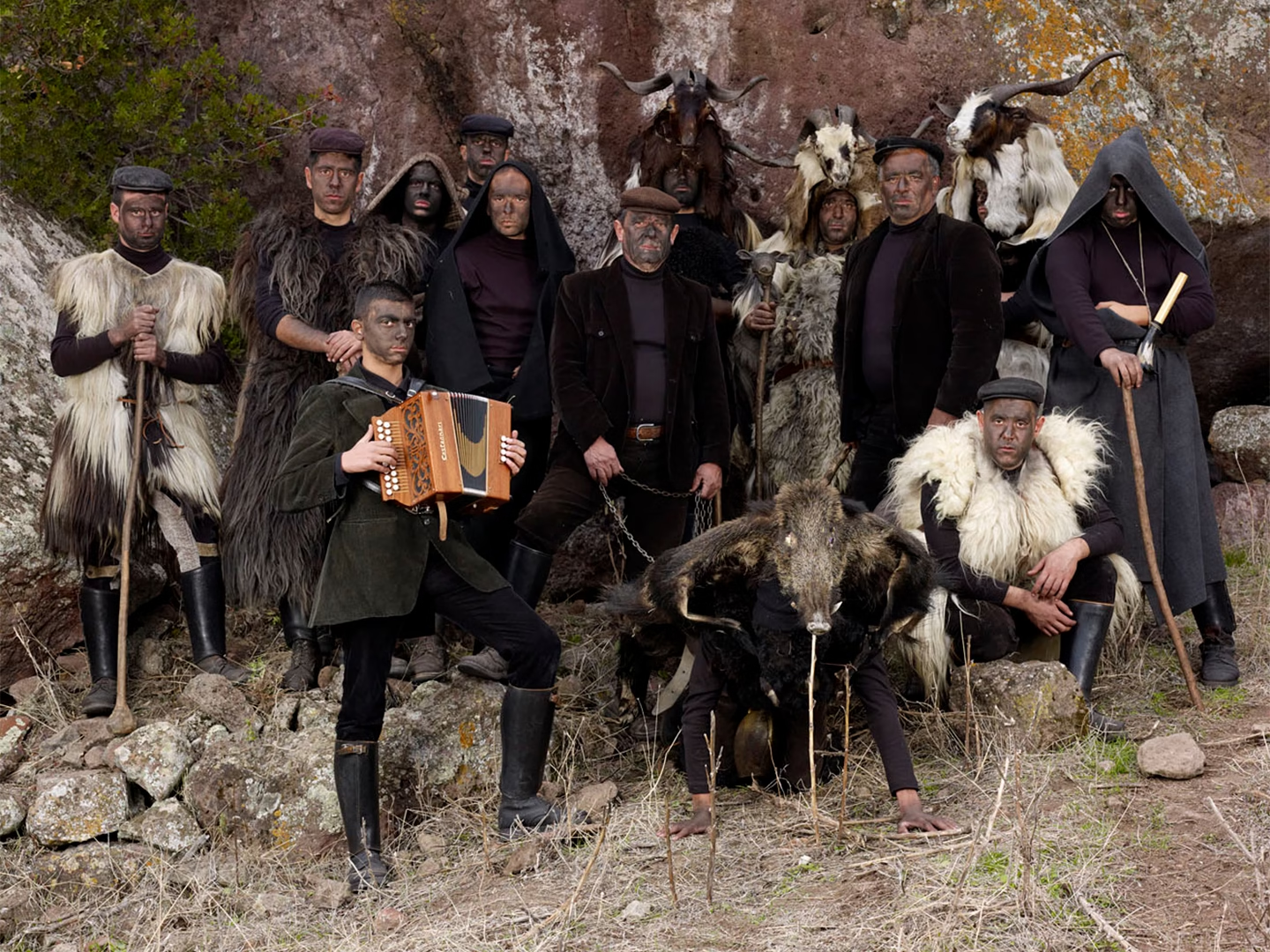
2. Italy
Sardinia’s Mamuthones and Issohadores offer a more controlled and rhythmic kind of transformation. Closely tied to Mamoiada, a village in the island’s mountainous Barbagia region, the figures appear for the feast of Saint Anthony between January 16 and 17, as well as Carnival Sunday and Shrove Tuesday. The Mamuthones wear sheepskin, black masks made from alder wood or wild pear, and cowbells, moving slowly in groups of twelve that symbolically represent the months of the year. The Issohadores appear beside them in white anthropomorphic masks, red jackets, white trousers, and brass and bronze rattles, carrying ropes that they throw toward bystanders. The procession is described by Sardegna Cultura as solemn, ordered, slow, and shaped by the sound and weight of bells.
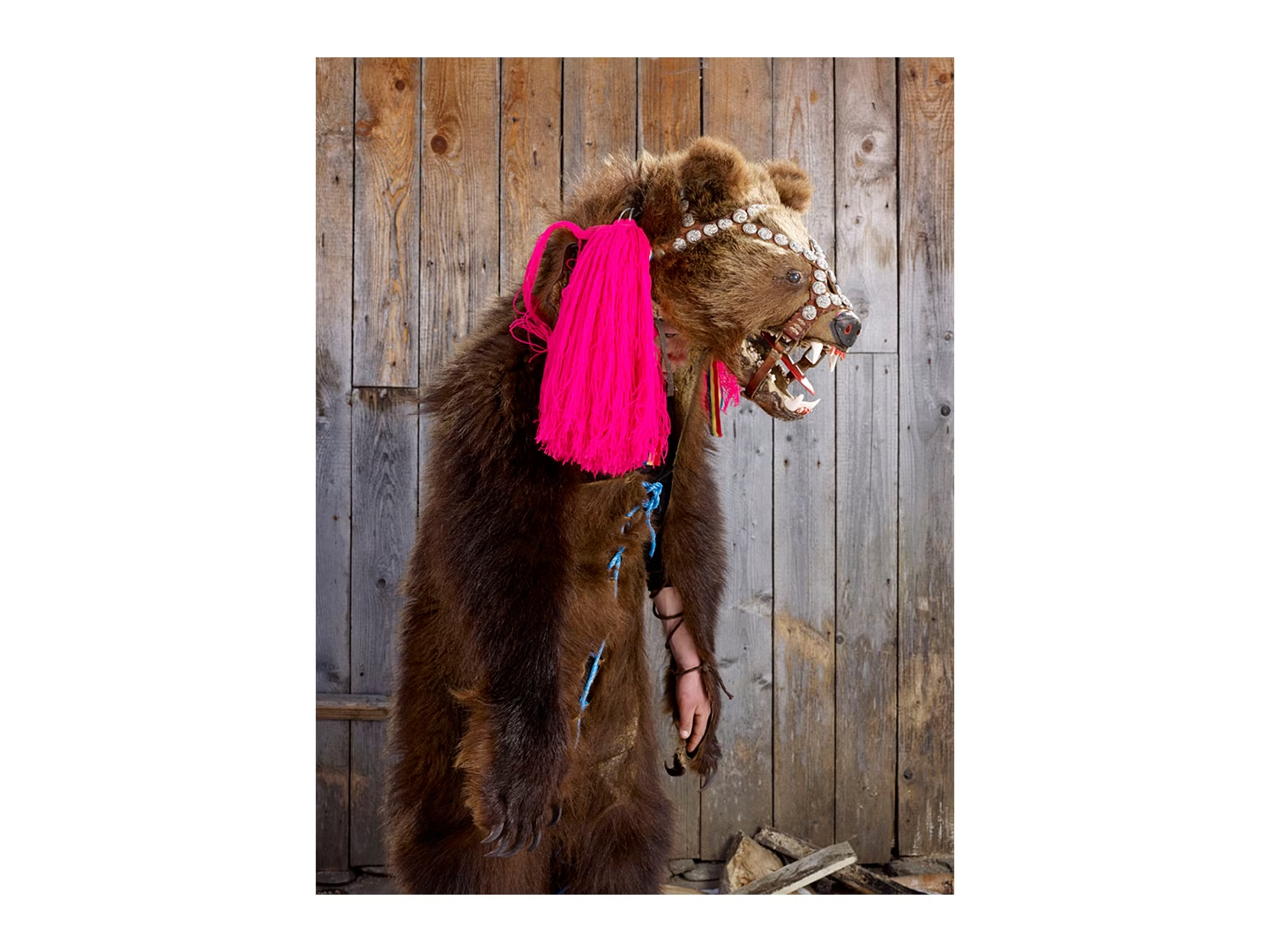
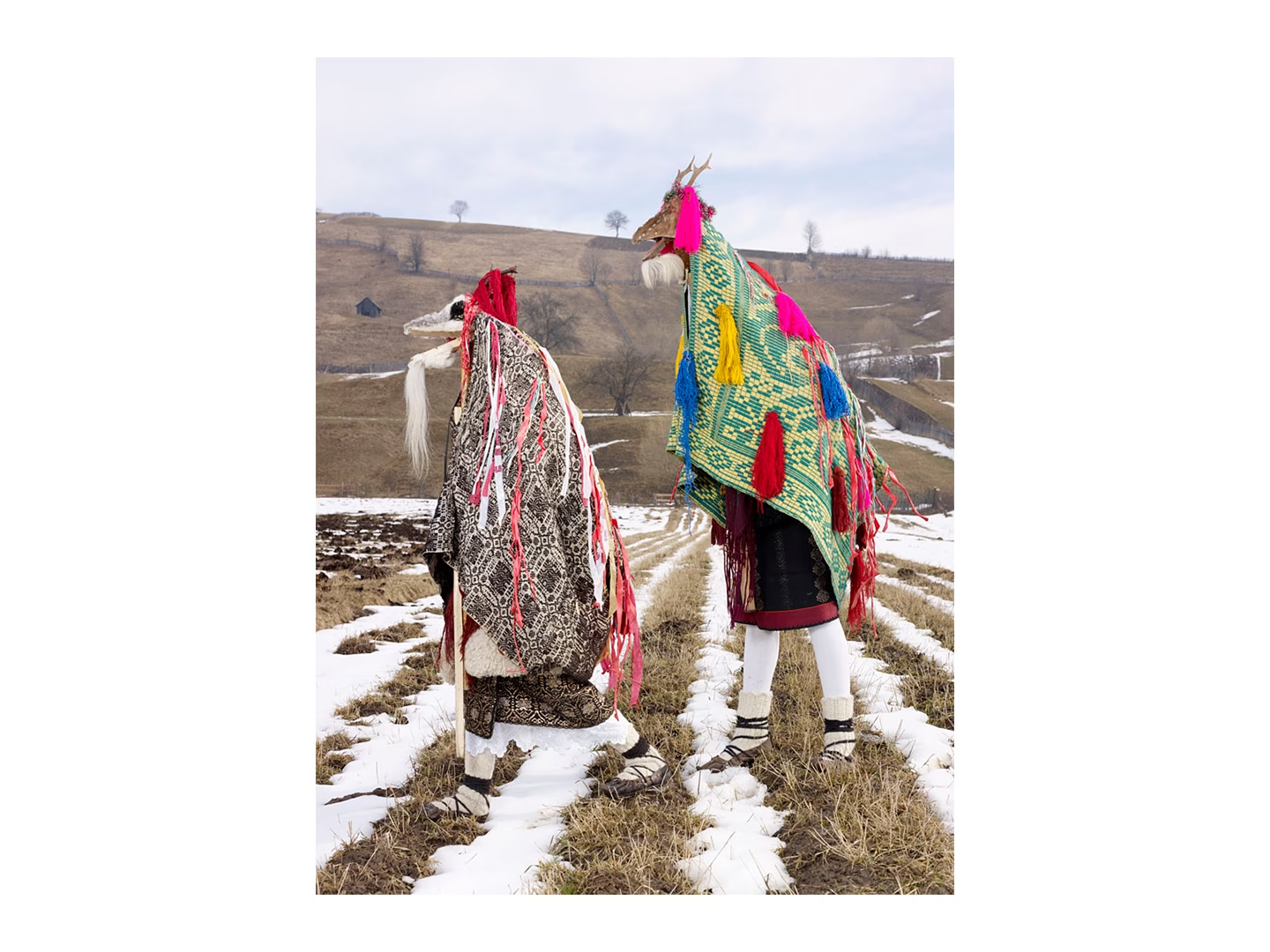
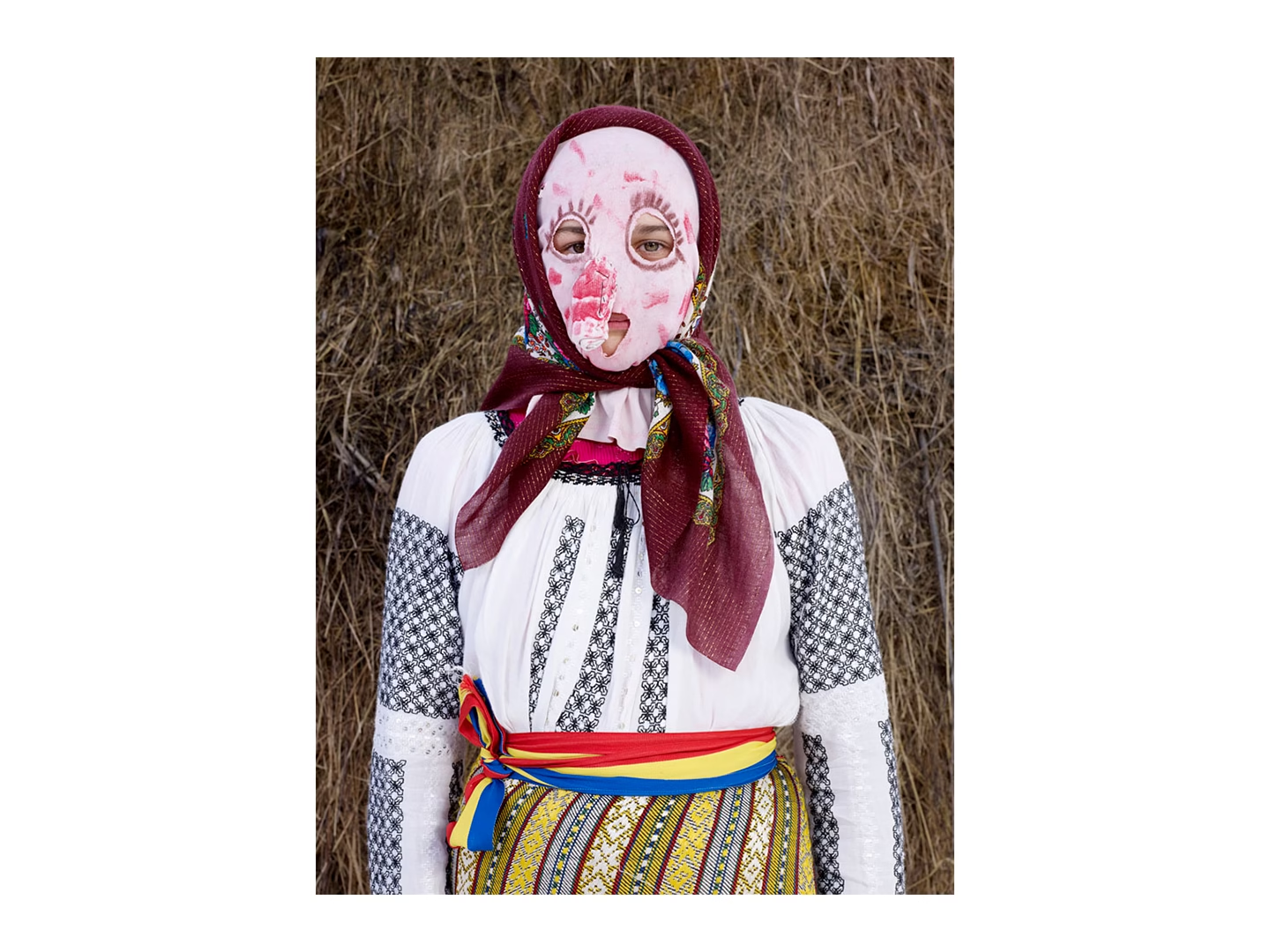
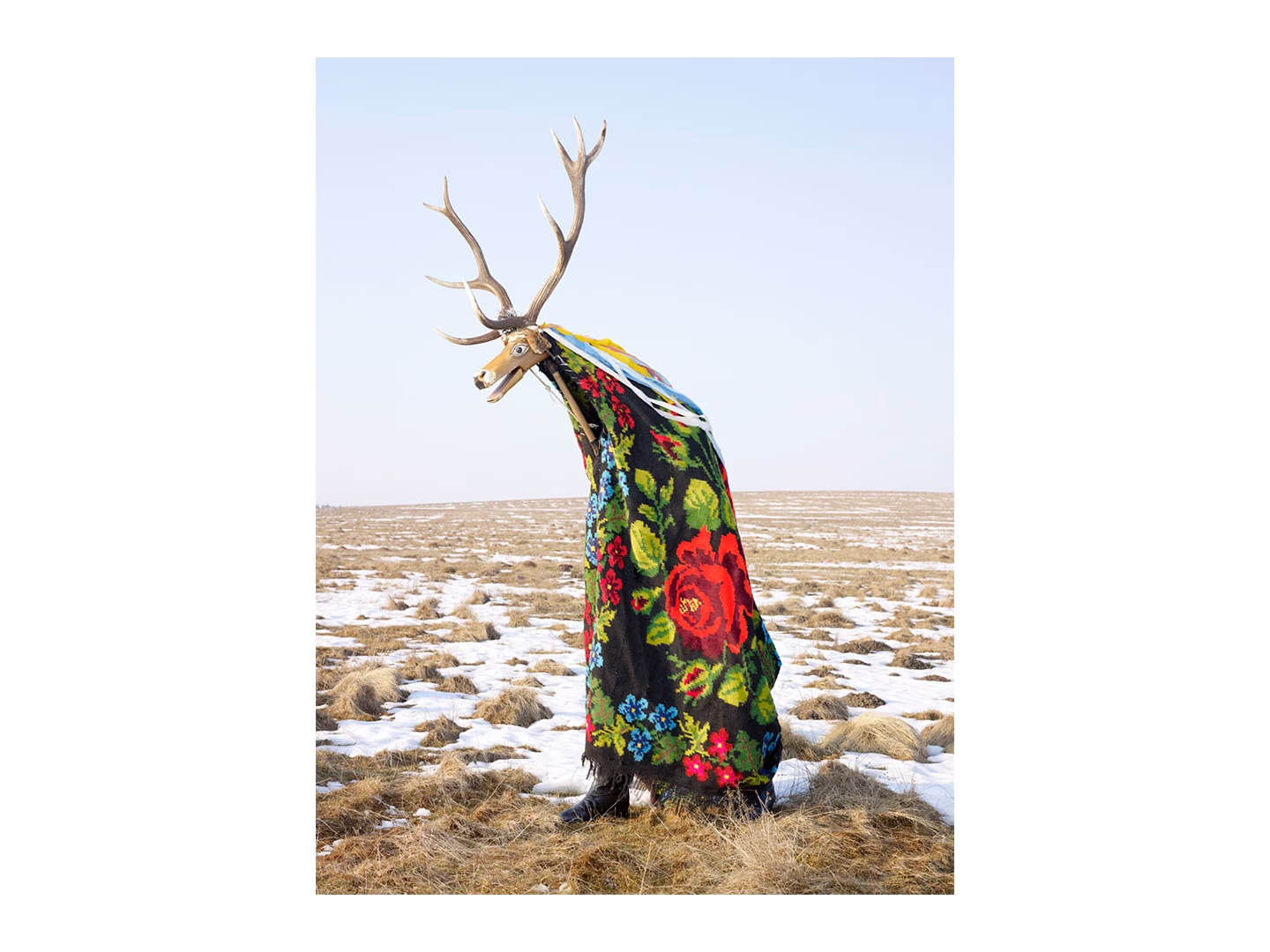
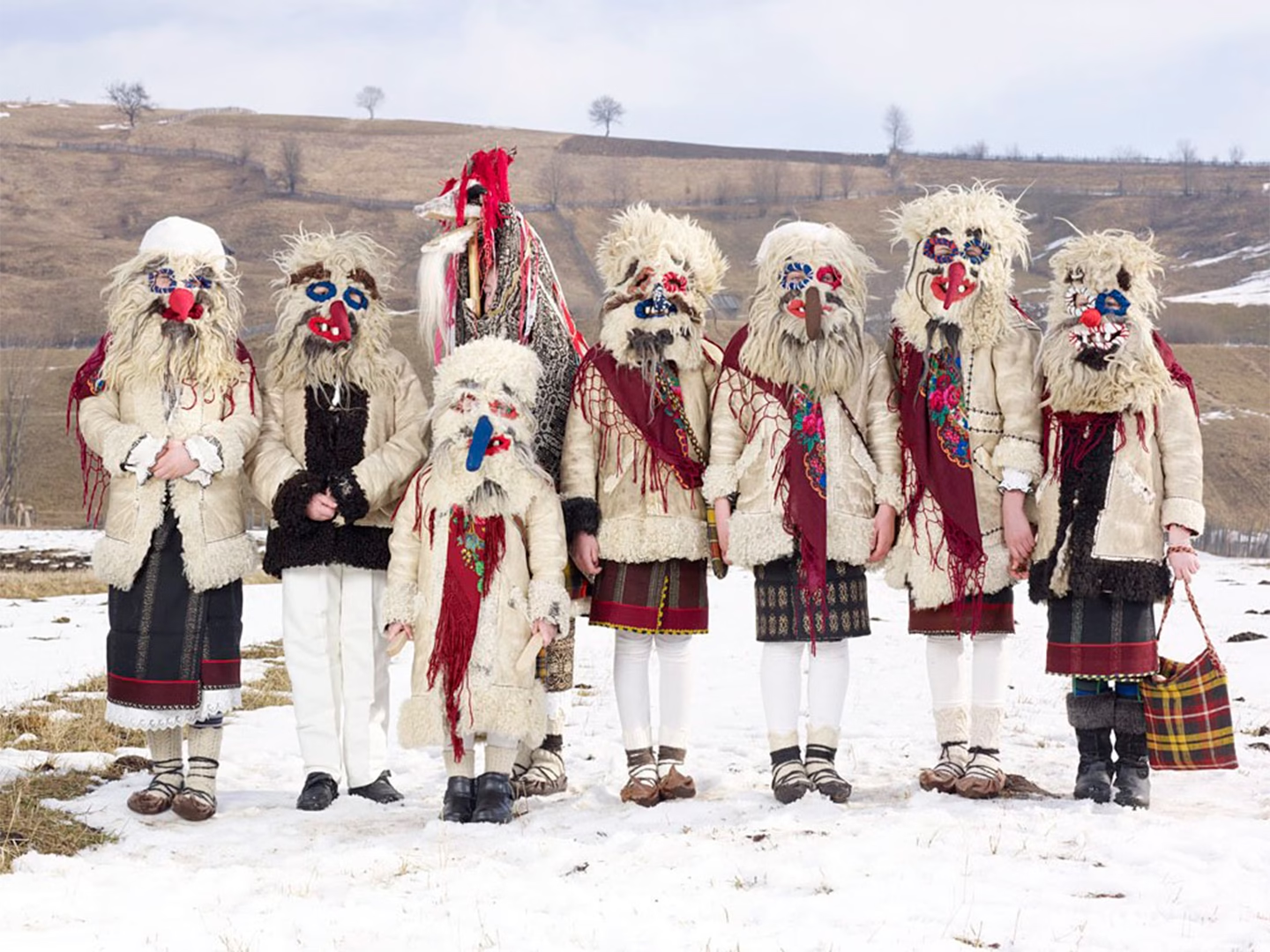
3. Romania
The bear traditions of Romania bring another kind of body into the project. In Comănești, in northeastern Romania, the Dancing Bears Festival gathers people in full bearskins, often moving in rows to the sound of drums. AP describes the custom as a winter tradition linked to older beliefs that wild animals could fend off misfortune or danger, with dancing bears once visiting homes to wish people good luck for the New Year. Today, the festival draws crowds around Christmas, with its main highlight on December 30. The costumes can include preserved bearskins, gaping jaws, claws, and red pompom decorations, with some full-sized bear furs weighing up to 50 kilograms.
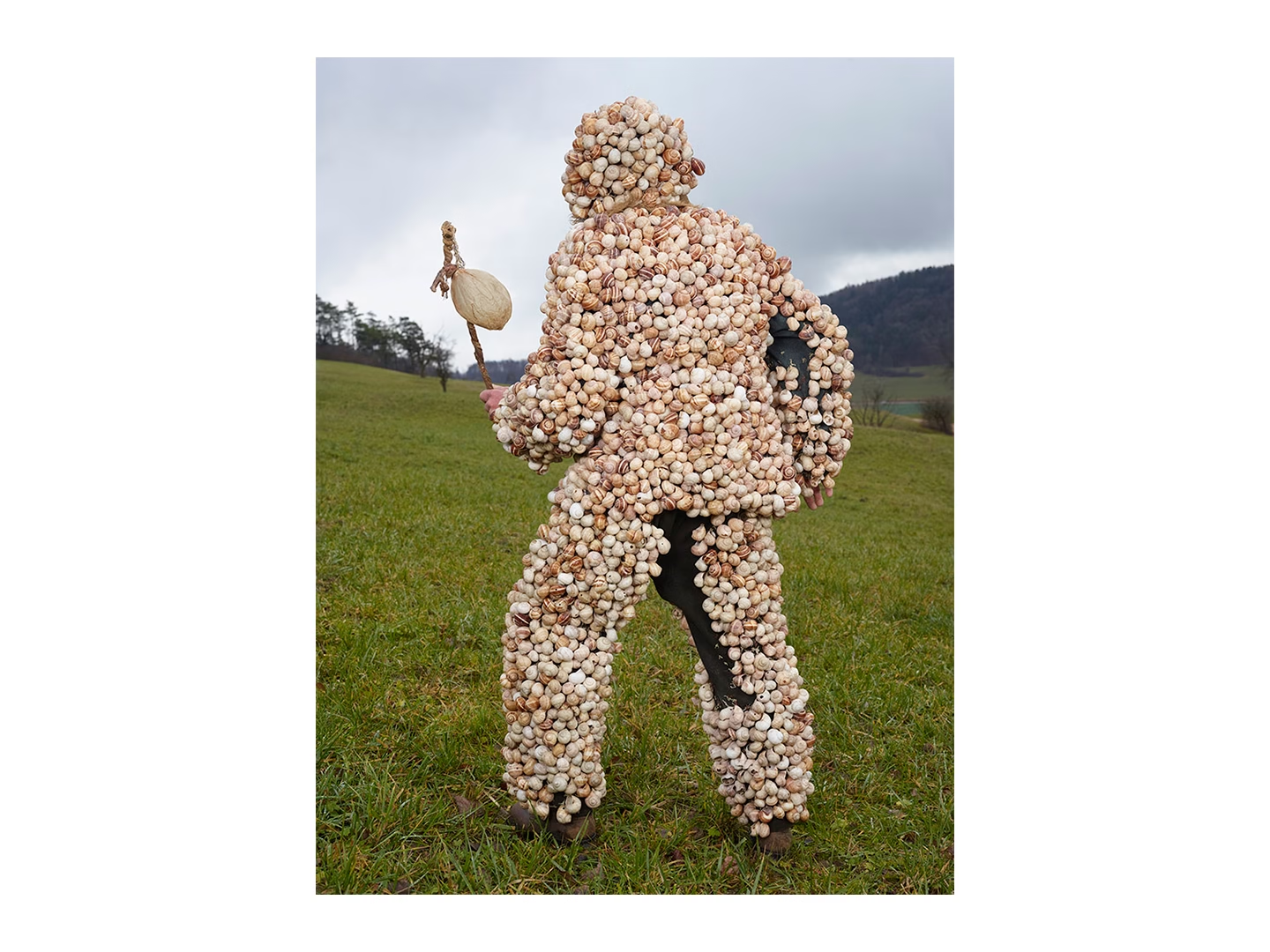
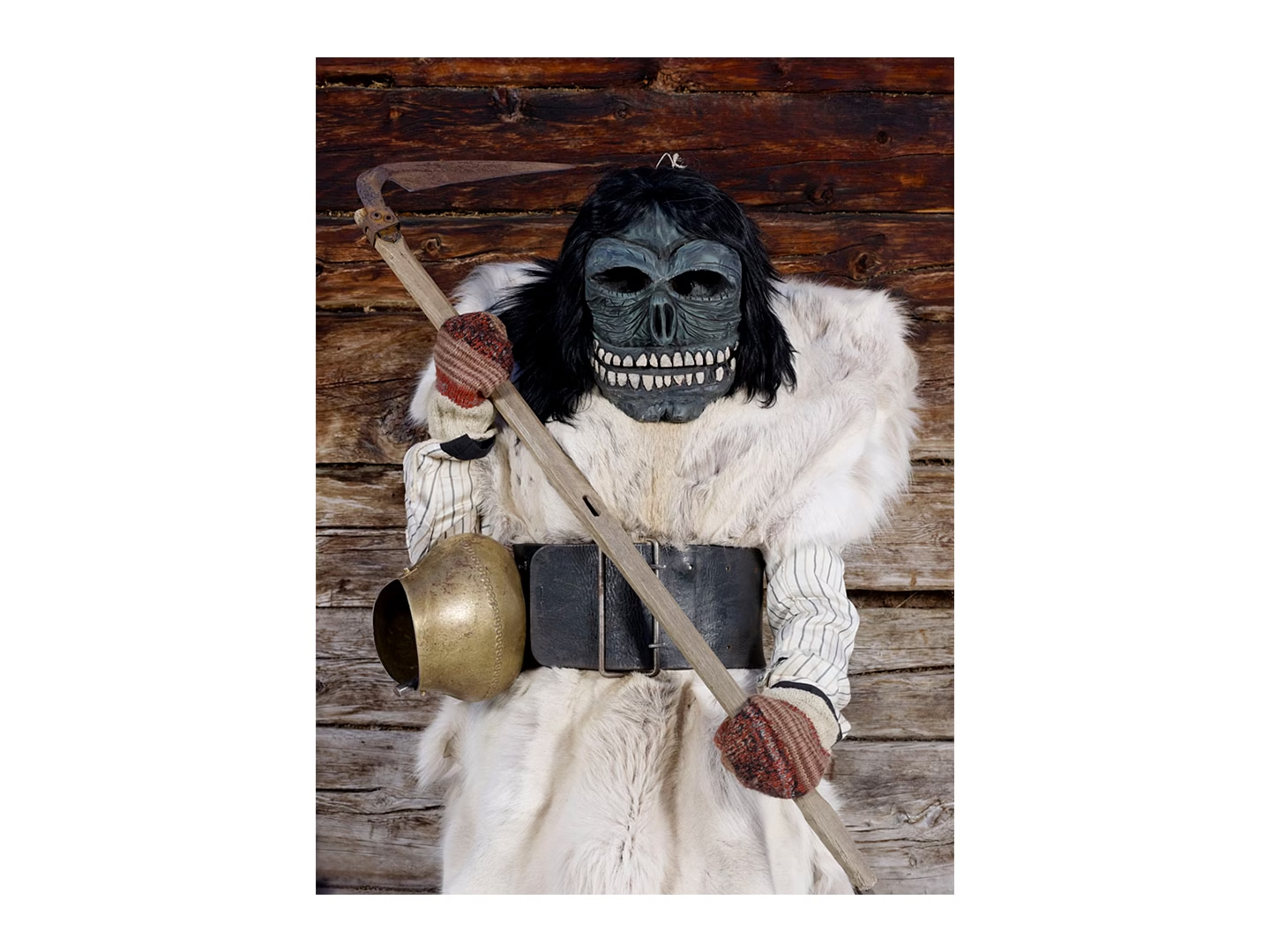
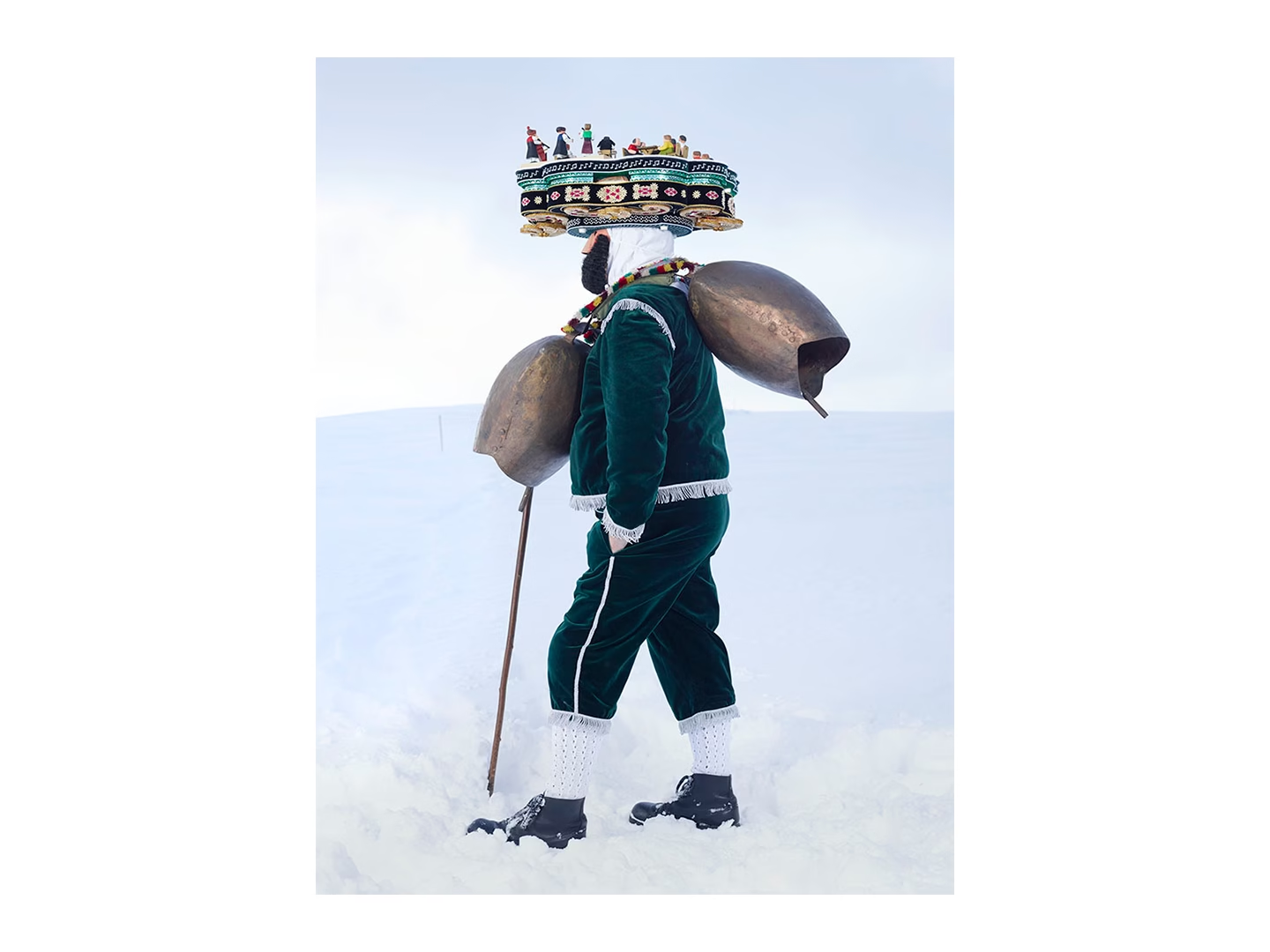
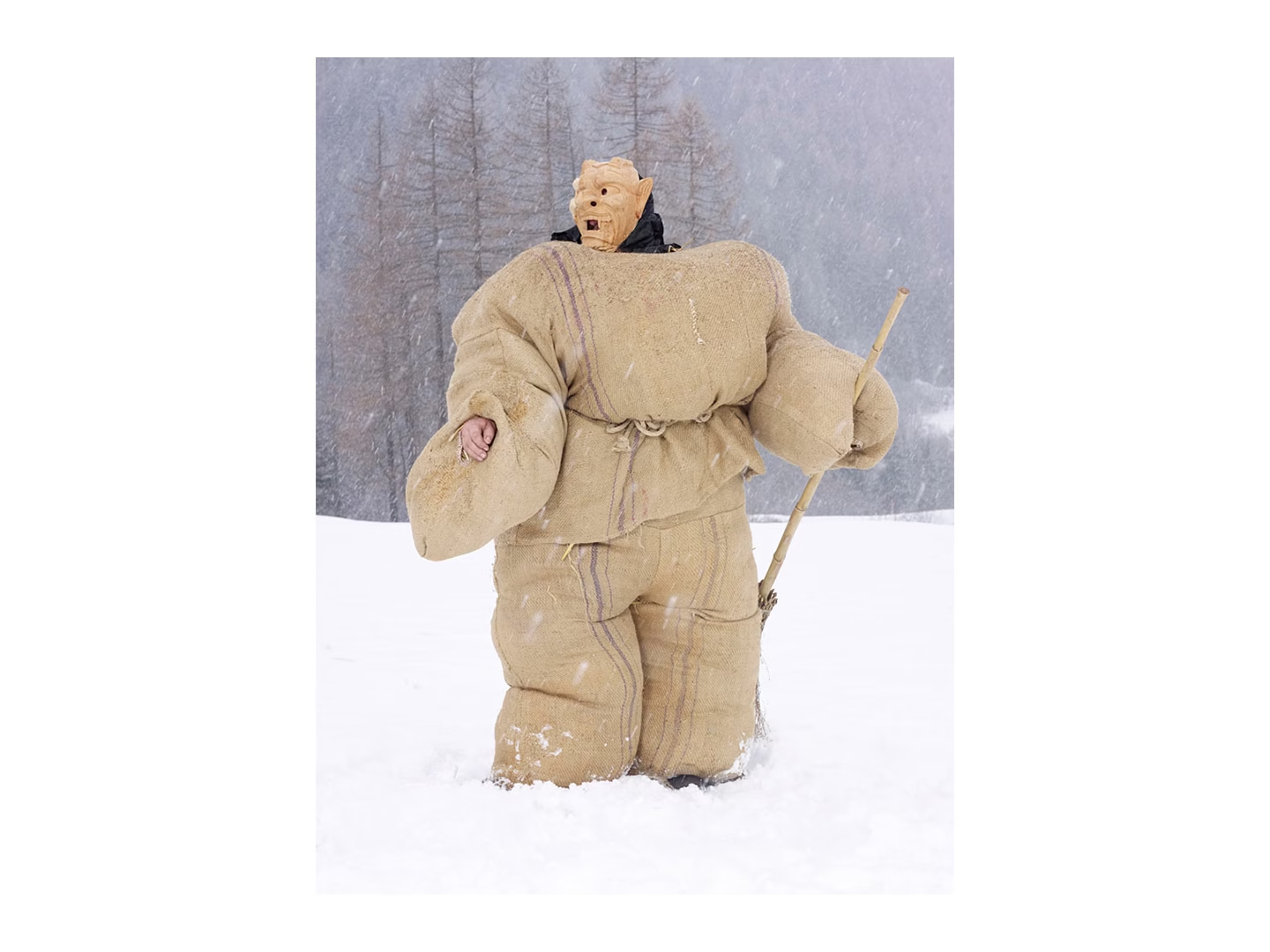
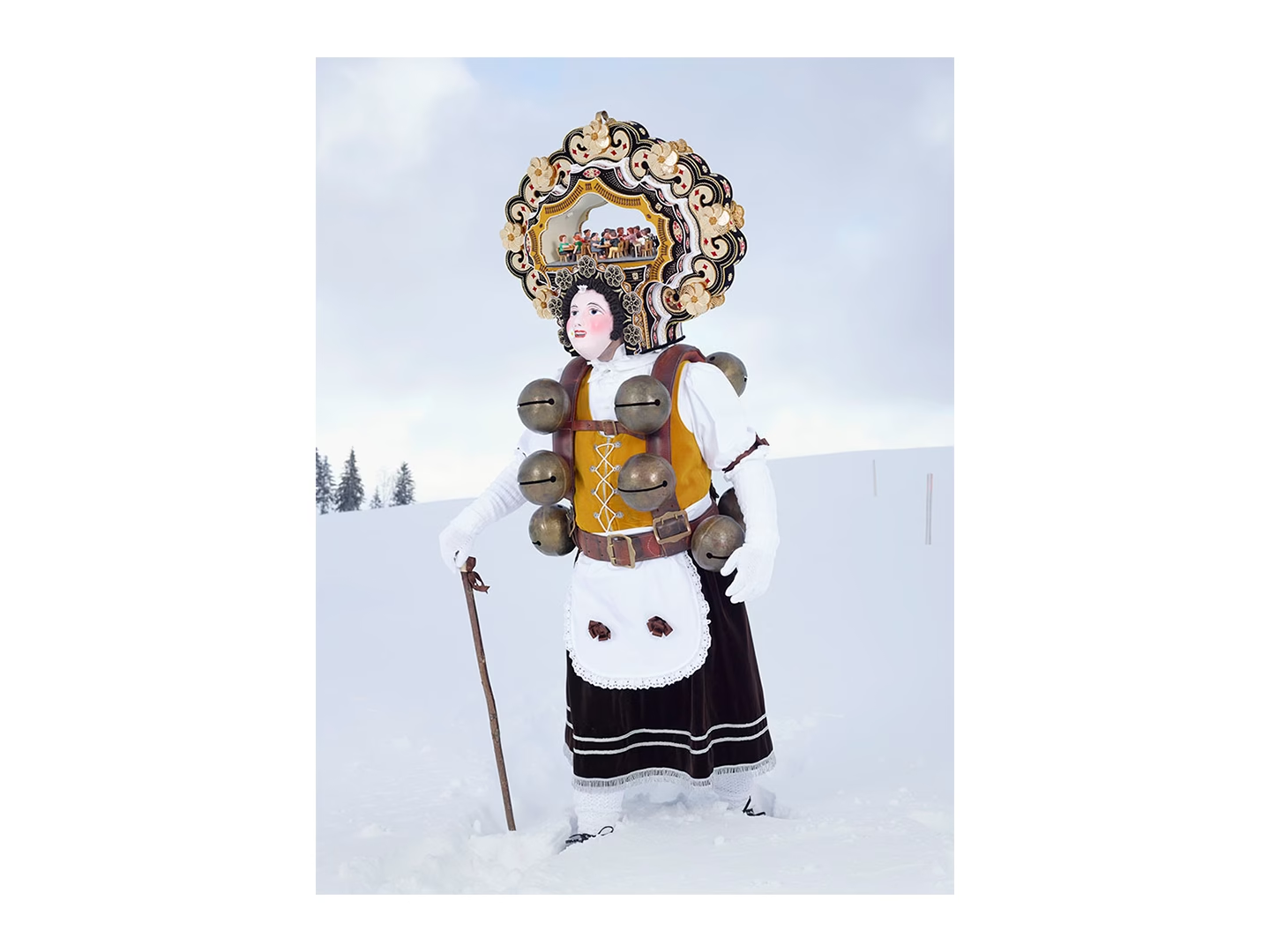
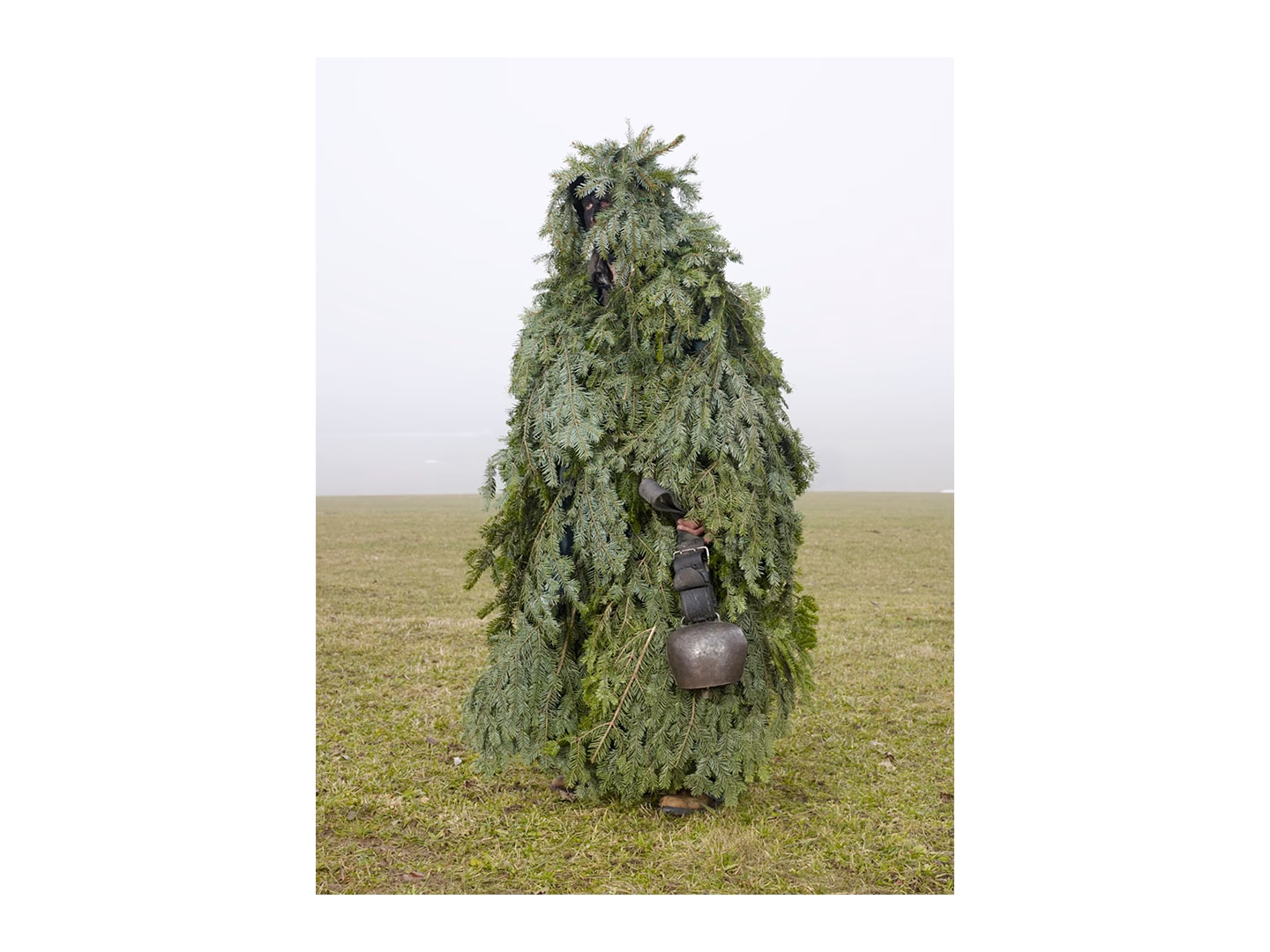
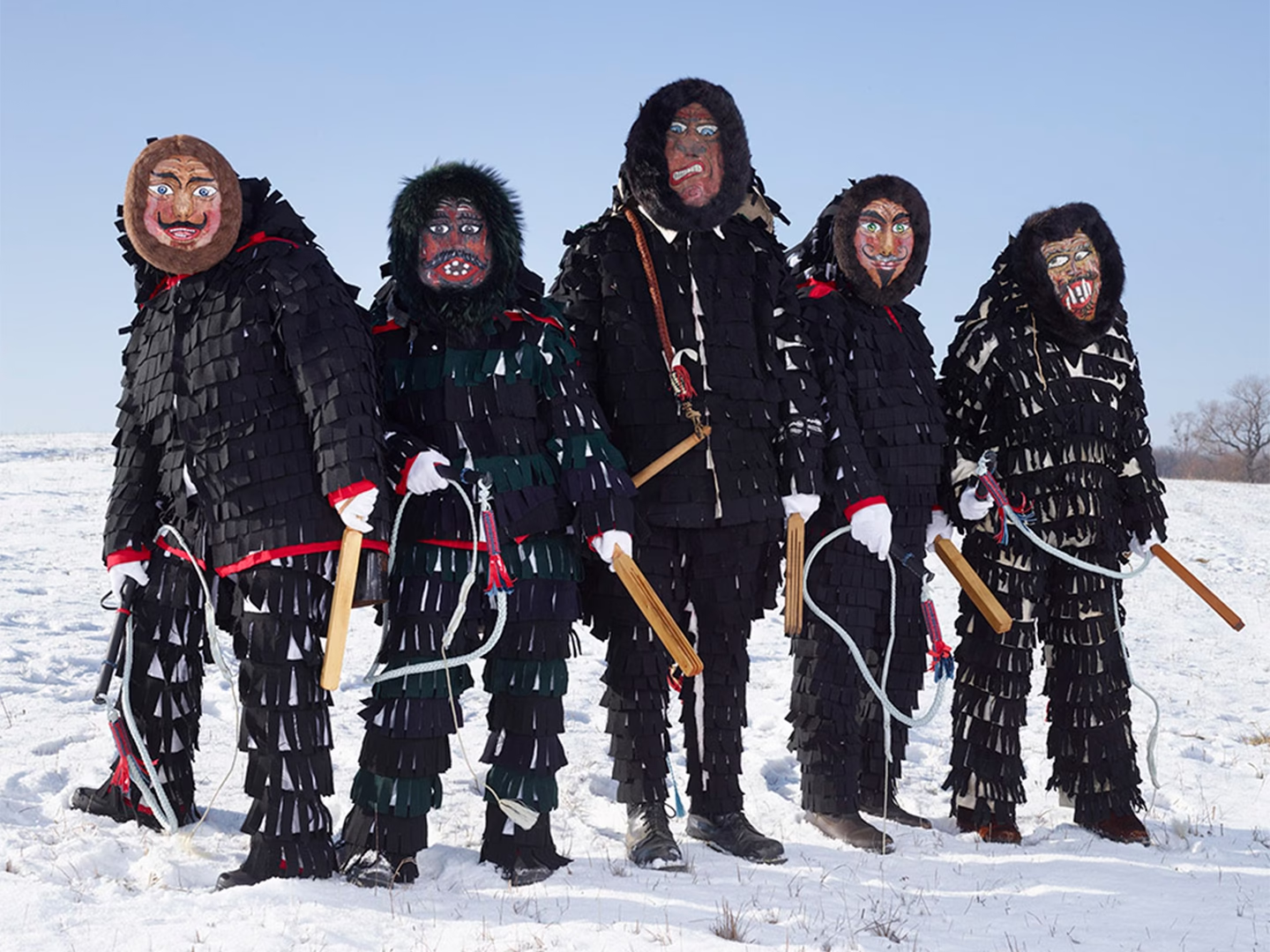
4. Switzerland
Hand-carved wooden masks define the Tschäggättä of Switzerland’s Lötschental valley. Appearing during Fasnacht, from Candlemas until the Tuesday before Ash Wednesday, the figures wear hand-carved Swiss stone pine masks, animal skins, and bells. Lötschental Tourism describes the masks as grim or grotesque, and connects the figures to winter, evil-spirit banishing, local heritage, and pride in the valley’s culture. A related Swiss tourism source also describes the Tschäggättä as wild-looking figures who move through the valley during carnival season, frightening people still out on the streets.
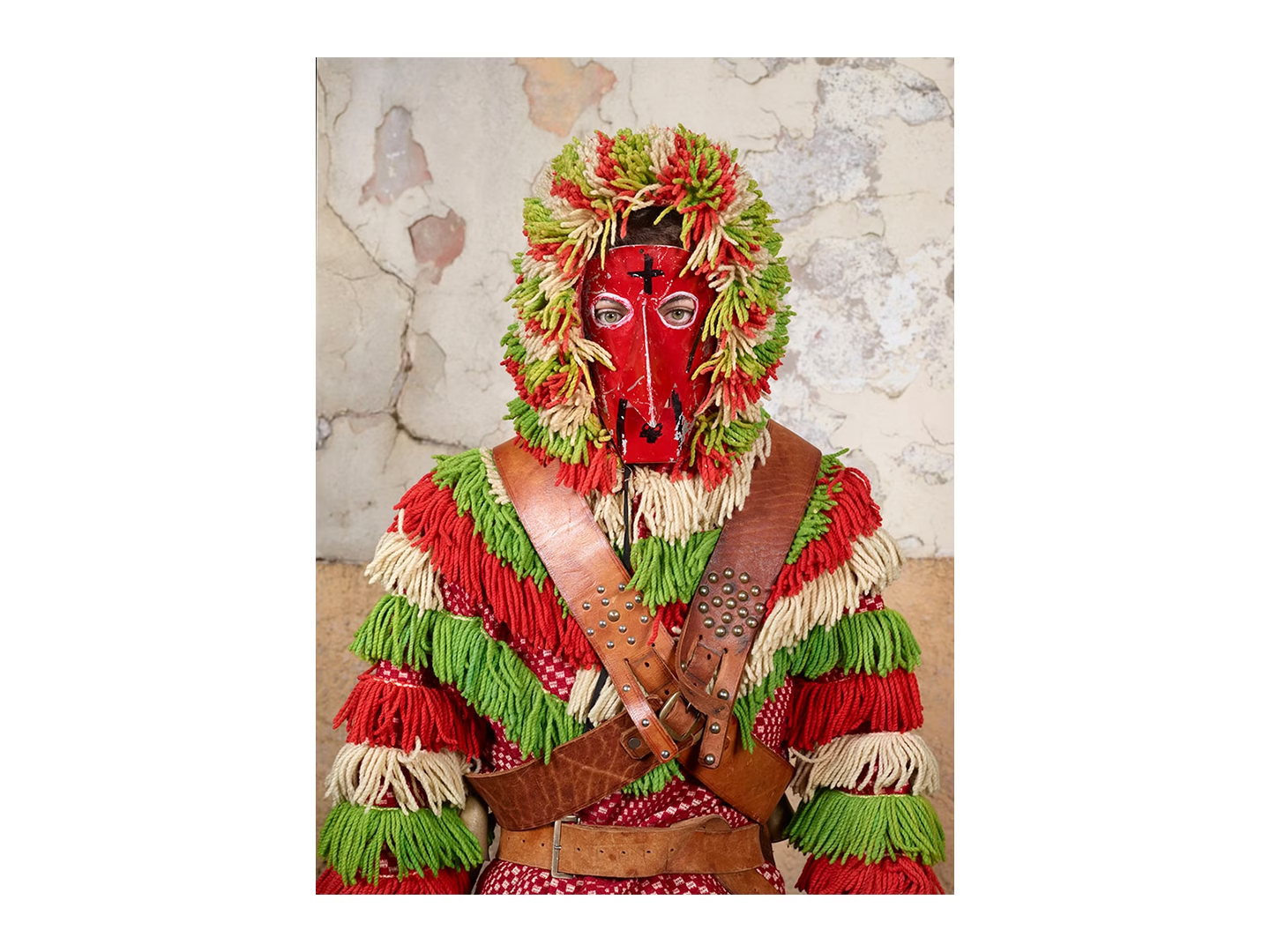
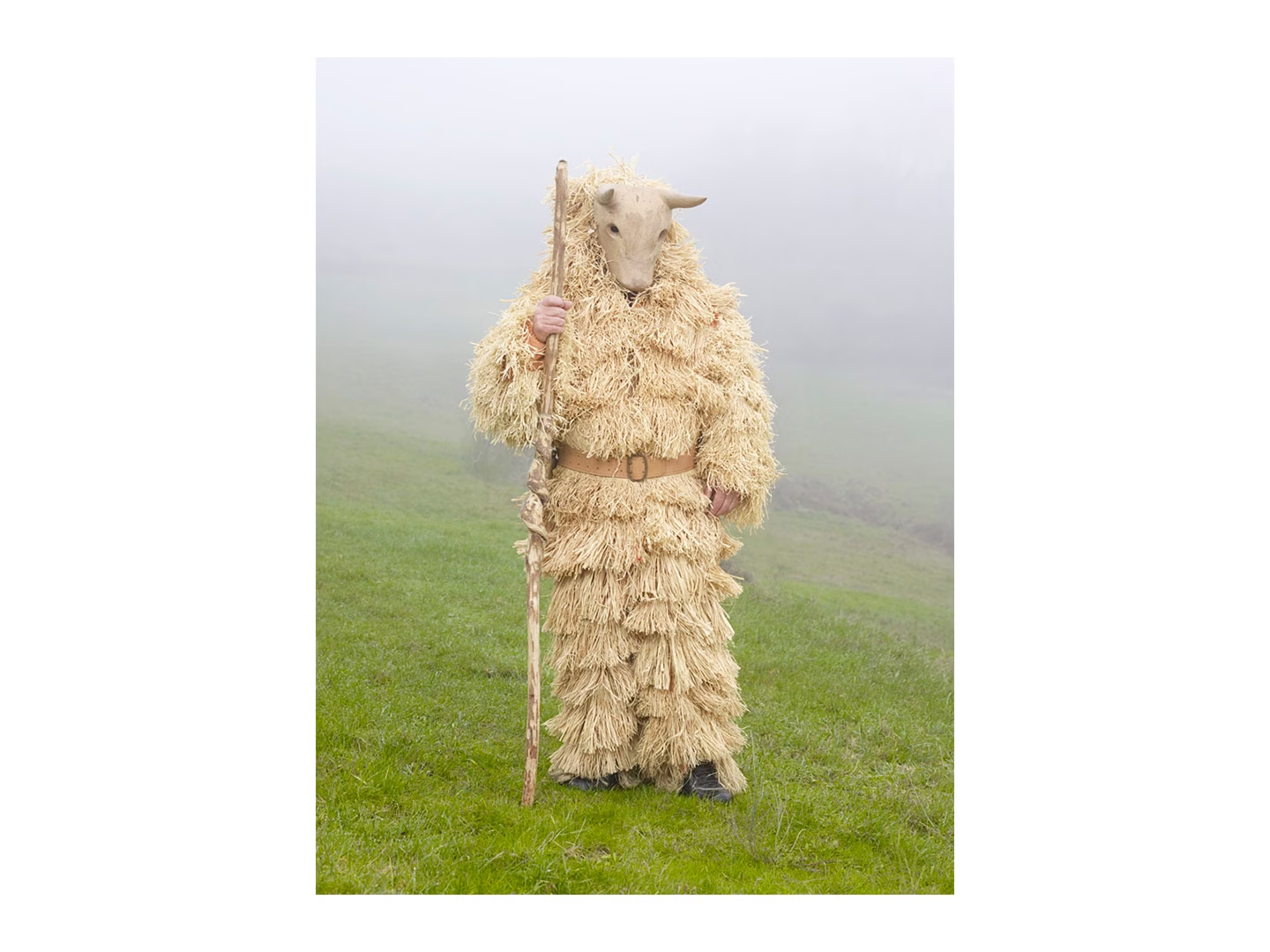
5. Portugal
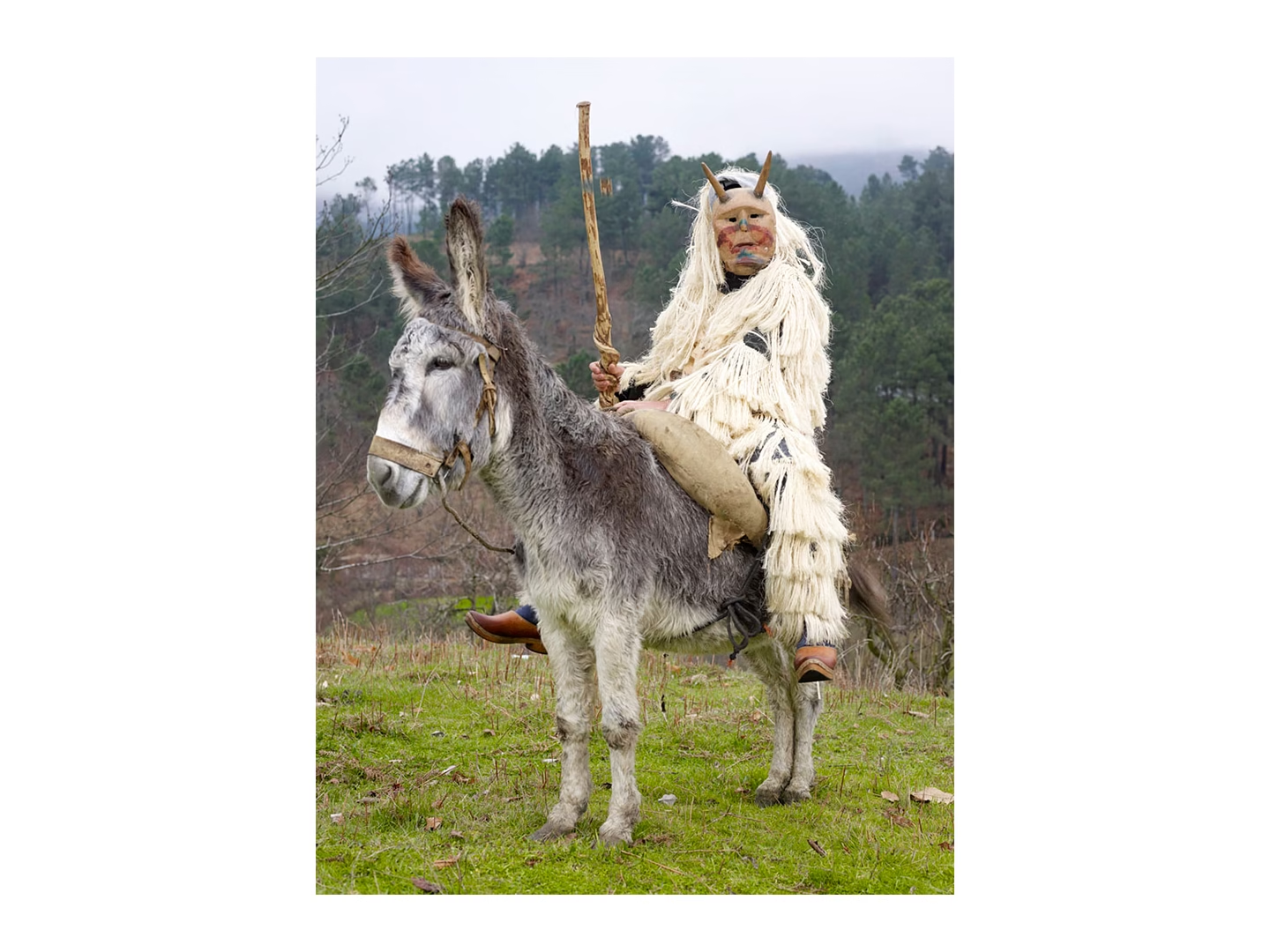
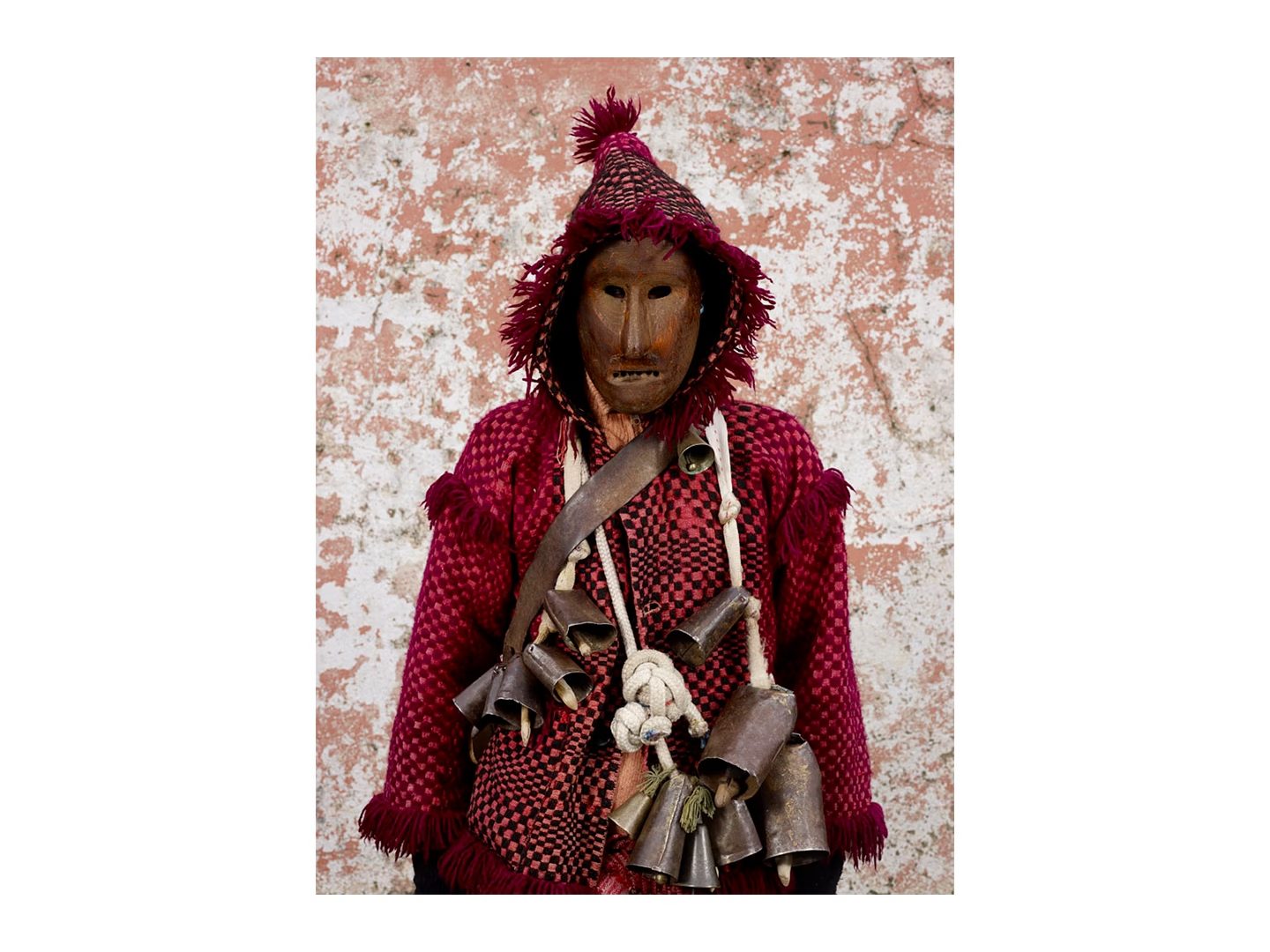
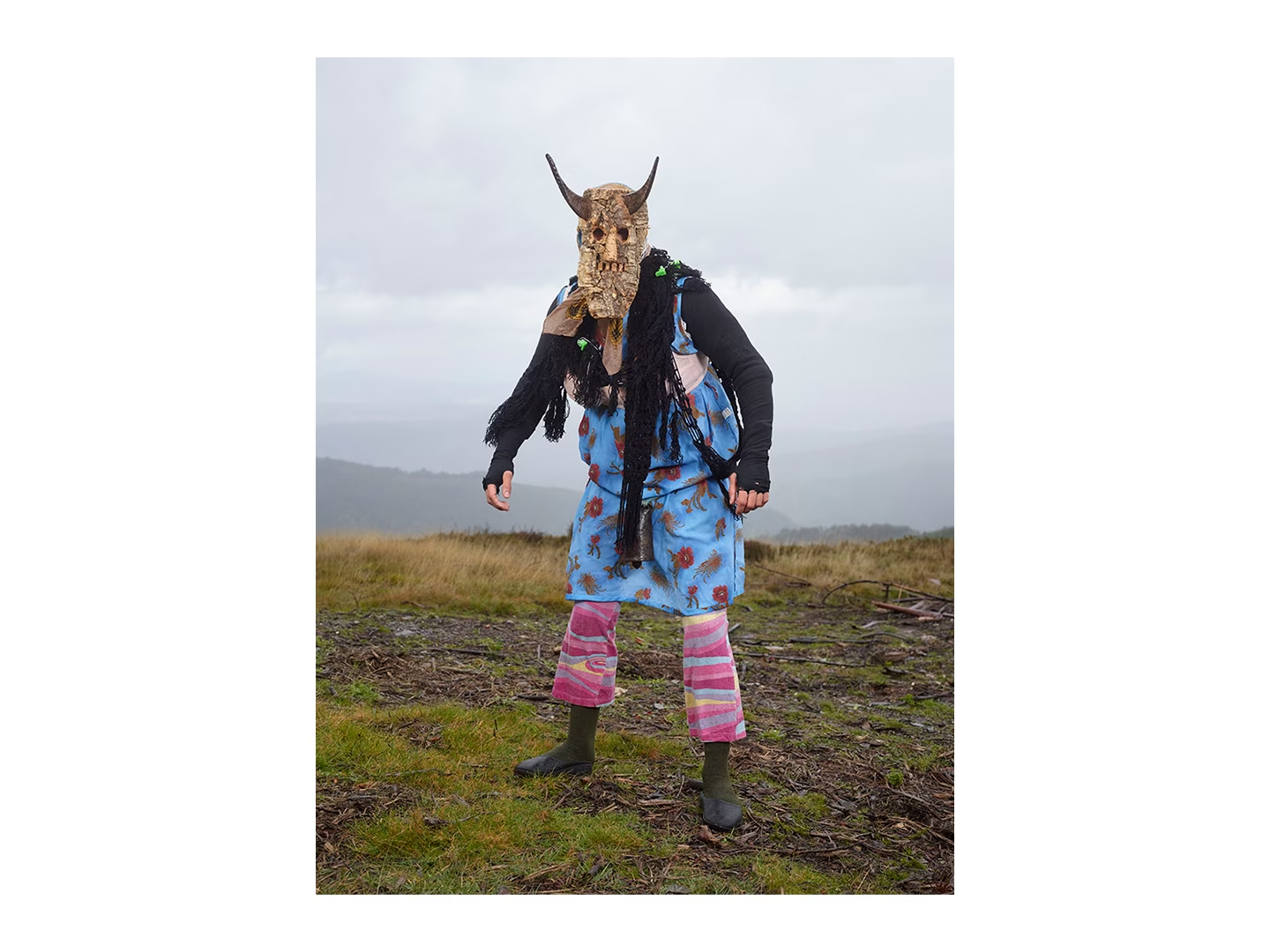
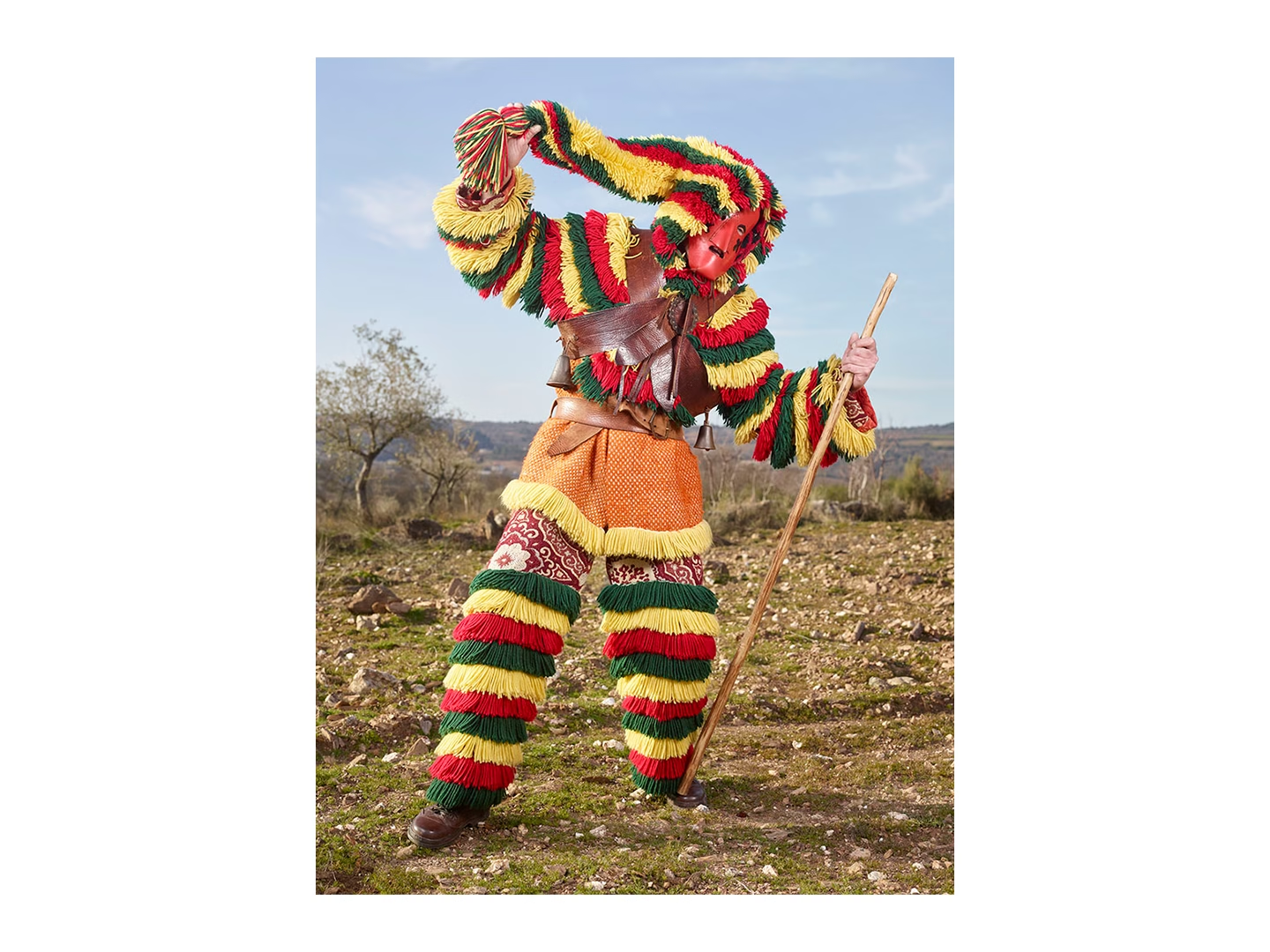
In Lazarim, Portugal, the mask becomes a carved object of satire, anonymity, and release. The village’s Carnival, or Entrudo, takes place in the days before Carnaval and is known for handmade masks carved from alder wood. Visit Portugal describes the event as involving wooden skeletons, demons, drums, tradition, and catharsis, while Second Face notes that Lazarim masks are usually hand-carved, often uncolored, and commonly represent devils, animals, kings, or other figures. The celebration also includes a satirical public reading of villagers’ embarrassing acts, followed by the symbolic burning of compadre and comadre effigies. Compared with the fur-covered figures of Bulgaria or Romania, Lazarim’s power sits in the face: the wooden mask as a tool for disguise, criticism, and temporary disorder.