Shunji Iwai is often associated with films built around youth, memory, distance, and first love. Titles such as Love Letter, April Story, and Hana and Alice helped shape that image, and for many viewers they remain the clearest example of his softer style. Alongside those films, though, there is another side of his work that is darker in mood and harsher in subject matter.
That divide is often described as “White Iwai” and “Black Iwai.” The label is not really about genre. It is usually used to separate the films centered on warmth, longing, and emotional delicacy from the ones shaped by obsession, bullying, isolation, instability, or social pressure. Rather than pointing to two different phases, it describes two recurring directions within the same filmography.
1. Undo (1994)
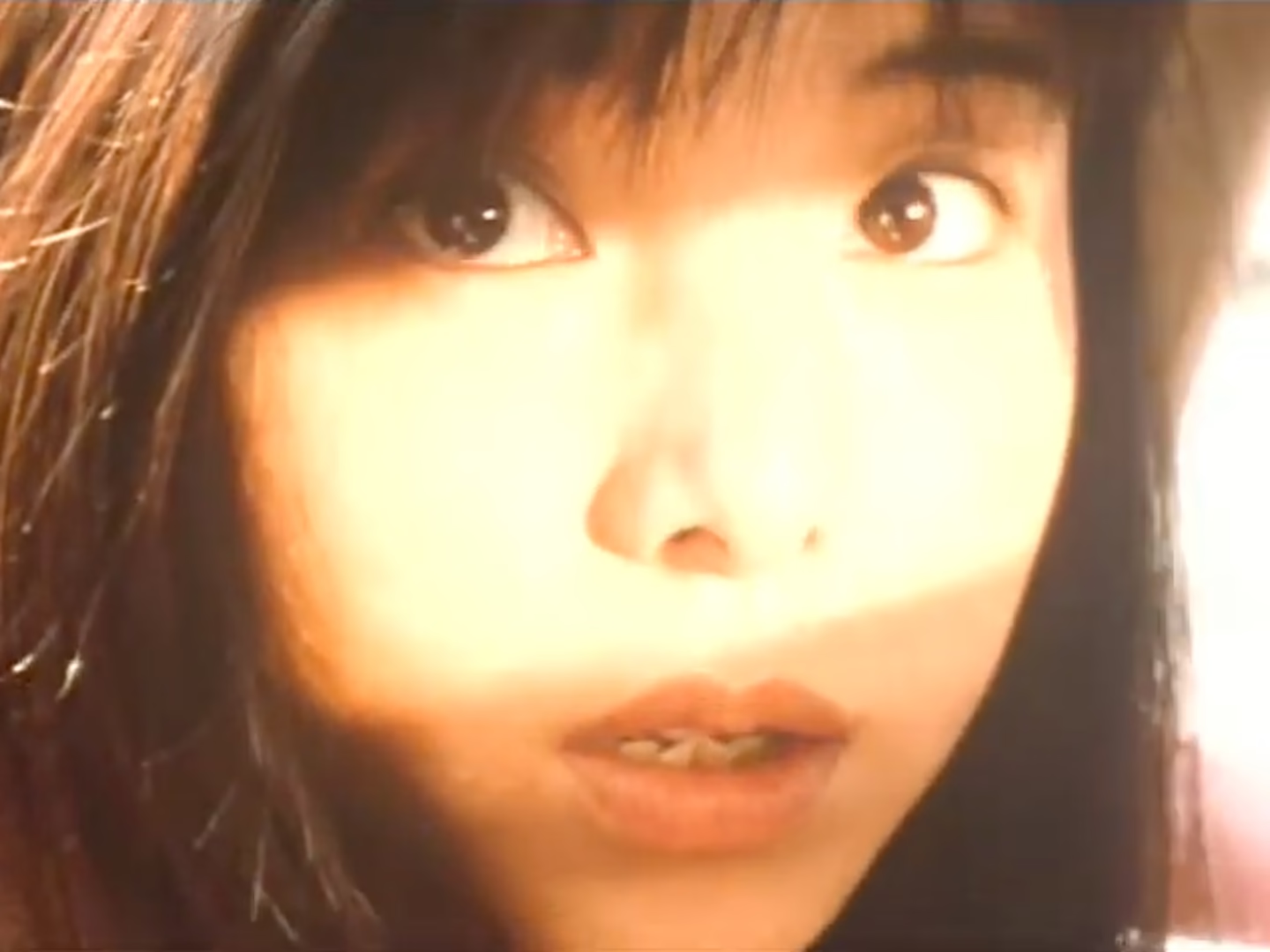
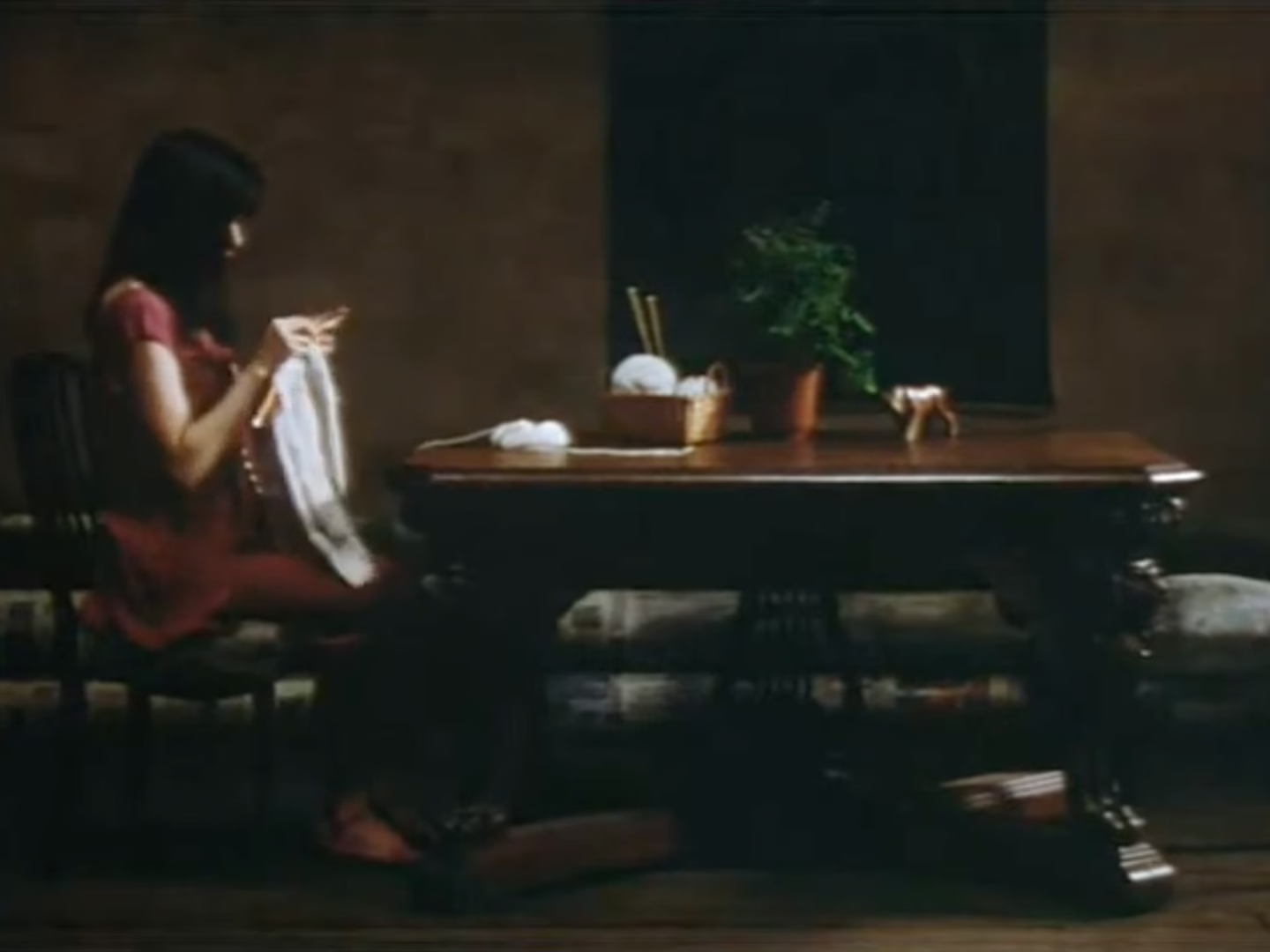
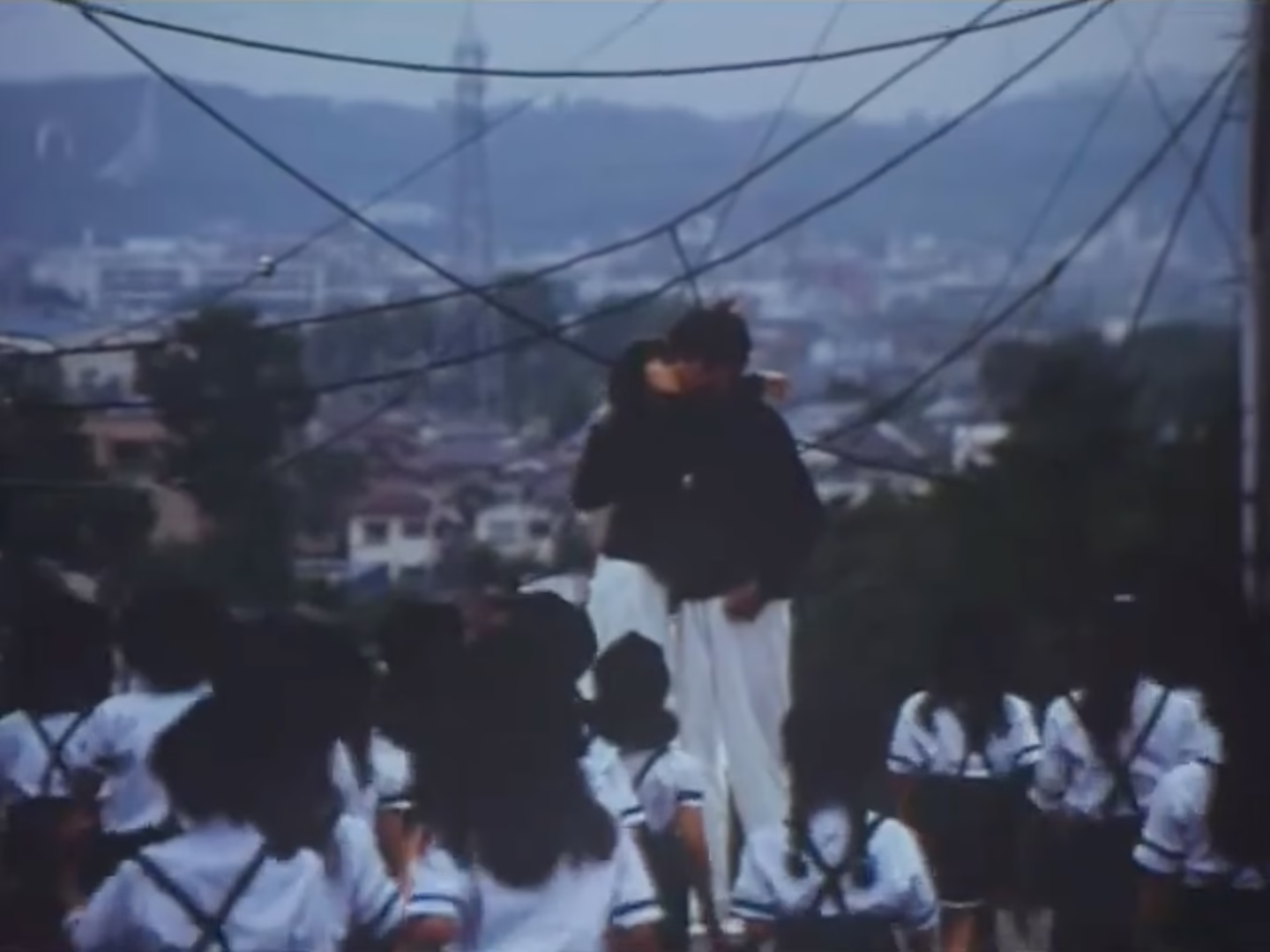
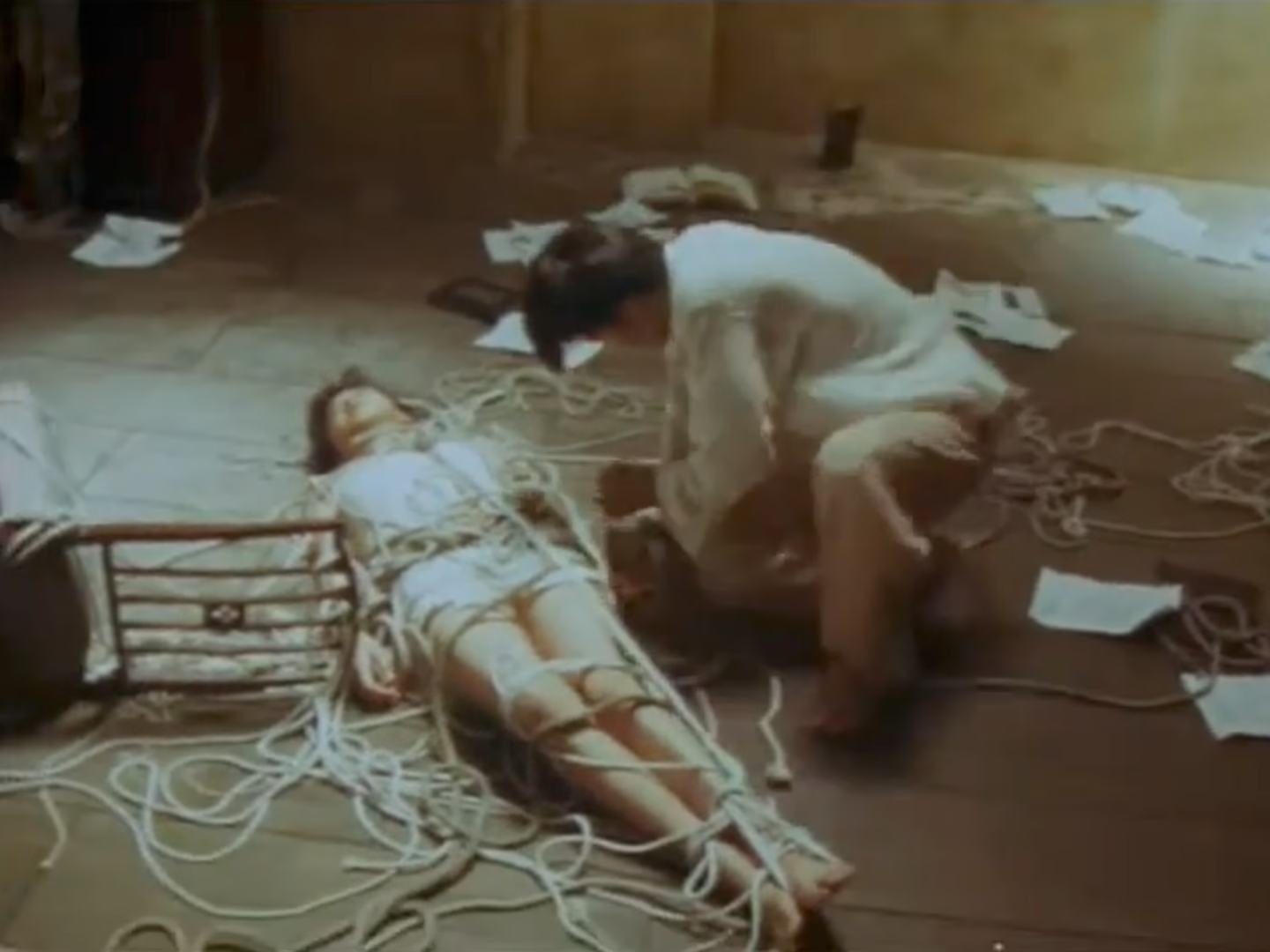
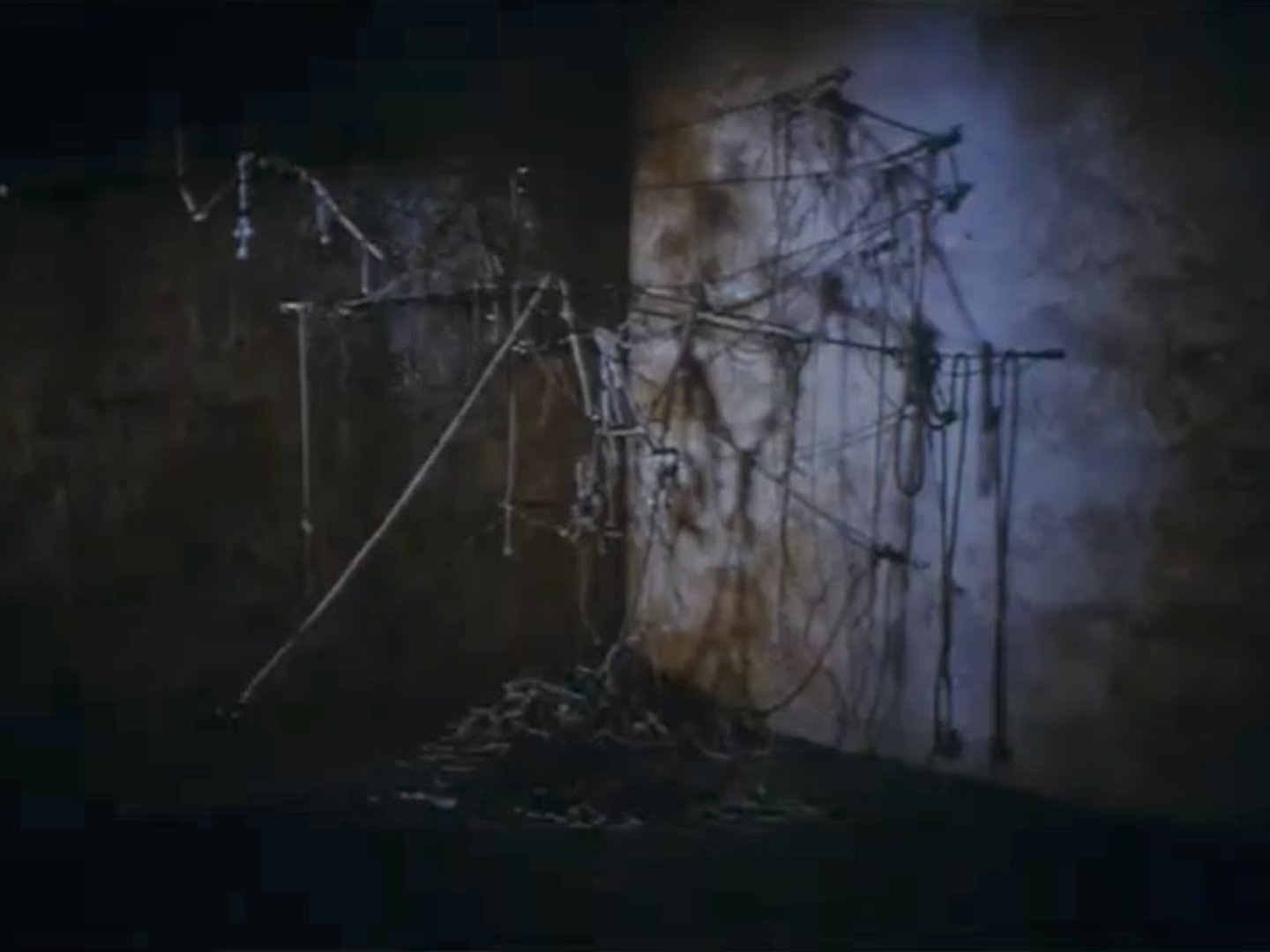
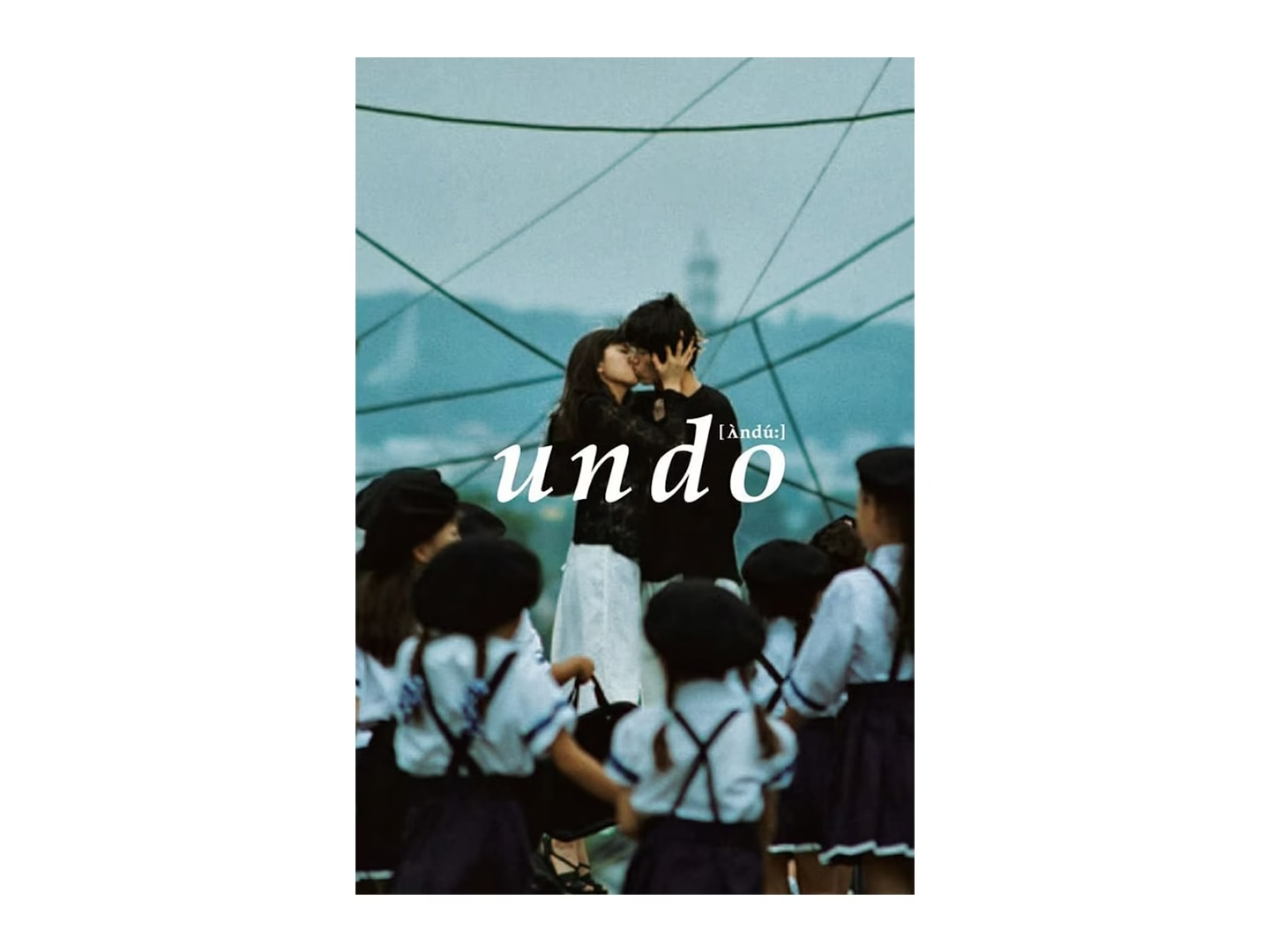
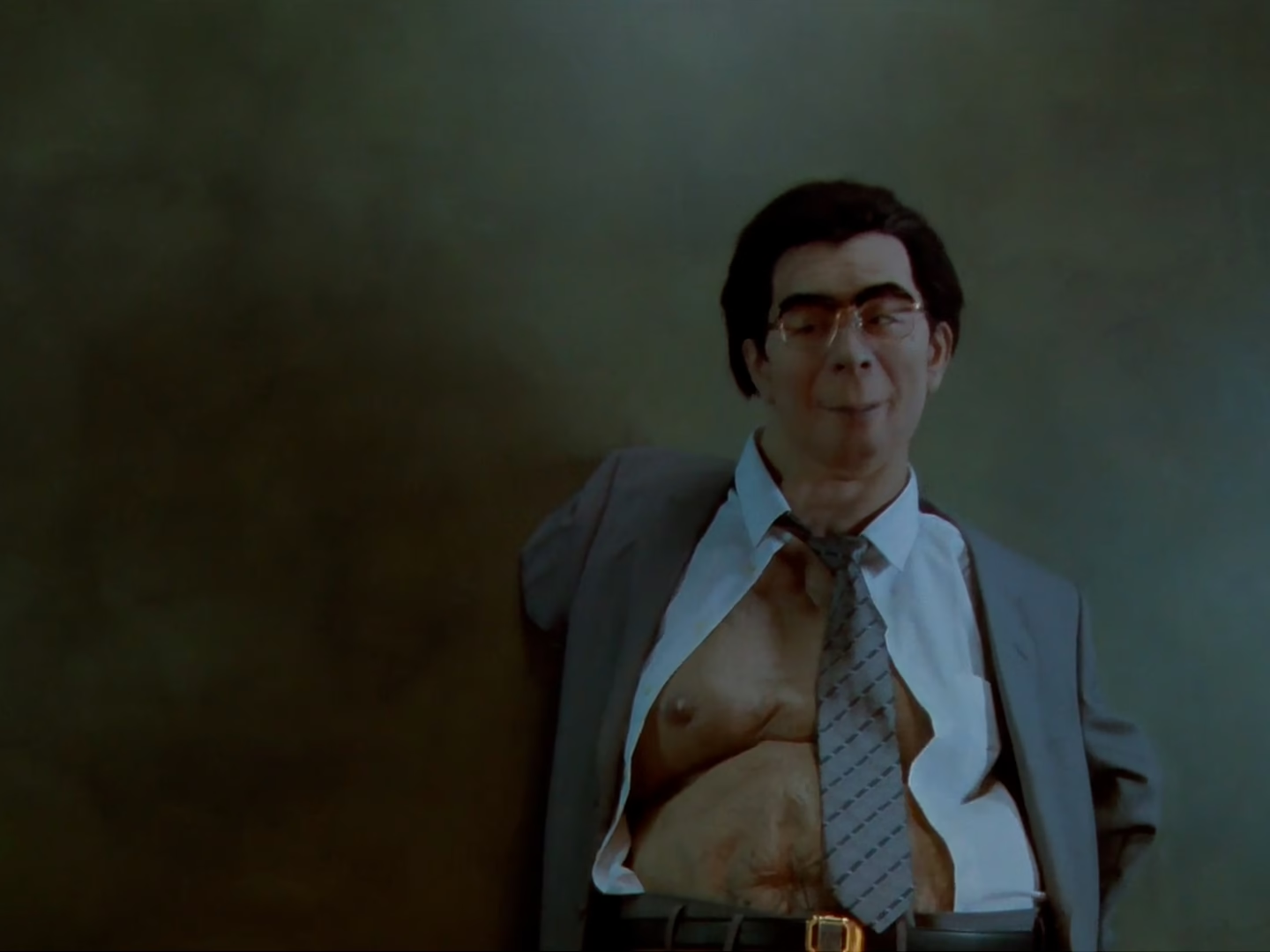
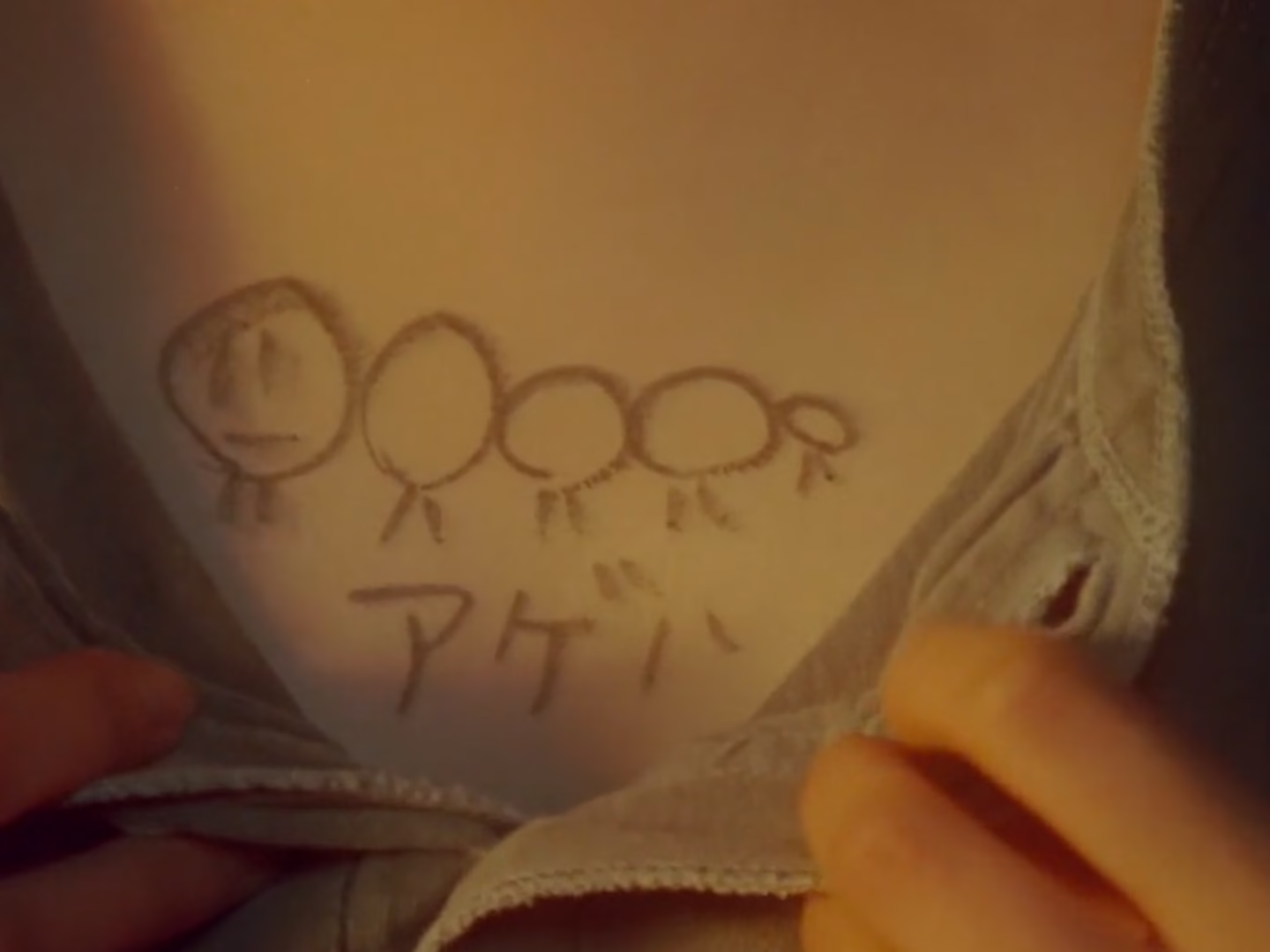
One of the earliest titles regularly placed in the black-Iwai grouping is Undo. The film follows Moemi, a young woman whose habit of tying string around objects develops into a compulsive pattern that begins to affect her relationship and daily life. Its place in this category comes from how tightly it stays within fixation, strain, and loss of control, turning a domestic setting into something narrow and pressurized rather than intimate or reflective. The film also began as a magazine photo-story project before becoming a feature, which helps explain its especially compressed and image-led feel.
2. PiCNiC (1996)
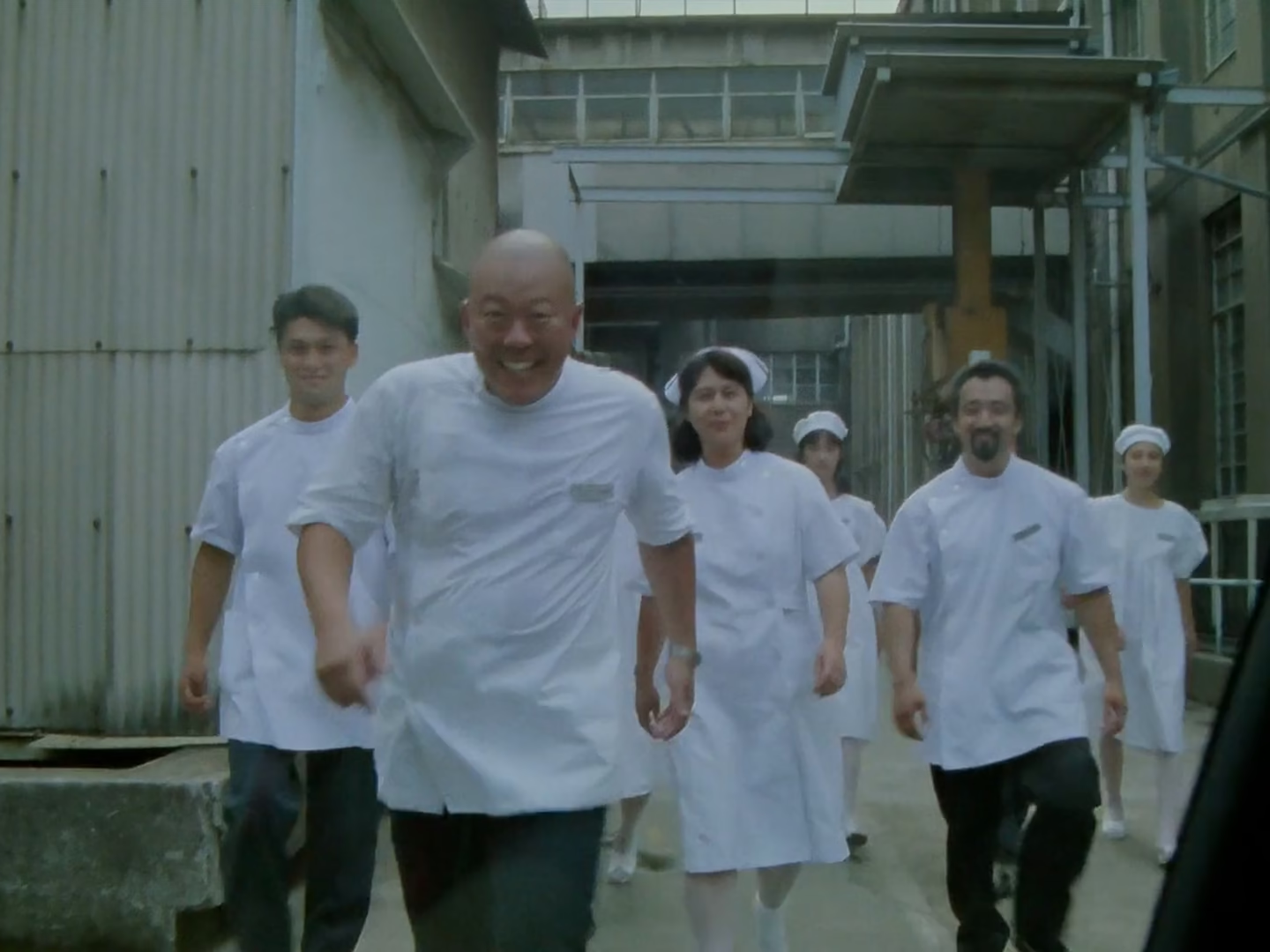
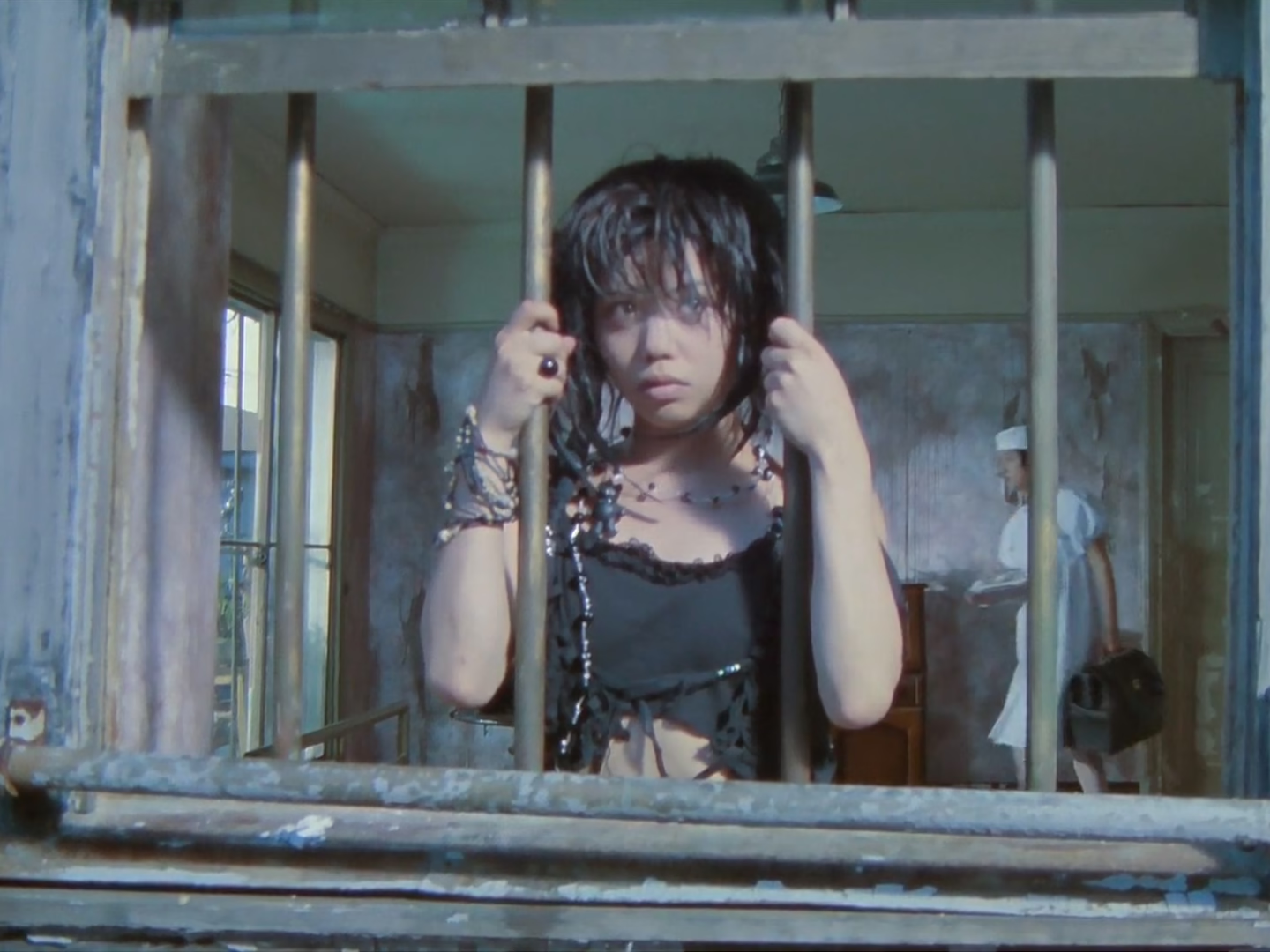
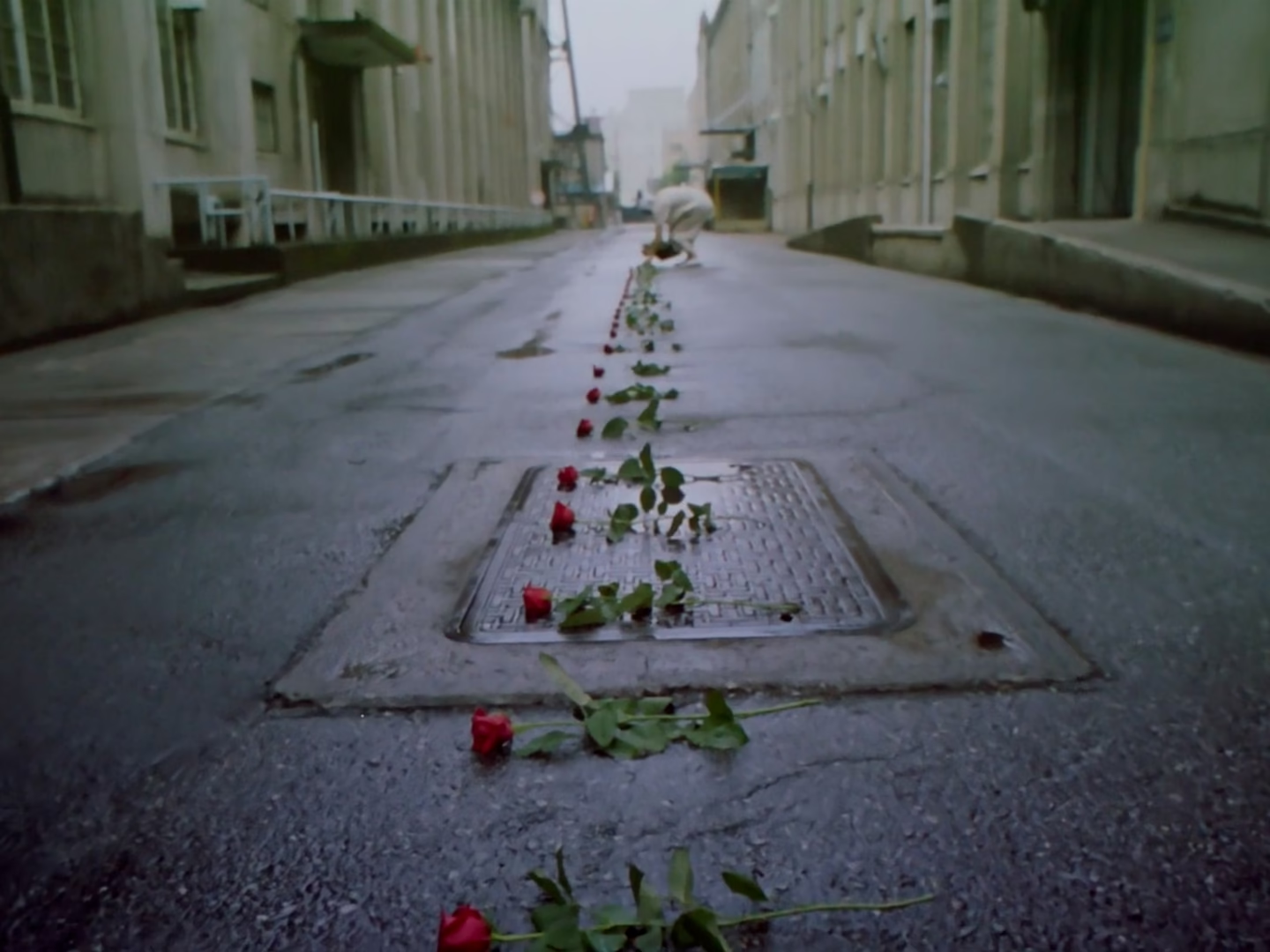
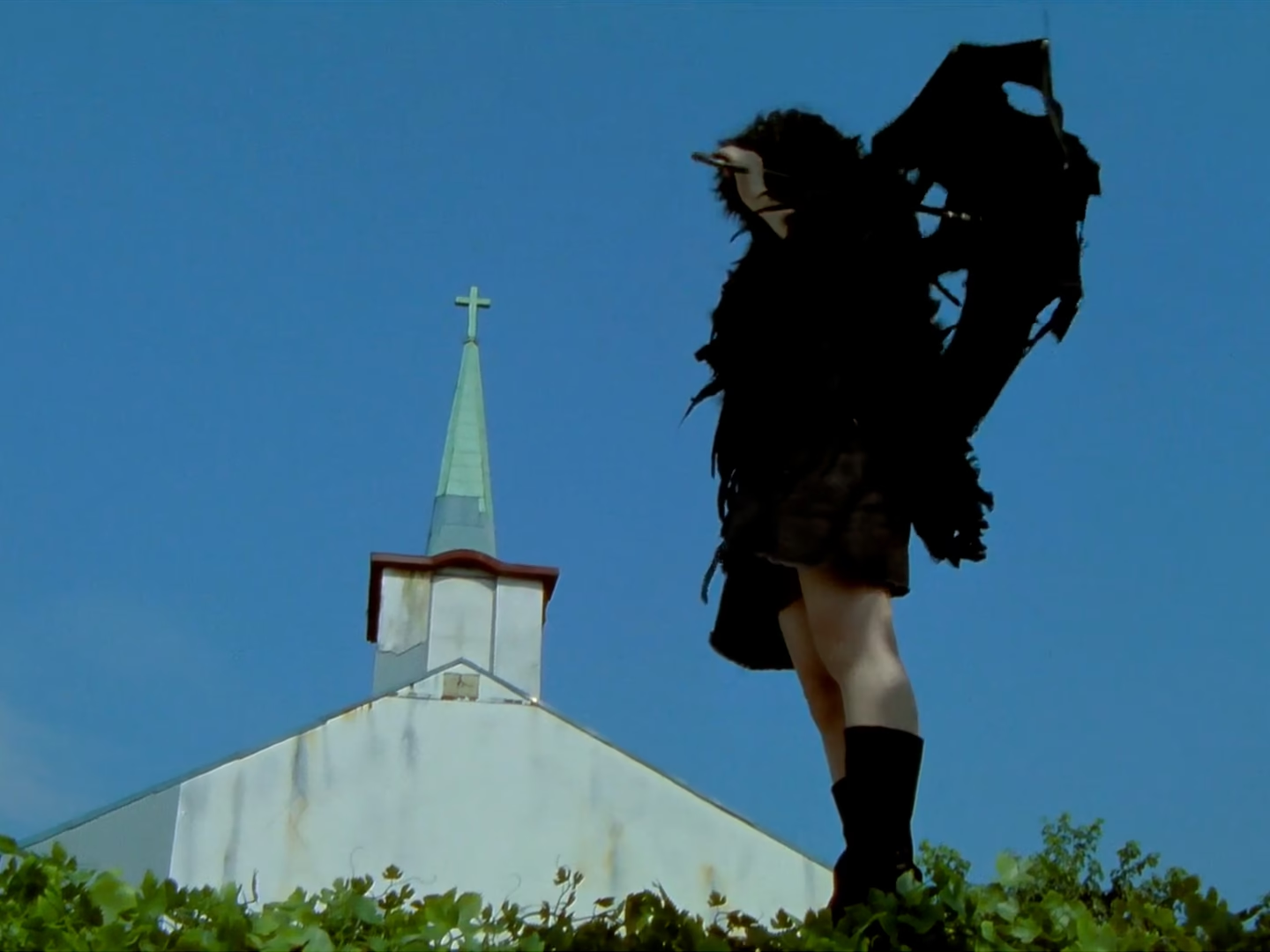
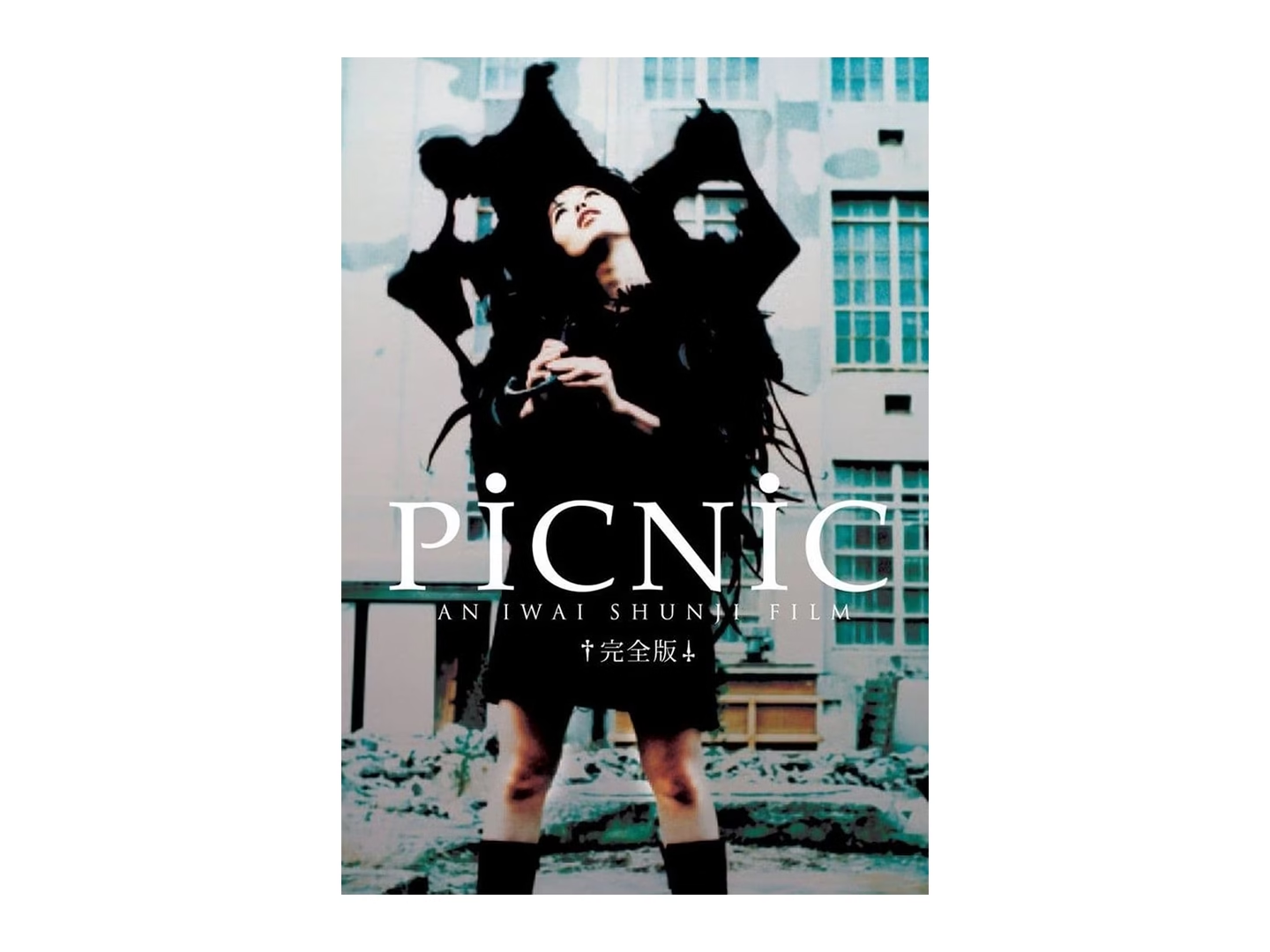
At first glance, PiCNiC sounds lighter than it is. Three psychiatric patients leave their institution by walking along the tops of walls, convinced they can find “the end of the world,” and that premise gives the film an unusual looseness. What keeps it firmly on the darker side of Iwai’s work is the condition of the characters themselves: they are already detached from ordinary life, moving through a fragile mental and social state that gives the film its instability. Much of its later reputation also comes from censorship and release issues, which helped make it one of the more elusive entries in his filmography.
3. Swallowtail Butterfly (1996)
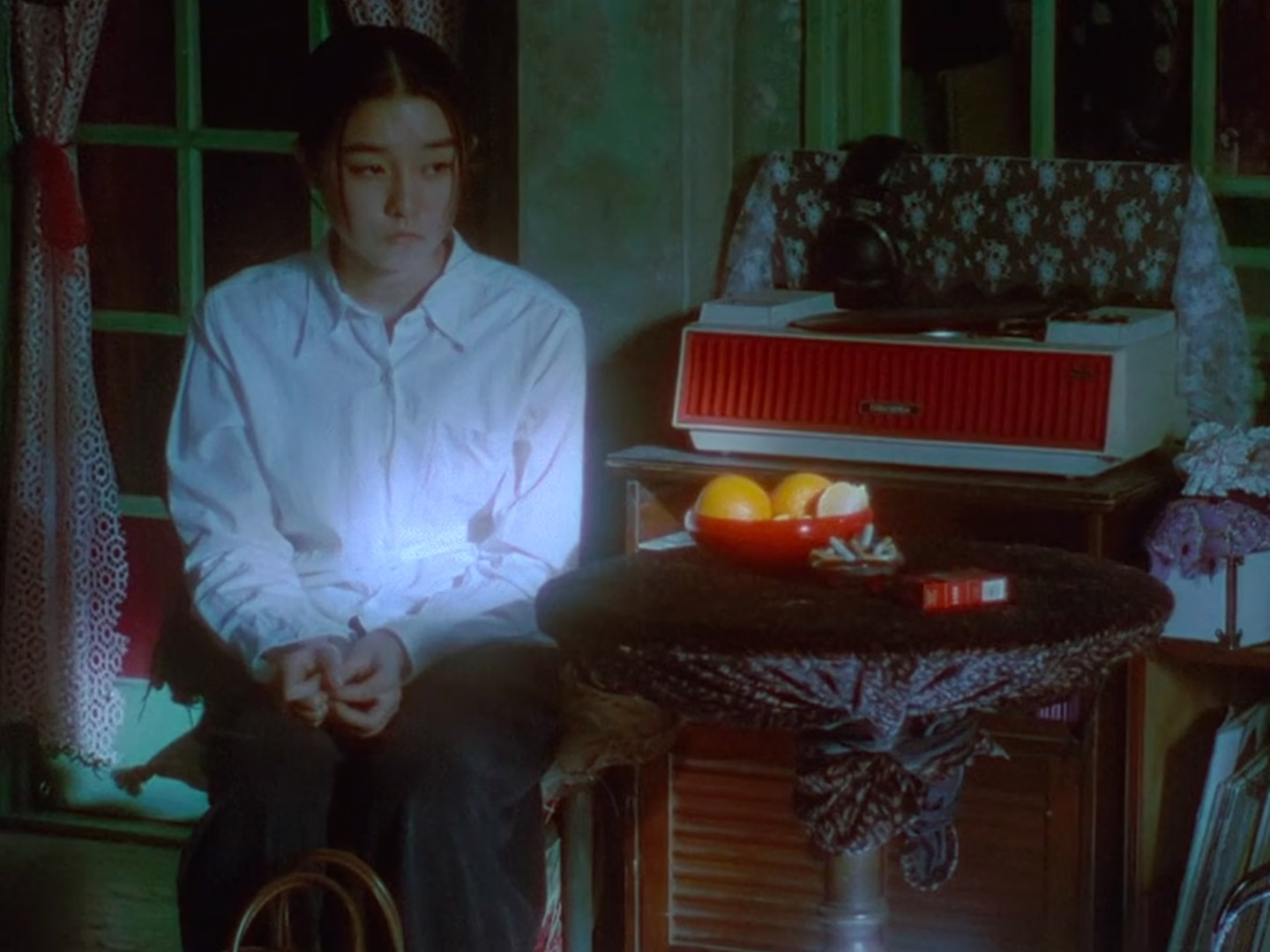
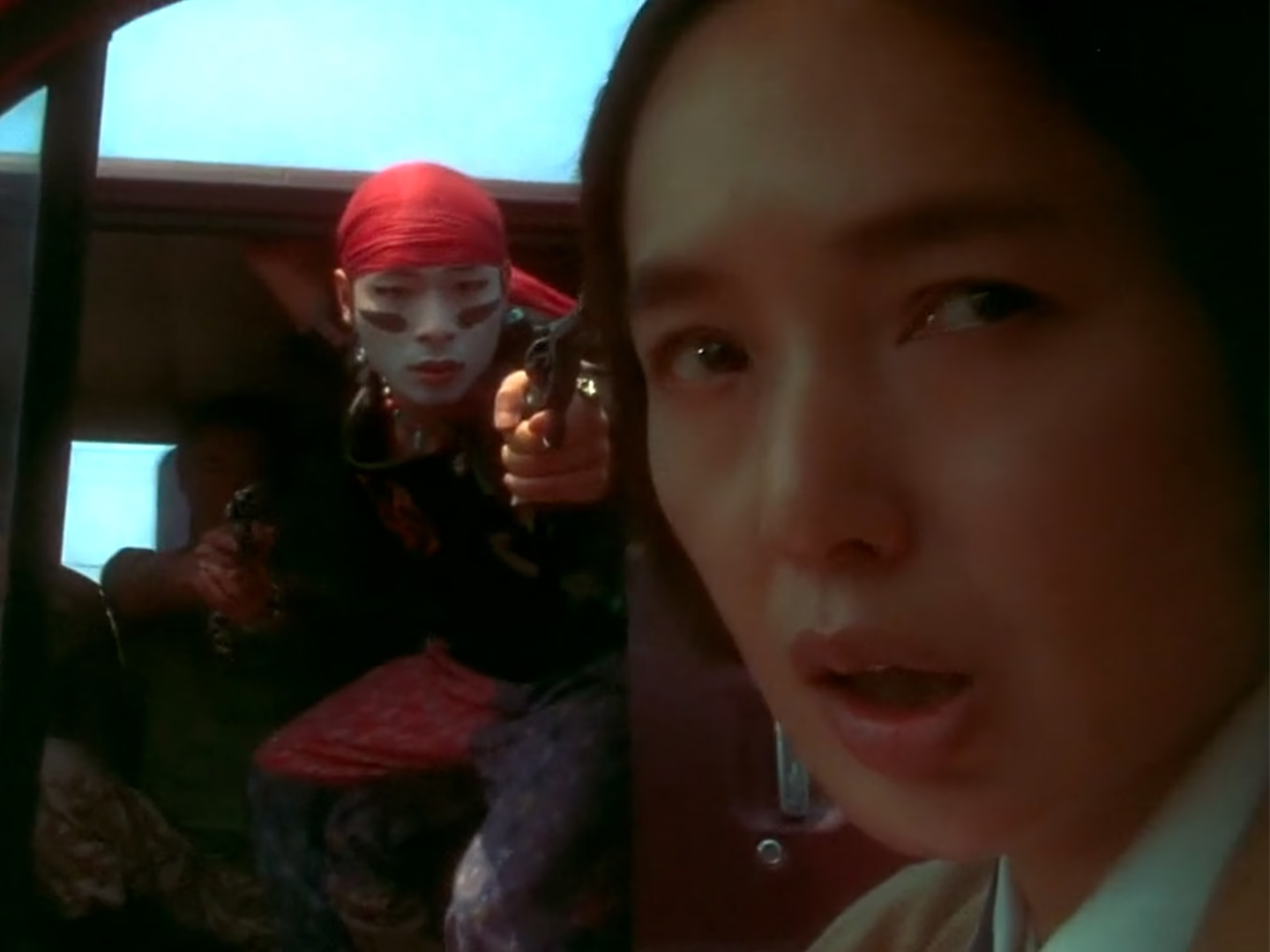
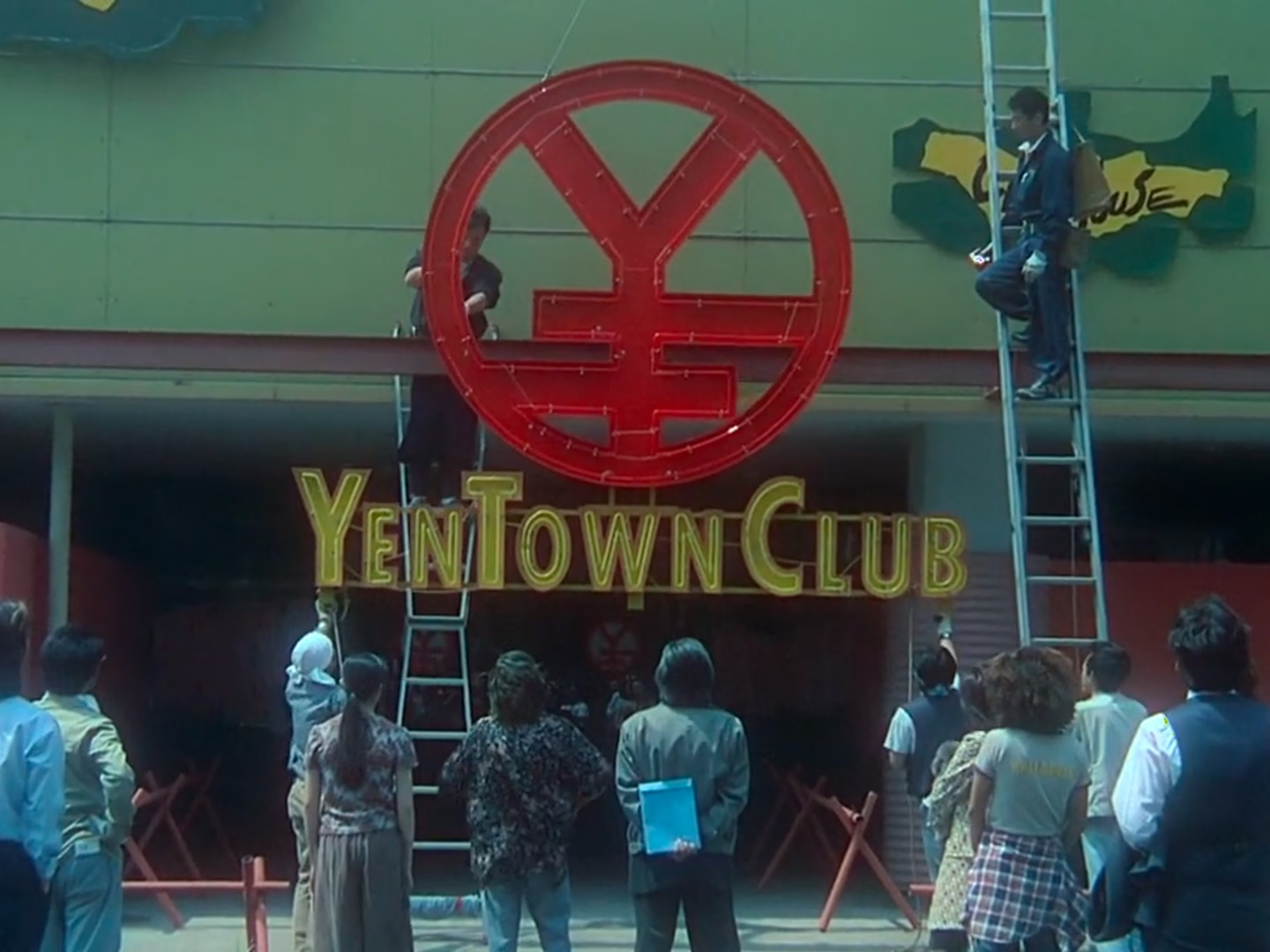
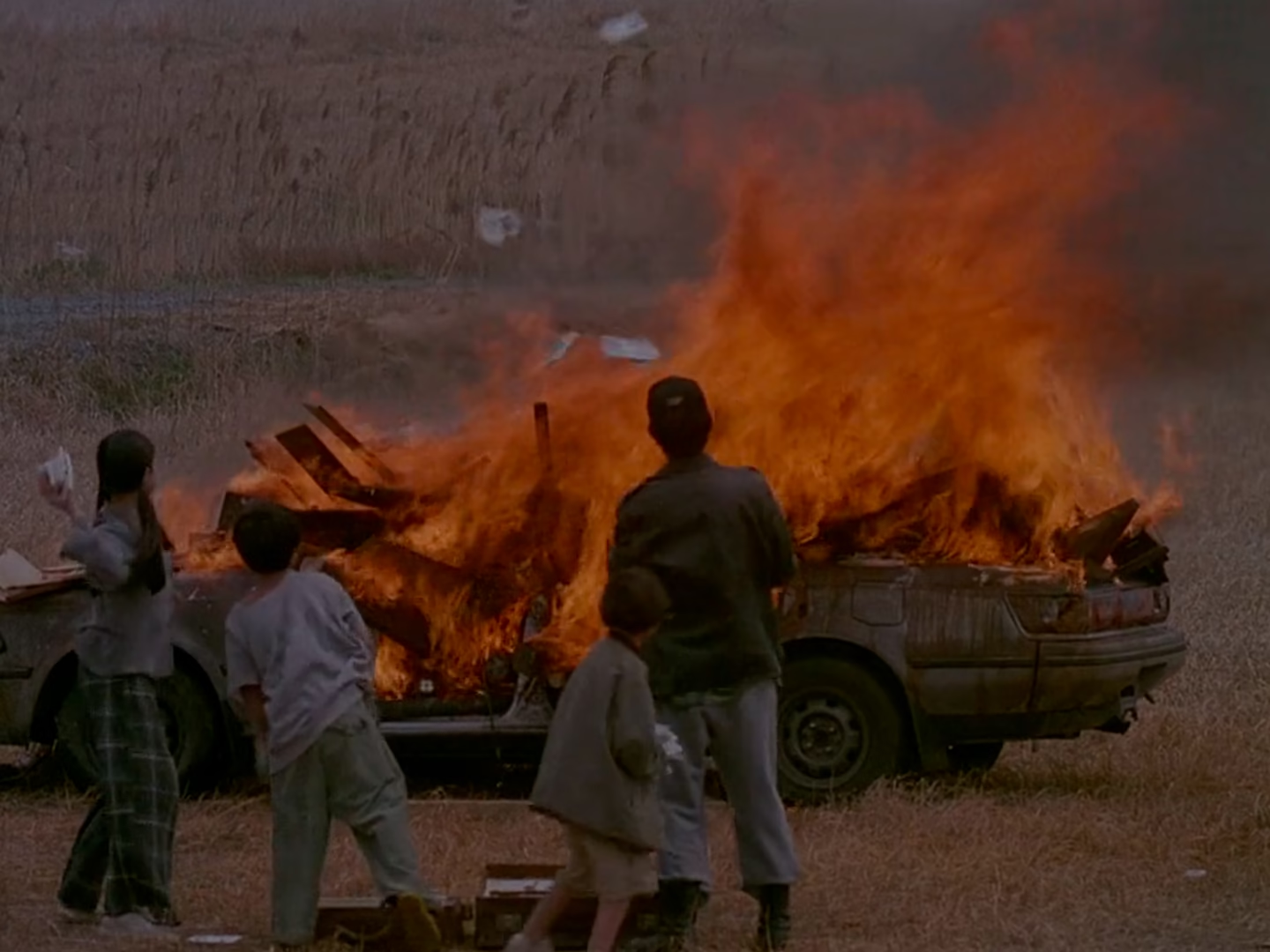
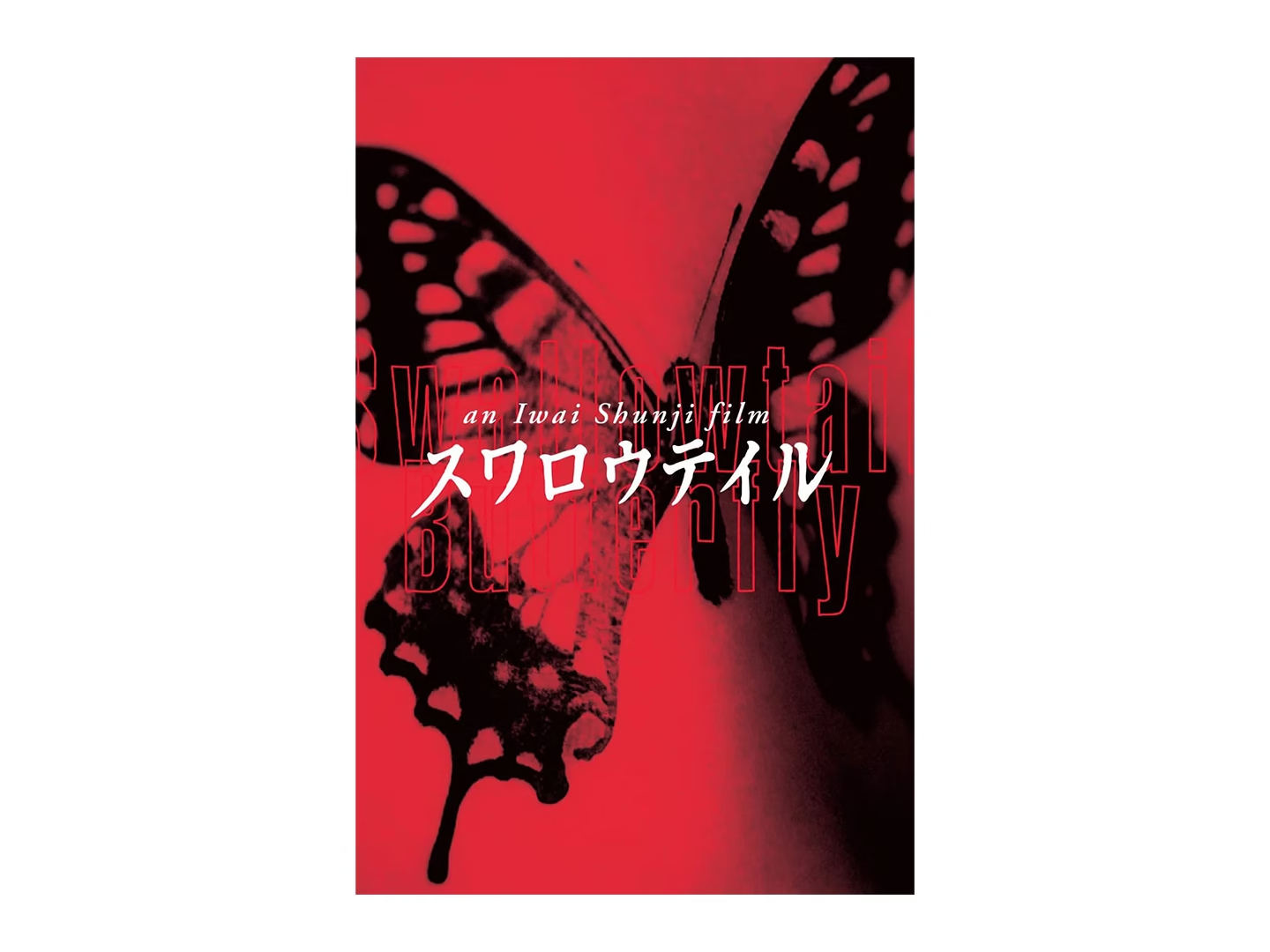
With Swallowtail Butterfly, the scale shifts outward. Set in the multilingual world of Yen Town, the film moves through immigration, money, crime, and unstable forms of community, building a city shaped by exclusion and precarity. That broader social setting is a large part of why it is grouped with Black Iwai. Rather than focusing only on personal breakdown, it shows characters trying to build bonds inside a world where survival is part of the structure. Iwai later said the film grew out of earlier ideas connected to FRIED DRAGON FISH and changed substantially during development, including shifts in its main character.
4. All About Lily Chou-Chou (2001)
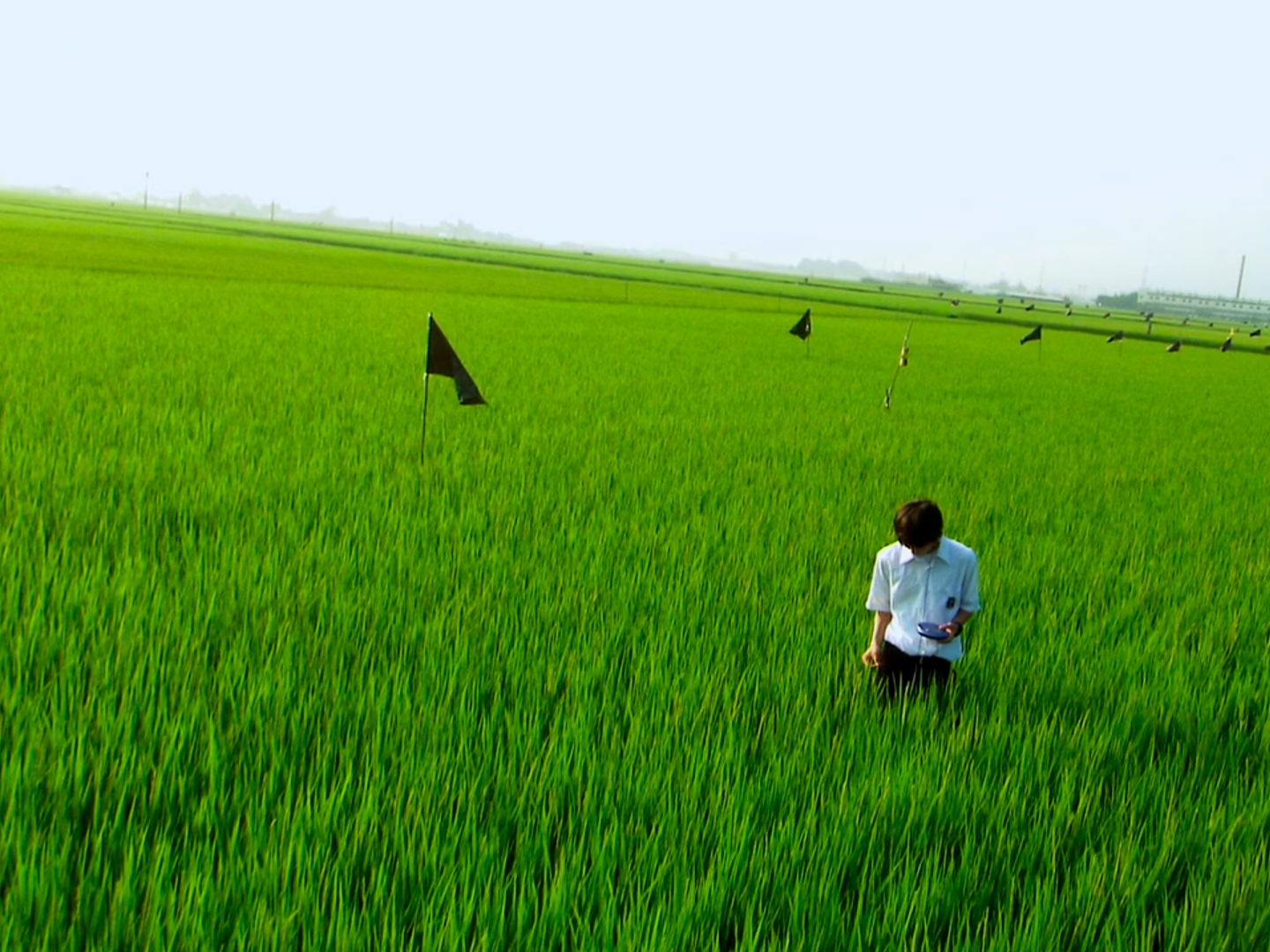
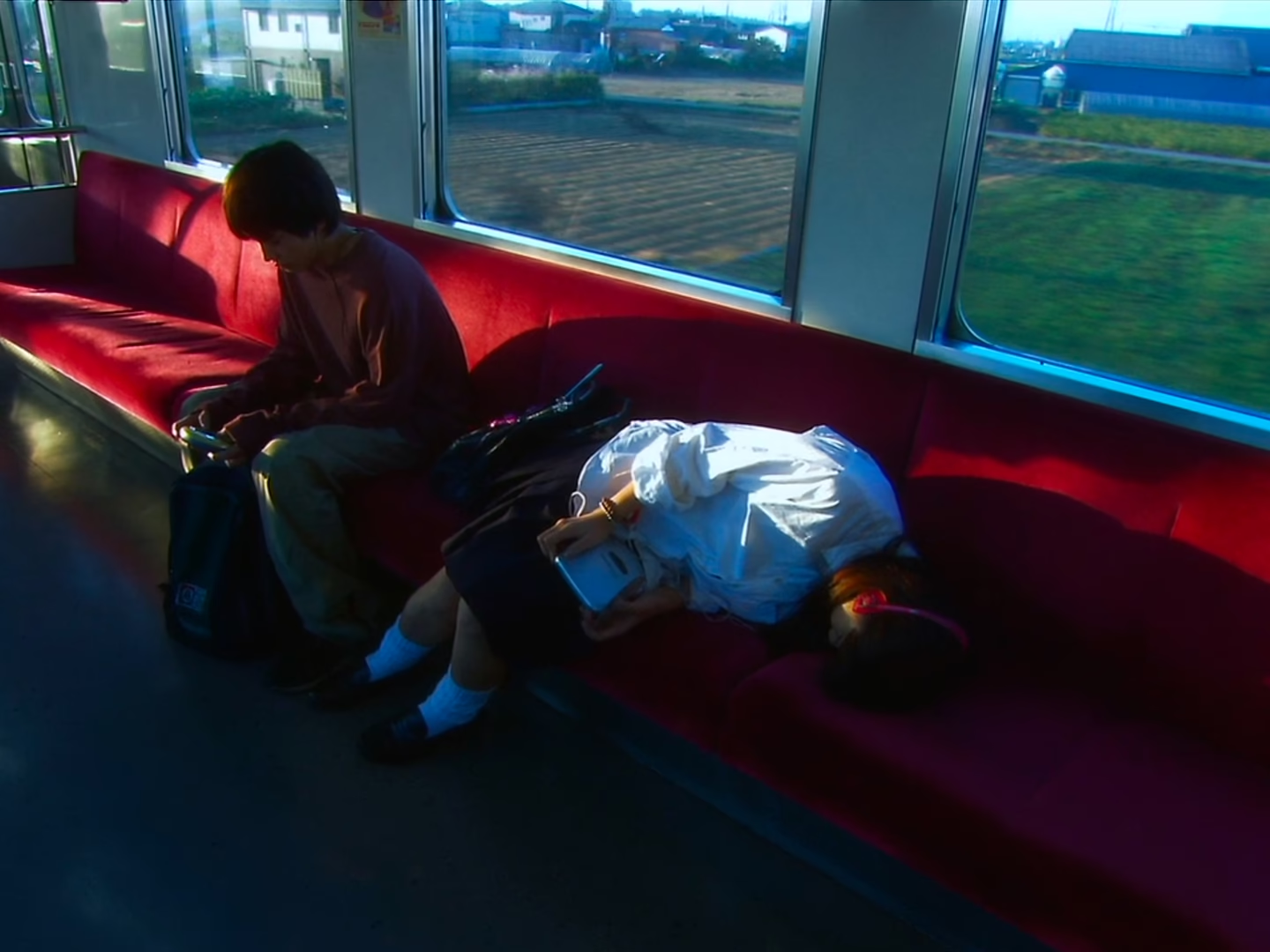
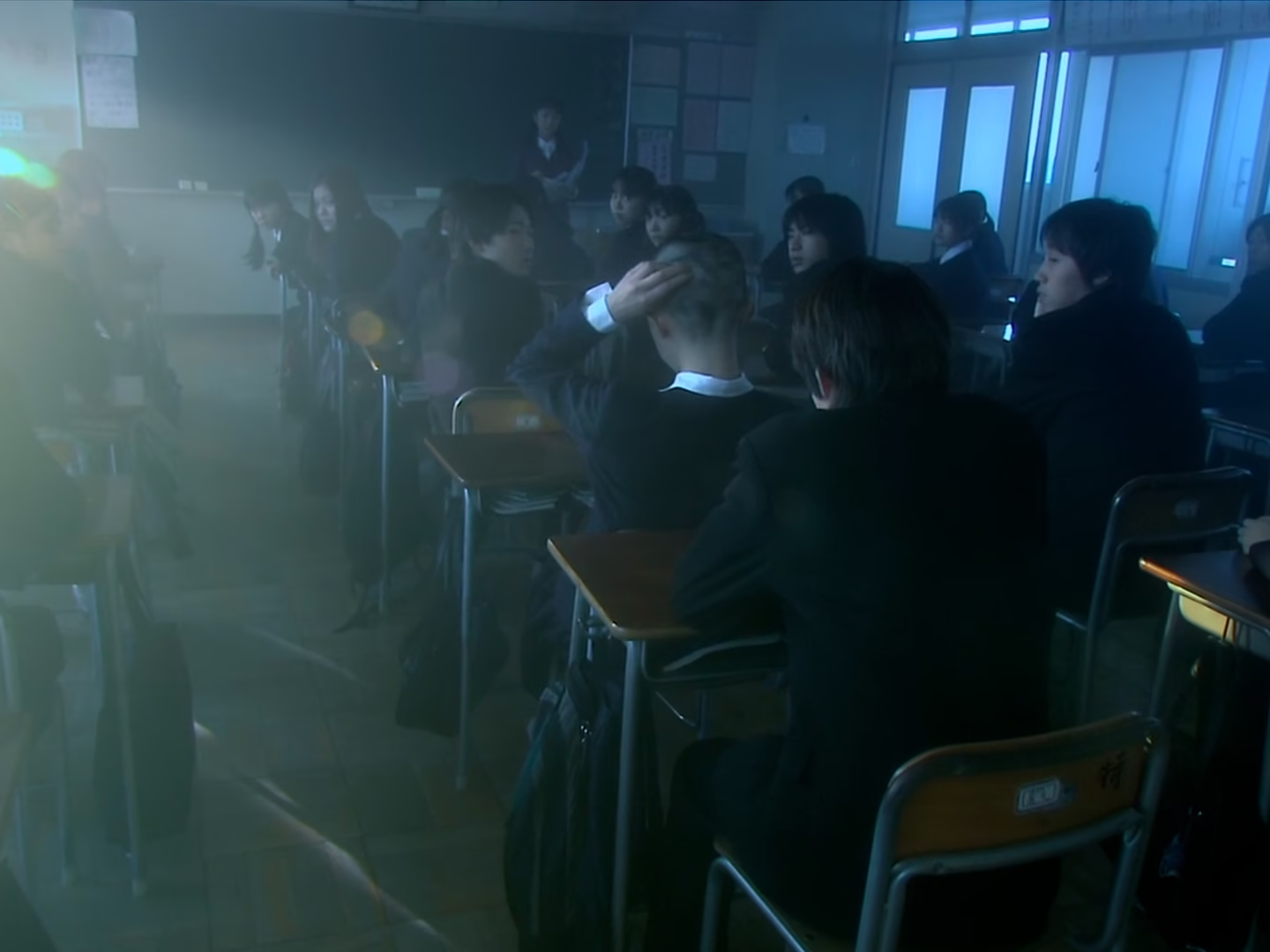
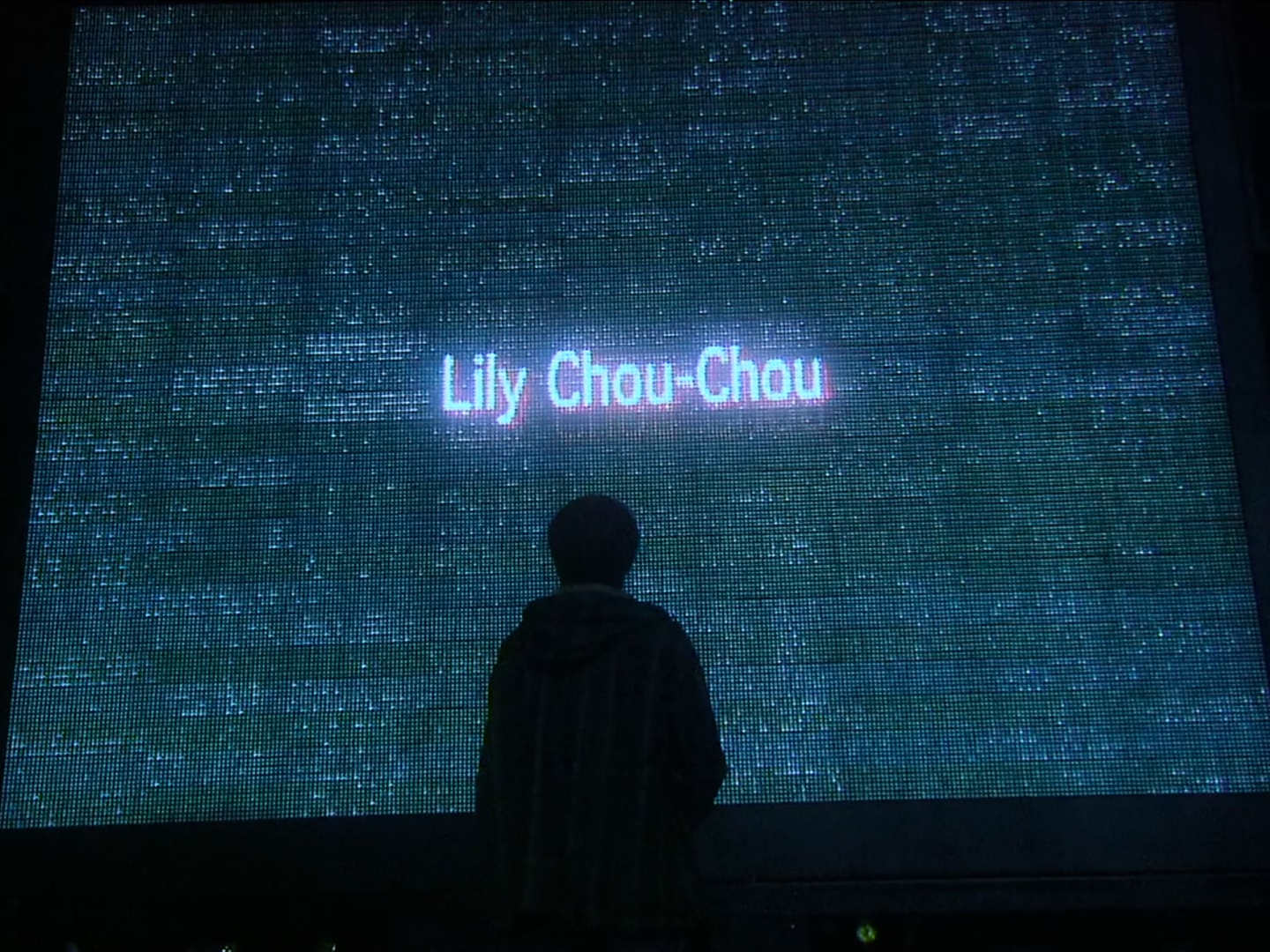
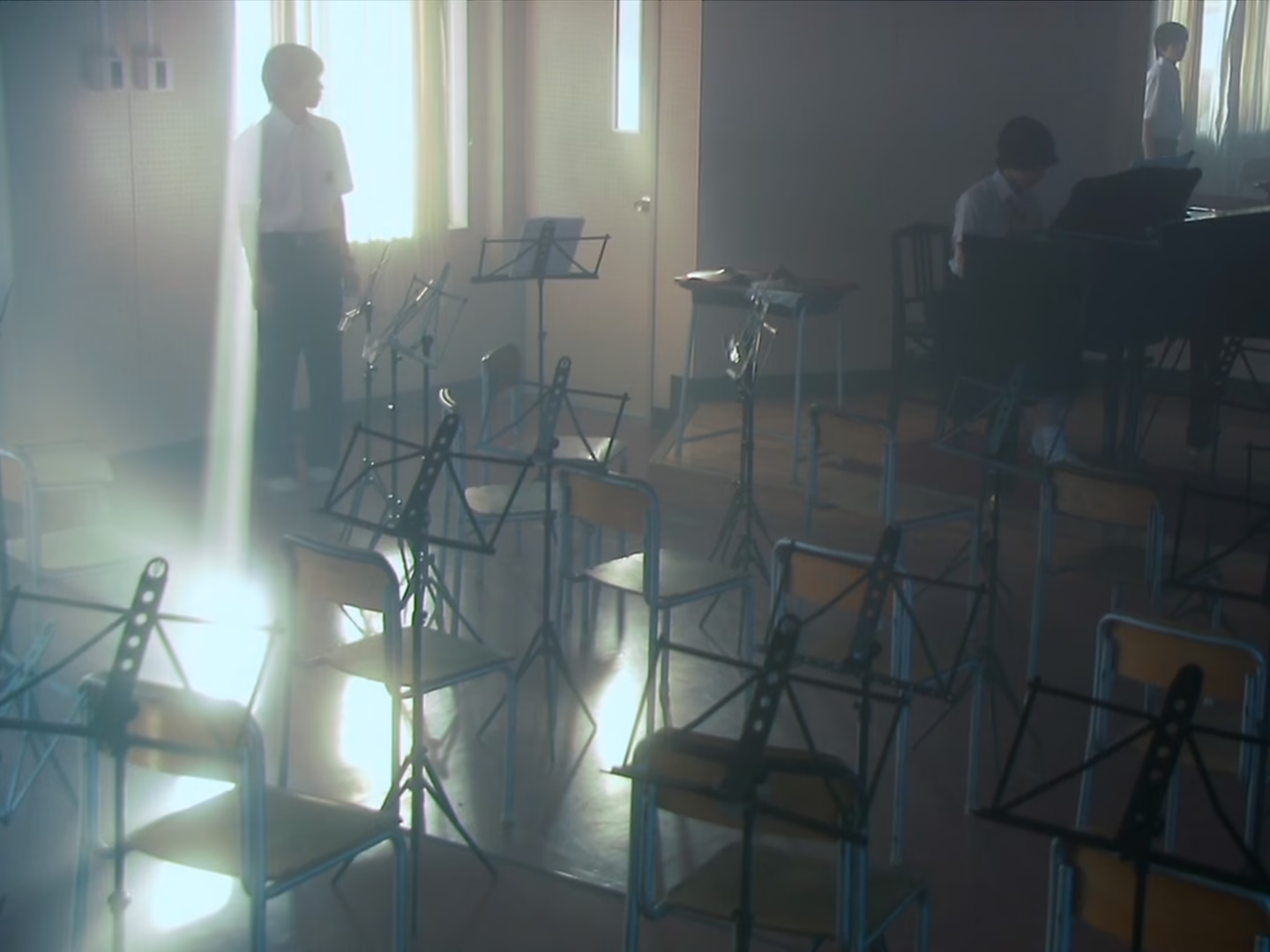
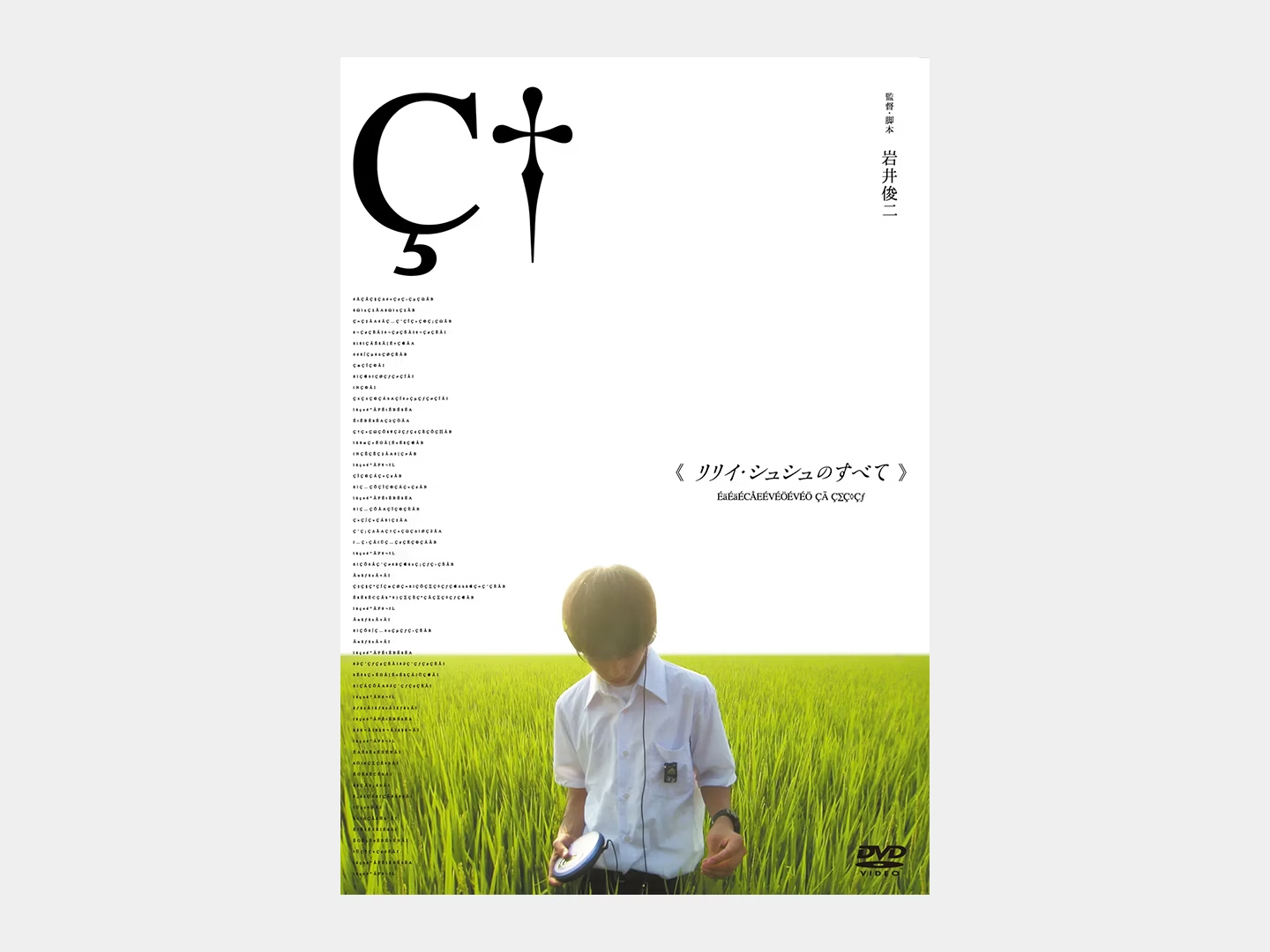
For many viewers, All About Lily Chou-Chou remains the clearest example of Black Iwai. Its story centers on Yuichi, a teenage boy living through bullying, humiliation, and isolation, while the music of Lily Chou-Chou becomes a private refuge. The film’s darker reputation comes from the way it treats adolescence not as a nostalgic space, but as one shaped by cruelty, hierarchy, and disconnection across school, friendship, and online life. It also carries one of the richest backstories in Iwai’s body of work, since Lily Chou-Chou began partly as an online project before the film was completed, and Iwai’s admiration for Faye Wong influenced the emotional shape of the fictional singer.
5. Vampire (2011)
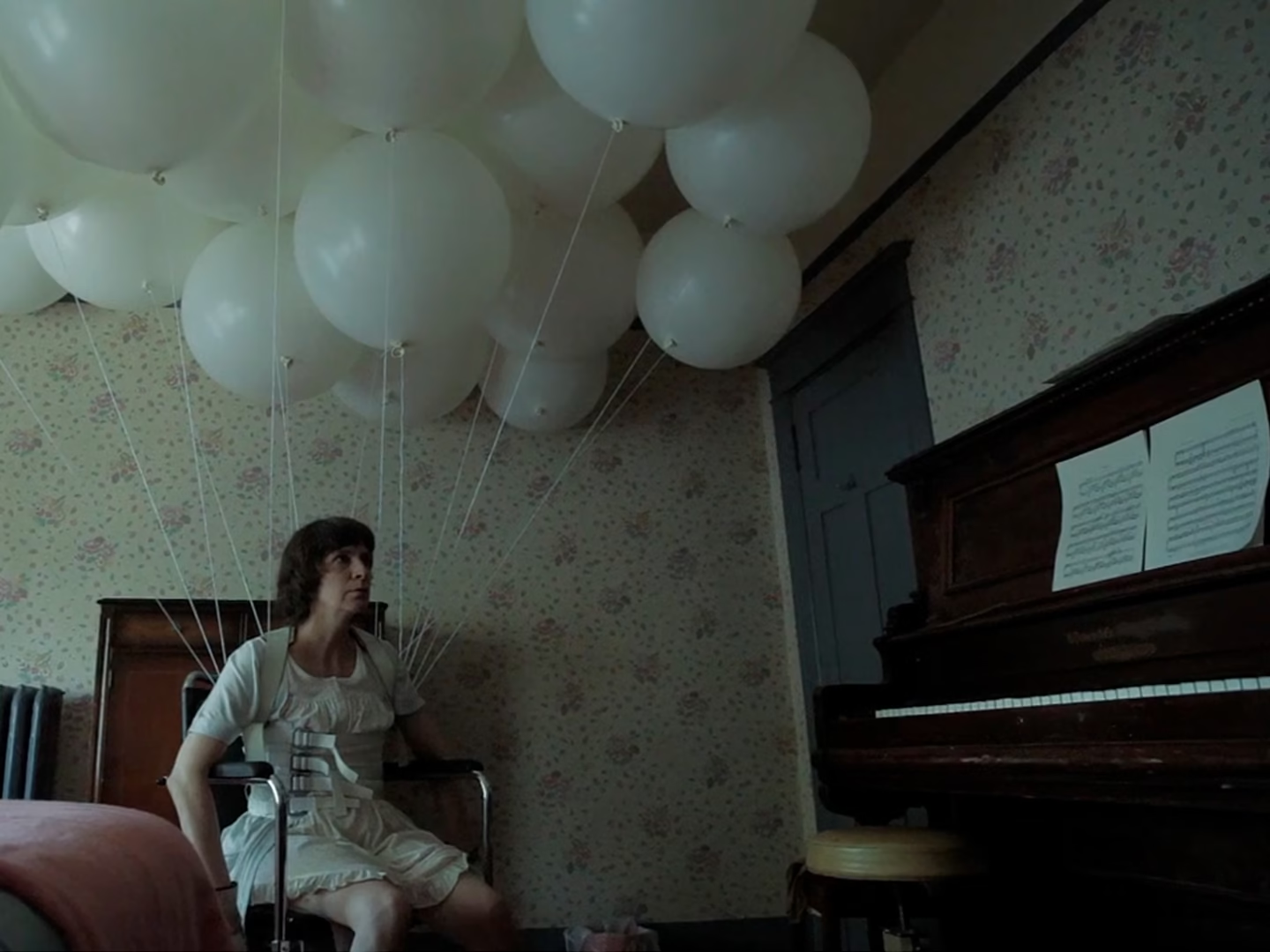
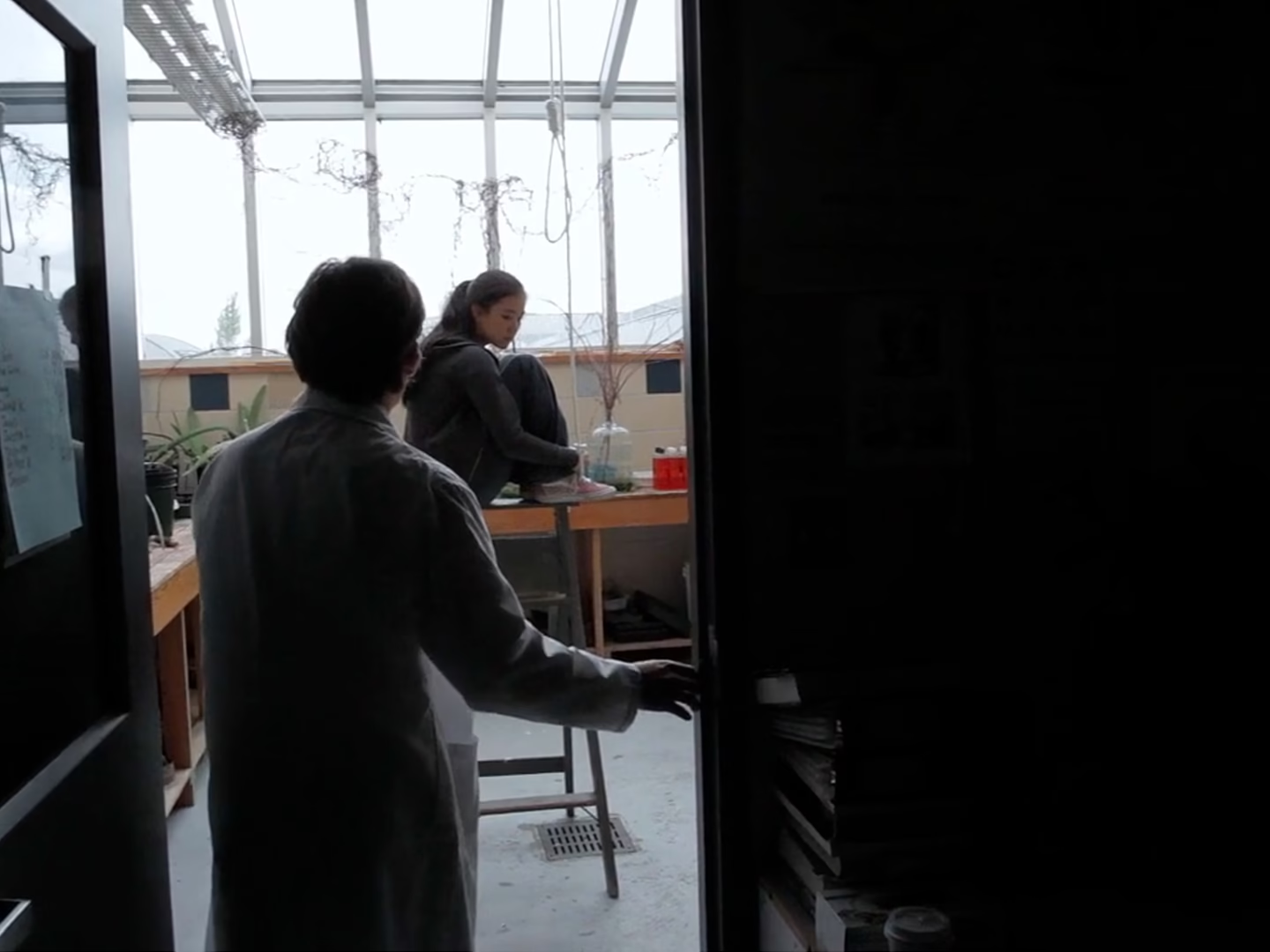
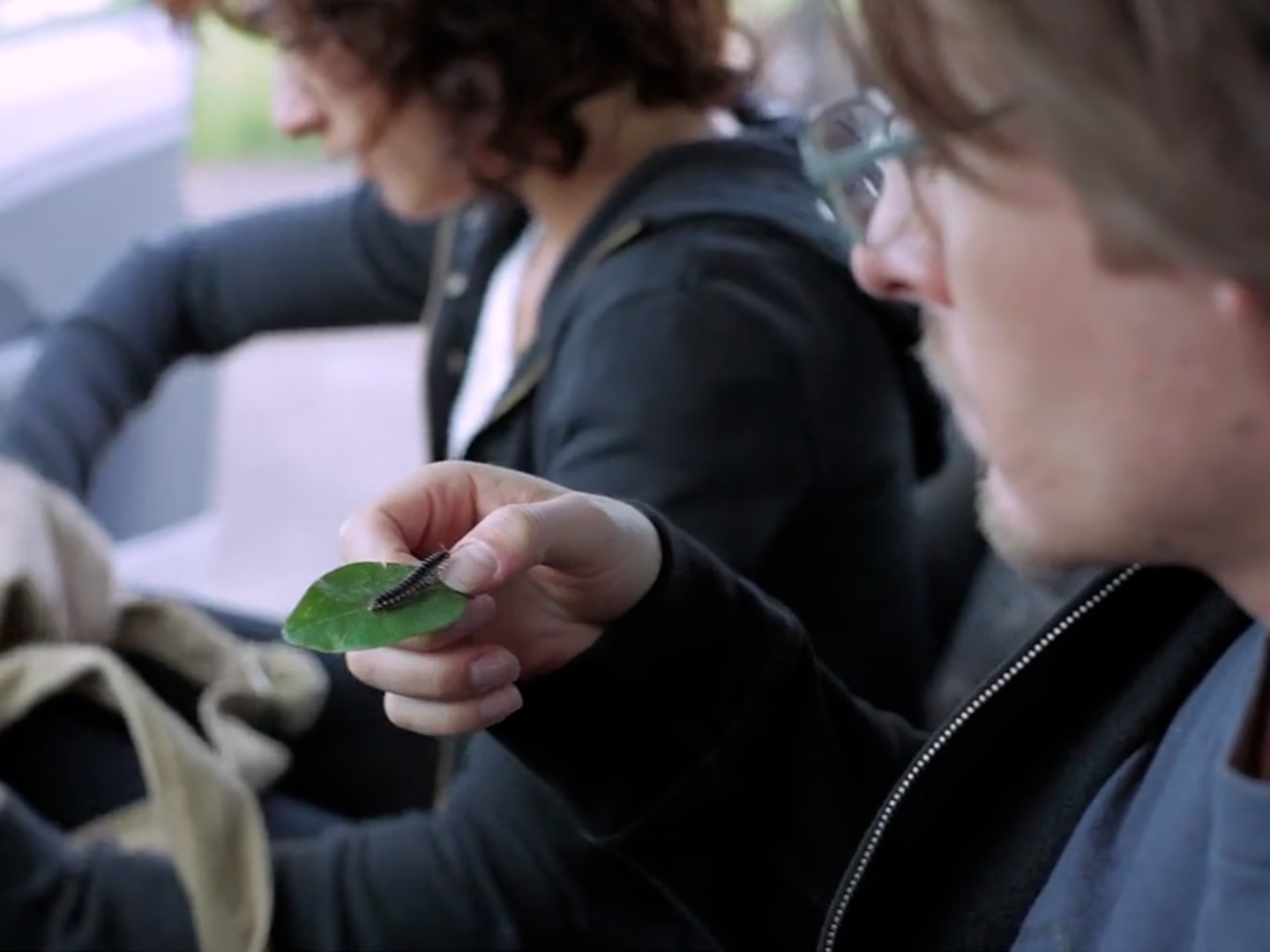
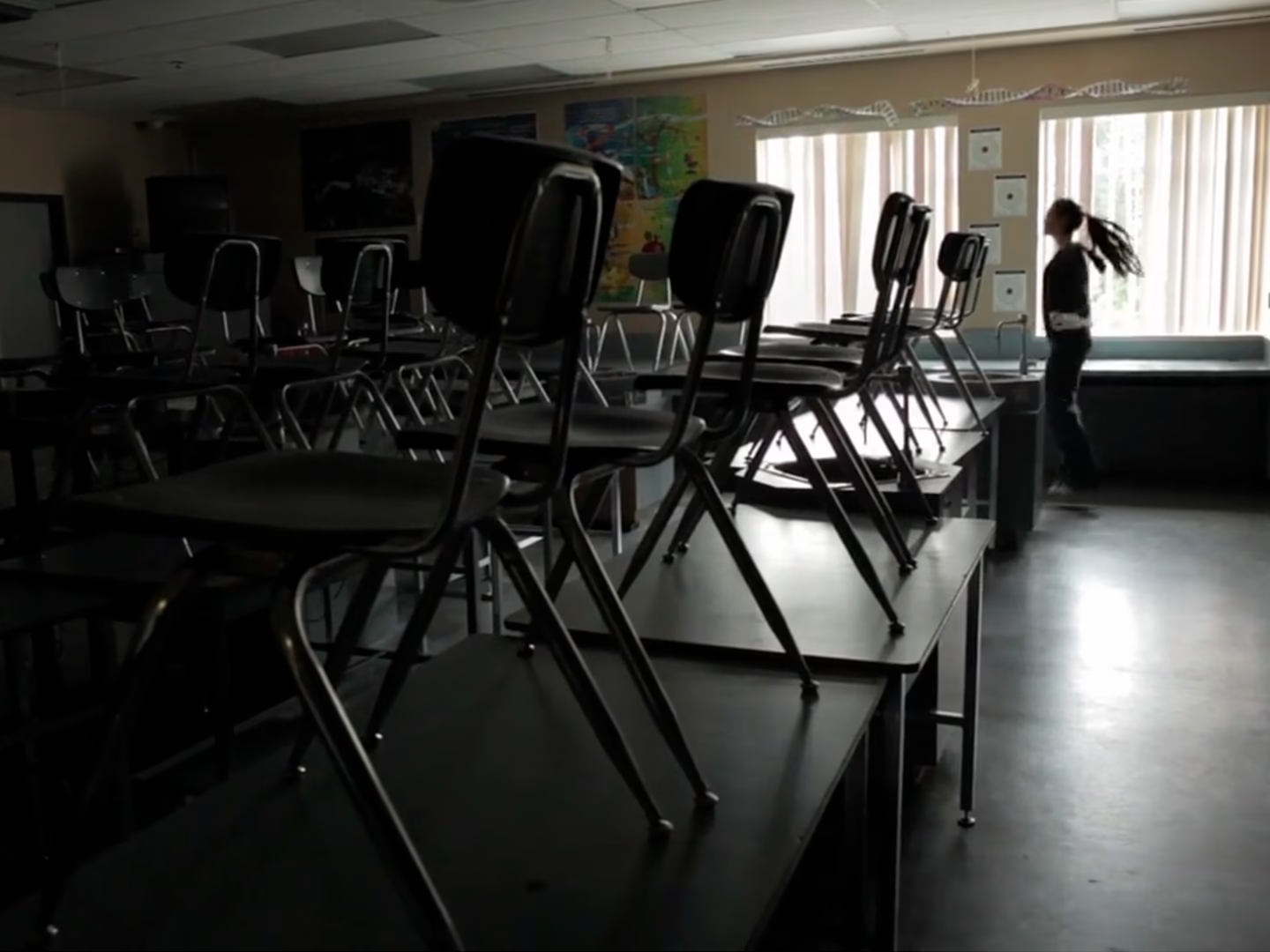
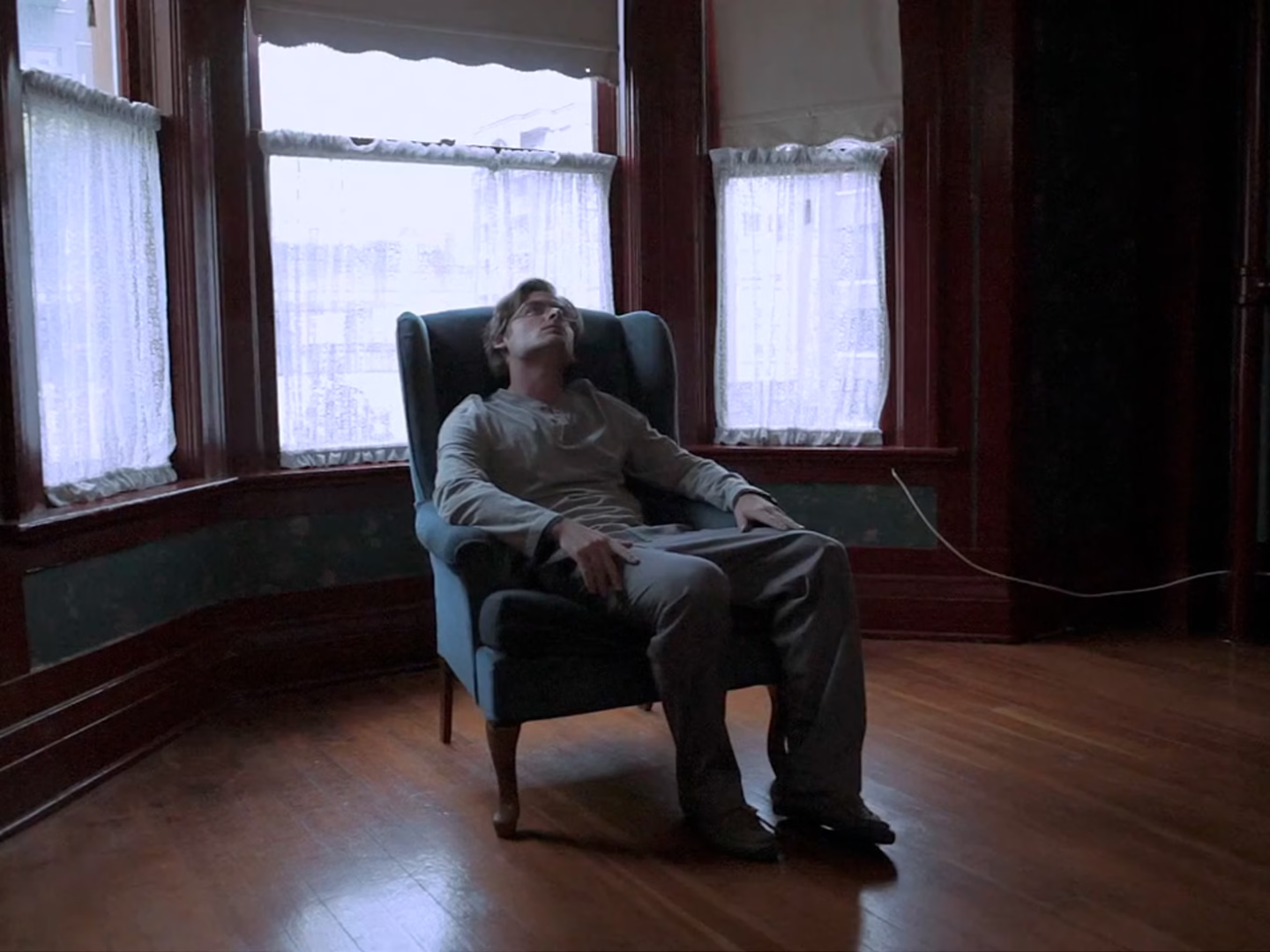
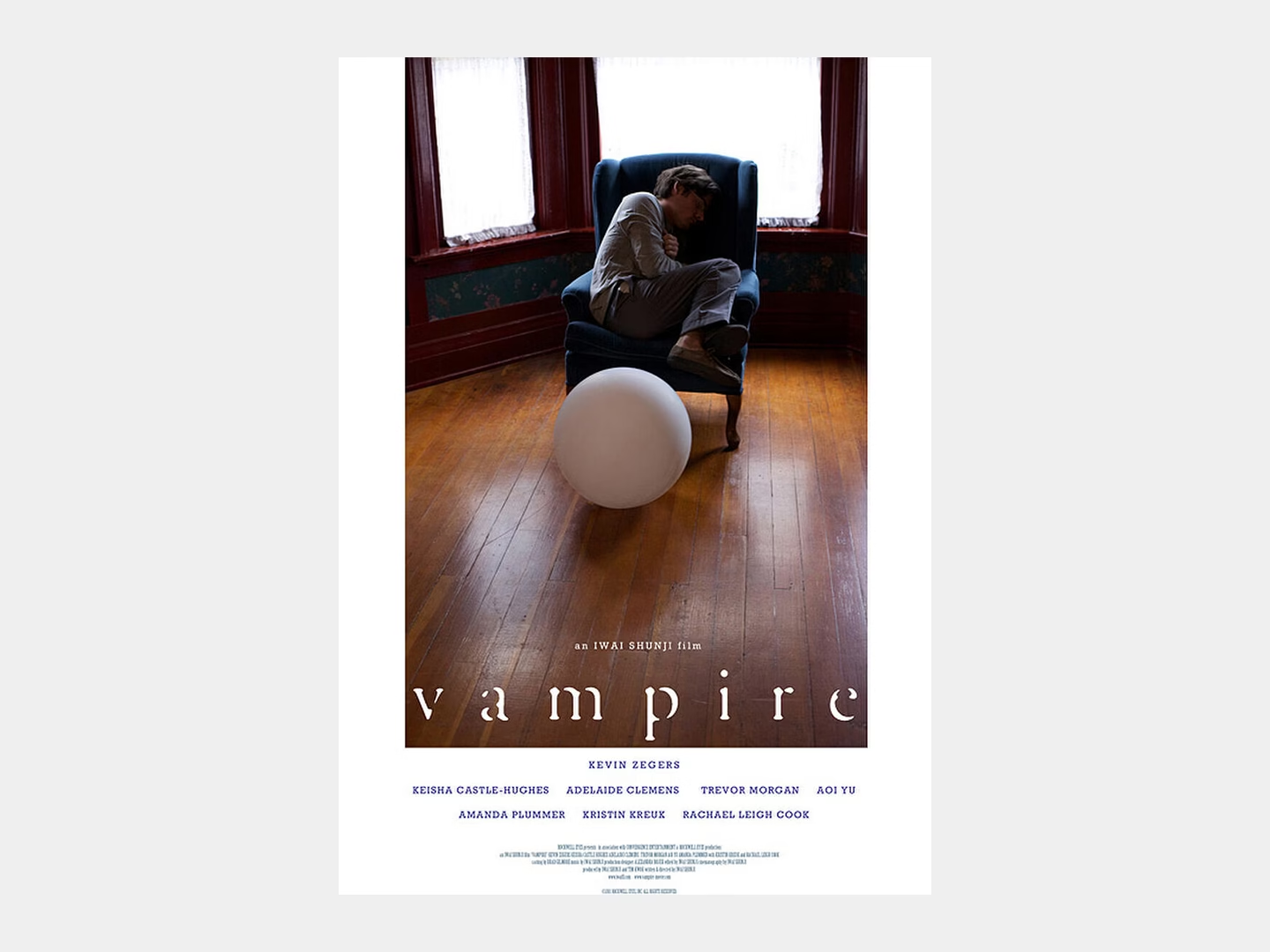
Much later in Iwai’s career, Vampire returned to some of the same darker territory in a different form. Made in English, the film follows Simon, a high school teacher caring for his mother while living a second life that draws him into suicide-related online spaces and violent encounters. Even with its horror premise, it fits this side of Iwai’s work less because of genre and more because of its interest in secrecy, loneliness, and damaged forms of intimacy. That is what places it alongside the black films rather than outside them. Iwai also said the project had existed for years and was affected in development by a real murder case before it was eventually made.