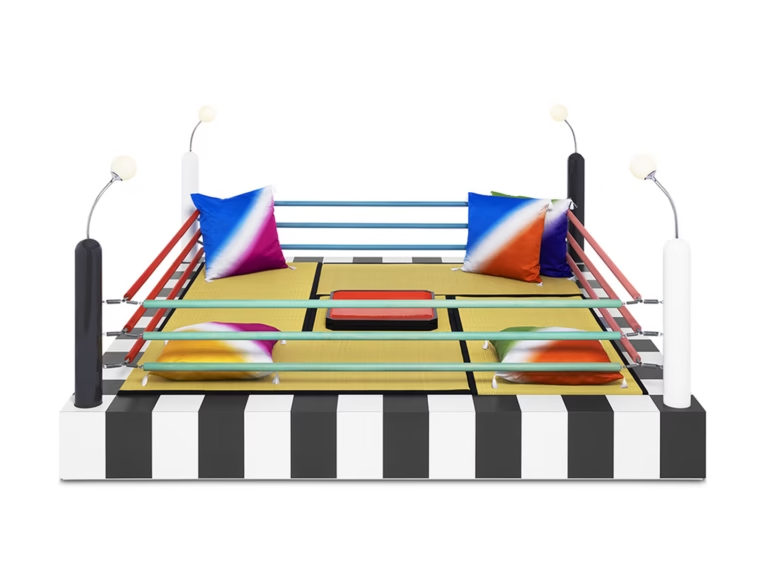
A hairbrush made with human hair, electrical cables dressed in jewellery and a computer operated by punching bags are among the objects produced by BLESS. Founded by German designers Desiree Heiss and Ines Kaag, the Paris- and Berlin-based label first gained attention when Maison Martin Margiela featured its wigs made from recycled fur coats in 1997. Since then, BLESS has extended its practice beyond clothing, applying unconventional ideas to furniture, household appliances and everyday objects. Its numbered collections frequently revisit earlier concepts, sometimes decades after their introduction.
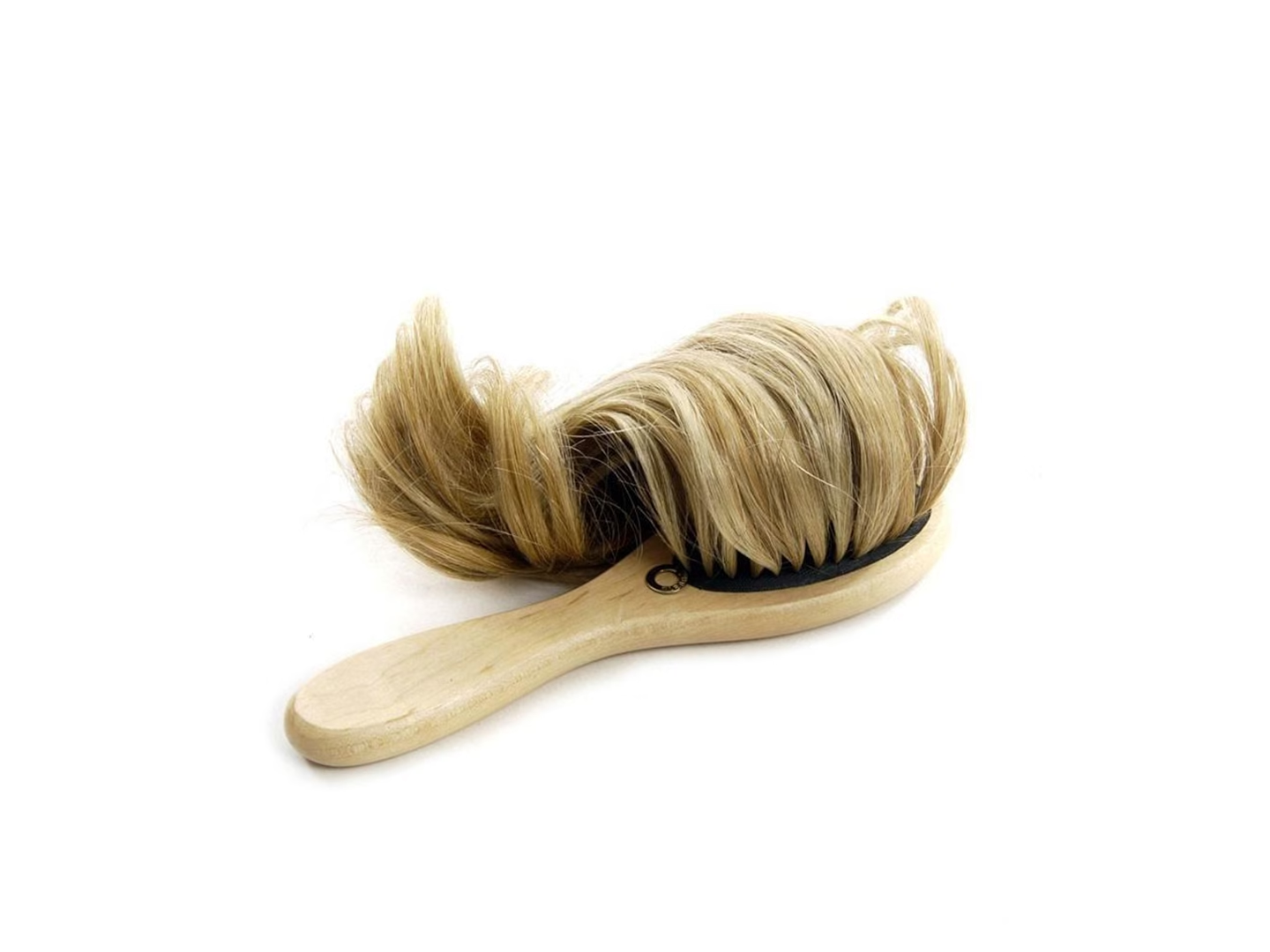
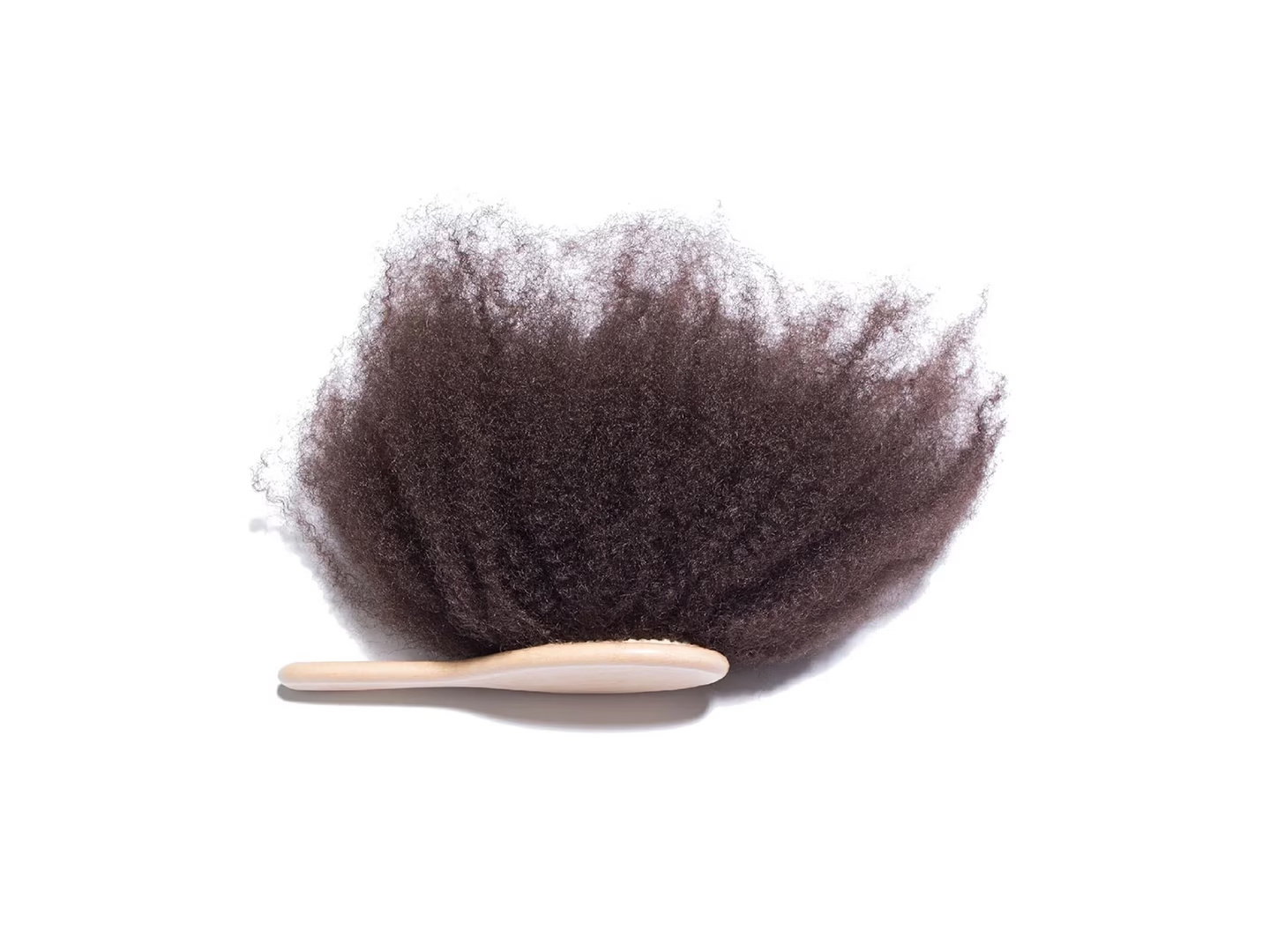
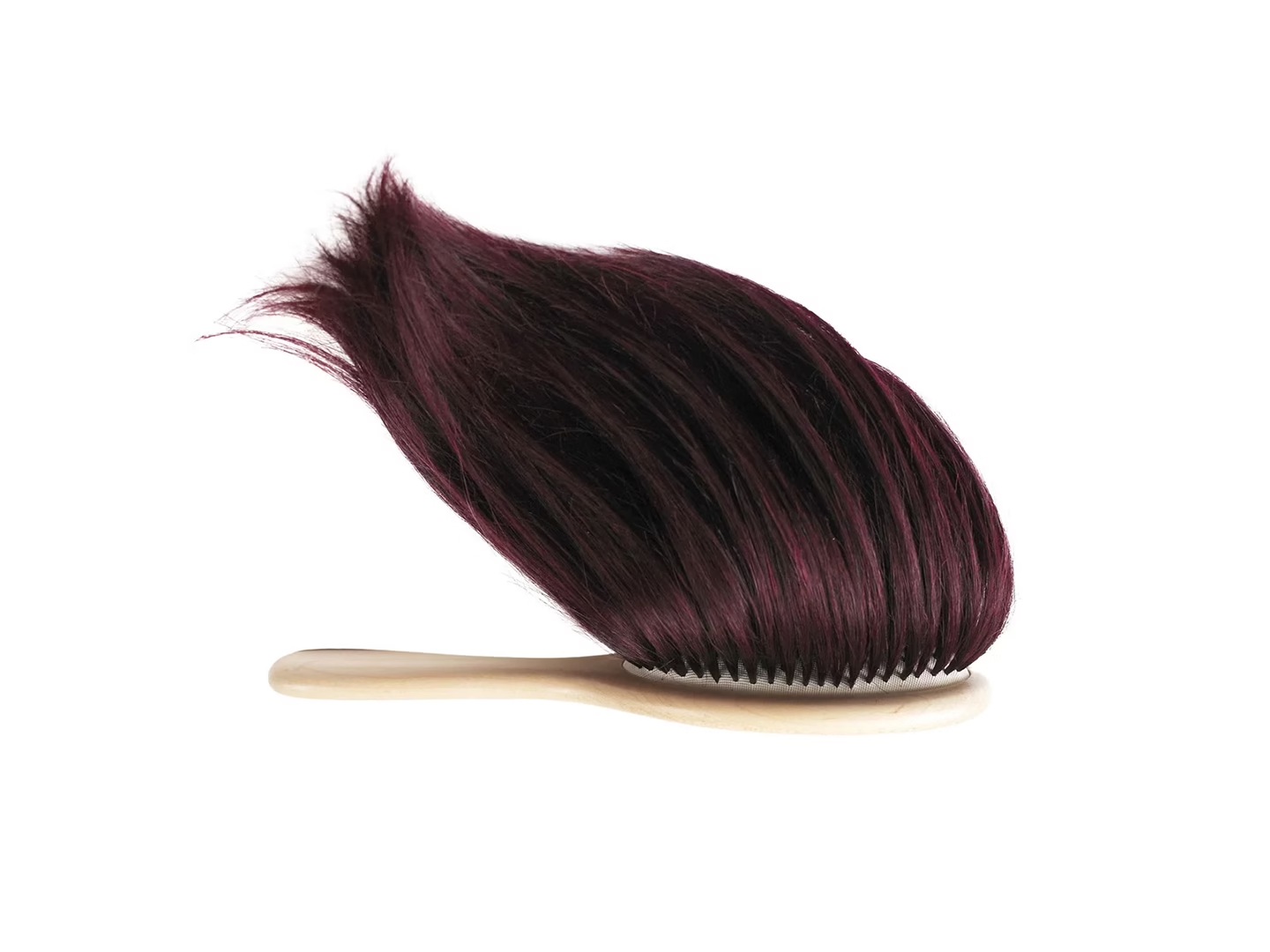
1. BLESSbeauty Hairbrush
Developed for The Haircut of the Month, a 1999 exhibition in Paris, the Hairbrush originated from an invitation to propose a haircut that could be offered at a local salon. Instead, BLESS suggested preserving the hair removed during a haircut and incorporating it into a wooden brush. The resulting object turned discarded hair into a personal keepsake and became part of the BLESSbeauty range, produced in different hair colours and textures.
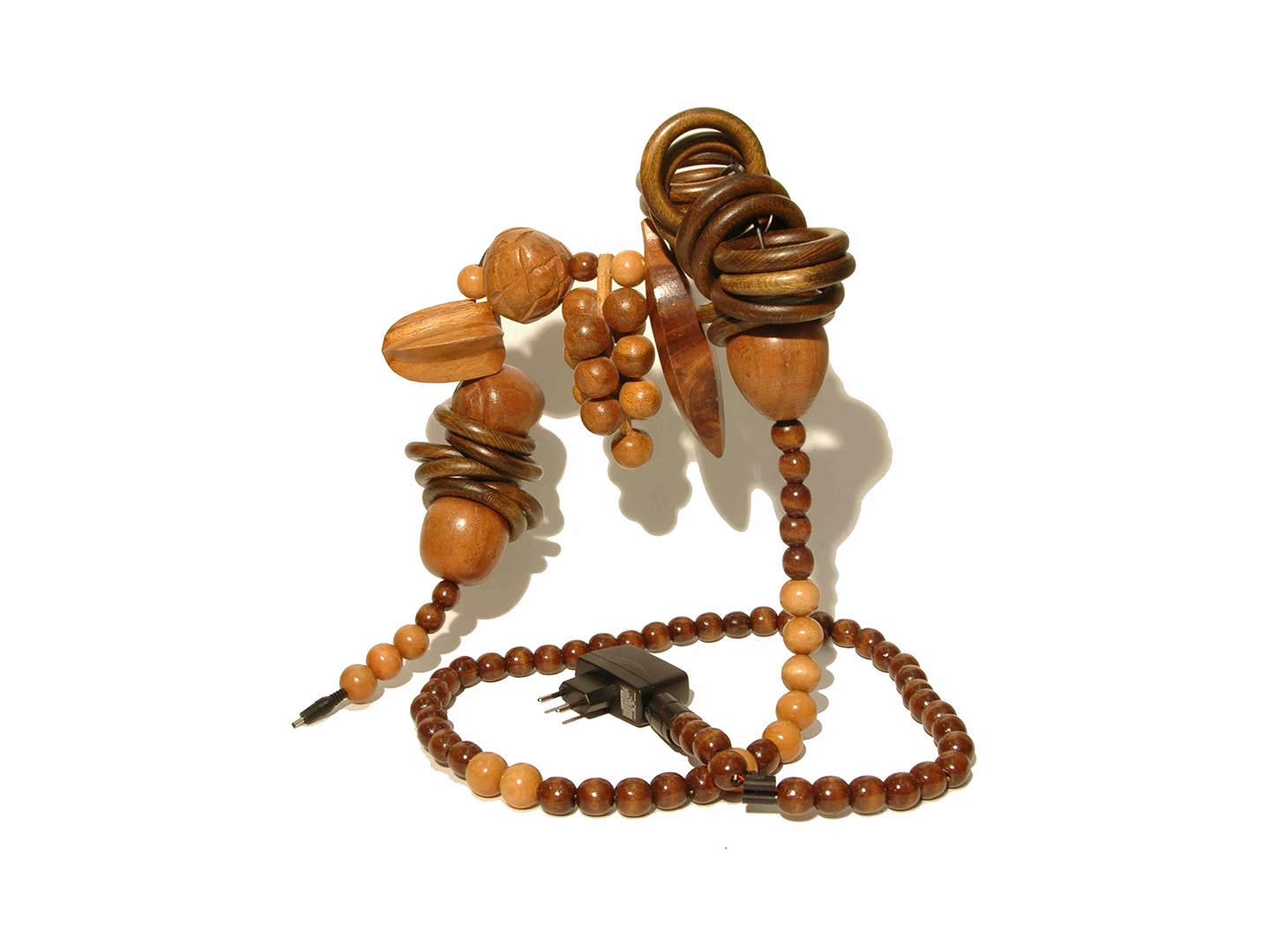
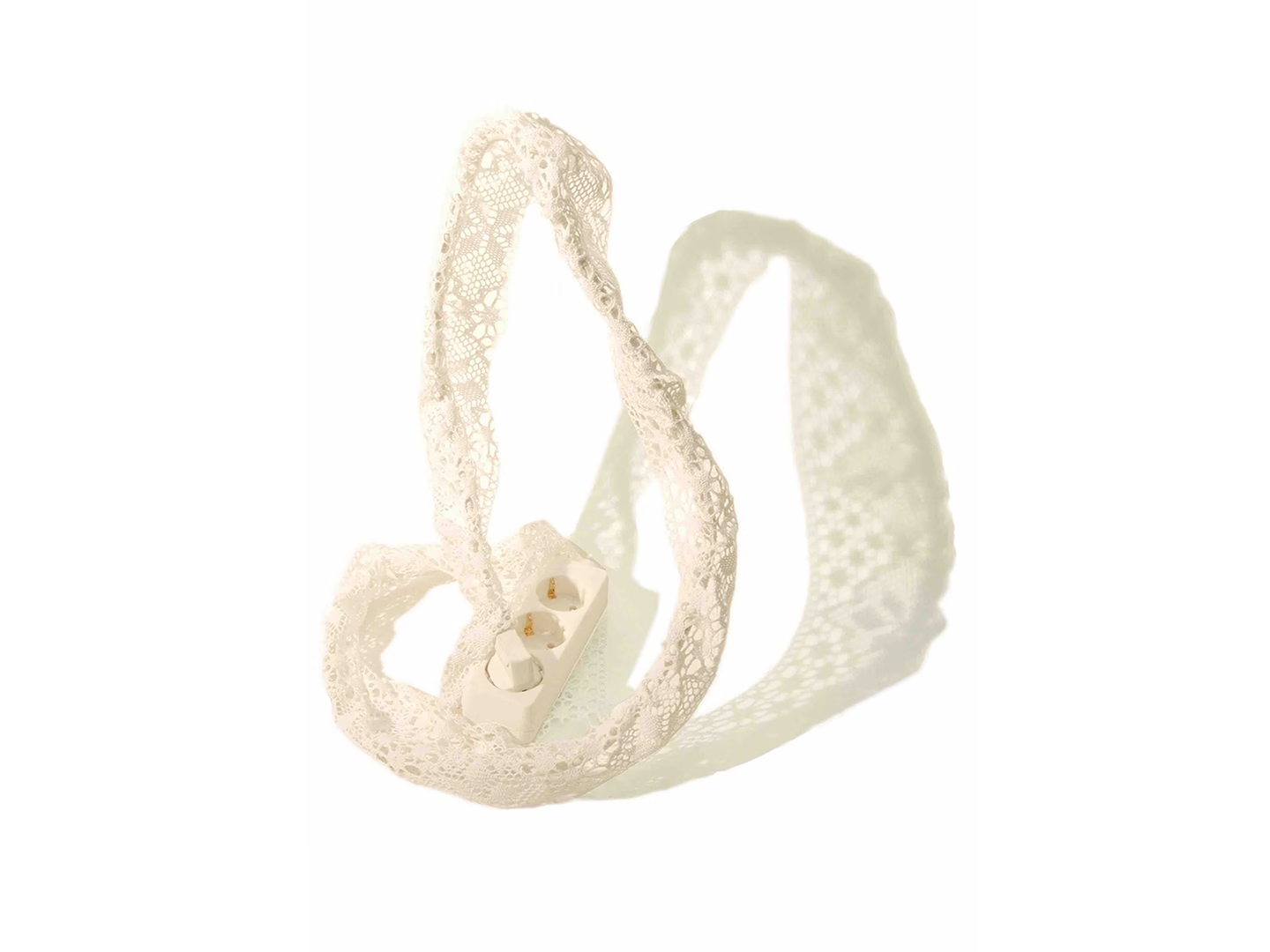
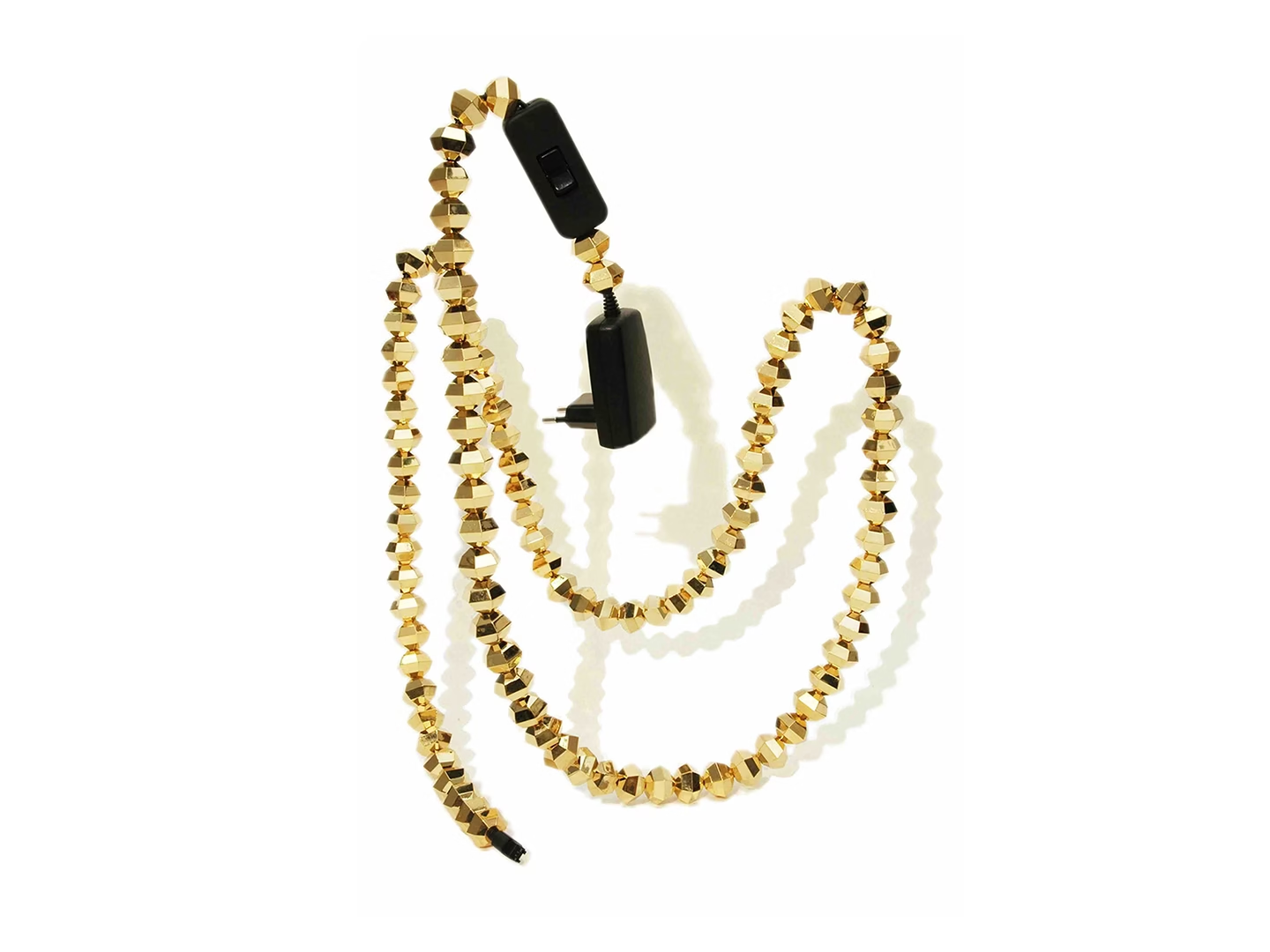
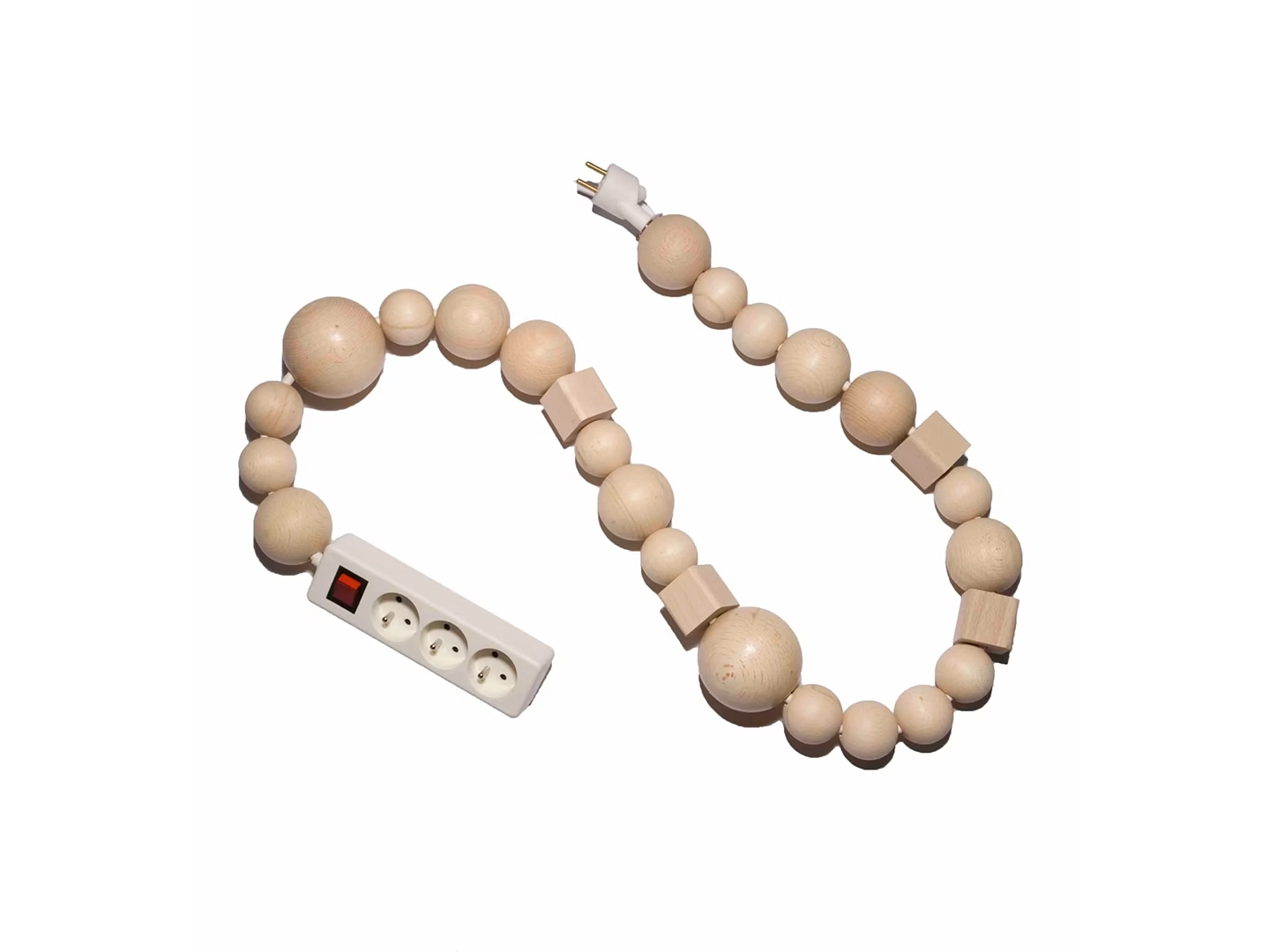
2. Nº26 Cable Jewellery
Introduced in 2005, Cable Jewellery treats electrical wiring as something to display rather than conceal. Originally presented at Designmai in Berlin and Gallery Oona, the collection incorporated materials such as pearls, fur, crystals and lace into ordinary electrical accessories. Later editions introduced wooden beads, bamboo and artificial stones. Unlike many experimental design projects, Cable Jewellery has remained a recurring part of BLESS’s product range, with numerous variations produced over the years.
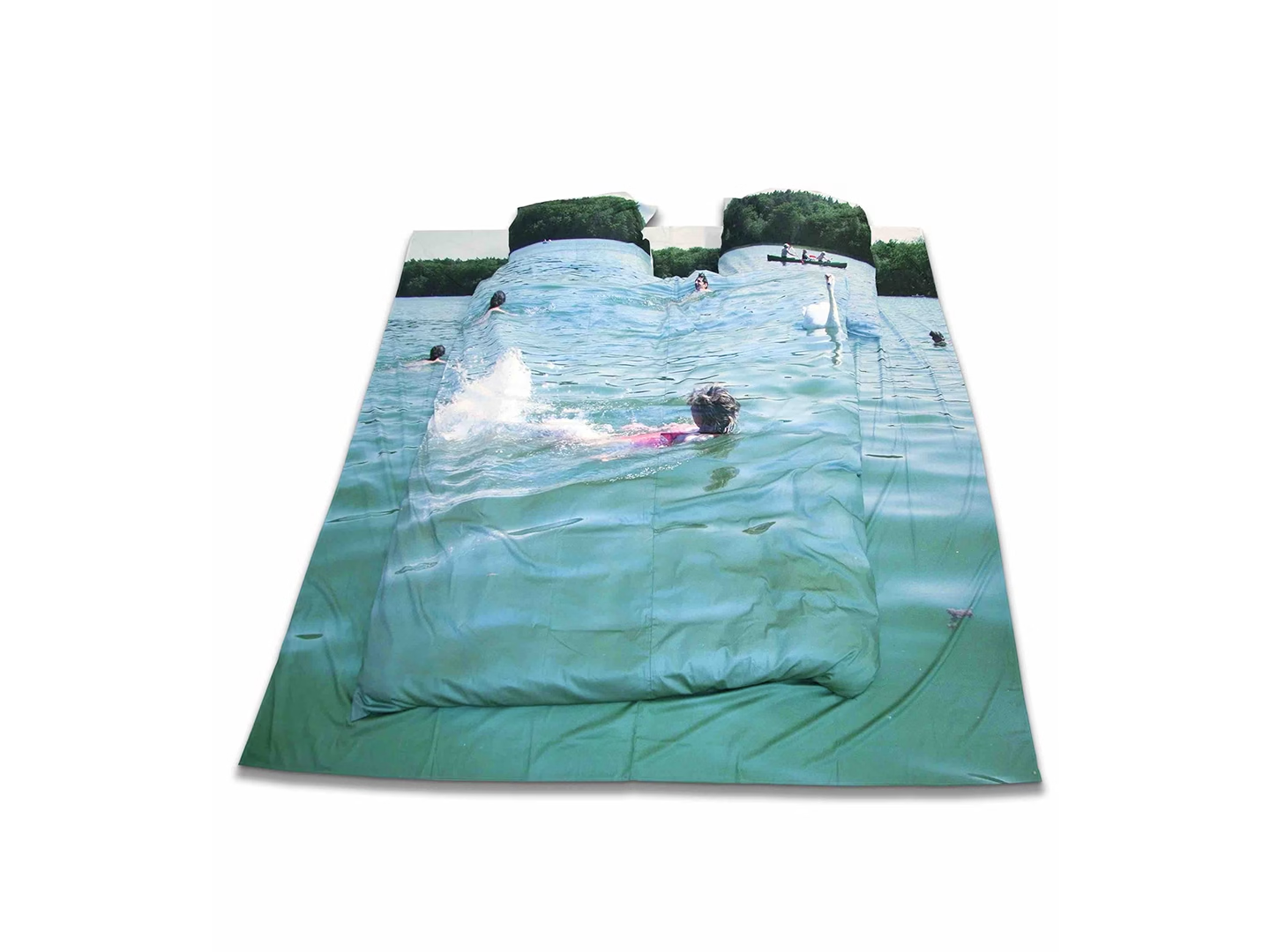
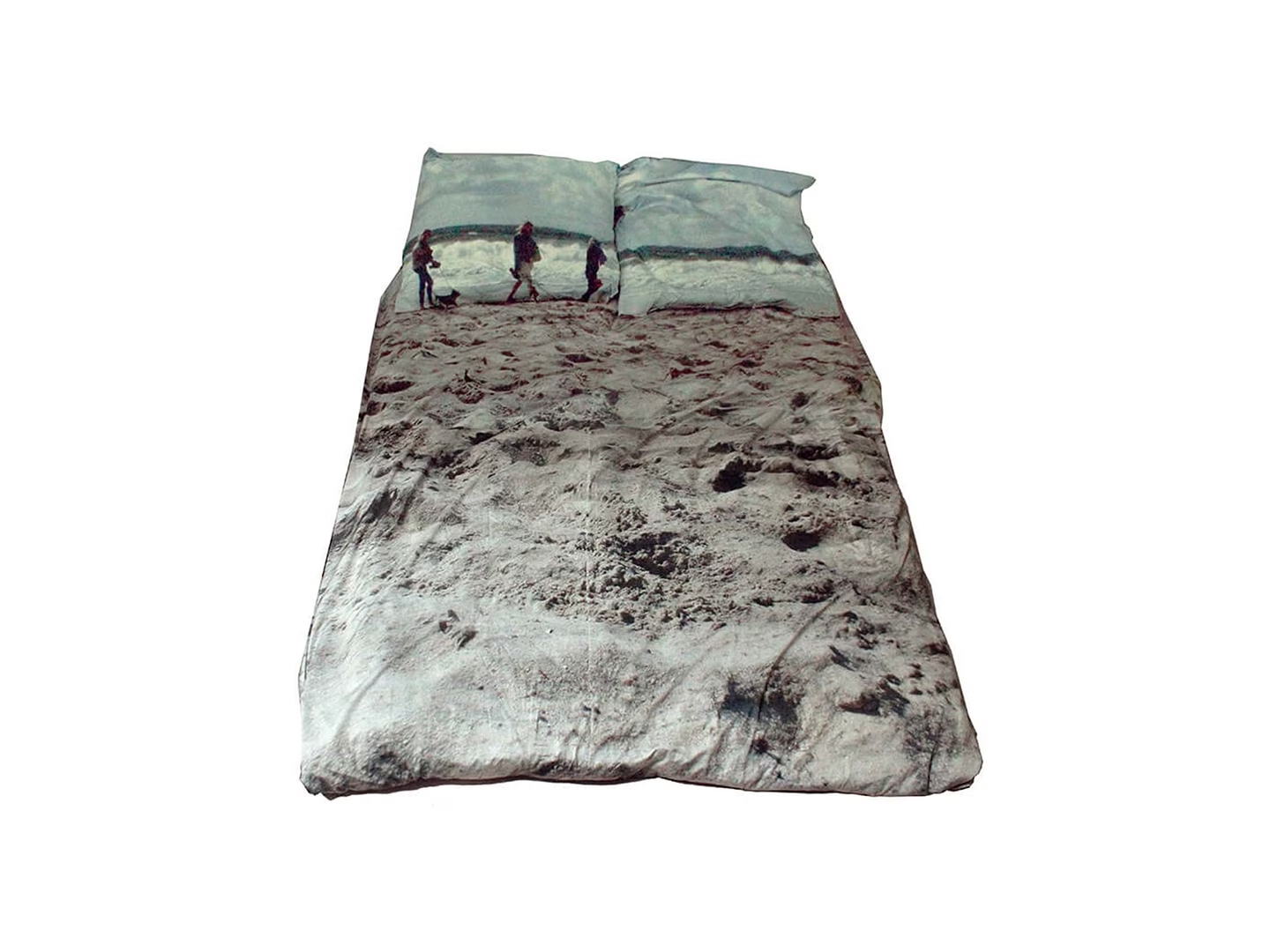
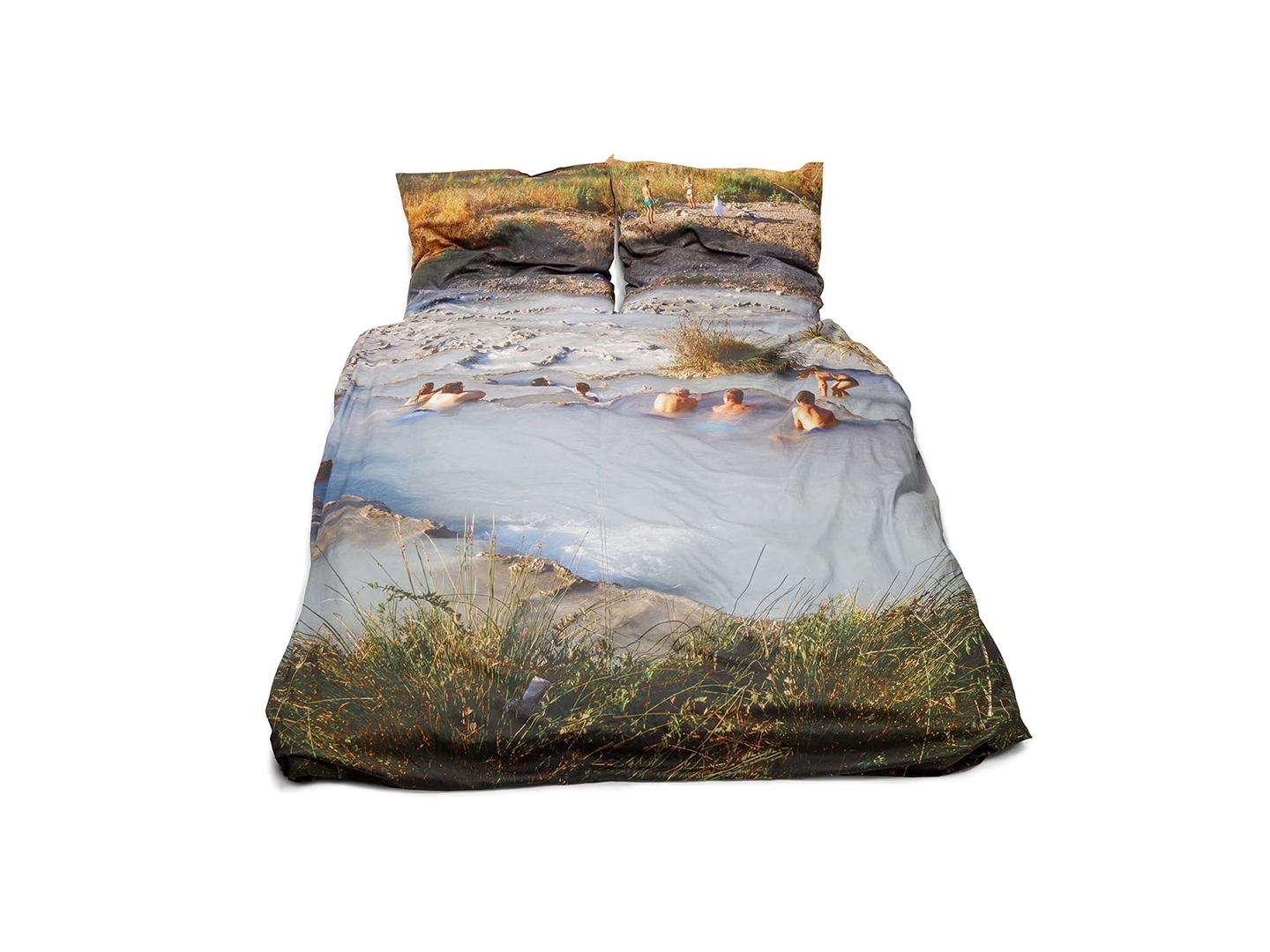
3. BLESS Bedsheets (Nº12–Nº75)
BLESS first introduced photographic bedding through Nº12 Bedsheets Couple (2000), developed in collaboration with Nice Memories. The concept returned eight years later with Nº36 Bedsheets Lake, part of the Nothingneath collection, and continued through Nº51 Bedsheets Seaside, Nº69 Bedsheets Saturnia and Nº71 Bedsheets Baltic Sea Sunset. More than two decades after the original, Nº75 Giant Sheet Couple Print revisited the first photograph in a larger format, reflecting BLESS’s habit of returning to earlier ideas rather than treating each collection as entirely separate.
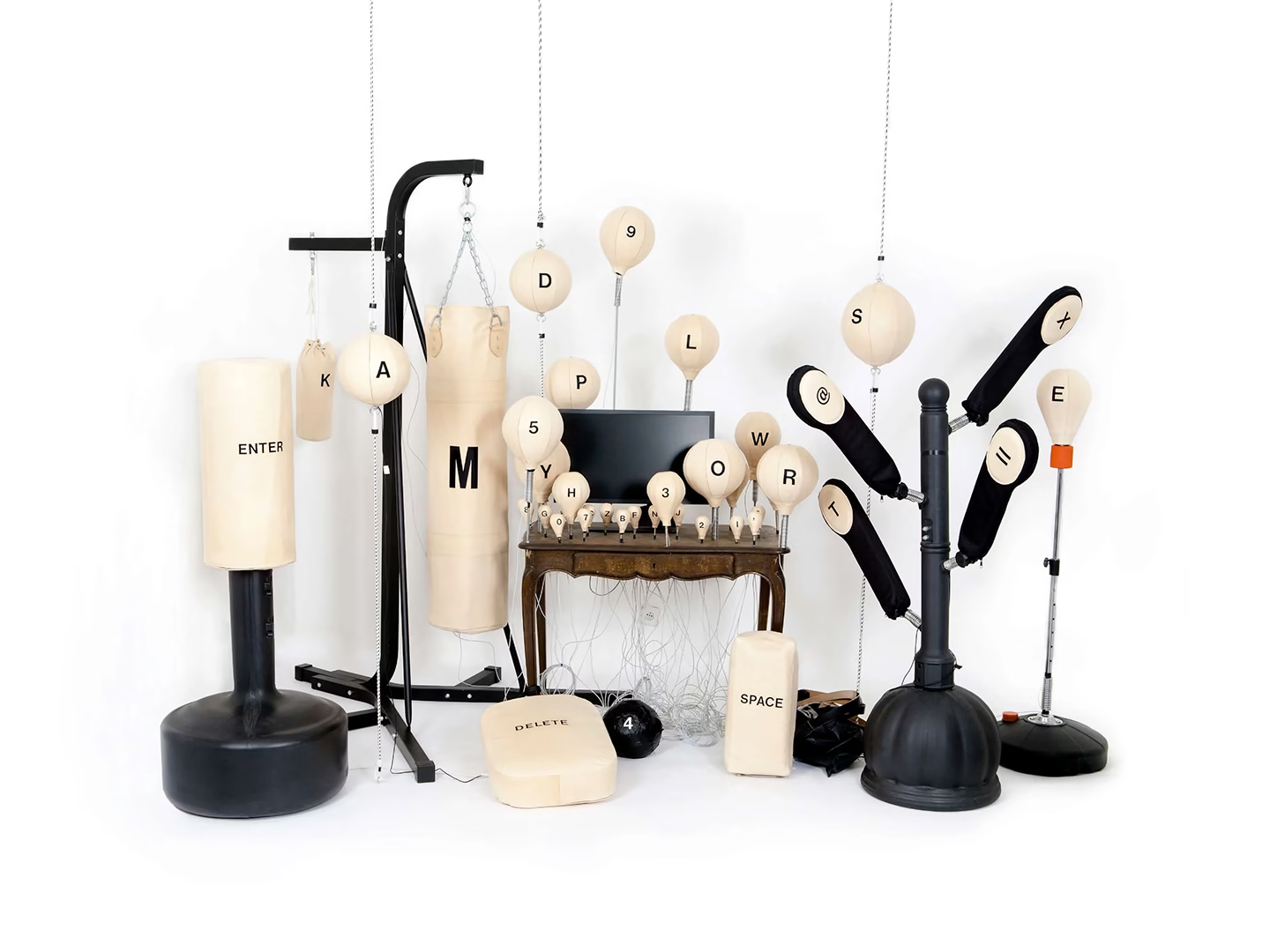
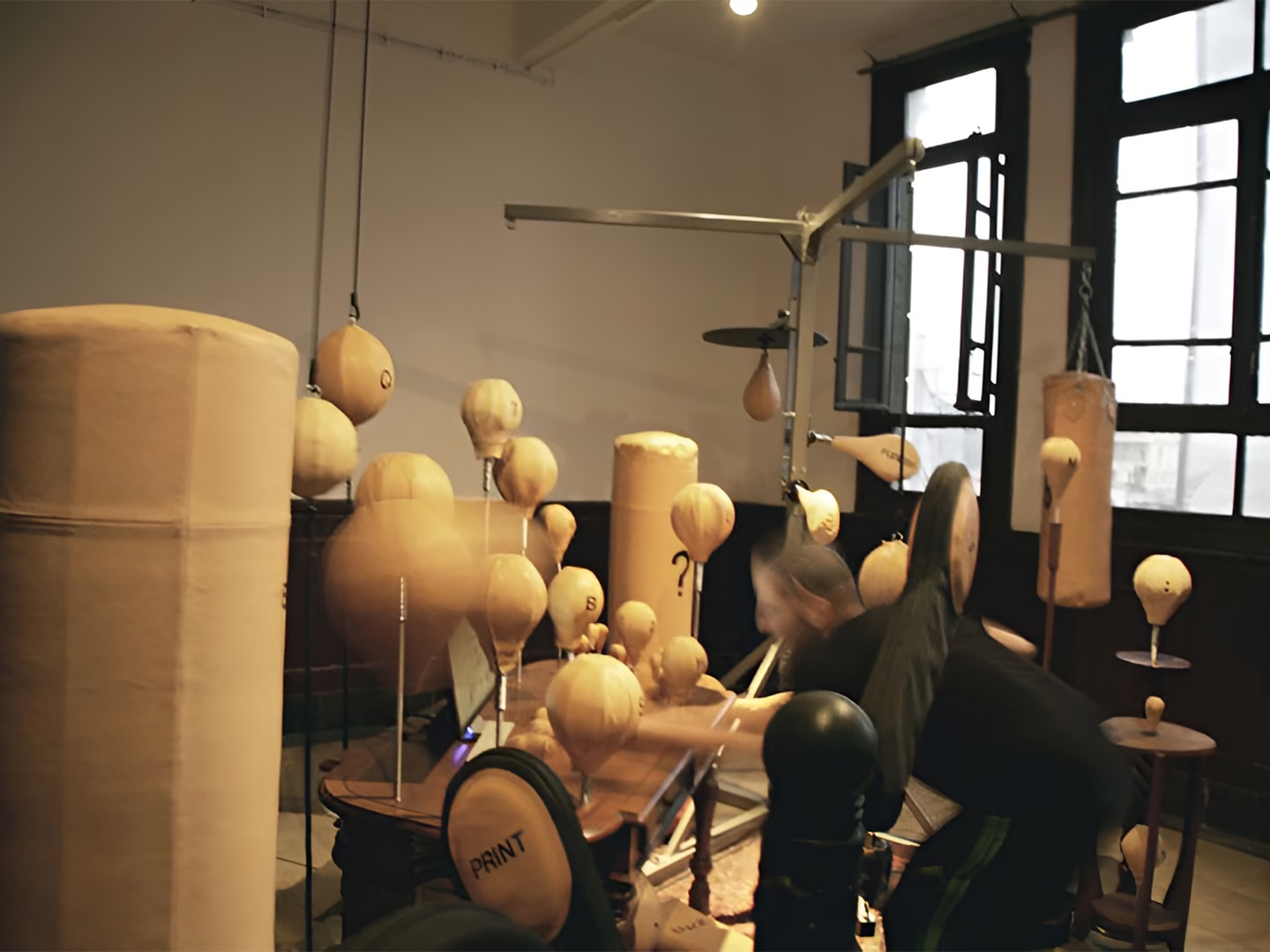
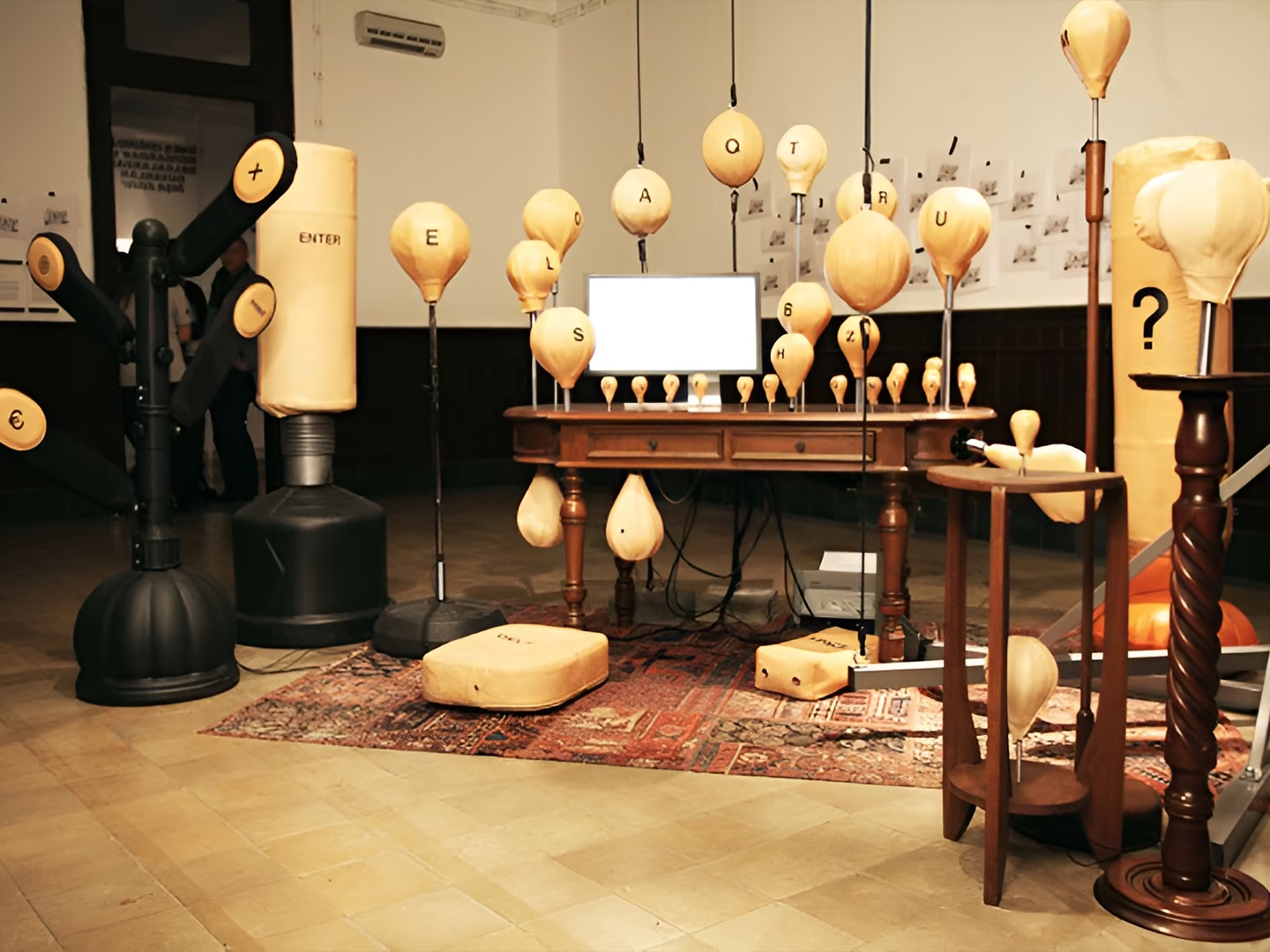
4. Nº41 Workoutcomputer
Presented at the second Istanbul Design Biennial in 2014, the Workoutcomputer challenged the separation between physical exercise and sedentary computer work. Instead of a conventional keyboard, users entered text by punching, kicking or stepping on suspended punching bags assigned to individual characters. The functioning installation turned ordinary typing into a full-body activity, combining tasks usually confined to the office and gym.
5. Nº72 Jeansified Objects
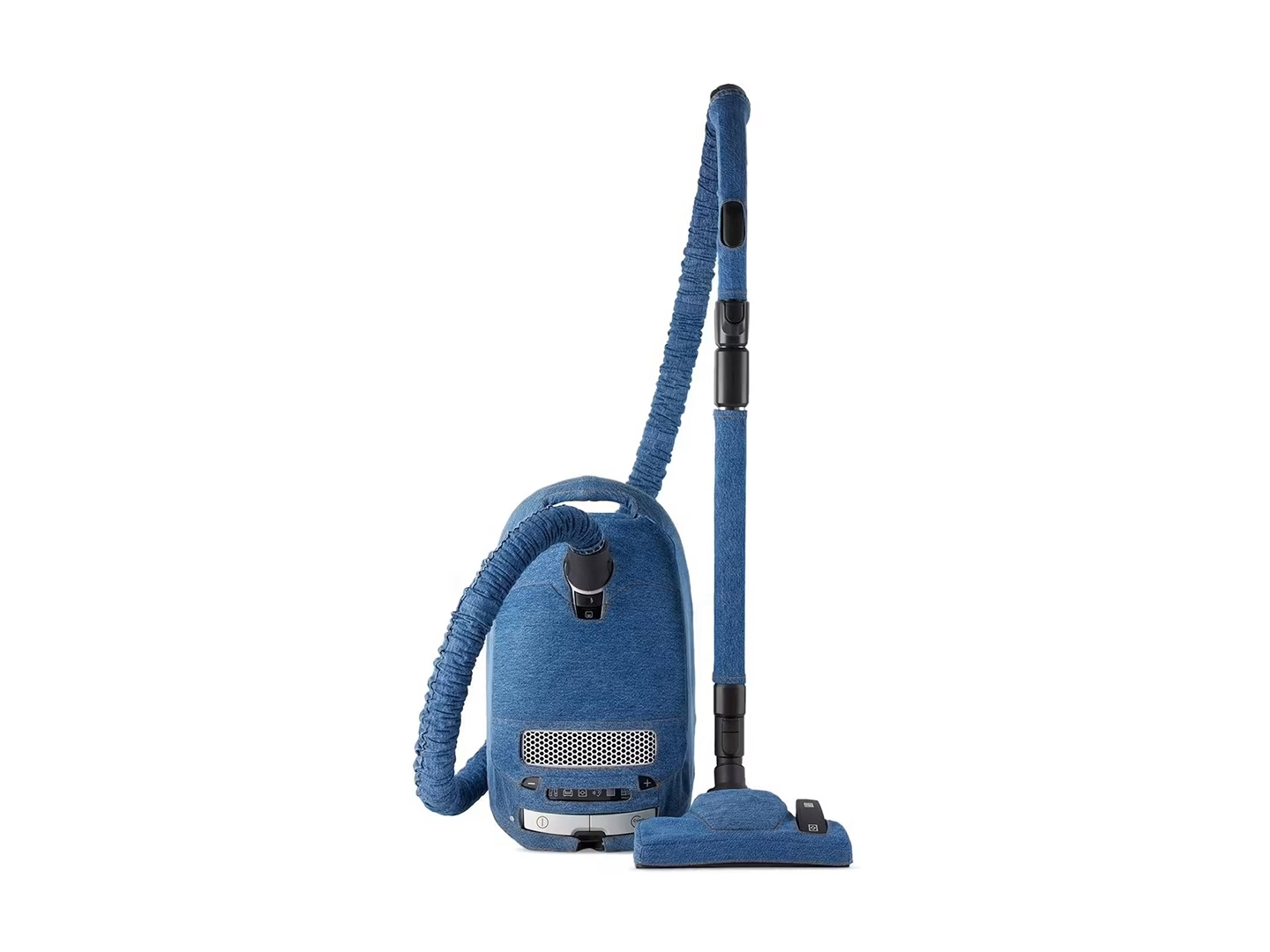
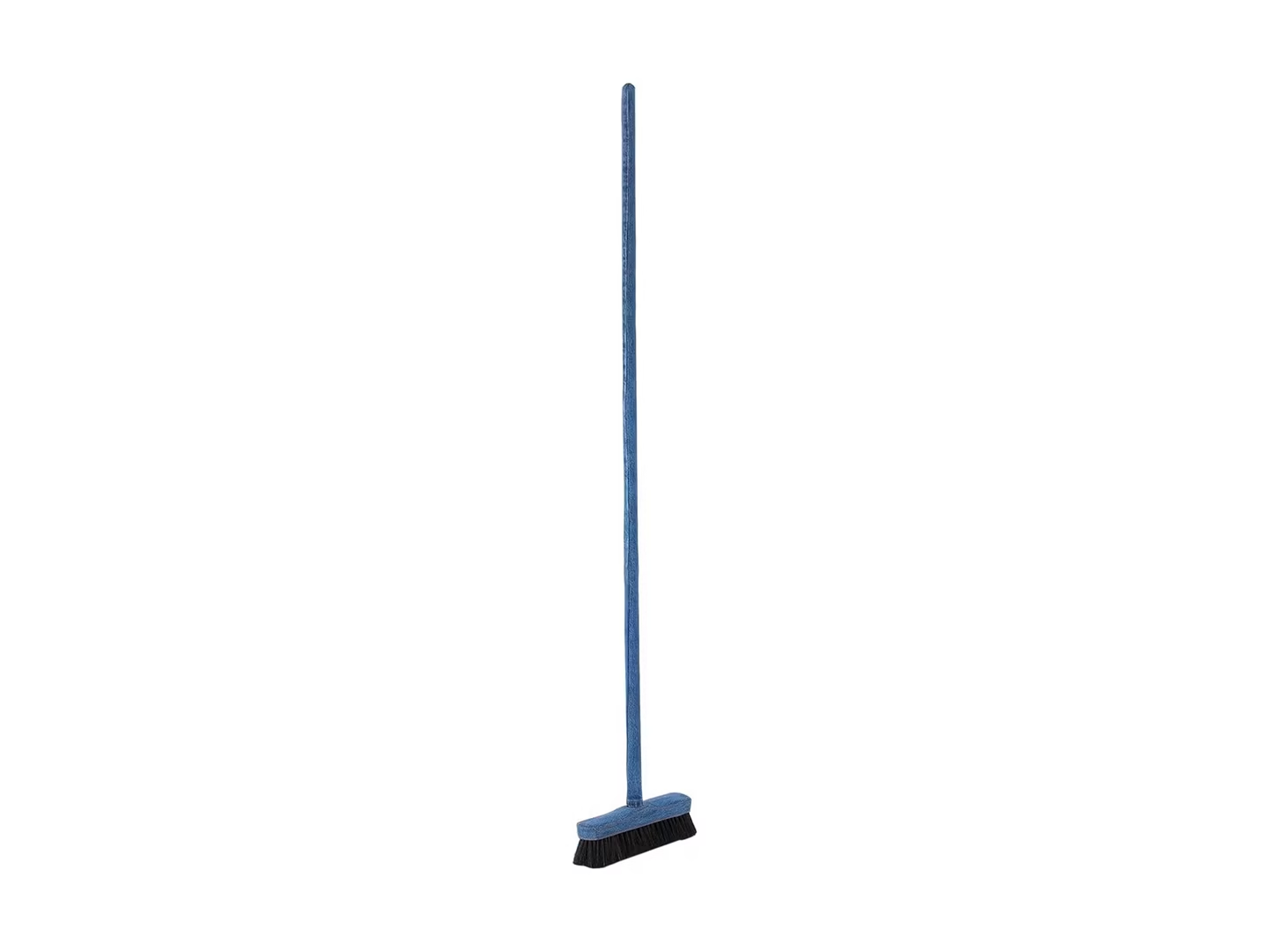
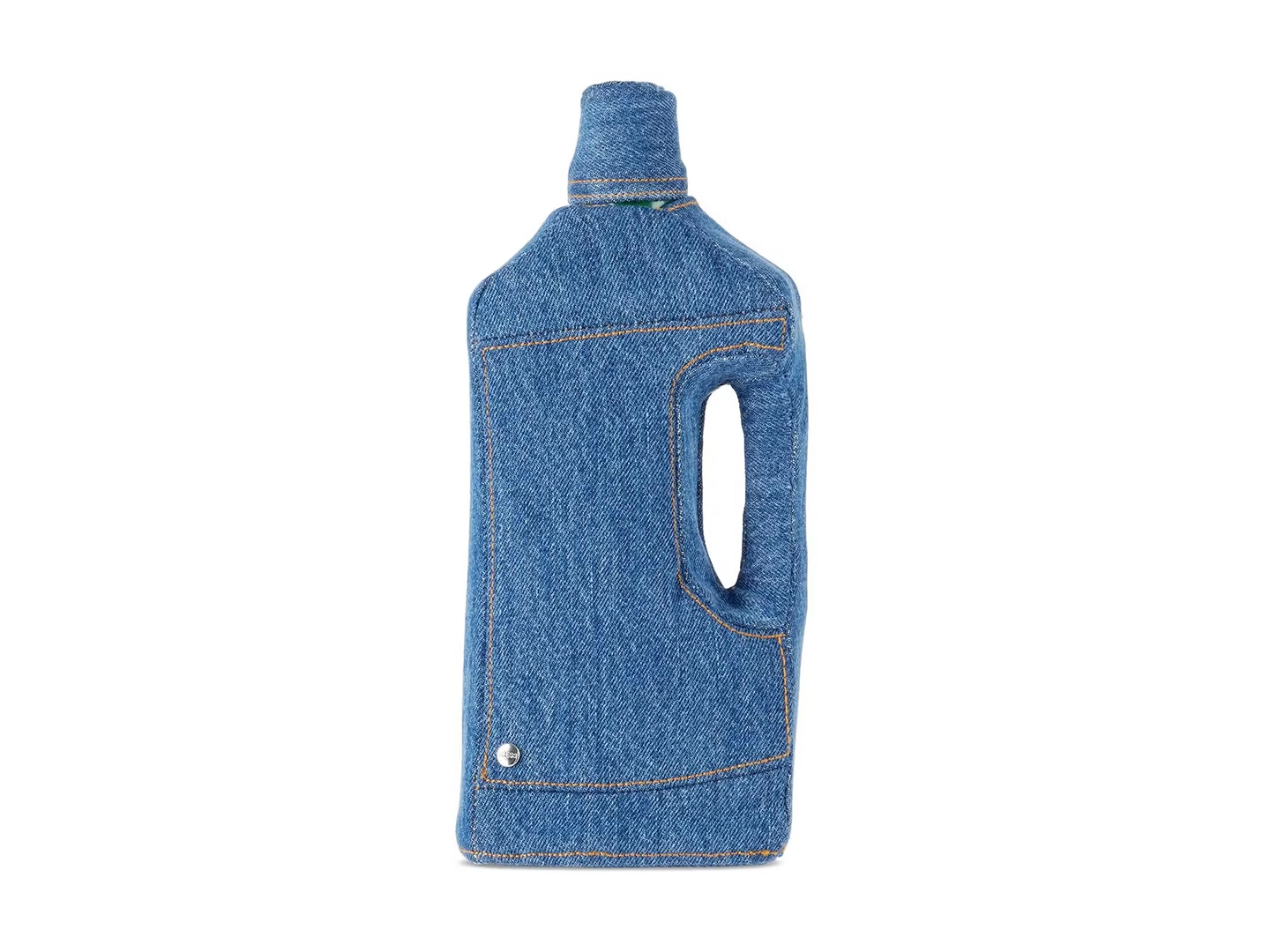
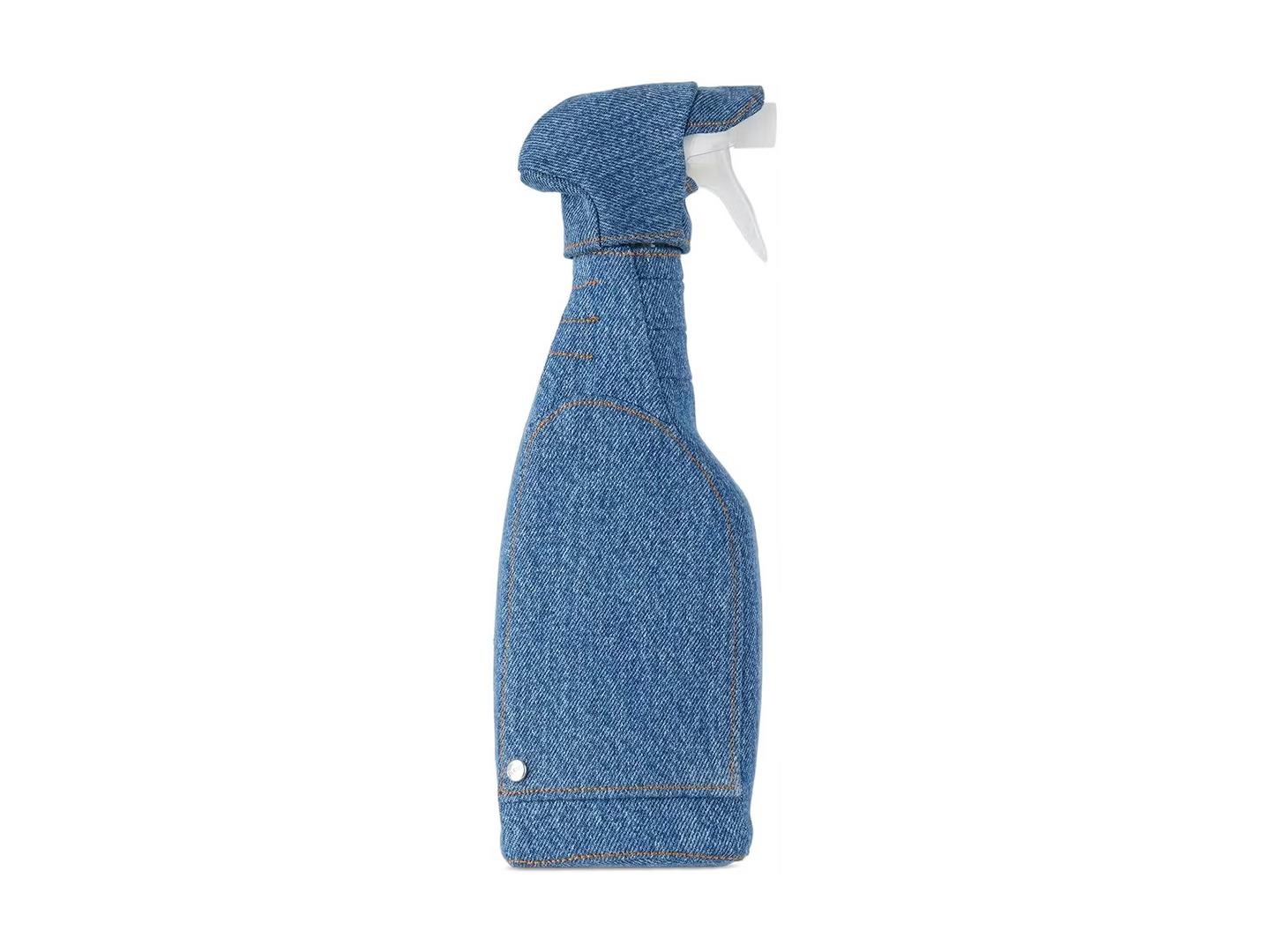
Nº72 Jeansified Objects applies clothing techniques to household cleaning equipment, including vacuum cleaners, brooms and other appliances enclosed in fitted denim coverings. The project revisits ideas explored two decades earlier in Nº17 Design Relativators (2002), when BLESS collaborated with designer David Dubois to reconsider the appearance of domestic appliances. The series continued with additional pieces in 2023, including Vacuumcleaner II, extending the label’s ongoing experimentation with dressing everyday objects.