Masanori Umeda’s furniture draws on Japanese interiors, science fiction and the natural world. After working in Italy with designers Achille and Pier Giacomo Castiglioni and architect Ettore Sottsass, he established his Tokyo studio in 1980 while maintaining connections with Italian manufacturers. His designs gave familiar furniture unexpected forms, with careful attention to how people would sit, move and use each piece. These five works show the range of that approach.

1. Tawaraya Ring (1981)
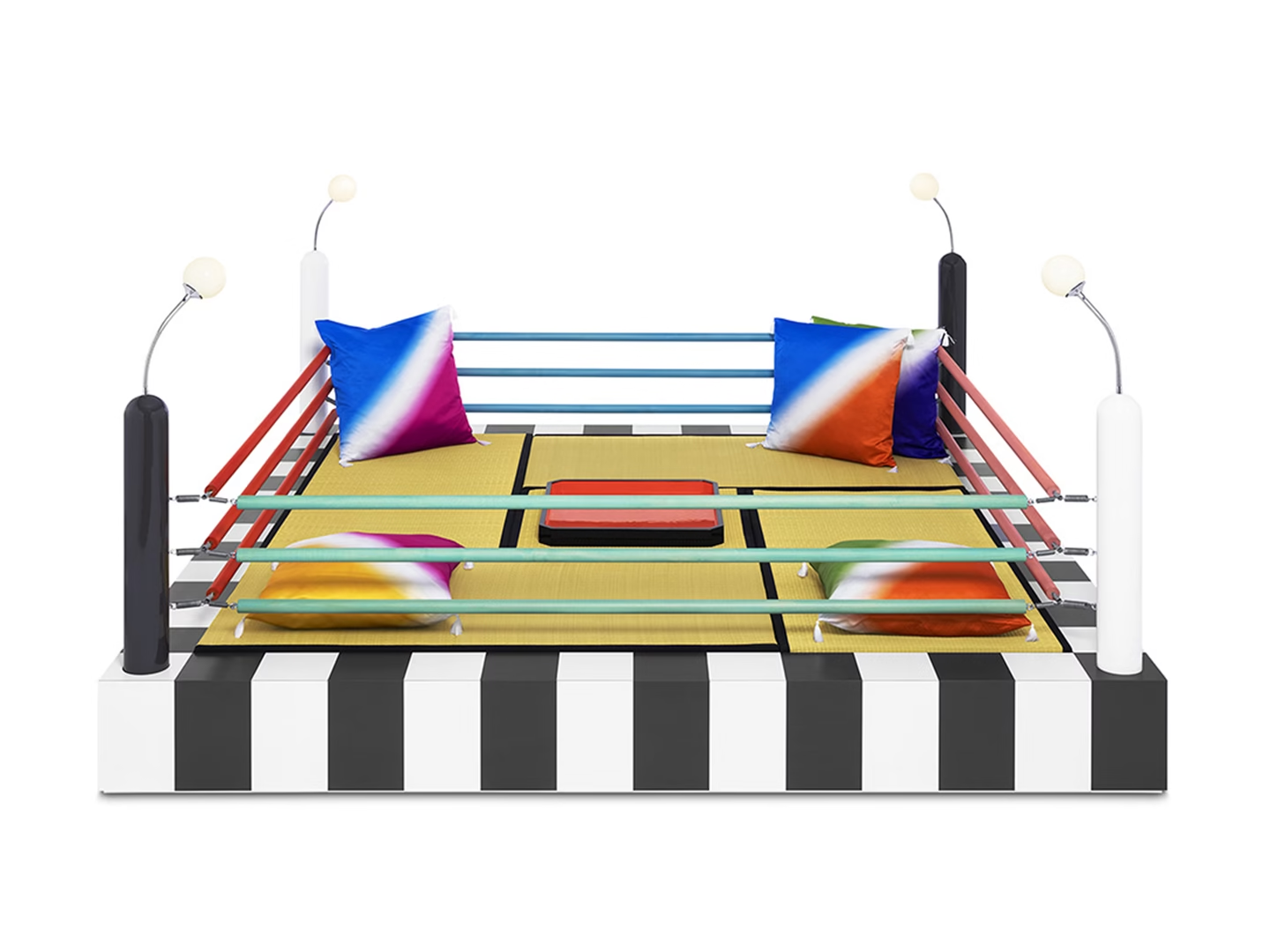
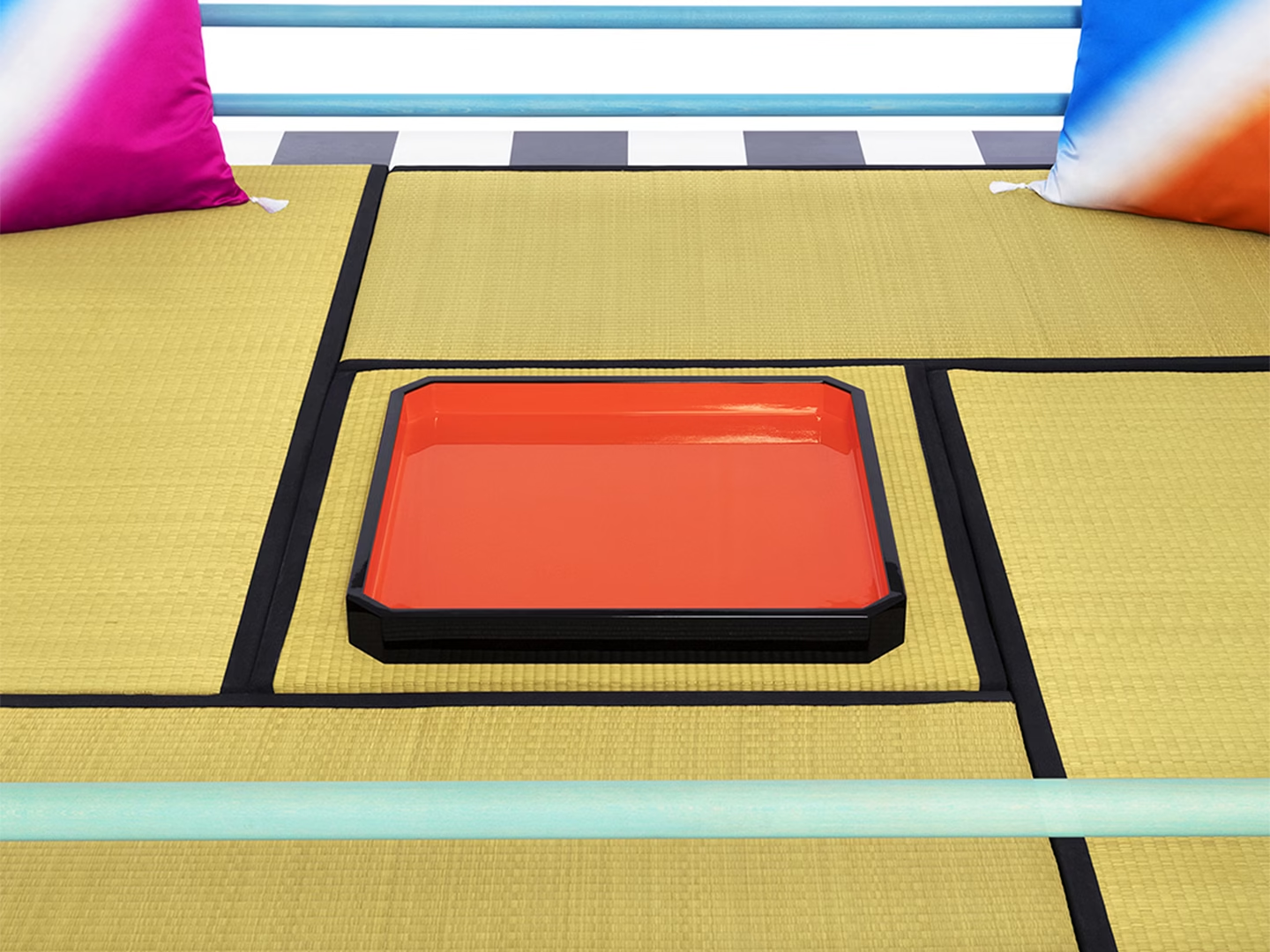
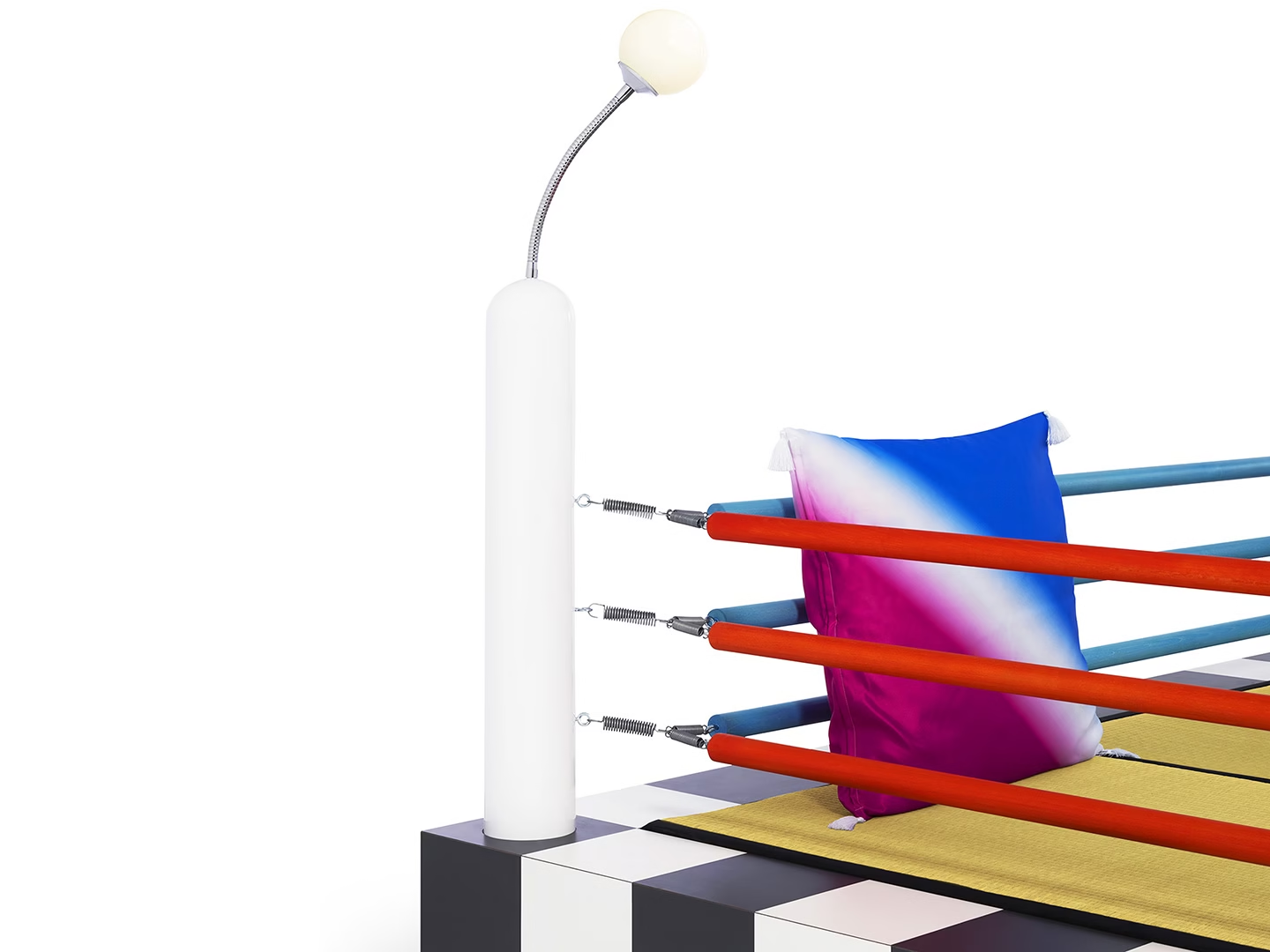
Boxing-ring ropes surround a platform of tatami, cushions, lamps and a tray in Tawaraya, designed for Memphis, the Italian design collective led by Ettore Sottsass. Umeda conceived it as both furniture and a room, using a four-and-a-half-tatami arrangement that could accommodate eating, relaxing and sleeping. The ring emerged from his observation of Italians debating politics, food and football, becoming a place for intellectual sparring. It also provided the setting for the familiar photograph of Memphis members gathered inside. Umeda later recalled discovering that his design had been selected when he saw the group photograph in a German magazine, before seeing the finished piece himself.
2. Ginza (1982)
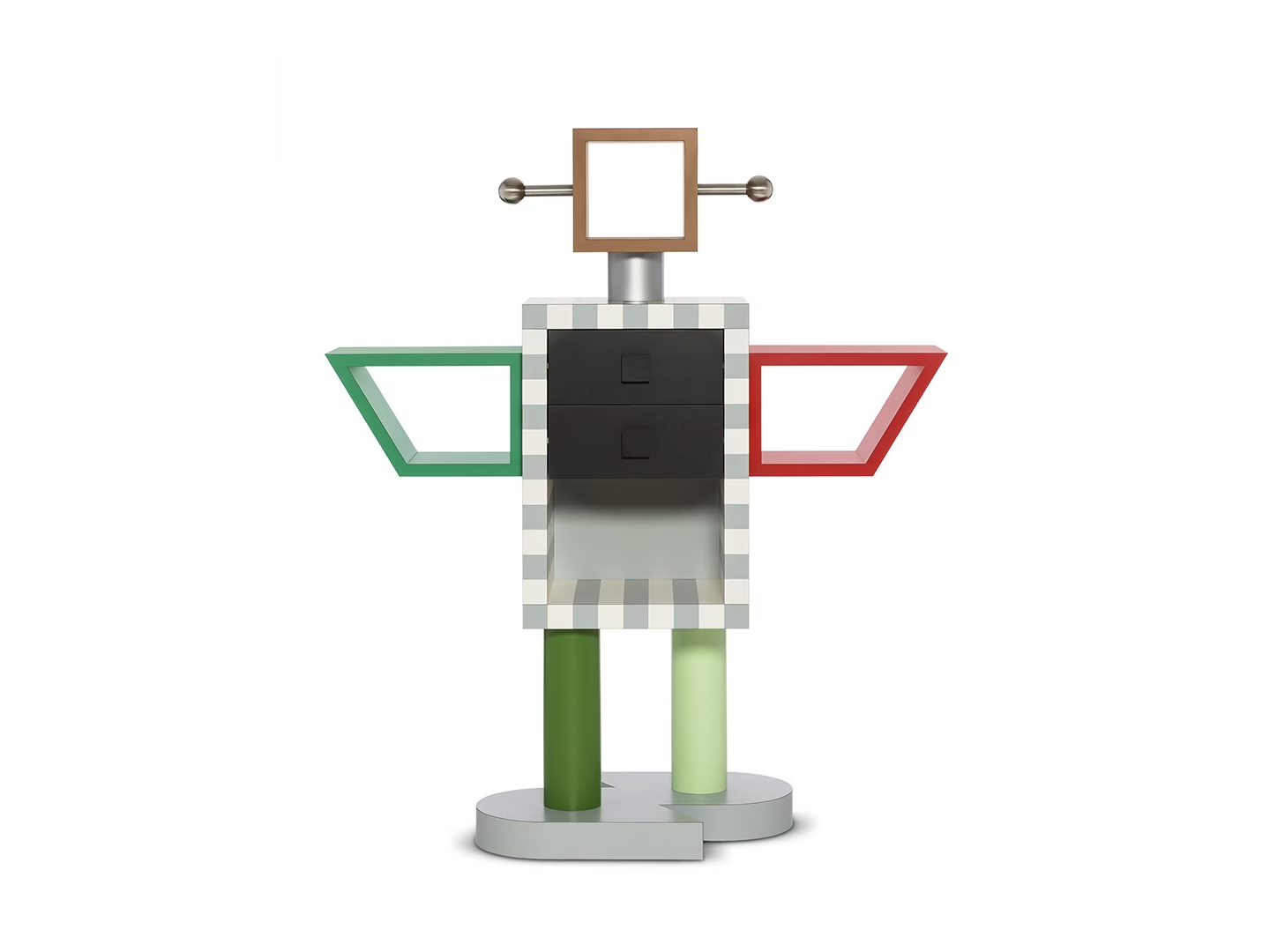
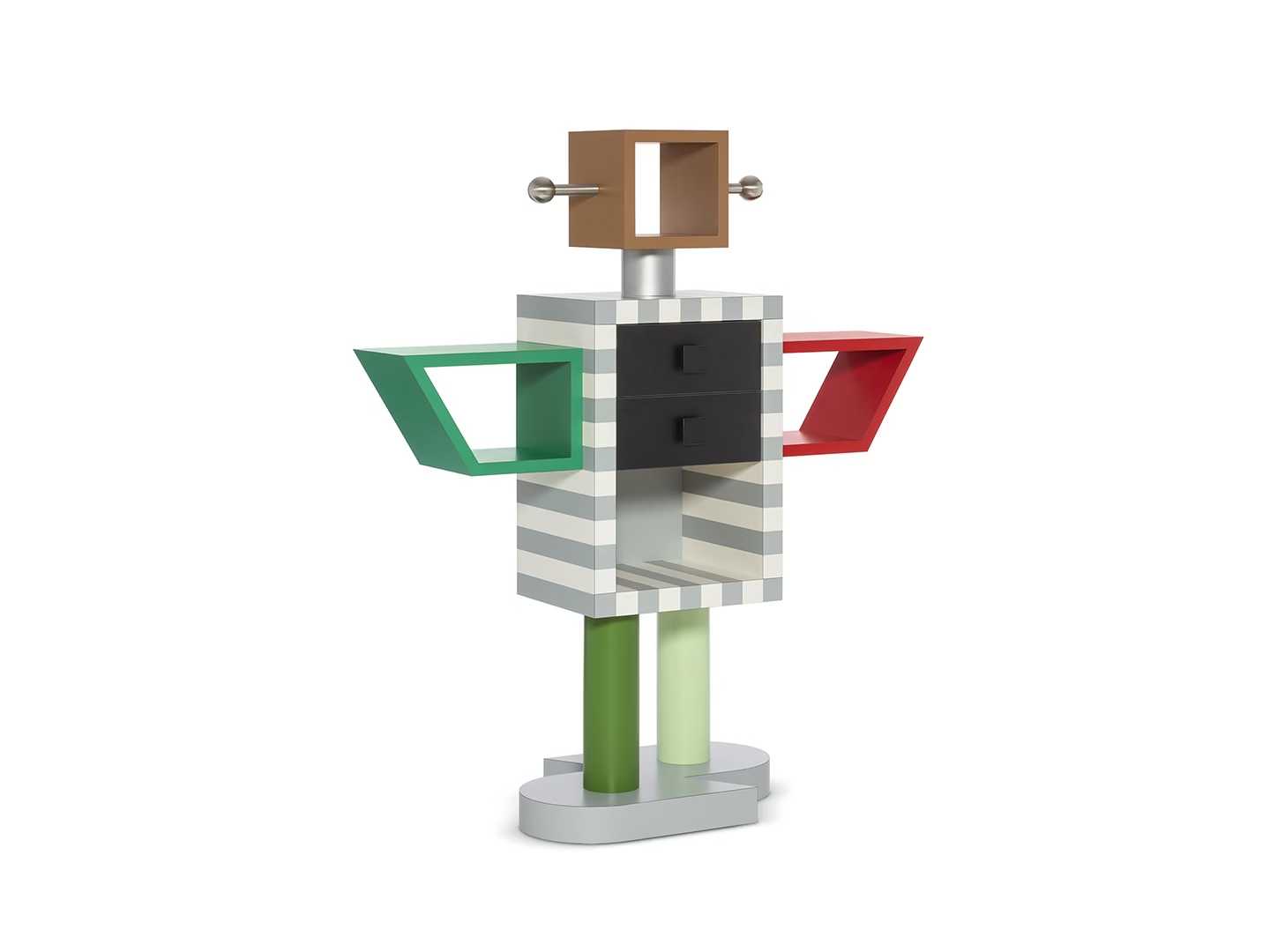
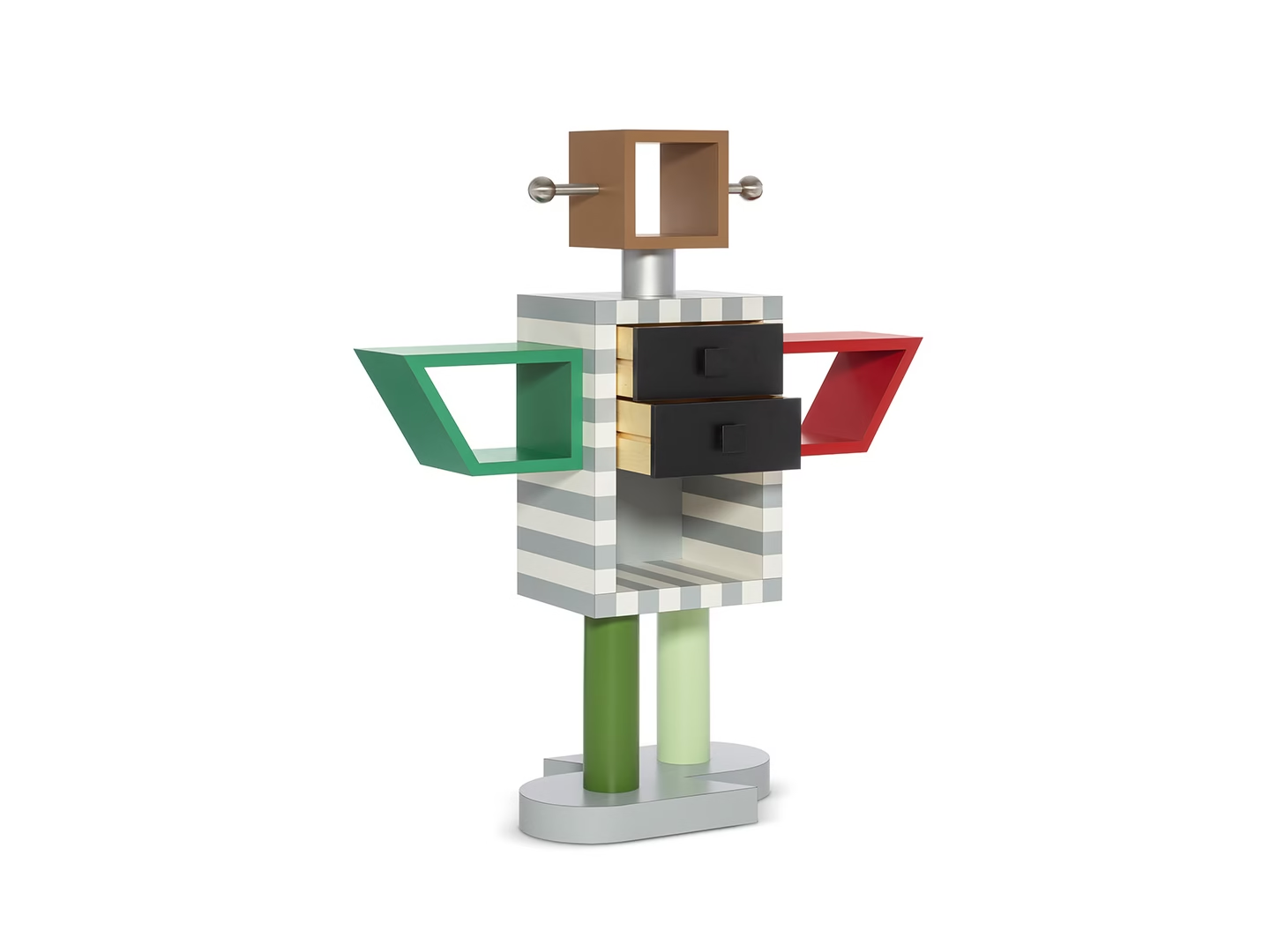
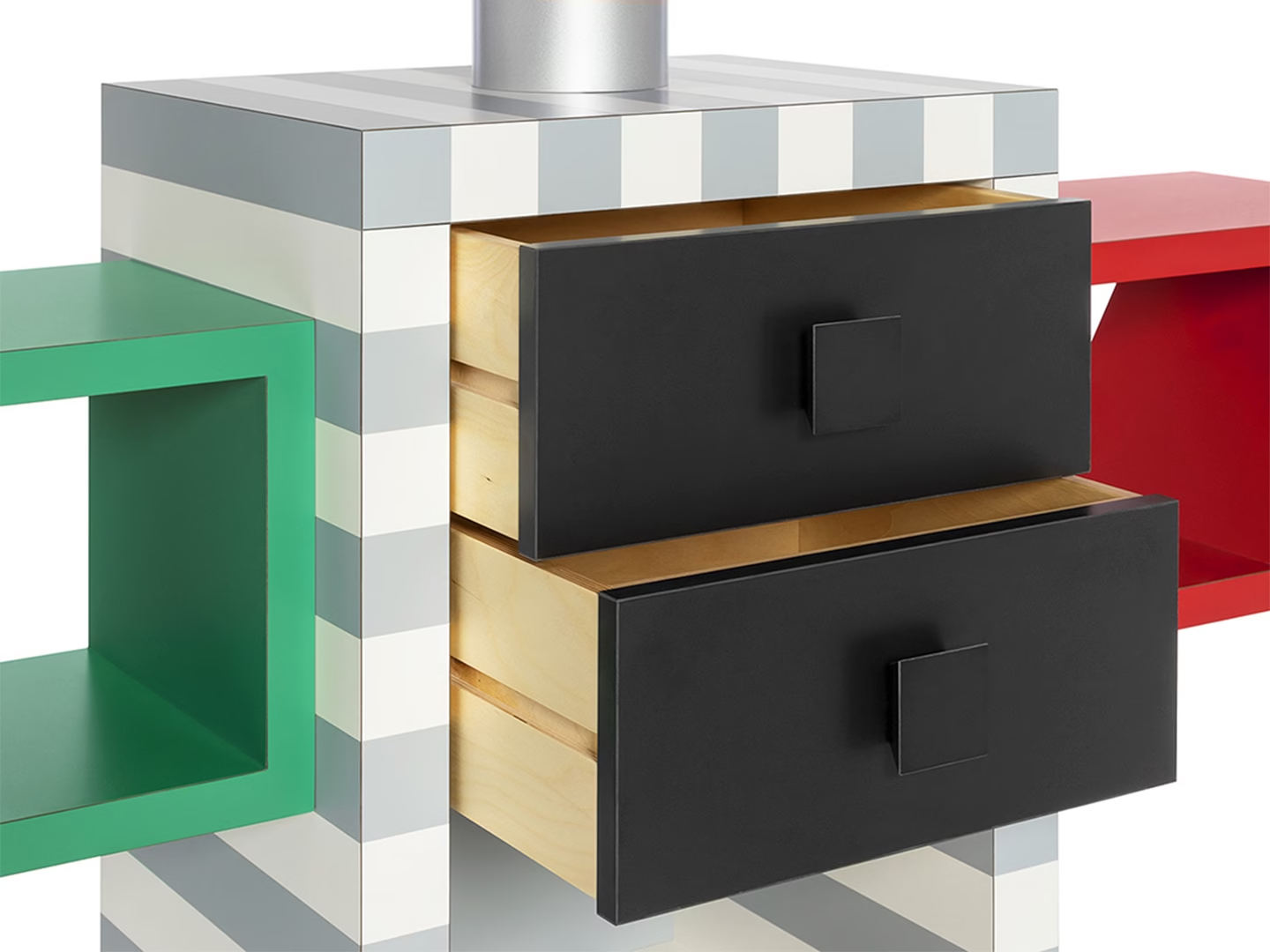
Standing 175 centimetres tall, Ginza turns a storage cabinet into a figure resembling the robots of Japanese science fiction. Its lacquered wooden structure combines decorative laminate, chromed metal elements, shelves and drawers, with separate components forming its head, torso and limbs. The reference was present during development: a sketch dated February 6, 1982, preserved at the M+ museum in Hong Kong, carries the title “UFO-Robot.” Produced by Memphis, the cabinet takes its name from Tokyo’s Ginza shopping district, bringing the language of popular entertainment into an object named after an established centre of luxury retail.

3. Medusa (1982 / 2021)
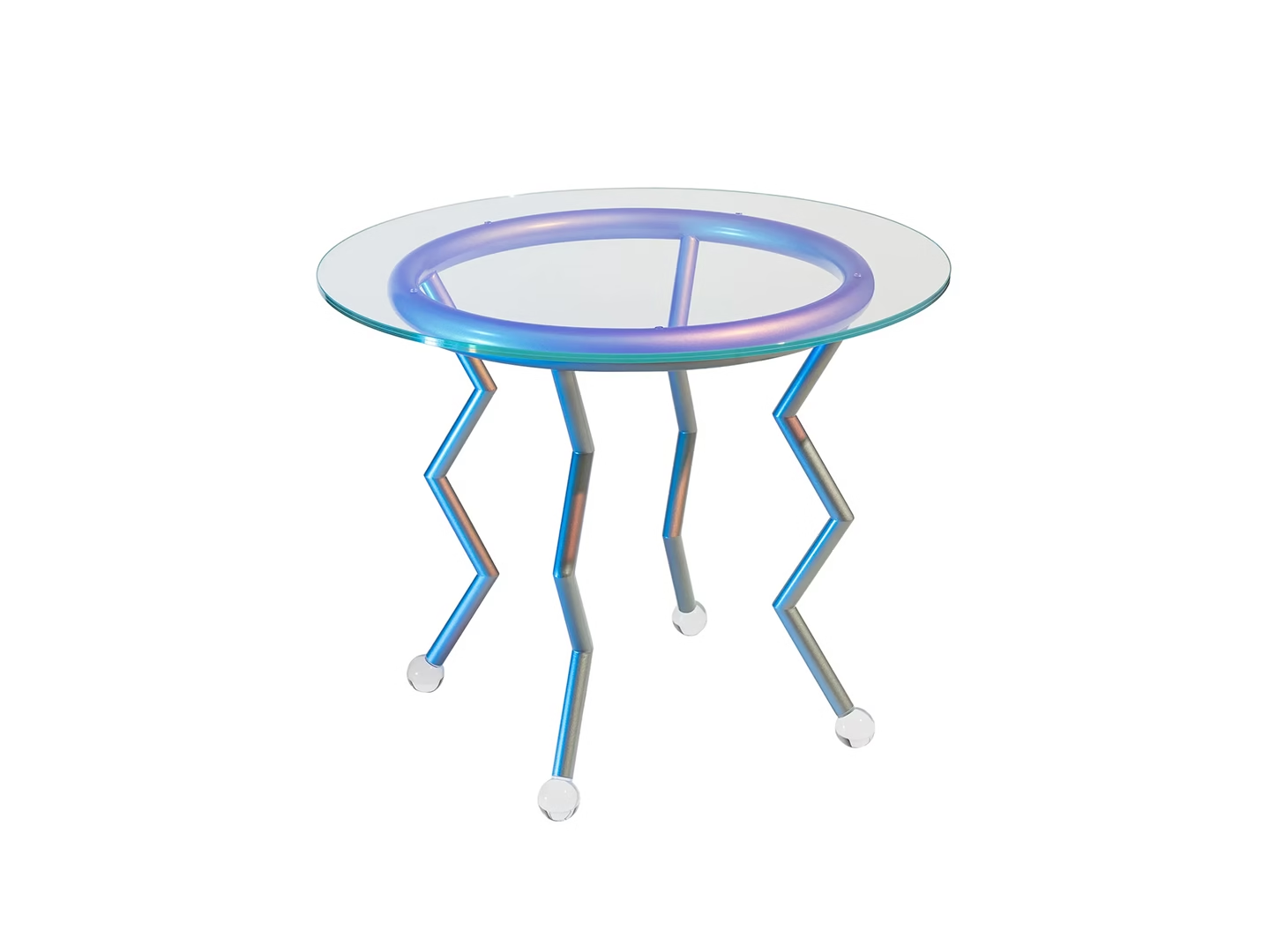
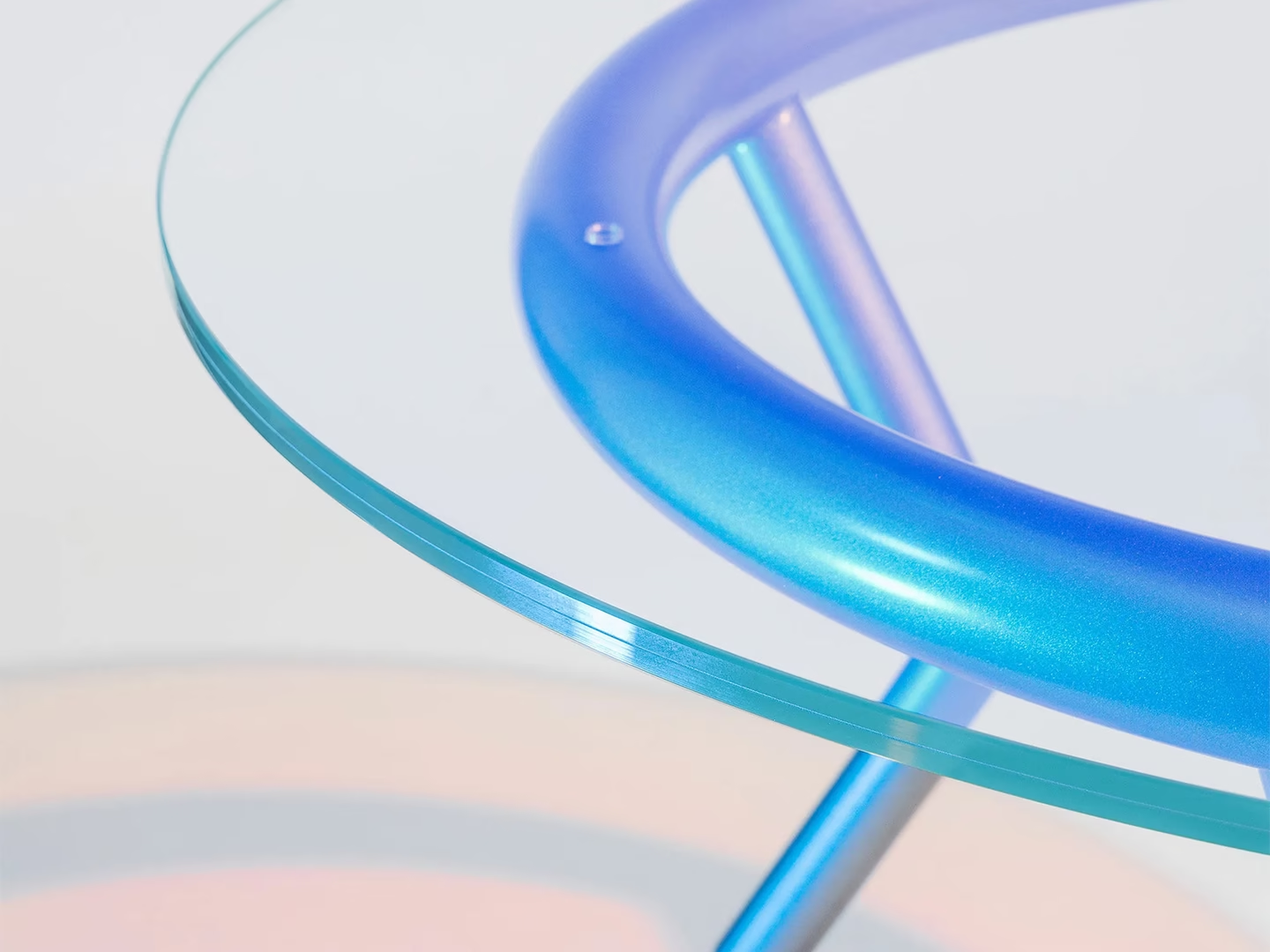
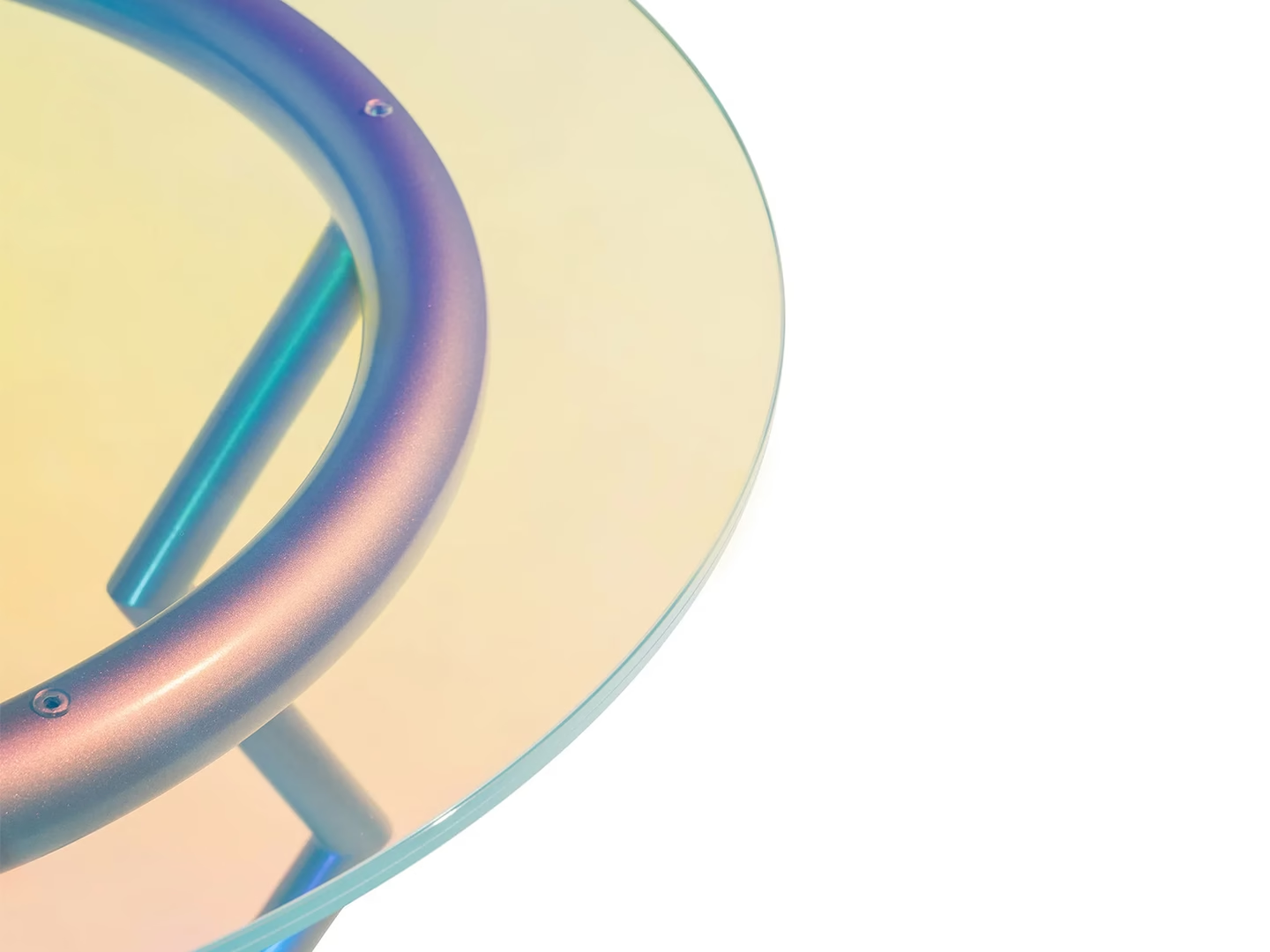
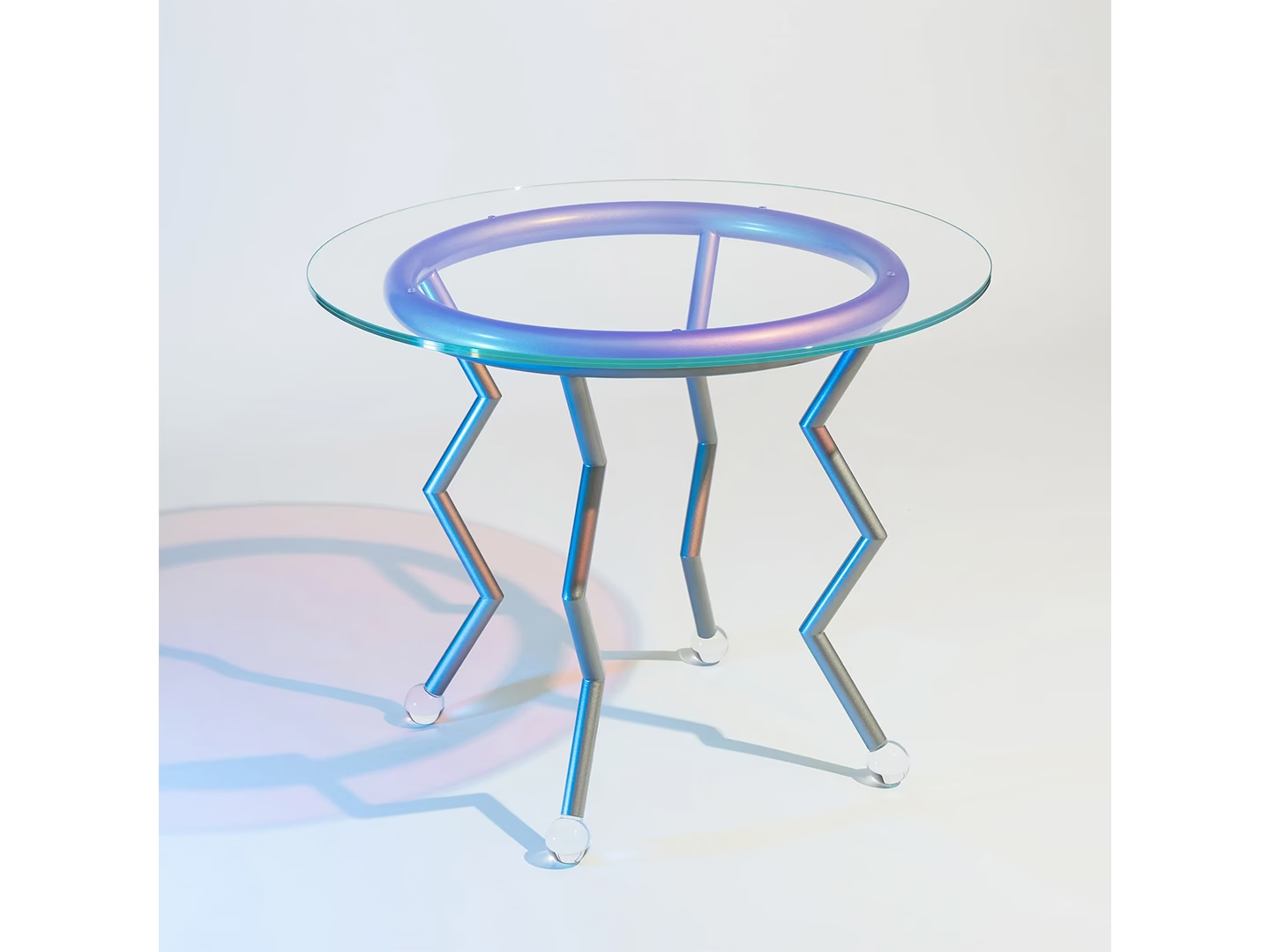
Zigzag legs and rounded feet give Medusa’s glass tabletop an animated supporting structure. Originally produced by Japanese furniture manufacturer Arte Japan in 1982, the table combined plate glass with welded tubular steel, using bright finishes and irregular bends to reshape materials familiar from modernist furniture. Umeda revisited the design for Night Tales, a collection presented in 2021 under Memphis’s Post Design label. This version introduced a pale-blue metal base, rounded Plexiglas feet and a dichroic glass top that changes colour with the lighting and viewing angle. The edition comprised 24 tables and one artist’s proof.

4. Getsuen (1990)
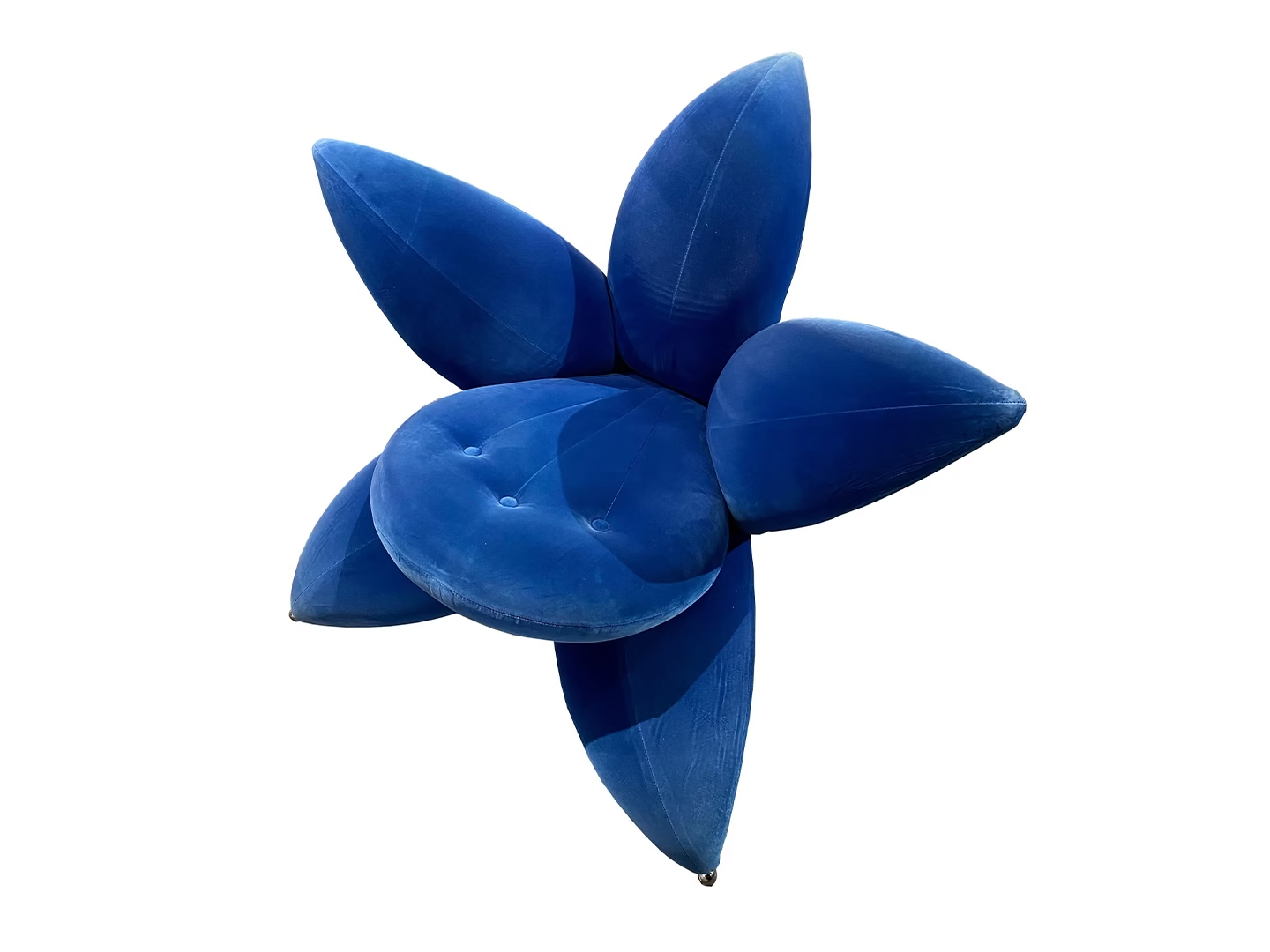
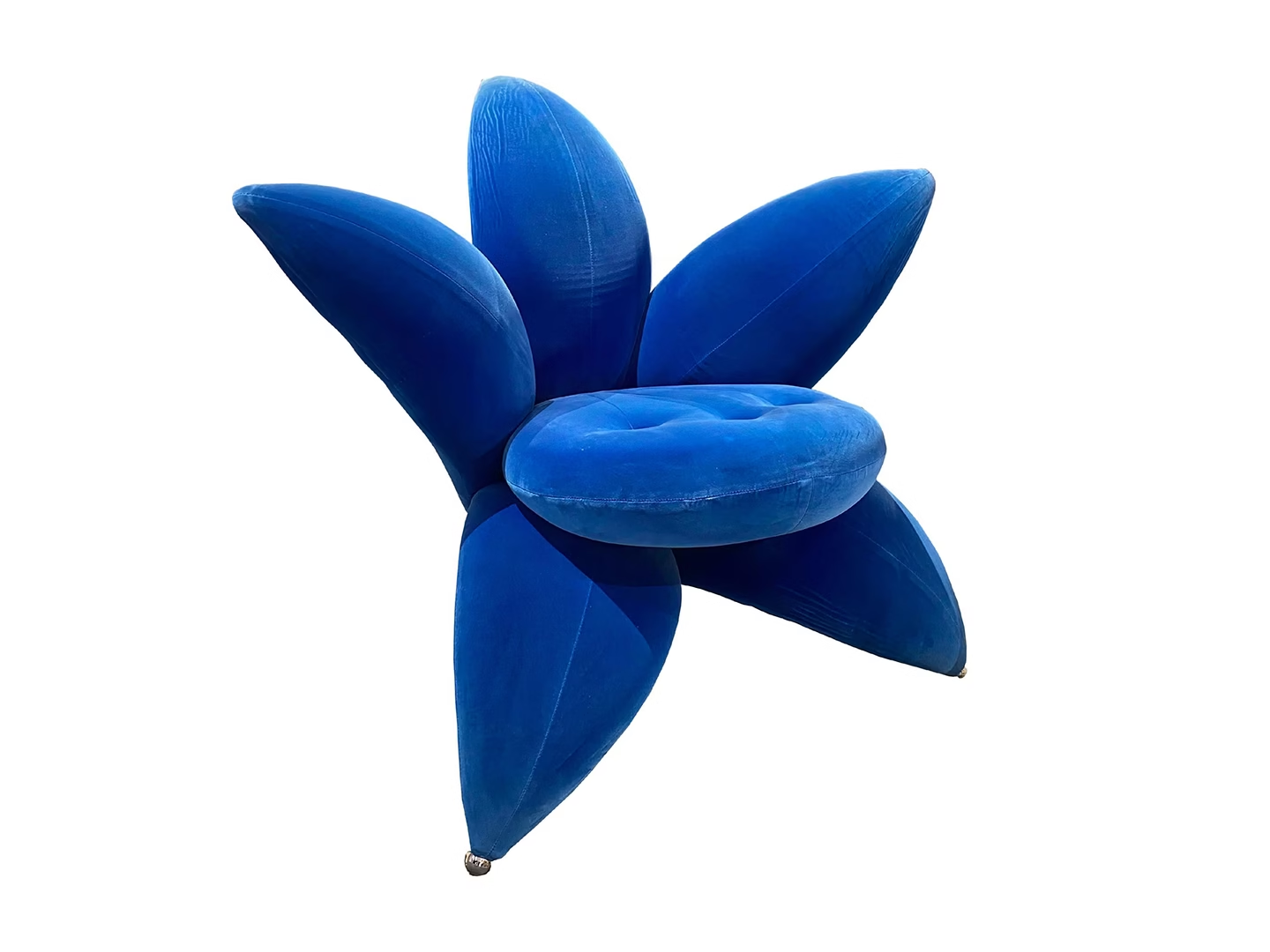
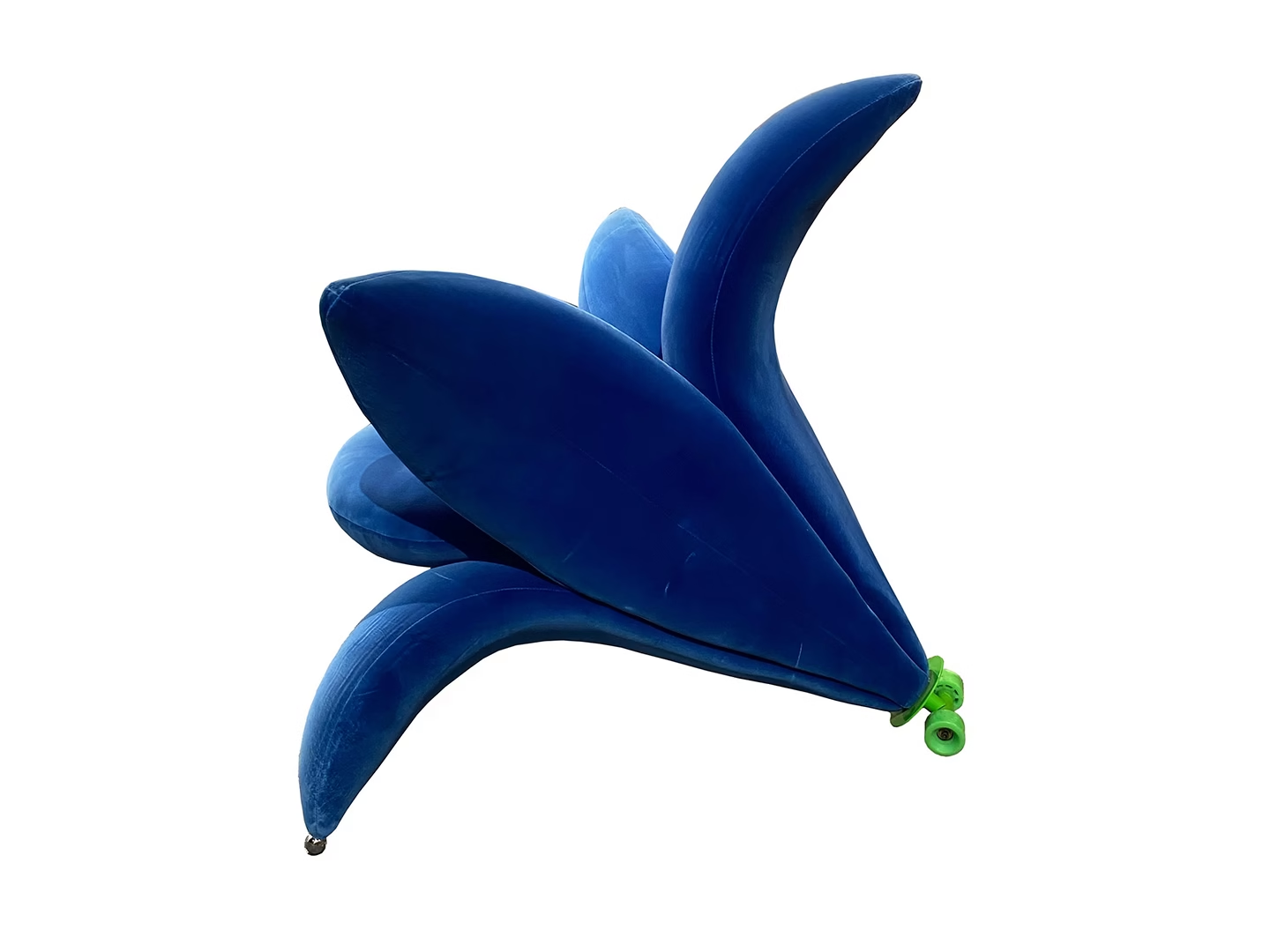
Moonlight falling on bellflowers in his wife’s garden gave Umeda the idea for Getsuen. First shown in 1988 and introduced by Italian furniture manufacturer Edra in 1990, the chair translates the flower into a padded, velvet-covered seat supported by a hand-shaped steel frame. Although frequently described as lily-shaped, Umeda’s own account and surviving sketches identify the bellflower, or kikyō, as its source. Small green wheels at the back make the chair easier to move. Borrowed from skateboards, they were a detail Umeda linked to Achille Castiglioni’s habit of finding design possibilities in ordinary objects.
5. Rose (1990)
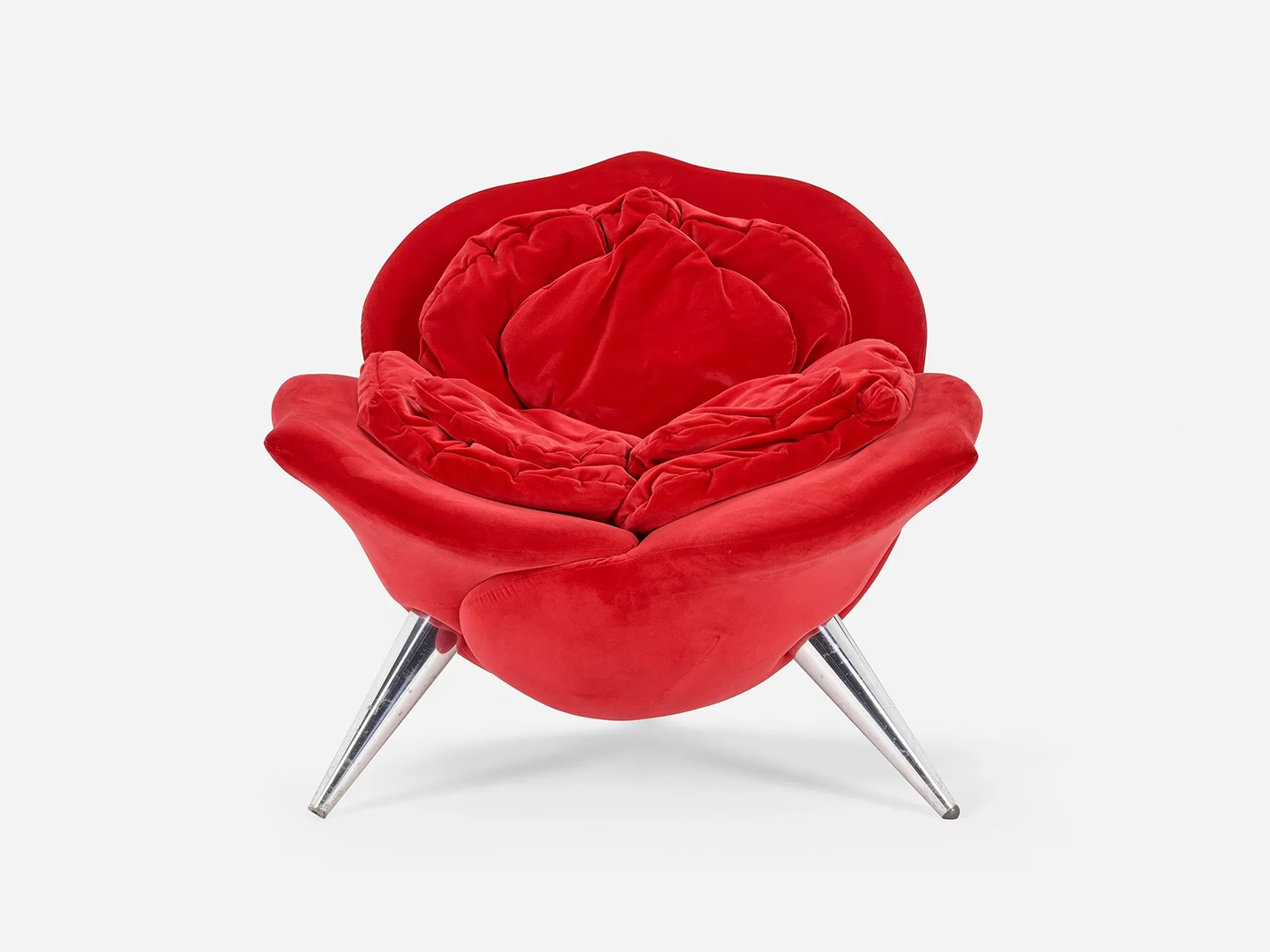
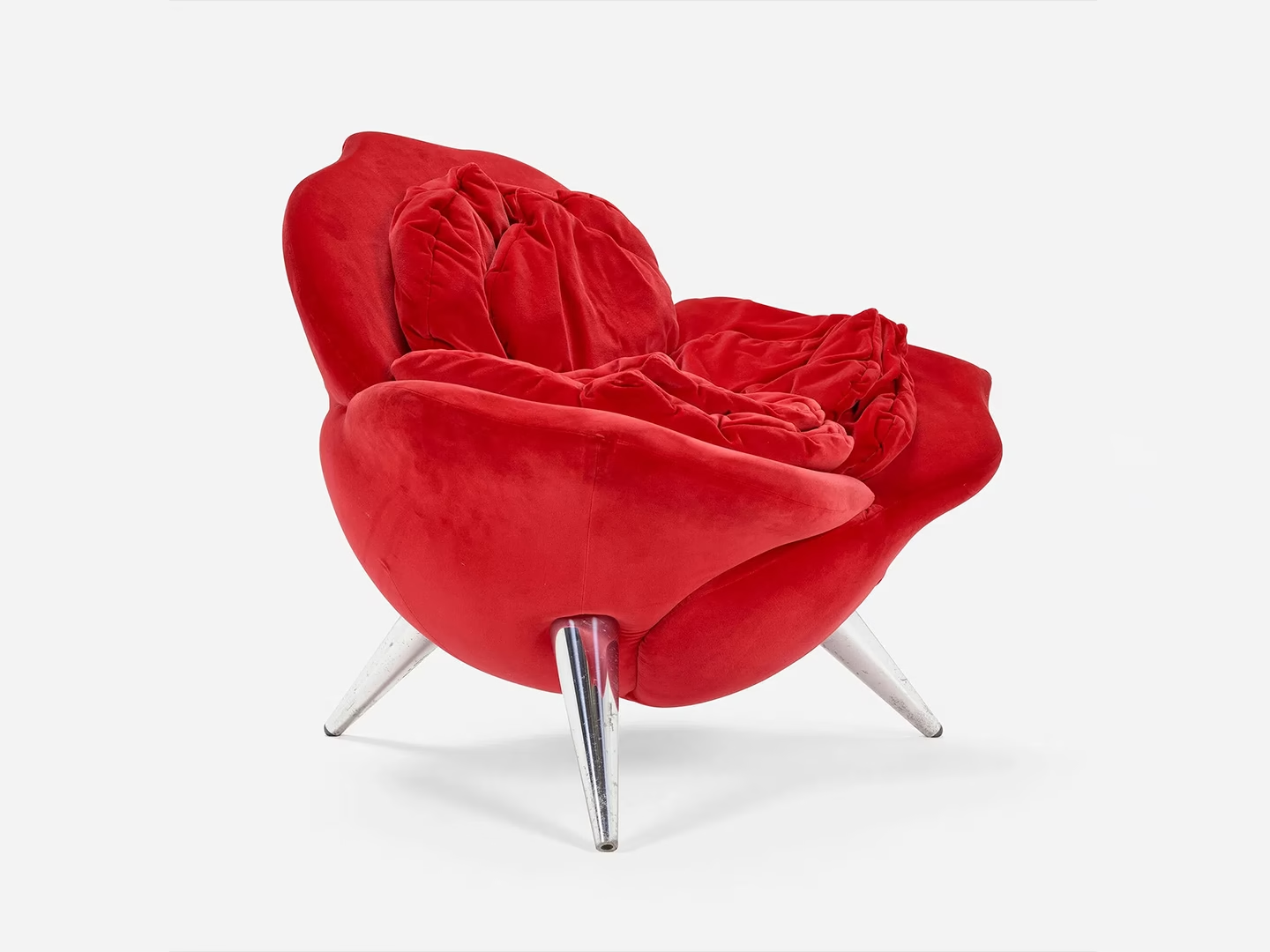
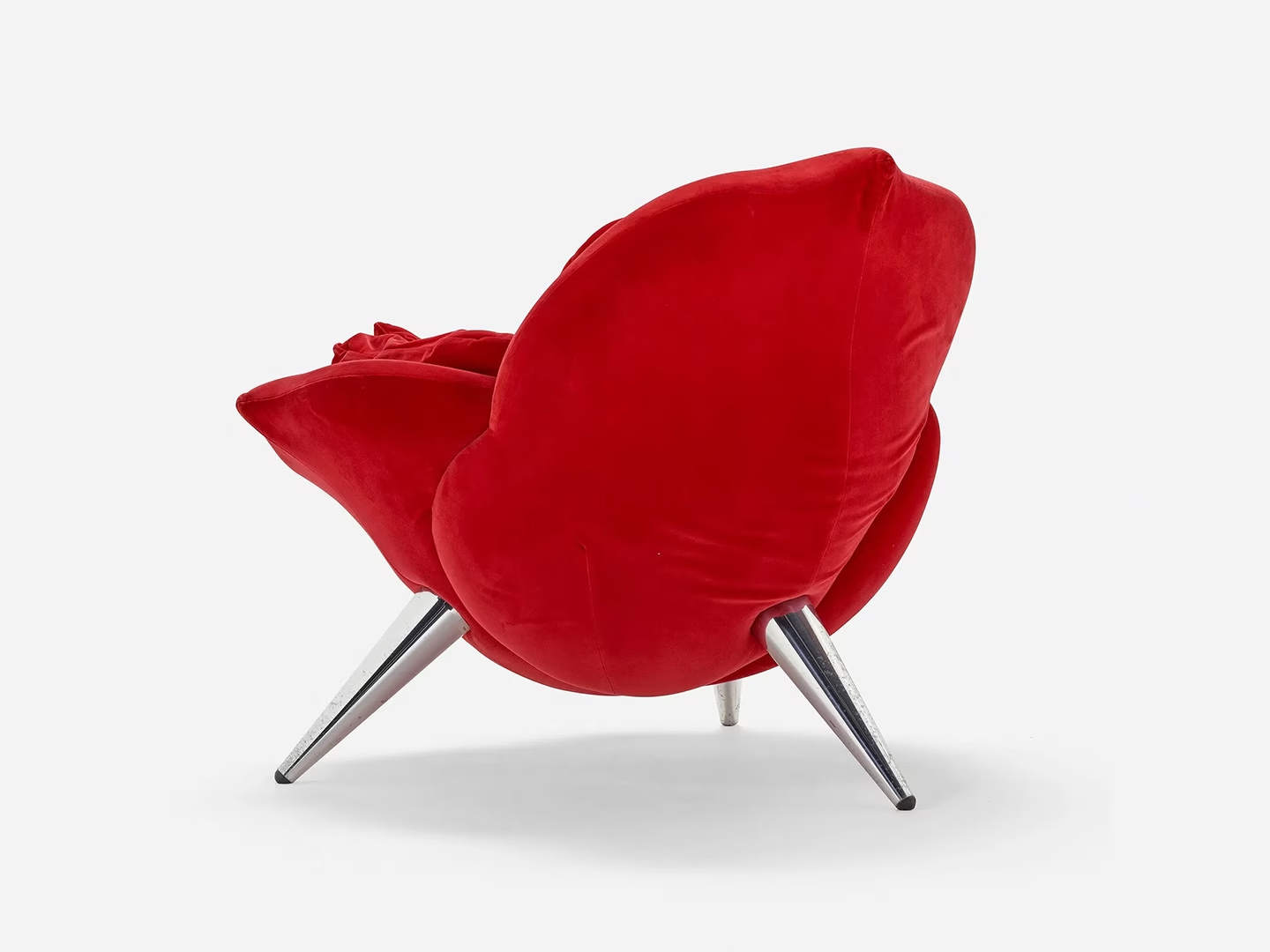
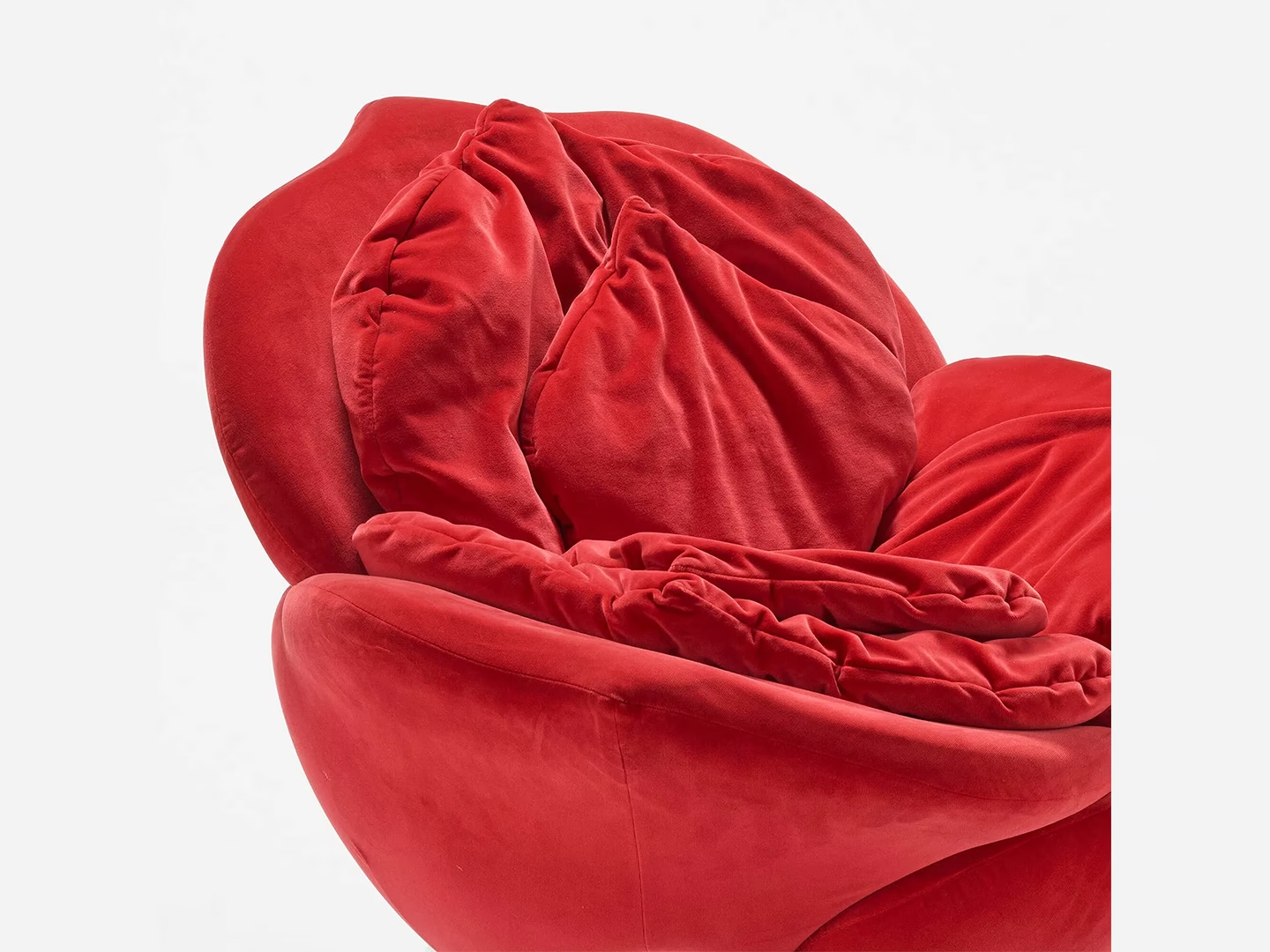
Layers of individually made petals form Rose’s upholstered seat and back. Introduced by Edra in 1990, the chair uses padded elements stitched by hand and arranged around a structure of moulded metal and shaped wood. Its development drawings reveal a more elaborate original proposal: Umeda planned five concentric layers of petals spiralling towards the centre, while the production version simplified the arrangement to three. Velvet covers the overlapping forms, giving the flower its colour and texture while allowing each petal to serve as part of the chair’s cushioning.