Before making clothes, Setsumasa Kobayashi made shoes. He grew up above his father’s shoe factory in Tokyo’s Asakusa district and later trained in Florence. When he launched General Research in 1994, his first garment brought some of that experience into clothing: a duffle coat with leather belts replacing the toggles, their ends secured with studs.
The 1998 Parasite collection extended this approach to altering familiar garments. Its premise was that countless pockets would parasitize the clothes, spreading across jackets, coveralls and accessories. Looking back in a 2023 interview, Kobayashi described wanting to make art-conscious menswear that was slightly troublesome to wear, while remaining just within the limits of everyday use. He wanted to move beyond the category of American casual clothing. The excess was part of the idea.
1. Down Jacket (Style 361)
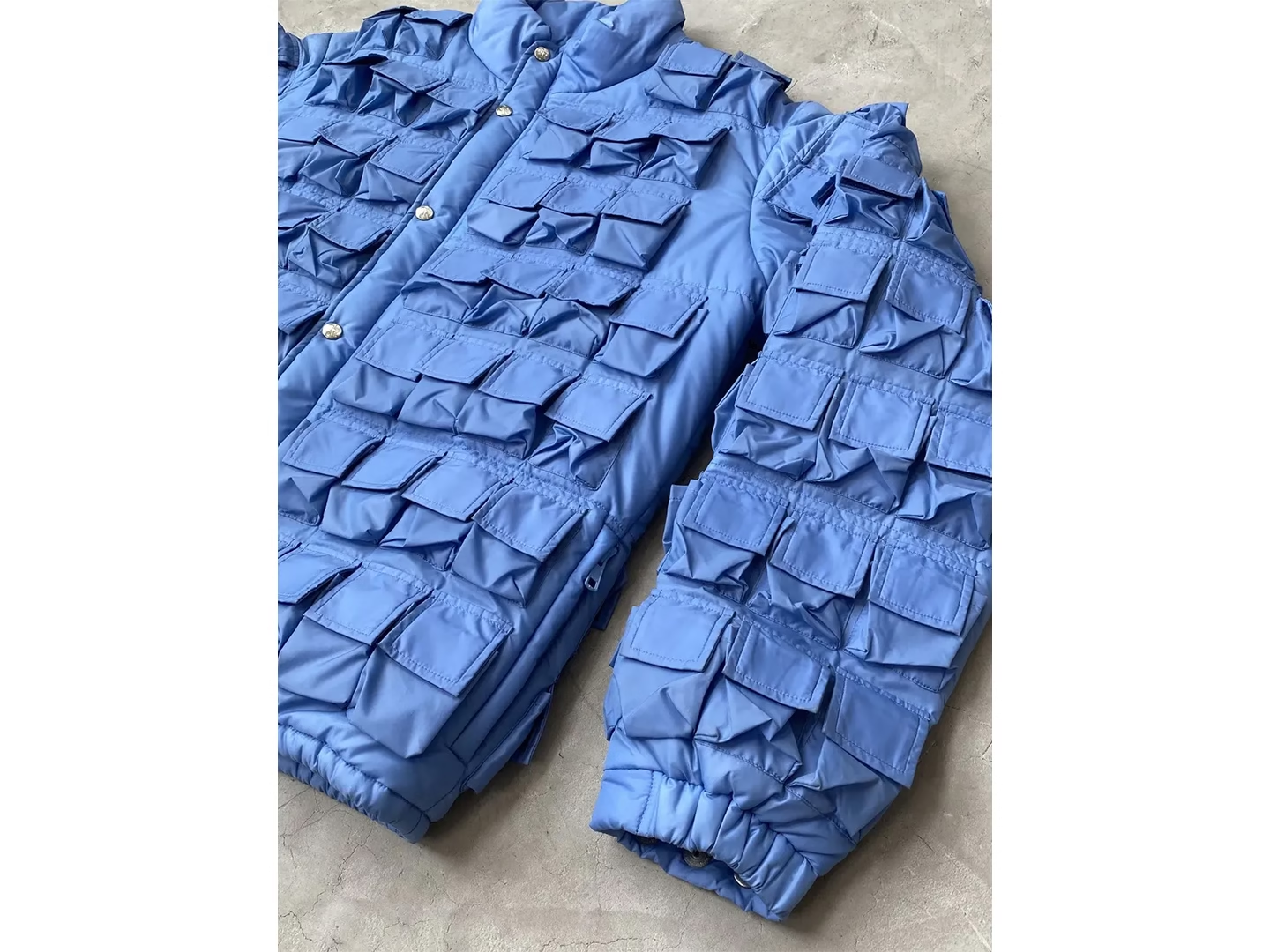
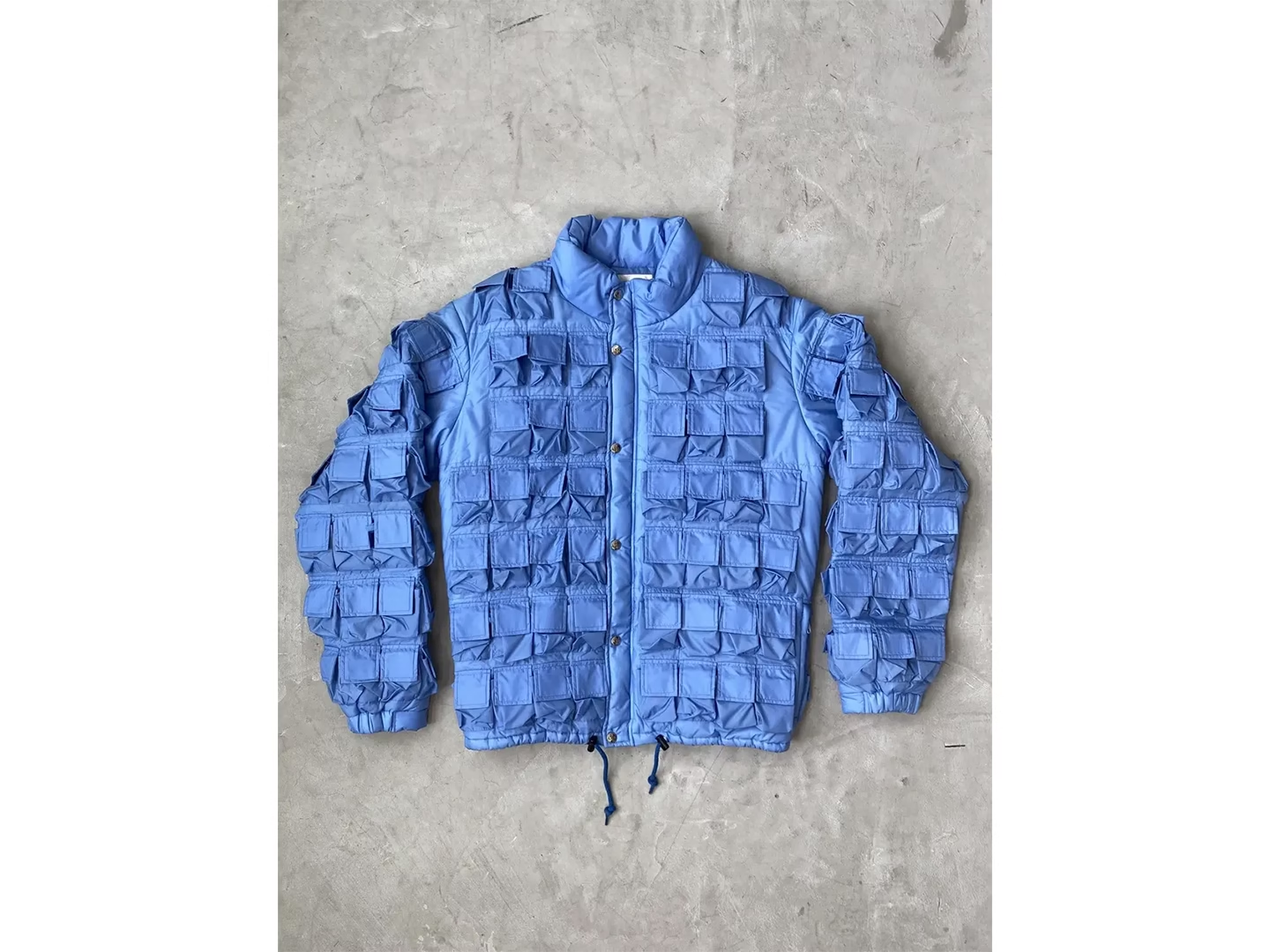
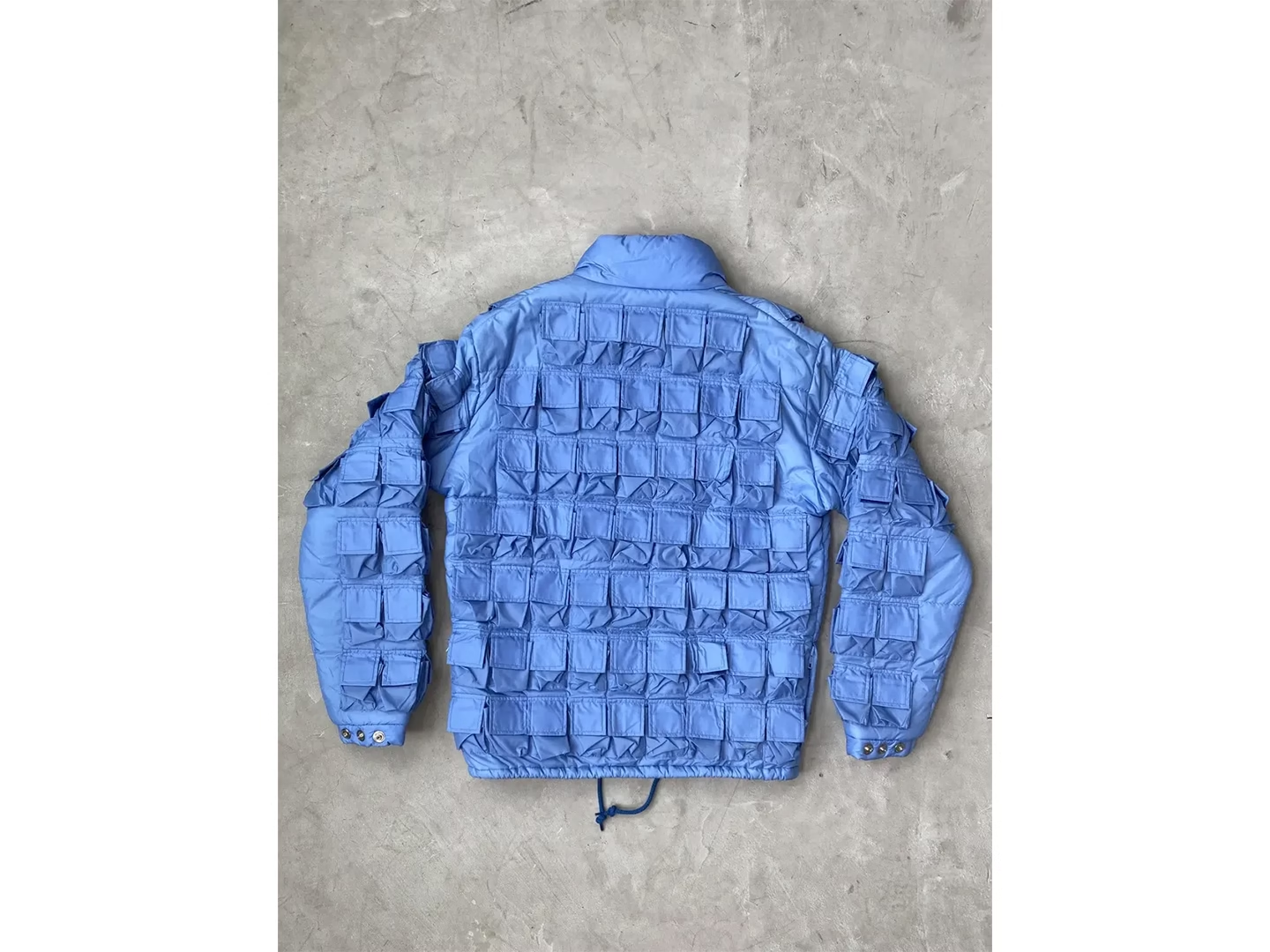
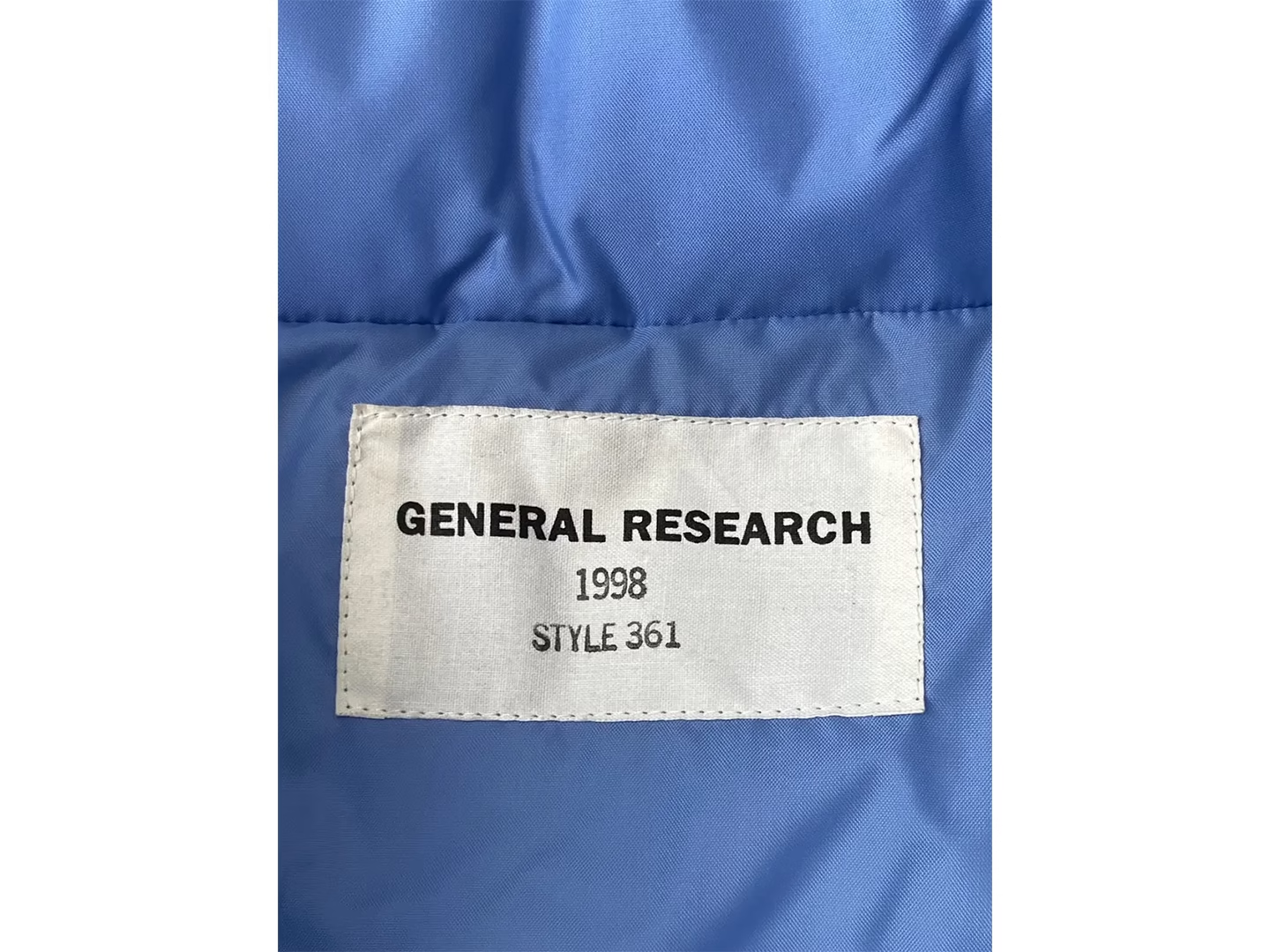
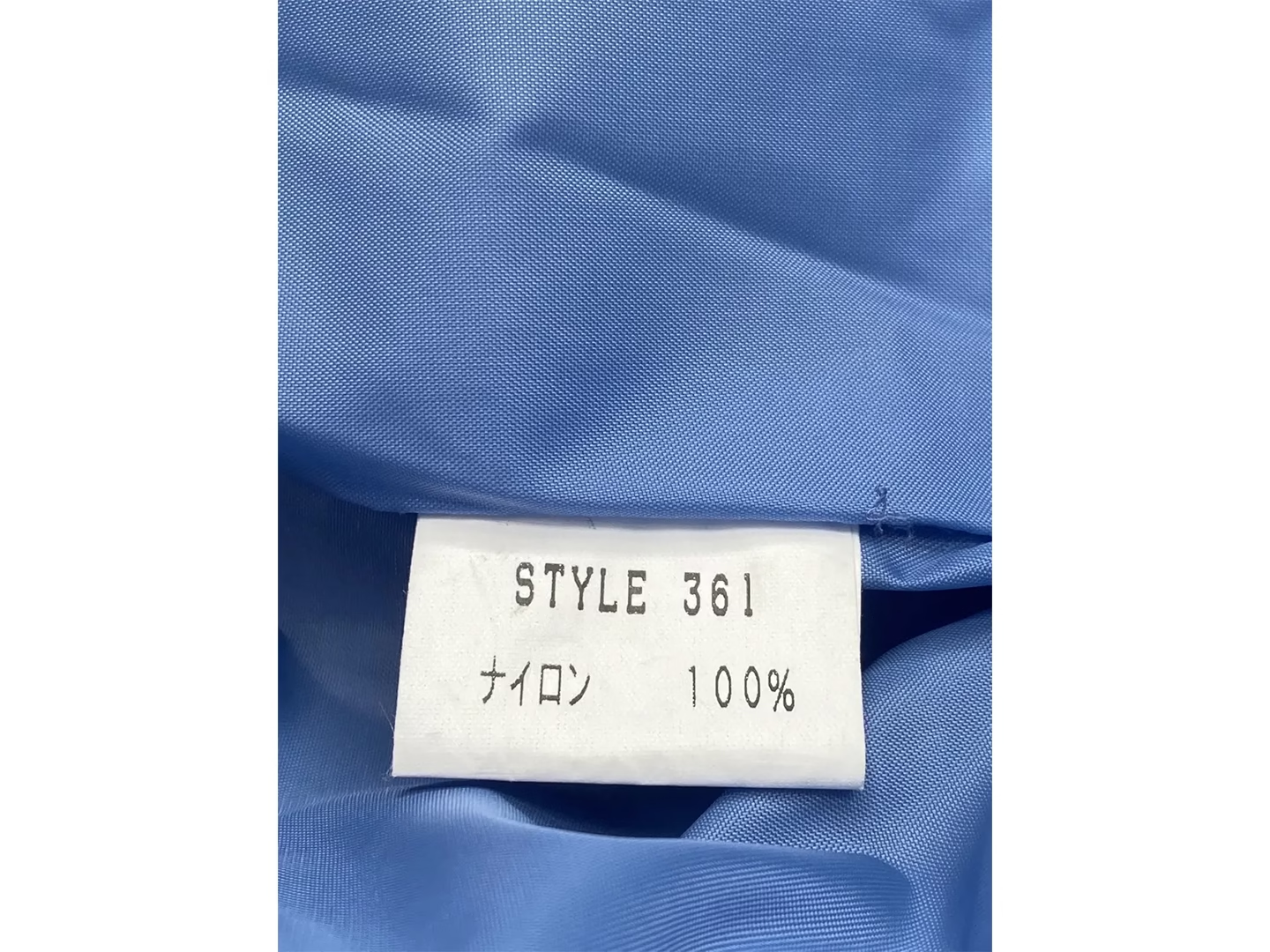
The blue Style 361 down jacket gives the Parasite idea a broad surface to occupy. Small flap pockets cover its padded body and sleeves, turning the familiar winter jacket into a grid of separate compartments. It appeared in SMART’s September 7, 1998 issue, photographed outdoors and listed at ¥98,000. In 2022, is-ness revisited the design under Kobayashi’s supervision, adding a hood. That later version is a redesign, with a different silhouette from the original.
2. Fishing Jacket (Style 427)
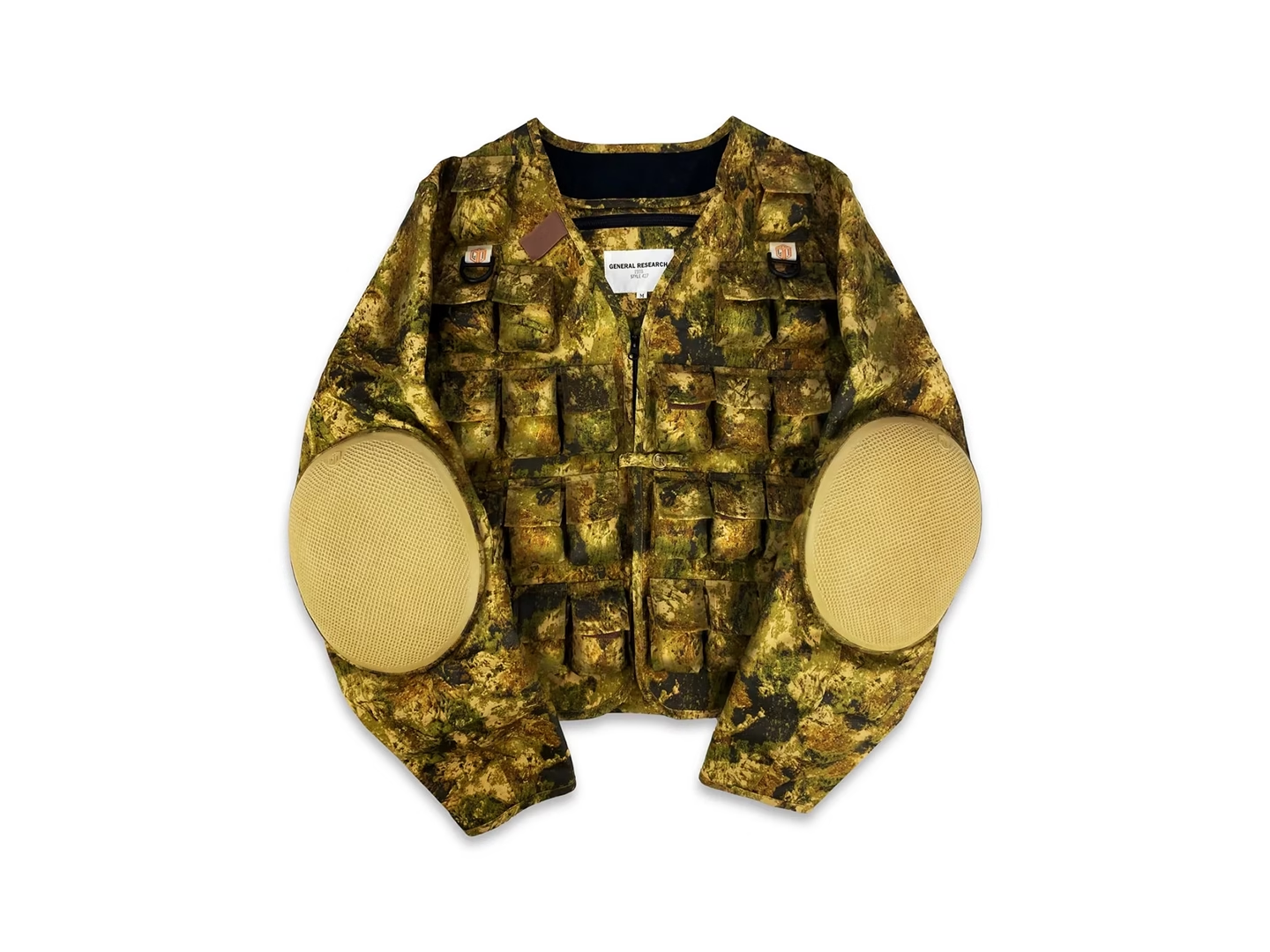
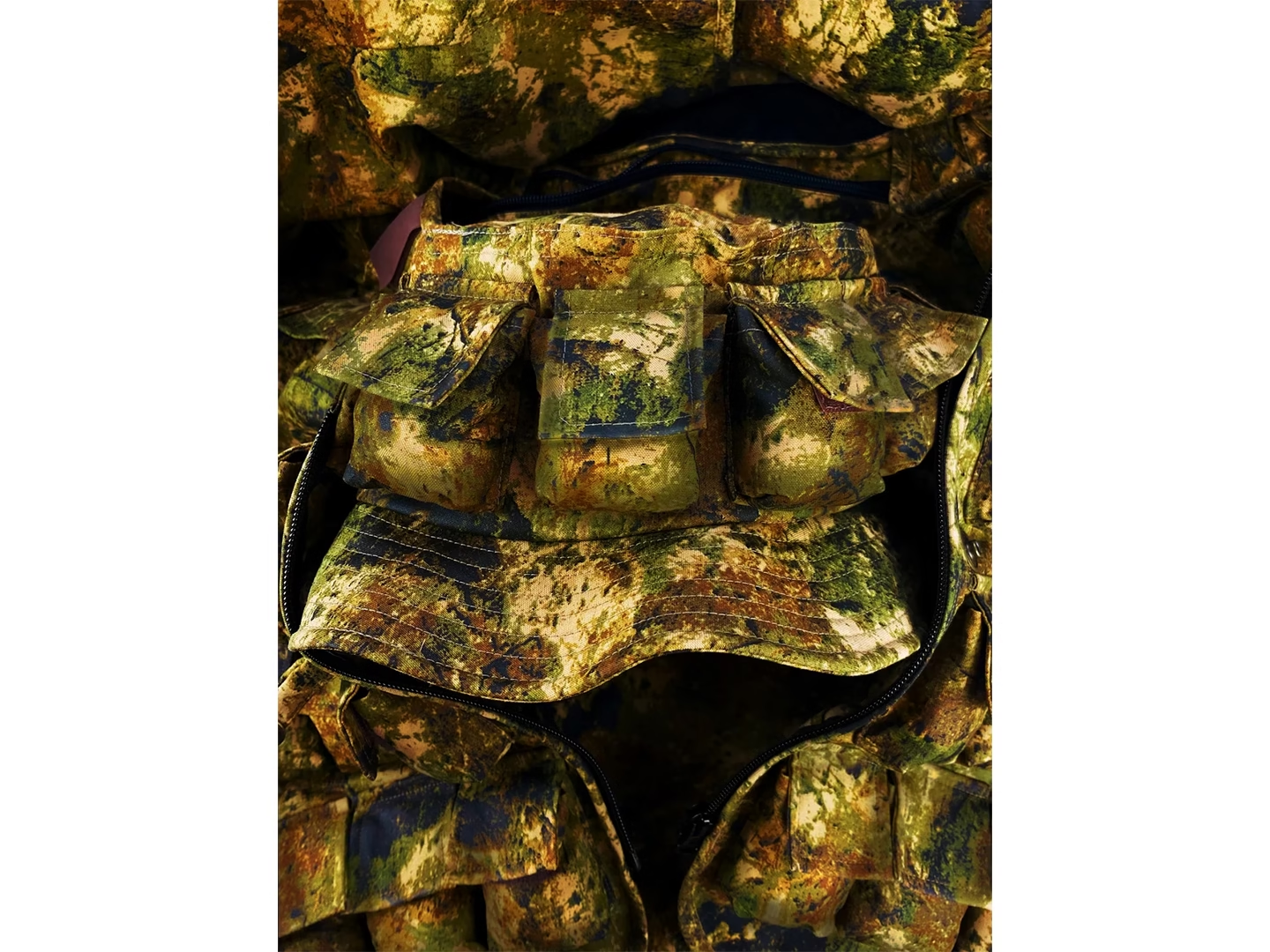
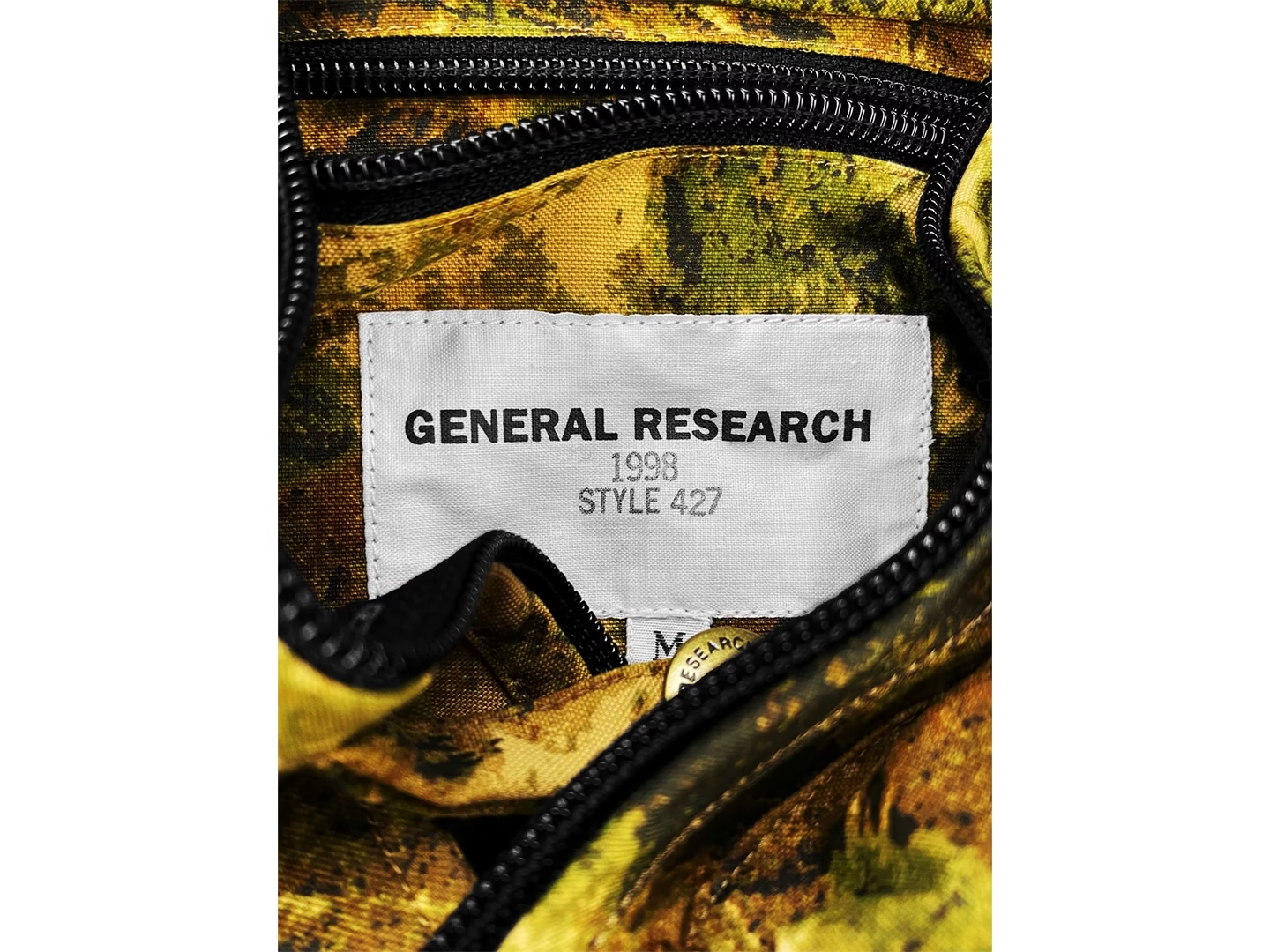
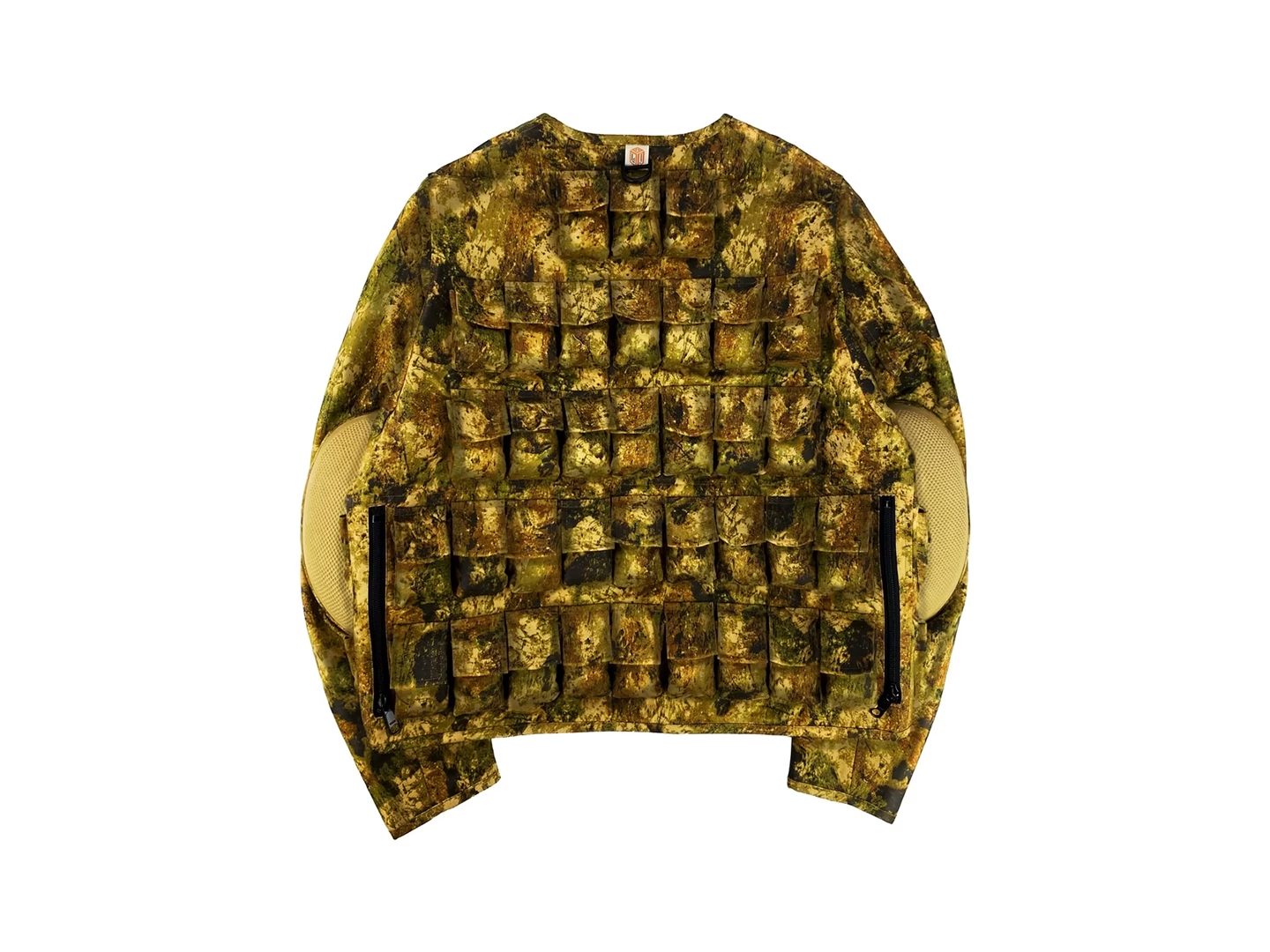
The camouflage jacket combines a short body with large, pale circular elbow patches. Across its front and back, rows of small pockets repeat the camouflage fabric, with their edges and flaps breaking up the printed surface. Although contemporary archive listings often call it a hunting jacket, SMART’s 1998 catalogue identifies it as a fishing jacket. The photographed label records Style 427. A matching pocket-covered hat extends the same treatment above the collar.
3. Striped Coveralls (Style 358)
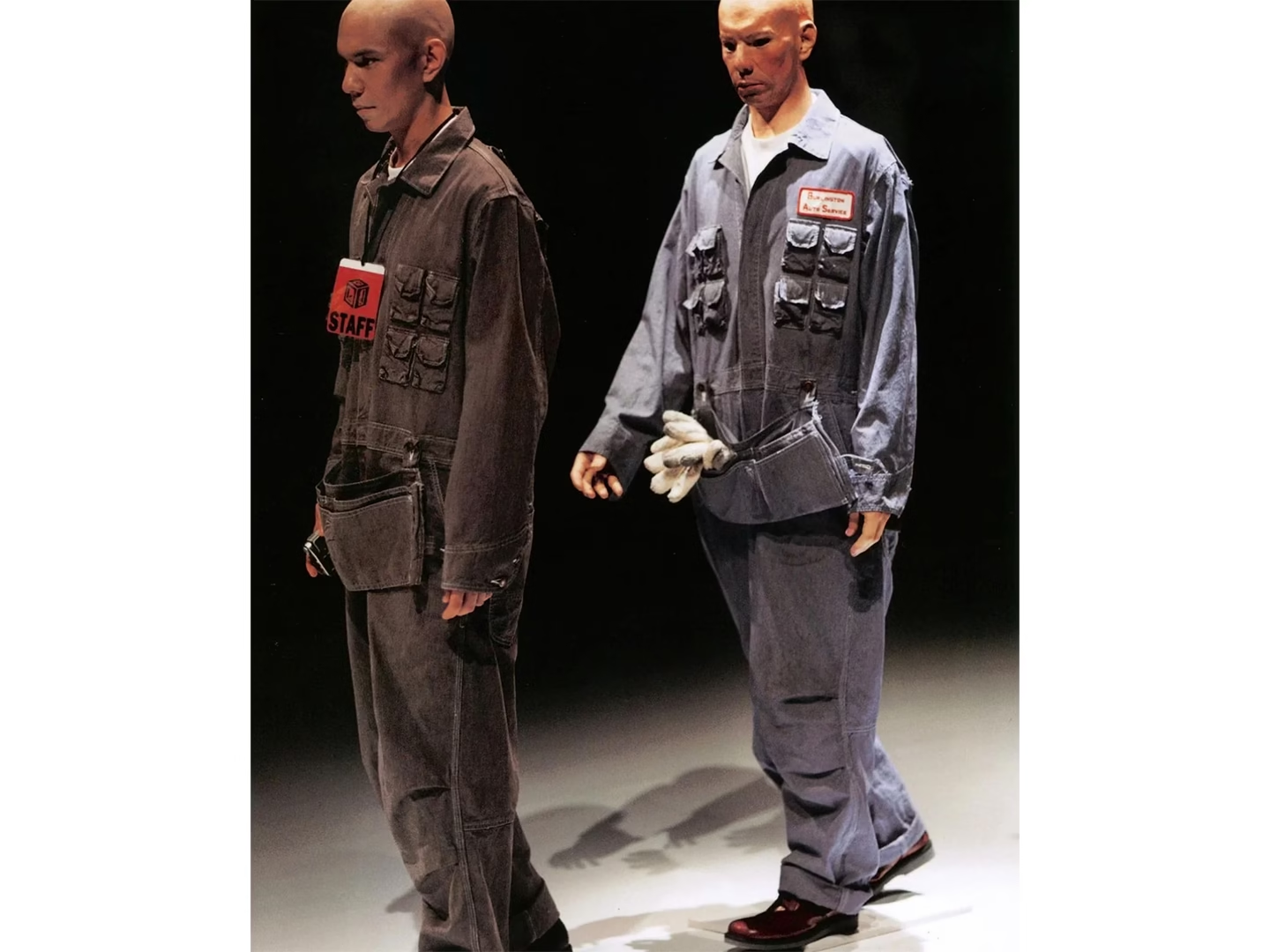
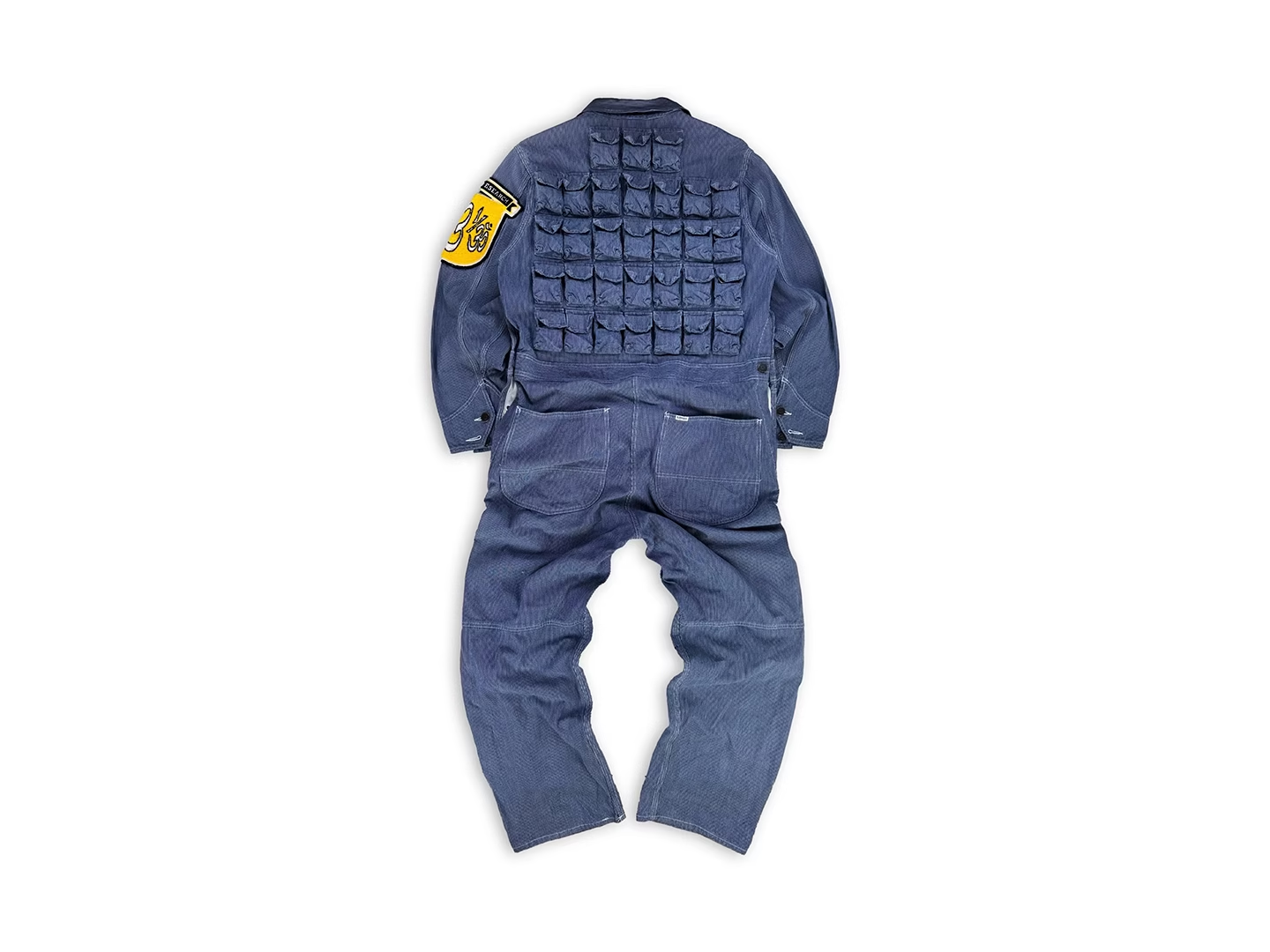
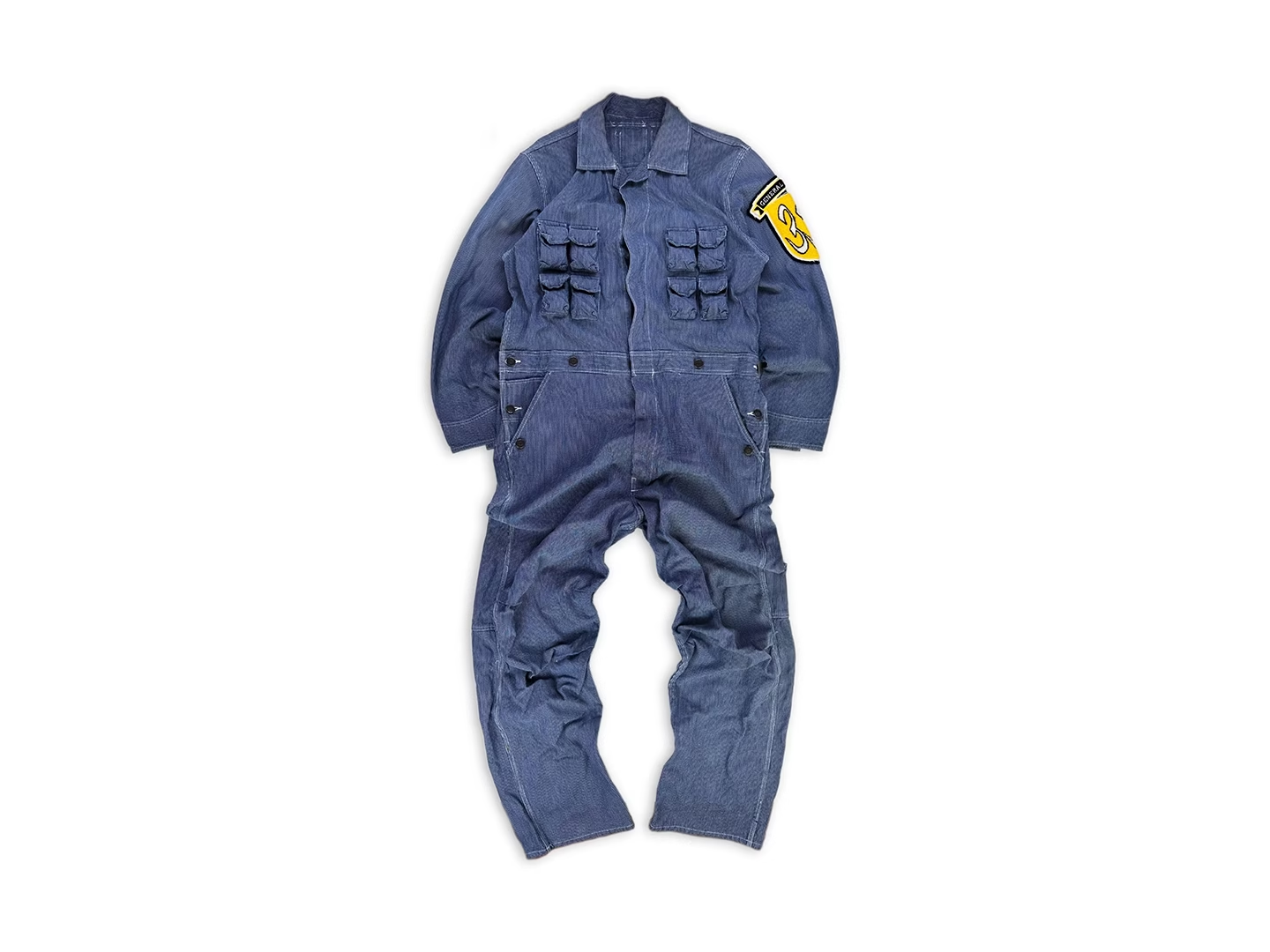
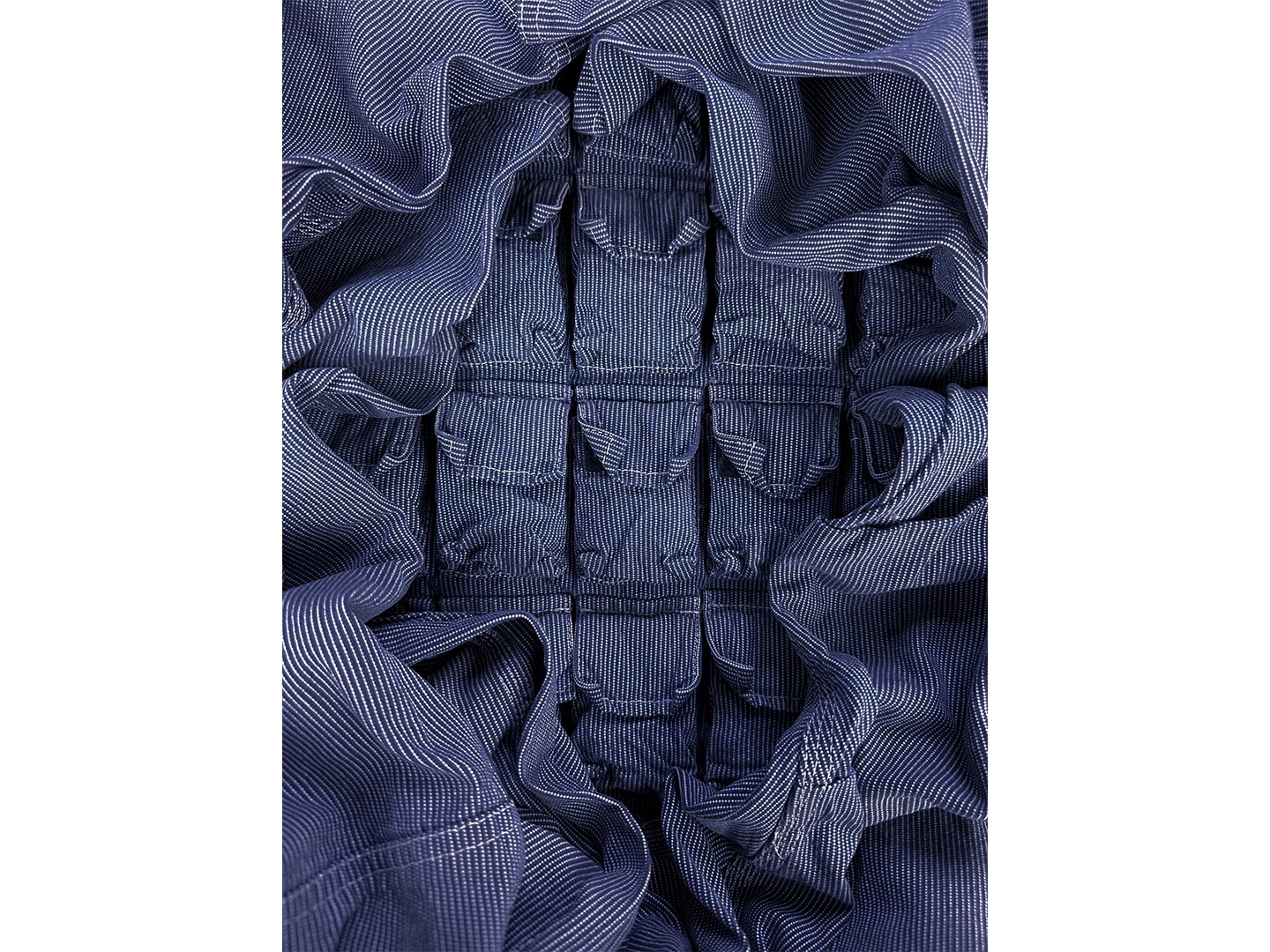
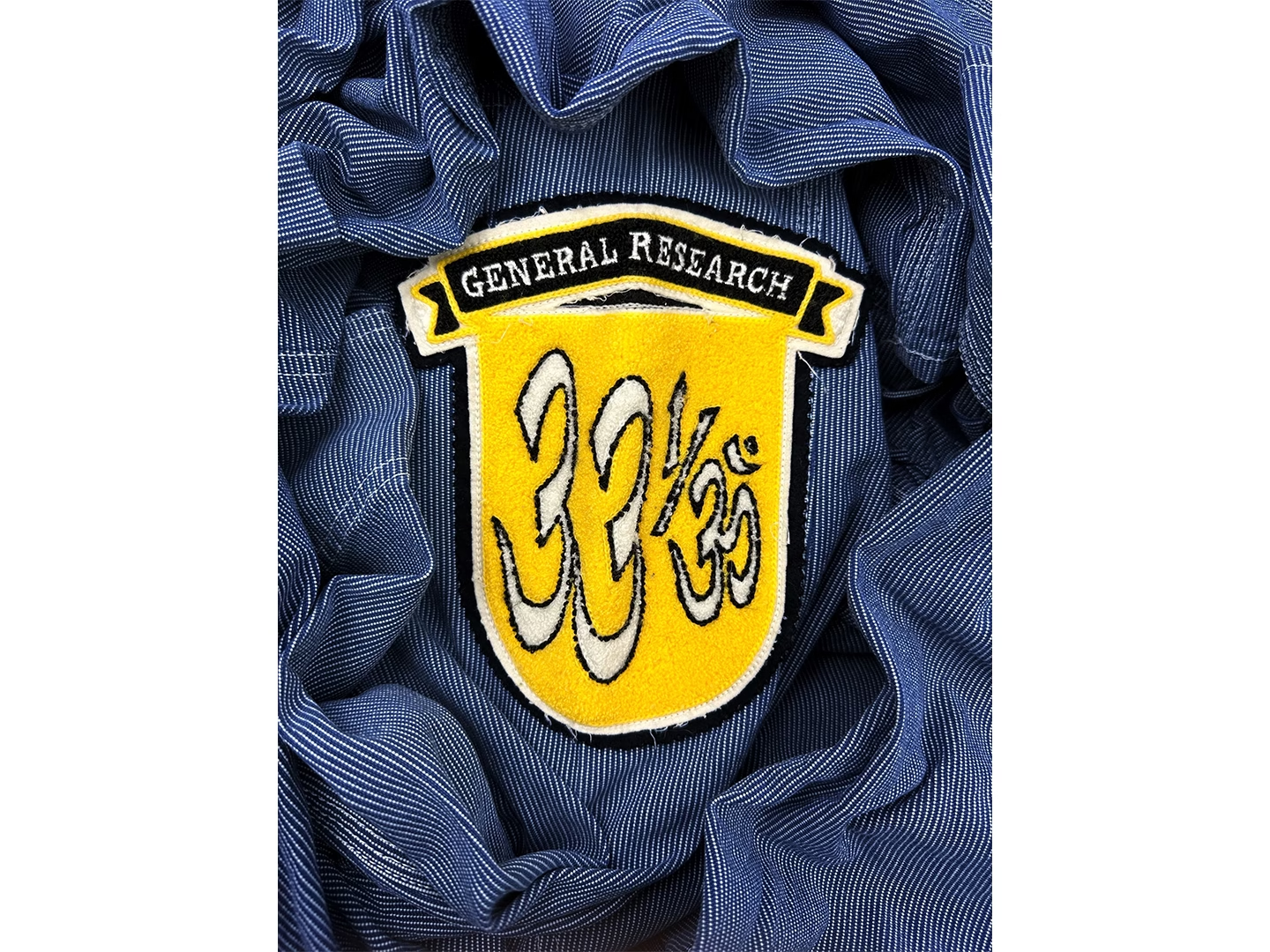
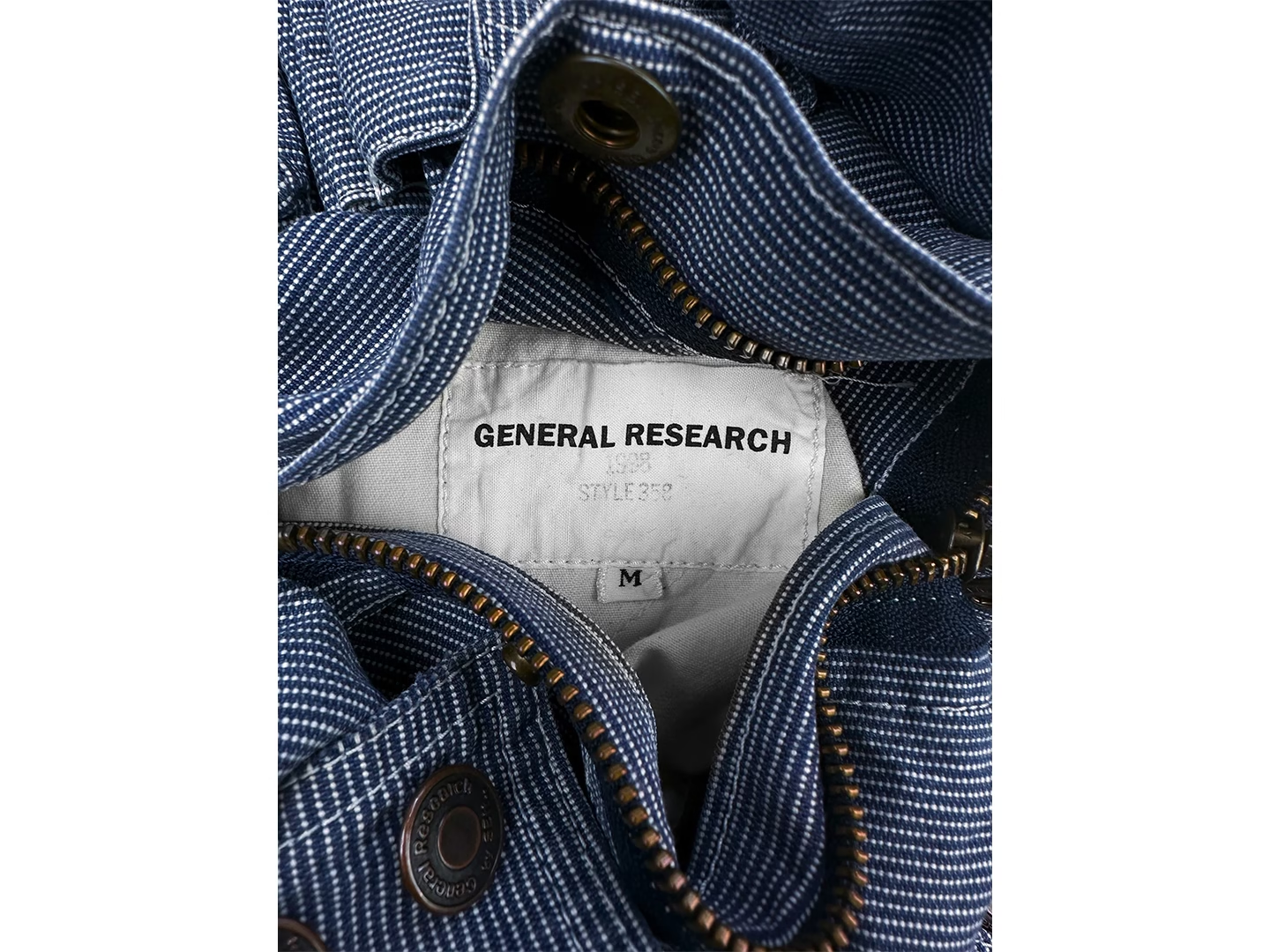
Hickory stripes give these coveralls a familiar workwear appearance. Small pockets sit in paired groups on the chest, while a much larger grid covers the back. Larger pockets remain at the waist, and a yellow General Research patch stands out on the sleeve. The arrangement creates two scales of storage on the same garment, with the miniature compartments interrupting its otherwise conventional construction. SMART photographed the striped all-in-one in its 1998 feature and listed it at ¥38,000.
4. Life Jacket (Style 354)
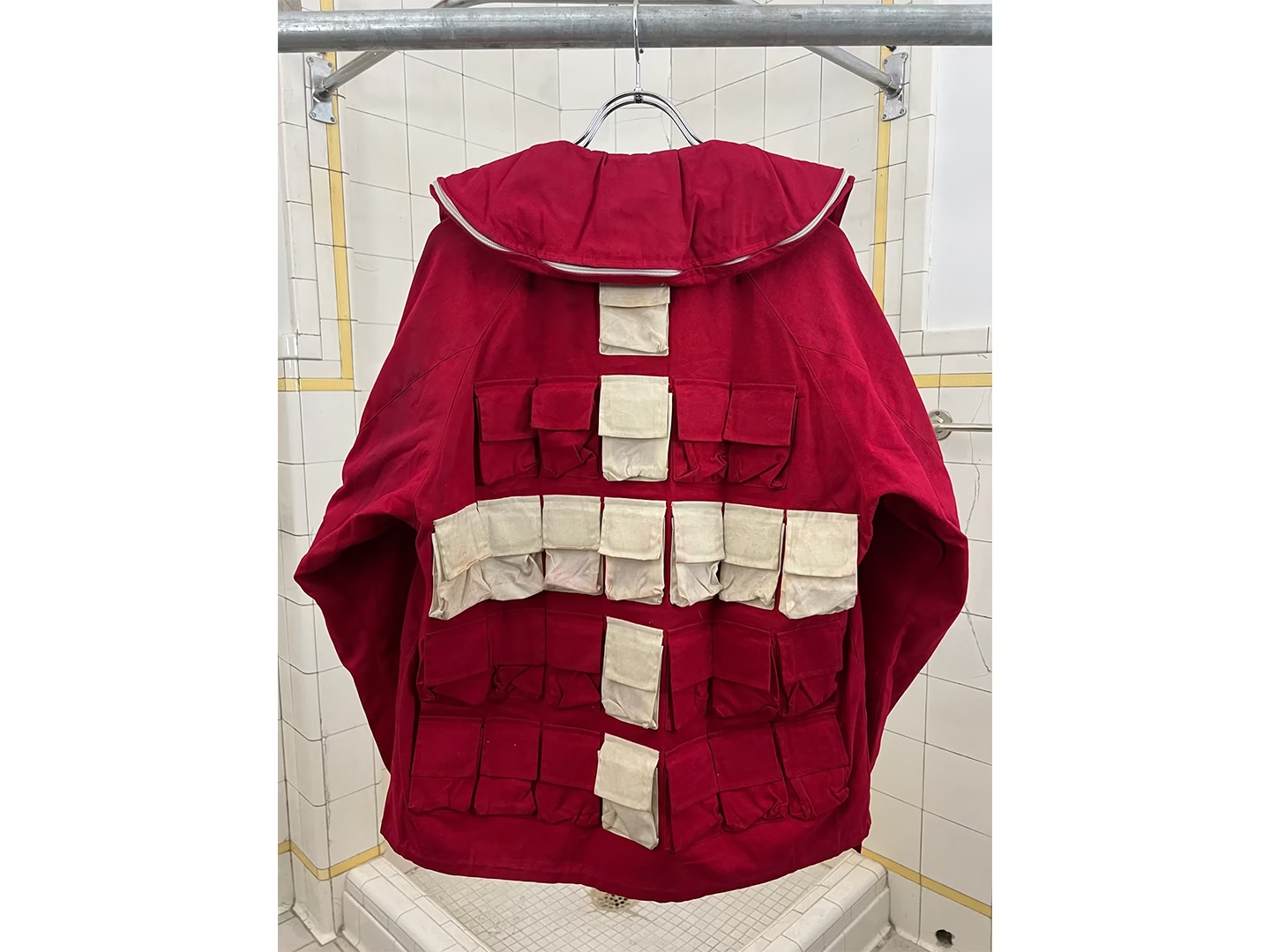
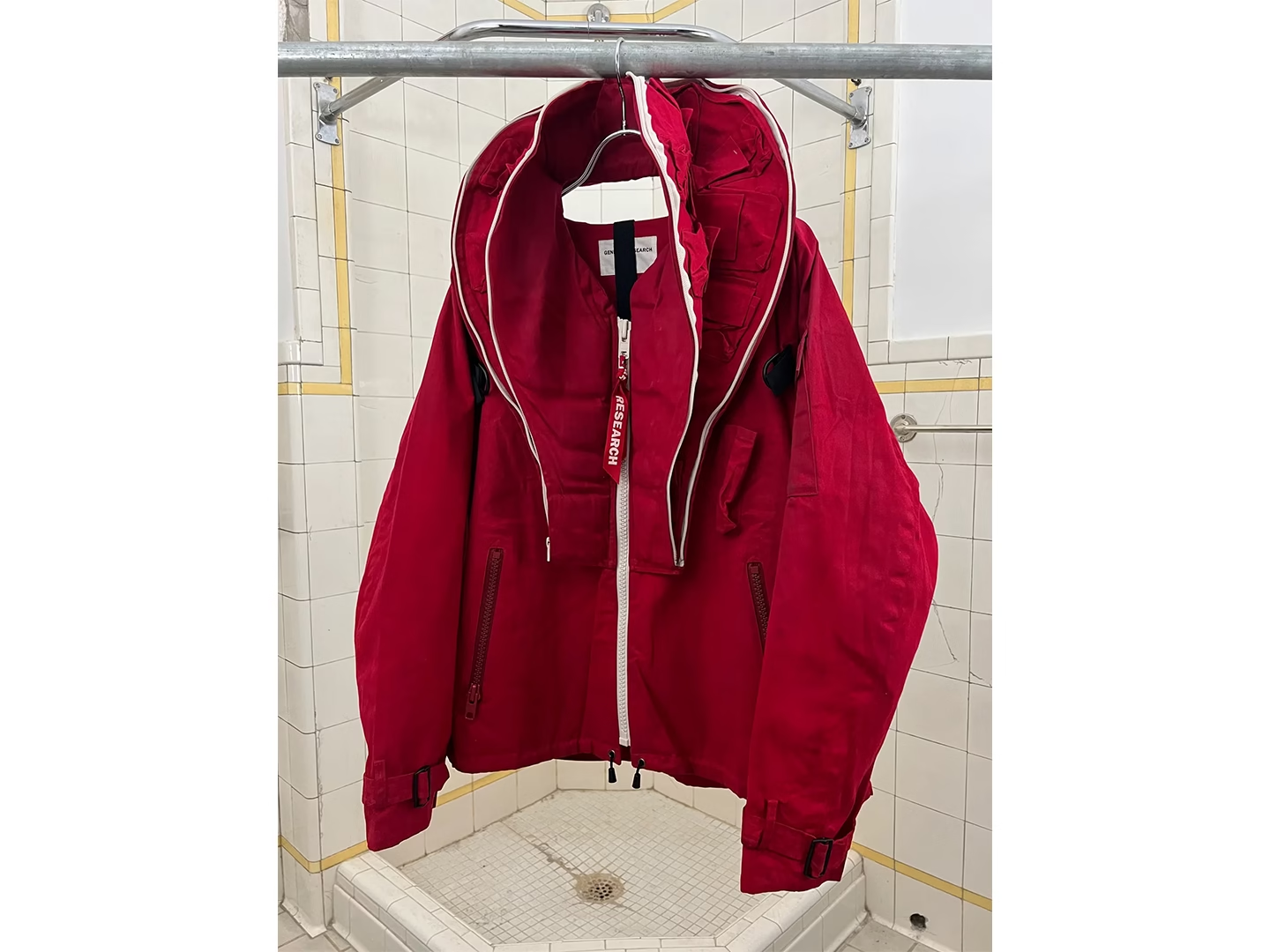
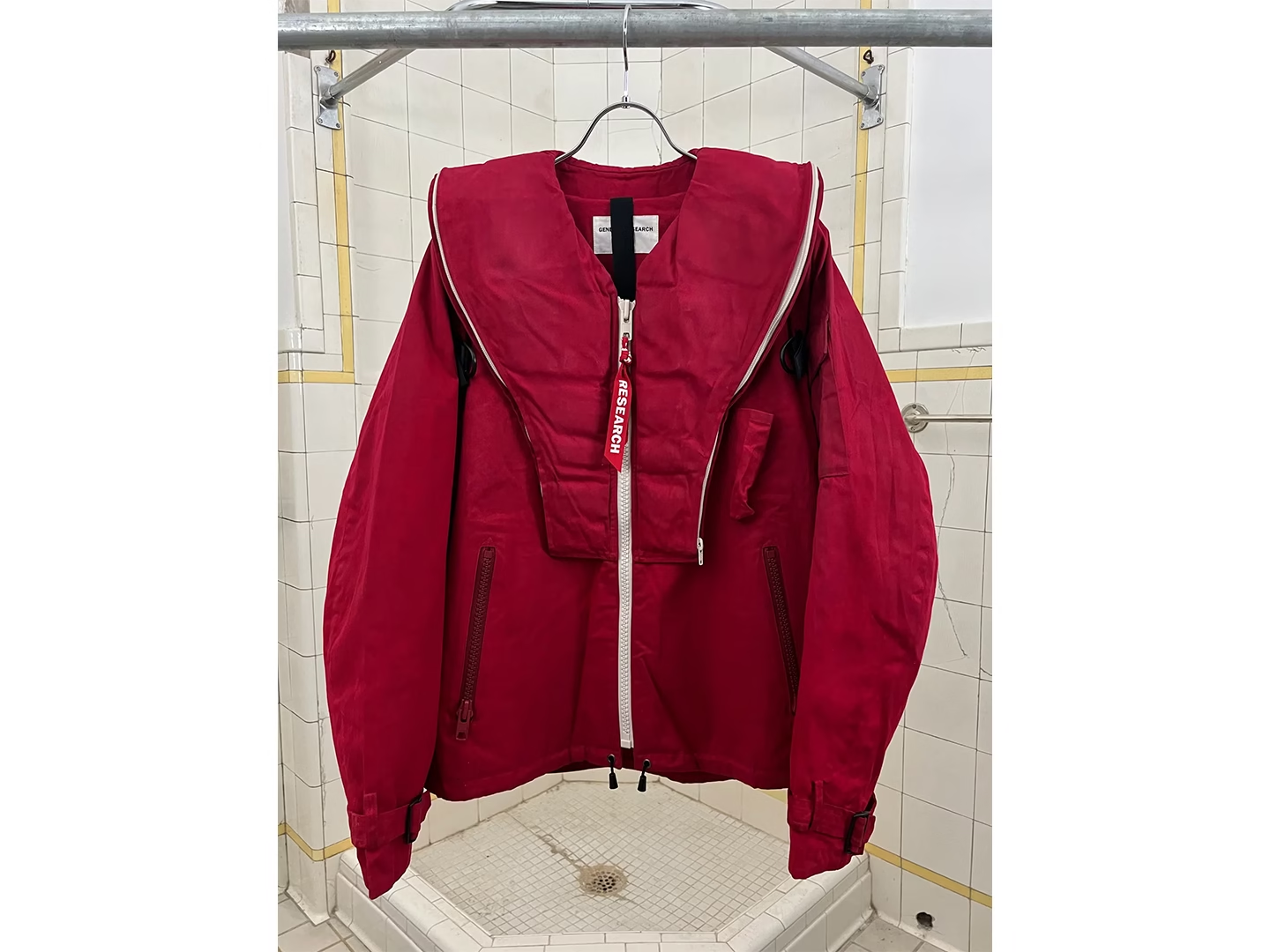
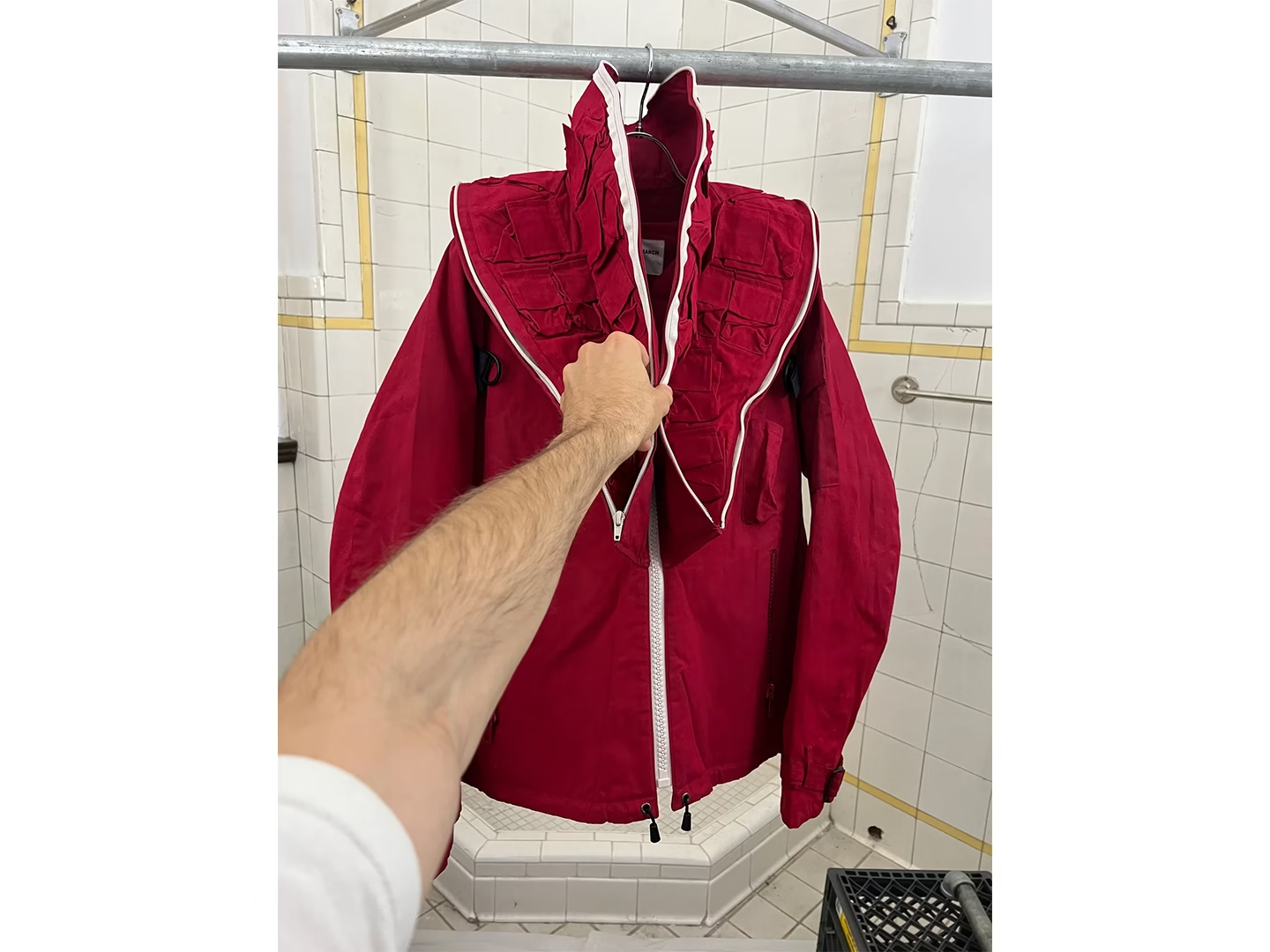
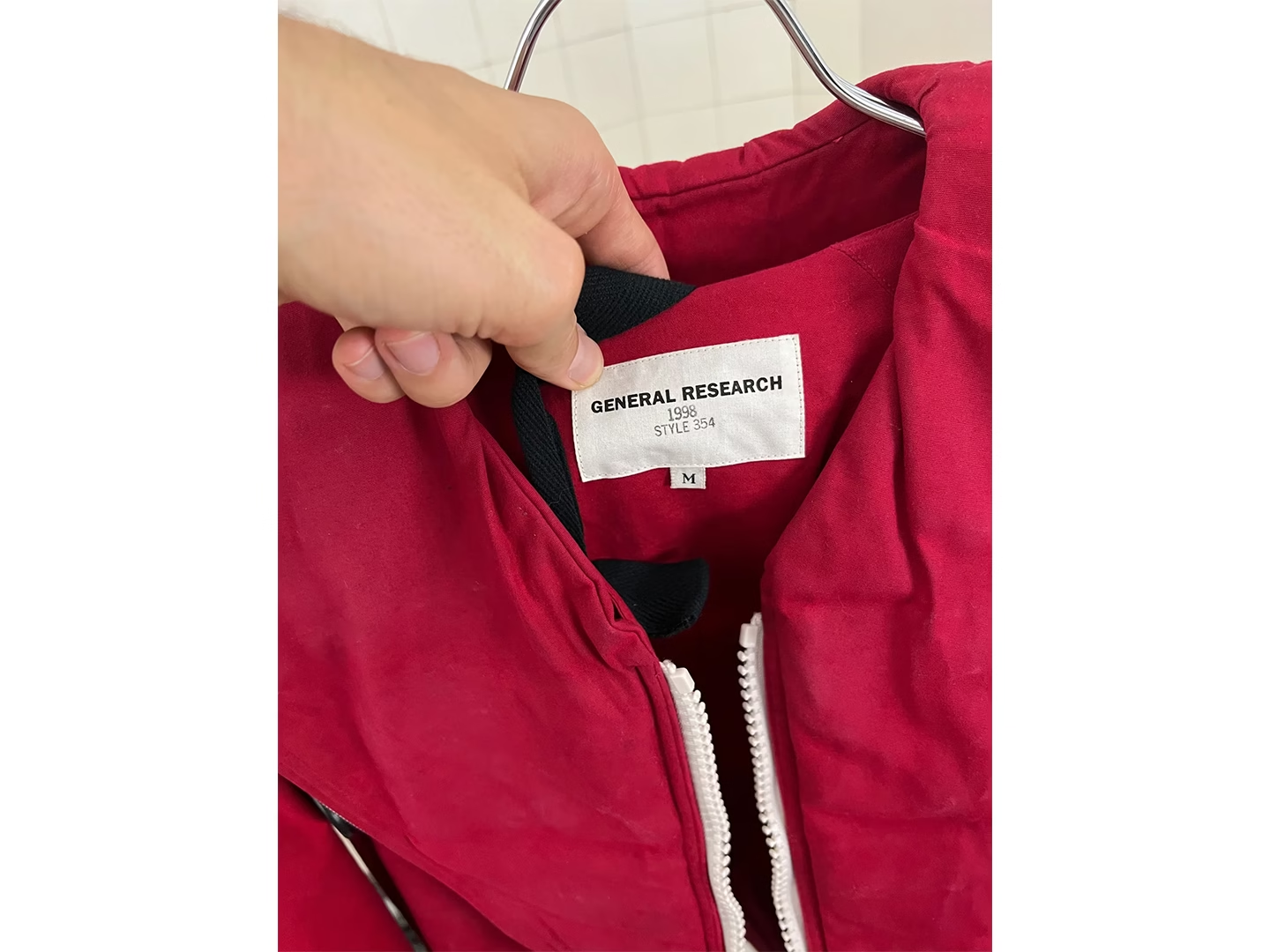
The red jacket, identified in archives as the Life Jacket, conceals part of its pocket arrangement inside an oversized collar. Opening the collar reveals rows of small compartments around the neck and upper chest. On the back, white pockets form a cross among the red ones, using the storage itself to create a graphic. Both the collar opening and the contrasting cross appear in the 1998 SMART catalogue. The surviving garment’s label identifies it as Style 354.
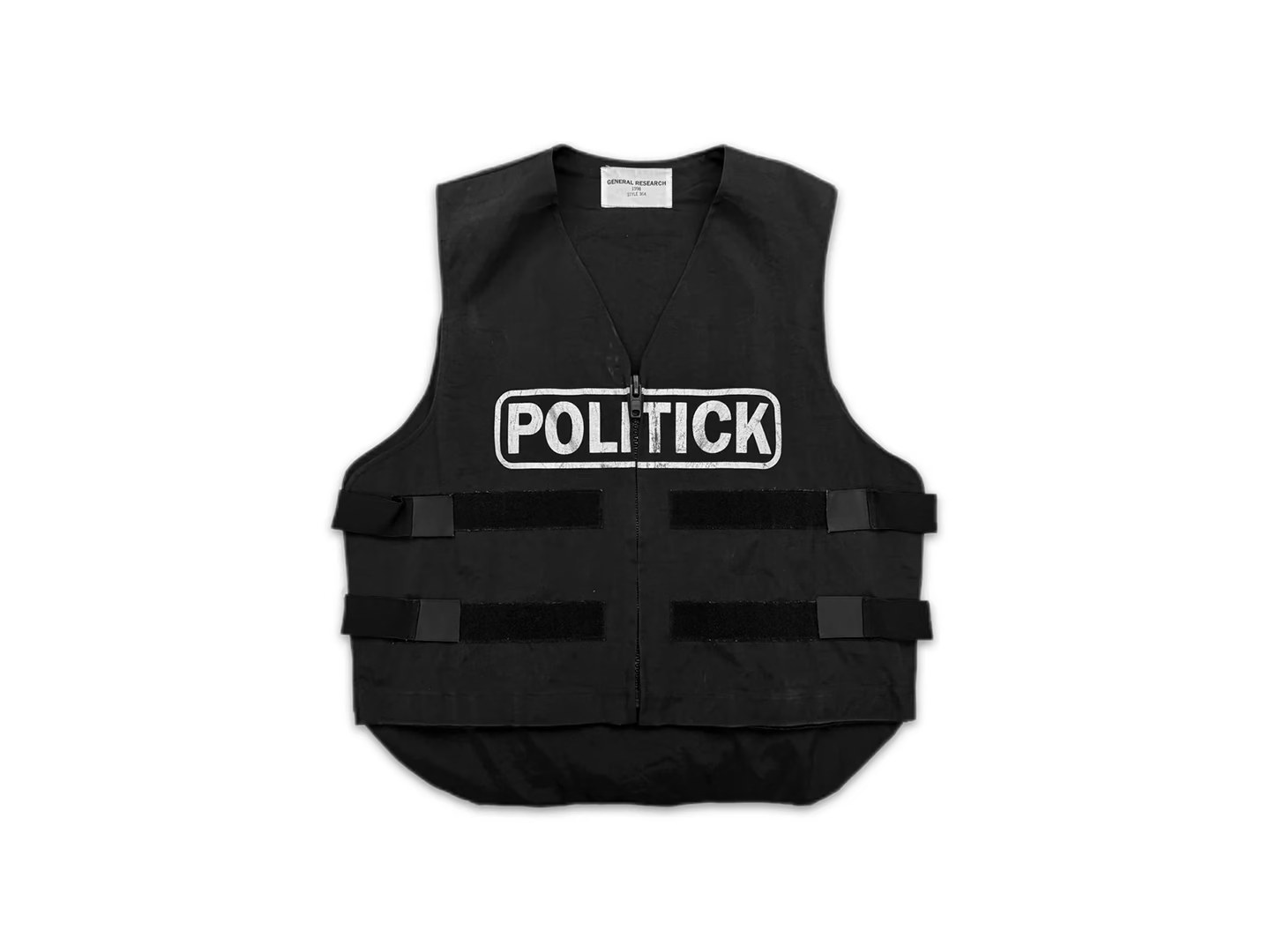
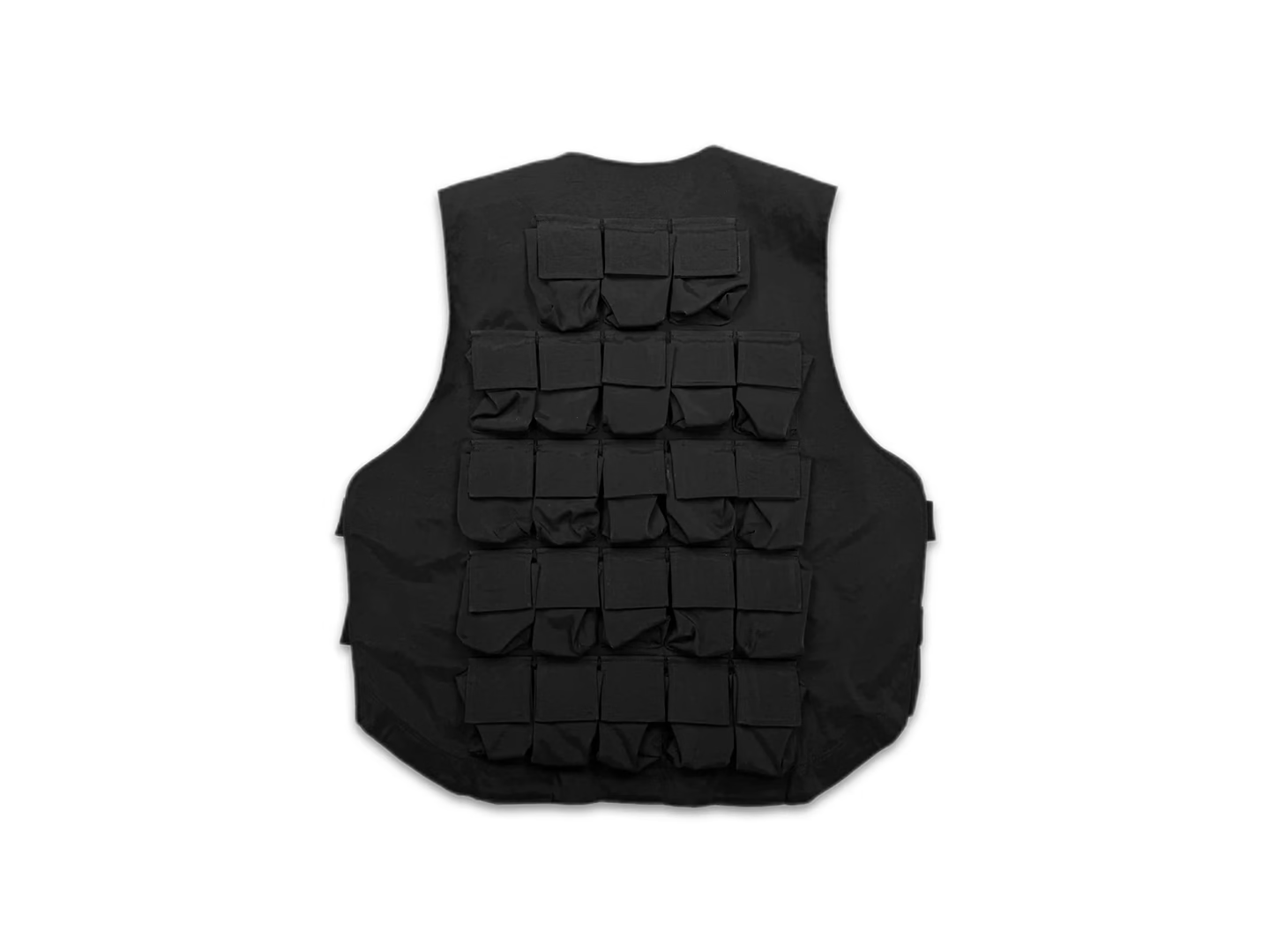
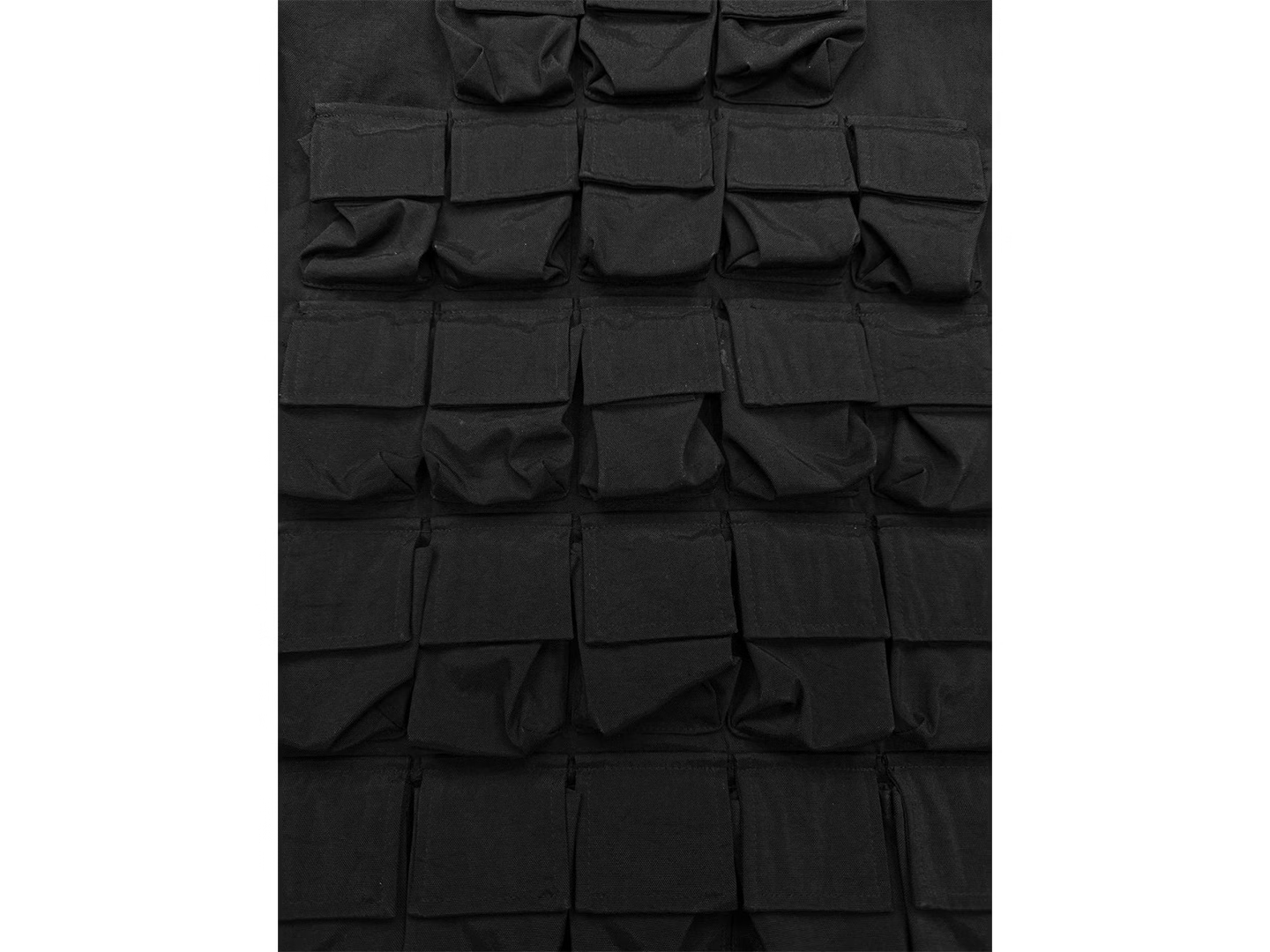
5. POLITICK Vest (Style 364)
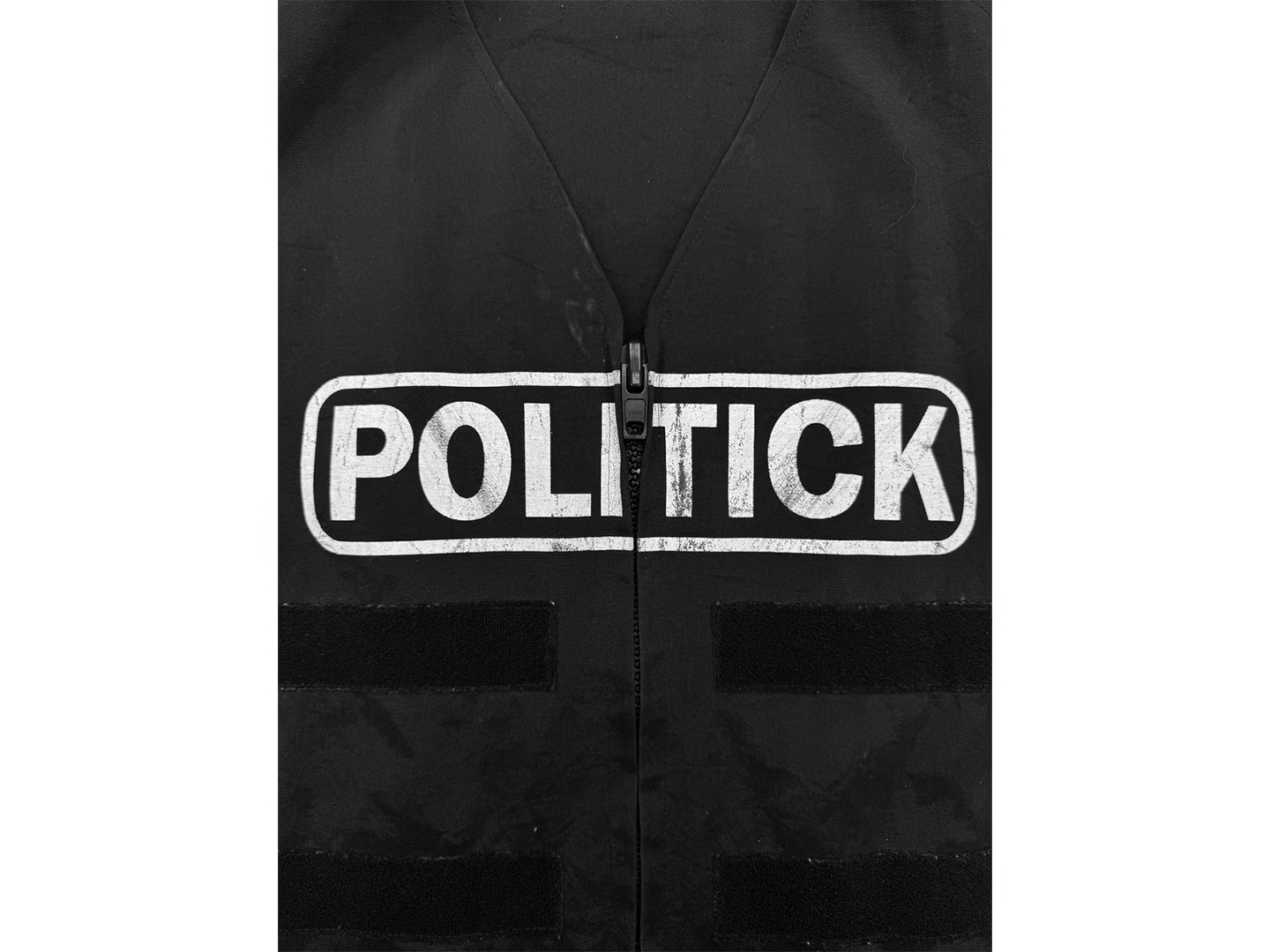
The black vest separates its main features between front and back. White POLITICK lettering crosses the zipped front, with horizontal straps beneath it. Turn the garment around and a dense grid of flap pockets occupies the back panel. Its broad shape and prominent lettering suggest a uniform, with the pocket grid visible only when the wearer turns away. The Parasite treatment changes the garment most dramatically on the side the wearer cannot see while wearing it.