Before the dots became a signature, Yayoi Kusama used repetition as a way to make the self disappear. She called the process self-obliteration: the individual is broken down and absorbed into a larger field of nets, dots, reflections or bodies. Across a career that continued until her death in Tokyo on August 14, 2026, the idea moved through painting, sculpture, installation, film and audience participation. Rather than remaining a single visual motif, self-obliteration became a method that changed with each medium.
1. The Net
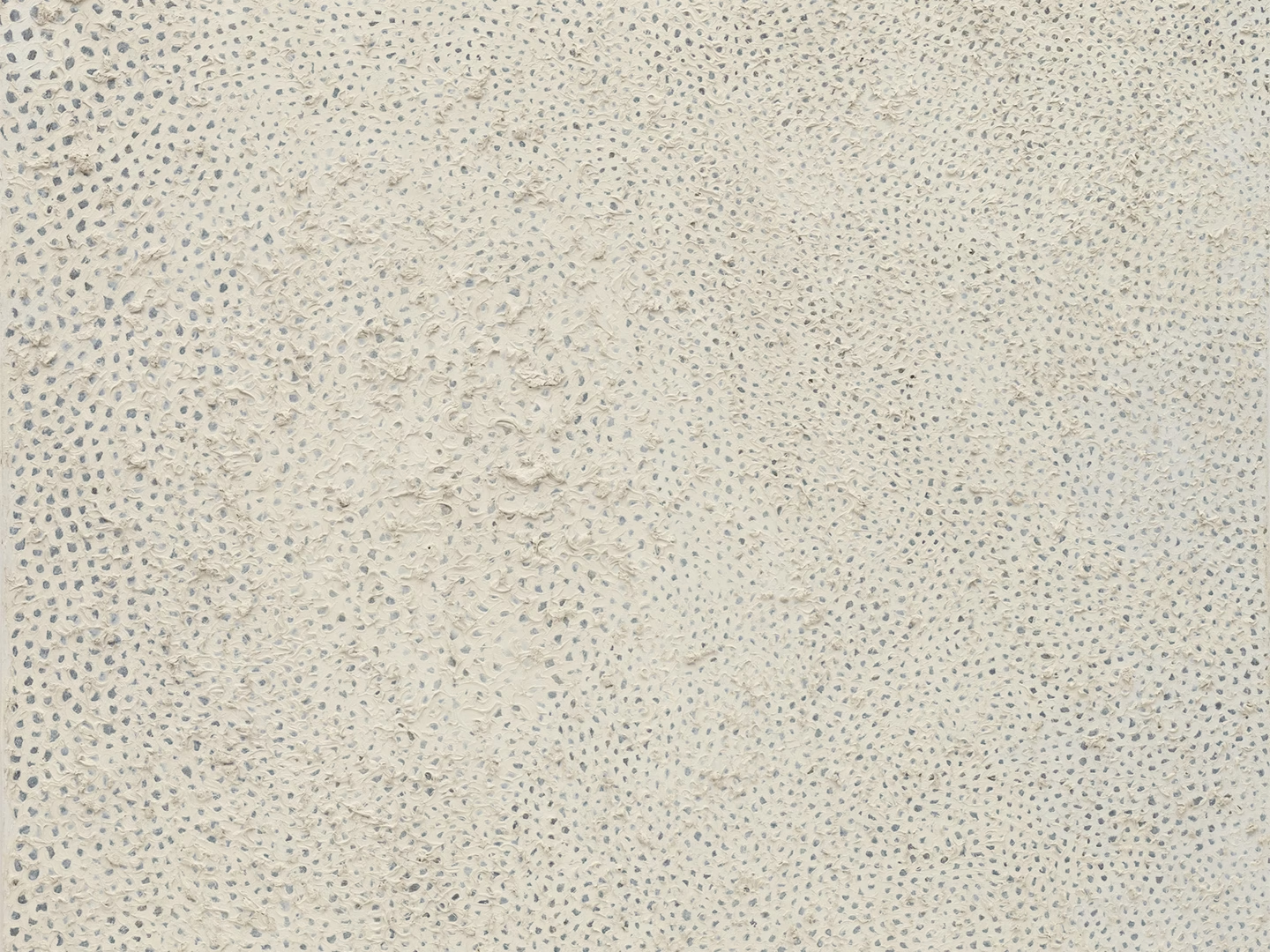
No. F, 1959
Soon after moving to New York in 1958, Kusama began covering large canvases with small looping brushstrokes. In No. F, a white net extends across a dark ground without producing a central image or clear division between figure and background. From a distance, the painting appears almost monochromatic; viewed closely, its surface is built from thick, individually painted arcs. Kusama described working for as many as fifty or sixty hours at a stretch, until the nets appeared to continue beyond the canvas. Together, the repeated loops form a field in which no single mark becomes the focus.
2. The Copy
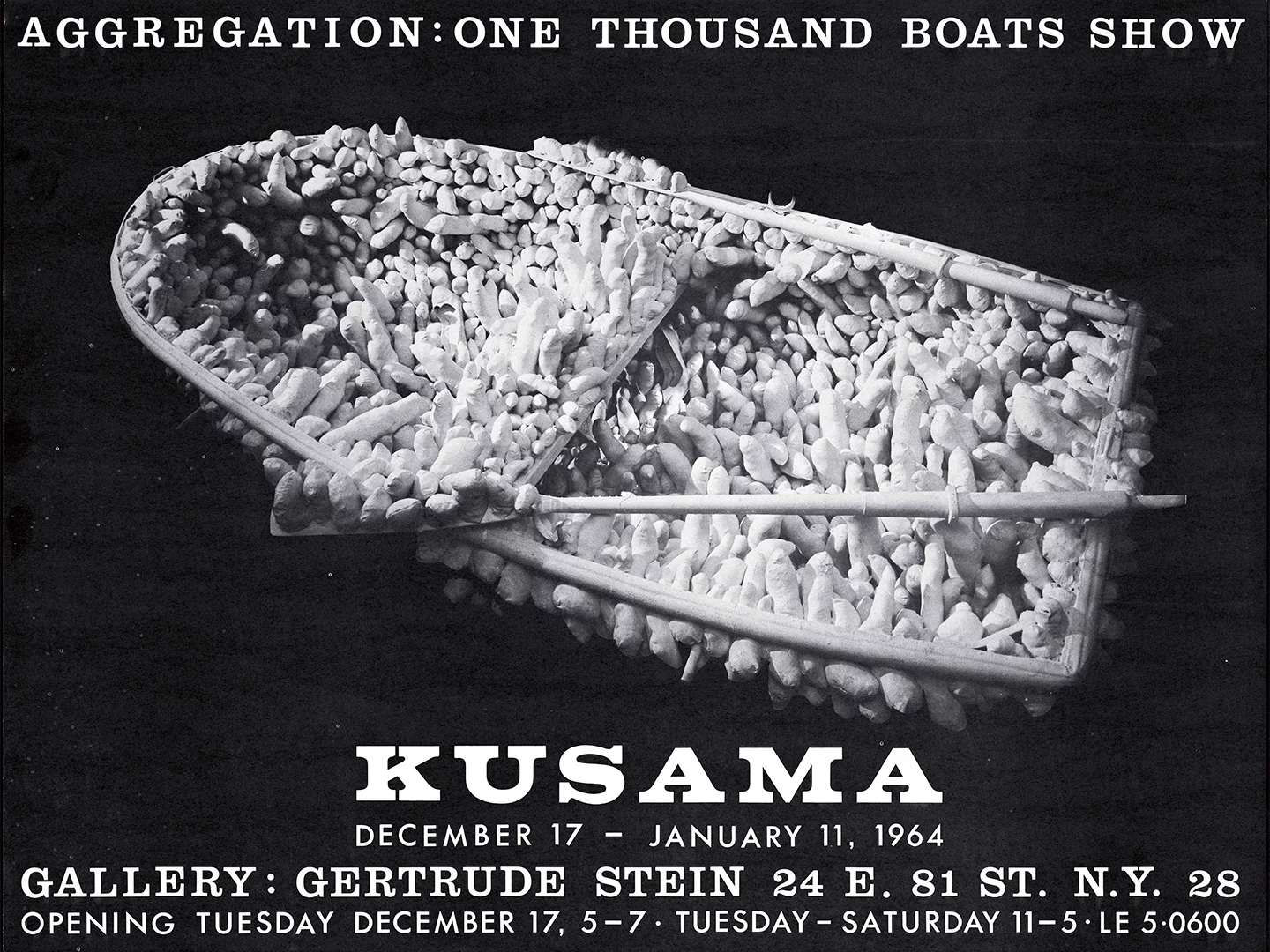
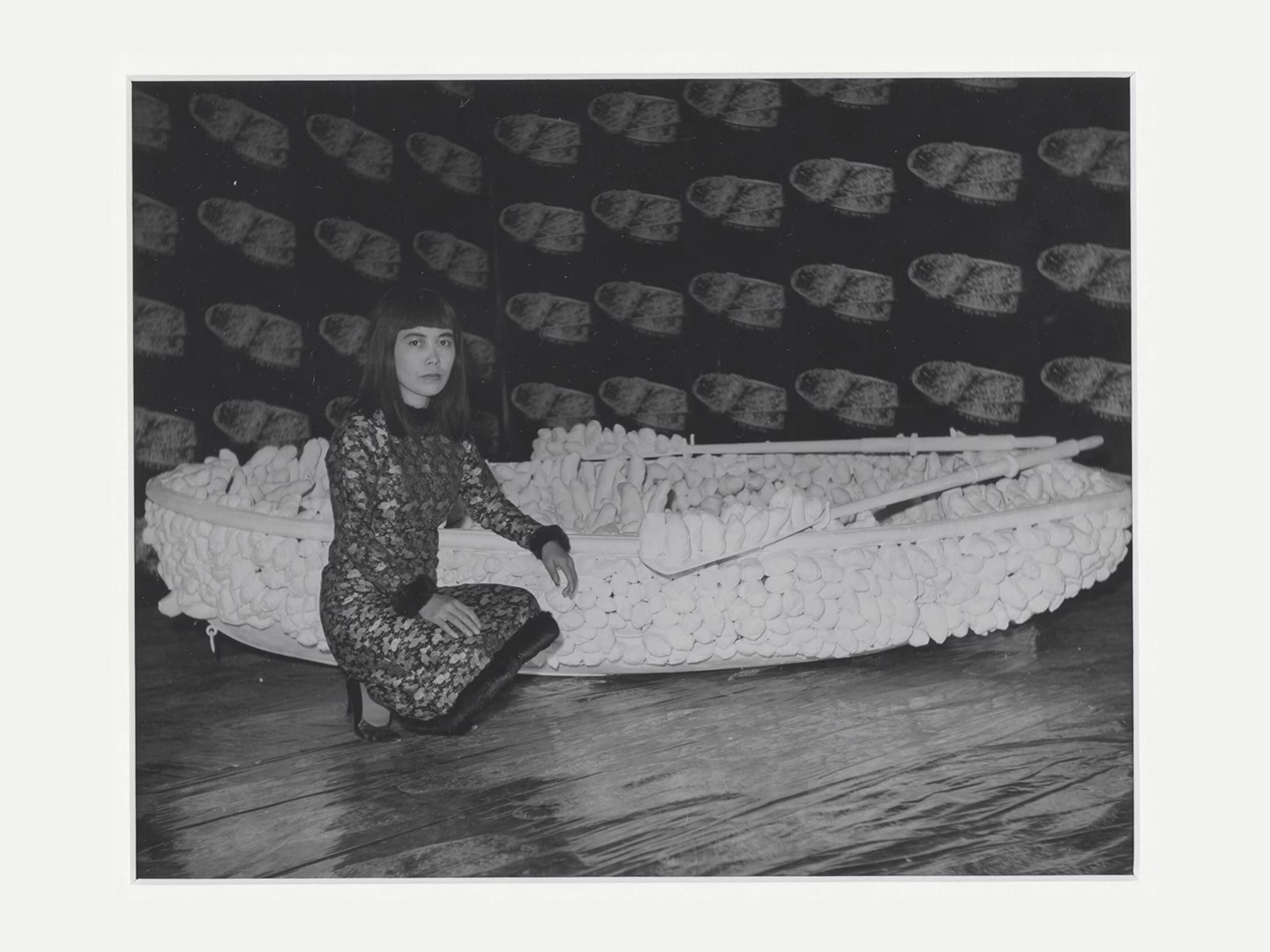
Aggregation: One Thousand Boats Show, 1963
Presented at Gertrude Stein Gallery in December 1963, Aggregation: One Thousand Boats Show placed a rowing boat covered with sewn fabric forms inside a room lined with 999 black-and-white reproductions of the same object. Two women’s shoes rested inside the boat, while its repeated image covered the walls, floor and ceiling. The work extended Kusama’s accumulations from an individual sculpture into a complete environment, using mechanical reproduction in place of repeated handwork. After being shown at Amsterdam’s Stedelijk Museum in 1965, the installation entered the museum’s collection.
3. The Public Body
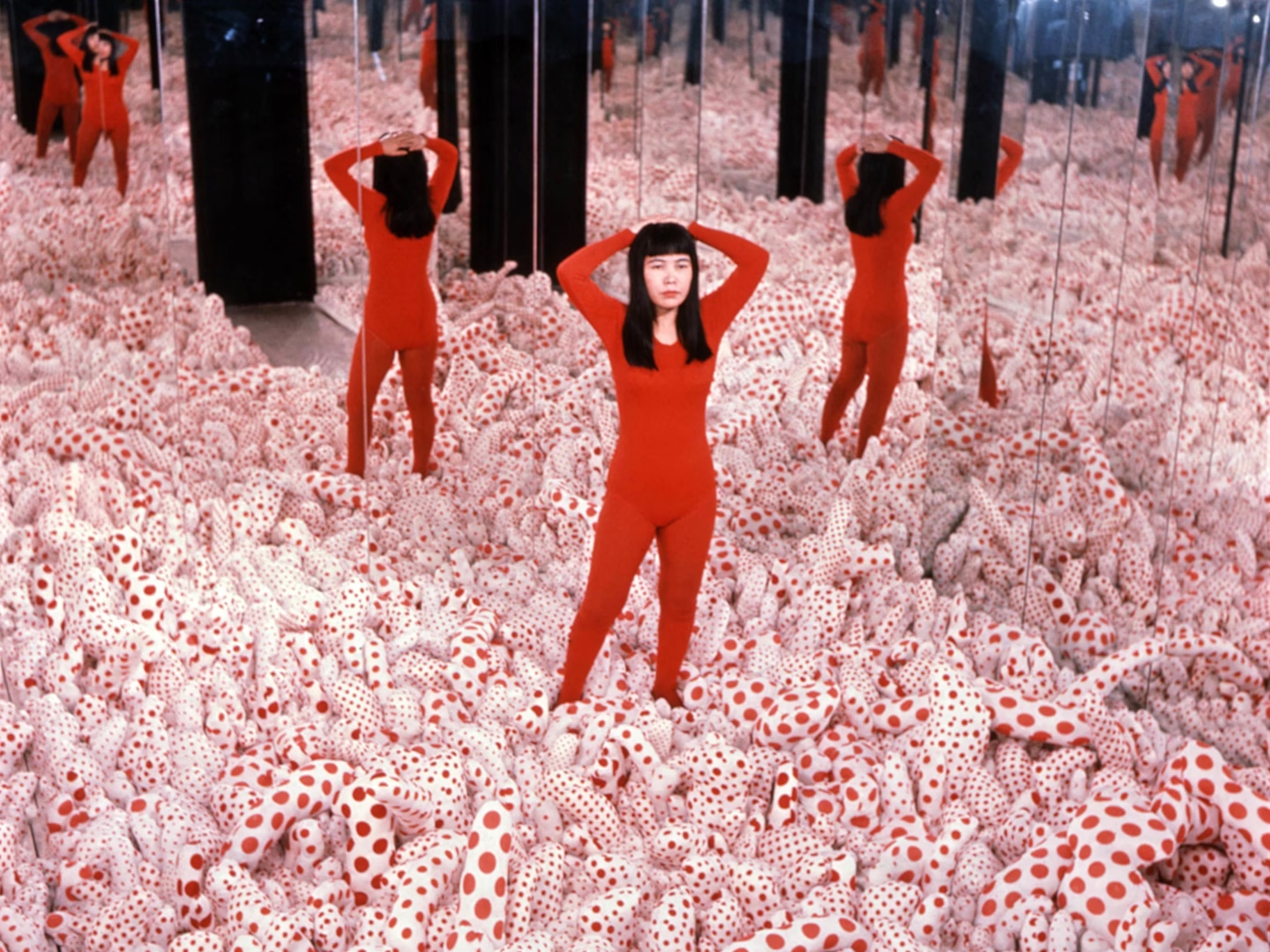
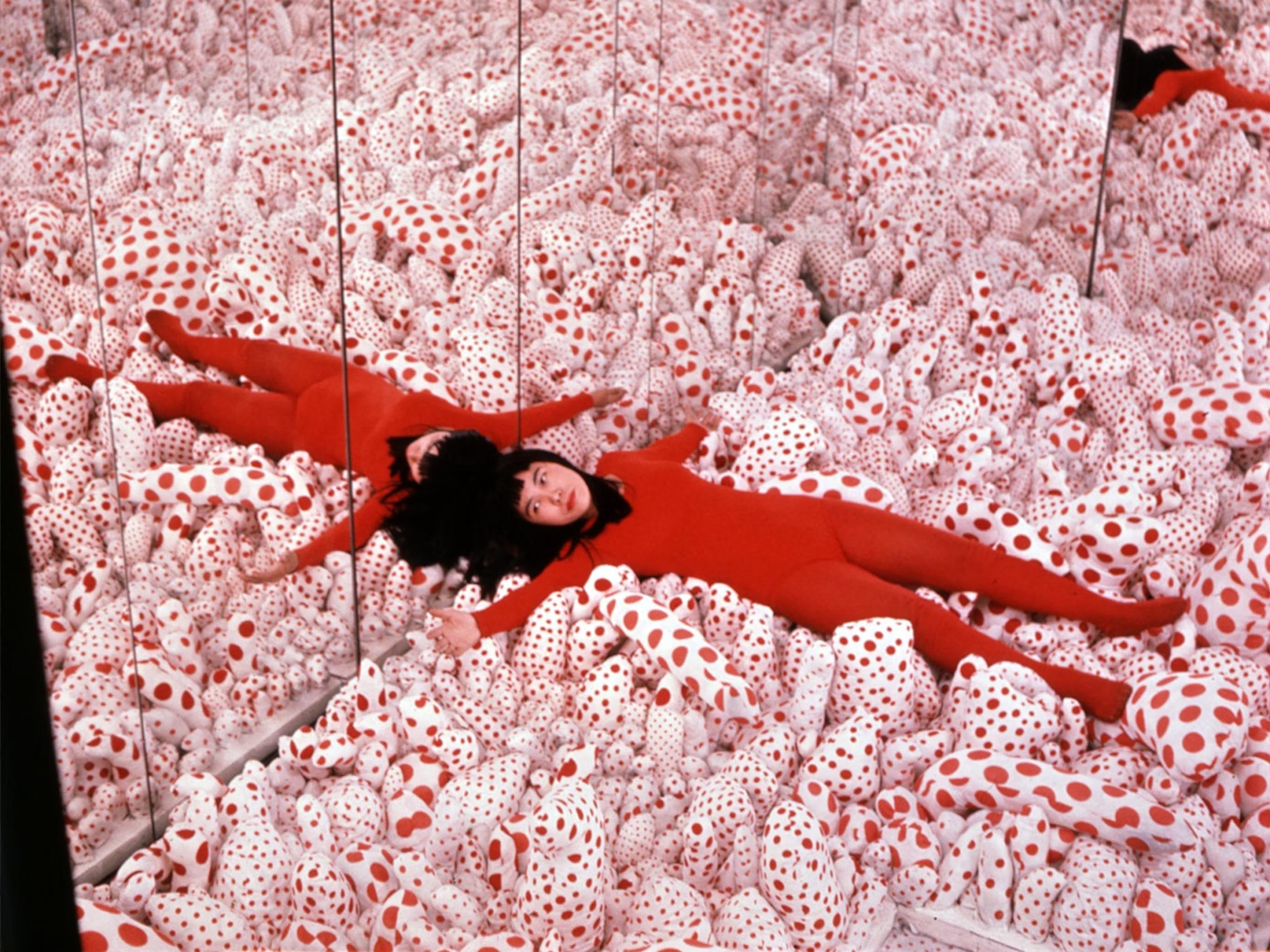
Infinity Mirror Room: Phalli’s Field, 1965
After spending several years sewing large quantities of stuffed fabric forms, Kusama introduced mirrors in Infinity Mirror Room: Phalli’s Field. First shown at Castellane Gallery in 1965, the installation multiplied a limited number of red-dotted forms into an apparently endless field that also reflected its visitors. Plans produced with architect Alan Buchsbaum show that the original room was an asymmetrical octagon rather than a square, with clipped corners creating additional reflective angles. A designated path connected separate entrance and exit points. Through the room’s structure, repetition became optical rather than entirely handmade.
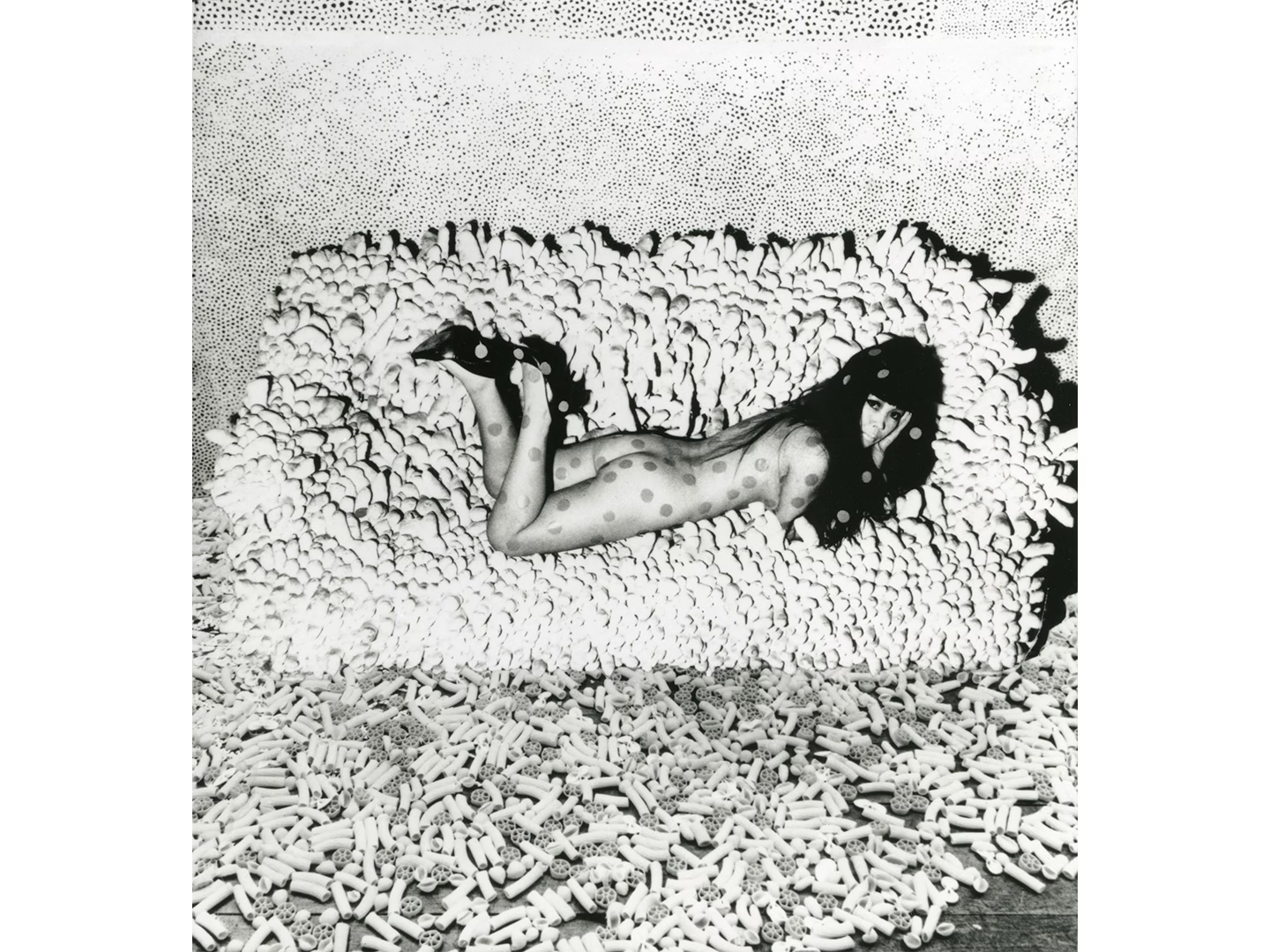
4. The Public Body
Kusama’s Self-Obliteration, 1967
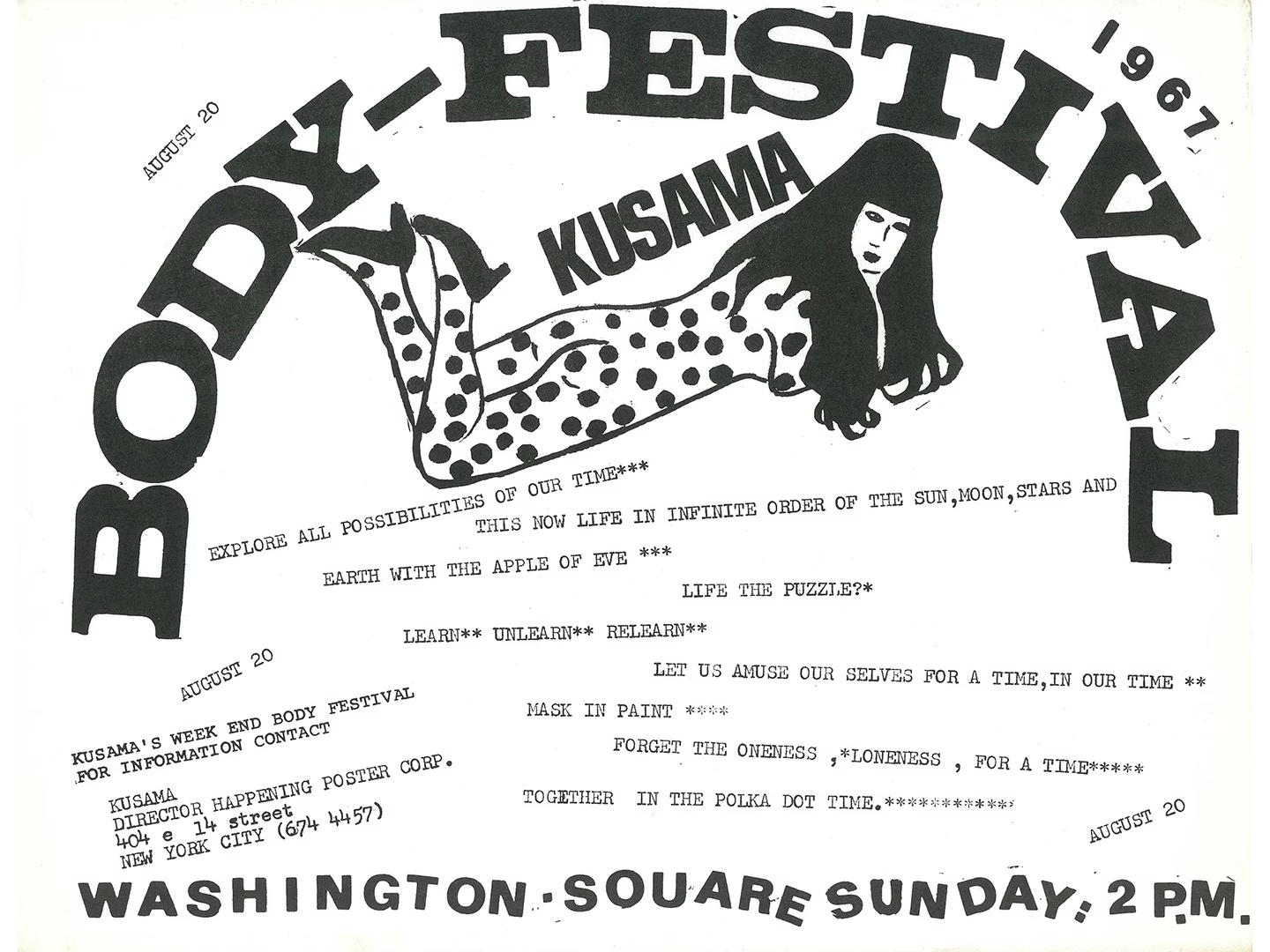
Created with filmmaker Jud Yalkut, Kusama’s Self-Obliteration combines scenes of body painting, natural landscapes, mirrored rooms and public performance. Kusama applies dots to a horse, performers and their surroundings, while superimposed footage merges bodies with different environments. The film developed alongside roughly seventy-five happenings organized between 1967 and 1969 at locations including Central Park, Washington Square Park and the Brooklyn Bridge. Kusama documented these temporary events through film, photography, flyers and press releases, allowing them to circulate beyond their original locations.
5. The Delegated Room
The Obliteration Room, 2002–present
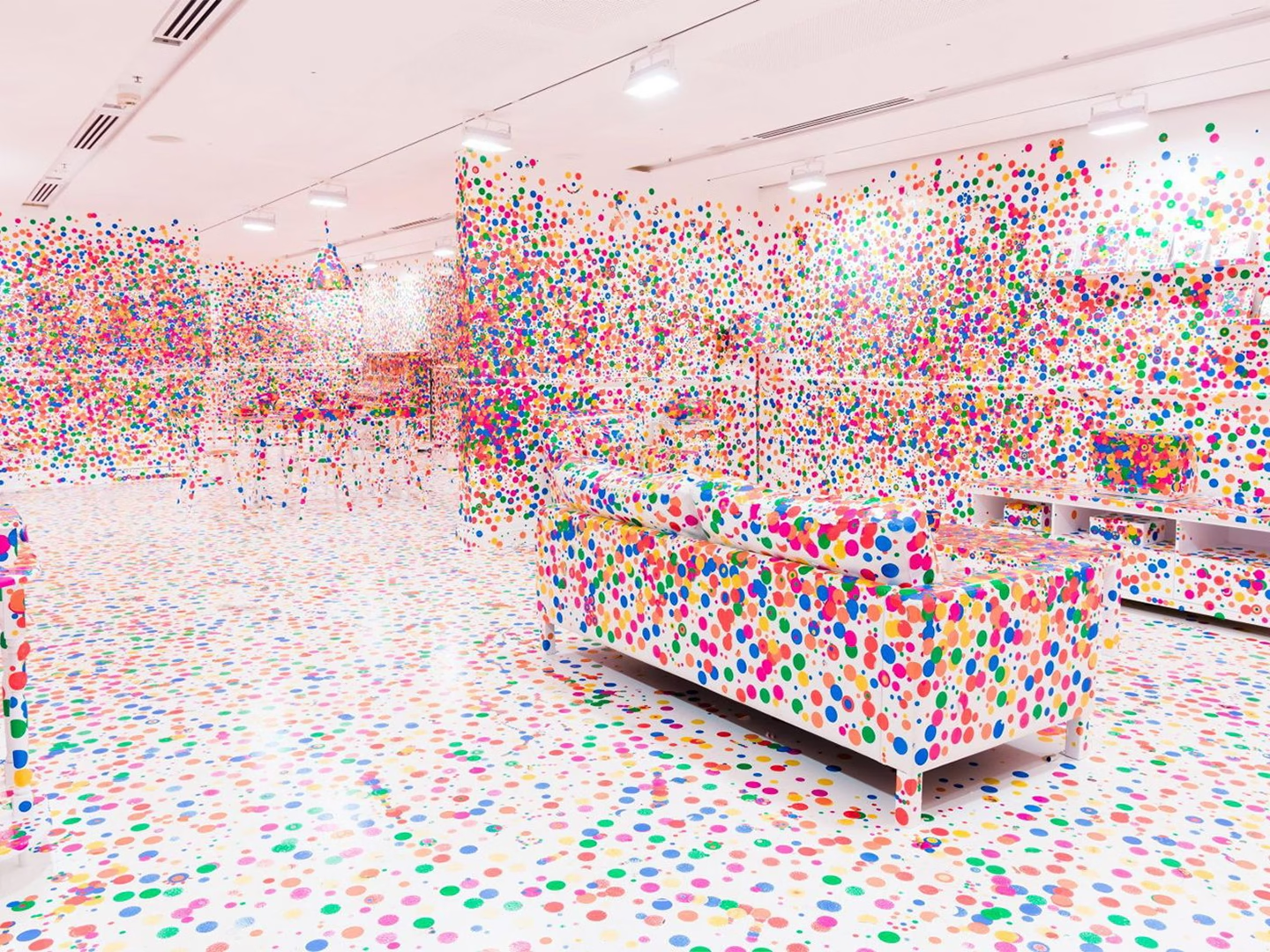
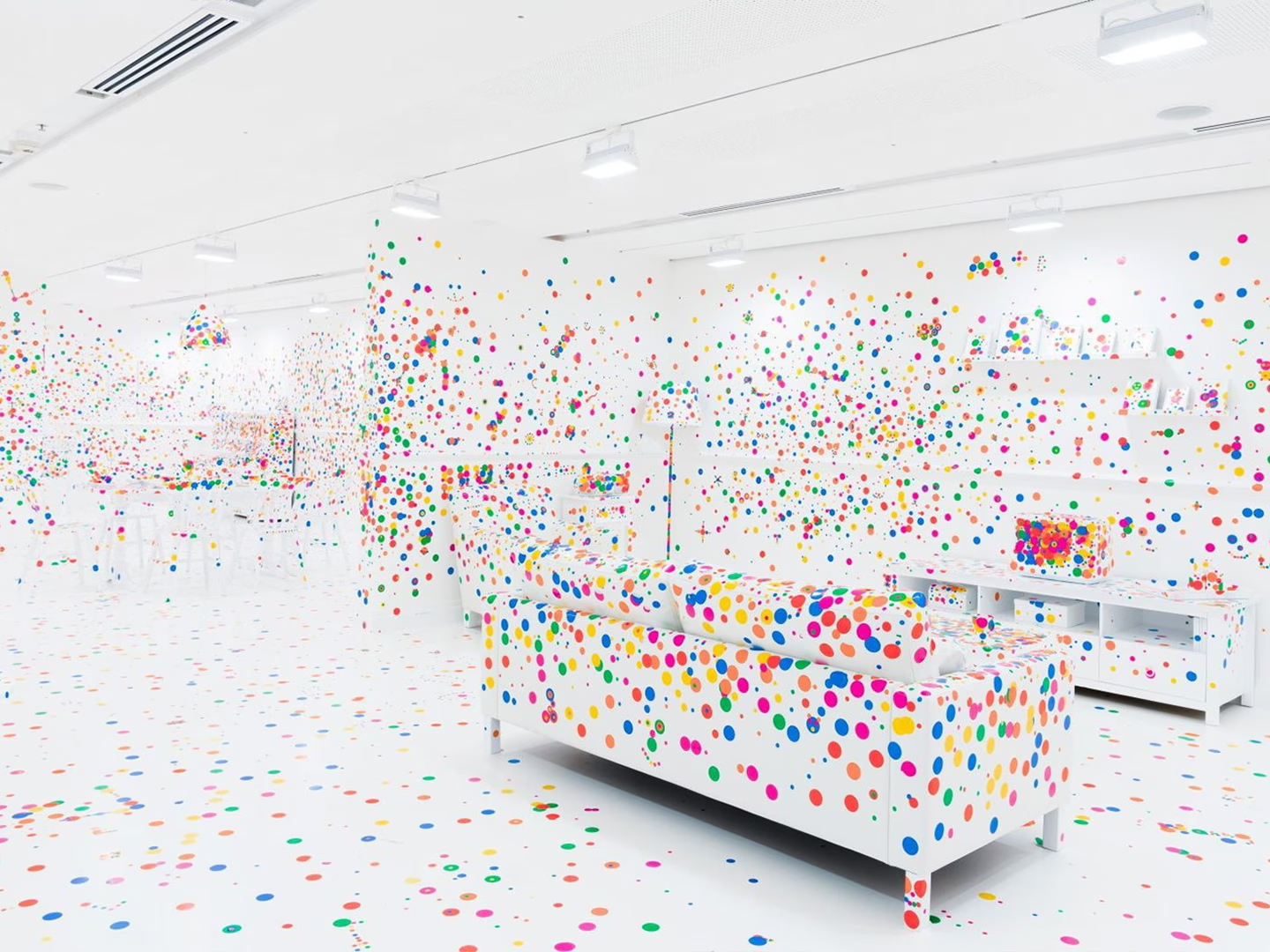
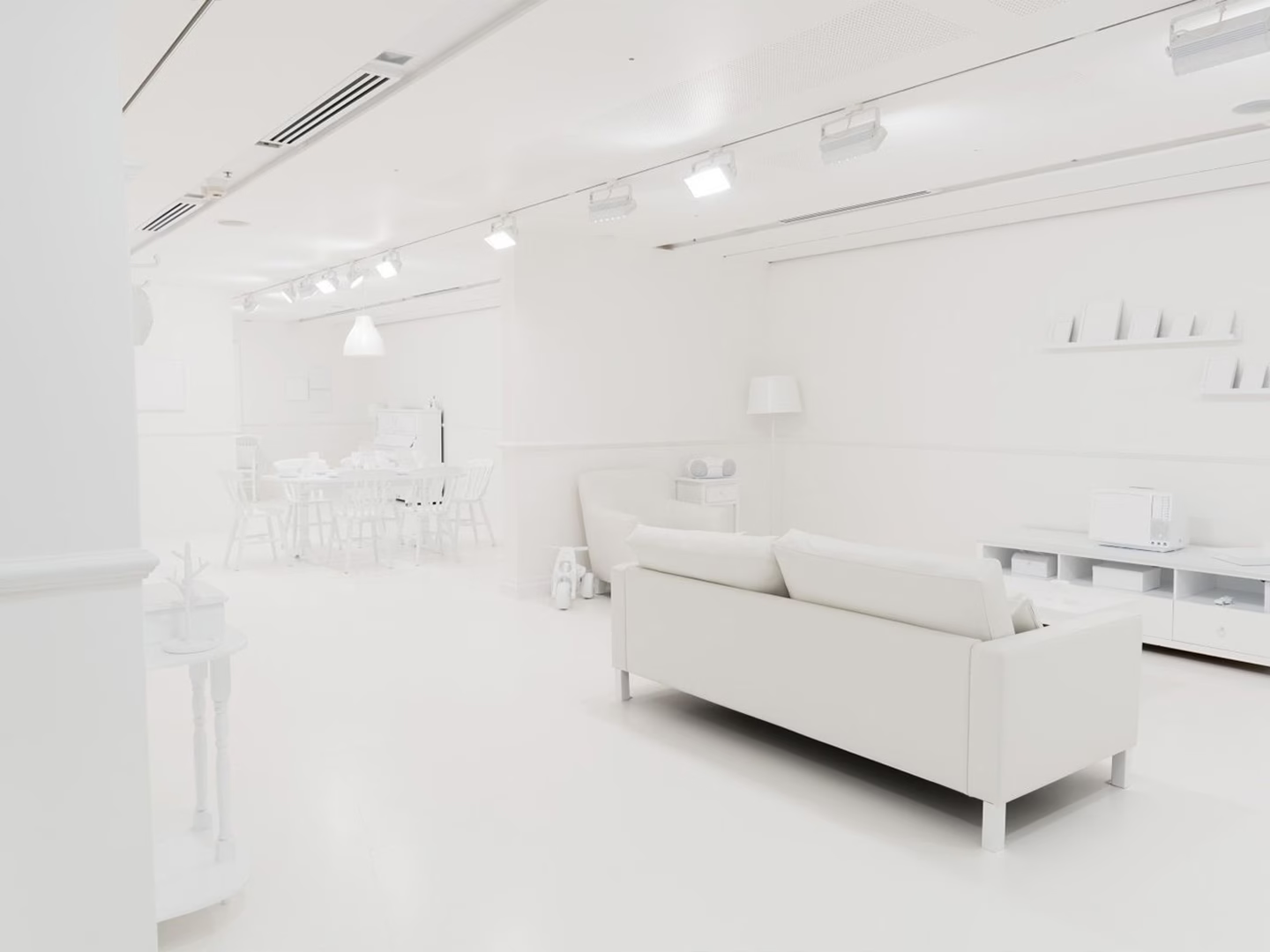
Commissioned by Queensland Art Gallery for the 2002 Asia Pacific Triennial, The Obliteration Room begins as a white domestic interior filled with white furniture and household objects. Visitors receive coloured dot stickers and are invited to place them throughout the space. As the exhibition progresses, individual objects become increasingly difficult to distinguish beneath the accumulated pattern. Unlike Kusama’s earlier paintings and sculptures, the repetitive activity is carried out by the audience. The room’s appearance changes with every installation as thousands of individual placements form a collective surface.