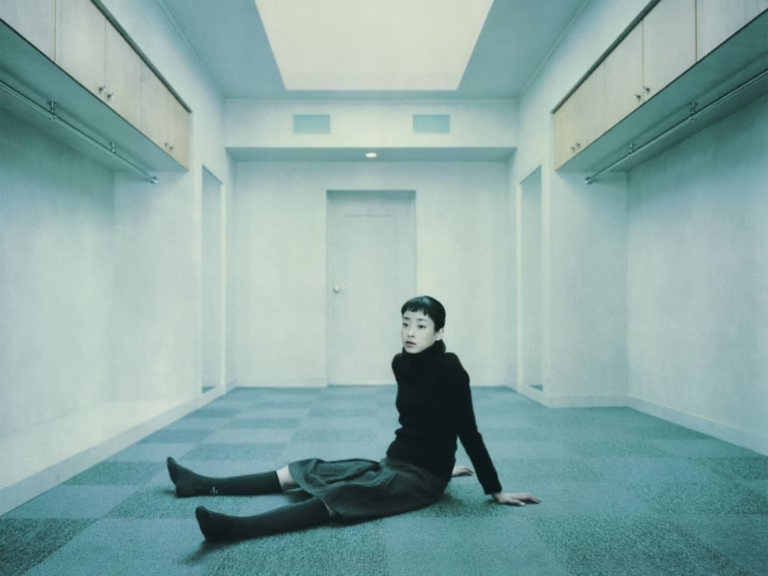
Liminal spaces are usually associated with places of transition: corridors, stairways, platforms, malls and tunnels. This article uses the term for spaces where an intended function remains visible, but the function has been interrupted, restricted or reduced. The examples below are not defined by abandonment alone. Each one shows a built environment that still suggests movement, entry or circulation, while no longer operating in a fully ordinary way.
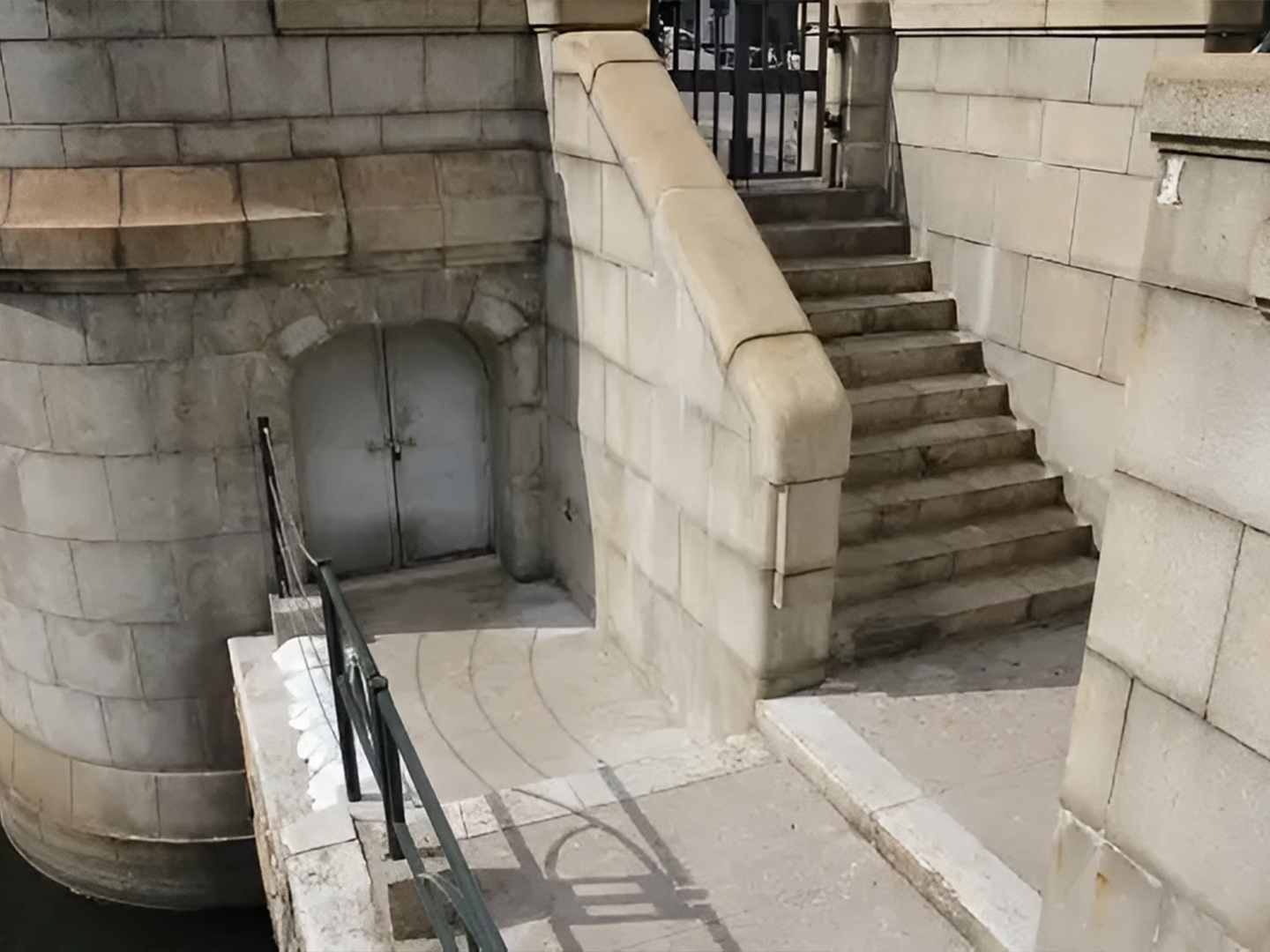
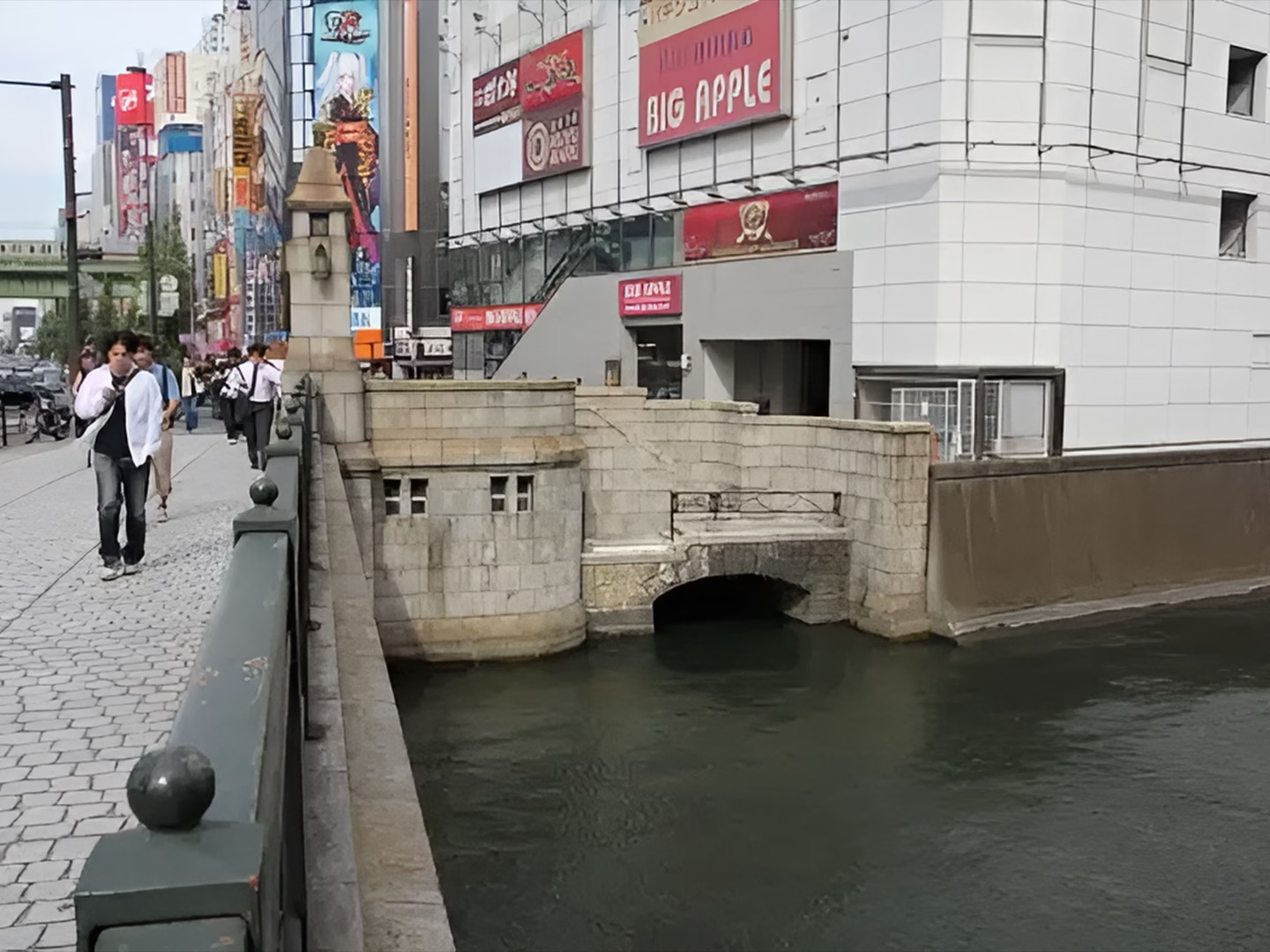
1. Manseibashi Station Remains
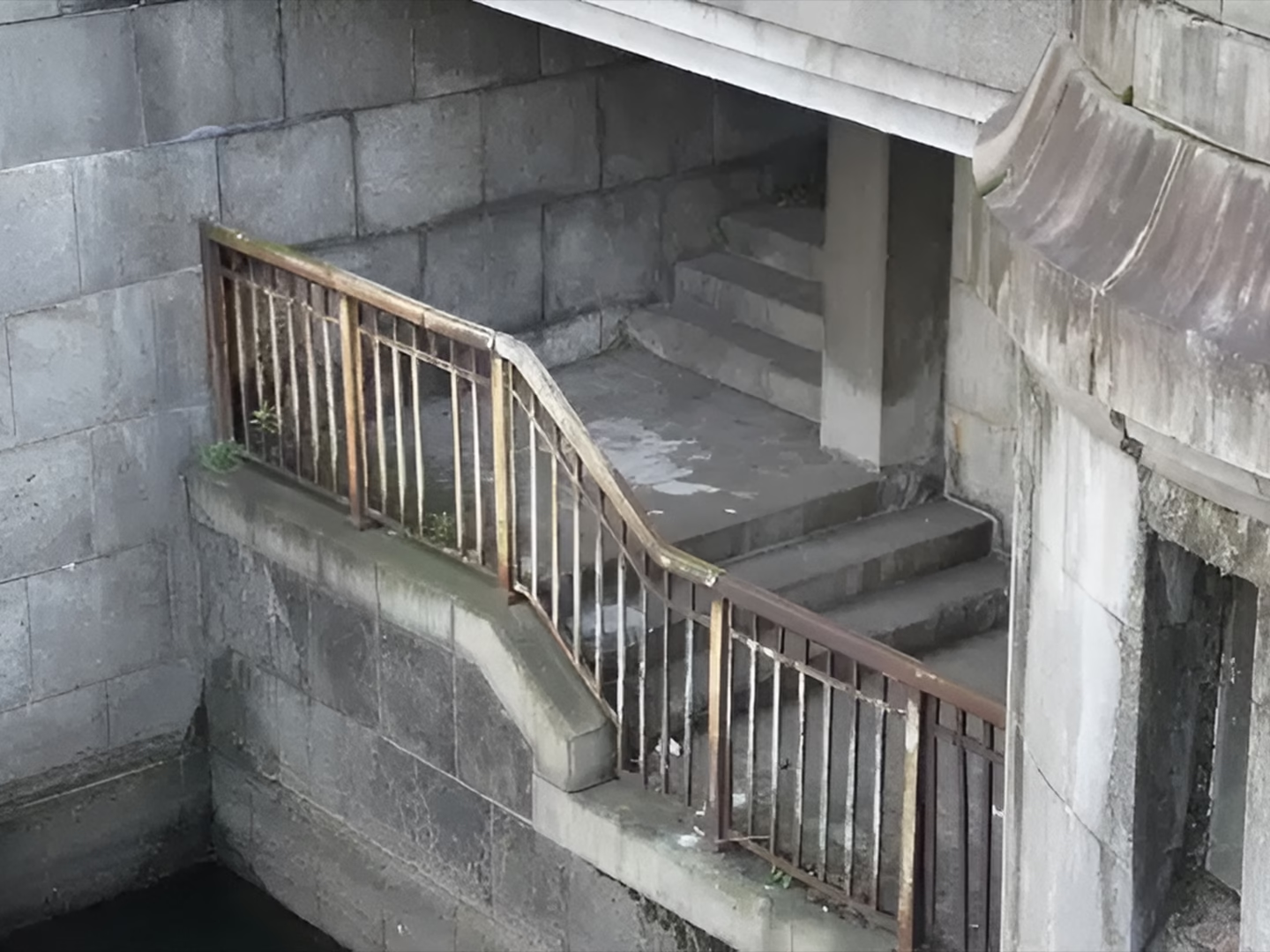
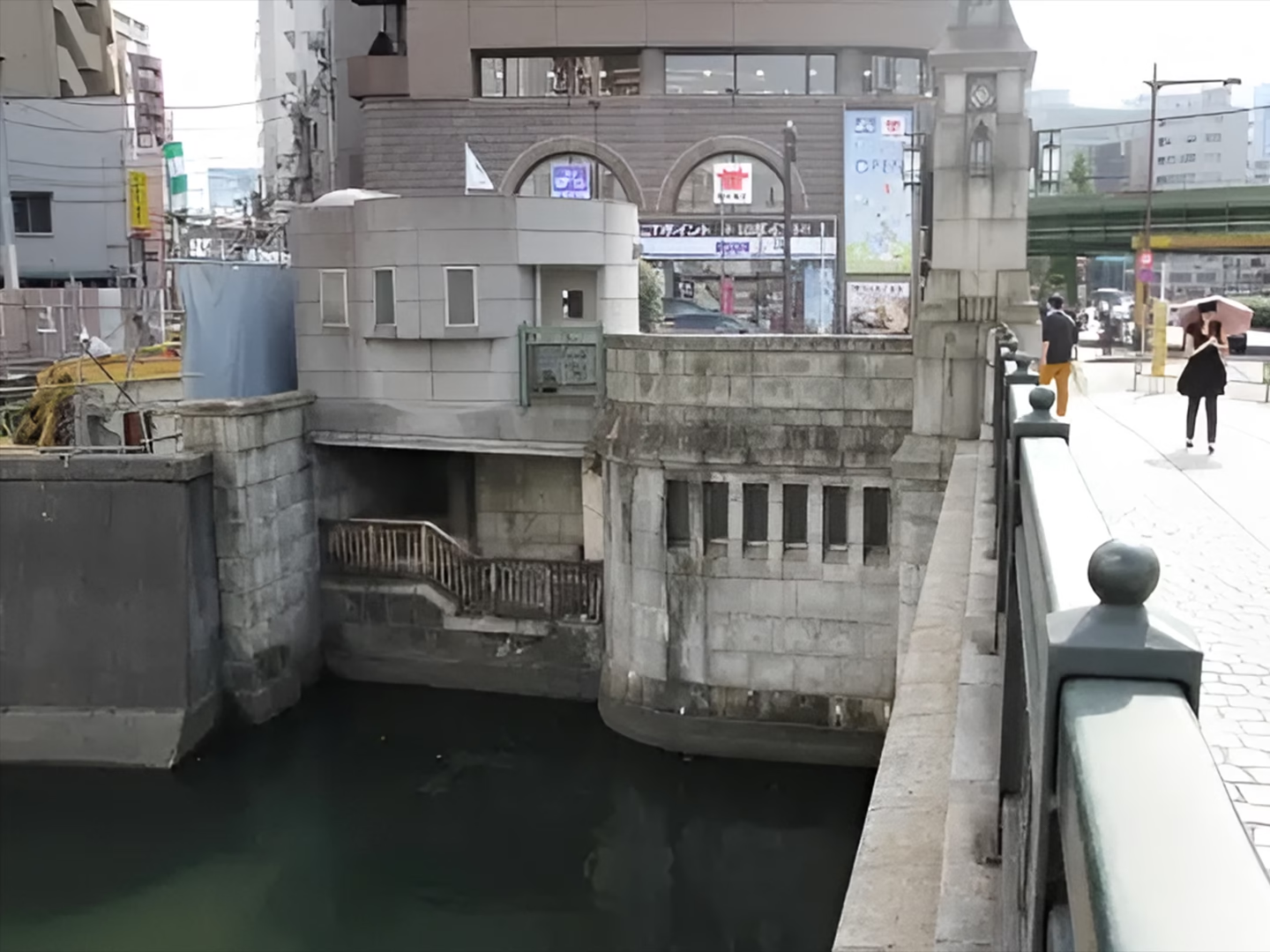
Between Akihabara and Kanda, the former Manseibashi Station sits inside a red-brick railway viaduct along the Kanda River. The station opened in 1912 and closed in 1943, with parts of the structure later redeveloped as mAAch ecute Kanda Manseibashi. Preserved staircases and a platform-level deck remain inside the former station, while the surrounding bridge area contains other closed or inaccessible remnants near the river. Railway, pedestrian and service infrastructure overlap here, with some parts restored for public use and others left visible outside ordinary access.
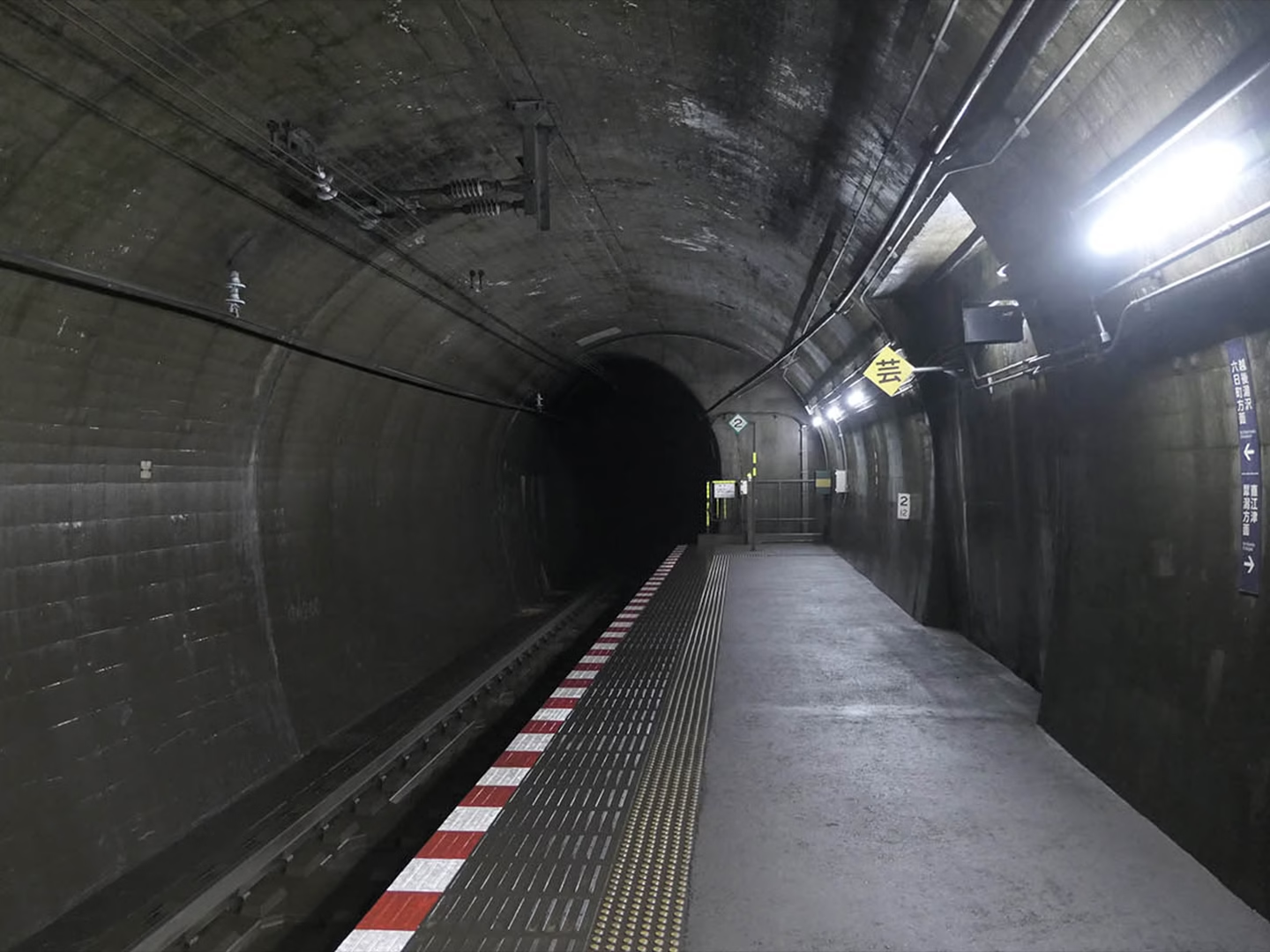
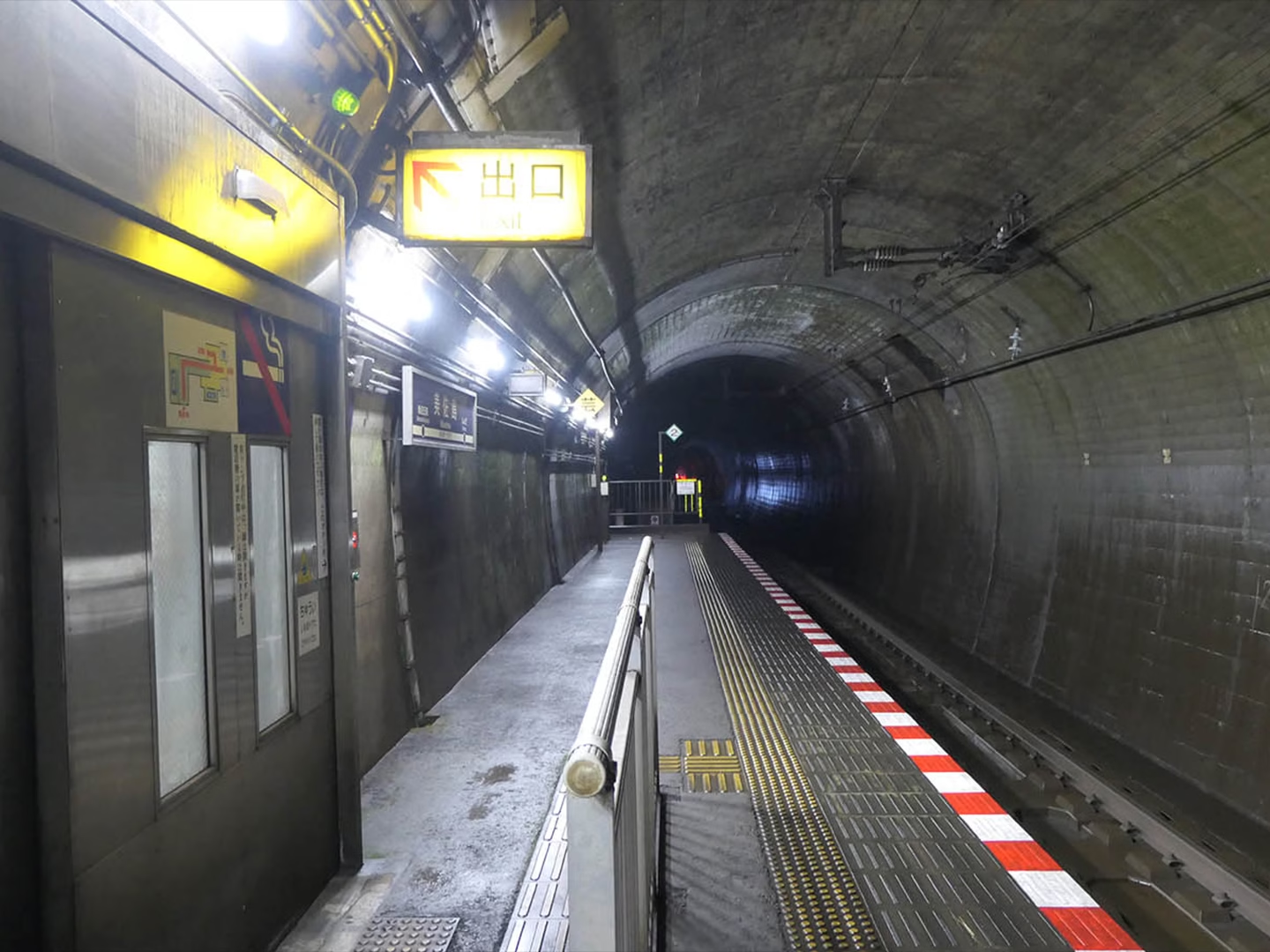
2. Misashima Station
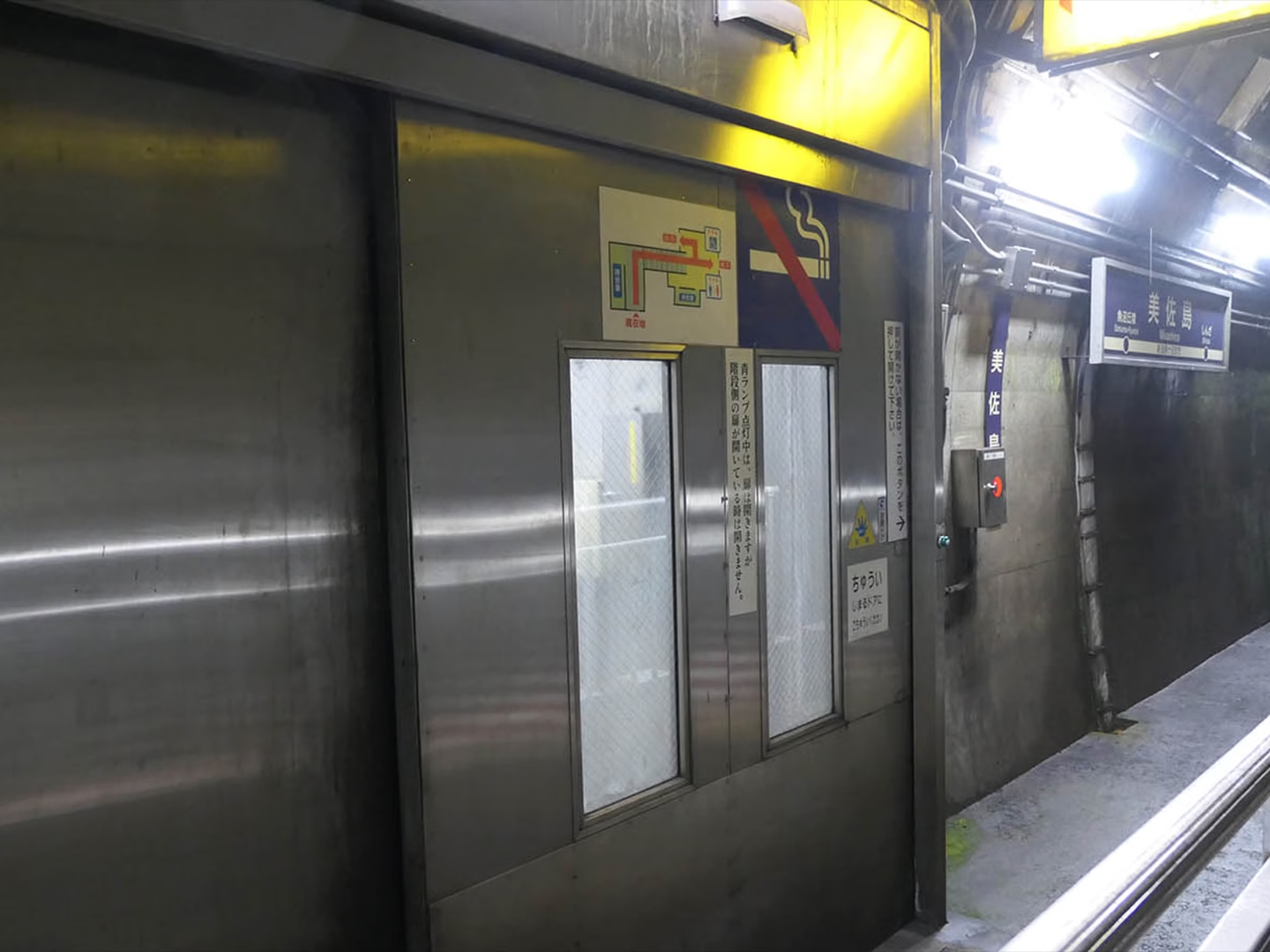
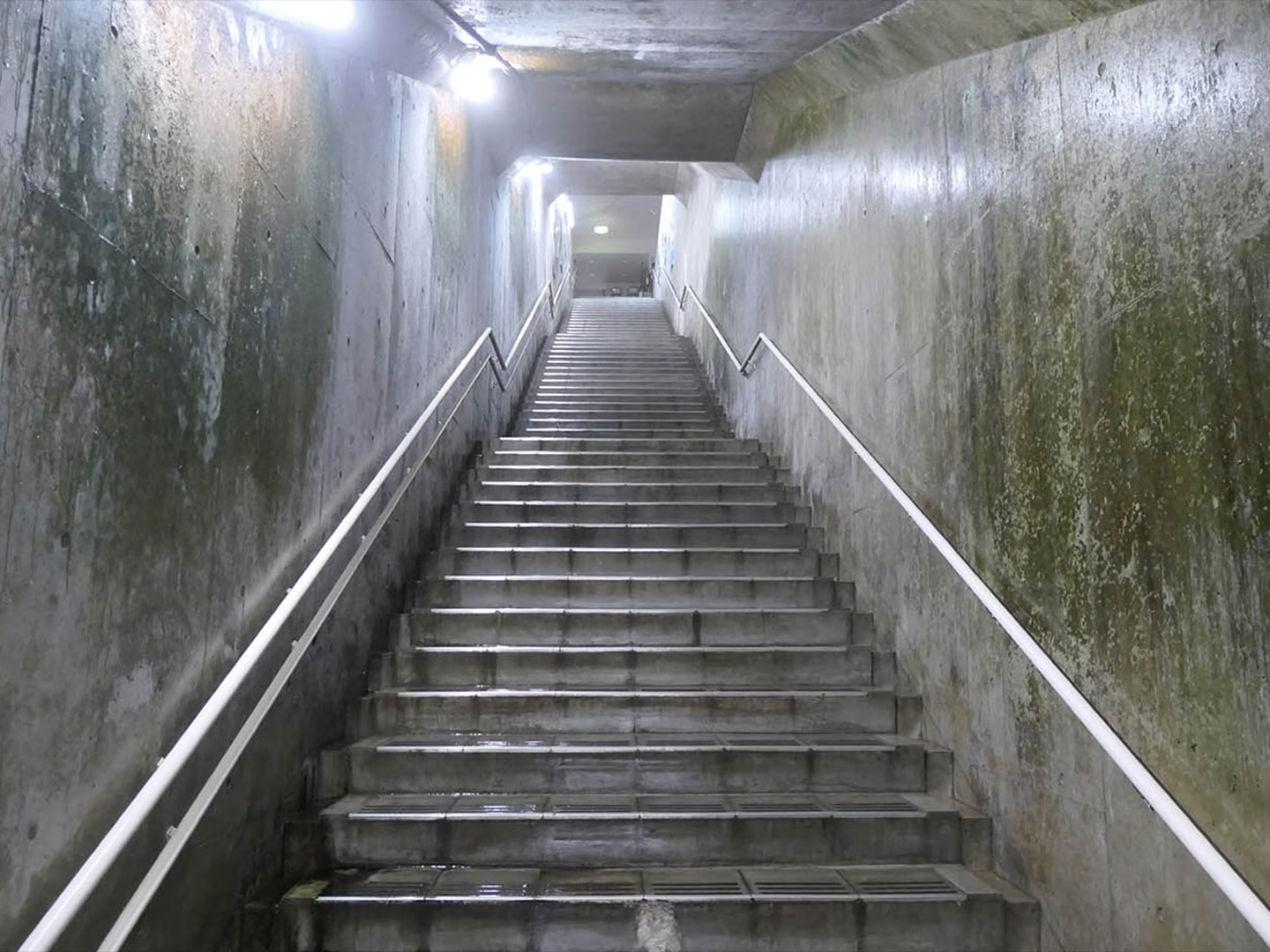
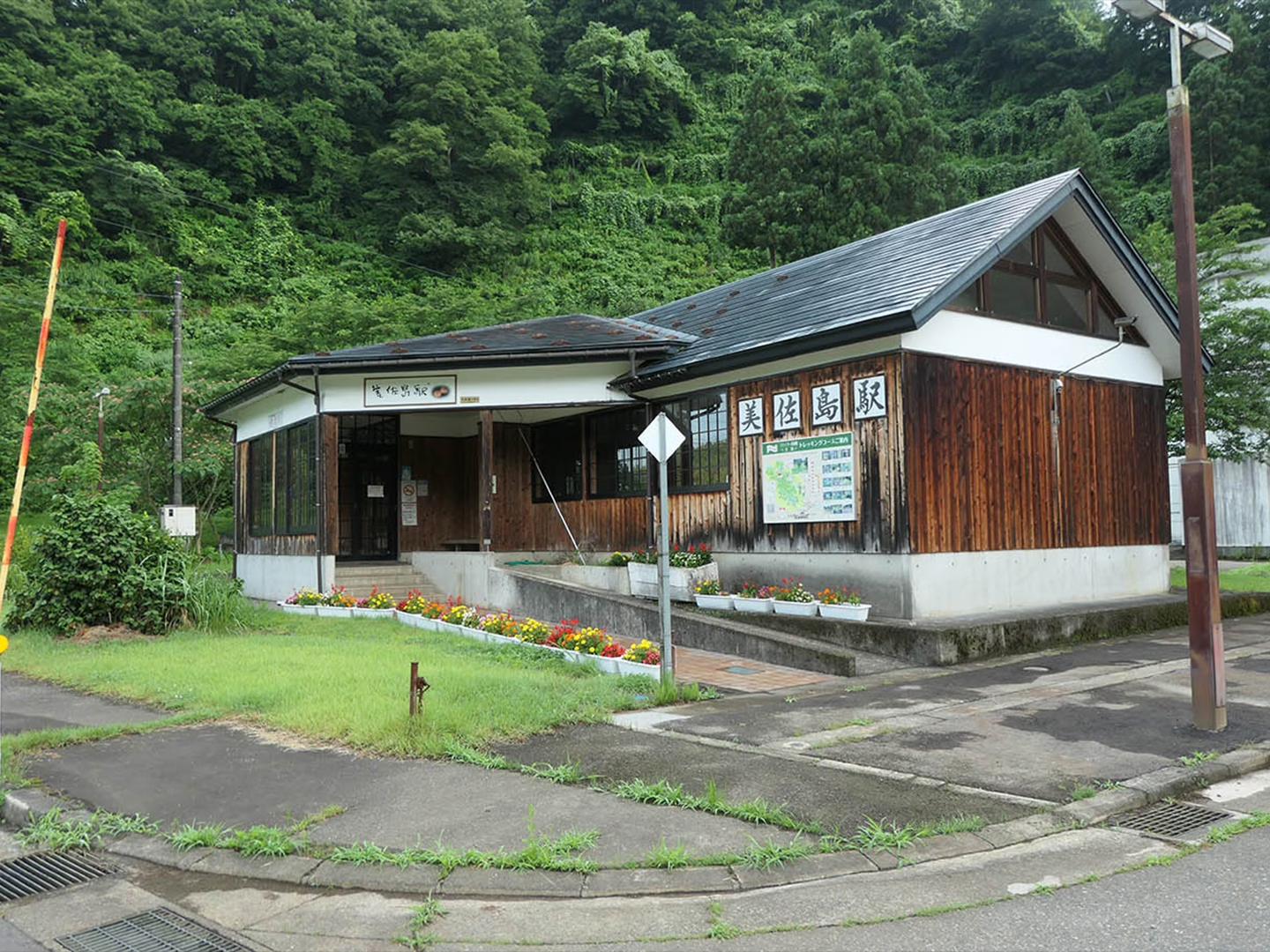
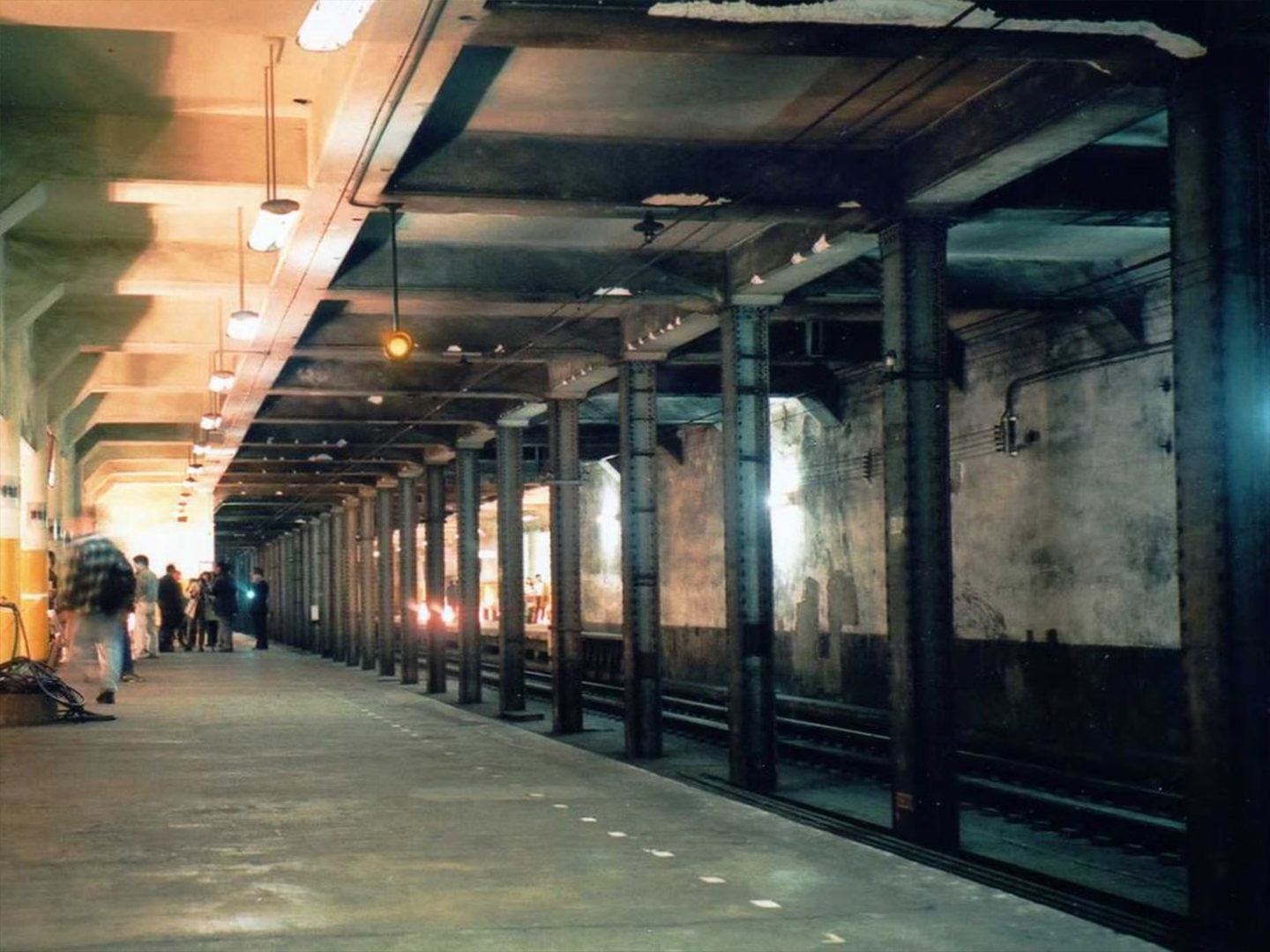
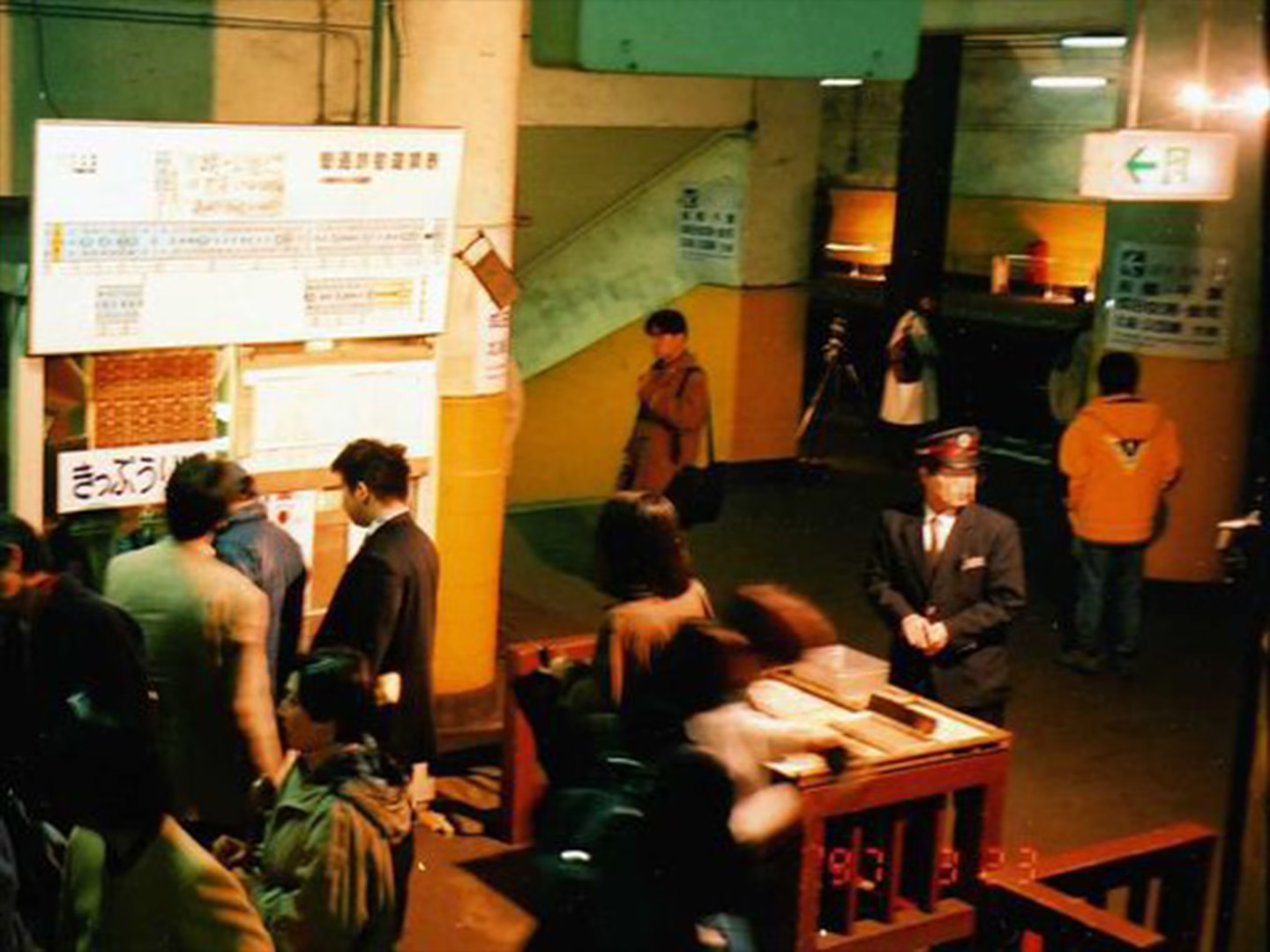
At Misashima Station in Niigata Prefecture, the station building is above ground while the platform sits below, inside a railway tunnel. Access to the platform is controlled by doors, and passengers are not meant to stay there outside train arrivals and departures. The restriction is tied to wind pressure created when trains pass through the tunnel, which can cause sudden gusts on the platform and stairs. The station uses a door system similar to an airlock, preventing both doors from opening at the same time.
3. Hakubutsukan-Dōbutsuen Station
Near Ueno Park, Hakubutsukan-Dōbutsuen Station remains as a small former Keisei station with an entrance that still reads clearly as railway architecture. Opened in 1933, it ended passenger service in 1997, partly because its short platform no longer suited the trains operating on the line. Parts of the building and interior have since been preserved and used for cultural projects, but the original transit role has ended. The doorway, platform and circulation spaces remain tied to a station that no longer functions as one in daily use.
4. Tappi-Kaitei and Yoshioka-Kaitei Stations
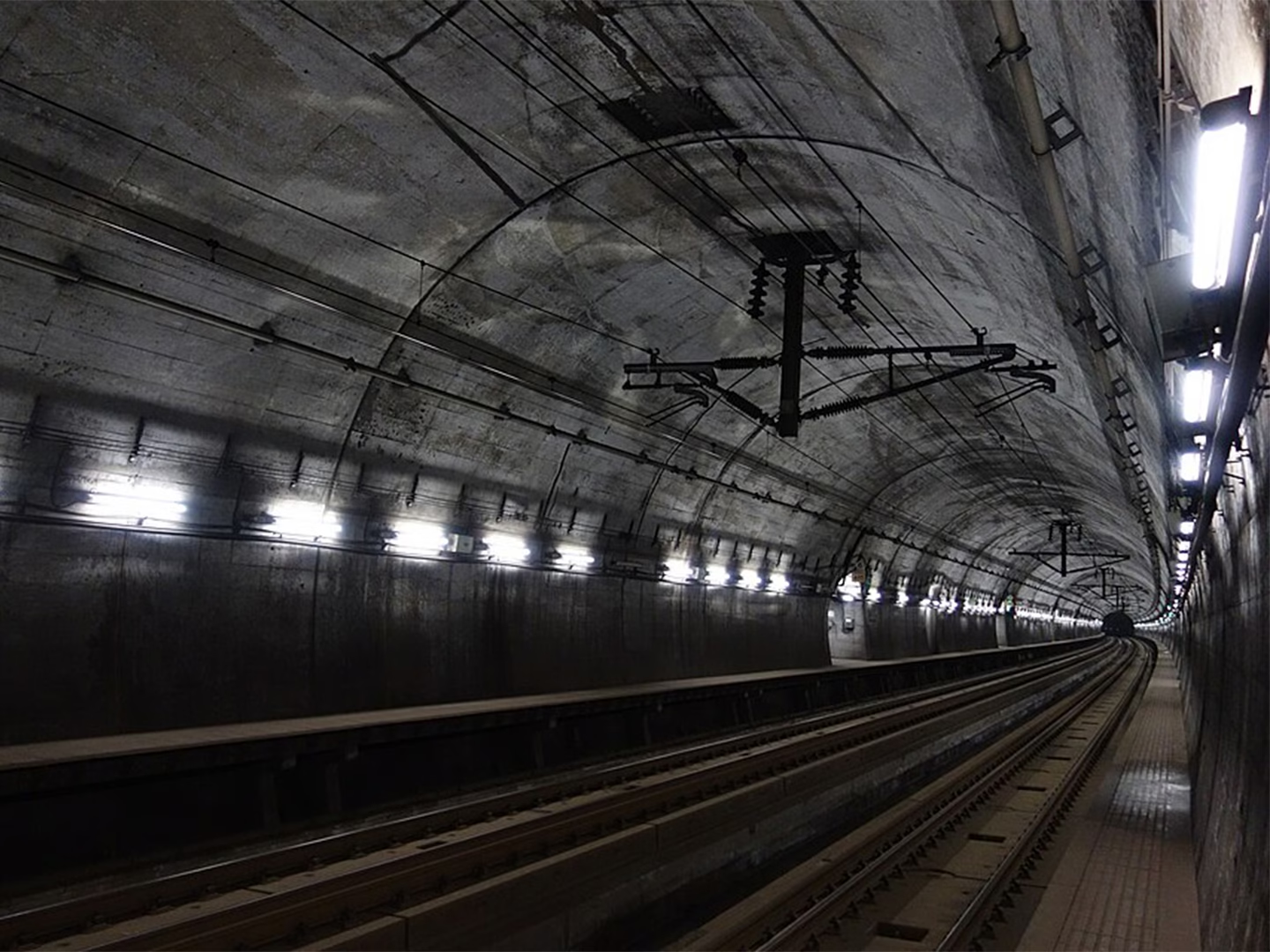
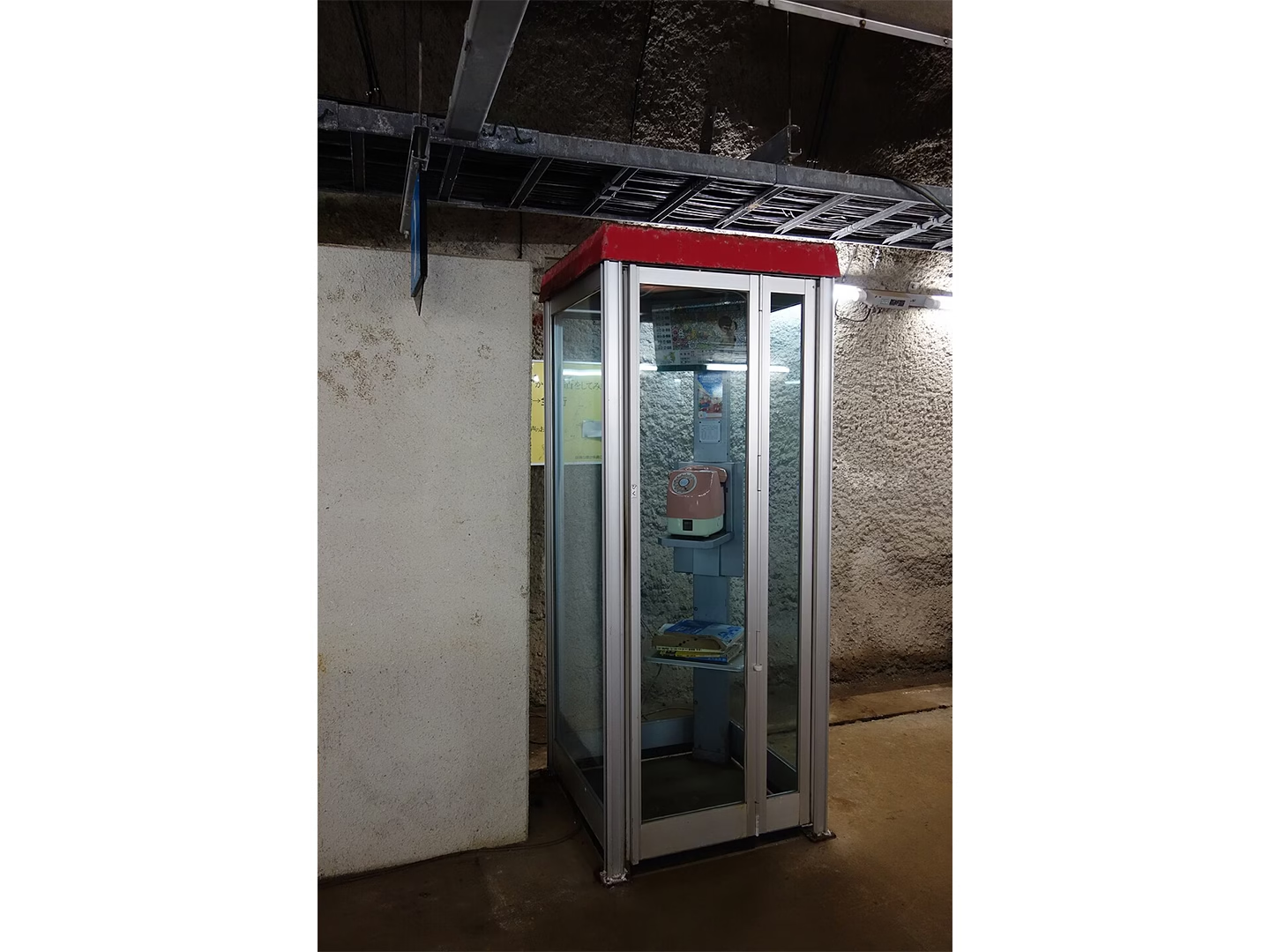
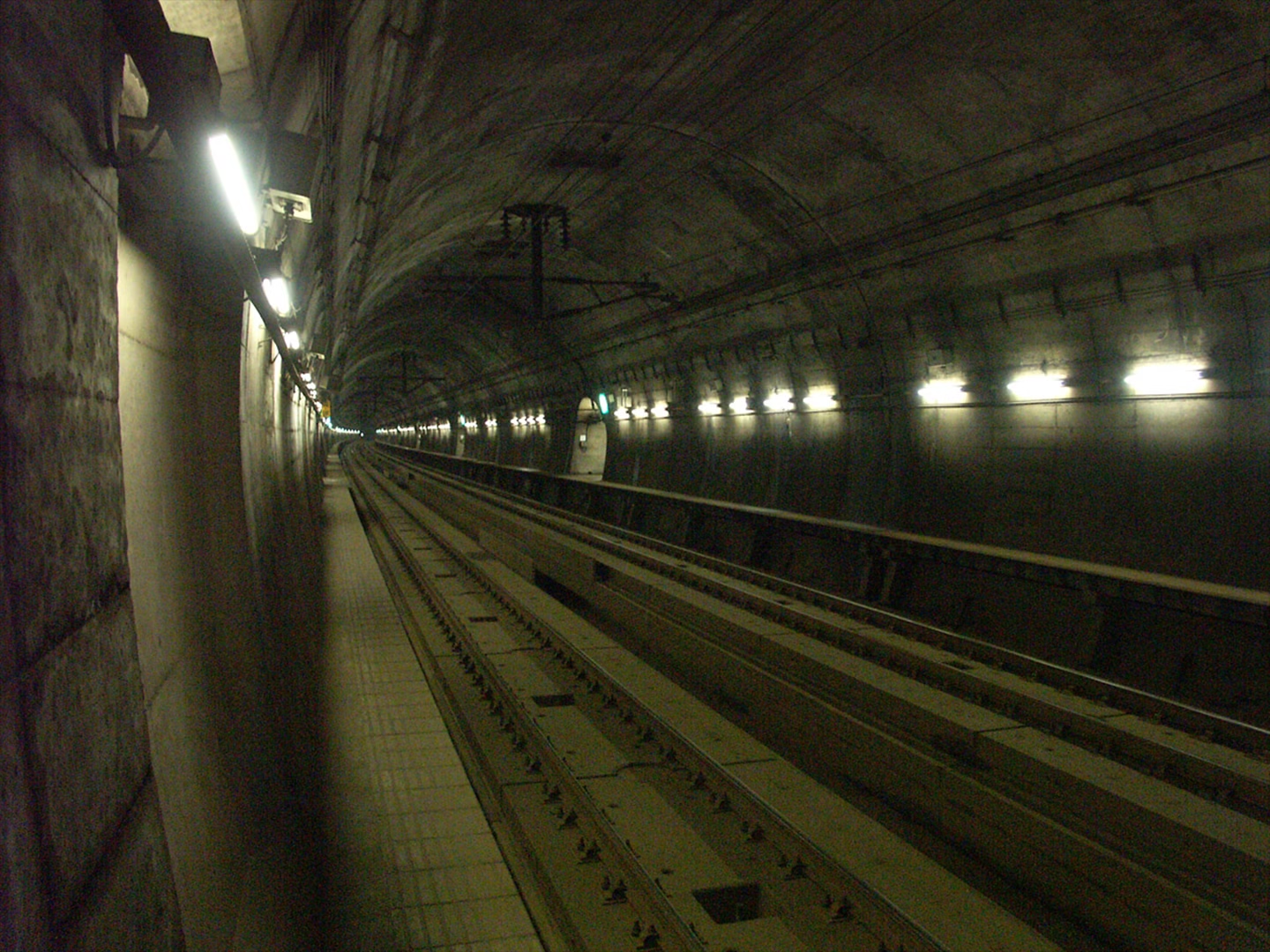
Beneath the Tsugaru Strait, Tappi-Kaitei Station and Yoshioka-Kaitei Station were built inside the Seikan Tunnel between Honshu and Hokkaido. Both formed part of the tunnel’s railway infrastructure, serving passenger, emergency and visitor-related roles at different points in their history. They are no longer used as regular passenger stations, with their remaining purpose connected more closely to tunnel infrastructure, emergency access and maintenance. Photographs show platforms, signs, benches, doors and service corridors placed deep inside the undersea rail tunnel.
5. Baytown Honmoku
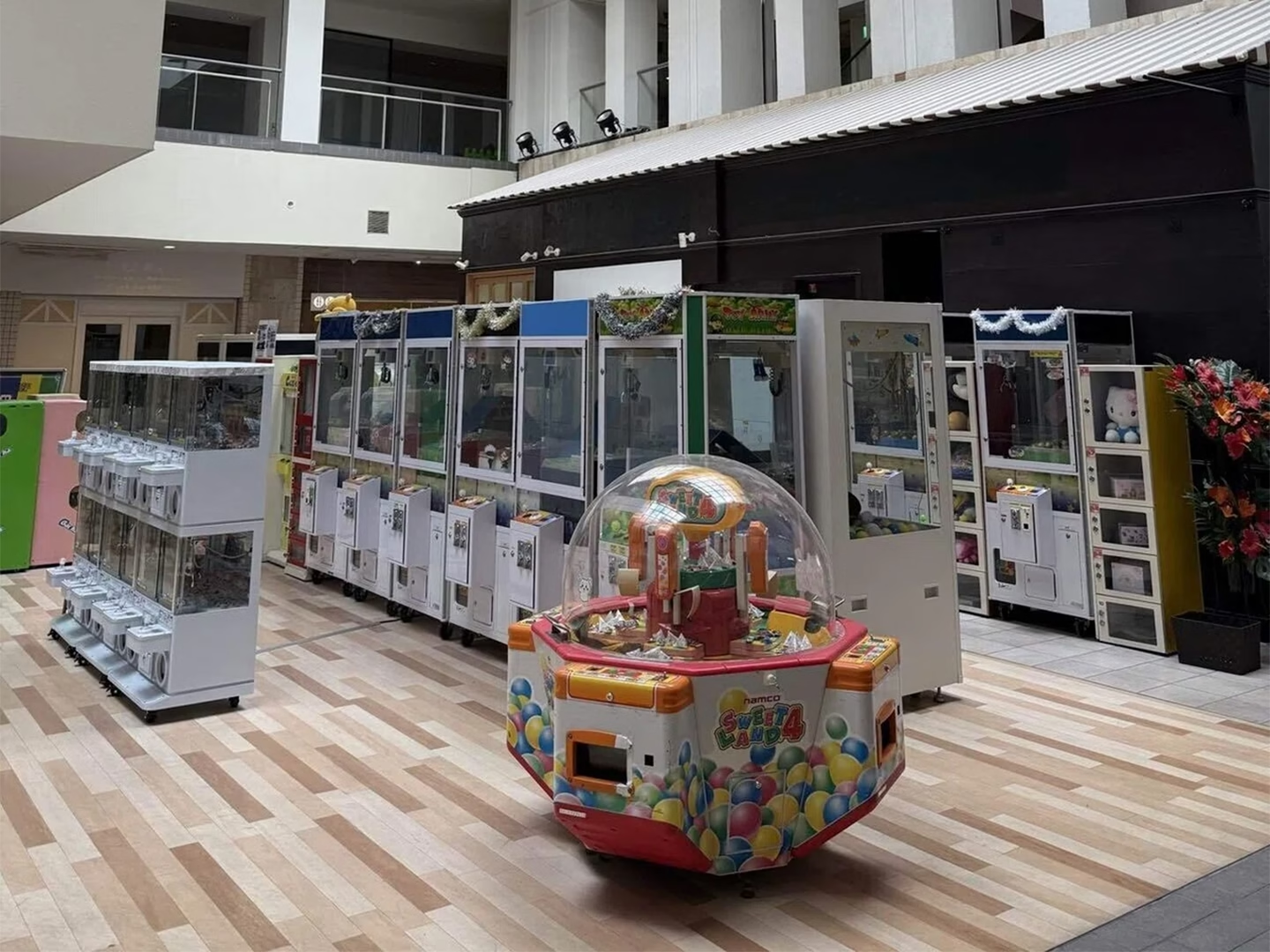
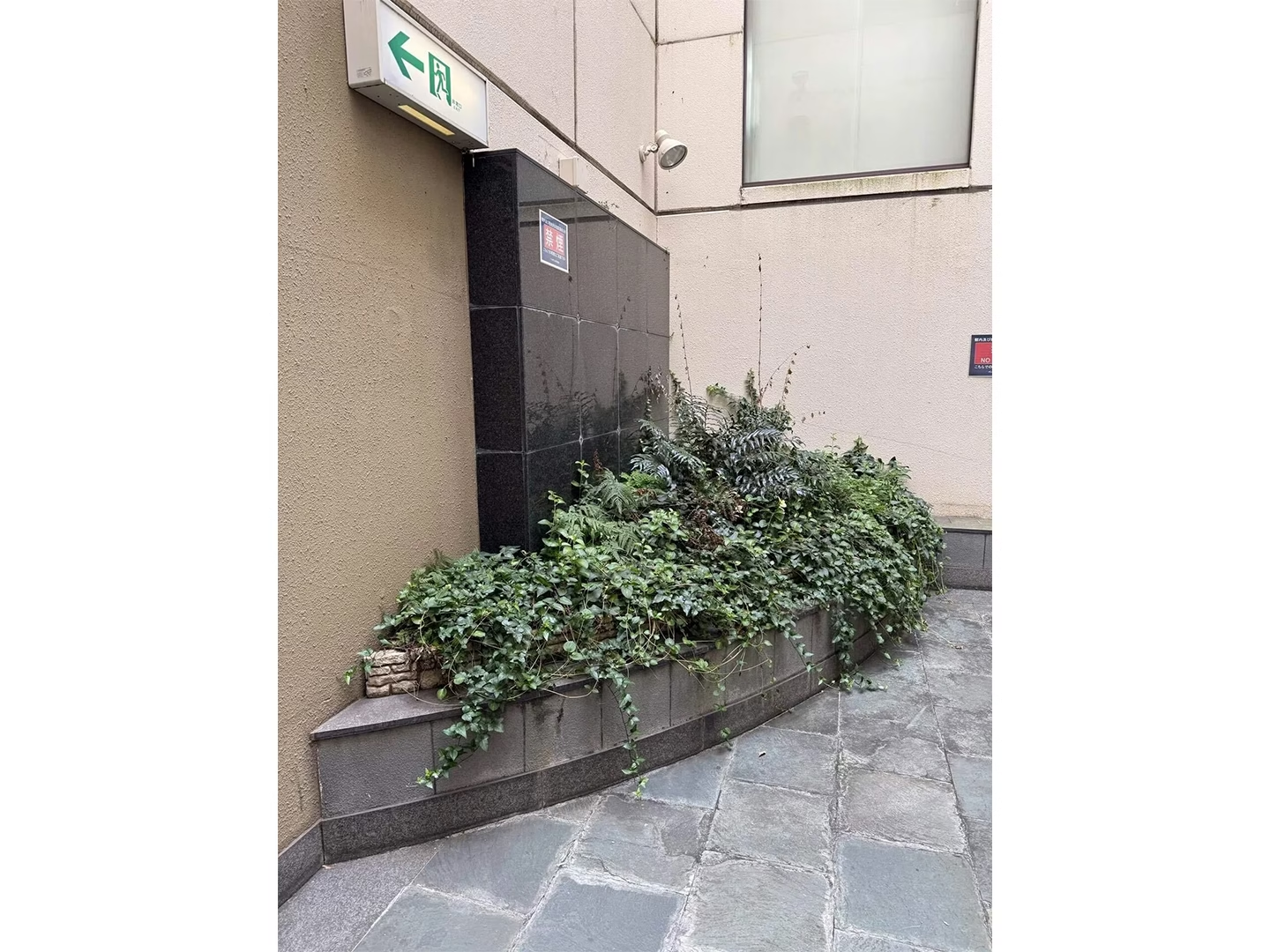
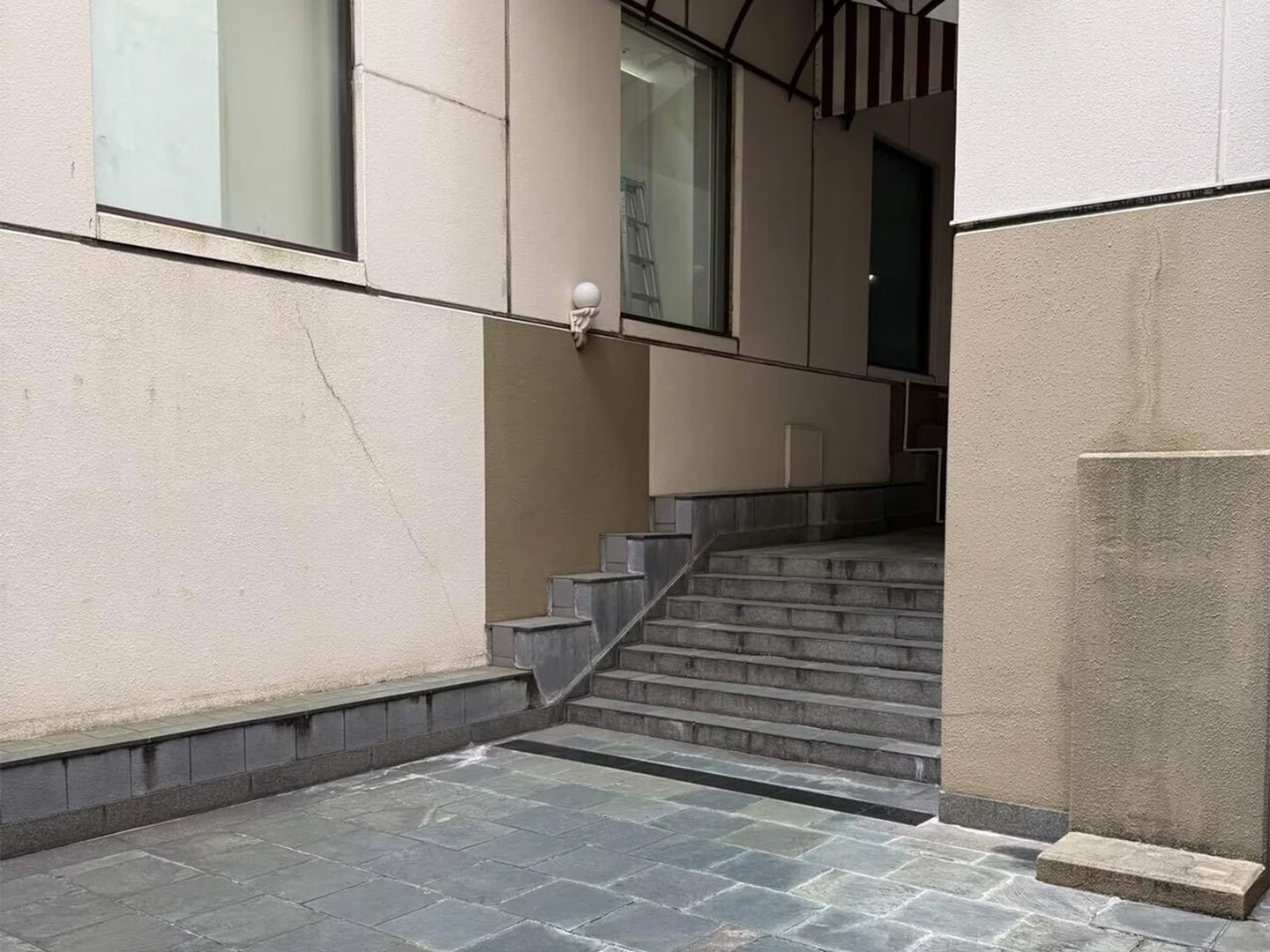
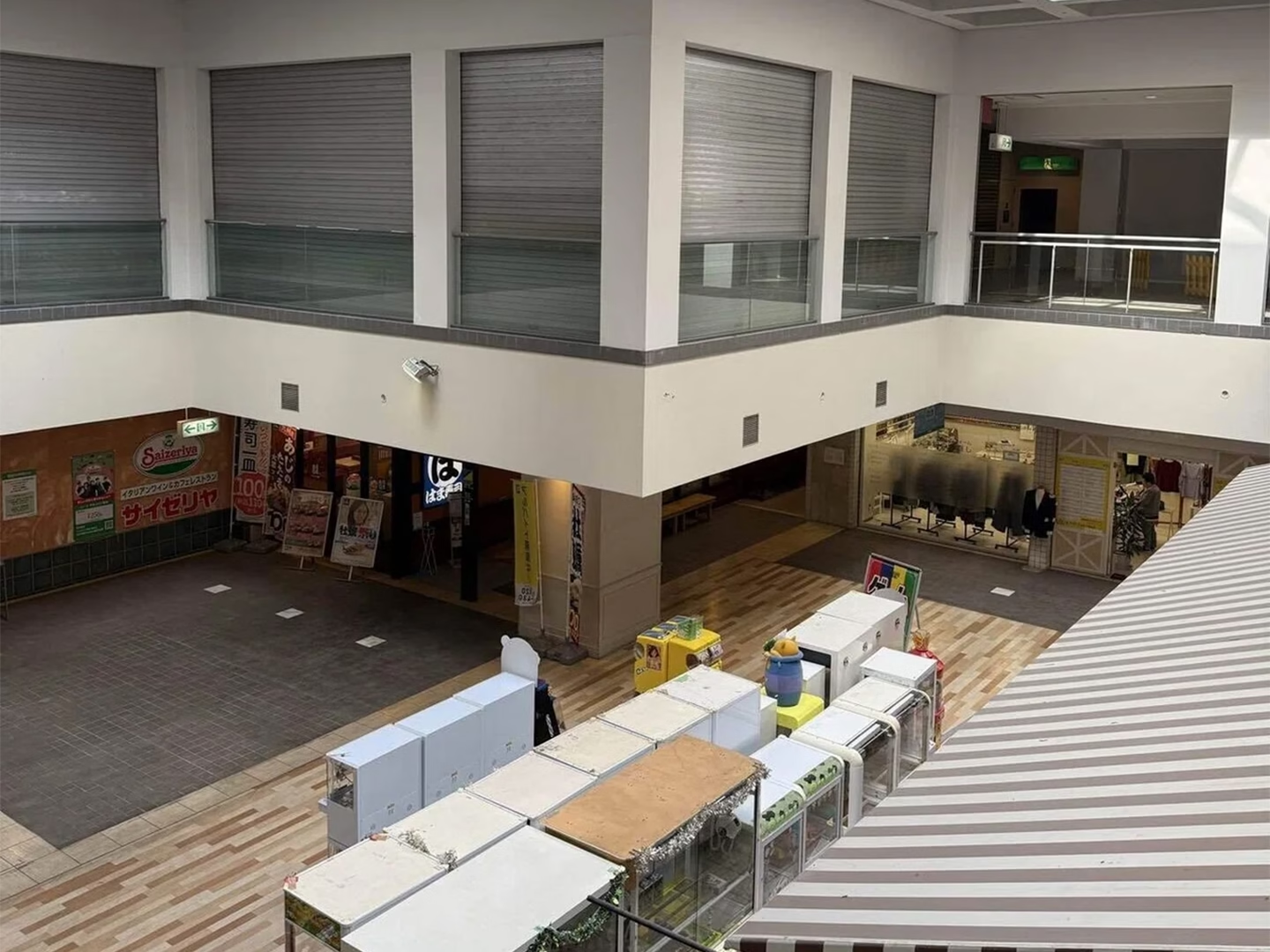
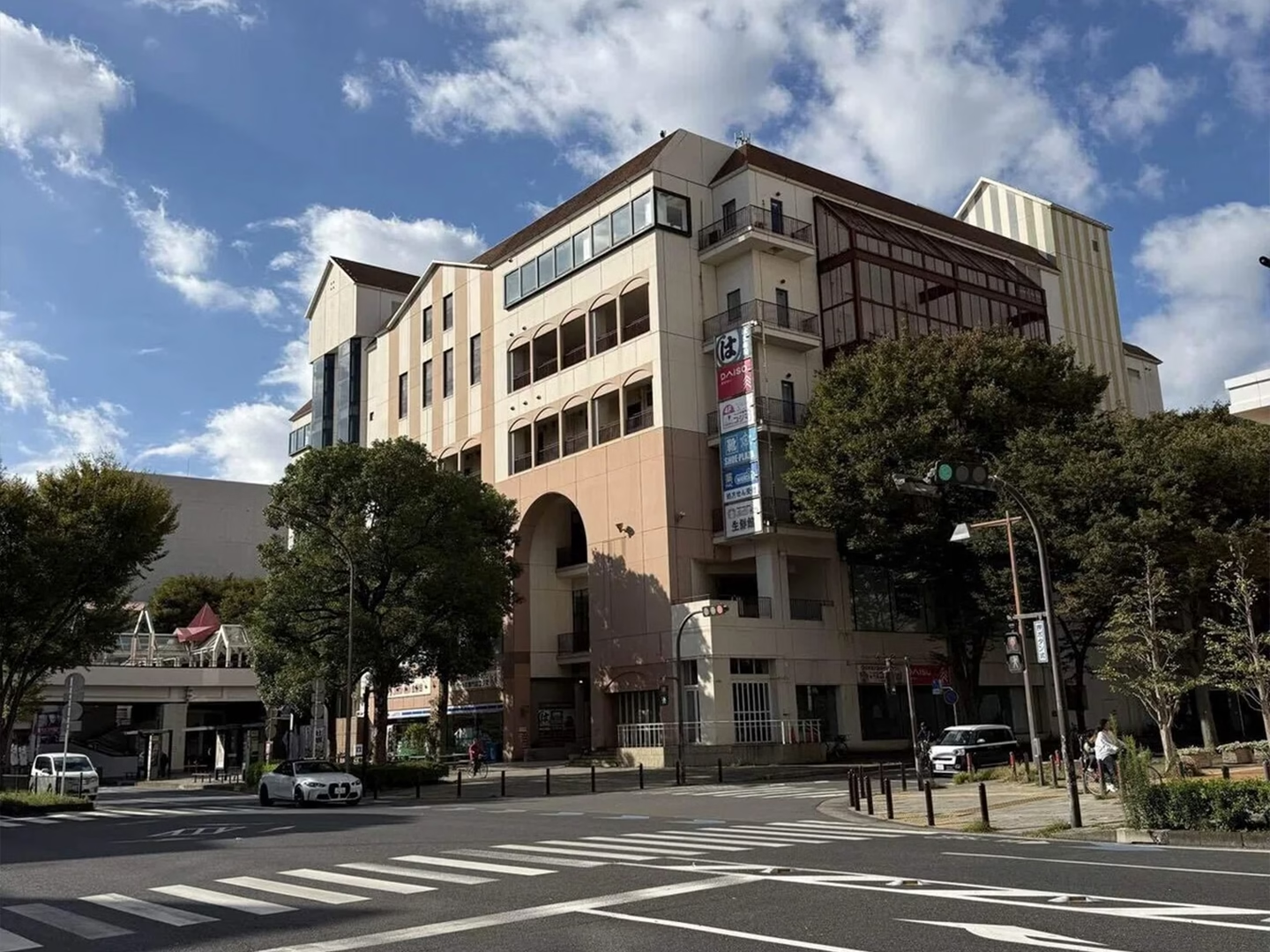
Baytown Honmoku shifts the subject from transport to retail. Connected to the former Mycal Honmoku commercial complex, the Yokohama site belongs to a large-scale shopping development associated with Japan’s late-1980s and early-1990s retail culture. The area still contains active businesses, but parts of the complex show a quieter commercial presence than the scale of the original architecture suggests. Corridors, atrium spaces, upper walkways, shuttered areas and decorative features remain from a retail environment designed for heavier use.