KitKat reached Japan in 1973, but it ended up taking on a different life there. One of the key shifts came in the early 2000s, when the name’s resemblance to kitto katsu, a phrase linked to good luck and success, helped turn it into an exam-season gift. From there, KitKat moved well beyond its original form. Seasonal releases, regional souvenir lines, and collaborations tied to local ingredients and familiar sweets gradually turned it into something broader than a standard chocolate bar. In Japan, KitKat became a product shaped as much by travel and gifting as by flavor.
1. Tamaruya Wasabi
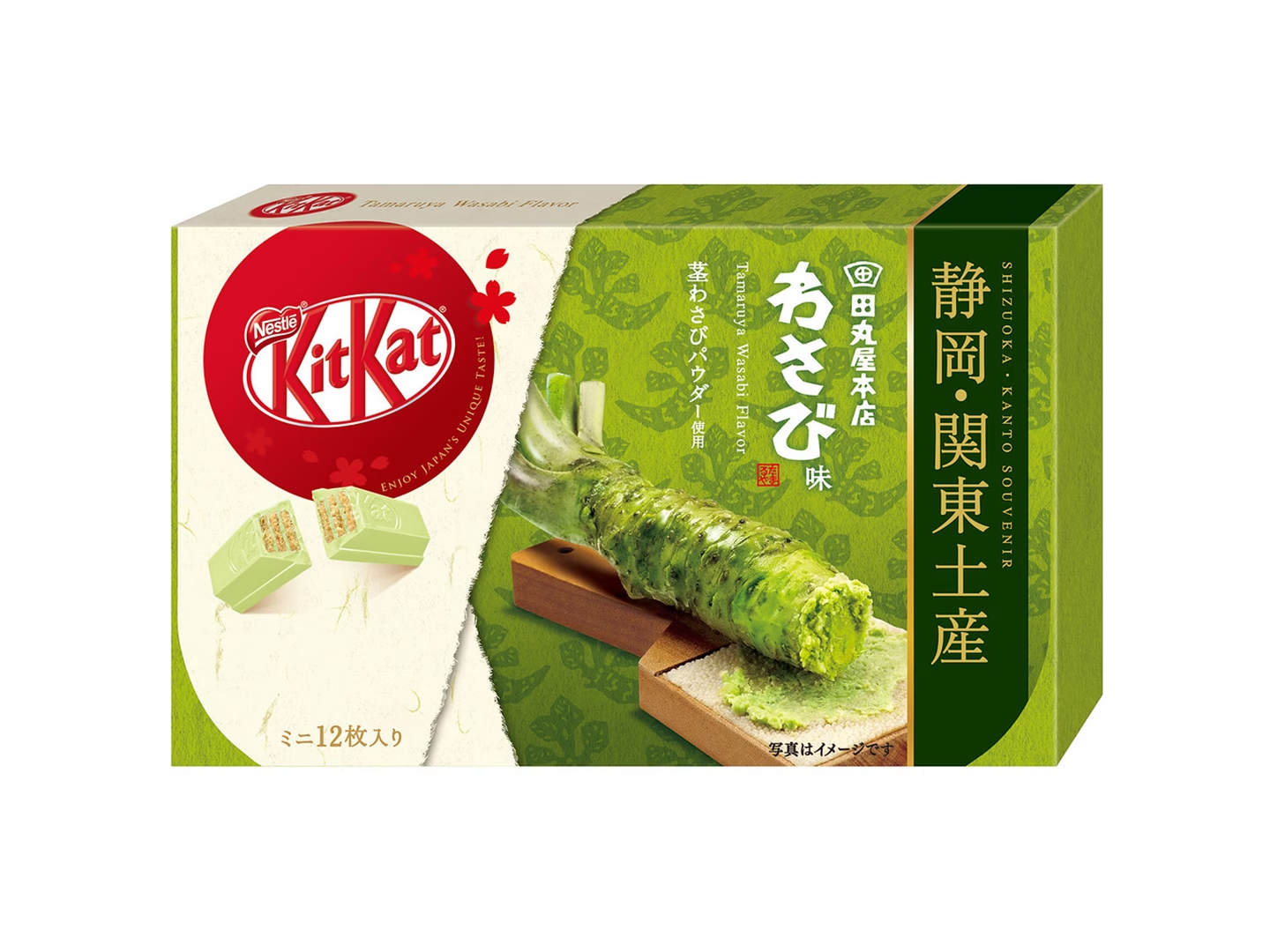
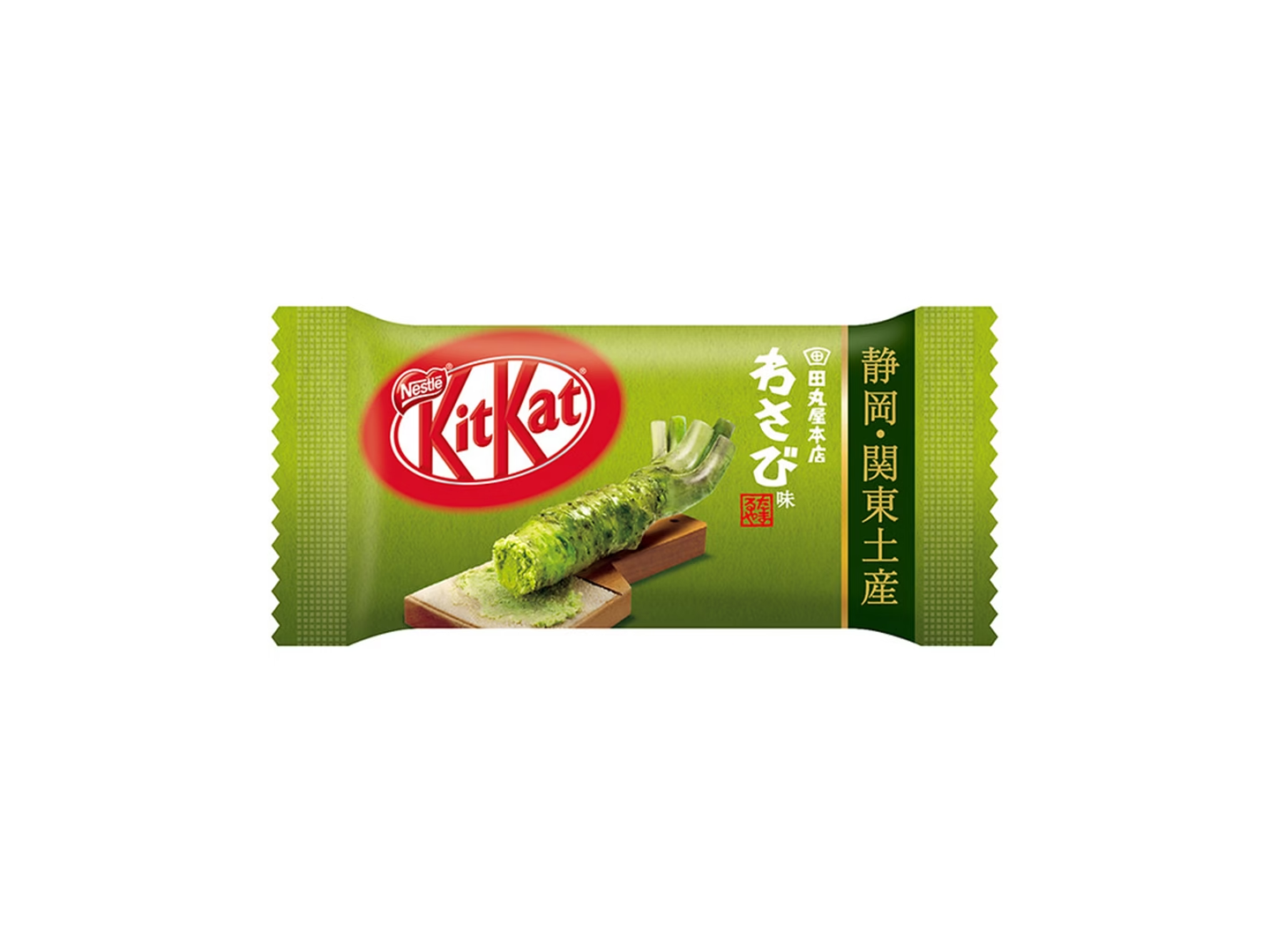
Few flavors show that shift more clearly than wasabi. Rather than using it as a loose or provocative idea, the product was built around Tamaruya Honten, a Shizuoka company founded in 1875. That detail changes the feel of it. Instead of coming across as novelty, it reads more like a local specialty translated into KitKat form. The result is still unusual, but it is grounded in a specific producer and place, which is part of why it remains one of the better-known regional varieties.
2. Onsen Manju
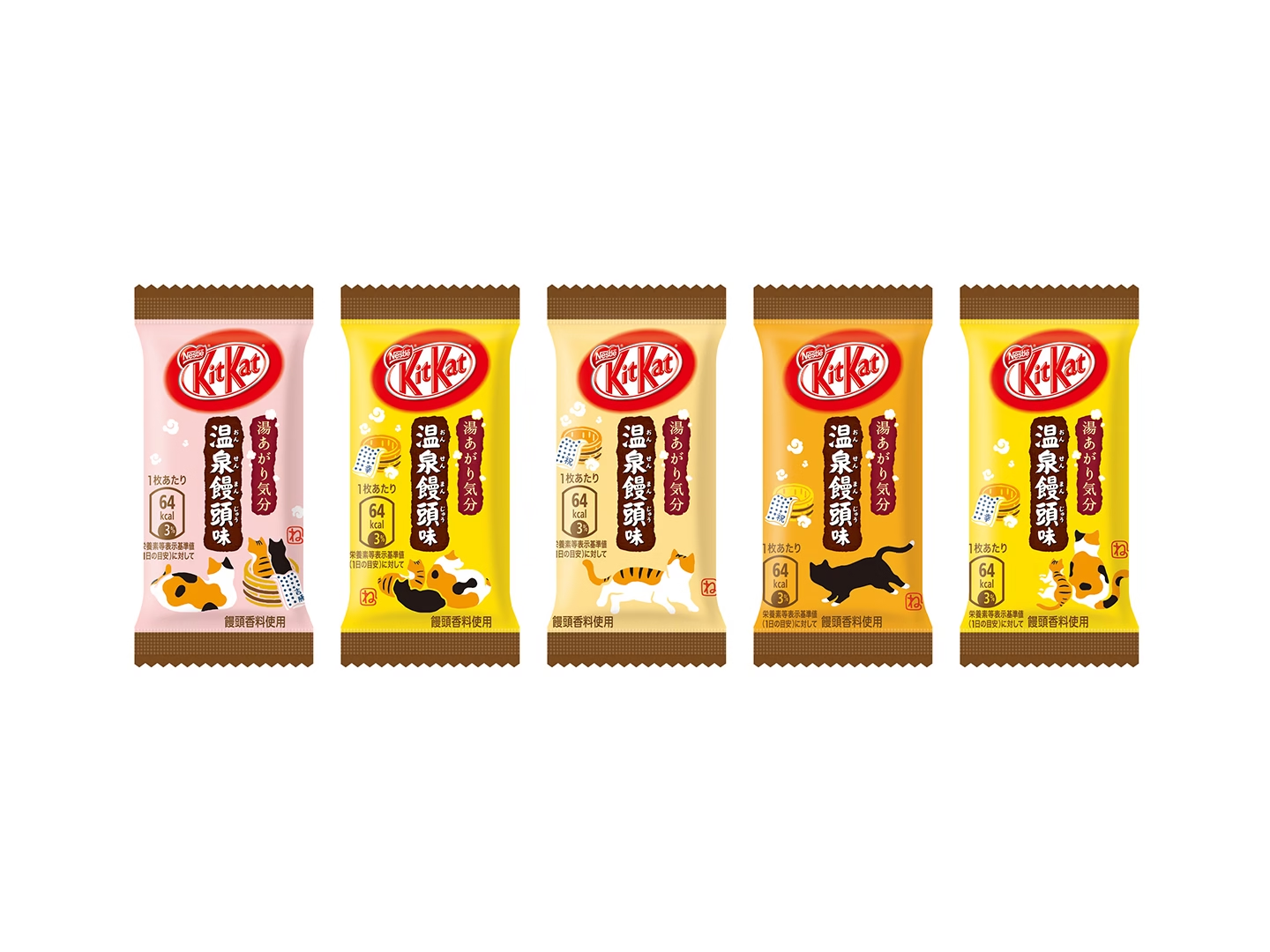
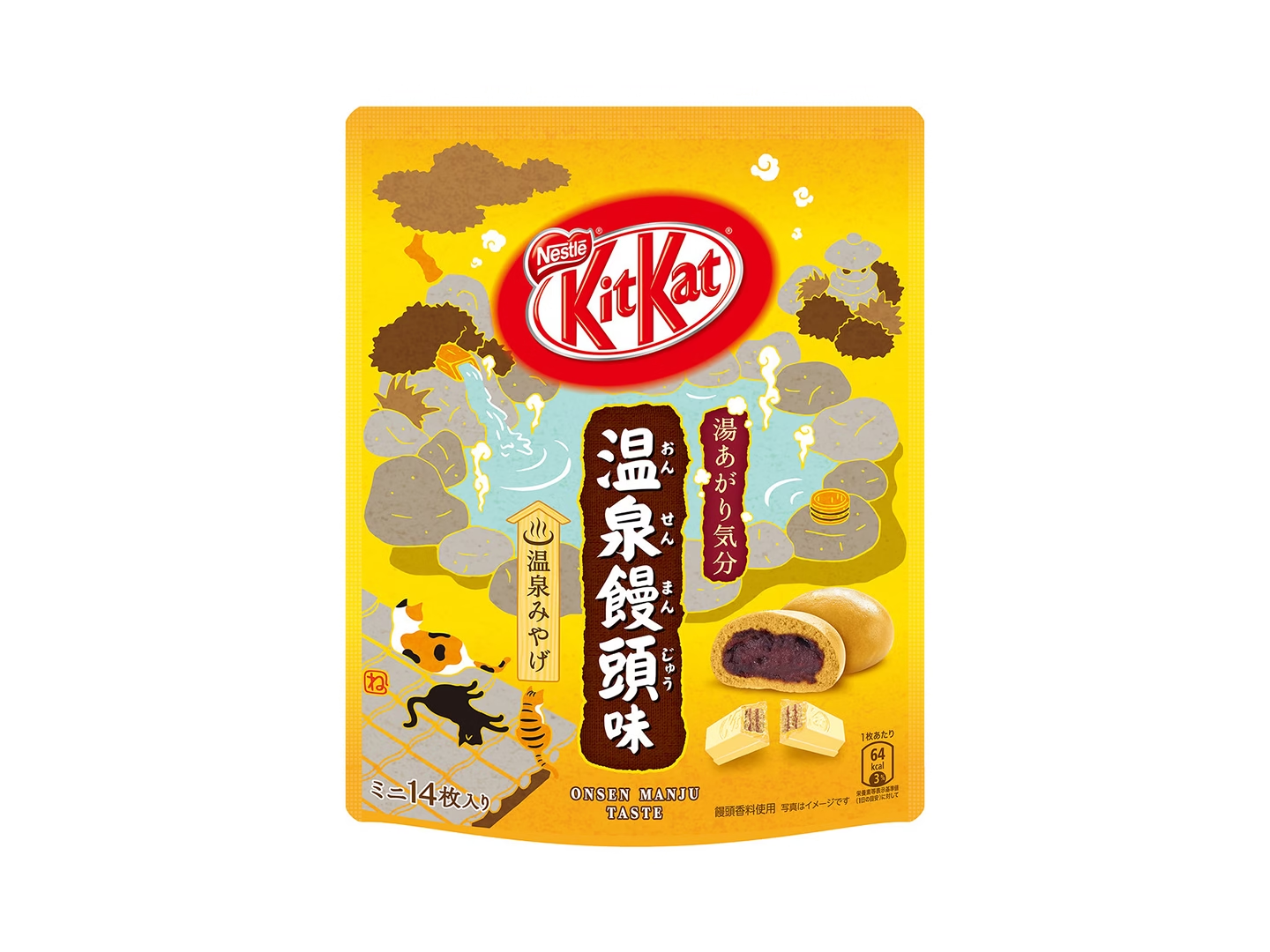
Some of Japan’s stranger KitKats were not built around bold ingredients. Onsen manju came from a hot spring town sweet already tied to domestic travel, which made it easy to place within Japan’s souvenir culture. More than anything, it showed how KitKat often borrowed from foods people already knew. In this case, the appeal came less from surprise than from recognition. A familiar travel sweet was turned into another kind of gift.
3. Sake Masuizumi
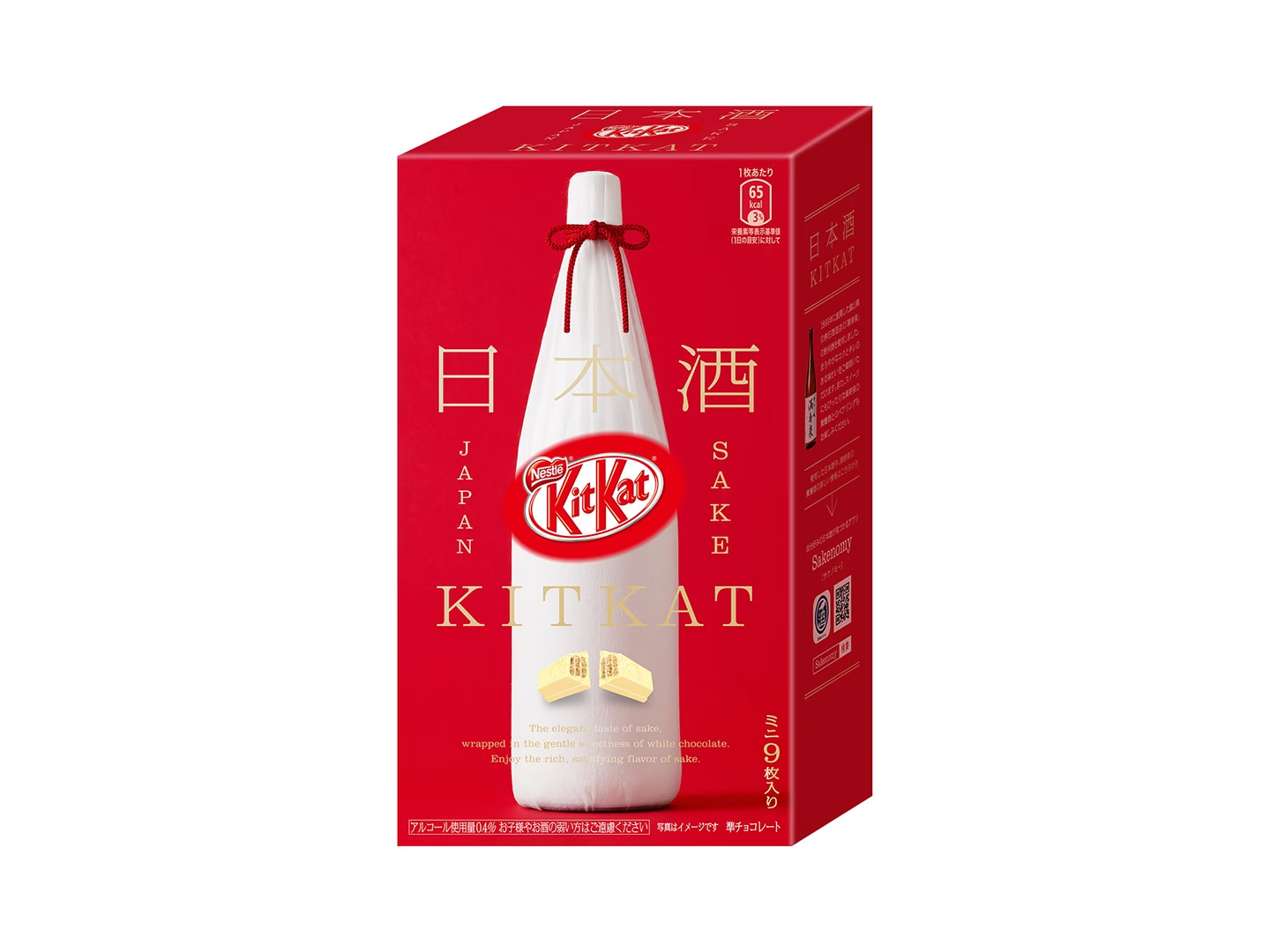
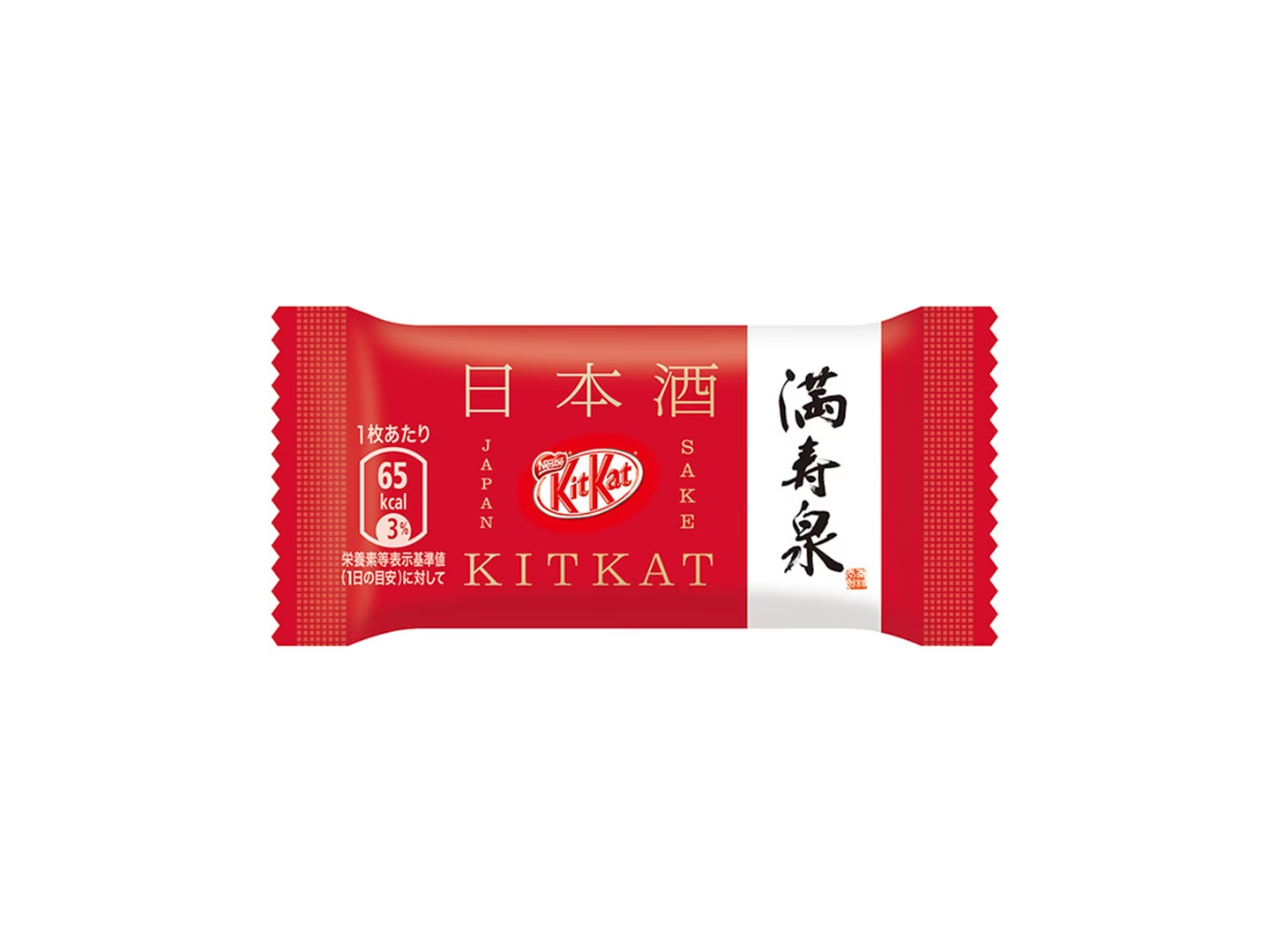
Sake Masuizumi made the regional logic even more direct. The flavor was tied to the Toyama brewery Masuizumi, which gave it a different weight from a generic sake label. That connection is what makes it interesting. The use of alcohol matters, but so does the way the product starts to resemble specialty food more than ordinary candy. It feels closer to a compact souvenir than a standard snack, which says a lot about where KitKat had gone by that point.
4. Amaou Strawberry
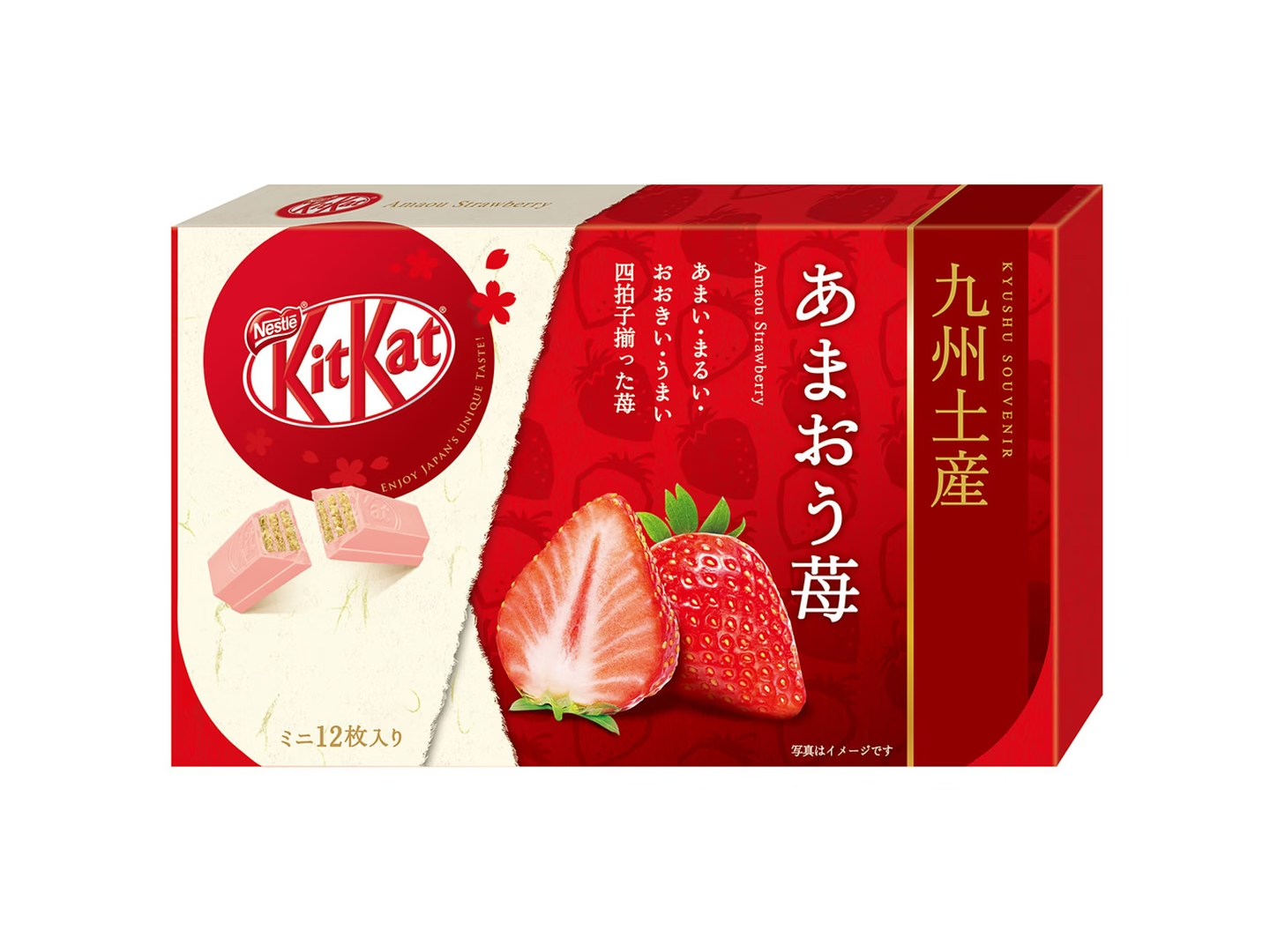
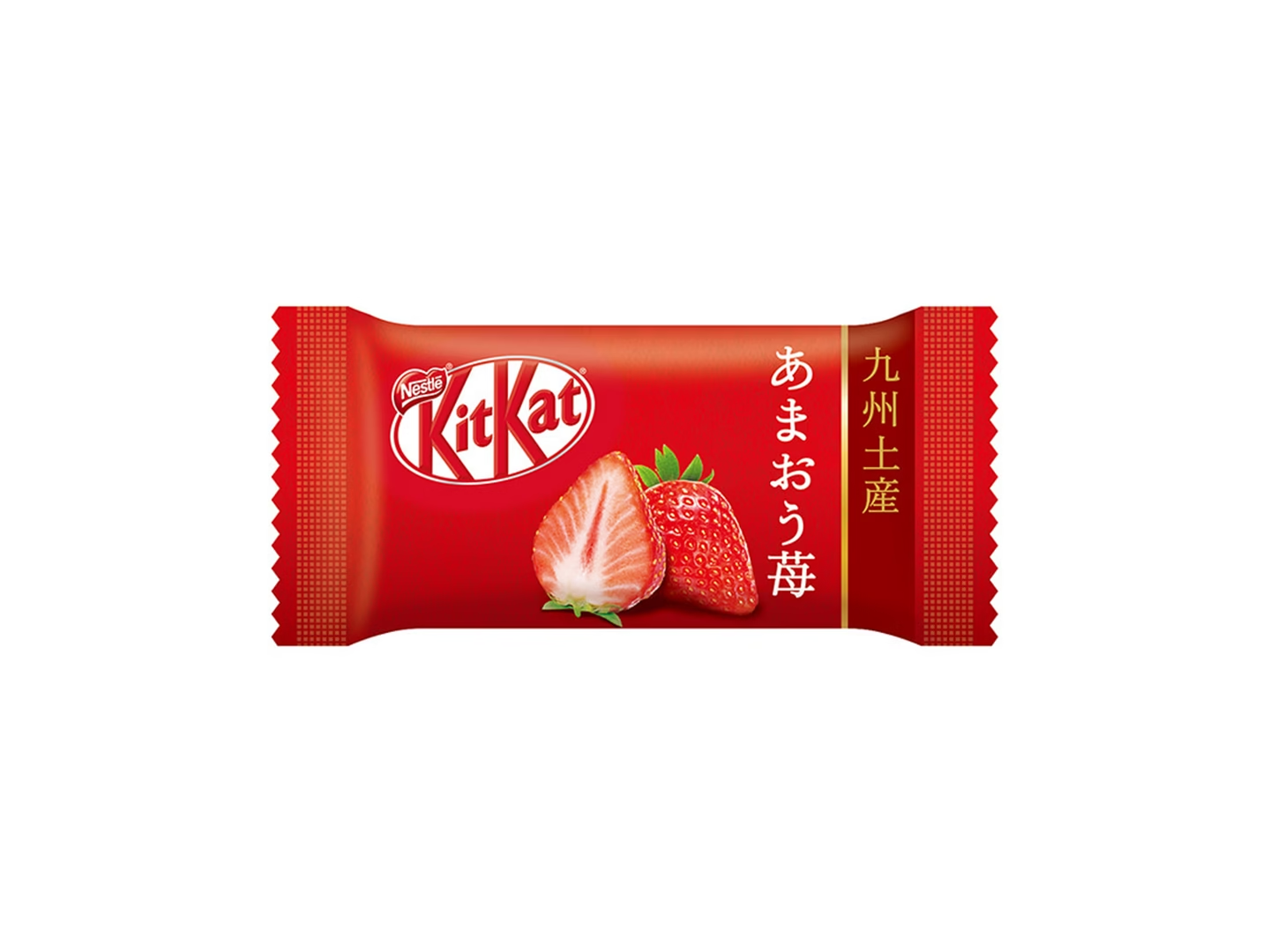
Amaou Strawberry points to another side of the same idea. Rather than using a generic strawberry flavour, it draws on a named variety grown exclusively in Fukuoka. Amaou was developed in Fukuoka through years of research and is treated as a branded strawberry with a strong regional identity, which gives the flavour a more specific character than a standard fruit variation. In that context, an Amaou KitKat feels closer to a localized product than a routine strawberry release.
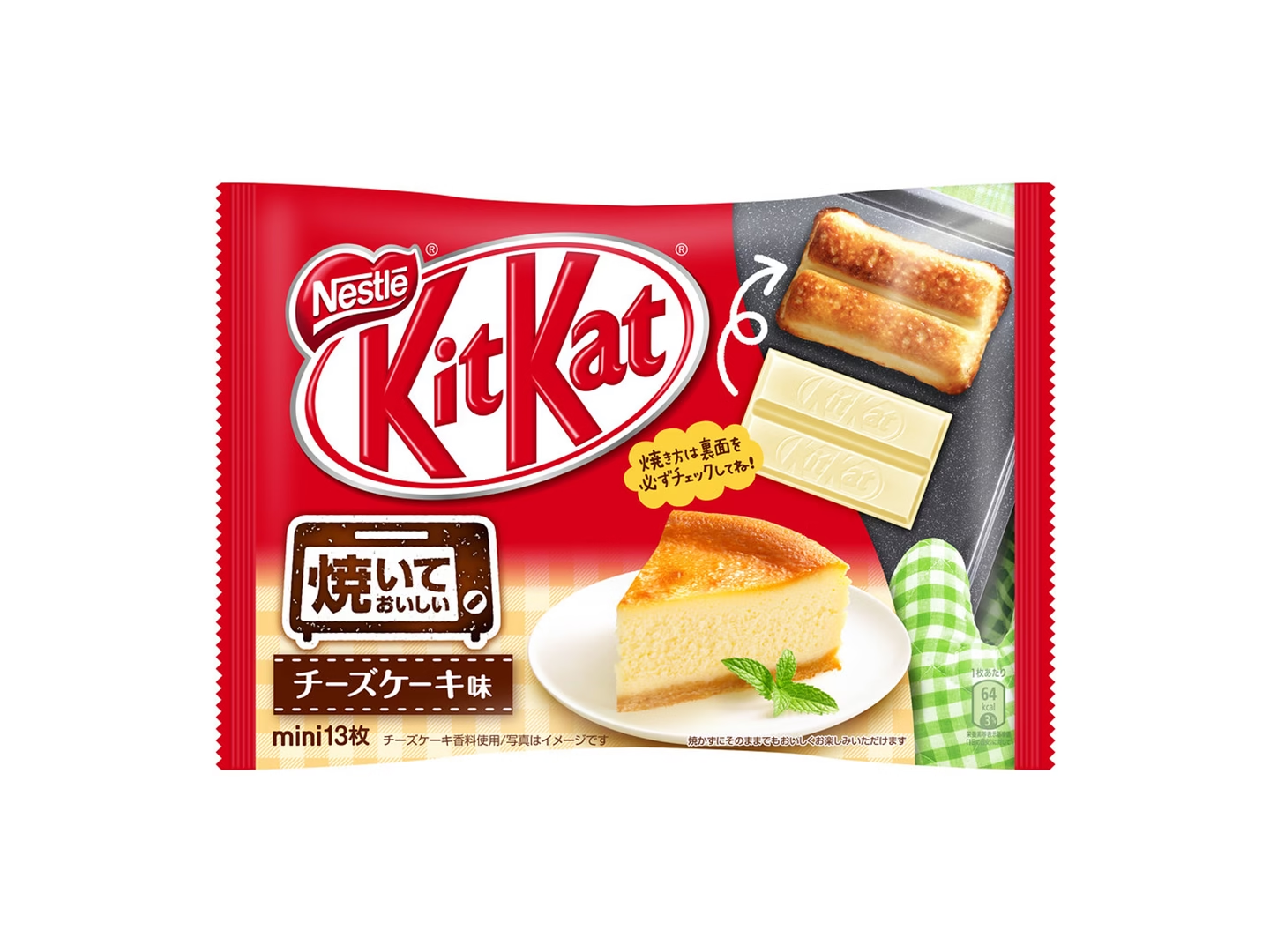
5. The Bakeable Series
The most unusual shift may have had less to do with flavor than with use. The bakeable series began with Bakeable Pudding in 2014, followed by Bakeable Cheesecake in 2015. What set those releases apart was the fact that the bars were meant to be toasted so the surface caramelized and the center softened. That small change pushed KitKat away from flavor alone and toward a different kind of experiment. In a lineup often defined by place and ingredients, the bakeable series showed that the brand could also be reworked through format.