Some artworks challenge systems from the outside. MSCHF, a Brooklyn-based collective, often chooses to work from within. Their projects take the form of limited-edition releases that embed themselves in existing structures: auctions, provenance, verification, retail, and finance. MSCHF does not operate in a fixed medium. Each work is a one-off intervention shaped by the system it moves through. This selection focuses on projects that engage institutional and art-contextual frameworks—releases that circulated not just as objects but as commentary within the networks they reveal.
For more on MSCHF’s footwear projects, a separate article can be read HERE.
1. The Persistence of Chaos (2019)
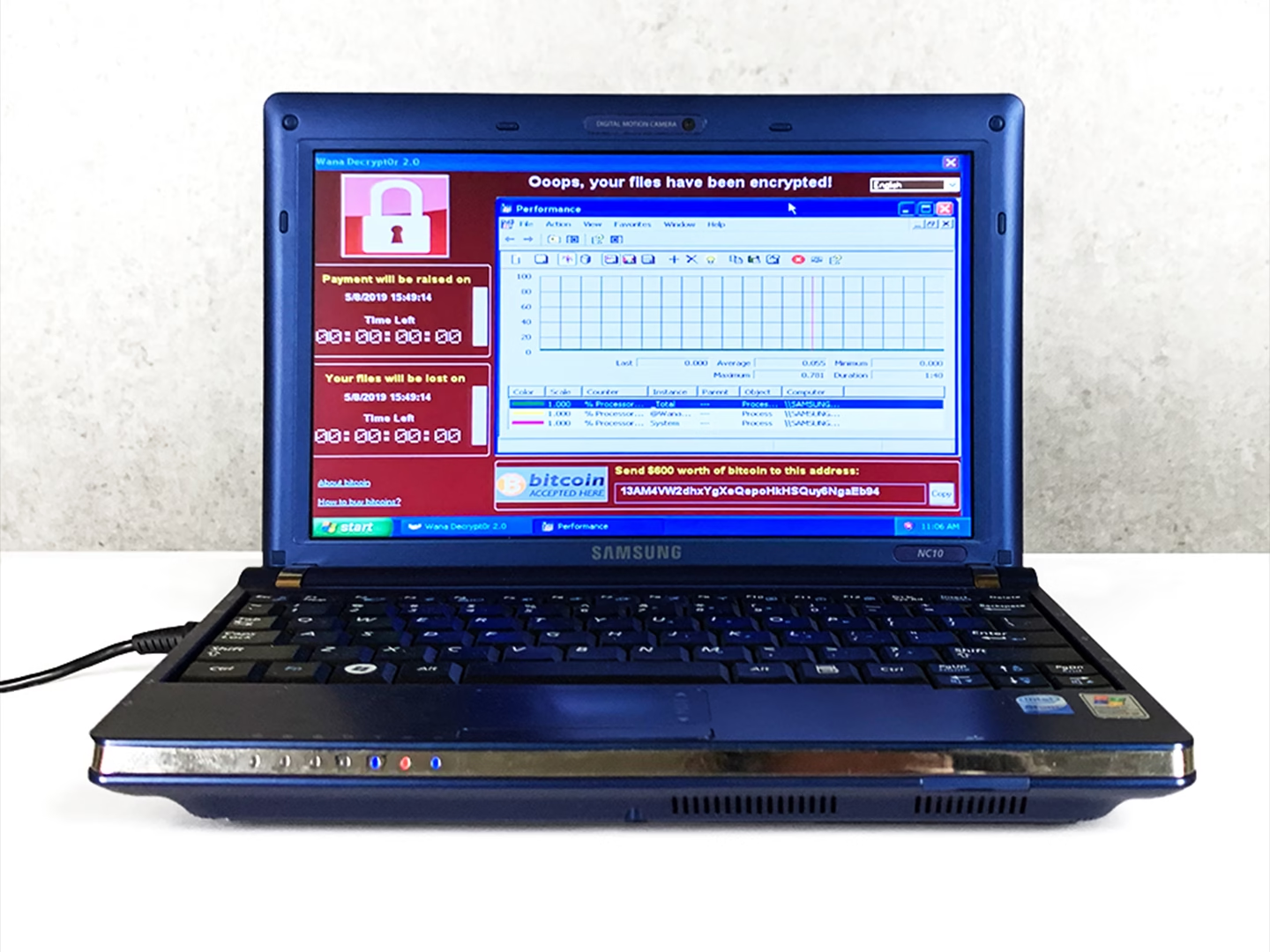
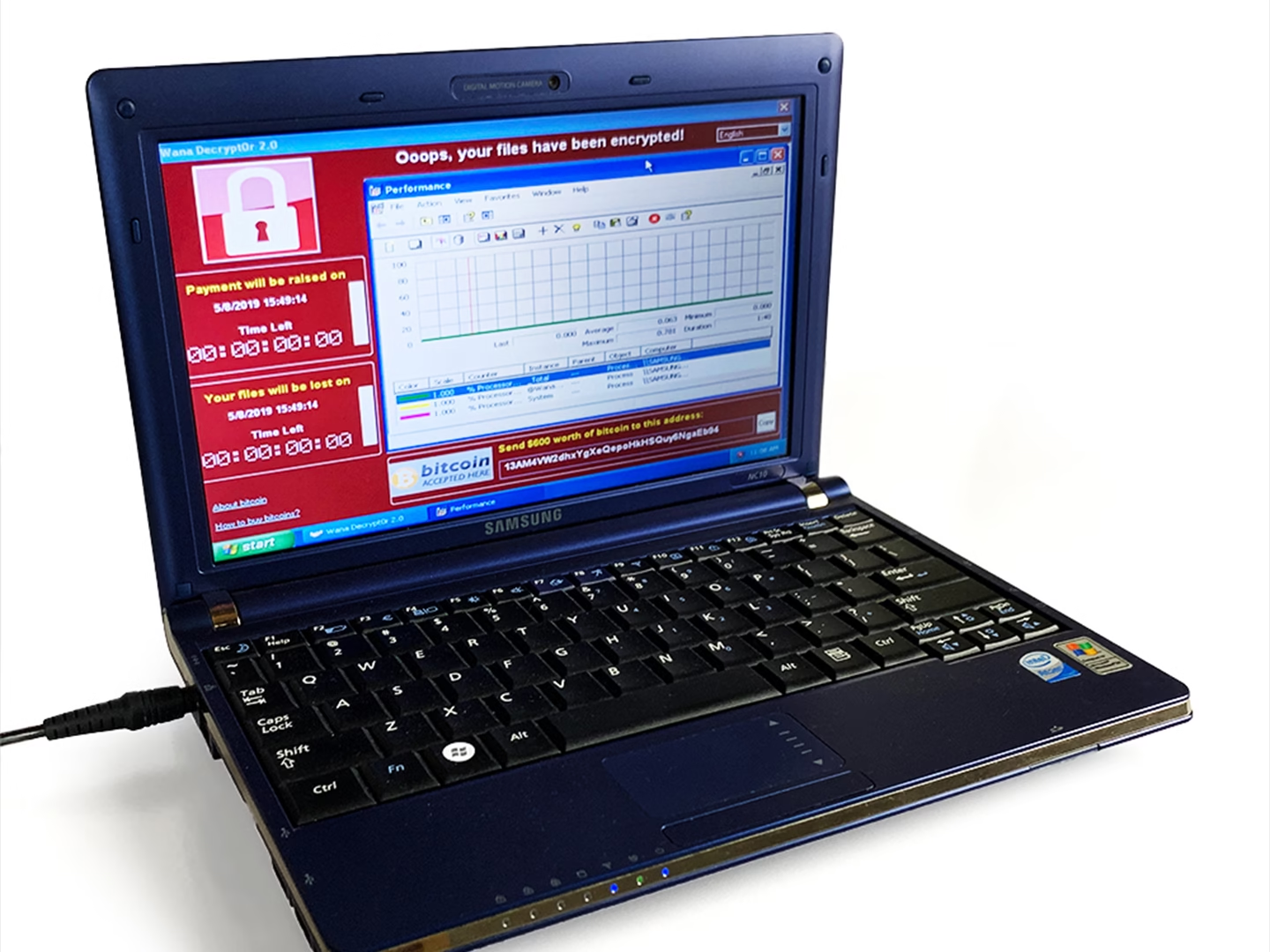
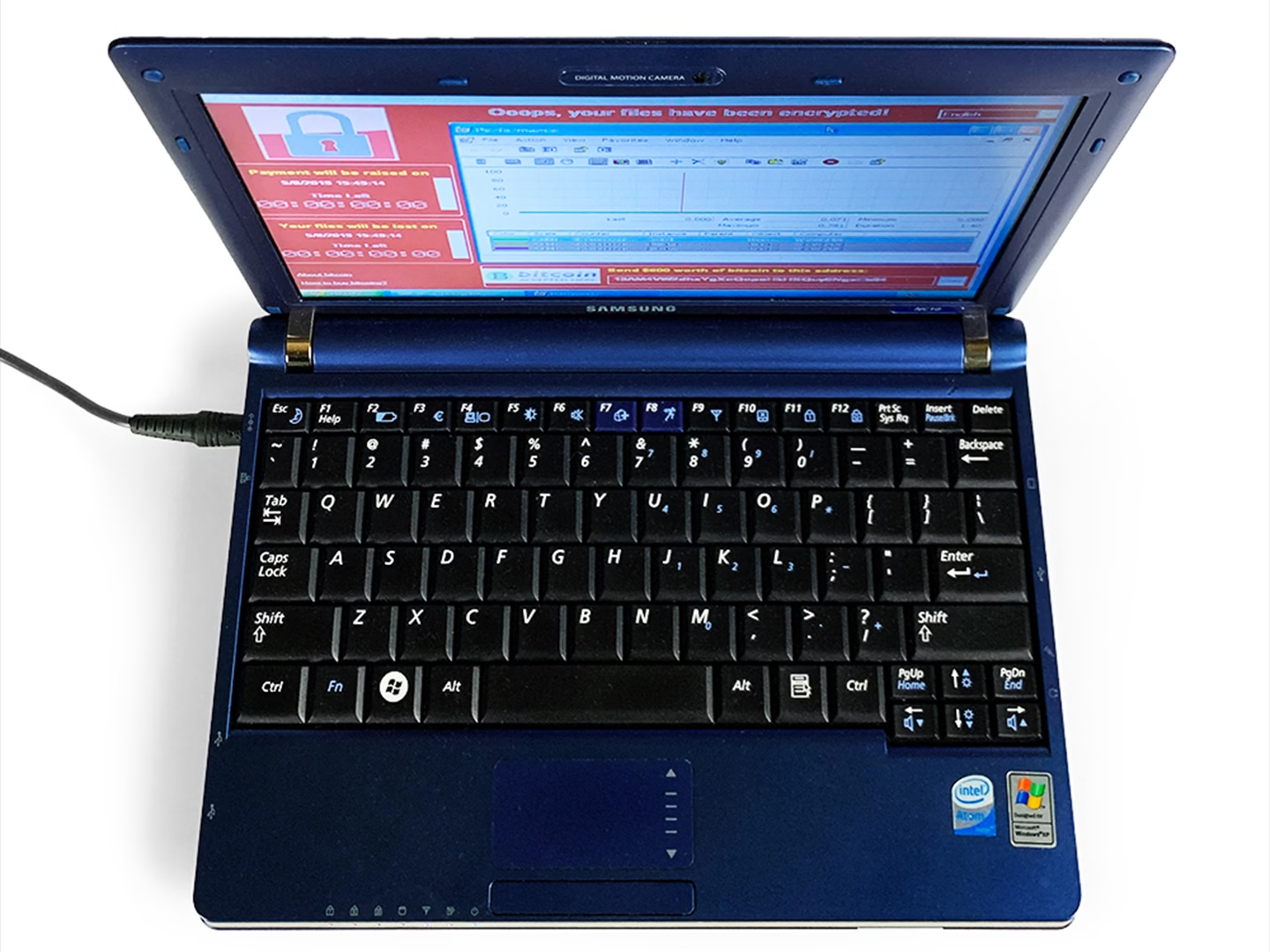
A 2008 Samsung NC10 laptop, air-gapped and preloaded with six strains of malware responsible for over $95 billion in damages. Commissioned by cybersecurity artist Guo O. Dong and realized in collaboration with MSCHF, the laptop was positioned as an art object titled The Persistence of Chaos. It was exhibited live online while isolated from the internet, then auctioned with transfer instructions emphasizing legal boundaries and safe handling. The piece draws on art-historical strategies of elevation through framing, presenting software-based threats through sculptural stasis. It sold for $1.3 million.
2. Severed Spots (2020)
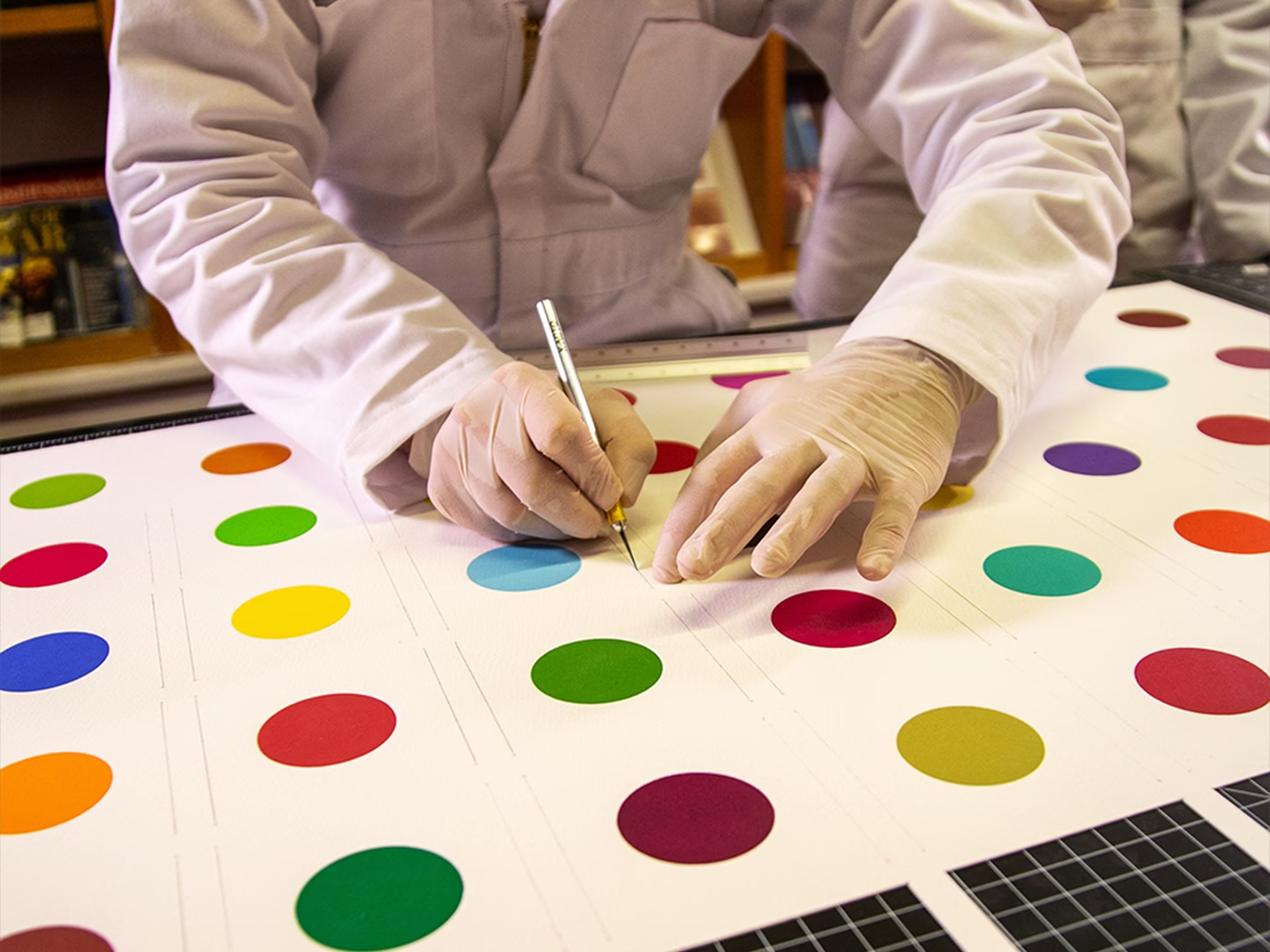
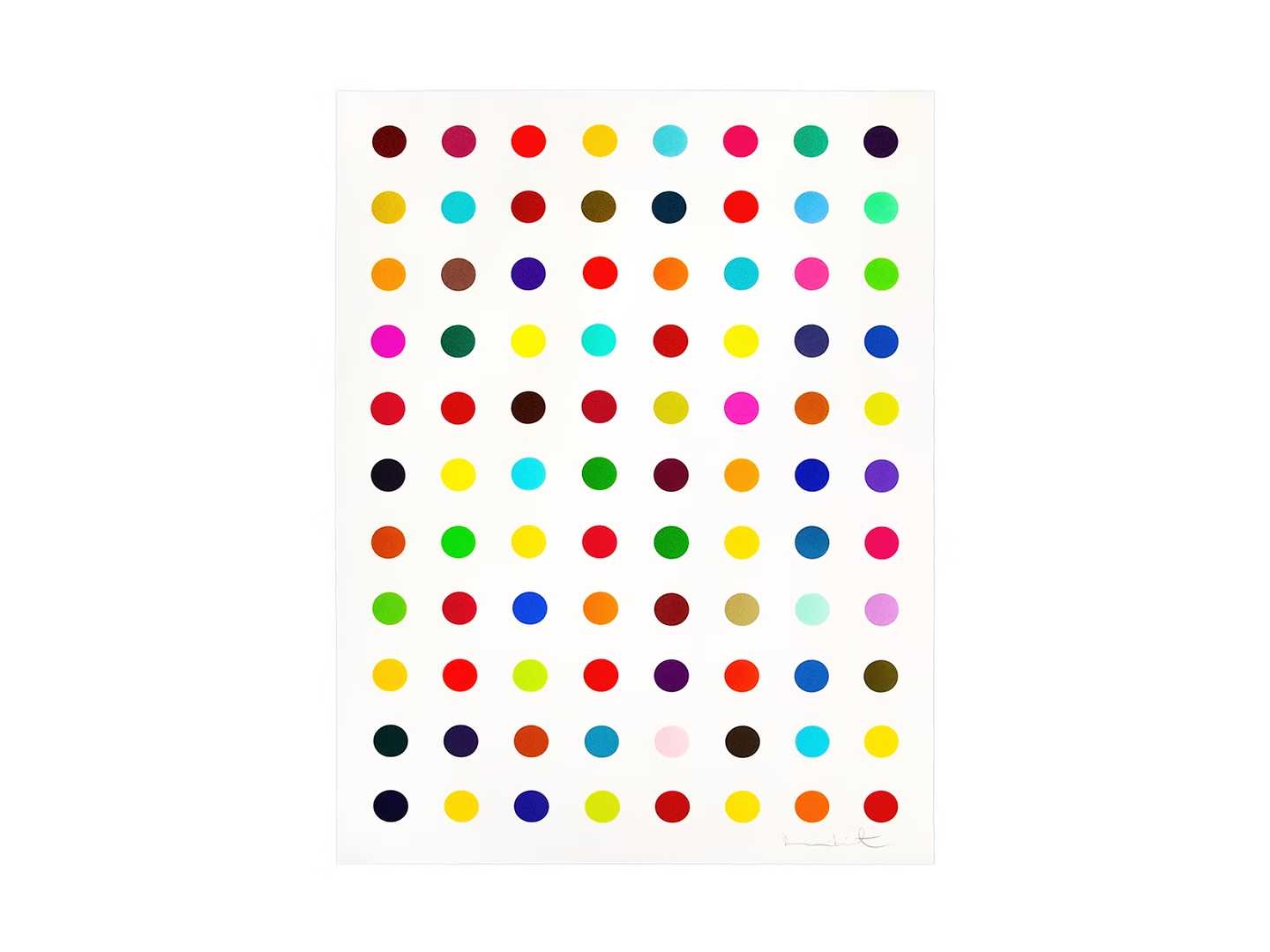
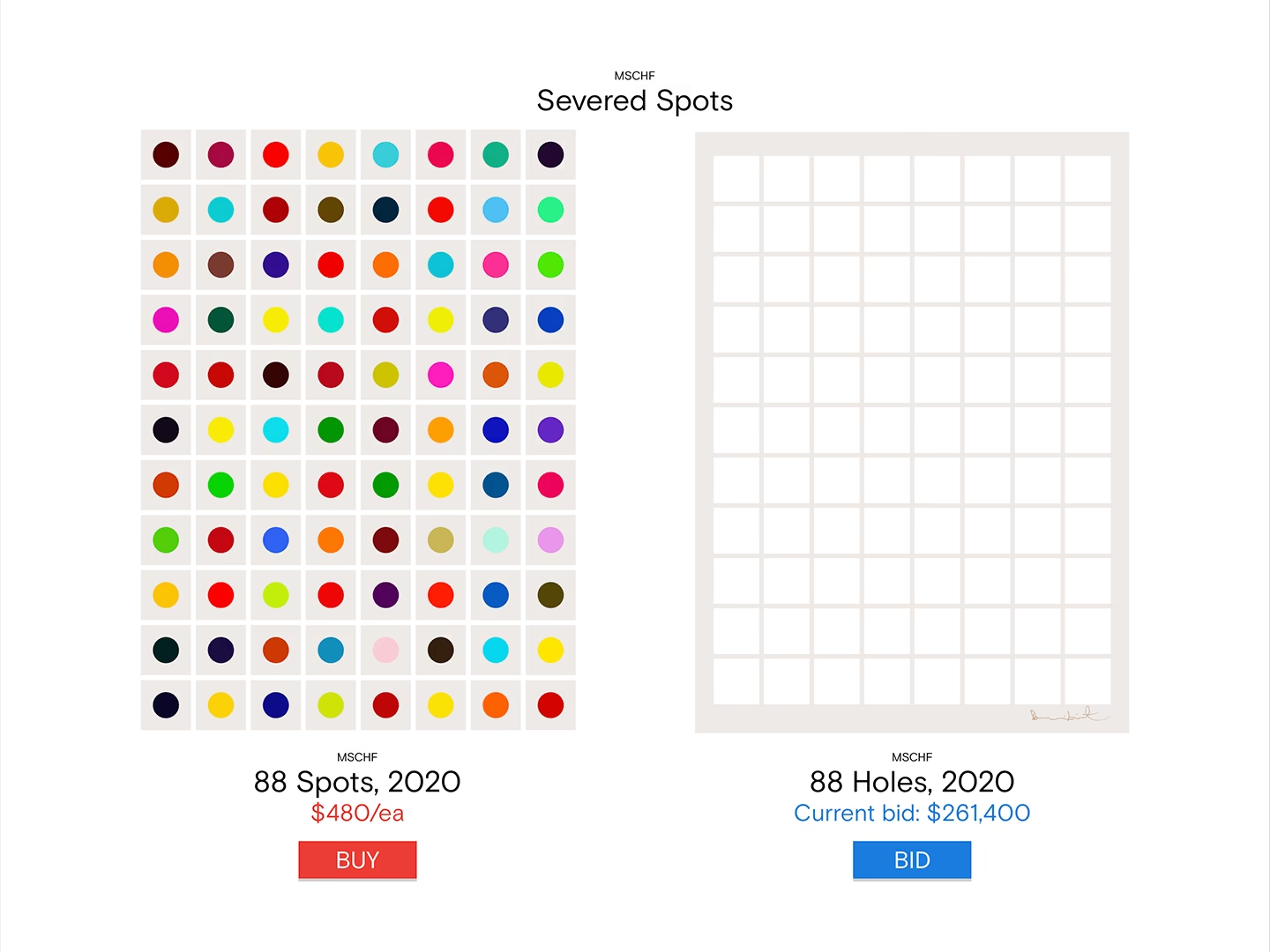
A single Damien Hirst spot print was cut into 88 pieces. Each fragment was mounted, numbered, and sold individually through MSCHF’s website. Buyers could not choose their segment. One slot was reserved for the original full certificate of authenticity, effectively fractionalizing both the object and its official status. Severed Spots draws from conceptual art’s legacy of disassembly and redistribution while applying it through a direct-to-consumer model. It forces a tension between value as partial ownership and value as aesthetic completeness.
3. Museum of Forgeries (2021)
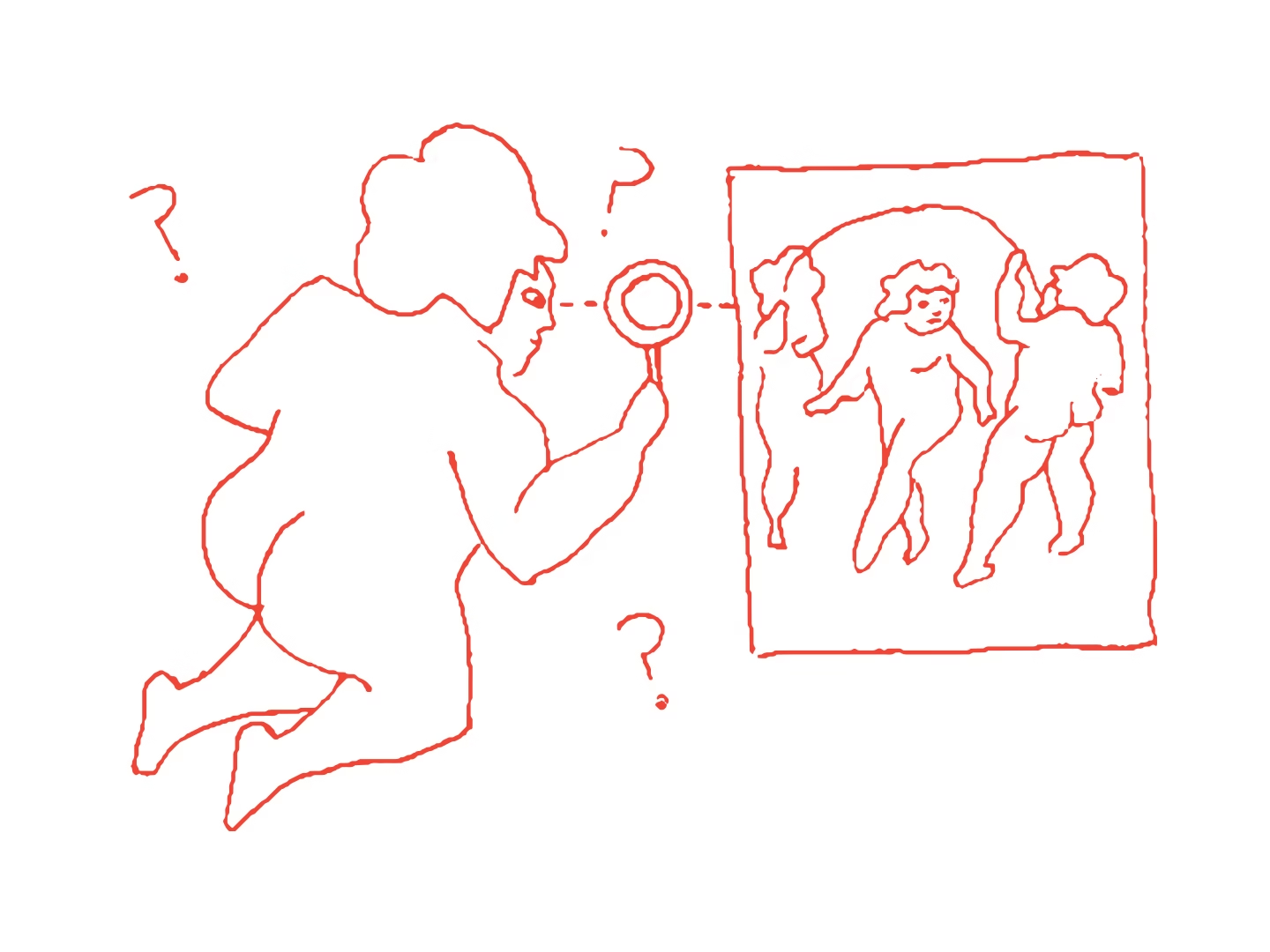
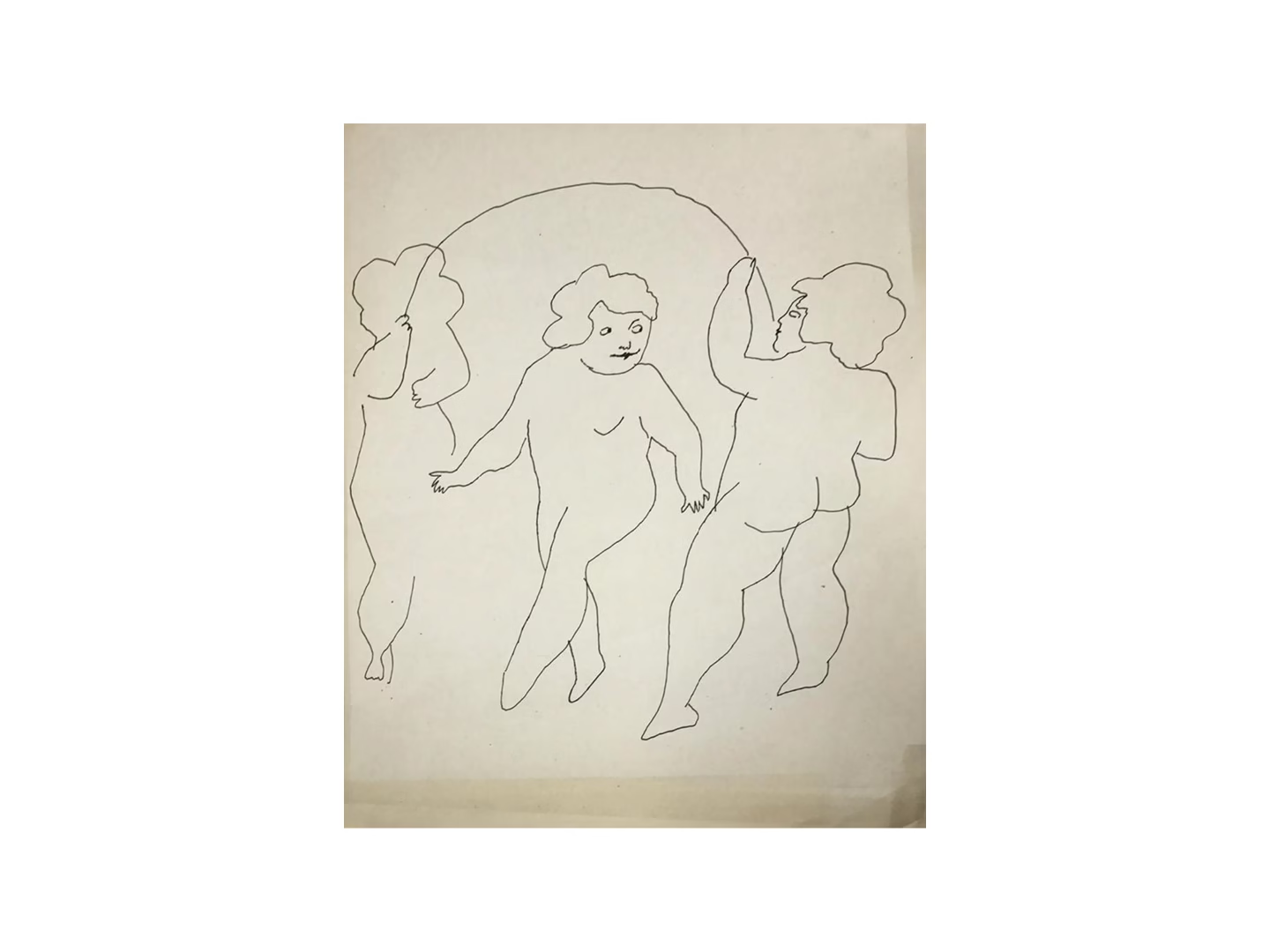
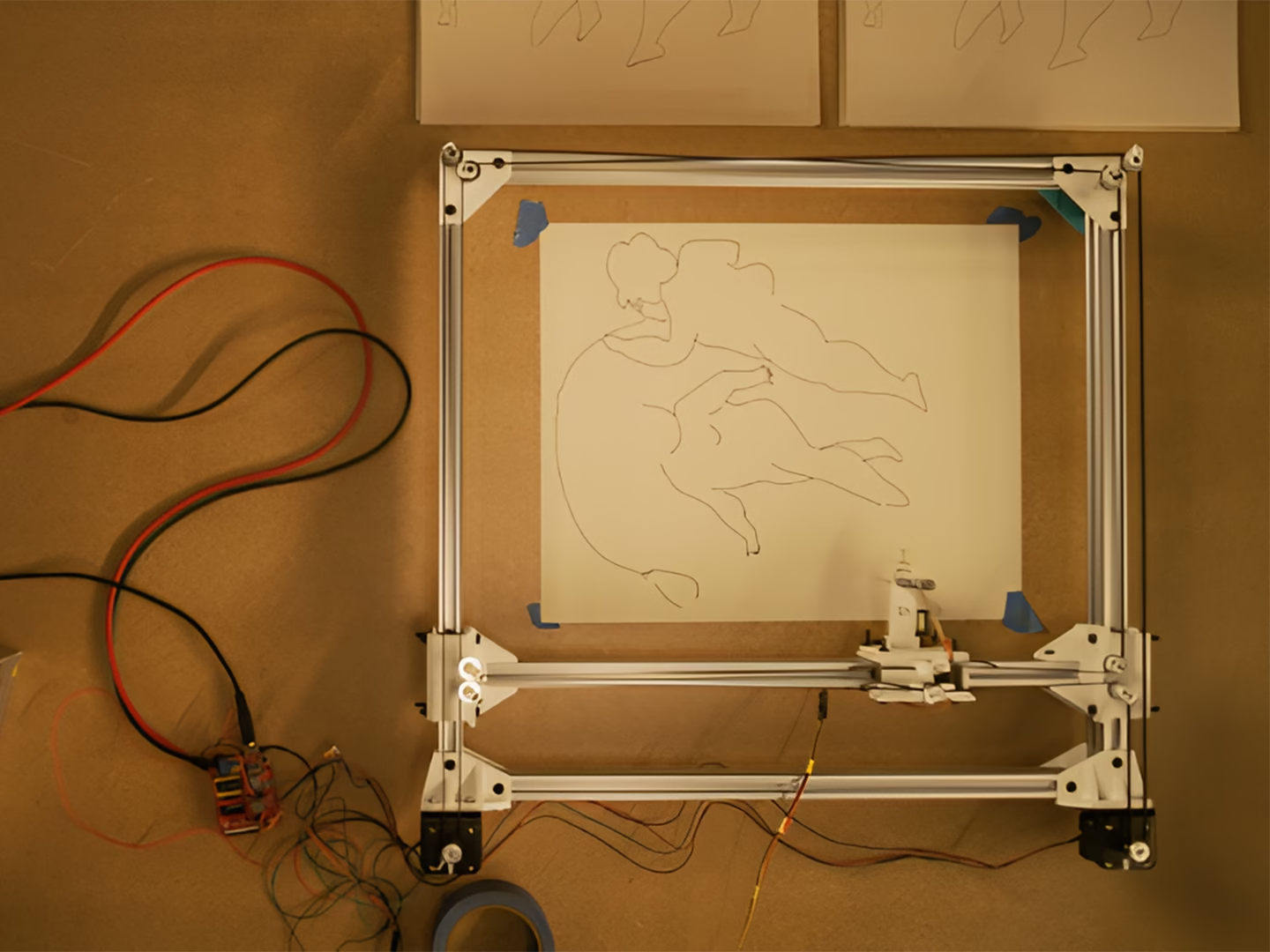
MSCHF purchased an original Andy Warhol Fairies drawing for $20,000, then produced 999 high-quality replicas using machine learning, aging techniques, and hand-finishing. The original was shuffled into the set and the full edition, now titled Possibly Real Copy of ‘Fairies’ by Andy Warhol, was sold for $250 each. Ownership was redistributed, and authenticity was intentionally anonymized. The project highlights how provenance, trust, and institutional mediation generate value. It was positioned in press and MSCHF’s own materials as a response to art-world gatekeeping and the machinery of verification.
4. ATM Leaderboard (2022)
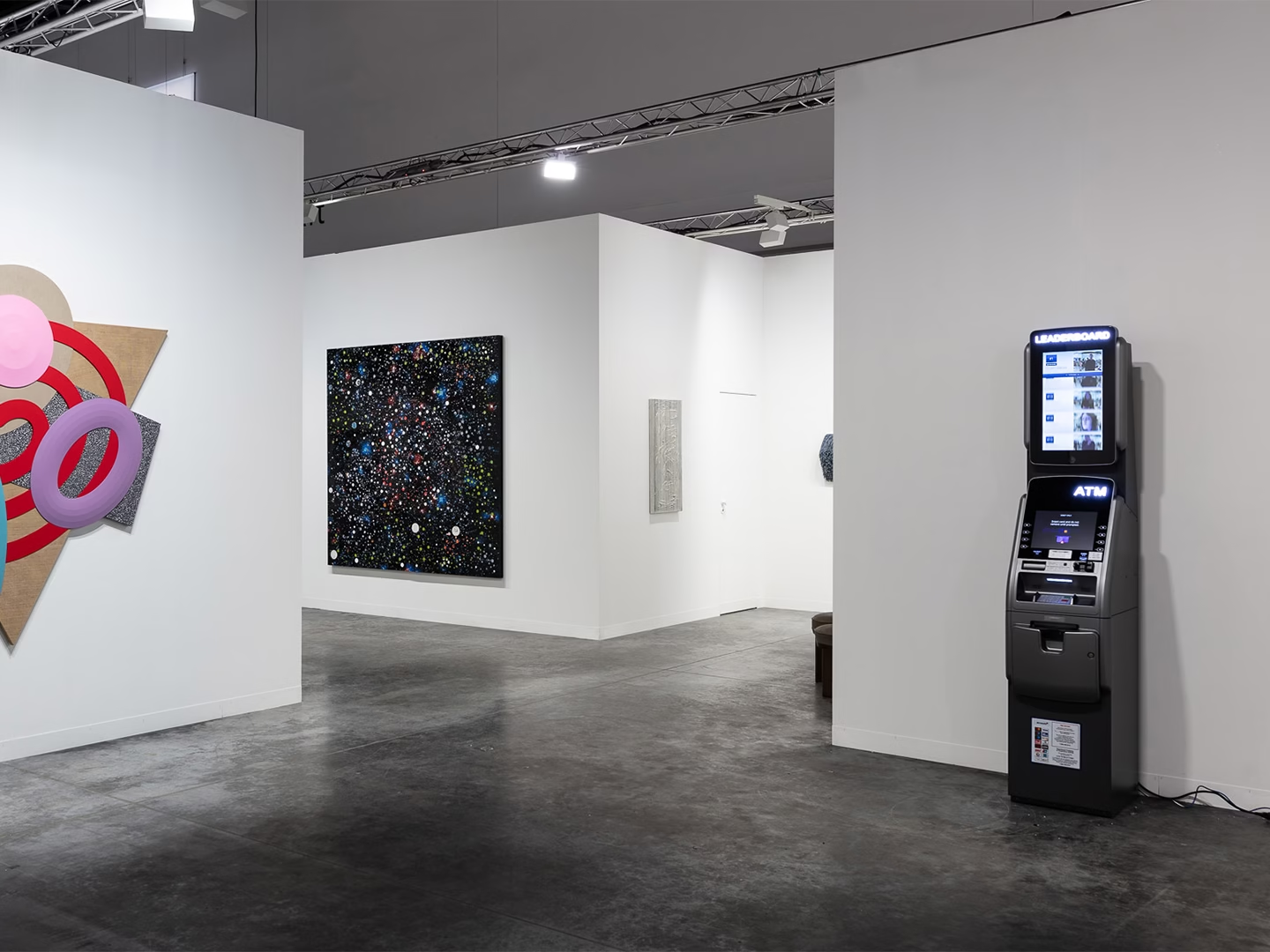
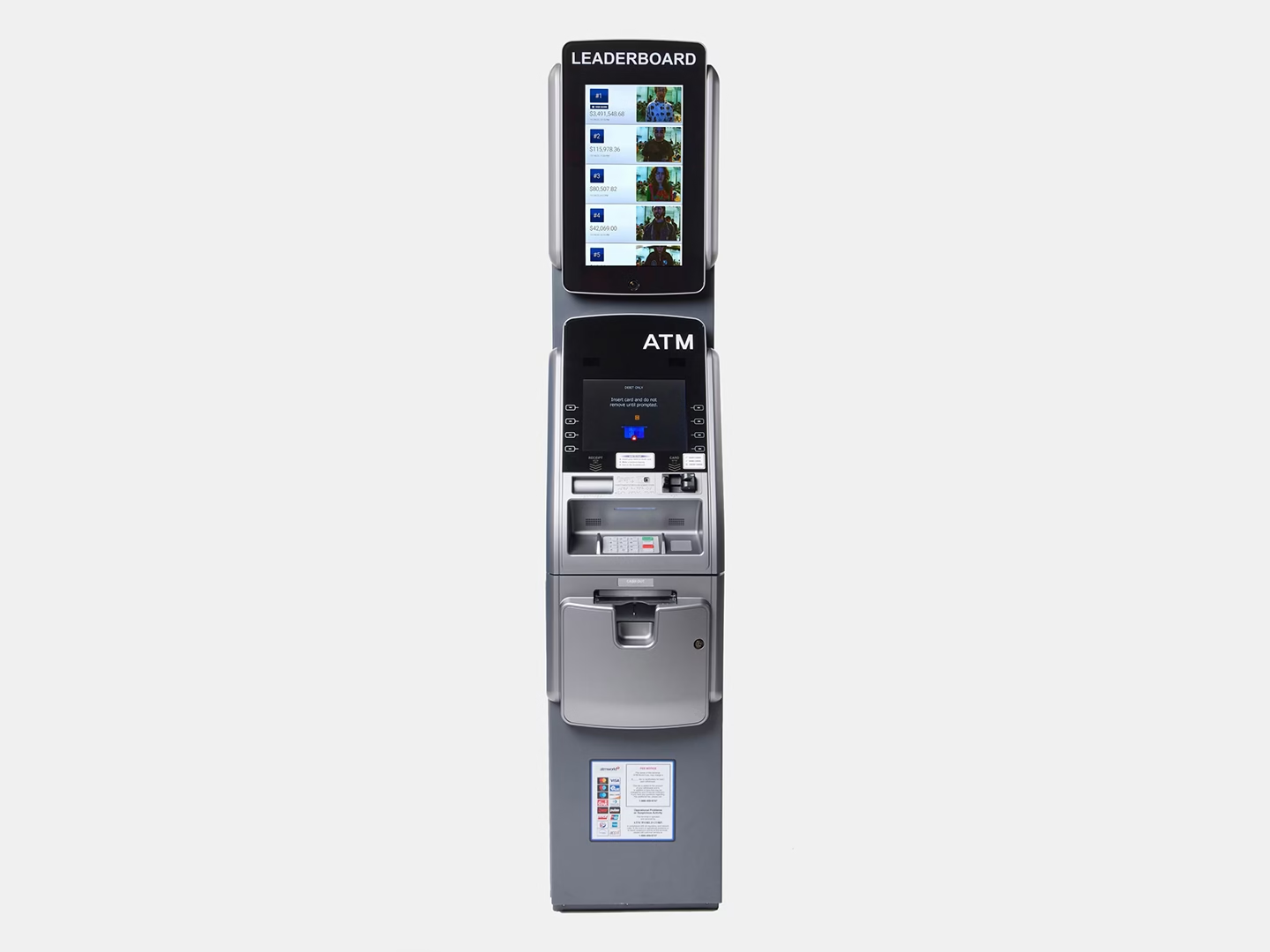
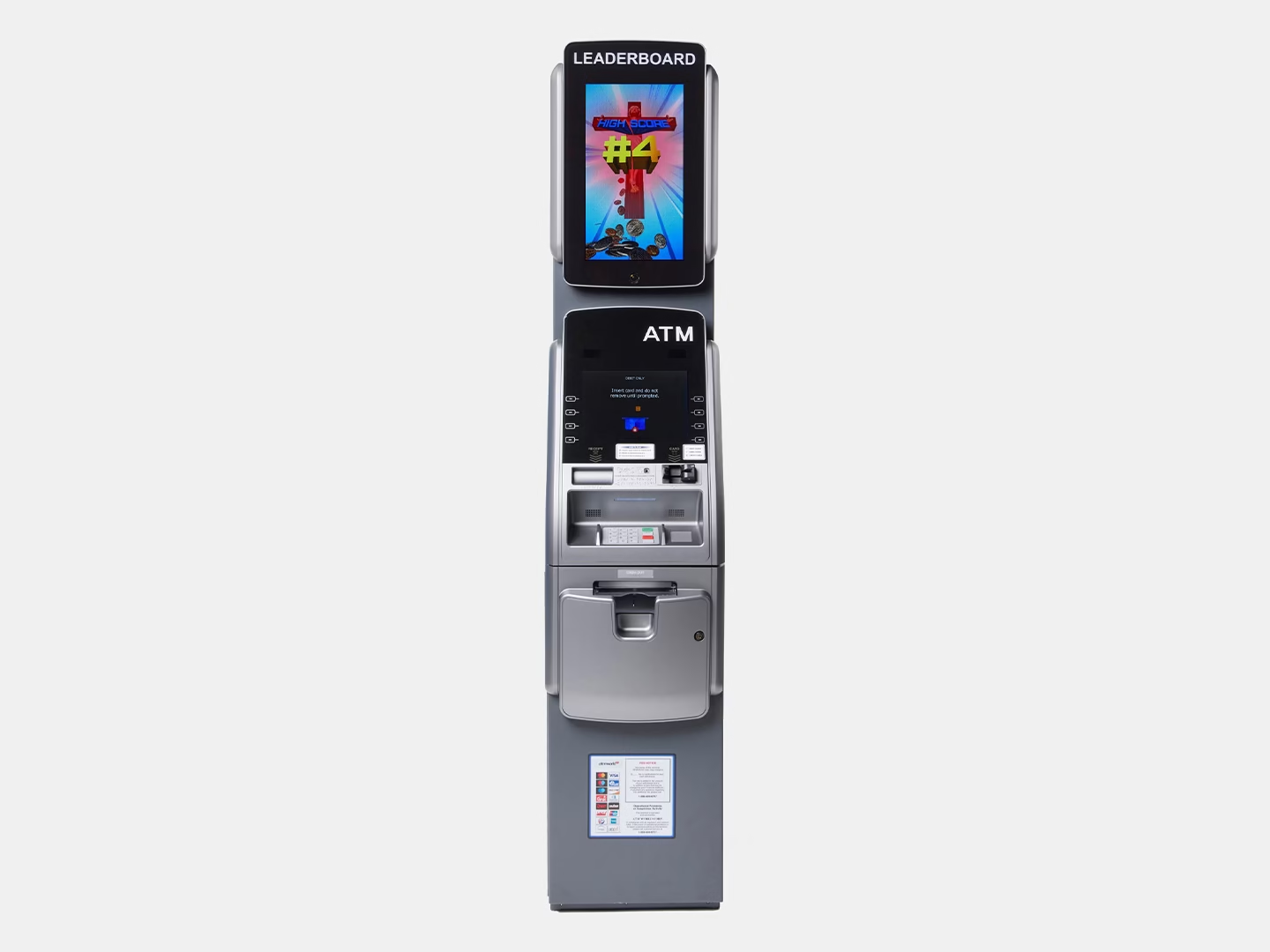
Installed at Art Basel Miami, the ATM Leaderboard was a functioning cash machine that photographed users and publicly ranked them by account balance on a large screen above the device. Developed in collaboration with Perrotin Gallery, the work combined biometric capture, banking data, and public display. The interface mimicked arcade leaderboard graphics, with names and faces scrolling in real time. It was widely covered by press and social media. The piece operated briefly outside its initial art fair setting but remains best known in that context. It raises questions of financial spectatorship, disclosure, and gamified hierarchy.
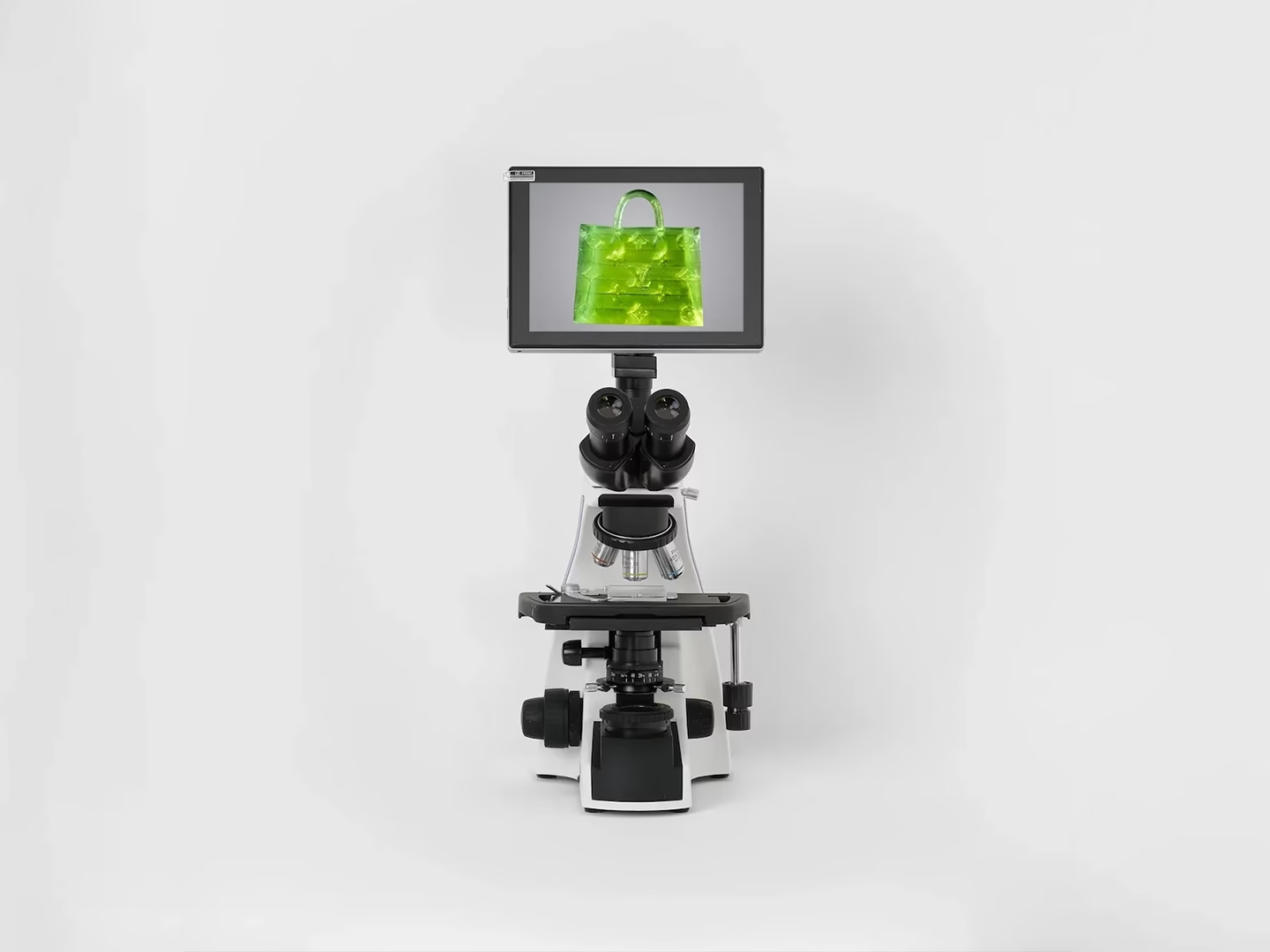
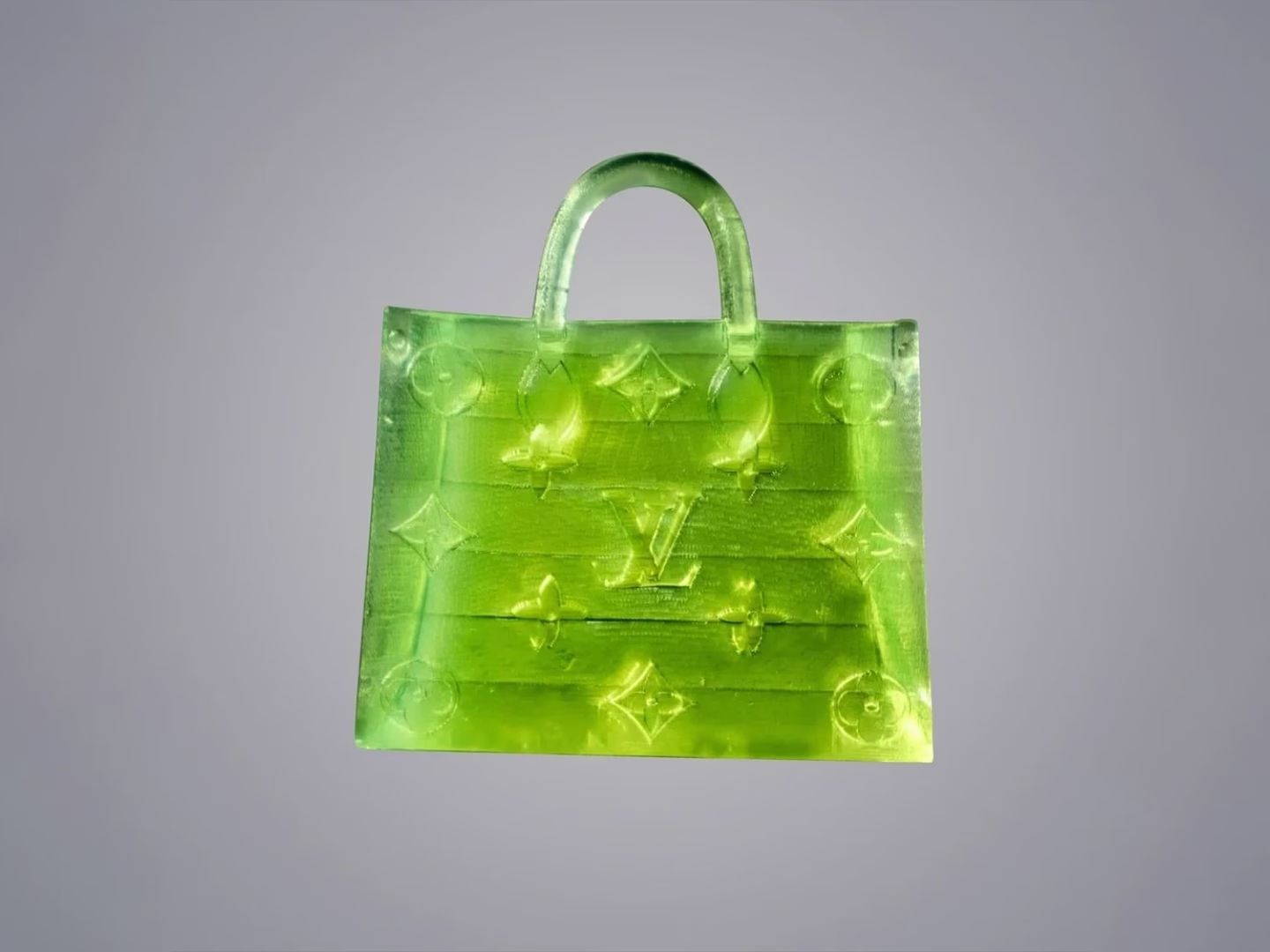
5. Microscopic Handbag (2023)
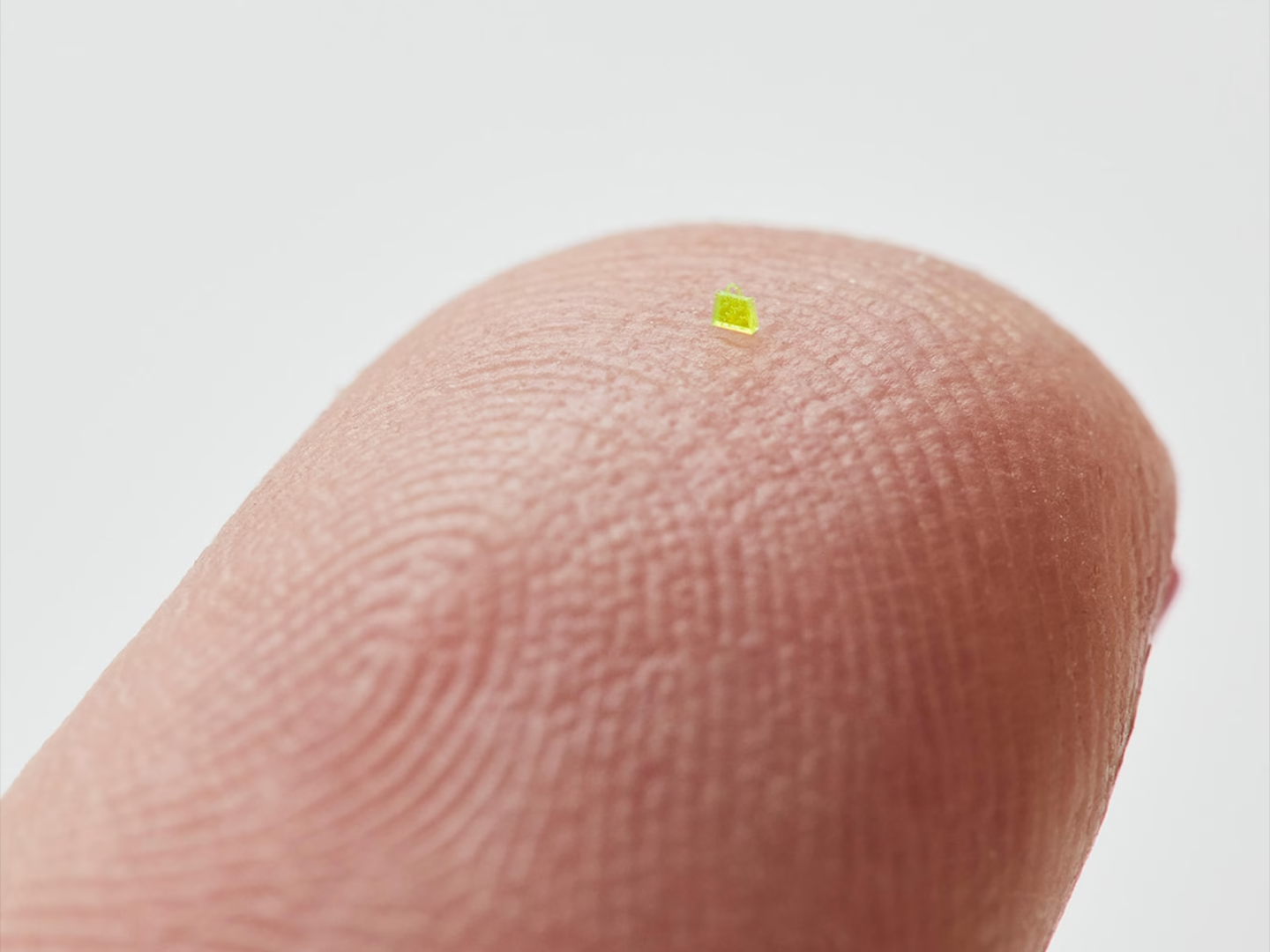
Created with a 3D printer used for medical device manufacturing, this sculpture is a nearly invisible copy of a Louis Vuitton OnTheGo bag, measuring 657 × 222 × 700 micrometers. It was auctioned by Joopiter, Pharrell Williams’ auction house, and displayed under a microscope. MSCHF referred to it as “smaller than a grain of salt.” The project draws from both luxury branding and nanotechnology to question scale, scarcity, and value. It blurs the line between branding as surface and sculpture as object, functioning as both a parody and a genuine collector’s item.