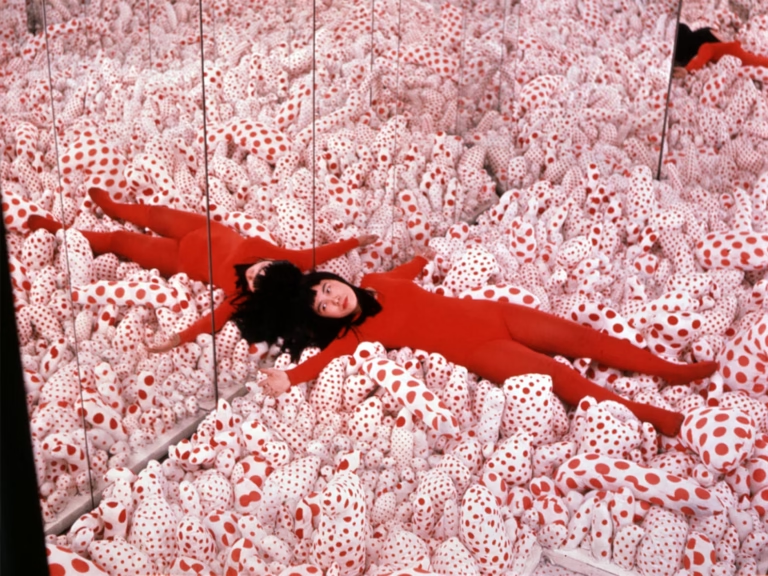
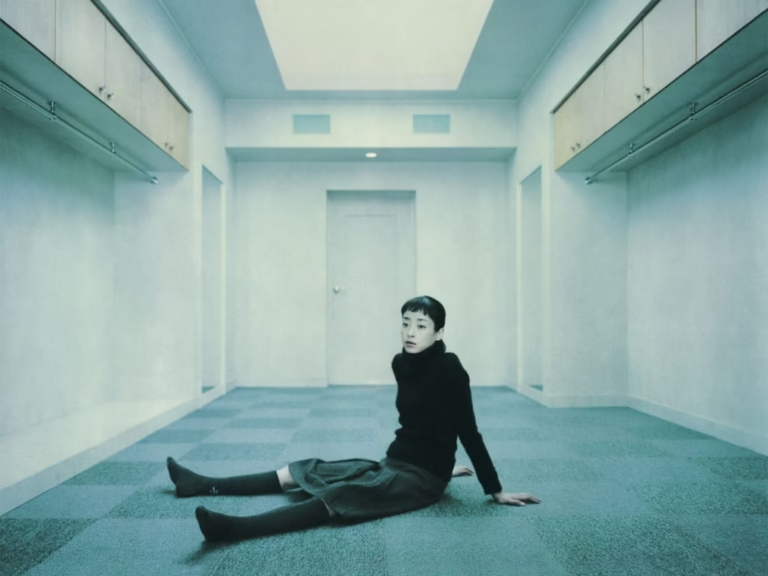
Satoshi Kon’s directing career unfolded over less than a decade and resulted in a tightly contained body of work. Born in 1963 in Hokkaido, he entered the animation industry through manga, illustration, and art direction, contributing to projects such as Roujin Z and Memories before moving into feature filmmaking. Between 1997 and 2006, he completed four feature films and one television series, all produced at Madhouse. Rather than expanding into a long-running career, his output forms a clearly bounded filmography, with each project differing in format, tone, and narrative construction.
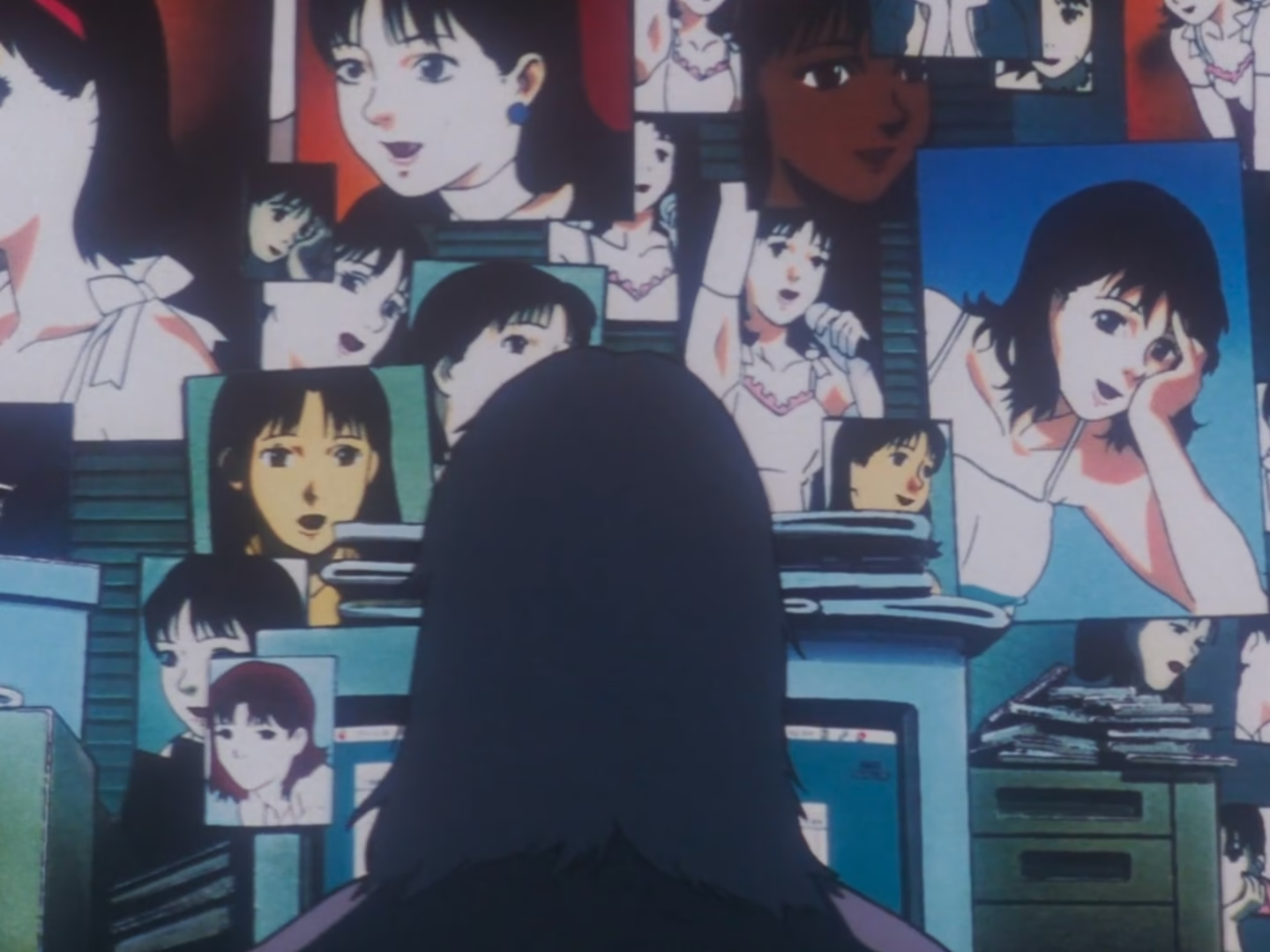
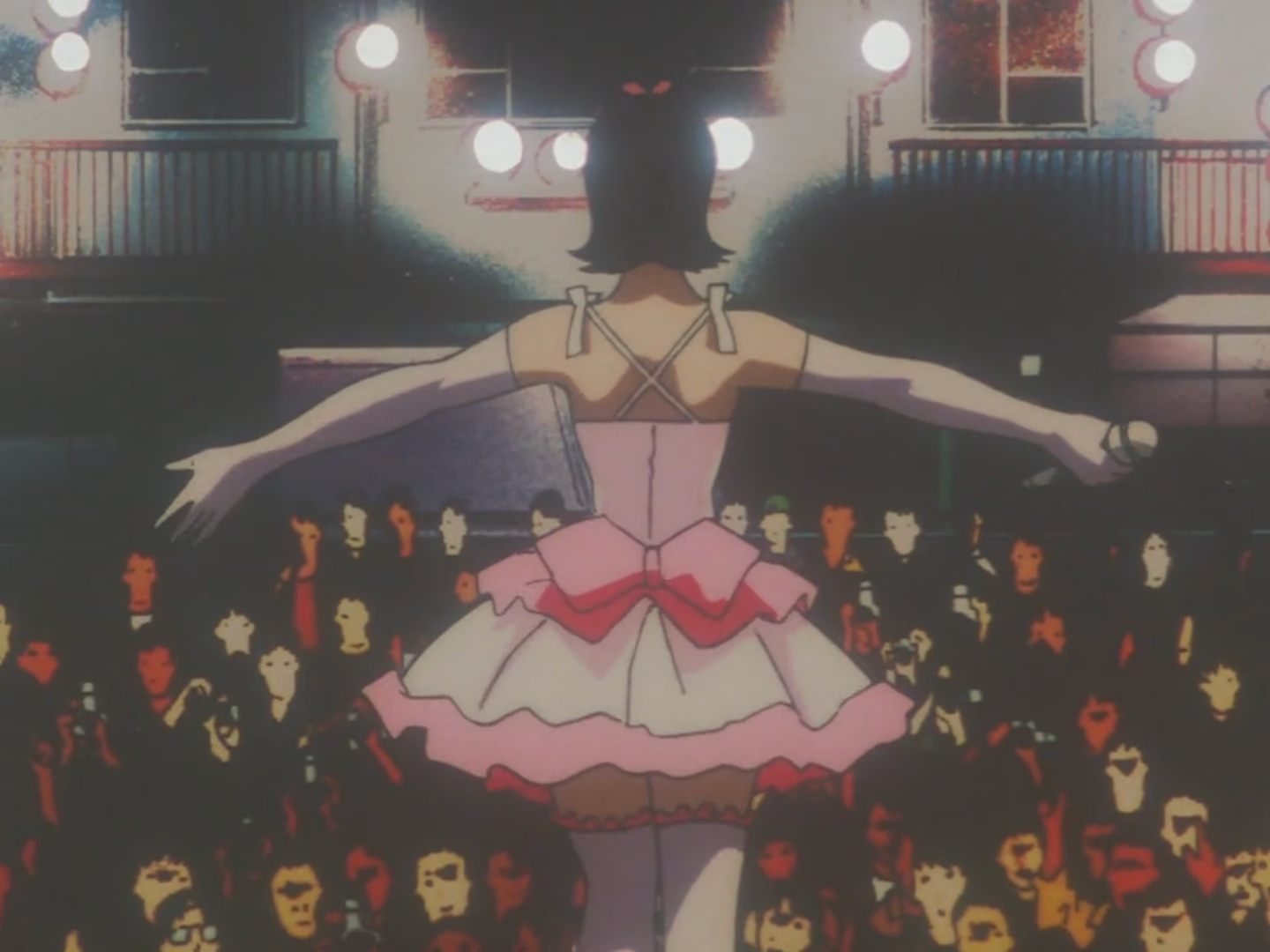
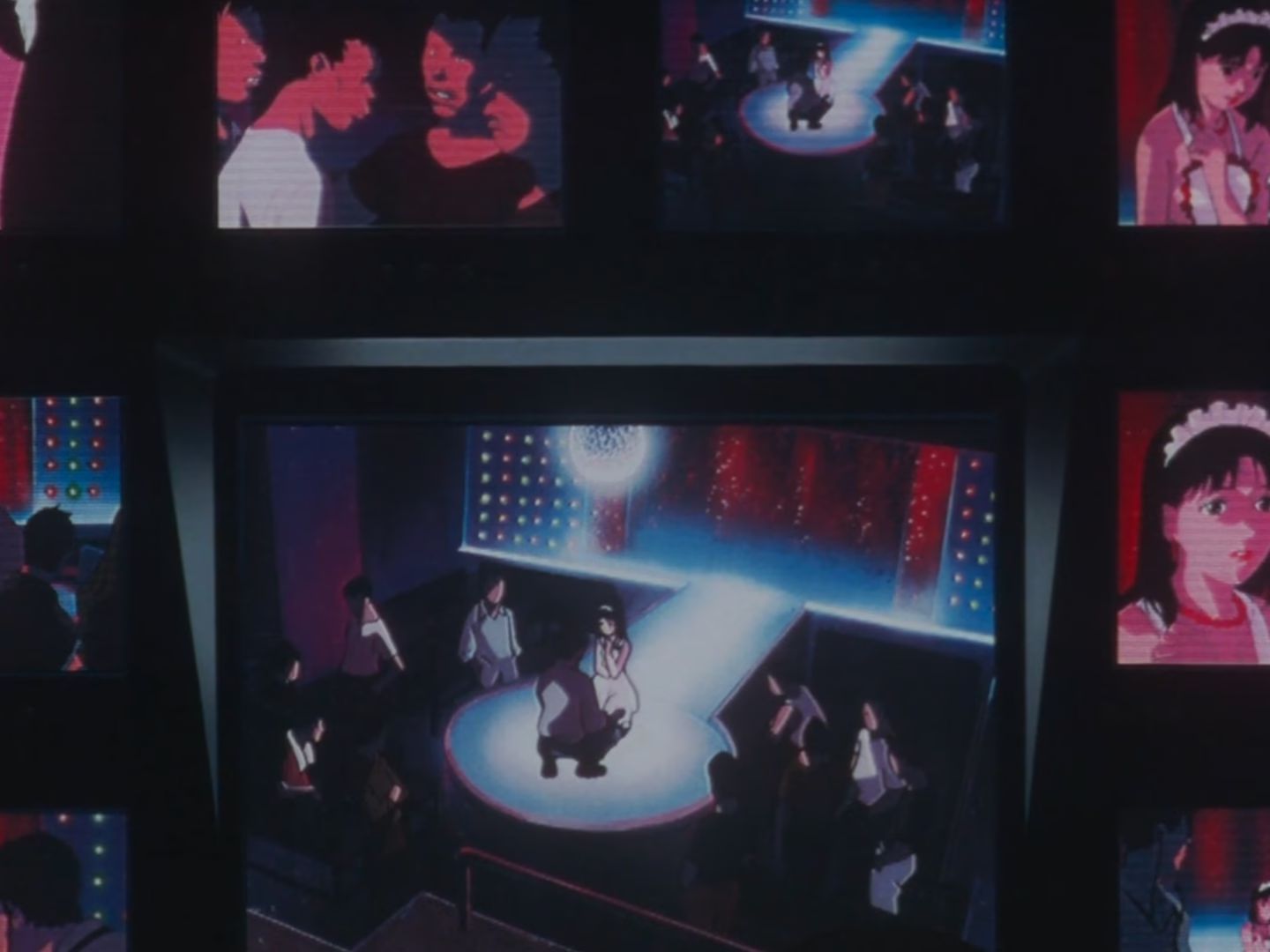
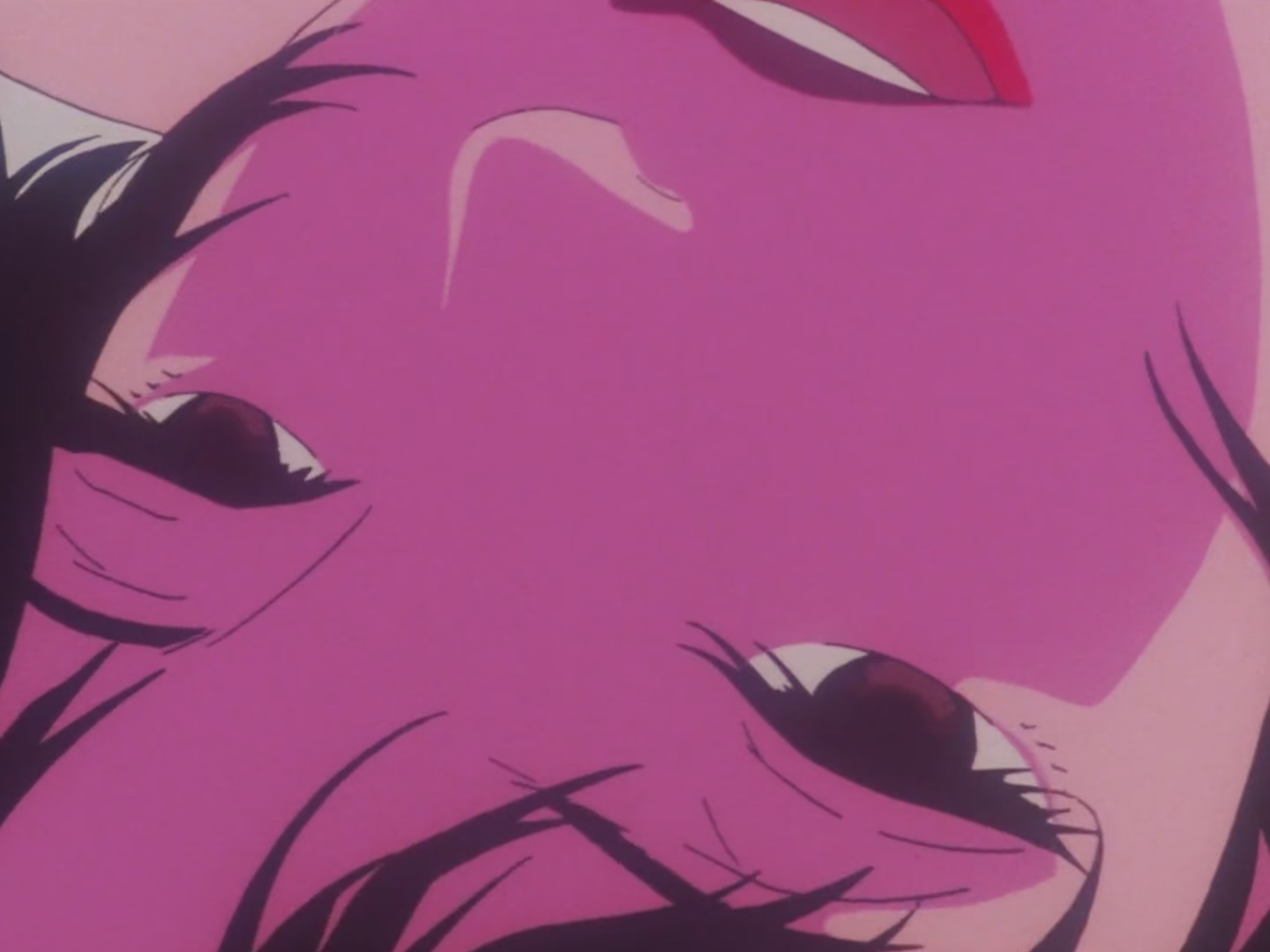
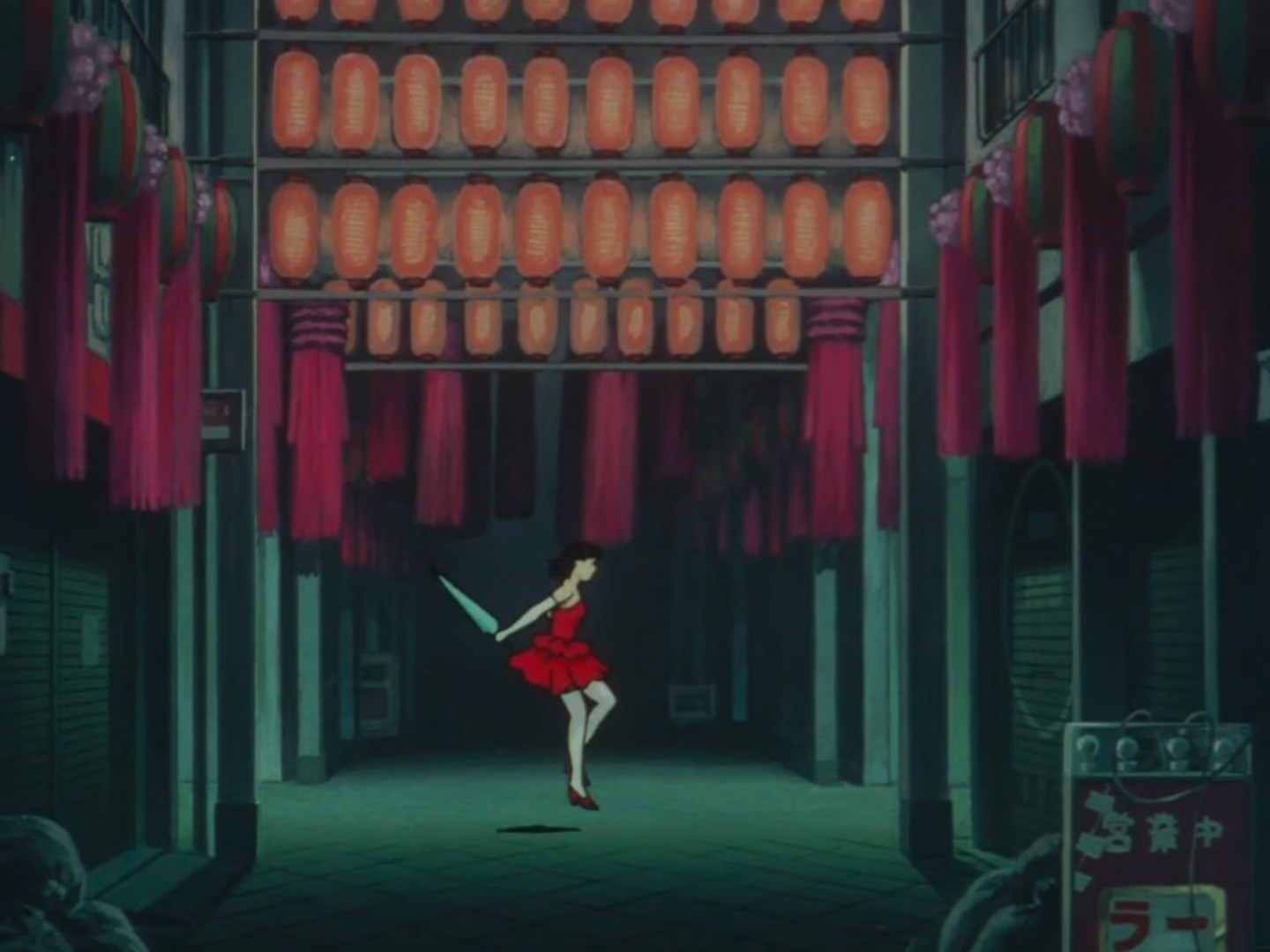
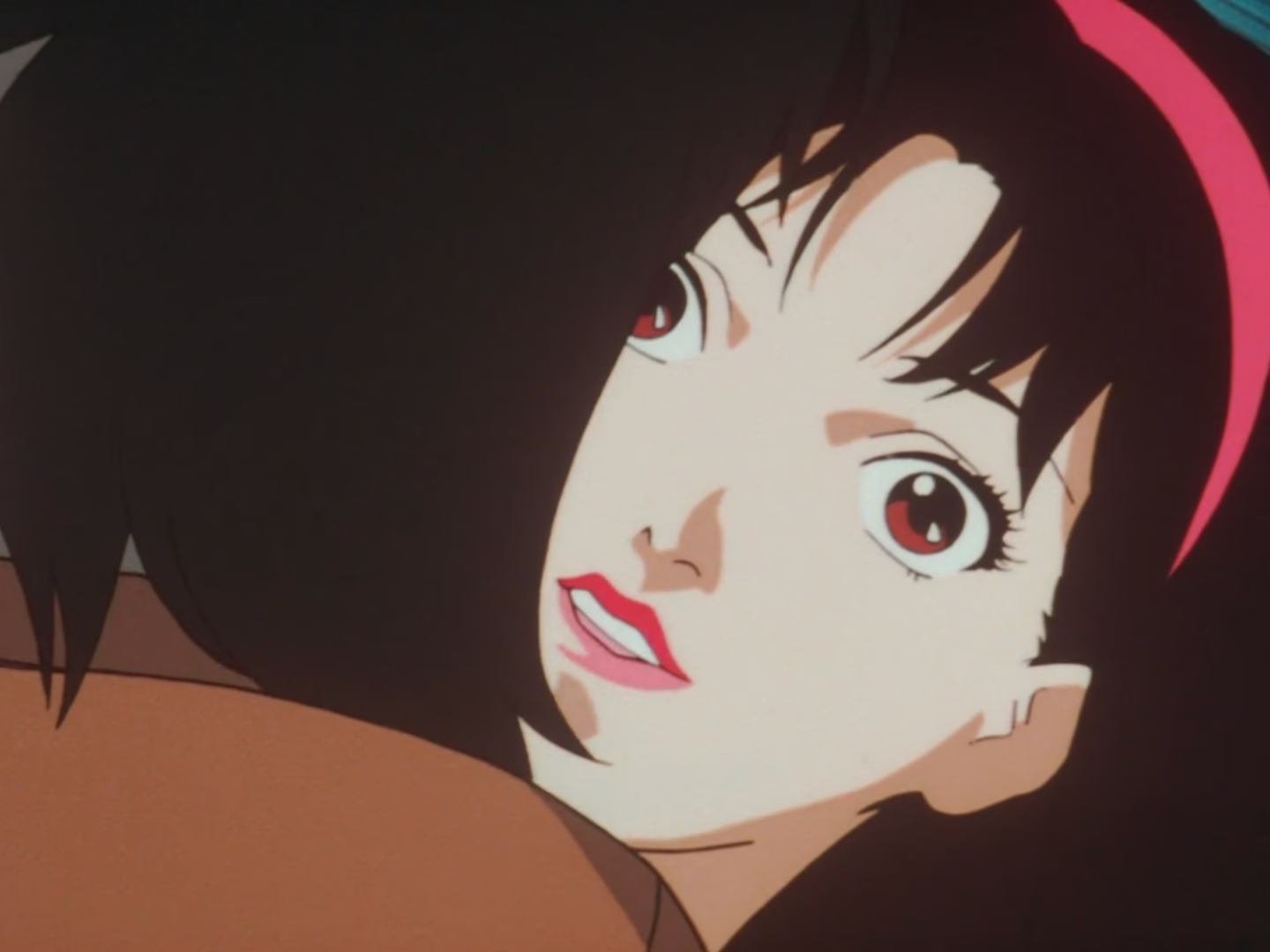
1. Perfect Blue (1997)
Kon’s directorial debut follows a pop idol who leaves her music career to pursue acting, triggering a psychological breakdown shaped by media exposure and obsessive fandom. Structured as a thriller, the film shifts between daily routine, staged performance, and subjective experience without explicit separation. Released during a period when animated features were rarely positioned for adult audiences, Perfect Blue stood apart for its tone and subject matter, signaling Kon’s move away from conventional anime frameworks.
2. Millennium Actress (2001)
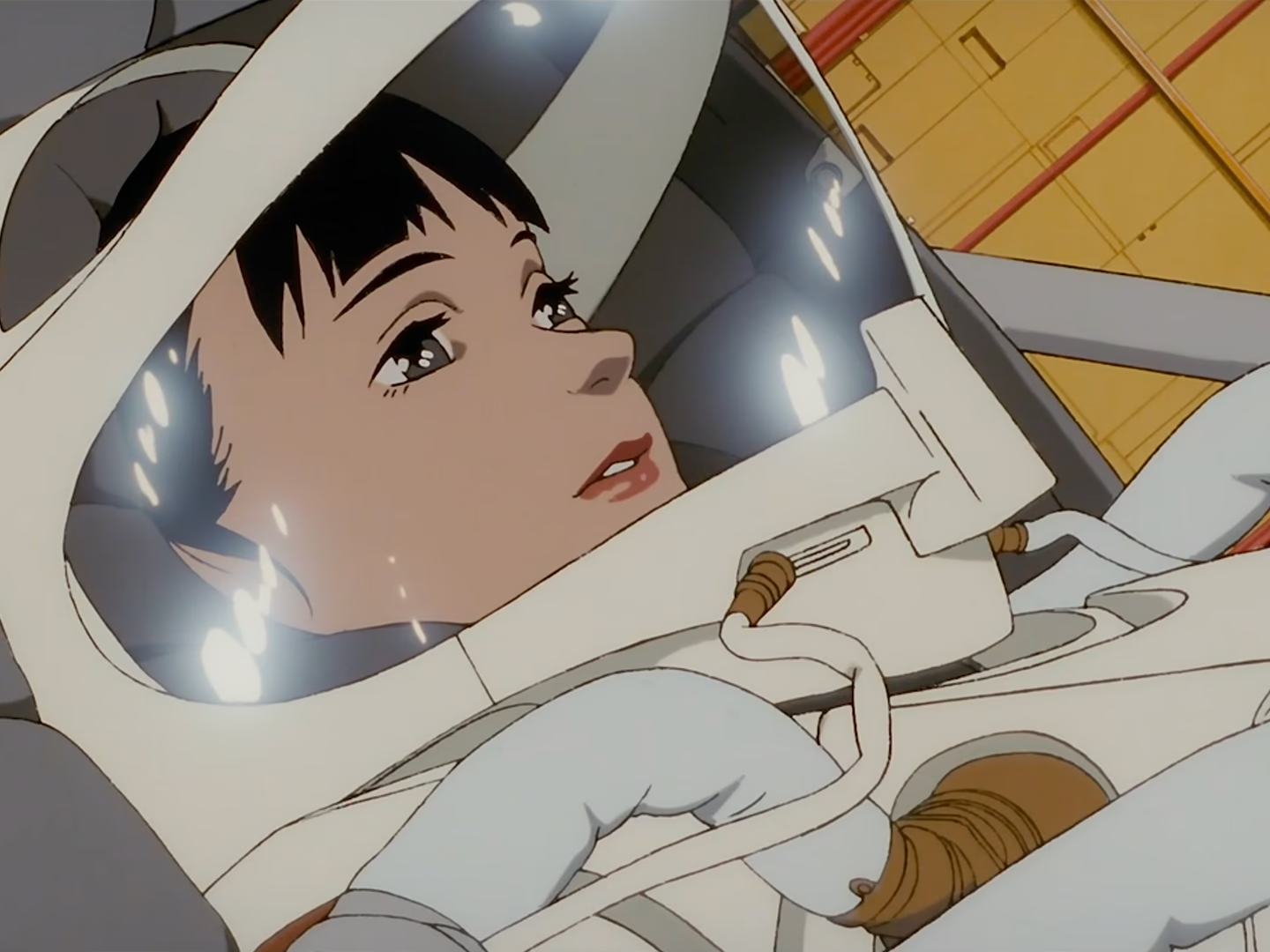
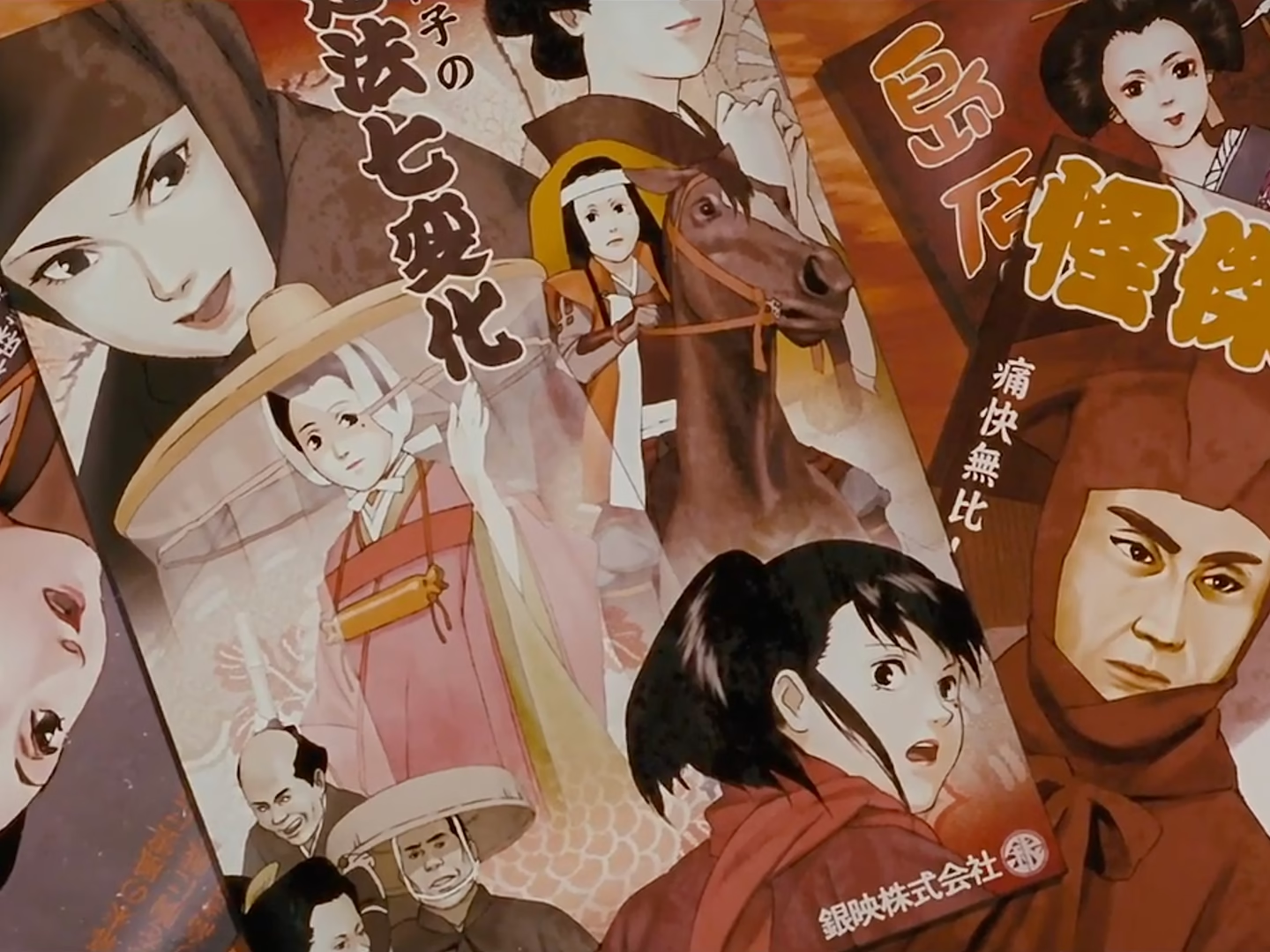
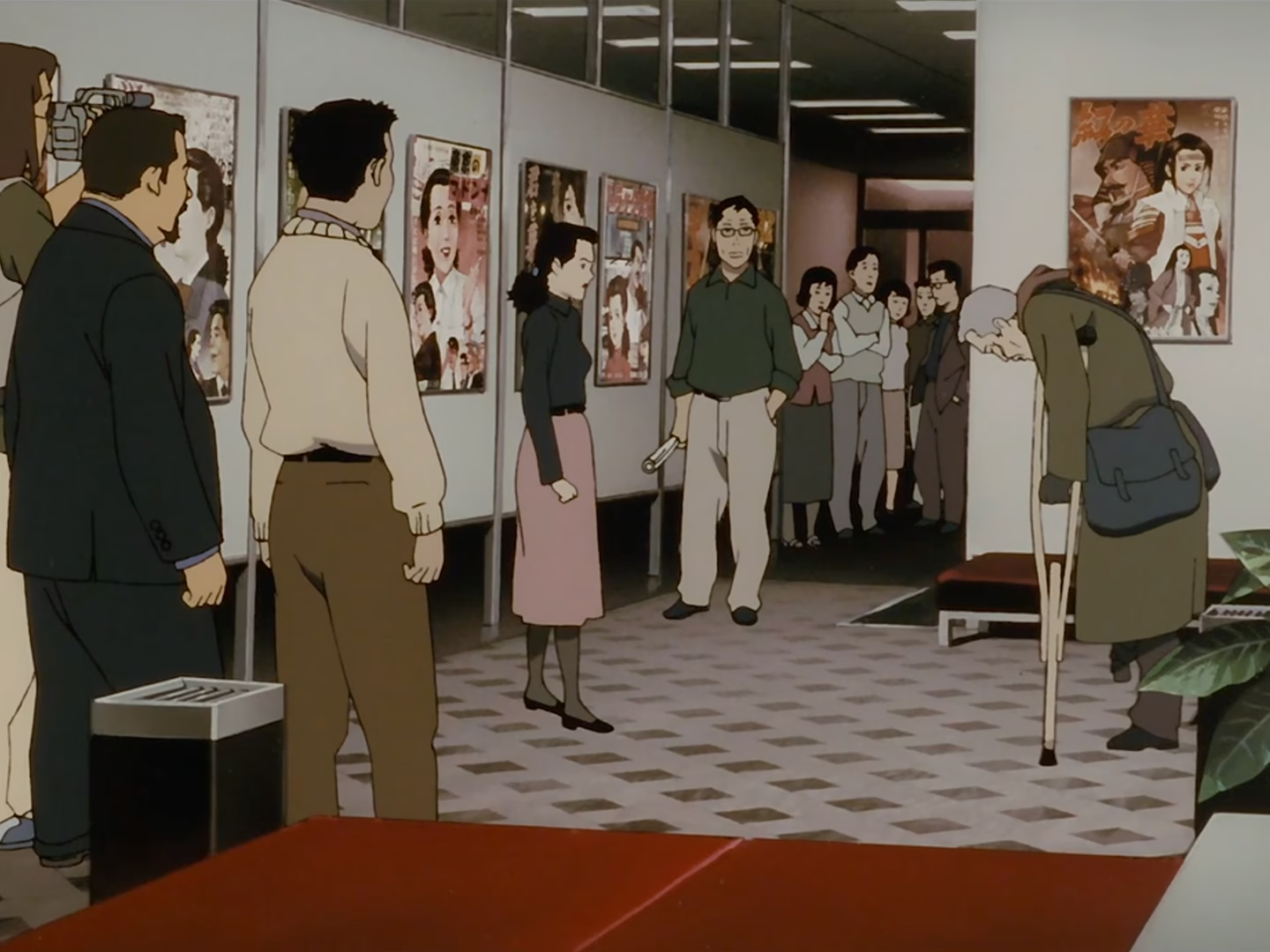
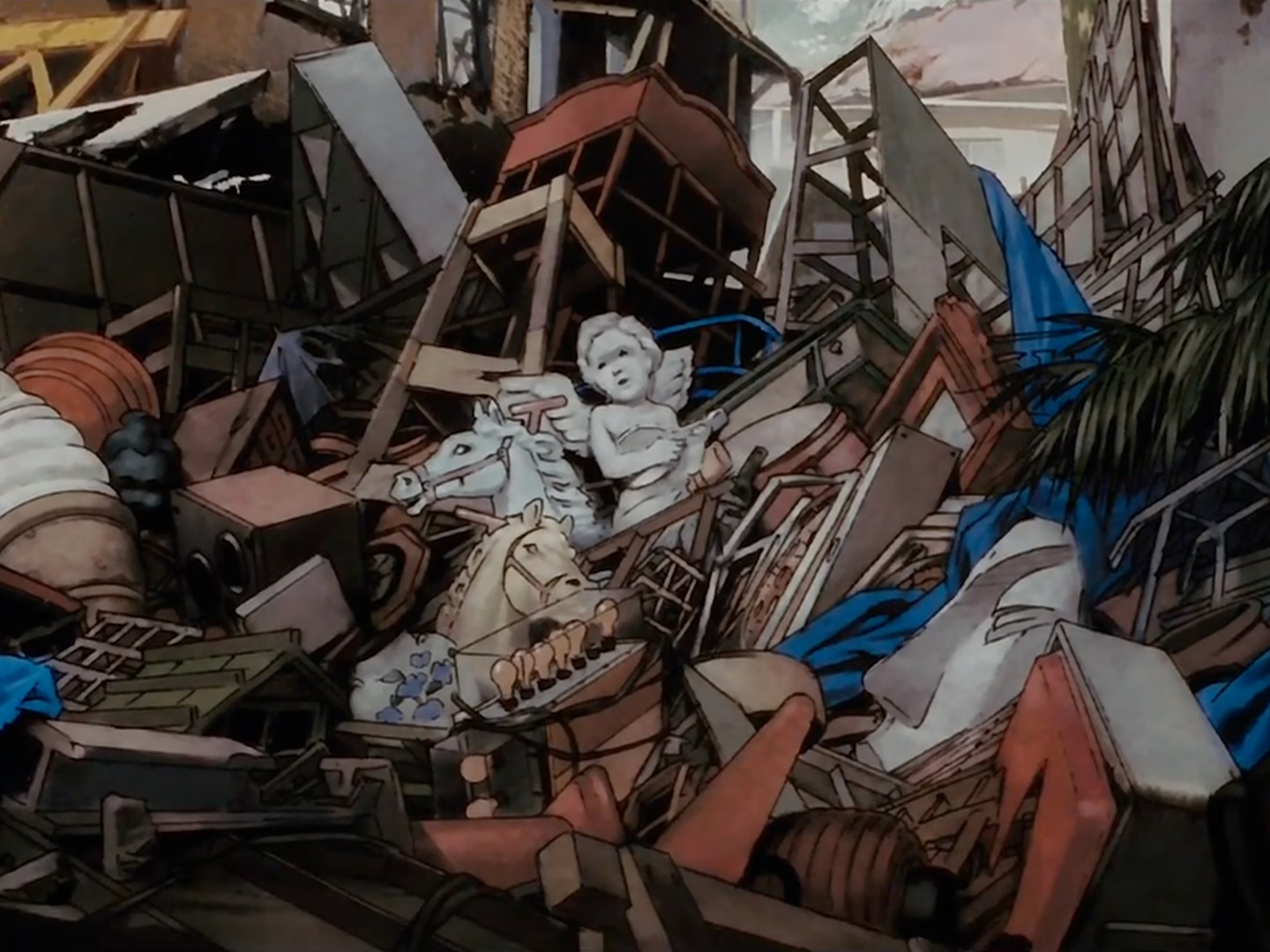
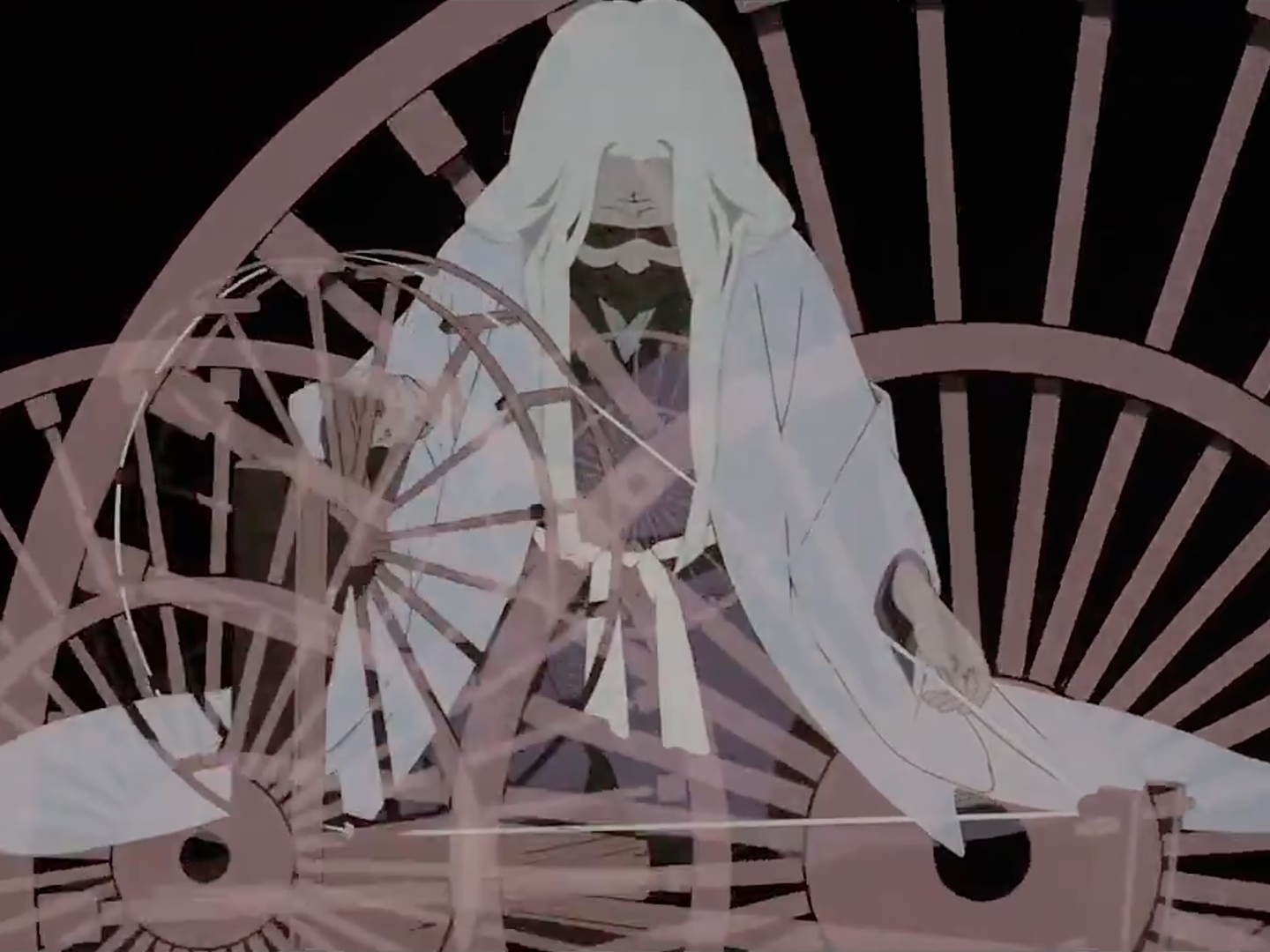
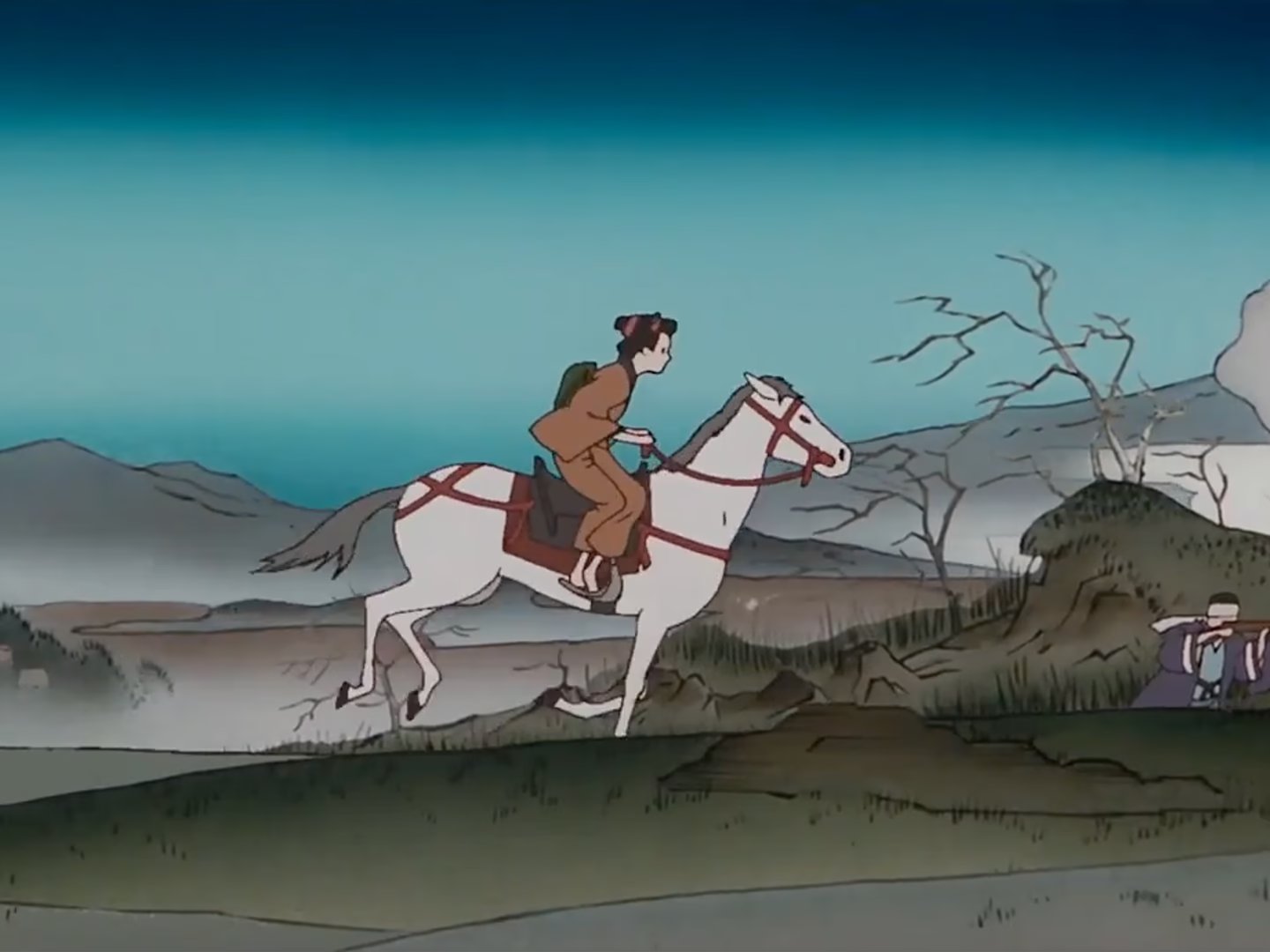
Kon’s second feature adopts a reflective structure centered on a documentary interview with a retired actress, whose memories unfold through scenes from her film career. The narrative moves across multiple historical periods and film genres, merging biography and performance into a continuous flow. Developed as a tribute to Japanese cinema, the film references different eras without isolating them from the character’s personal history, shifting Kon’s work toward a more fluid and expansive narrative form.
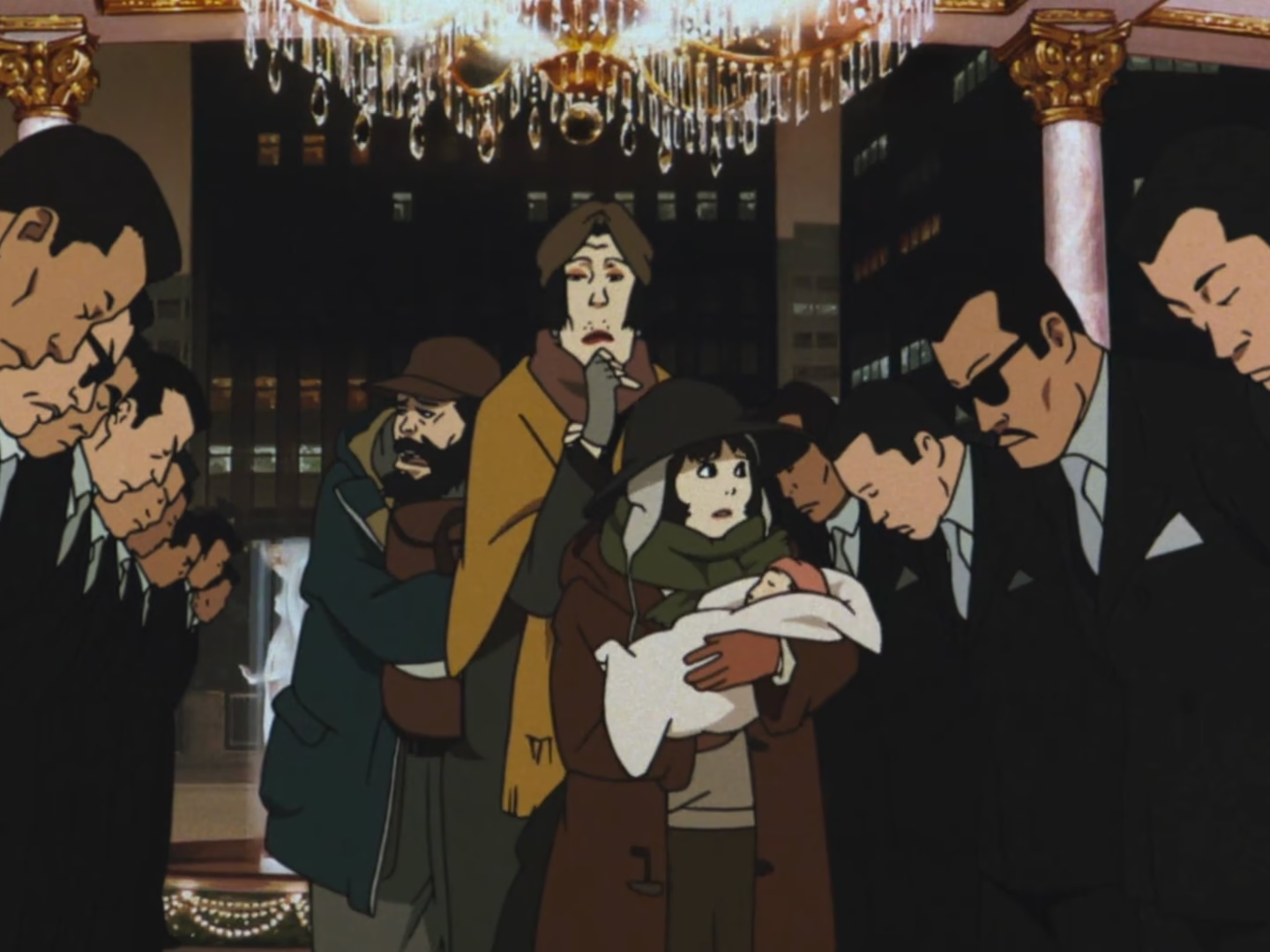
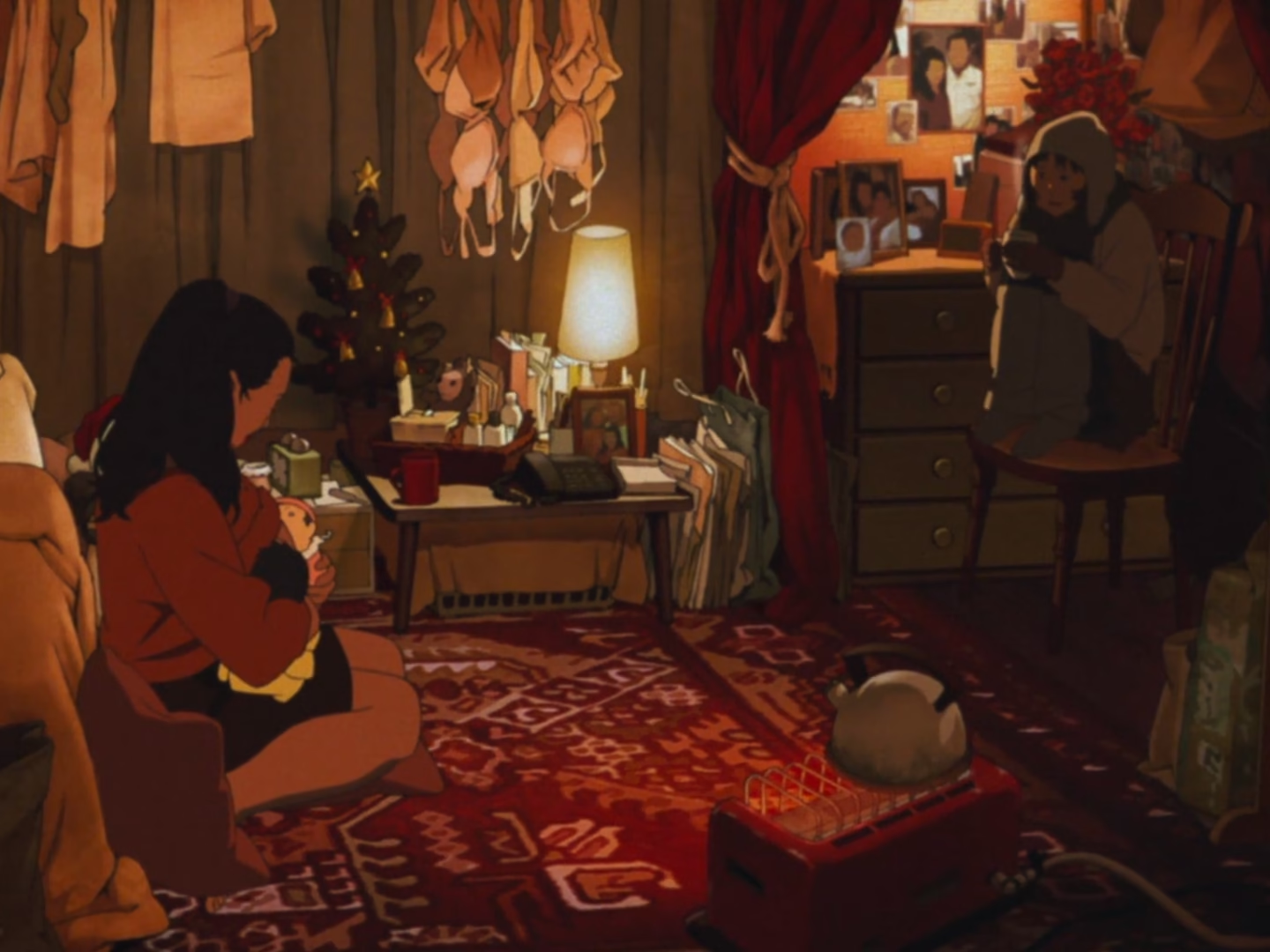
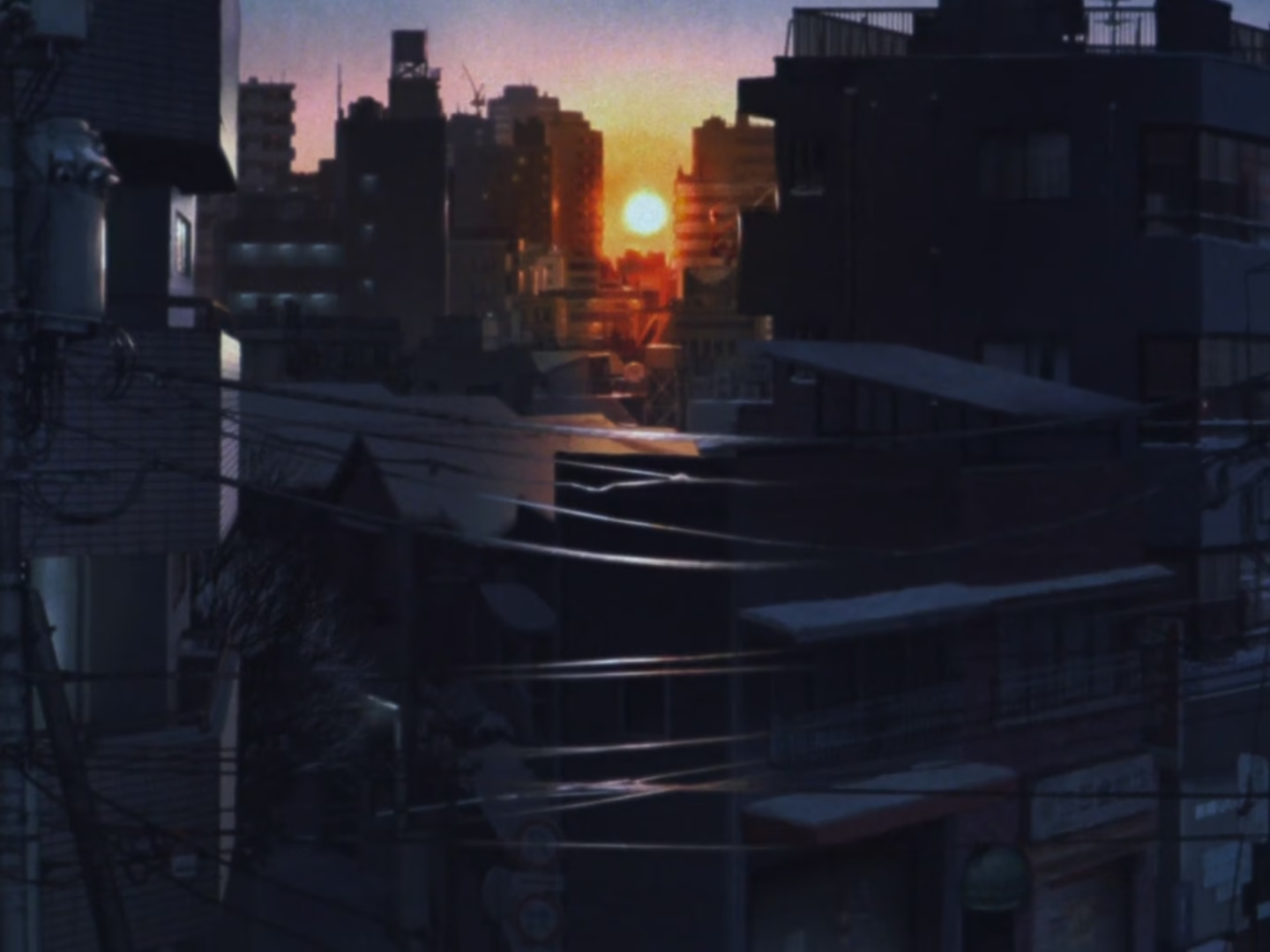
3. Tokyo Godfathers (2003)
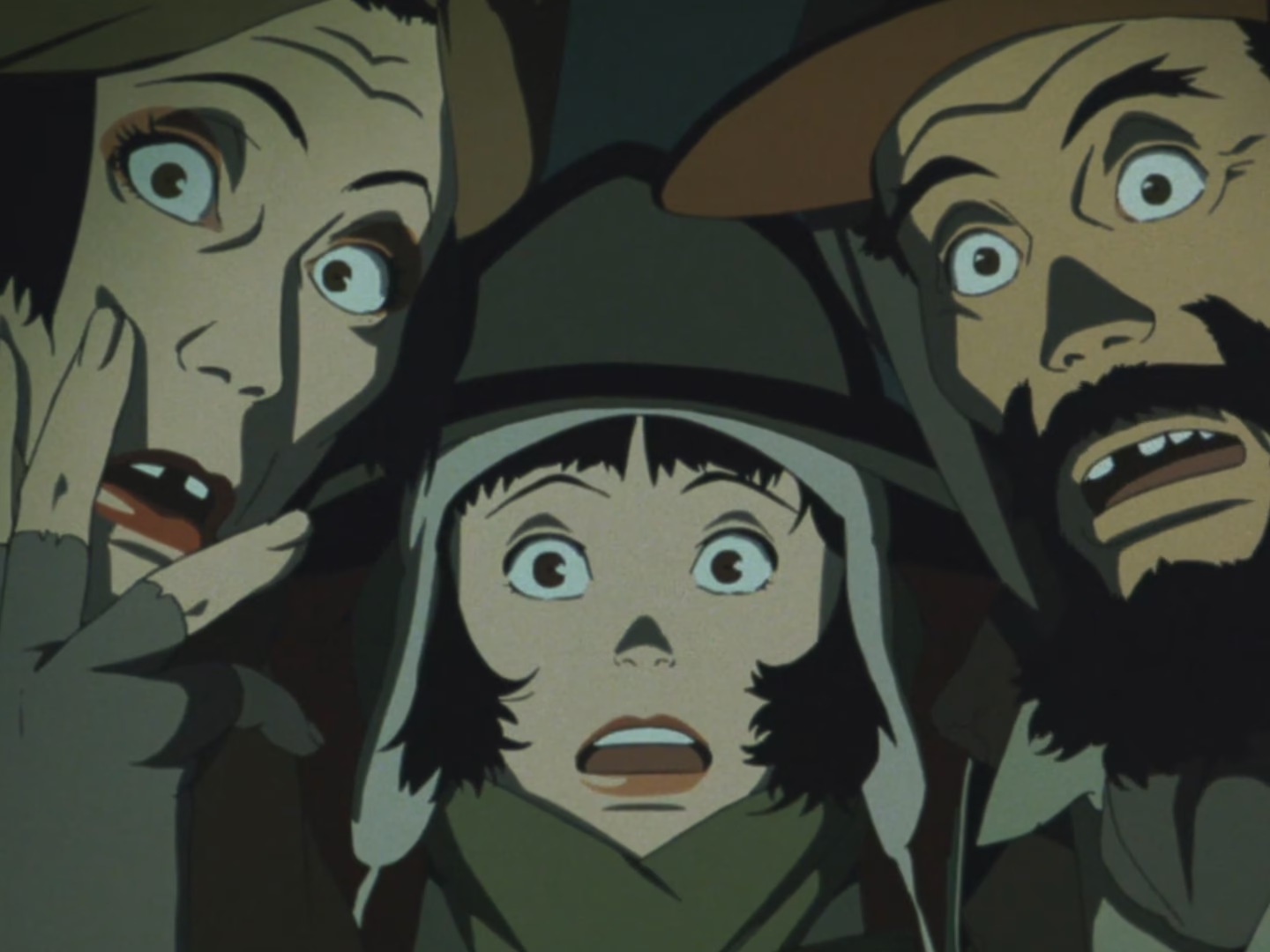
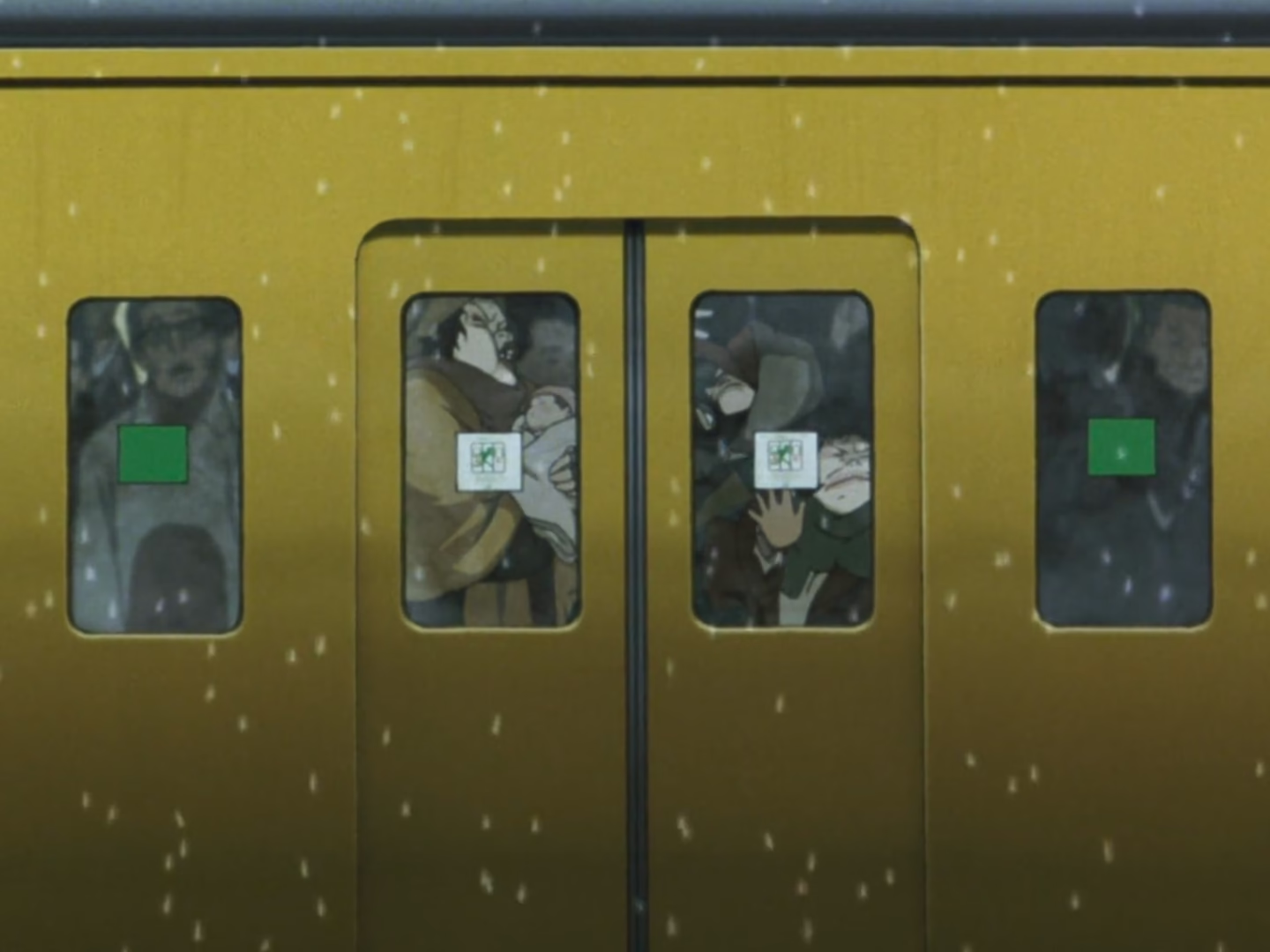
Set over the course of a winter night, Tokyo Godfathers follows three homeless companions navigating the city after discovering an abandoned baby. The story advances through physical movement, chance encounters, and a linear progression rather than fragmented perspective. Kon deliberately avoided surreal framing in favor of a grounded structure, focusing on social margins, urban space, and coincidence as narrative drivers.
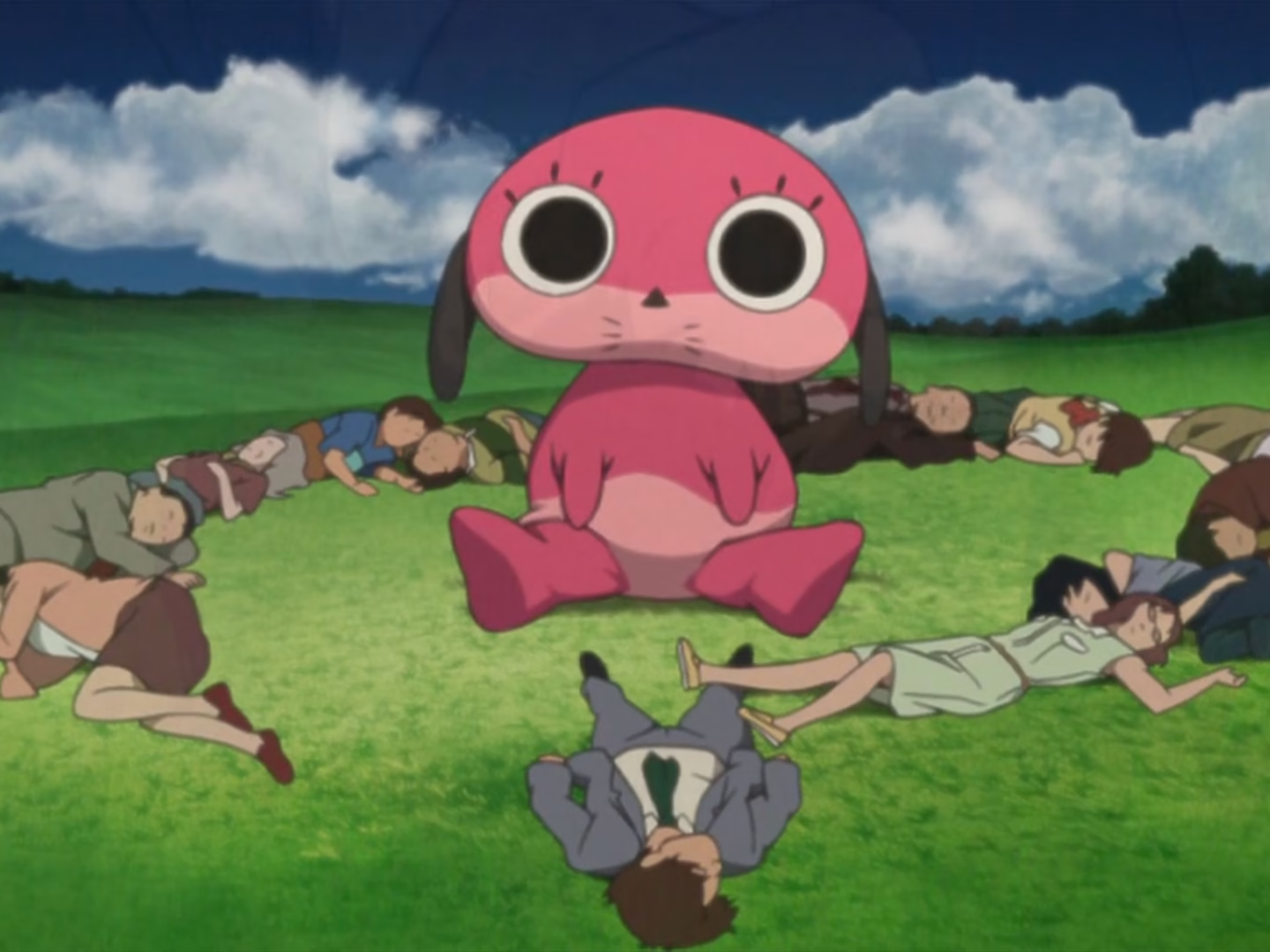
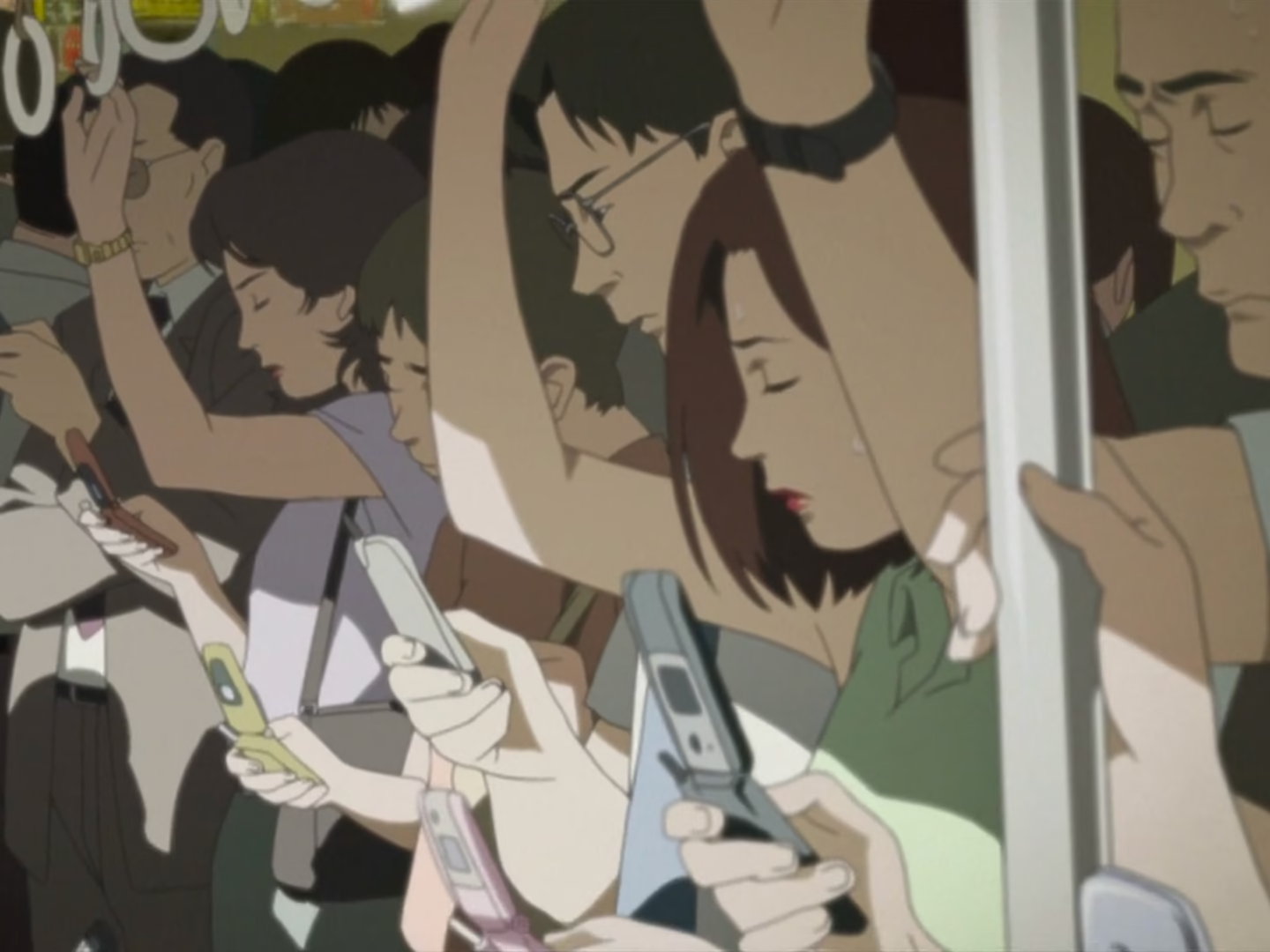

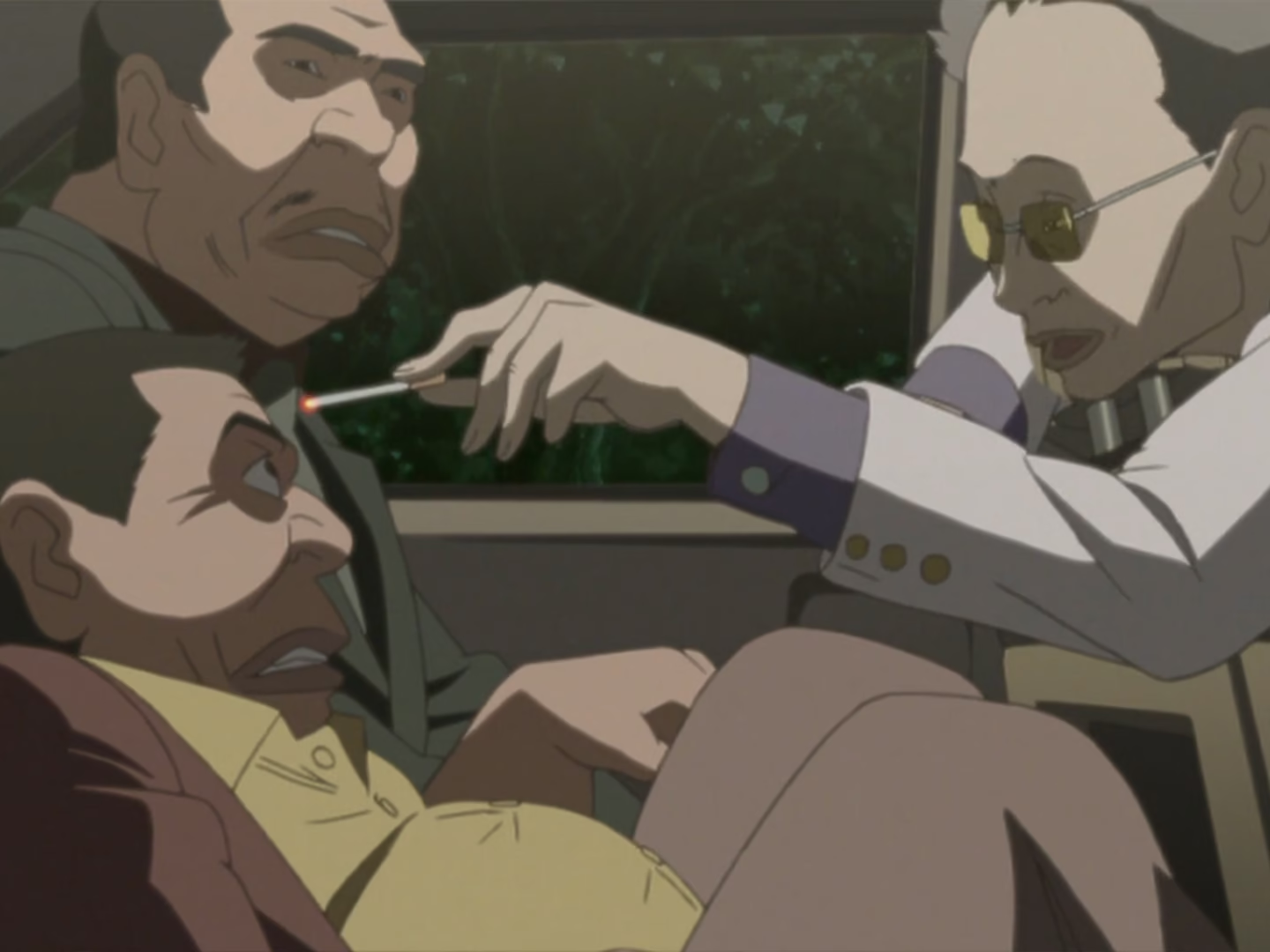
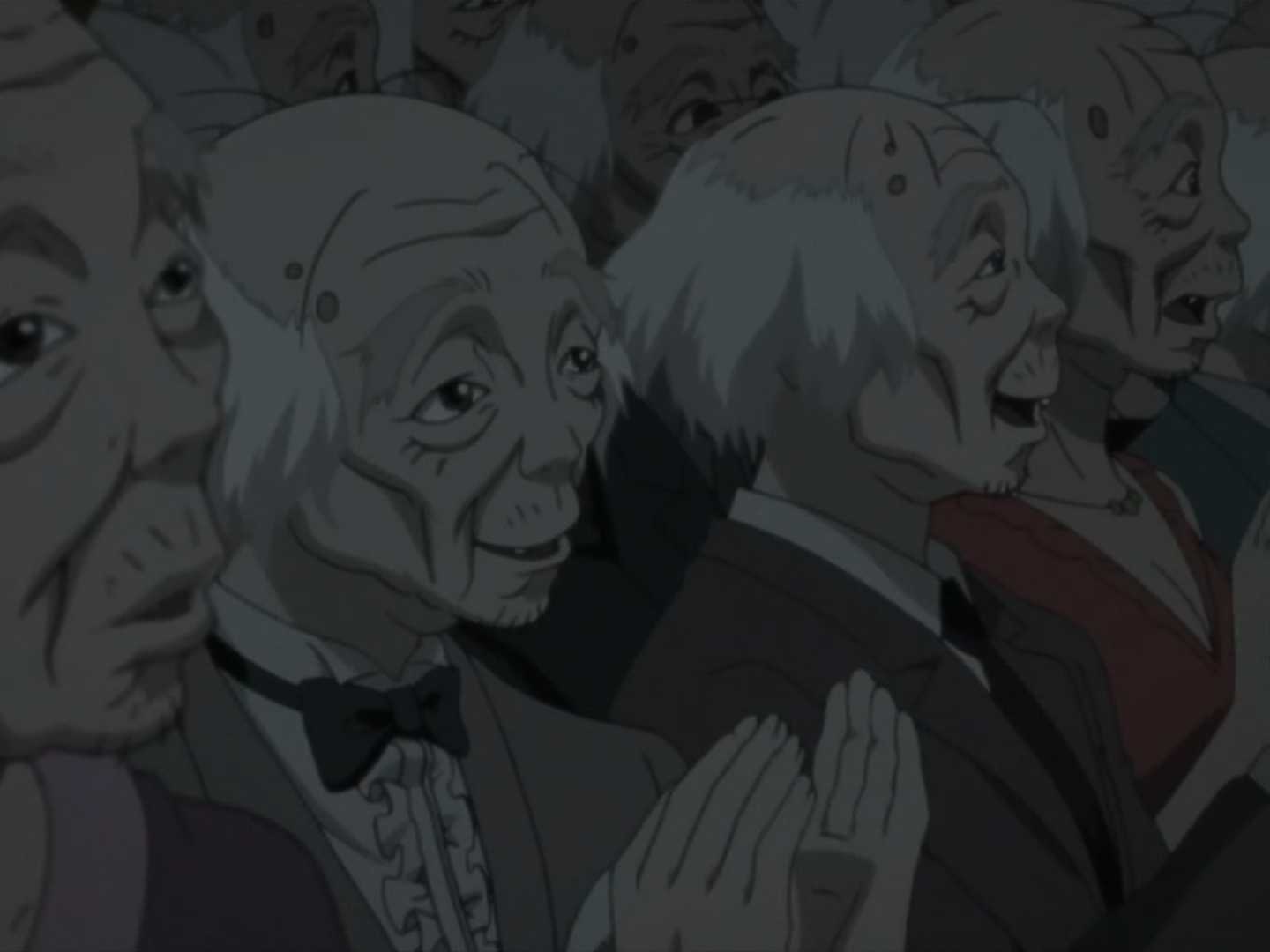

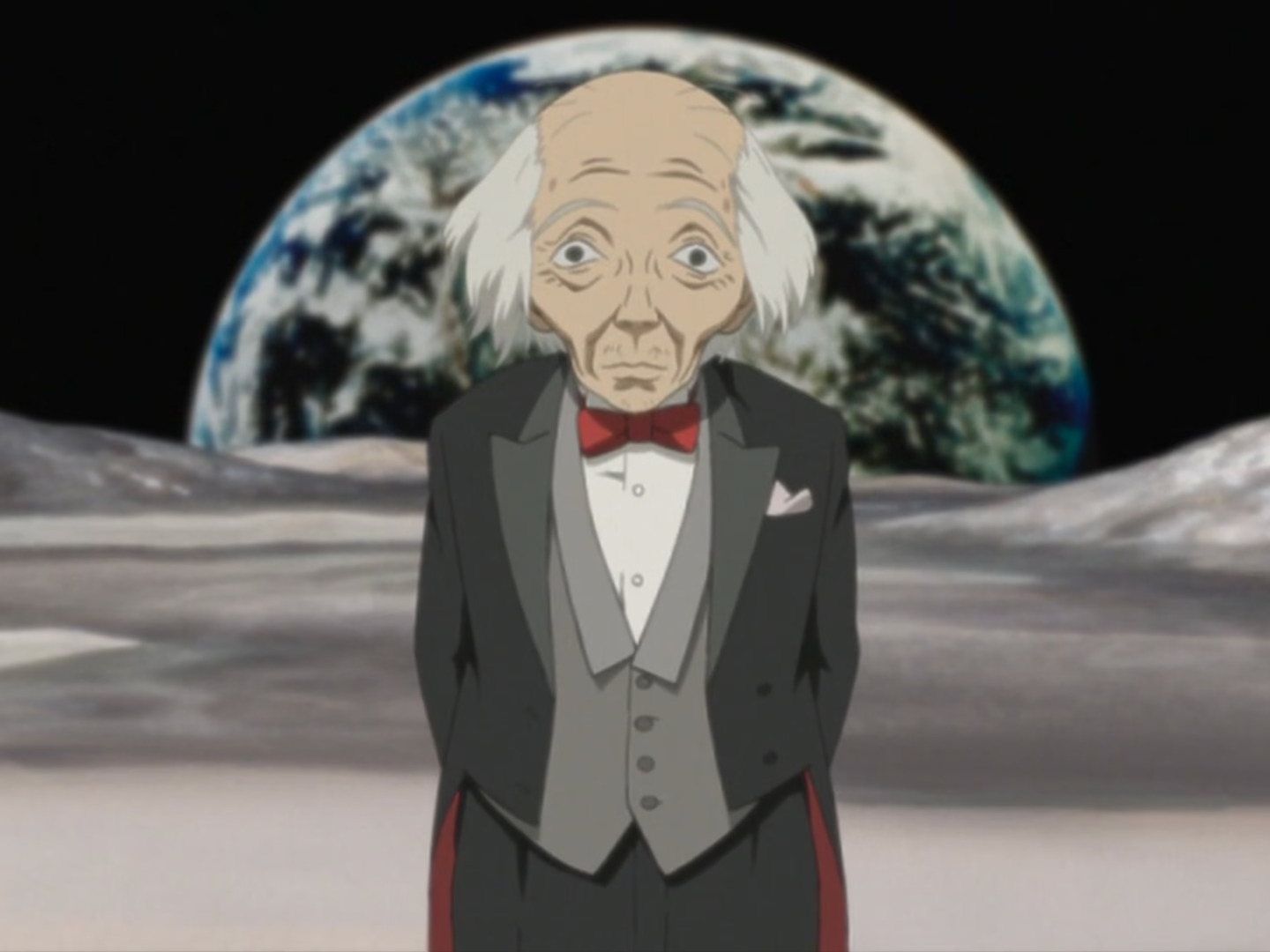
4. Paranoia Agent (2004)
Kon’s only television series centers on a mysterious juvenile attacker whose appearances ripple across different lives in Tokyo. Told through loosely connected episodes, the series shifts perspective from character to character, expanding laterally rather than building toward a single resolution. The television format allowed Kon to work with broader scope, variable pacing, and structural repetition beyond the constraints of feature-length films.

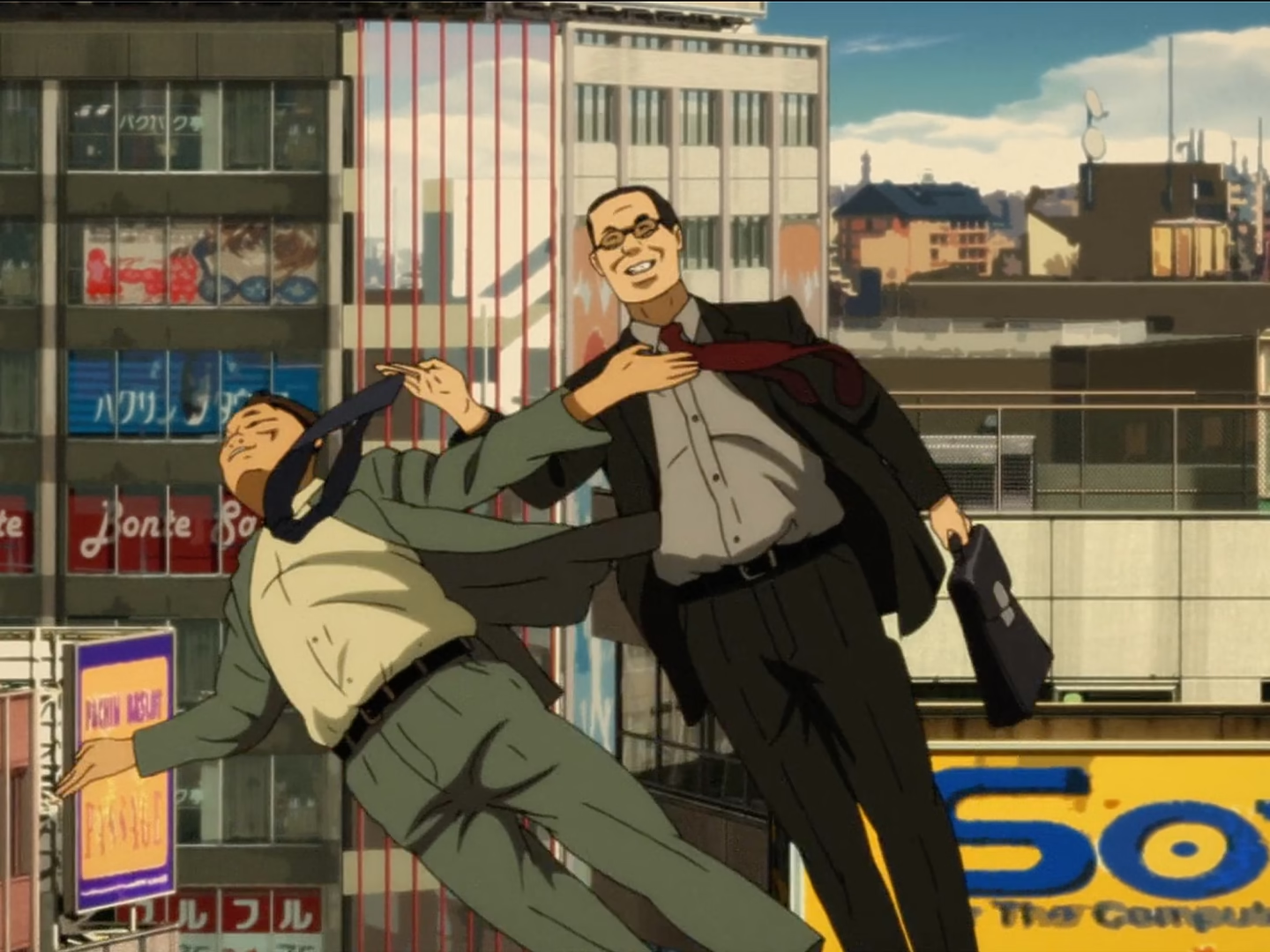
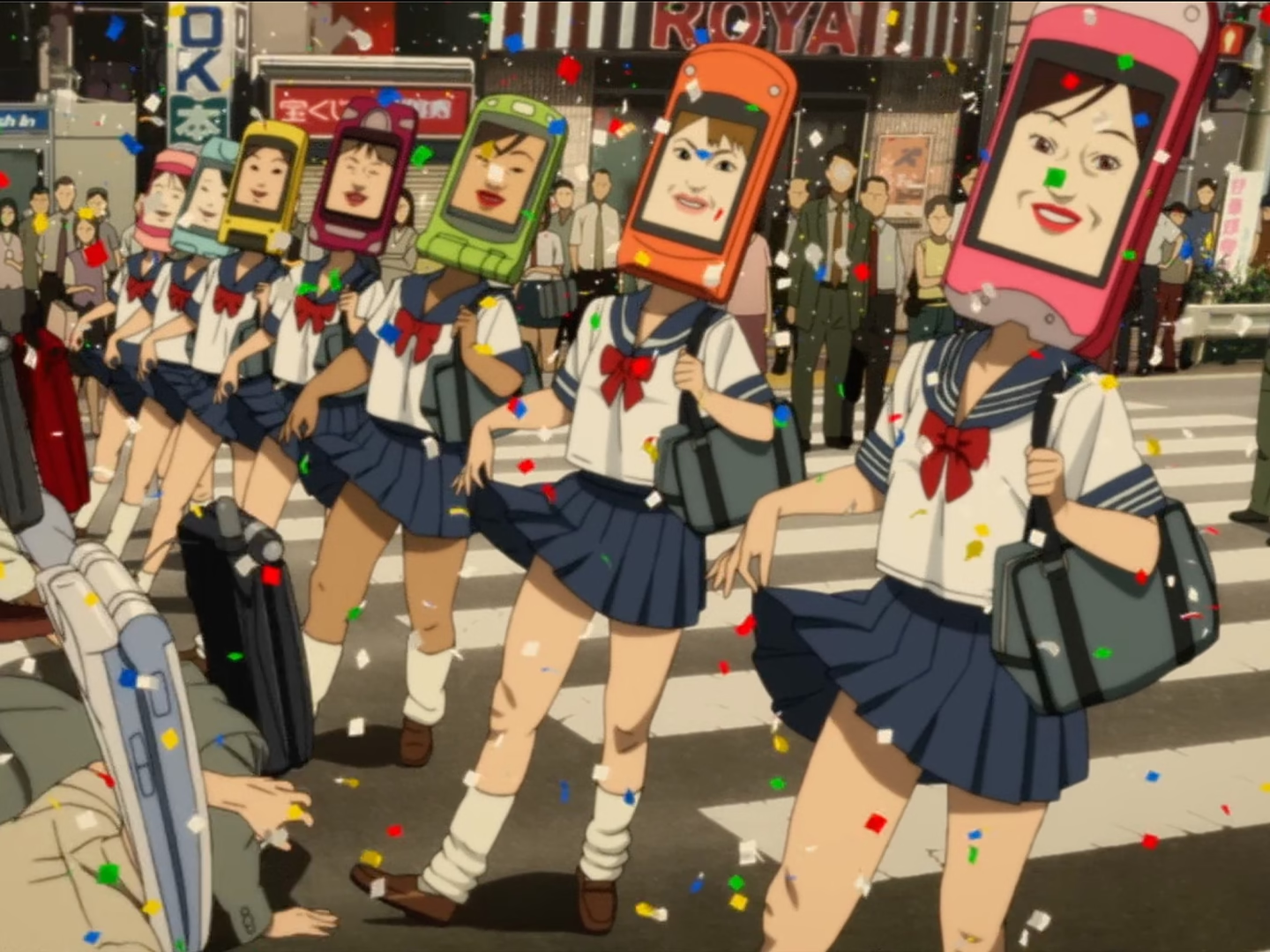
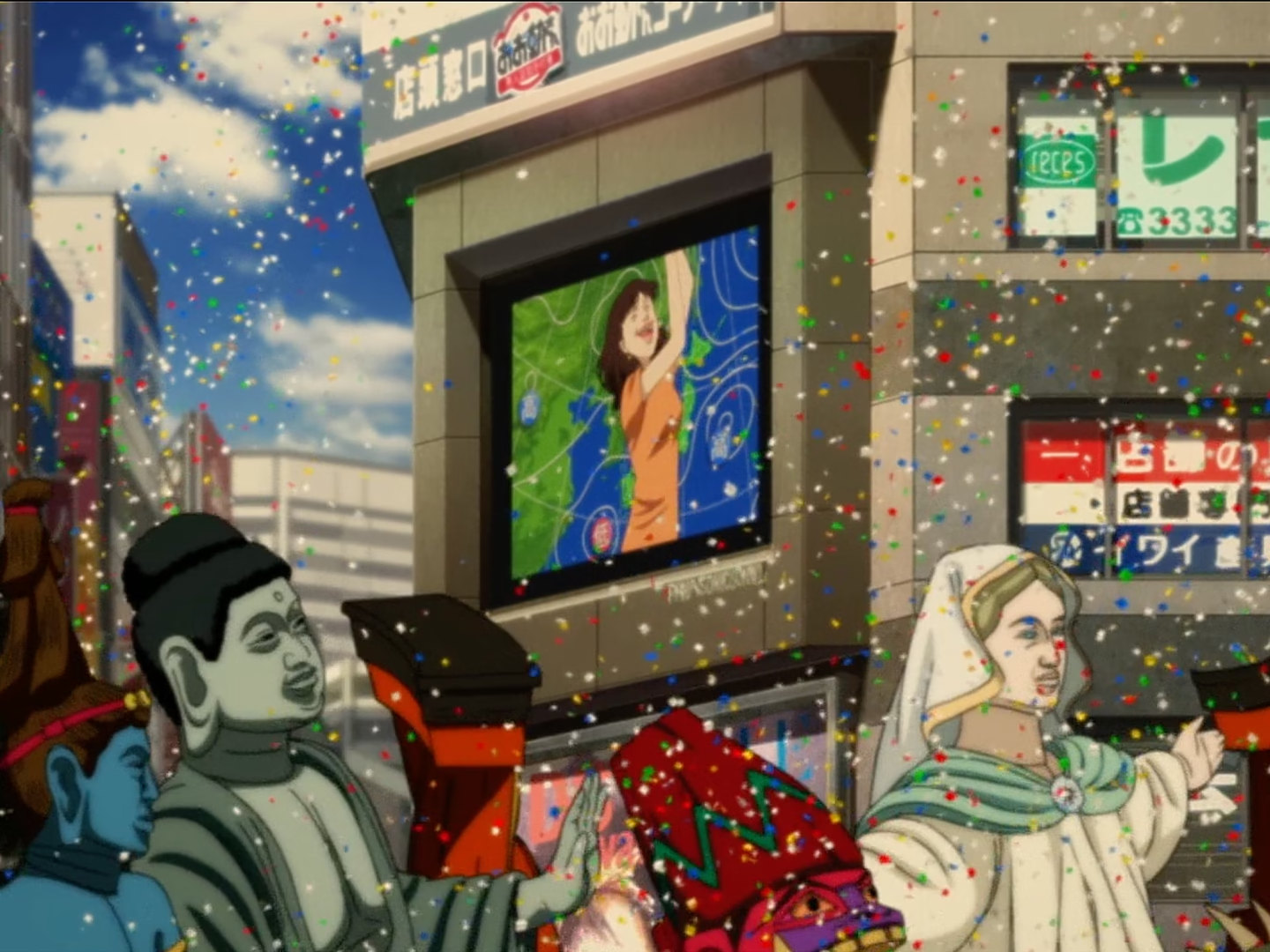
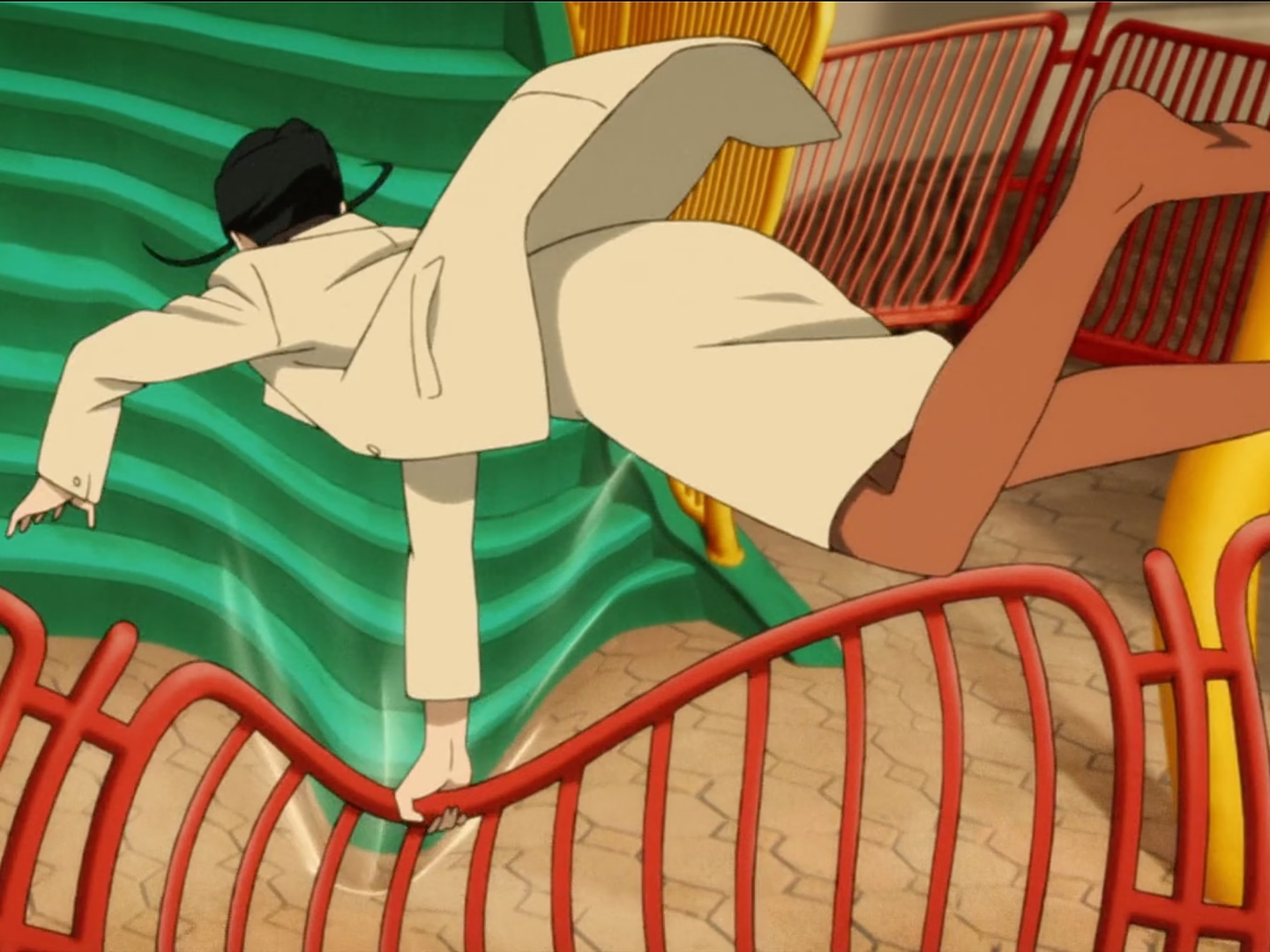
5. Paprika (2006)
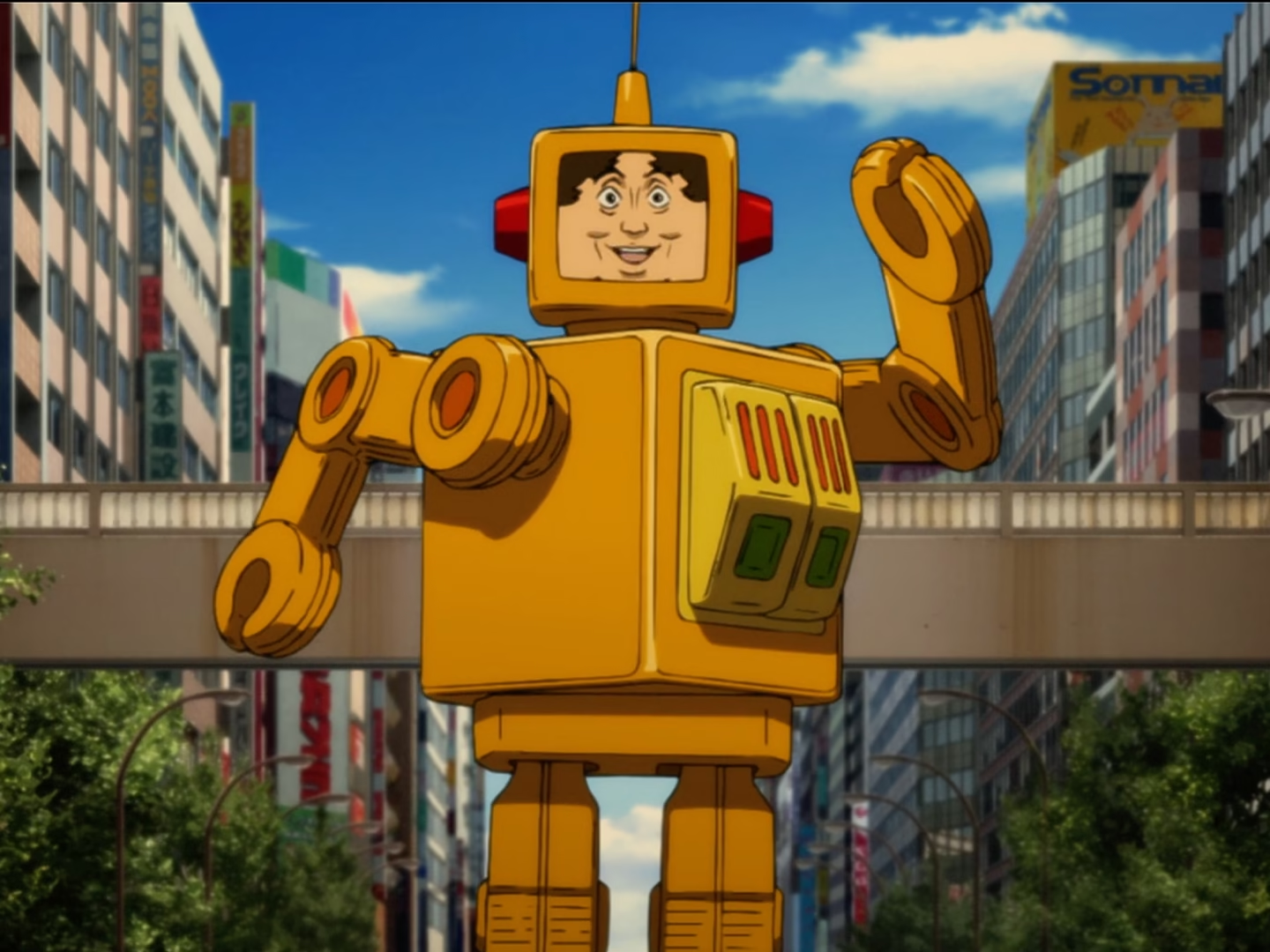
Paprika is based on the science fiction novel of the same title by Yasutaka Tsutsui. The film explores a technology that enables shared access to dreams, allowing dream environments to intersect with waking life. Rather than following a linear progression, the narrative moves through continuous transformation and overlapping states. Following its release, Paprika circulated widely through international festival screenings and overseas distribution, extending Kon’s work beyond domestic animation audiences.
UNFINISHED
Dreaming Machine
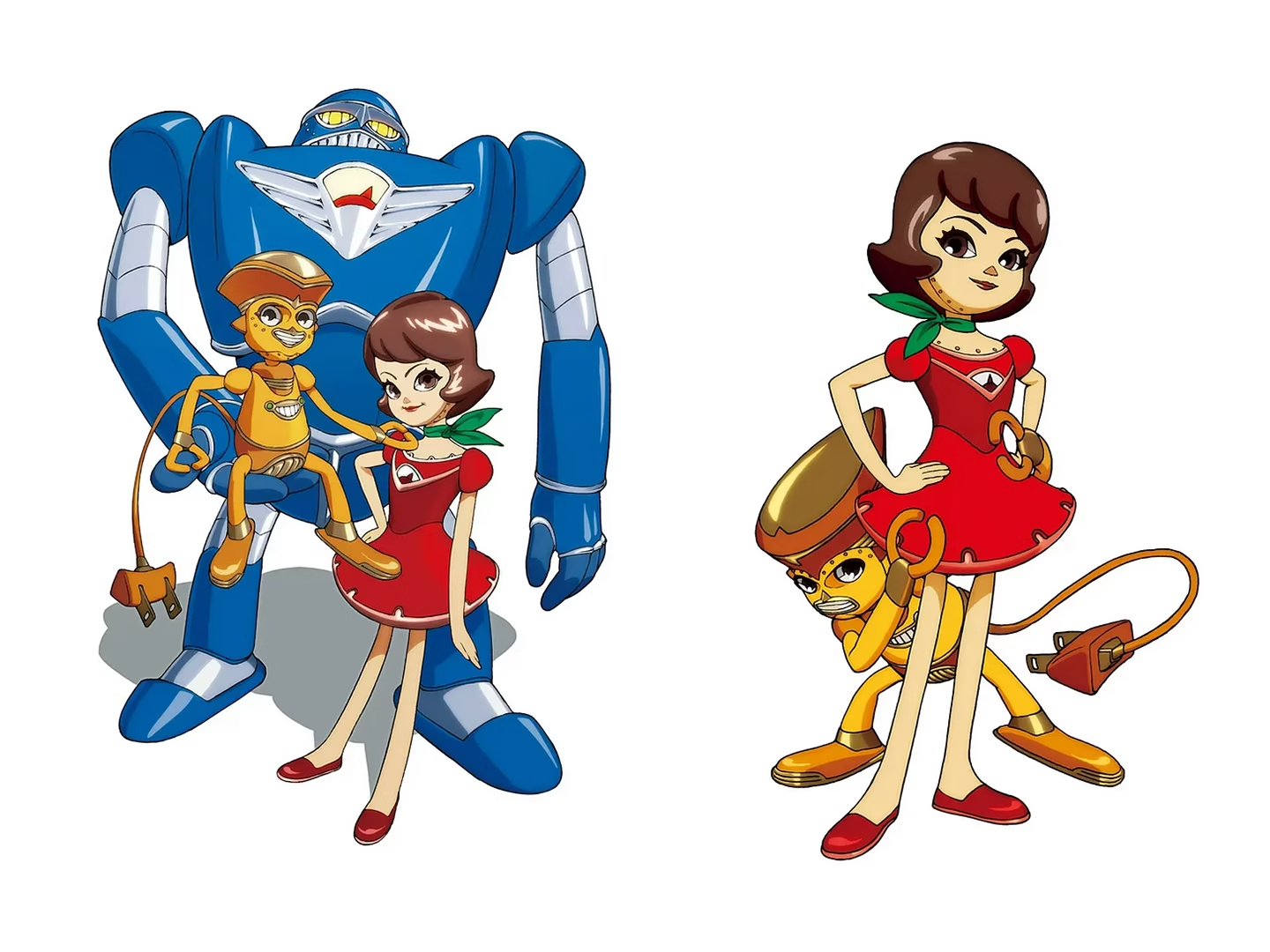
Following Paprika, Kon began work on Dreaming Machine, a science fiction project centered on robots traveling through a post-human world. Early materials point to simpler forms, a lighter tone, and a more direct narrative structure. Production halted following his illness and passing in 2010, leaving the project incomplete. The unfinished work suggests a direction distinct from the patterns established in his completed filmography.