Japan has a long tradition of transforming the ordinary into something extraordinary. Cars, trucks, and motorcycles are no exception. What began as utility often evolved into rolling subcultures, each with its own style, community, and history. From chrome-plated trucks to anime-wrapped hatchbacks, these scenes show how transport becomes identity.





1. Dekotora
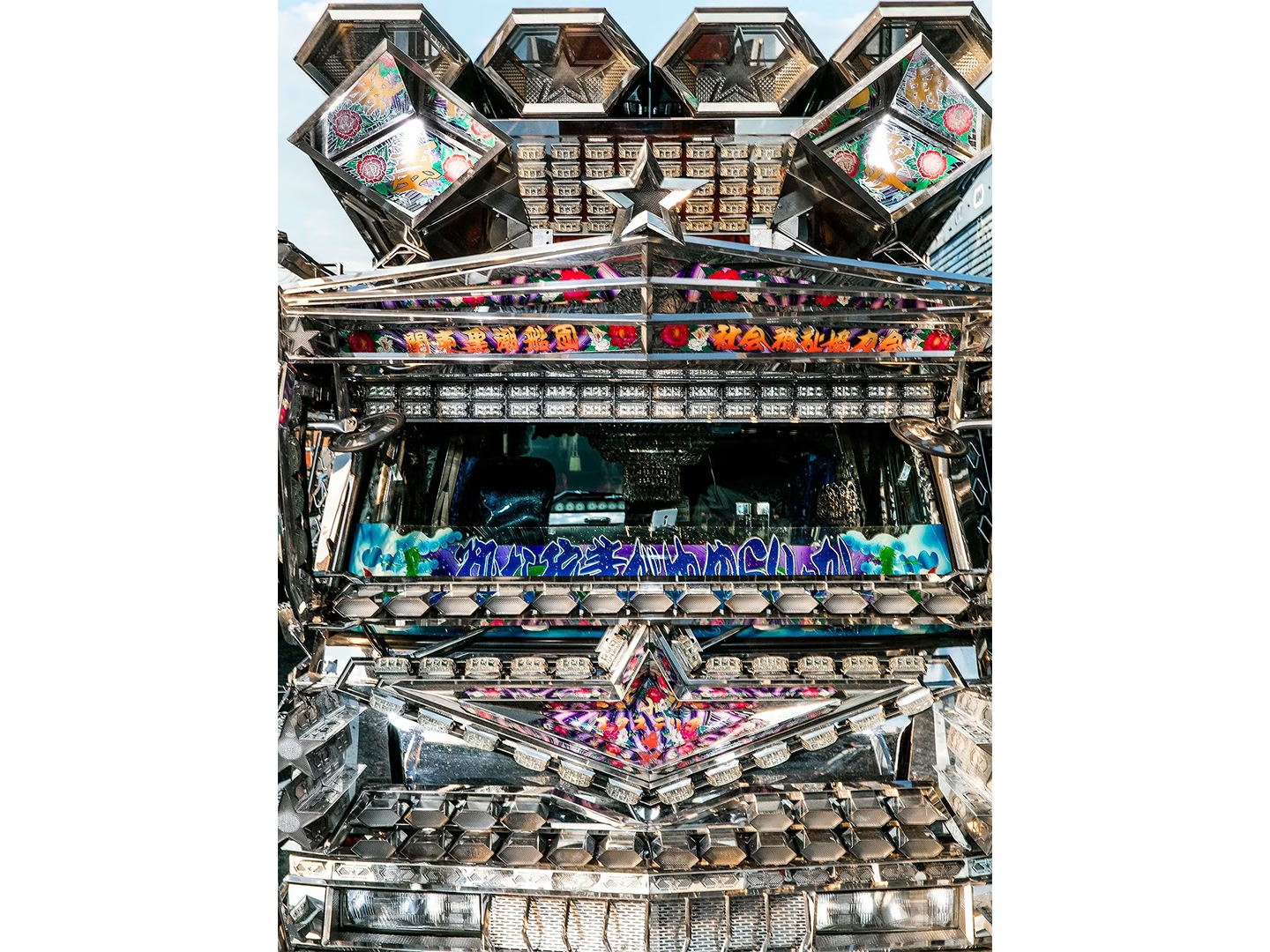
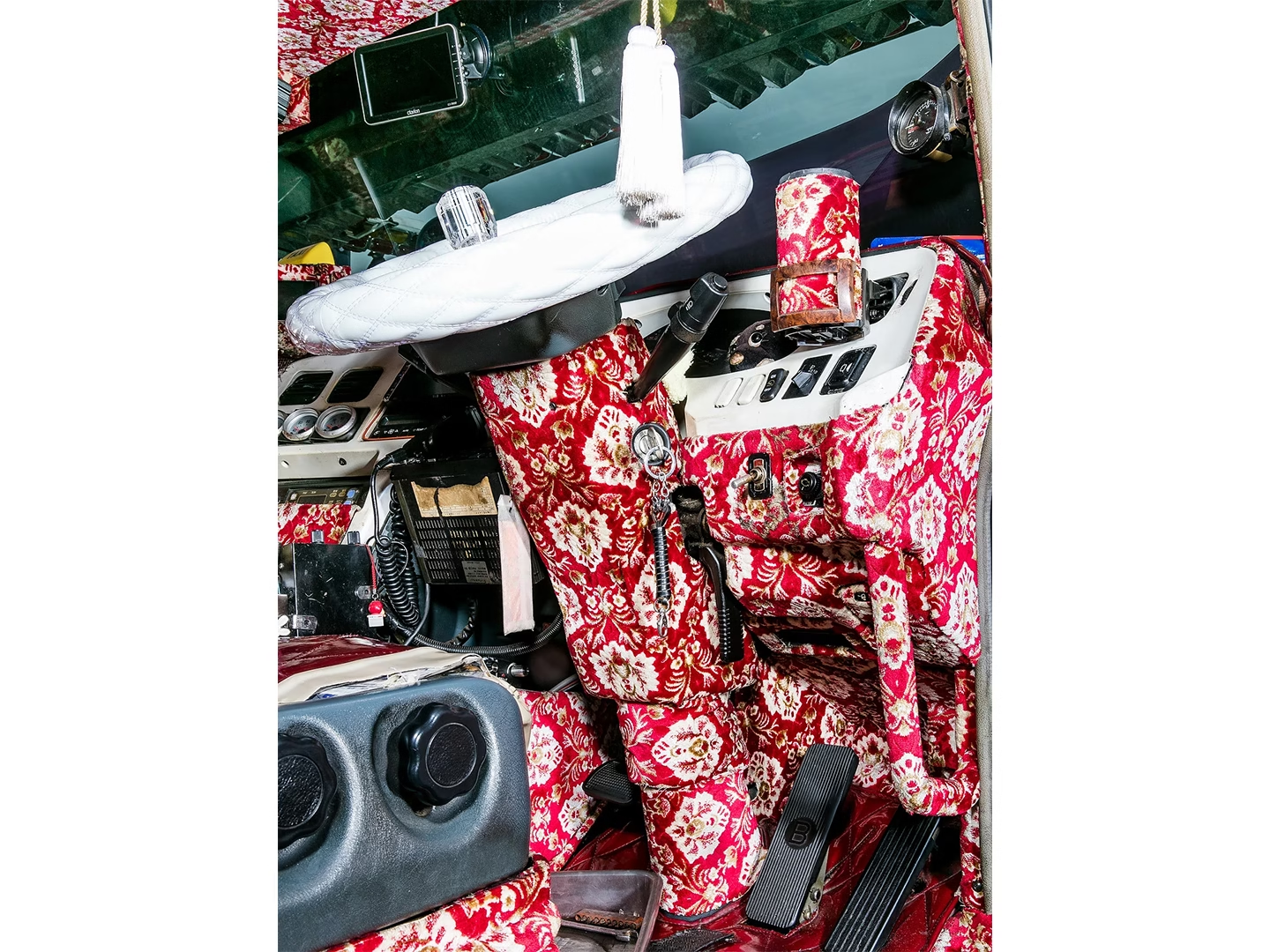
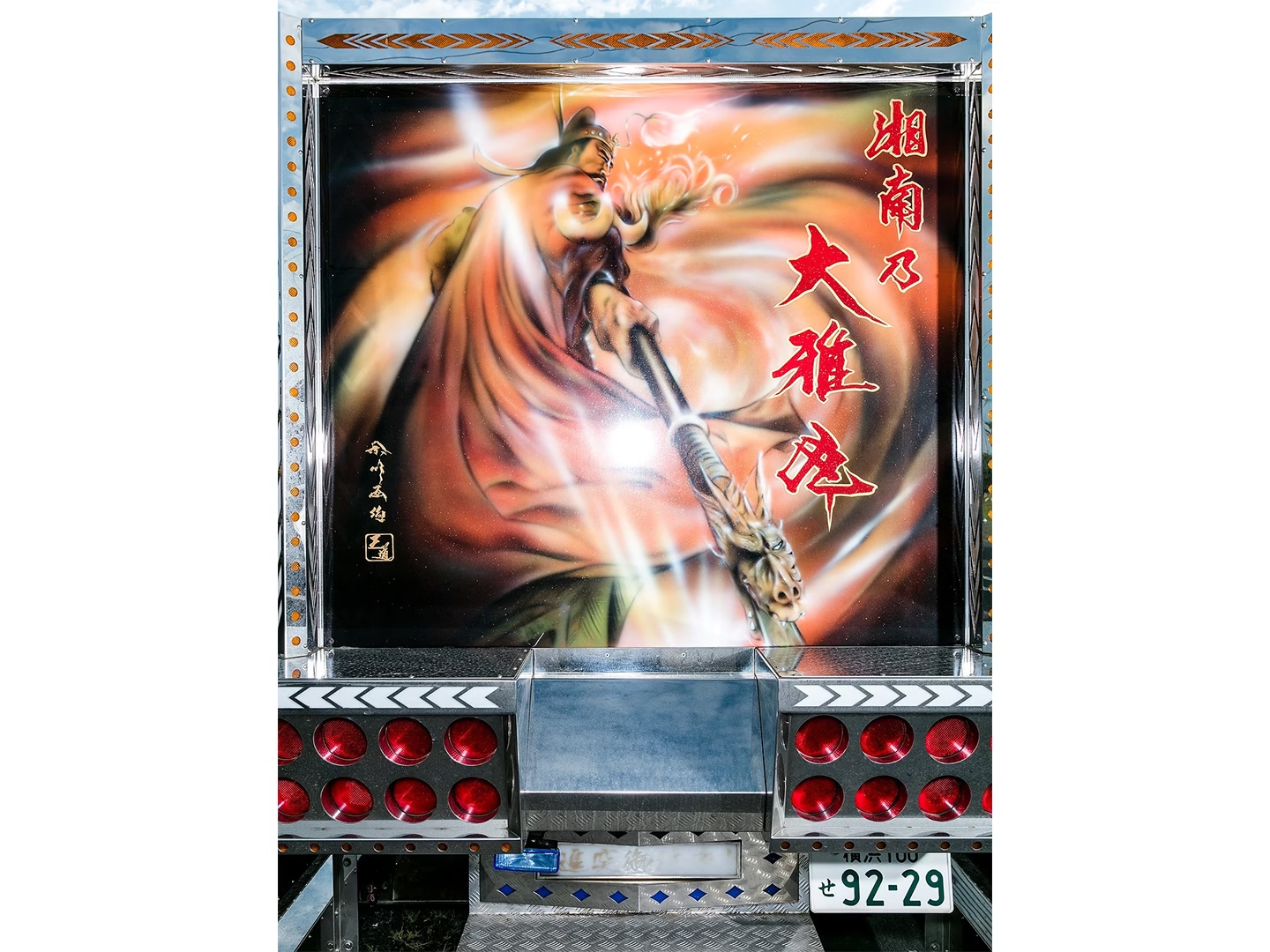
Dekotora, short for “decoration truck” and usually translated as “decorated truck,” first appeared in the 1970s when long-haul drivers lined their rigs with stainless steel to resist salt corrosion. The look caught on after the Torakku Yarō film series popularized the truck Ichibanboshi, and fleets of rigs were soon fitted with neon, chrome, and hand-painted murals. Most no longer run daily routes, but owners gather at charity events under the nationwide Utamarokai association, where at night these trucks light up like moving pachinko parlors, preserving a flamboyant style tied closely to working-class pride.



2. Itasha
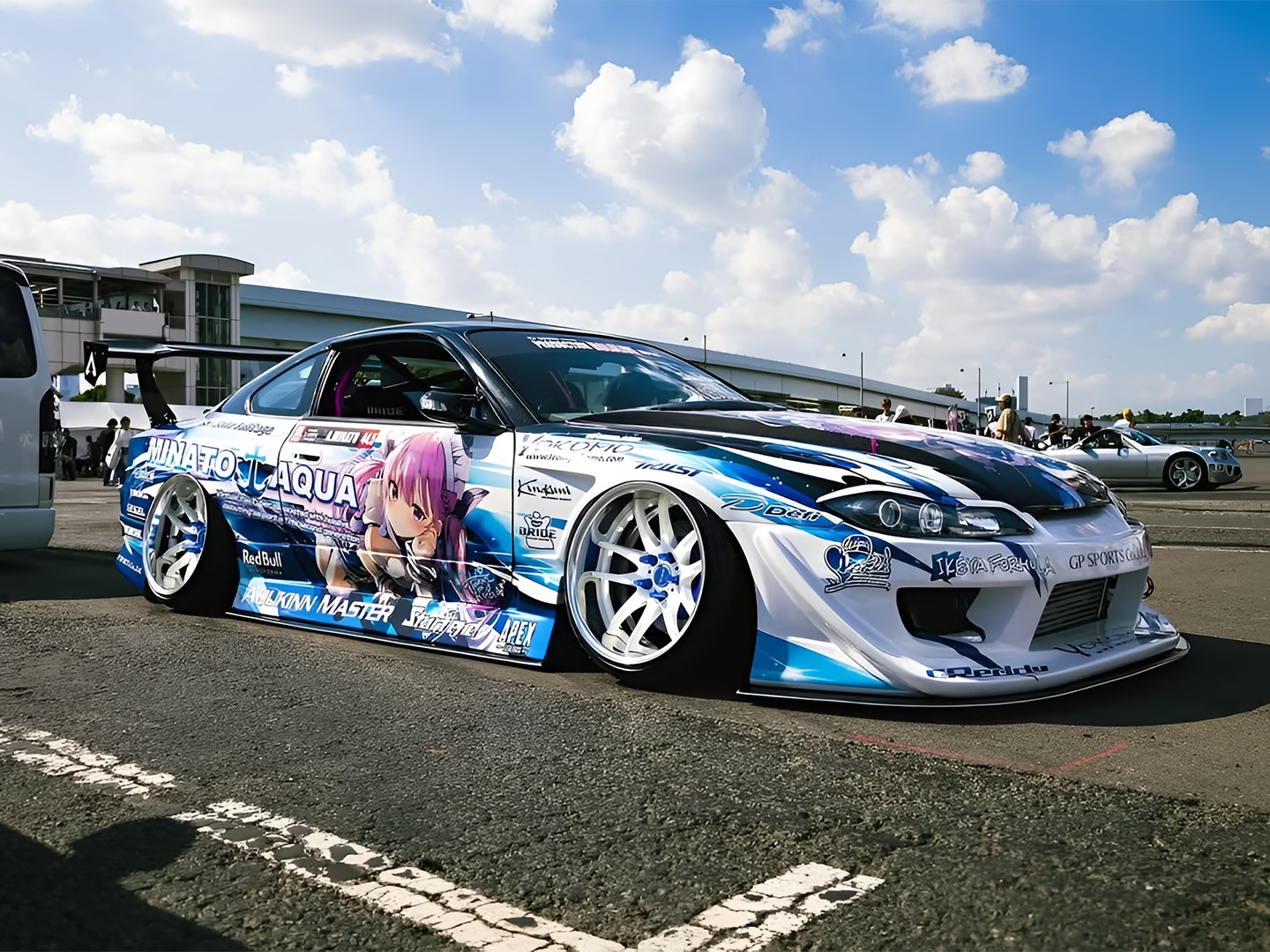
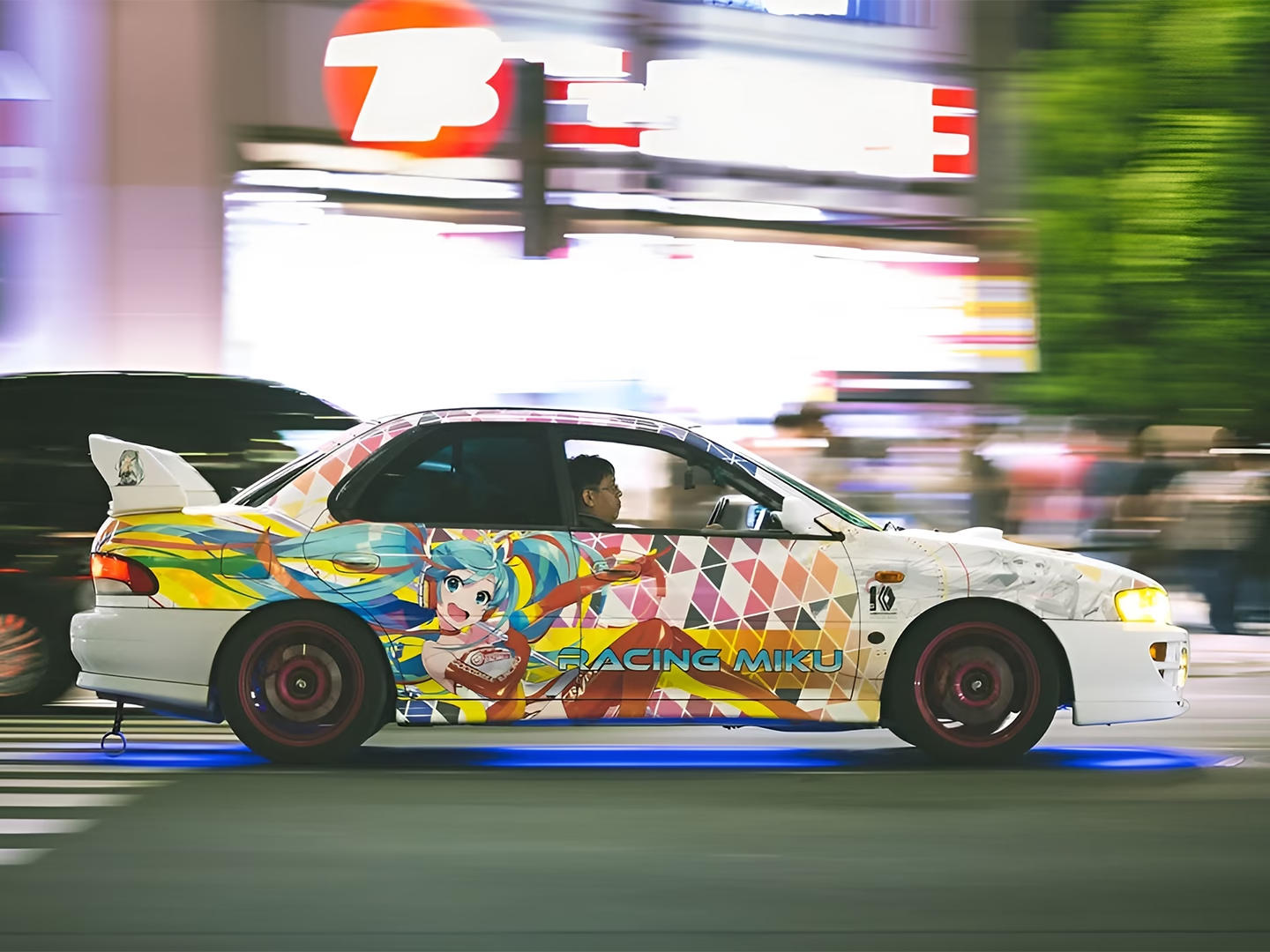
The term itasha means “painful car,” a tongue-in-cheek reference to the visual overload of anime-themed vehicles. Early versions were small decals and plush toys in the 1990s, but by the 2000s full vinyl wraps made it possible to cover entire cars with characters from games, anime, or vocaloid idols. The culture grew around Comiket, Odaiba’s Itasha Festa, and regional meets, with racing teams like Goodsmile bringing itasha liveries to professional circuits and making the style visible far beyond hobby circles.
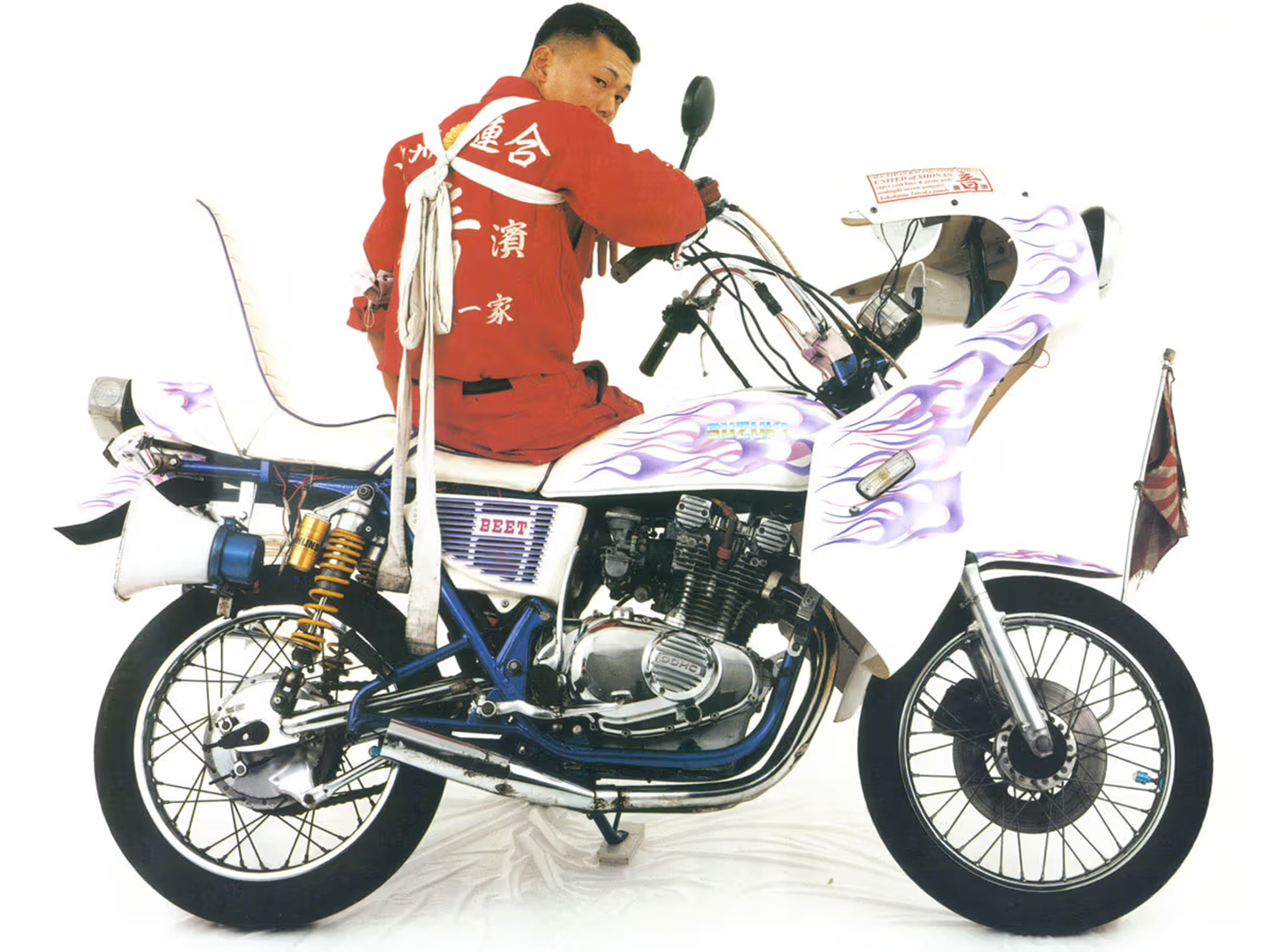
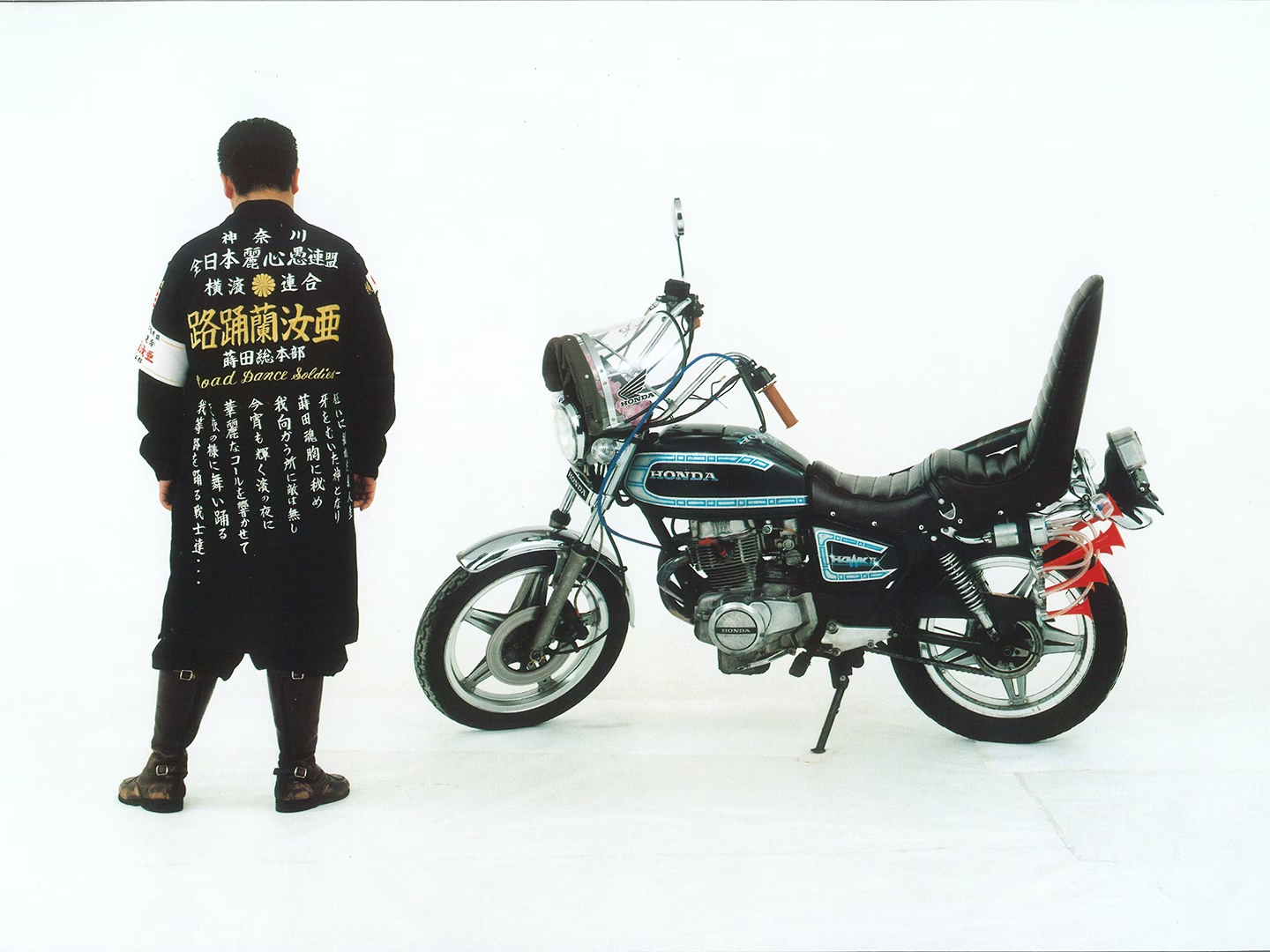
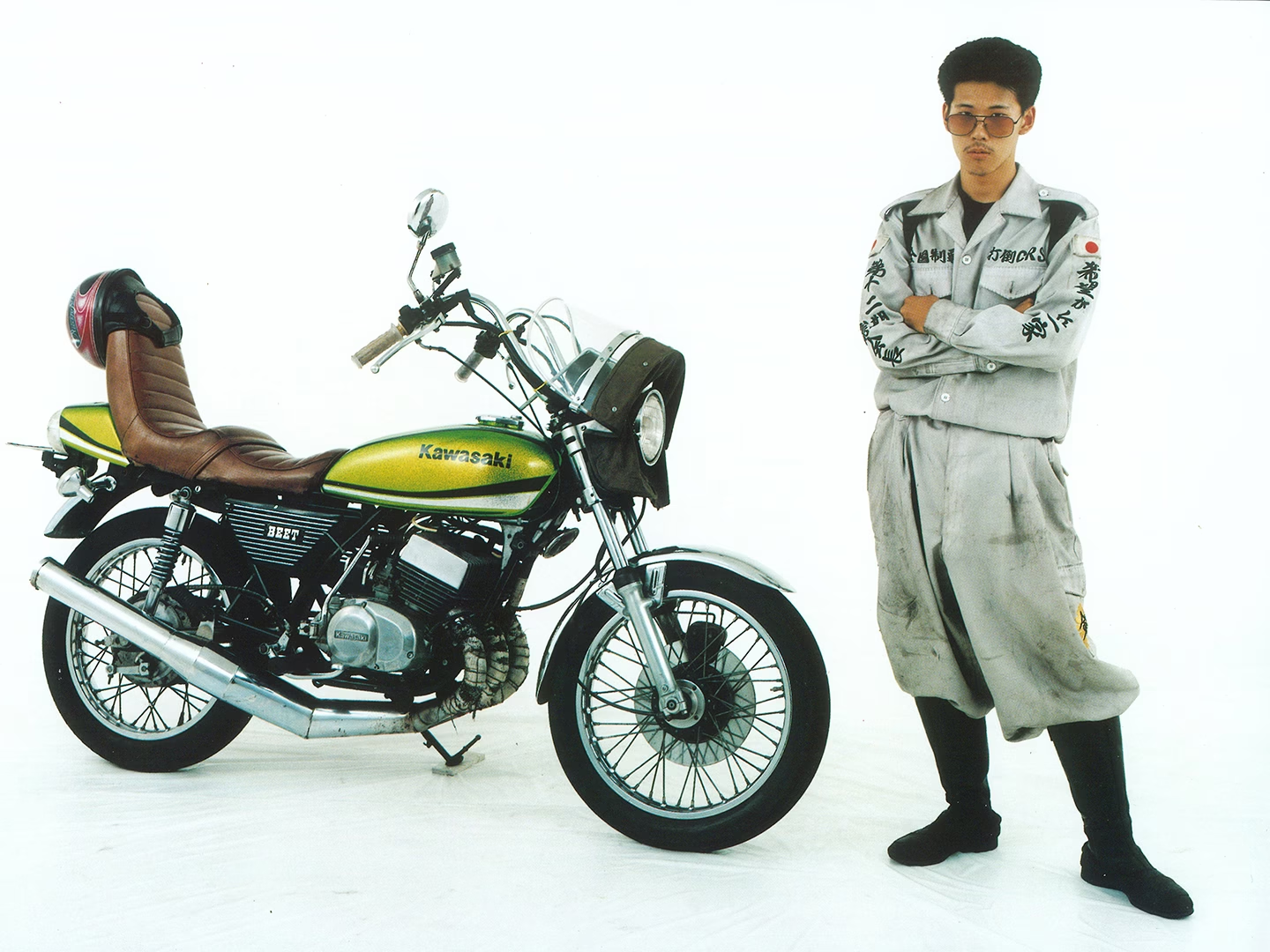
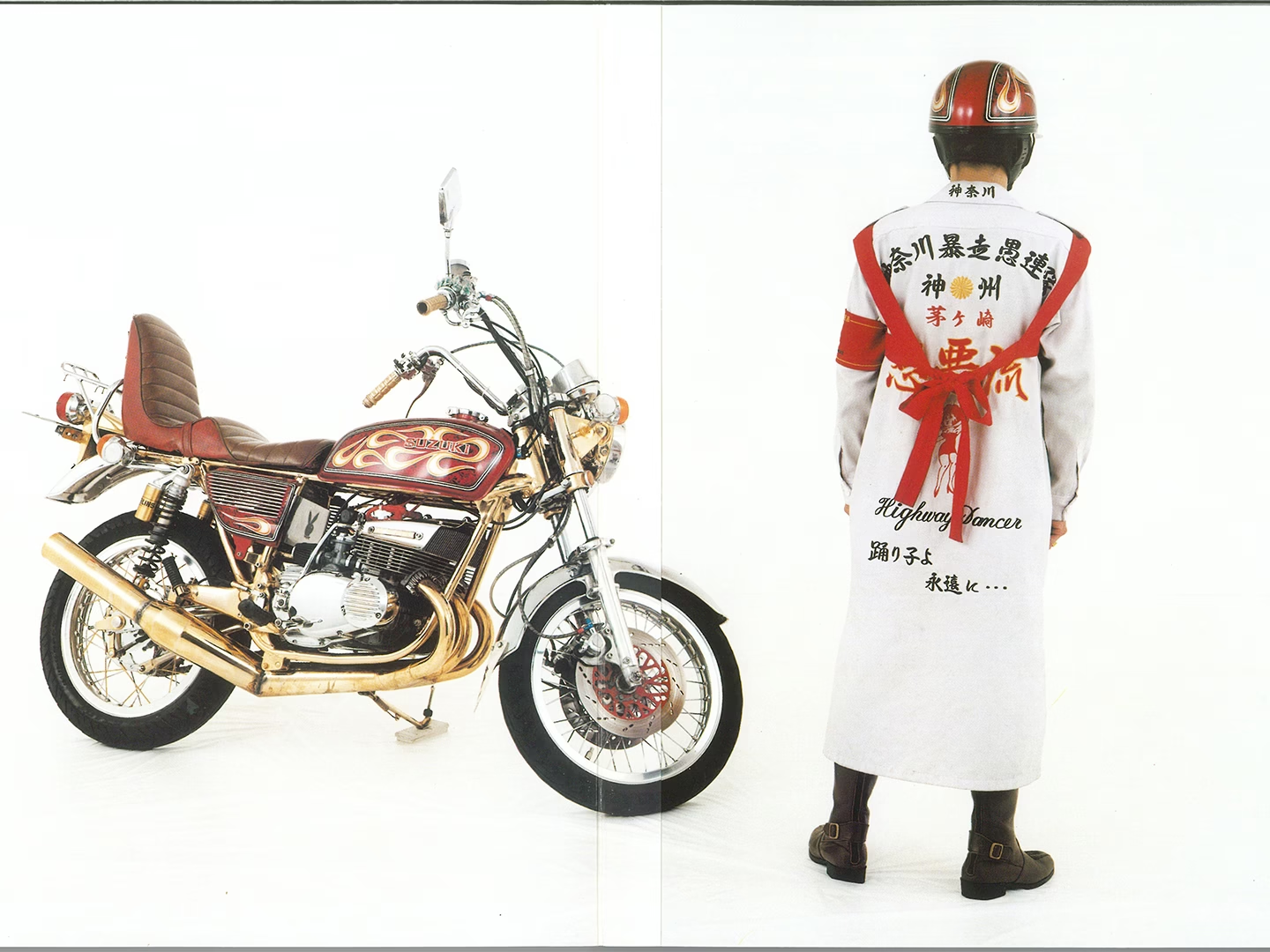

3. Bosozoku Bikes
Bosozoku, meaning “reckless tribe,” began as biker gangs in the 1970s and 1980s. Their motorcycles were less about speed than spectacle, fitted with rocket-style fairings, tall cobra seats, and bamboo-spear exhausts that blared through city nights. Riders wore military-inspired uniforms called tokkō-fuku and paraded in groups, often clashing with police. Numbers declined after crackdowns in the 1990s, but the style survives through nostalgic kyūsha-kai clubs and in popular media. To see the cultural roots of bosozoku and other Japanese subcultures, visit our earlier article Japanese Subcultures Offstage.


4. VIP Style
In the early 1990s, used luxury sedans like the Toyota Celsior and Nissan Cima became affordable, and former street racers adopted them as canvases. The result was VIP style: sedans dropped to the ground with stretched wheels, wide rims, and interiors fitted like private lounges. Teams such as Club Final and Junction Produce shaped the look, while magazines like VIP Style and VIP Car spread it nationwide. Today VIP cars appear at shows in Osaka and Tokyo Auto Salon, balancing refinement with subcultural bravado.


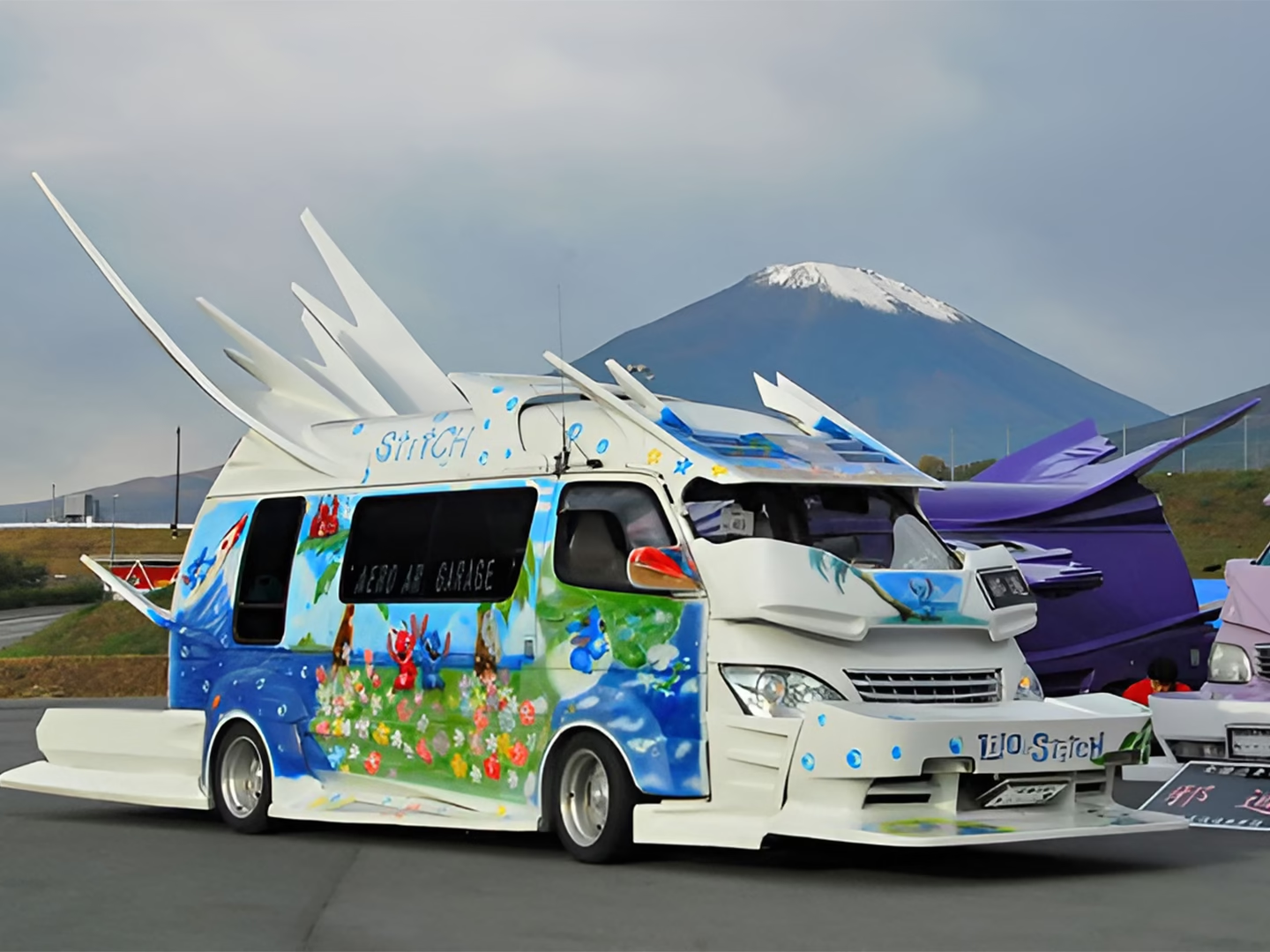


5. HiAce and Van Customization
Japan’s van culture, often called vanning, traces back to the late 1970s when American custom vans inspired local adaptations. Builders turned Toyota HiAce and Nissan Caravans into rolling lounges with sofas, shag carpet, and airbrushed murals, while others pushed further with bosozoku-like fins, exaggerated bumpers, and walls of speakers. Events such as Style Box Meeting continue to showcase everything from camper builds to extreme show vans, another example of how transport in Japan becomes a stage for self-expression.