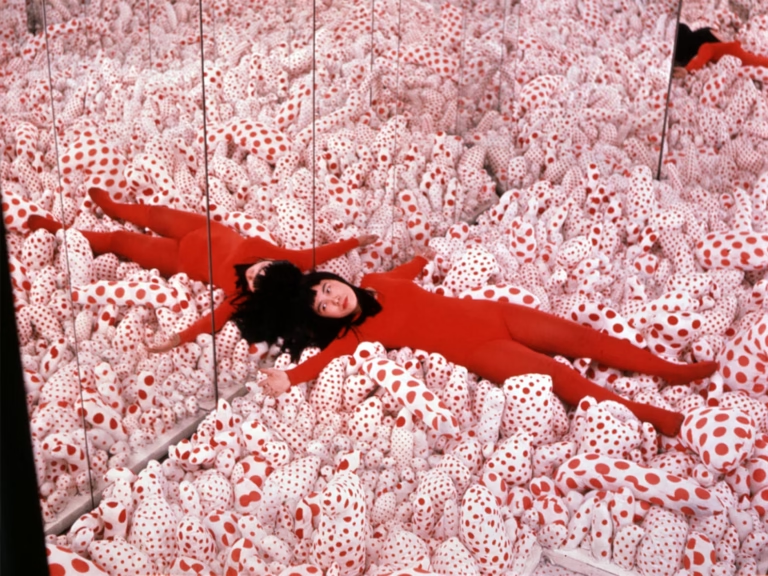
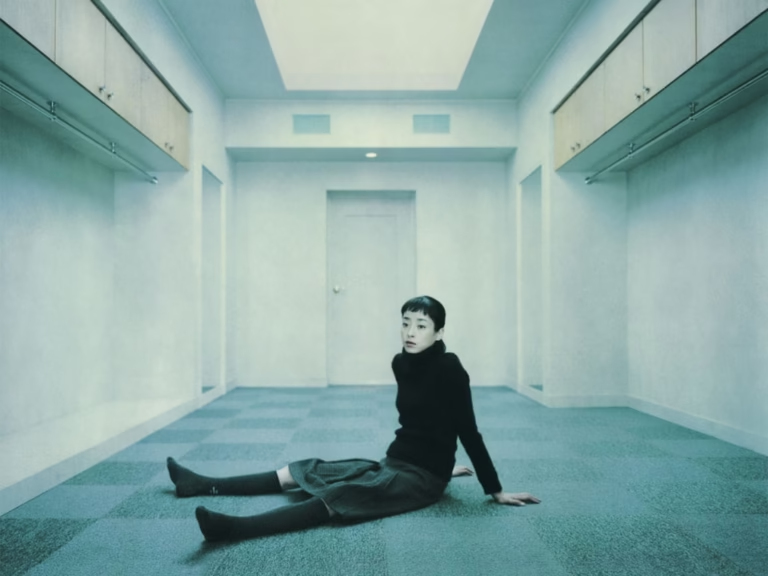
Japan’s most memorable art isn’t meant to be observed from a distance. These installations surround you, shift your sense of scale, and invite you to move through them at your own pace. They’re spaces where perception bends, architecture breathes, and the boundary between viewer and artwork quietly dissolves.
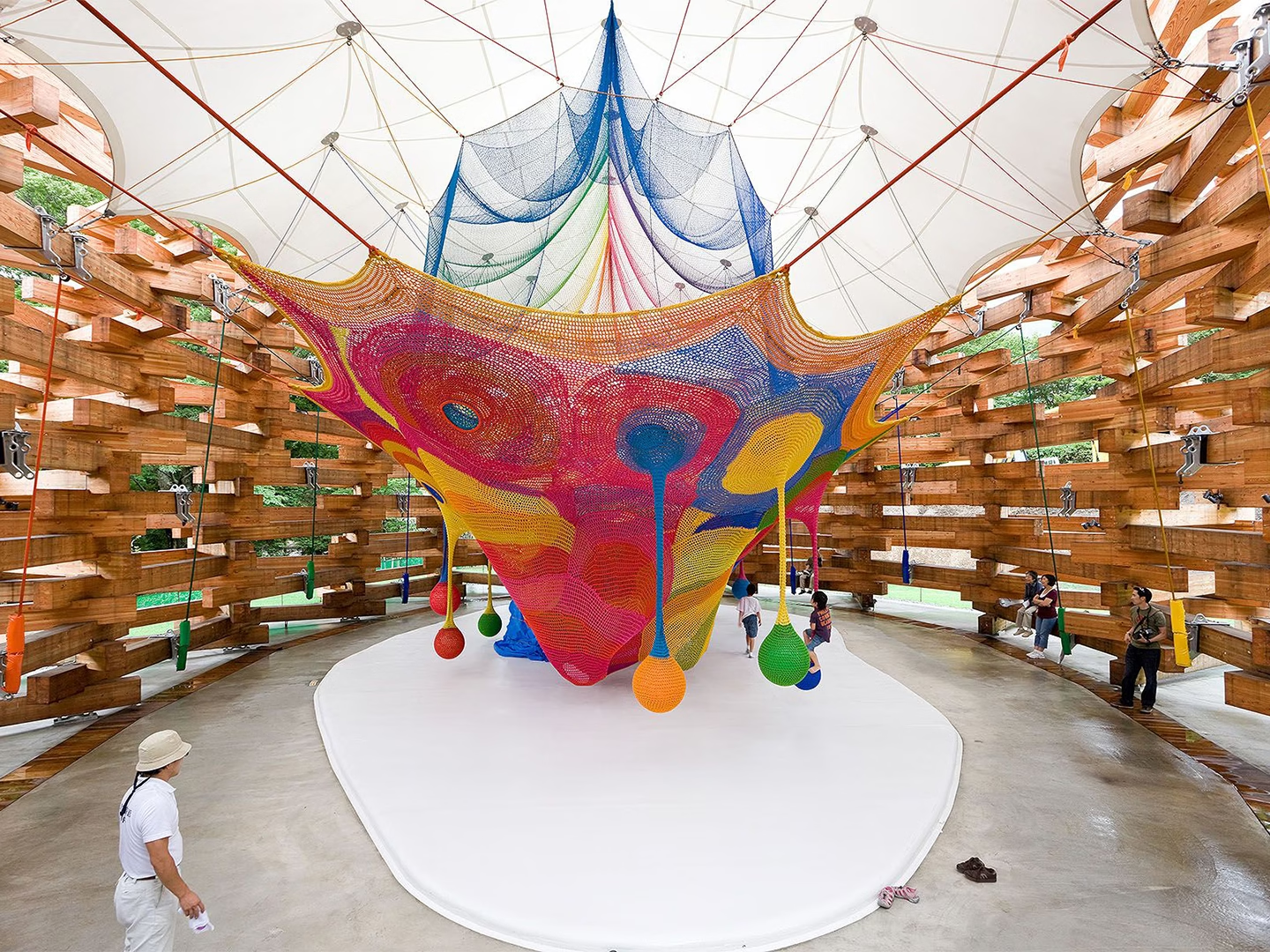
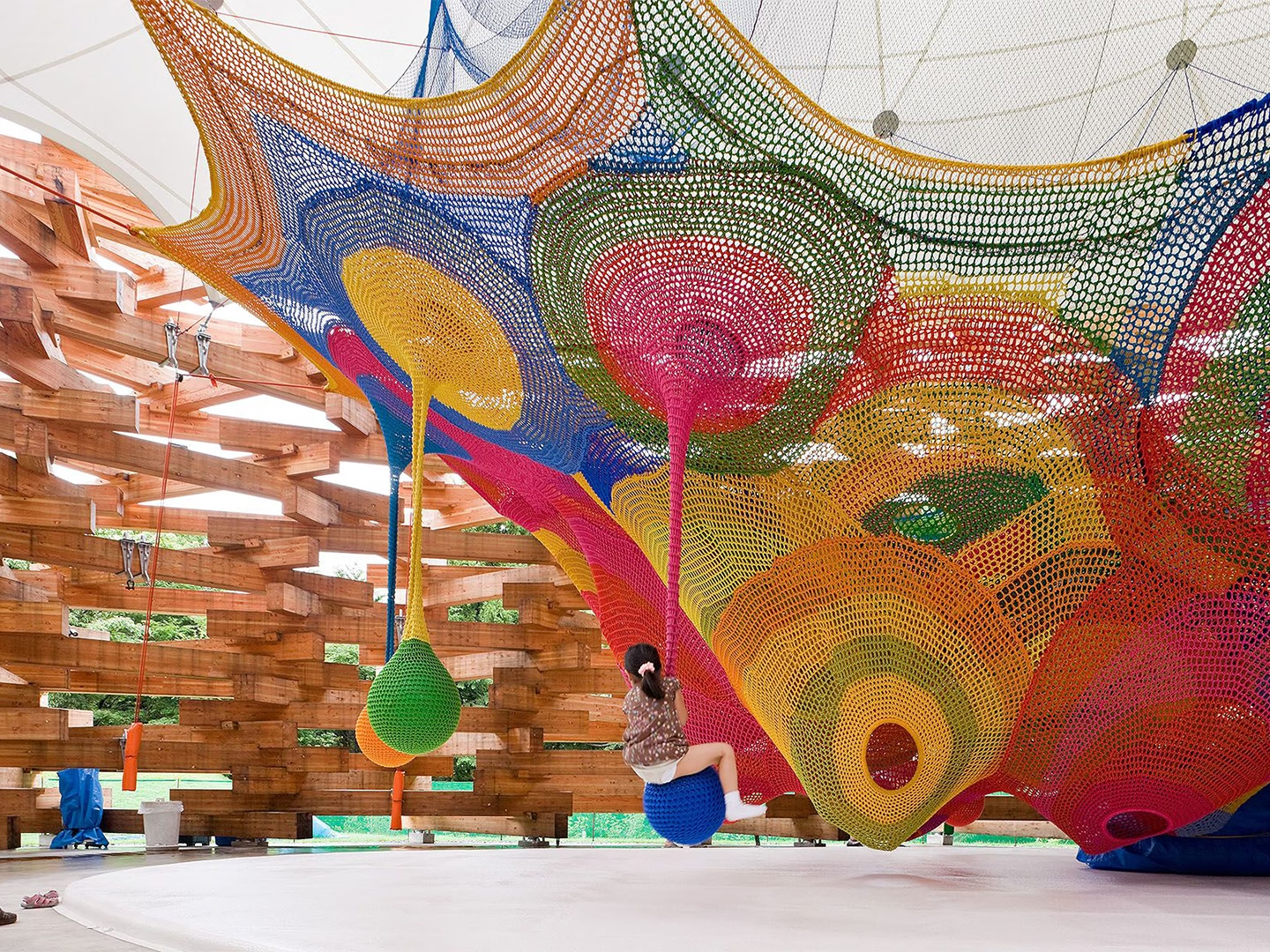
1. Woods of Net (2009, Hakone)
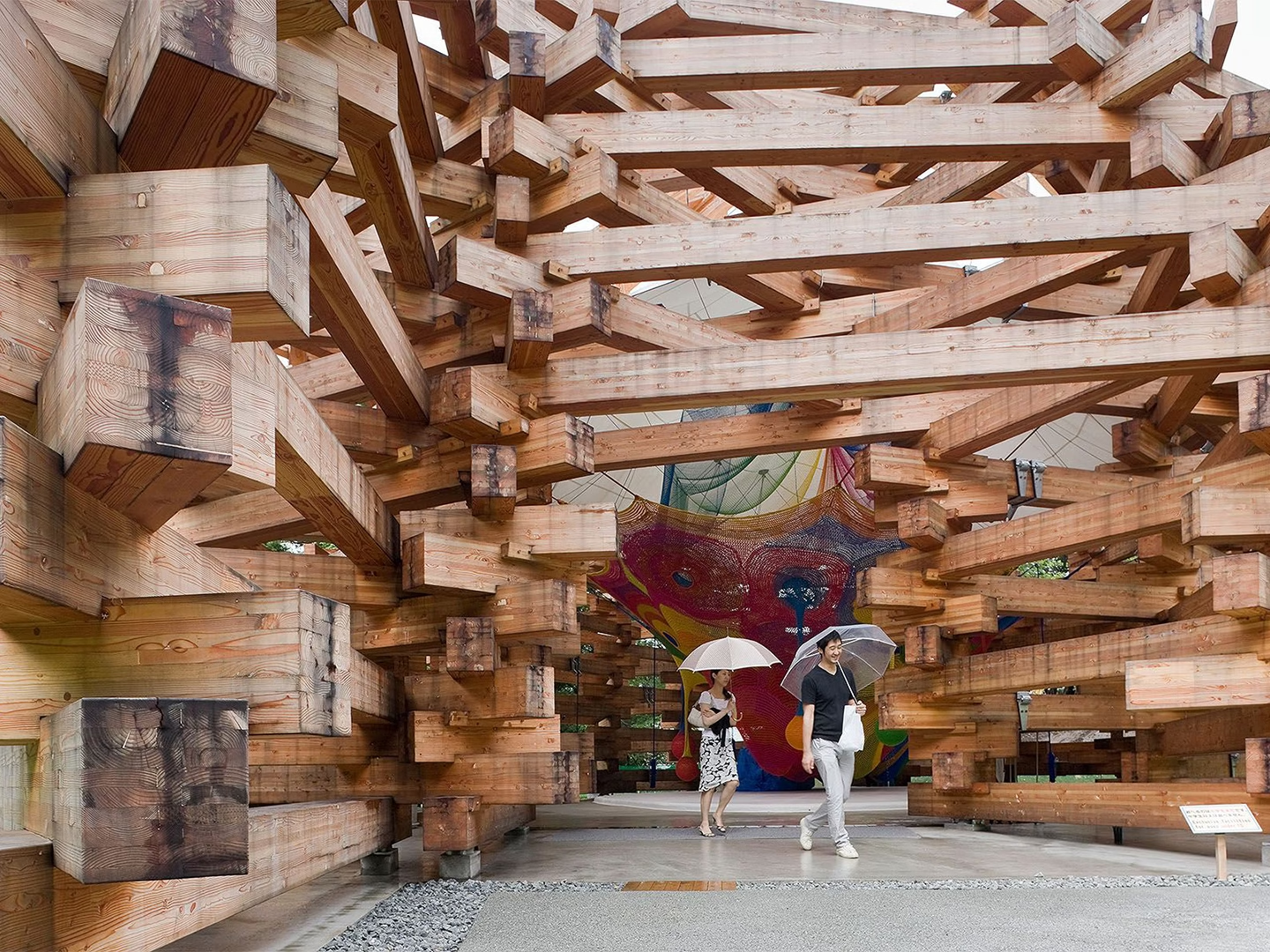
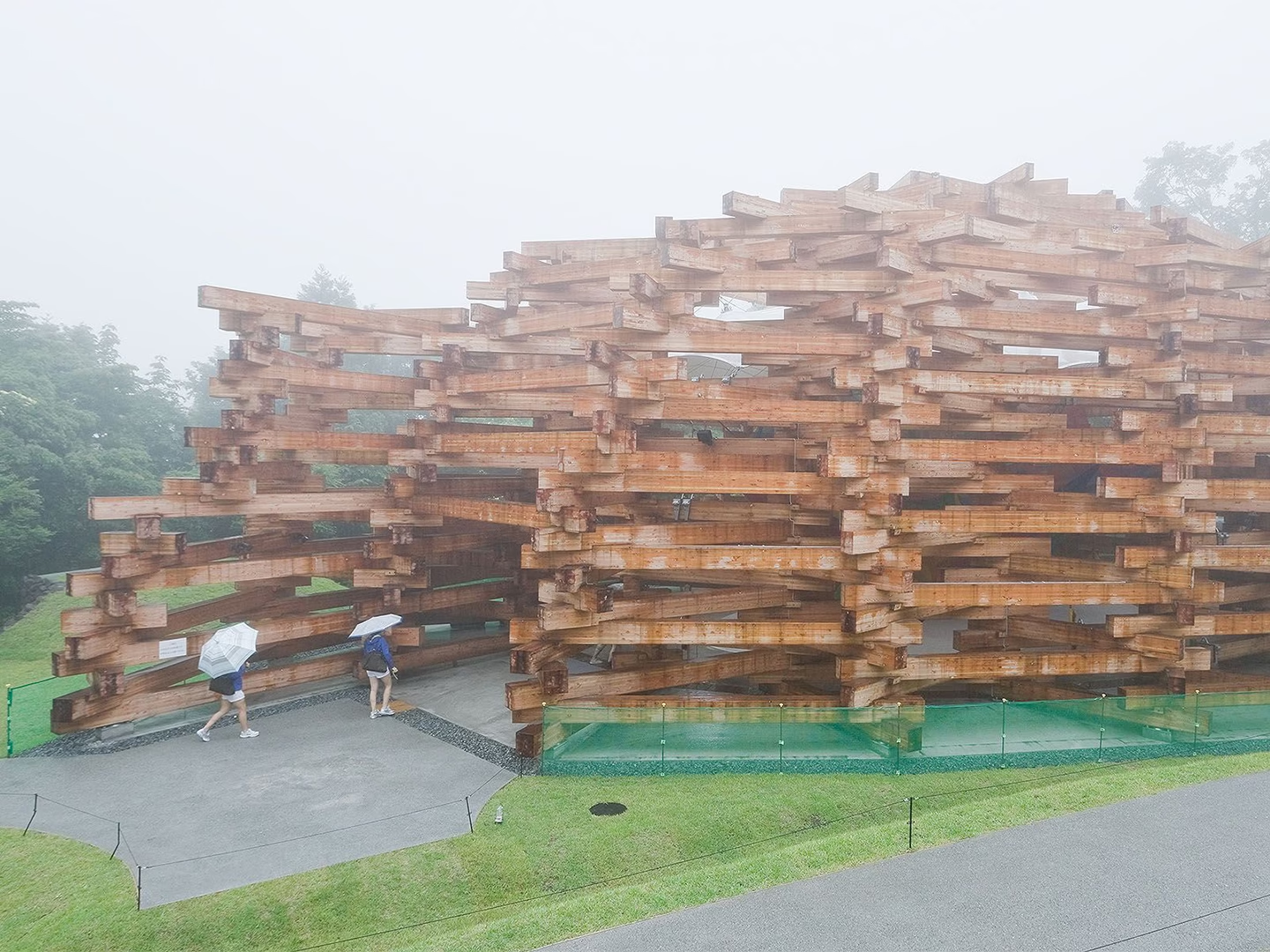
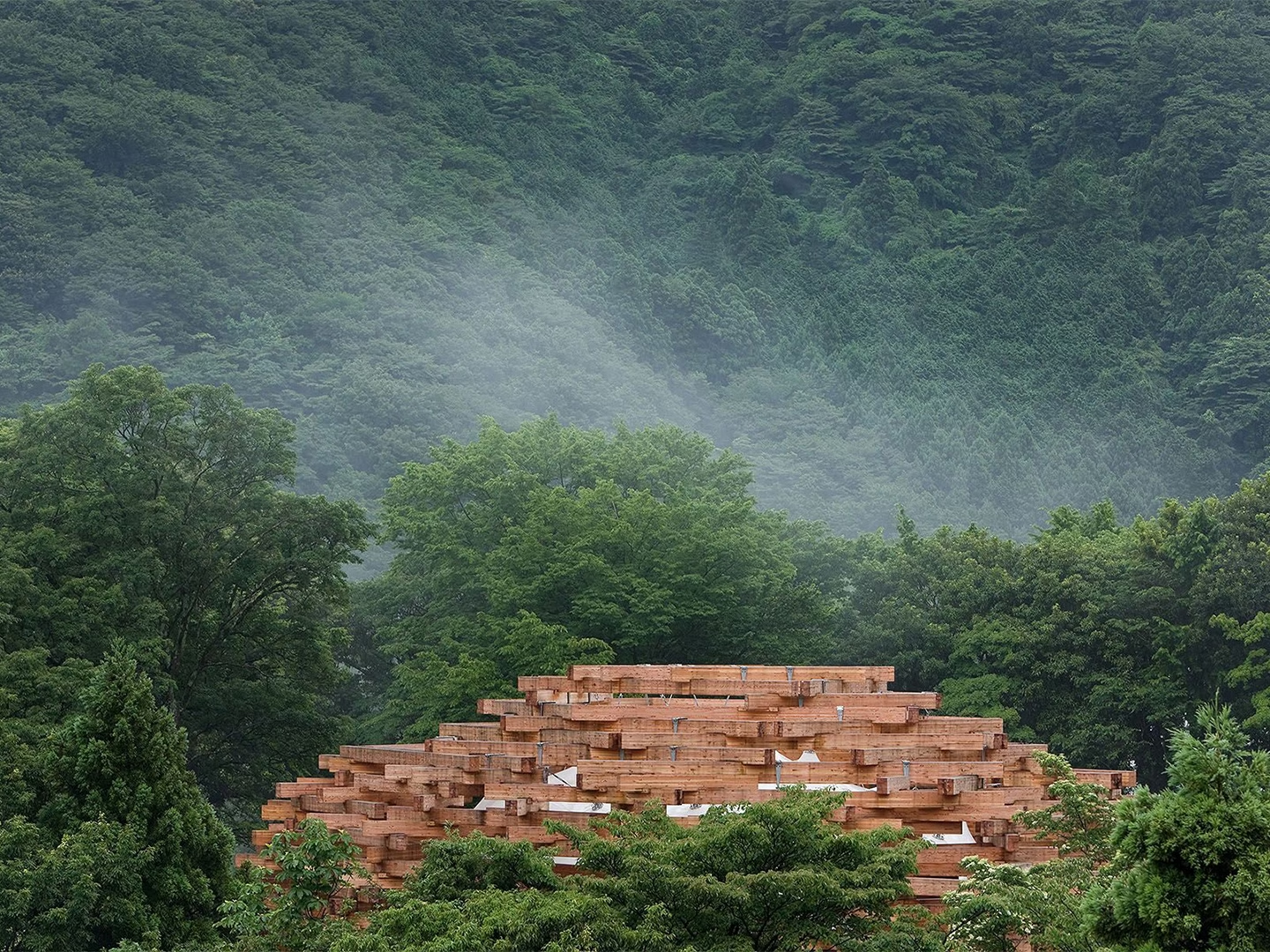
Created by textile artist Toshiko Horiuchi MacAdam and housed in a timber pavilion by Tezuka Architects, this massive hand-knit net built without a single nail, a massive hand-knit net ripples in rainbow colors. Children climb, bounce, and dangle from its woven loops. Sunlight pours through the open slats. Laughter echoes off the wood. This is play as installation: art that’s alive, participatory, and full of joy.
2. Teshima Art Museum (Matrix) (2010, Teshima Island)
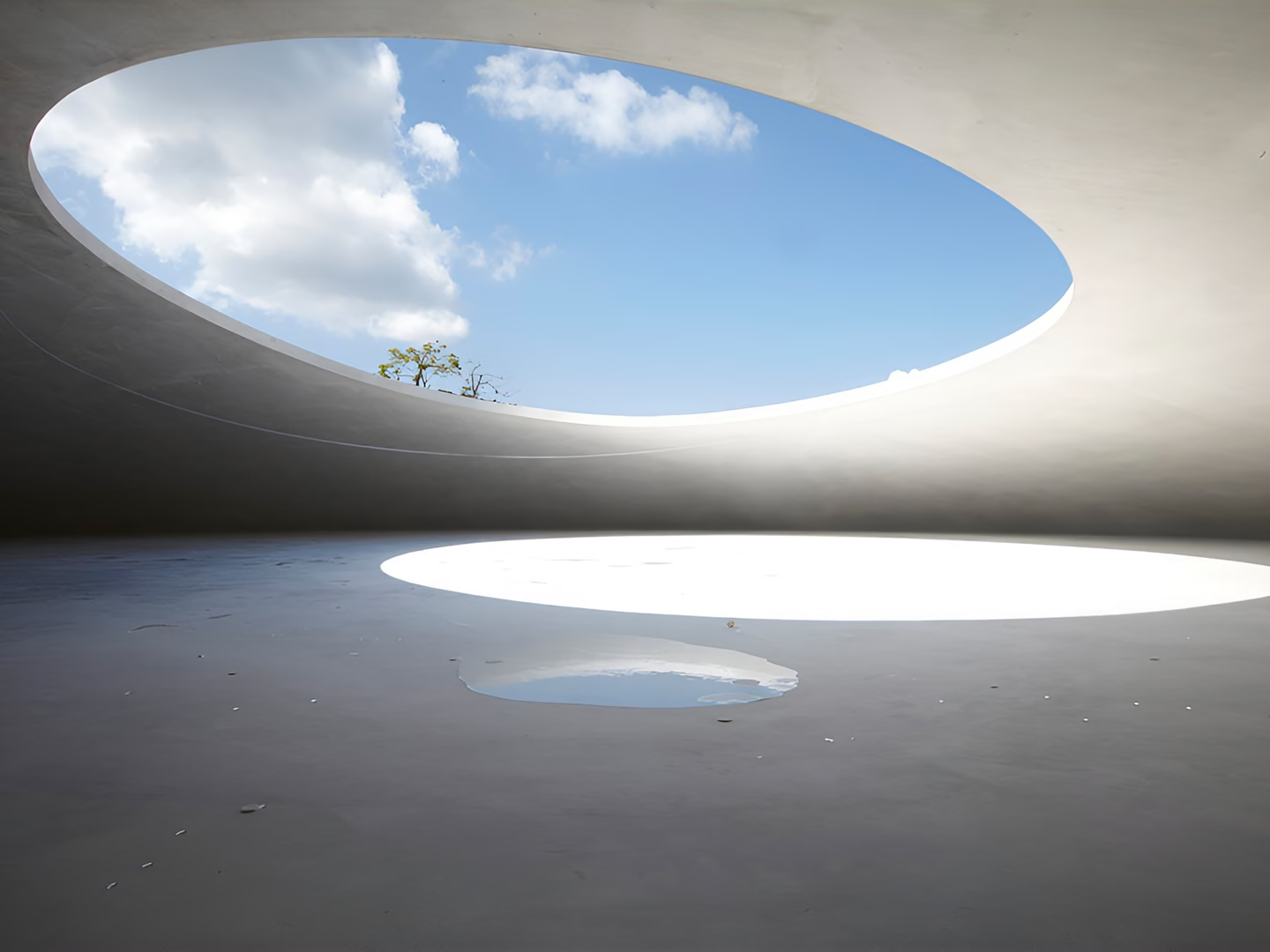
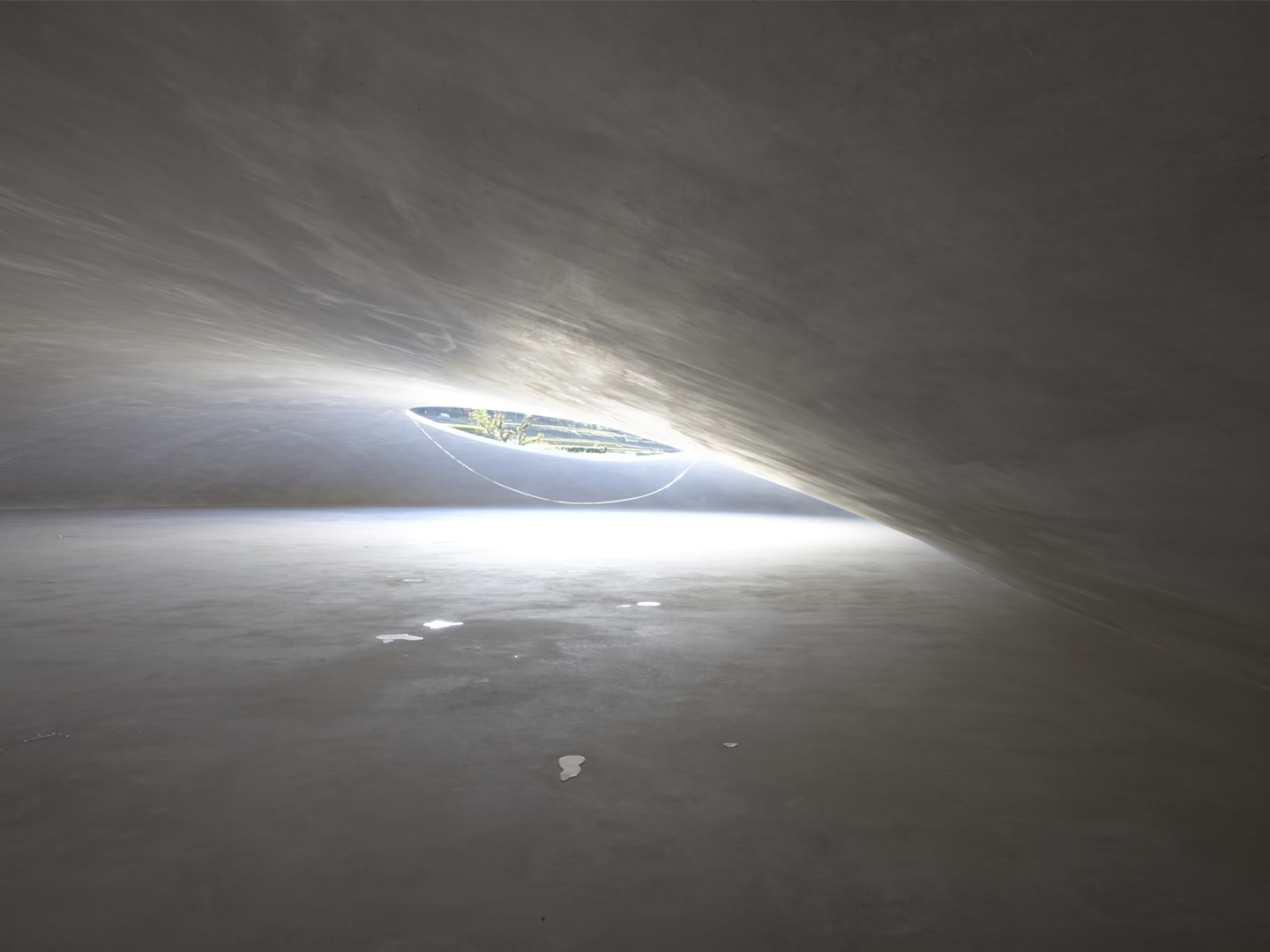
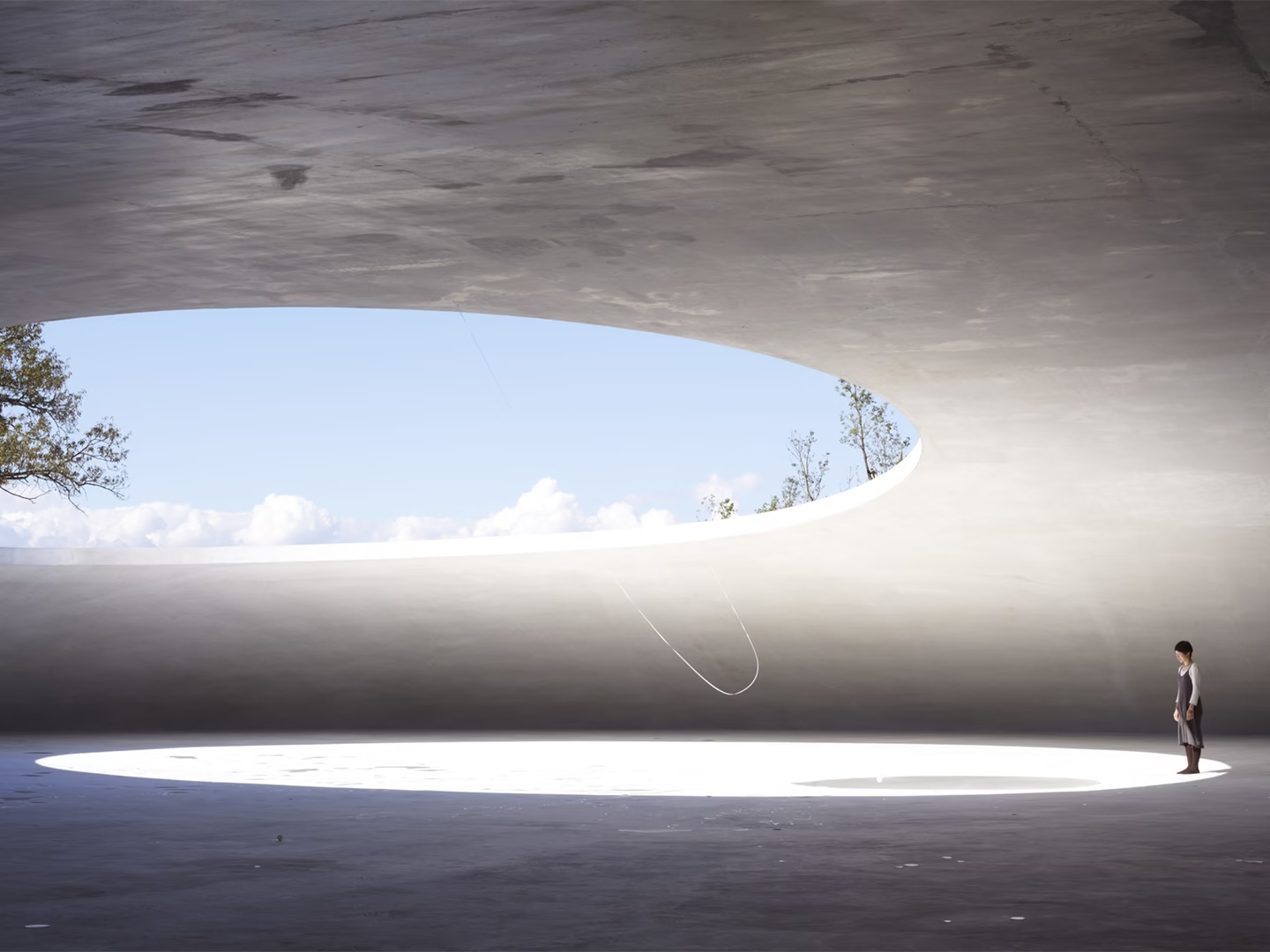
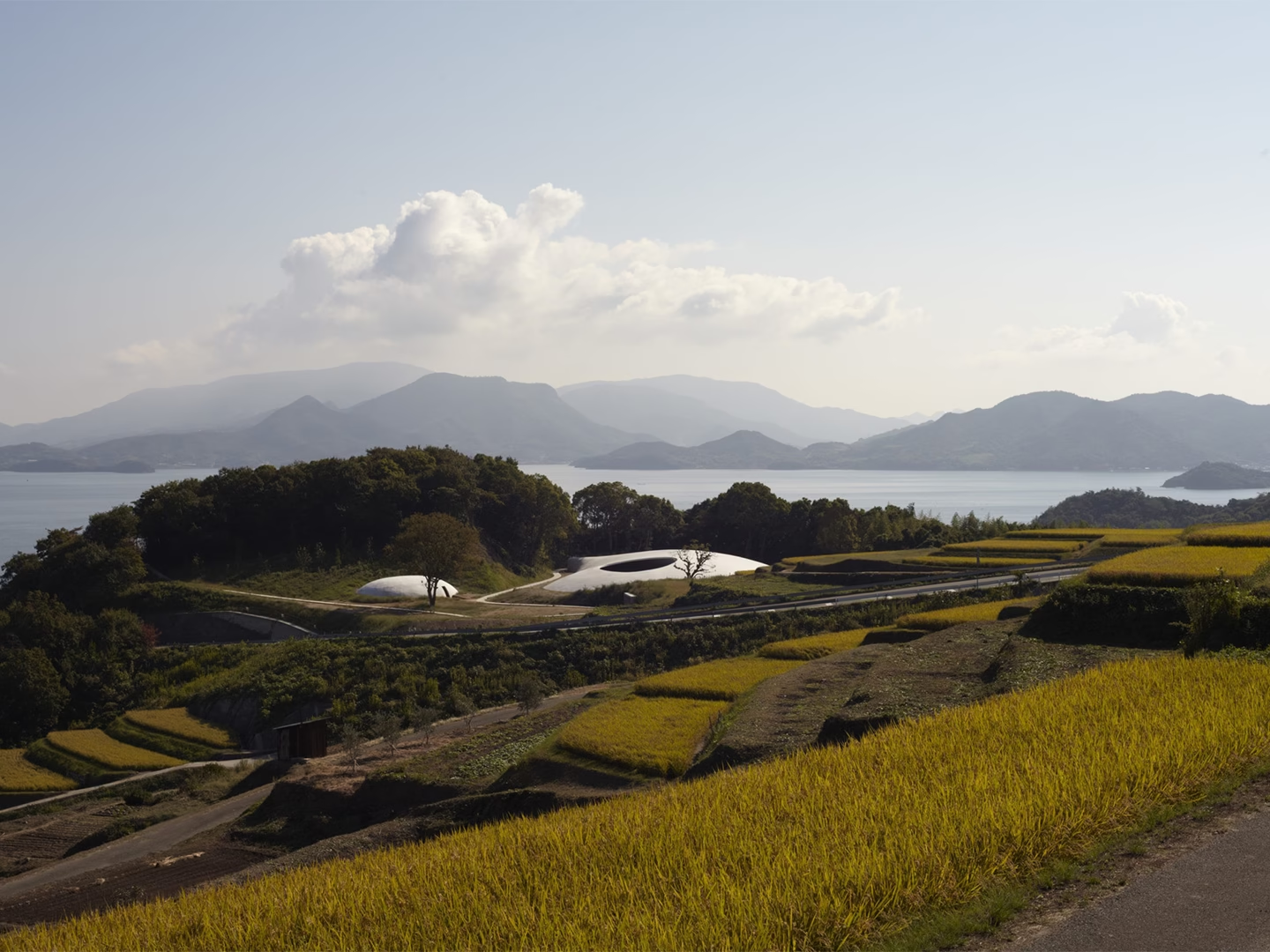
A collaboration between artist Rei Naito and architect Ryue Nishizawa, this single, droplet-shaped concrete shell opens to the sky on a terraced hillside. Inside, time seems to stop. Water seeps from the floor in small, glistening beads, drifting along quiet rivulets. Two oculi in the ceiling invite light, wind, and sometimes rain. It’s a space to wander barefoot, to sit, to breathe. Here, nature, architecture, and stillness become the art.

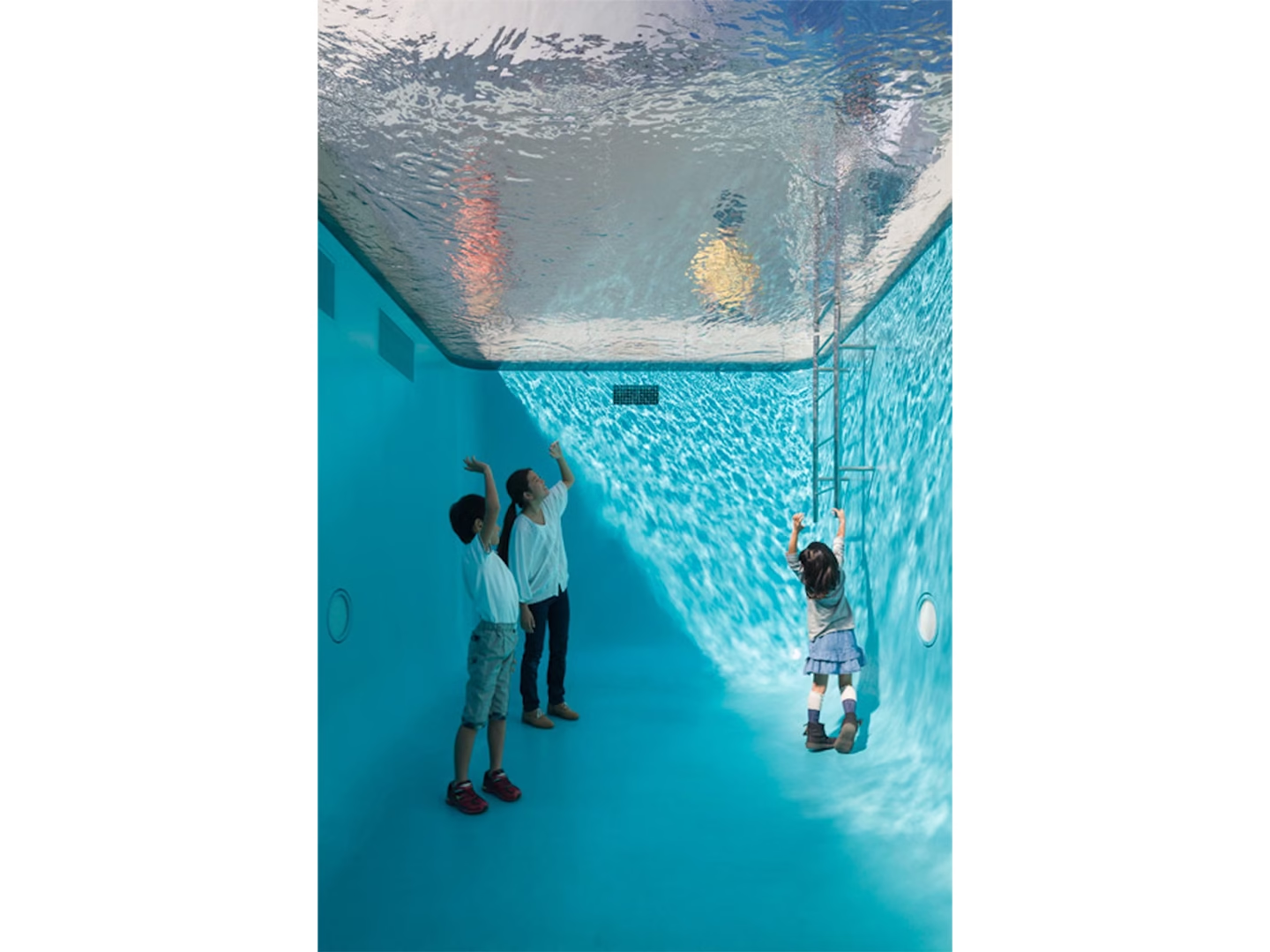
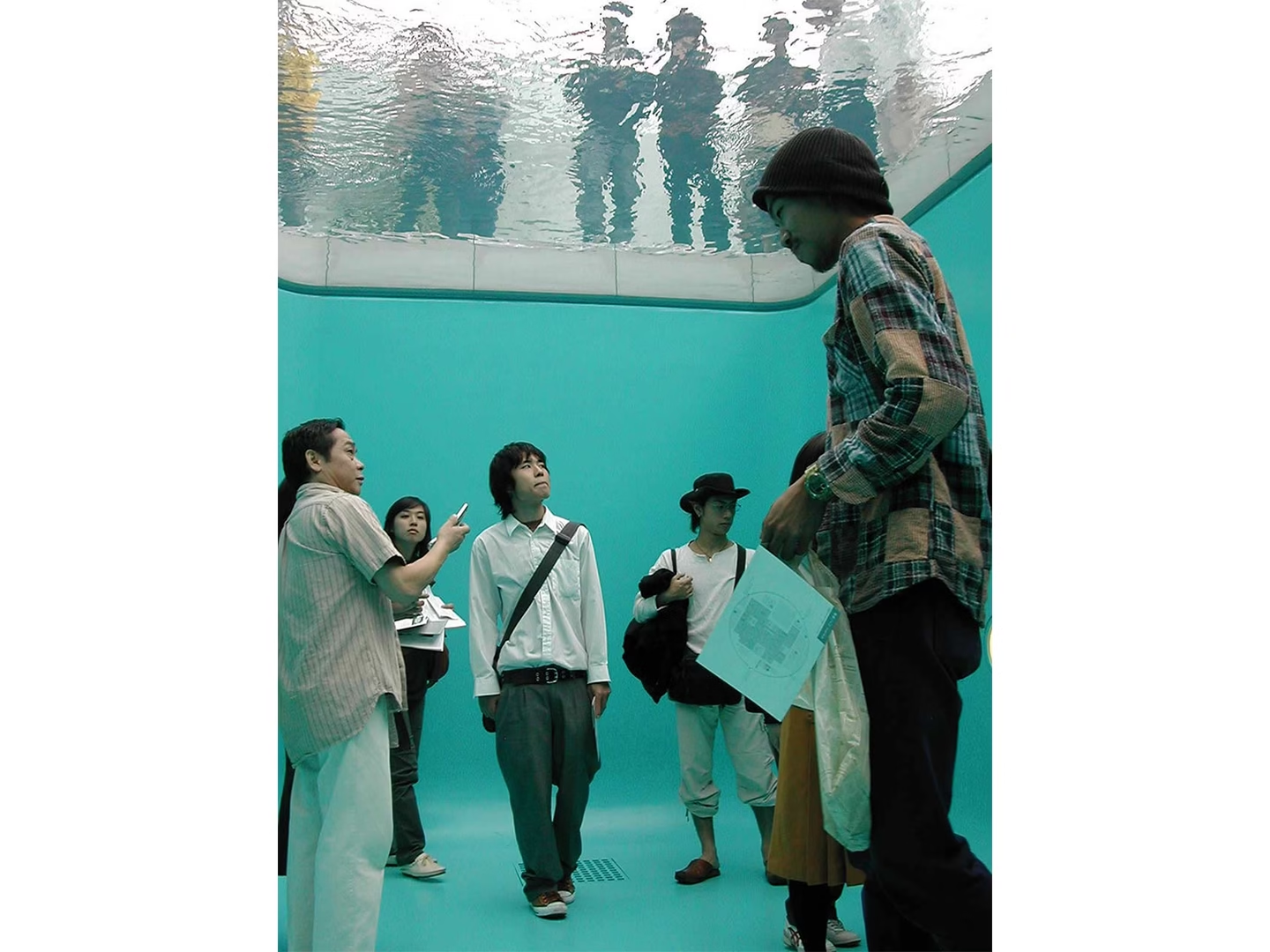
3. The Swimming Pool (2004, Kanazawa)
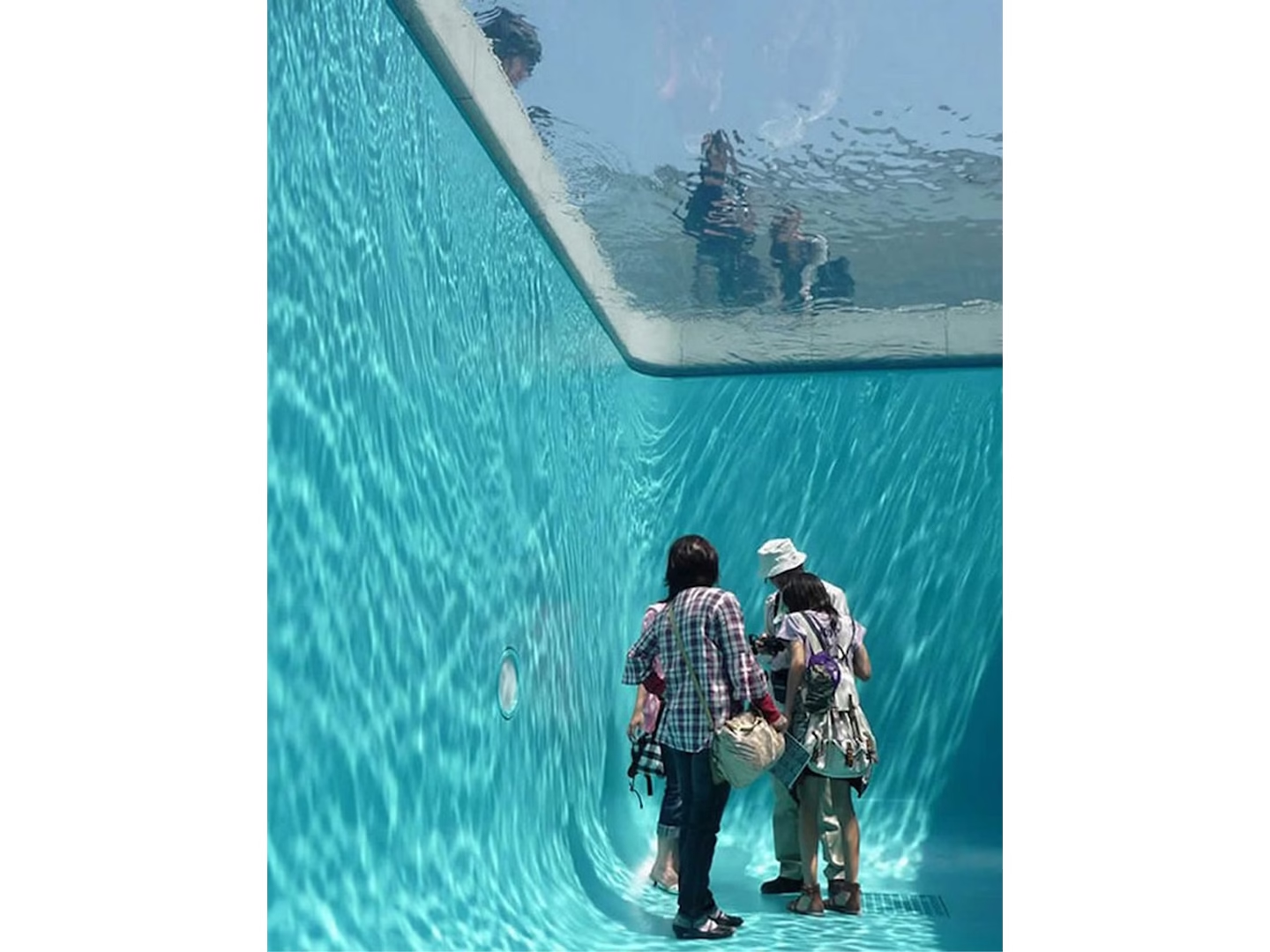
Created by Argentine artist Leandro Erlich, this rectangular pool shimmers under museum light. Look closer, and you’ll see people “underwater” waving up at you. But no one’s swimming. Just 10cm of water rests atop transparent glass, beneath which lies a full-sized room painted aqua-blue. Visitors can step below and gaze upward, flipping expectations of inside and outside, surface and depth. It’s playful, disorienting, and unforgettable.
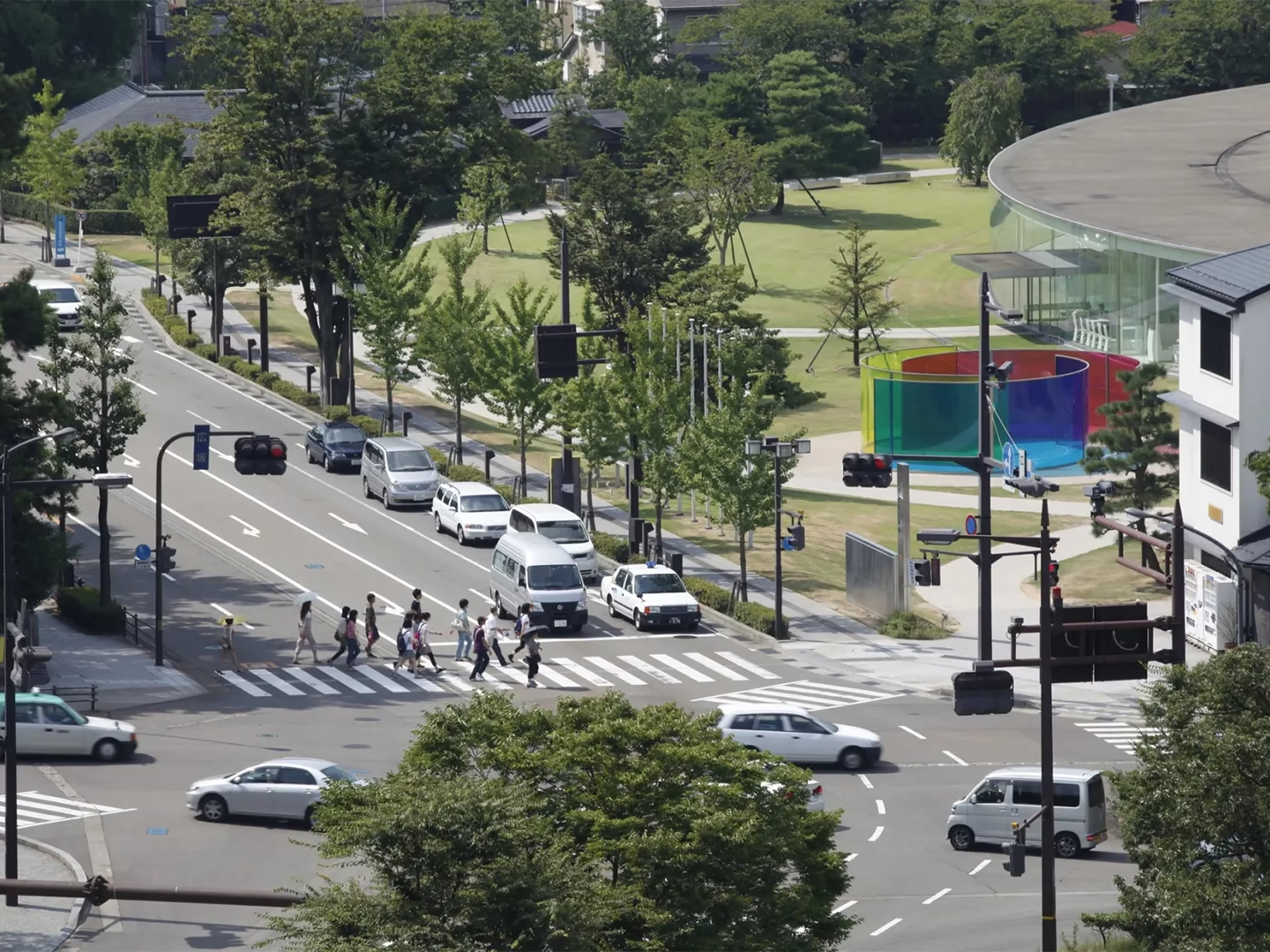
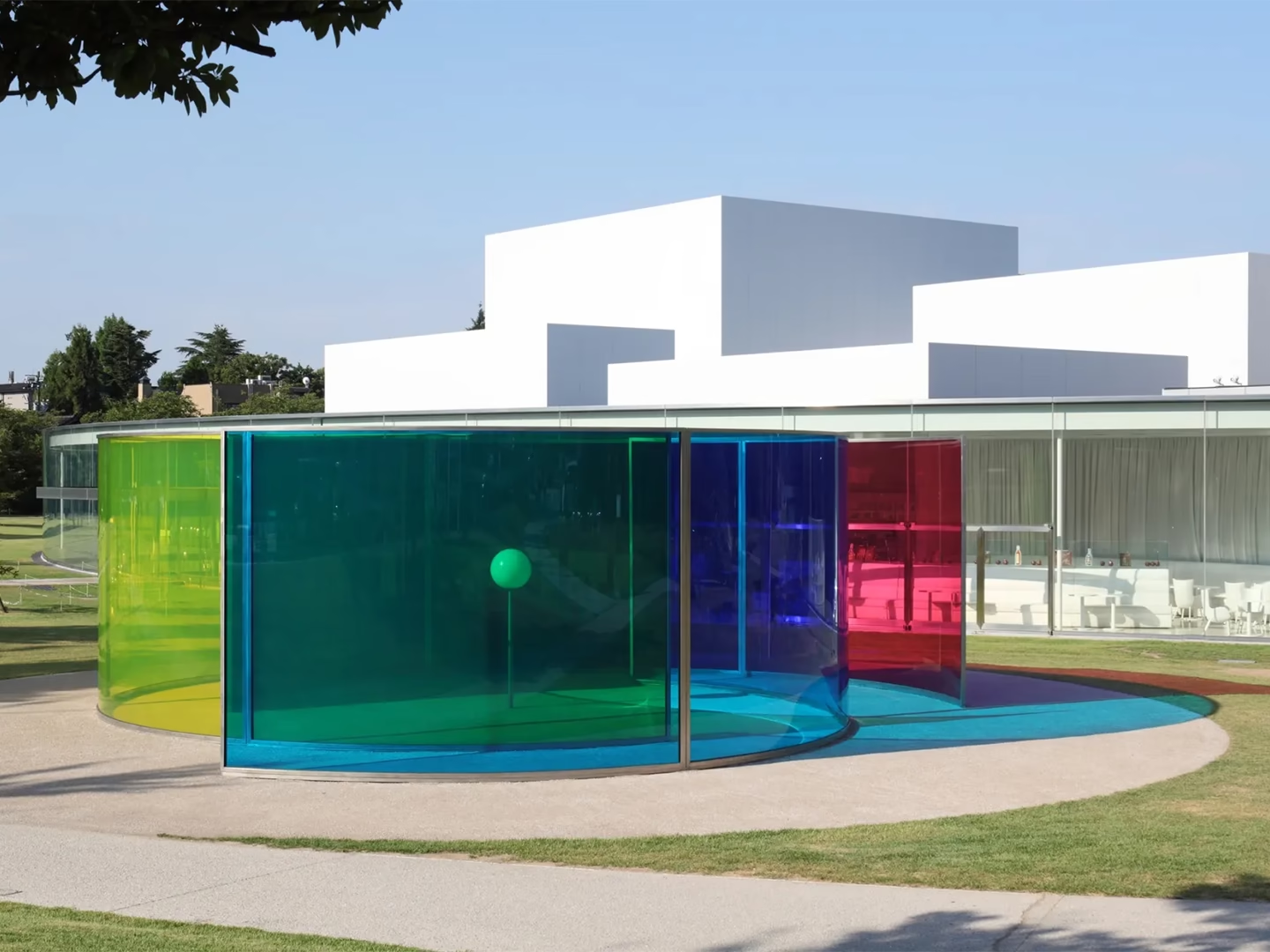
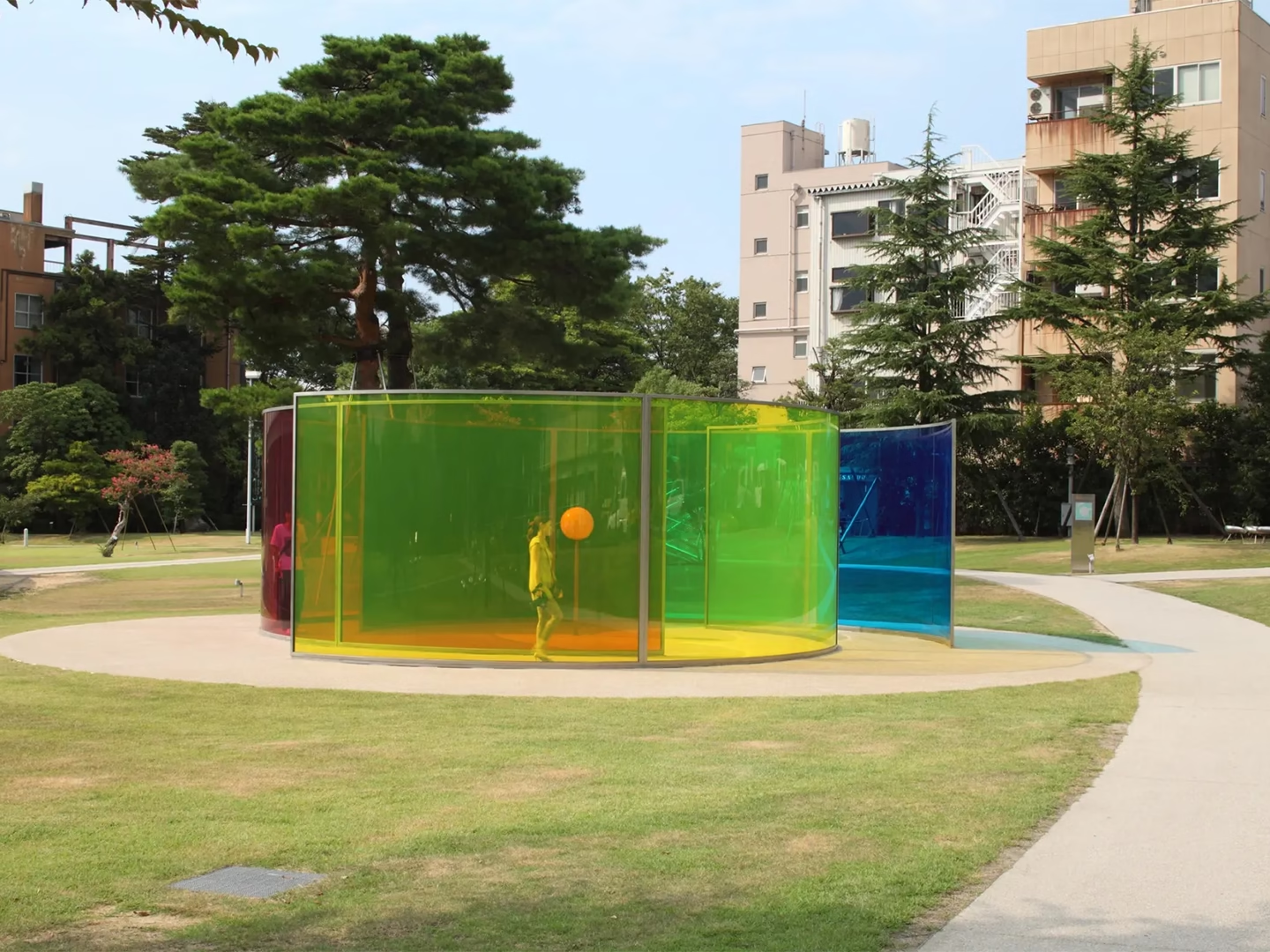
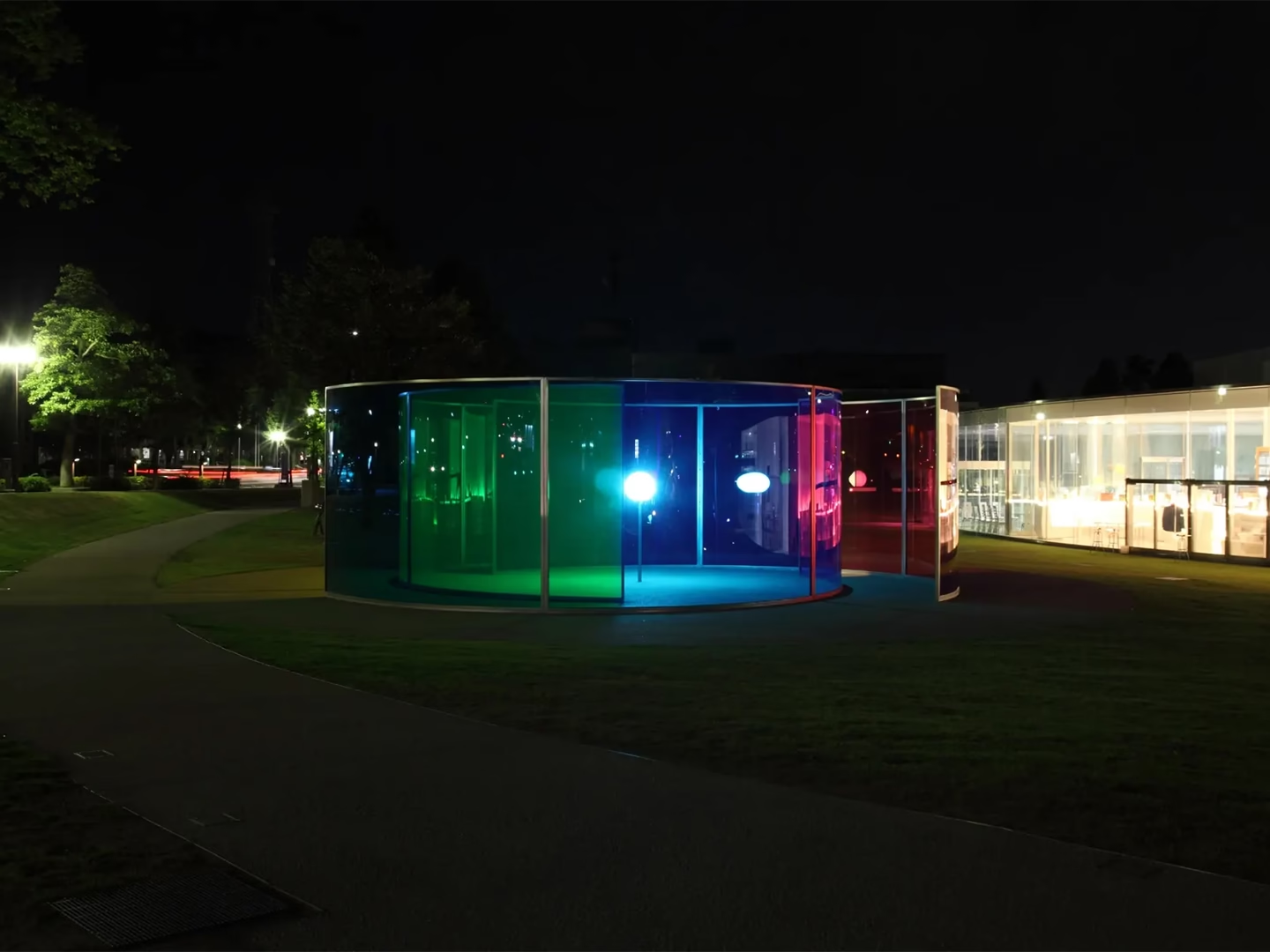
4. Color Activity House (2010, Kanazawa)
Designed by Danish-Icelandic artist Olafur Eliasson, this circular glass pavilion stands open-air in the museum’s outer lawn. Curved panes in cyan, magenta, and yellow spiral inward, creating ever-changing color fields. As you walk through, the city beyond is painted in surreal hues. At dusk, a central white lamp glows, turning the space into a radiant lighthouse. It’s a walk-through prism that reshapes your perception of light, color, and movement.
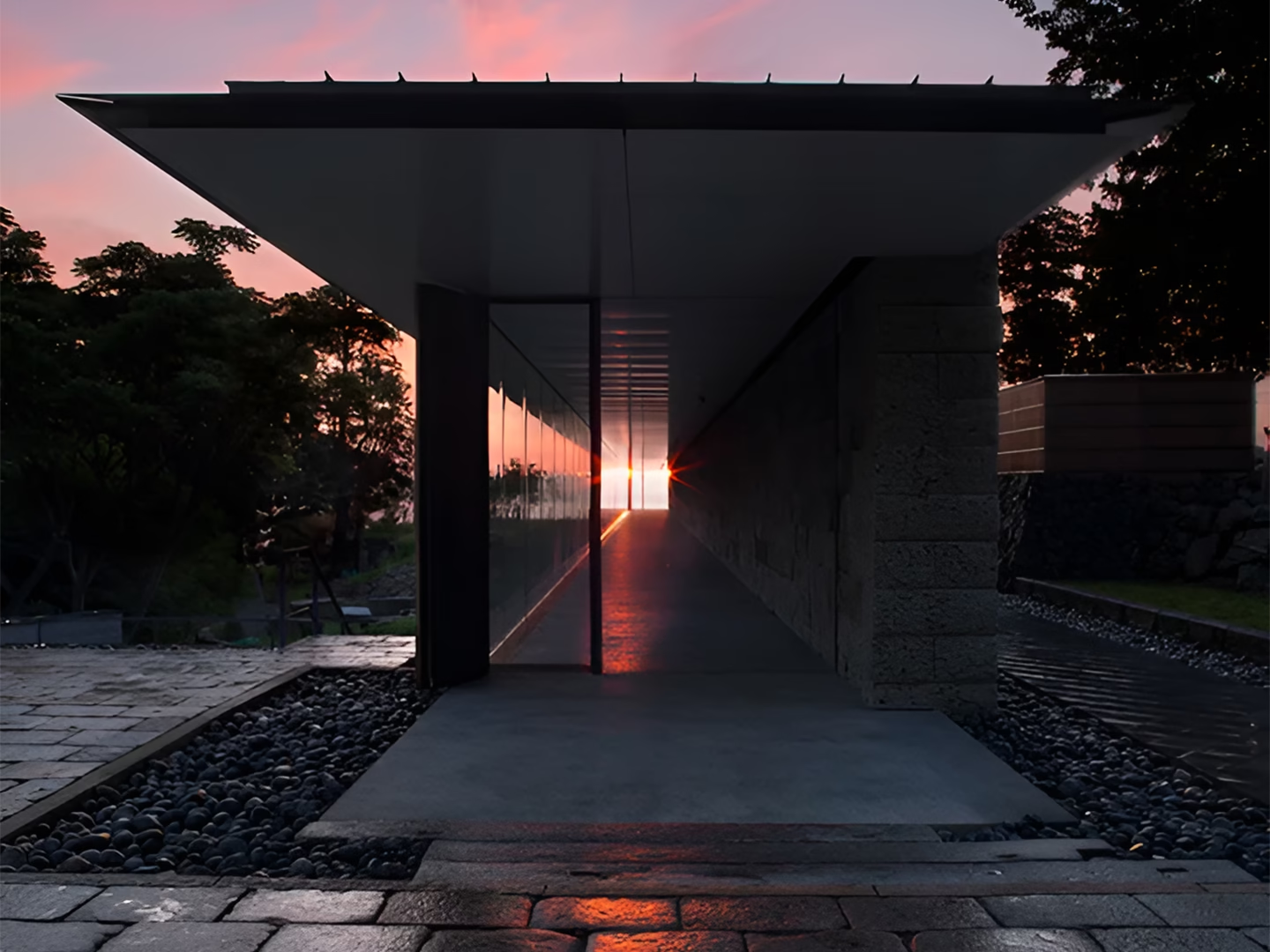
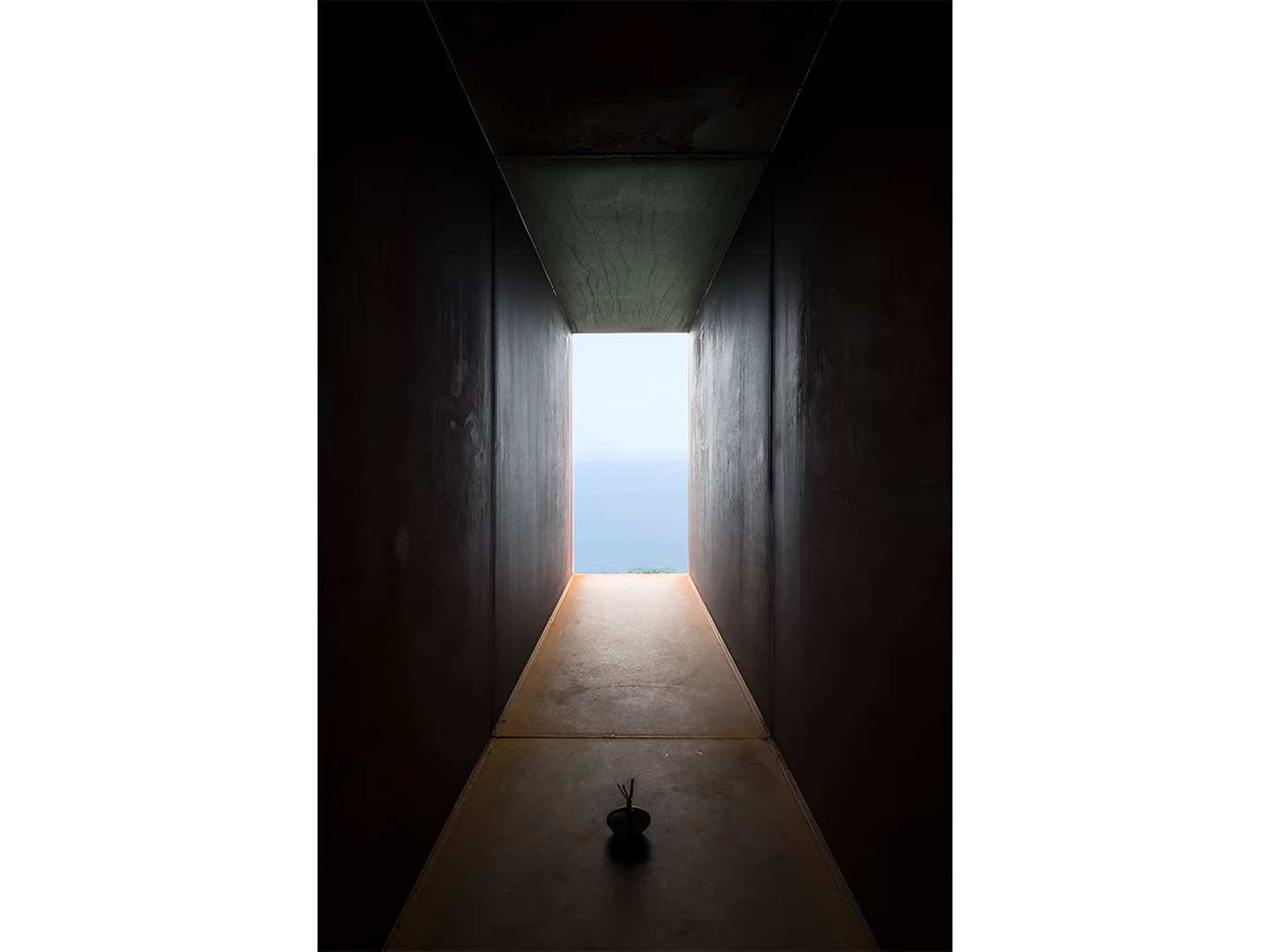
5. Enoura Observatory (2017, Odawara)
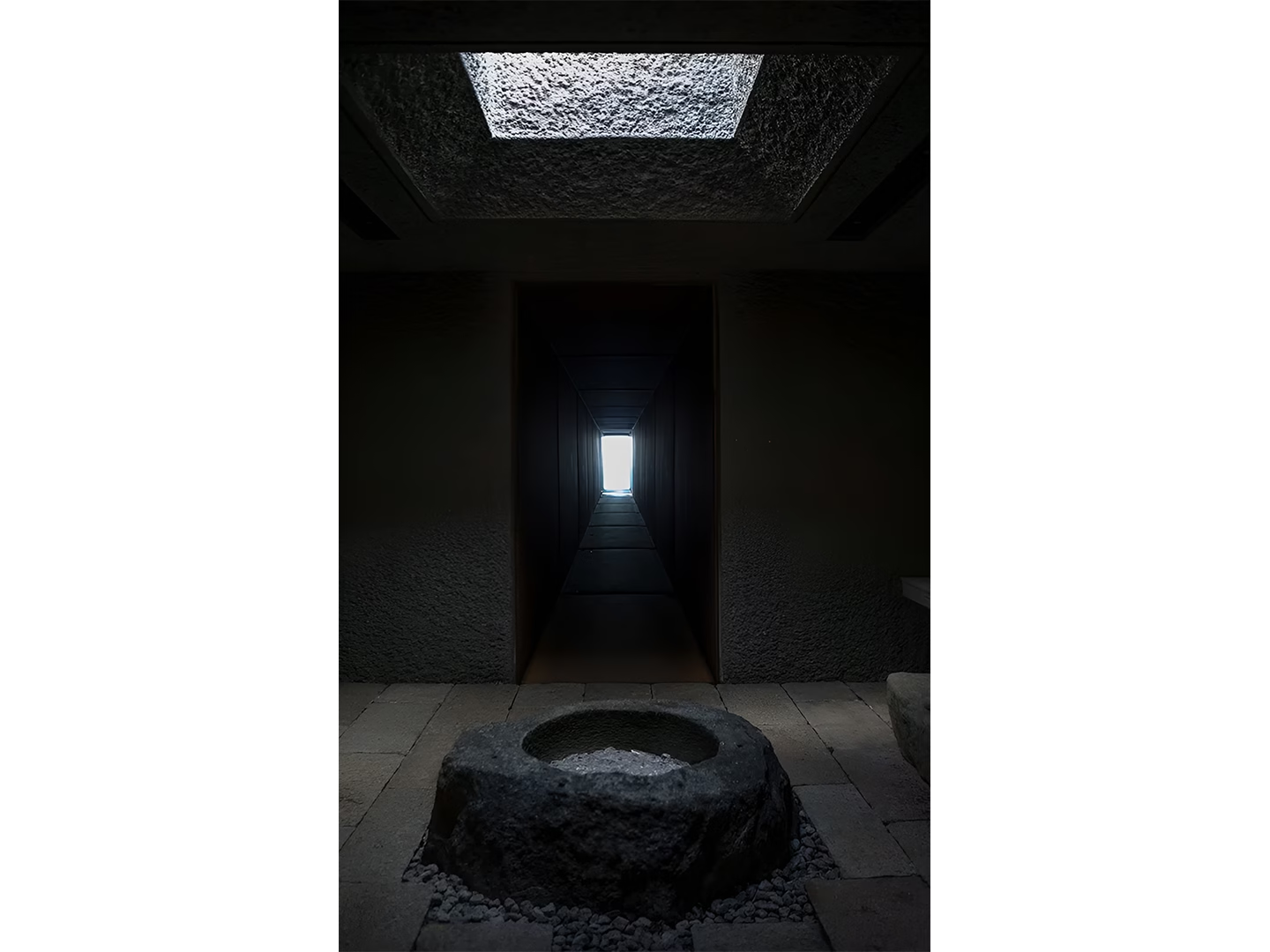
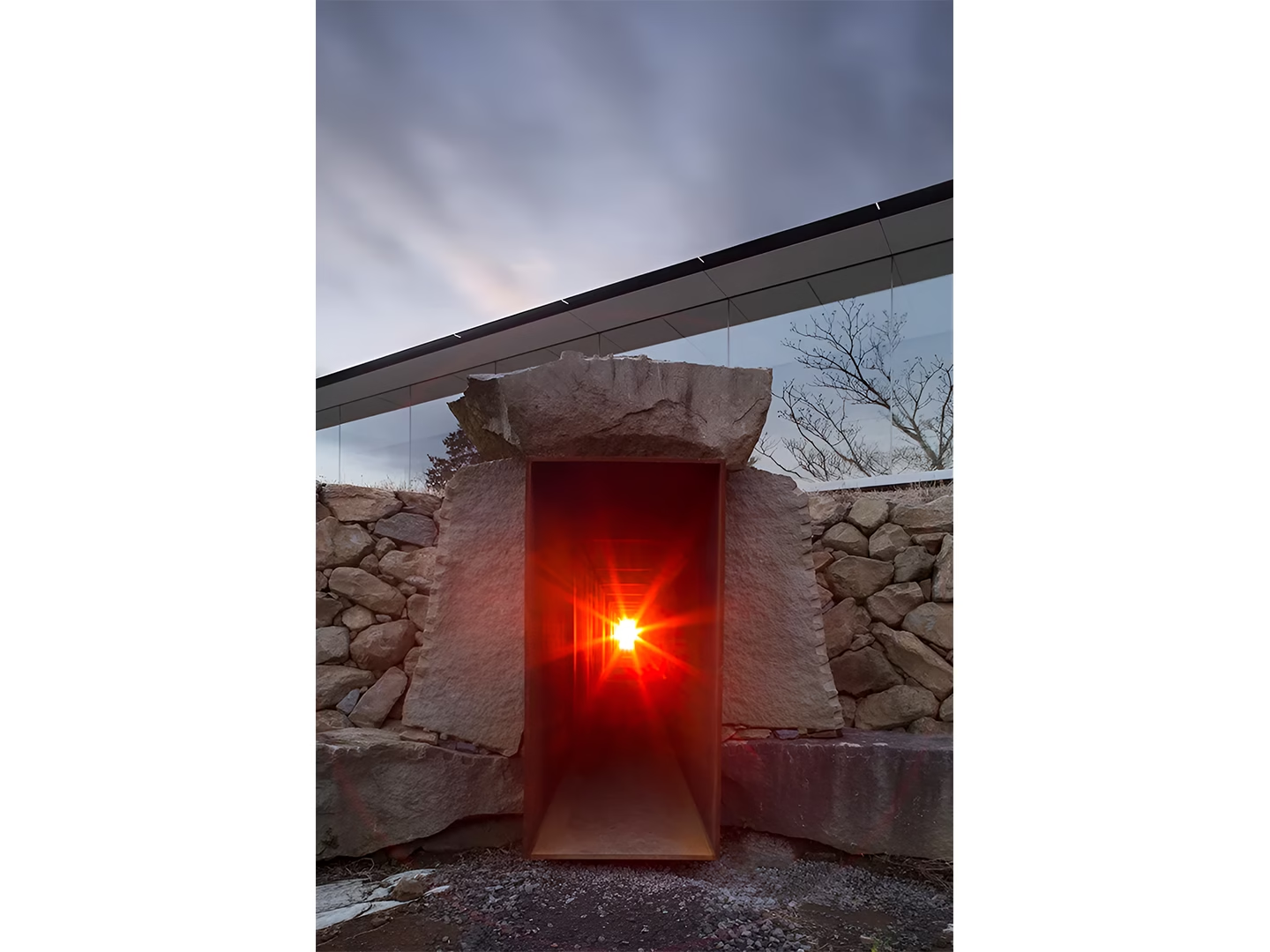
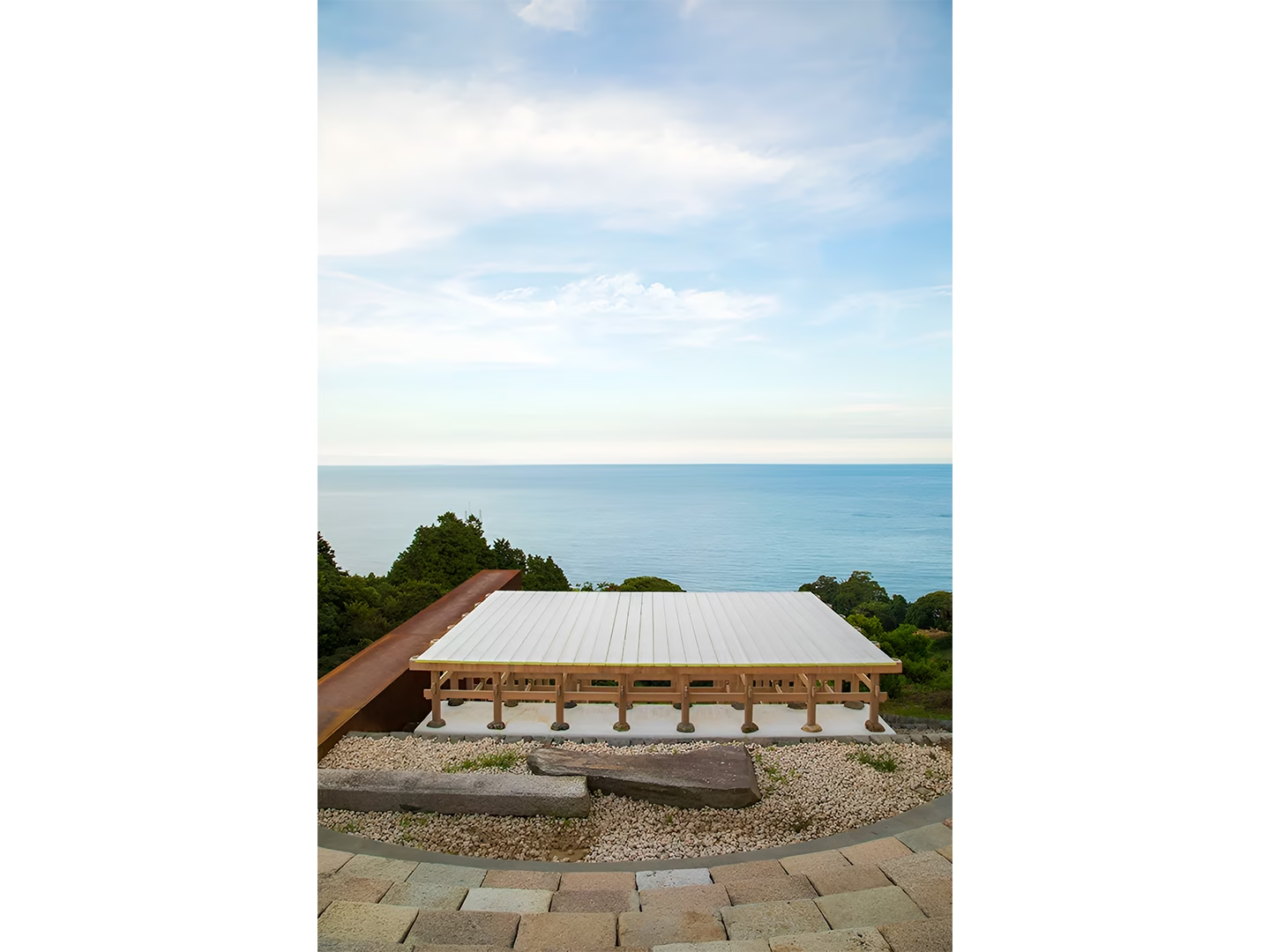
Created by artist and architect Hiroshi Sugimoto, this seaside orchard transformed a seaside orchard into a site-specific observatory aligned with solstices and celestial events. Walk down a 100-meter stone corridor that frames the sunrise. Step through ancient gates relocated from temples. Watch light shift across glass stages and Noh theaters. It’s part gallery, part time machine, grounded in Japanese tradition and cosmic scale.