Independent photography publishing in Japan has a history of small, short-lived magazines that grew into cult classics. Often lasting only a handful of issues, these zines captured moments of artistic unrest, social critique, and subcultural energy. Below are five that defined the form, each brief in life but enduring in influence.
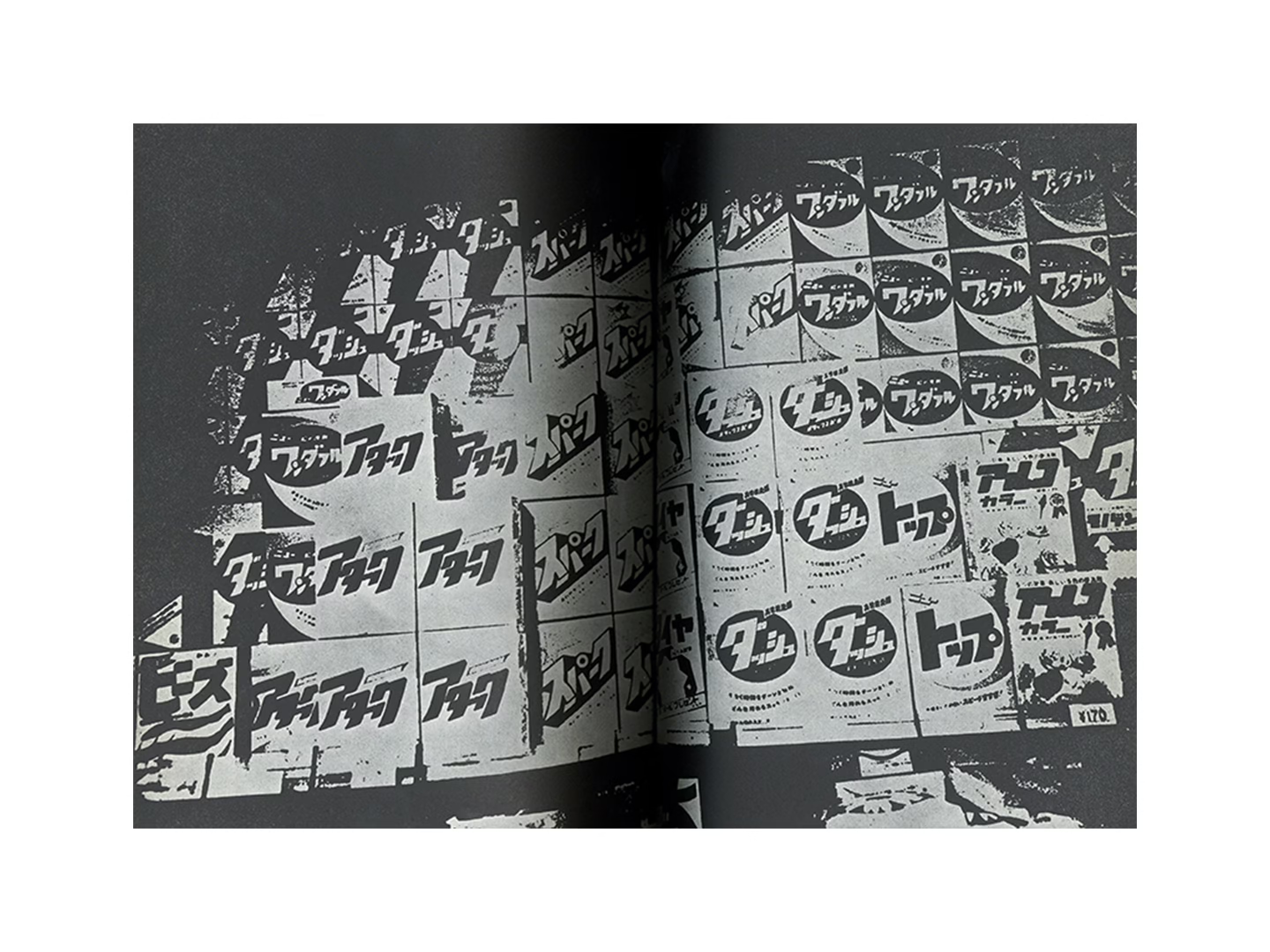
1. Provoke (1968–1969)
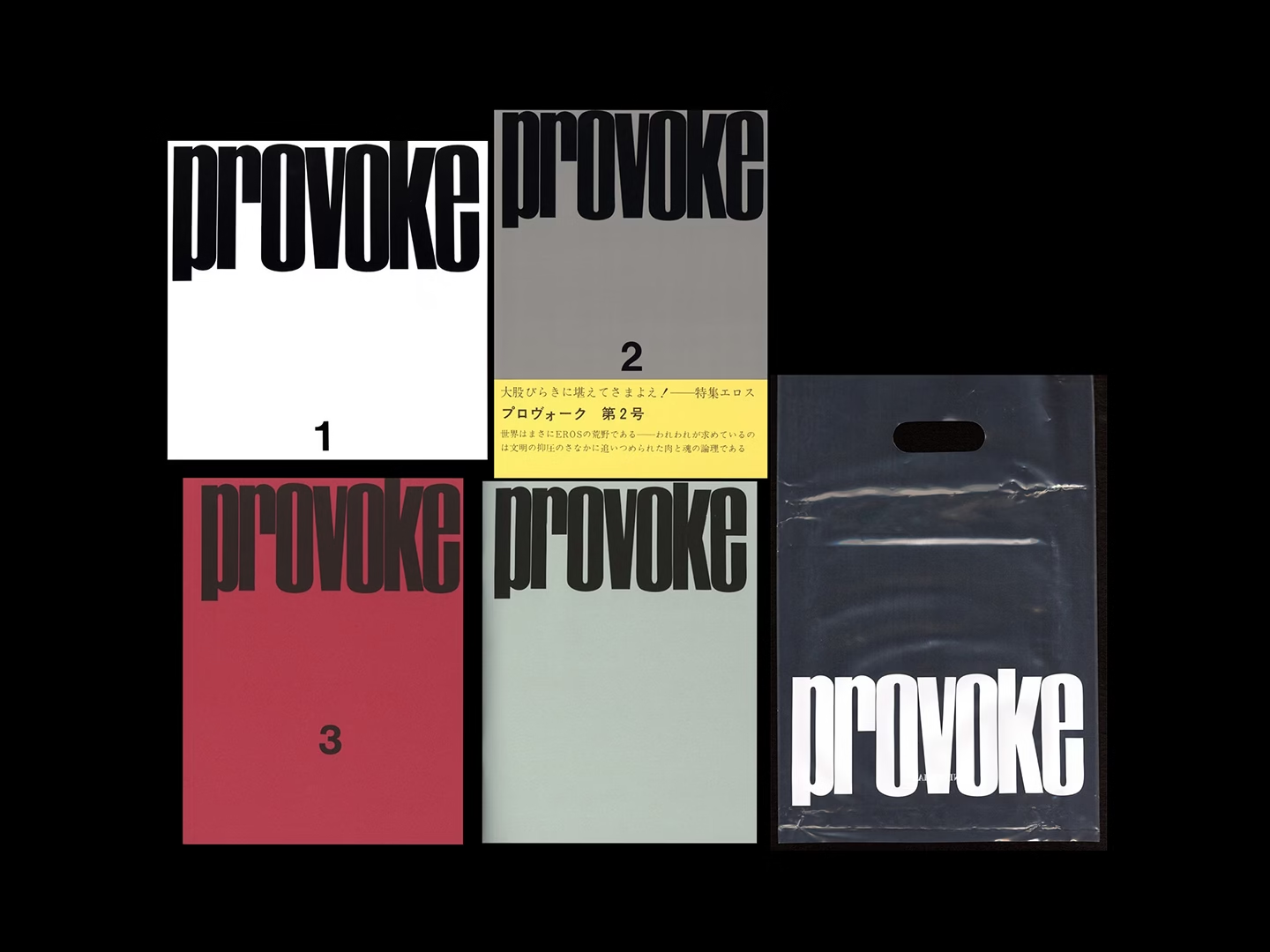
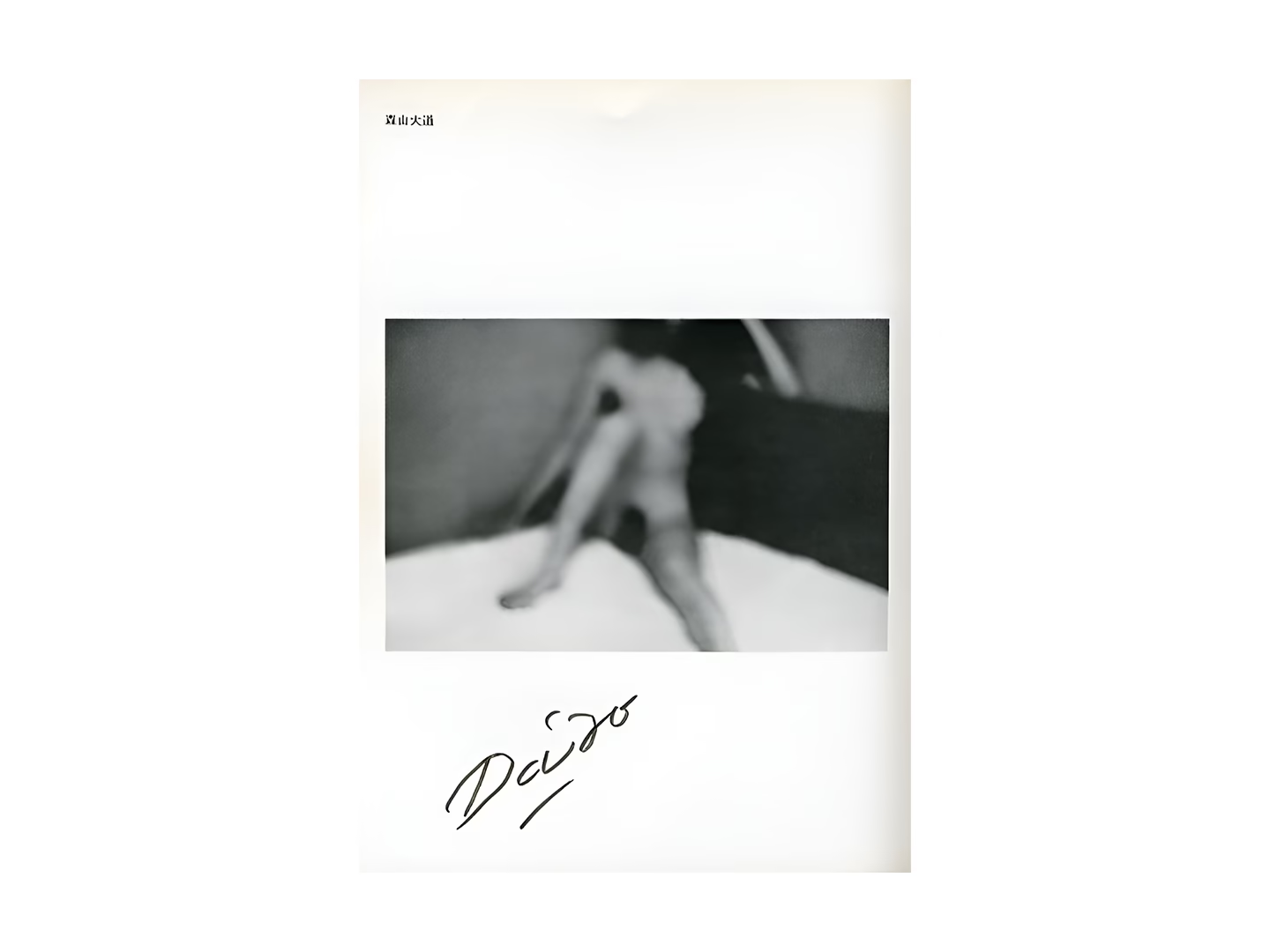
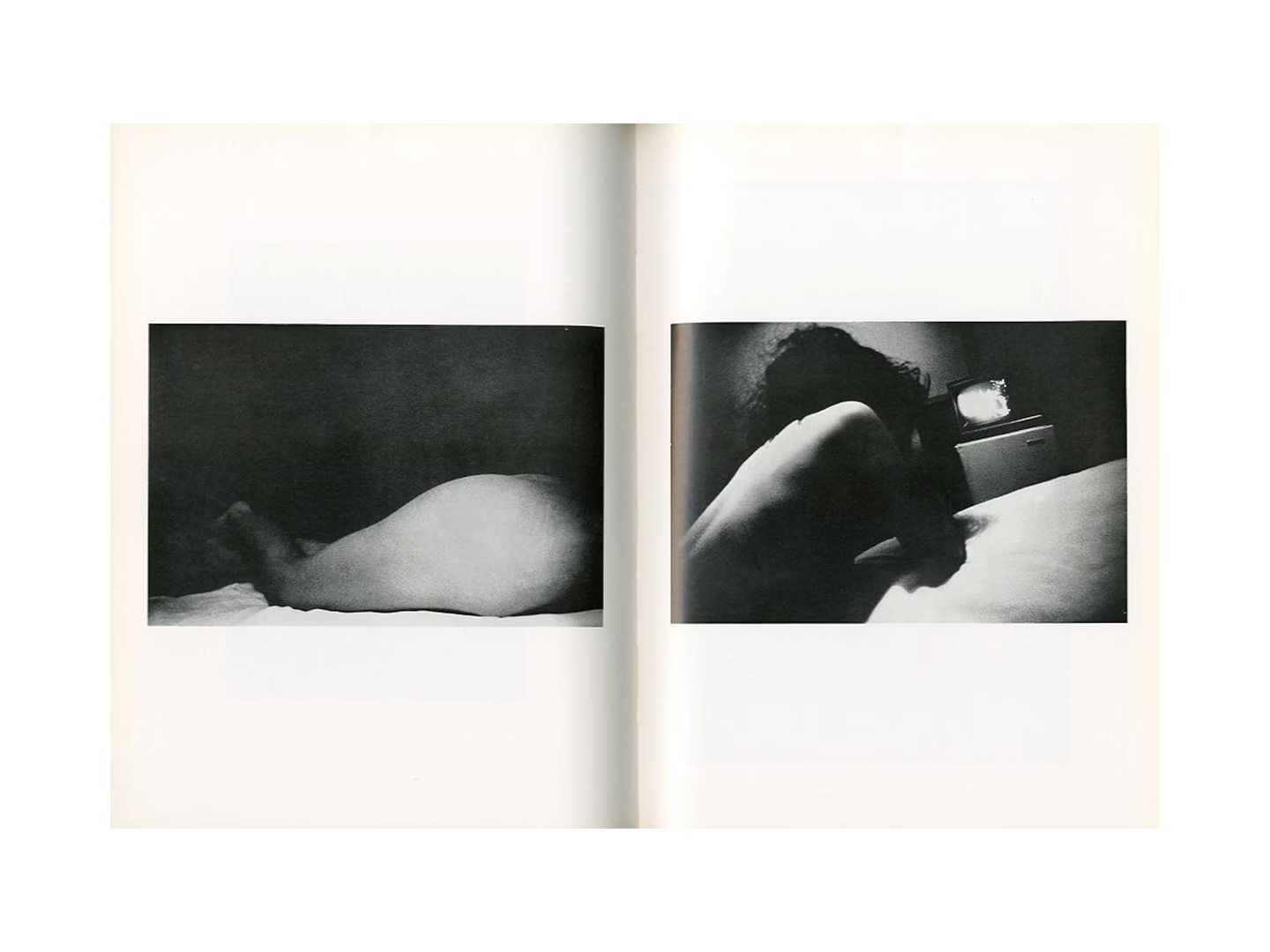
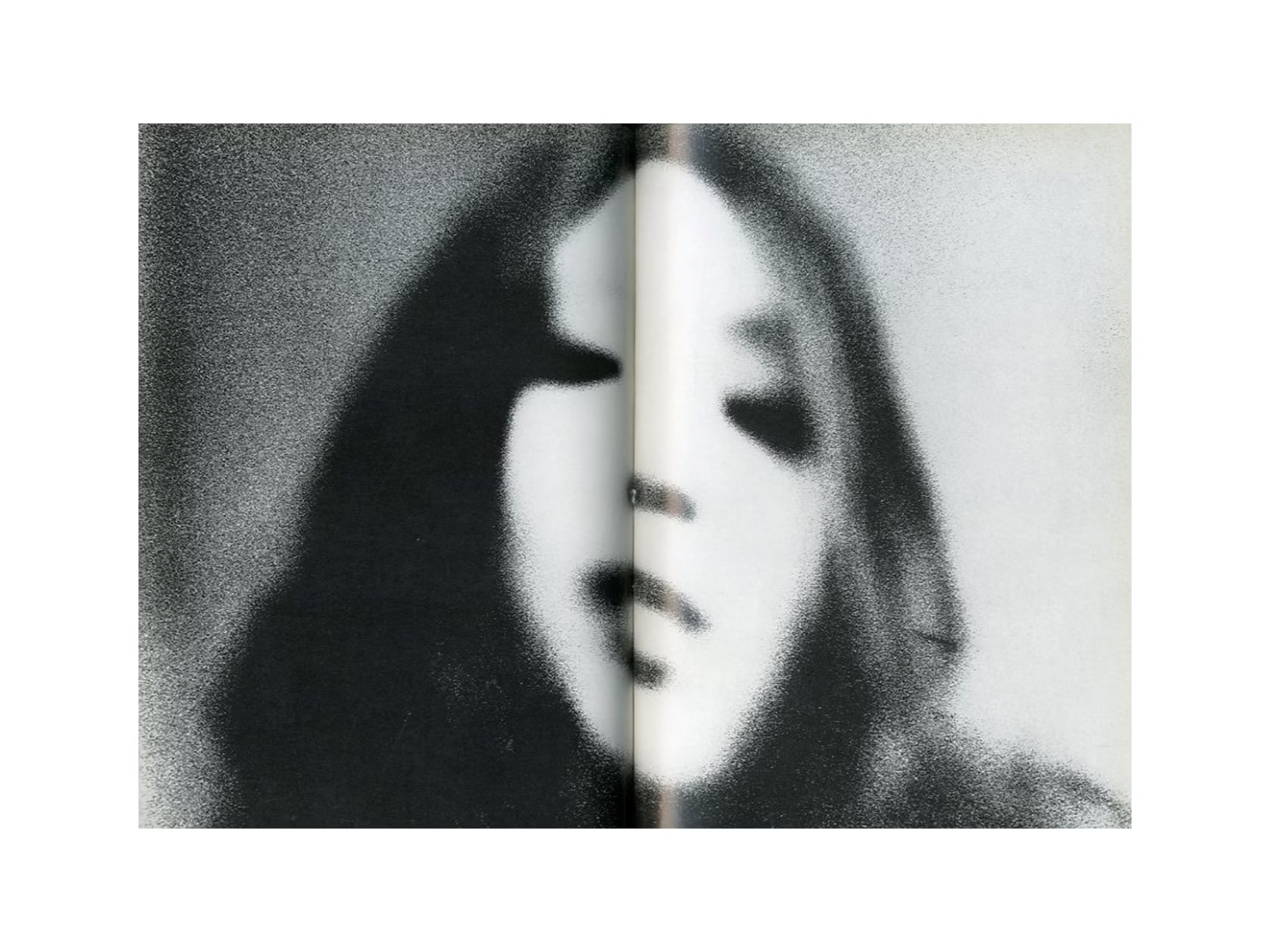
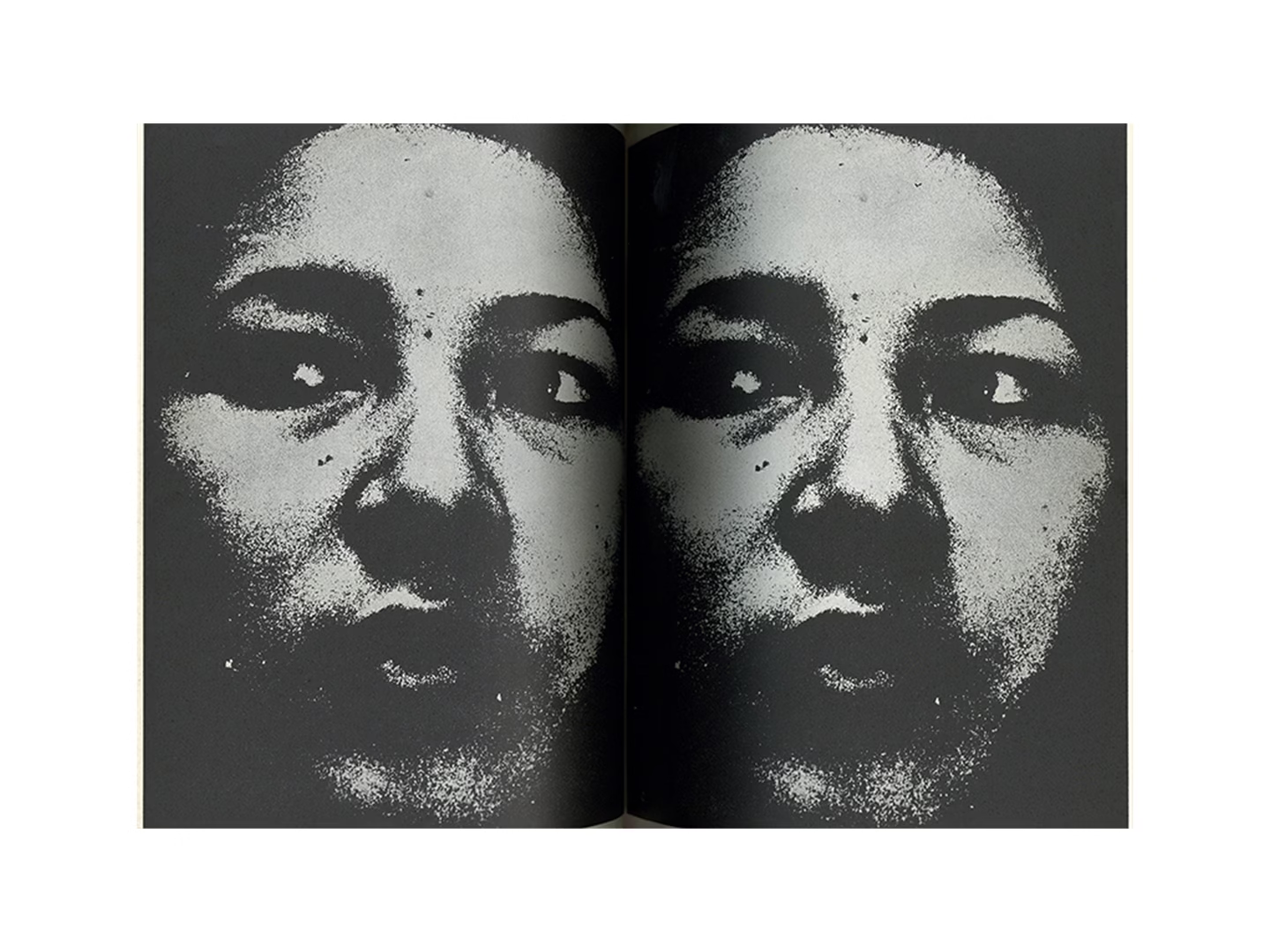
Founded by Koji Taki, Takuma Nakahira, Yutaka Takanashi, and Takahiko Okada, later joined by Daidō Moriyama, Provoke was a radical break from traditional photography. Only three numbered issues were published, followed in 1970 by an expanded Shashin Zōkan (Extra Edition) volume often regarded as a fourth installment. Together, they redefined the medium with are-bure-boke (grainy, blurry, out-of-focus) imagery. Produced during a climate of student protest and political upheaval, the magazine argued that photographs could capture aspects of reality beyond the reach of words. Today, its slim volumes are among the most collected Japanese photobooks of the twentieth century.
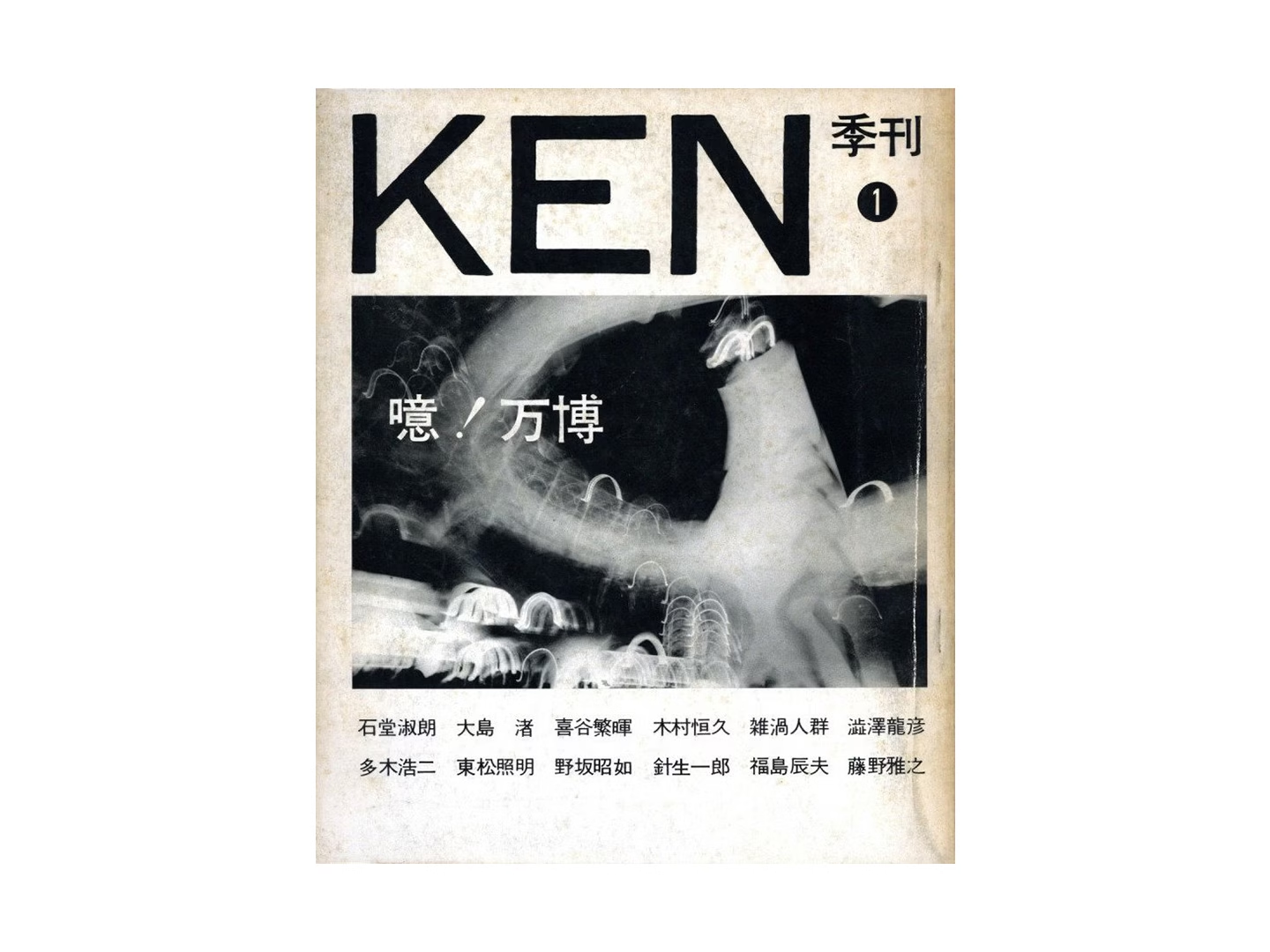
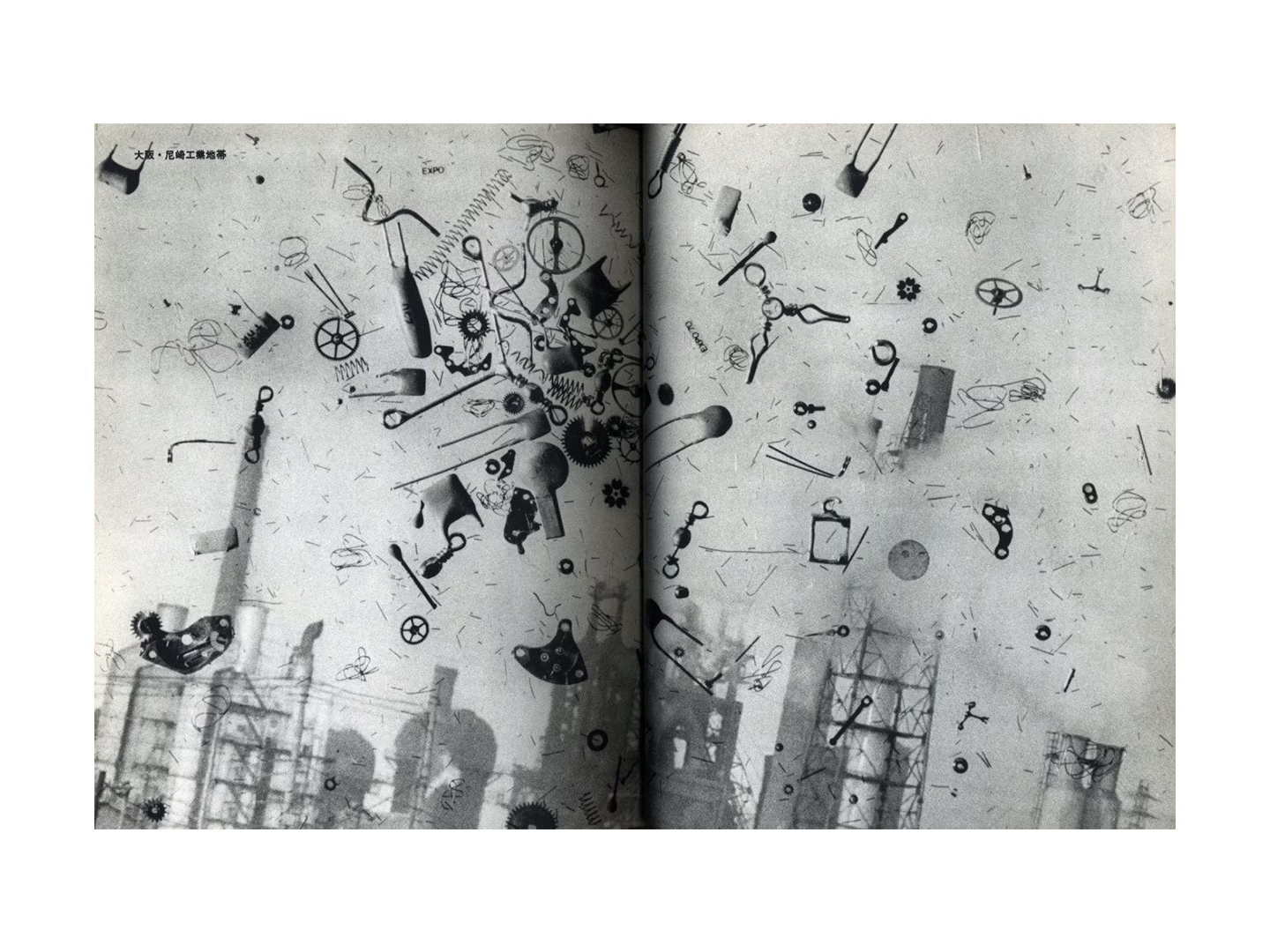
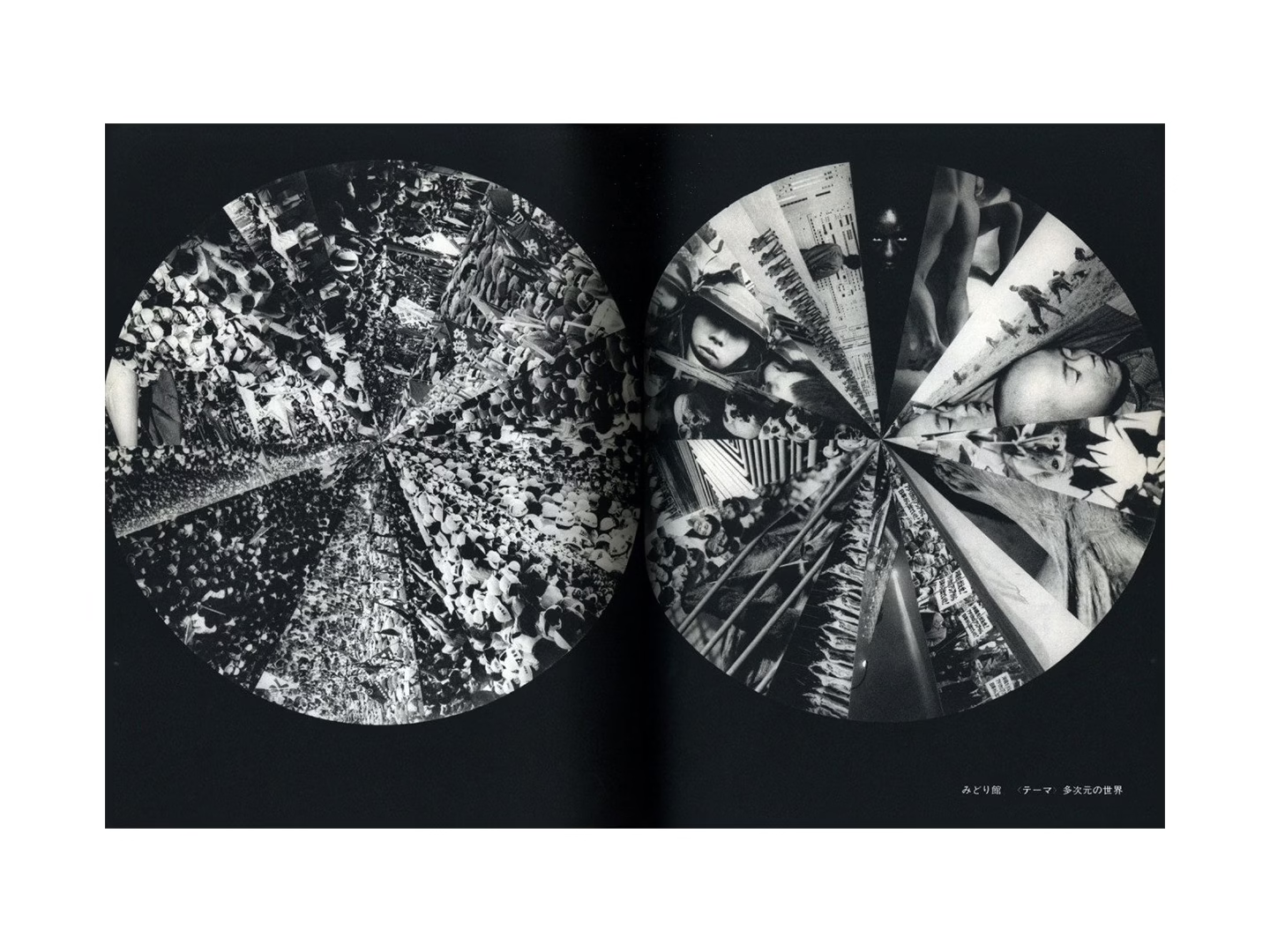
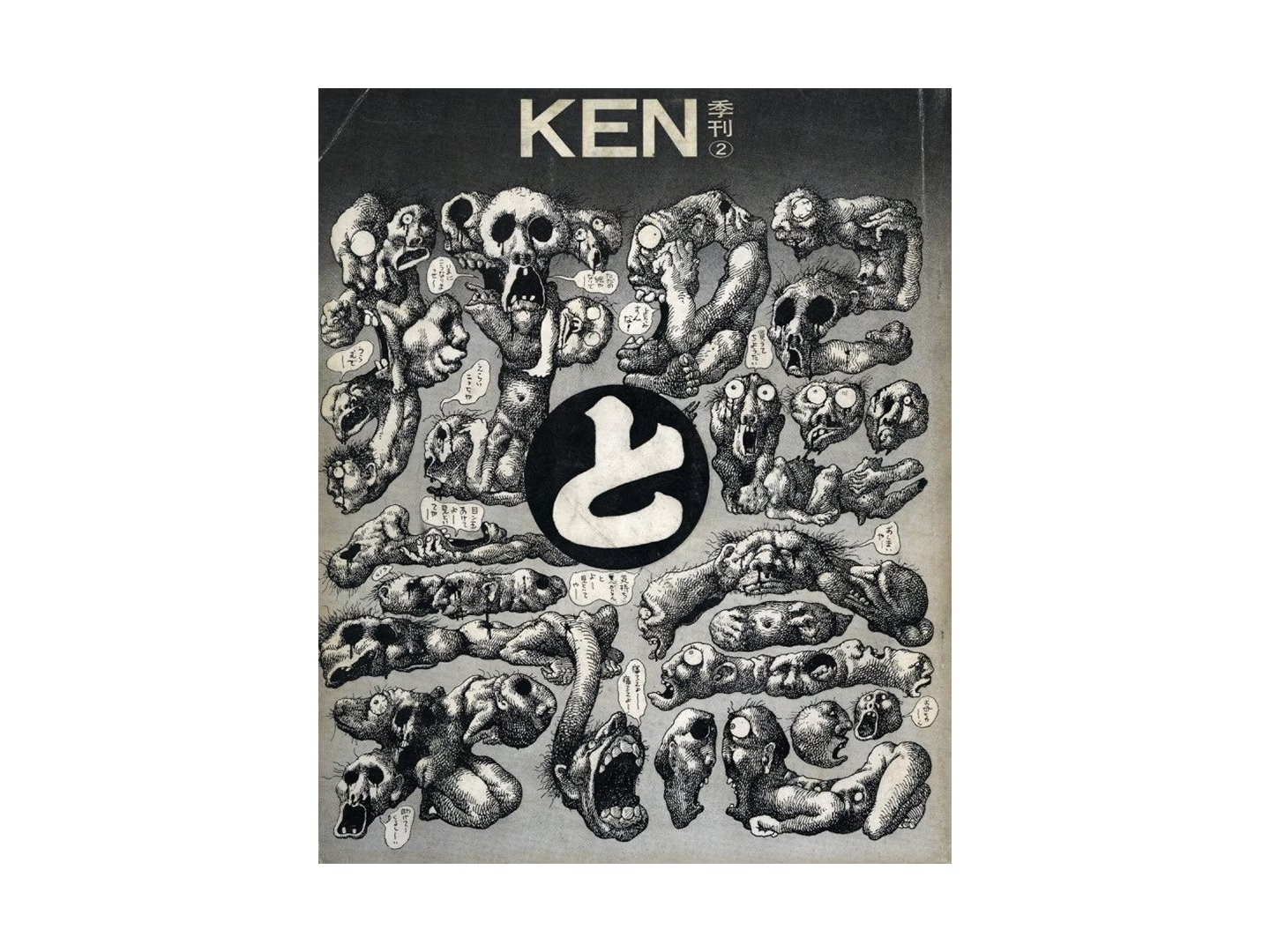
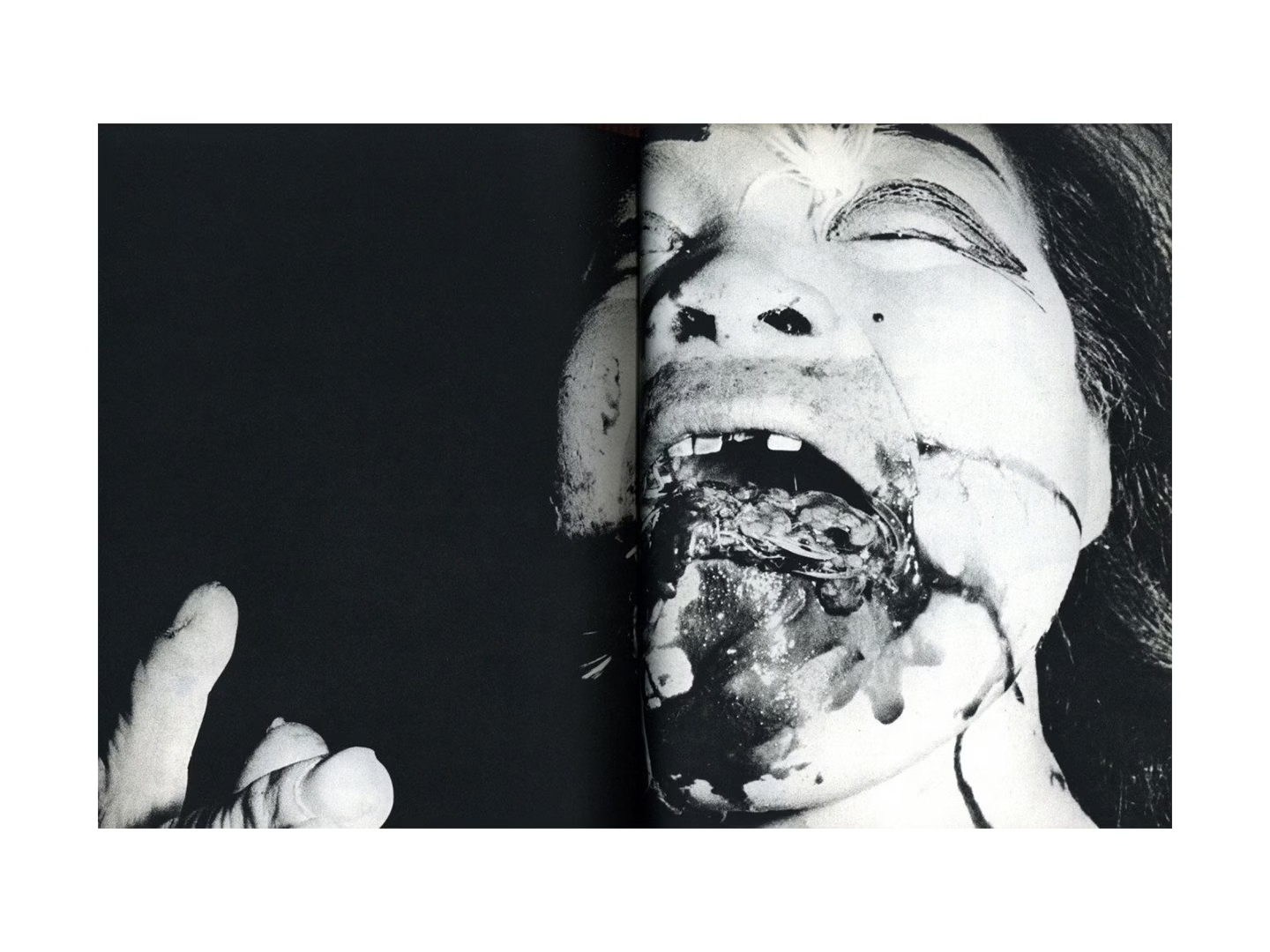
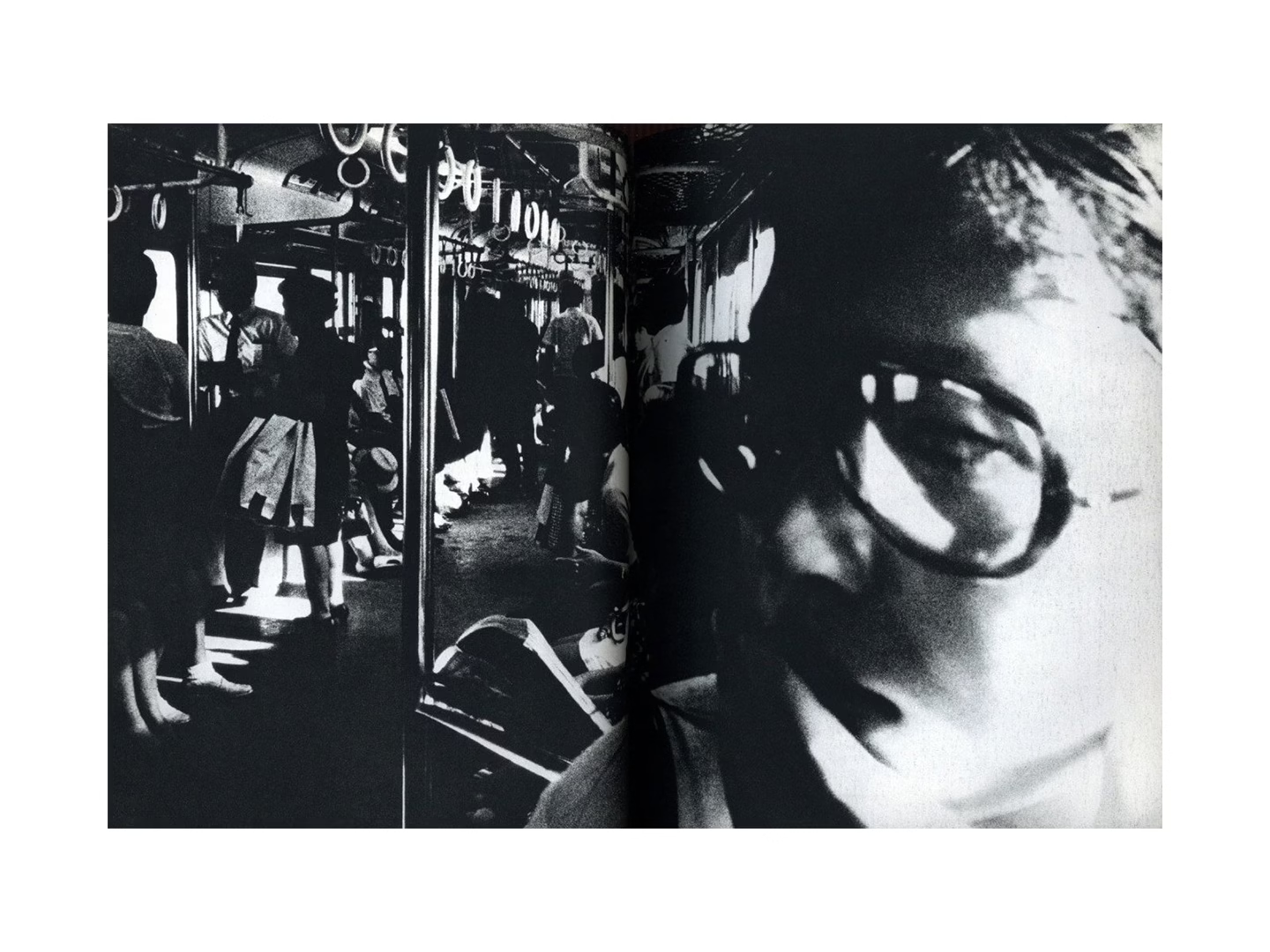
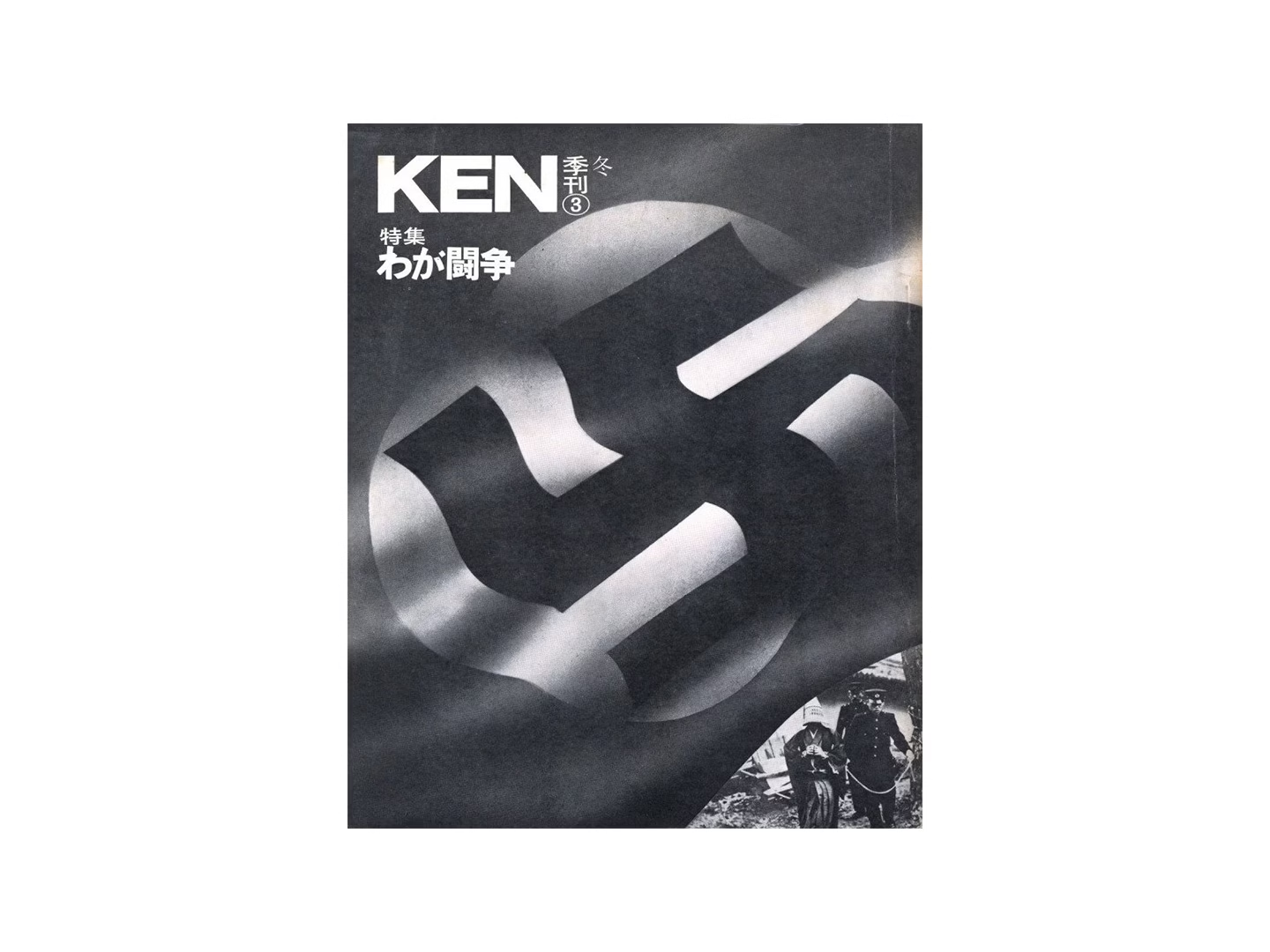
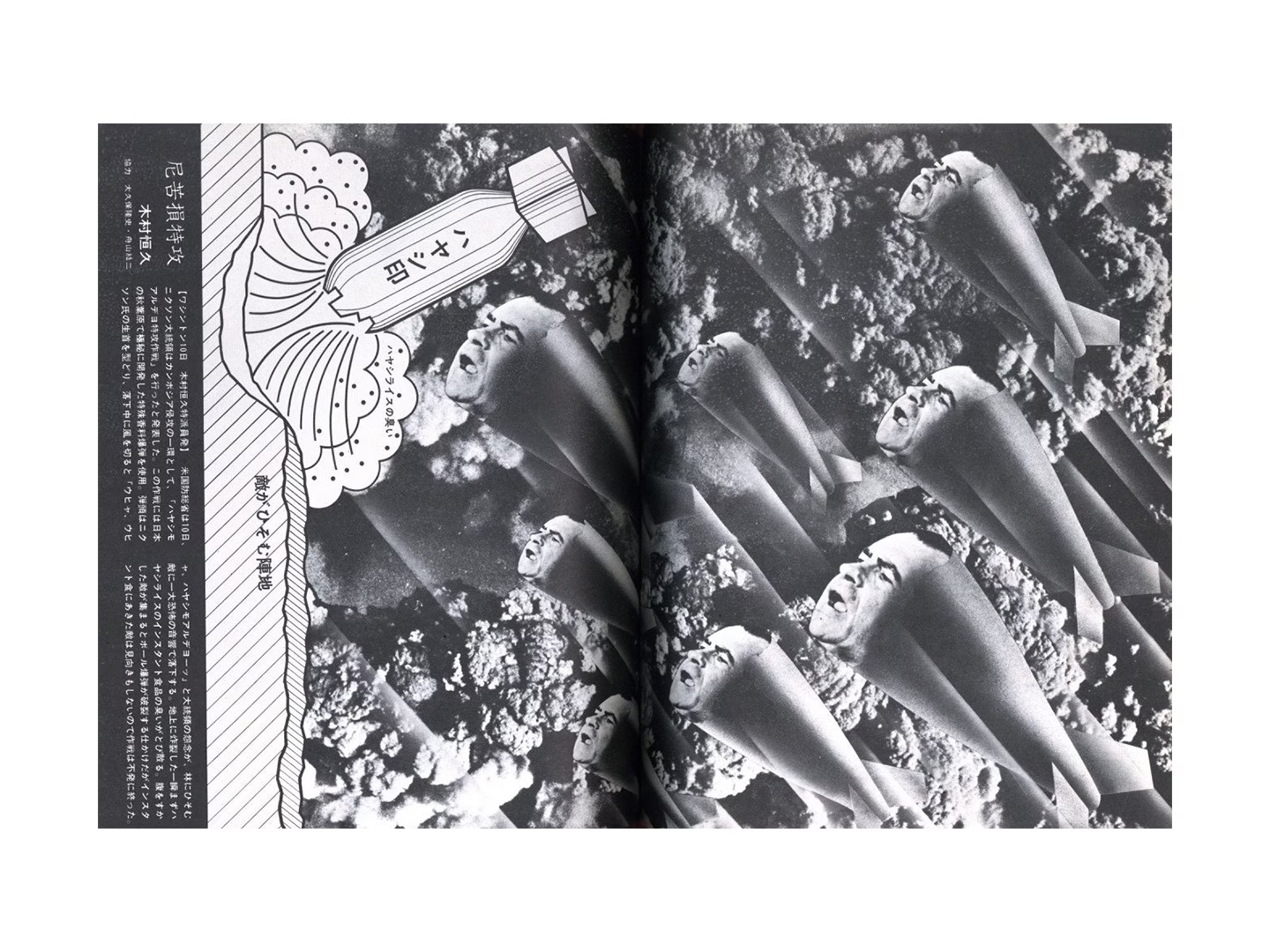
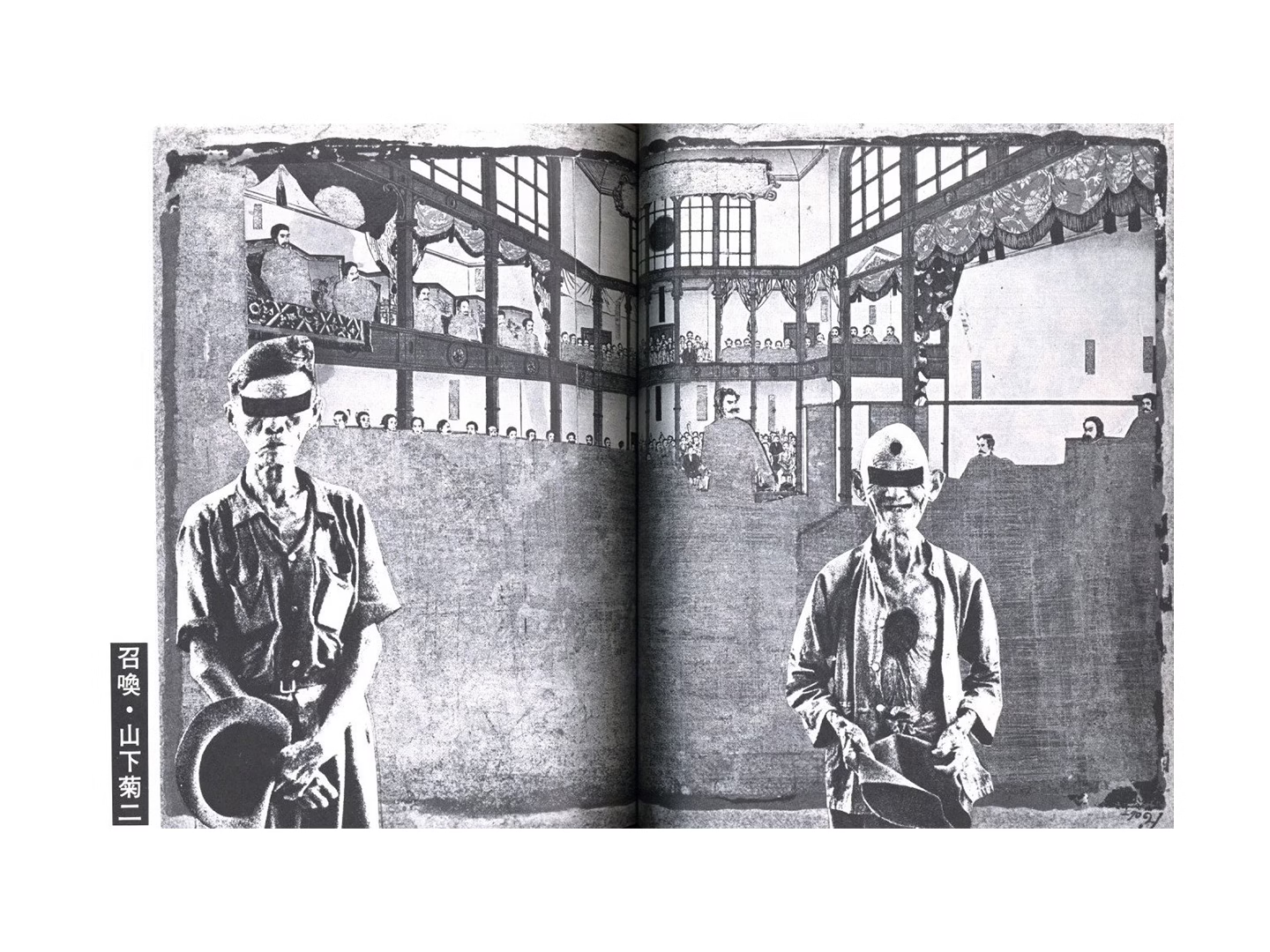
2. Ken (1970–1971)
Published by Shomei Tōmatsu’s imprint Shaken, Ken lasted just three quarterly issues. Each was guest-edited by a different photographer, including Yoshio Sawano, Masatoshi Naitō, and Tsunehisa Kimura. Contributors such as Araki, Moriyama, and Nakahira carried forward the restless spirit of Provoke while critiquing the optimism of Expo ’70 and other cultural symbols of the era. With strong anti-political and anti-social commentary, its gritty imagery and essays made it one of the sharpest photo journals of its time.
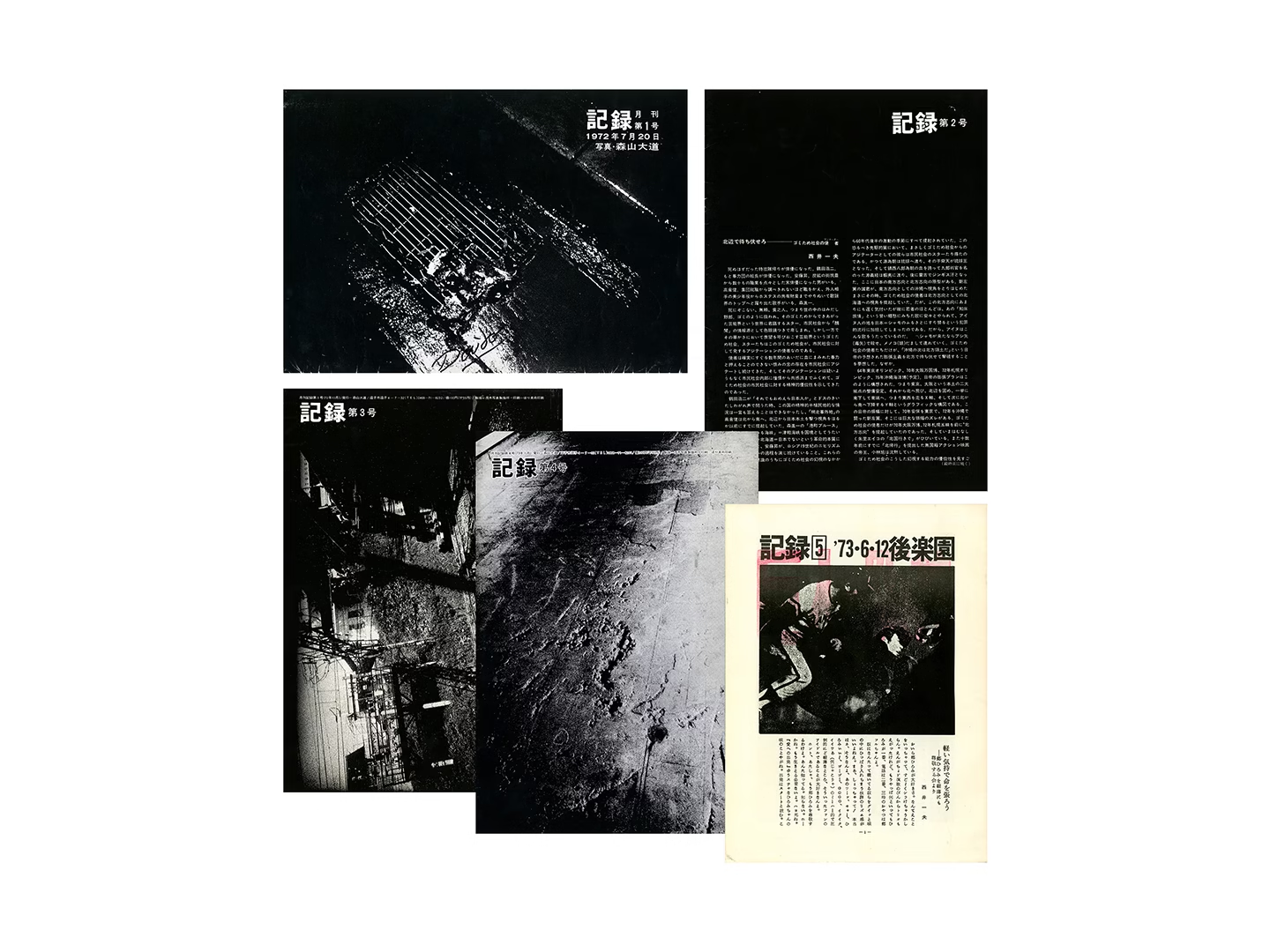
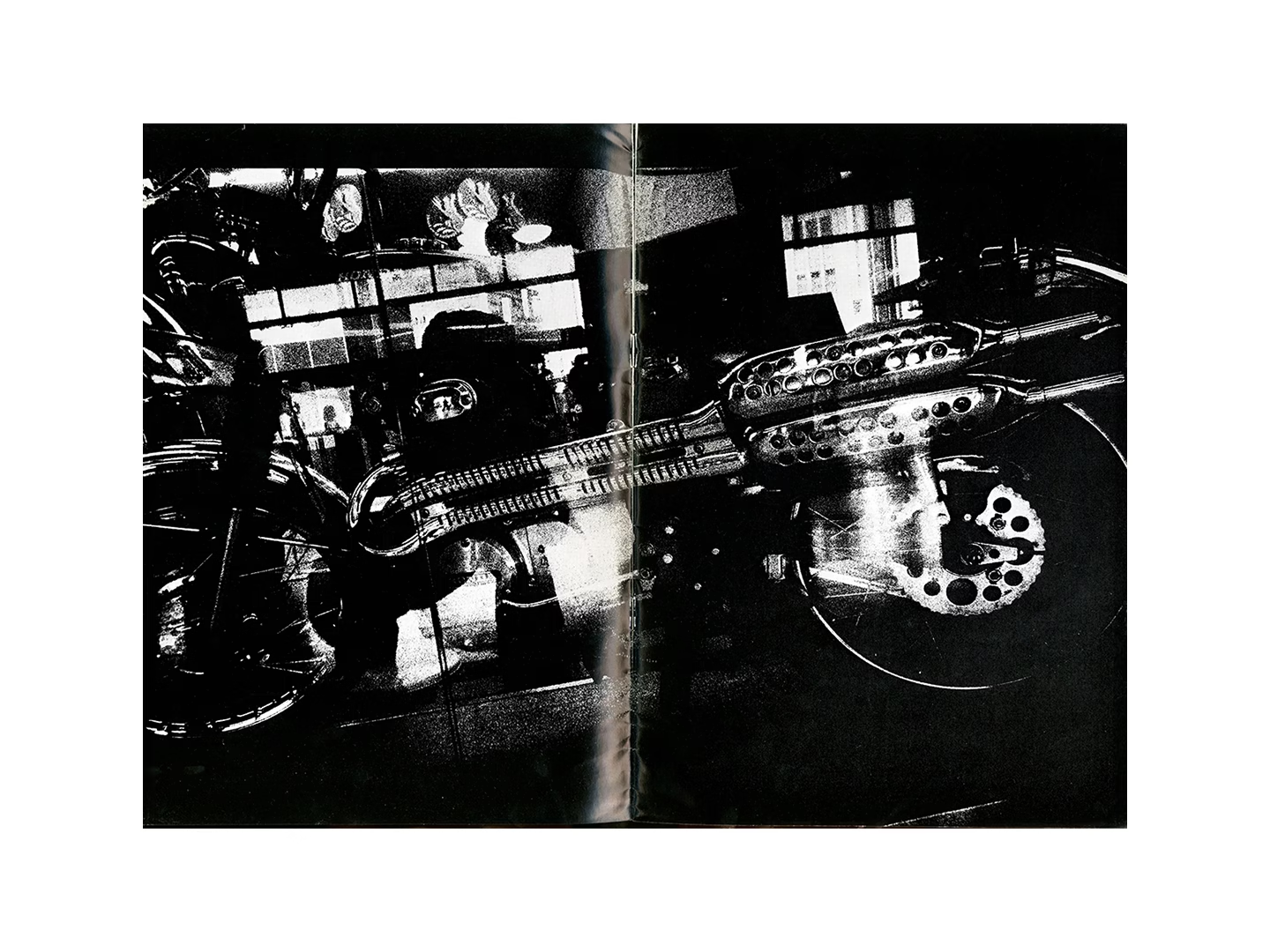
3. Record (1972–1973)
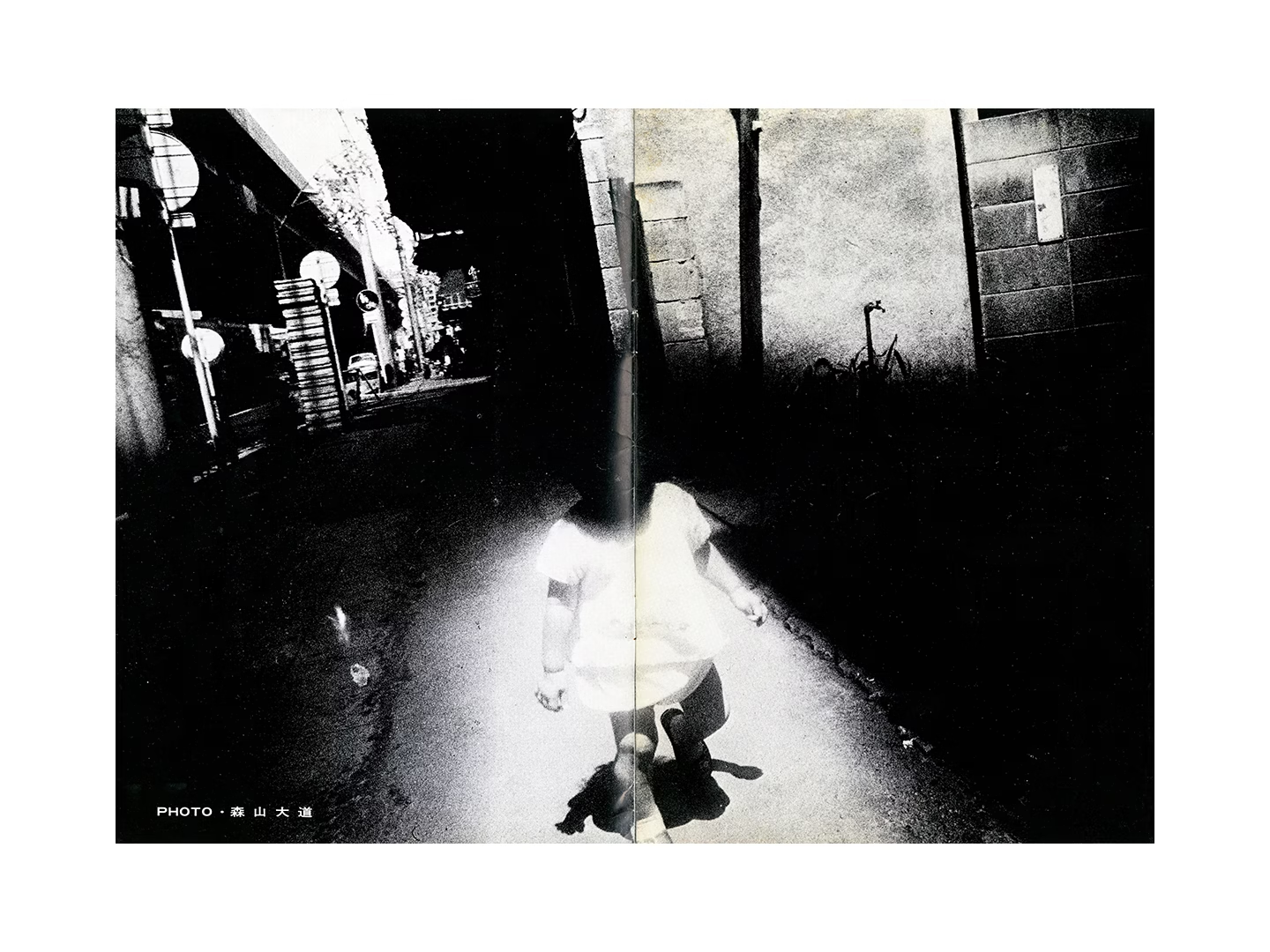
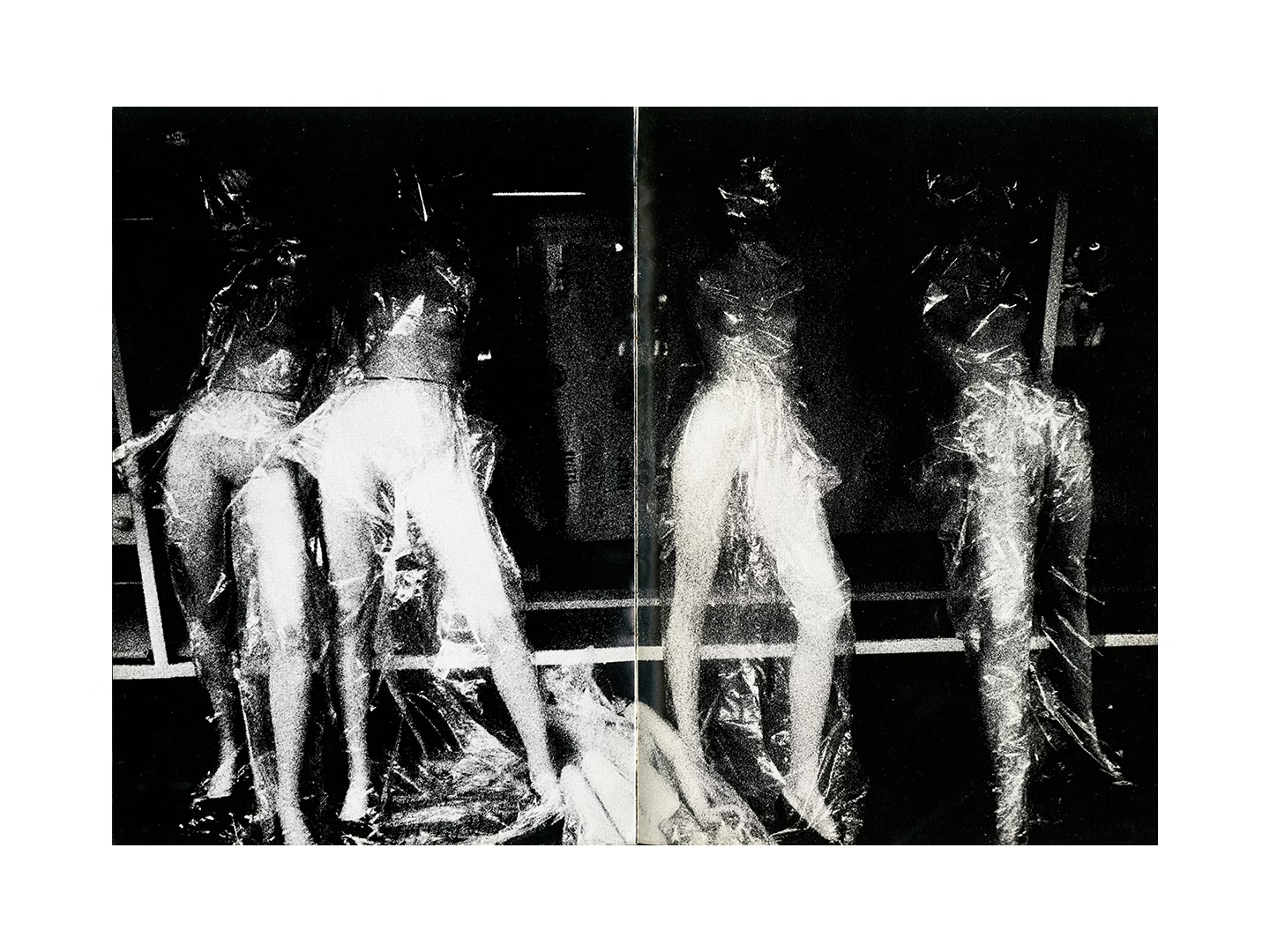
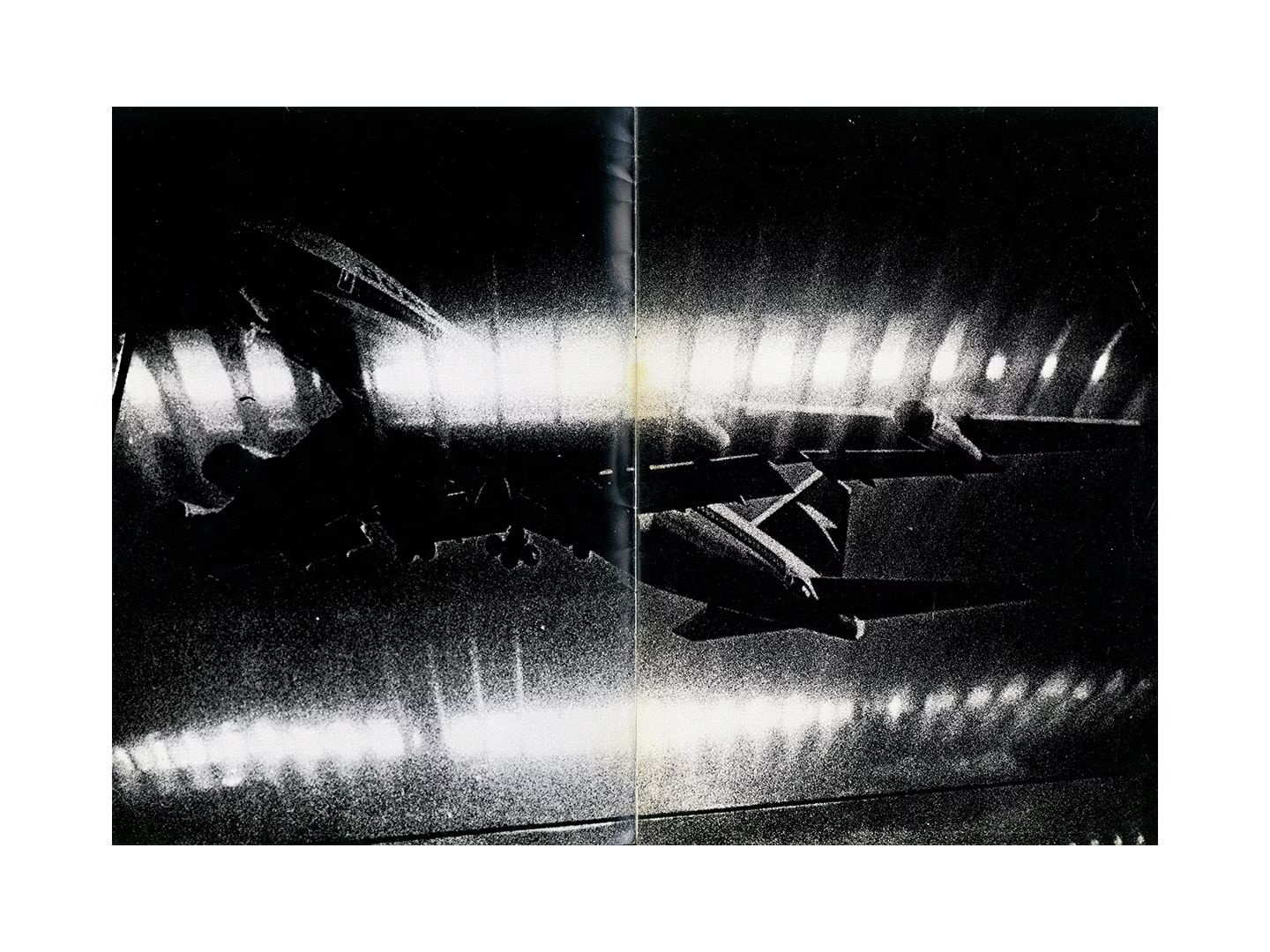
Daidō Moriyama launched Record as a personal zine, producing five issues between 1972 and 1973. Each contained his street photographs, captured instinctively in the alleys and crossings of Tokyo. Printed simply and distributed in small numbers, Record allowed Moriyama to document his surroundings without editorial constraints. Decades later he revived the title, but the original five issues remain prized for their raw intimacy and diaristic tone.
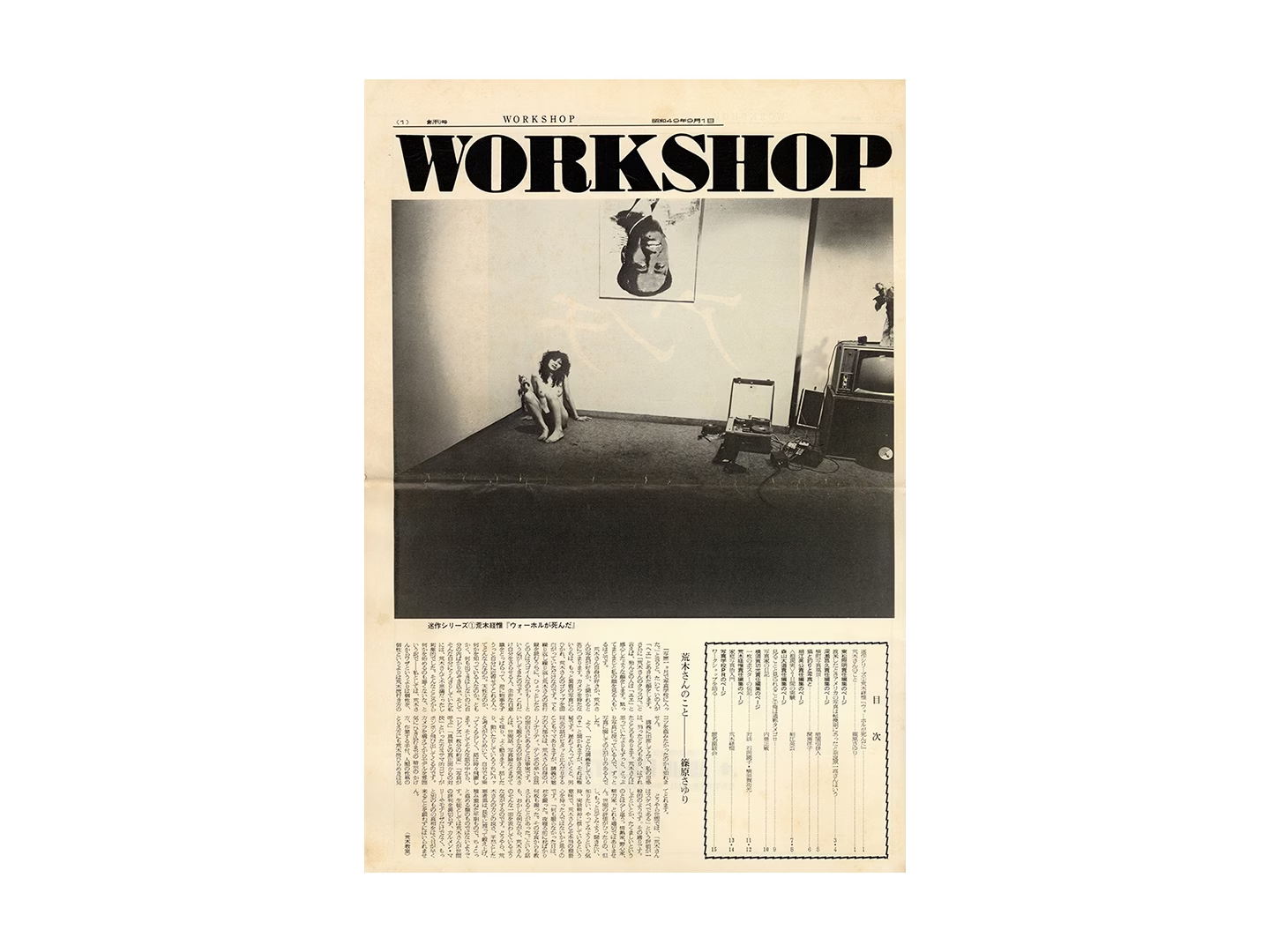
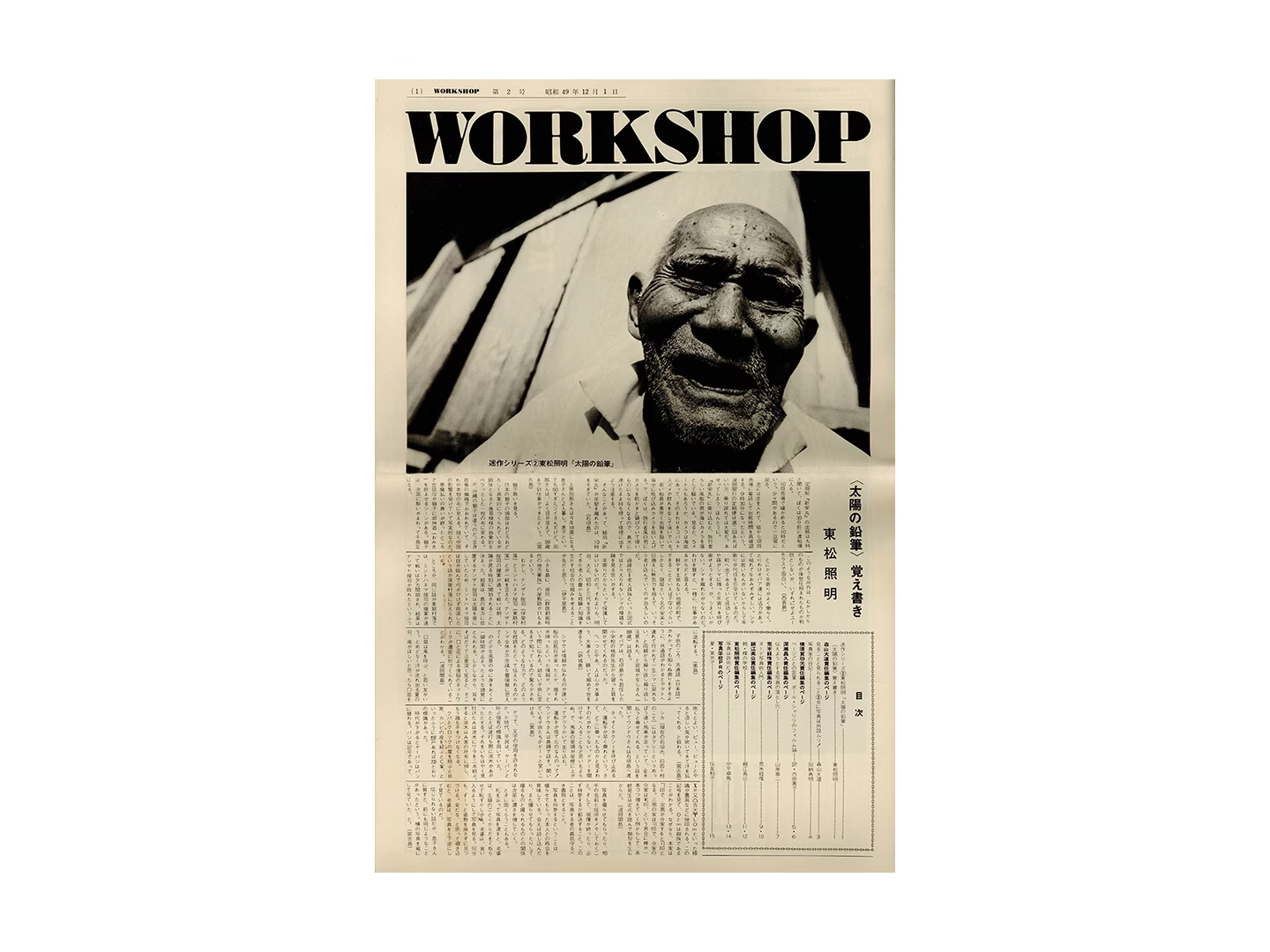
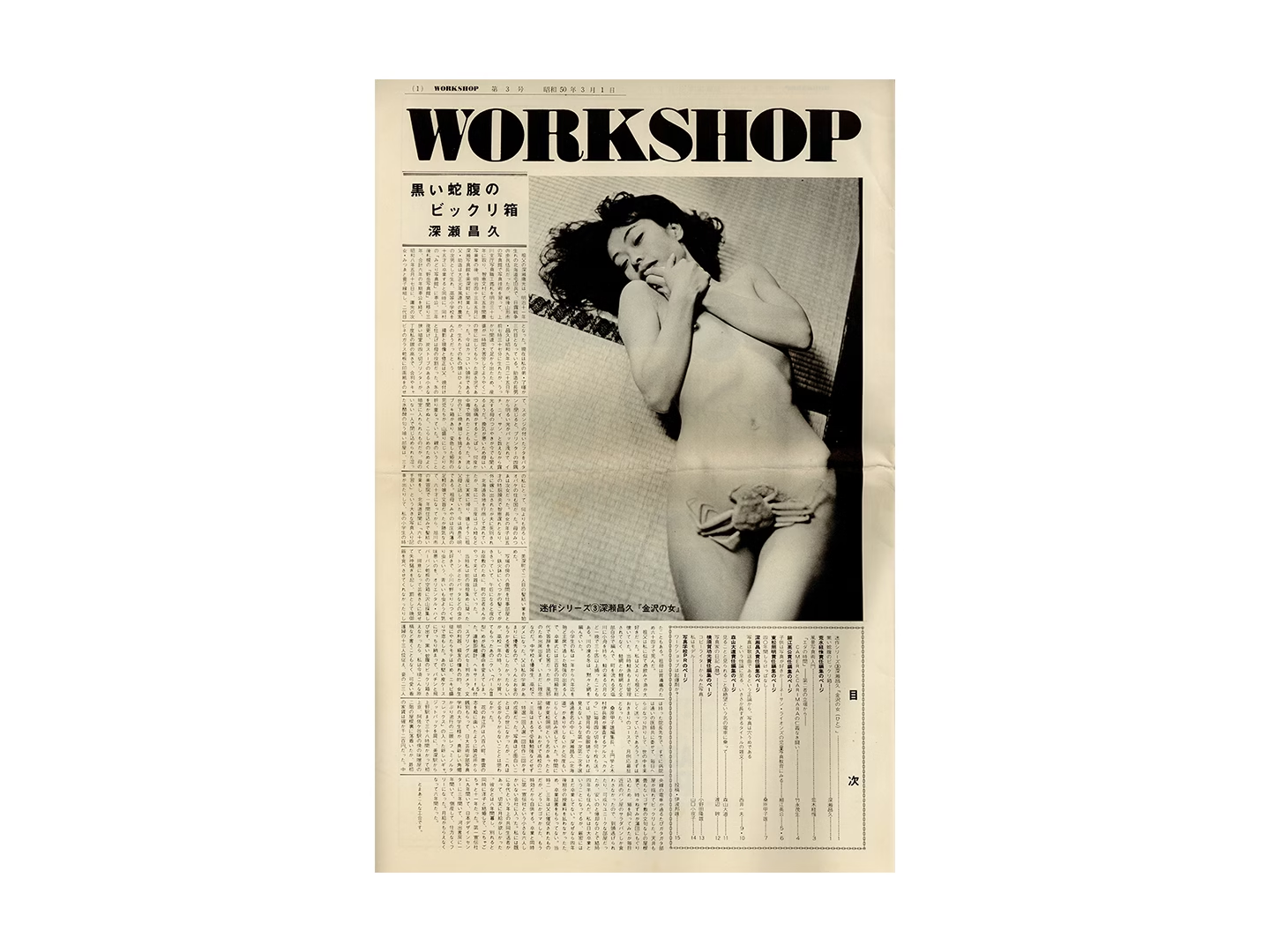
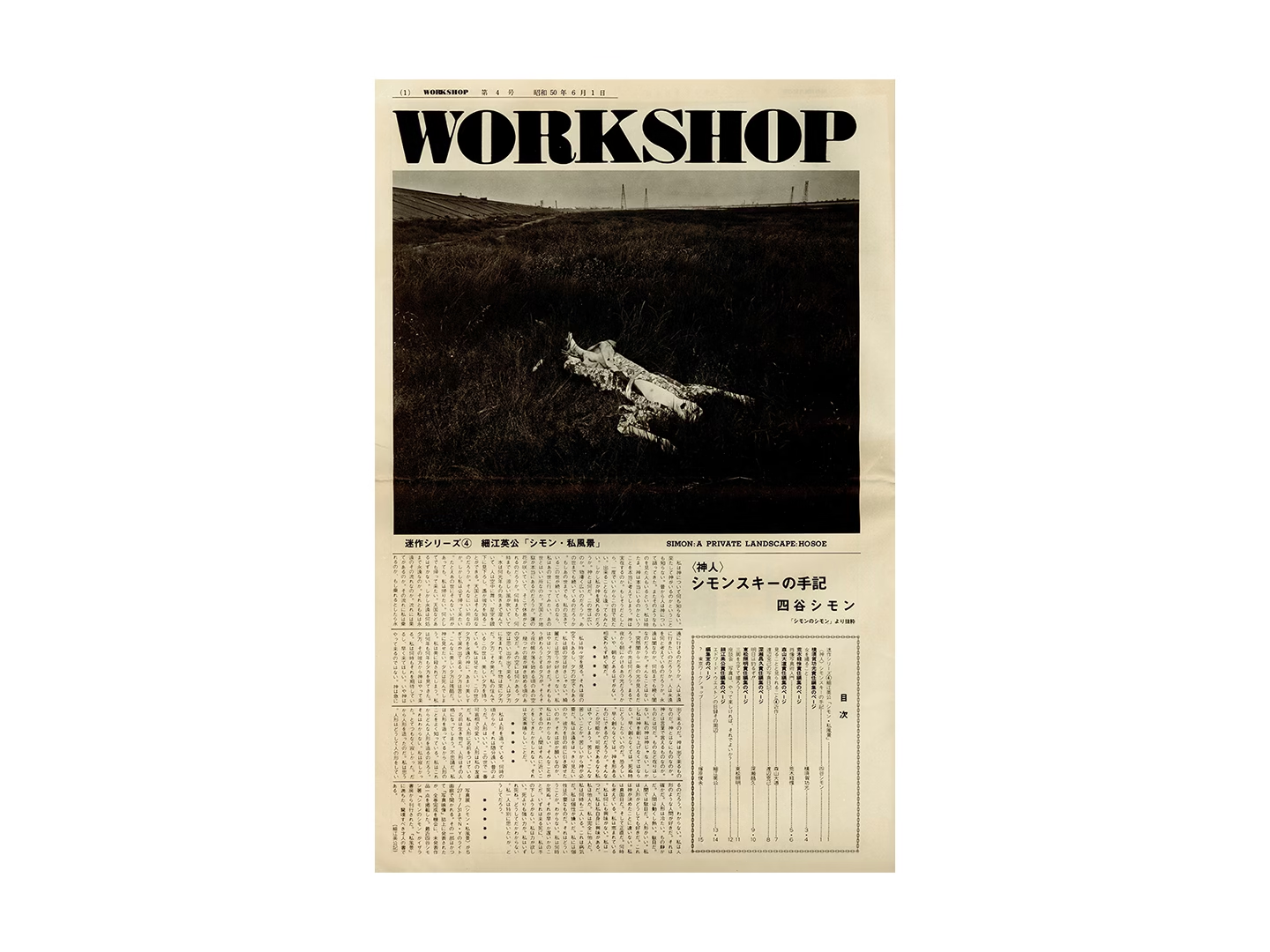
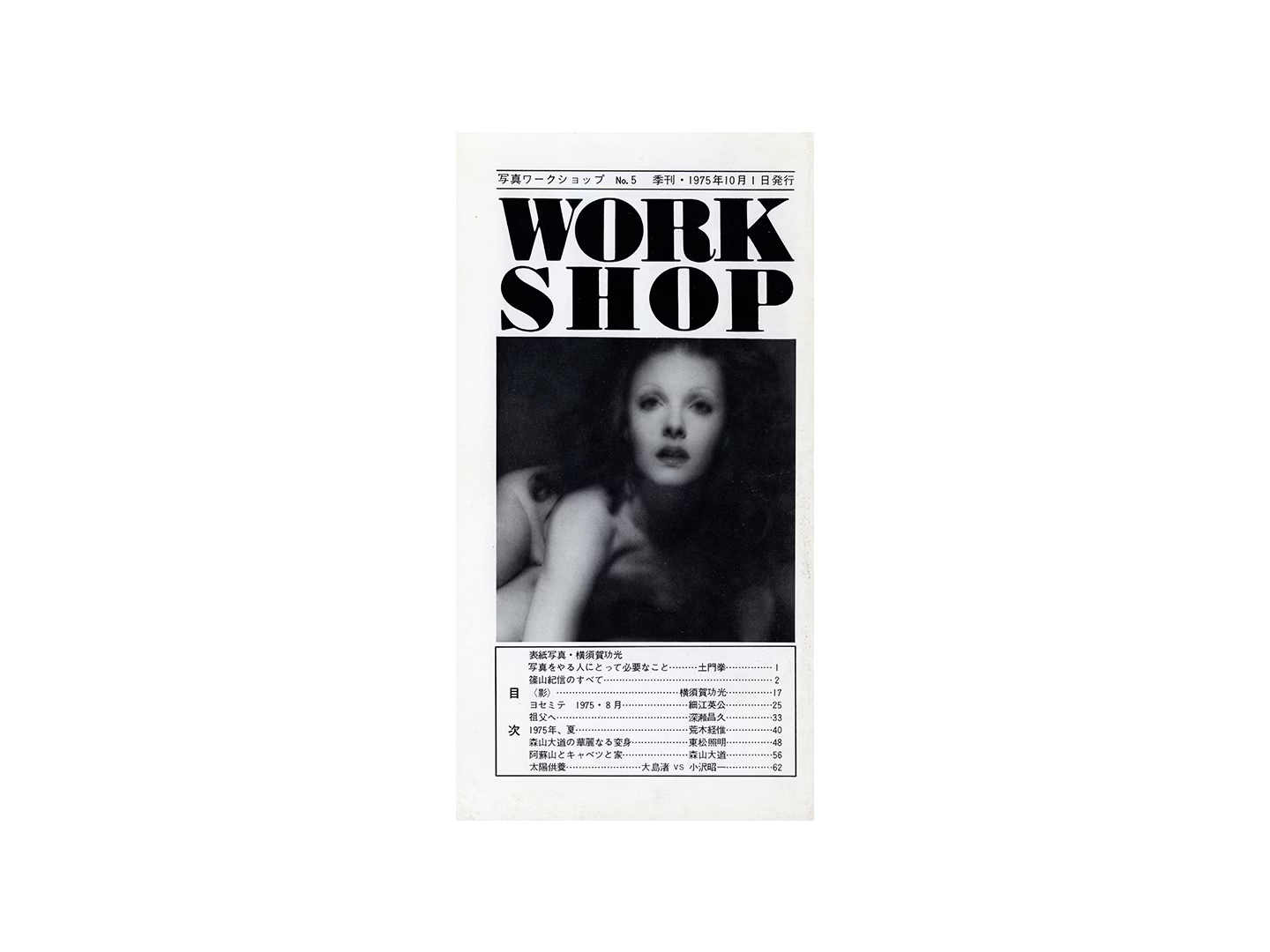
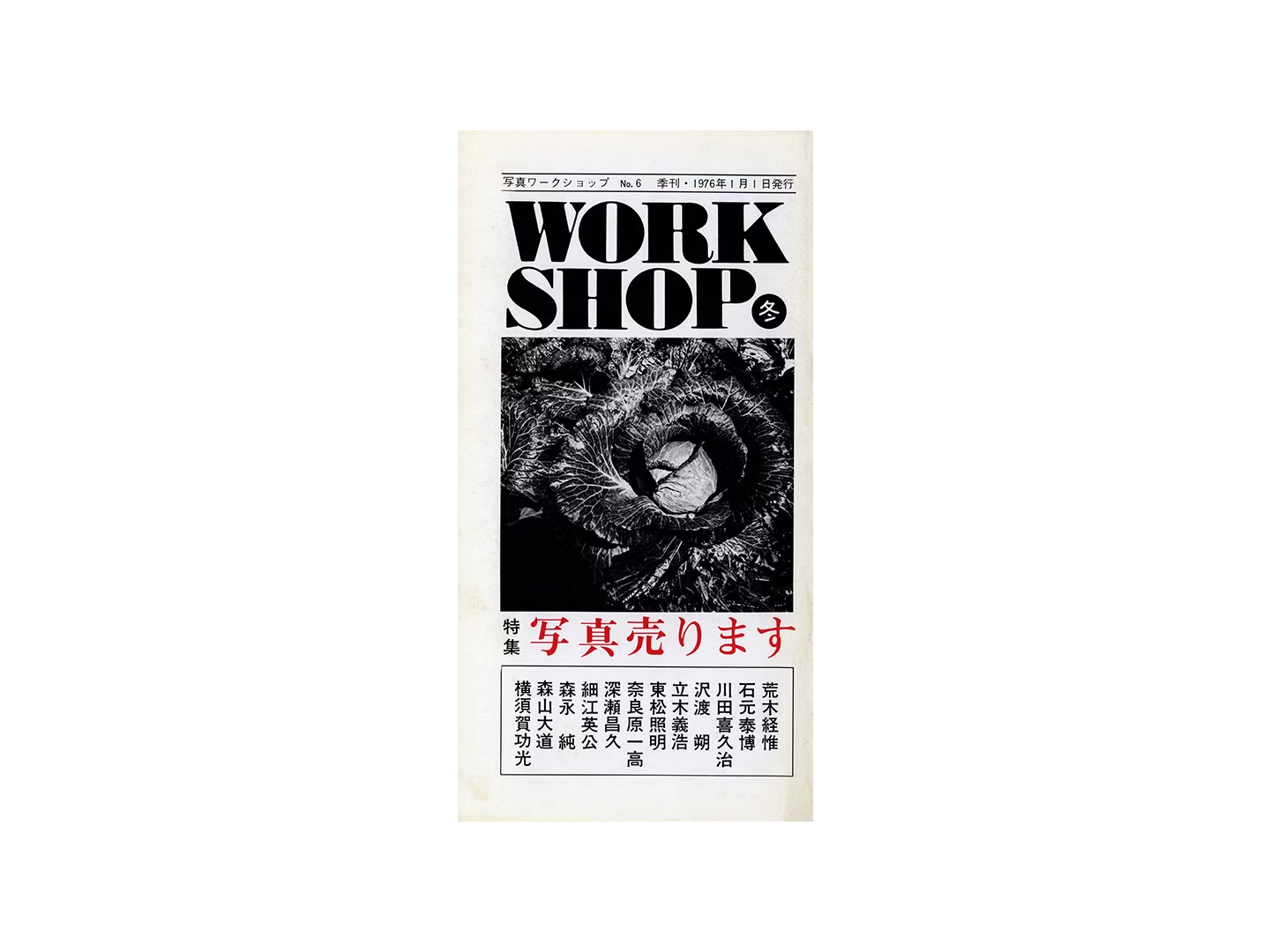
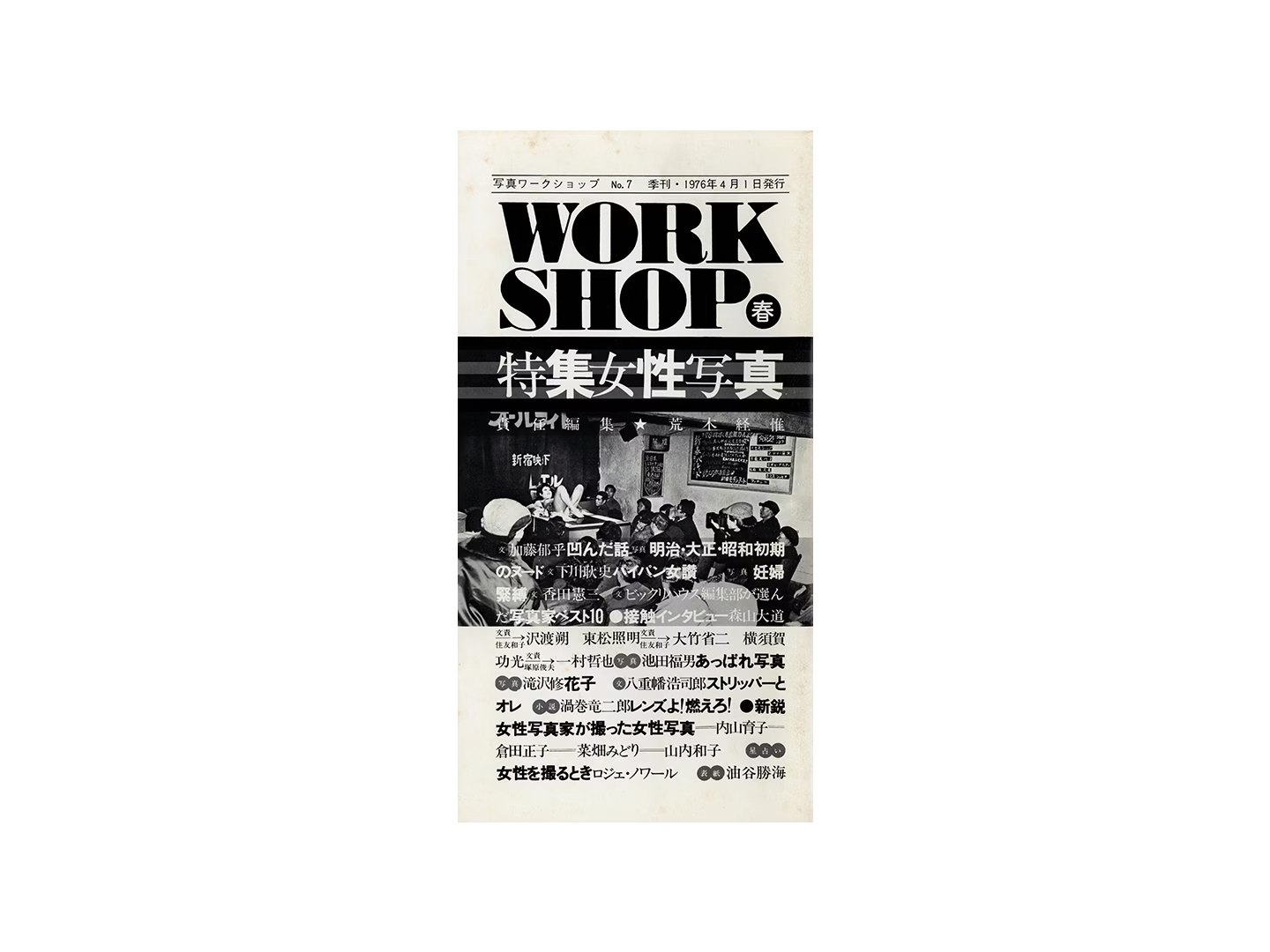
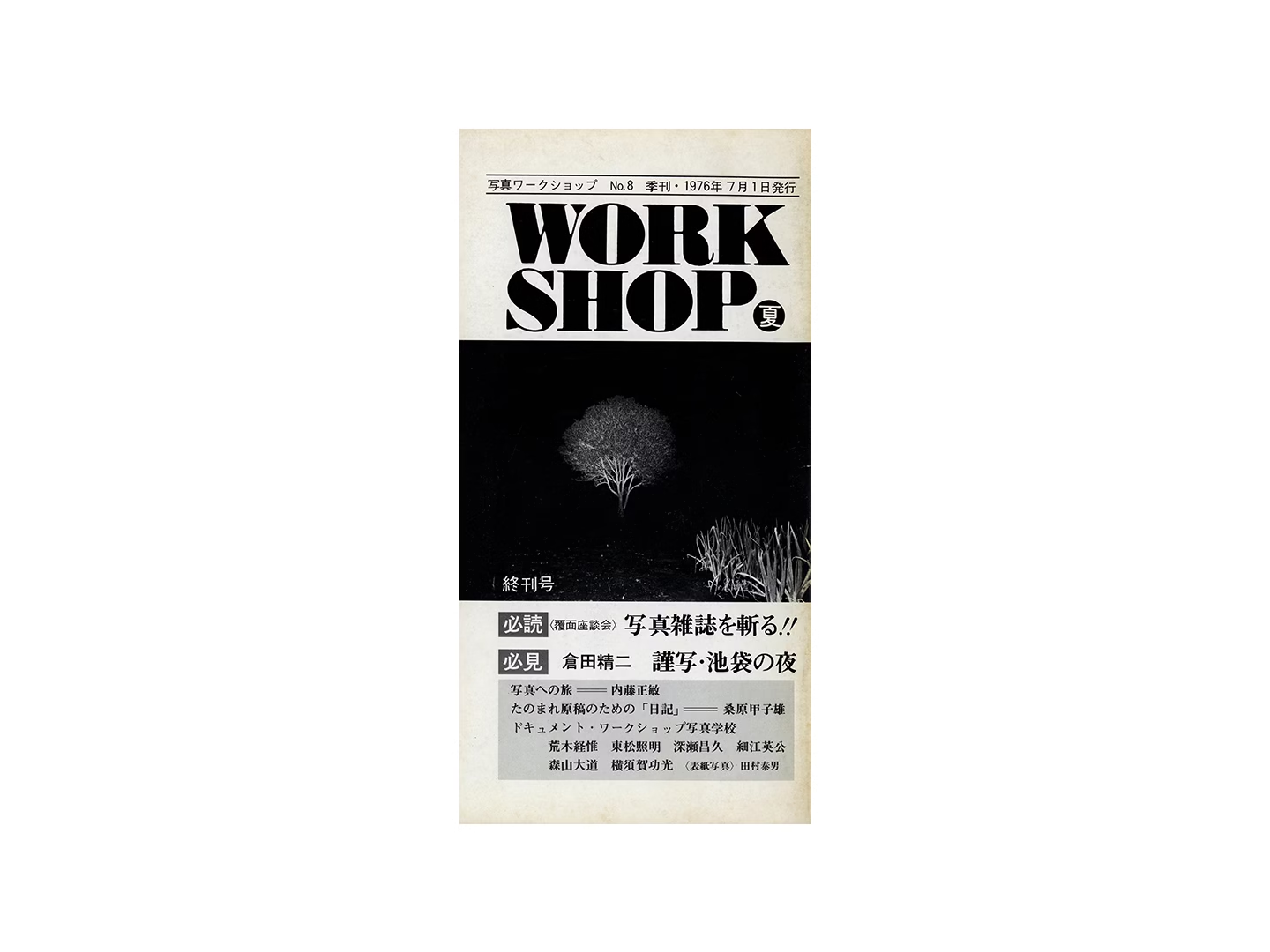
4. Workshop (1974–1976)
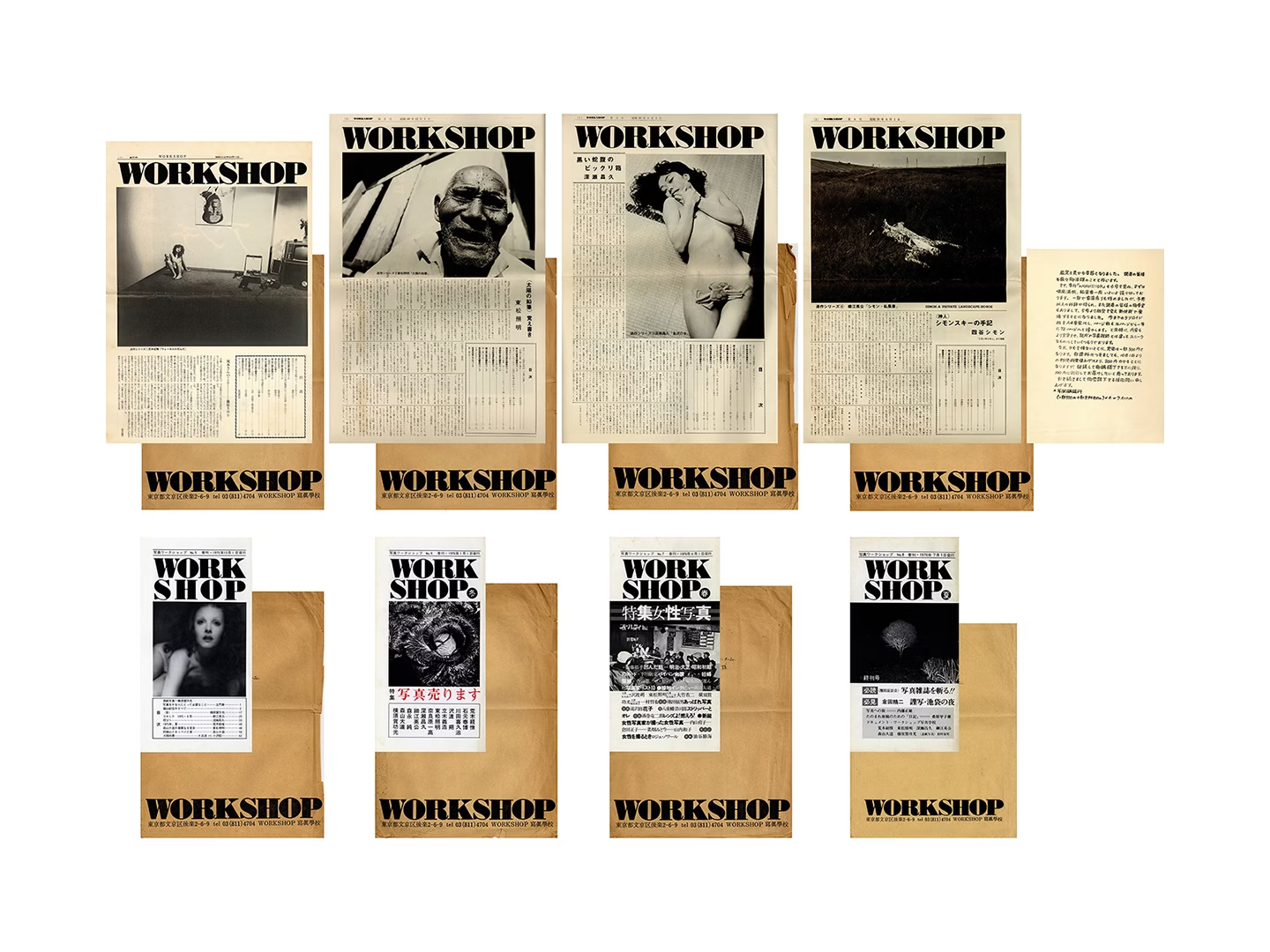
The Workshop journal documented the activities of the Workshop Photography School, co-founded by Araki, Moriyama, Fukase, Hosoe, and Tōmatsu. Eight issues were produced, moving from broadsheet to booklet format. Each included student projects, instructor essays, and debates about the role of photography. The most controversial issues challenged commercial photo magazines and even announced an exhibition aimed at selling photographs as art objects, a radical notion in Japan at the time.
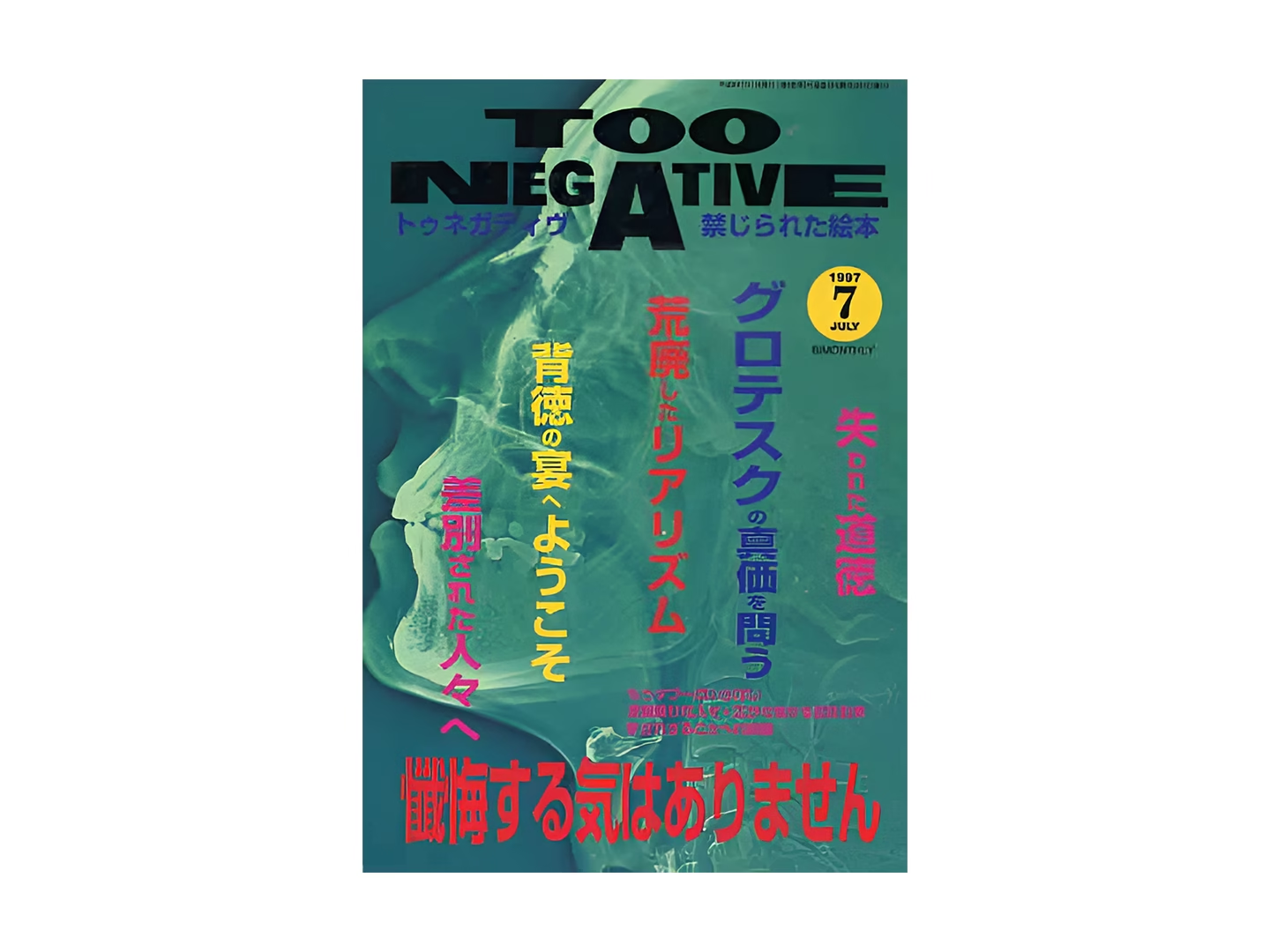
5. Too Negative (1994–2000s)
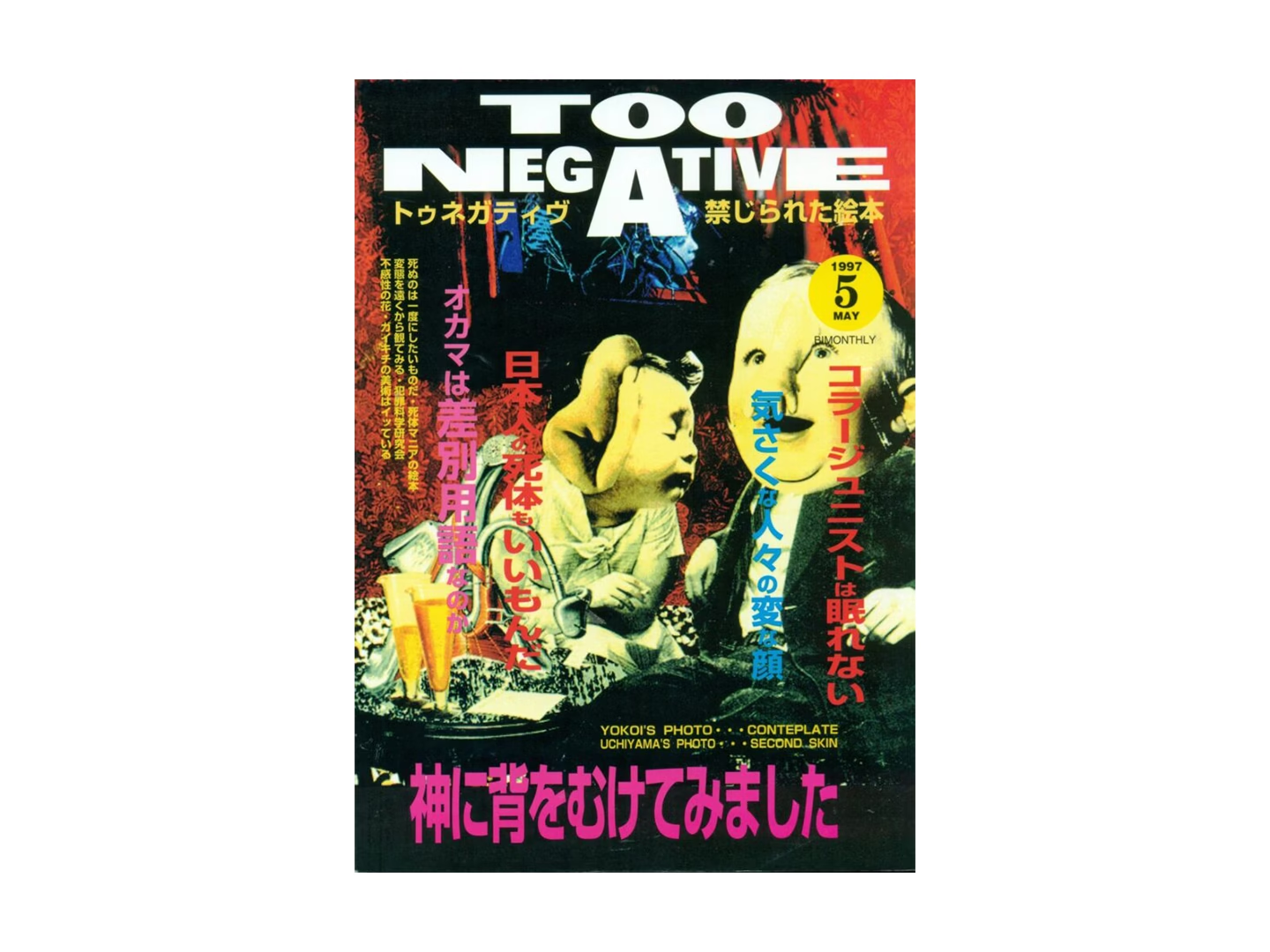
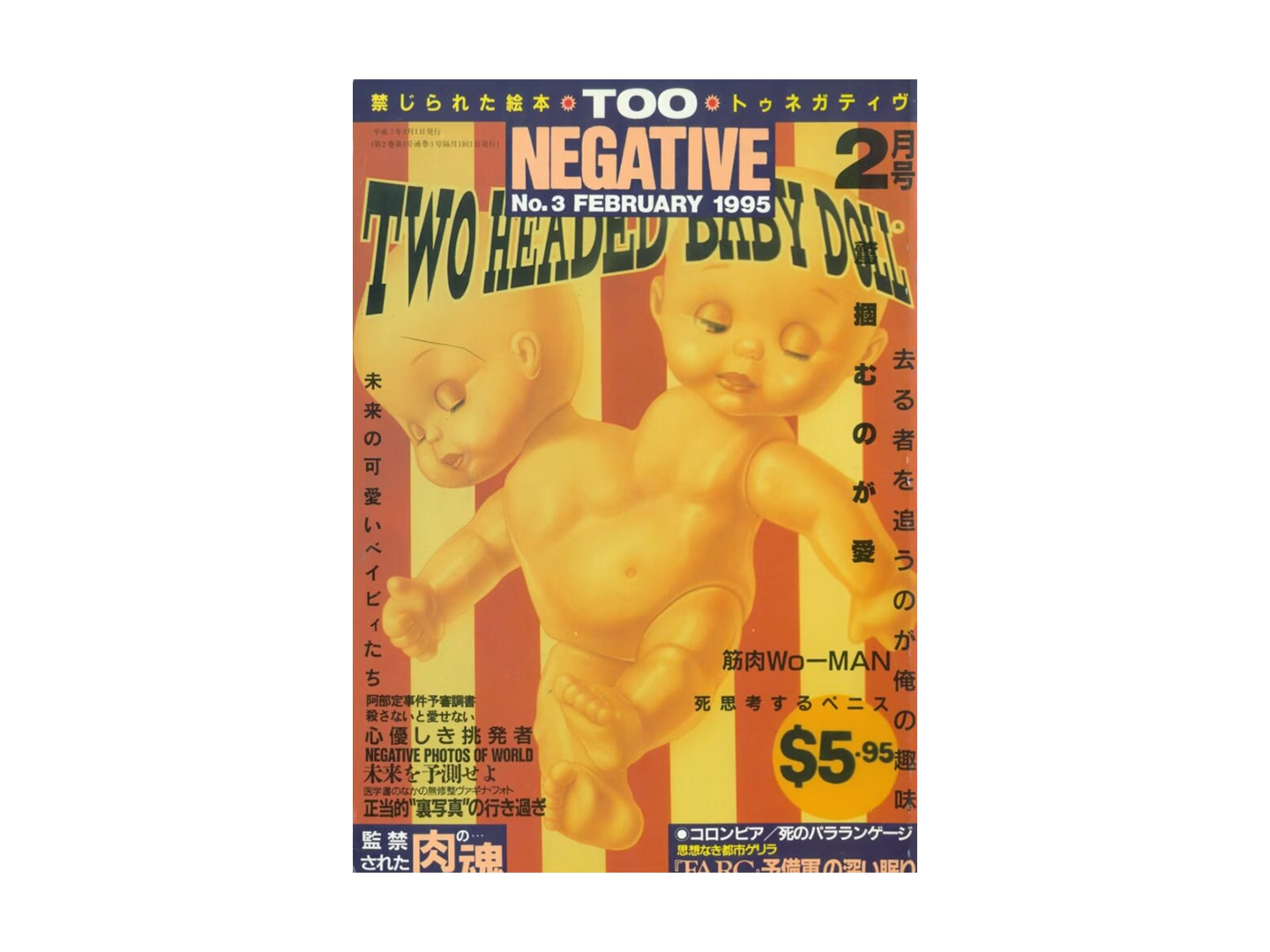
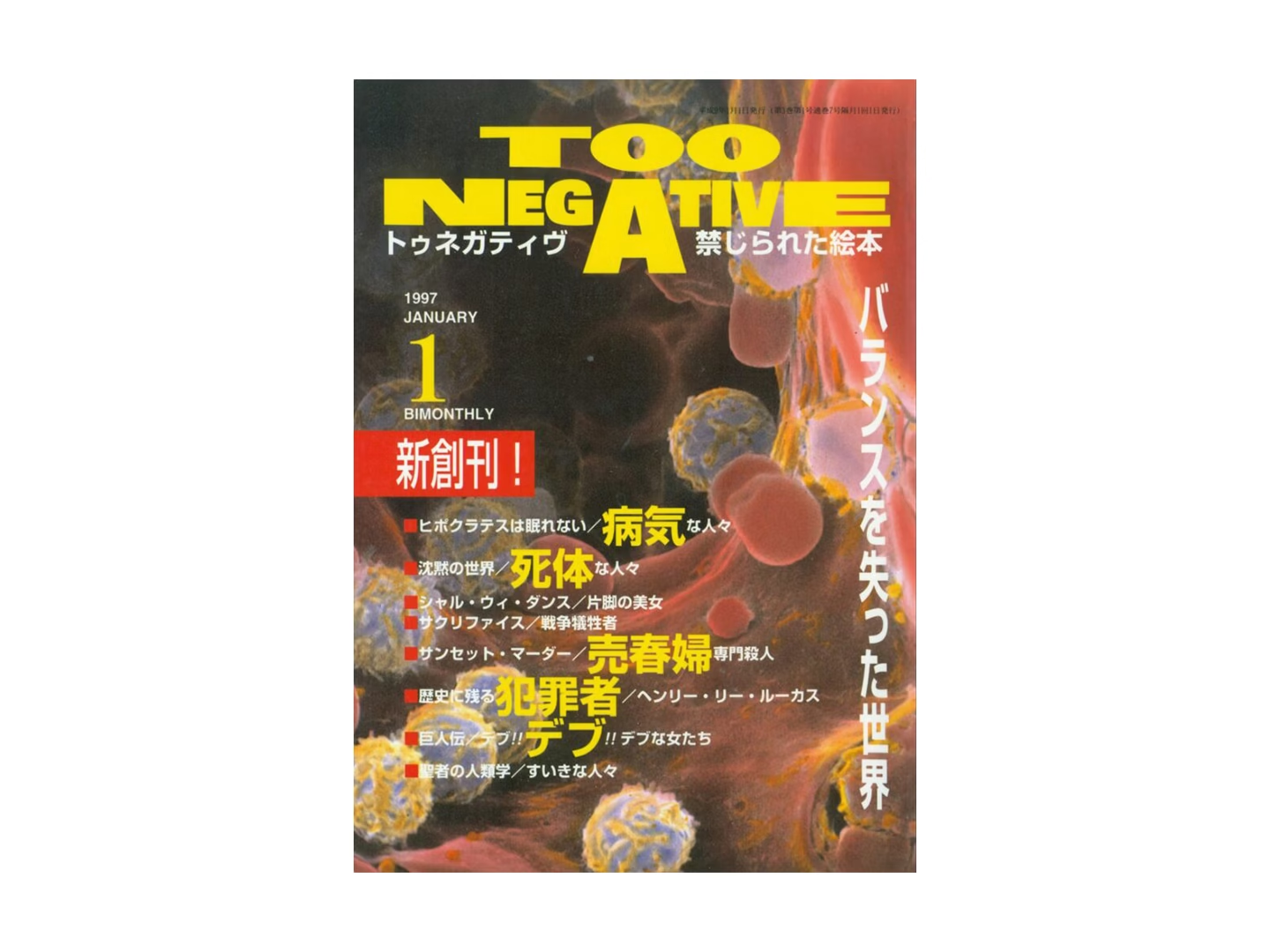
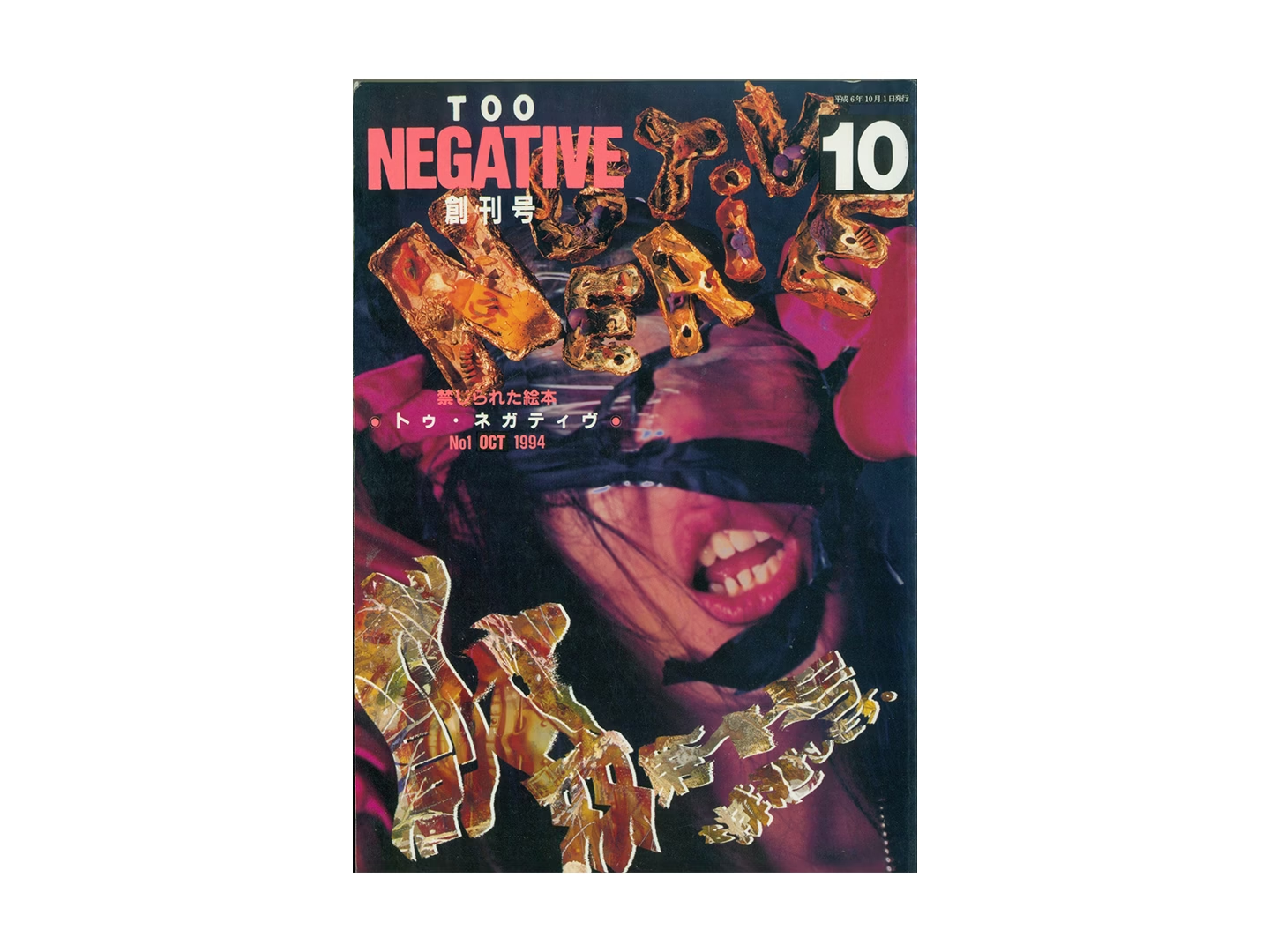
Edited by Kotaro Kobayashi of Tom Shobō, Too Negative pushed photographic publishing into the territory of fetish, grotesque, and underground subculture. Published through the 1990s and early 2000s, it ran for at least ten issues, each mixing archival curiosities with contemporary erotic and taboo imagery. Contributors included Trevor Brown, Joel-Peter Witkin, and Japanese photographers of crime, fetish, and kinbaku performance. With glossy production and extreme content, Too Negative became a definitive document of Japan’s 1990s alternative culture and continues to circulate as a prized collector’s series.