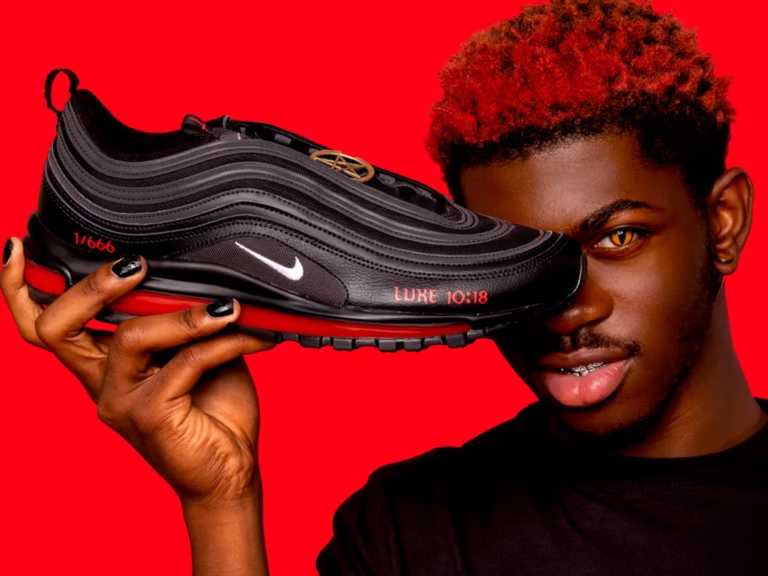
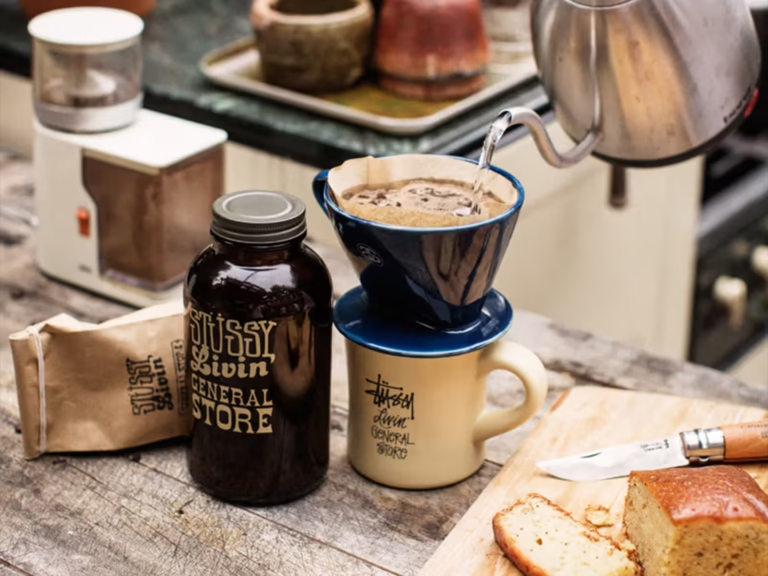
A growing group of coffee brands operate beyond beans and brewing. In these cases, visual identity, packaging, apparel, and retail staging are treated as one connected system. Coffee becomes wearable, collectible, and culturally coded. Across different cities and scales, this approach takes on varied forms, from independent micro-spaces to globally established labels.
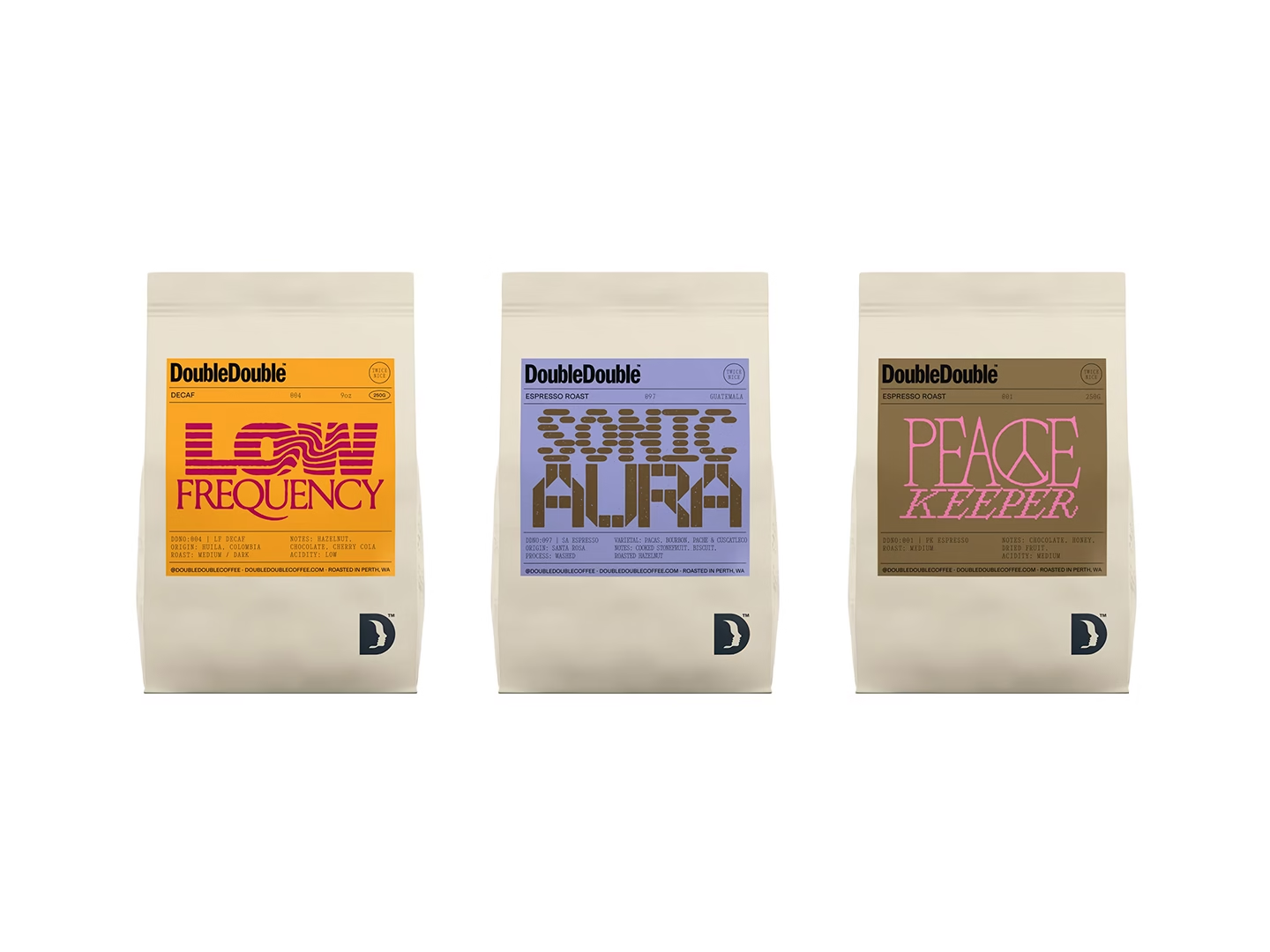
1. DoubleDouble Coffee
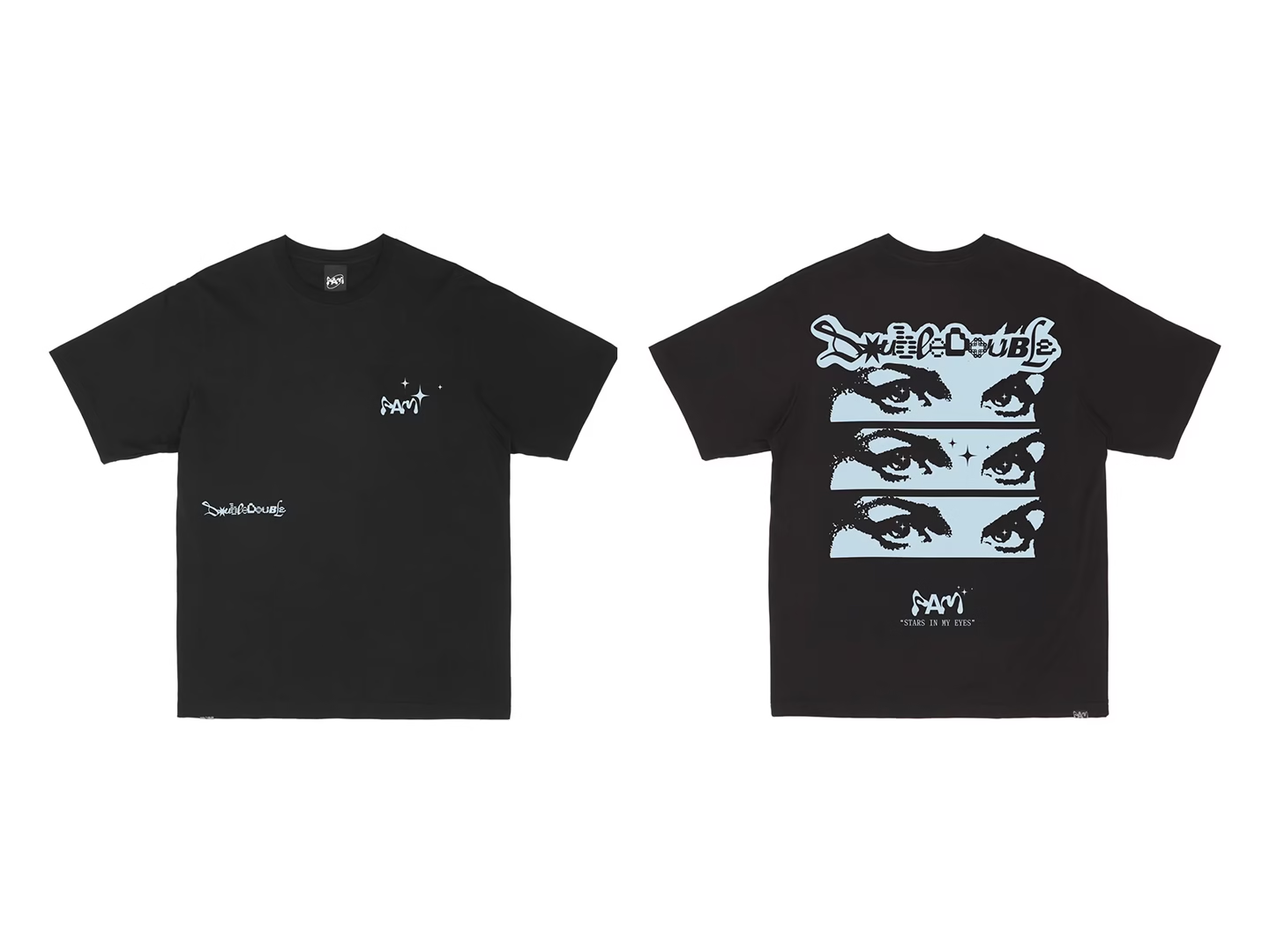
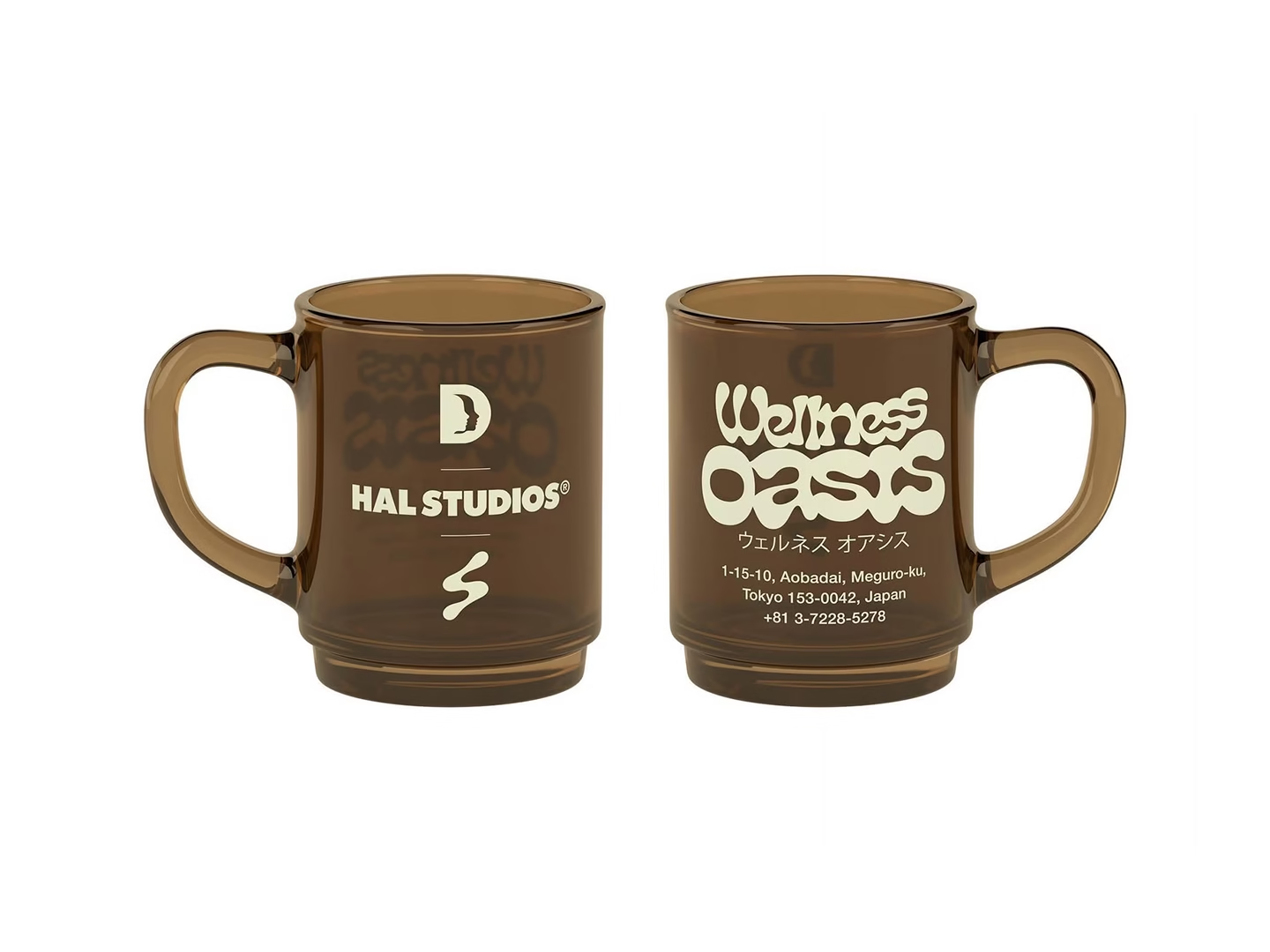
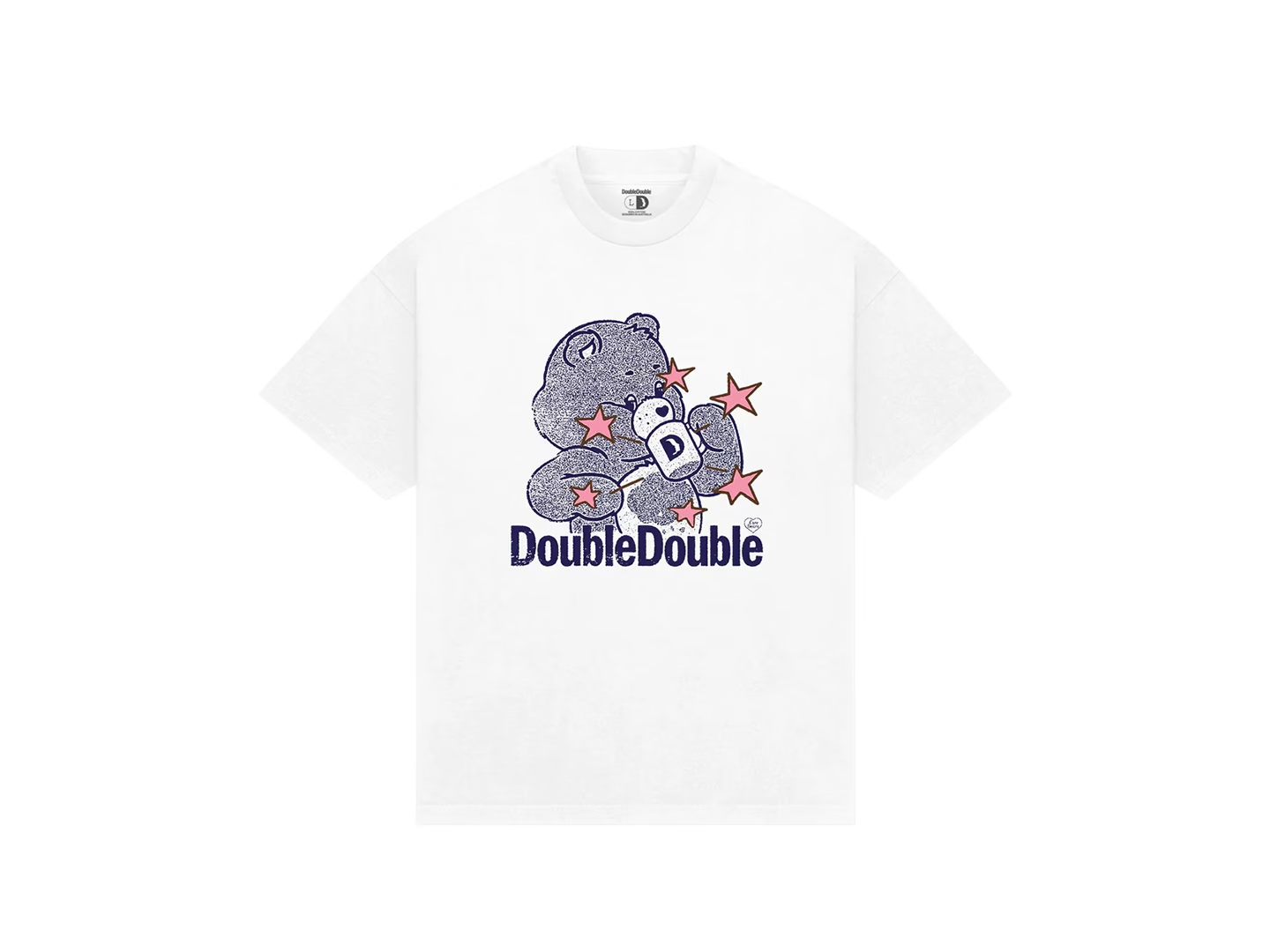
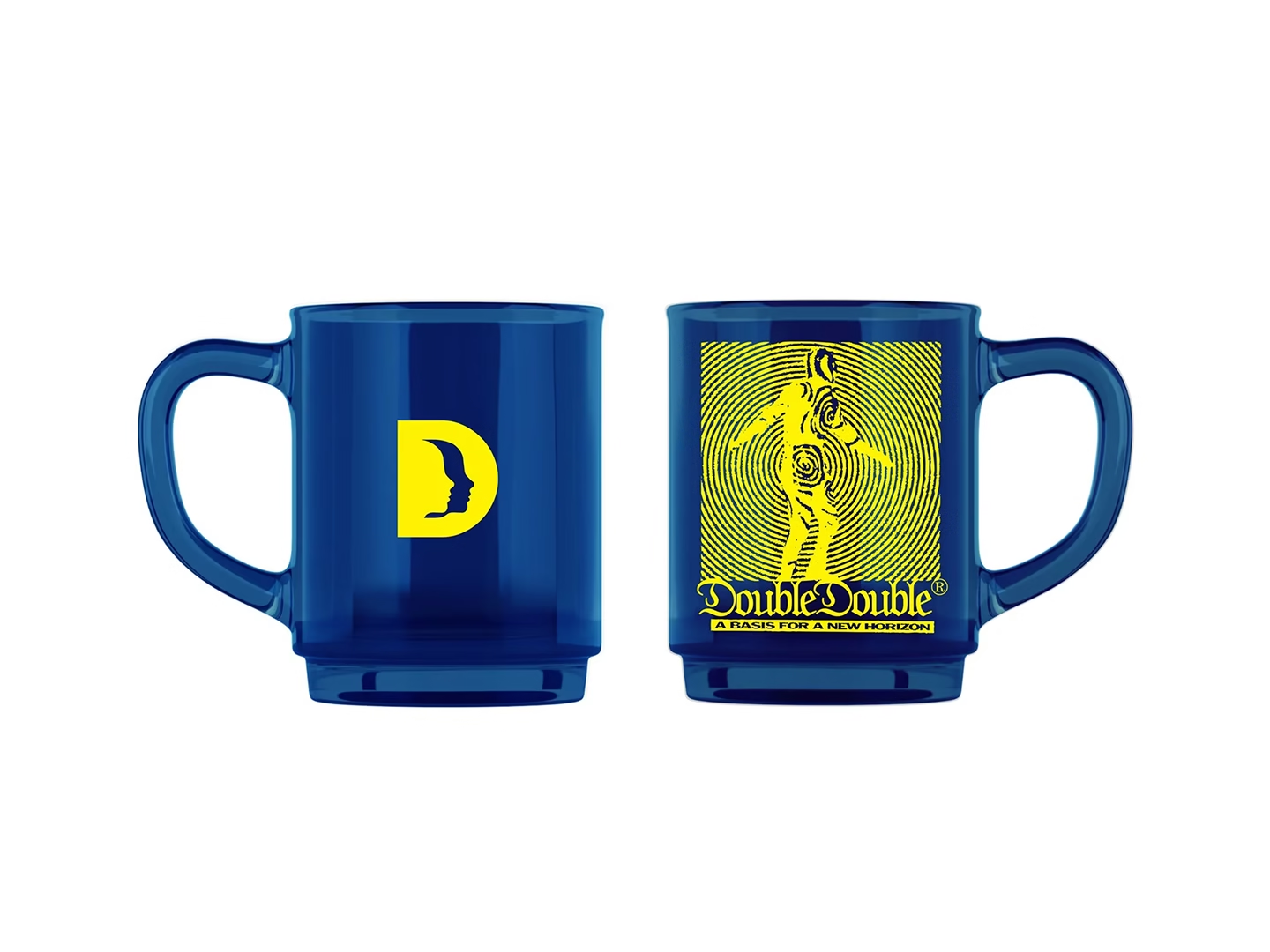
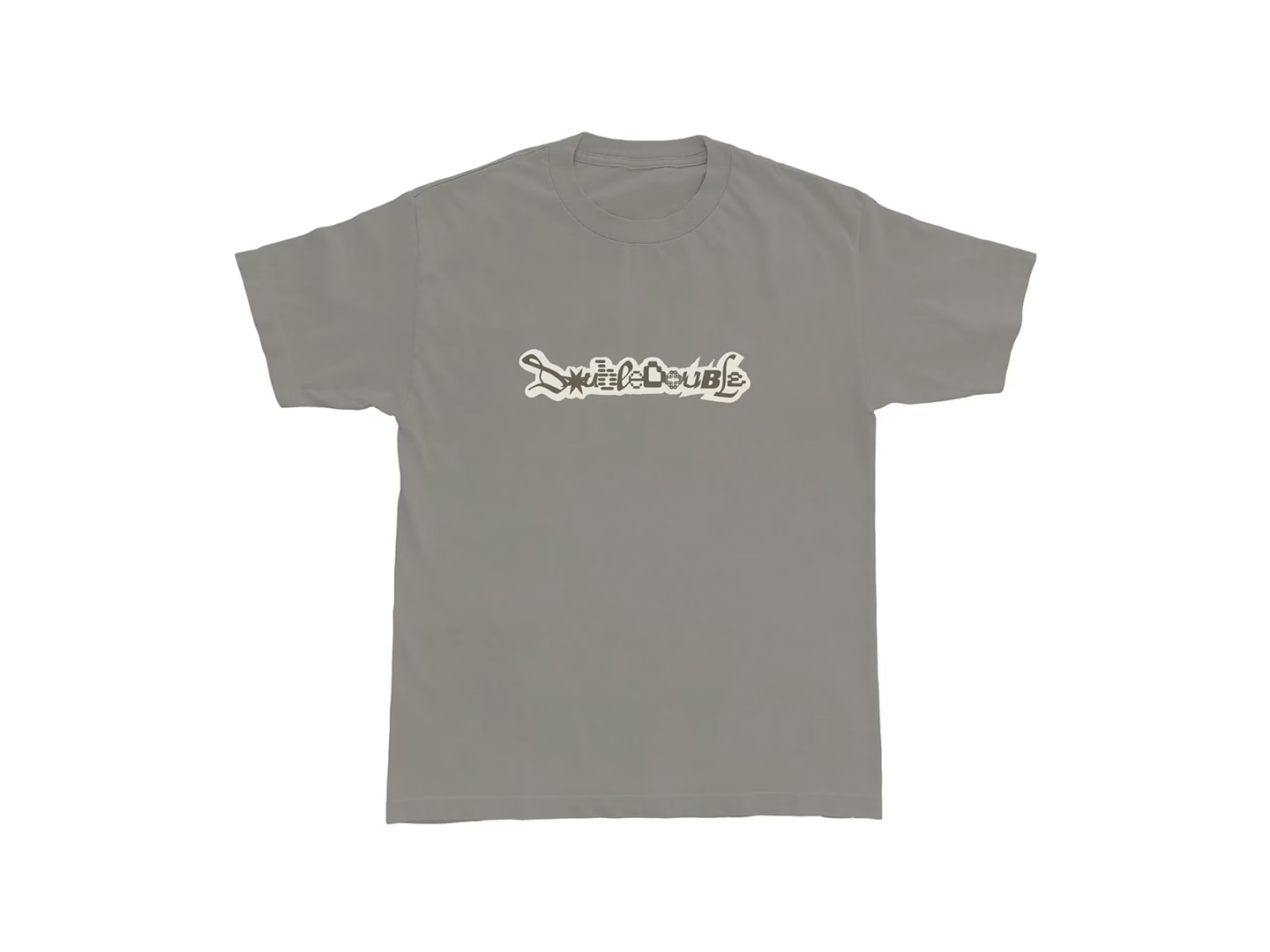
Maximalist typography and deliberate colour clashes anchor DoubleDouble Coffee’s visual system. Developed with Gesture Systems, the packaging draws from archival references and early-digital aesthetics rather than minimal specialty tropes. Operating in Perth since 2020, the brand has described itself as existing between clothing and coffee, treating apparel and labels as parallel outputs. The Roastery and Espresso Bar functions as a live extension of that system, where rotating beans and graphic releases move together.
2. Bigface
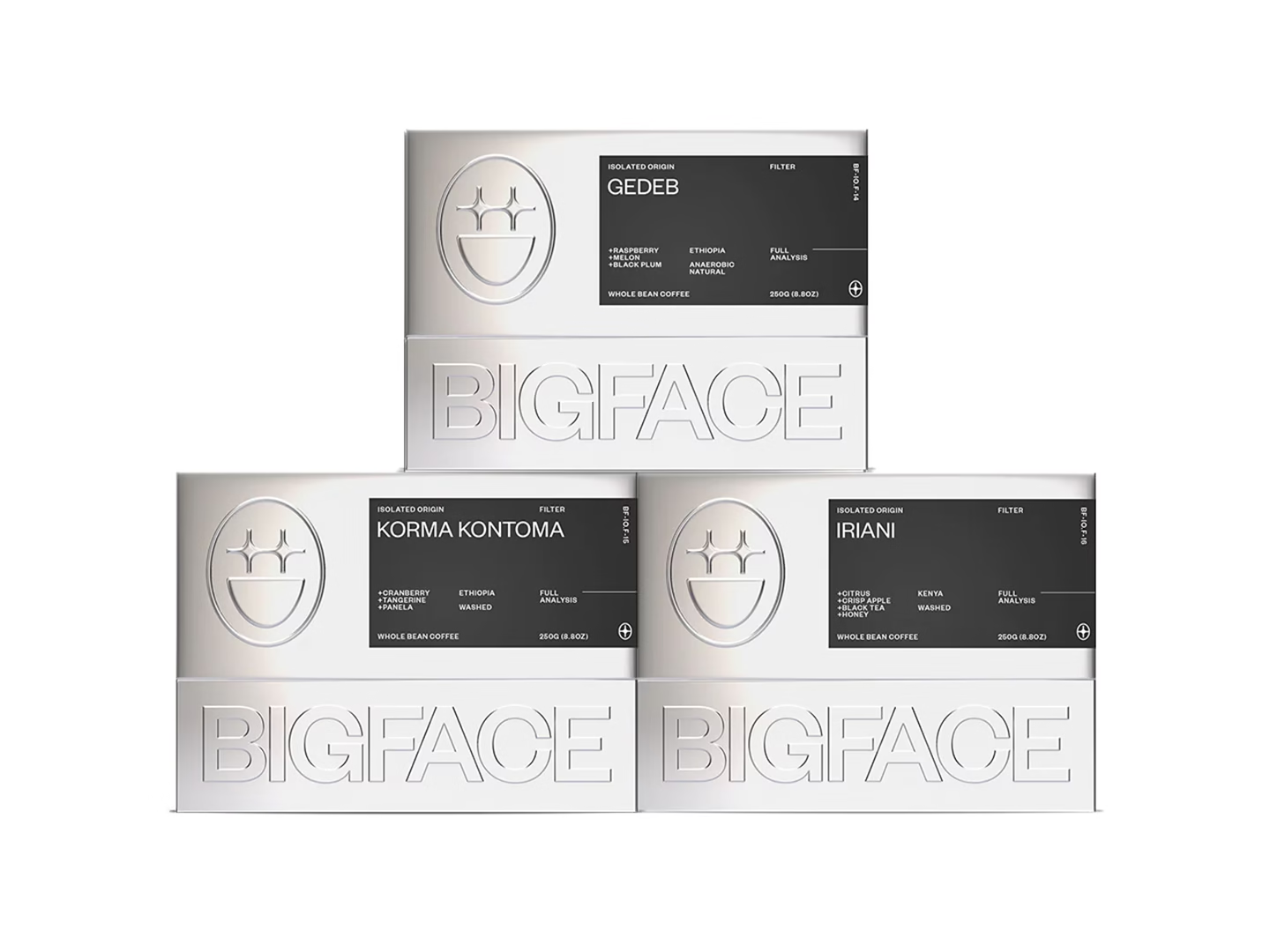
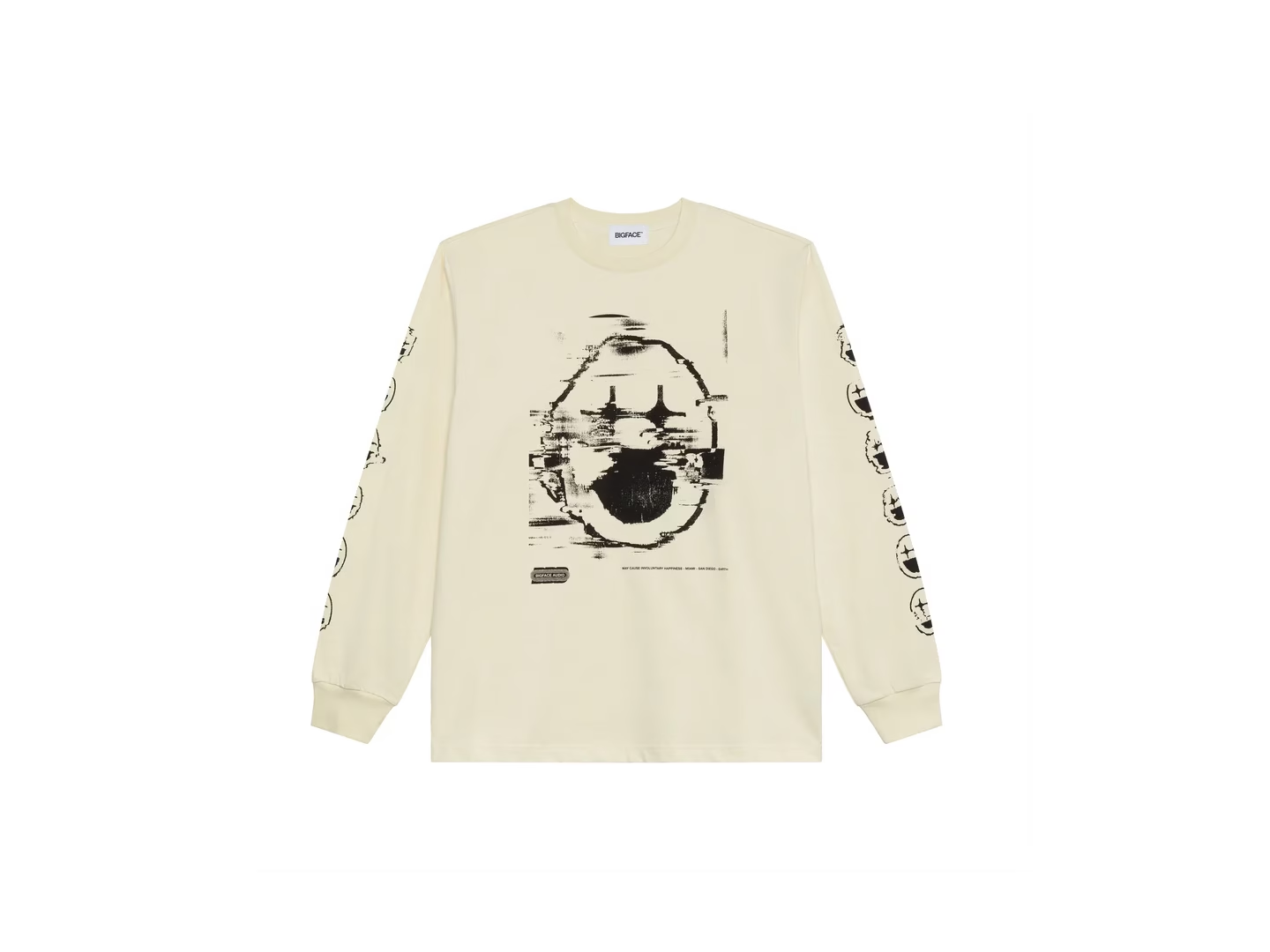
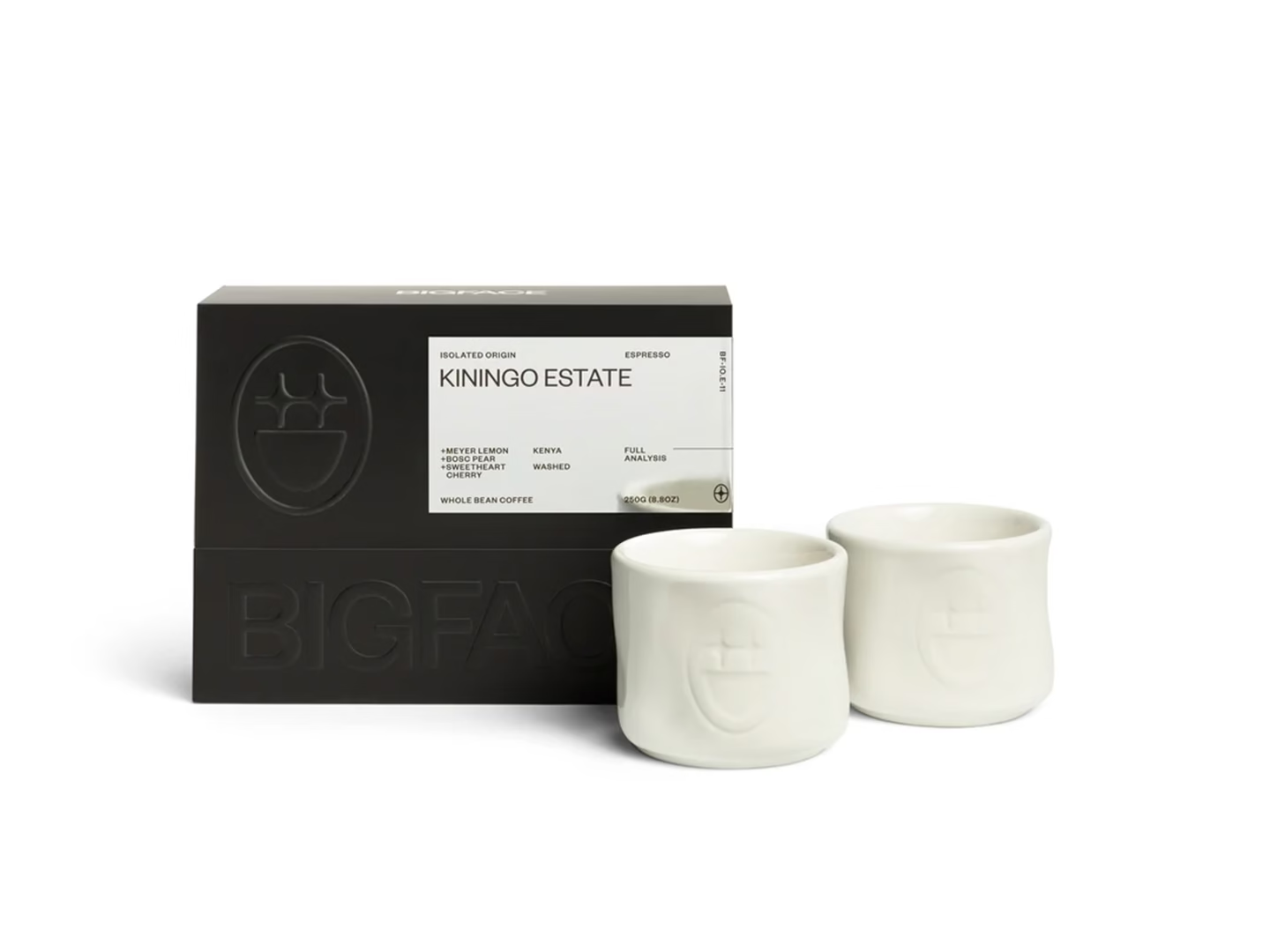
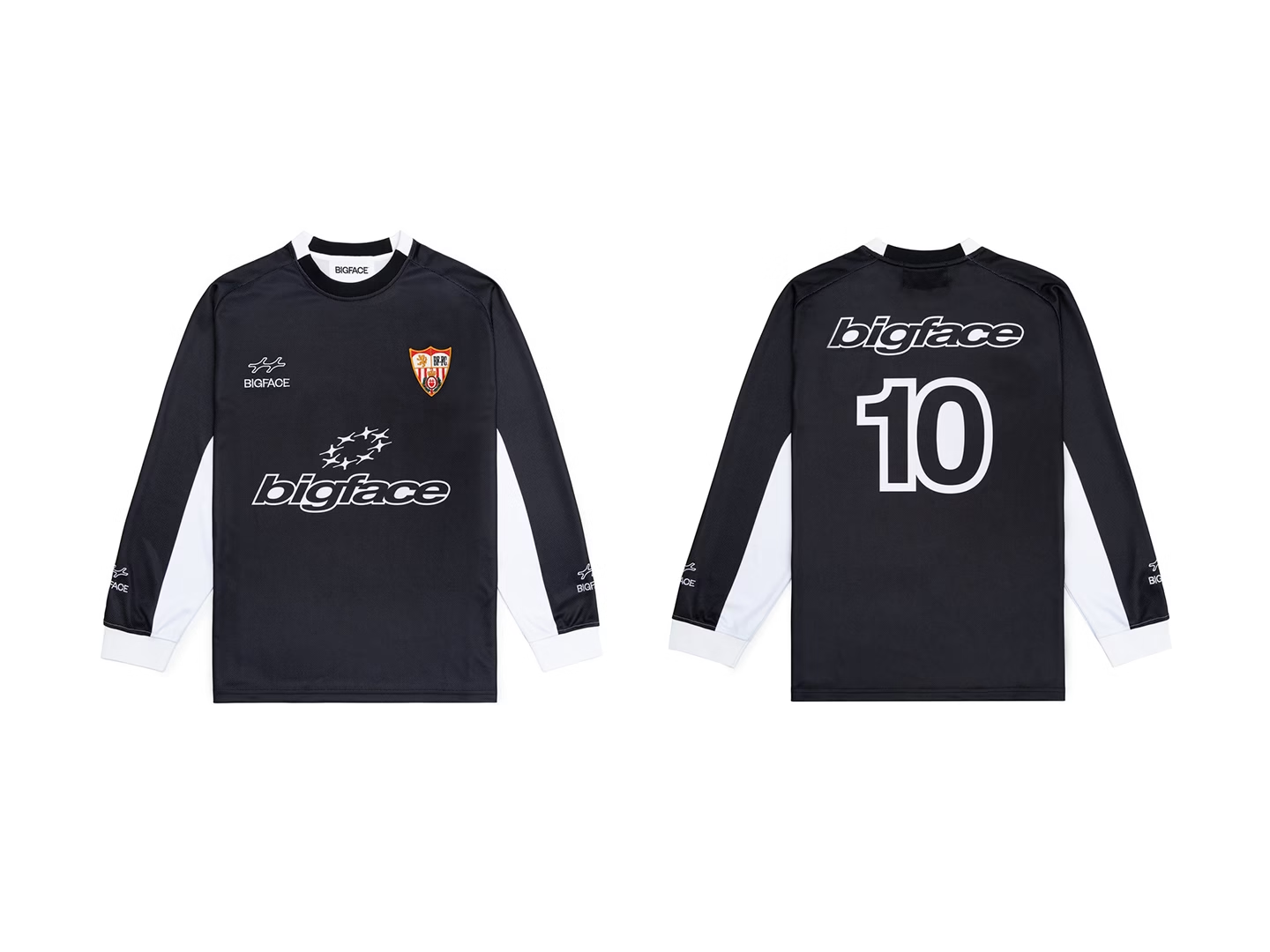
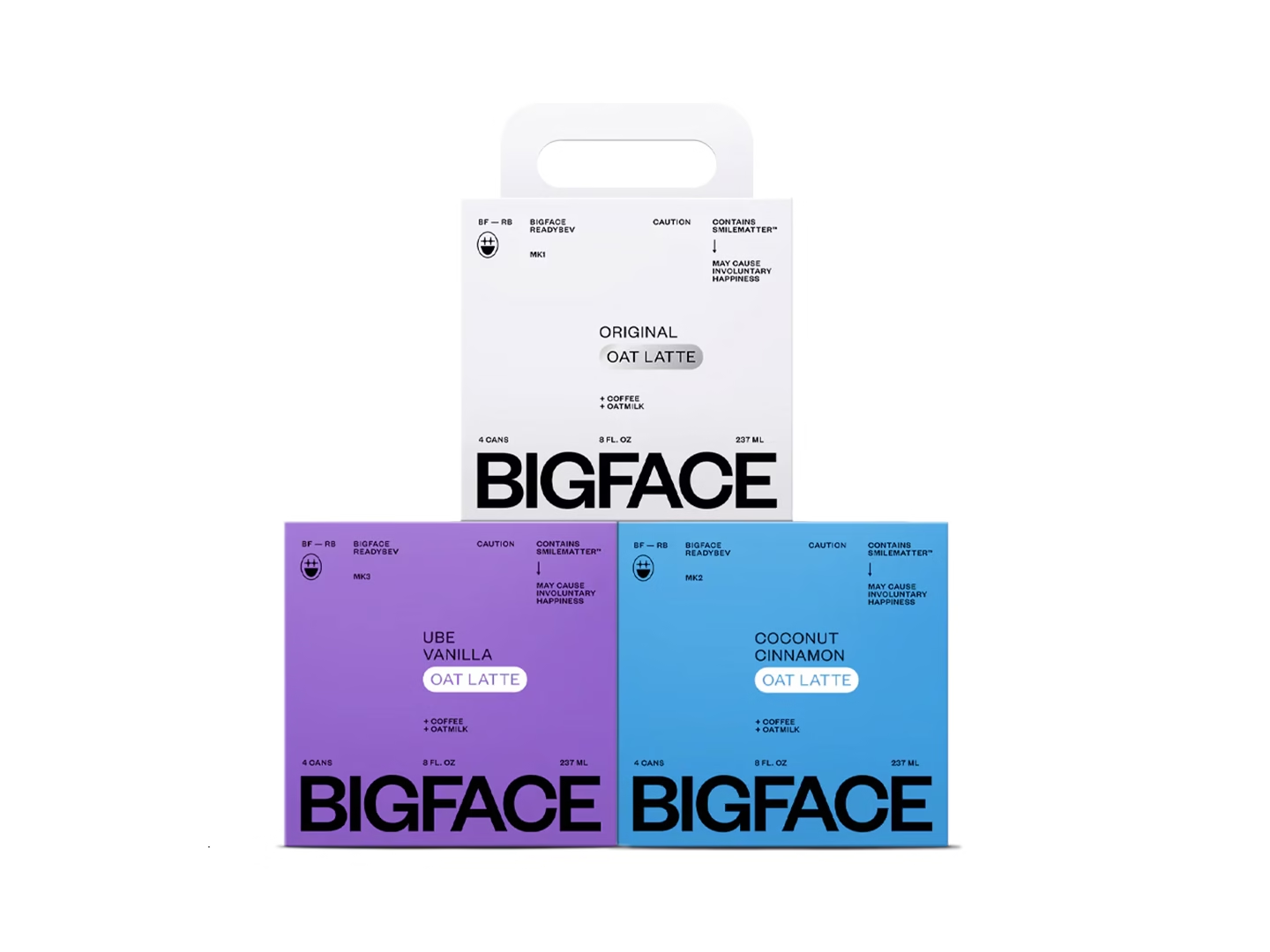
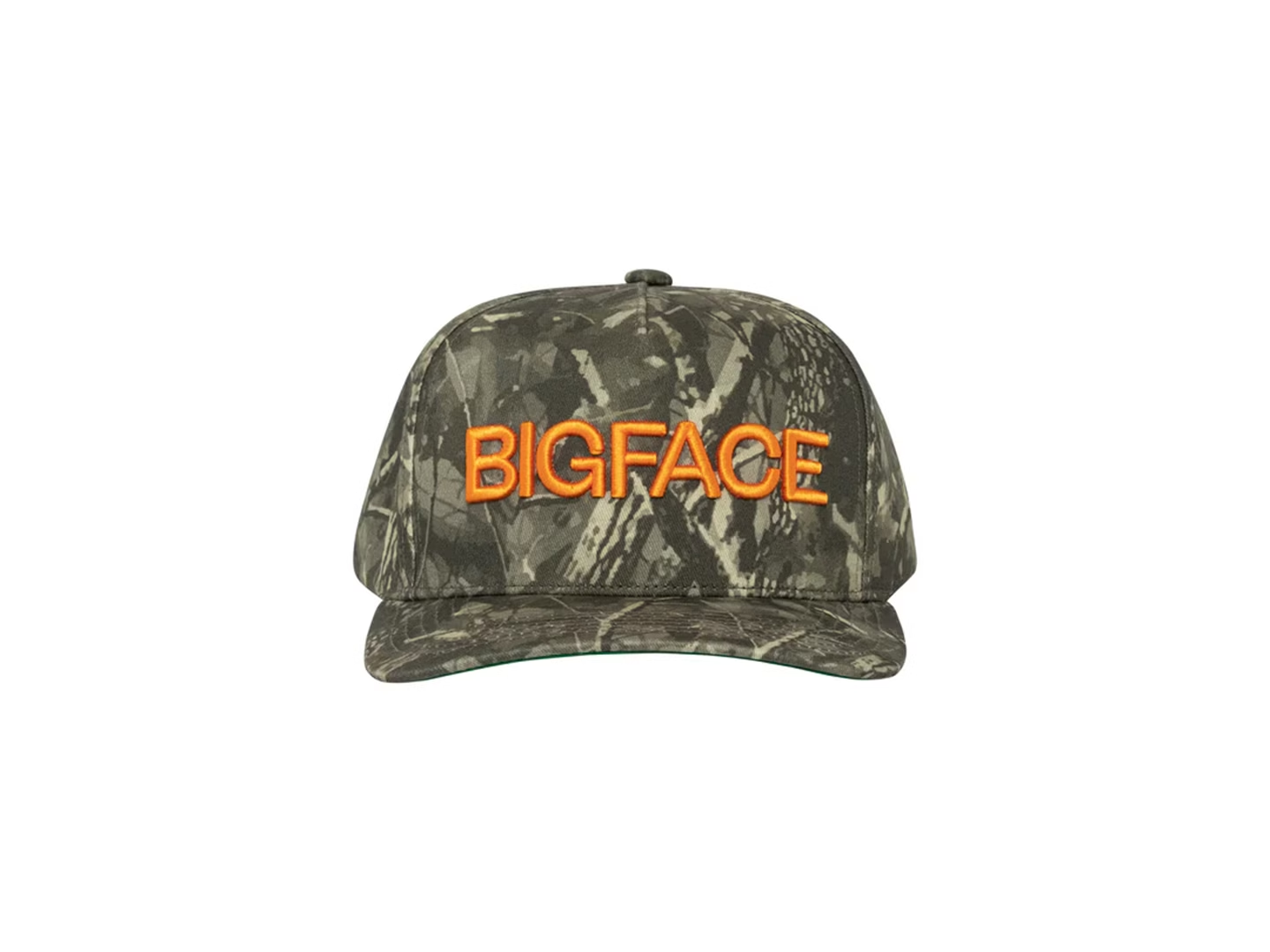
Coded product names, apparel drops, and controlled releases define Bigface as much as its beans. Labels such as BF-X-01 “Doublestar” and BF-X-02 “Earthshine” frame coffee within a structure closer to fashion than traditional roasting menus. The brand traces back to the 2020 NBA bubble, where Jimmy Butler sold $20 cups to fellow players before formally launching the label on International Coffee Day in 2021. That release logic later translated into space with the opening of a flagship in Miami’s Design District in December 2024, where merchandise is integrated directly into the café setting.
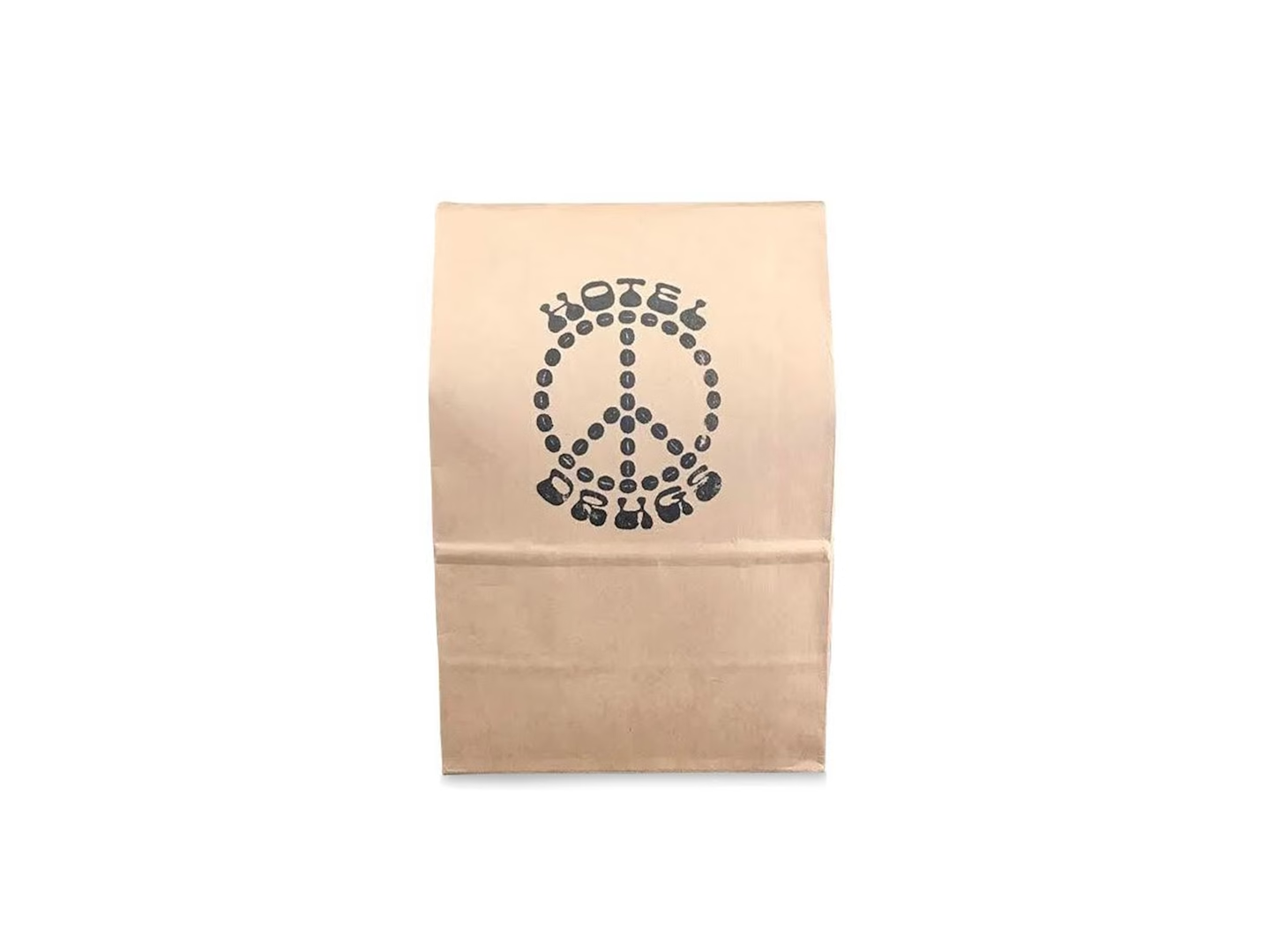
3. Hotel Drugs
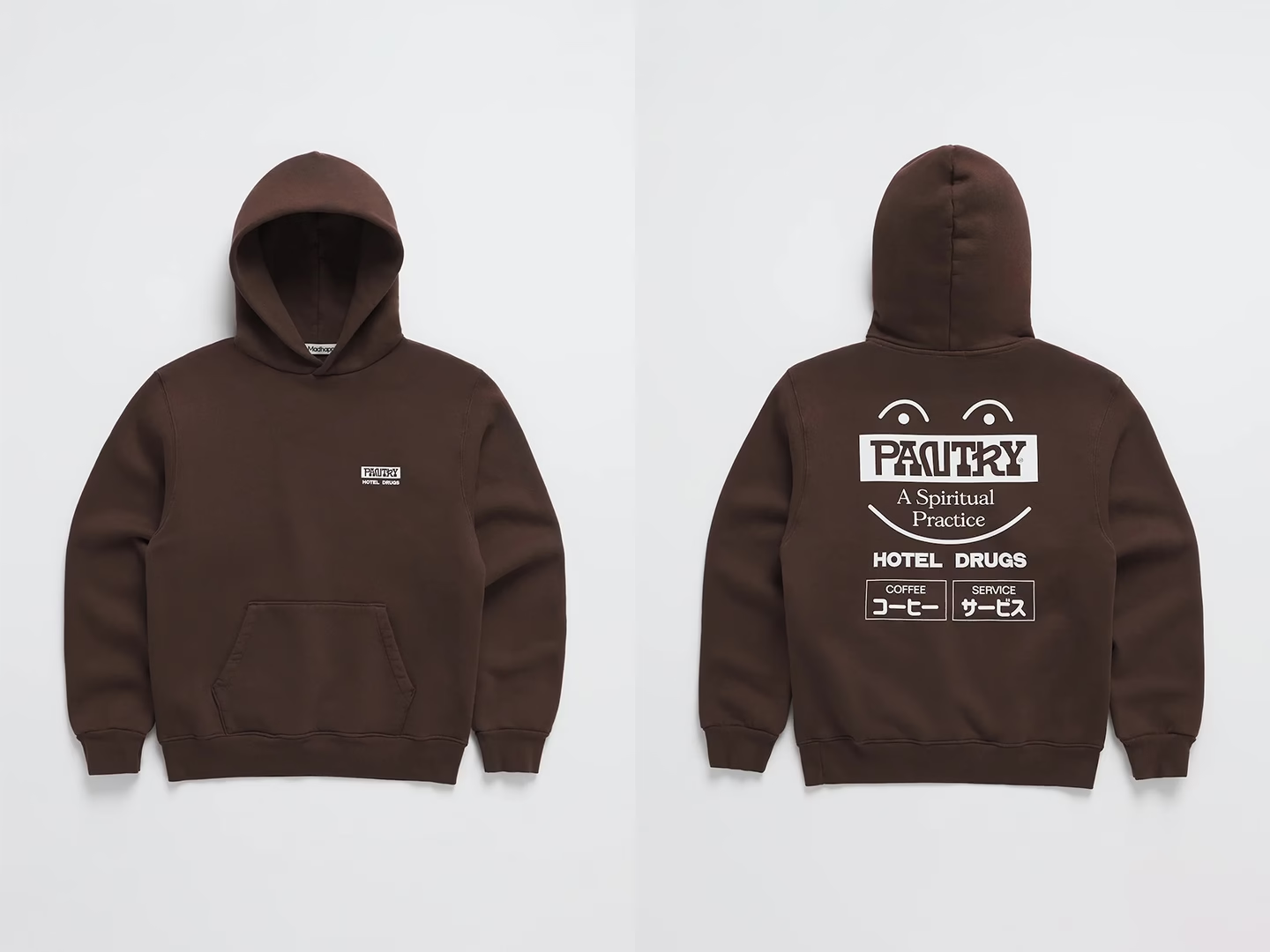
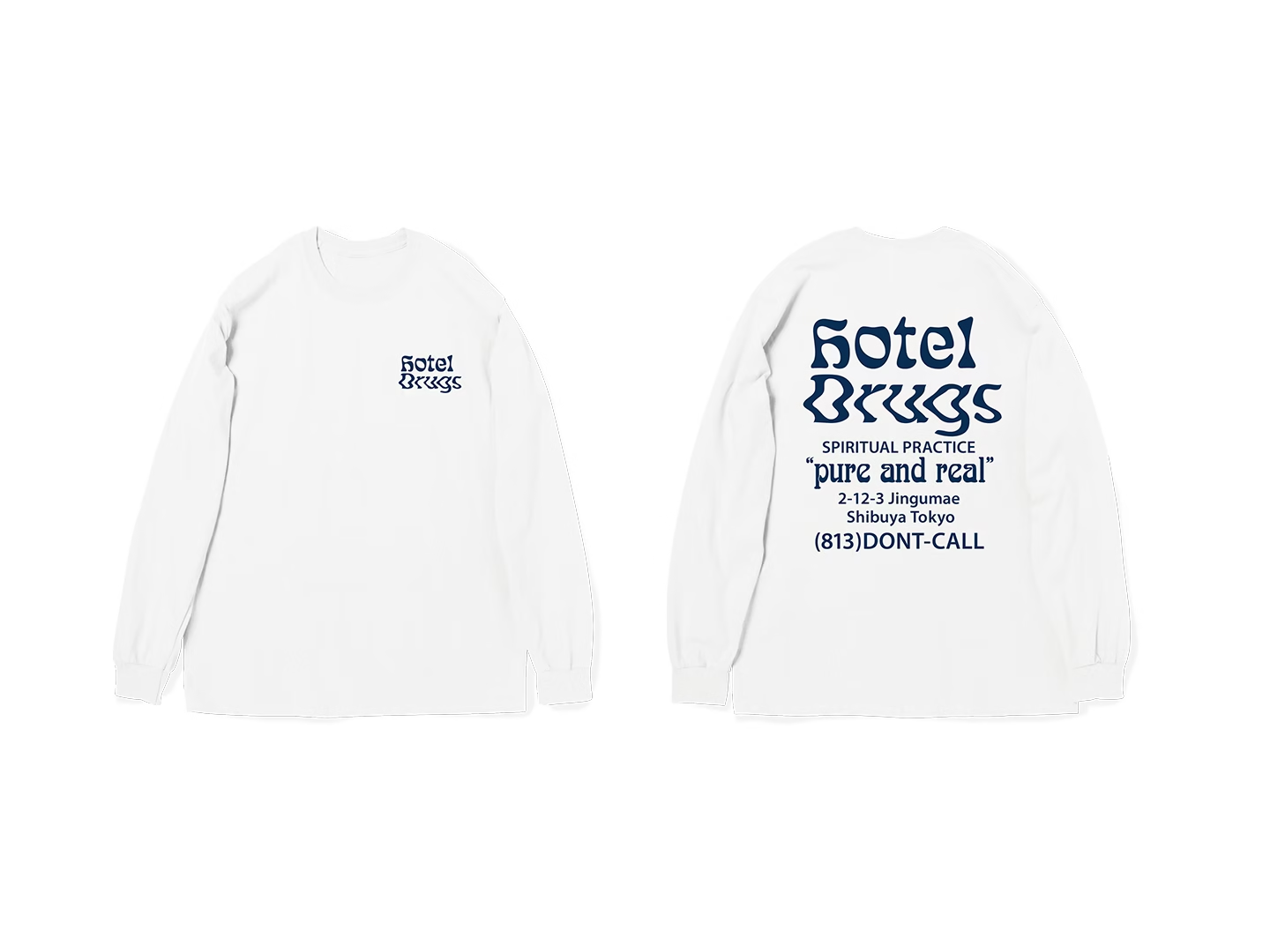
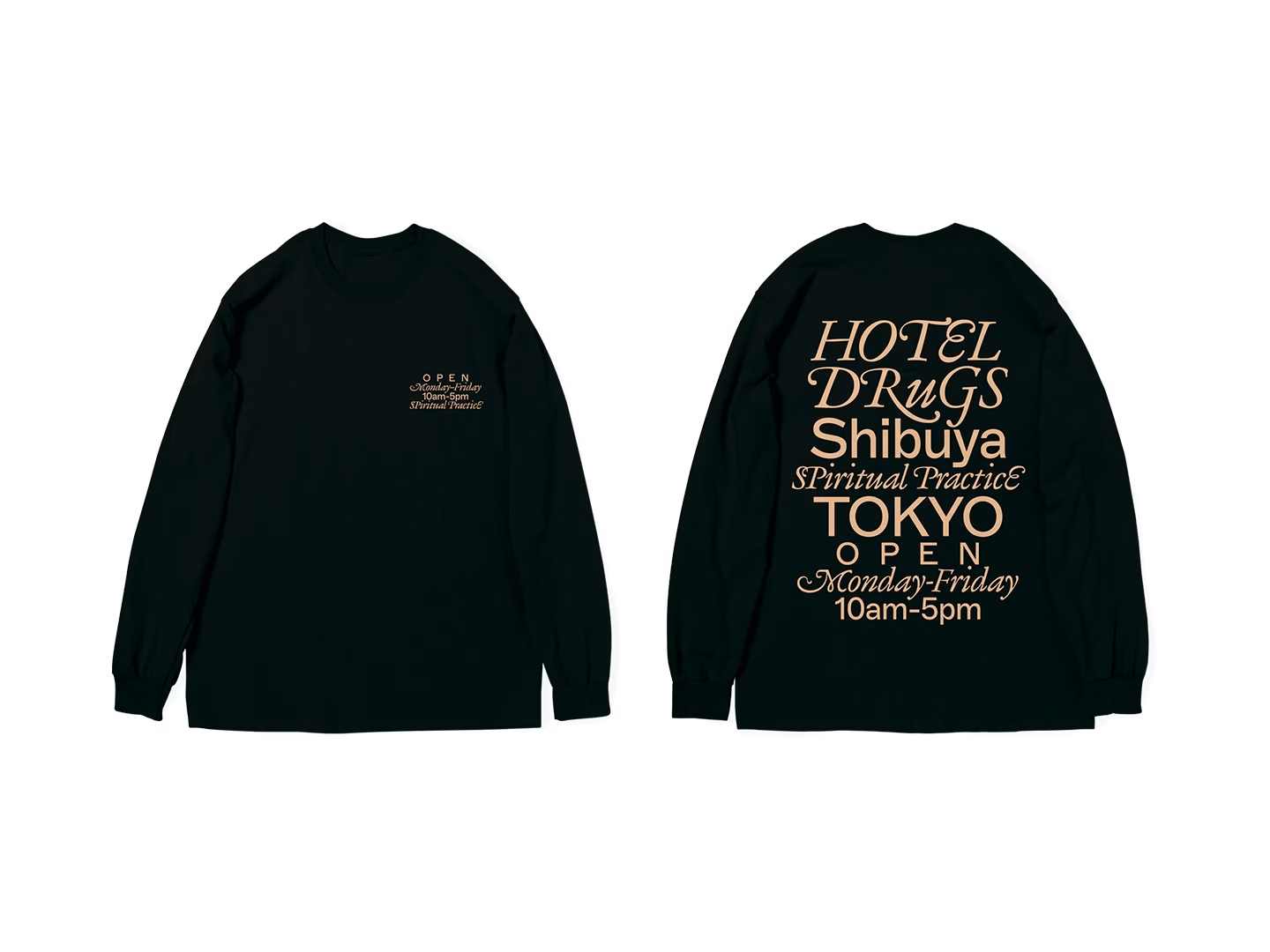
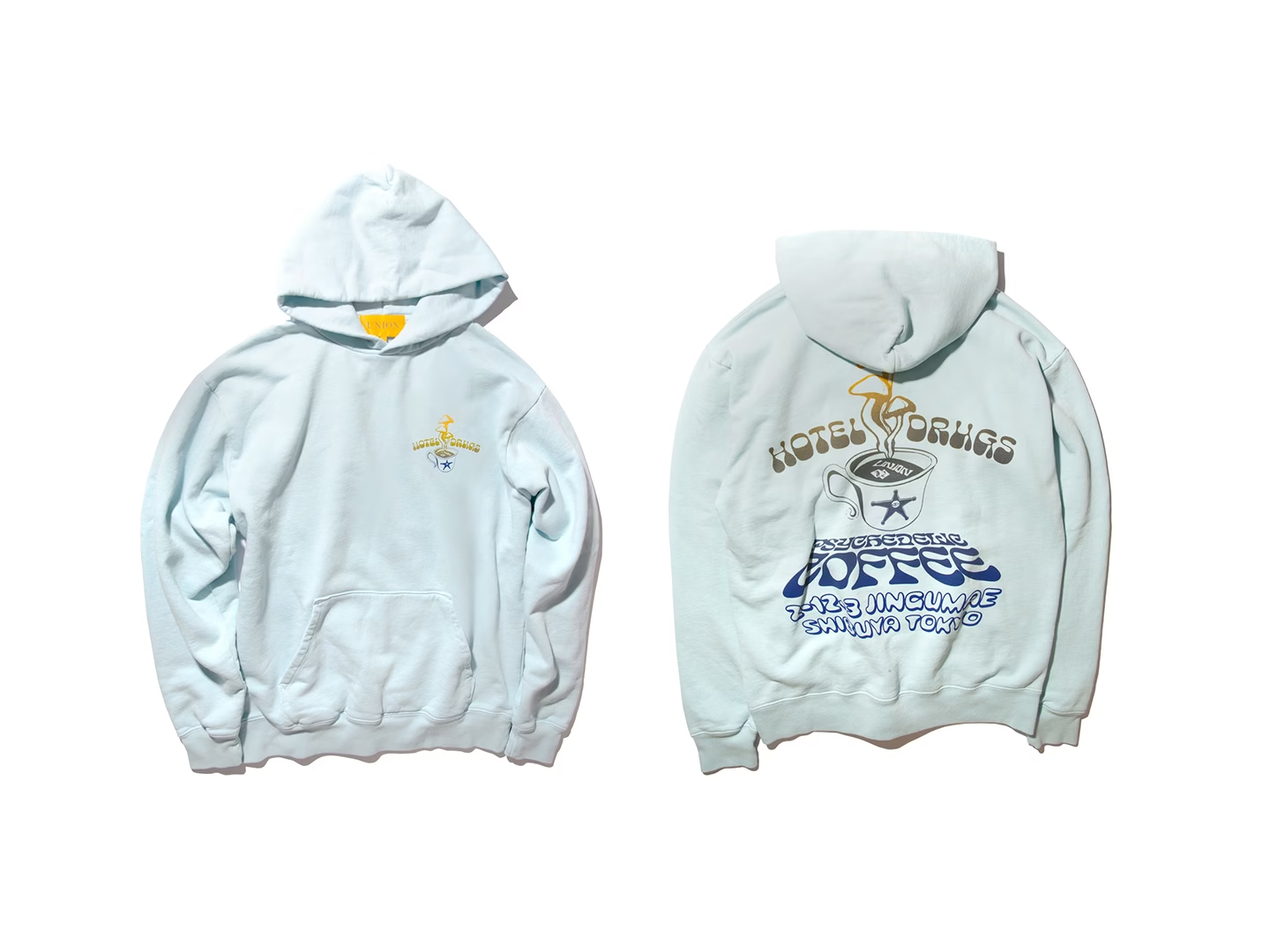
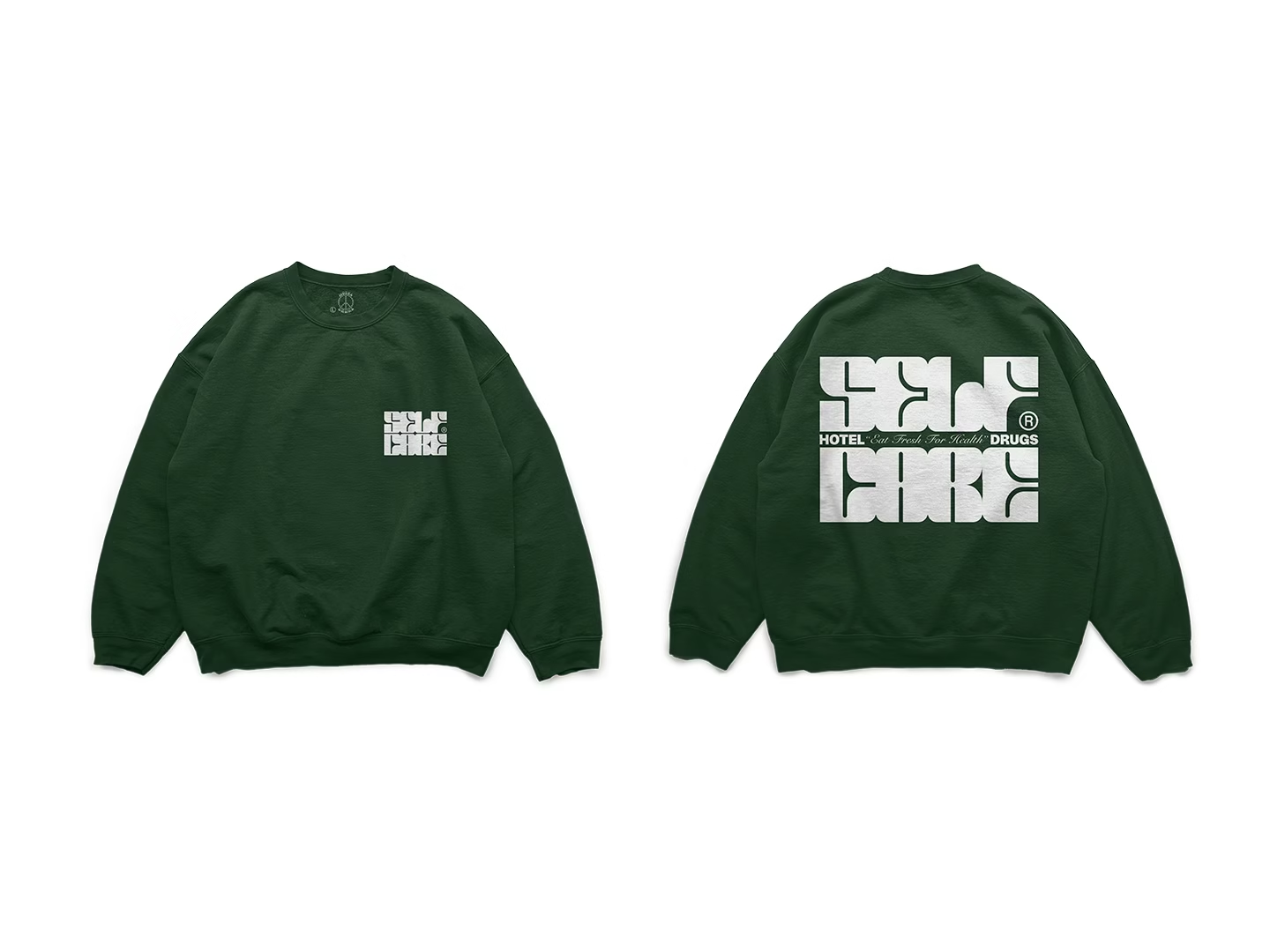
Clothing, Coffee, Goods. That three-part structure shaped Hotel Drugs from its earliest iteration in Tokyo. Opened through crowdfunding in 2015 and later updated in 2016, the small stand developed visibility through collaborations with Joe Garvey, Ed Davis, Eric Elms, Actual Source, and PAJA STUDIO, with projects highlighted through BEAMS. The physical storefront is permanently closed. The web store remains active, allowing graphic apparel and objects to continue circulating independently of the original counter.
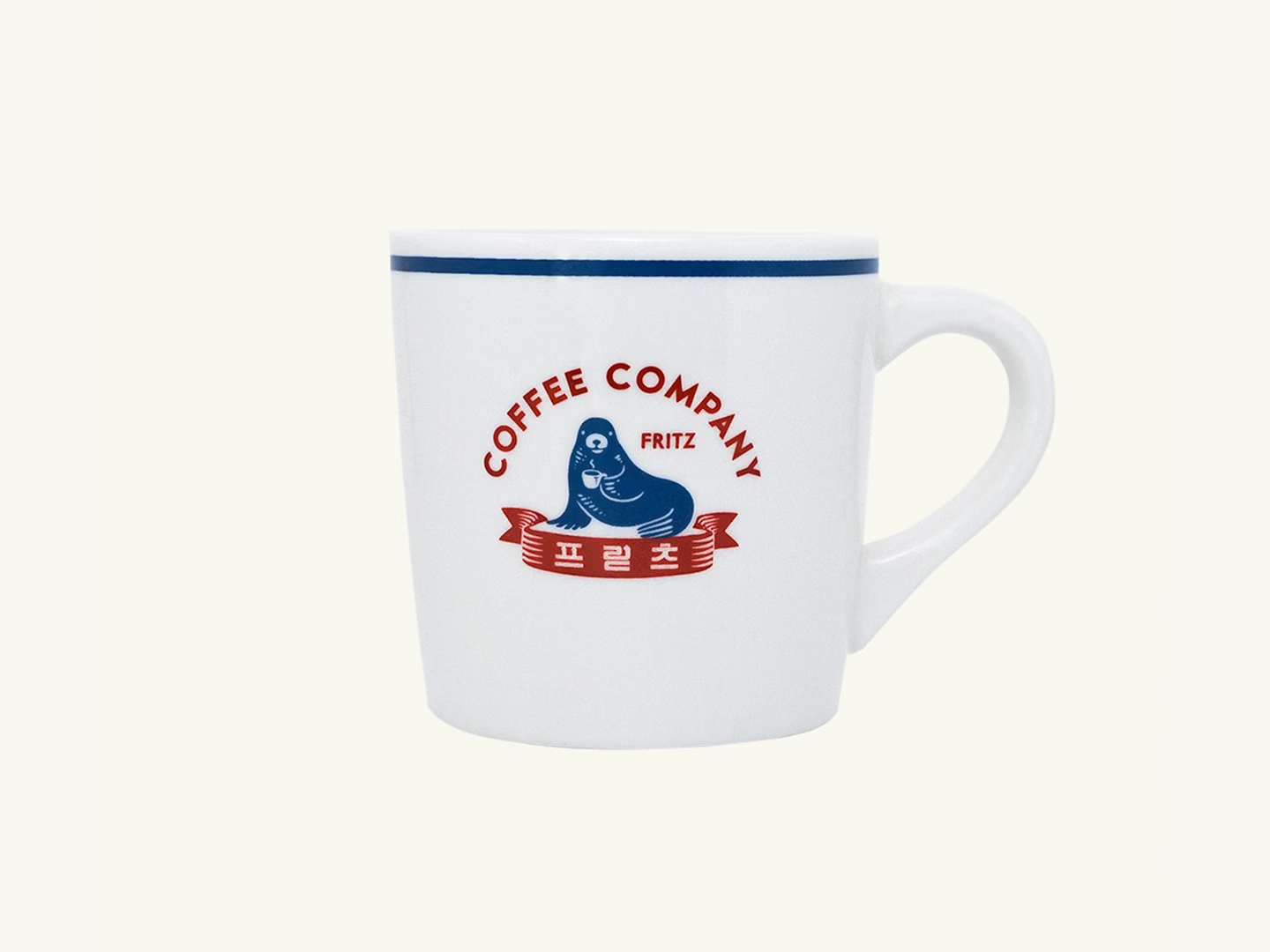
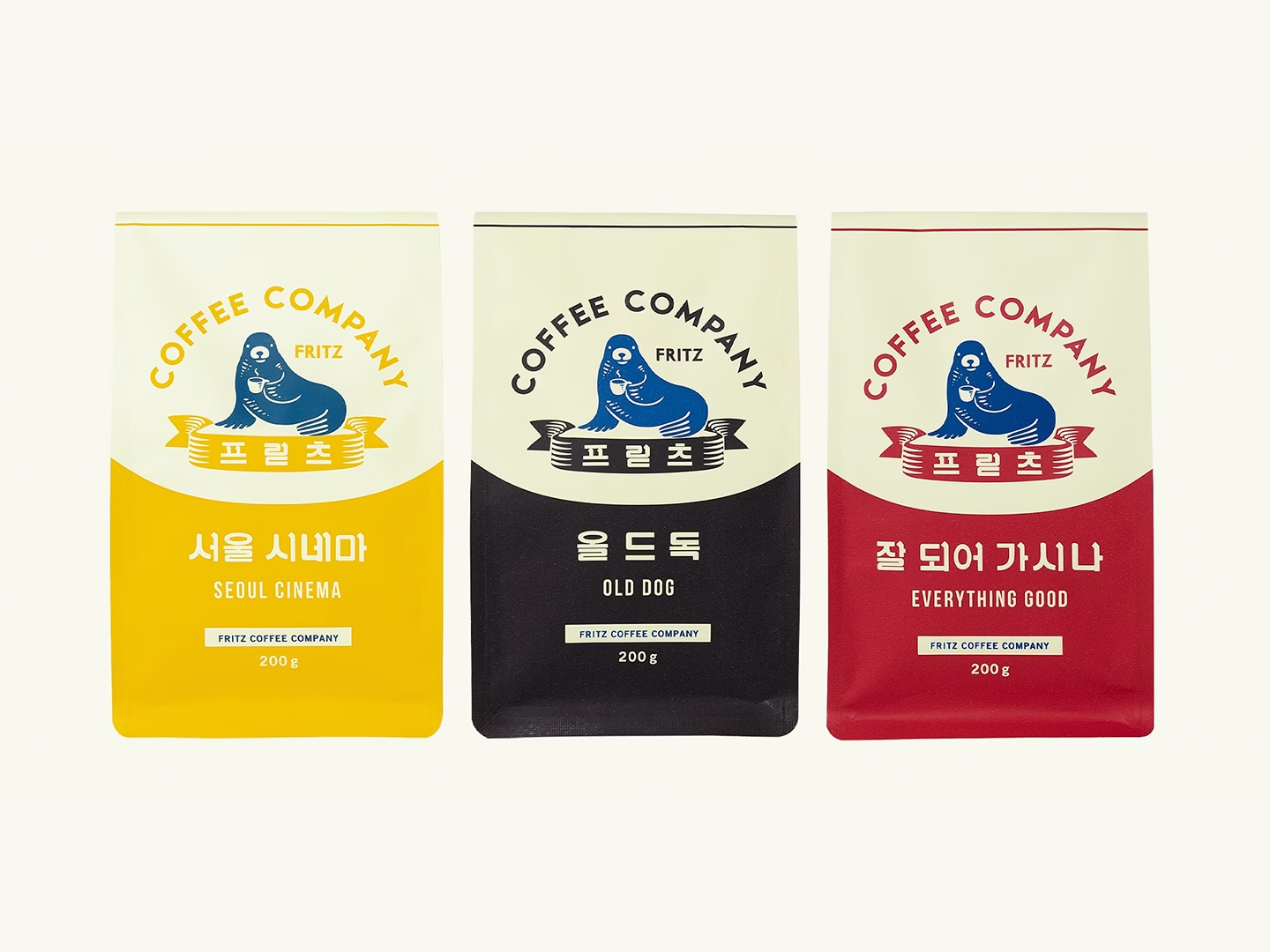
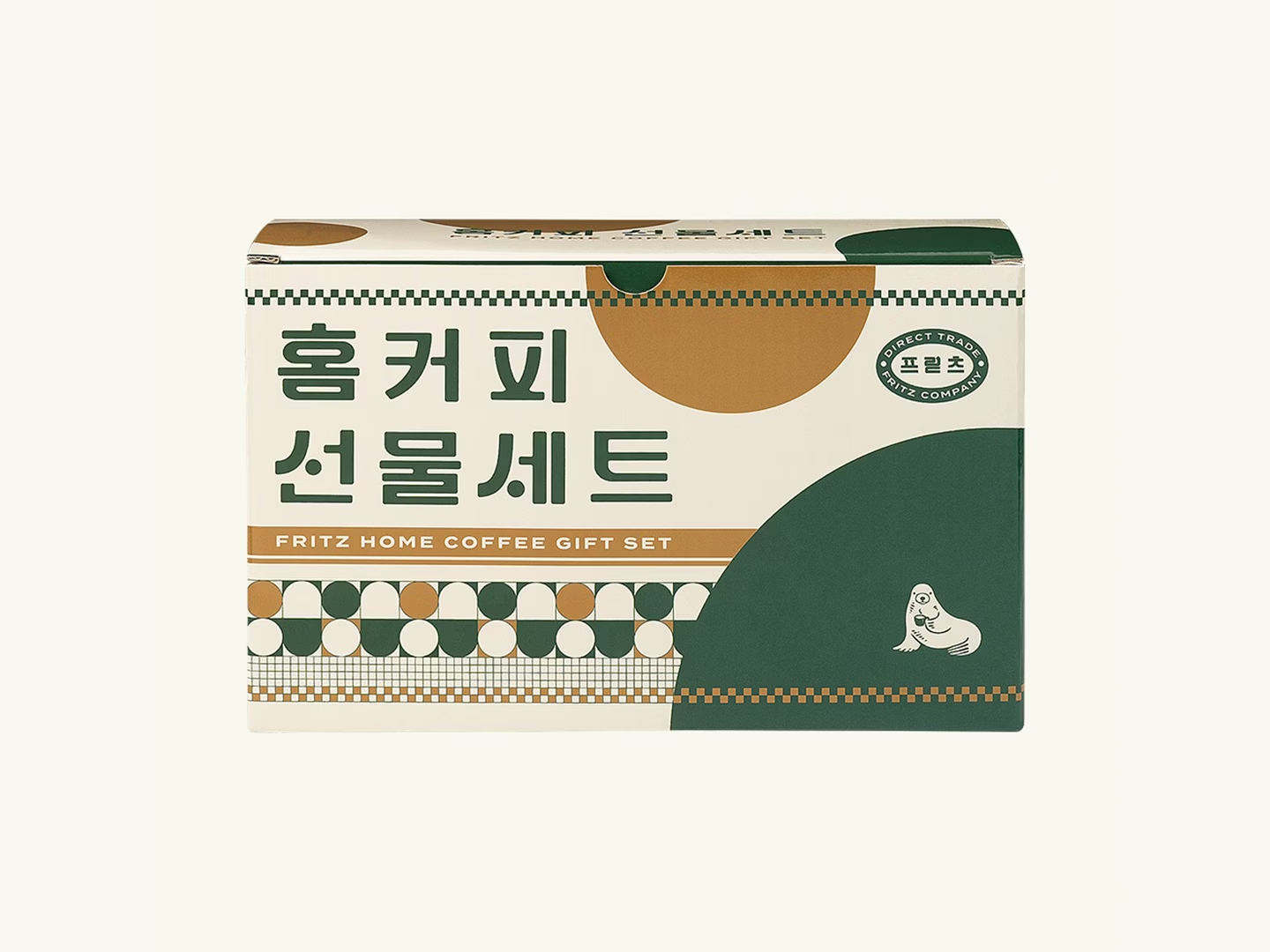
4. Fritz Coffee Company
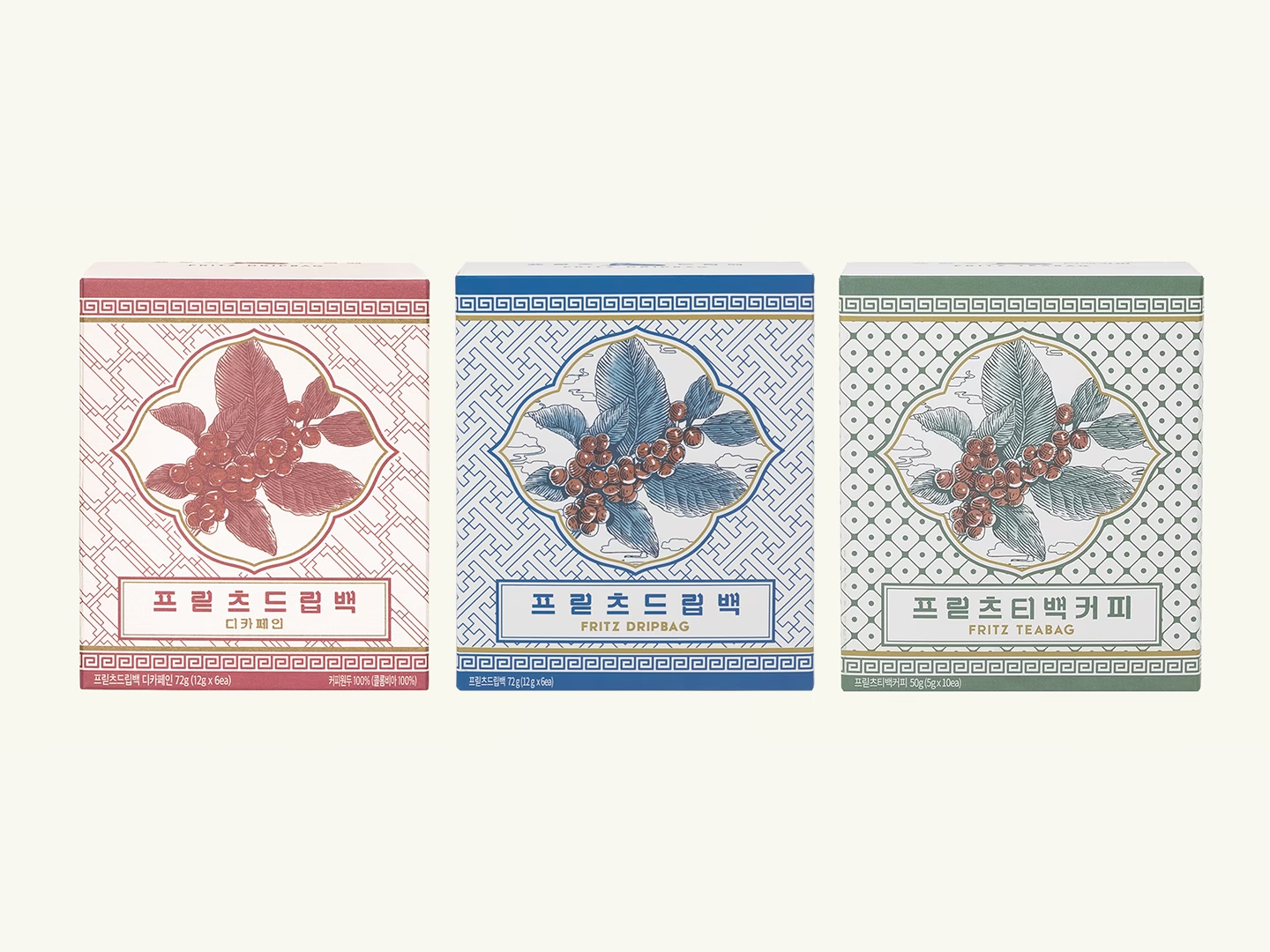
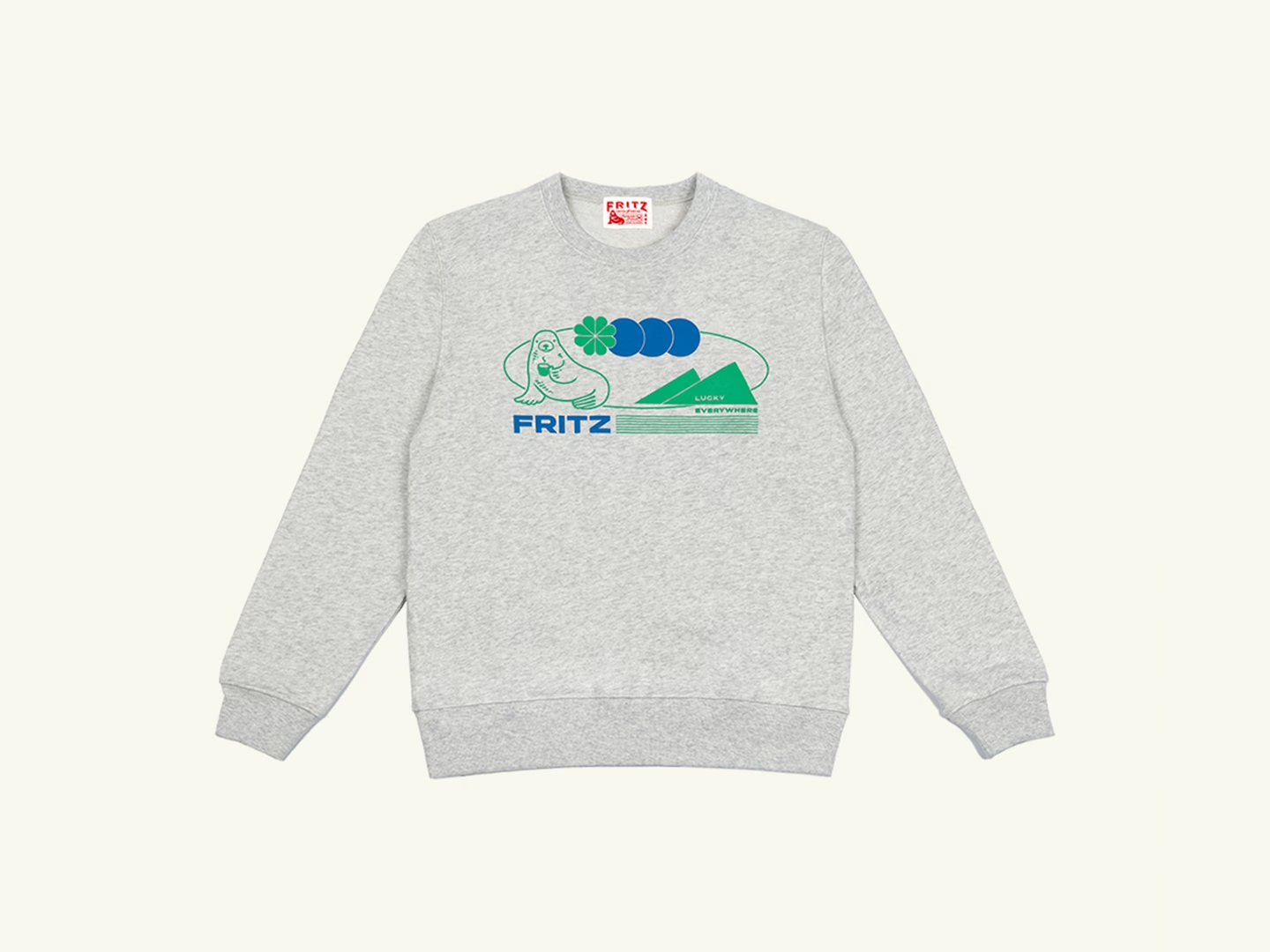
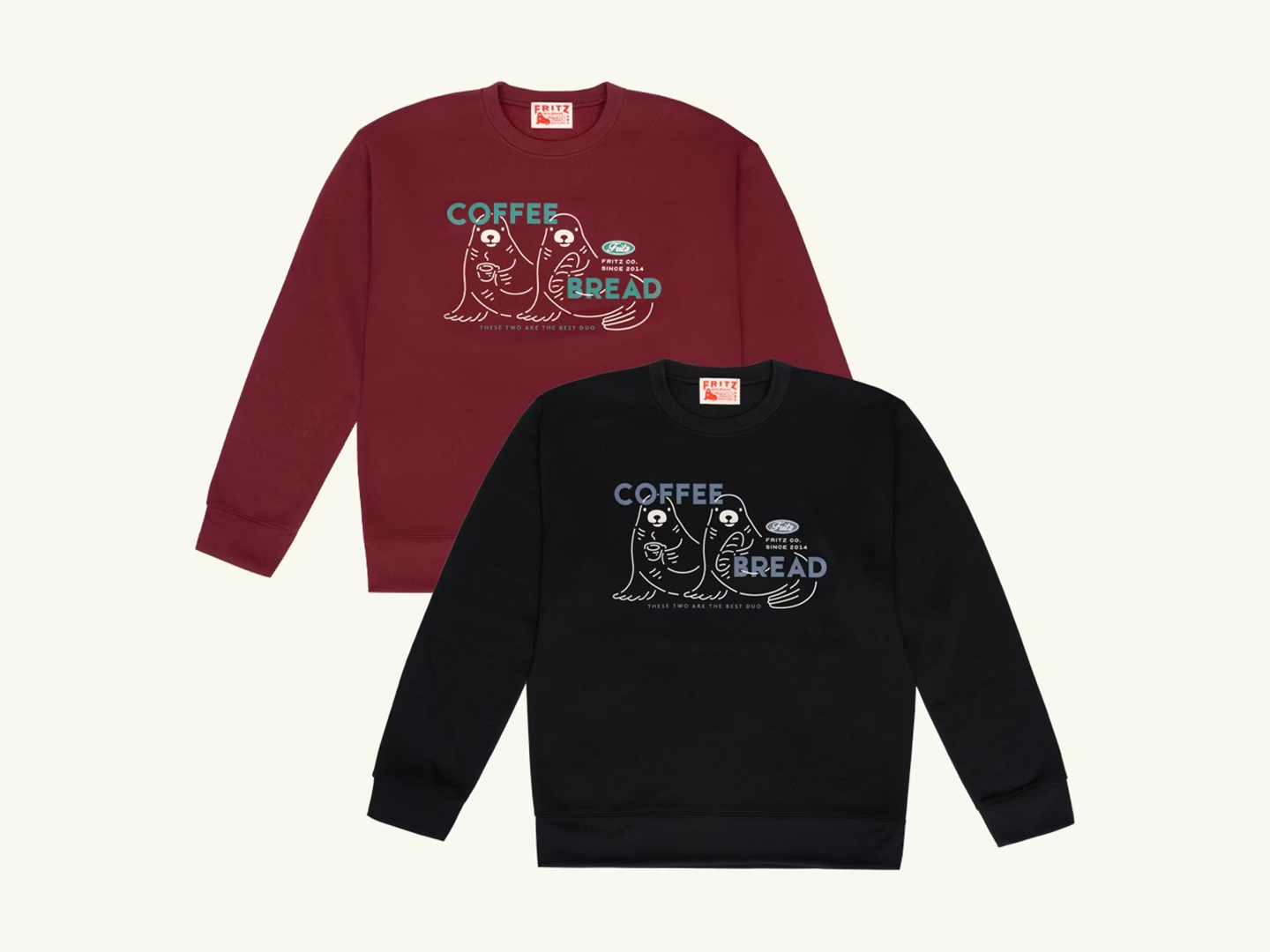
A retro seal mascot provides the continuity at Fritz Coffee Company. The character appears across packaging, interiors, and apparel, including graphic tees and sweatshirts sold through official channels. Established in Seoul in 2014, the brand operates as a café, roaster, bakery, and merchandise platform unified by that illustrated system. Rather than introducing new visual identities seasonally, Fritz repeats and reinforces the same character across formats, building recognition through consistency.
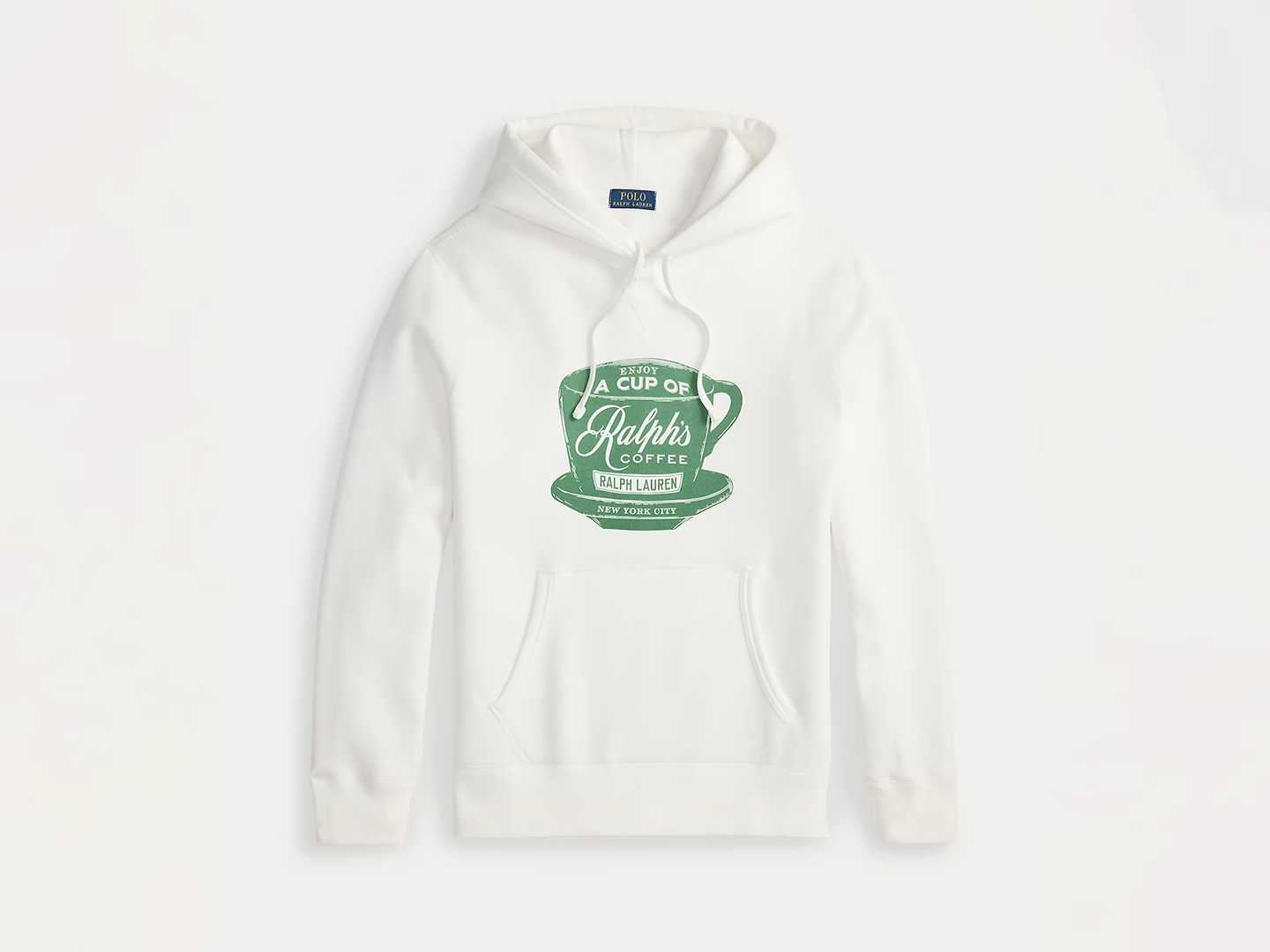
5. Ralph’s Coffee
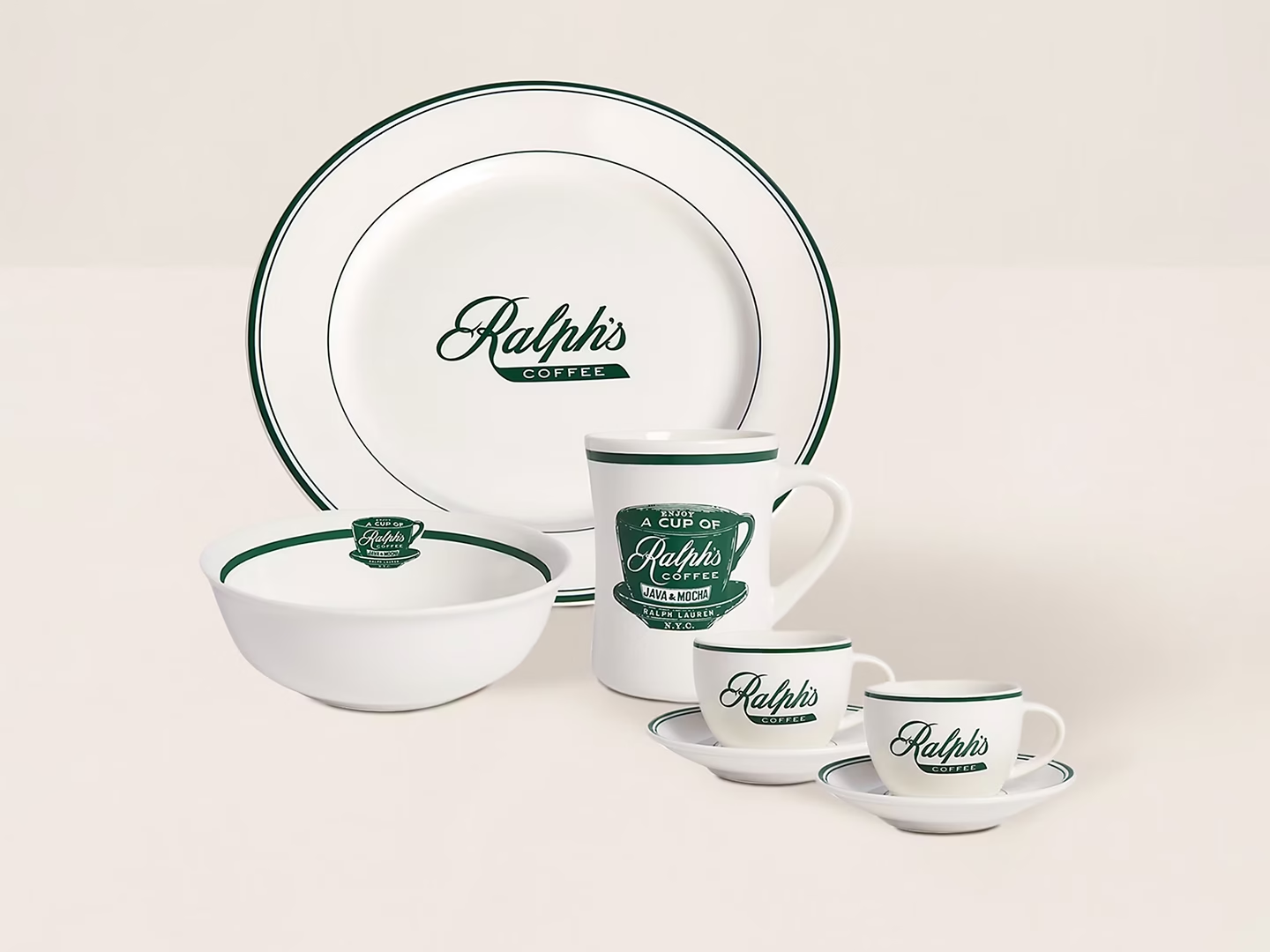
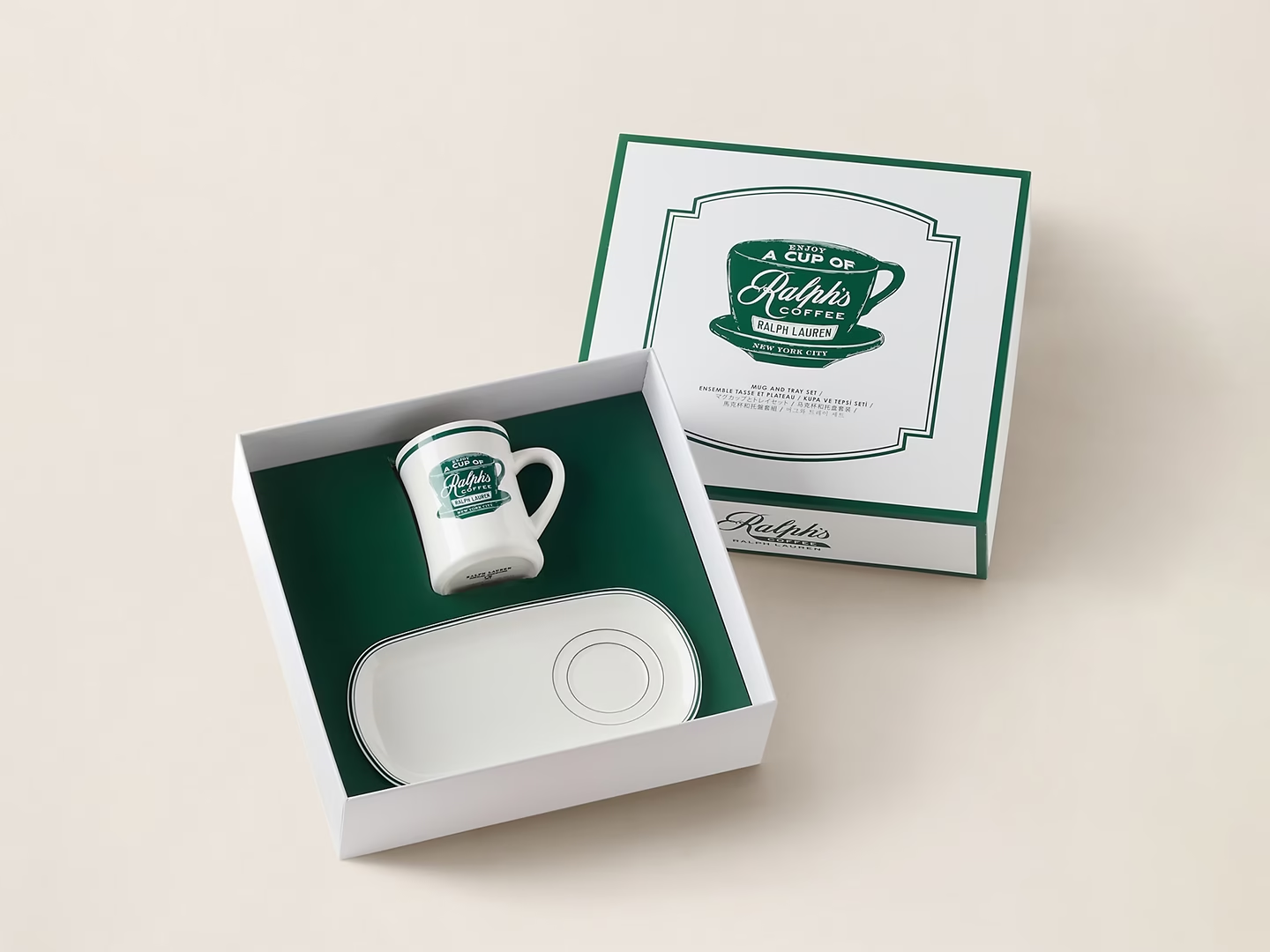
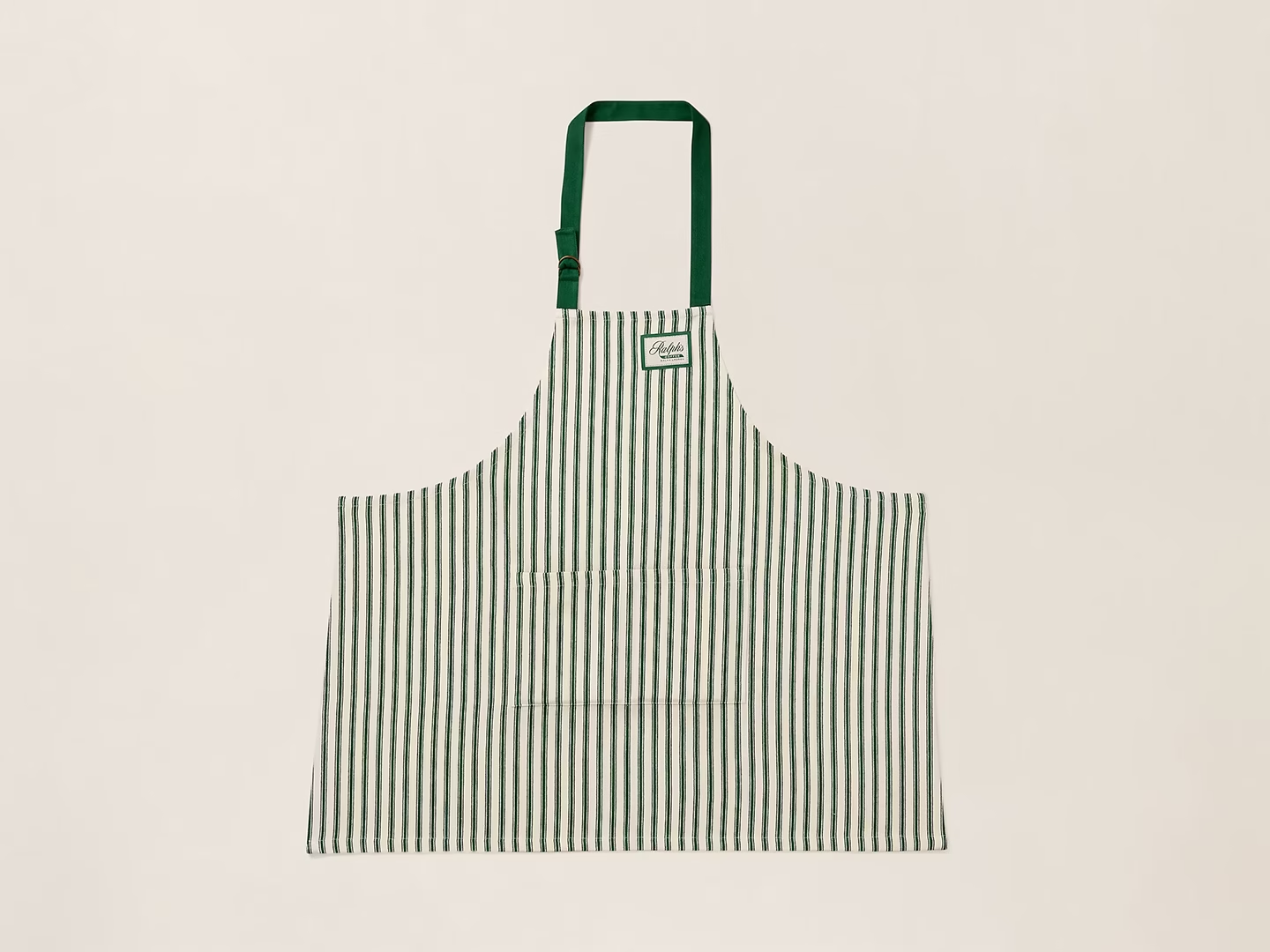
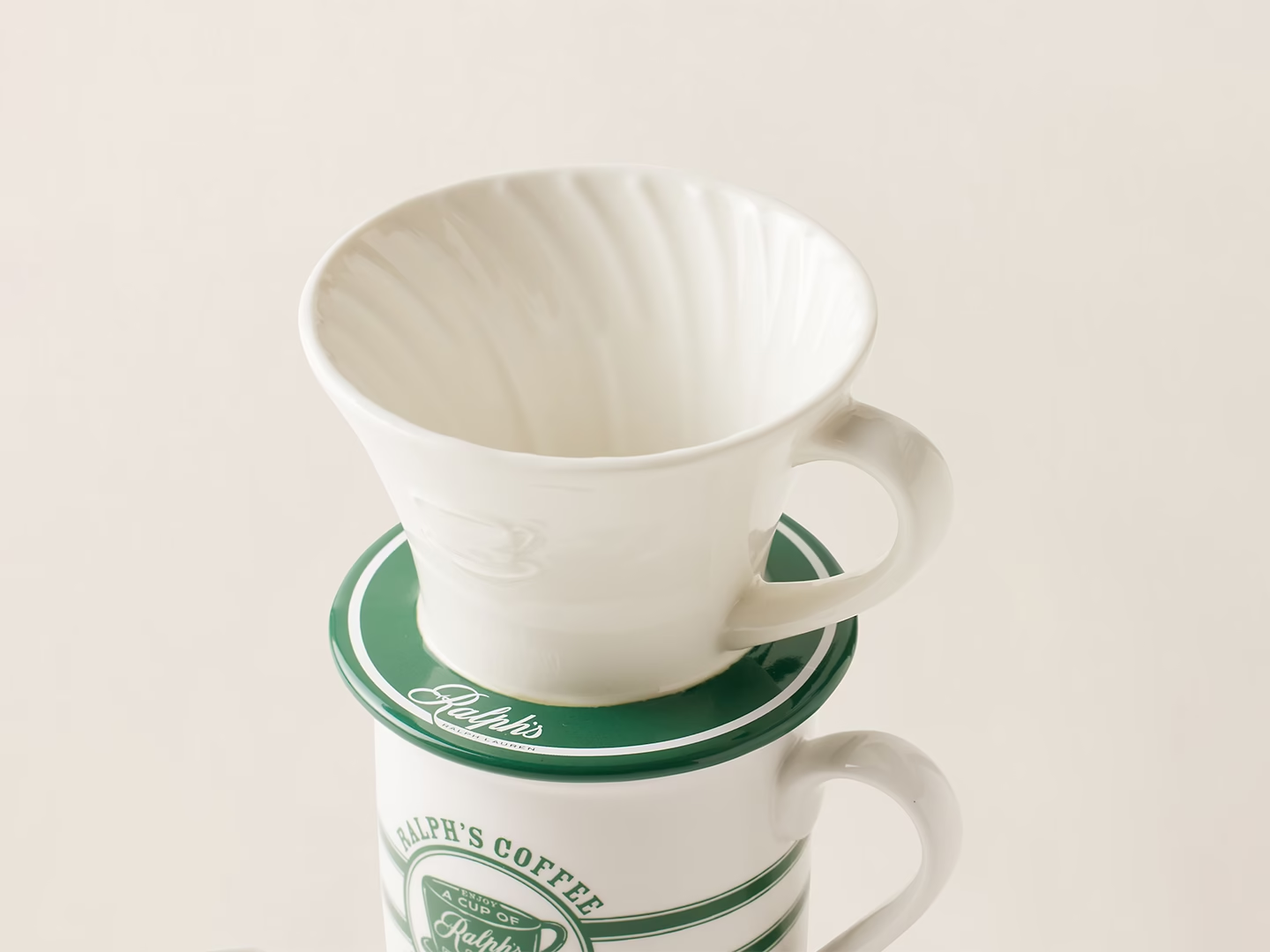
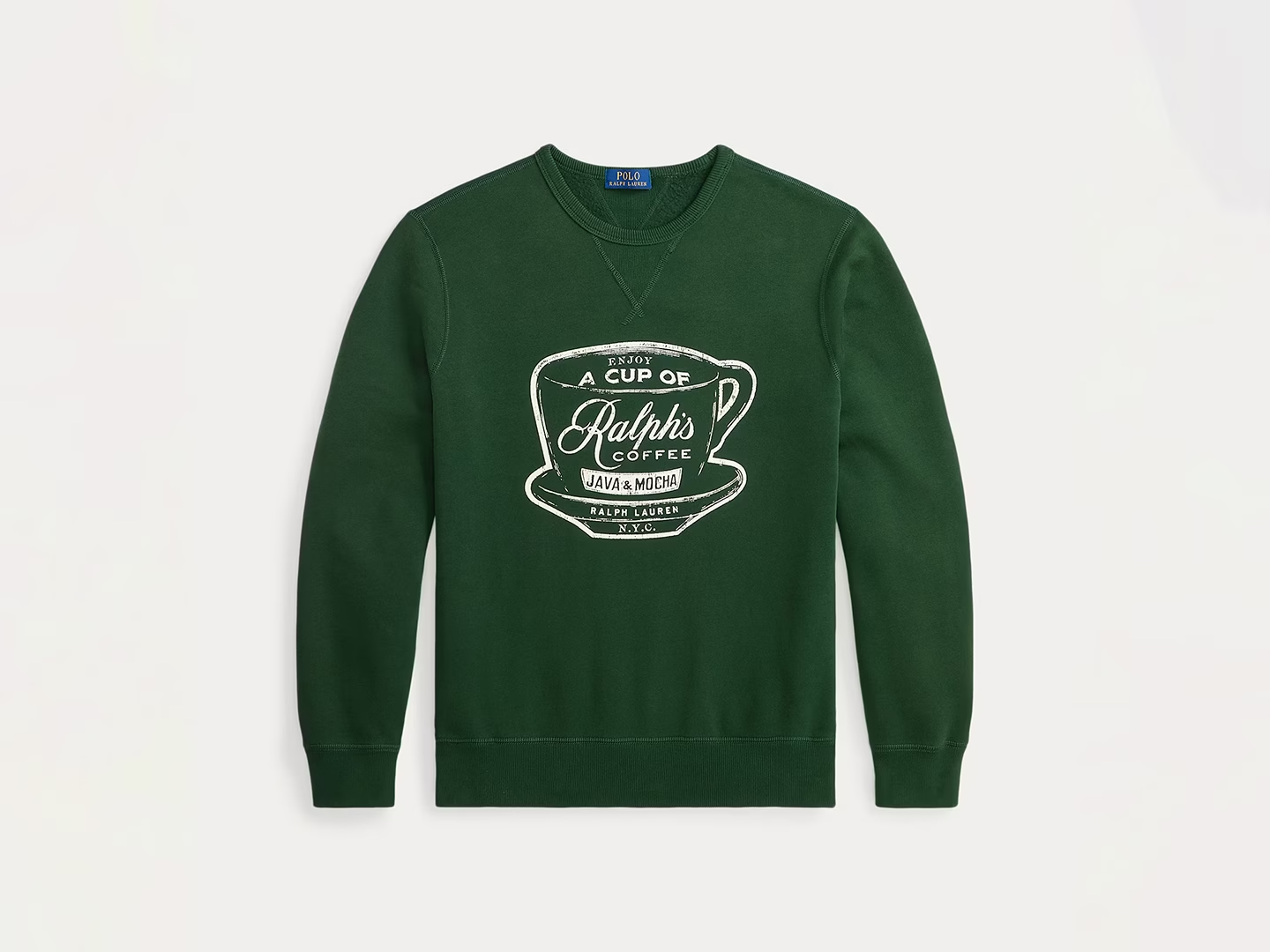
At Ralph’s Coffee, the direction of influence runs differently. Introduced in 2014 within the Ralph Lauren ecosystem, the café extends an existing fashion identity rather than constructing one from coffee outward. Packaged coffee roasted by La Colombe sits alongside hoodies, mugs, and other lifestyle goods defined by Polo iconography and preppy Americana. Here, coffee functions as one category within a broader global retail universe, not the foundation of it.