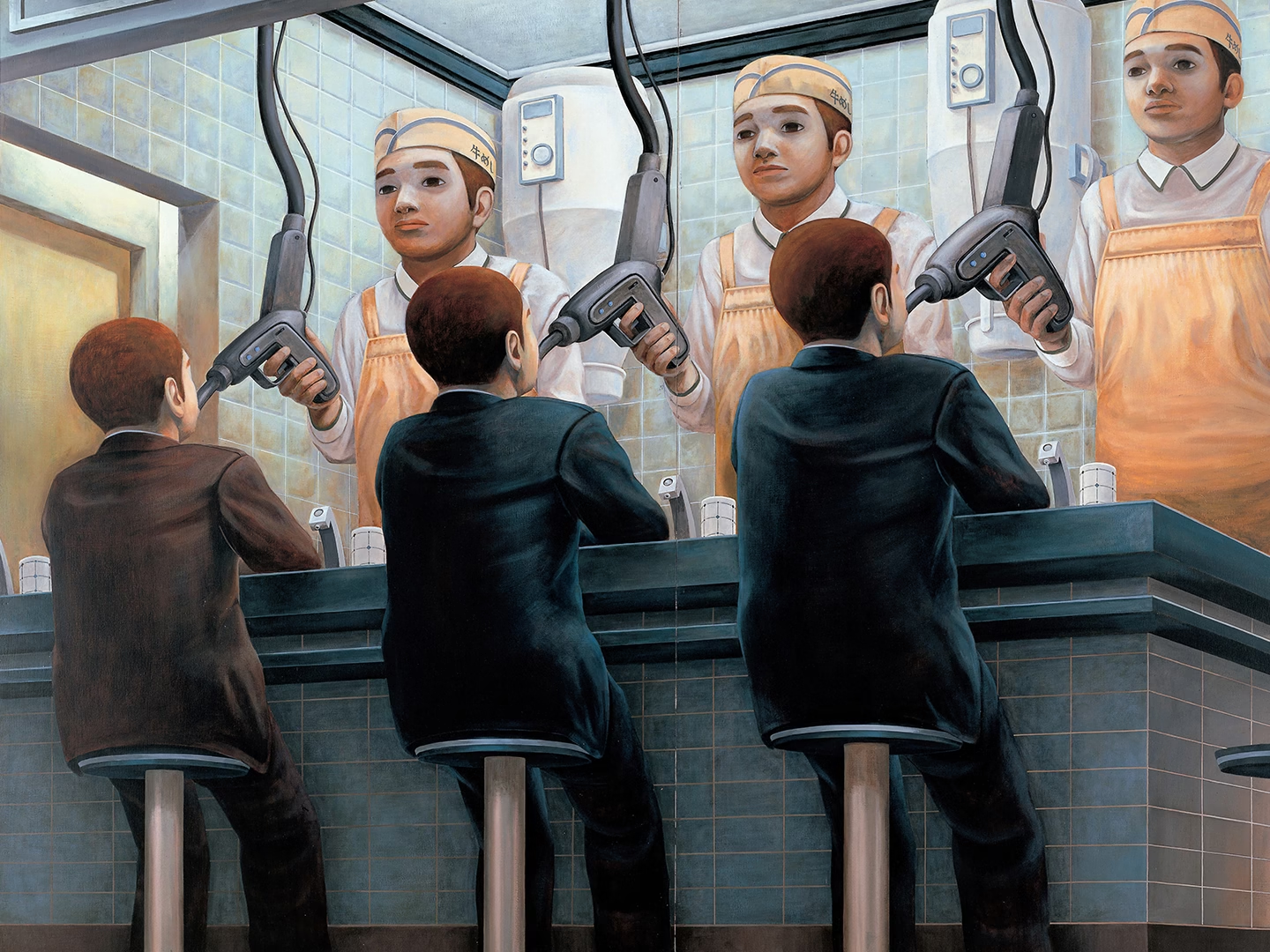
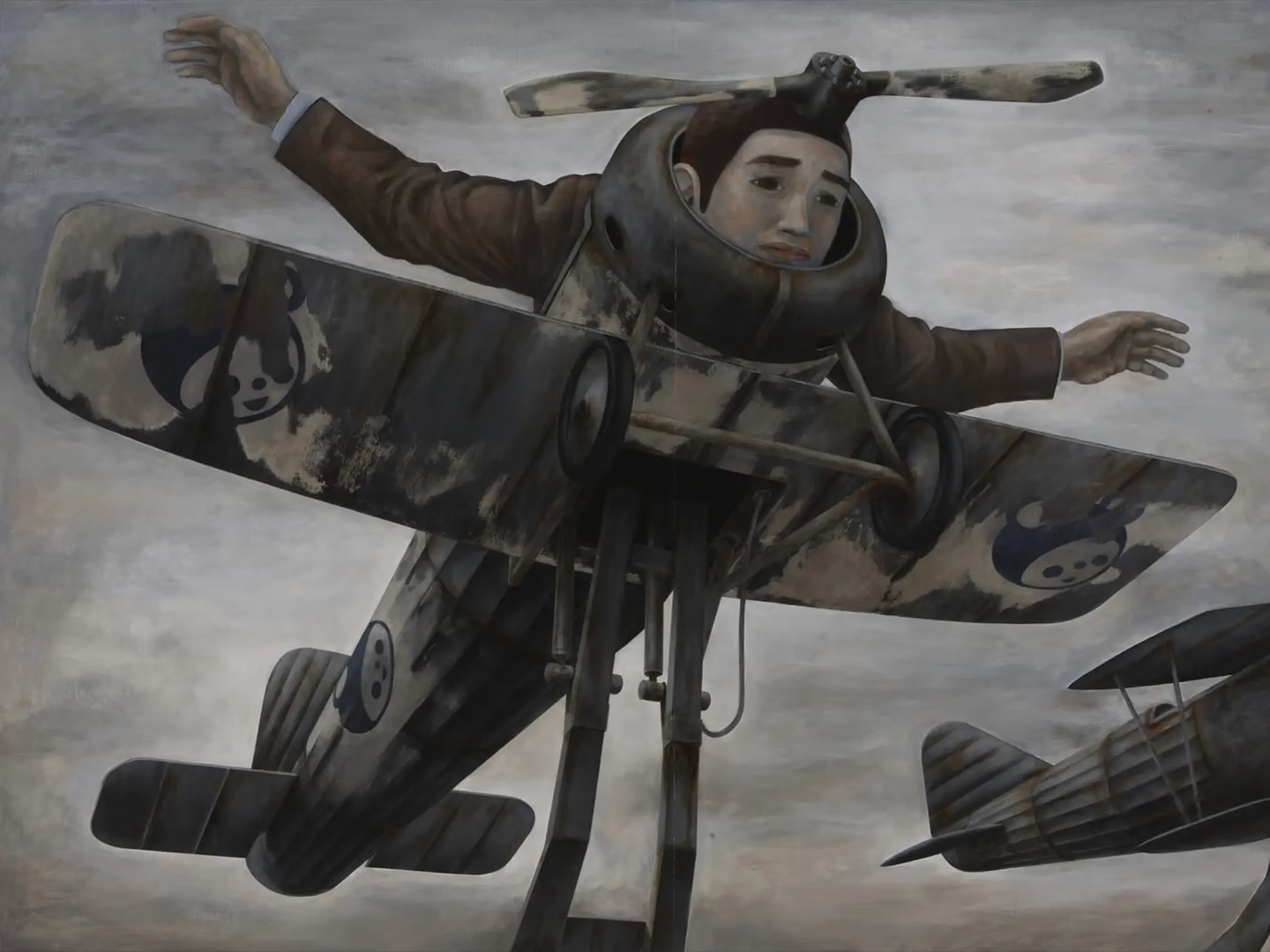
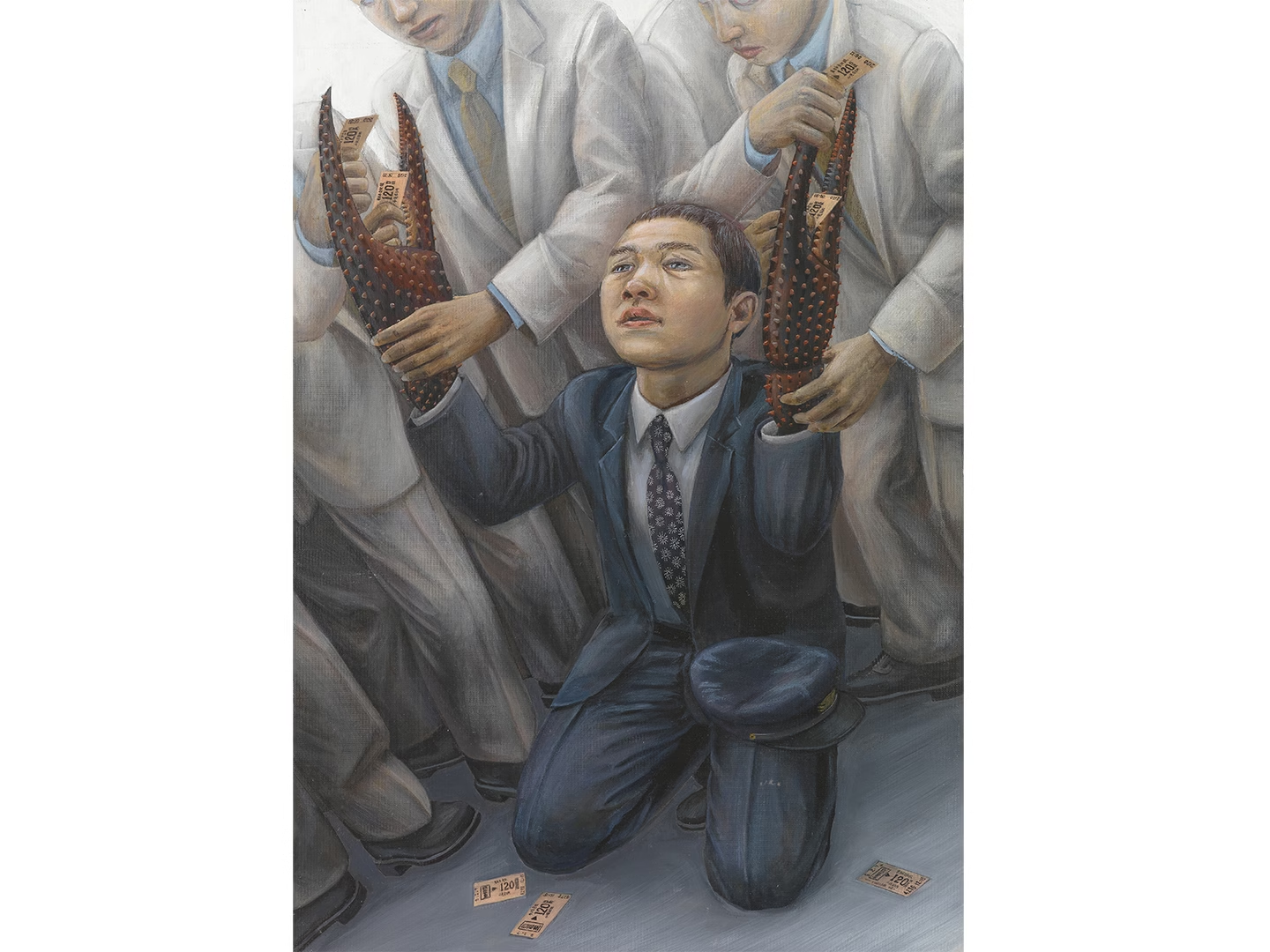
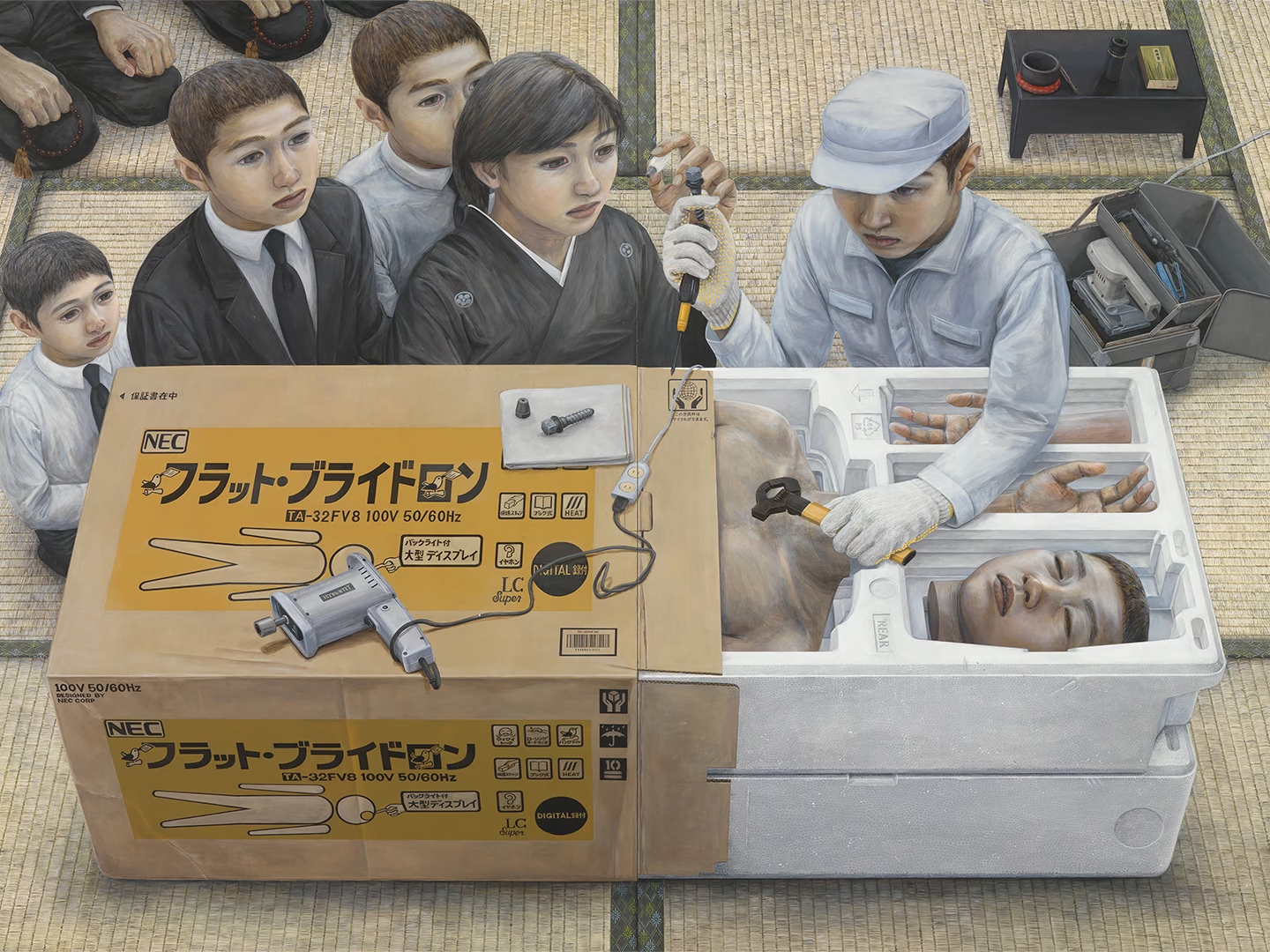
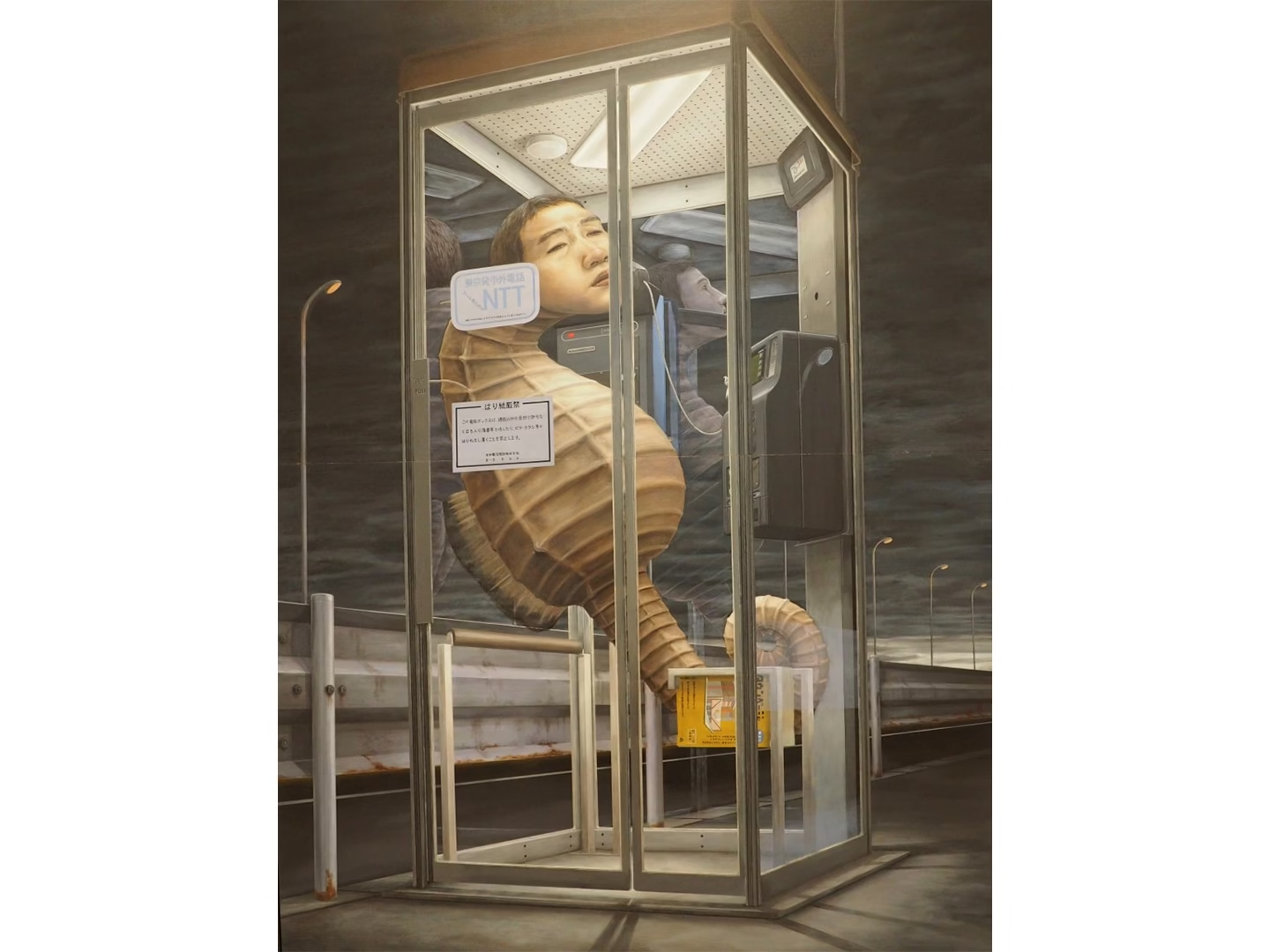
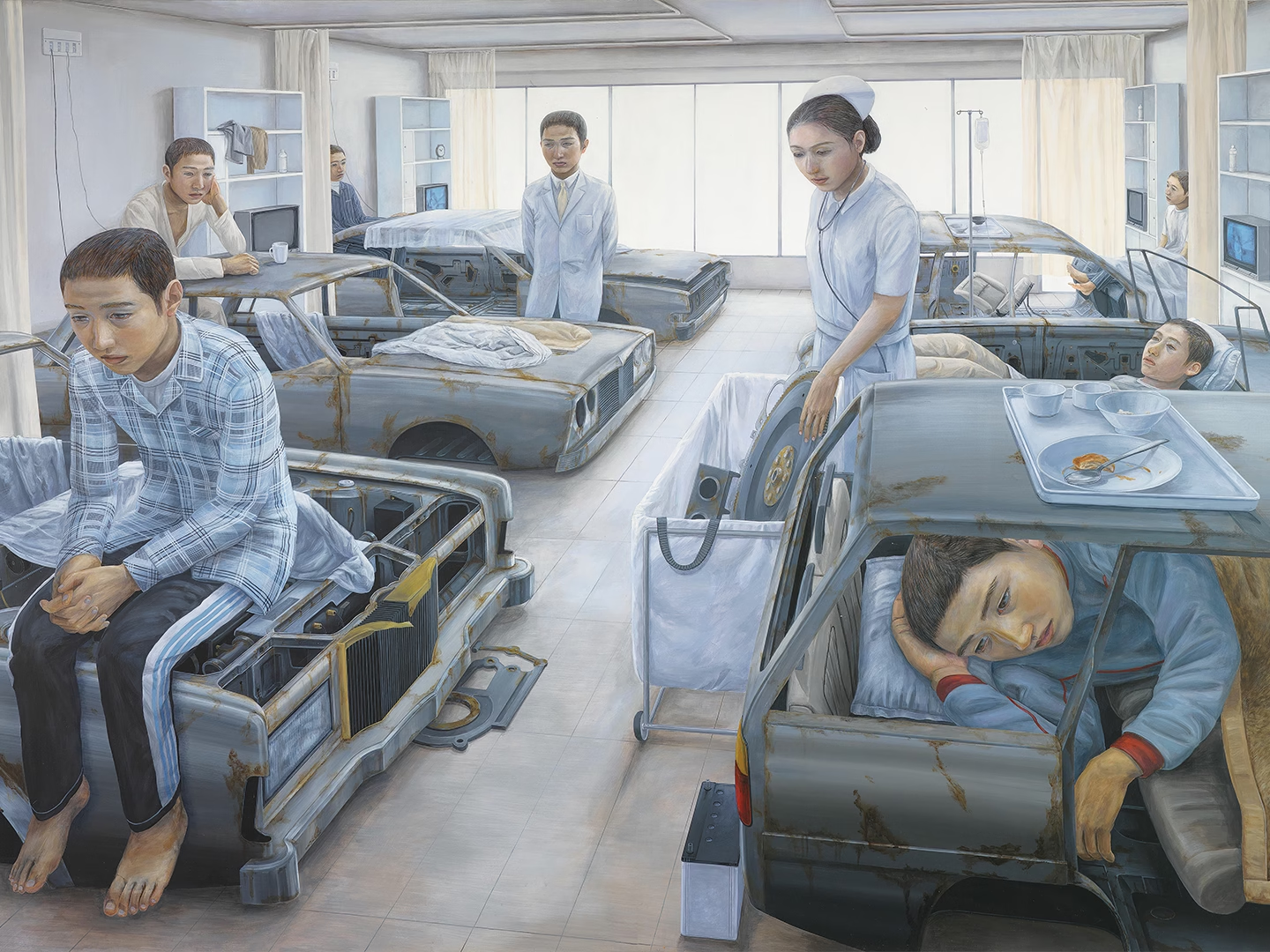
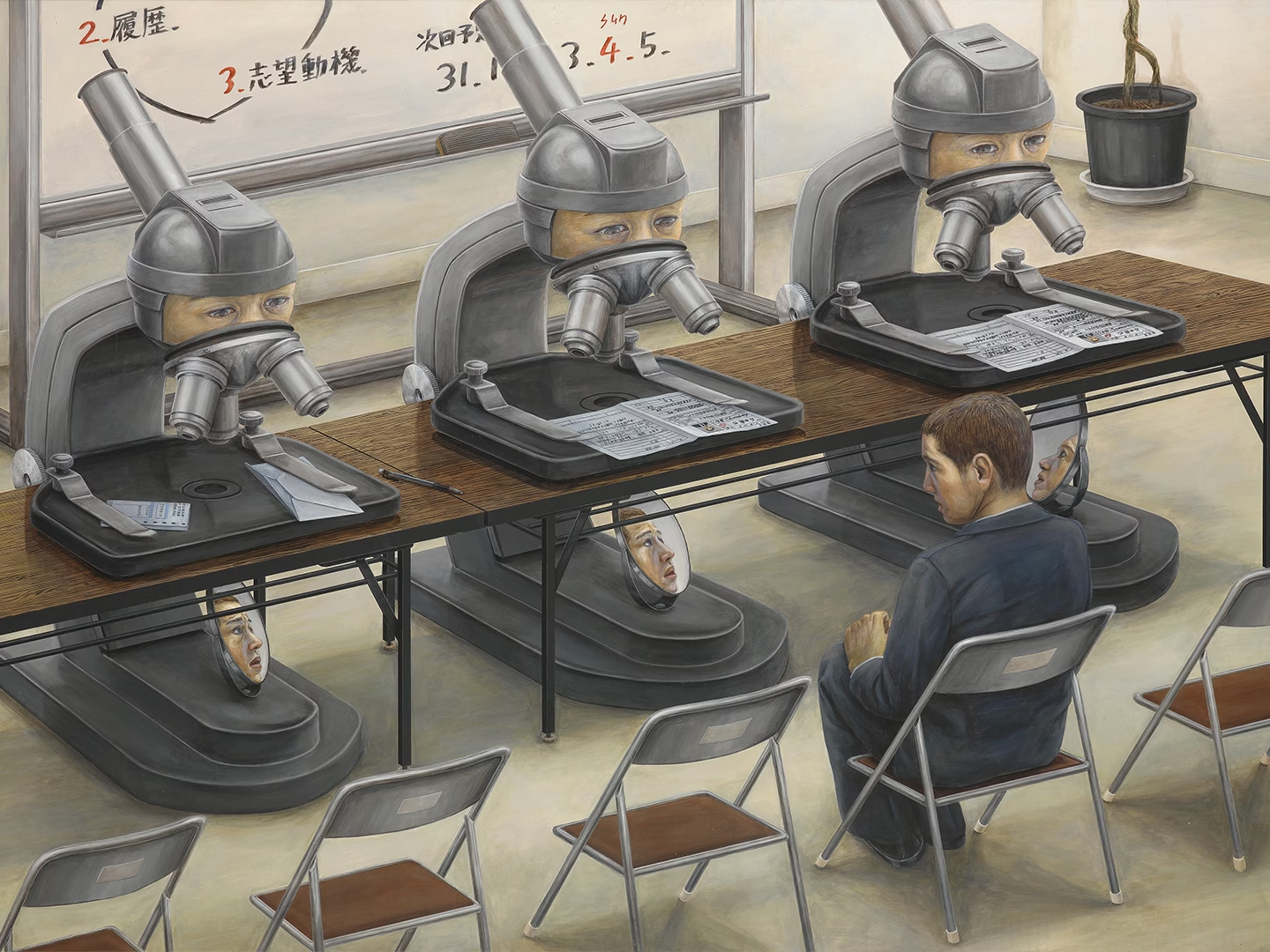
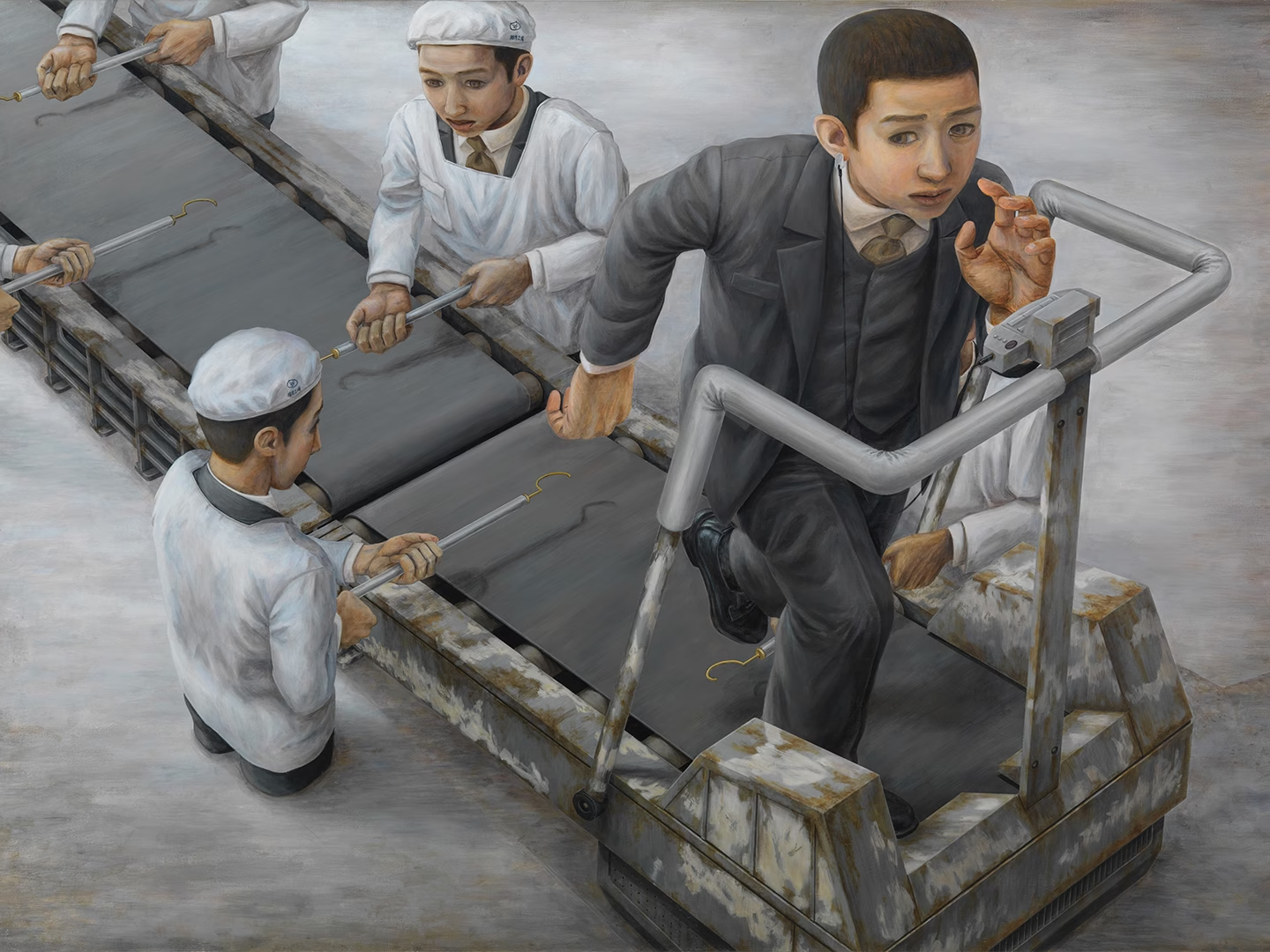
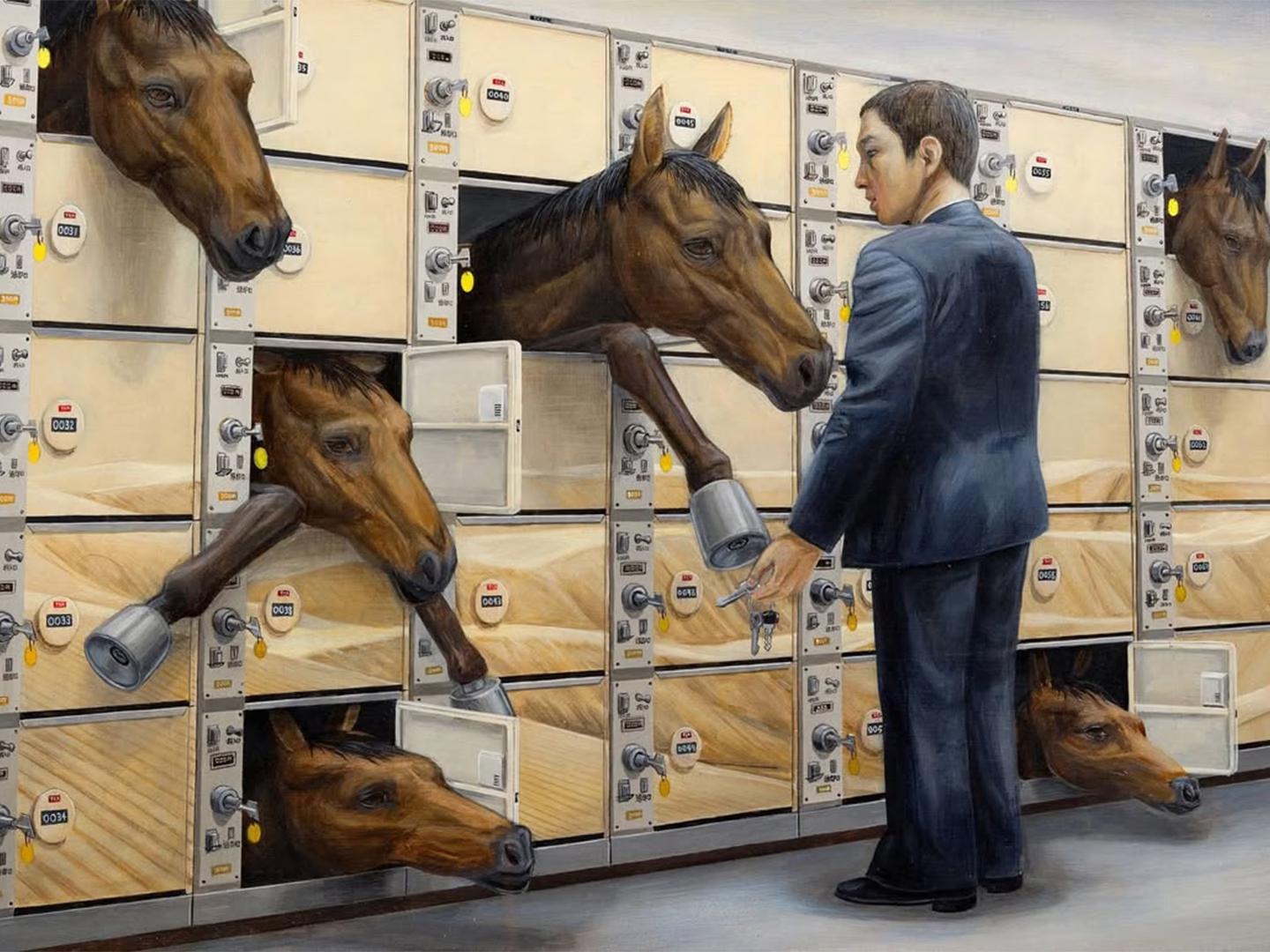
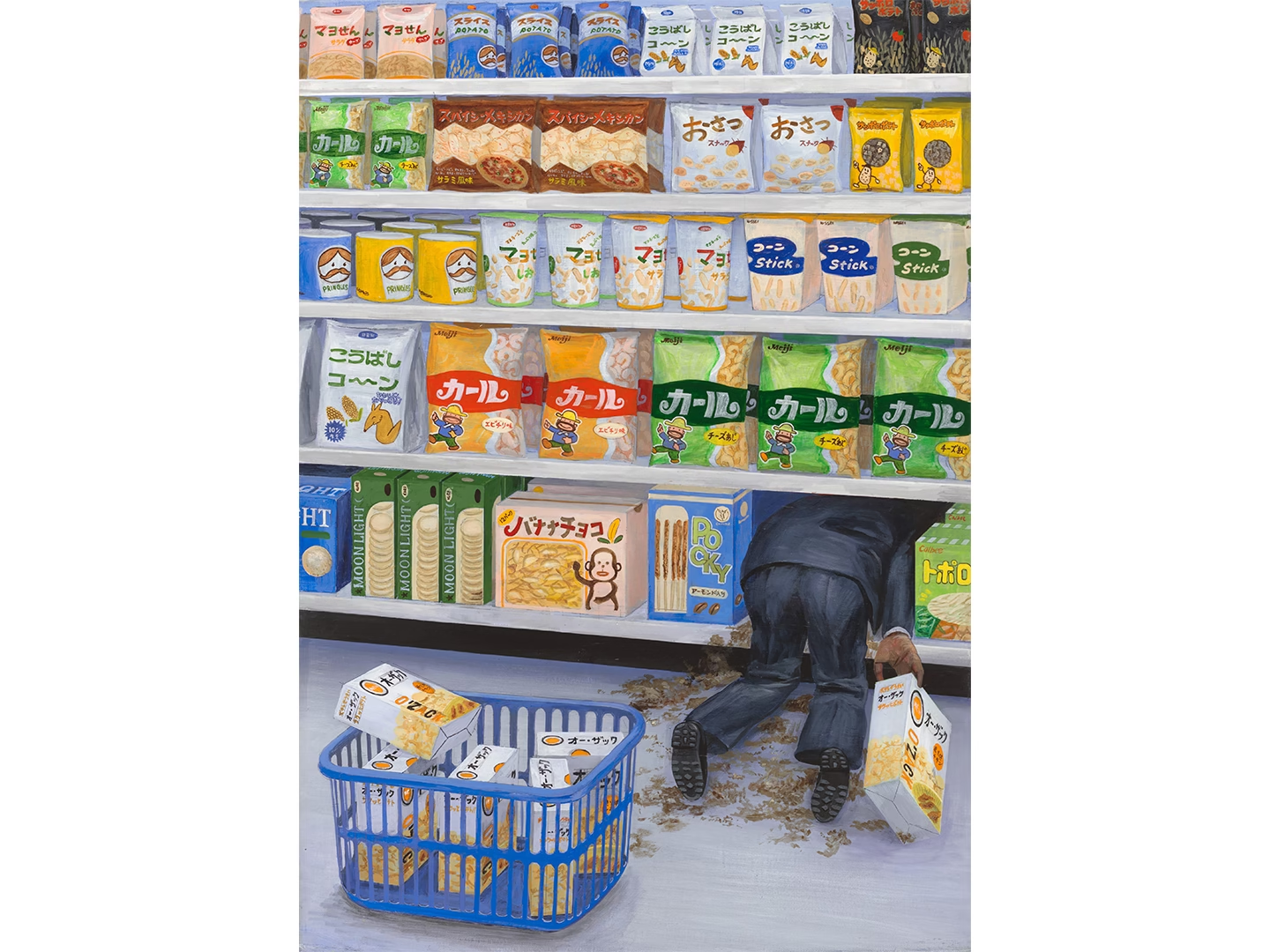
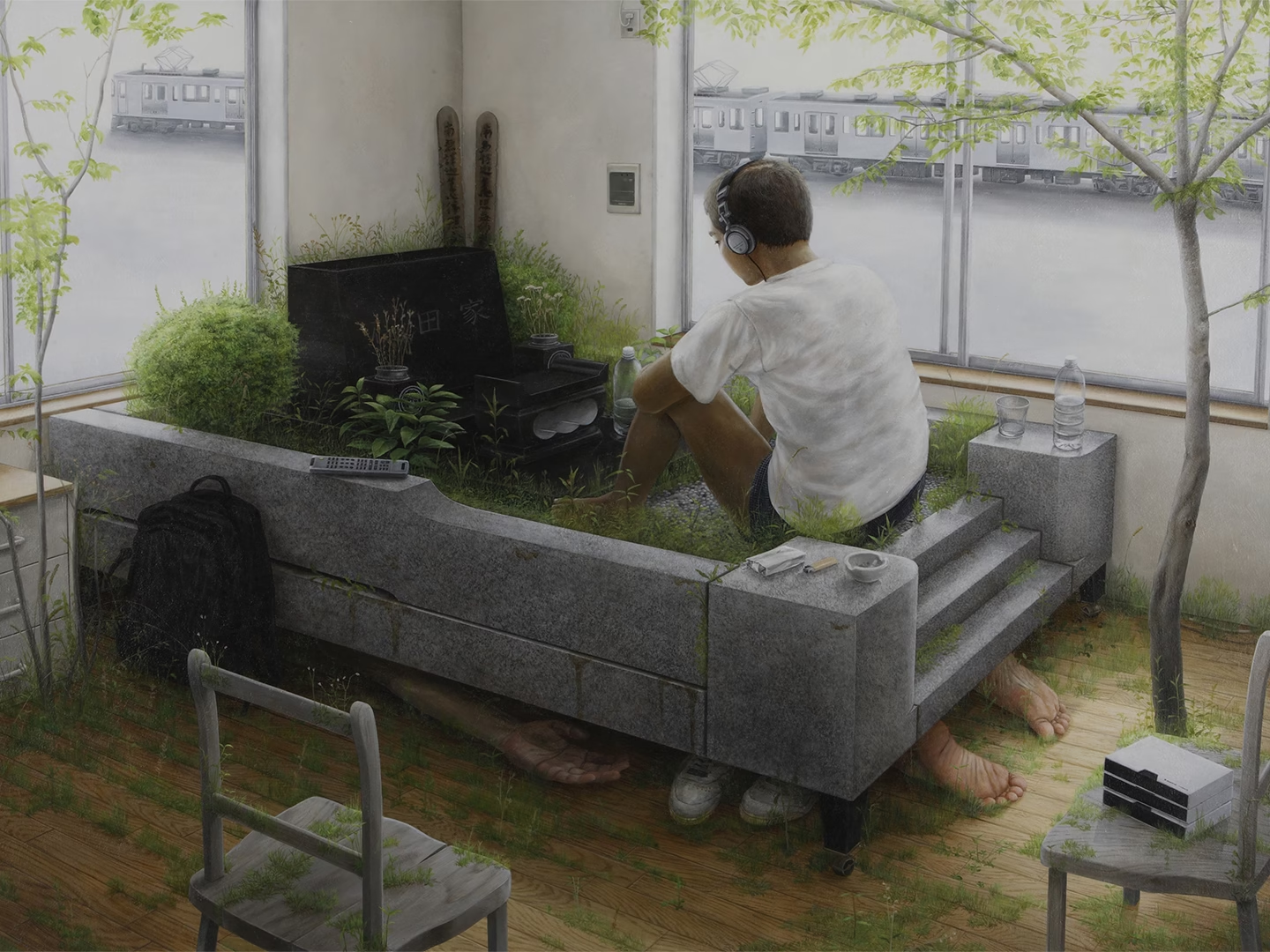
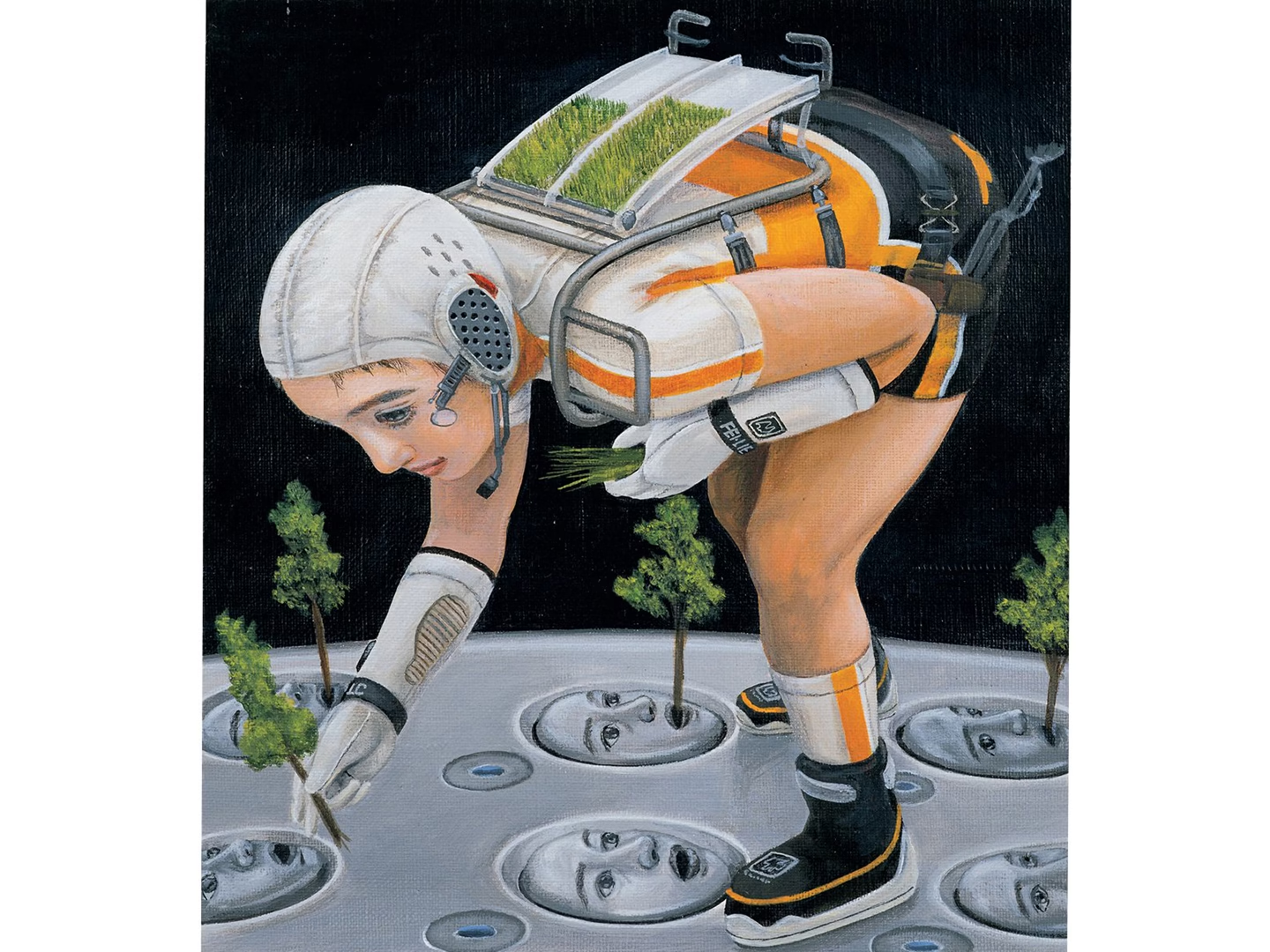
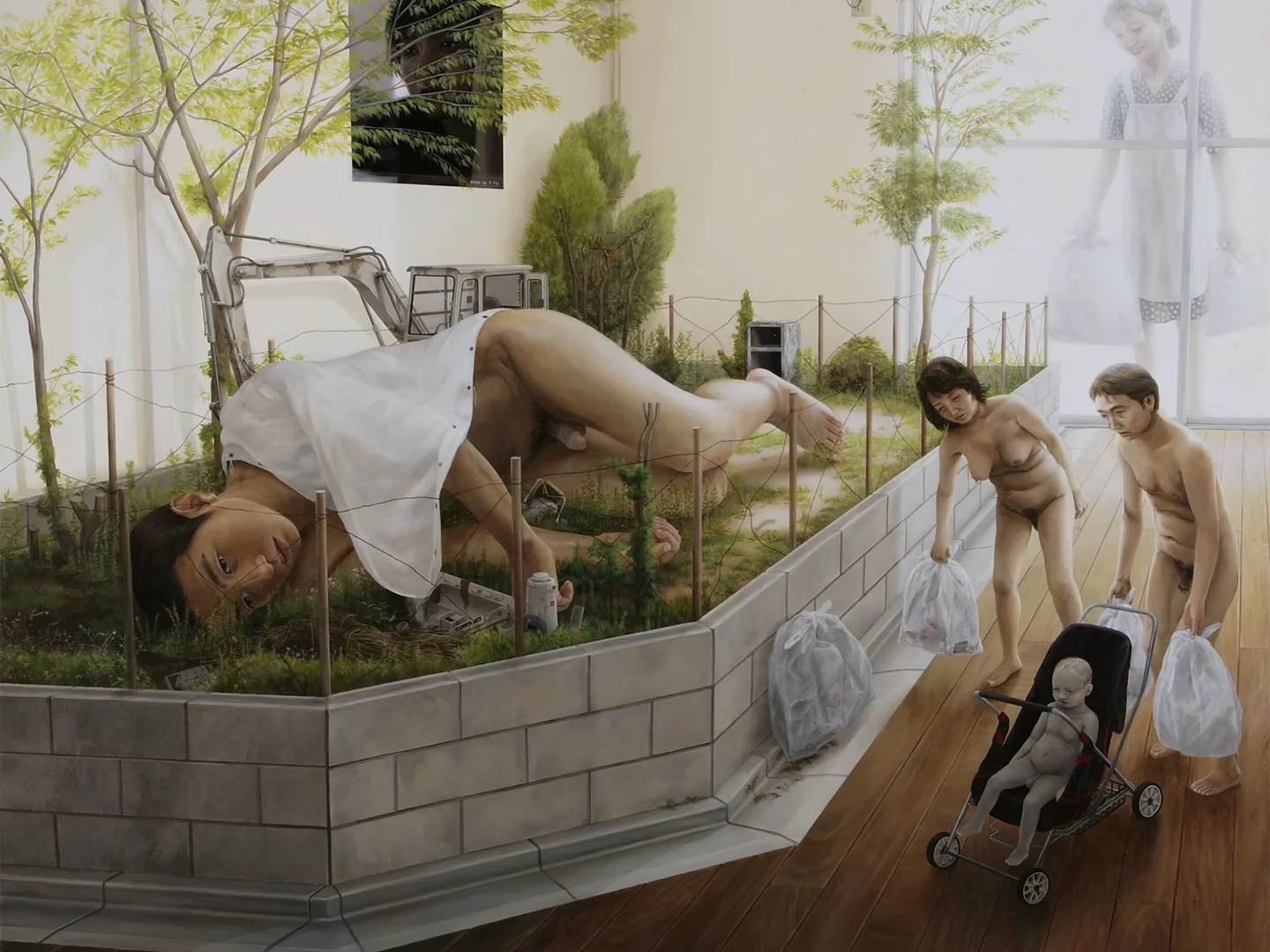
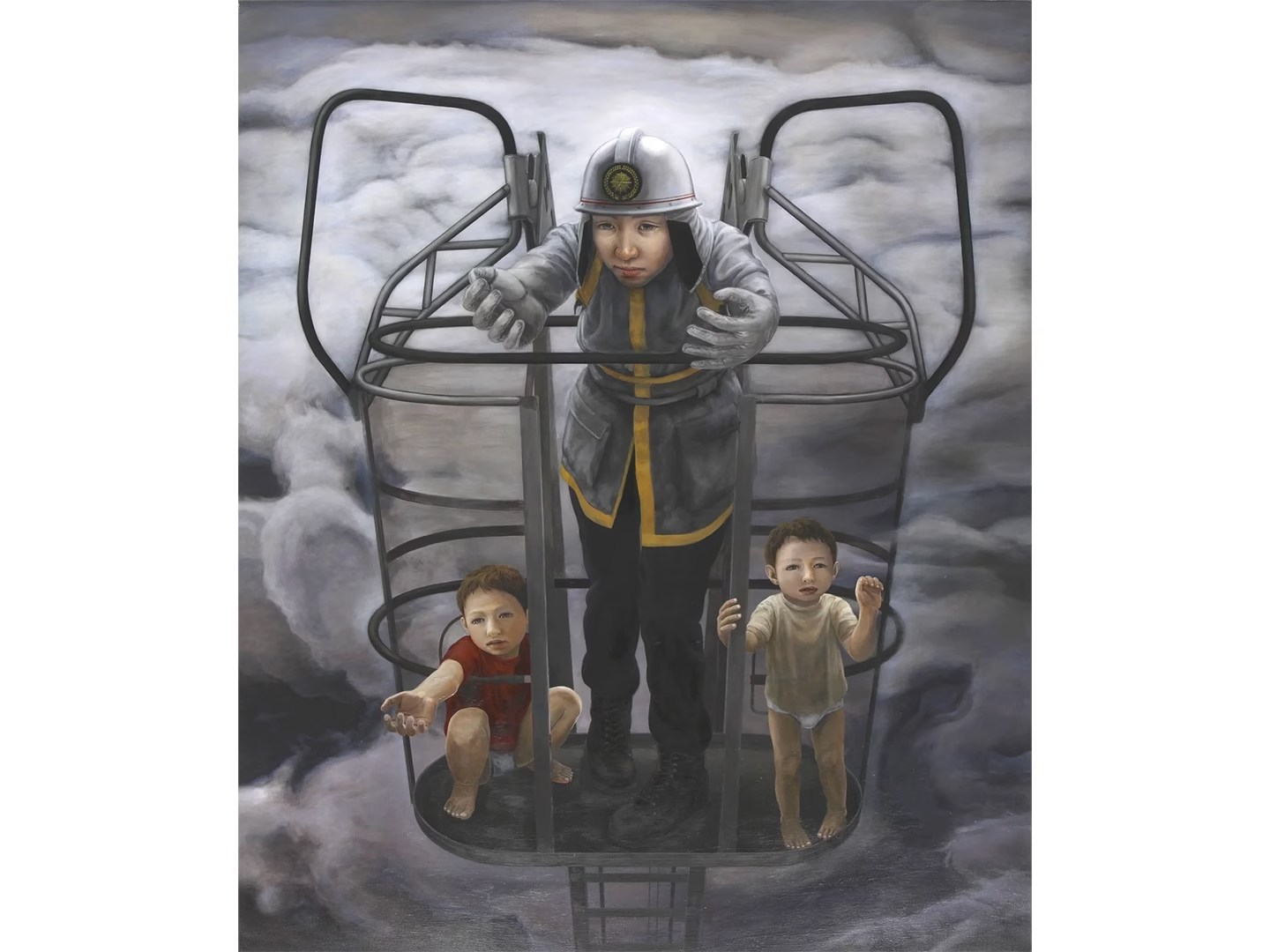
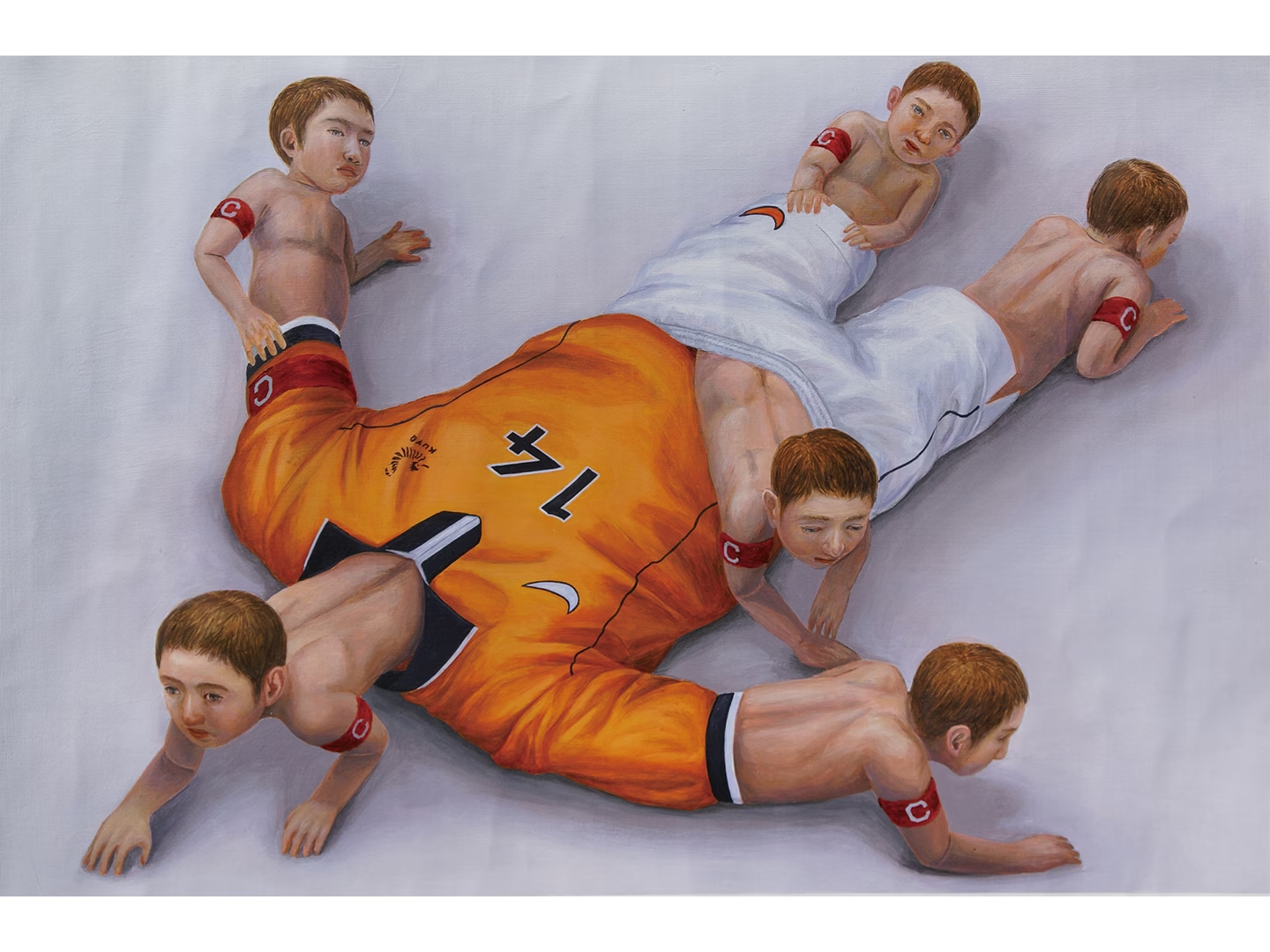
Tetsuya Ishida (1973–2005) was born in Yaizu, Shizuoka Prefecture, and graduated from Musashino Art University in 1996. His painting career spans roughly a decade, from 1994 to 2004, during which he produced about 180 works. He repeatedly used a young male figure modeled on himself, placing the same facial type across offices, factories, supermarkets, apartments, and transport interiors. The paintings are rendered with controlled realism, stable perspective, and detailed architectural construction. In many works, the figure is physically integrated into furniture, machinery, packaging, or structural systems. Ishida kept notebooks to record ideas drawn from daily observation and described his images as grounded in contemporary reality rather than fantasy. He received recognition during his lifetime and exhibited in Japan before his death.
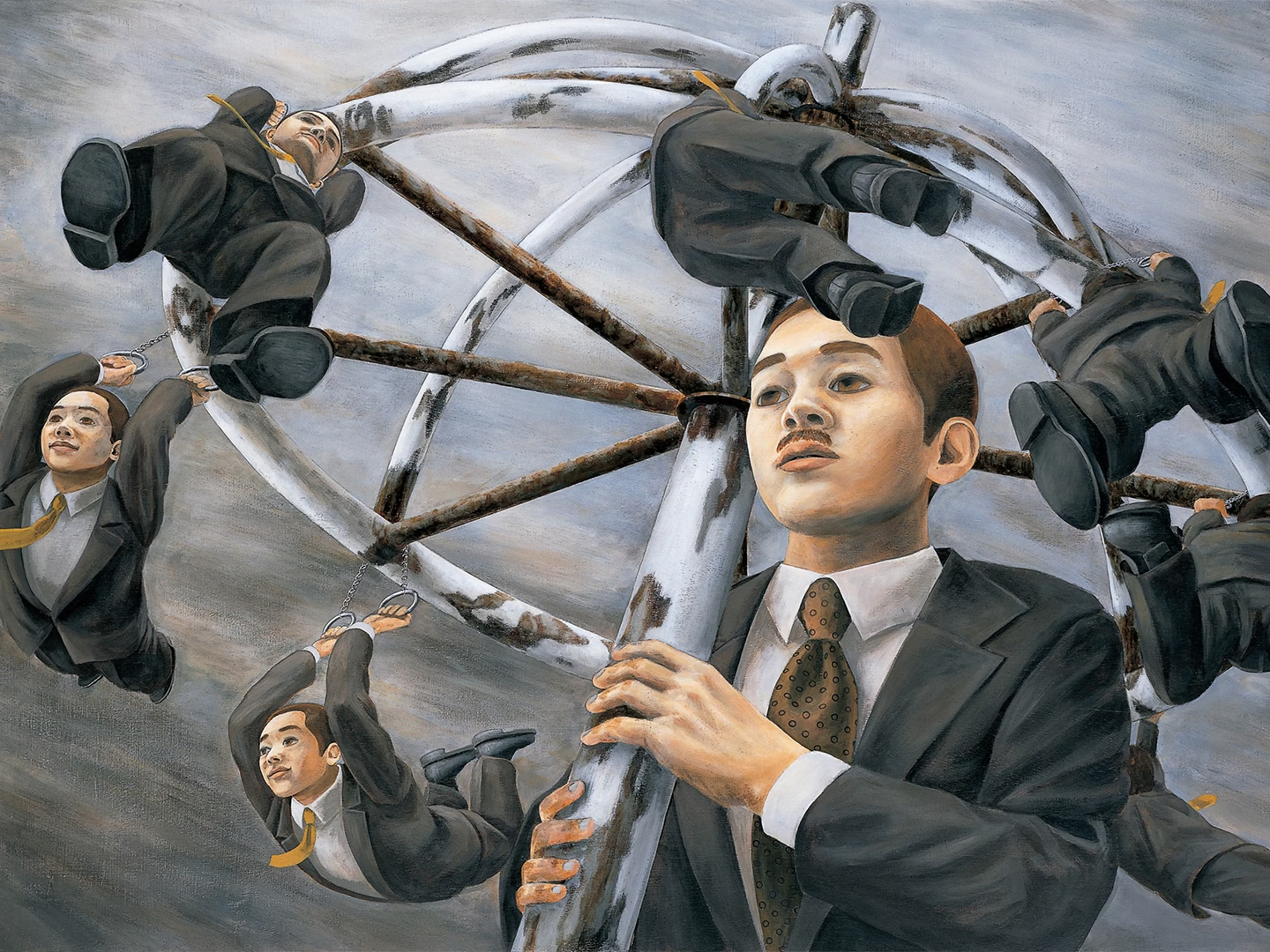
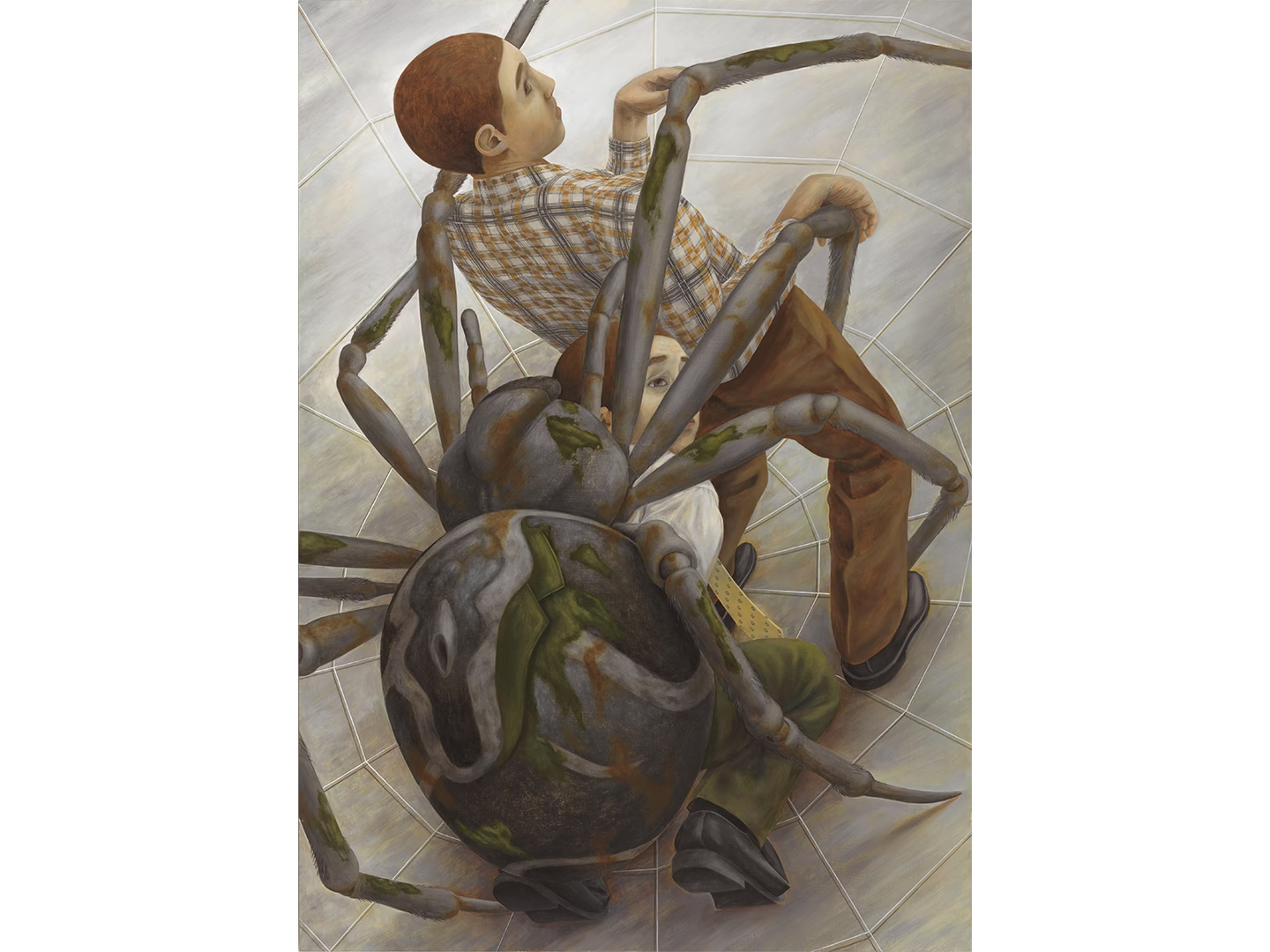
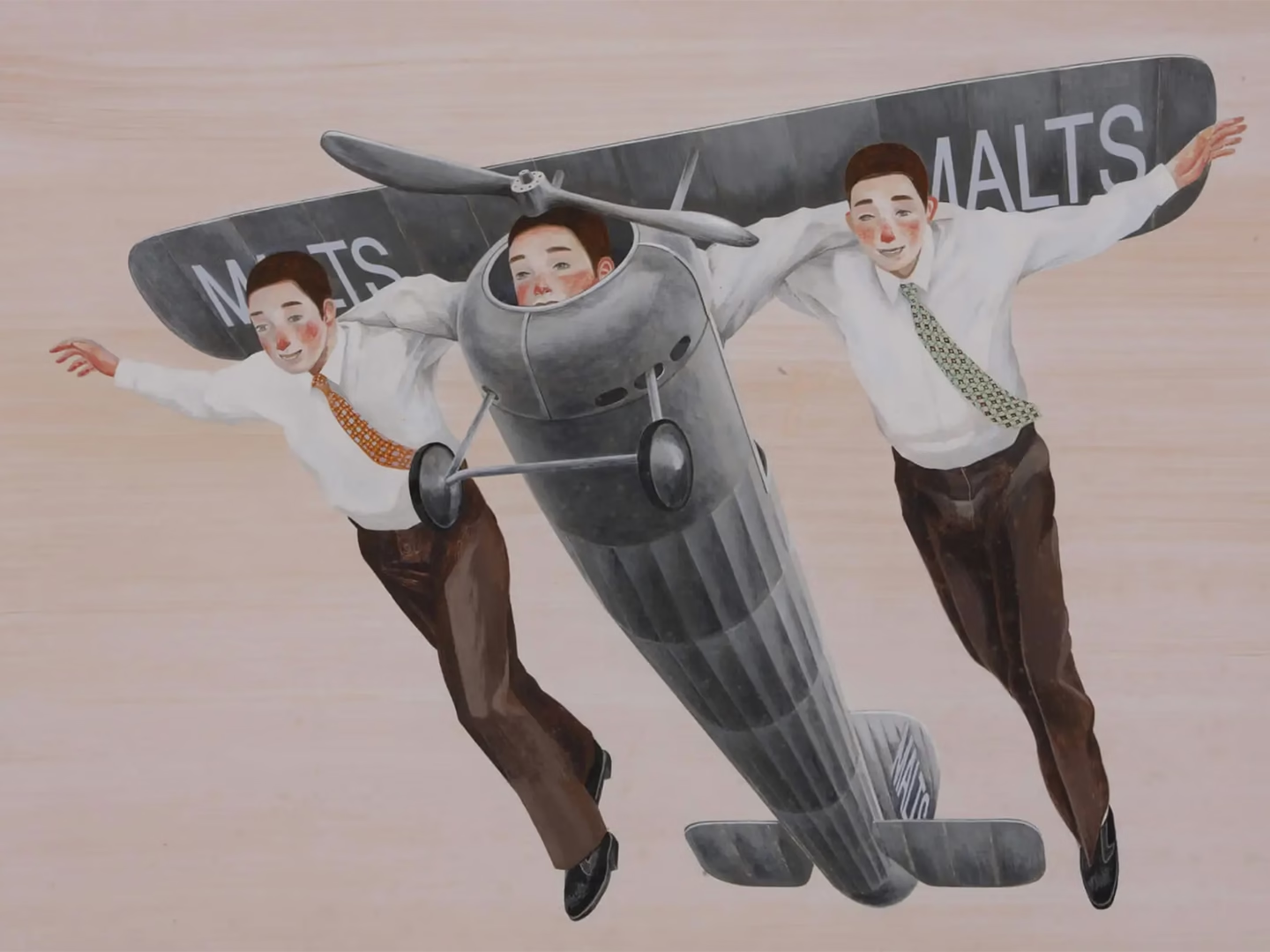
1994–1996
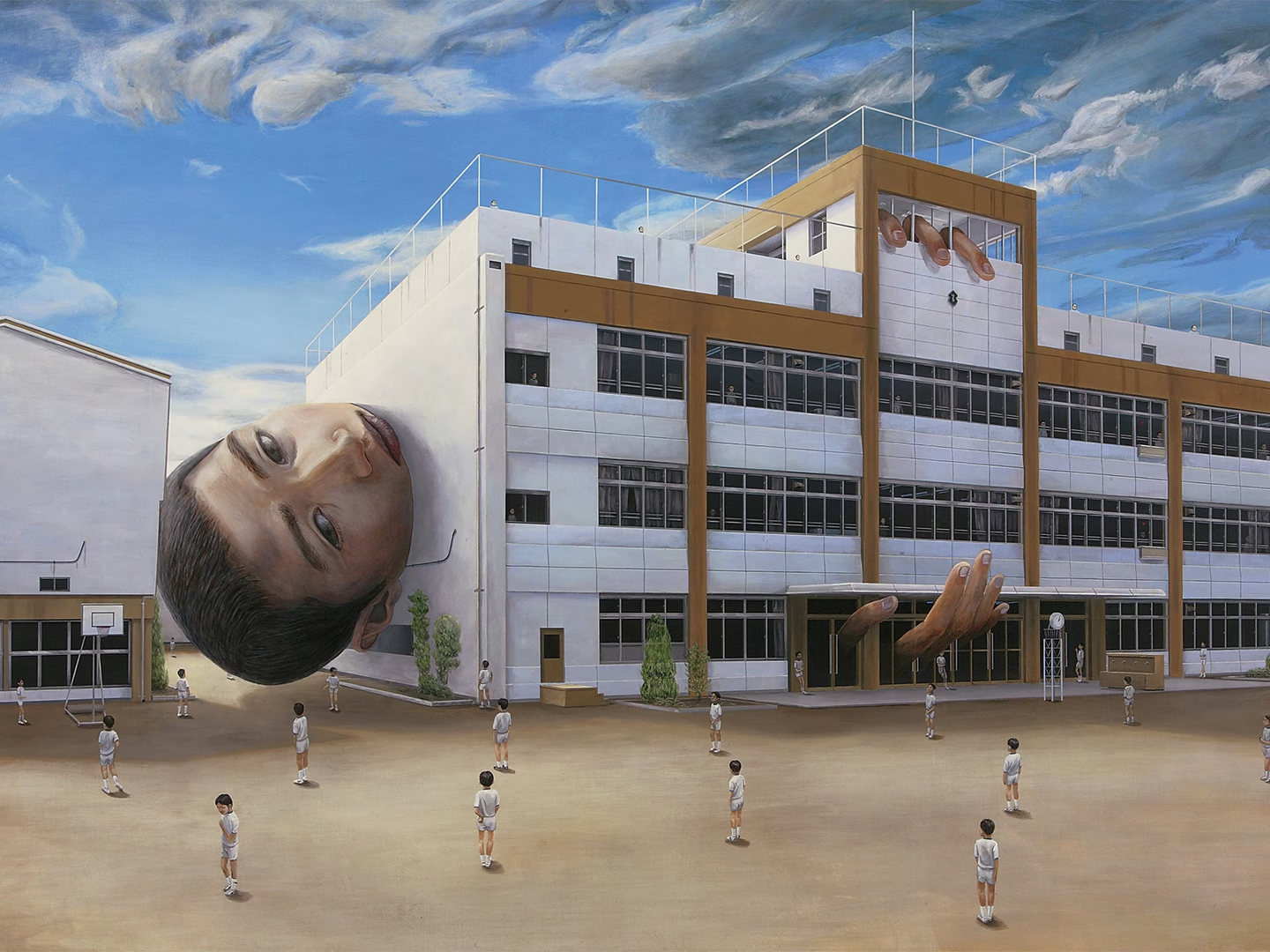
1997–1999
2000–2002
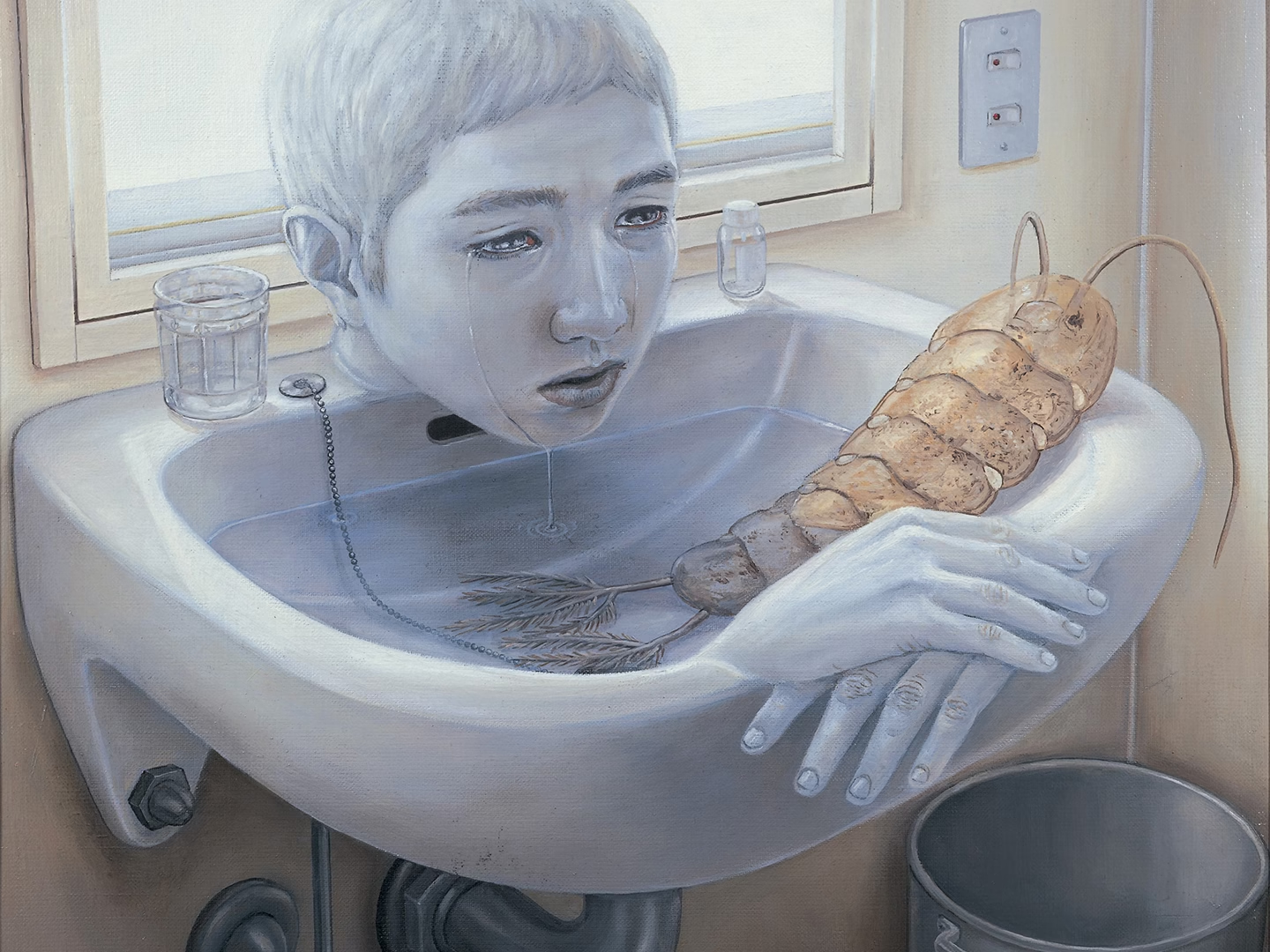
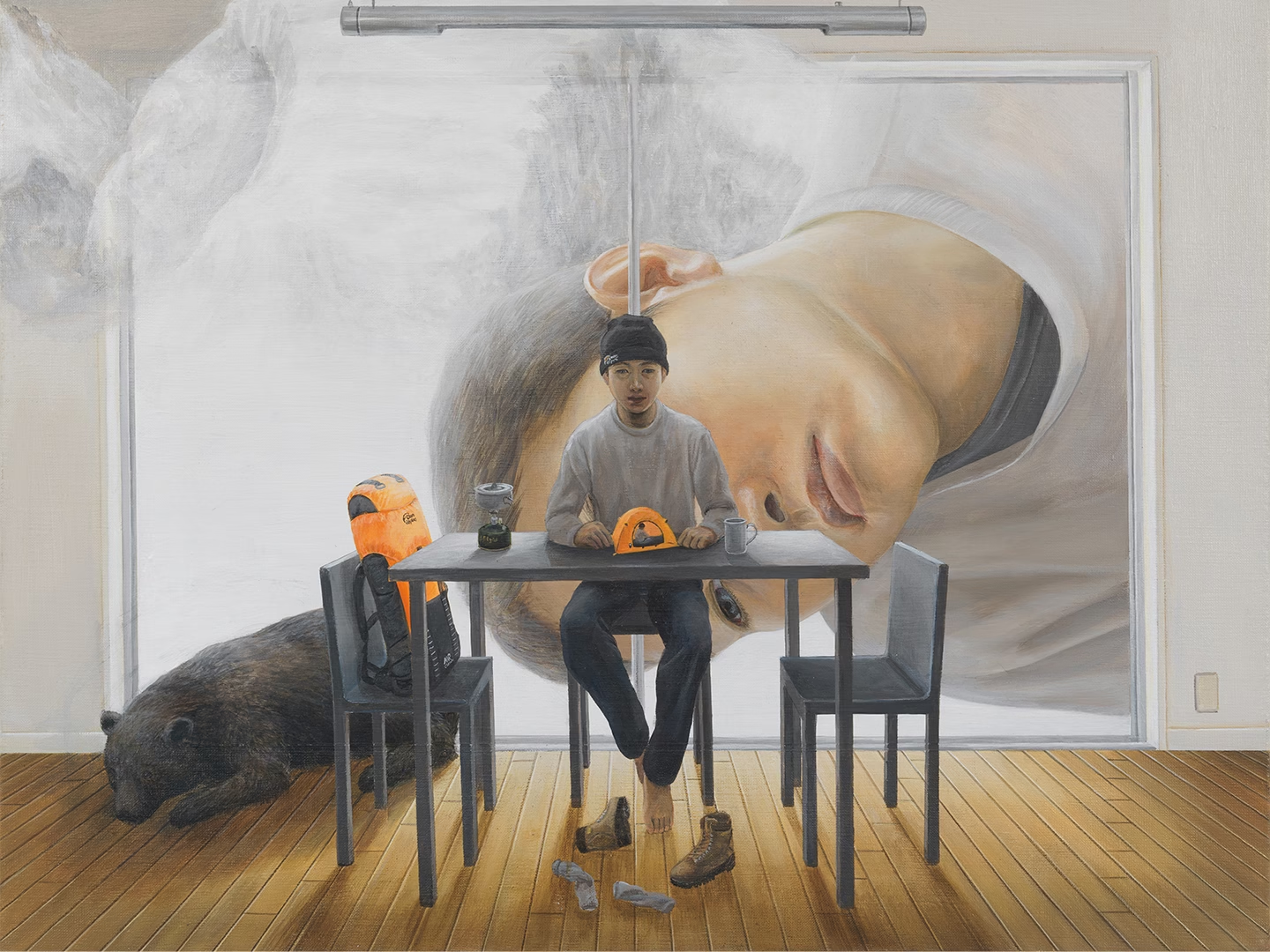
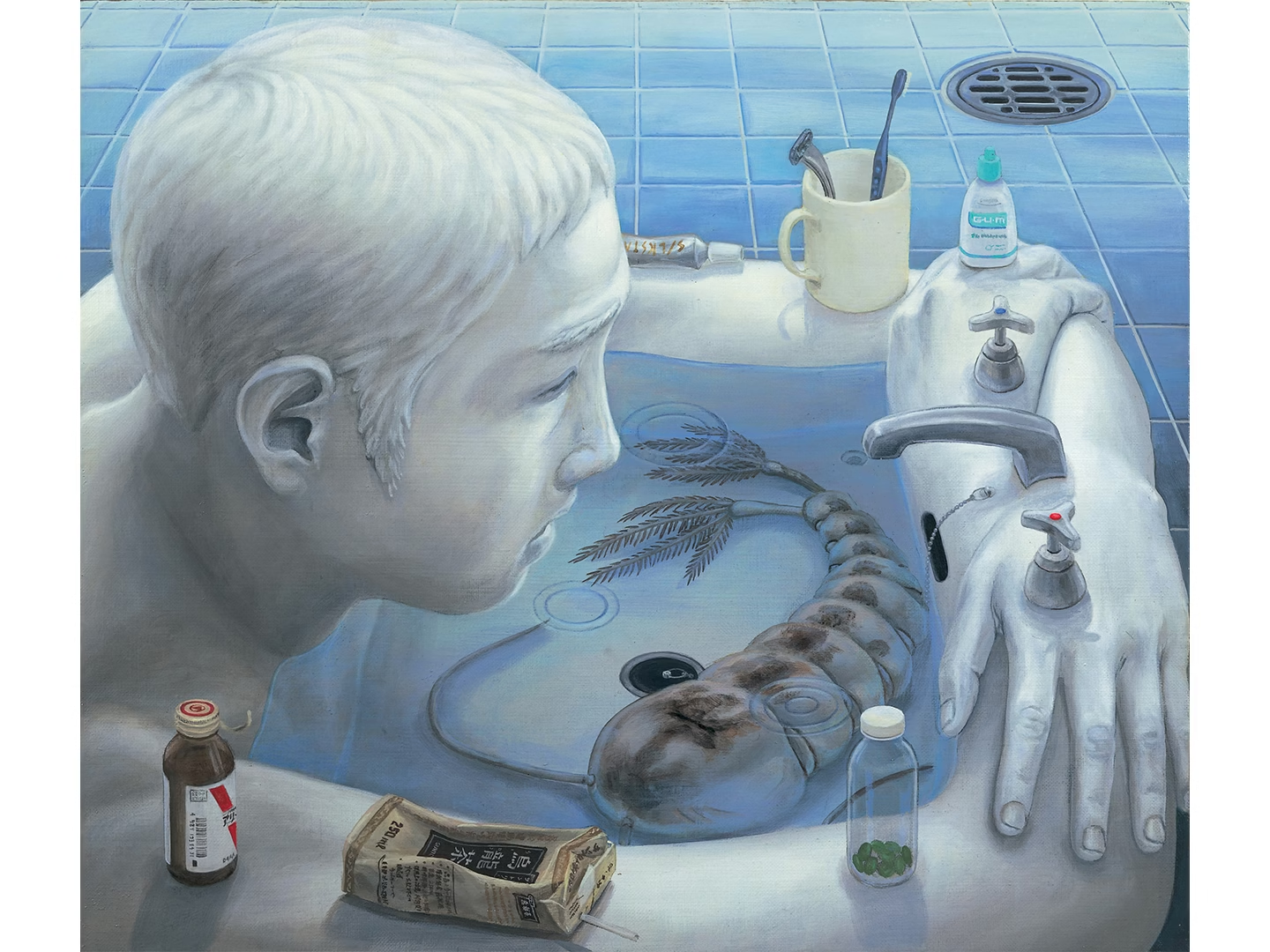
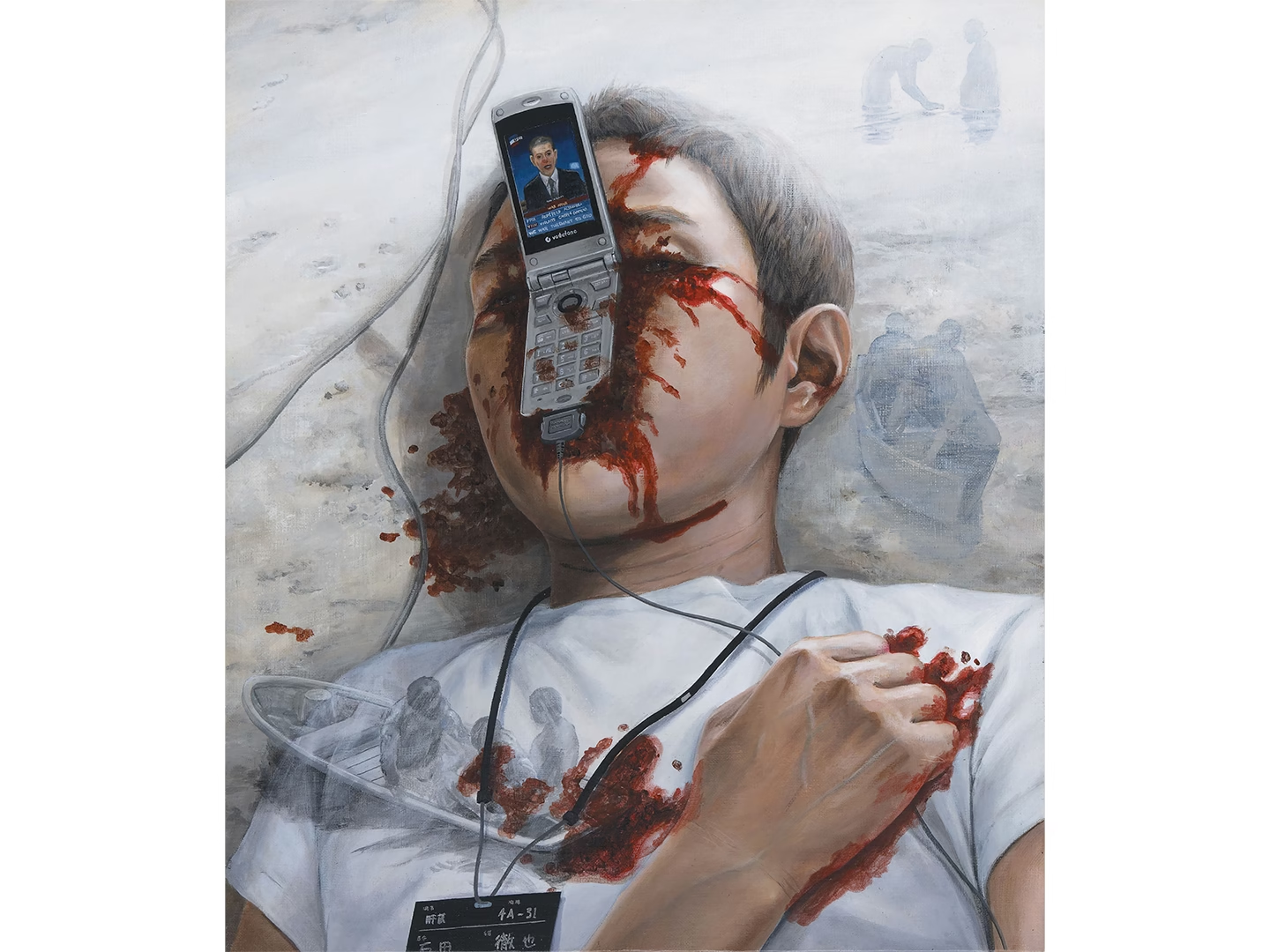
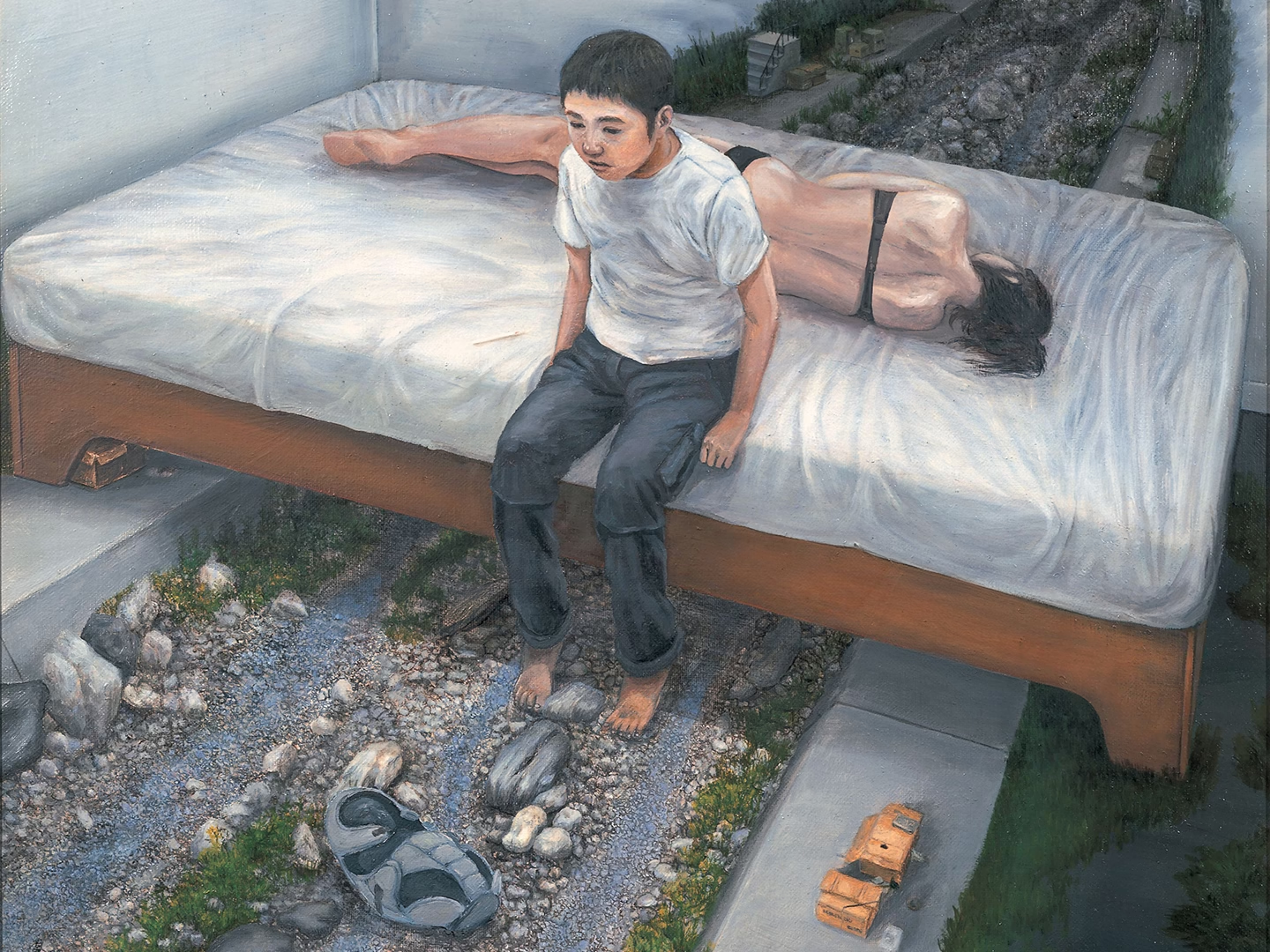
2003–2004
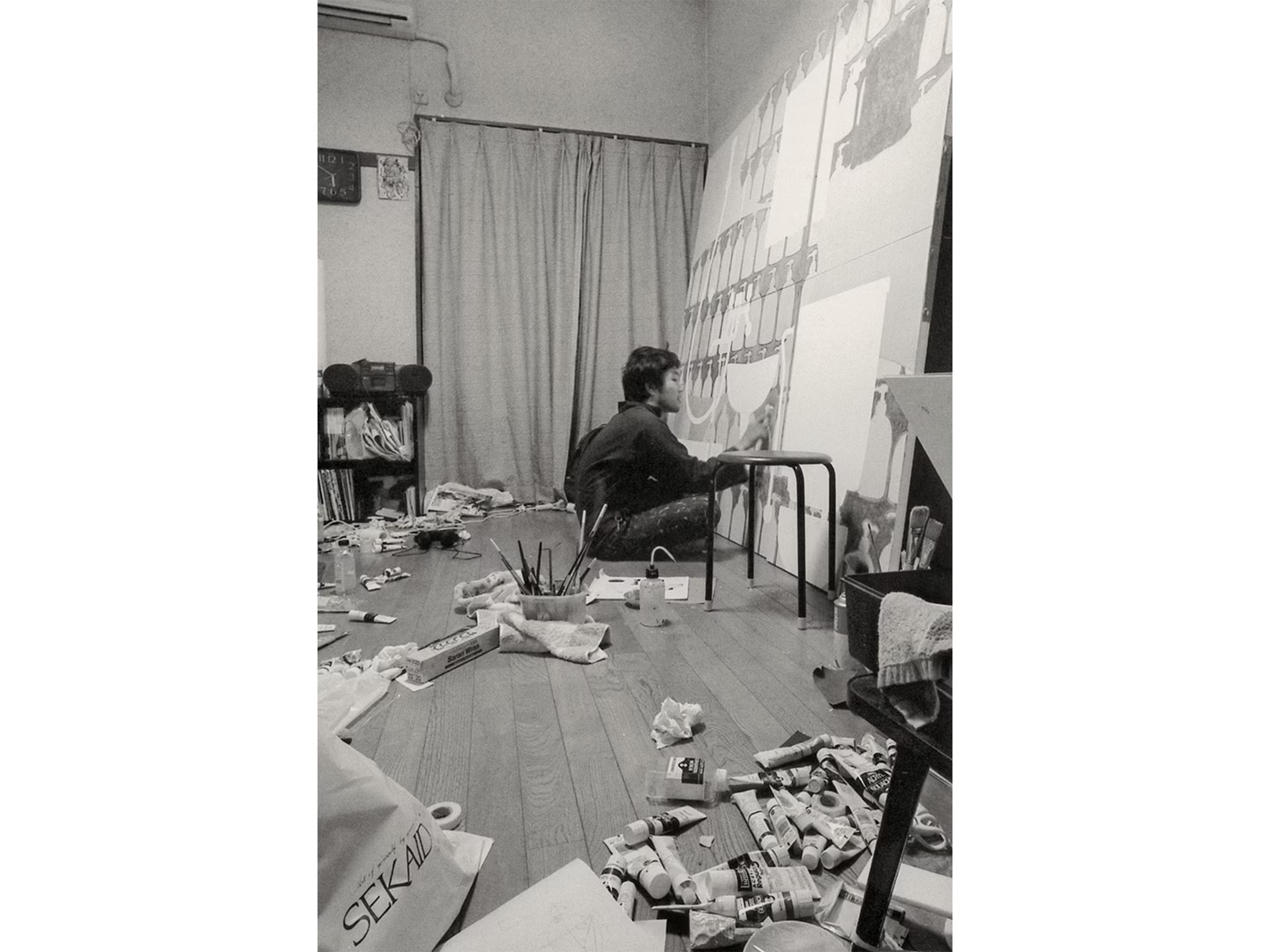
Final Years and Posthumous Reception
Tetsuya Ishida died in May 2005 in Machida, Tokyo, in a railway accident at the age of 31. After his death, a memorial exhibition was held in 2006 in Japan, followed by additional retrospectives that consolidated his body of work. International recognition expanded in the 2010s, including exhibitions at the Asian Art Museum in San Francisco (2014), the Central Pavilion of the Venice Biennale (2015), Museo Reina Sofía in Madrid (2019), and Wrightwood 659 in Chicago (2019). His paintings are now held in museum collections in Japan and abroad, and the official archive organizes his production into four chronological sections that document the full scope of his recorded works.