±0 (Plus Minus Zero) was founded in 2003 with Naoto Fukasawa serving as design director and co-founder. The brand focused on household appliances and everyday objects developed around Fukasawa’s concept of “Without Thought,” a design approach centered on intuitive use and behavioral clarity. Rather than emphasizing visual identity or technical expression, ±0 established a consistent product language built on proportion, material restraint, and functional legibility.

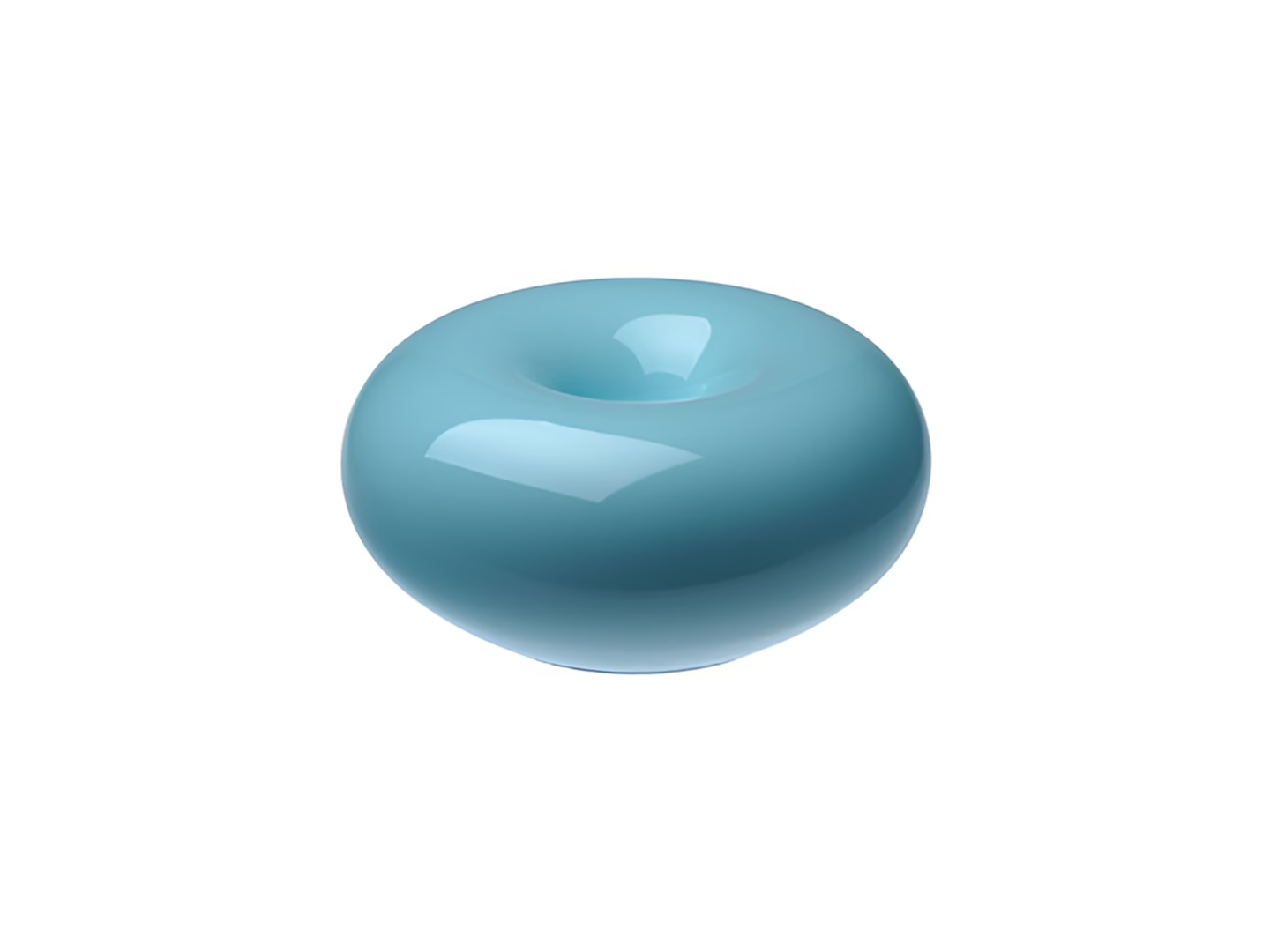
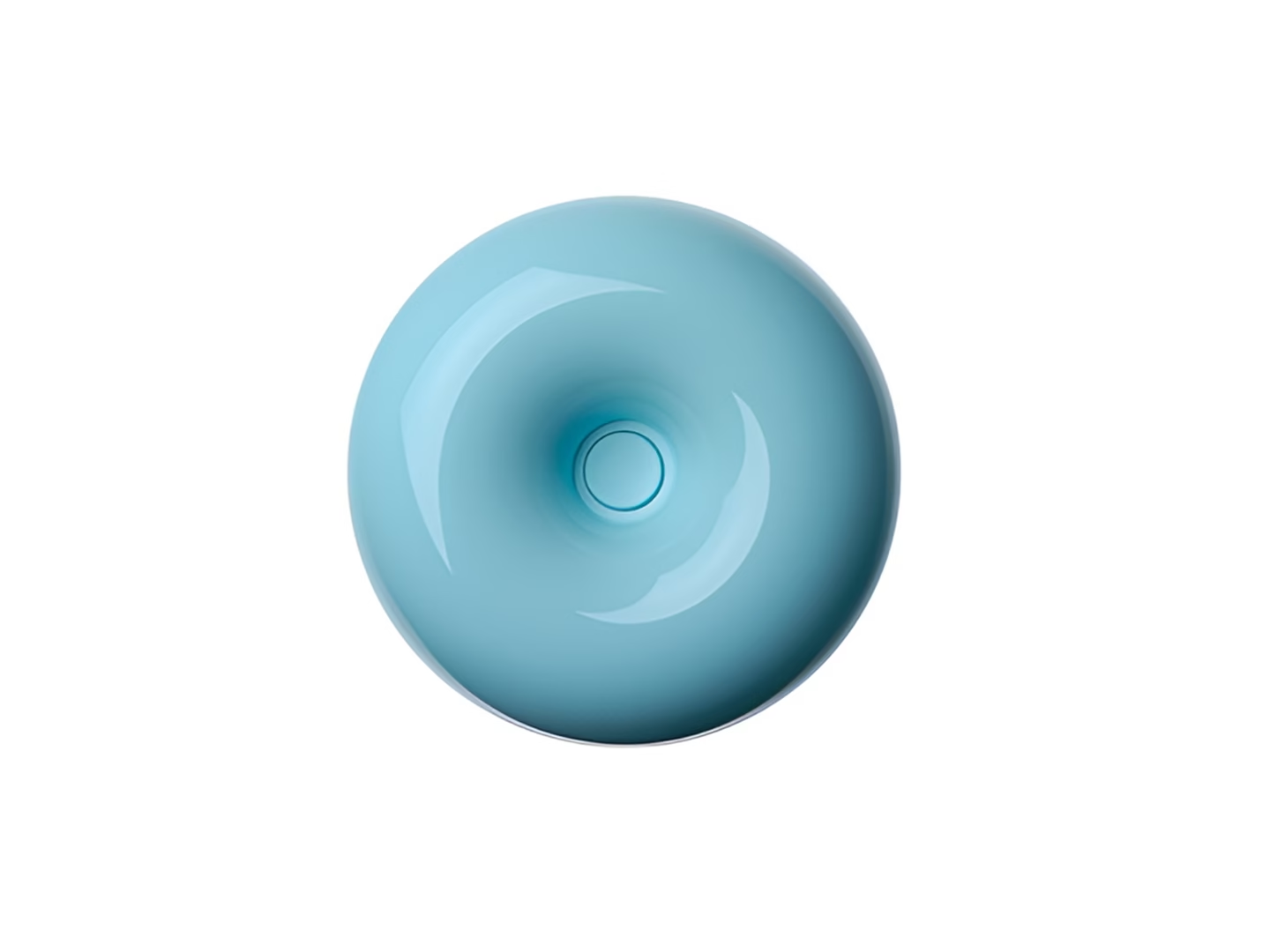
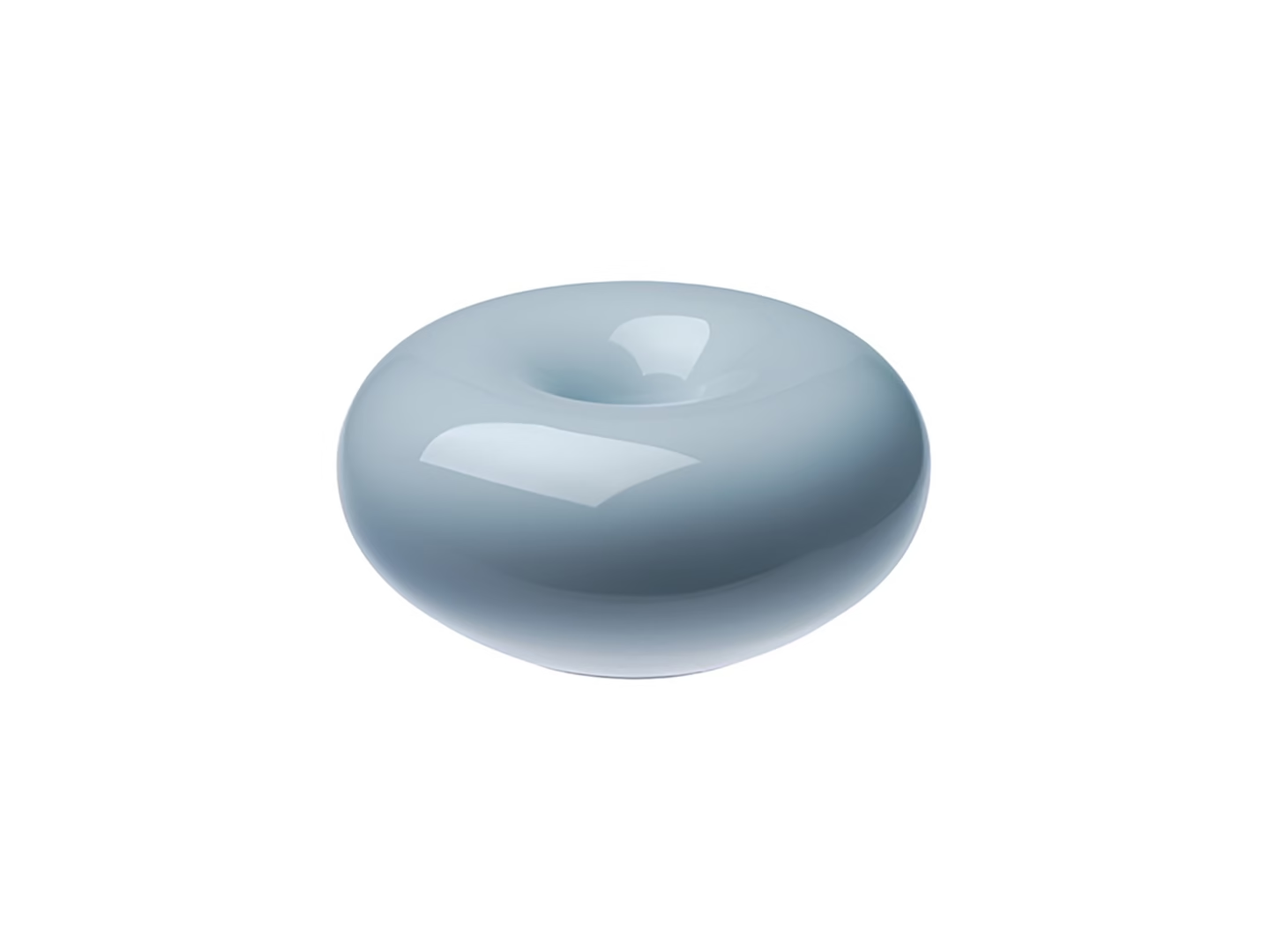
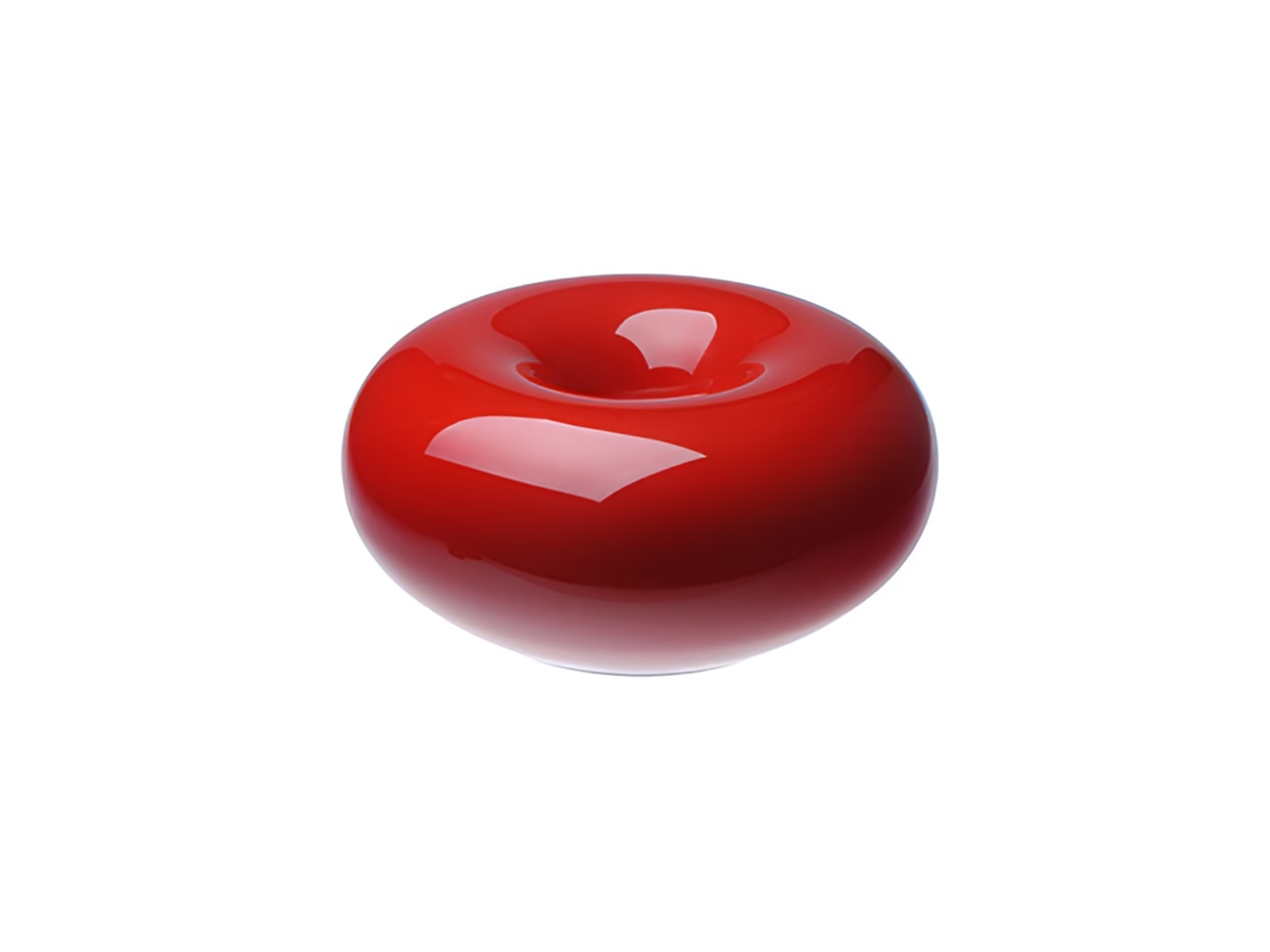
1. ±0 Humidifier
The humidifier became one of ±0’s defining products shortly after the brand’s launch. Formed as a smooth ring with a central opening, it has no visible front and no exposed control panel. The opening functions as both handle and water inlet, allowing the user to lift and refill it directly. Its exterior reduces the appliance to a single continuous volume. The design received a Good Design Gold Award and was later added to the permanent collection of the Museum of Modern Art in New York.
2. ±0 Cordless Cleaner (Y010)
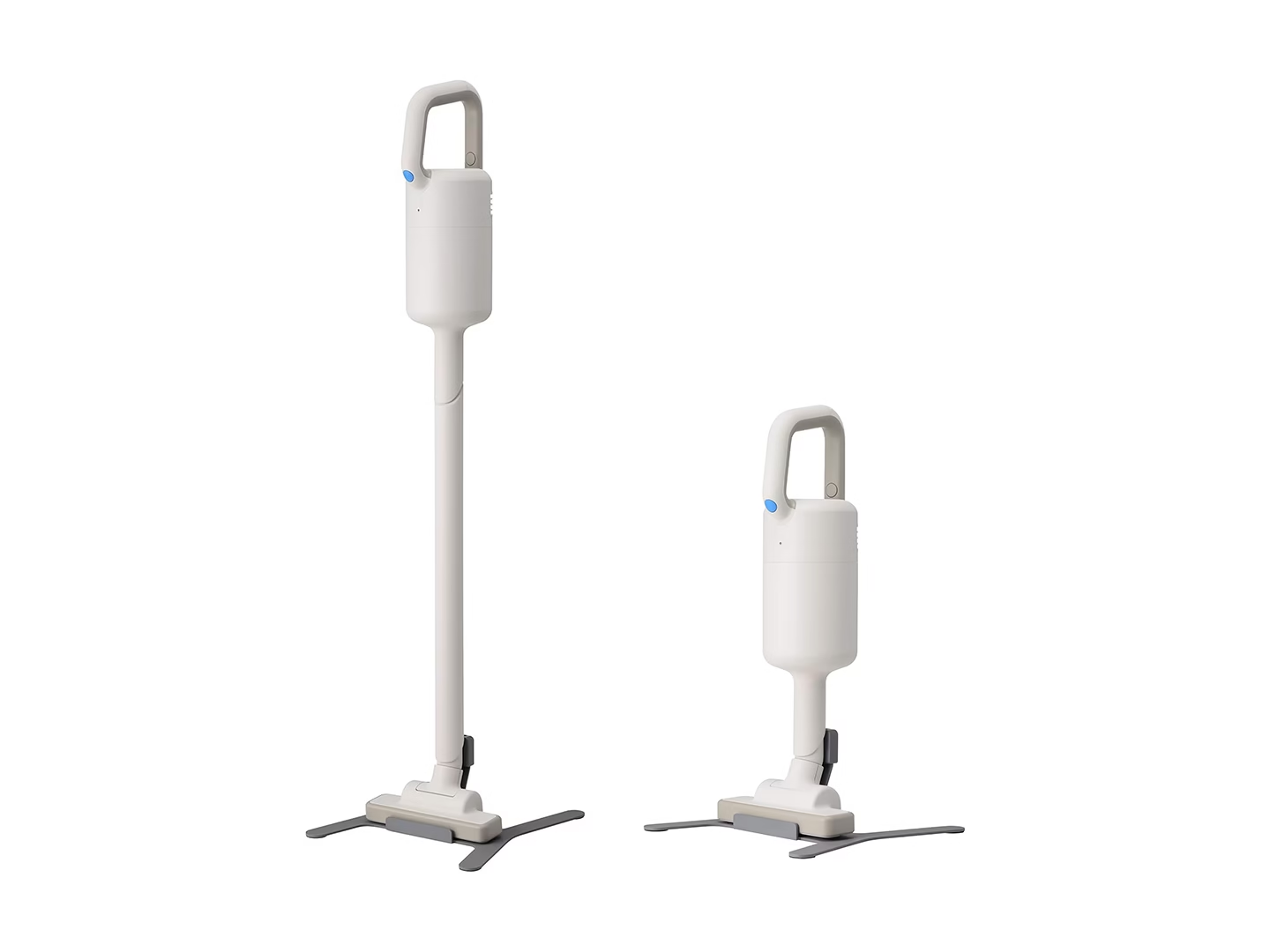
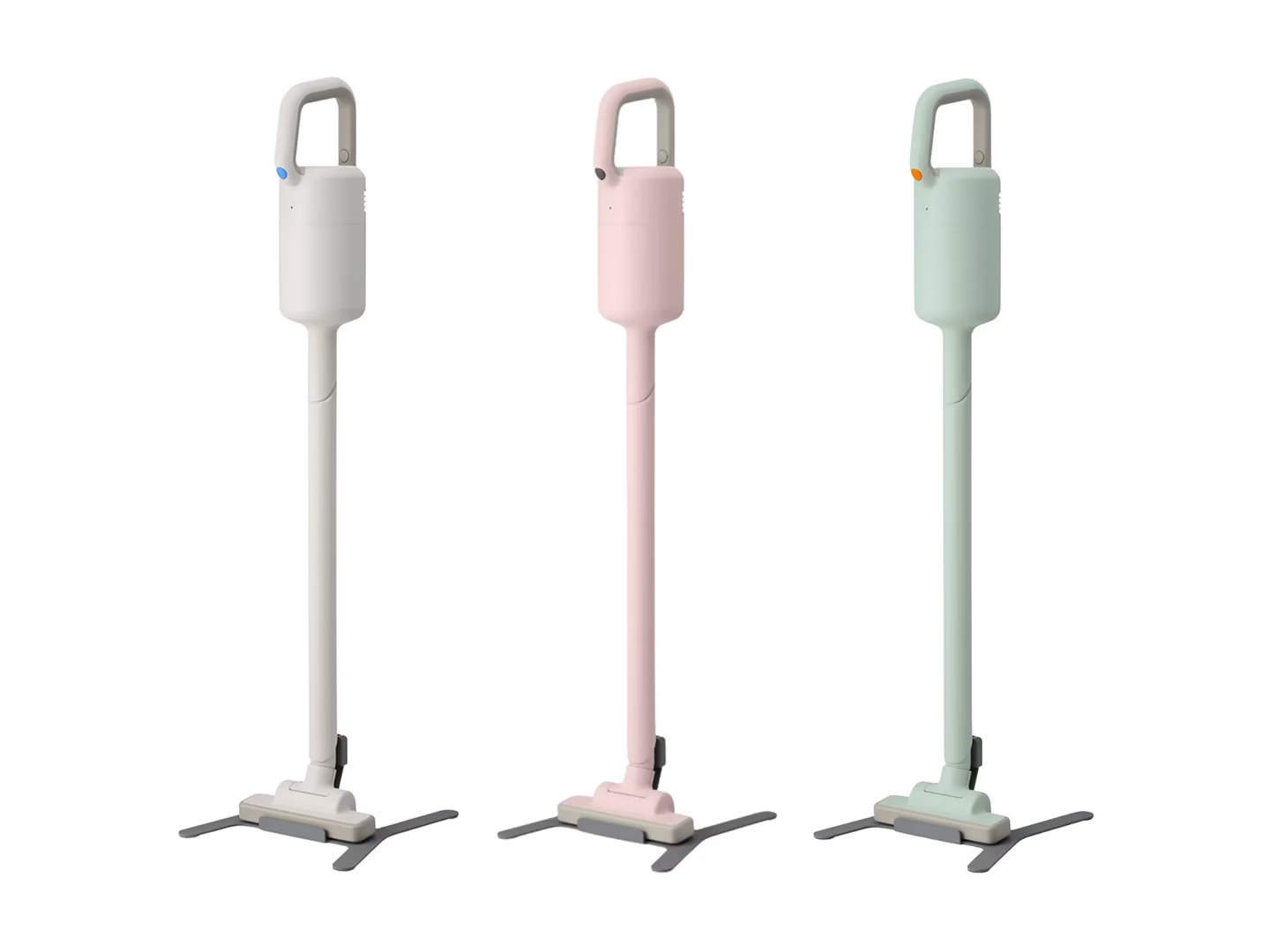
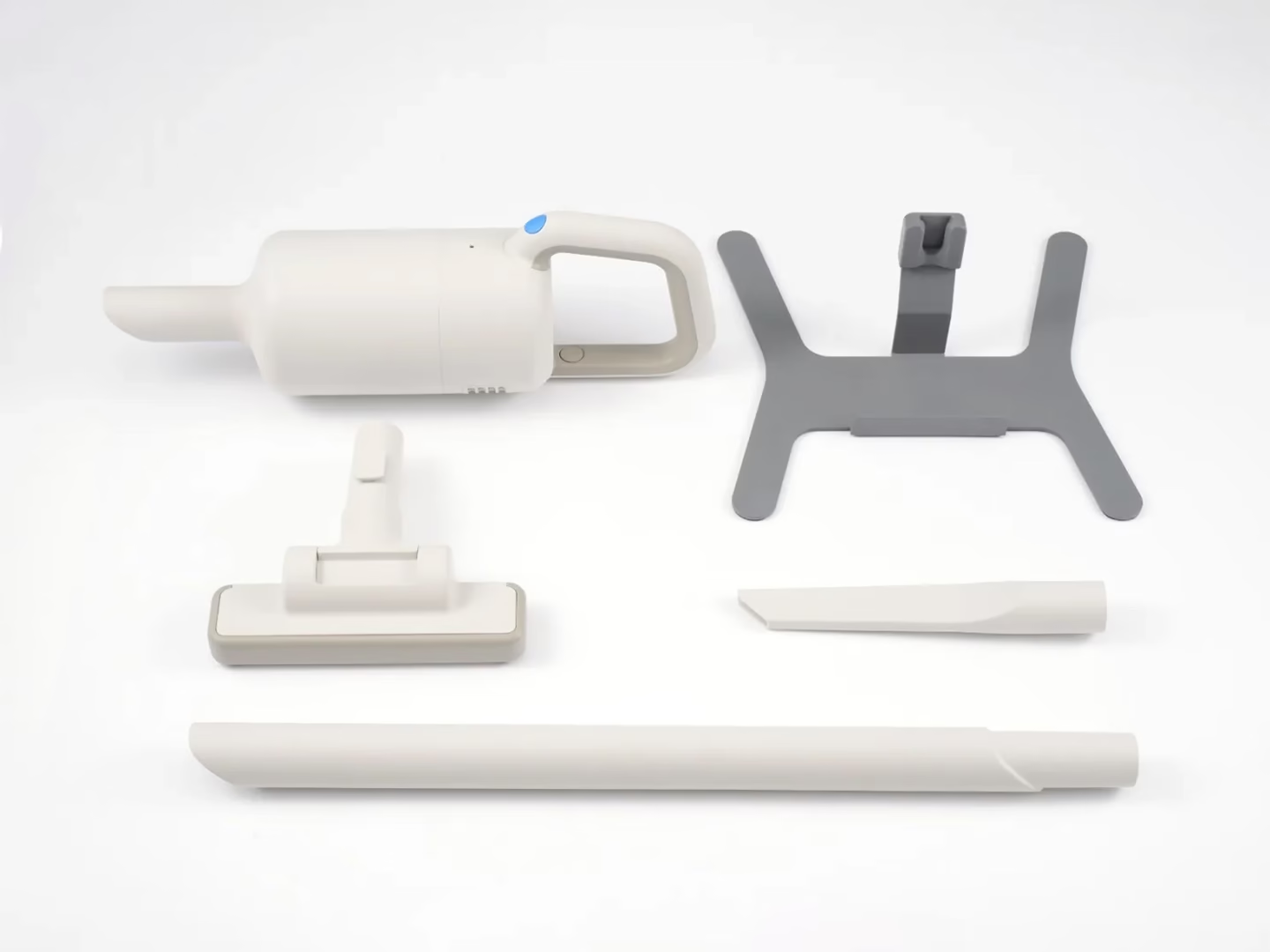
The cordless cleaner introduced a simplified approach to a household vacuum. The body is organized as a straight vertical structure where handle, motor housing, and dust container align along a single axis. Controls are positioned near the handle and limited to essential operation. The design received a Good Design Award in Japan and became one of the longest-running products in the ±0 appliance lineup.
3. ±0 8-inch LCD TV
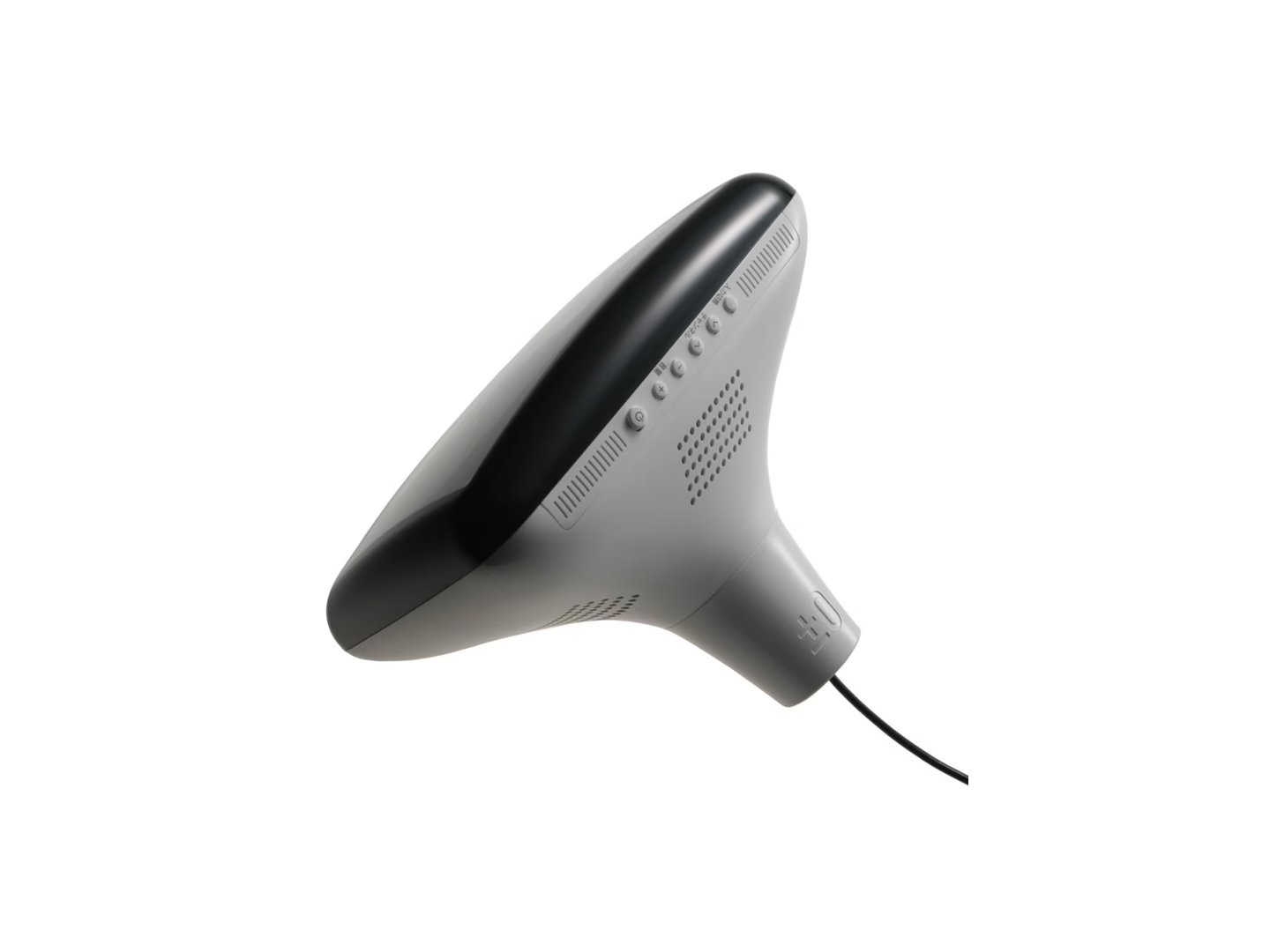
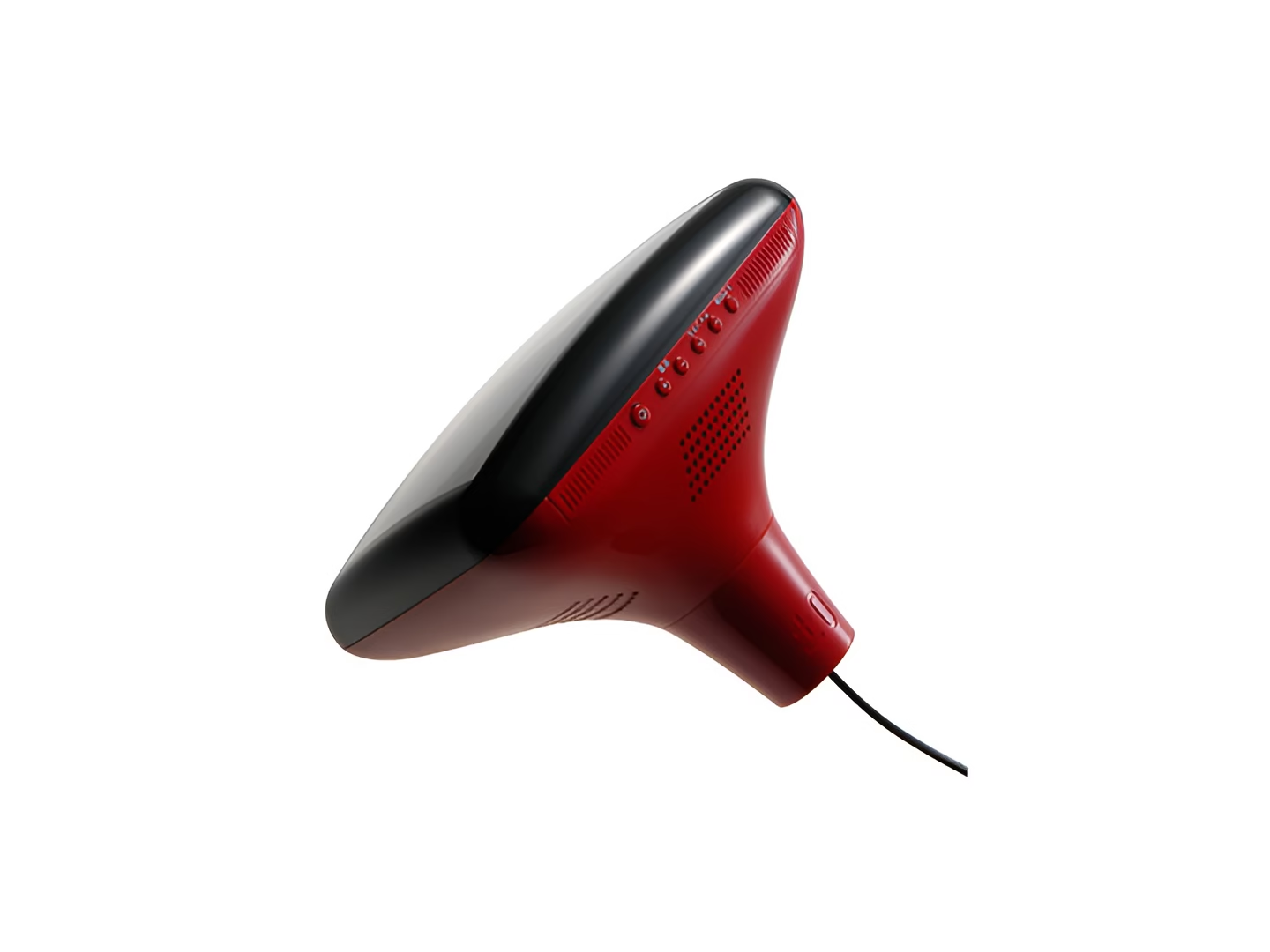
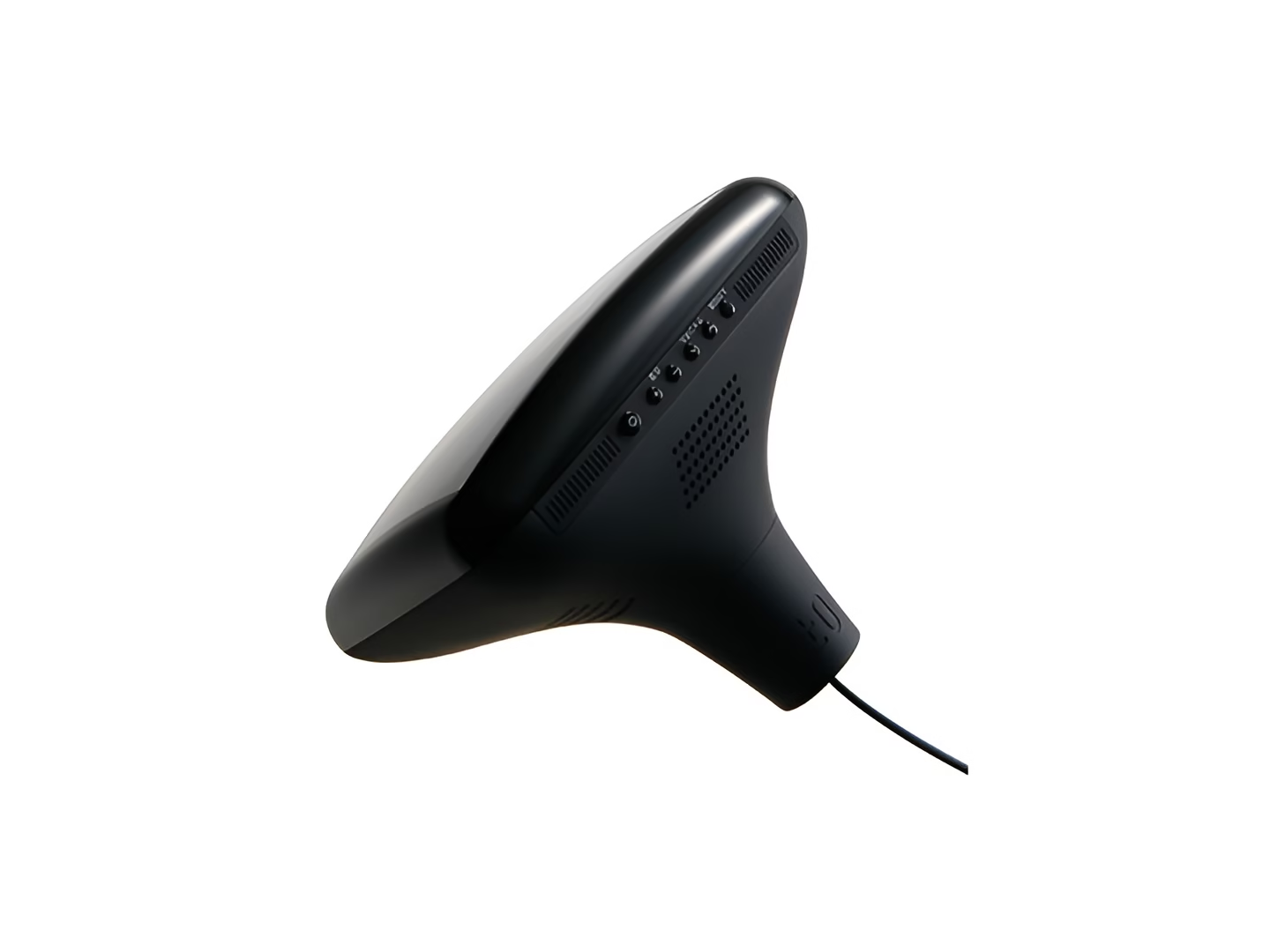
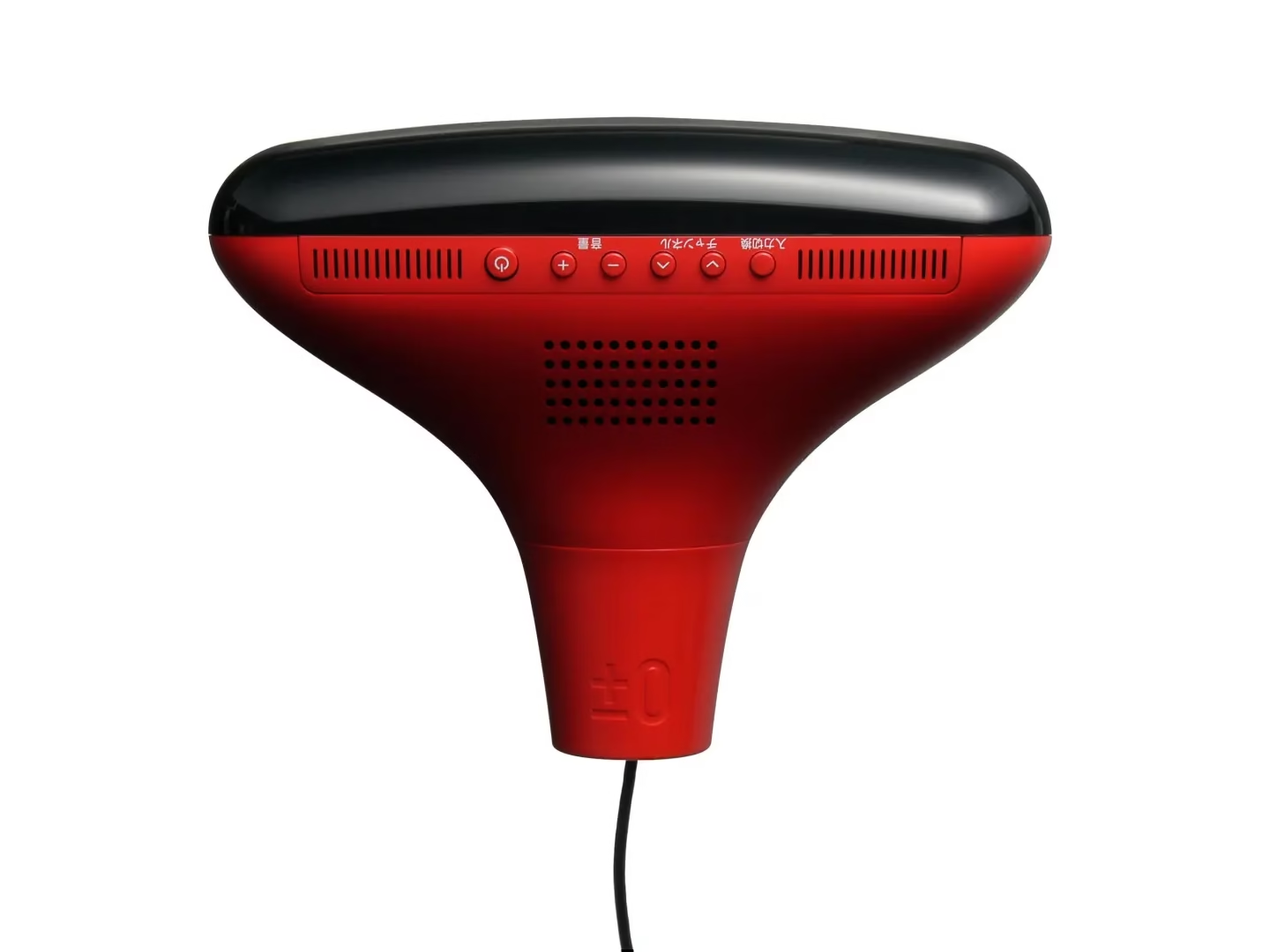
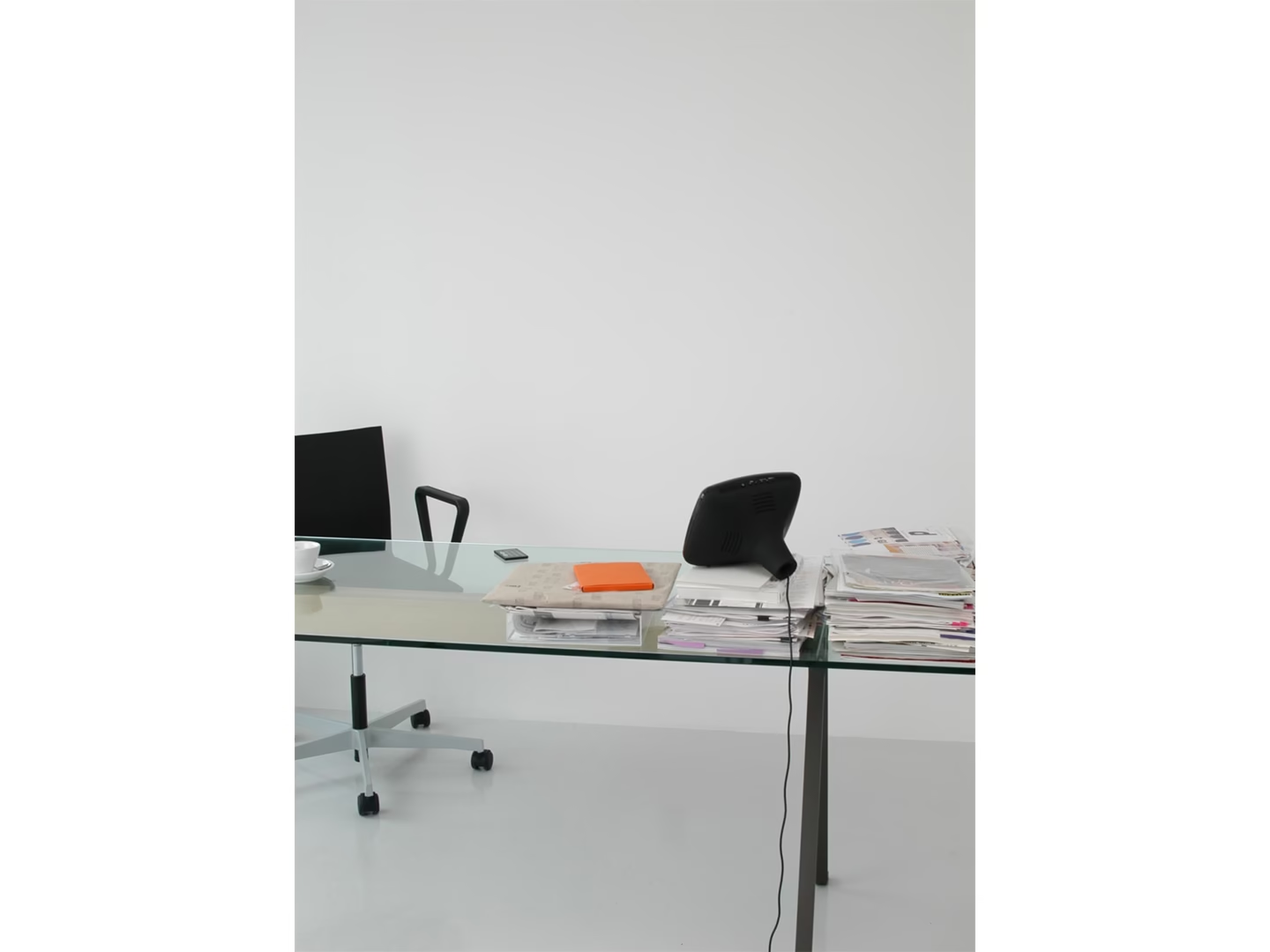
The 8-inch LCD television was part of the early electronics lineup developed for ±0. The object uses a compact rectangular body with a minimal bezel and restrained controls. Its small size positions it as a secondary television suited for kitchens, bedrooms, or desks rather than a primary viewing device. The design emphasizes clarity of form and quiet presence, aligning with the broader ±0 approach to domestic electronics.
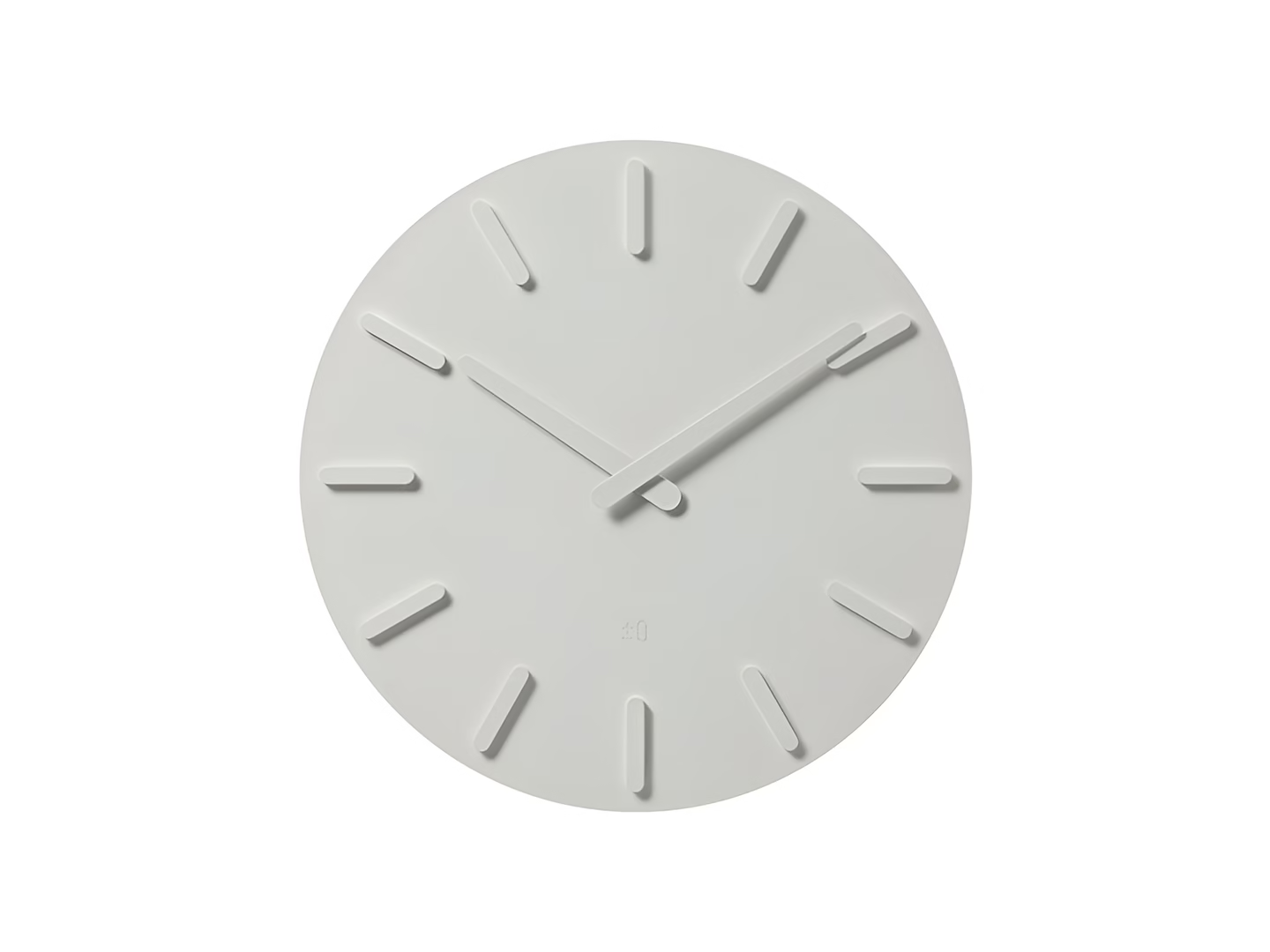
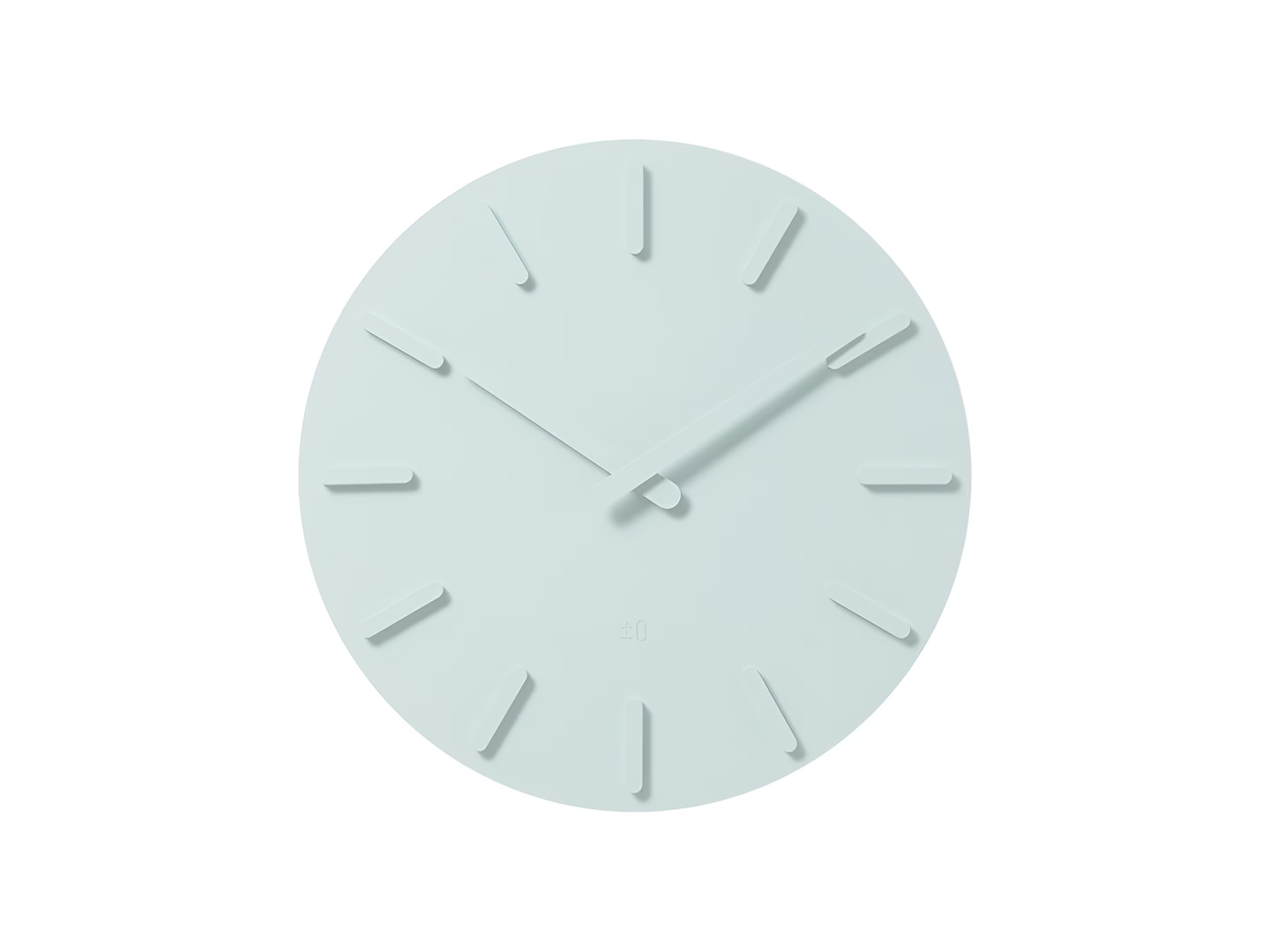
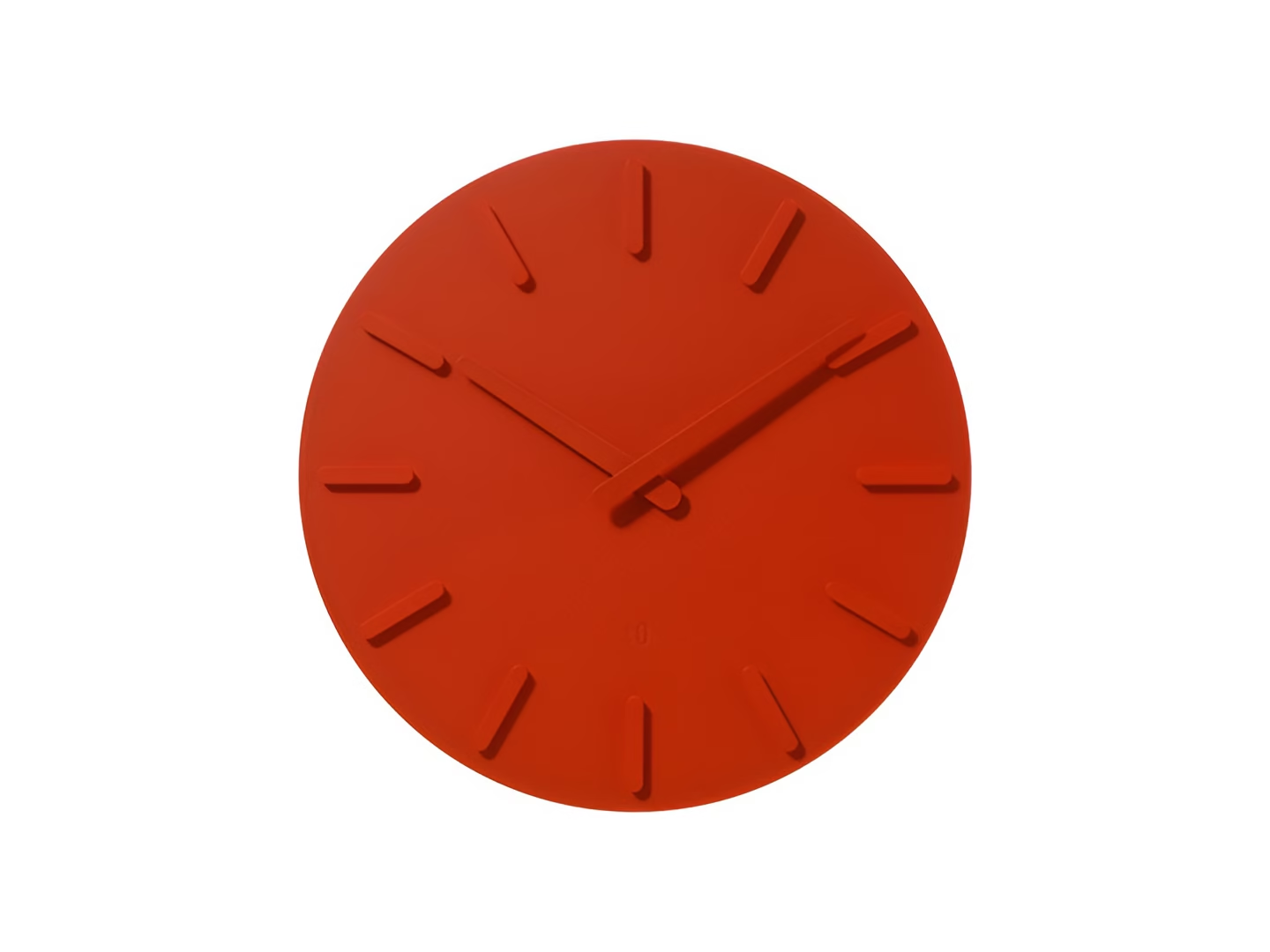
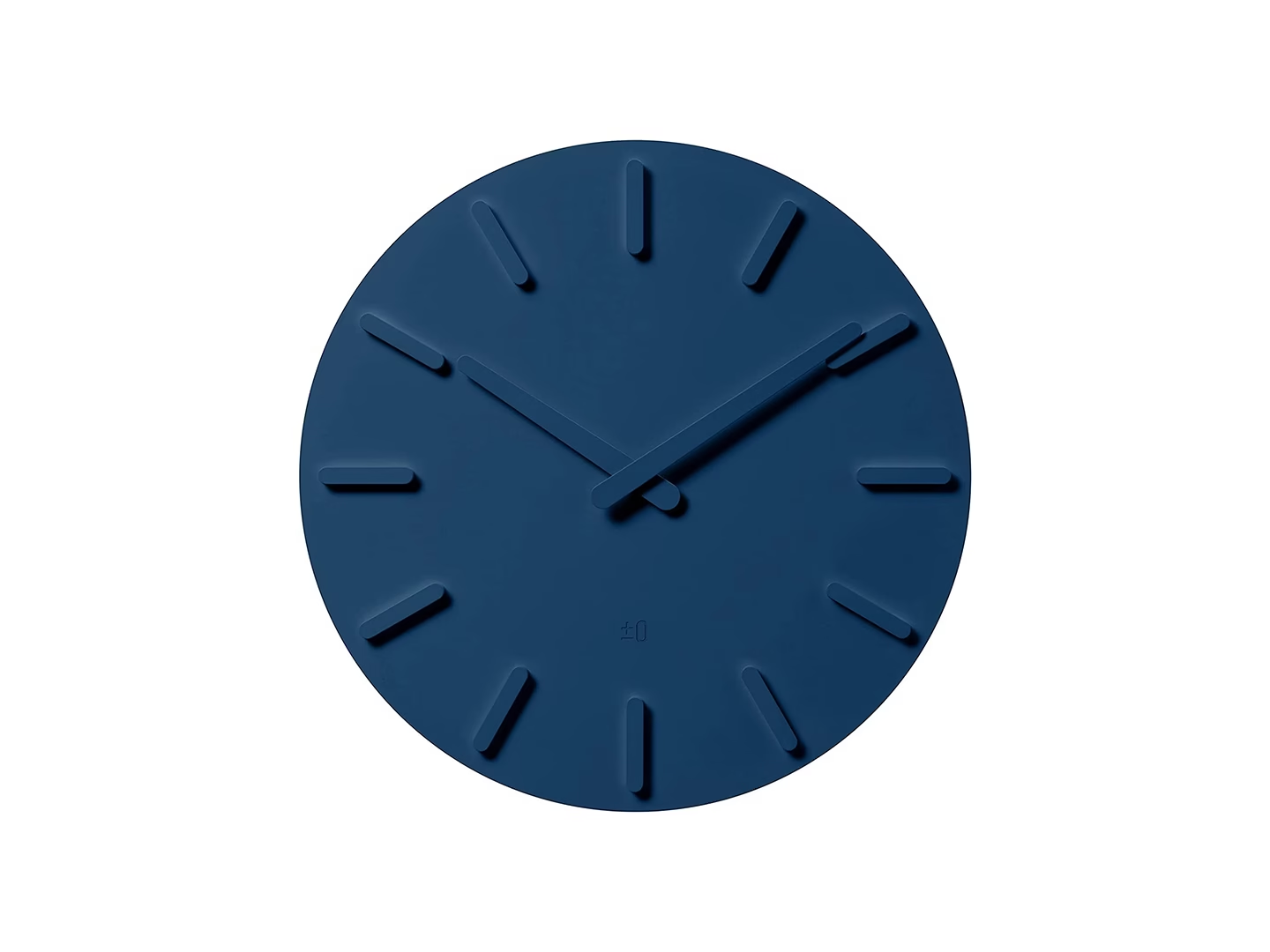
4. ±0 Wall Clock
Rather than relying on printed numerals or strong contrast, the ±0 Wall Clock uses a single tone for its face, hands, and markers. Time is indicated through raised elements and shadow. Recognized at MAISON&OBJET in Paris, the clock’s construction depends on depth and surface variation instead of graphic emphasis. From a distance, it reads as a circular volume; up close, its function becomes legible.
5. ±0 Sole Bag
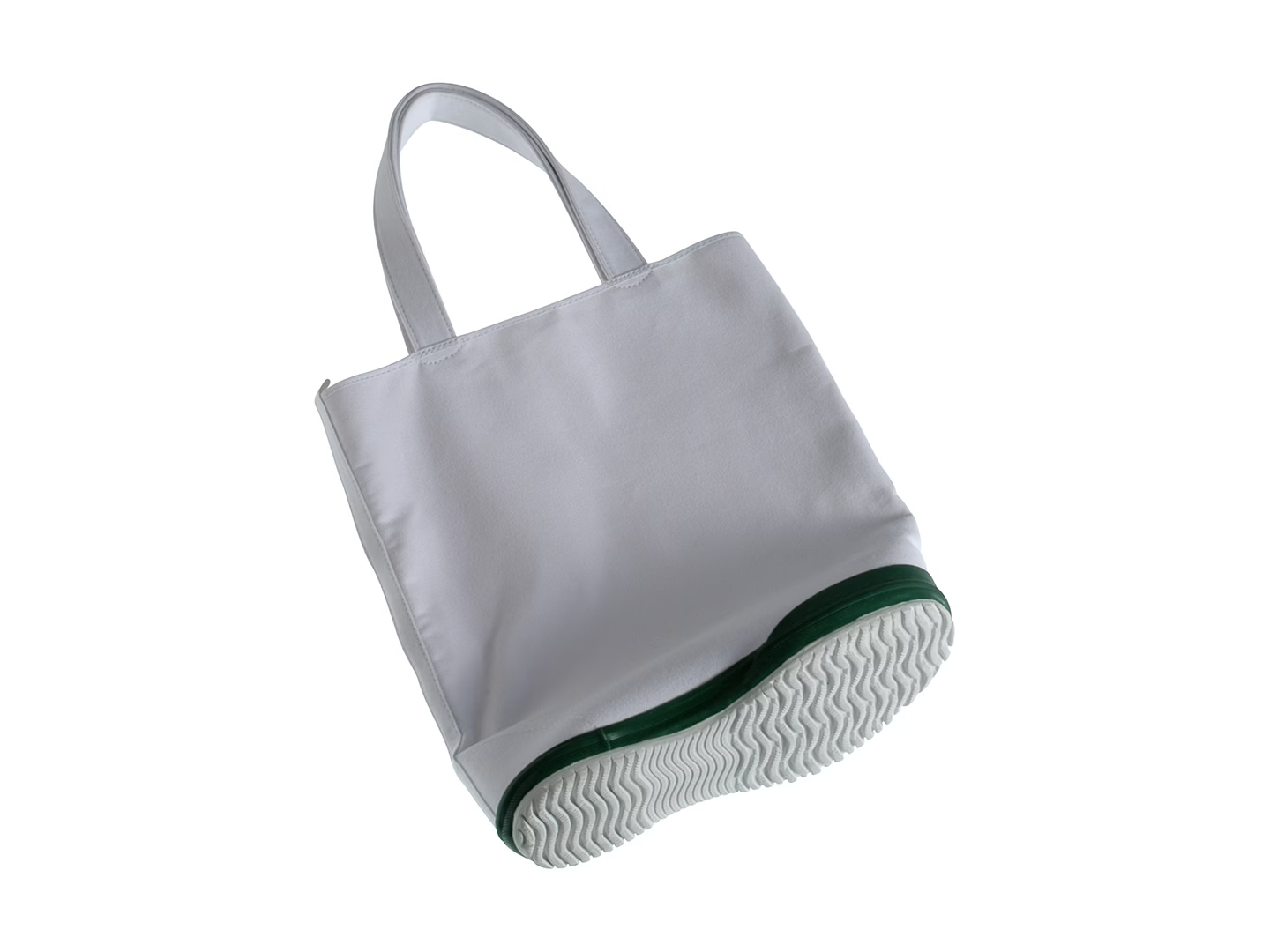
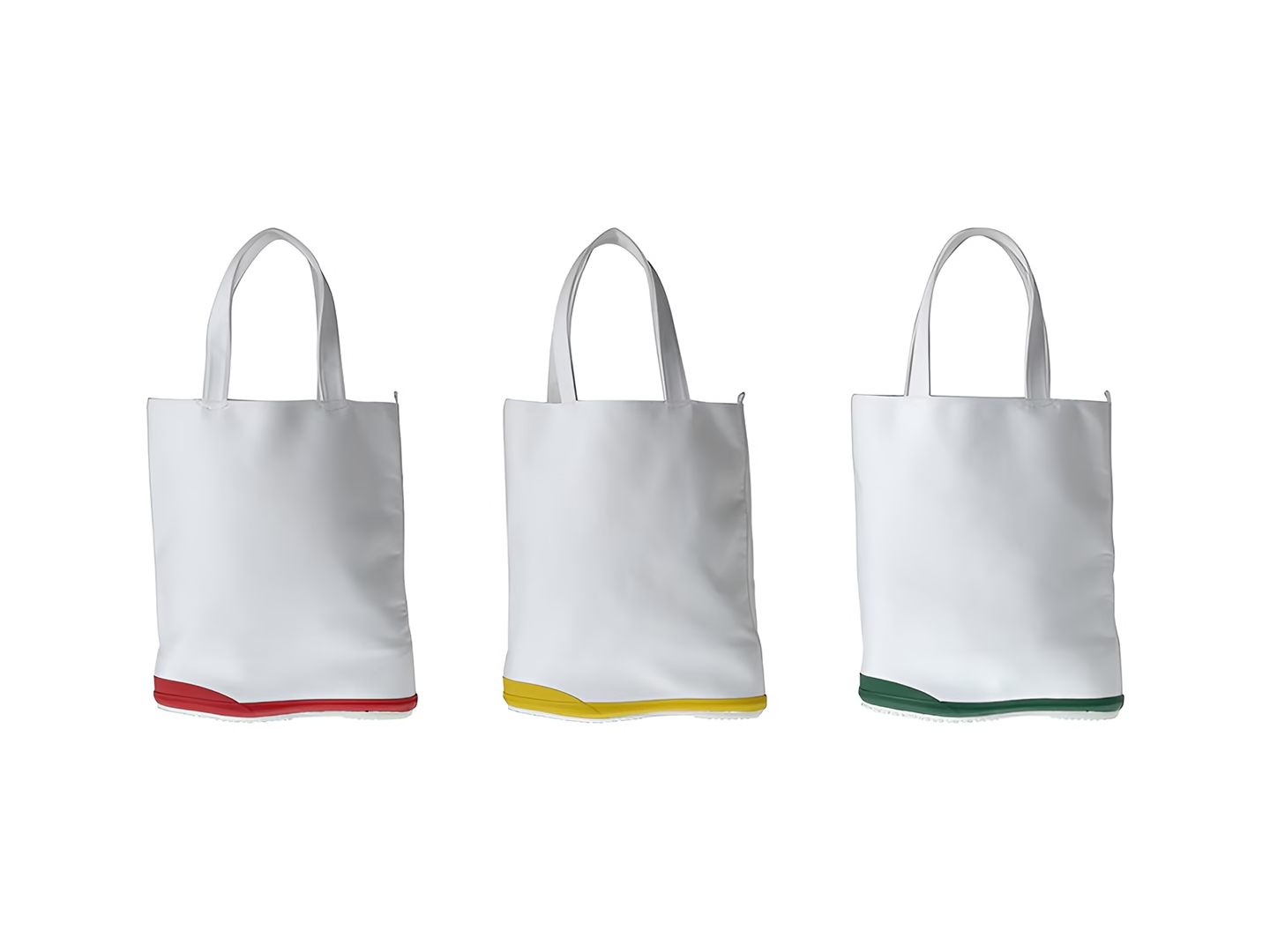
The Sole Bag is a tote bag constructed with a molded rubber base attached to a fabric body. The rigid base gives the bag structure and allows it to stand upright when placed on a surface. The upper portion is typically made from canvas with simple straps and minimal external detailing. The design emphasizes straightforward construction and stable placement rather than additional features.