Masahisa Fukase used photography as a way to document relationships, rituals, and states of mind rather than external events. Across his career, he returned to a small number of subjects repeatedly, building closed systems around love, family, loss, and the self. These bodies of work outline how his practice moved from intimate observation toward increasingly inward and abstract forms.
1. Yohko
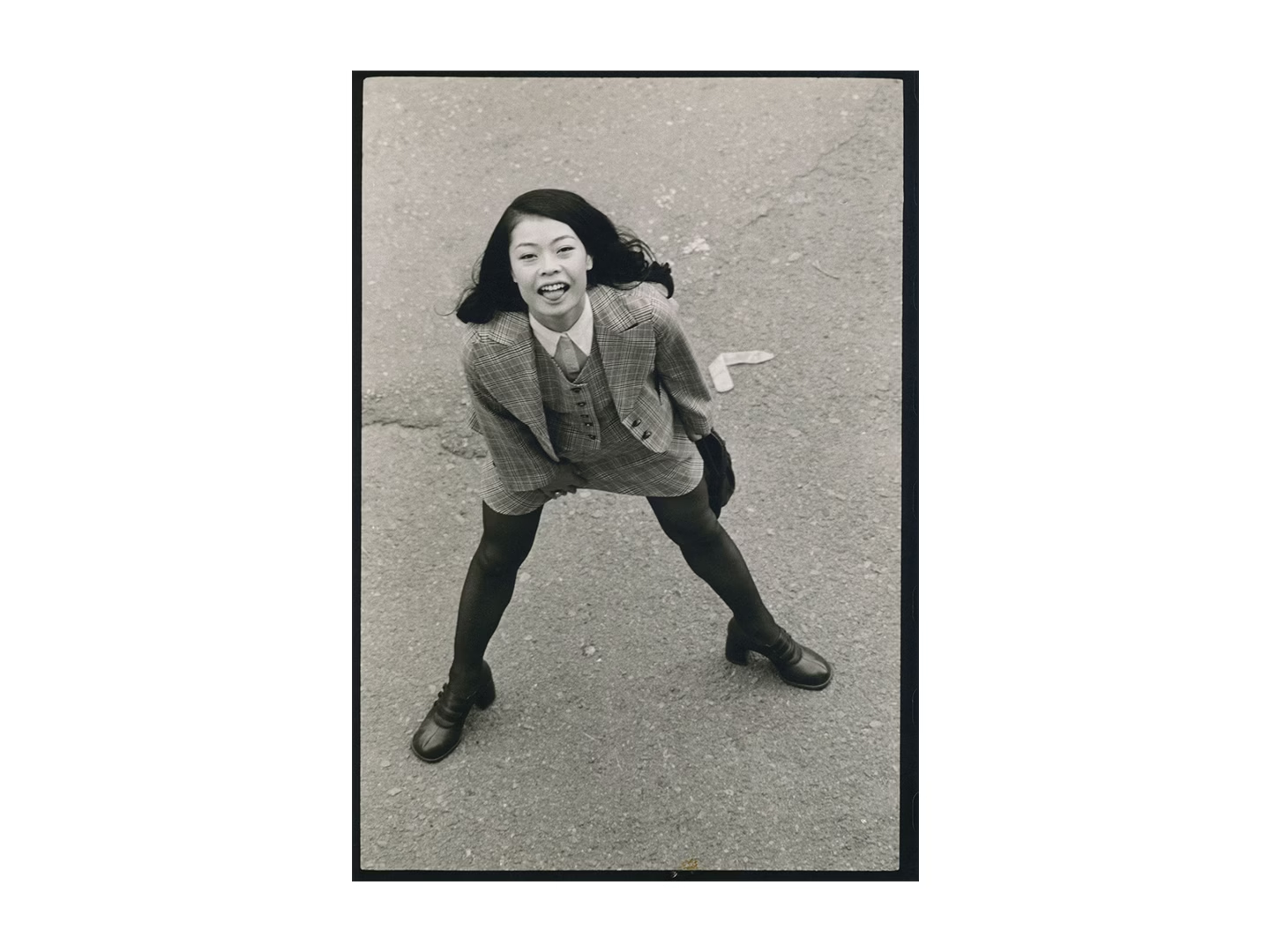
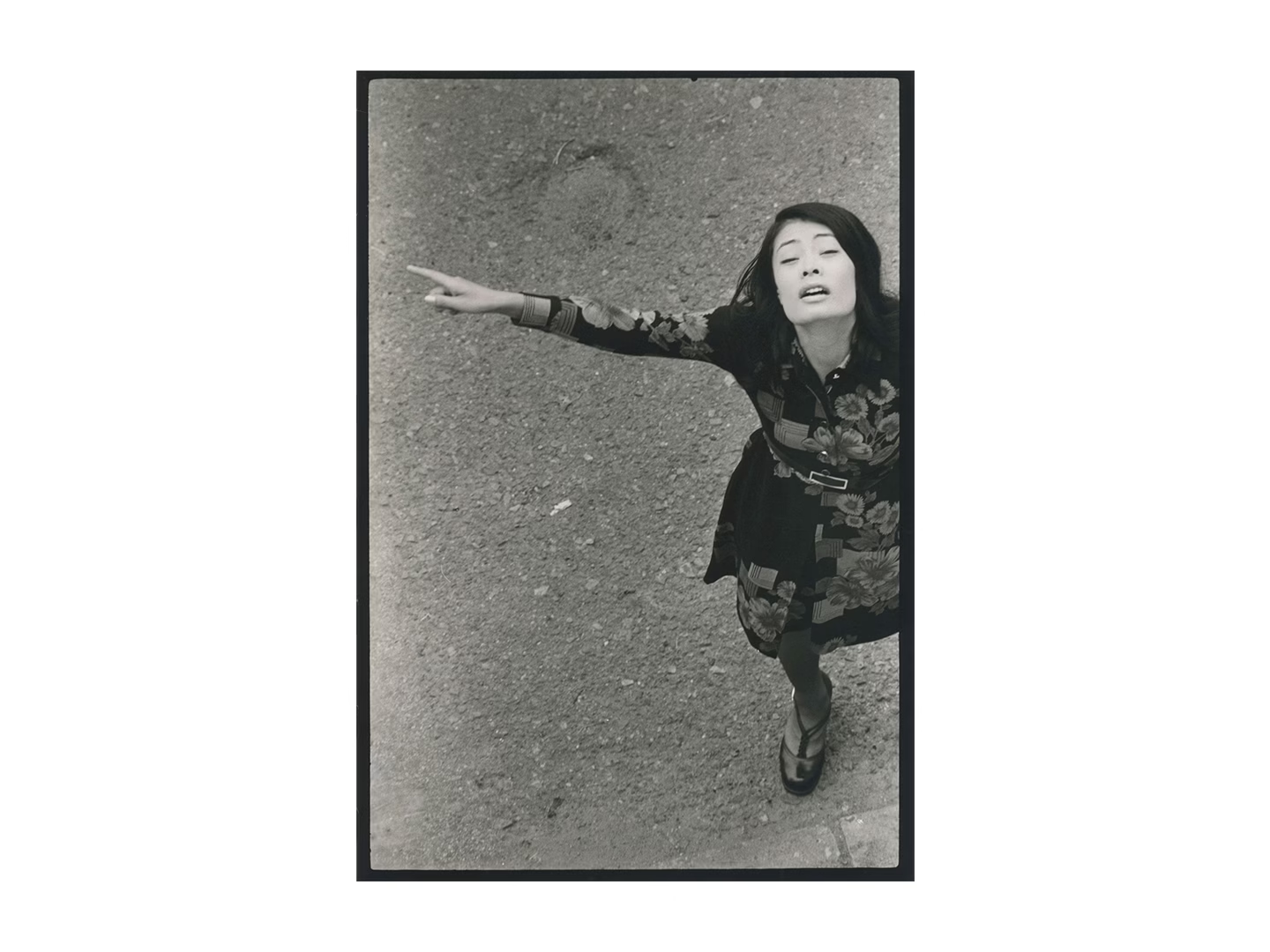
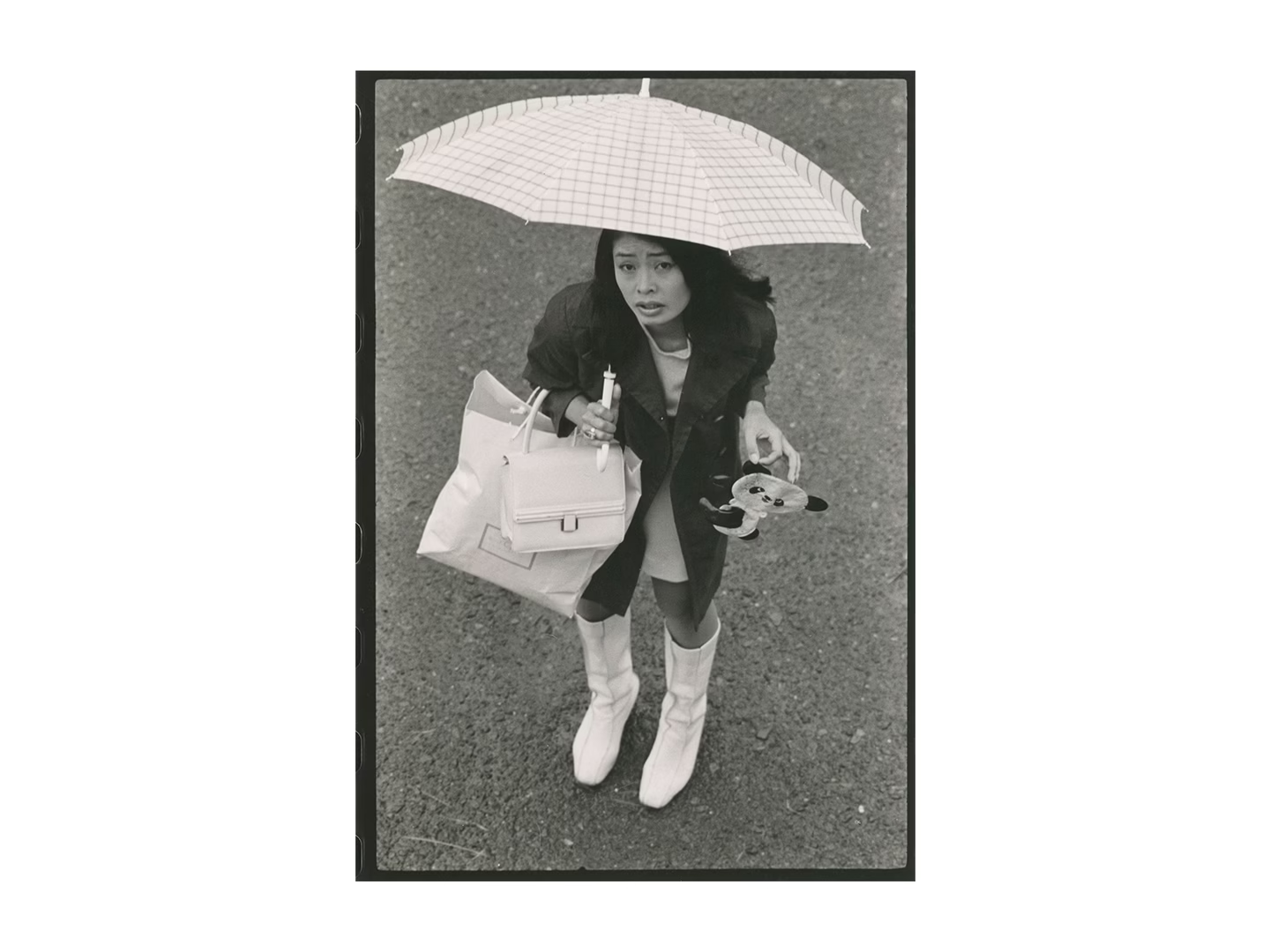
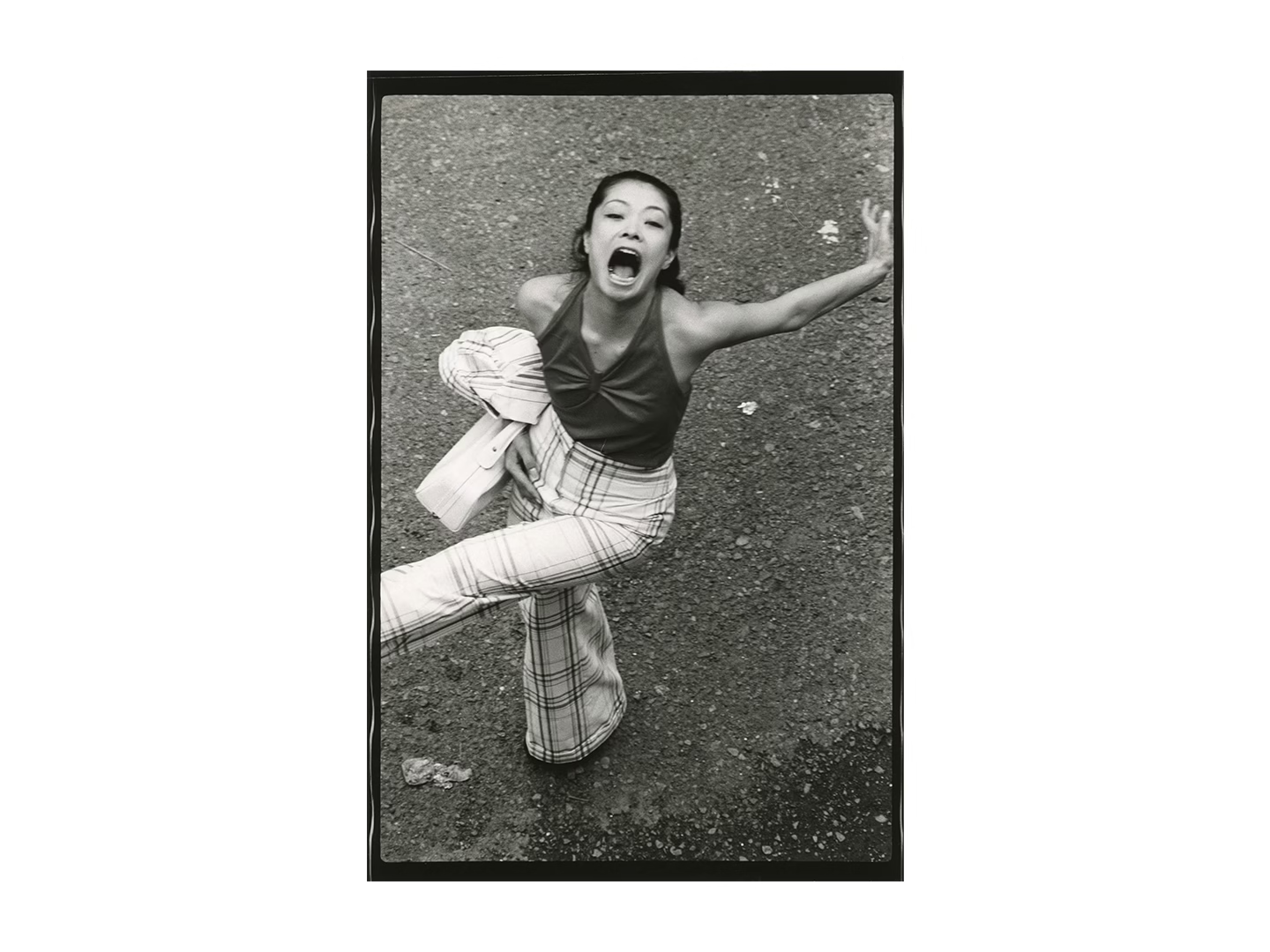
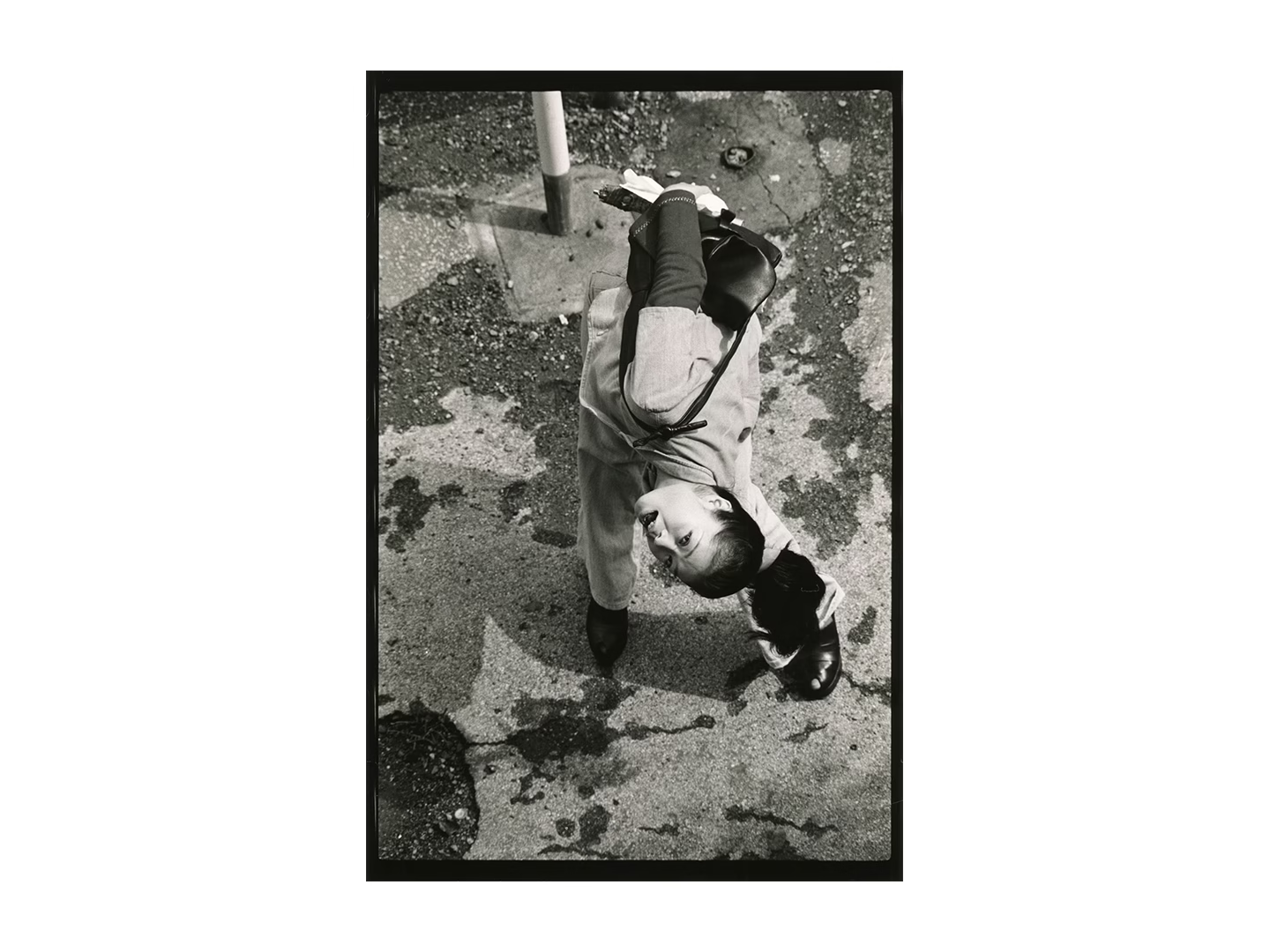
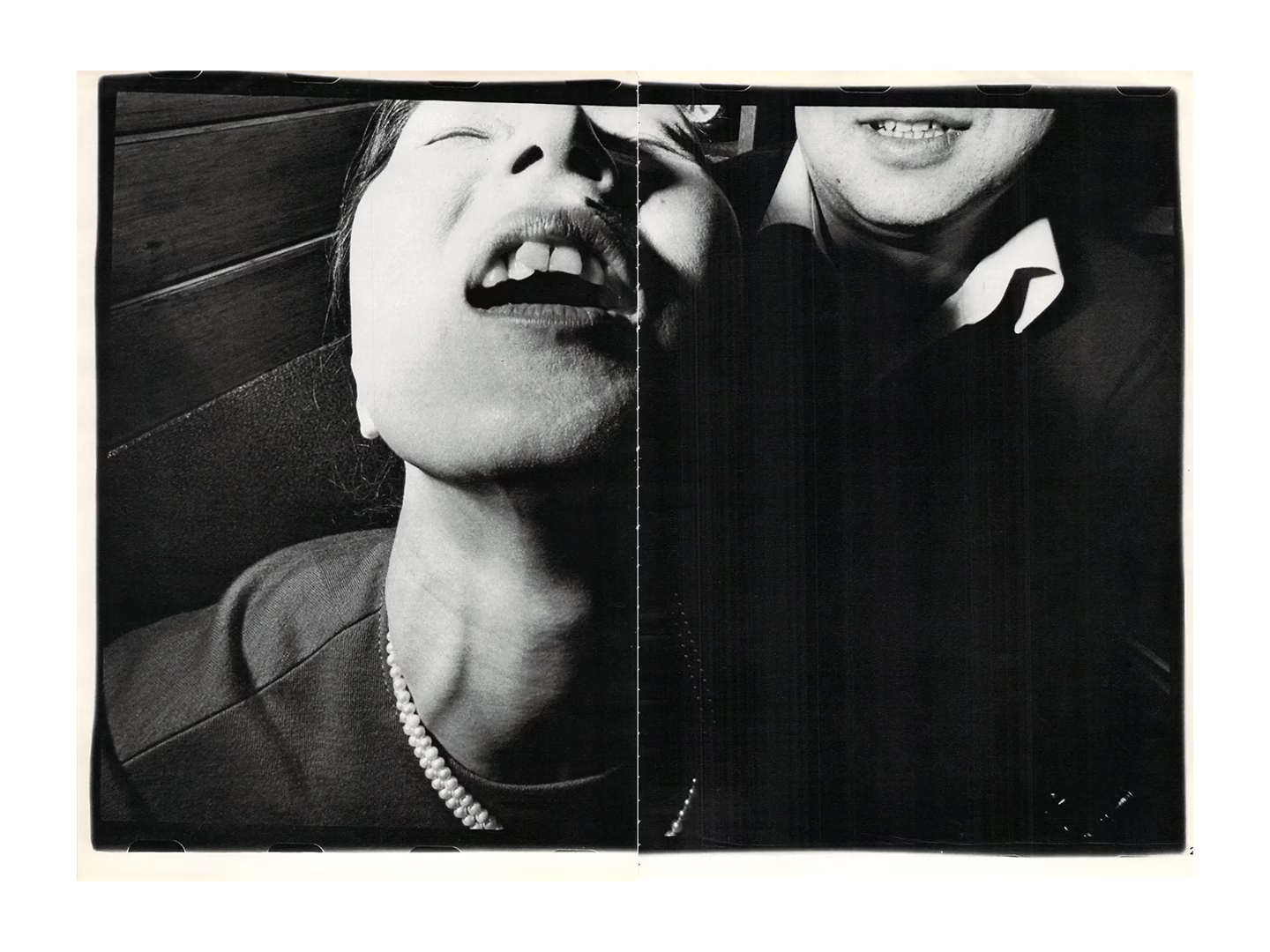
Throughout the 1960s and 1970s, Fukase photographed his wife Yohko Wanibe obsessively, treating daily life as an ongoing photographic performance. The images move between candid moments and clearly staged scenes, often blurring the line between documentation and construction. One of the most well-known subsets, From Window, was shot from their apartment as Yohko left for work each morning, turning a routine farewell into a repeated visual ritual. Over time, the series reveals shifts in mood, distance, and control, reflecting how the act of photographing became inseparable from the relationship itself.
2. Family (Kazoku)
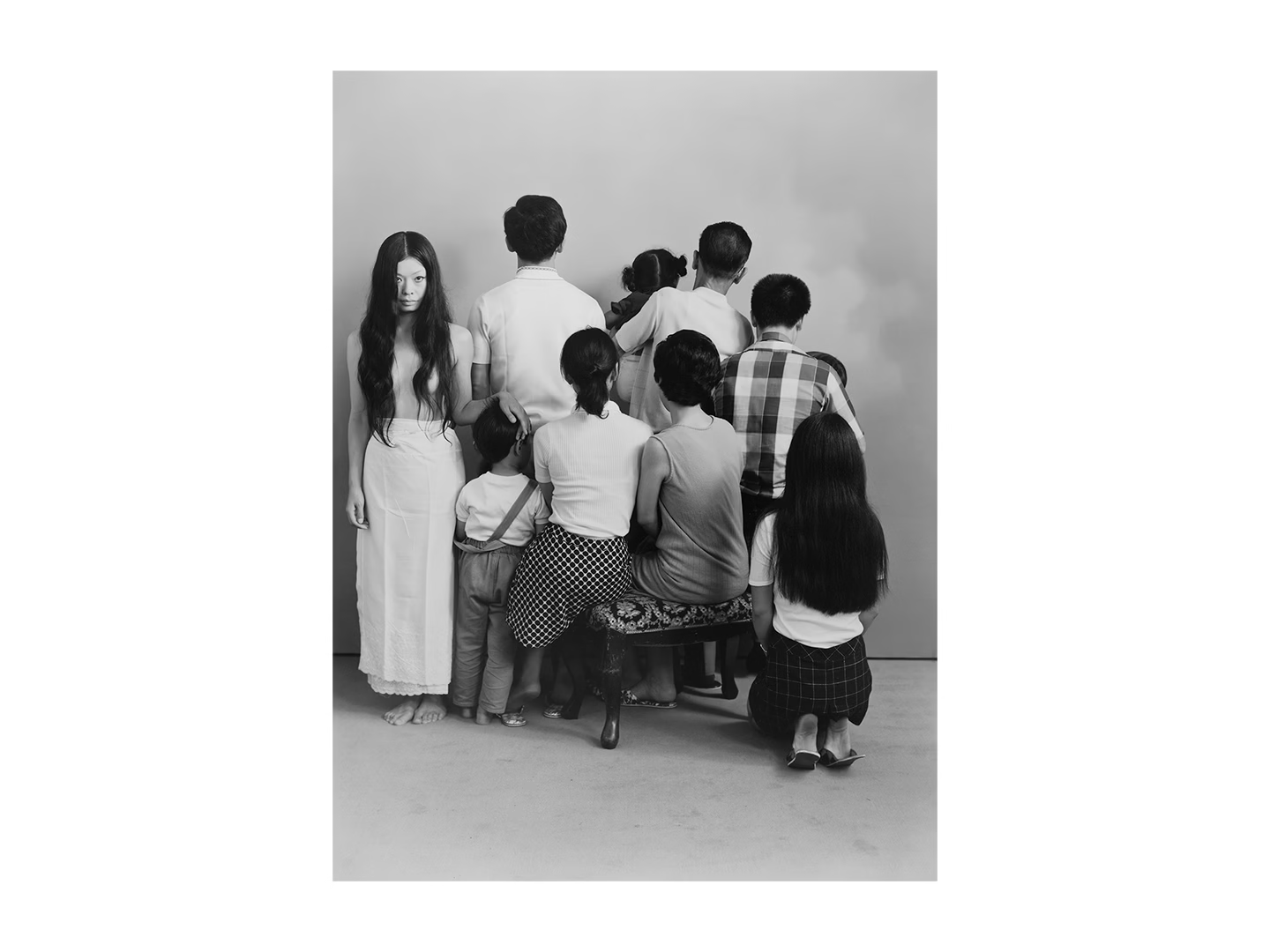
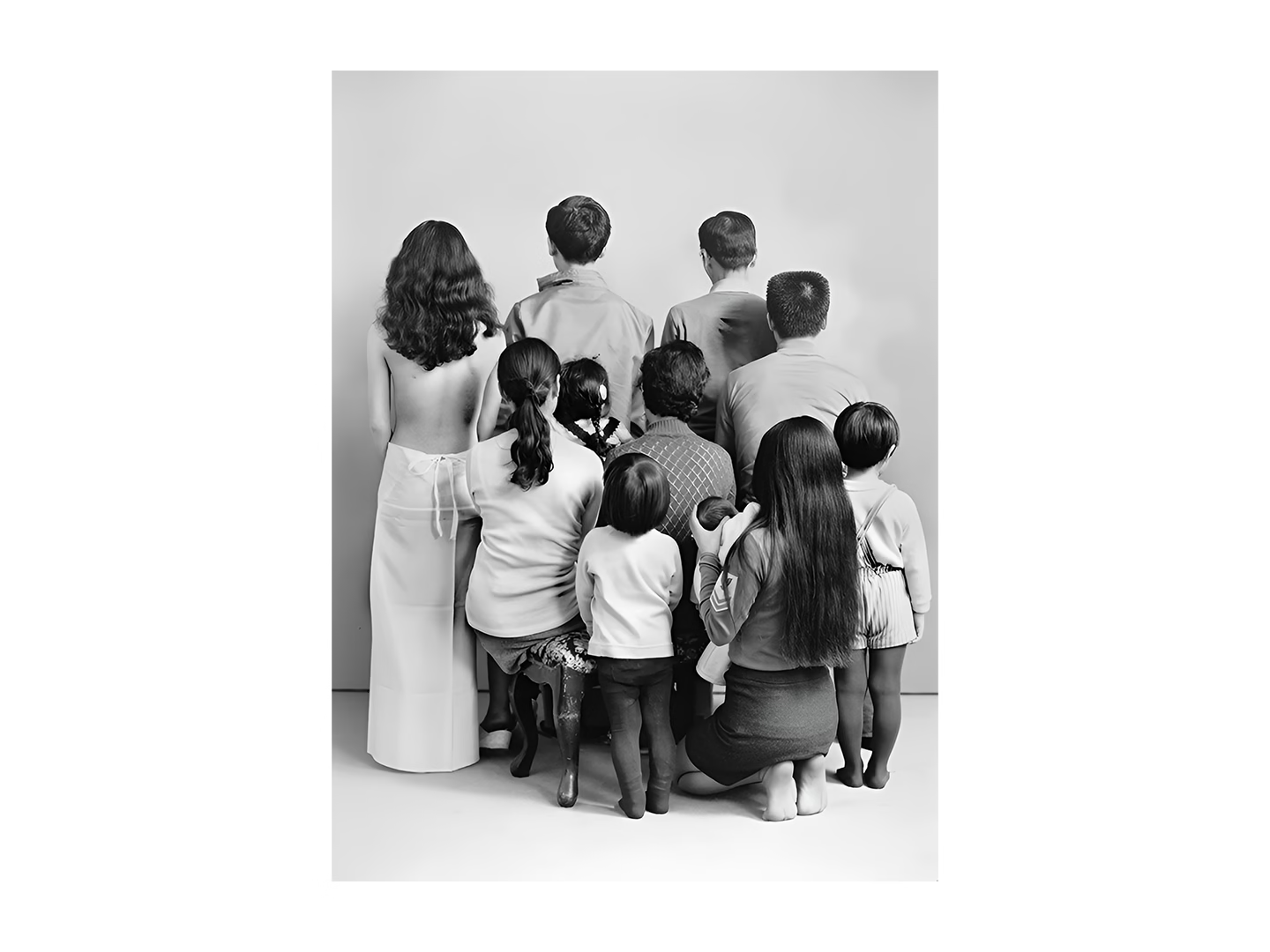
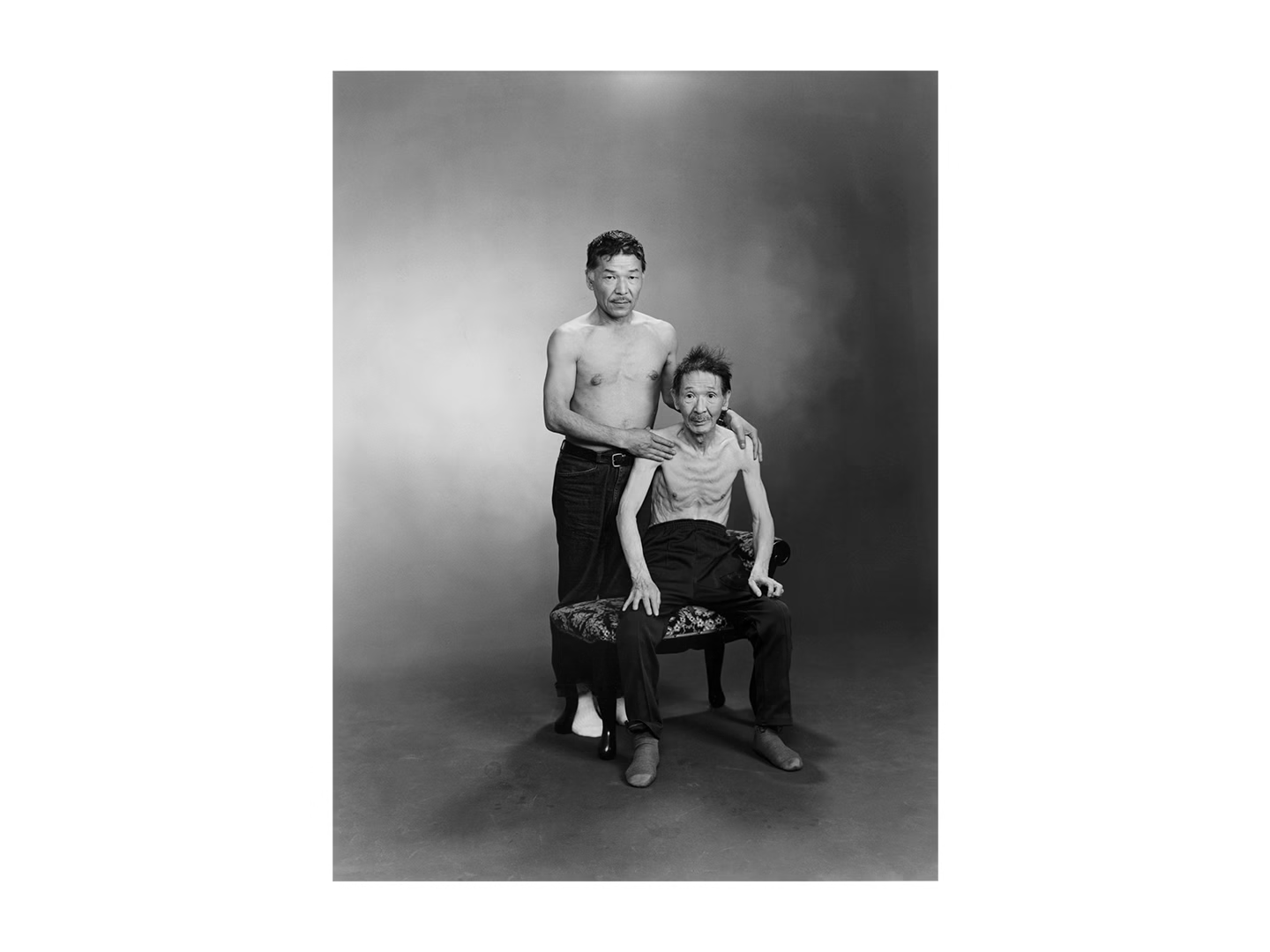
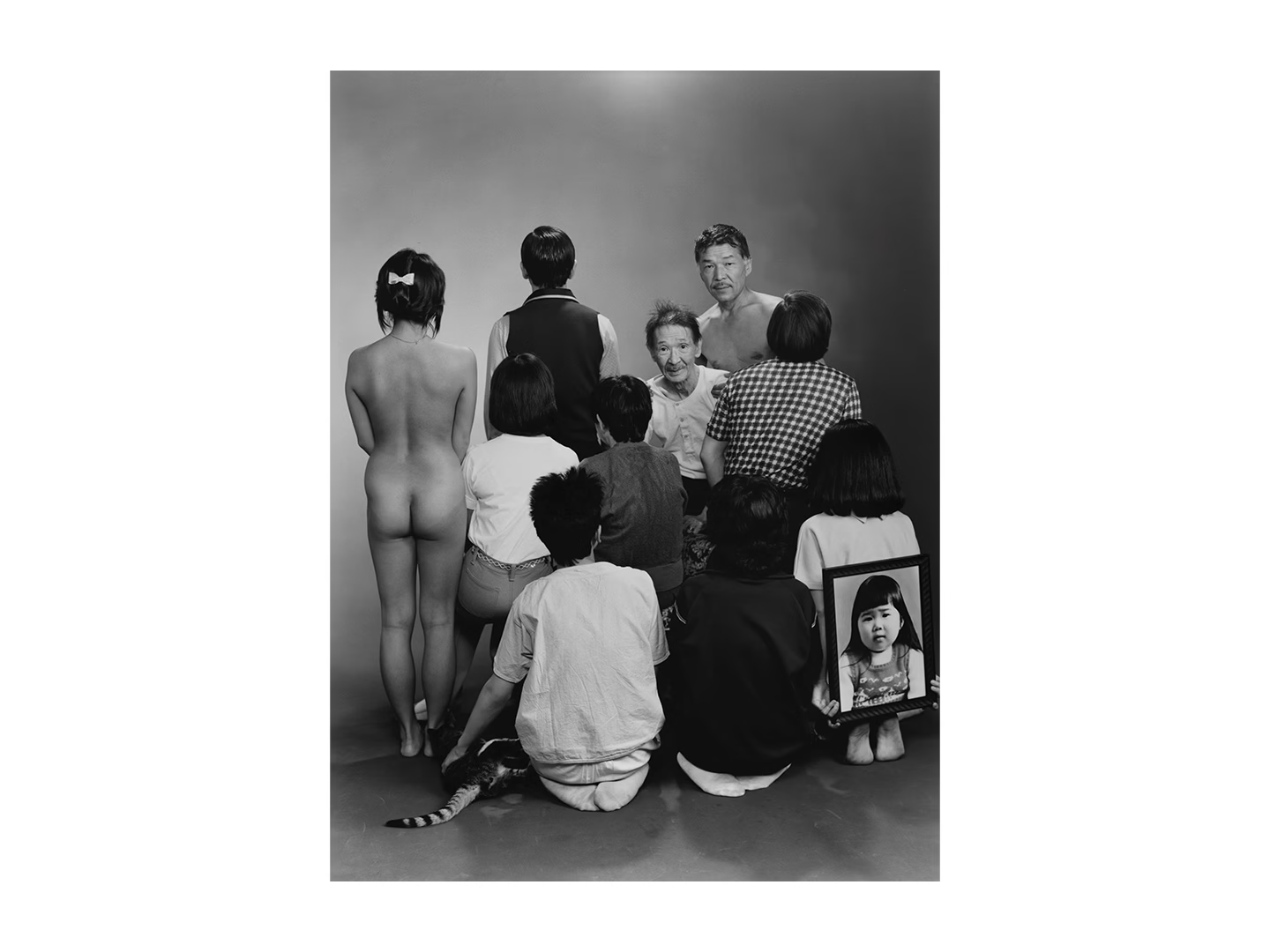
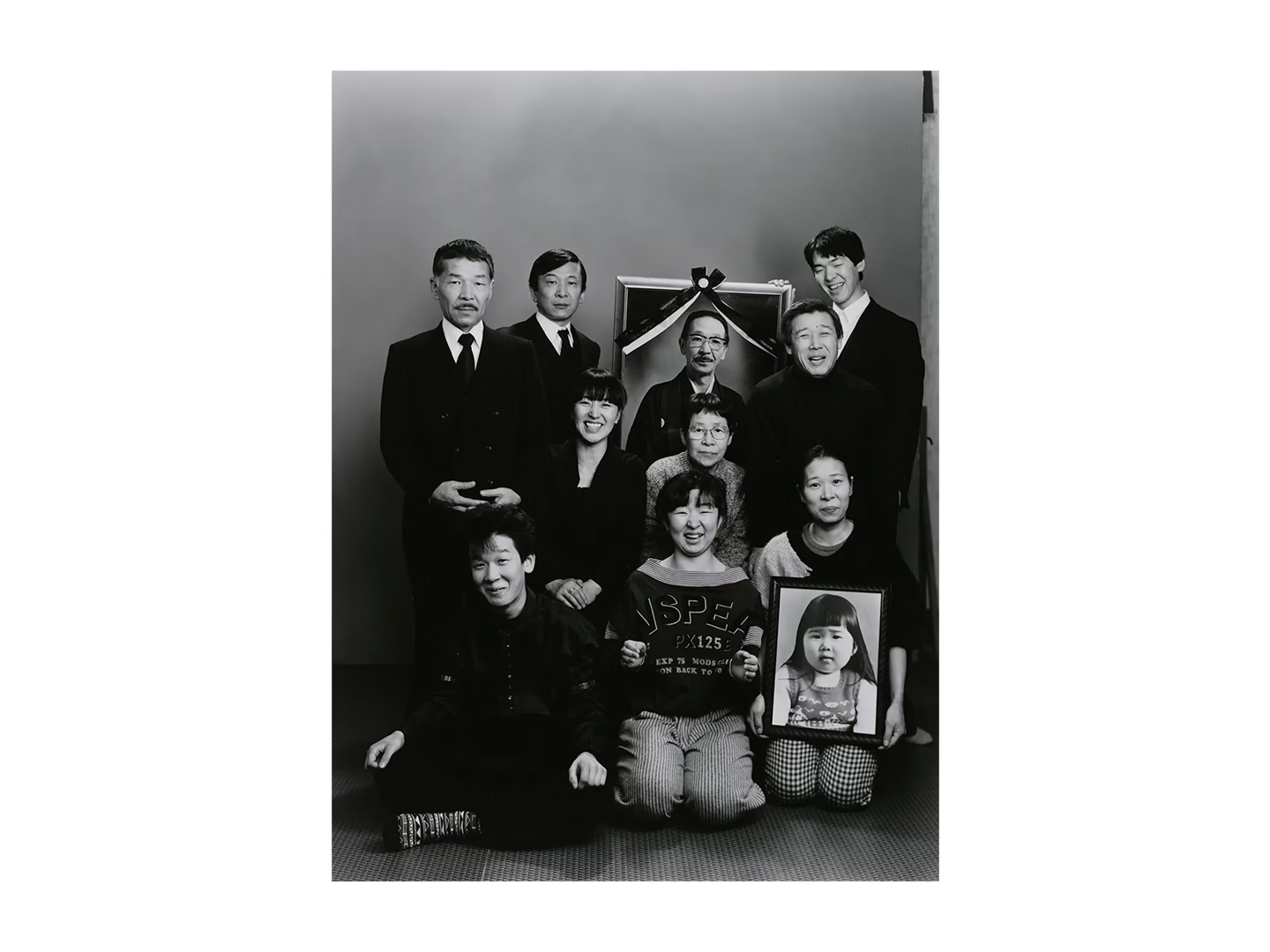
Beginning in 1971, Fukase documented his family through formal studio portraits taken in his hometown of Bifuka, Hokkaido. Using his father’s photo studio, he repeatedly assembled family members in similar compositions over many years. While the format remains consistent, the images register change through aging, absence, and altered dynamics. The final portrait, made after his father’s death, replaces the patriarch with a framed funeral photograph, reinforcing photography’s role as a record of both presence and loss.
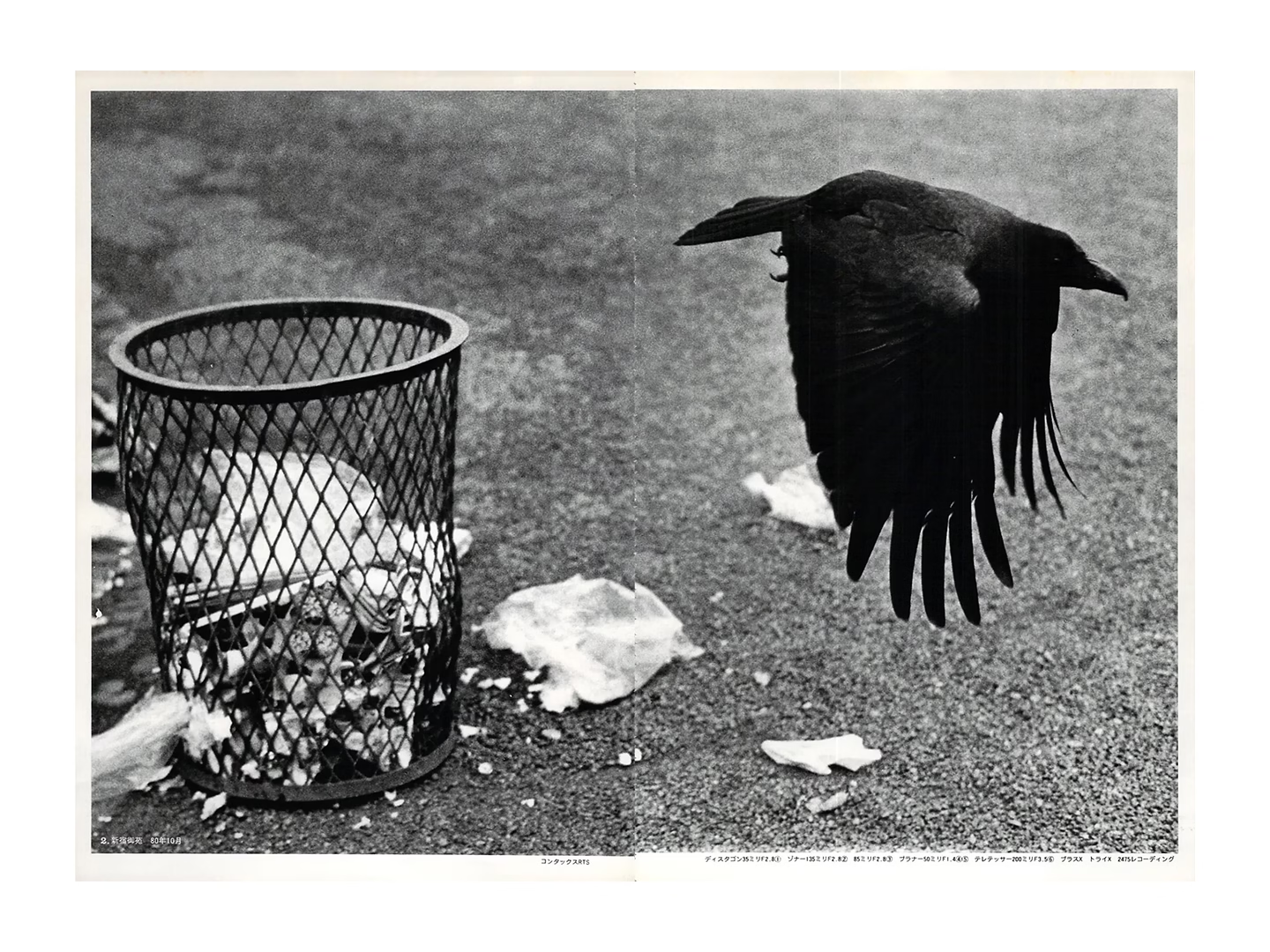
3. Ravens (Karasu)
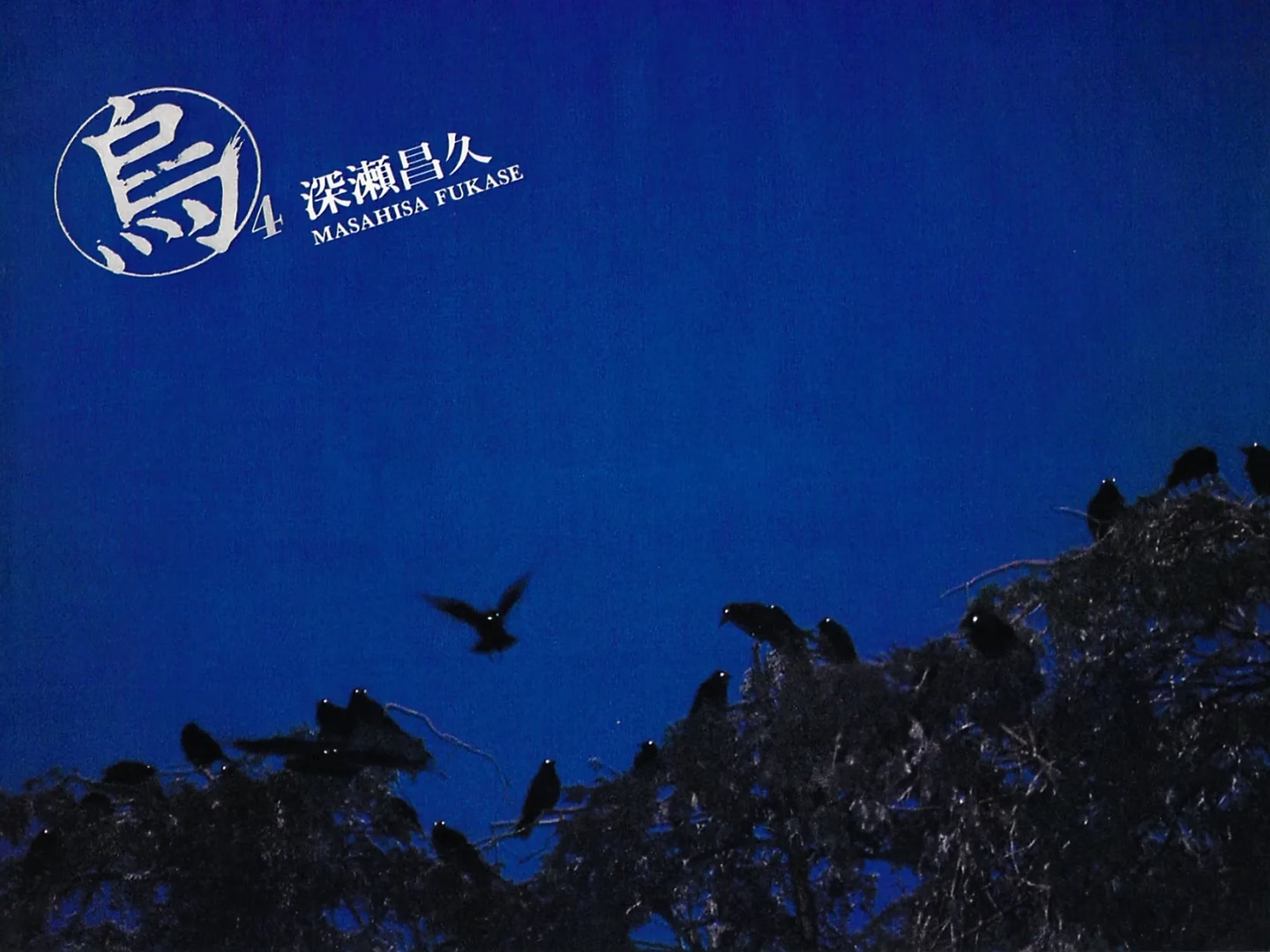
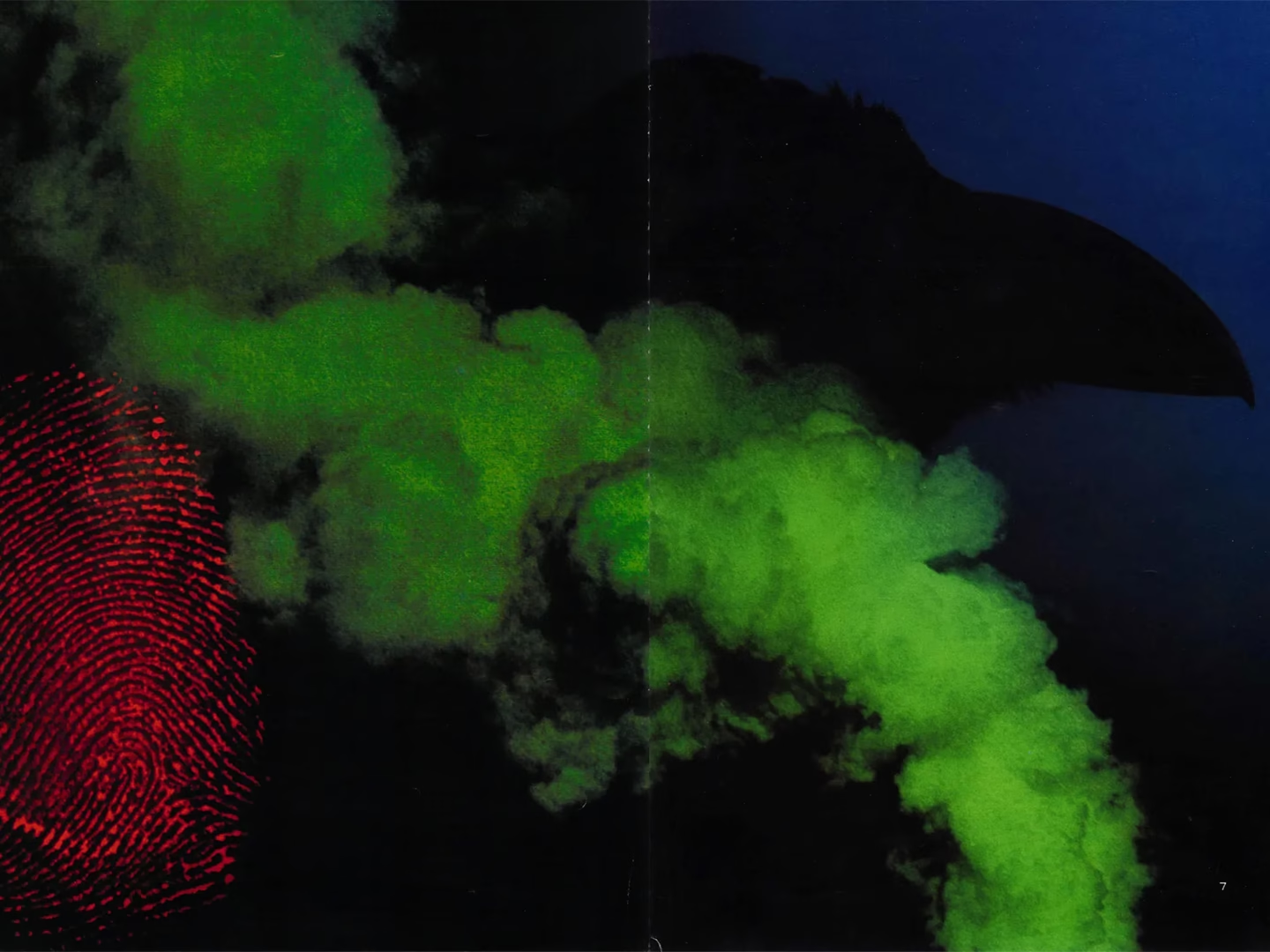
Ravens began in the mid-1970s following Fukase’s separation from Yohko and marked a shift away from direct portraiture. Traveling through Hokkaido and other regions, he photographed ravens in sparse landscapes, often reducing them to dark silhouettes against sky or snow. The birds function less as subjects than as recurring visual elements, forming a symbolic system built on repetition and mood. Over time, the series developed into a cohesive body of work defined by grain, contrast, and emotional abstraction.
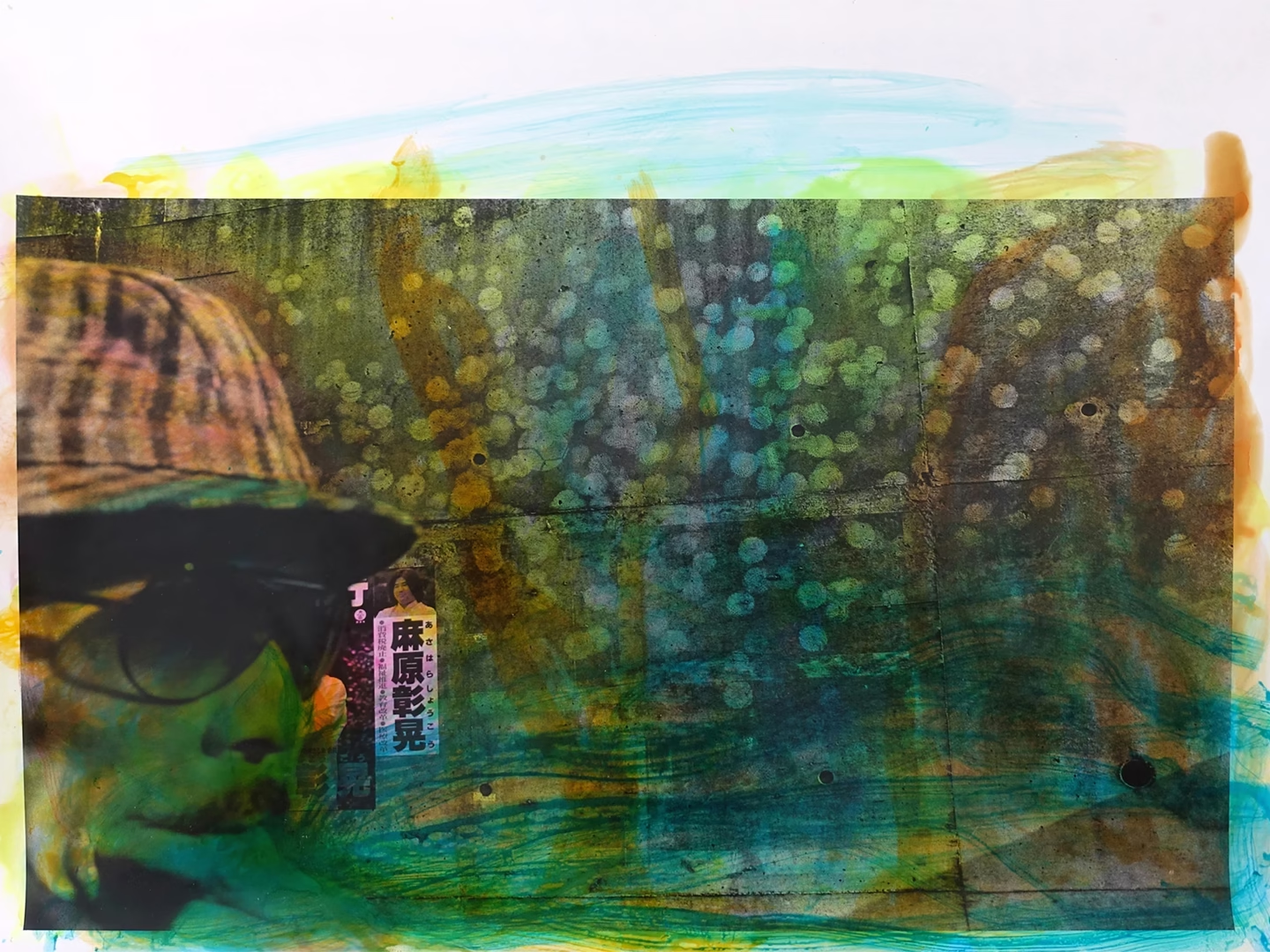
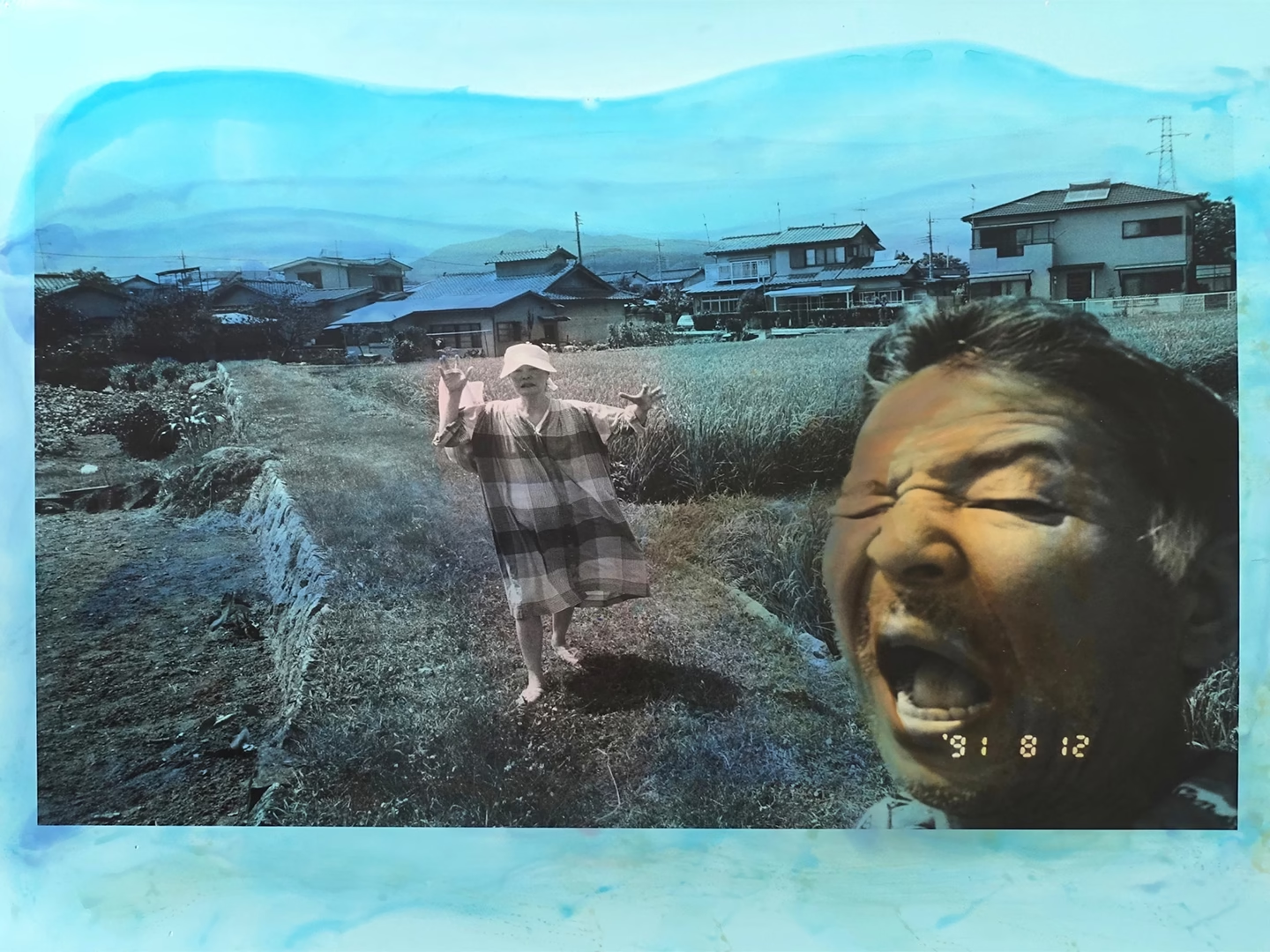
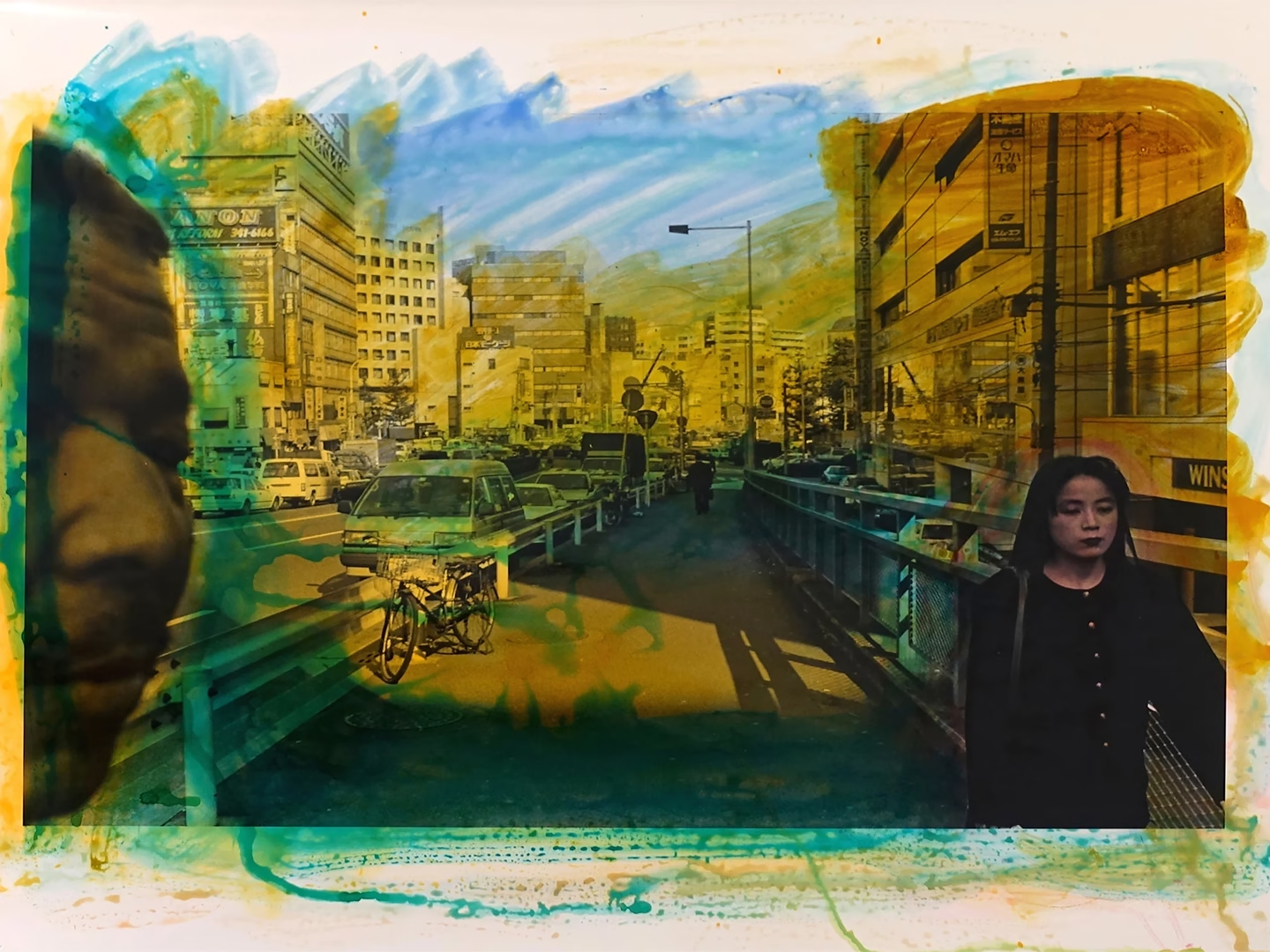
4. Private Scenes
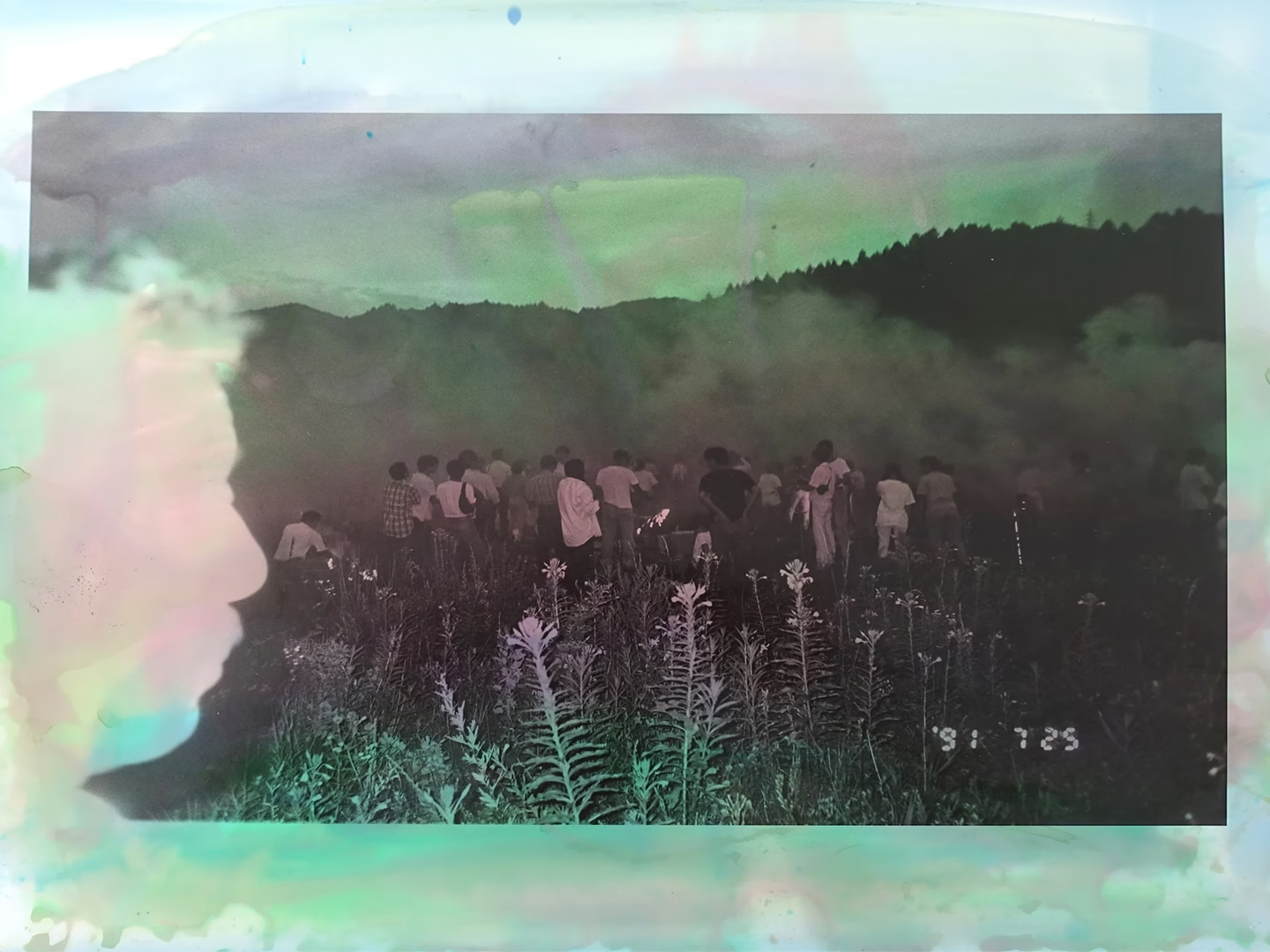
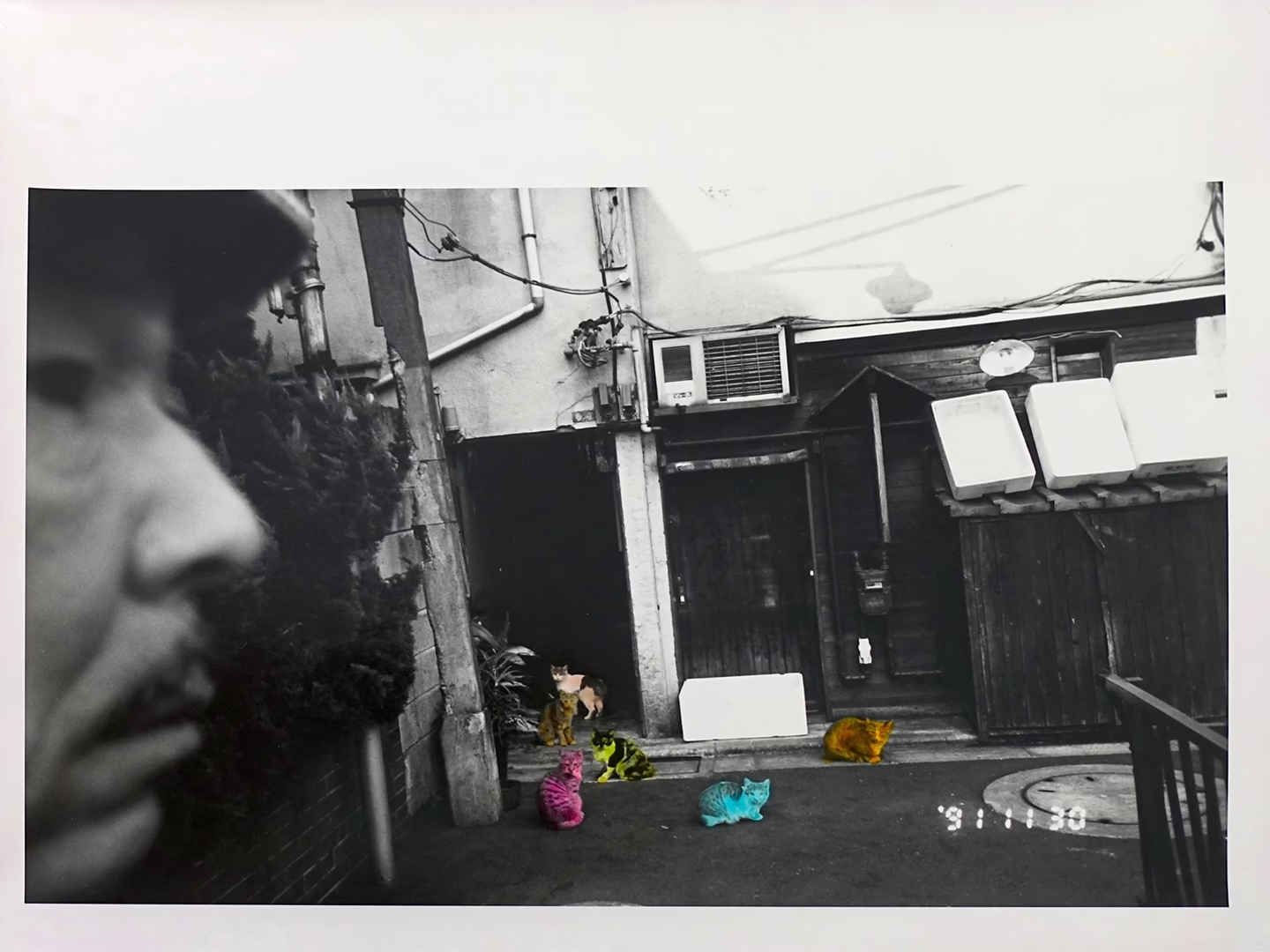
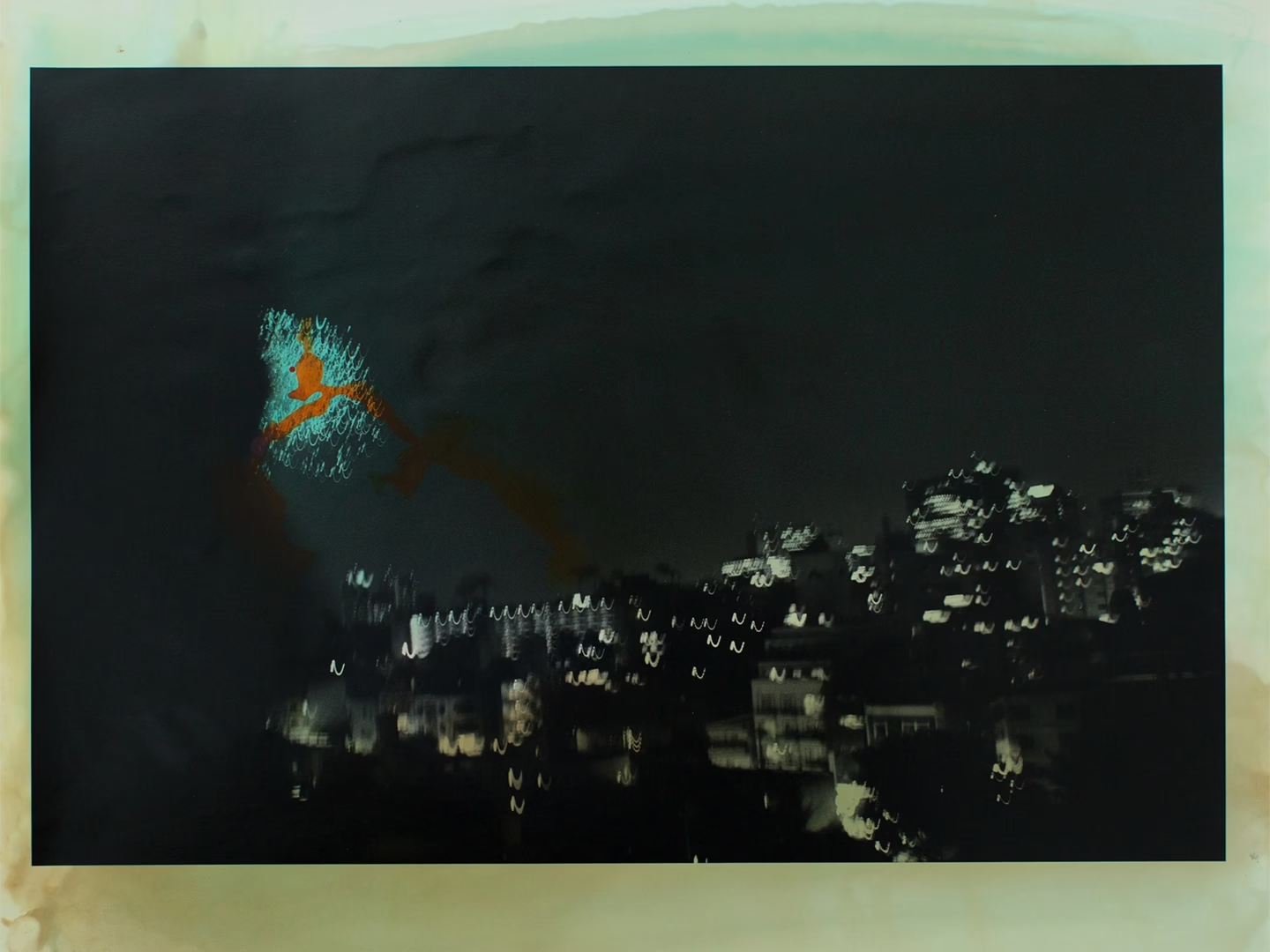
In the late 1980s and early 1990s, Fukase turned his attention inward through a series titled Private Scenes. Shot during travels abroad and later in Tokyo, the photographs incorporate fragments of his own body, reflections, shadows, and distorted self-portraits. The surrounding environment serves as a secondary element, with the photographer repeatedly entering the frame. When exhibited in 1992, the work was presented as a dense installation of small prints, many hand-colored, emphasizing accumulation over narrative.
5. Bukubuku
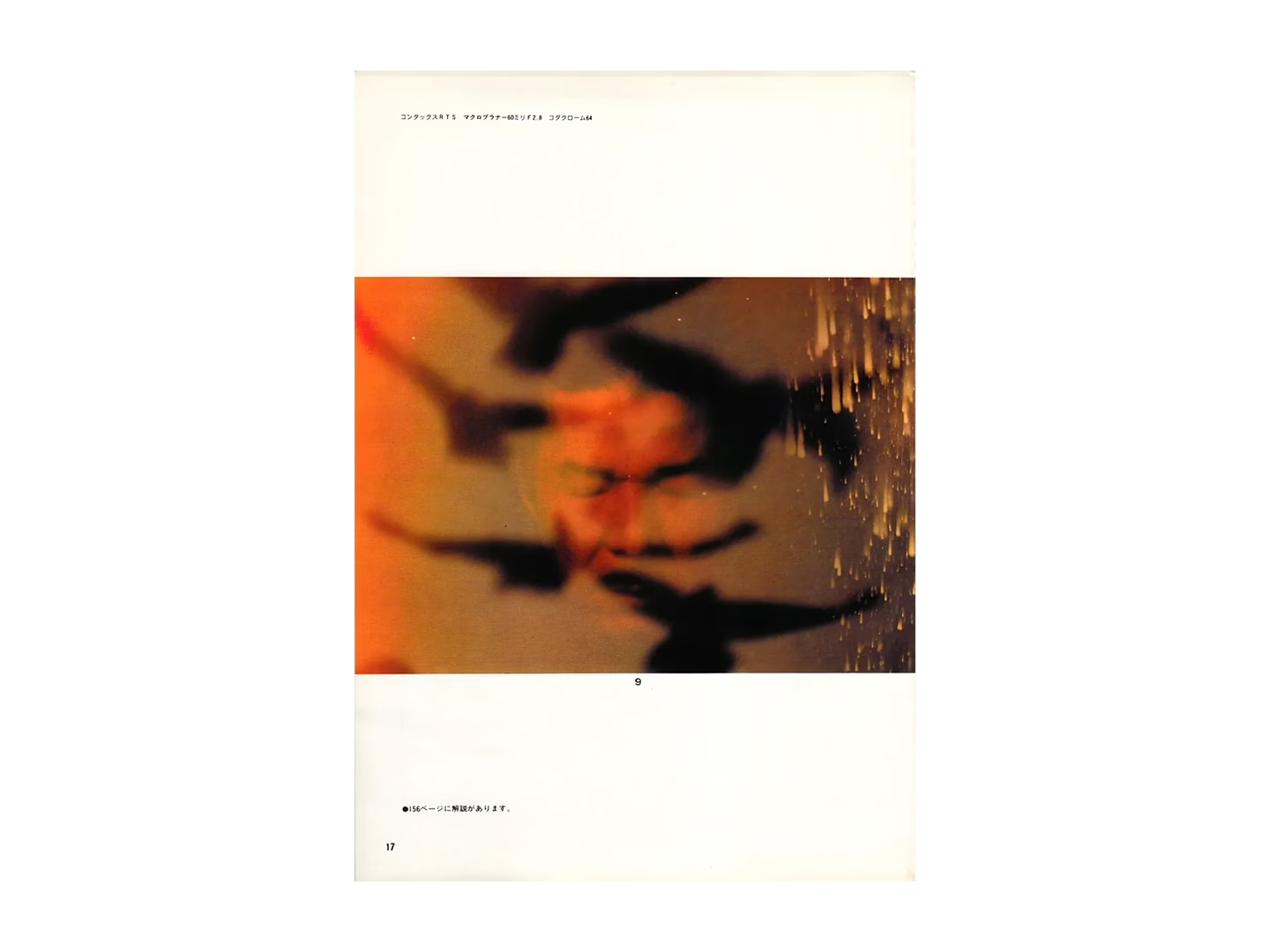
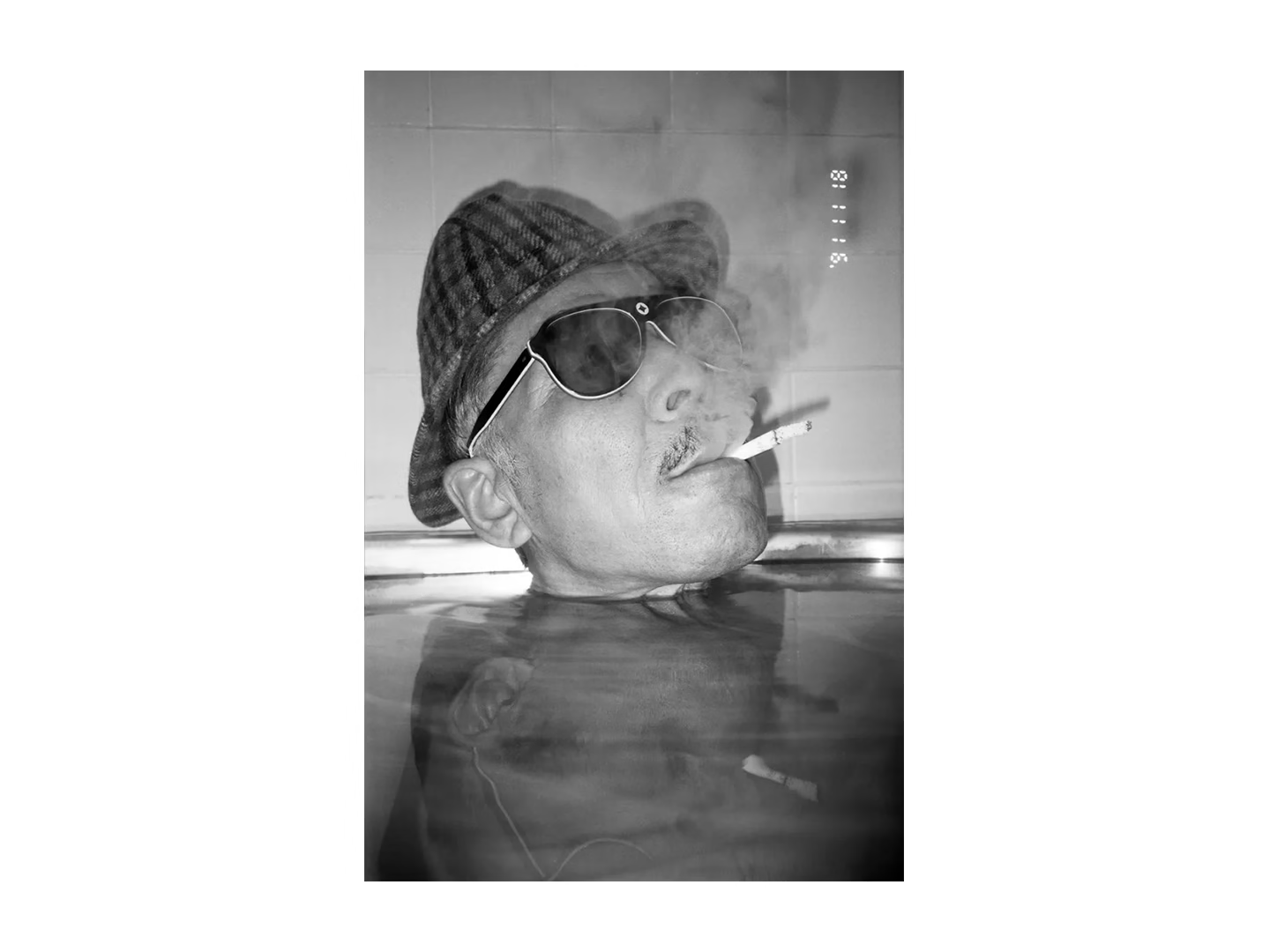
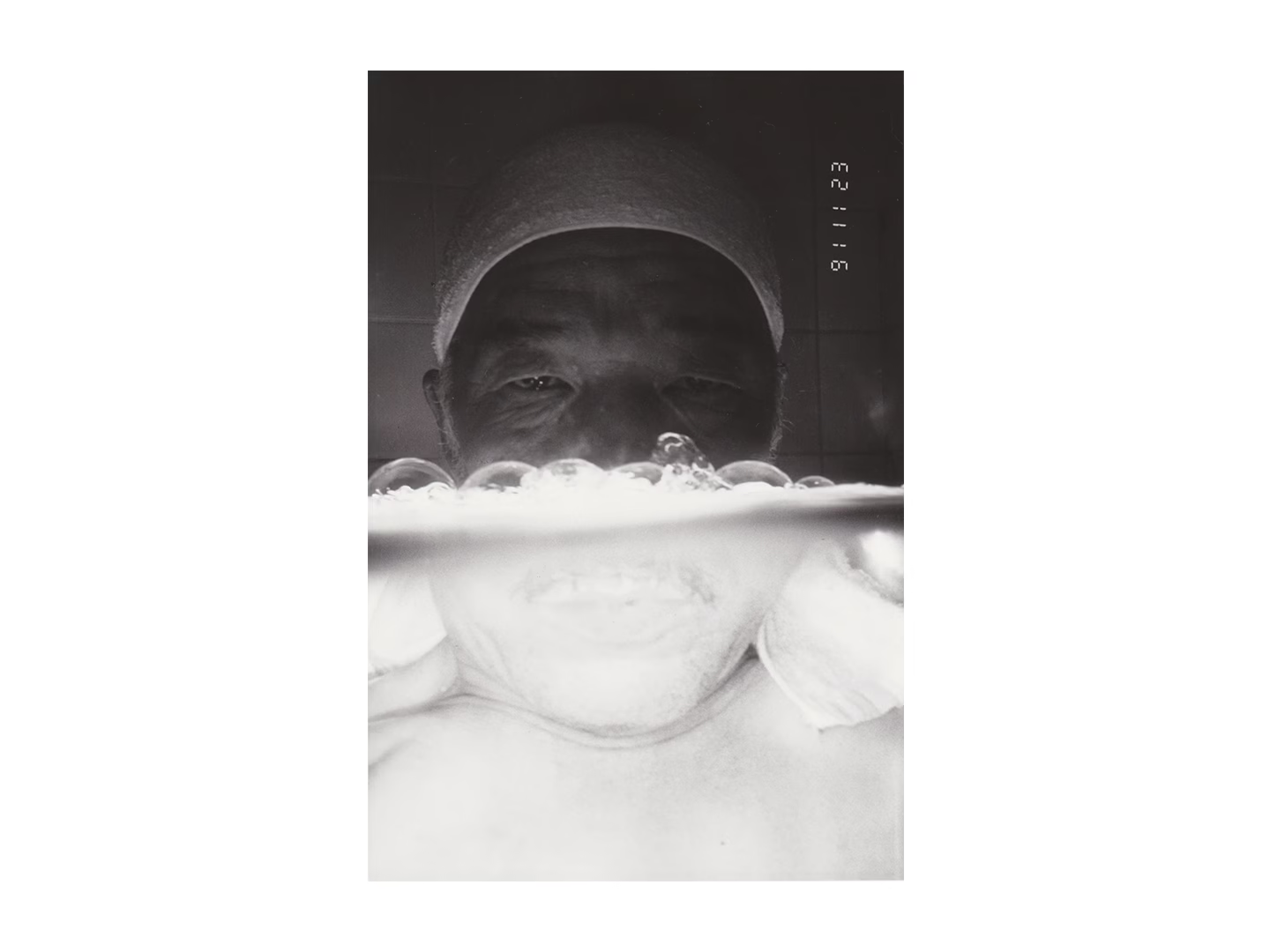
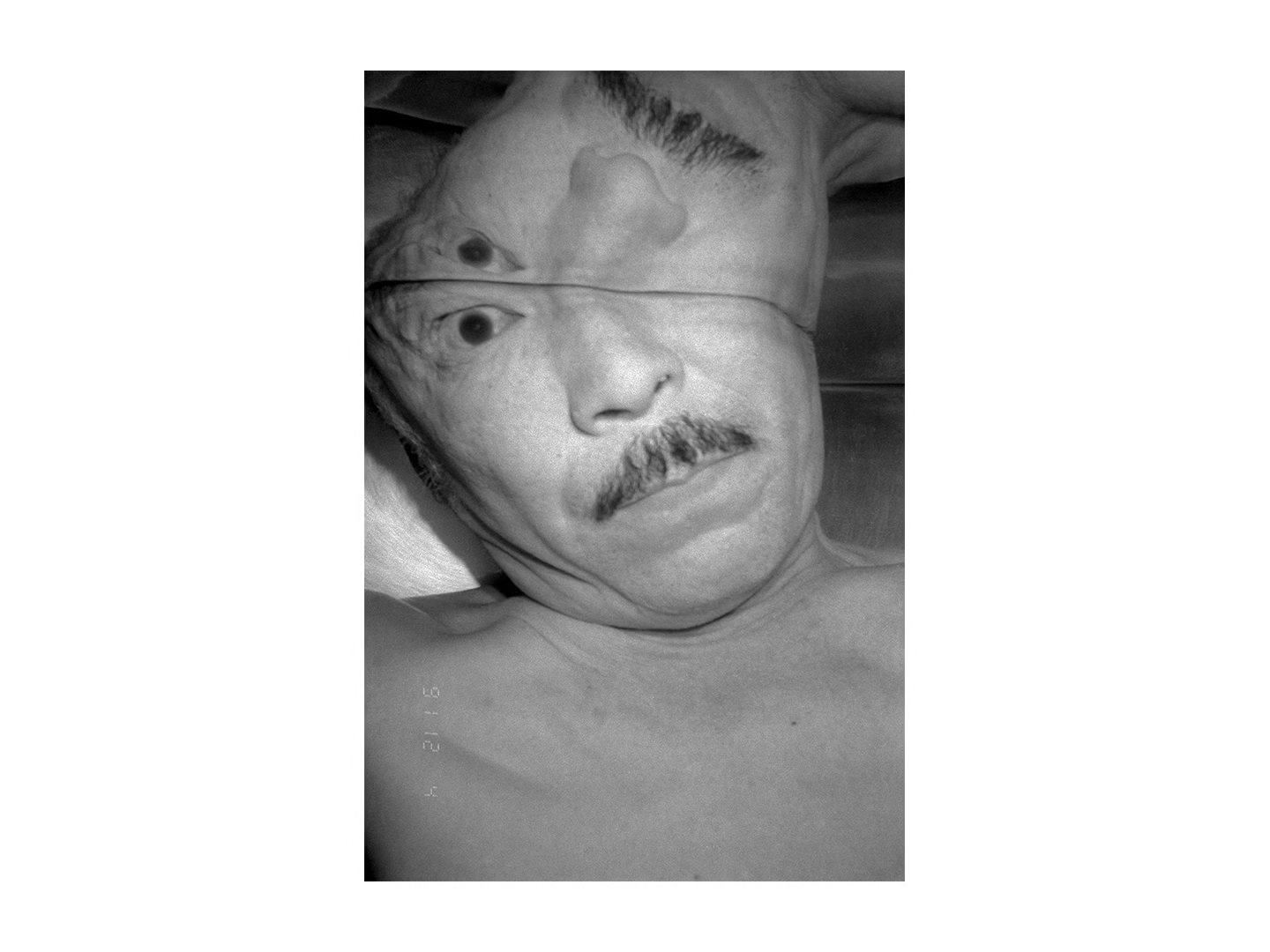
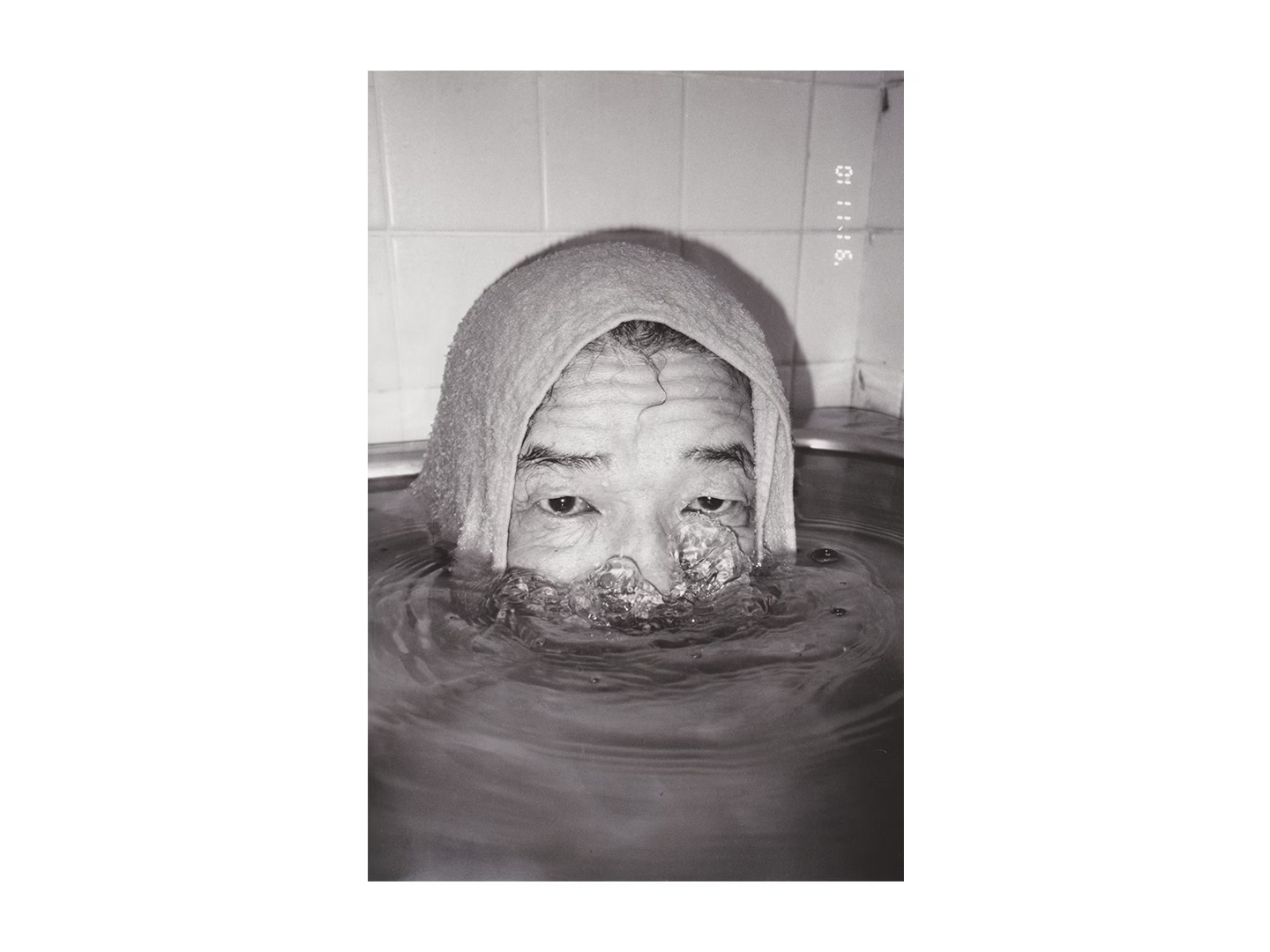
Bukubuku was Fukase’s final major project and consists of self-portraits taken in his bathtub using a waterproof camera. The images show his face submerged beneath water, altered by reflections and bubbles, producing outcomes that range from playful to disquieting. Shot over a short period in 1991, the series embraces unpredictability, with results only visible after development. Reduced to a single setting and subject, Bukubuku functions as a closed experiment focused on the body and the image-making process itself.