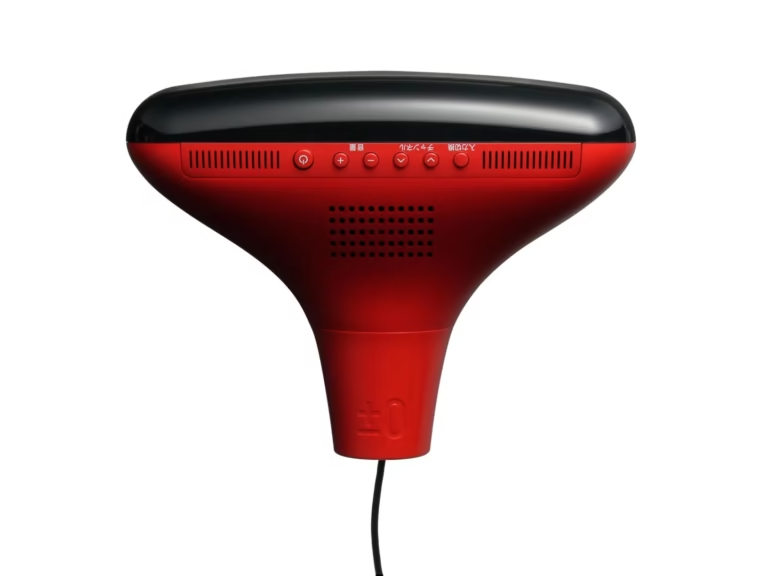
While Hender Scheme is widely associated with leather footwear, the brand has consistently explored how the same material logic can be applied to everyday objects. Rather than treating leather as decoration, these pieces translate familiar forms into a different material context, allowing use, aging, and surface change to define their character over time.
1. Leather Tower Game
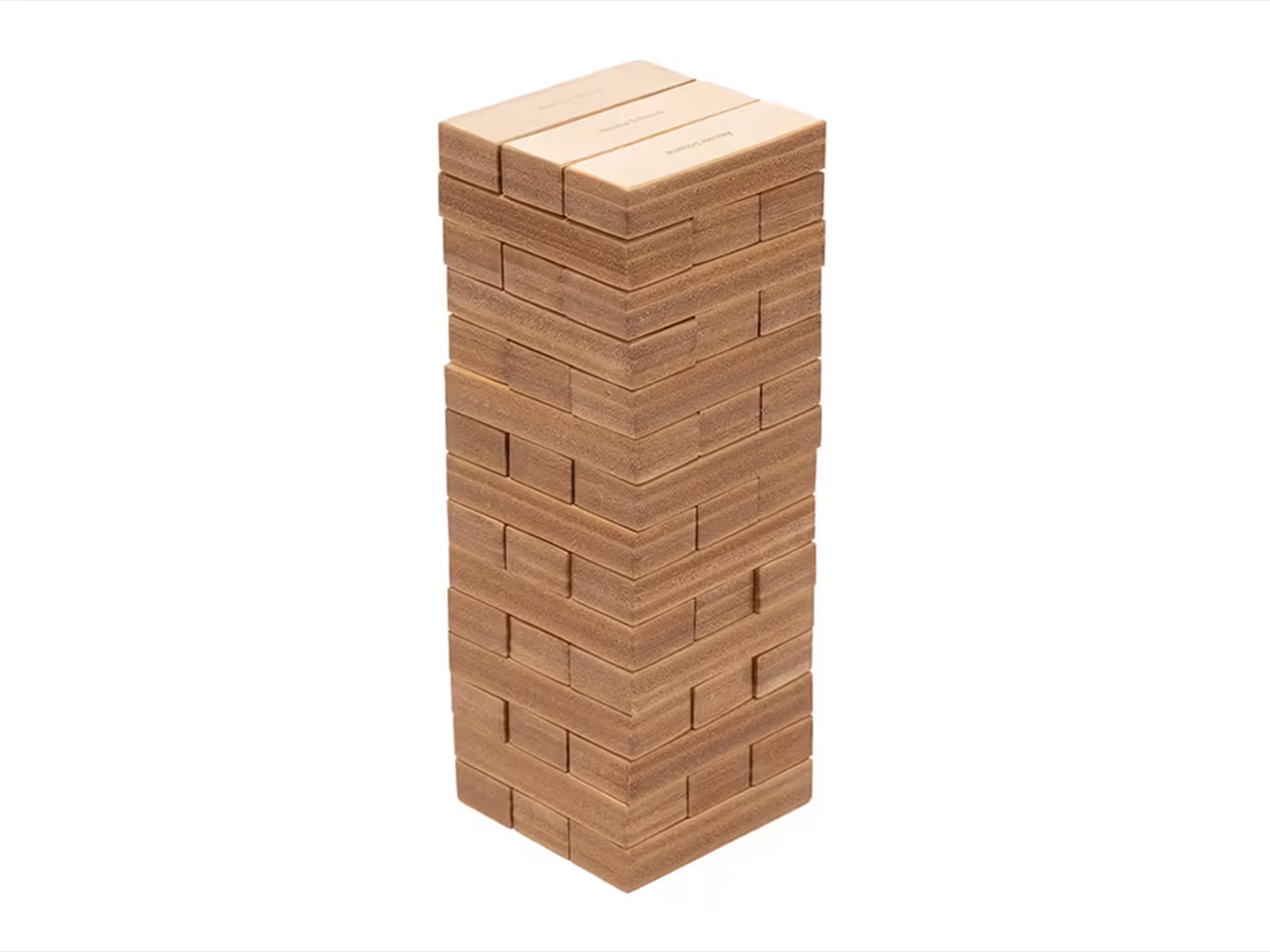
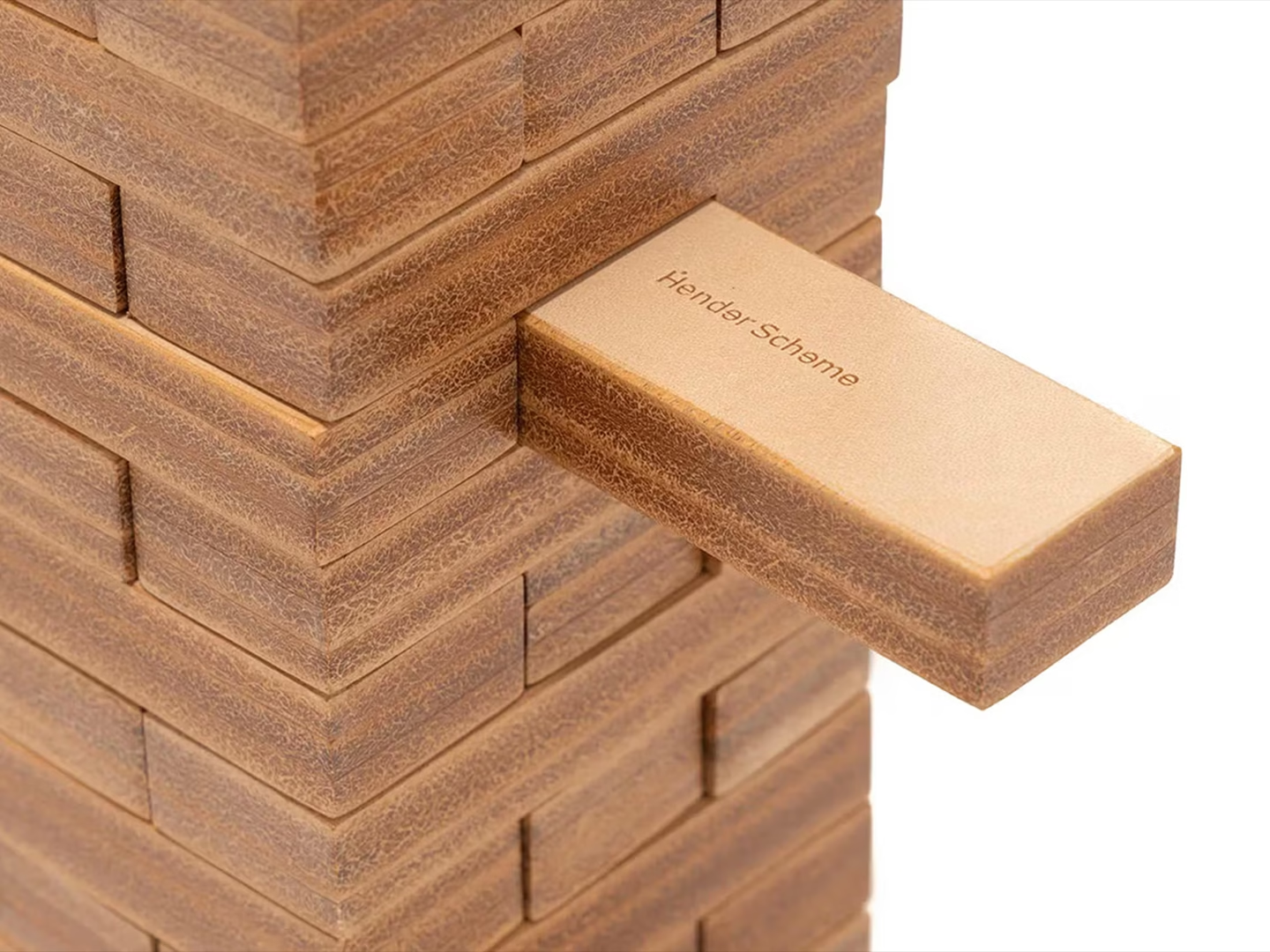
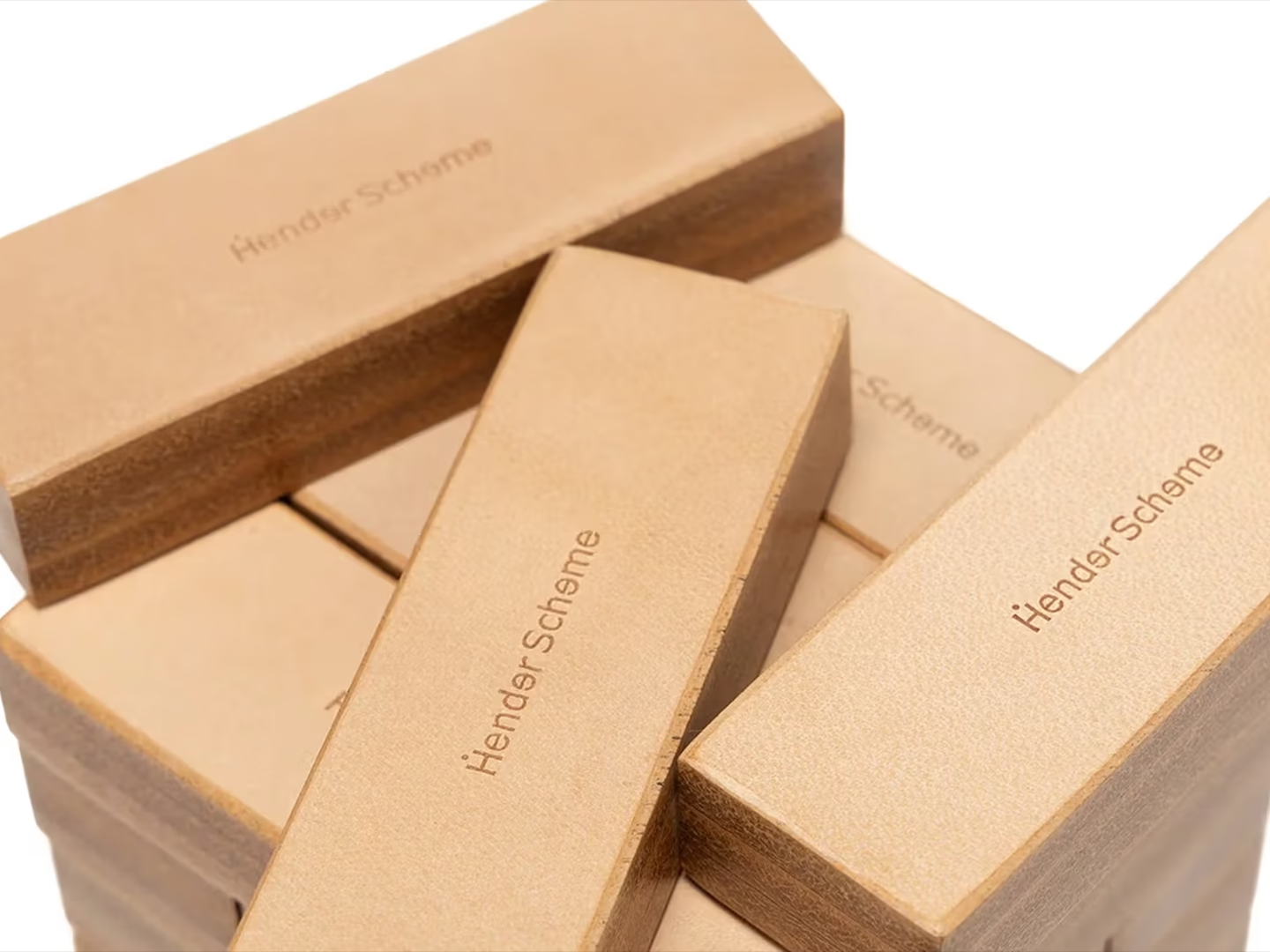
The leather Jenga set reconstructs the familiar block game using leather in place of wood. Dimensions and structure follow the original format, preserving the rules of play, while the material alters how the blocks feel, stack, and interact. The result balances usability with objecthood, sitting comfortably between functional game and display piece.
2. Clock
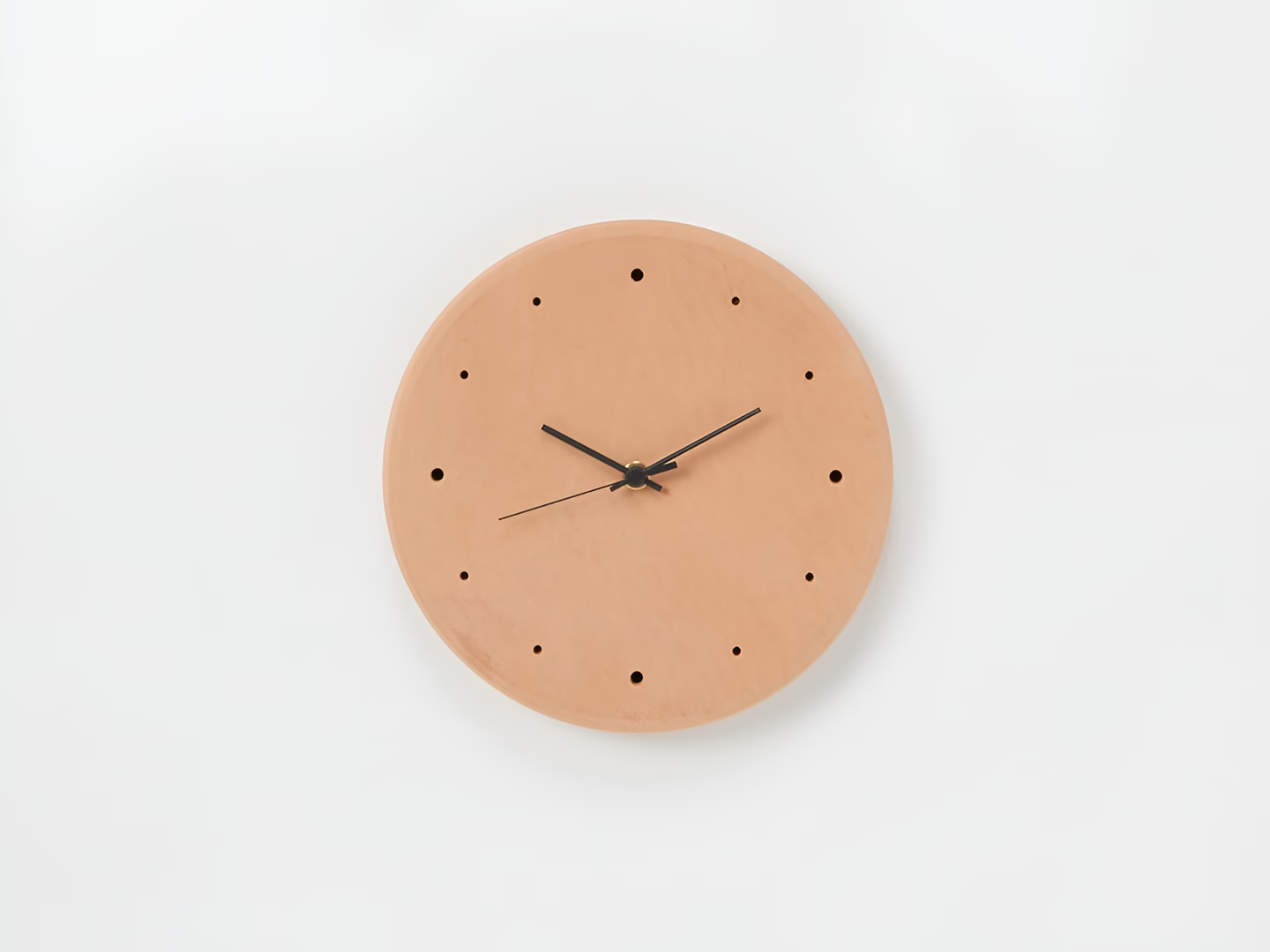
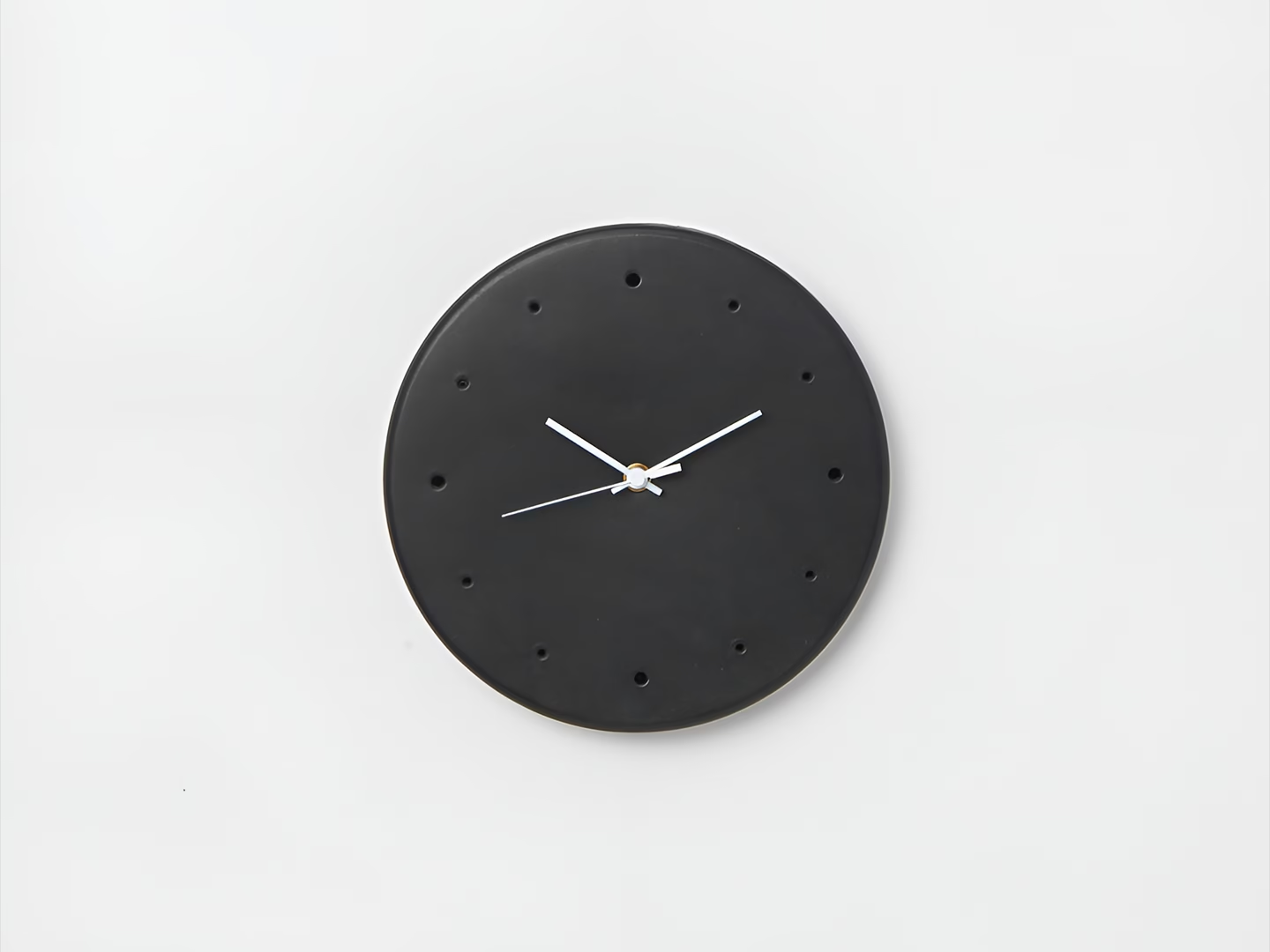
Constructed with a leather face and cut markers, the leather clock avoids printed graphics and added ornamentation. As the leather is exposed to light and air, its surface darkens and changes, making material aging visible alongside the passage of time. The clock remains simple in function, allowing surface transformation to become part of its identity.
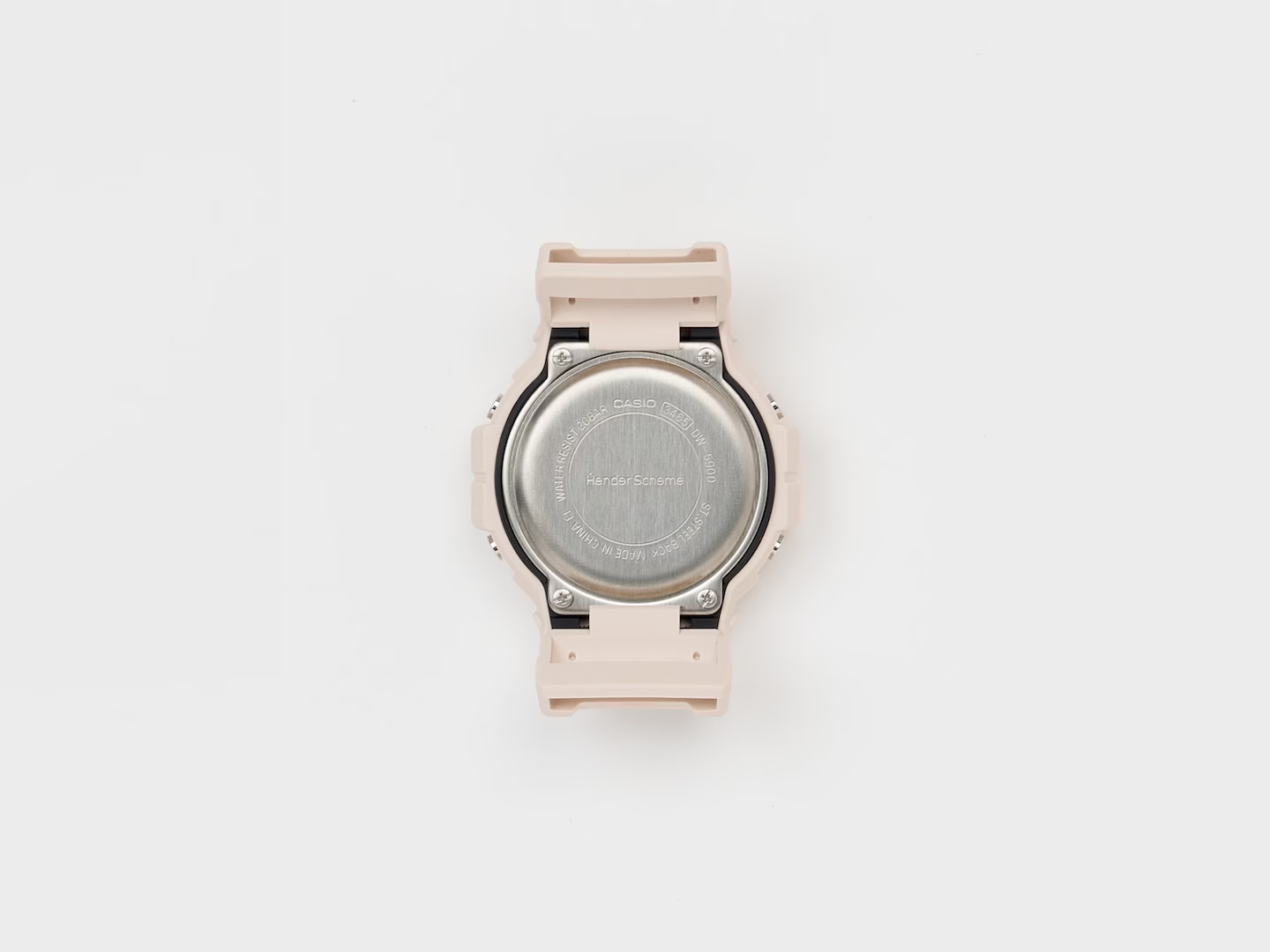
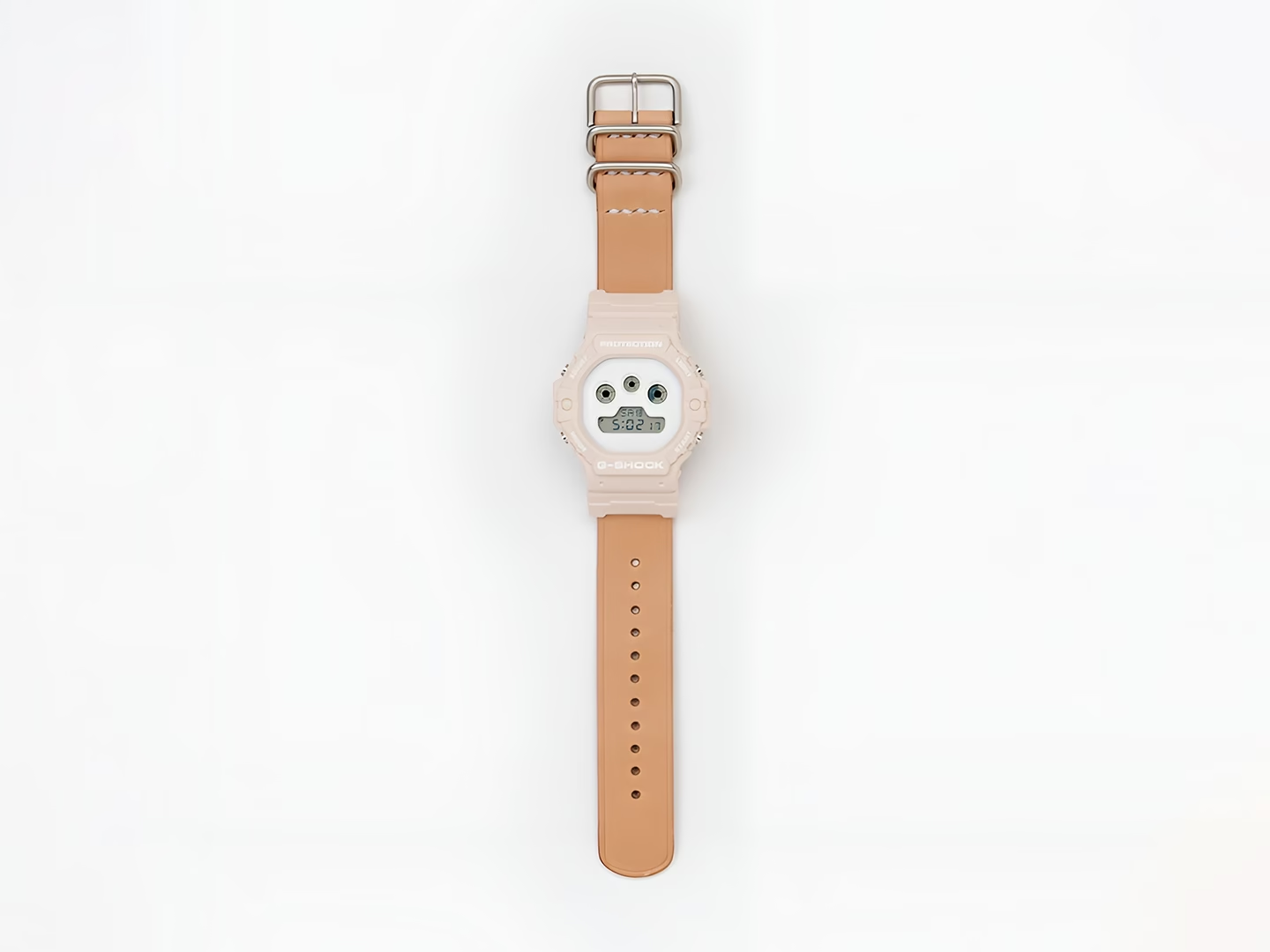
3. G-Shock Collaboration
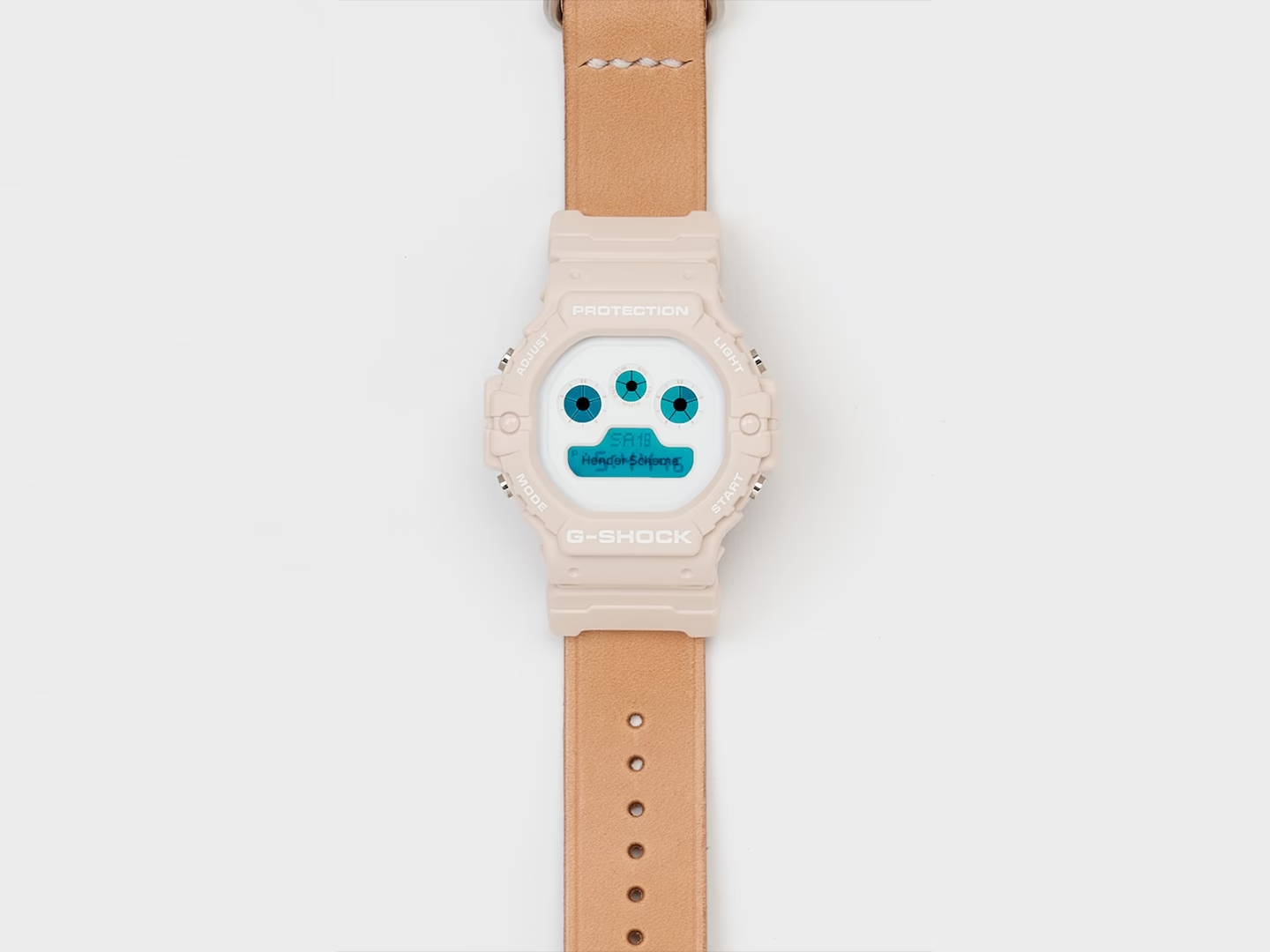
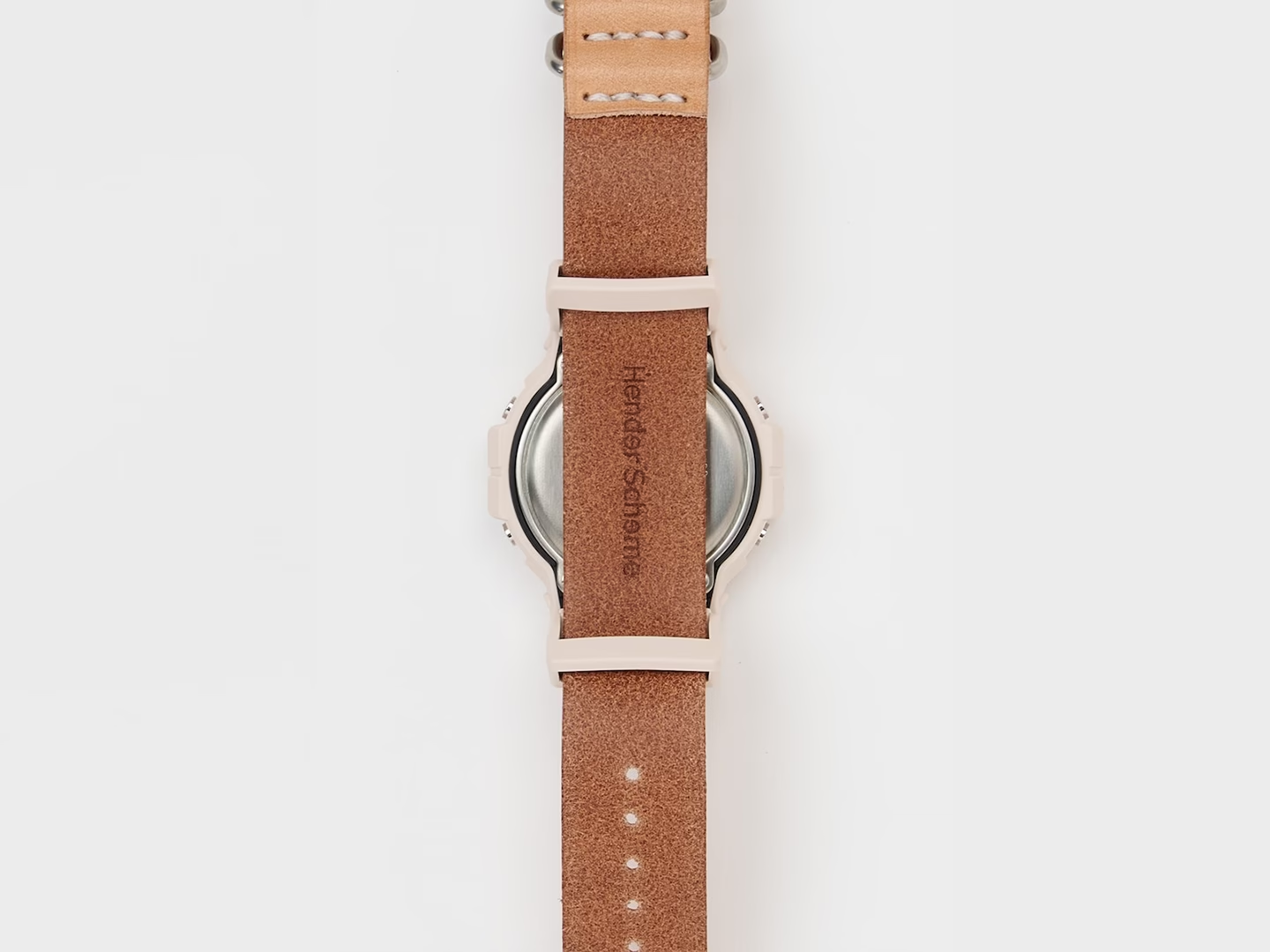
Hender Scheme has collaborated with G-Shock on several occasions across the late 2010s and 2020s. The images used here show the 2025 Hender Scheme × G-Shock DW-5900, where functionality remains unchanged while the leather strap develops patina through wear. The contrast between static digital components and changing leather shifts attention toward material aging, turning a mass-produced object into something more individual over time.
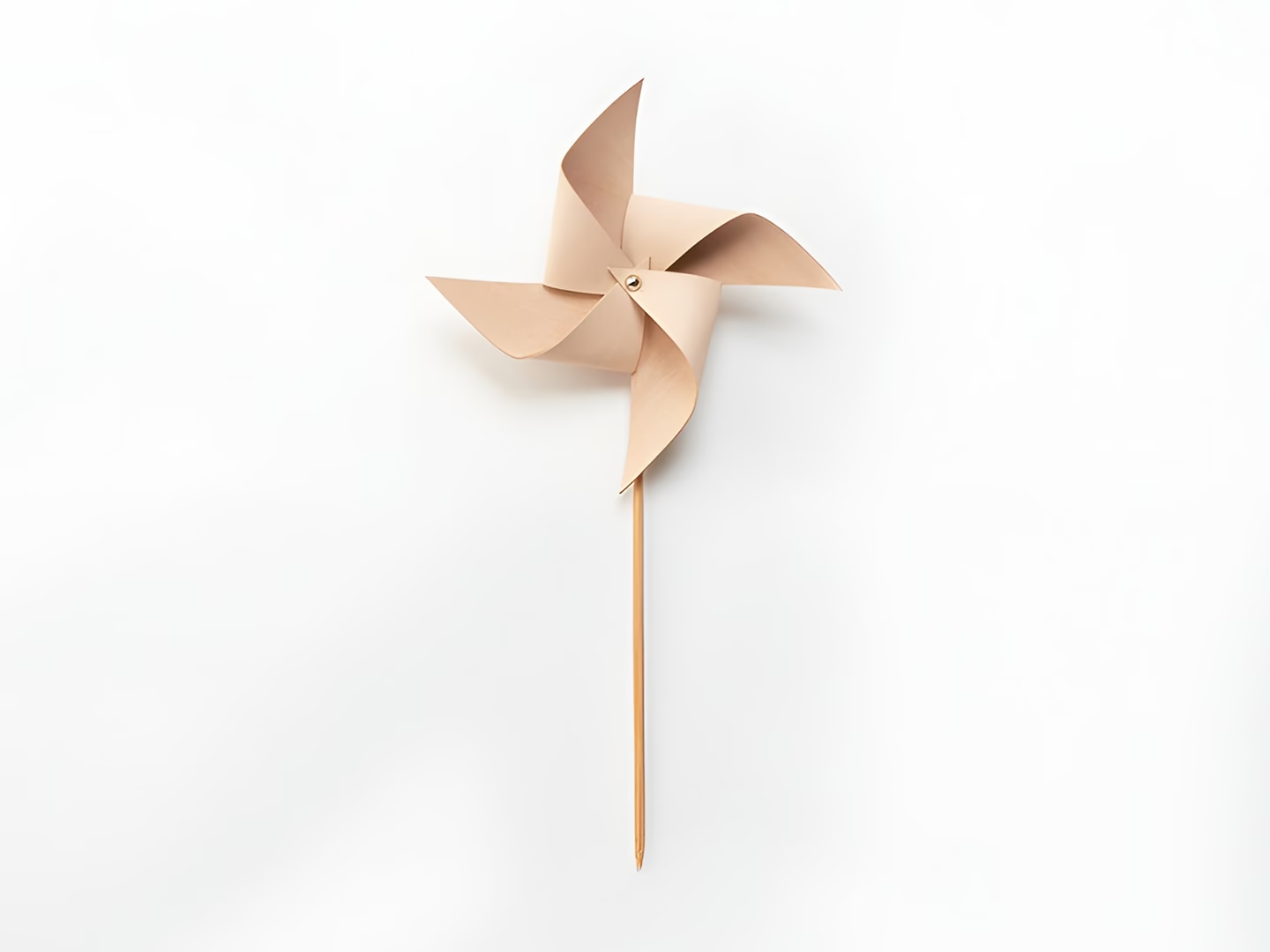
4. Kazaguruma
The kazaguruma, a traditional Japanese pinwheel, is reinterpreted using leather rather than lightweight plastic or paper. While it retains its ability to spin, movement becomes slower and more subdued due to the material’s weight. Positioned between toy and decorative object, it emphasizes material presence over efficiency, aligning with Hender Scheme’s broader approach to reworking familiar forms through leather.
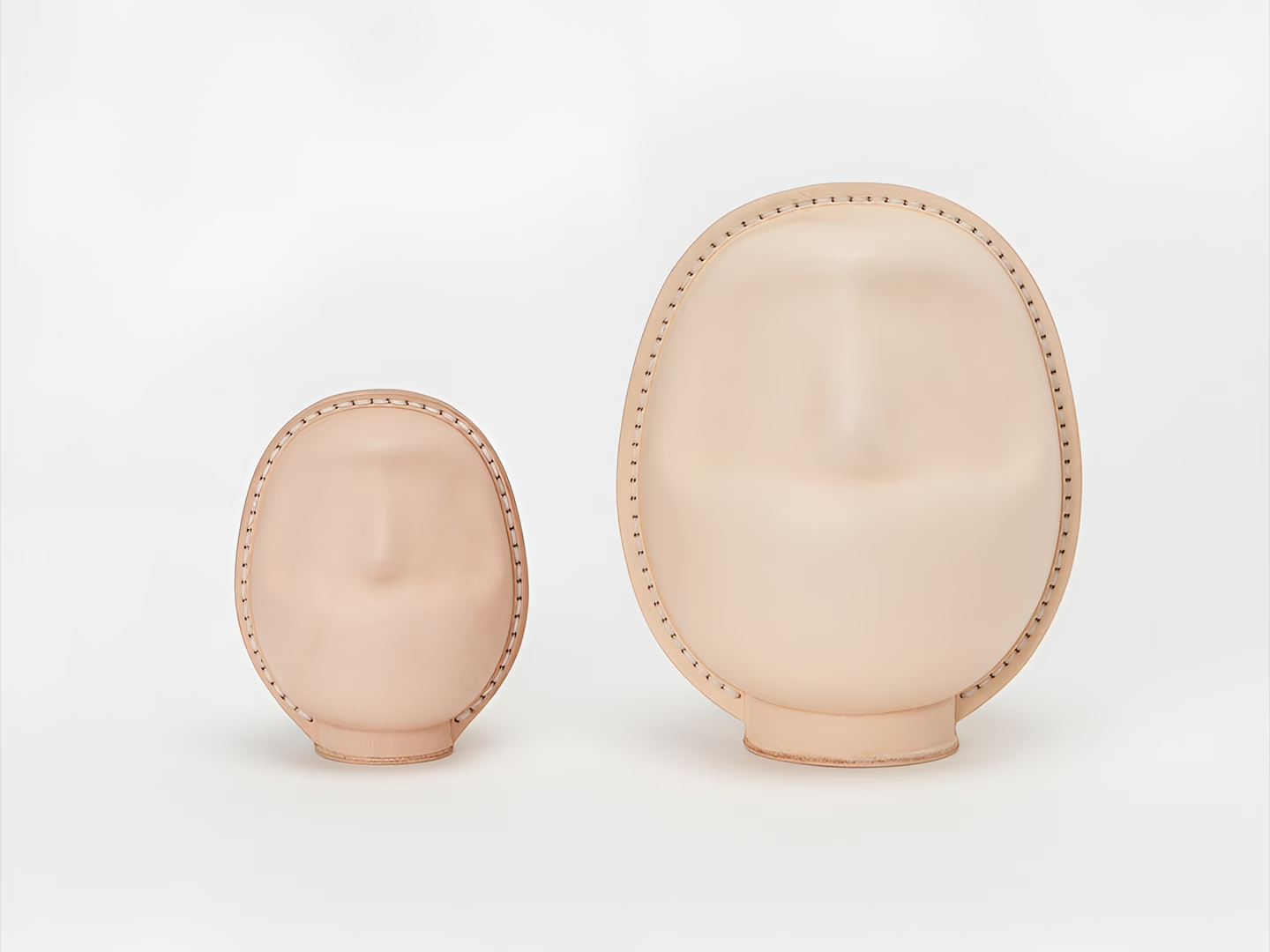
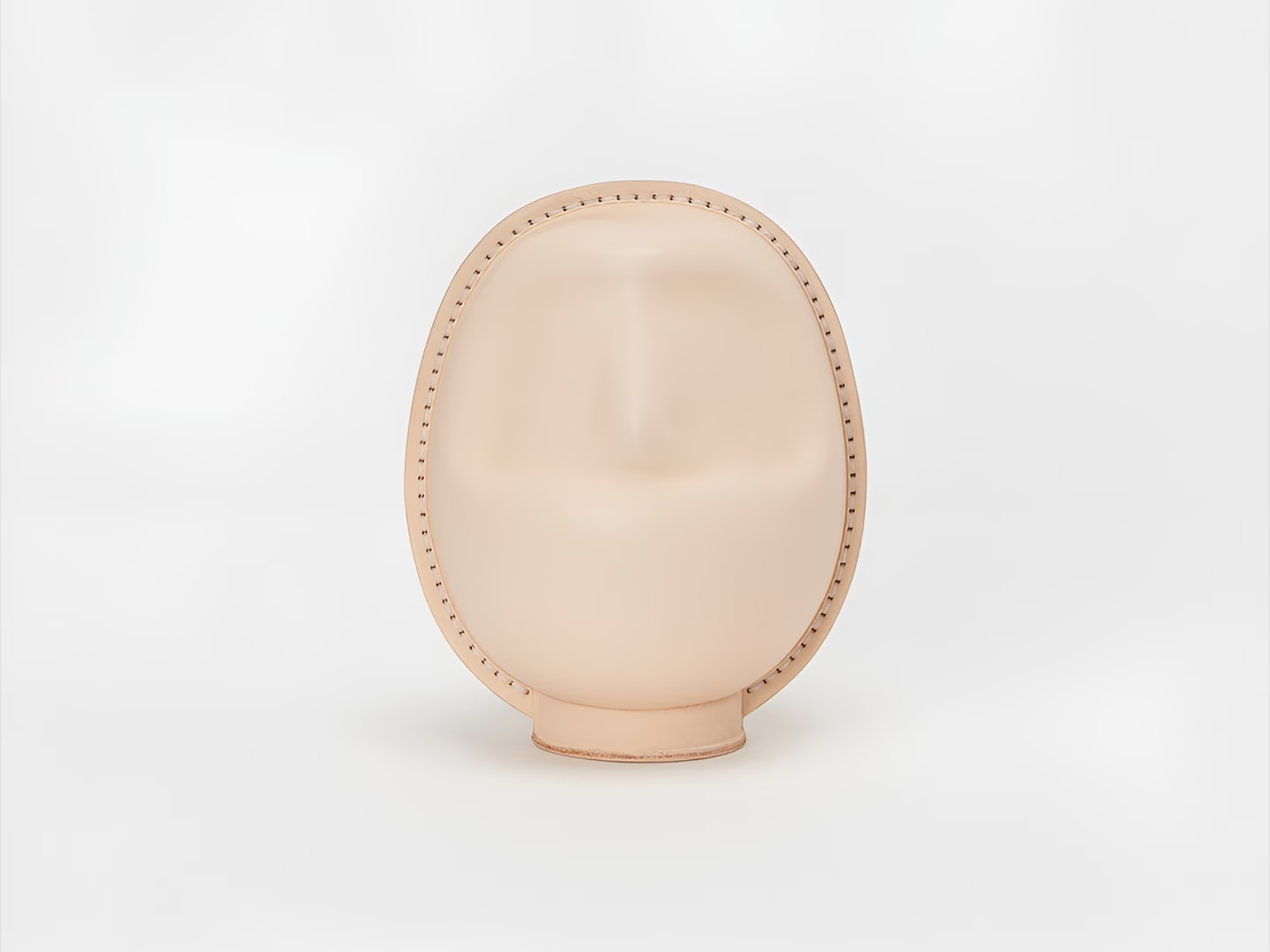
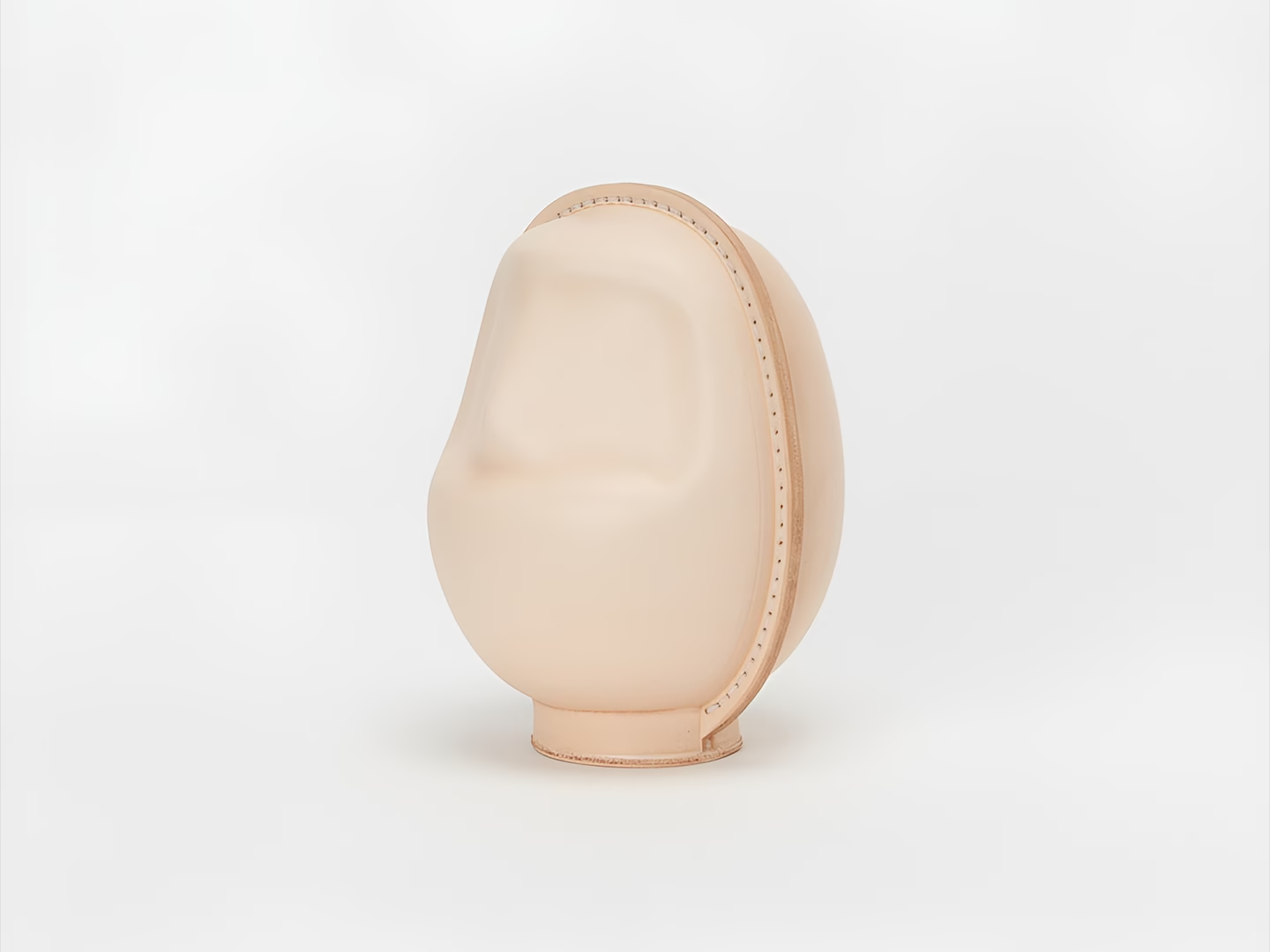
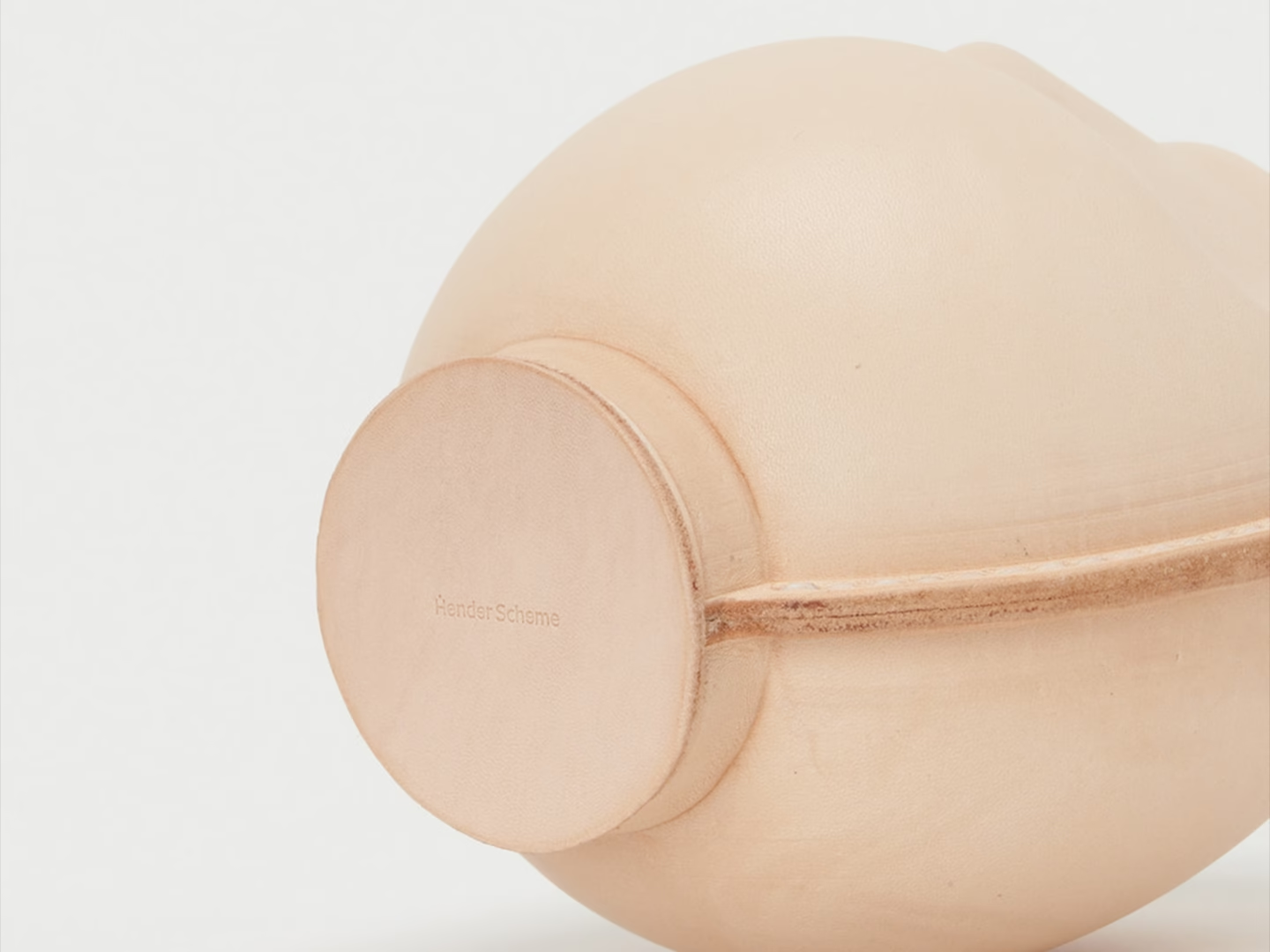
5. Daruma 2go
Hender Scheme’s leather Daruma is formed through wet molding, shaping leather into a solid three-dimensional object rather than assembling it from panels. The surface remains largely untreated, leaving natural variations visible. Facial details are understated and unpainted, keeping the focus on form and material. Referencing the traditional Daruma only in outline, the piece functions primarily as an interior object where symbolism is secondary to construction and texture.