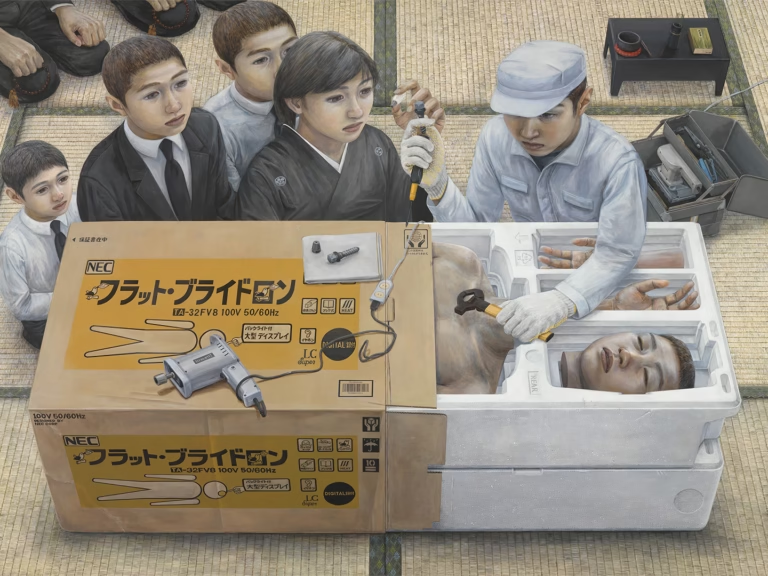
Boot Boyz Biz emerged in the mid-2010s as an anonymous project first operating from Chicago, using bootlegging as a method of citation, redistribution, and research rather than imitation. Early releases paired hand-printed T-shirts with zines outlining visual sources, reading references, and cultural context, positioning each drop as both object and document. Over time, the project shifted from a clothing label toward a research-driven cooperative focused on access to ideas, visible language, and shared cultural memory. Later materials show production changes alongside clearer archival framing of early releases, particularly those grouped between roughly 2015 and 2018, indicating a gradual move toward publication and historical indexing rather than a single declared ending. What follows traces five recurring fields present throughout the Boot Boyz Biz archive.
1. Music
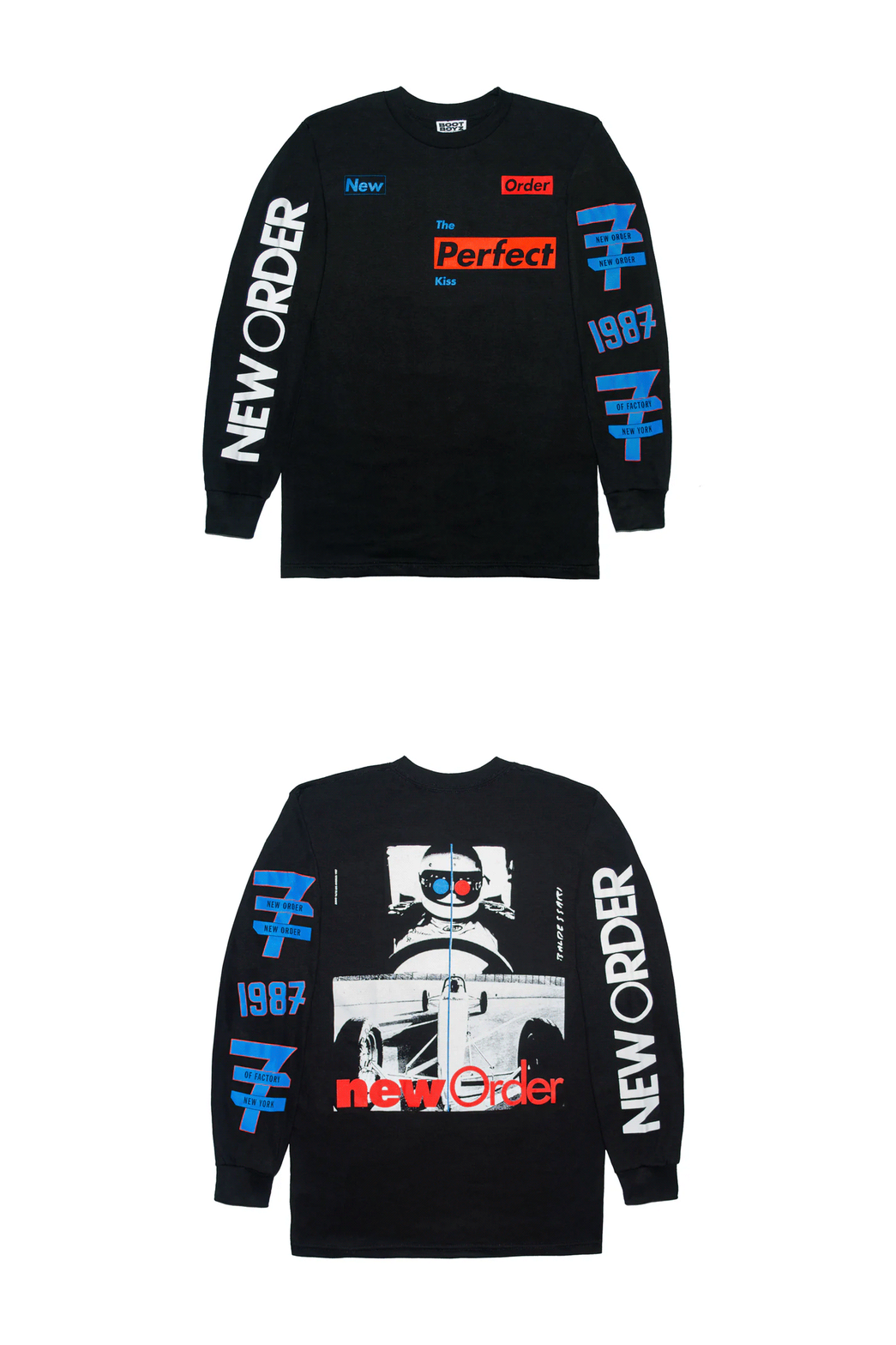
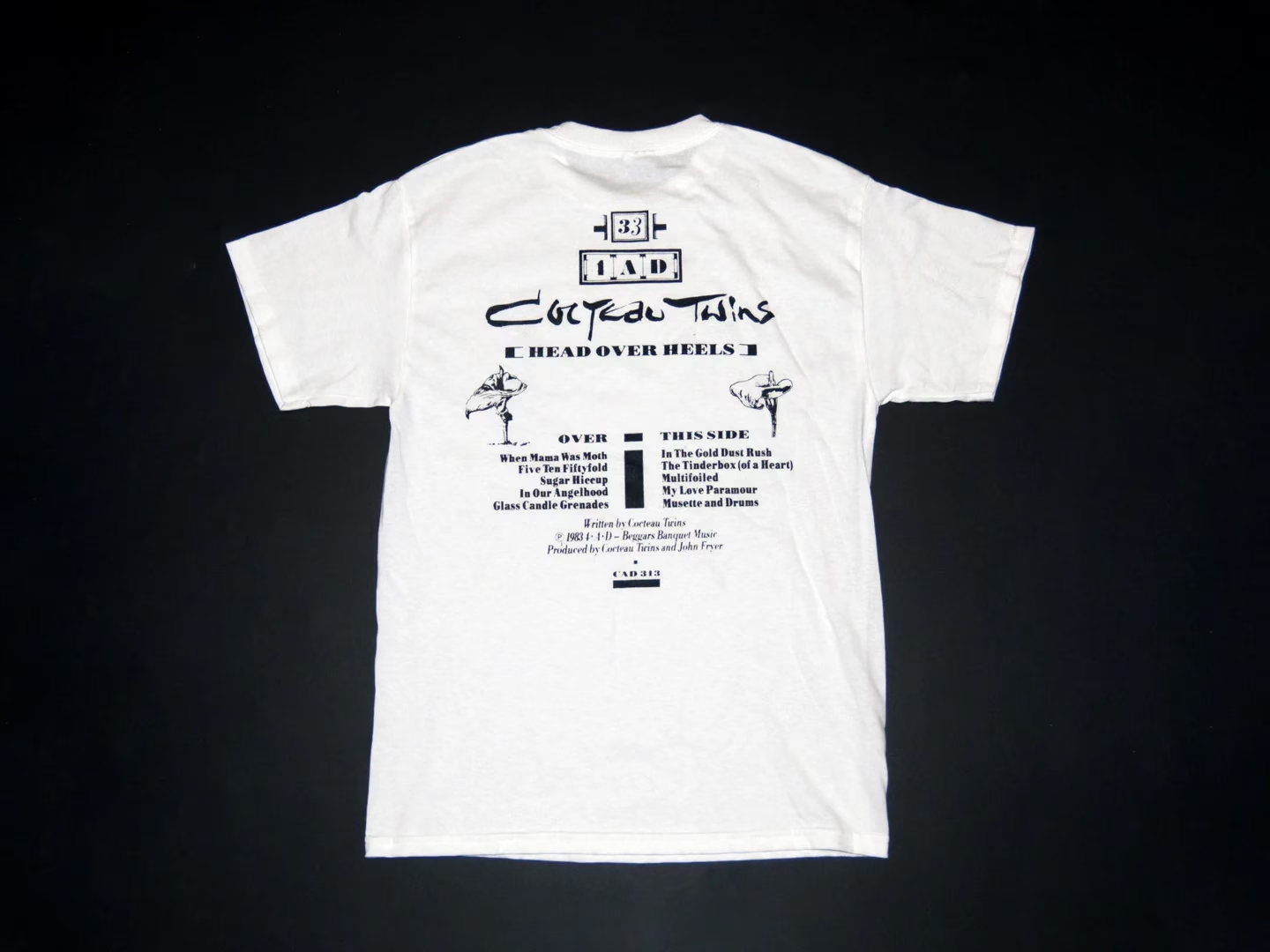
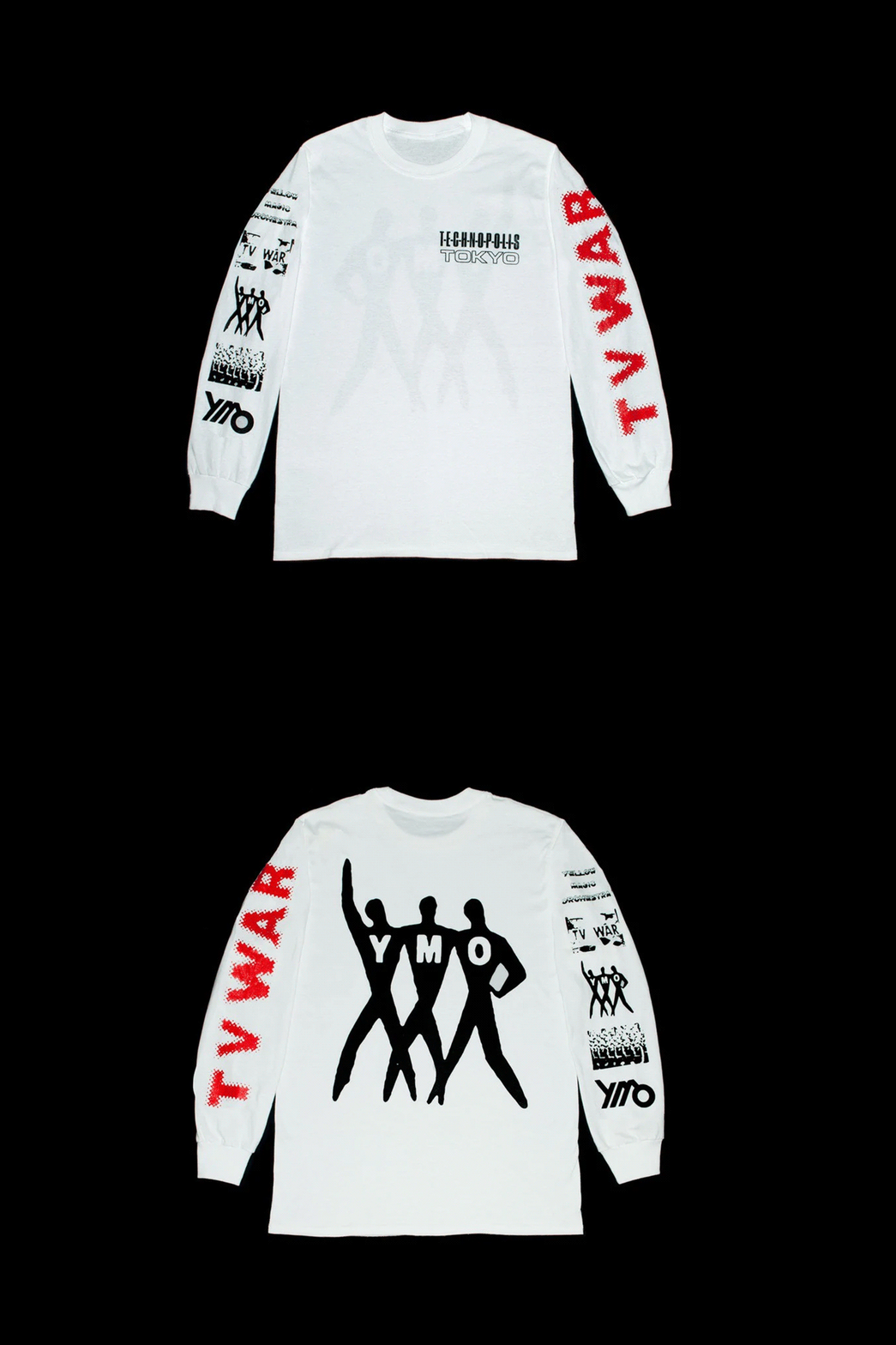
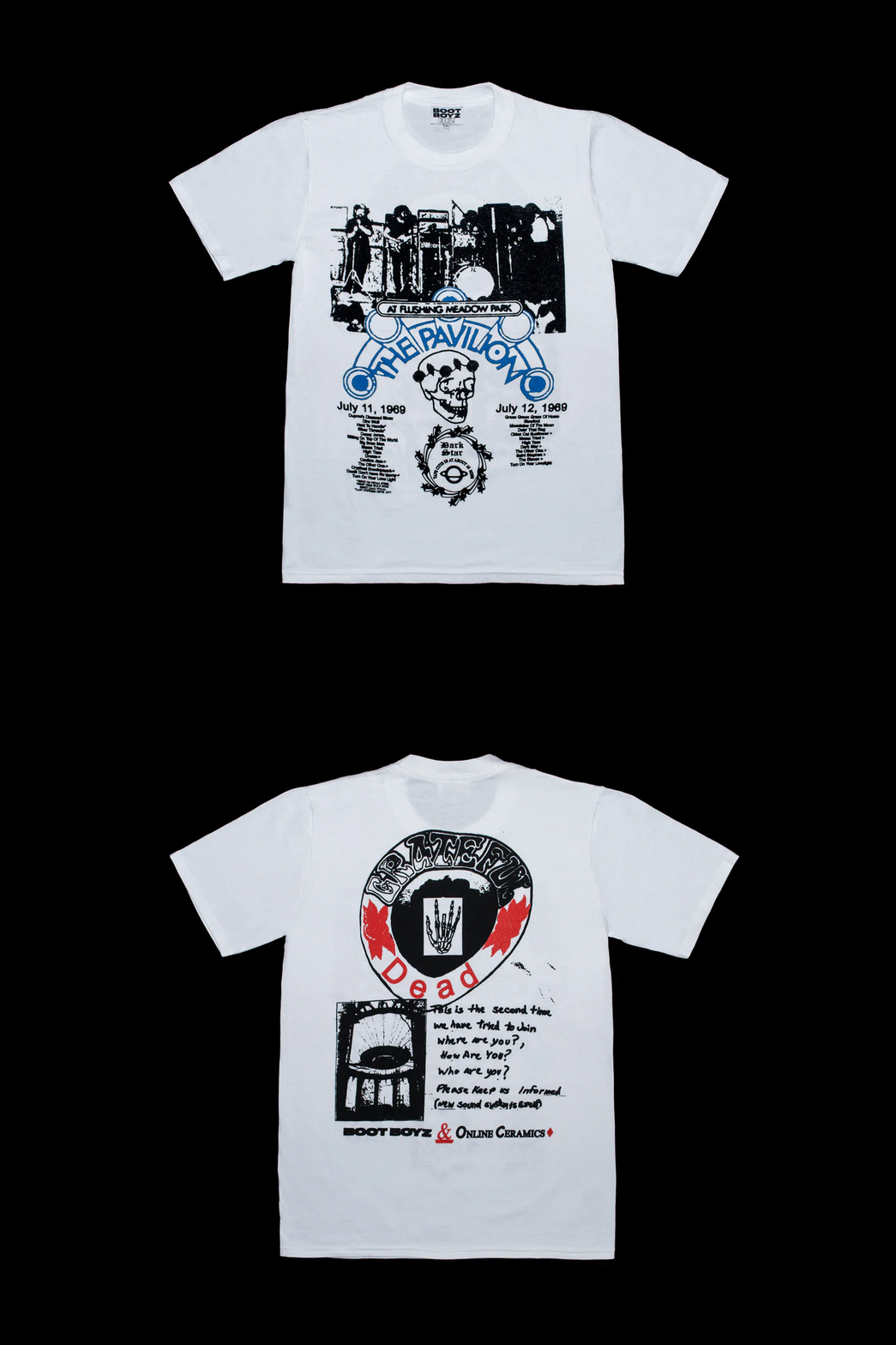
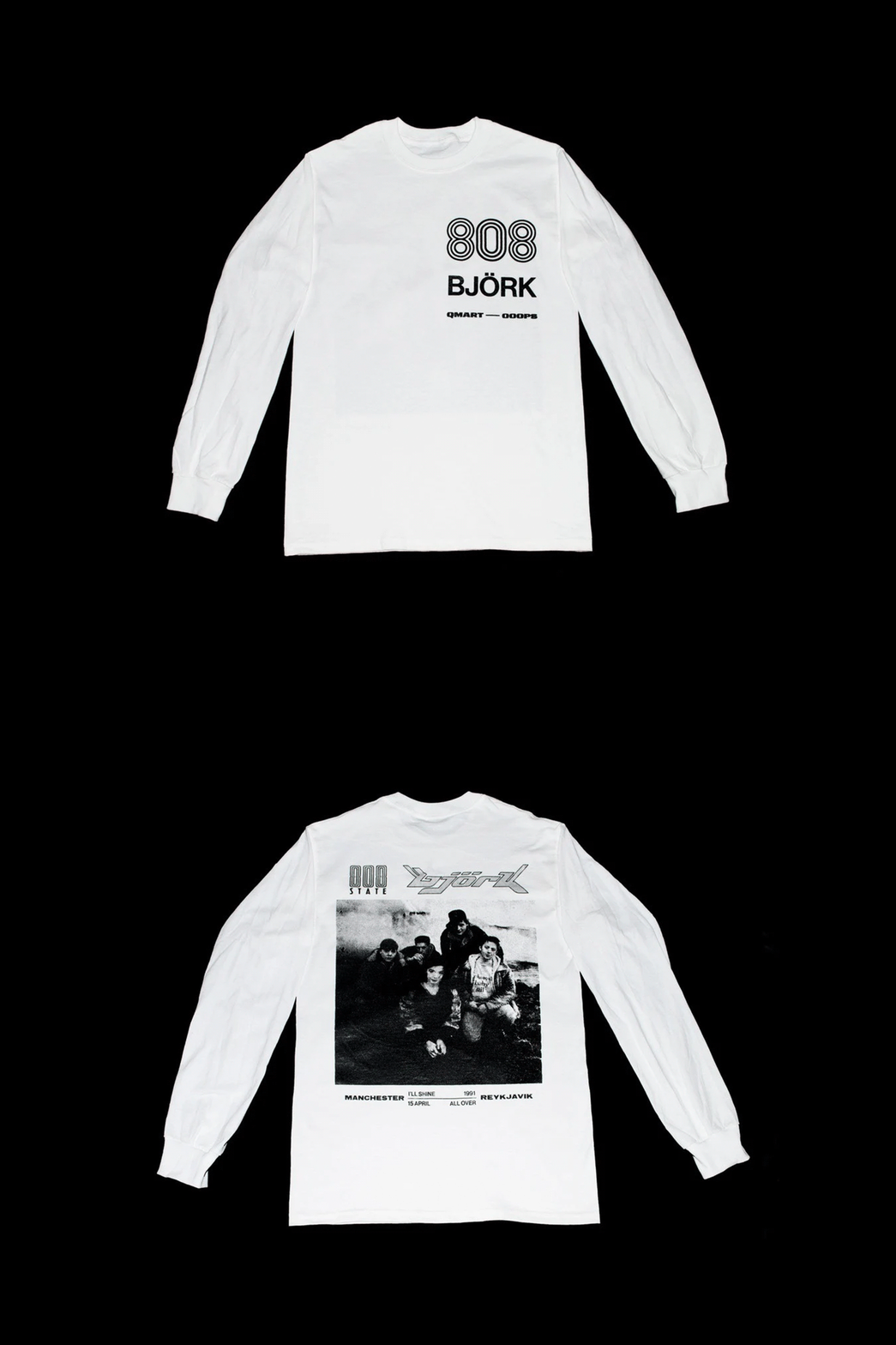
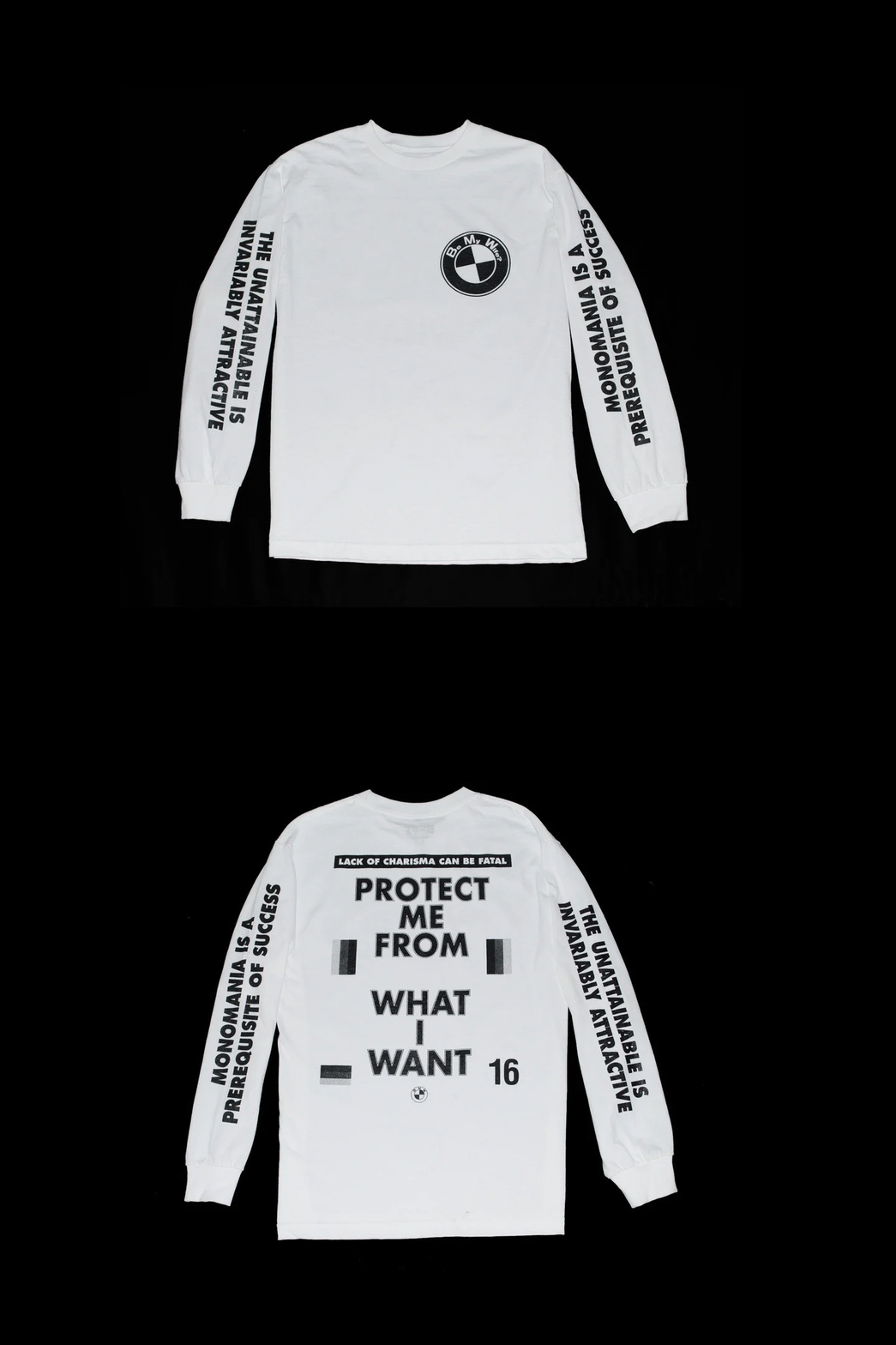
Music forms one of the most consistent reference fields within Boot Boyz Biz, functioning less as band merchandise and more as typographic citation. Rather than portrait imagery or album graphics, these works isolate names, symbols, or fragments tied to underground and experimental scenes, allowing typography and layout to carry recognition. This reflects a broader concern with how subcultural material circulates through record sleeves, flyers, and independent print culture. The shirts operate closer to indexes than commemorative objects, emphasizing recognition and research over fandom.
2. Art and Photography
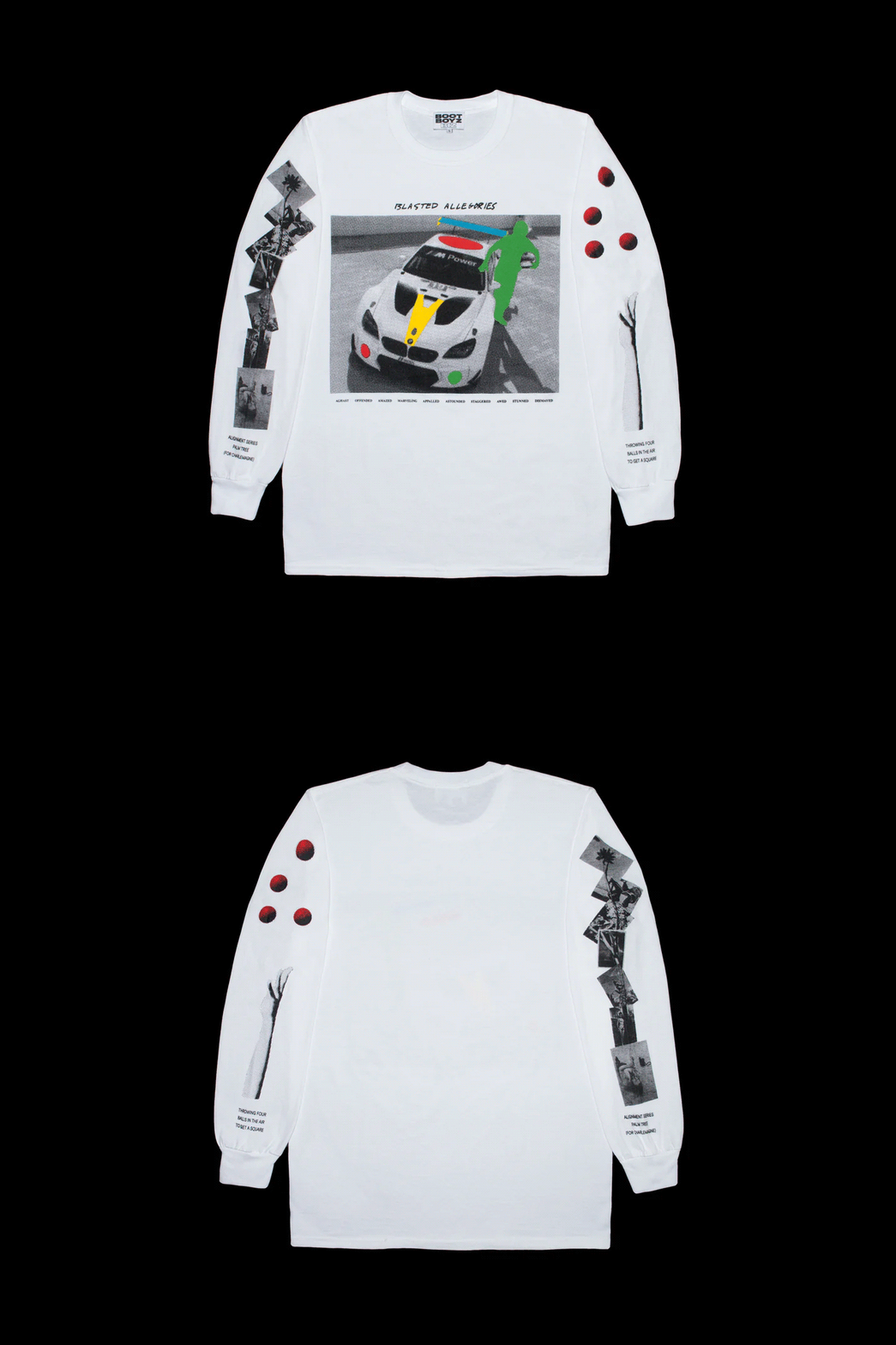
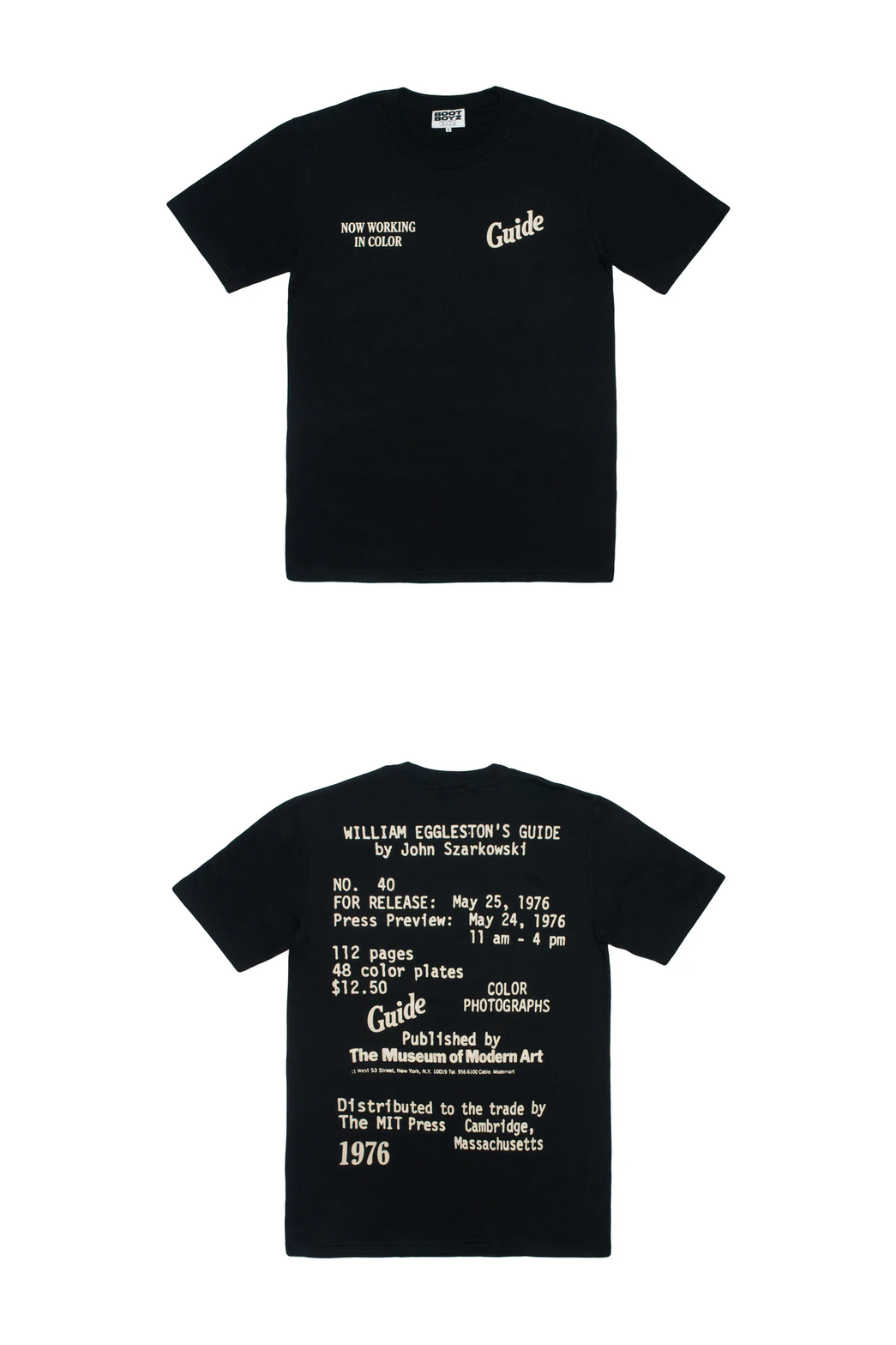
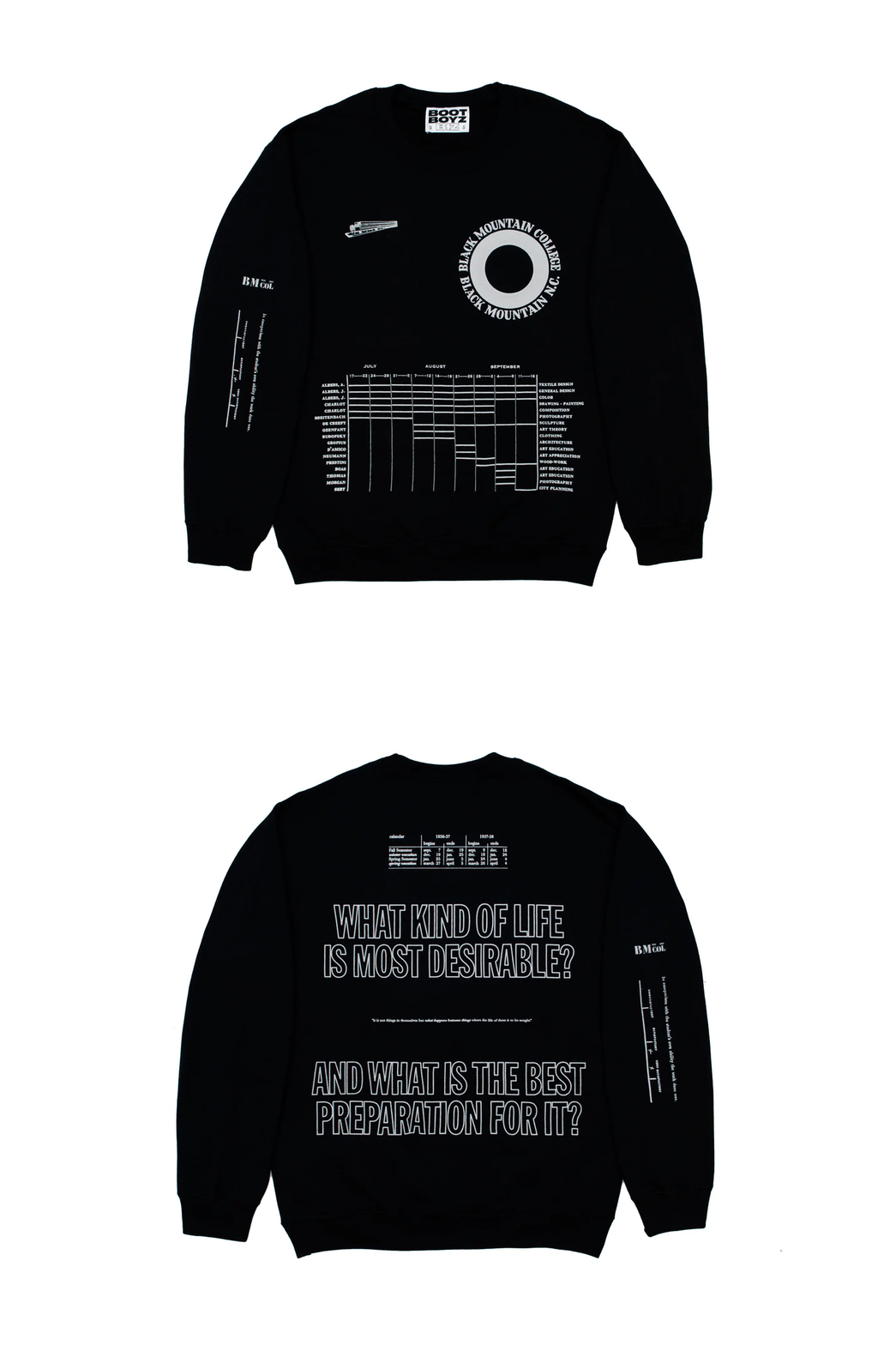
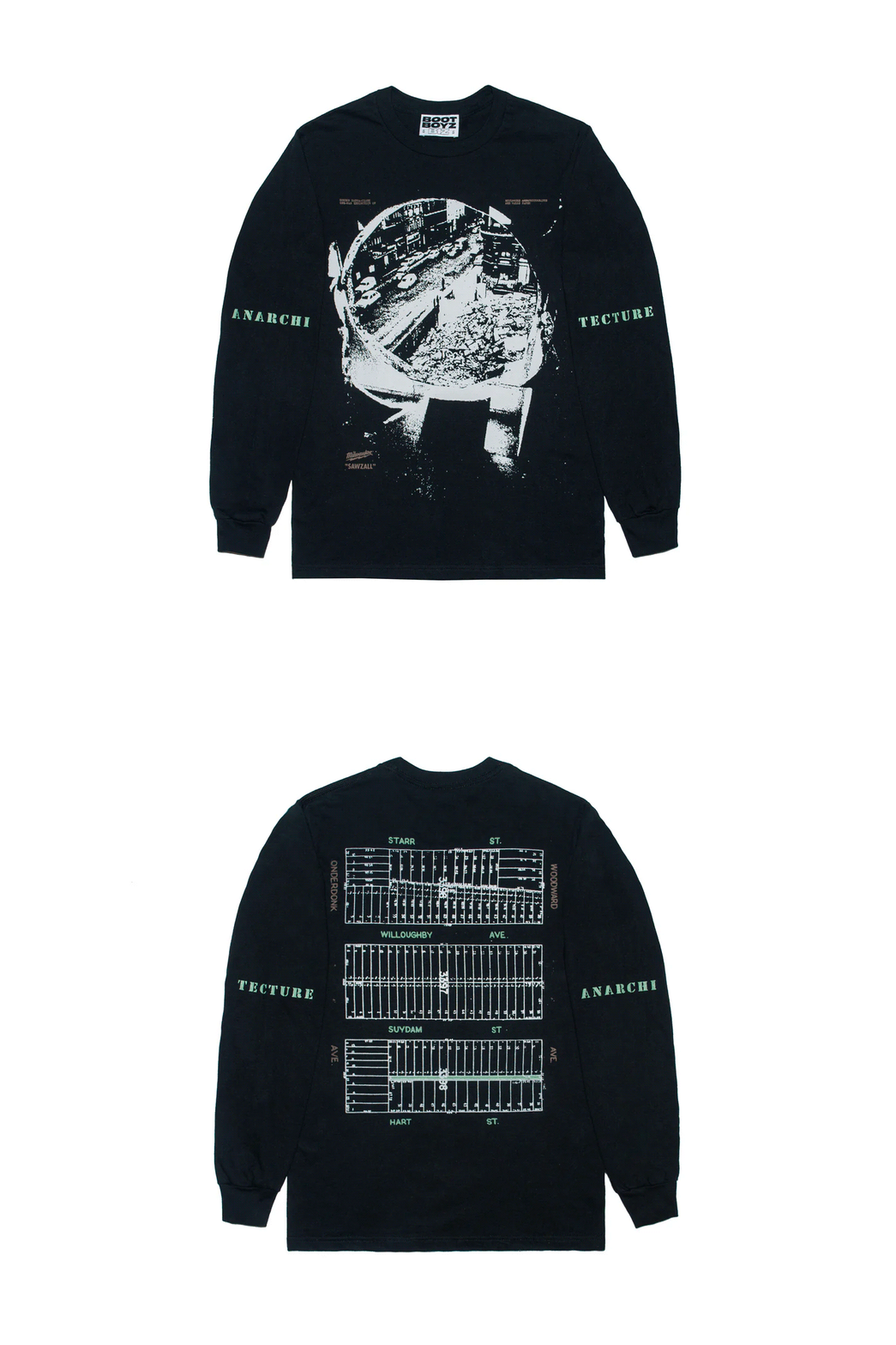
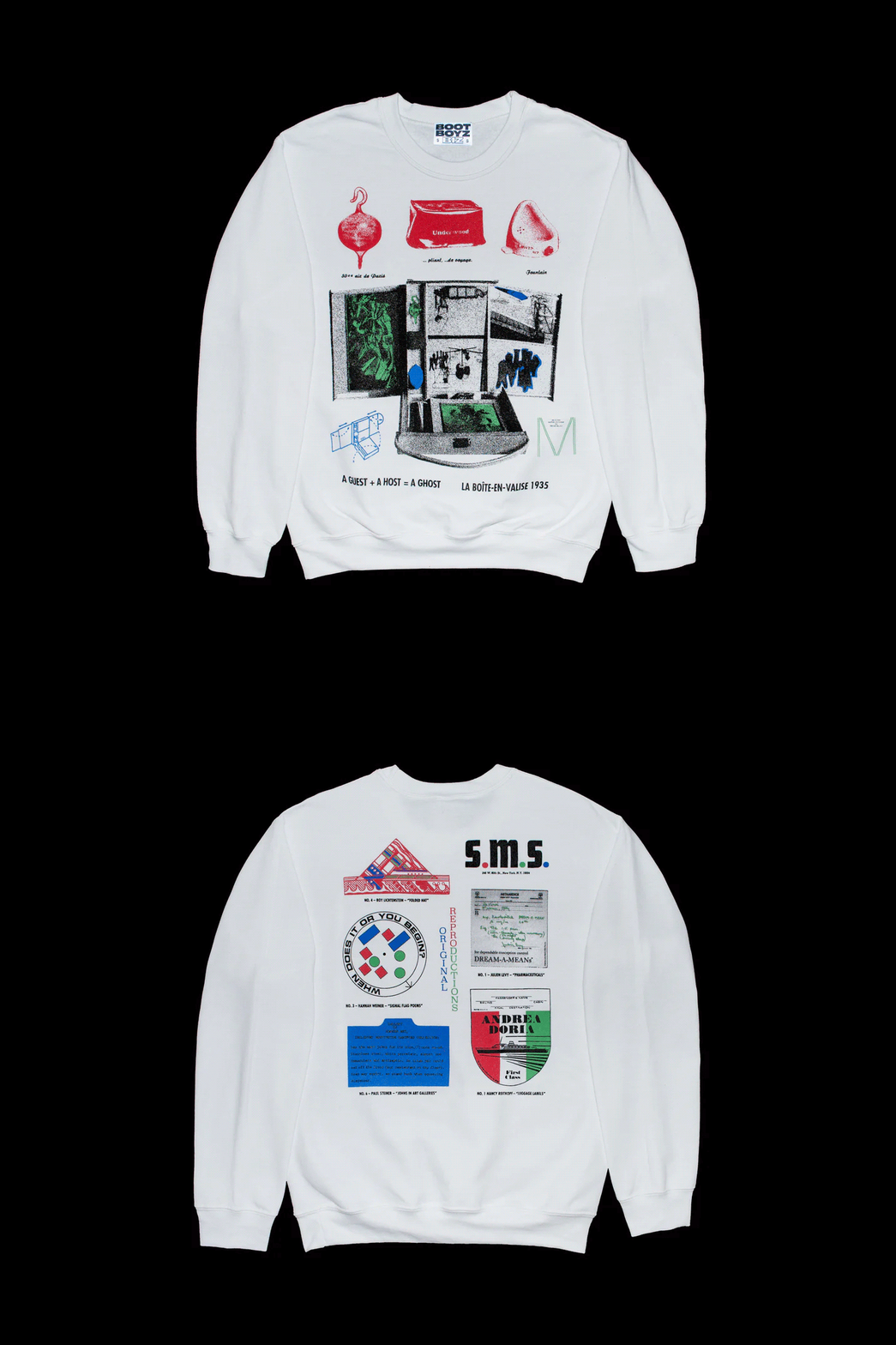
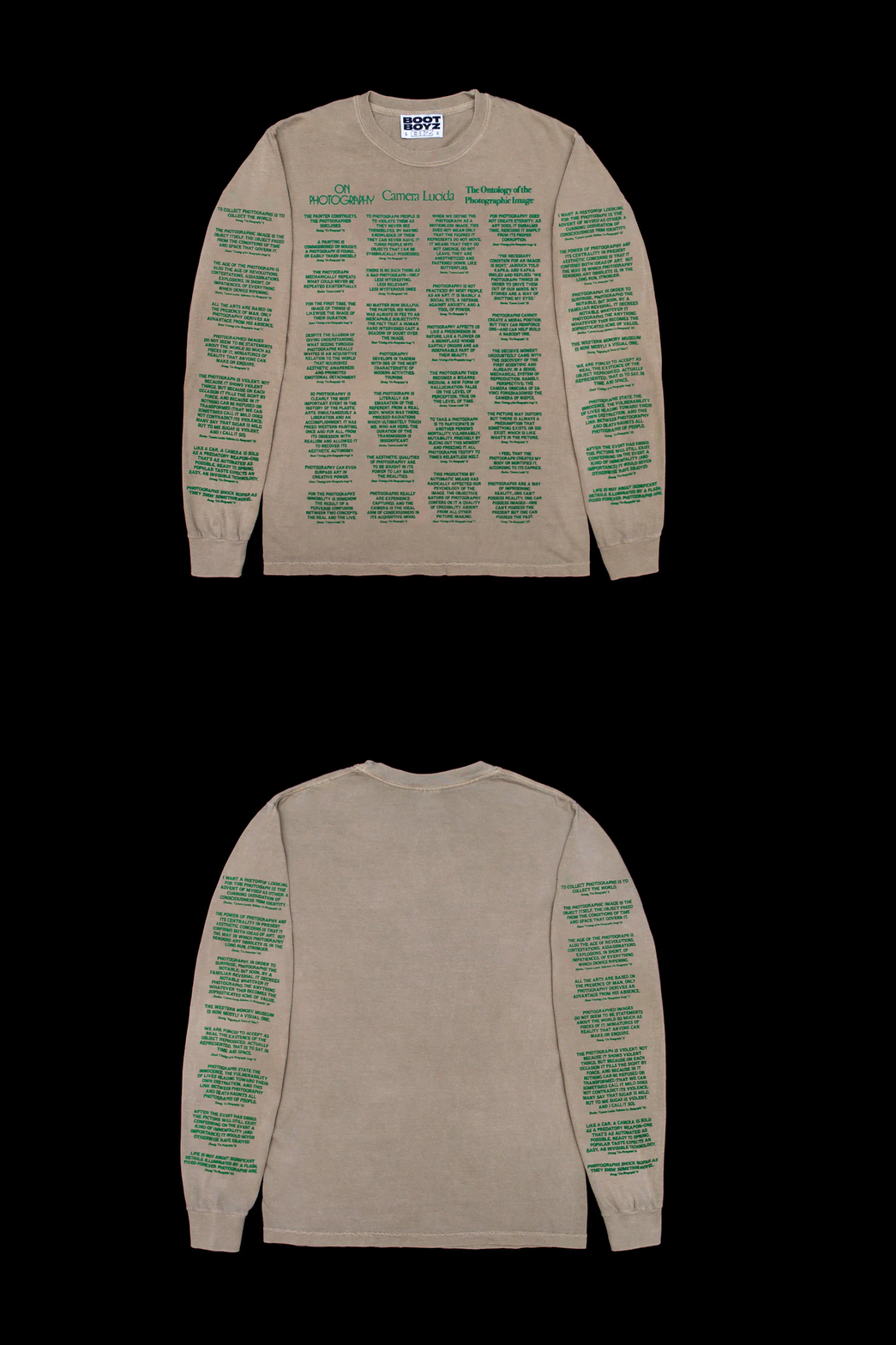
References to artists, photographers, and institutional art contexts appear as condensed, catalog-like records. Instead of reproducing artworks, the graphics foreground names, titles, or cultural frameworks that echo exhibition checklists and archival documentation. This shifts the garment into a portable reference surface pointing outward to broader bodies of work, with meaning shaped through recognition rather than interpretation. The strategy aligns closely with conceptual art’s use of language as medium and documentation as form.
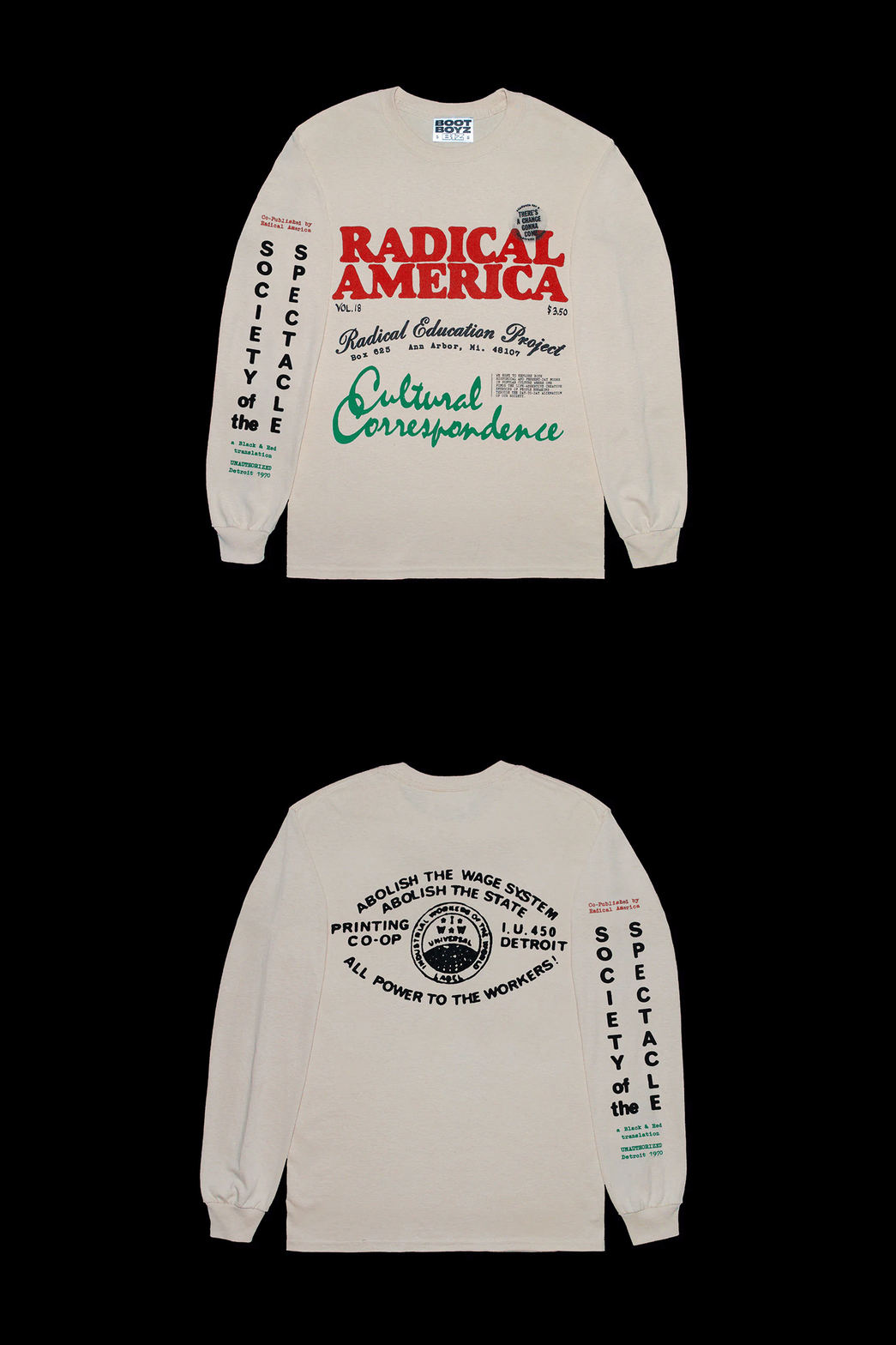
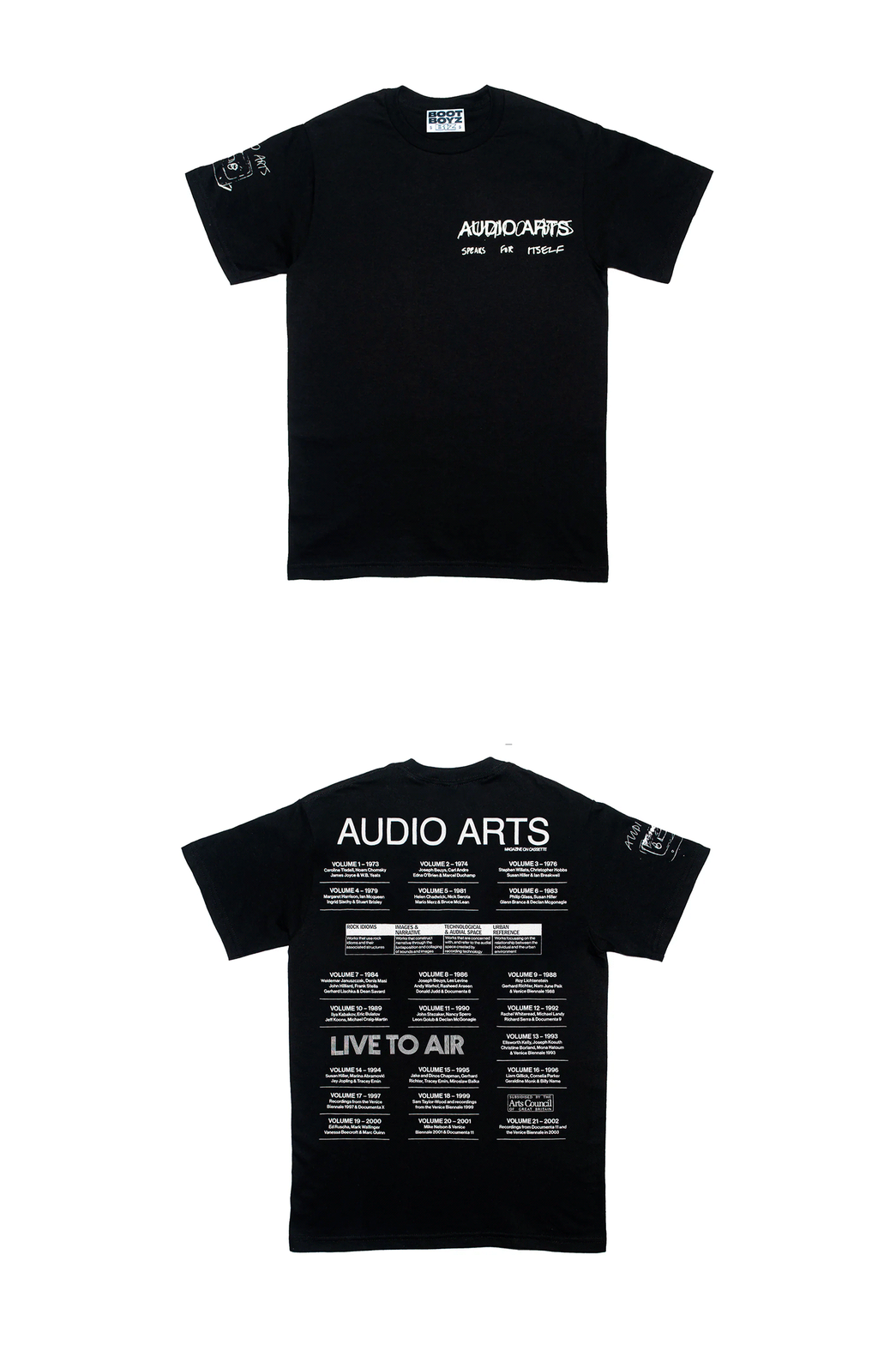

3. Magazines and Publishing
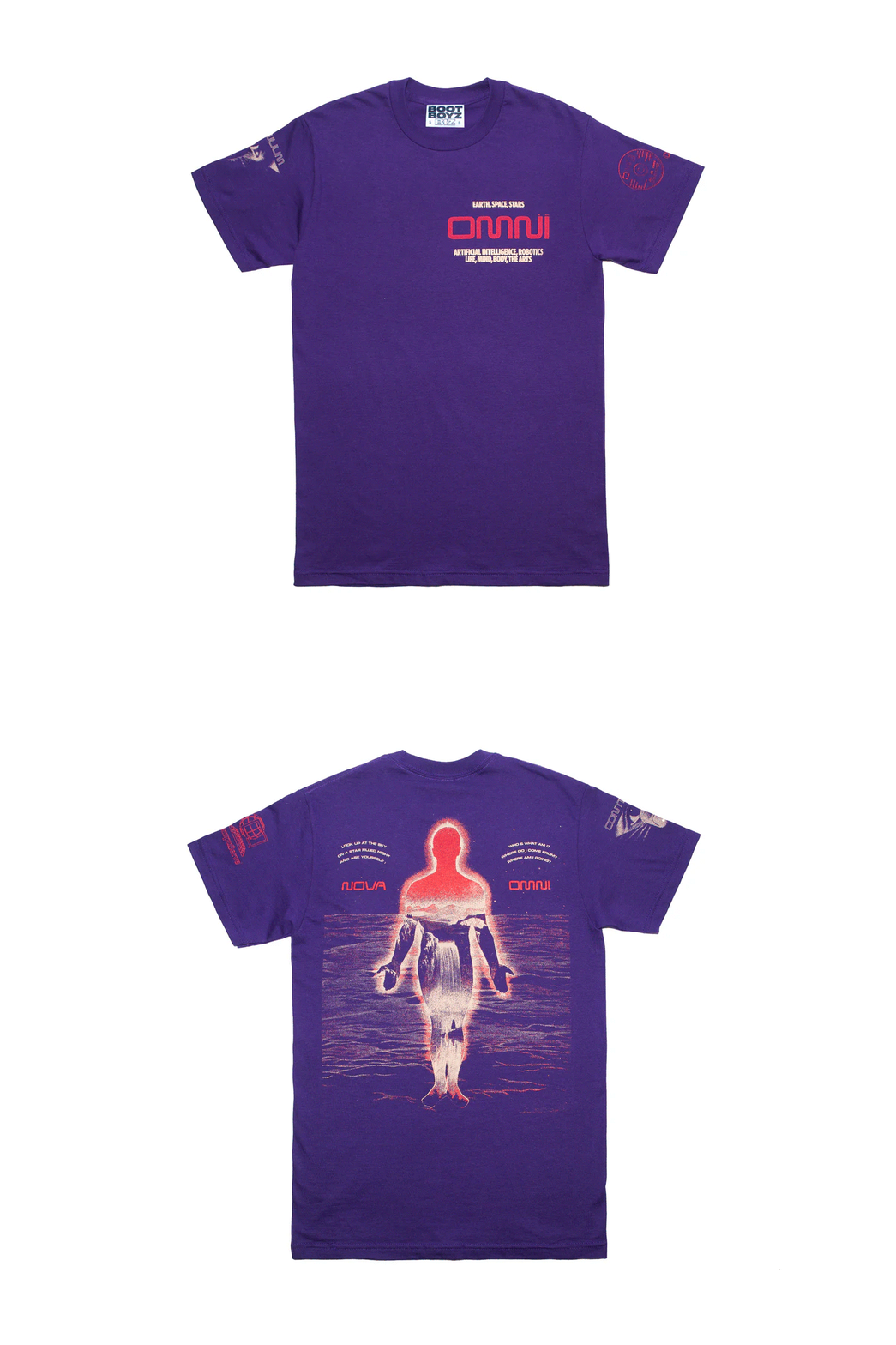
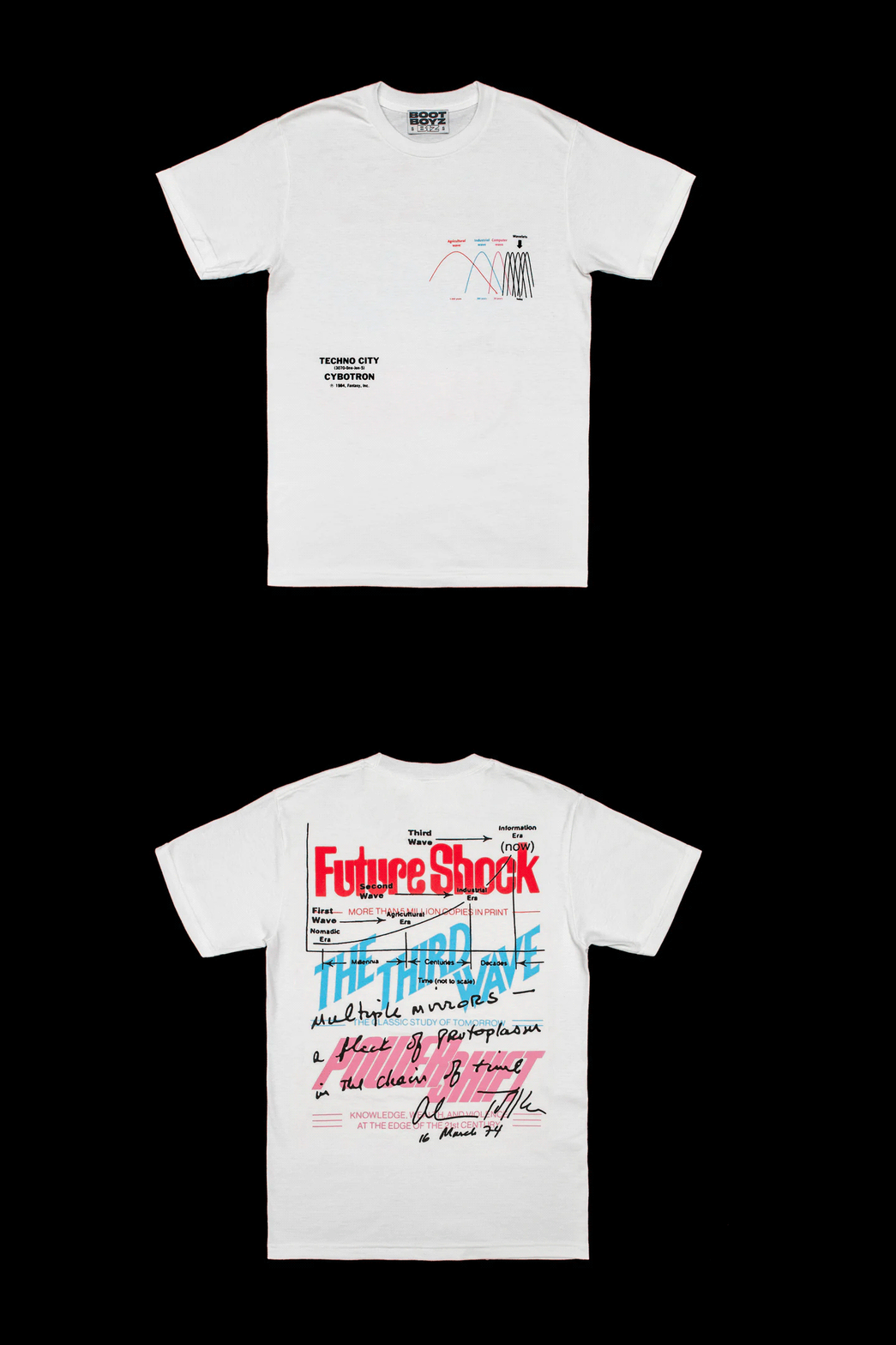
Publishing references reveal one of the project’s most structurally central concerns: the circulation of ideas through editorial media. These graphics draw from magazines, artist publications, and print distribution systems that historically functioned as carriers of discourse across art, politics, and speculative culture. Because Boot Boyz Biz itself operates through zines and research-based releases, this category mirrors the project’s own method of knowledge distribution, positioning garments as extensions of editorial practice rather than standalone visual statements.
4. Theory
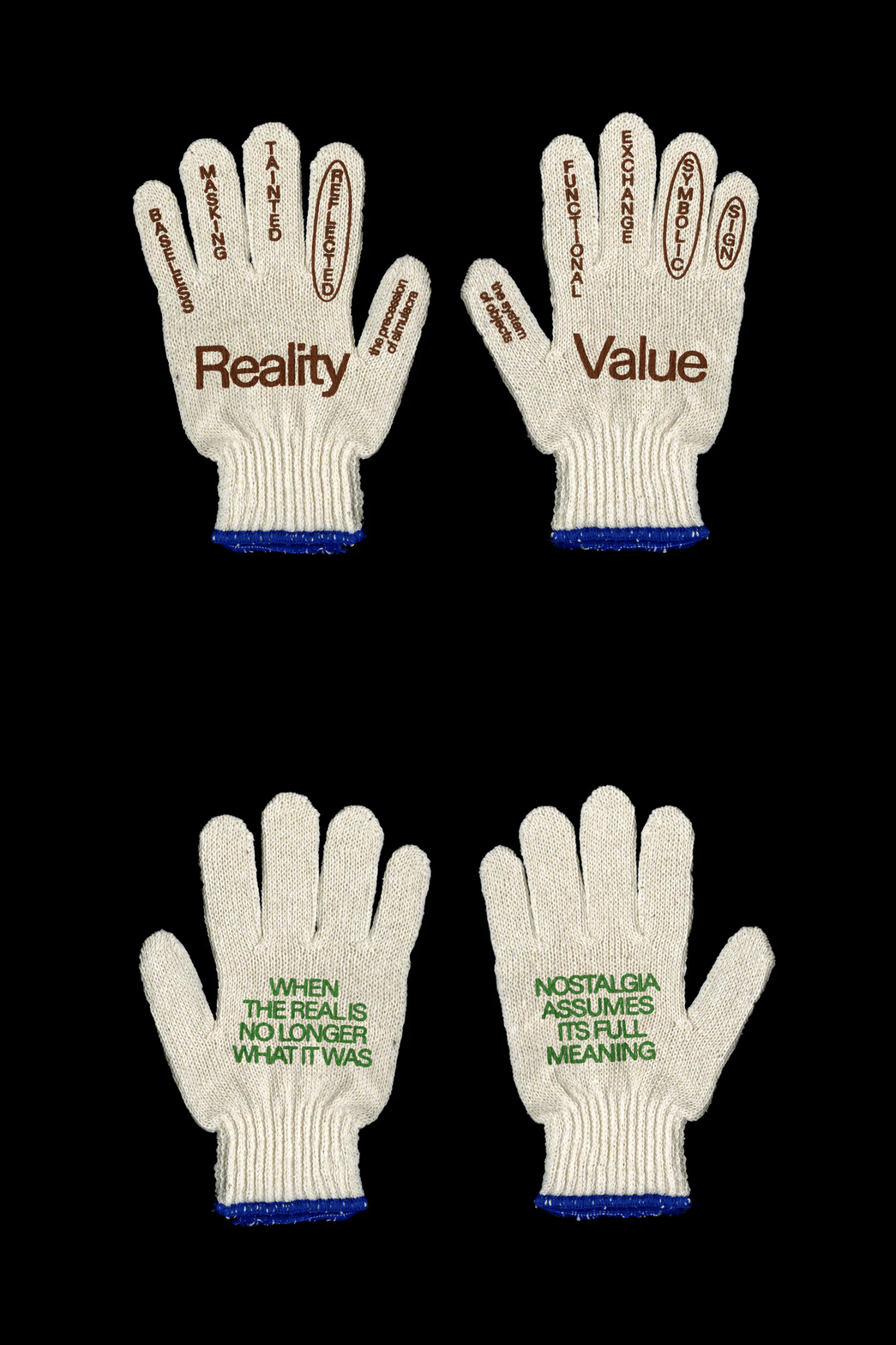
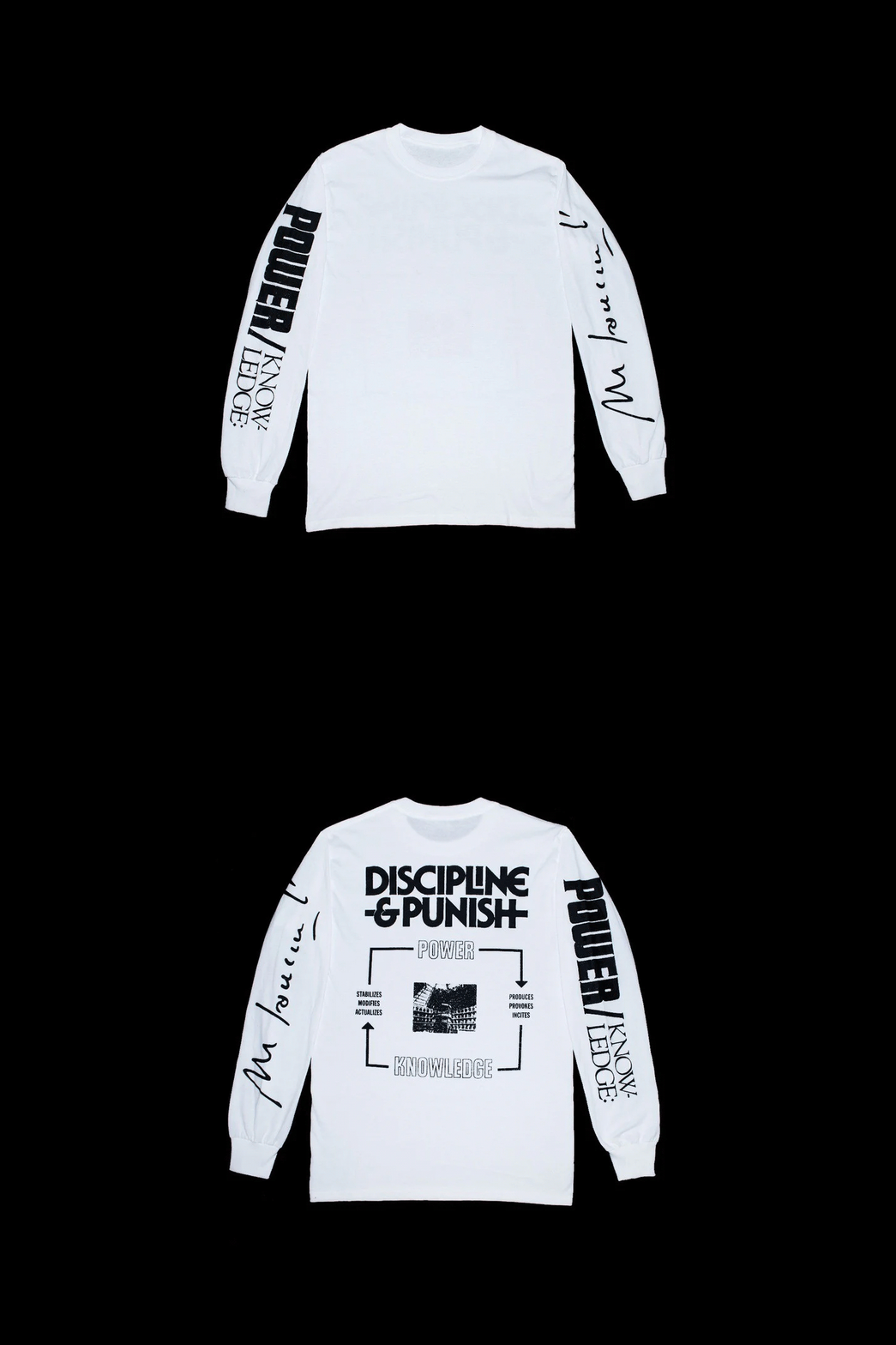
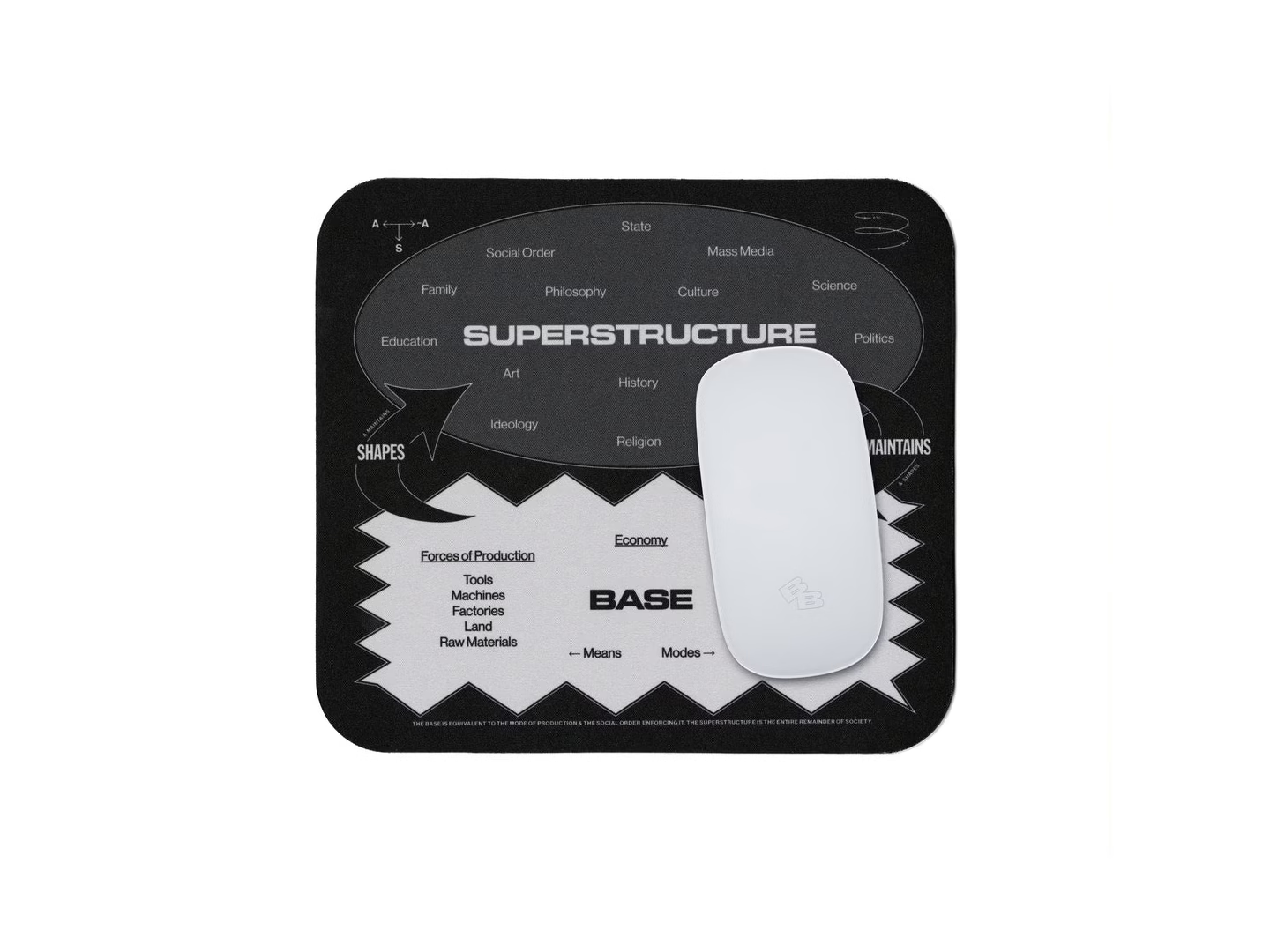
Text-based references to critics, philosophers, and conceptual frameworks appear as stripped graphic citations composed of names, titles, or ideological structures. Presented without explanation, these works resemble library indexing or syllabus notation, reflecting an interest in citation as visual form and in making complex intellectual history publicly visible through minimal intervention. By relocating theoretical discourse into everyday circulation, the graphics shift knowledge from academic space into shared cultural surface while remaining open in interpretation.
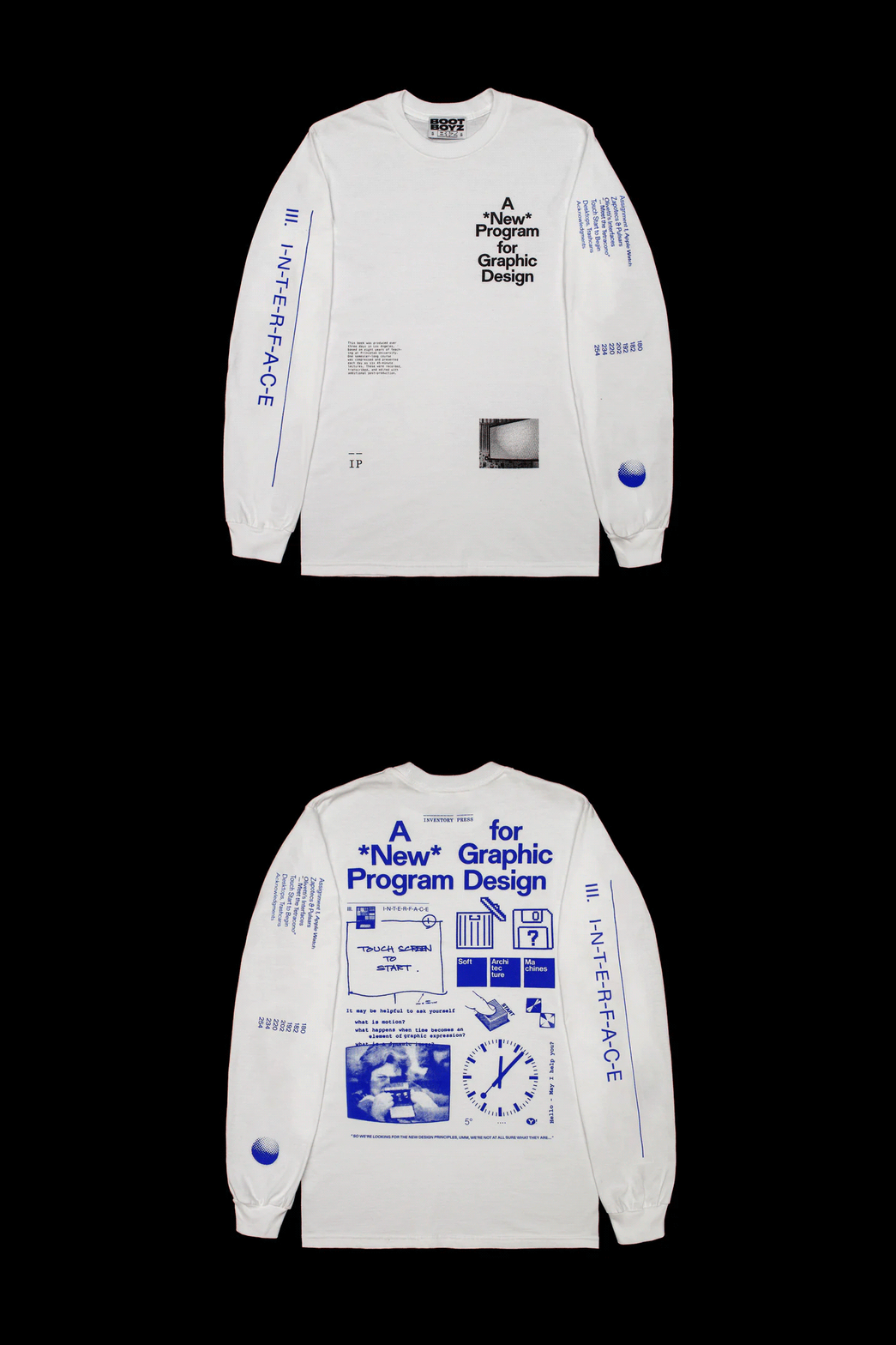
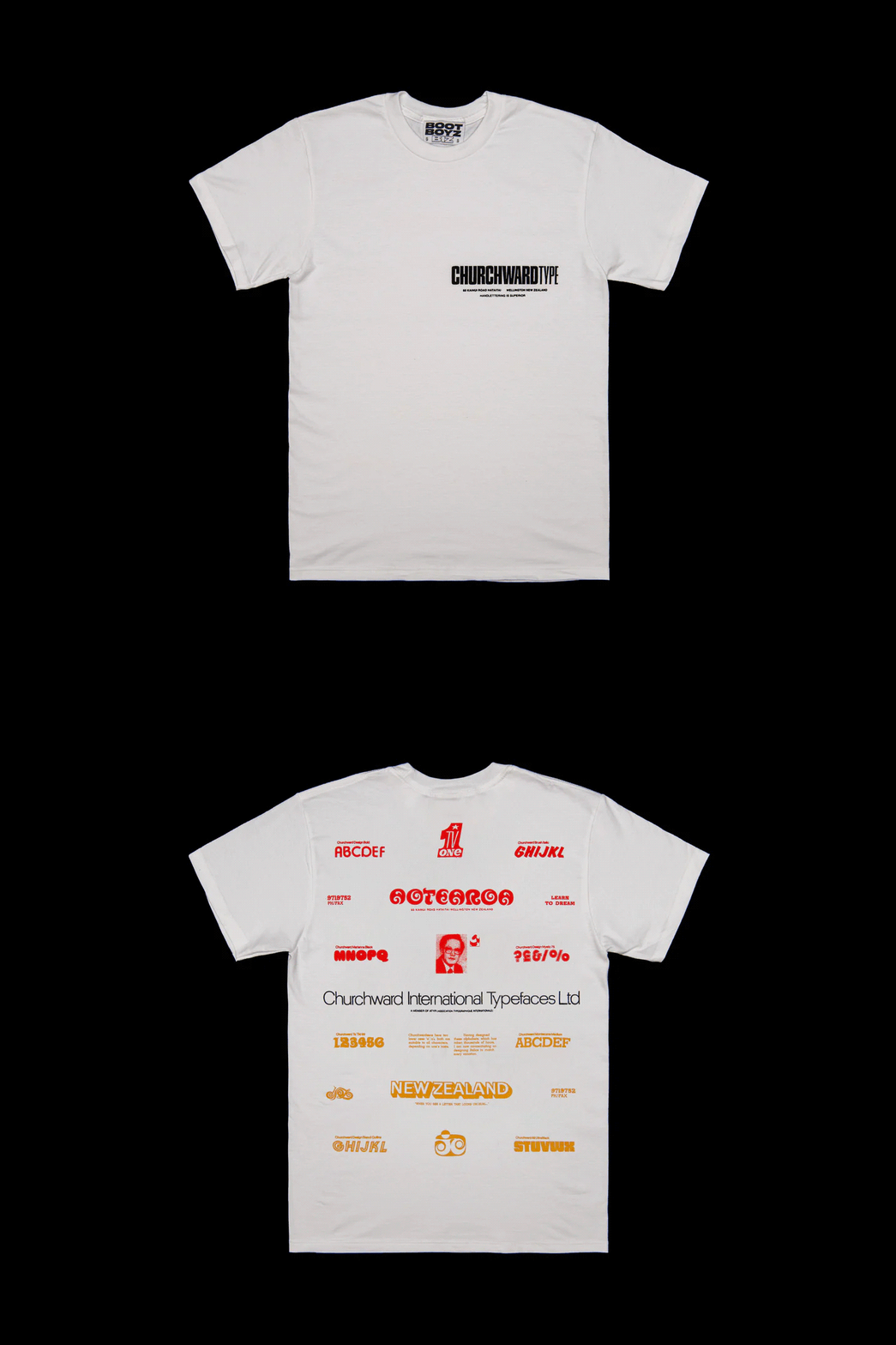
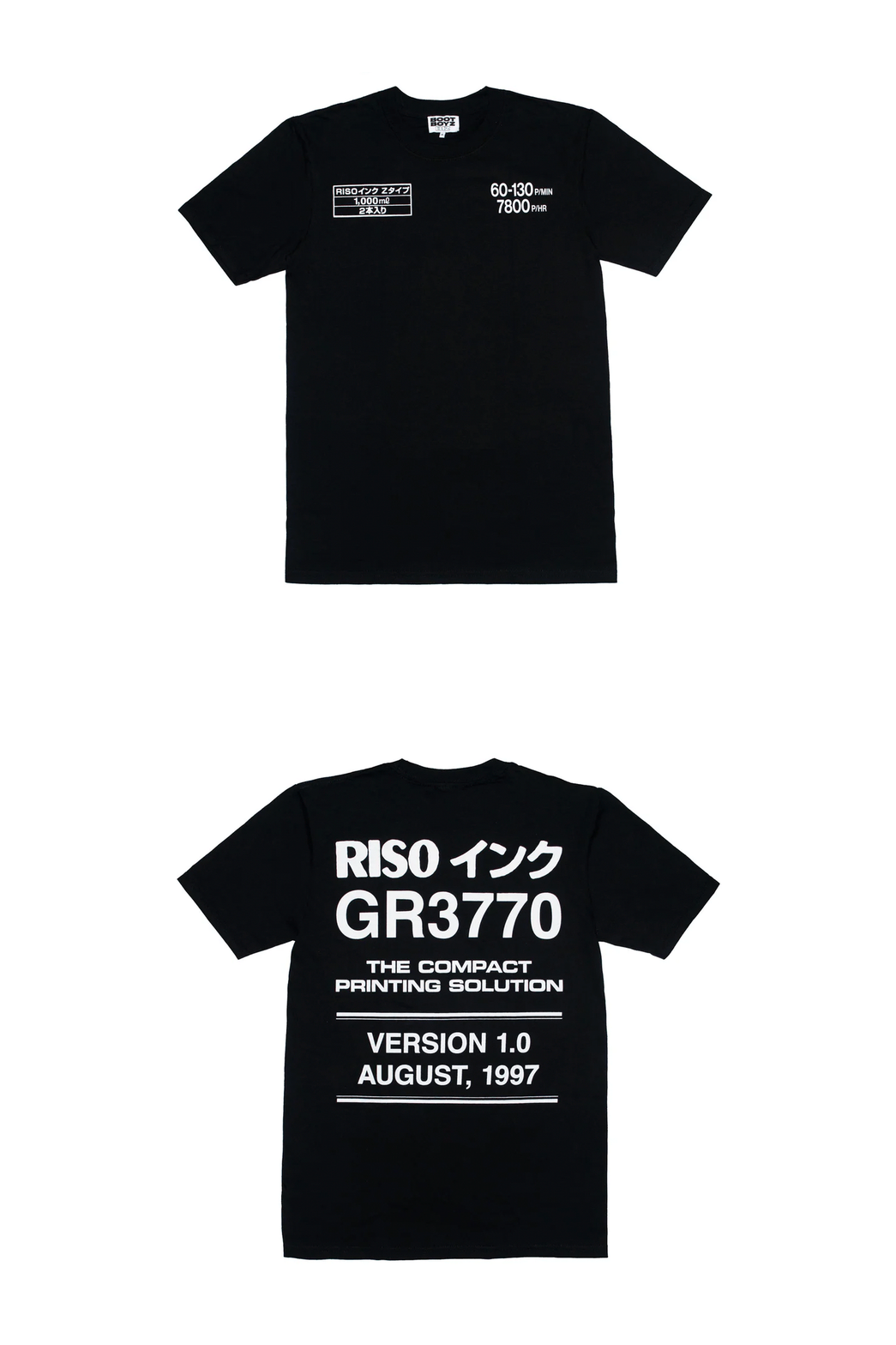
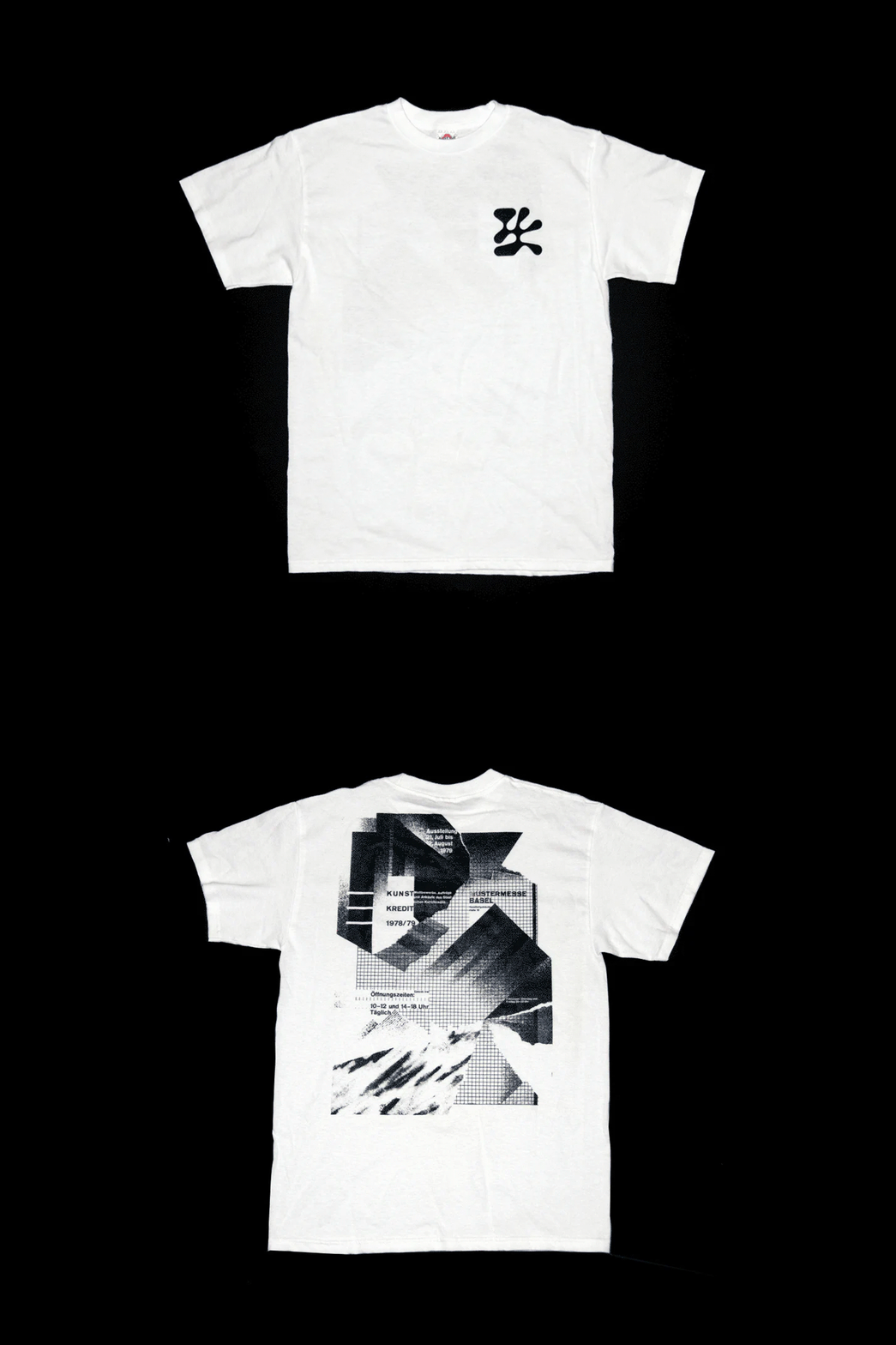
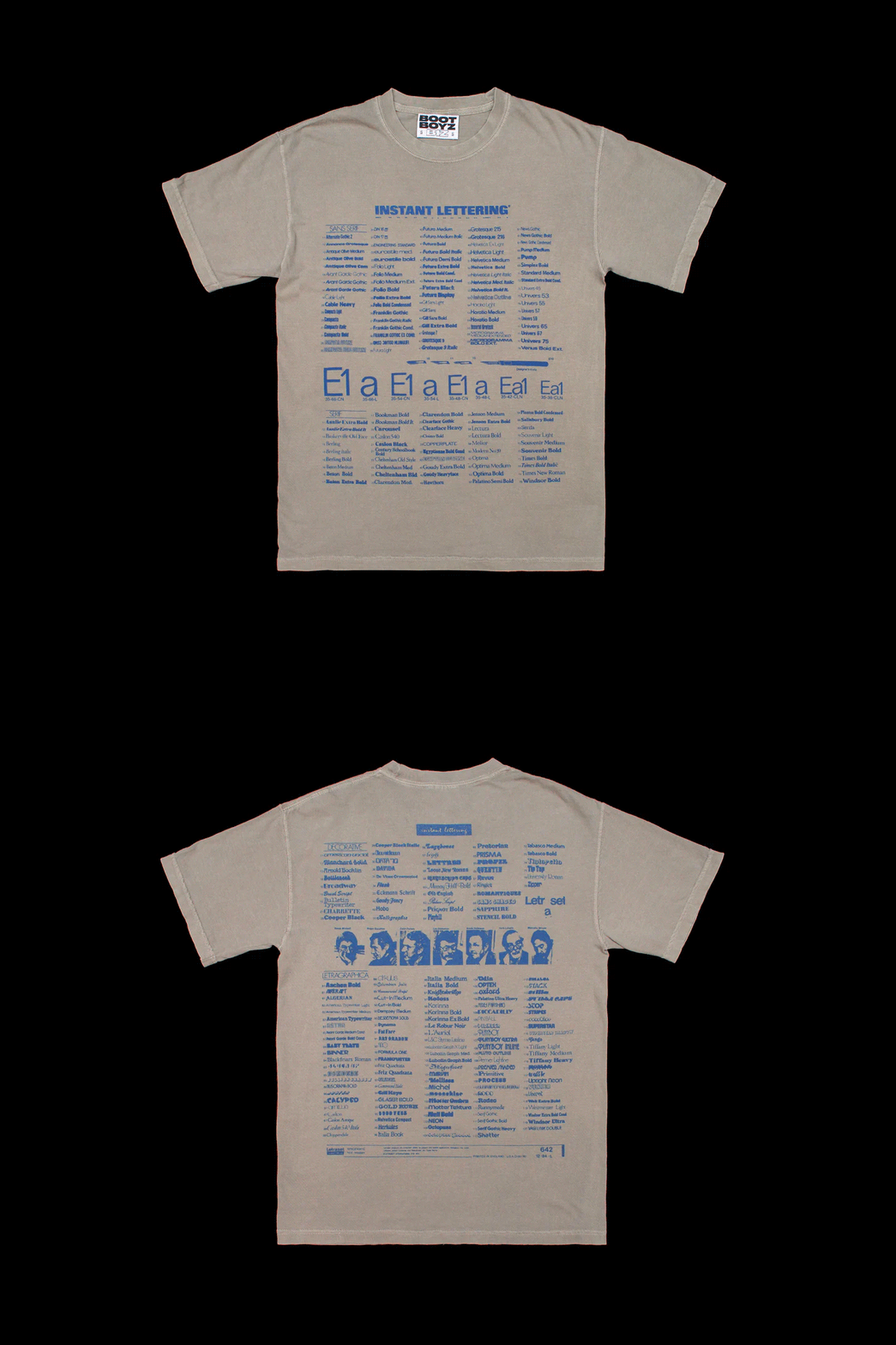
5. Design
Design-focused graphics reference pedagogical programs, typographic tools, and production technologies associated with the teaching and reproduction of graphic practice. The emphasis is placed on instructional systems and material processes rather than stylistic outcomes. These references correspond to documented histories of graphic education, typography, and print production, situating the garments within established frameworks of visual training and technical reproduction.