Before techwear became a familiar style label, some designers were already treating clothing as equipment. These garments were not only about silhouette or styling. They responded to weather, storage, visibility, temperature, pollution, and the pressure of moving through modern cities. Made between 1988 and 2000, the five pieces below show how protective clothing had already formed many of the ideas later associated with technical outerwear.
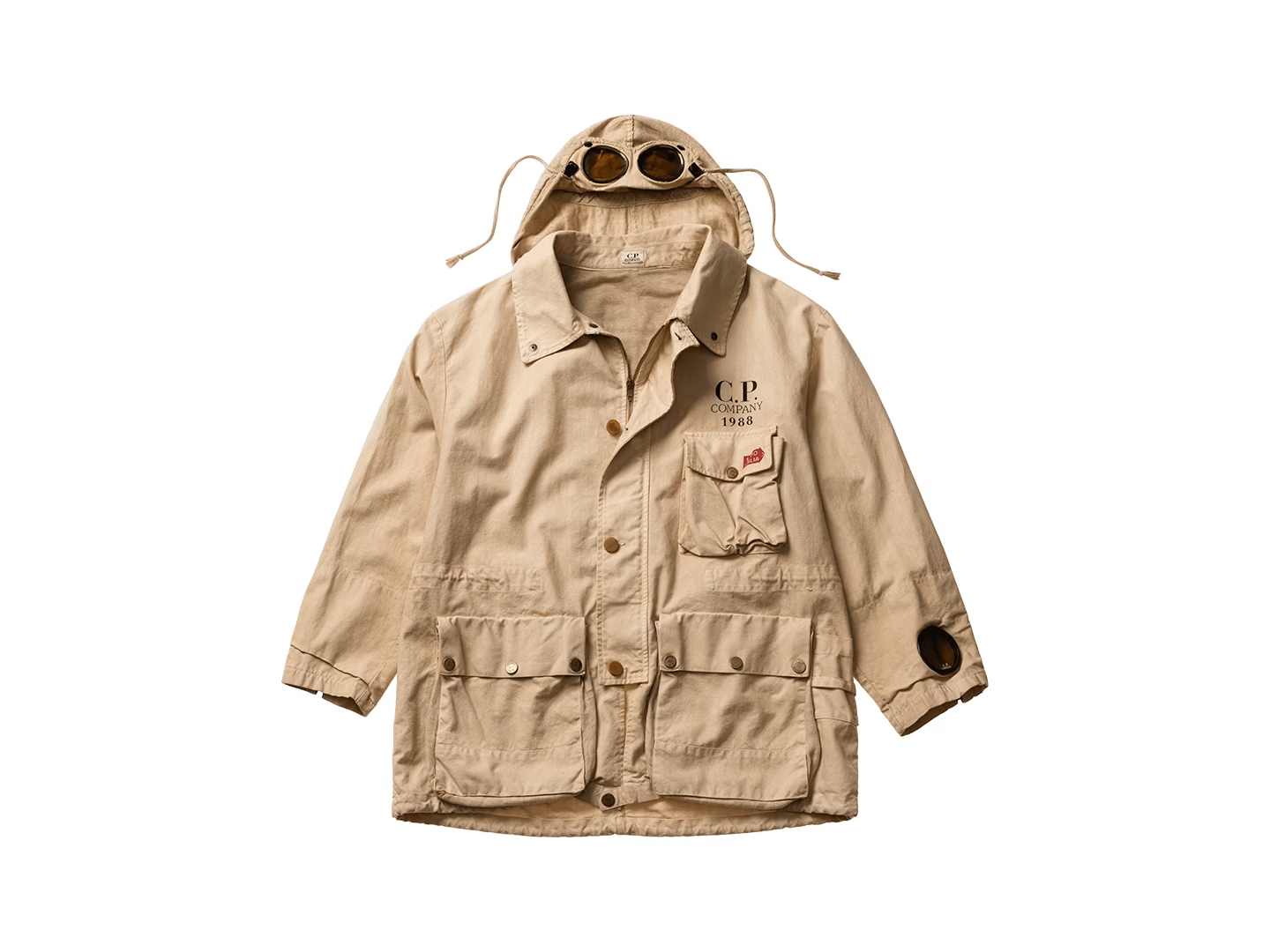
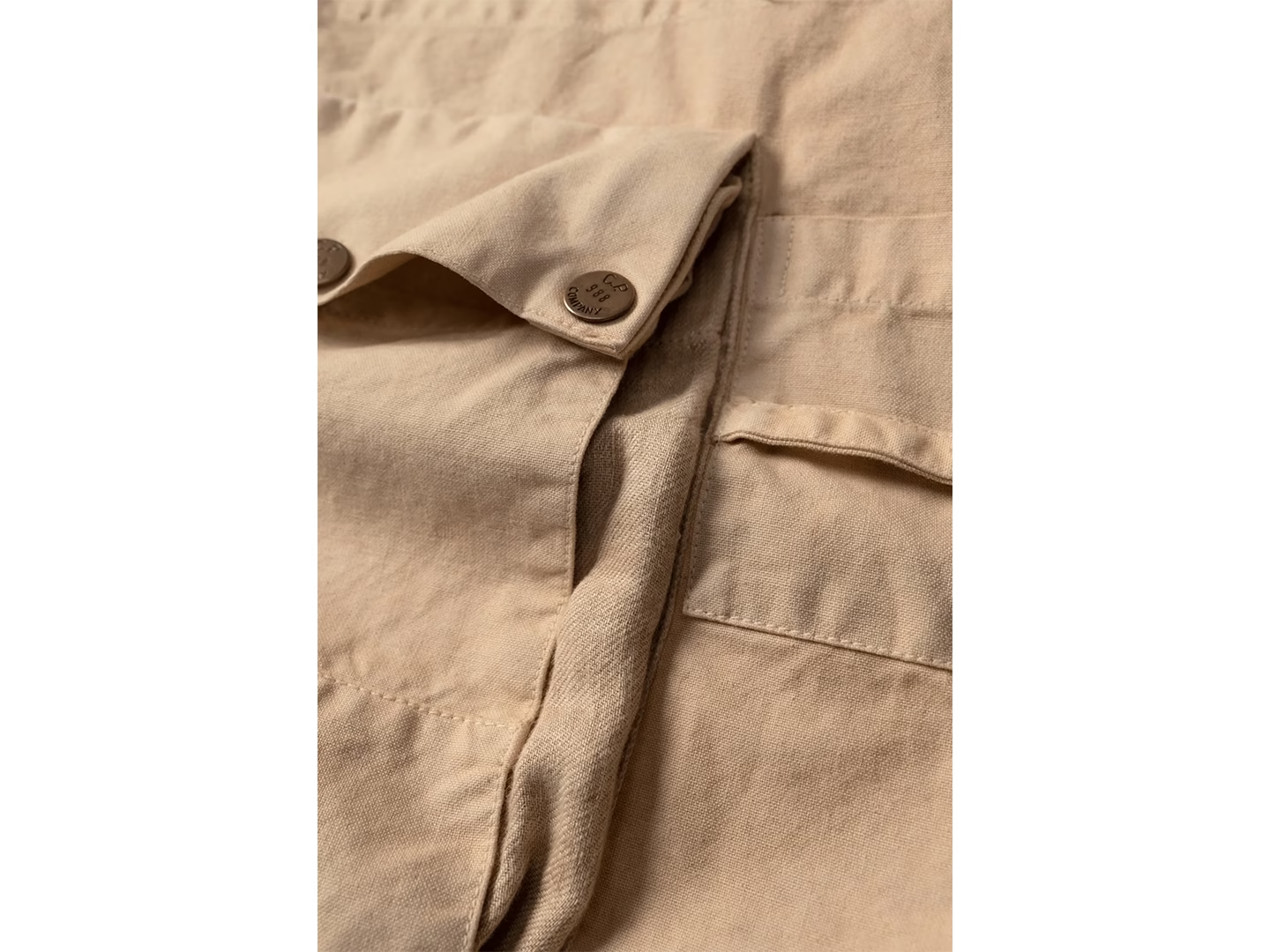
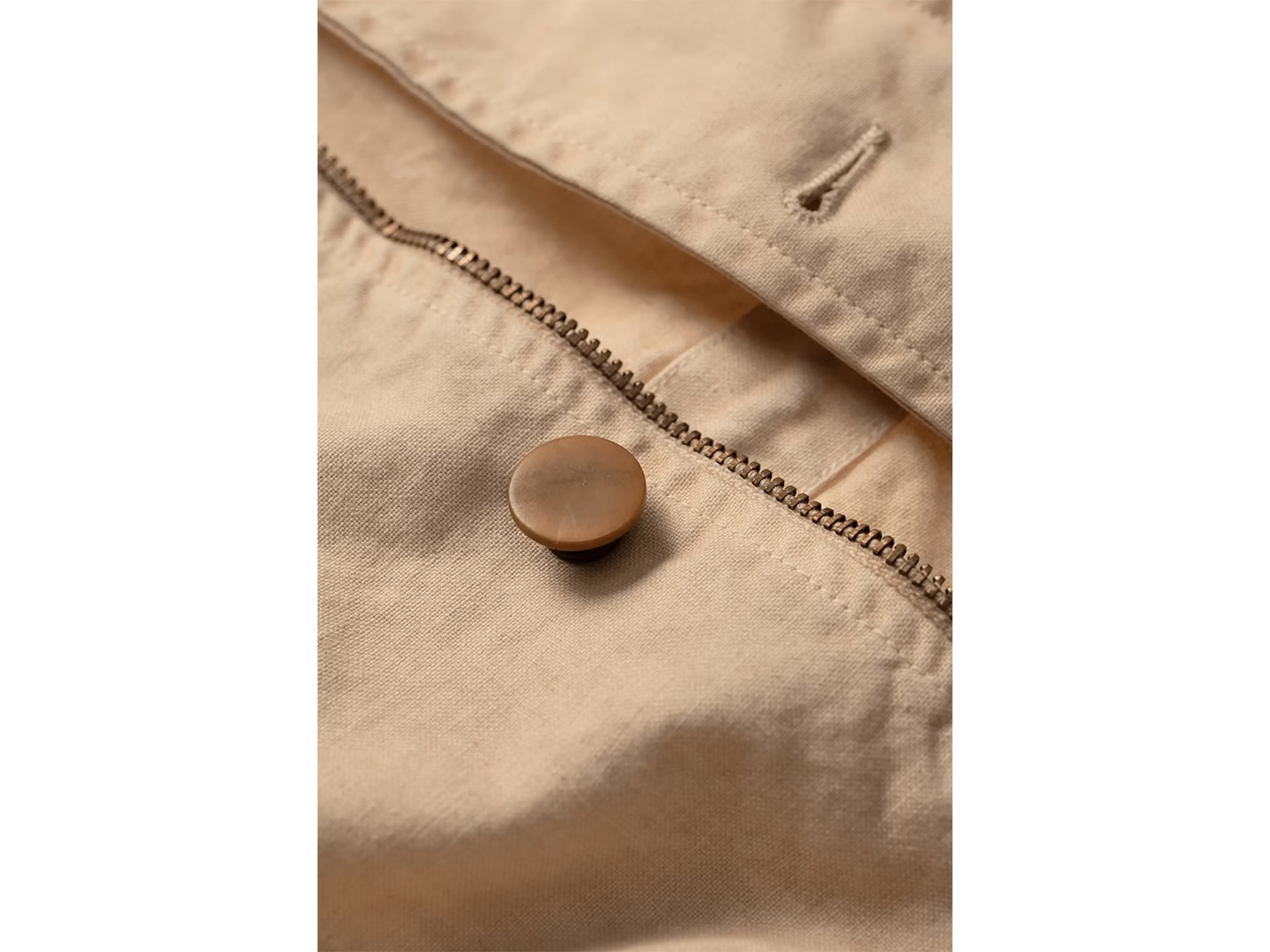
1. C.P. Company Goggle Jacket, 1988
Produced in 1988 under the Mille Miglia name, C.P. Company’s Goggle Jacket brought protective detail into sportswear in a highly visible way. This early model was made from raw, undyed natural fabrics and garment dyed through a technique called cotonizzato, giving the jacket a light brown tone close to raw cotton. Its hood lenses made the jacket feel closer to protective equipment than ordinary outerwear, connecting vision, weather, and movement into one garment.
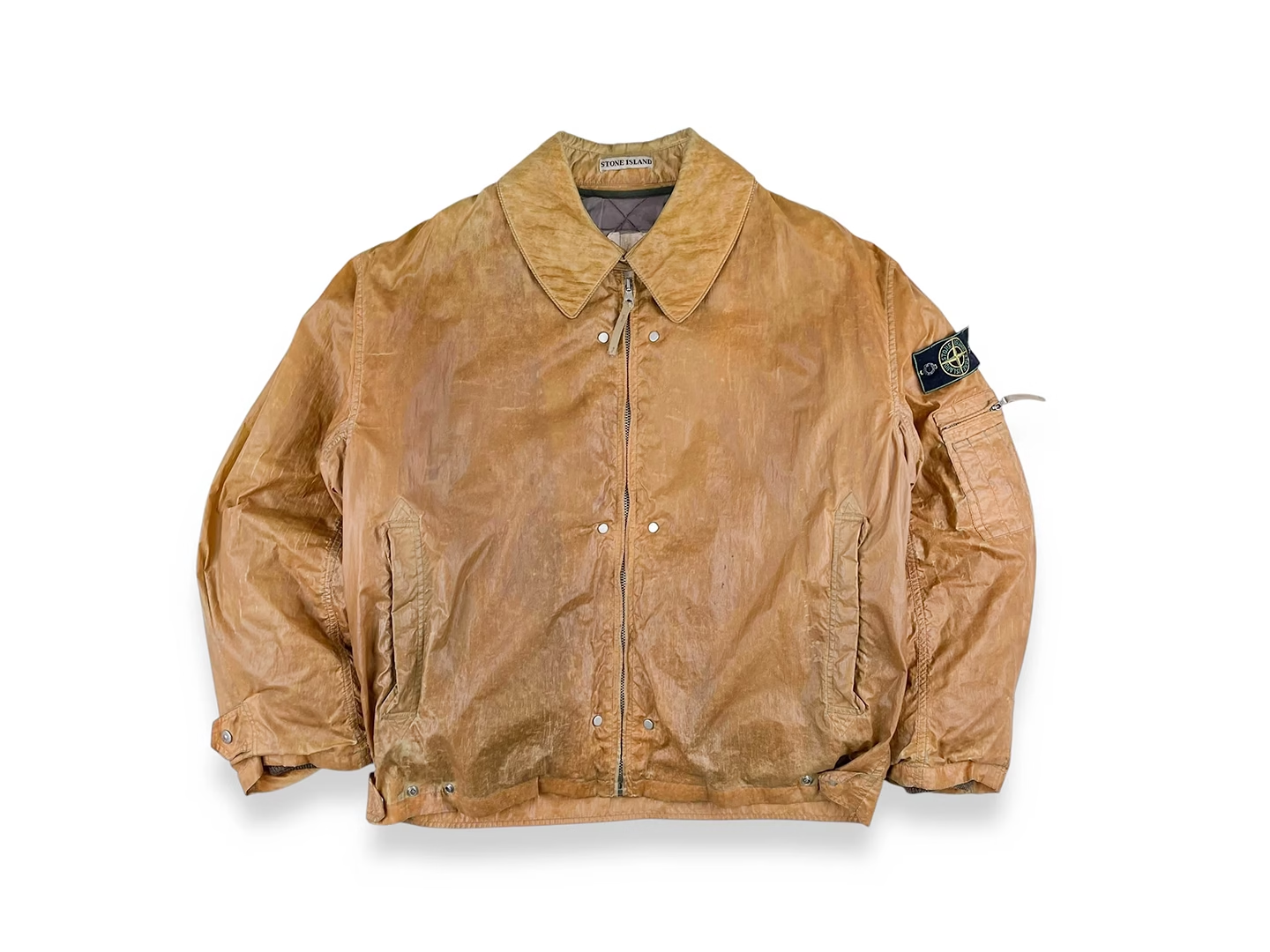
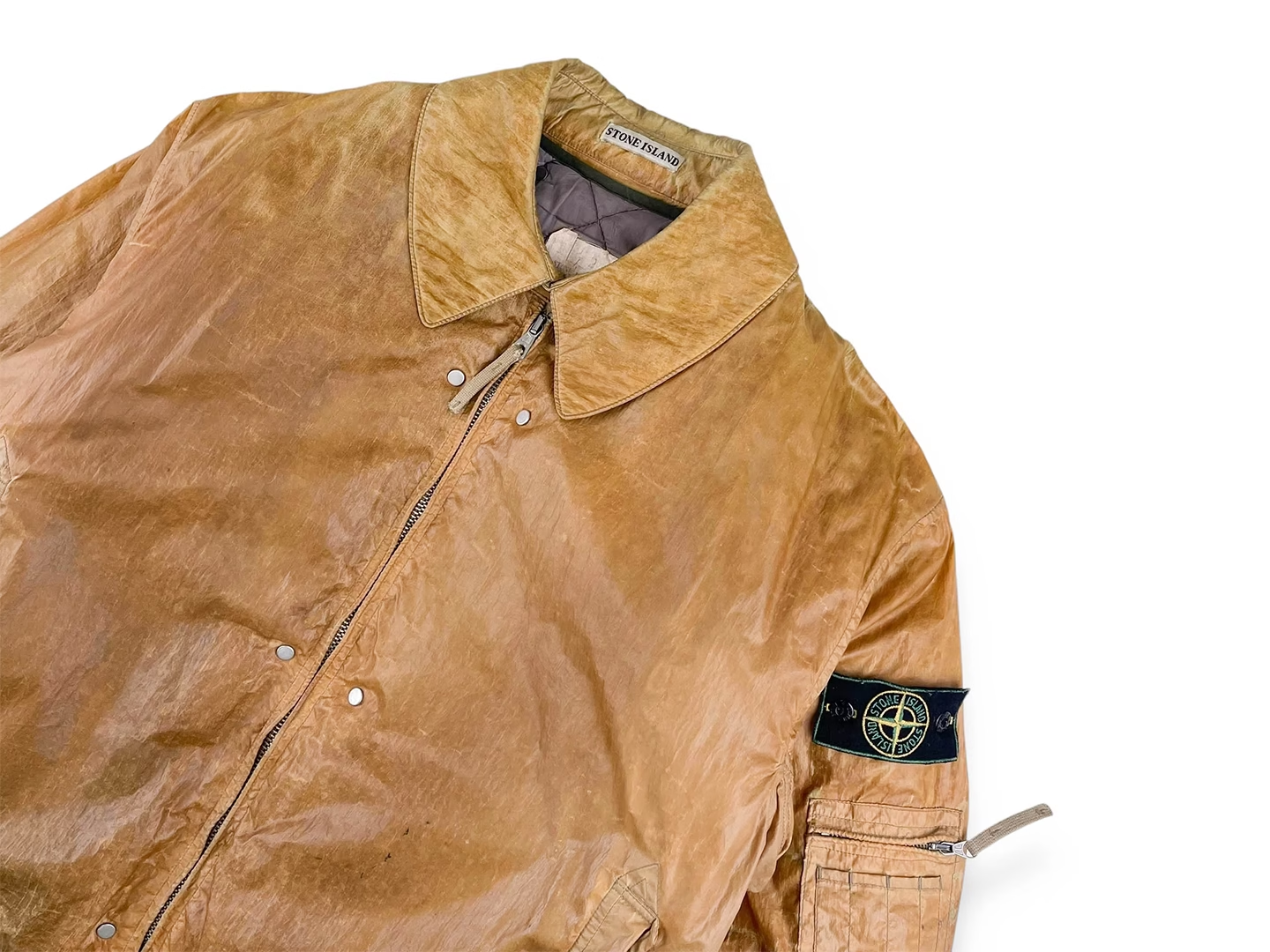
2. Stone Island Ice Jacket, 1989
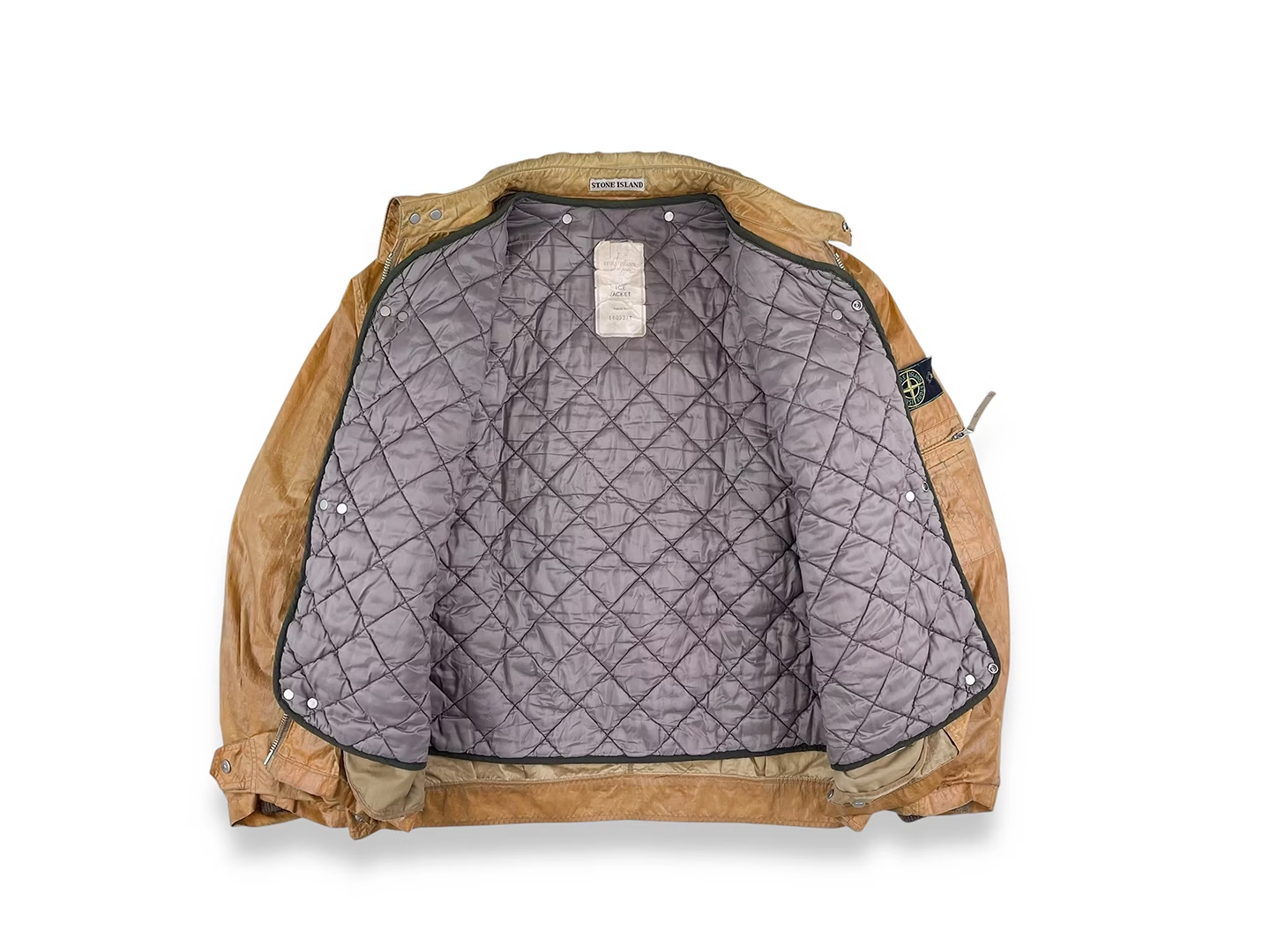
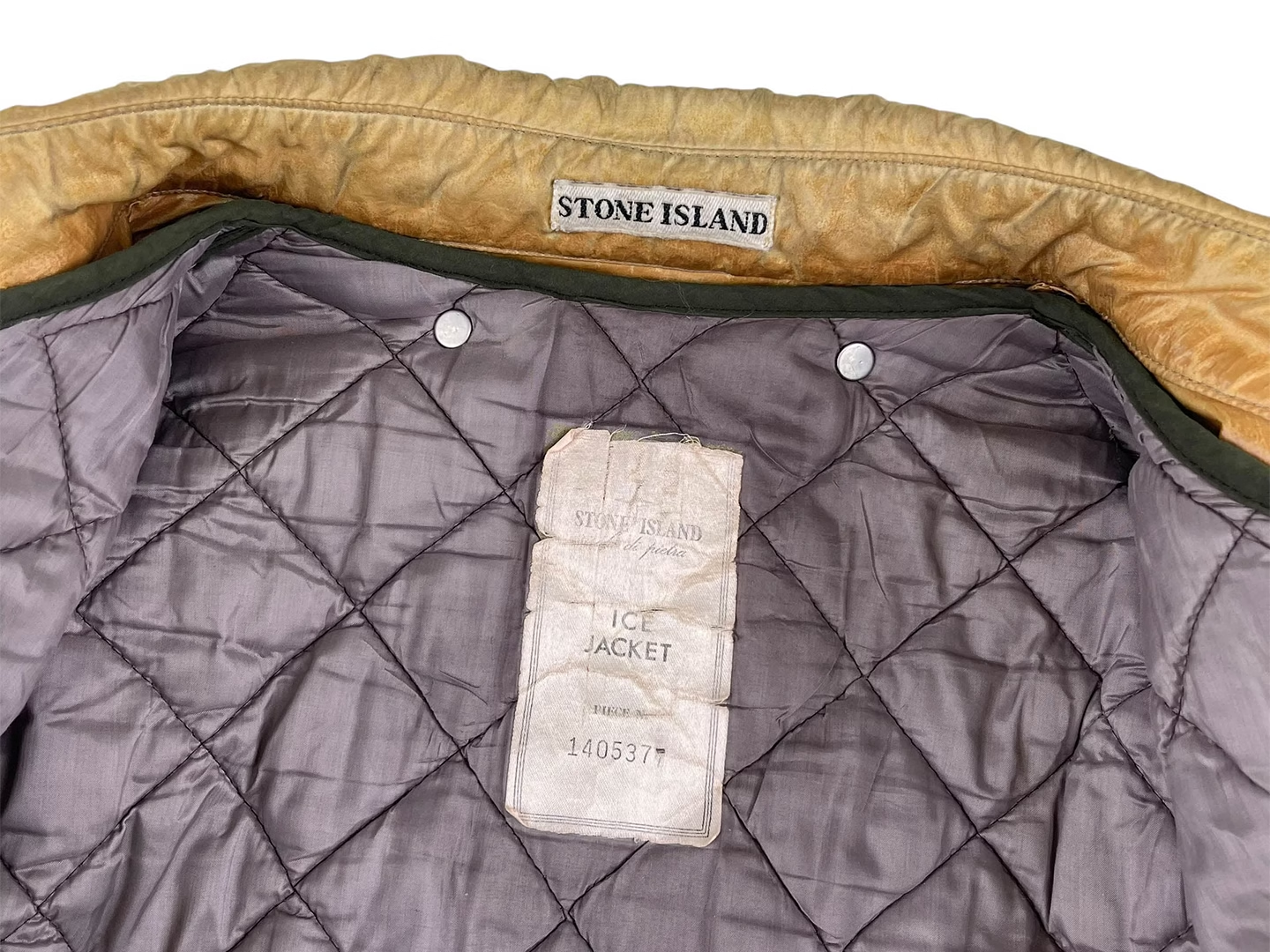
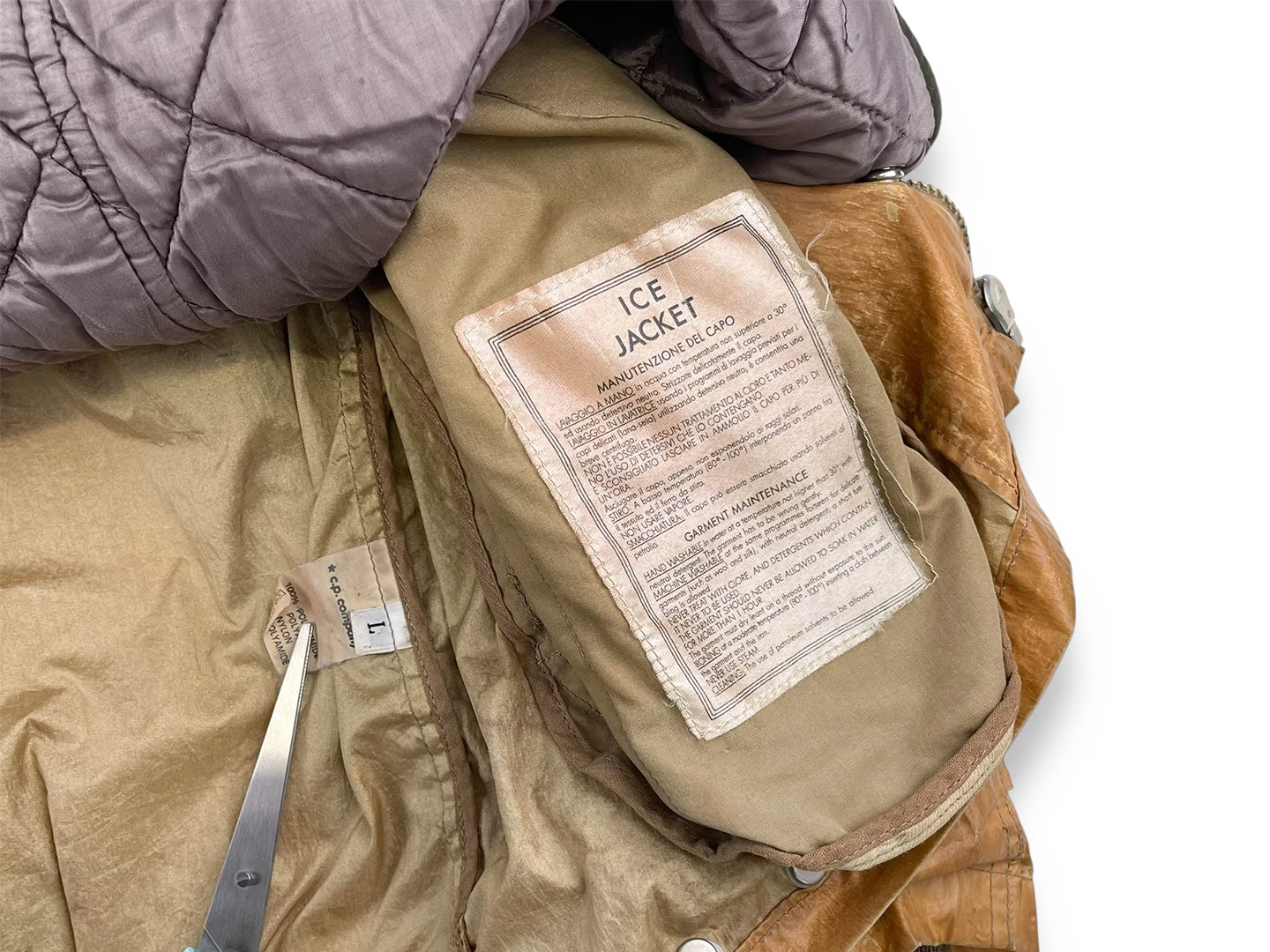
Stone Island’s first thermosensitive jacket appeared in 1989 on a light polyester fabric. Developed from research into heat-sensitive material, the jacket changed color with temperature, shifting from yellow to green, white to blue, or pink to gray. Instead of treating the shell as a passive surface, the Ice Jacket made the surrounding environment visible through the garment itself, turning fabric into a responsive layer between the wearer and the weather.
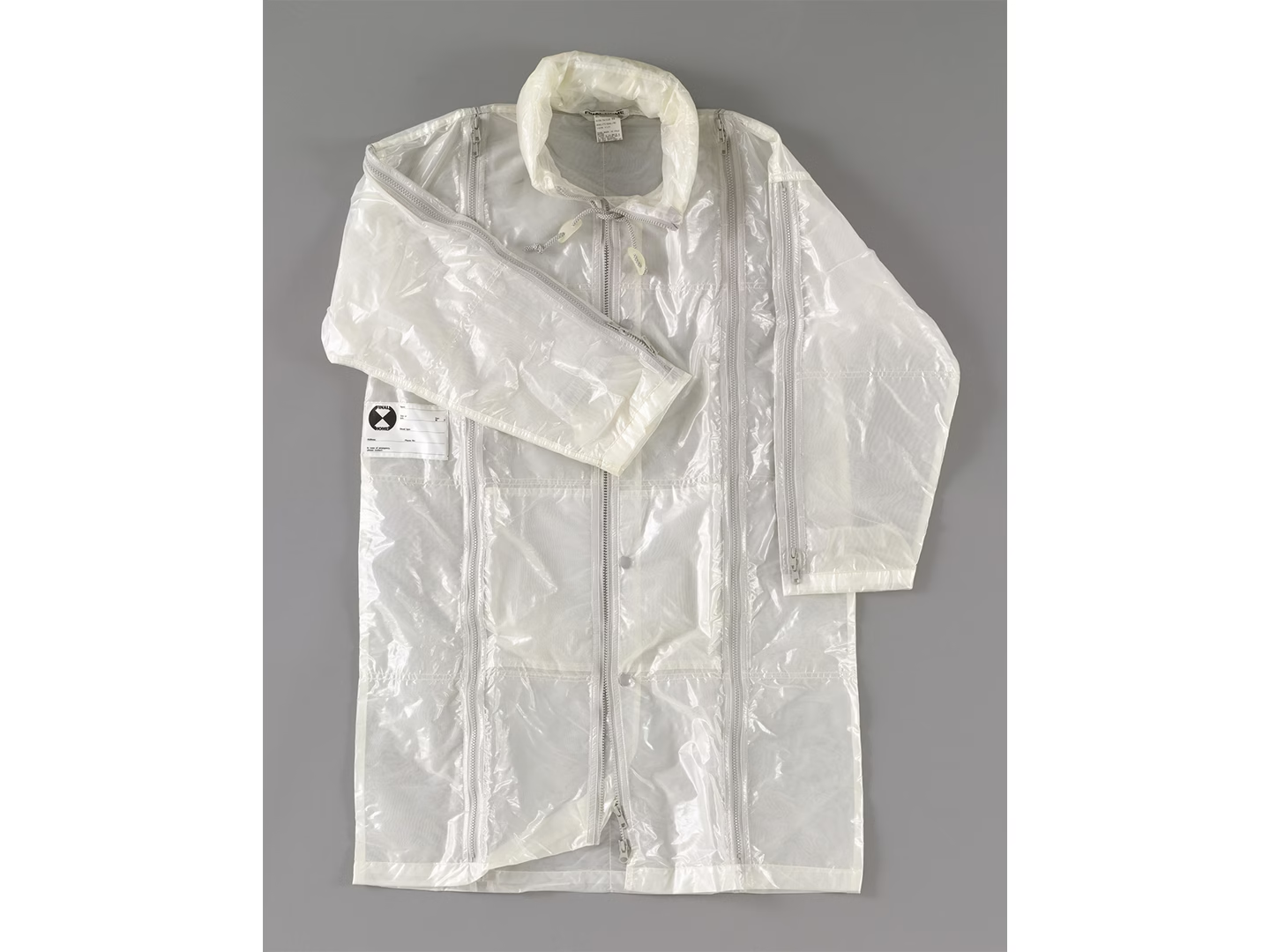
3. Final Home 44-Pocket Parka, 1994
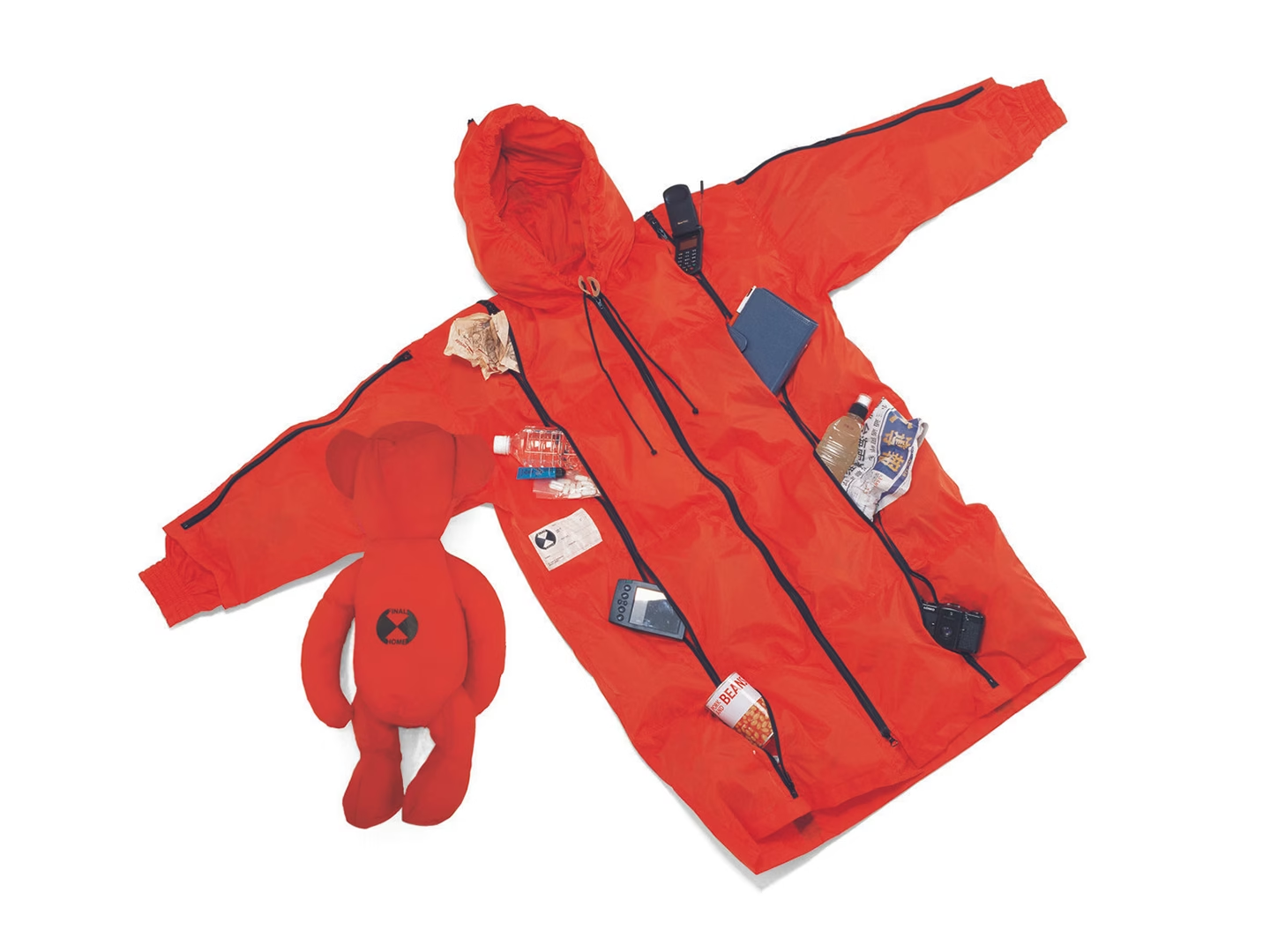
Forty-four pockets gave Kosuke Tsumura’s Final Home parka a purpose beyond ordinary storage. Designed in 1994 and made in nylon, the coat used its pocket system as a flexible survival structure: food, medicine, and tools could be carried in the body of the garment, while newspaper or other insulating material could be added in cold weather. The idea was simple but unusually direct. Instead of adding protection as a separate layer, the parka made empty space useful, turning pockets into insulation, storage, and a form of temporary shelter.
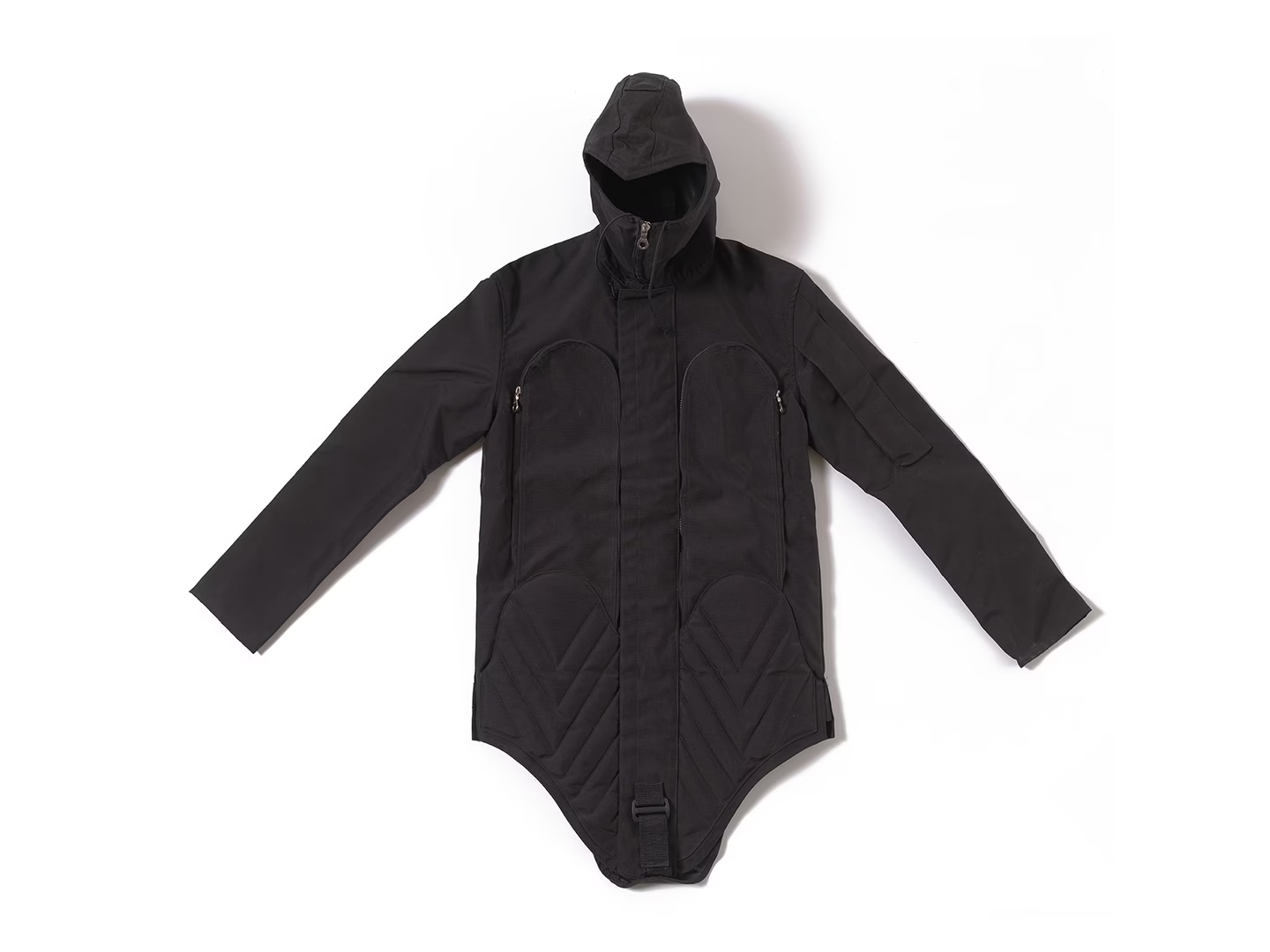
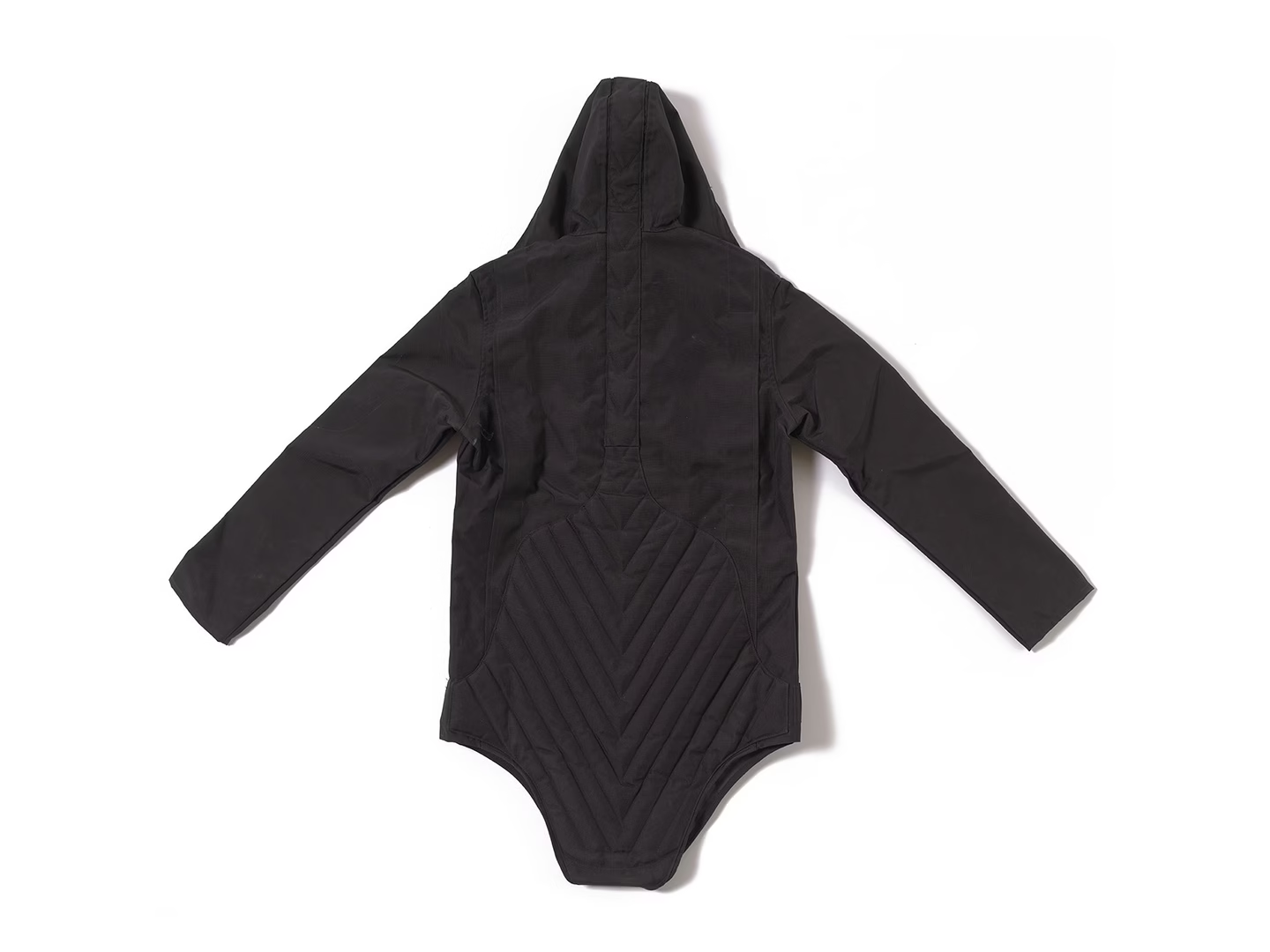
4. Vexed Generation Classic Parka, 1996
Created in 1996, Vexed Generation’s Classic Parka treated protection as an urban condition. Made from ballistic nylon with Kevlar and Ministry of Defence-specification nylon, the parka included protective fabric and padding around the spine and kidney areas. Its covered shape gave the garment a defensive quality, not just against weather, but against the pressures of public space. Among the pieces in this selection, it feels the most directly tied to the city as a place of exposure, tension, and control.
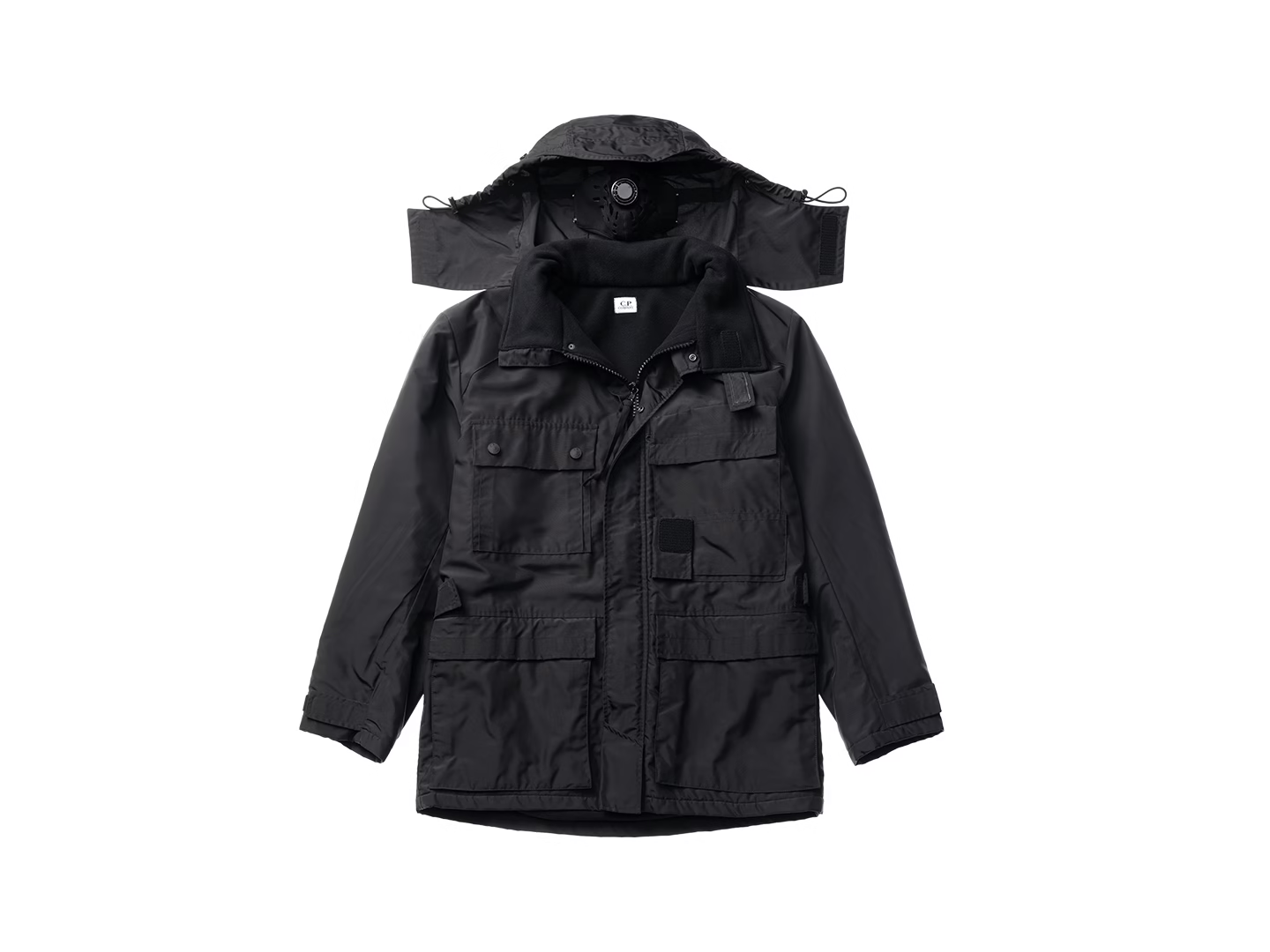
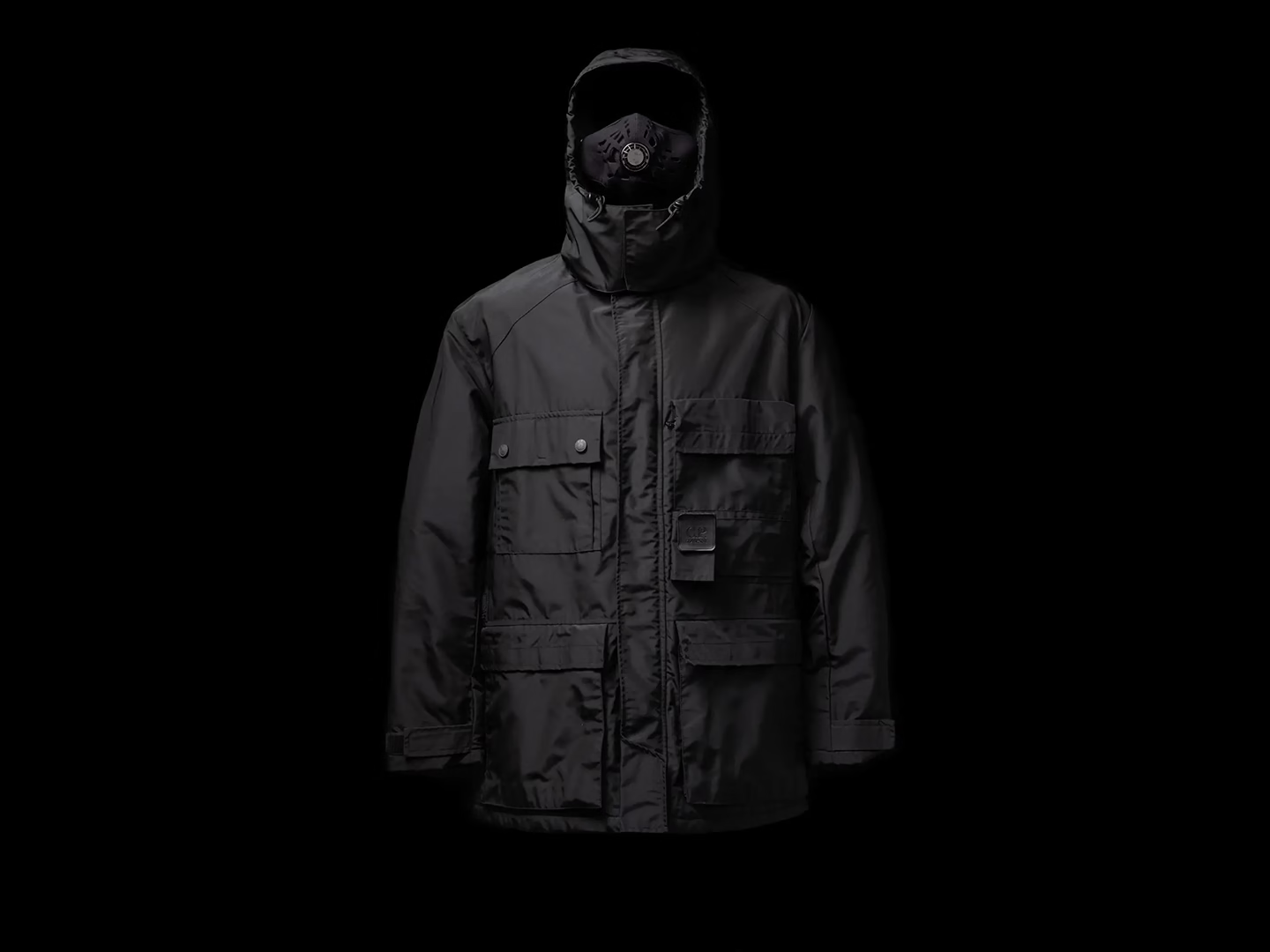
5. C.P. Company Urban Protection Metropolis Jacket, 2000
A 2000 archive example of C.P. Company’s Metropolis Jacket shows how direct the brand’s Urban Protection idea had become. The model featured an air-filter mask attached to the hood by snap fasteners and was lined with polyester fleece. Where the earlier Goggle Jacket connected clothing to speed and visibility, the Metropolis Jacket shifted the focus toward dense city life, treating the jacket as a protective shell for smog, movement, and everyday exposure.