Ramen in Japan often moves between established forms and incremental experimentation, but some shops explore directions that sit clearly outside familiar expectations. These ramen are not accidental or temporary concepts. Each reflects a deliberate choice in ingredients, presentation, or technique, resulting in bowls that differ noticeably from conventional ramen while remaining structured and intentional. Shops featured here are based in Tokyo.
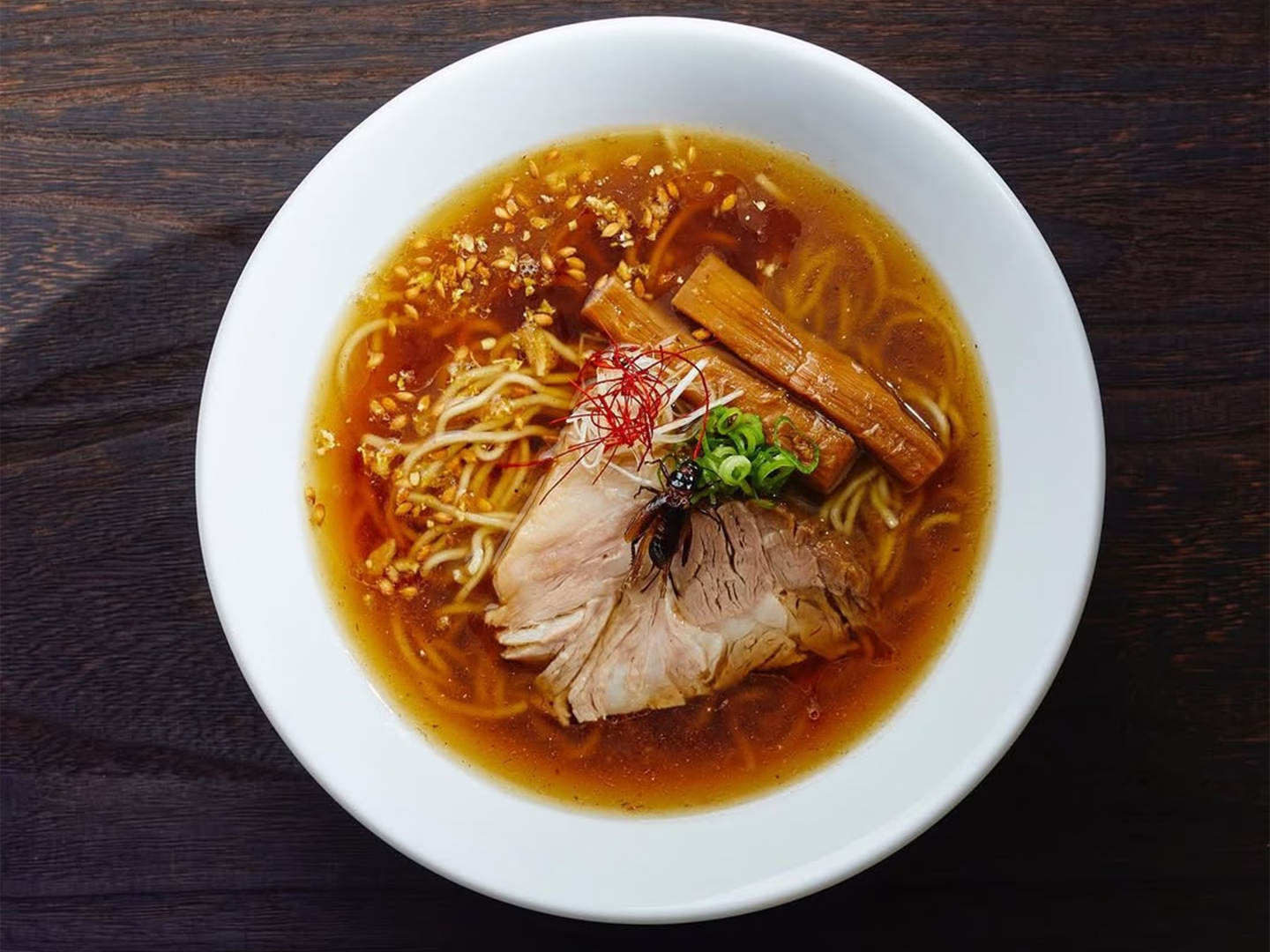
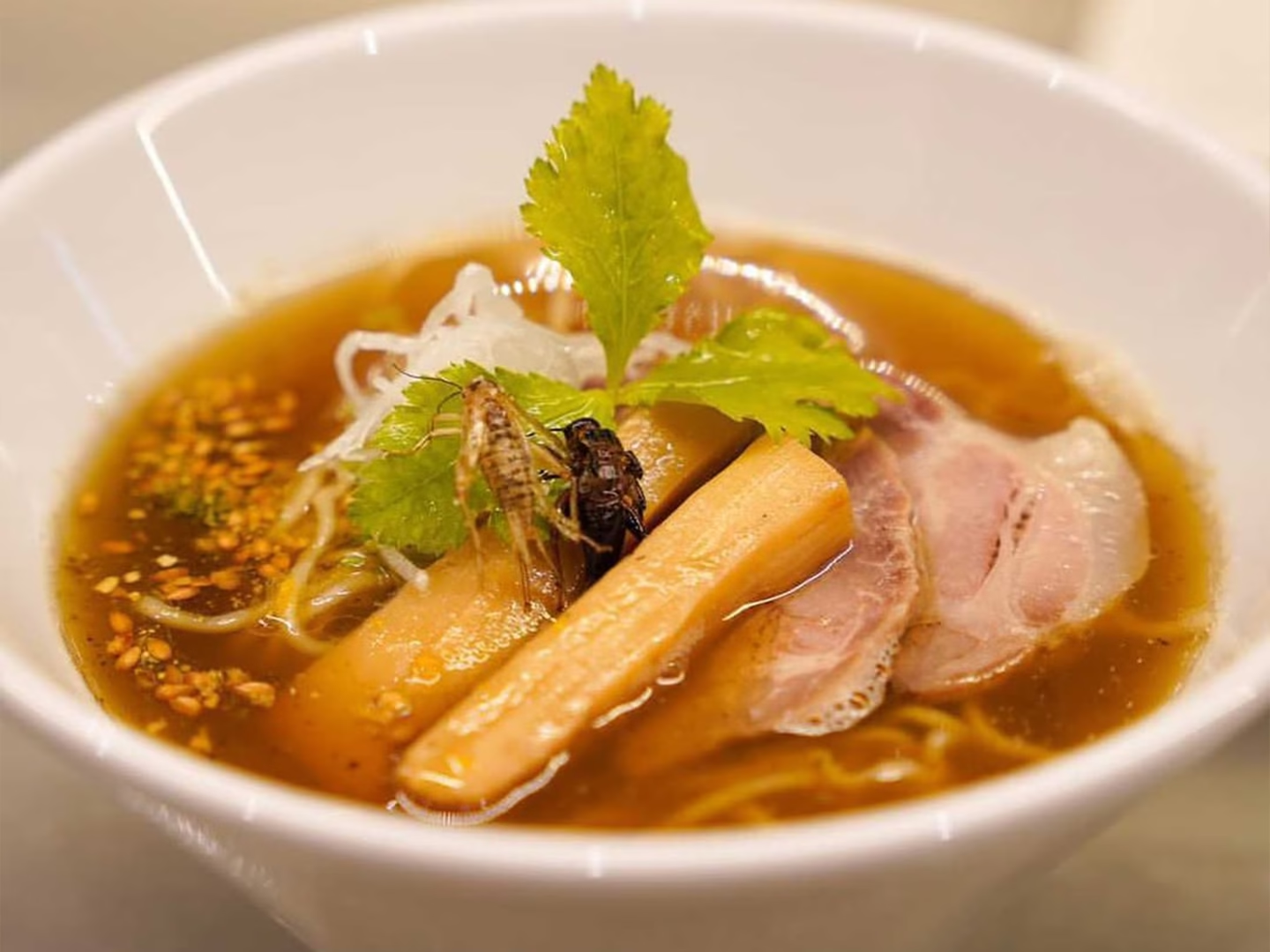
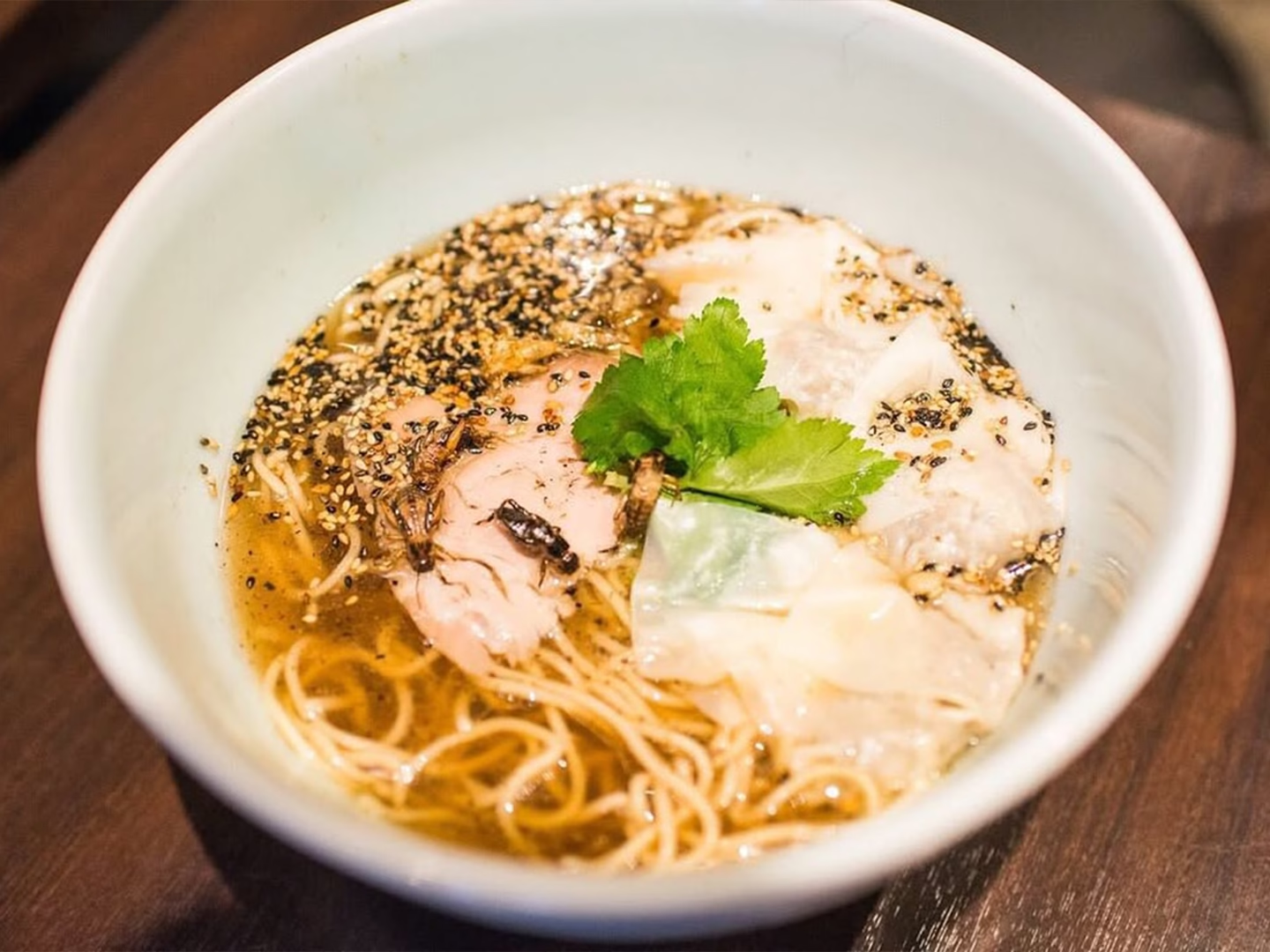
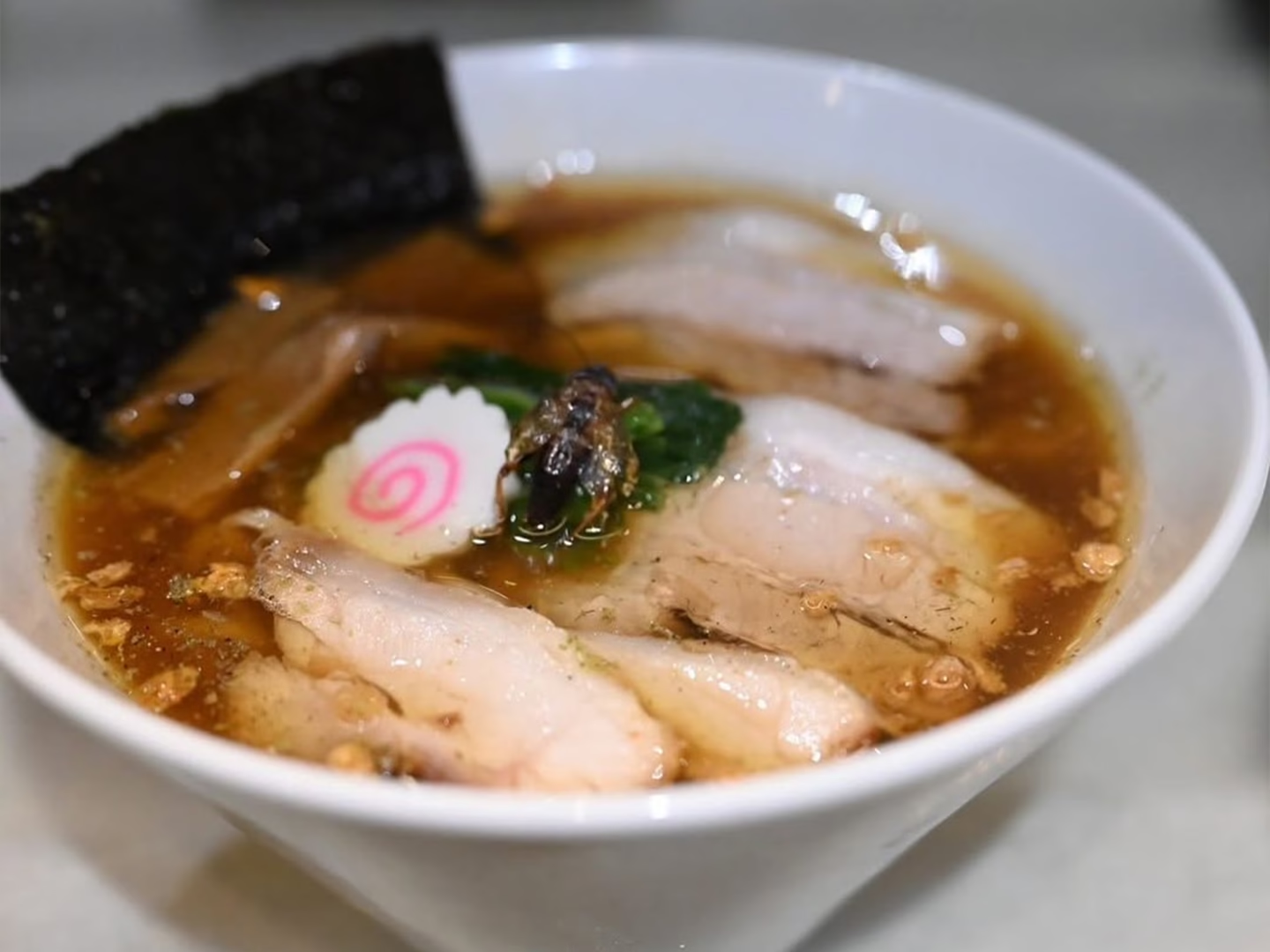
1. ANTCICADA
Edible insects are used as core ingredients rather than supplements, with cricket-based components contributing to both broth and toppings. Traditional meat or seafood elements are reduced or removed, and the insects are presented without concealment. The ramen is positioned as an alternative approach to sourcing protein and umami, informed by discussions around sustainability rather than novelty.
Address: 2-4-6 Nihonbashibakurocho, Chuo City, Tokyo 103-0002
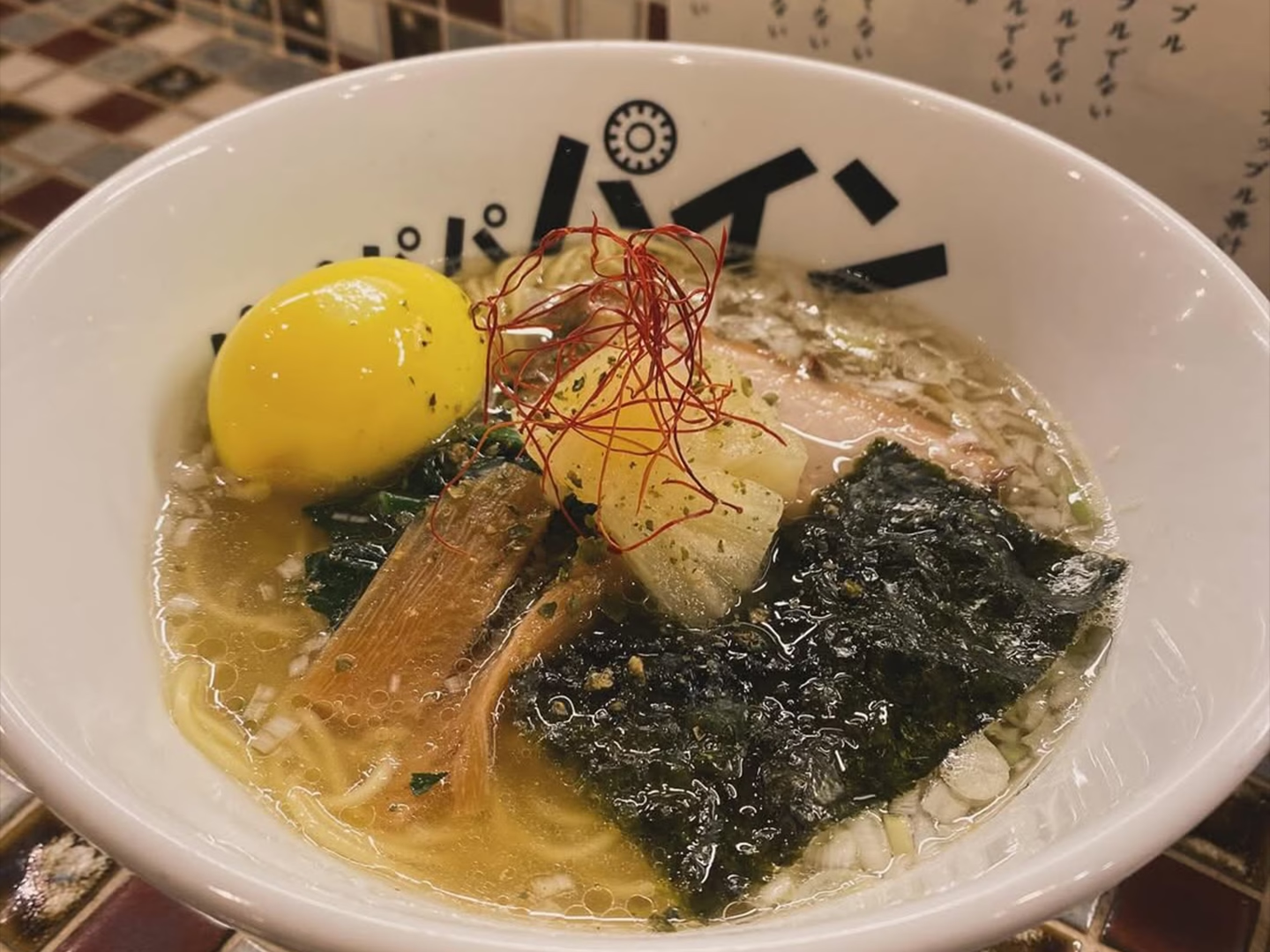
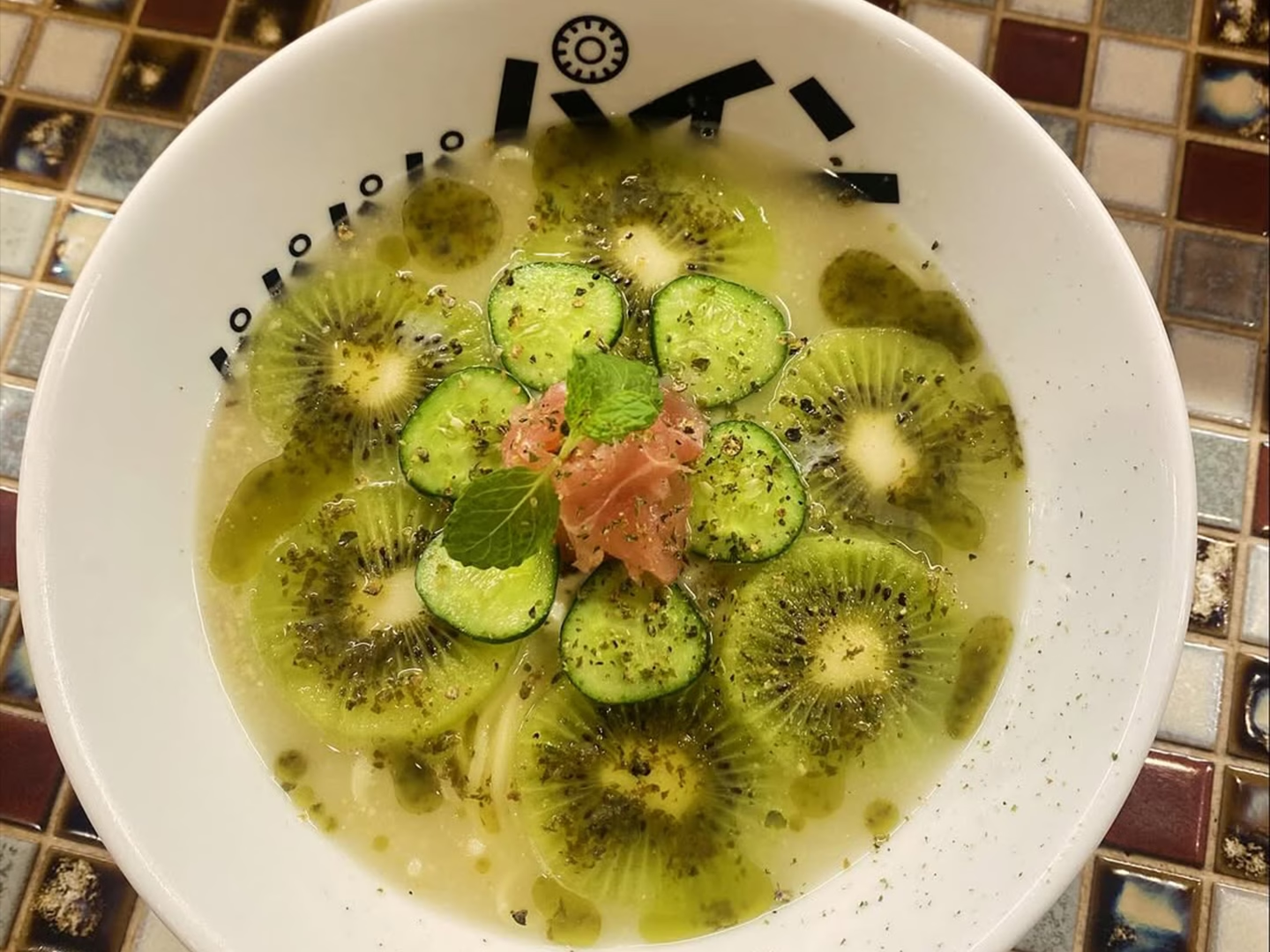
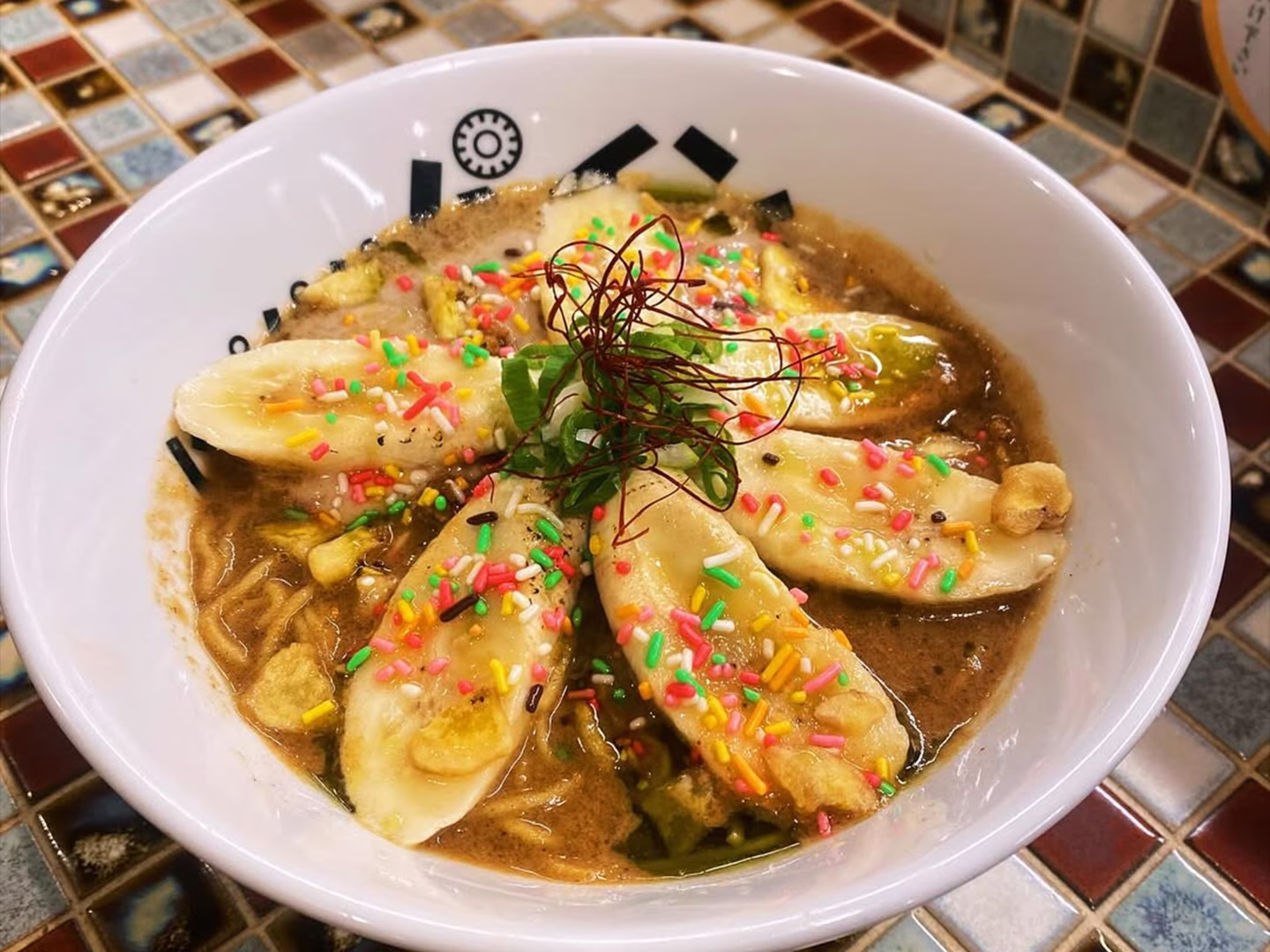
2. Papapapapain
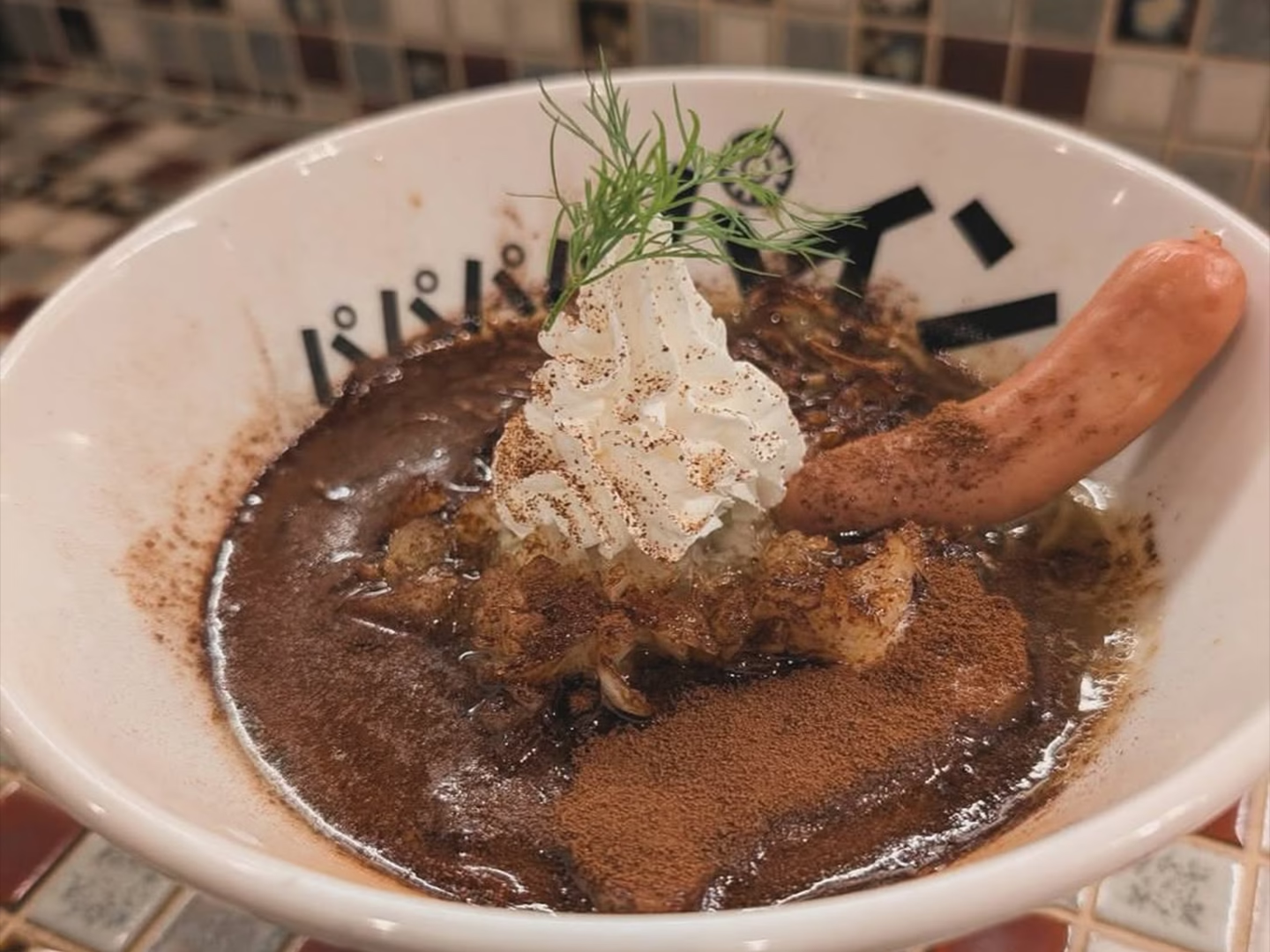
Fruit is incorporated throughout the bowl, most notably through pineapple, which influences the broth, toppings, and seasoning through acidity rather than sweetness. In addition to pineapple-based ramen, the shop has also offered variations using other fruits, applying the same approach of treating fruit as a structural ingredient rather than a garnish. Although the shop’s operating format has changed, fruit-forward ramen continues to be served within the same location.
Address: 3-1-4 Haramachida, Machida Terminal Plaza 2F, Machida, Tokyo 194-0013
3. Ayu Ramen
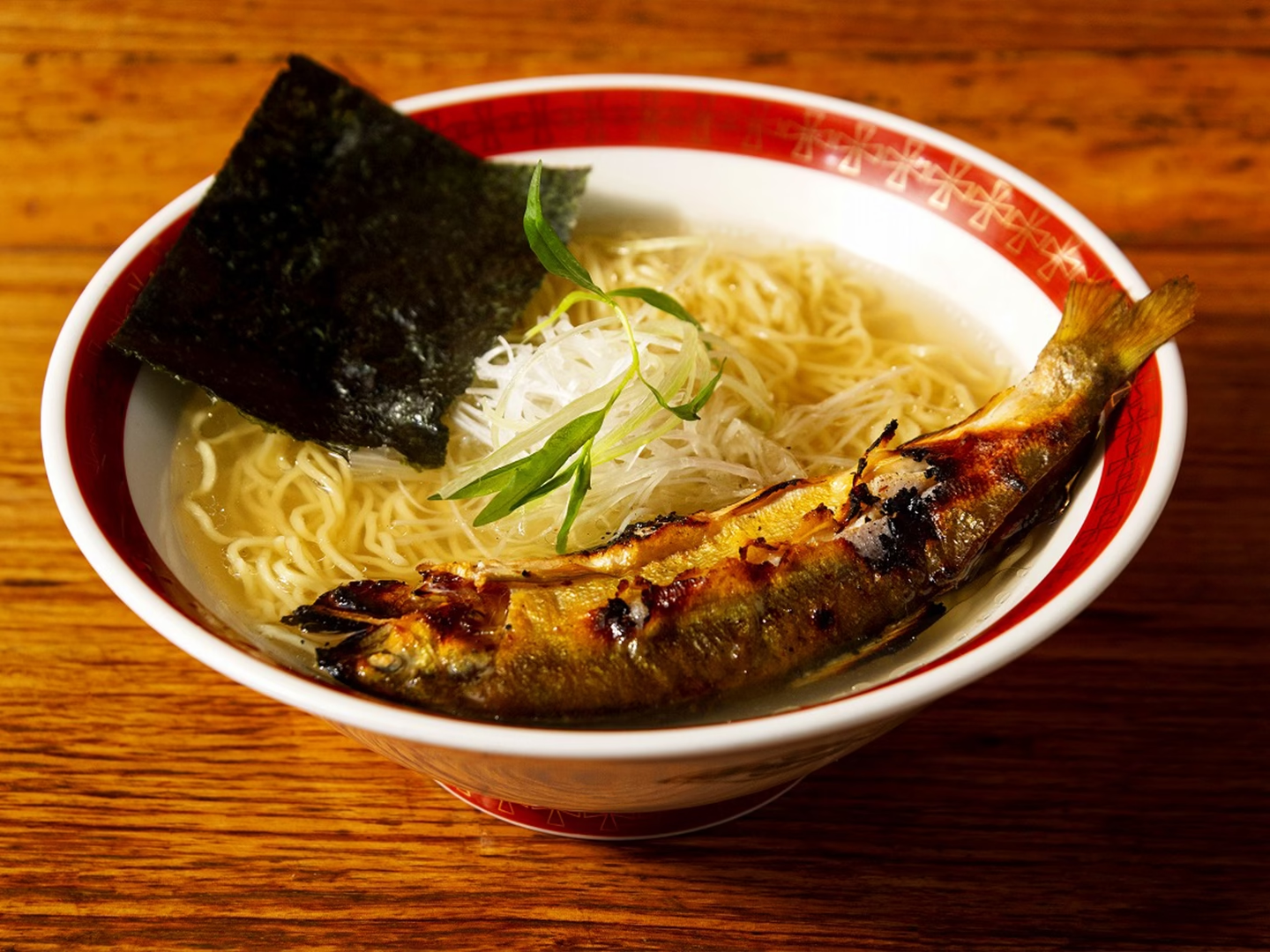
A whole grilled ayu fish is served directly over the noodles, with the head and tail intact. The broth is kept light to allow the flavor and aroma of the river fish to remain dominant. The presentation emphasizes the ingredient itself rather than reducing it to extract or garnish.
Address: 3-15-12 Tamagawa, Setagaya City, Tokyo 158-0094
4. Uma Tsukemen
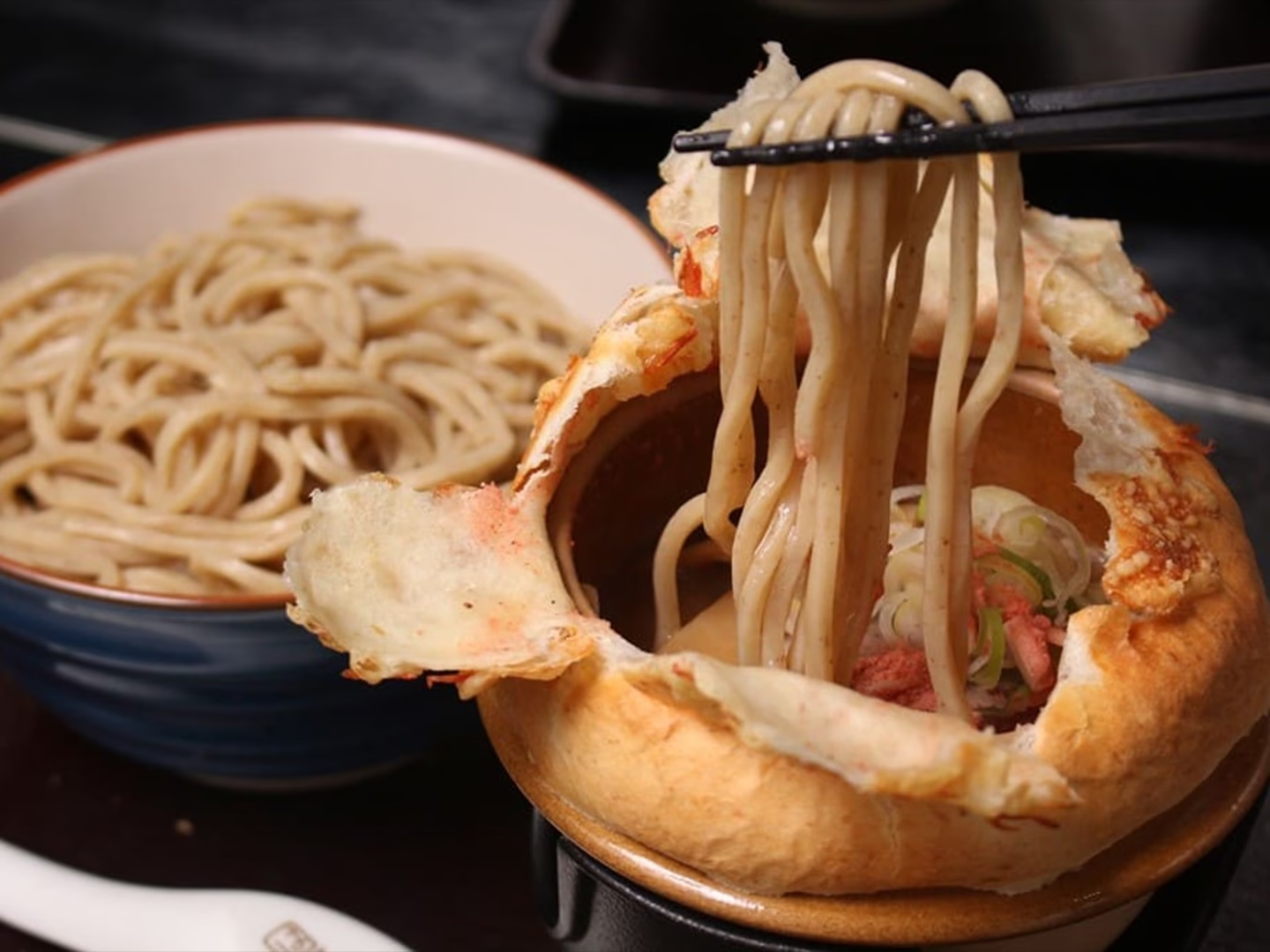
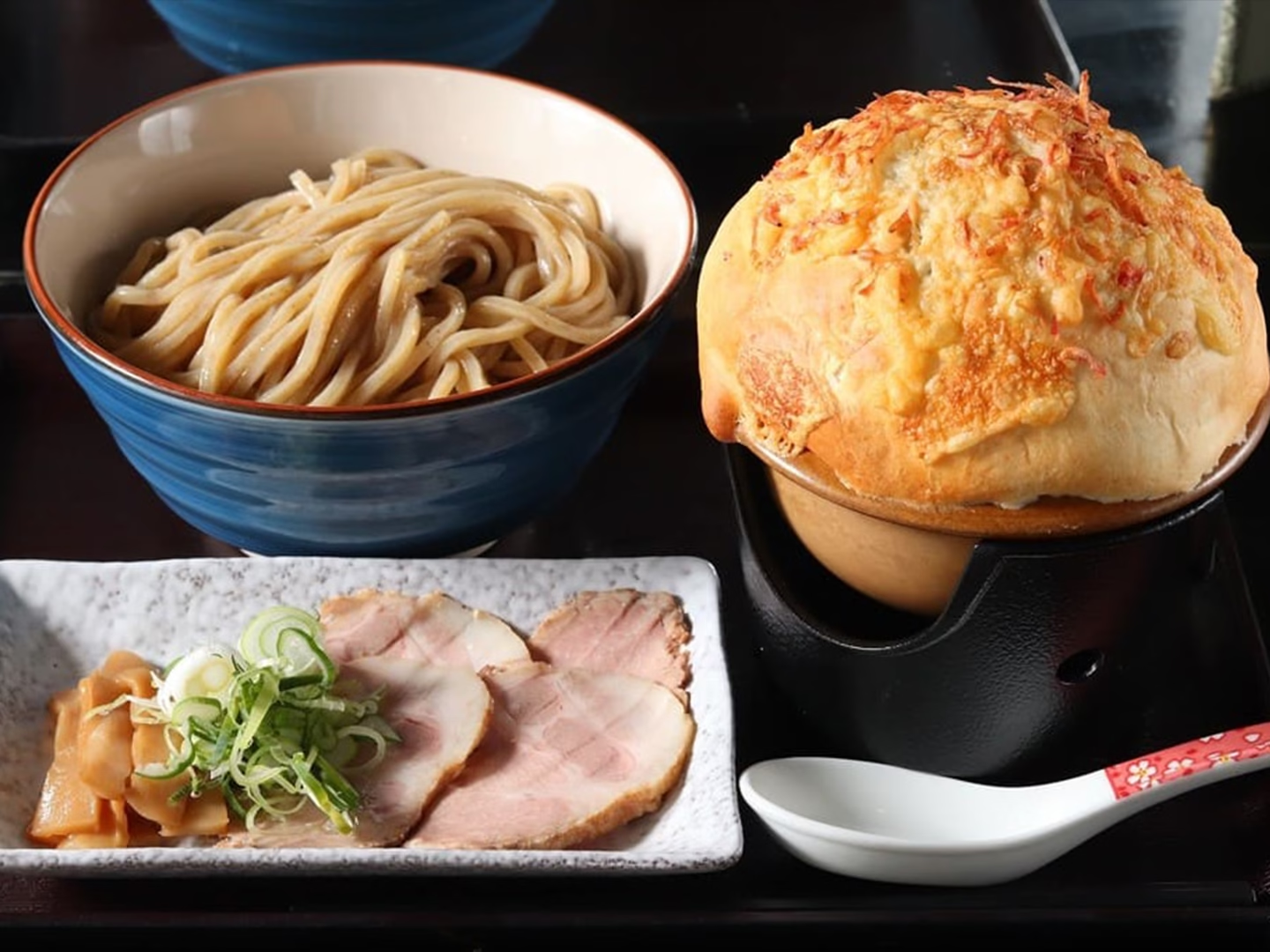
In this variation of tsukemen, the bowl is served with the dipping broth sealed under a baked puff-pastry crust. Diners break or peel back the pastry to access the soup, which adds a textural and aromatic element to the meal. The pastry also softens into the broth as it is eaten, subtly changing the mouthfeel. This preparation maintains a conventional noodle-plus-soup structure while introducing an additional physical element that alters the way the dish is approached.
Address: 6-26 Kagurazaka, Shinjuku City, Tokyo 162-0825
5. Kipposhi
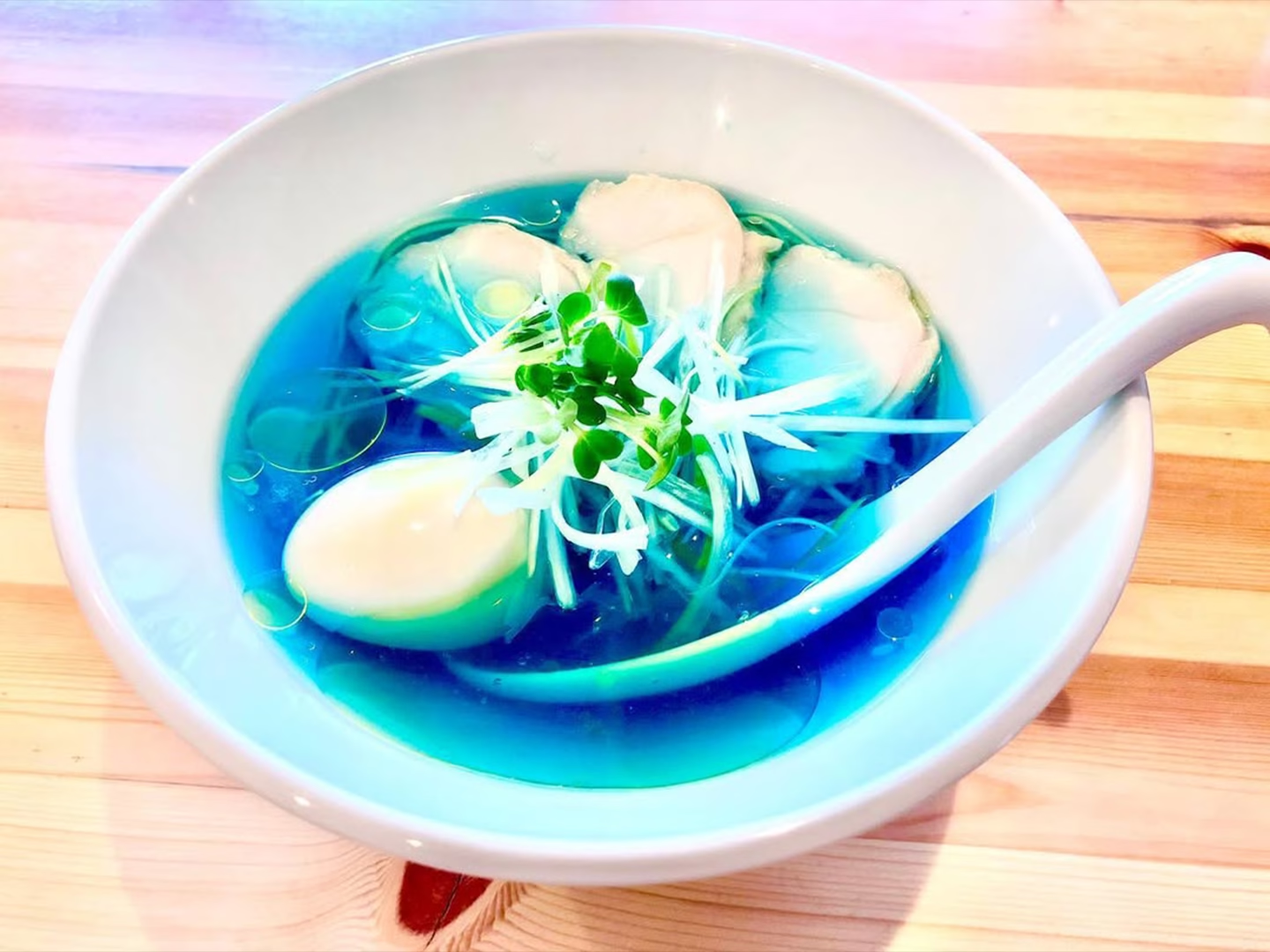
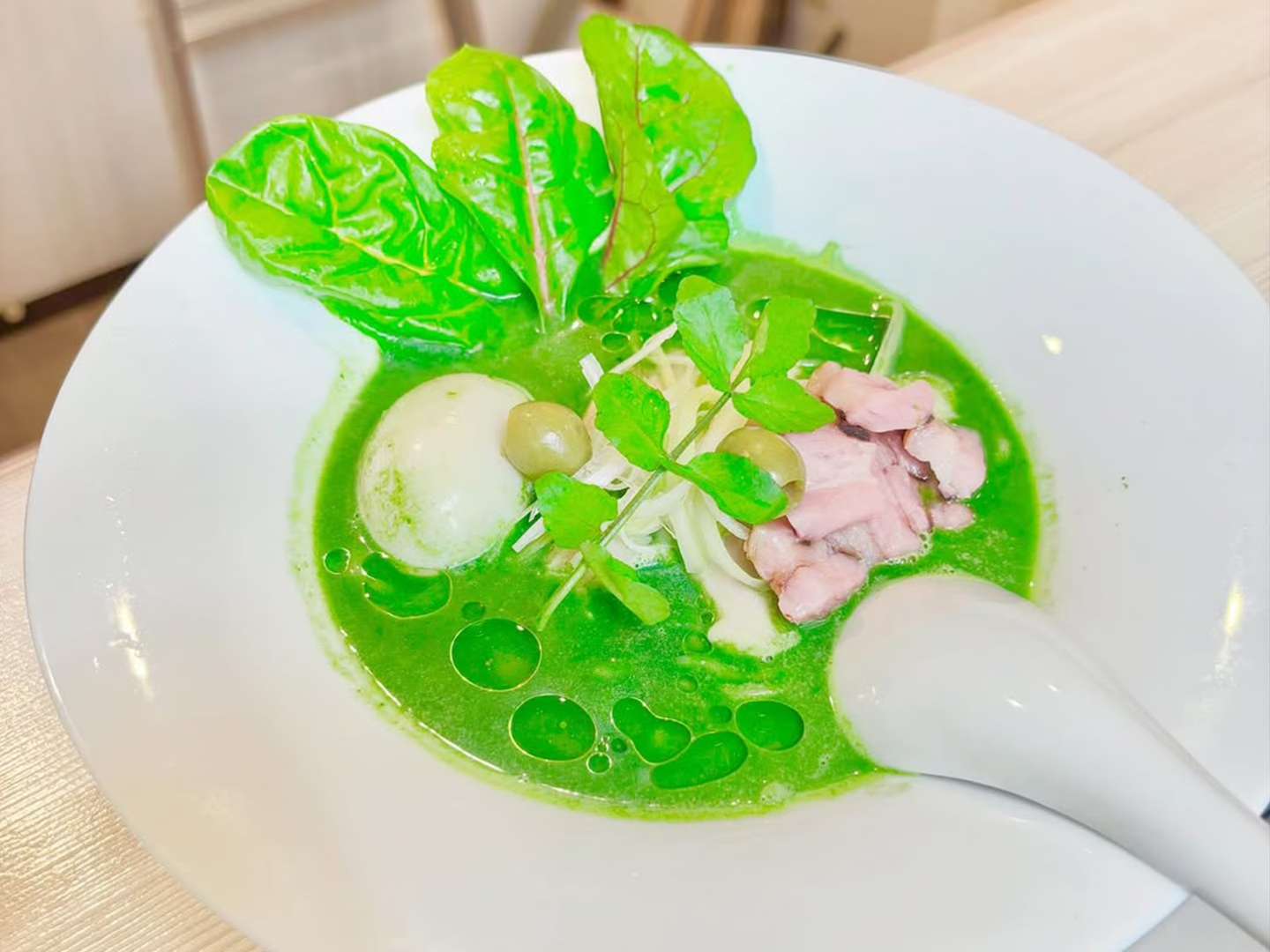
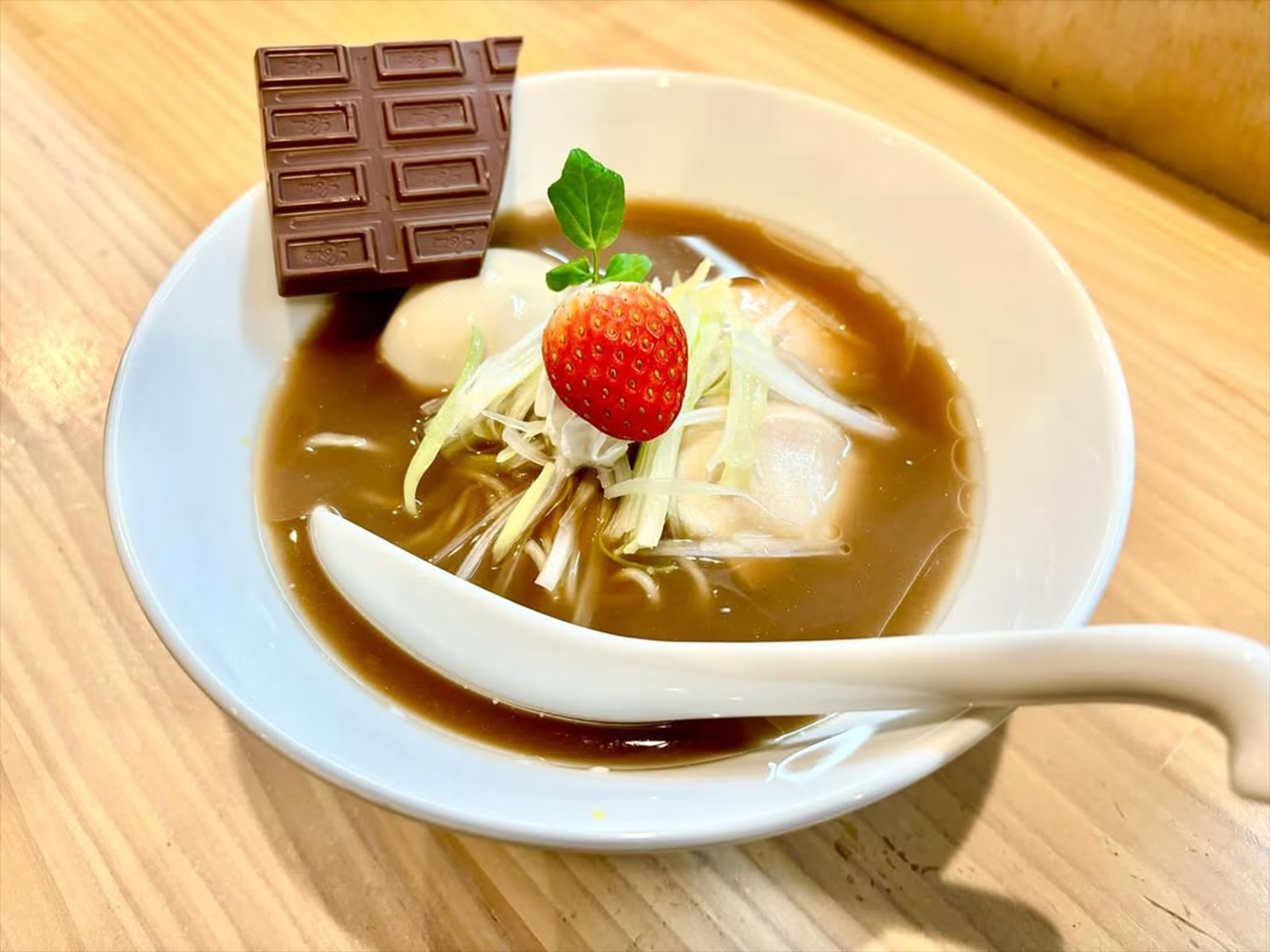
The broth is visually distinguished by a blue color, while the underlying flavor remains close to a standard chicken-based ramen. The contrast between appearance and taste is central to the dish. The shop has also served other colored ramen variations on a limited basis, using different ingredients to alter the broth’s appearance. Following relocation and reopening in 2024, the shop continues to serve this style at its current address.
Address: 1-11-2 Shiba, Minato City, Tokyo 105-0014