Horror films create visual languages that linger, shaping how we remember tension, space, and character. In recent years, several fashion labels have partnered with film studios to translate these atmospheres into clothing, treating cinema not as merchandise but as material for studying image, silhouette, and mood. Below are collaborations that reference horror with restraint, clarity, and attention to each film’s original tone.
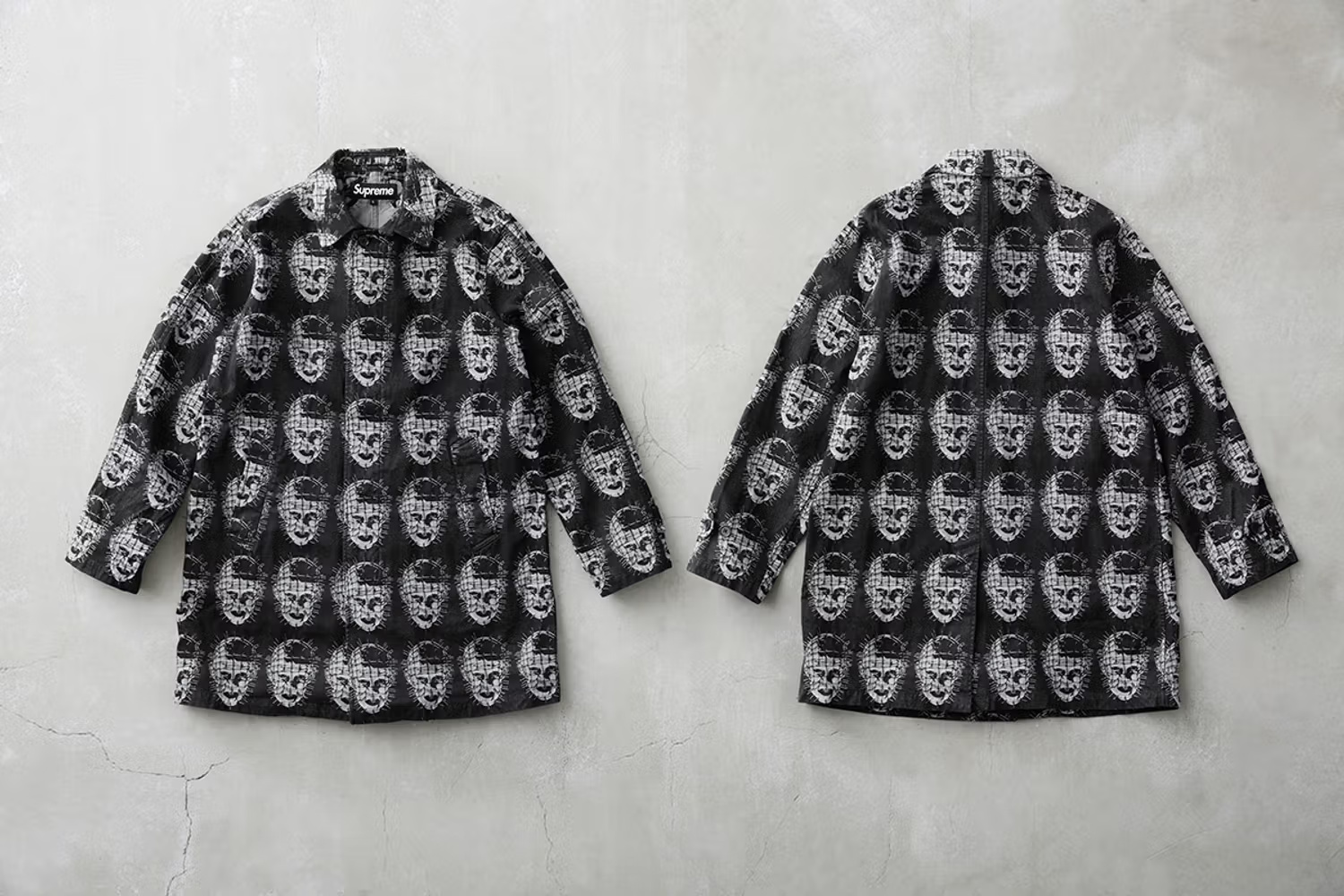
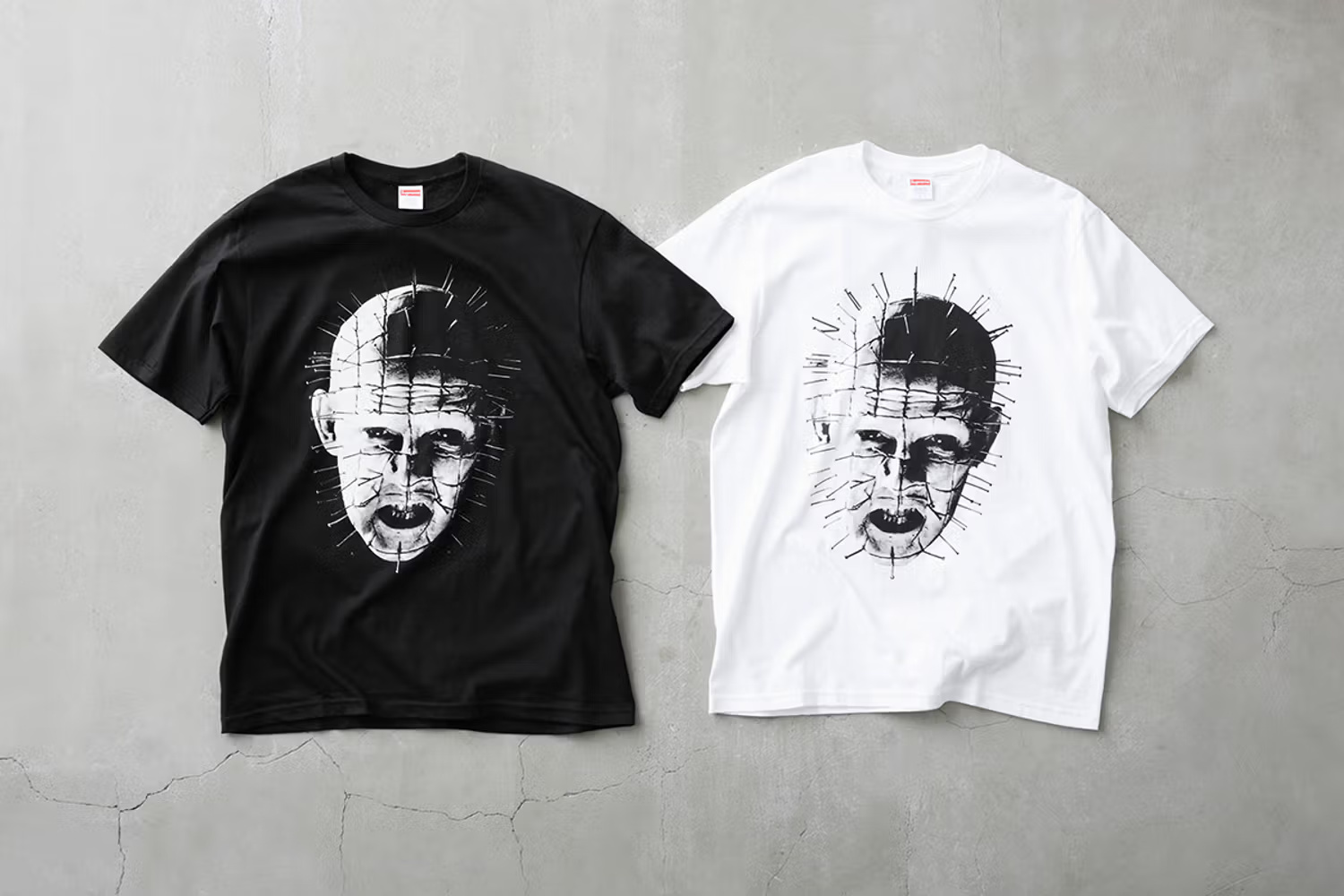
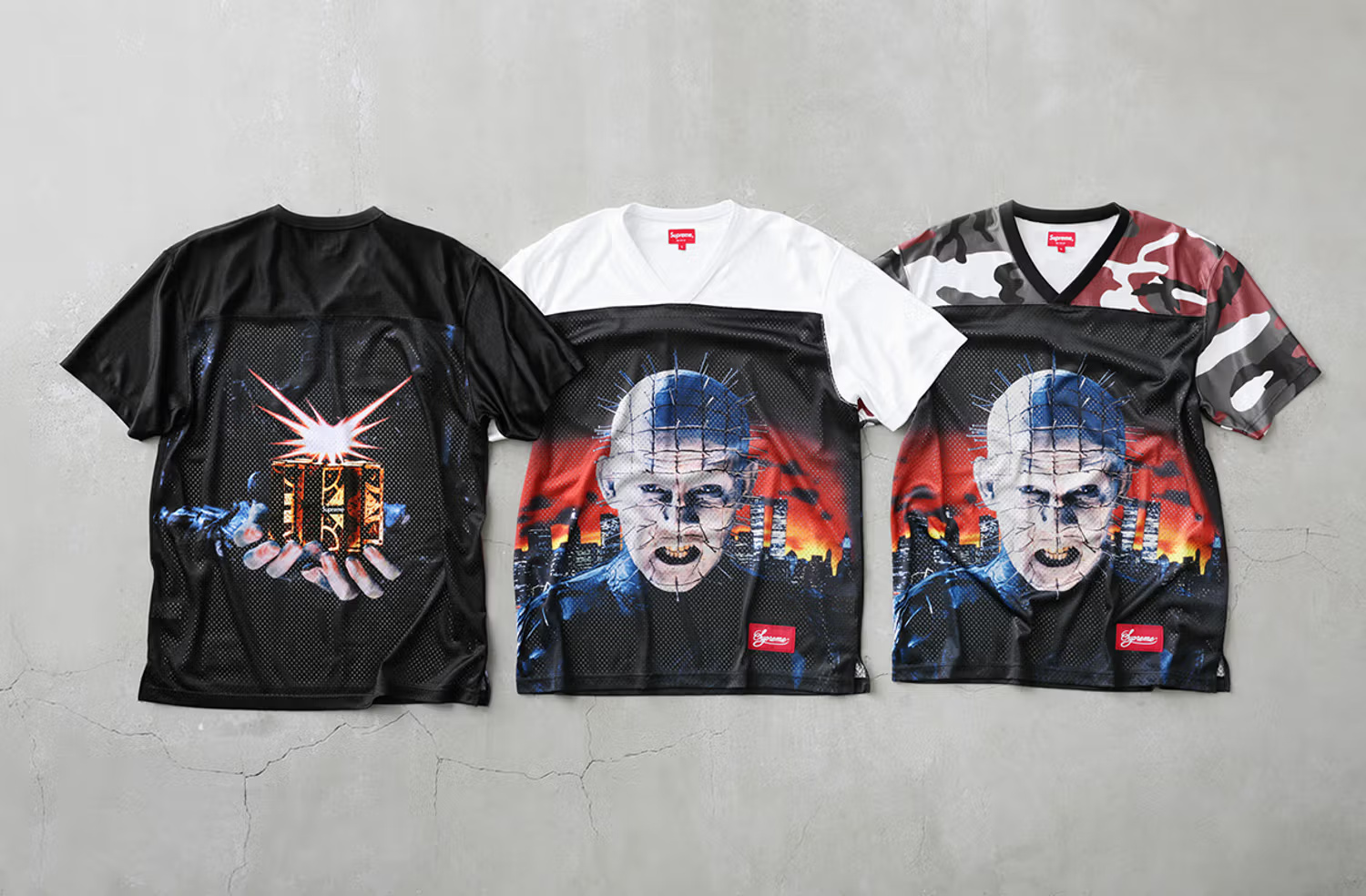
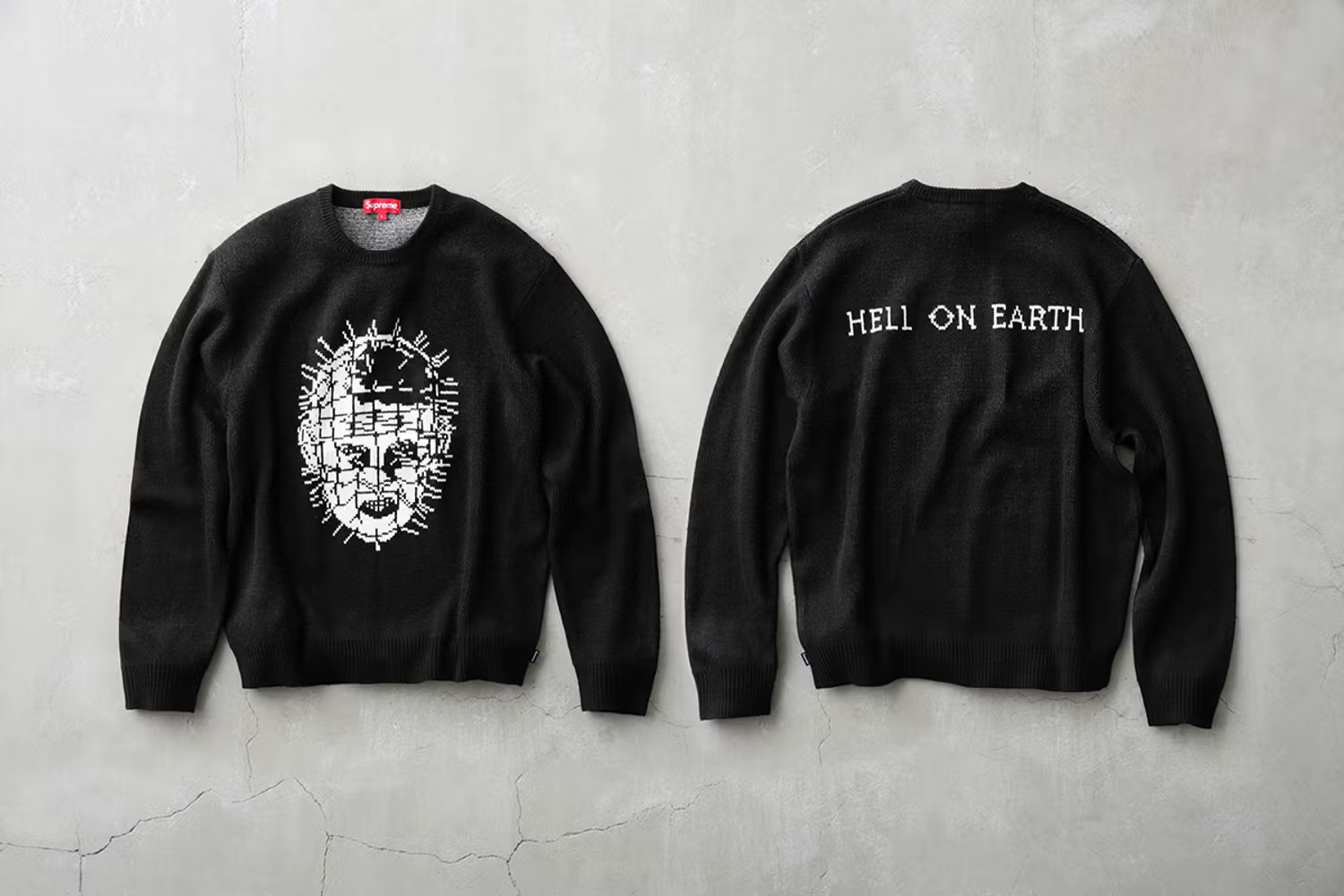
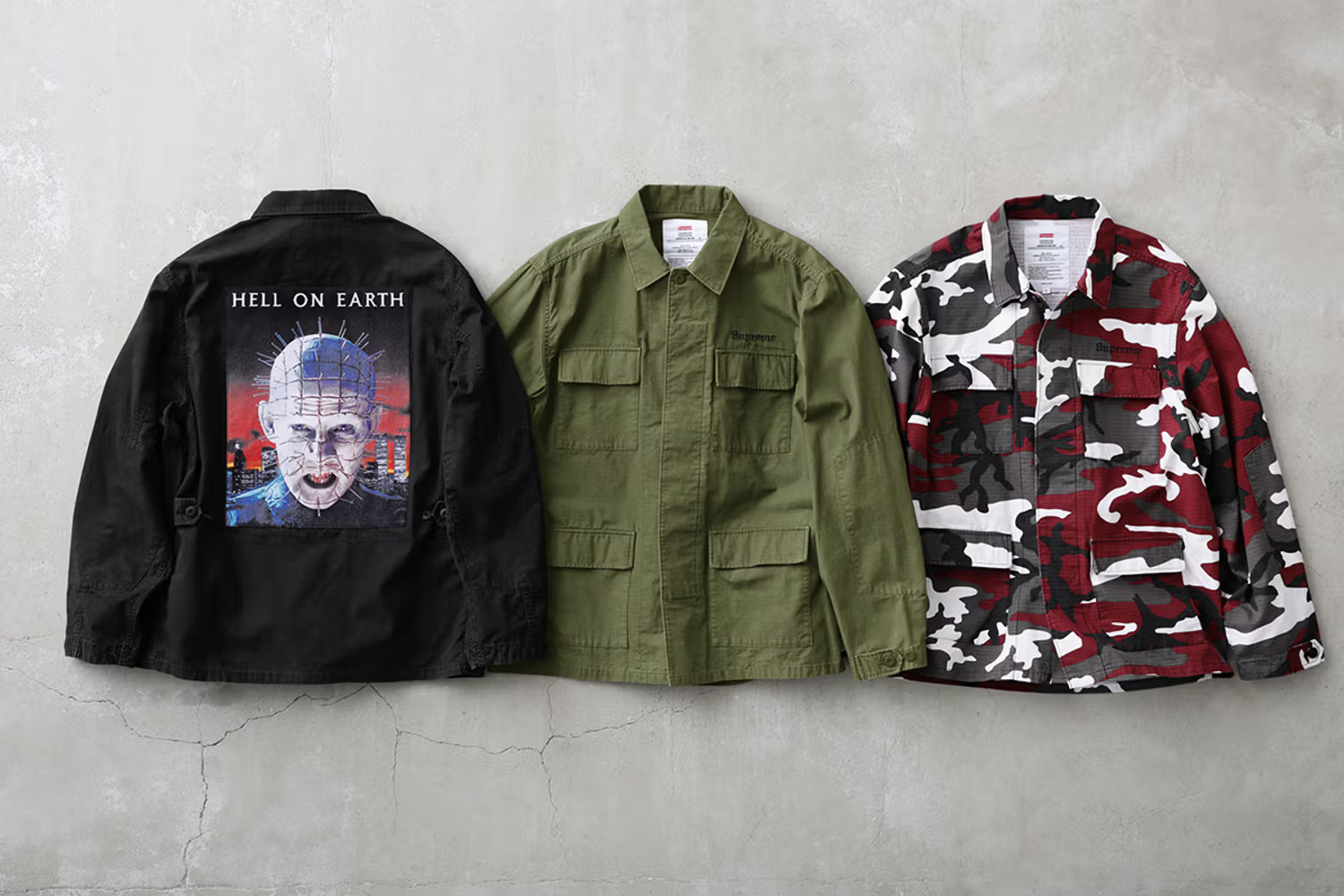

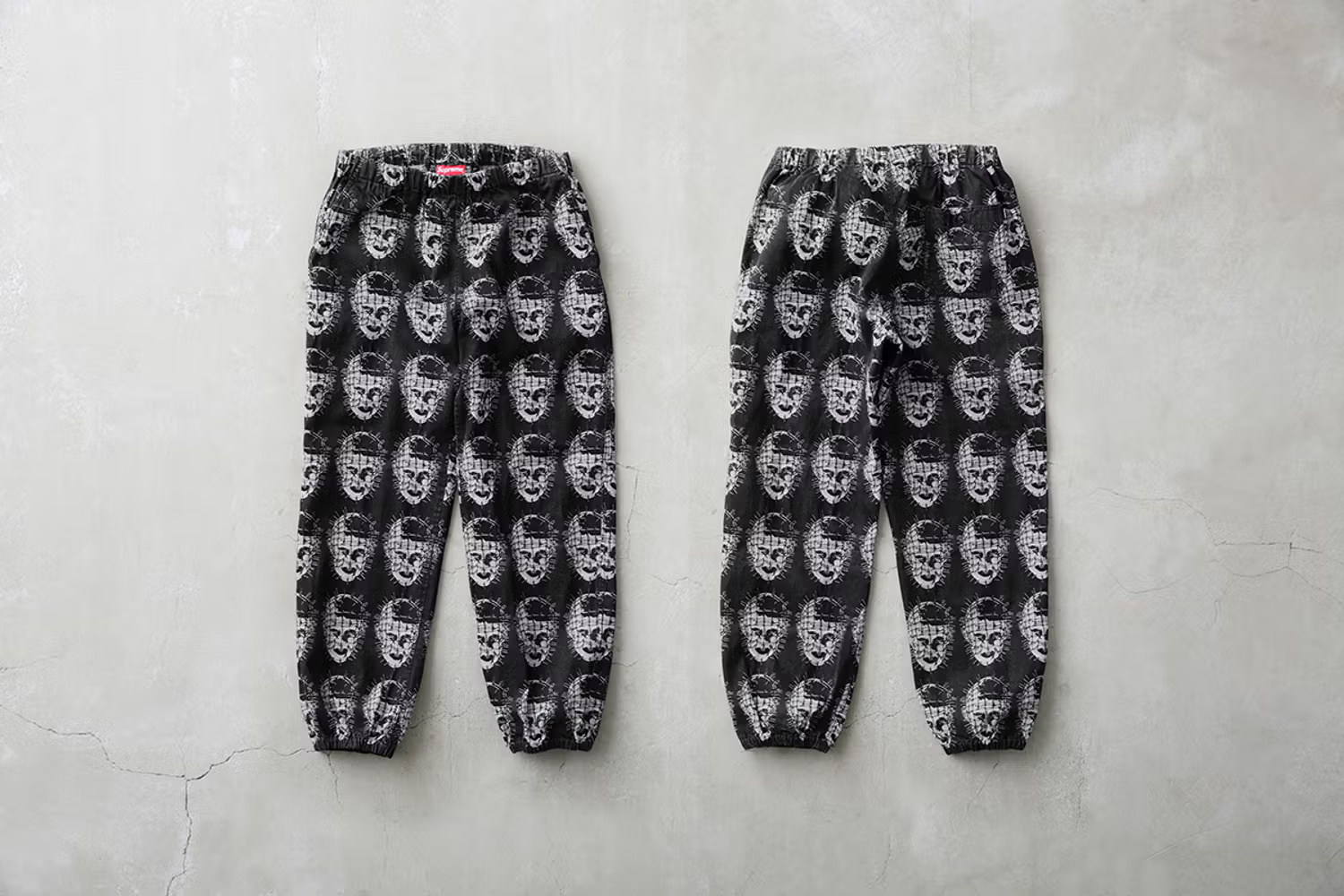
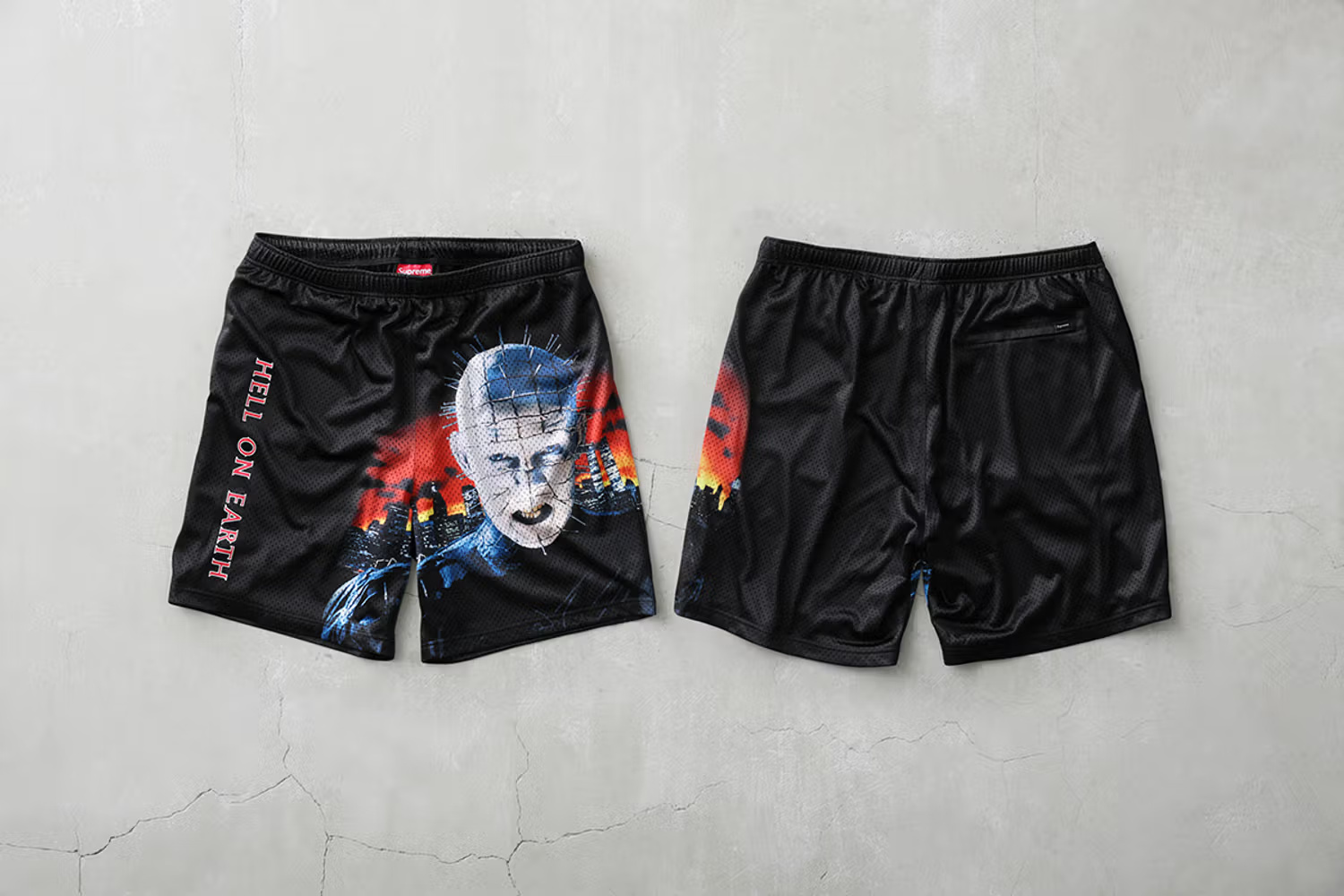

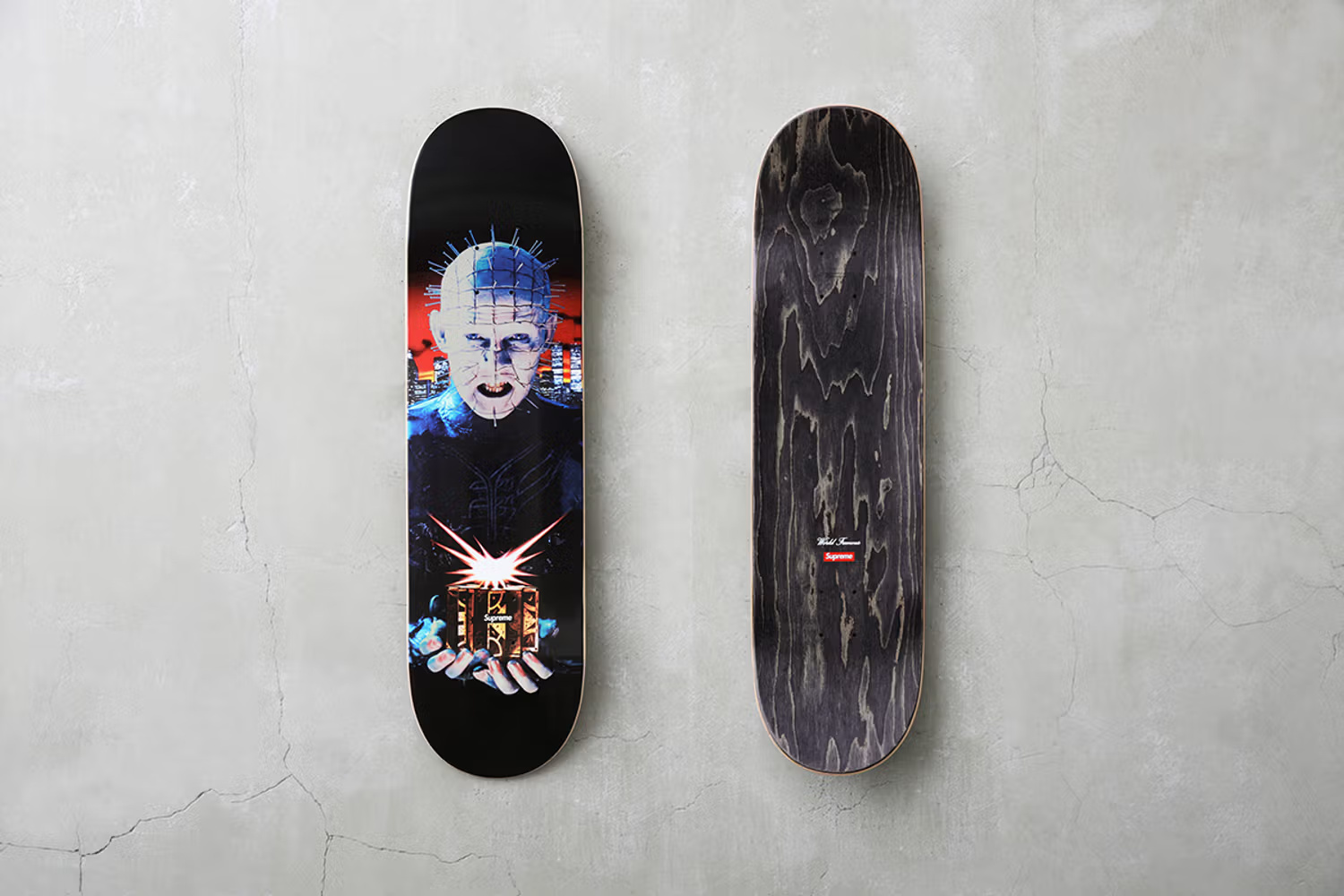
1. Supreme x Hellraiser (2018)
Supreme collaborated with Clive Barker’s Hellraiser on a capsule featuring Pinhead imagery and selected quotes. Graphics appeared on jackets, shirts, and accessories, staying close to the film’s original visual language. The collection maintained the story’s mood without distortion, treating the source as reference rather than novelty.
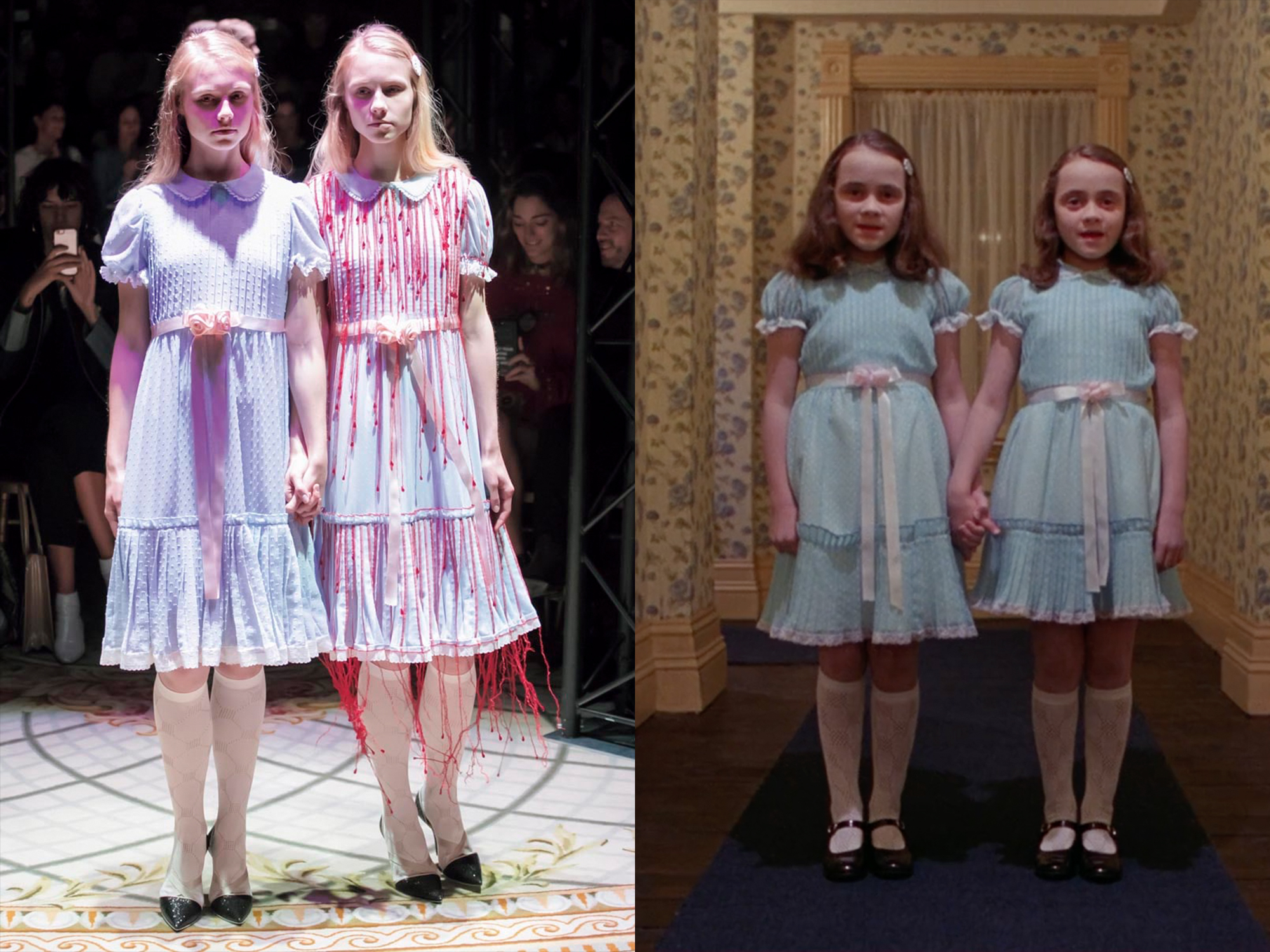
2. UNDERCOVER × The Shining (2018)
For Spring/Summer 2018, Undercover revisited The Shining, presenting paired looks inspired by the Grady twins. Pale blue dresses, ribbon sashes, and knee-length socks anchored the reference, with one look incorporating red bead accents. The approach was measured, using repetition and styling to echo the film’s psychological tone.

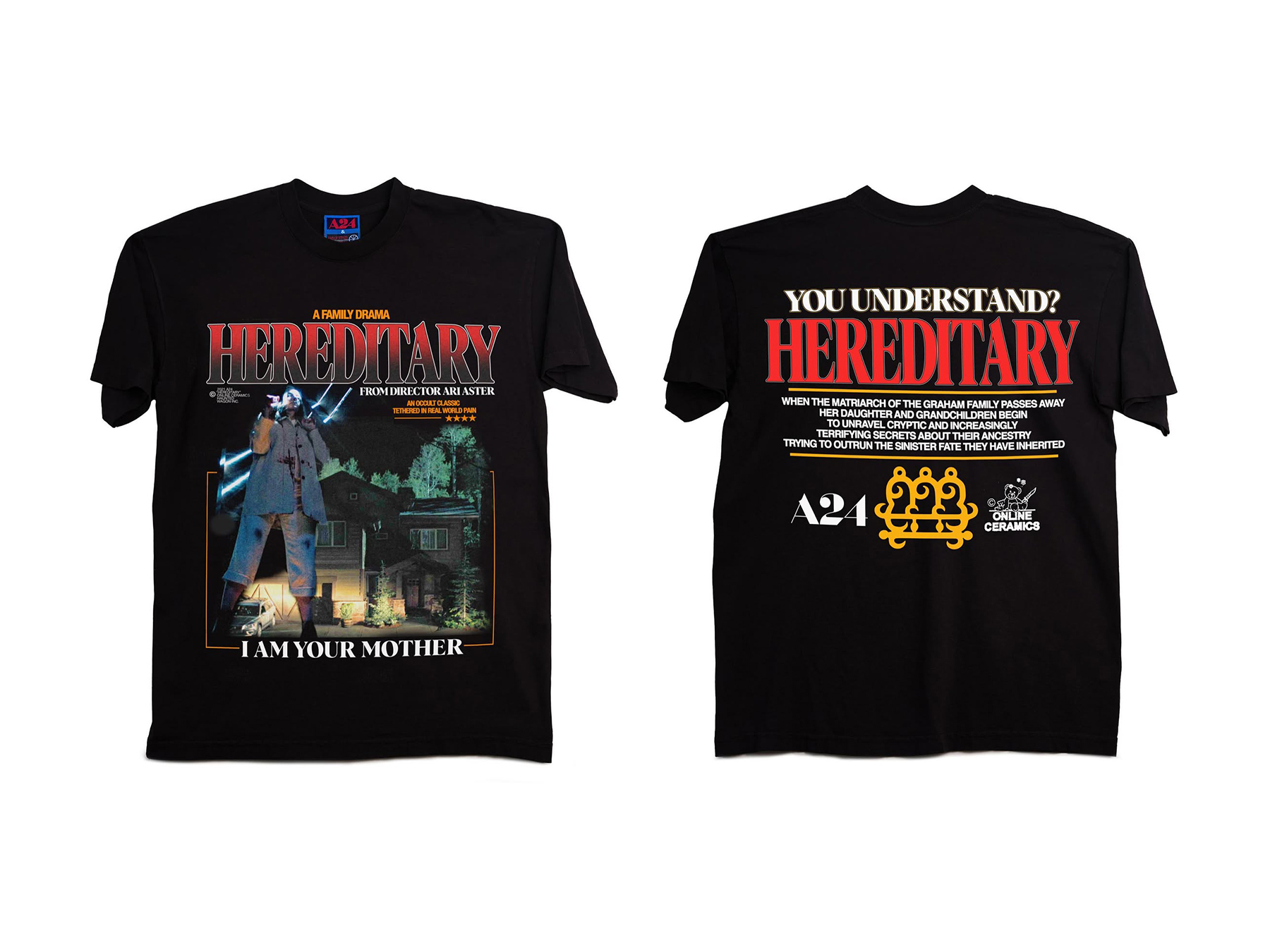

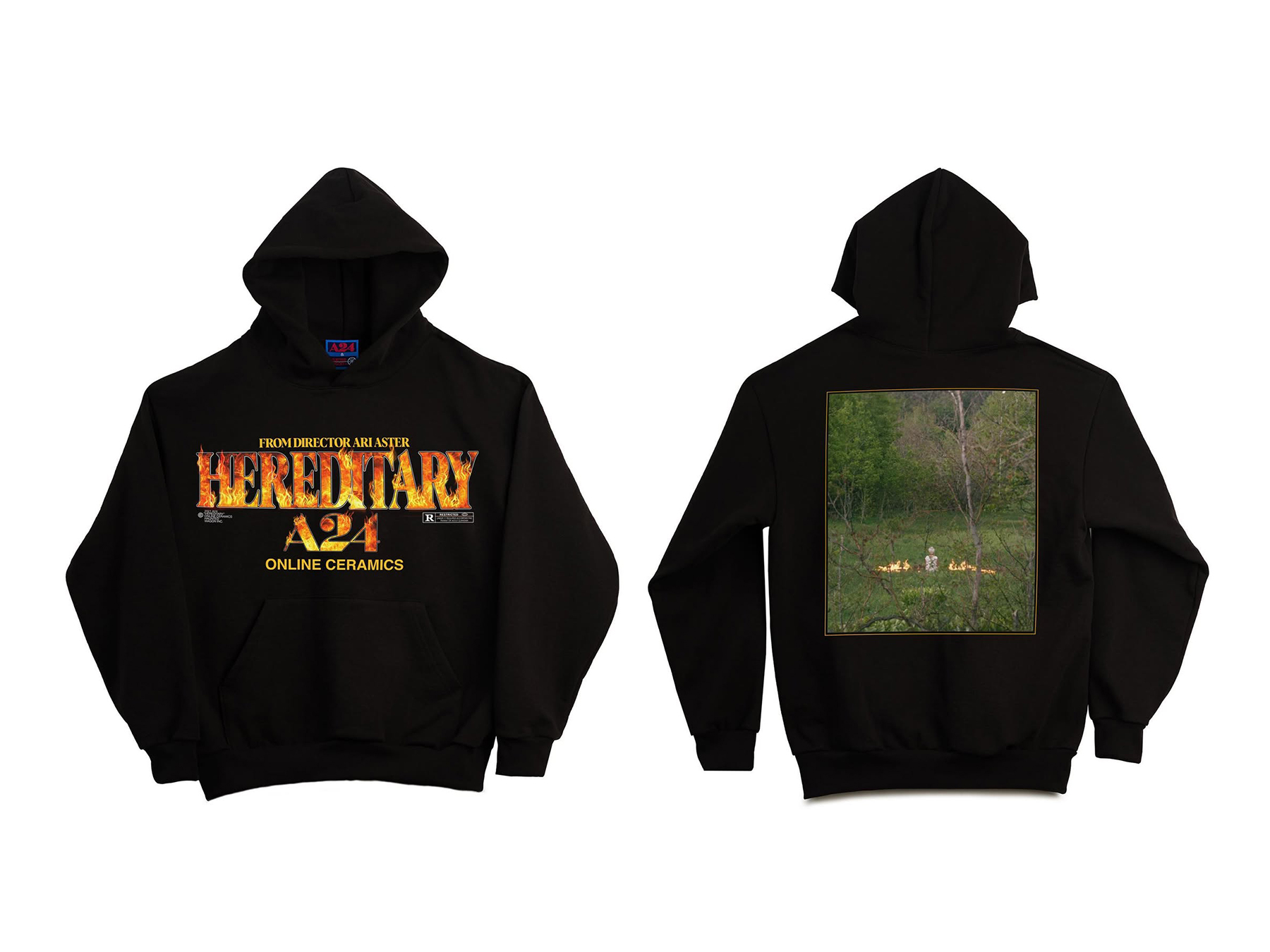
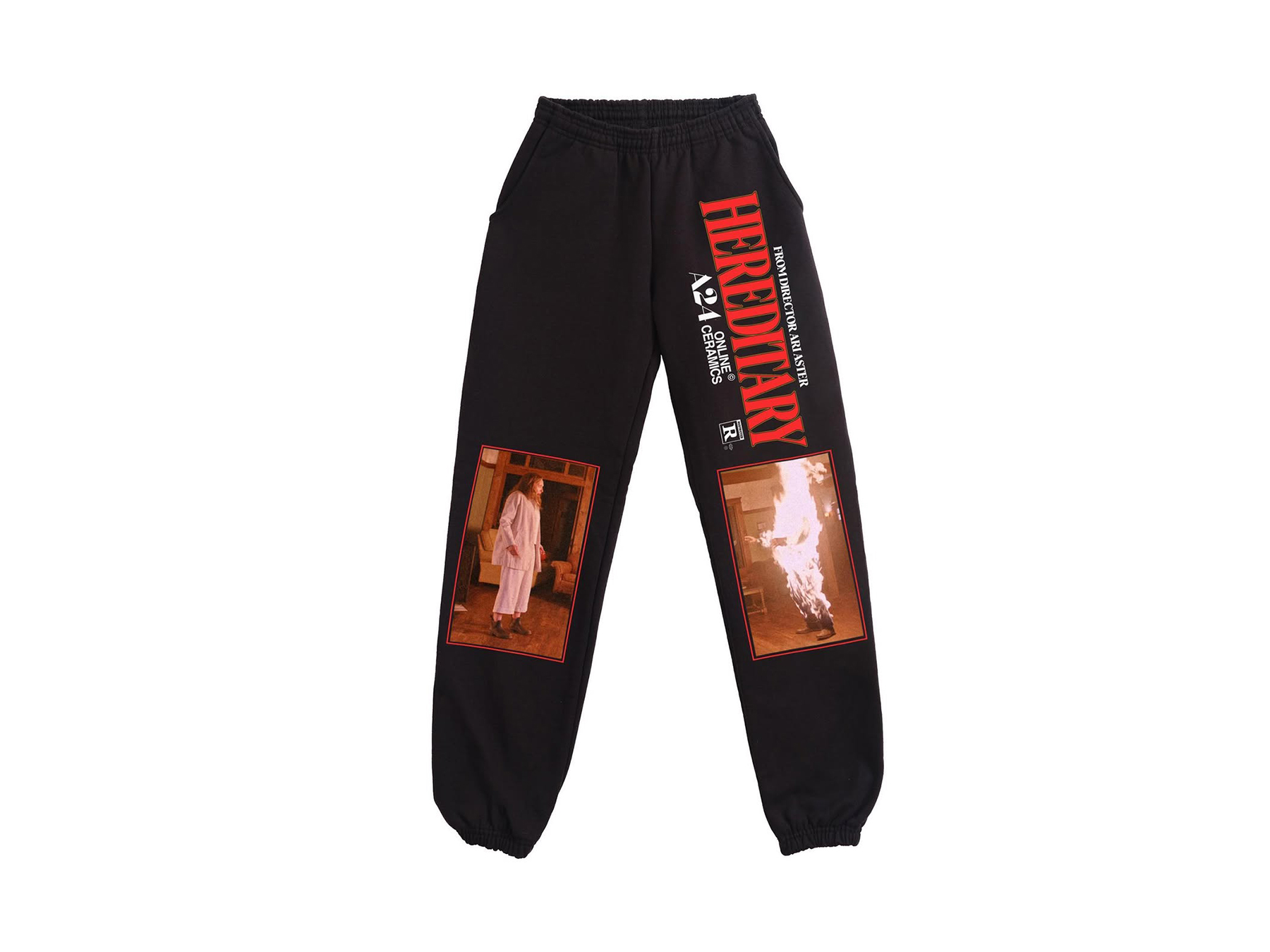

3. Online Ceramics × Hereditary (2018)
Online Ceramics released two T-shirts with A24 to coincide with the premiere of Hereditary. Film stills and short text excerpts were placed within the label’s familiar hand-drawn typography. It marked an early point in an ongoing relationship between the studio and the brand, establishing a visual template grounded in film language rather than promotional art.
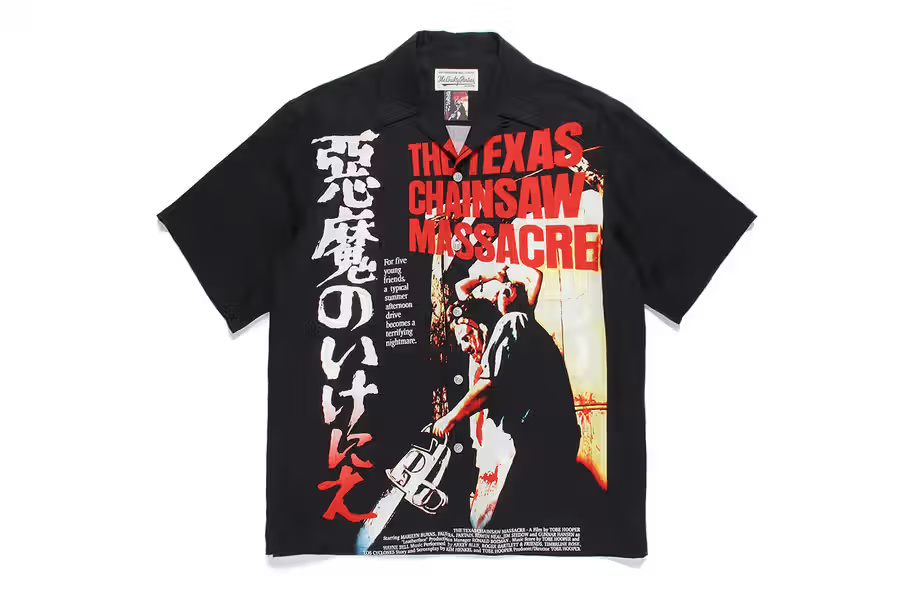
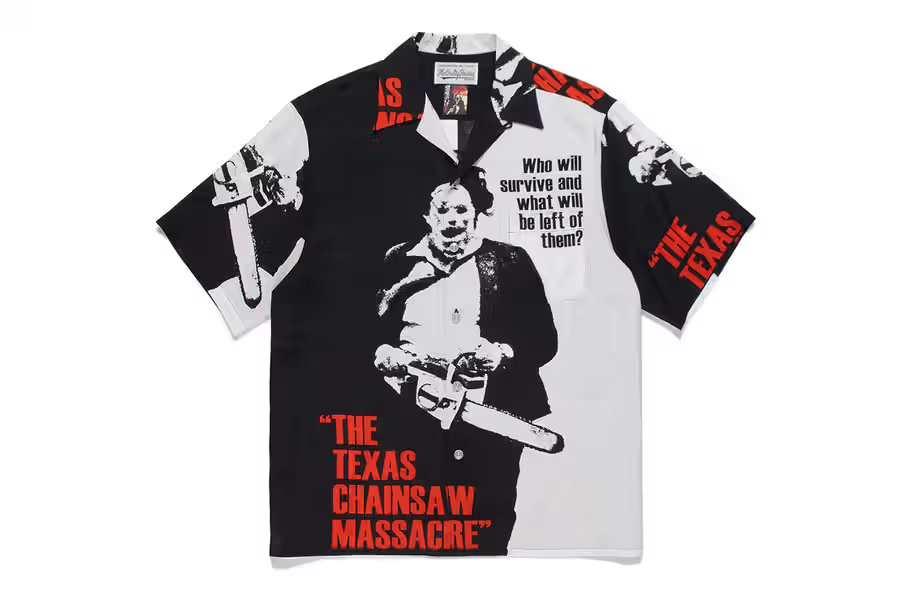

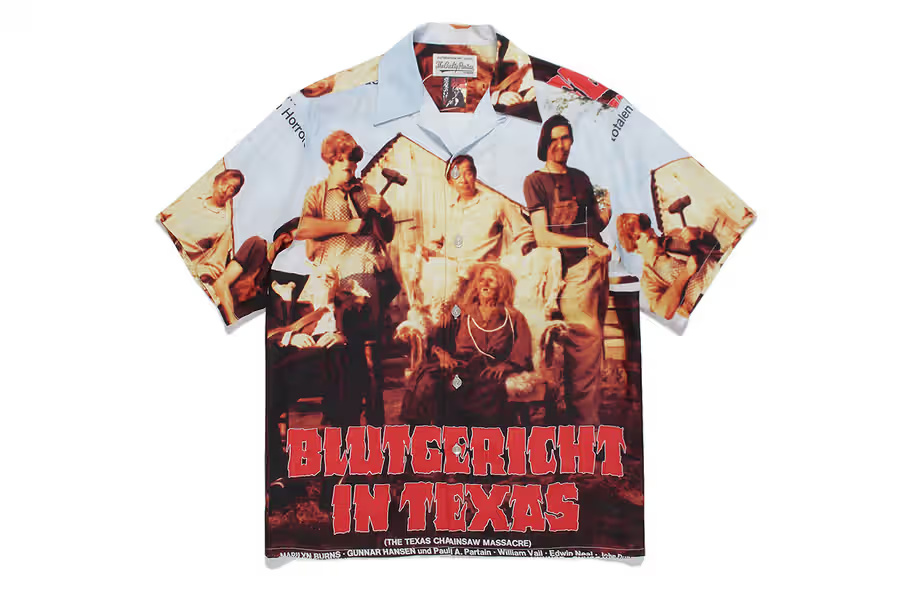

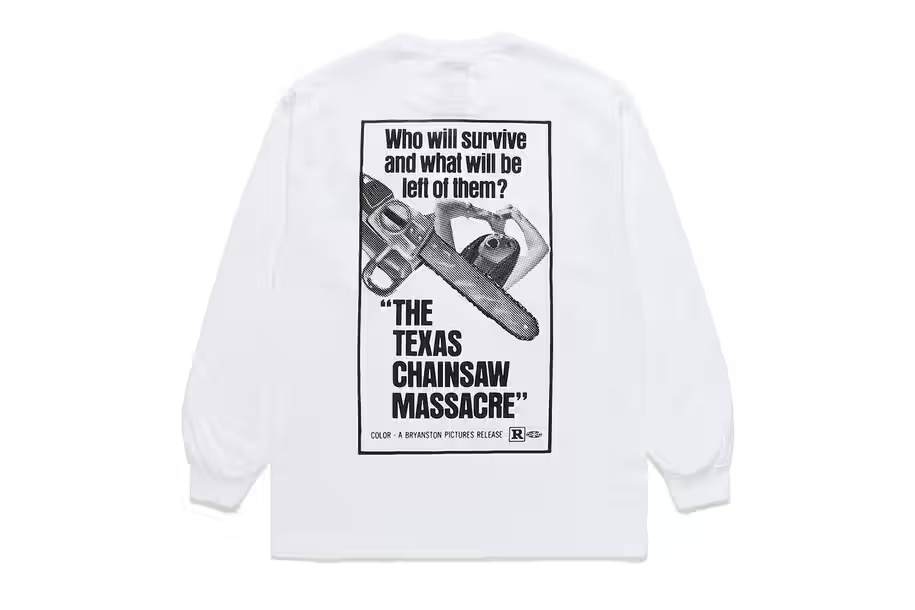


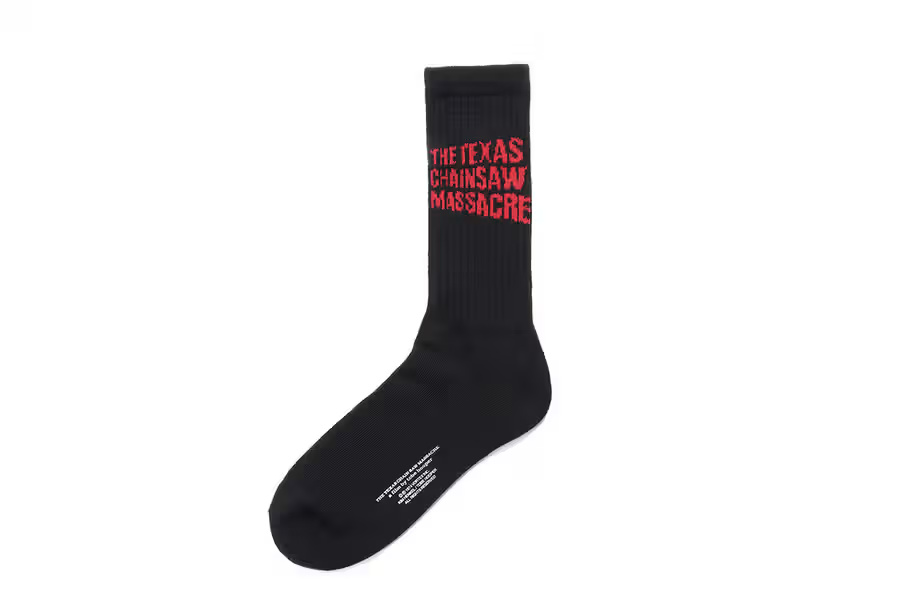
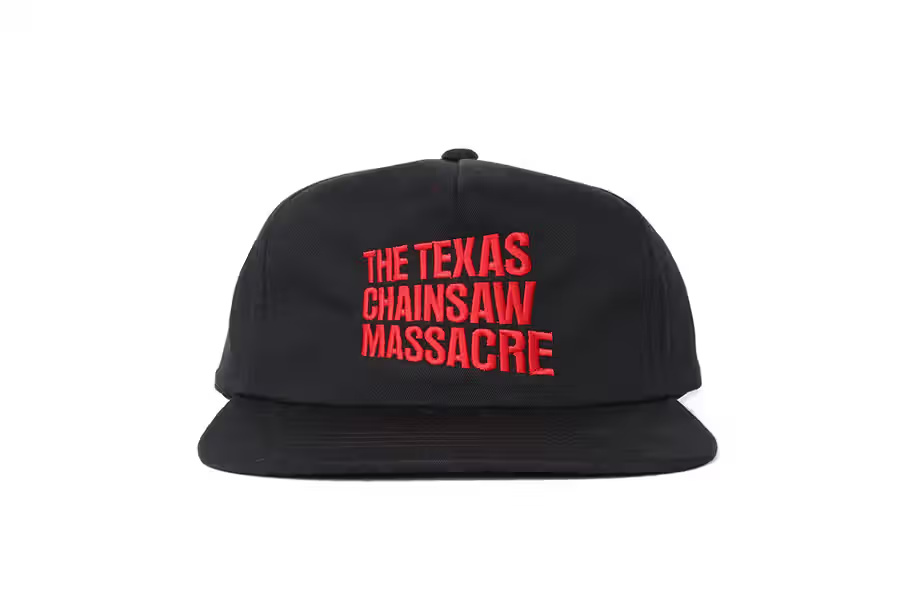
4. Wacko Maria × The Texas Chainsaw Massacre (2022)
Japanese label Wacko Maria, known for its ongoing dialogue with cinema and music, partnered with the 1974 film The Texas Chainsaw Massacre to produce a small capsule collection. The key item was the open-collar Hawaiian shirt—cut in the brand’s familiar silhouette—printed with imagery from the film’s original French poster. The contrast between relaxed tailoring and violent subject matter was deliberate, encouraging reflection more than spectacle. The collection received quiet praise for its restraint and fidelity to the film’s visual tone.
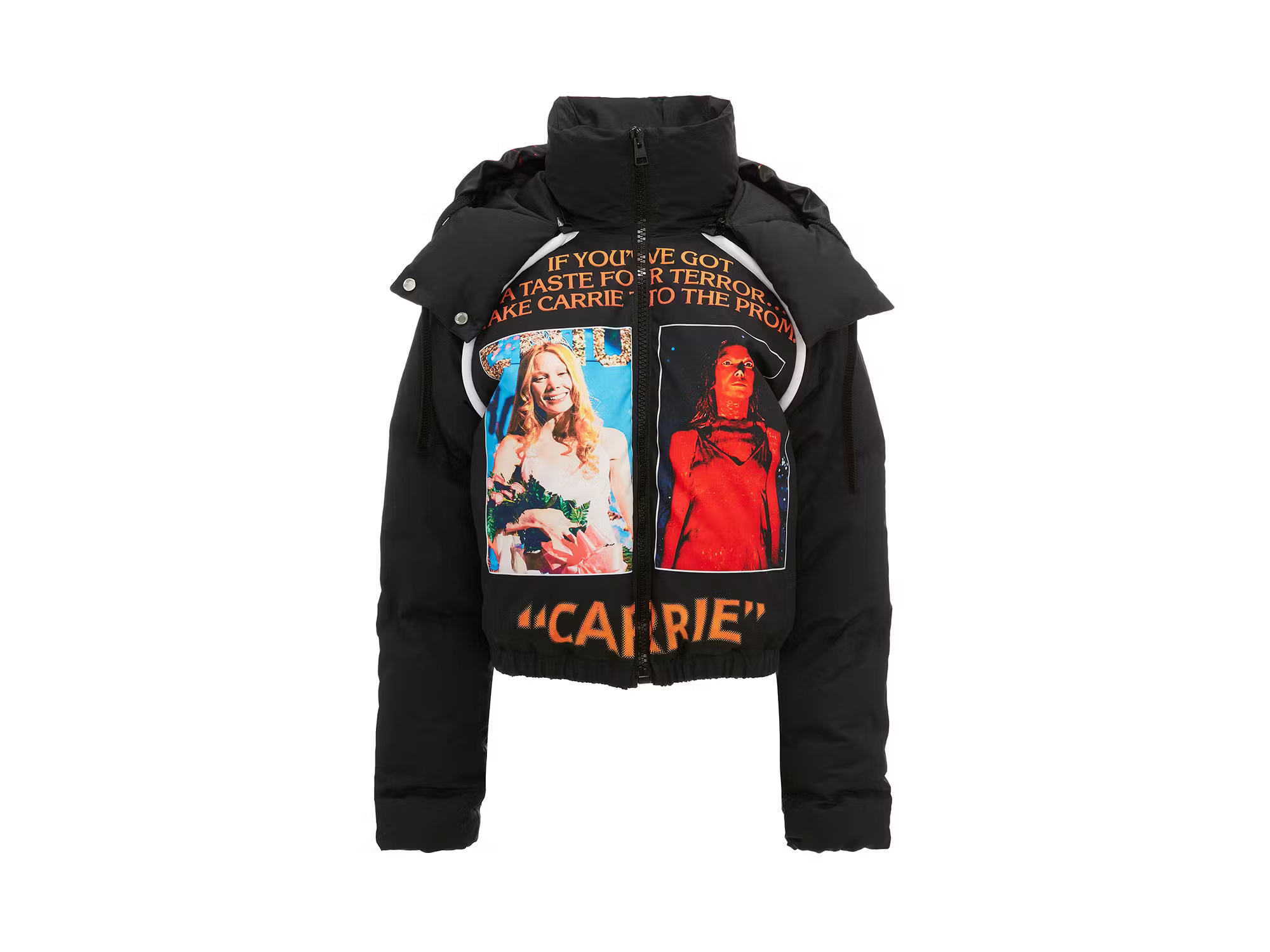
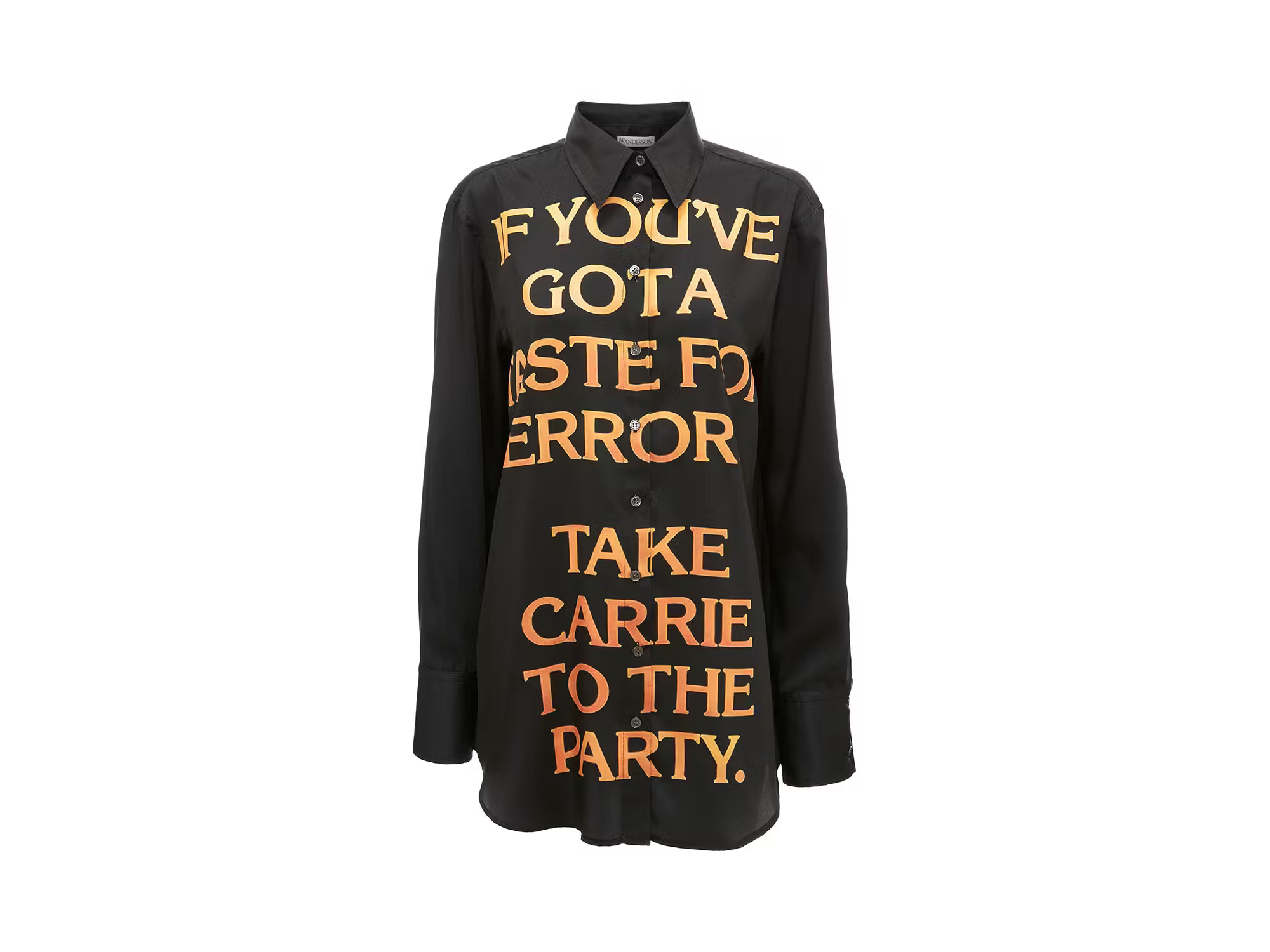
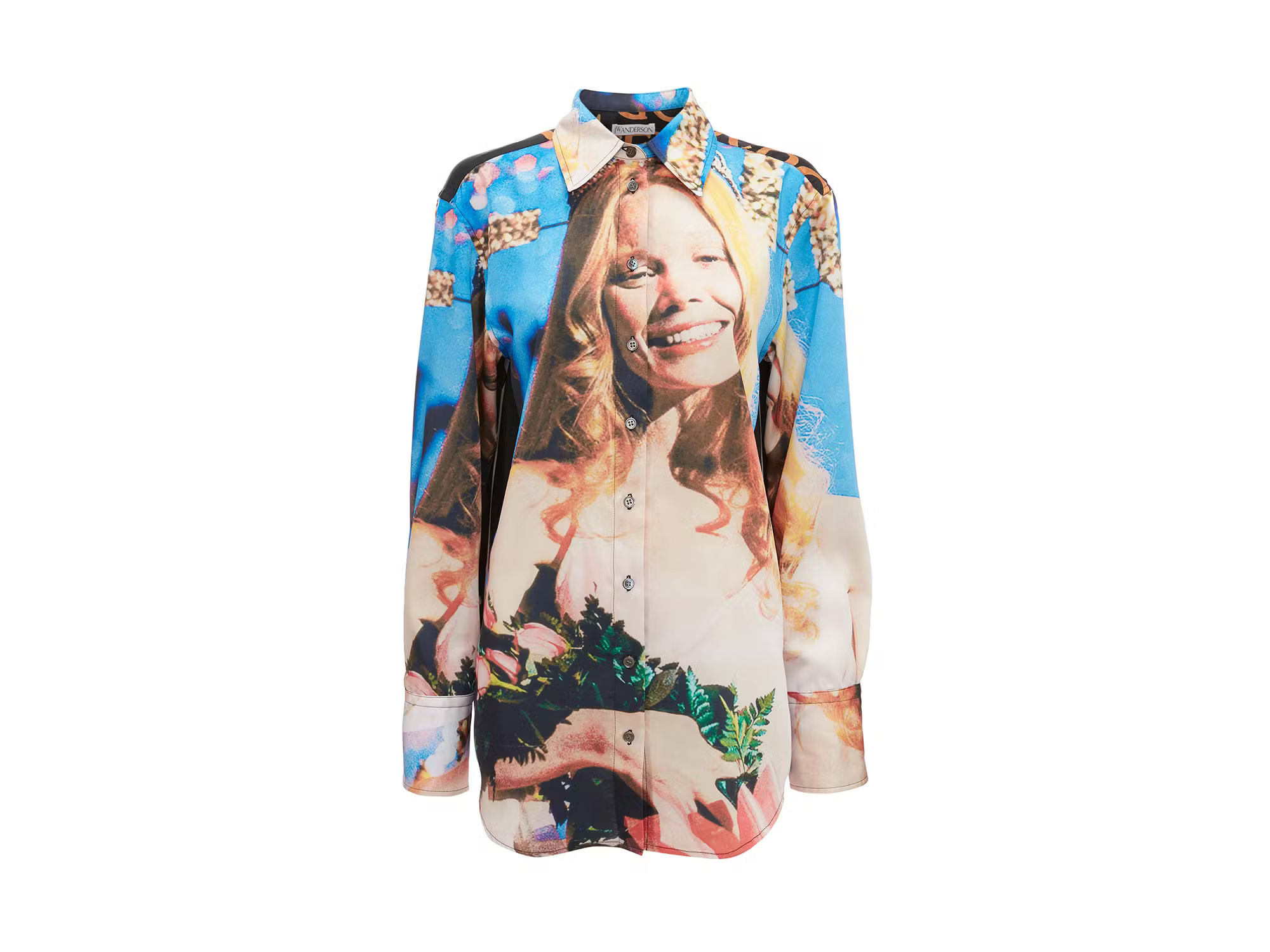
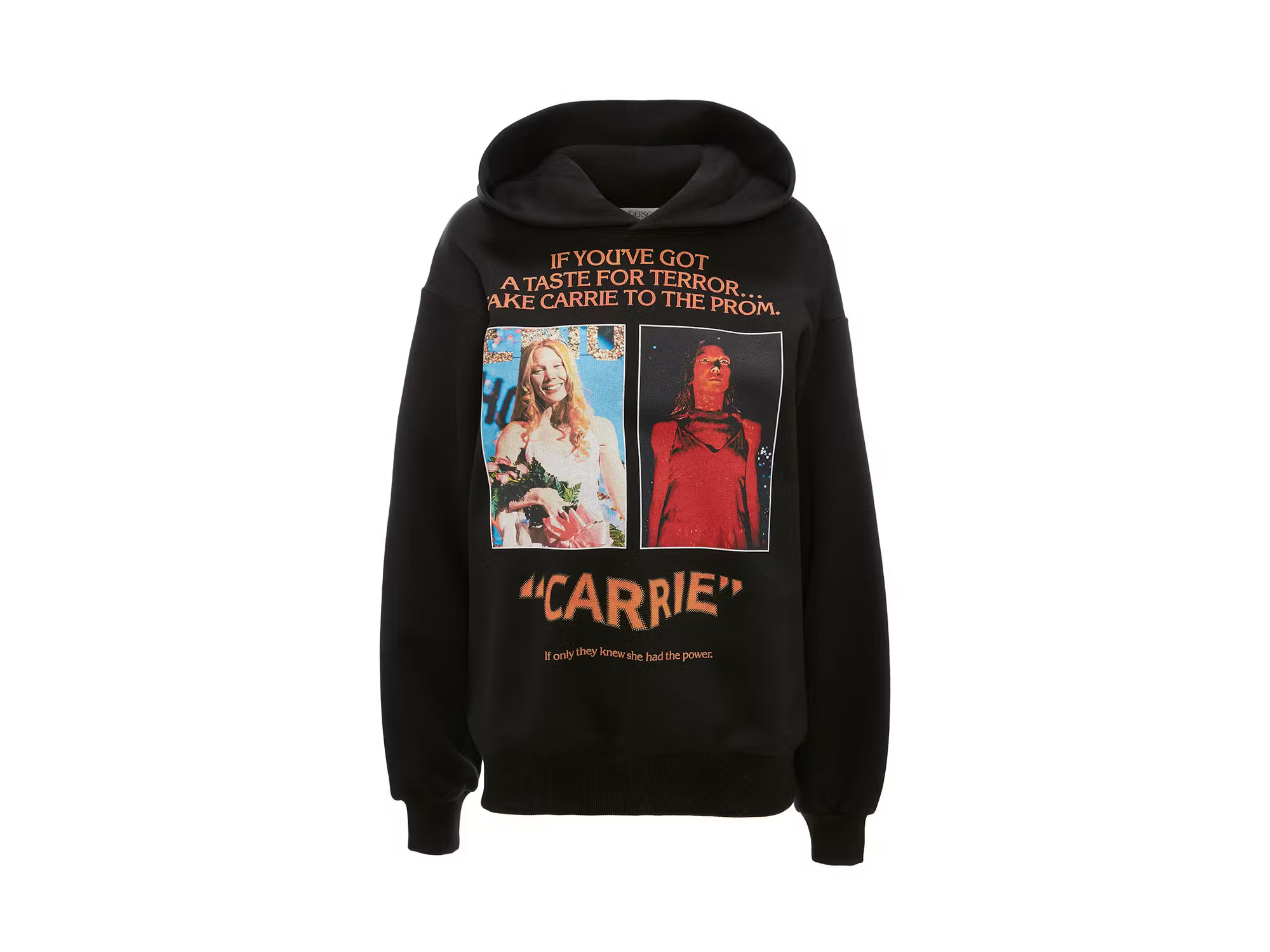
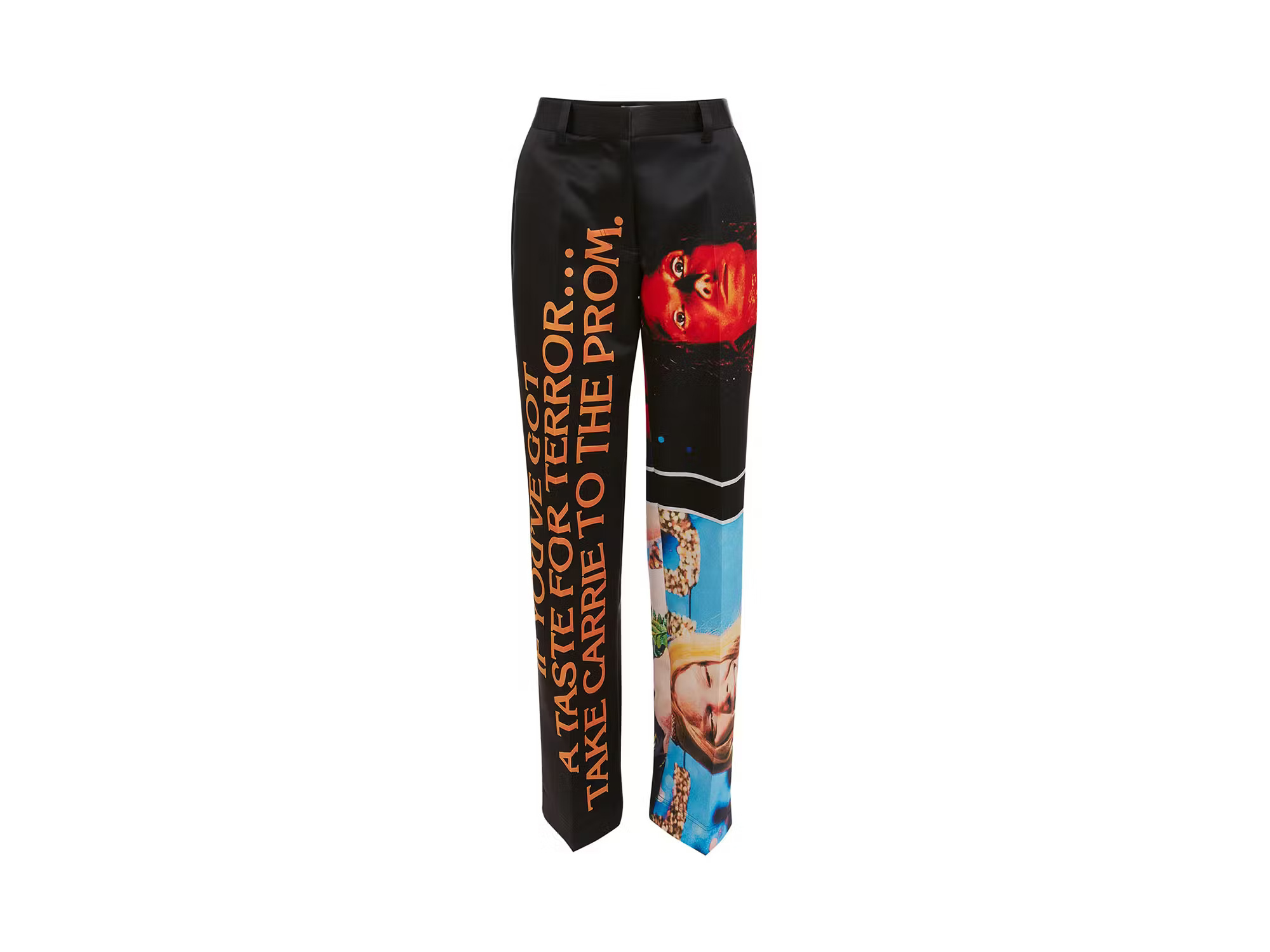
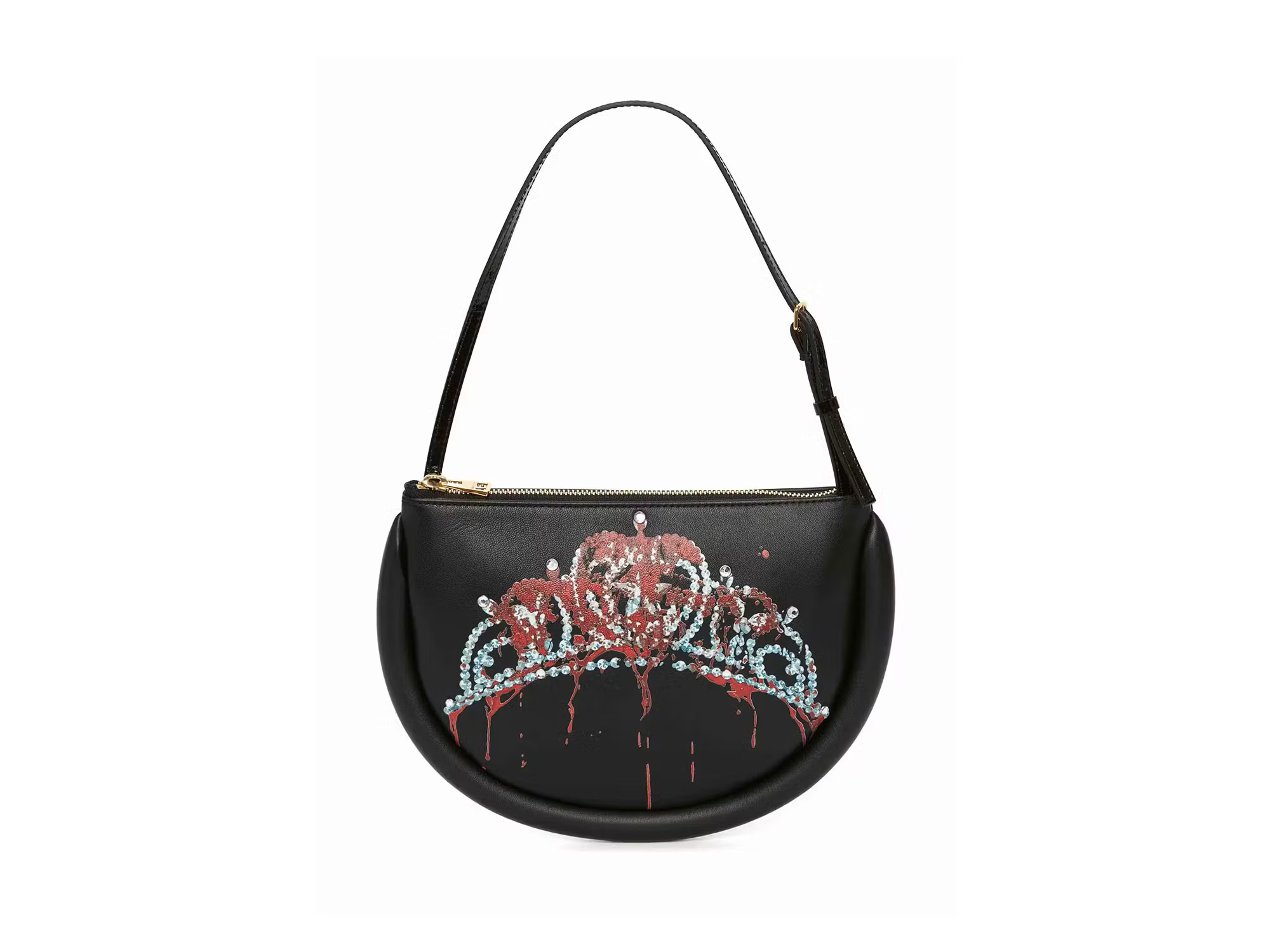
5. JW Anderson × Carrie (2022)
JW Anderson’s capsule with MGM reinterpreted imagery from Brian De Palma’s Carrie (1976), placing it on shirts, jackets, and accessories. Designs drew from the original promotional posters and the film’s well-known prom scene. Despite its violent reference, the collection felt still, formal, and self-contained. It invited a slower reading of the story through silhouette and repetition.