For centuries, mechanical ingenuity was measured not only by precision but by the ability to imitate life. Clockmakers, instrument builders and inventors developed elaborate devices that blurred the boundaries between machinery, sculpture and performance. Often produced for wealthy patrons and public exhibitions, these objects demonstrated how far a sequence of gears, springs and levers could be made to go.
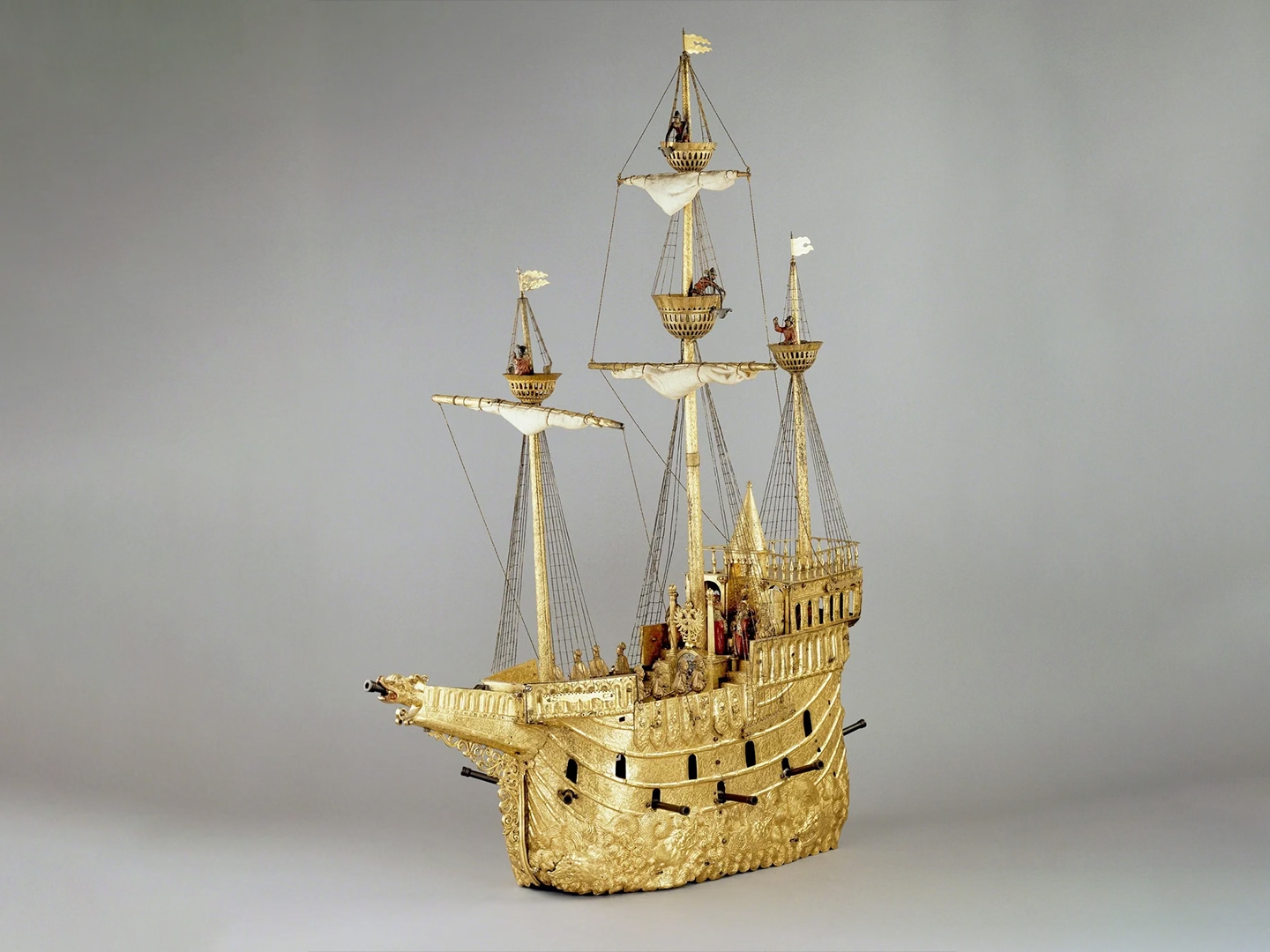
1. The Mechanical Galleon (c. 1585)
Built by German clockmaker Hans Schlottheim in Augsburg, the Mechanical Galleon is an elaborate tabletop automaton designed to move, play music and fire miniature cannons. Its gilded brass hull conceals several spring-driven mechanisms that originally propelled the ship across a table while operating a small organ and drum. On deck, a procession of figures representing the Holy Roman Emperor and his electors moves beneath the sails, while sailors strike bells from the masts. The performance culminates with the firing of a cannon at the bow, triggering ten additional cannons around the hull. The surviving automaton is held by the British Museum in London.
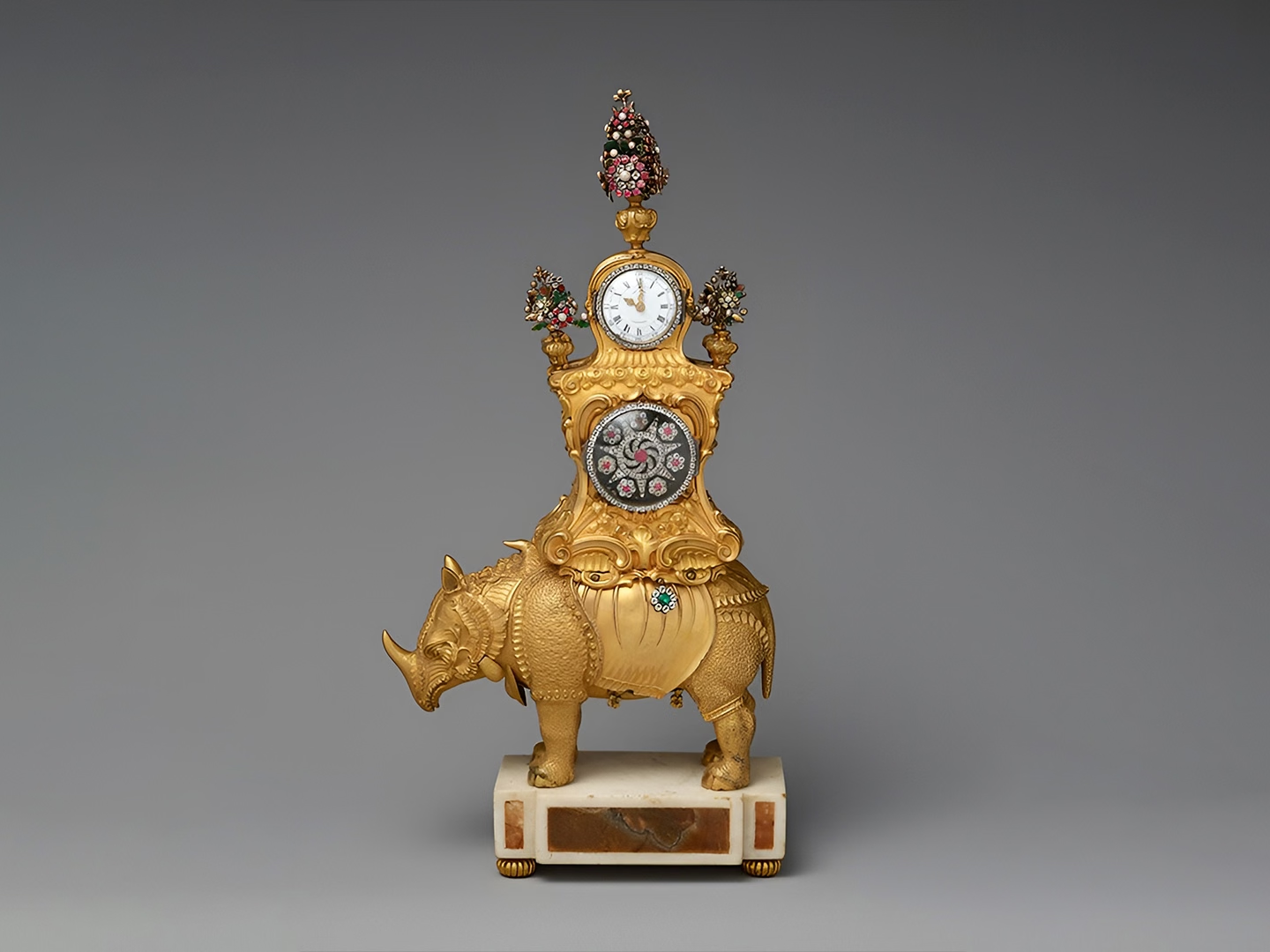
2. Musical Rhinoceros Clock (c. 1765–1772)
The Musical Rhinoceros Clock was produced by London jeweller and entrepreneur James Cox, whose workshop specialized in elaborate mechanical objects during the eighteenth century. Its gilded bronze rhinoceros, modelled after Albrecht Dürer’s famous 1515 woodcut, stands on a white marble pedestal and carries an ornate clock decorated with enamel and imitation gemstones. A concealed musical mechanism strikes every half hour and can play two different melodies. The clock may originally have formed part of a larger automaton described in Cox’s 1774 catalogue. It is now part of the Frick Collection in New York.
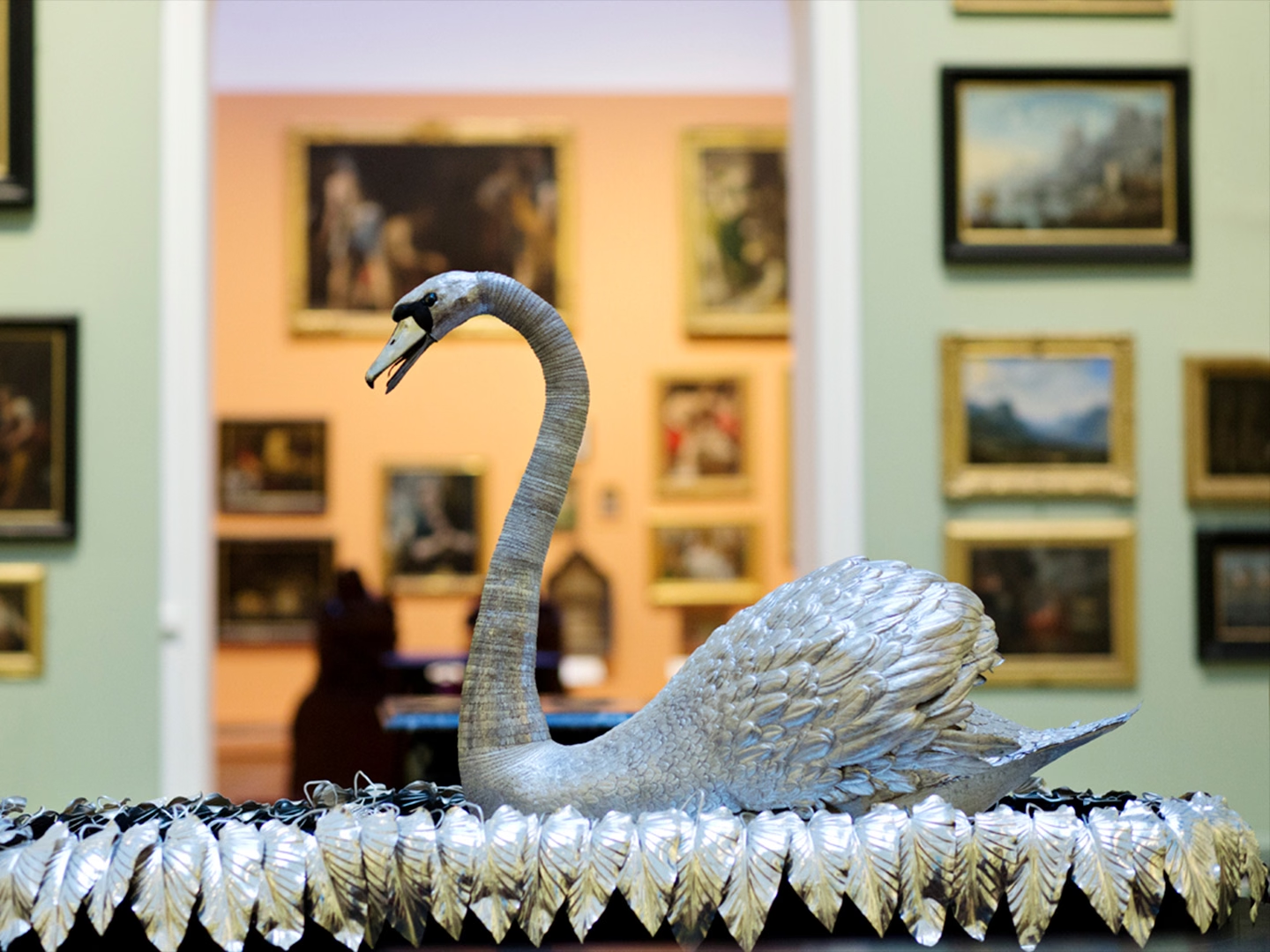
3. The Silver Swan (1773)
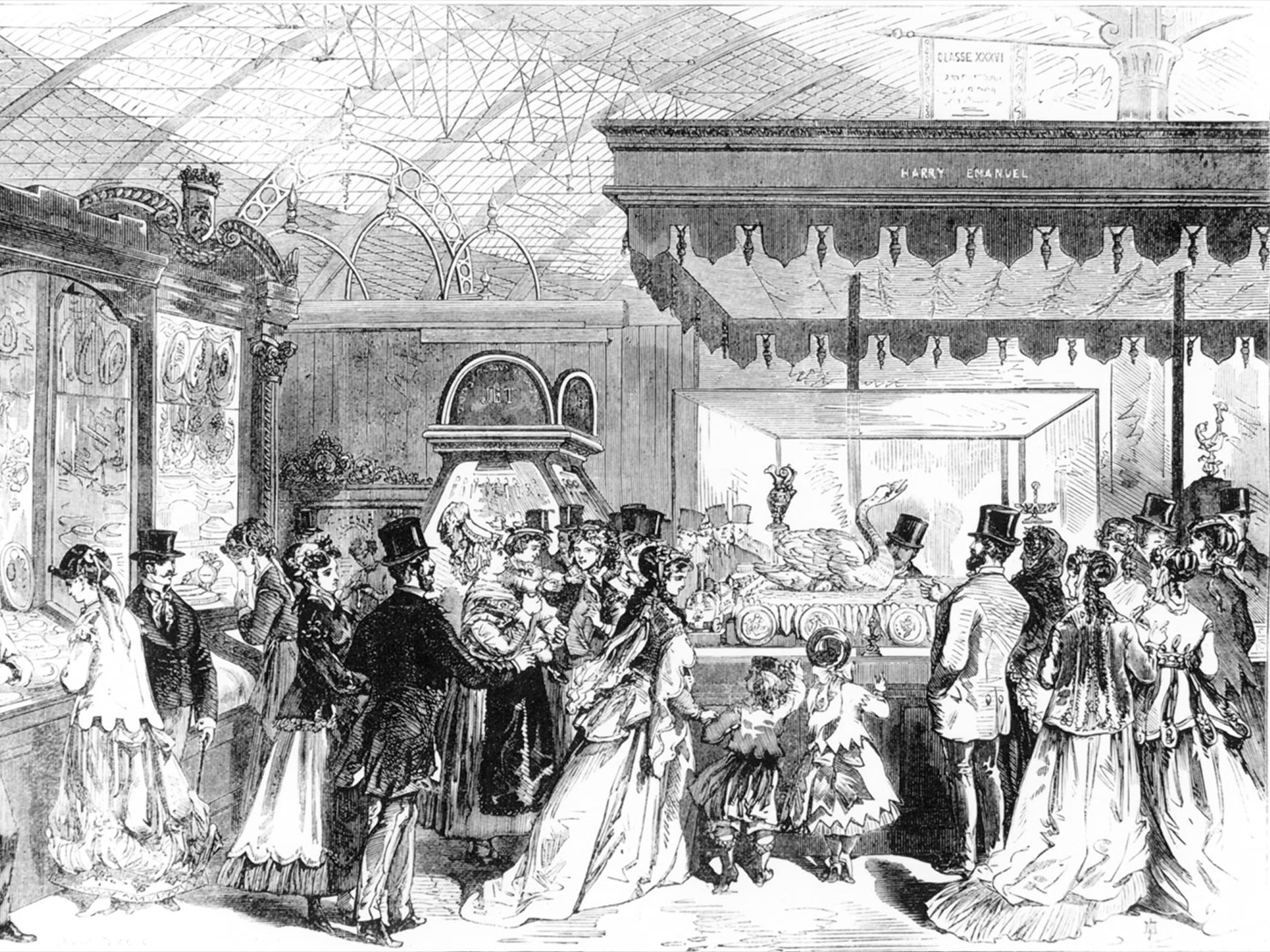
Created in the London workshop of James Cox, the Silver Swan is a life-sized mechanical bird that performs a sequence of lifelike movements accompanied by music. Three separate clockwork mechanisms control its actions: one plays melodies, another rotates glass rods to simulate flowing water, and the third operates the swan’s head and neck. During the performance, the bird turns its head, preens its feathers and eventually catches a small silver fish from the artificial stream. The complex neck mechanism is attributed to inventor John Joseph Merlin. After appearing at the 1867 Paris International Exhibition, the automaton was acquired for the Bowes Museum in County Durham, England, where it remains today.
4. Tipu’s Tiger (c. 1790)
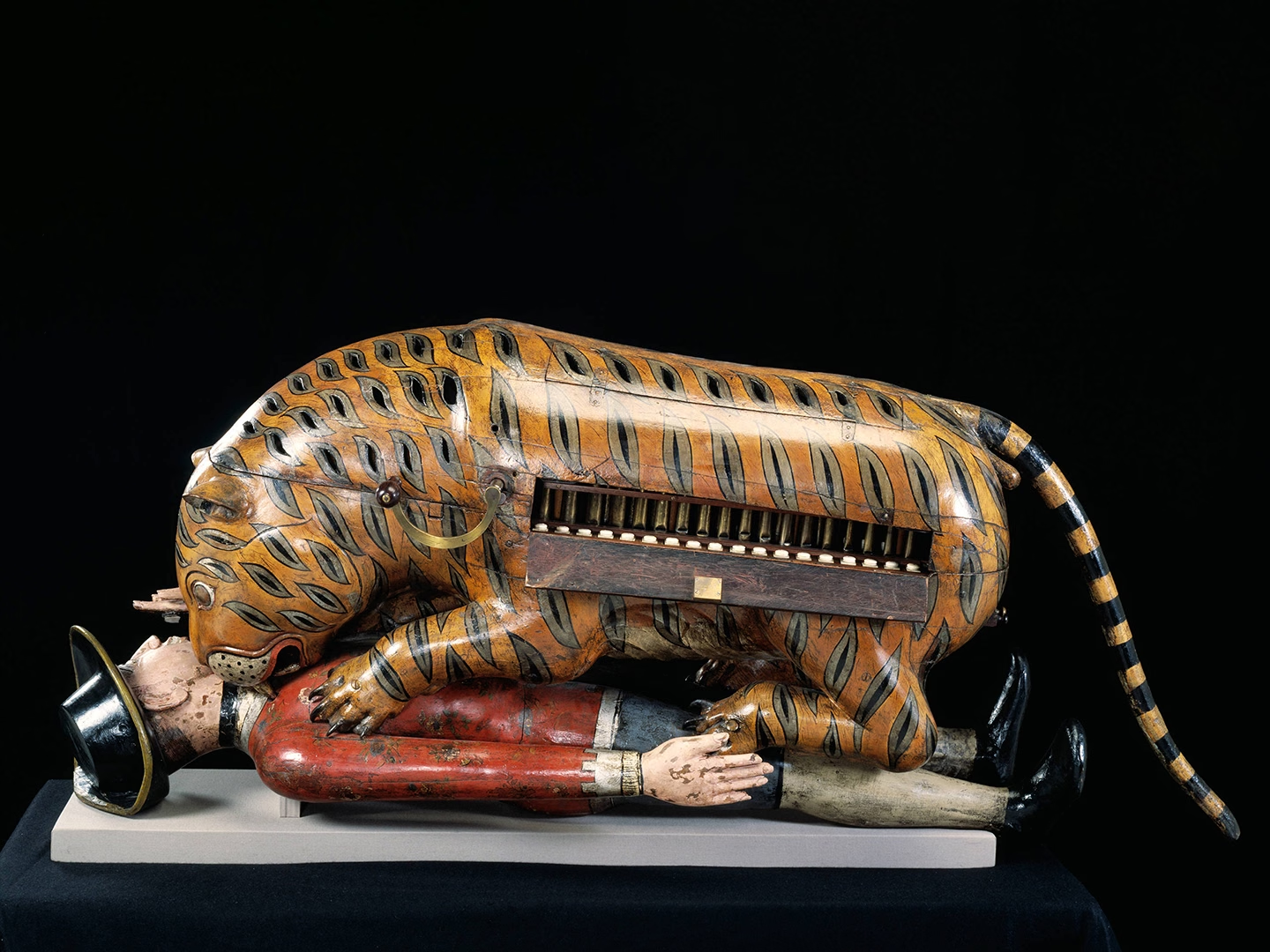
Commissioned by Tipu Sultan, ruler of Mysore in southern India, Tipu’s Tiger depicts a wooden tiger attacking a European soldier. A hand-operated organ concealed inside the sculpture produces sounds resembling the tiger’s growls and the victim’s dying cries, while the soldier’s arm moves mechanically. Seized by British forces following Tipu Sultan’s death in 1799, the automaton is now housed at the Victoria and Albert Museum in London. A similar tiger-shaped torture instrument appears in the 2026 Netflix series The Blue Road, although a direct connection has not been confirmed.
5. Euphonia (1840s)
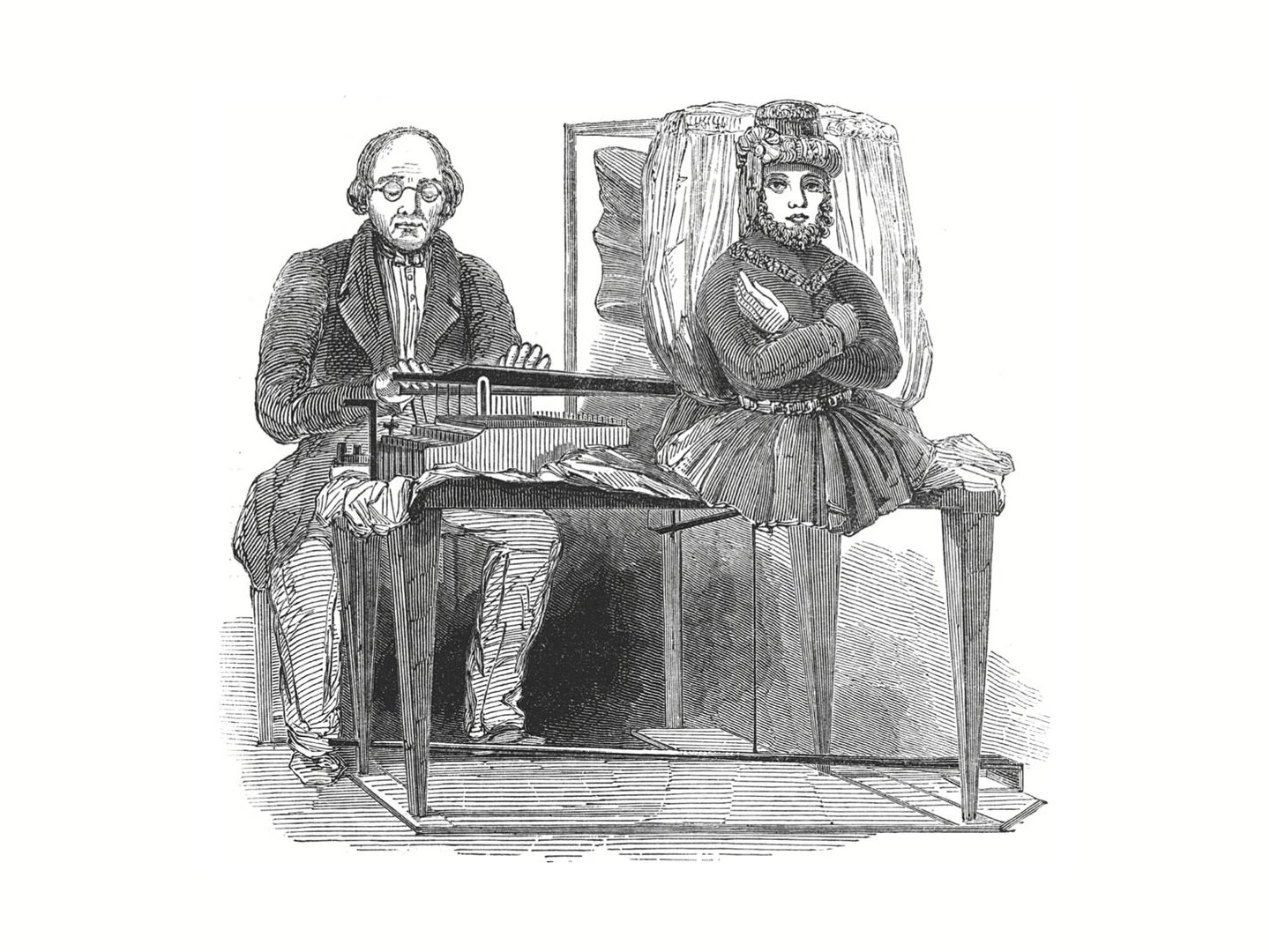
Developed by inventor Joseph Faber, Euphonia was a mechanical speaking machine designed to reproduce human speech through an artificial vocal apparatus. A humanlike head was connected to a system of bellows, levers and keys that controlled its synthetic voice. By manipulating the mechanism, Faber could make the figure speak in several languages, whisper, laugh and even sing. The machine was exhibited in Philadelphia in 1845 before appearing at London’s Egyptian Hall in 1846 under the management of showman P. T. Barnum. Among those who encountered it was Melville Bell, father of Alexander Graham Bell, whose later work also involved experiments in mechanical speech production.