Steve Nakamura art directed the CD artwork for eighteen Kyary Pamyu Pamyu releases between her 2011 recording debut and KPP Best in 2016. The partnership began when someone involved in launching Warner Music Japan’s unBORDE label suggested pairing Nakamura with an unusual new artist. Nakamura has described avoiding straightforward Harajuku imagery, instead combining Kyary with situations and costumes outside her expected image and introducing a degree of visual incongruity. The releases below show this approach at its most visually extreme.
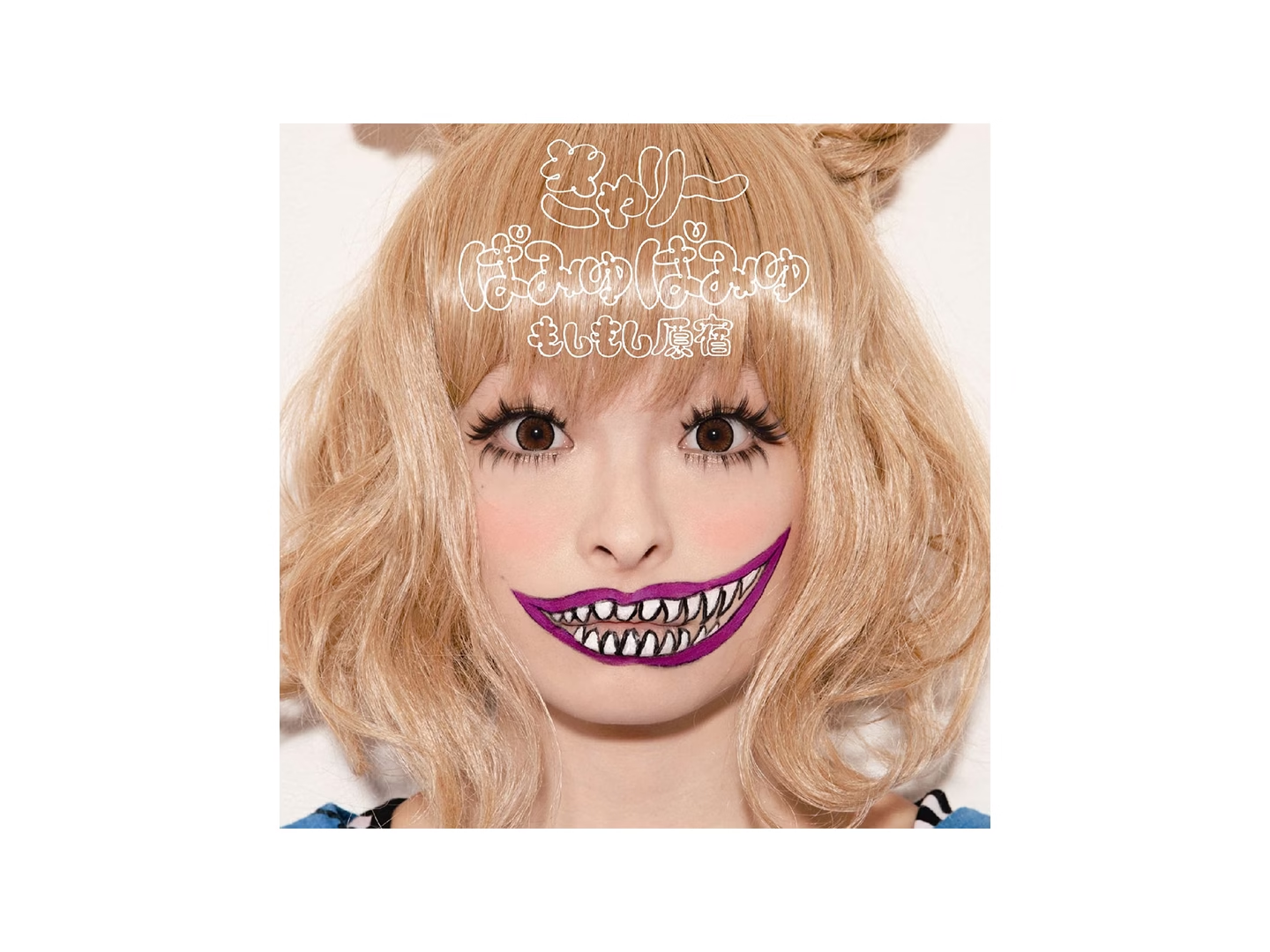
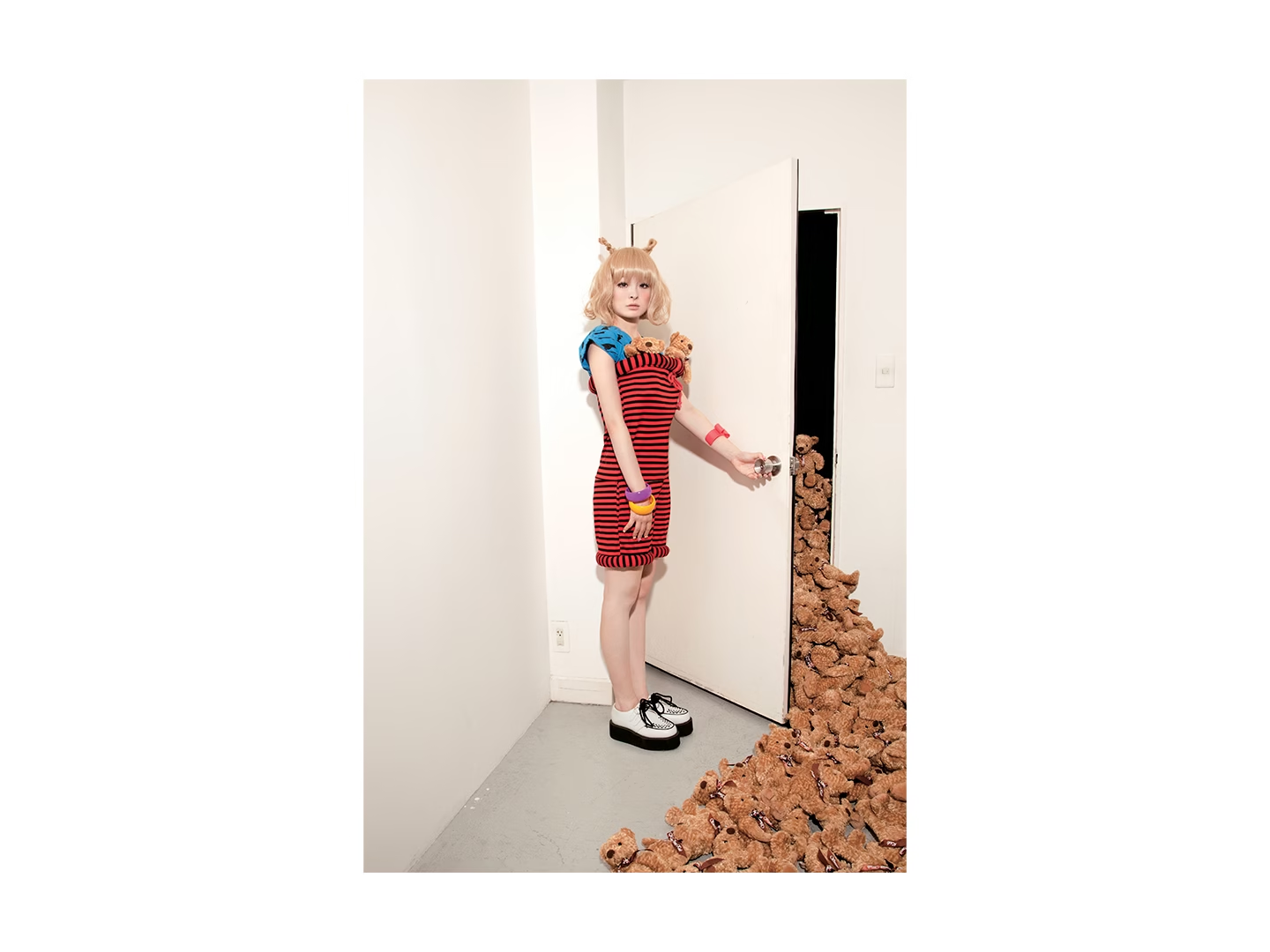
1. Moshi Moshi Harajuku (2011)
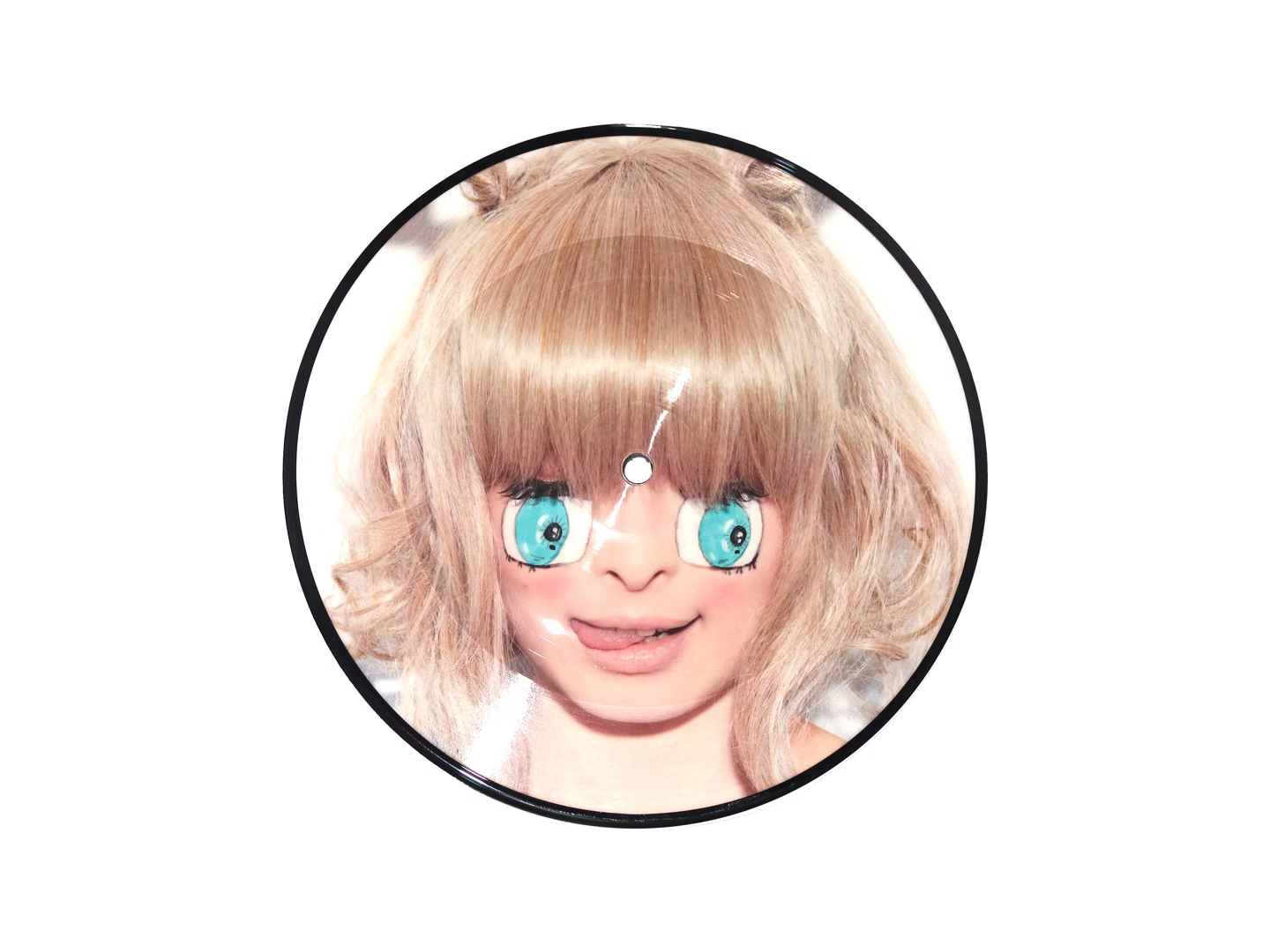
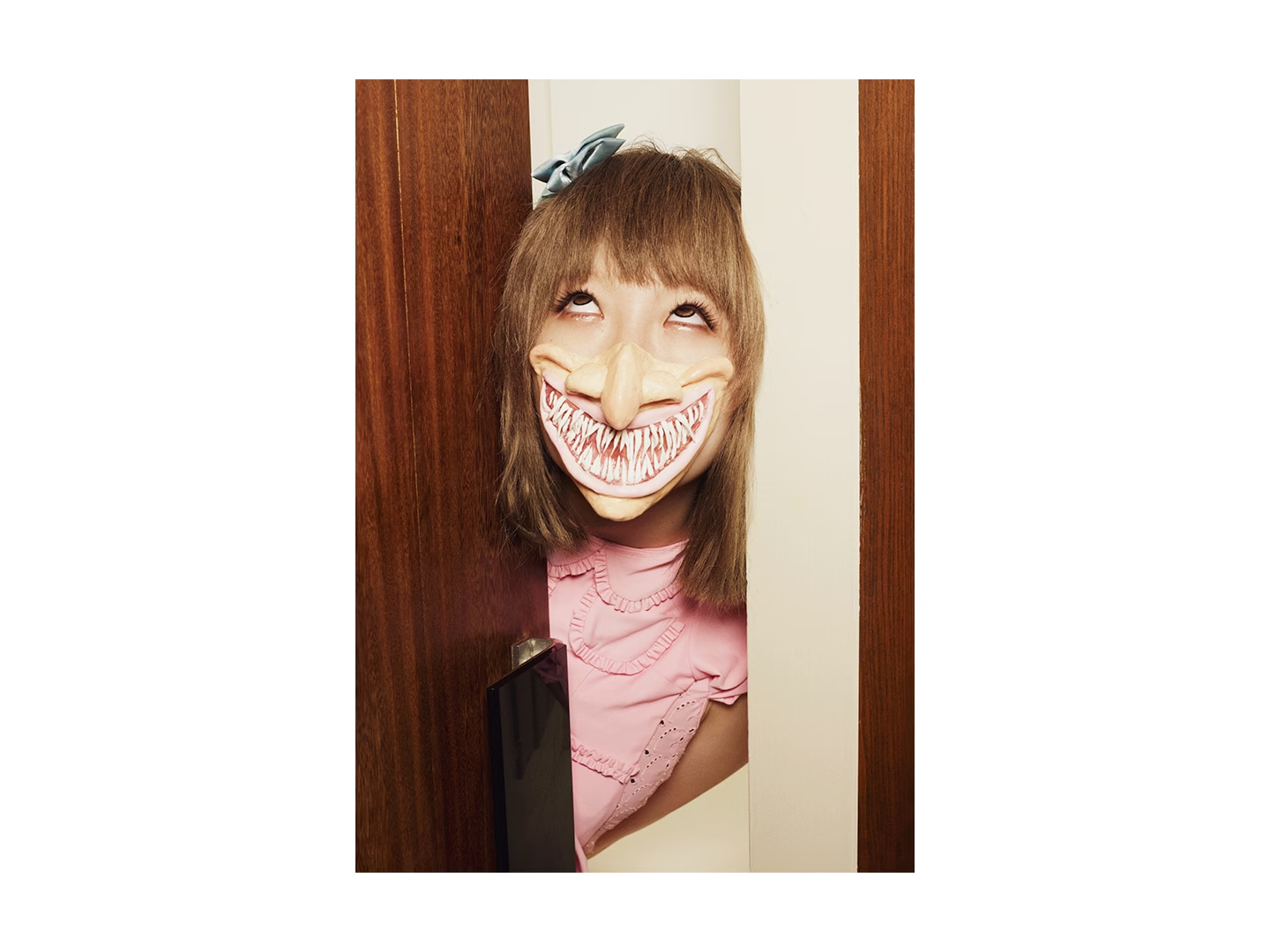
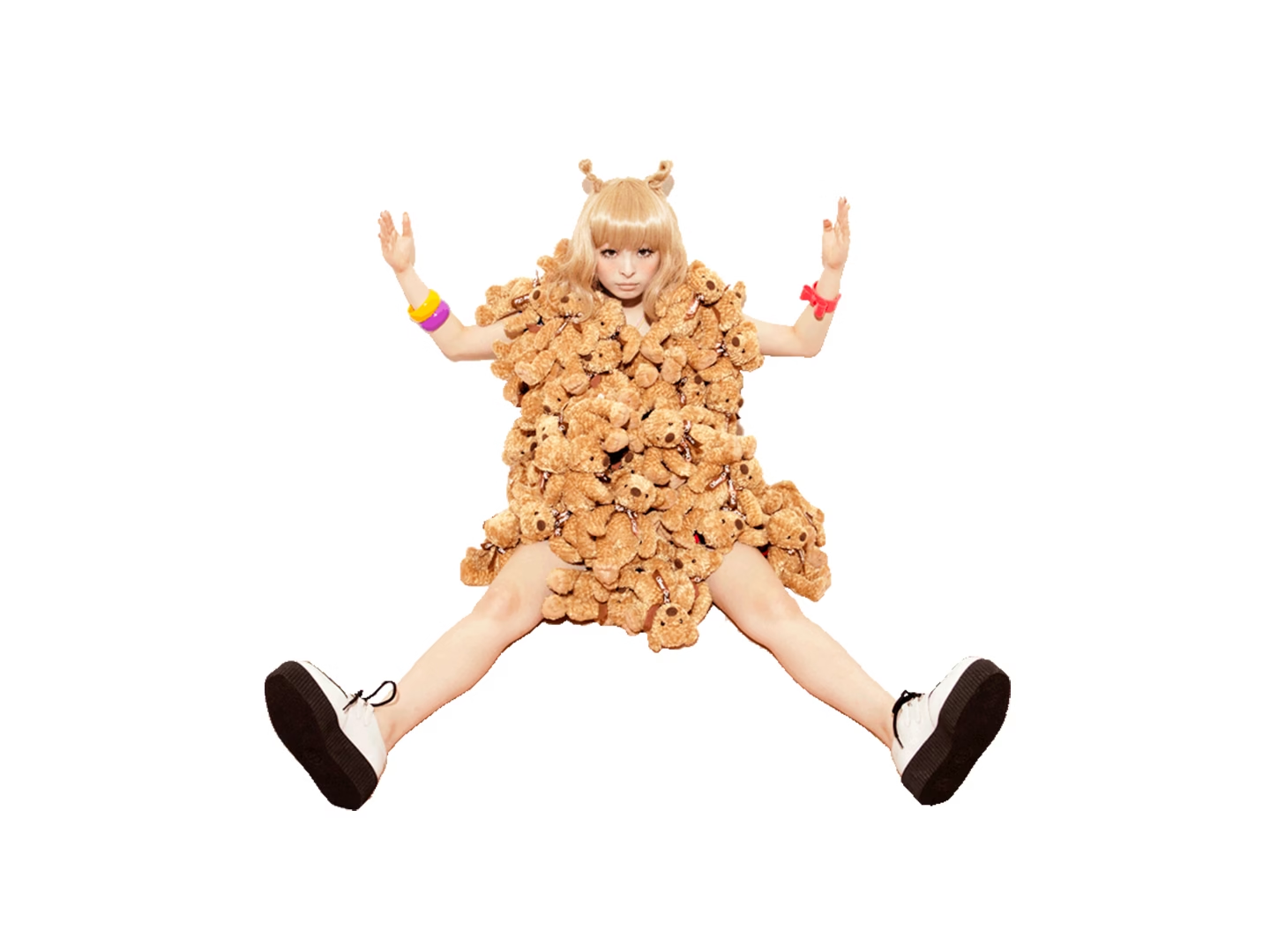
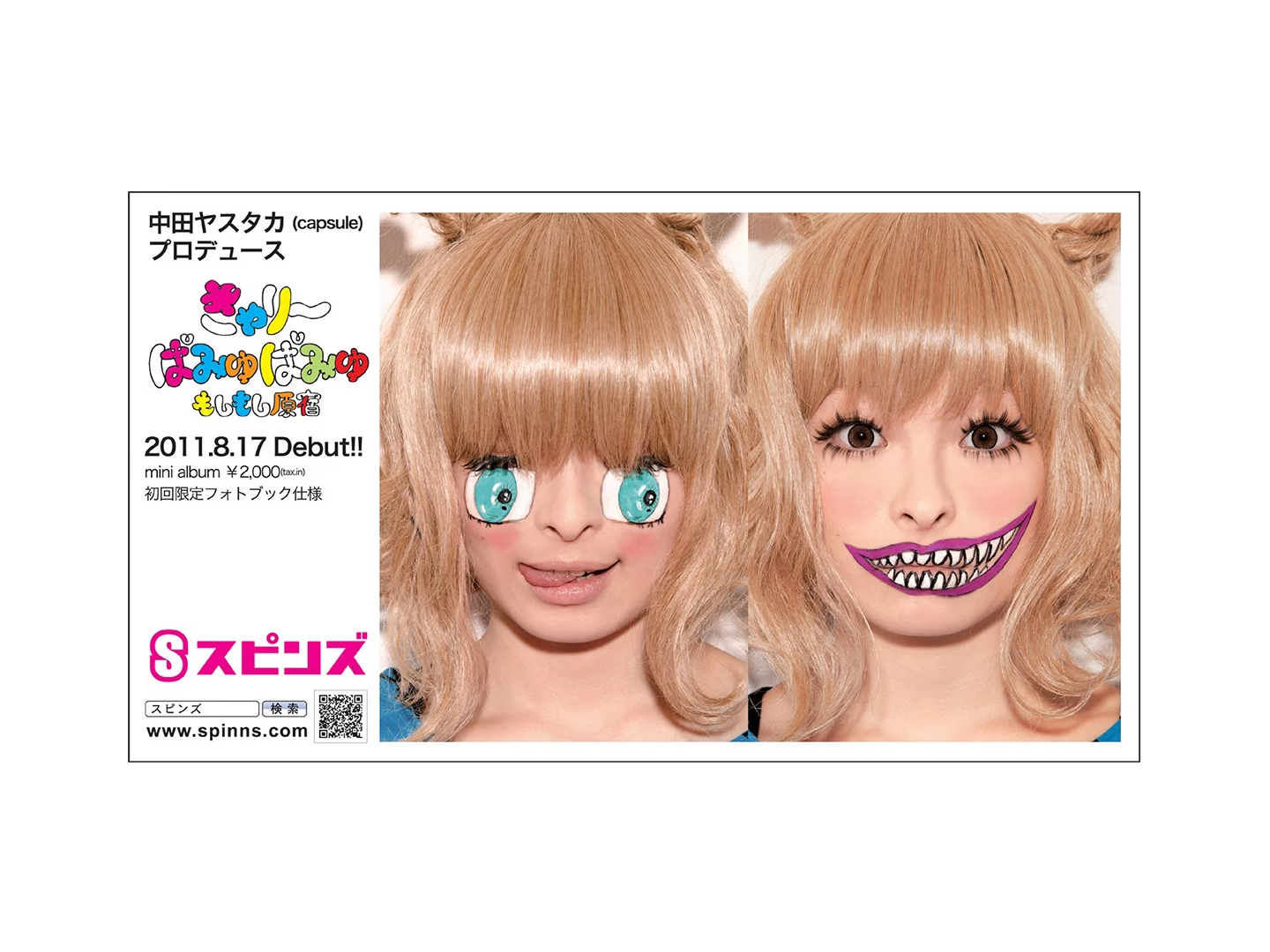
Before Kyary had an established identity as a recording artist, Moshi Moshi Harajuku made her face the central subject through different close-up portraits on its limited photobook and regular editions. Sharply extended eye makeup and saturated blocks of colour appear against minimal backgrounds, leaving the expressions to function almost like masks. When enlarged advertisements appeared around Harajuku, Kyary later recalled that some people described them as frightening or unpleasant. She considered the response a success because the images had made people stop and look. The release received Japan’s Music Jacket Award in 2012, helping establish the mixture of cute presentation and visual discomfort that continued throughout the collaboration.
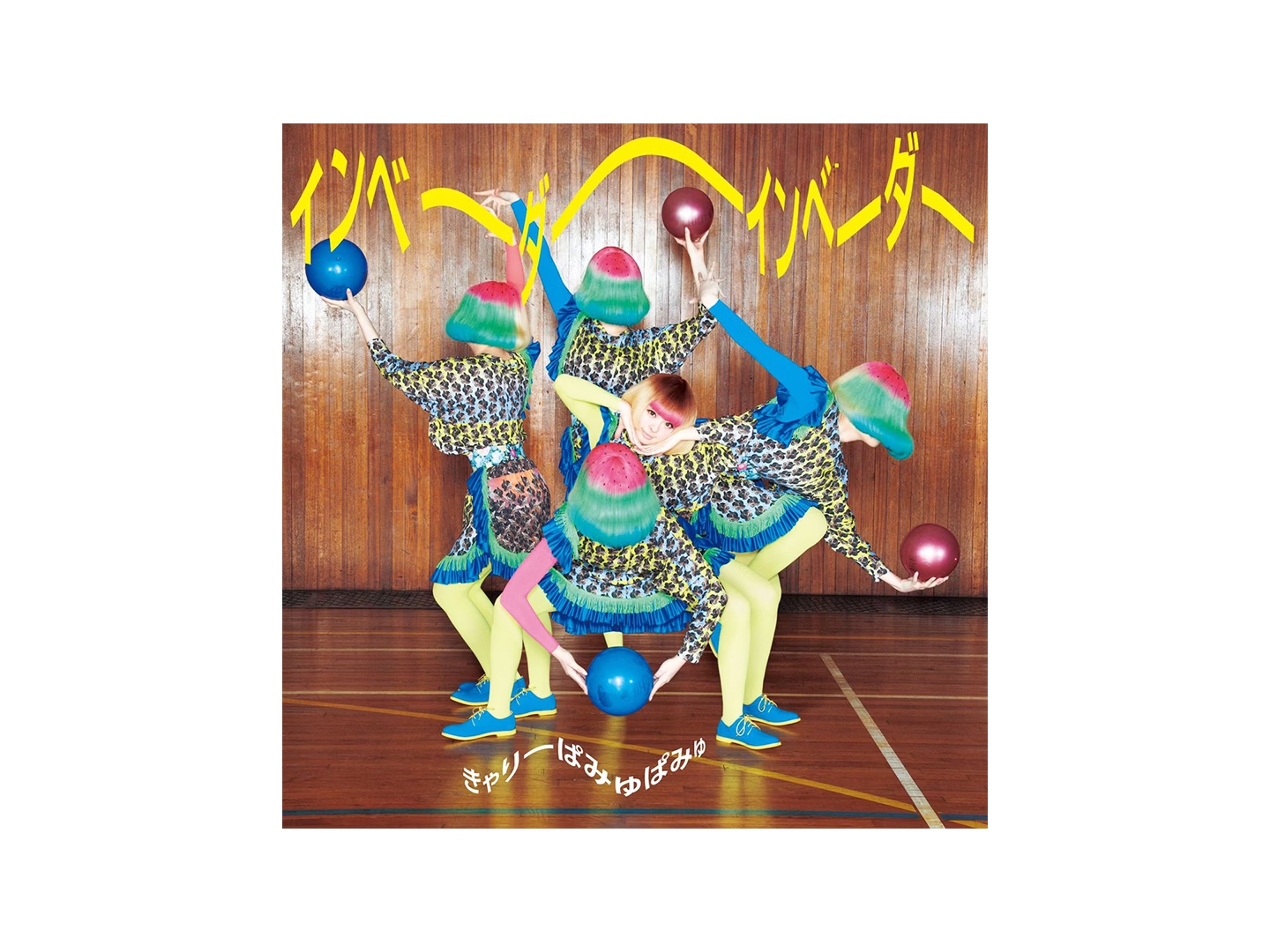
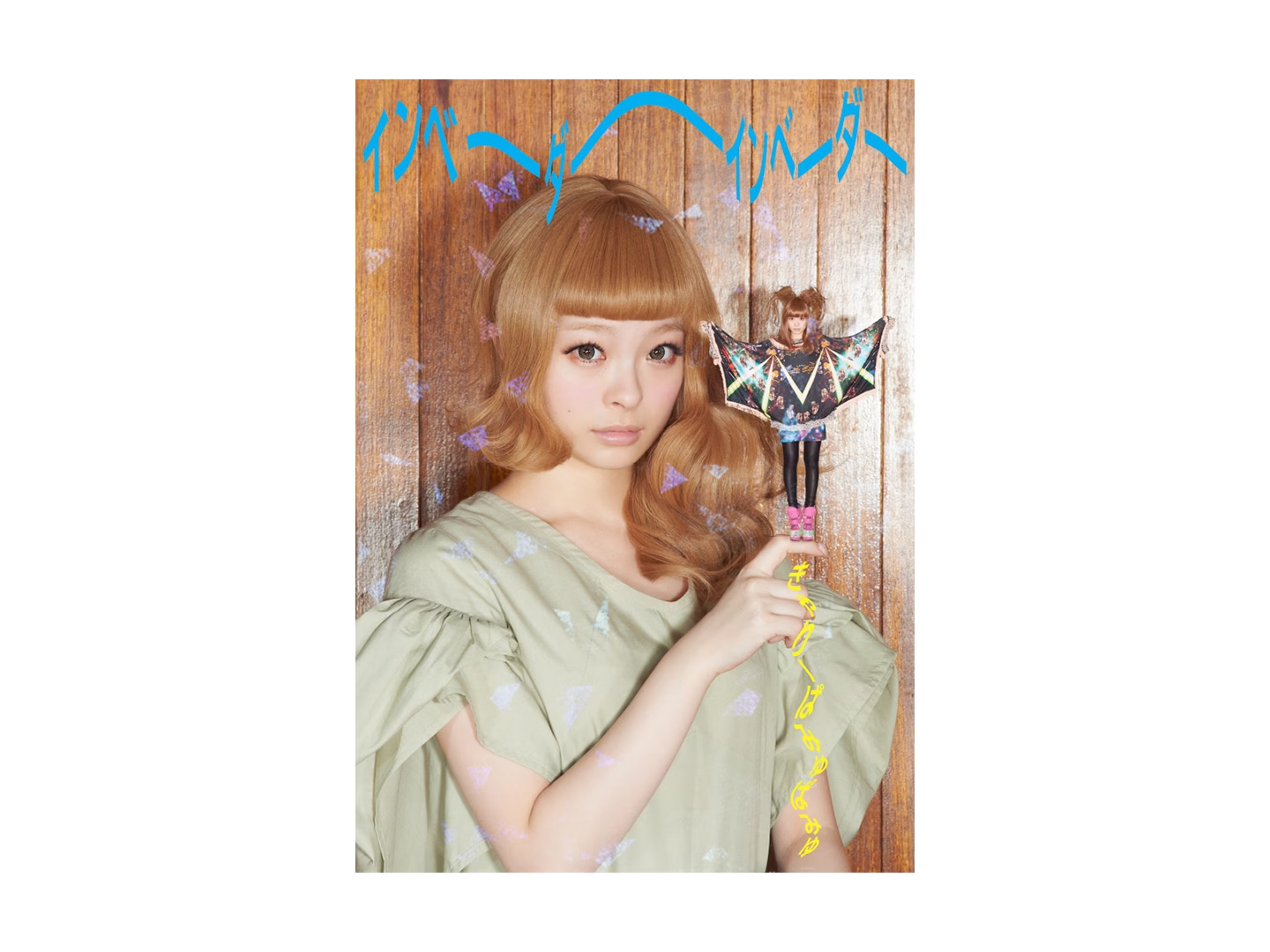
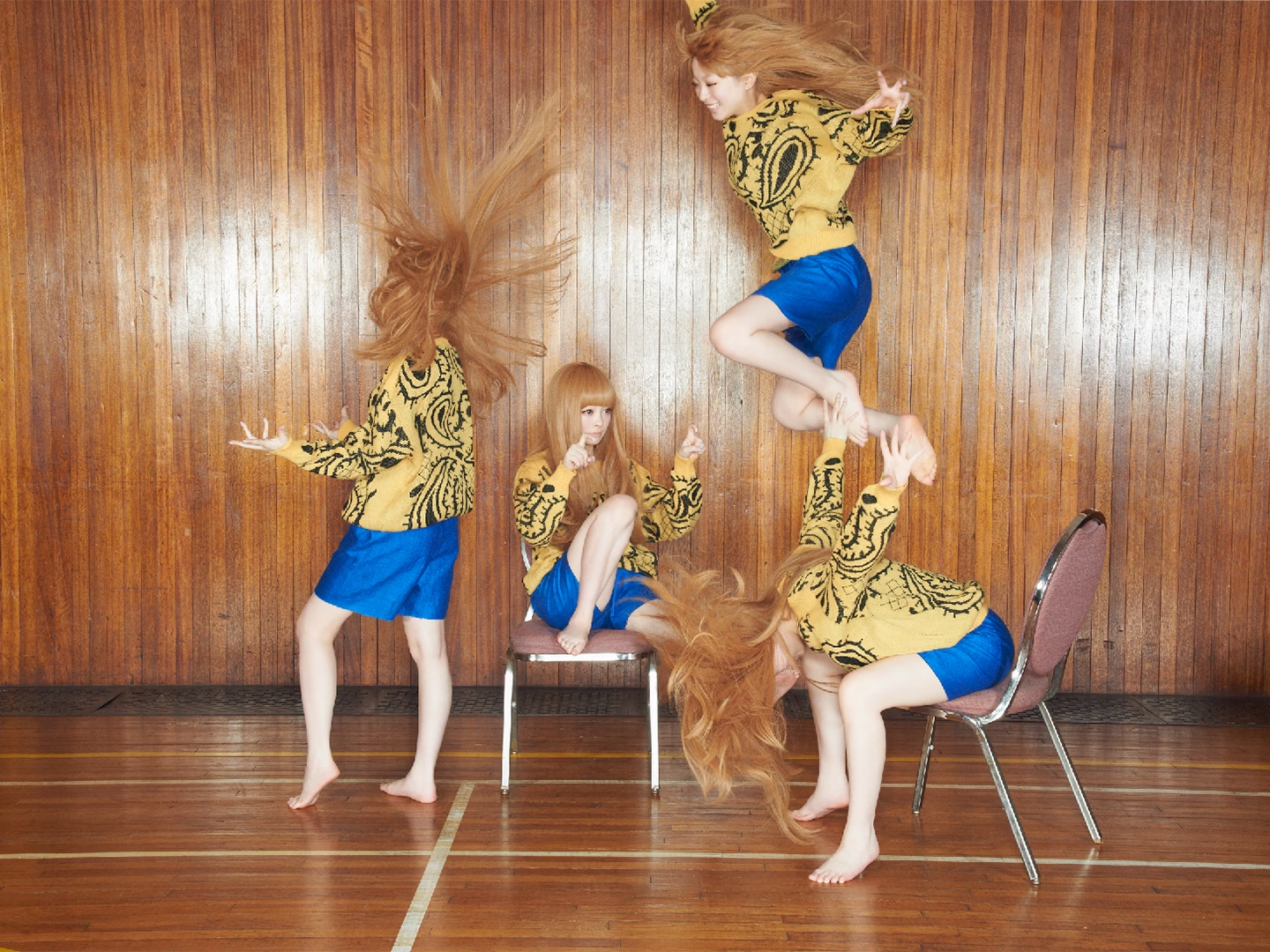
2. Invader Invader (2013)
Waste became raw material for Mottai Night Land, with pieces of apple and mandarin peel placed directly into Kyary’s wig on the limited cover. For the regular edition, she was transformed into an animal surrounded by vegetables and other produce. Both images were created around an official concept described as a fantasy that looked unreal, but the release extended that fiction beyond the covers. Limited copies included a replica one-day passport for the imaginary Mottai Night Land. Approximately one in every hundred contained a rare premiere version whose recipient was eligible to receive a commemorative souvenir. The result resembles promotional material for a theme park that exists only inside the record’s packaging.
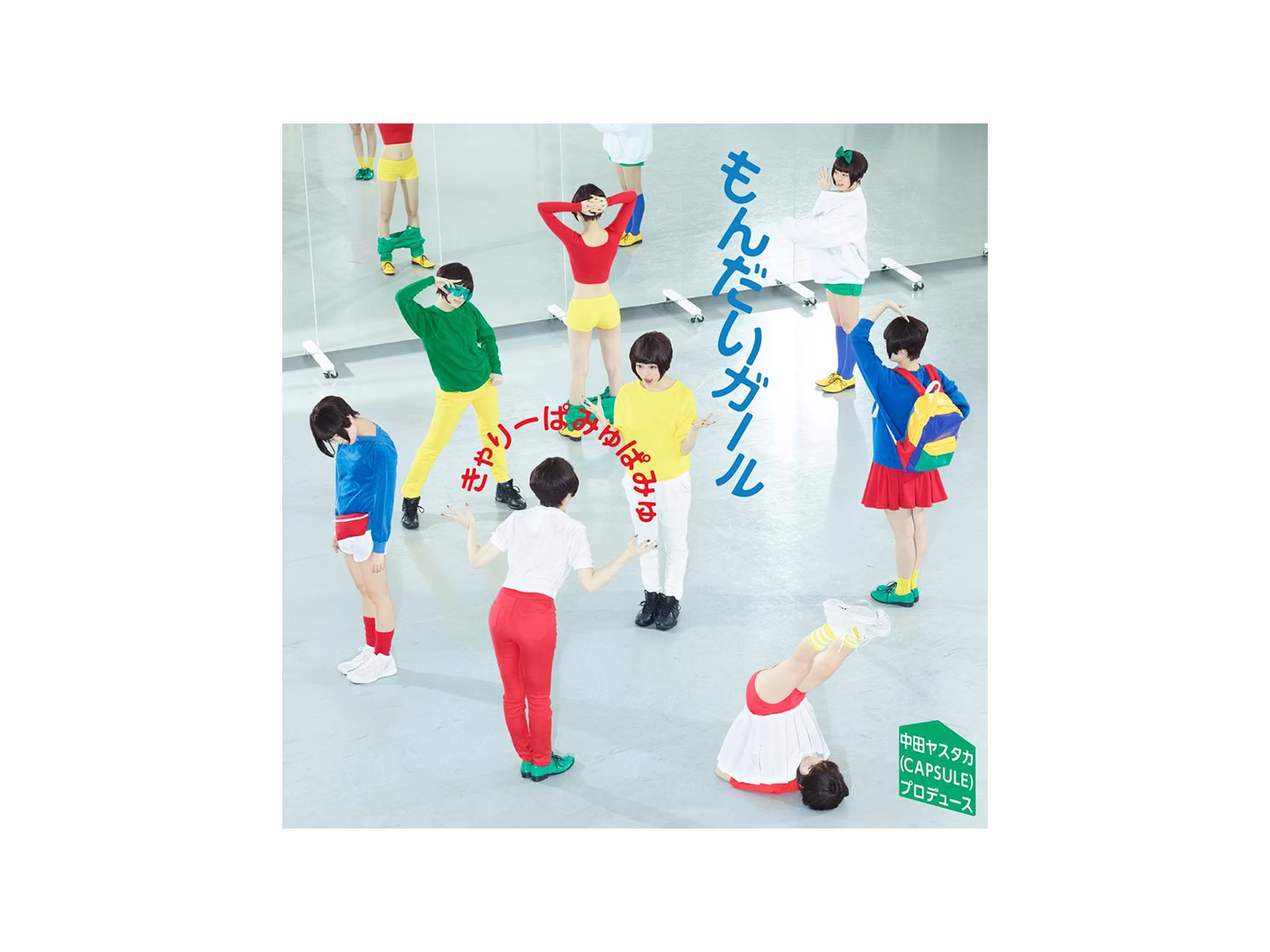
3. Mondai Girl (2015)
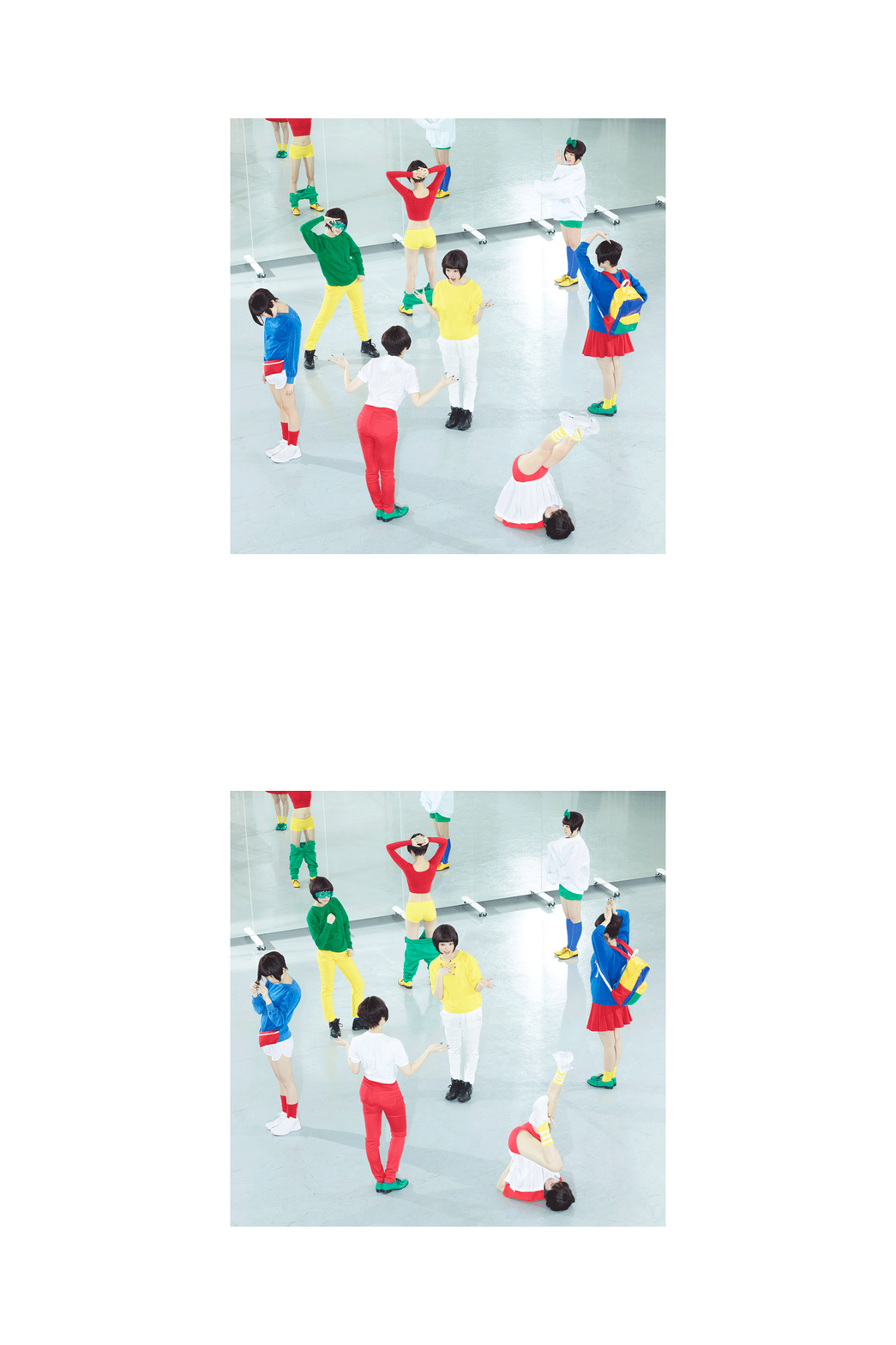
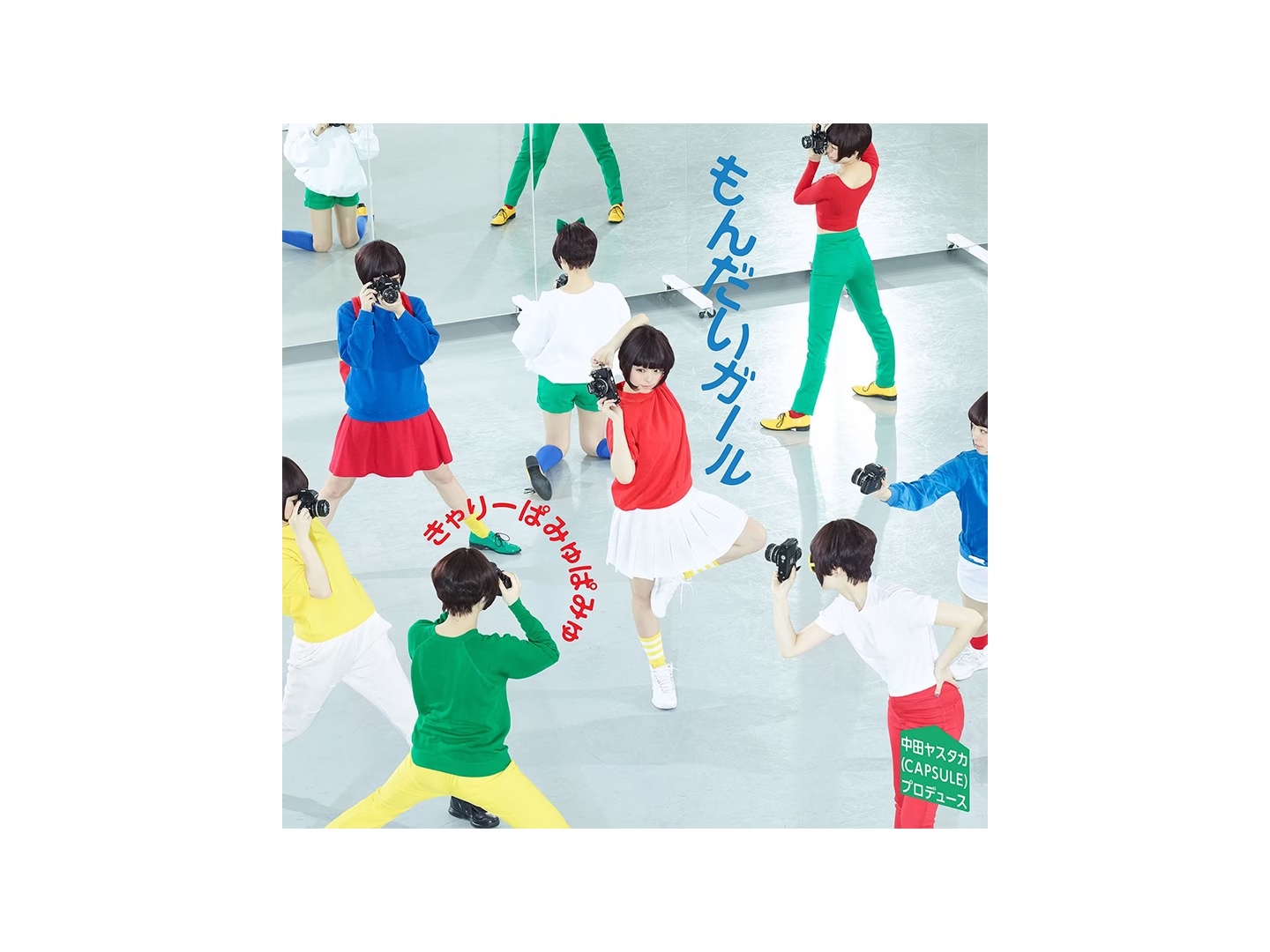
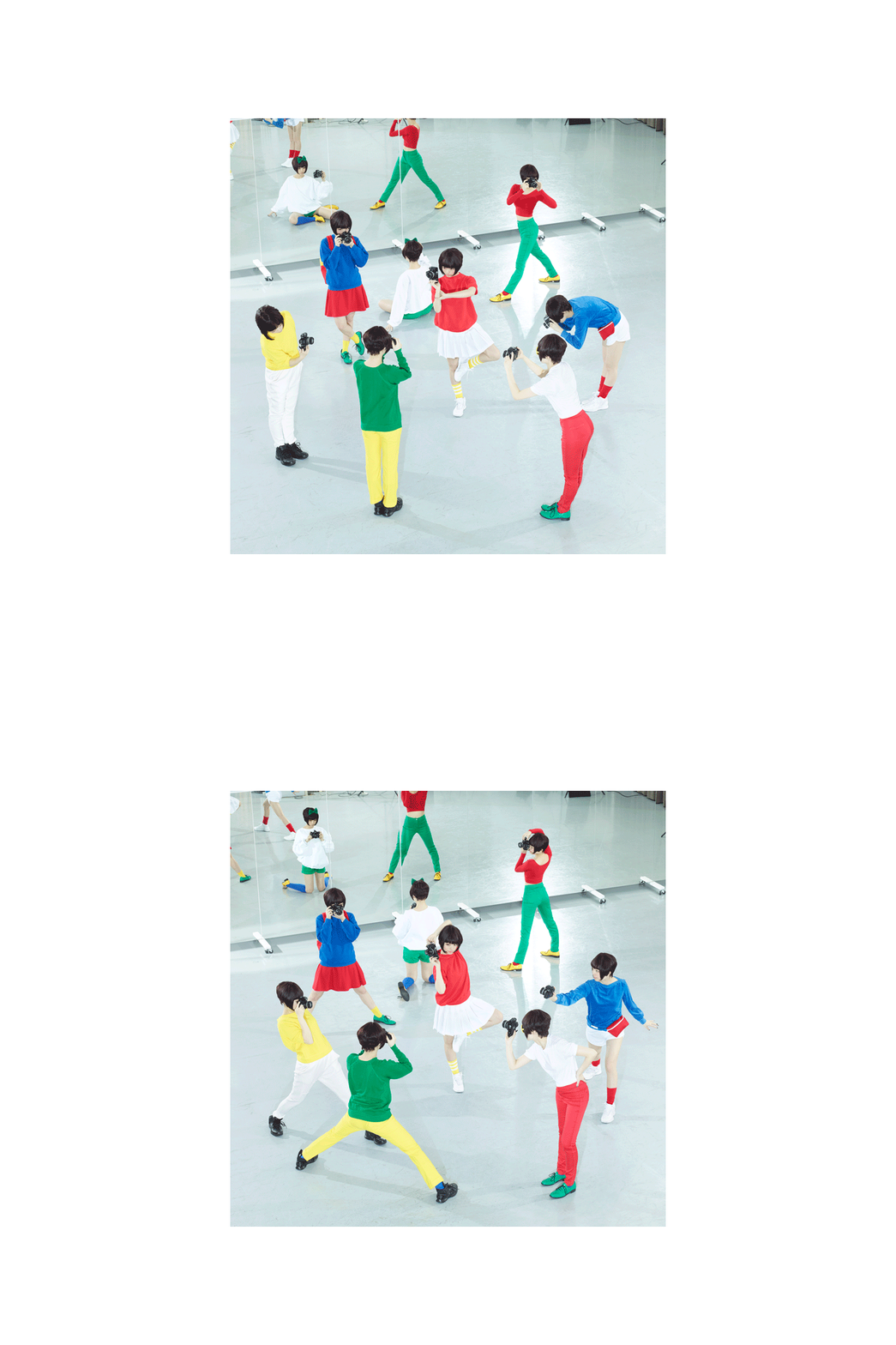
Eight versions of Kyary occupy each cover of Mondai Girl, arranged in a simple palette of red, blue, green and yellow. On the limited edition, all eight are presented as paparazzi, with their cameras raised toward the viewer. The regular cover turns the title into a collection of deliberately improper actions, with figures raising their legs while wearing skirts, lowering their trousers or otherwise interrupting the orderly composition. The limited edition was presented in a seven-inch, analogue-sized jacket and included a sticker, while first press copies of the regular edition also included a sticker. Multiplication allows each gesture to become part of a larger graphic pattern, making the cover feel both carefully organised and socially unruly.
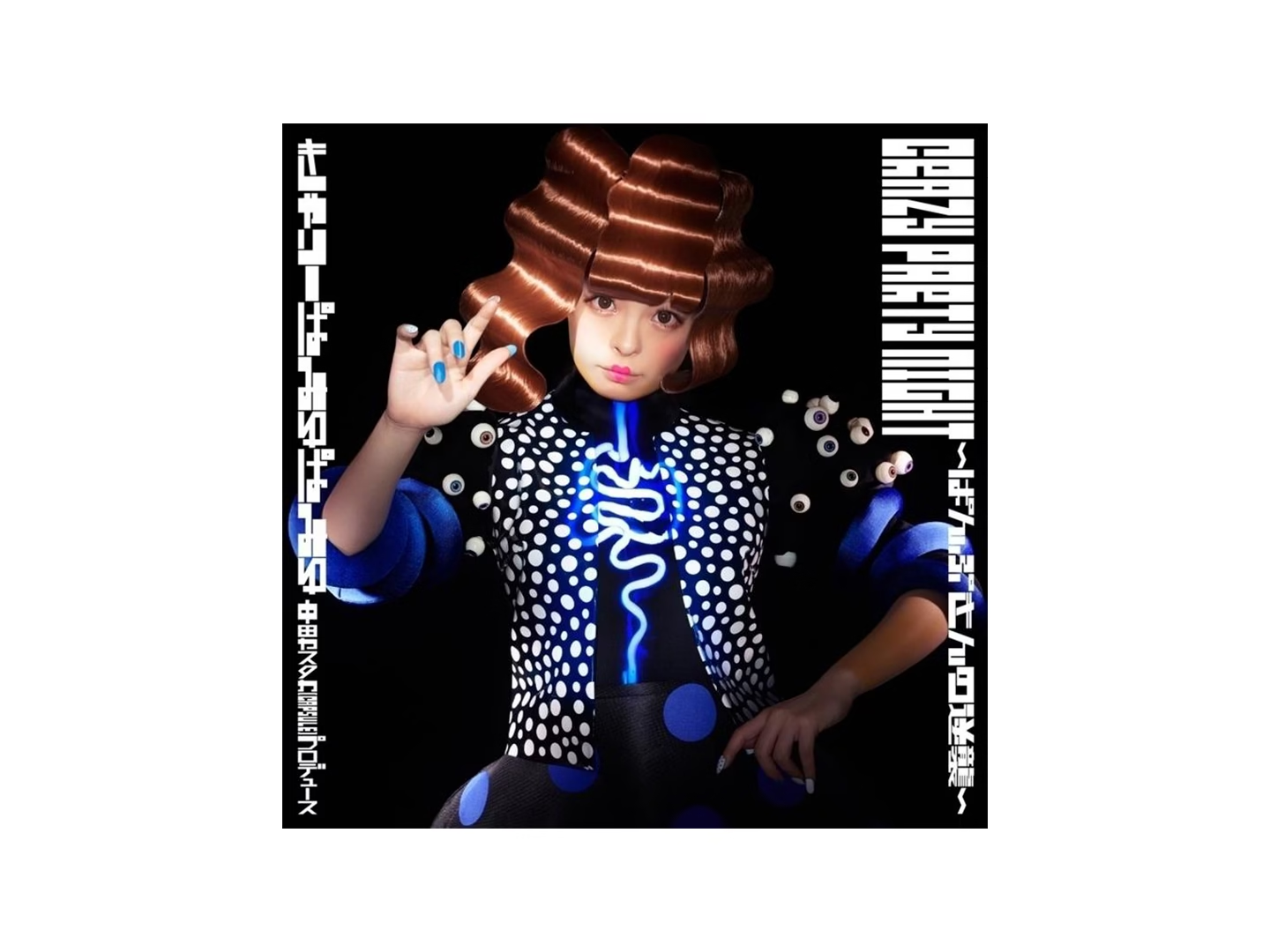
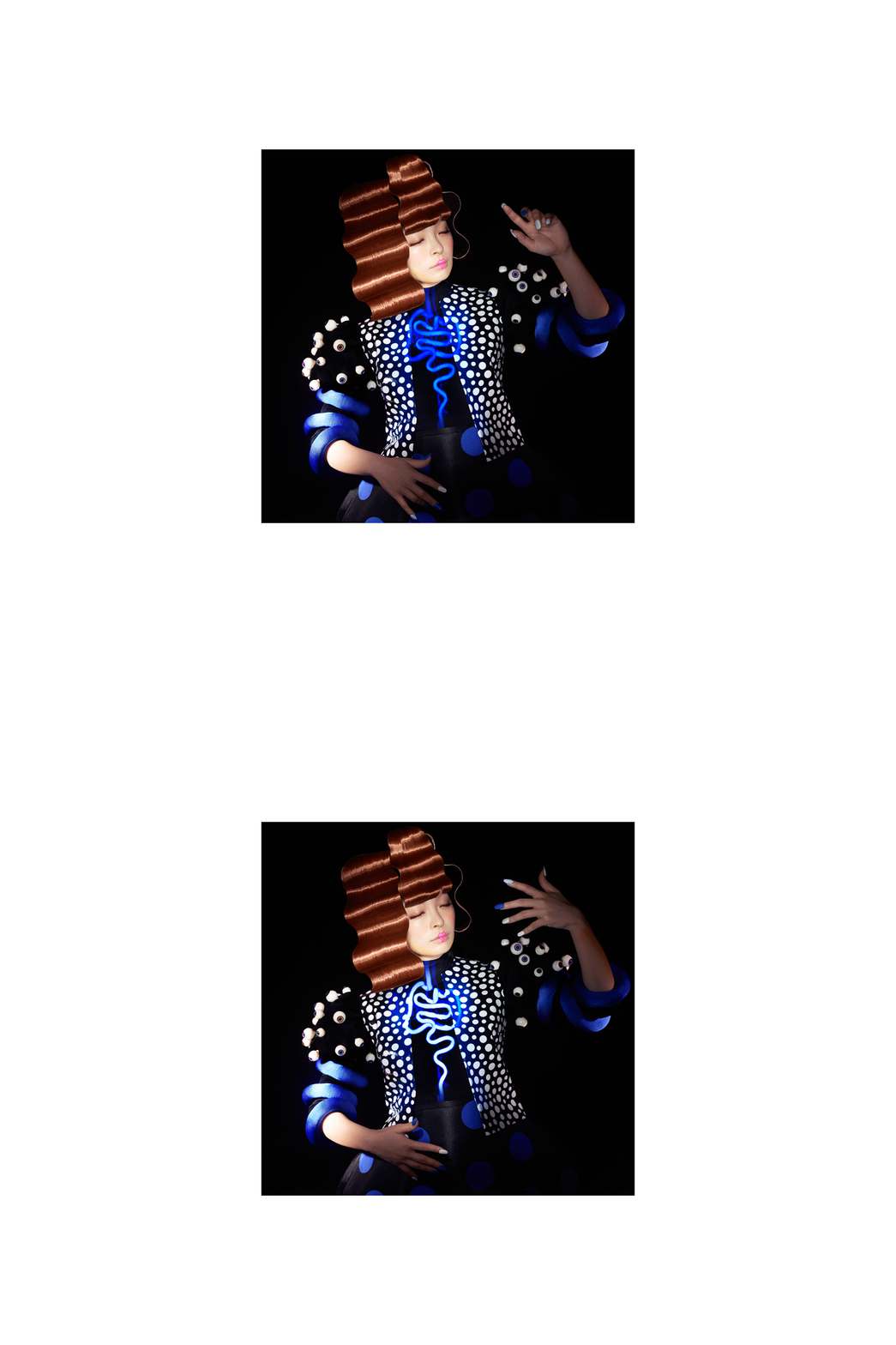
4. Crazy Party Night (2015)
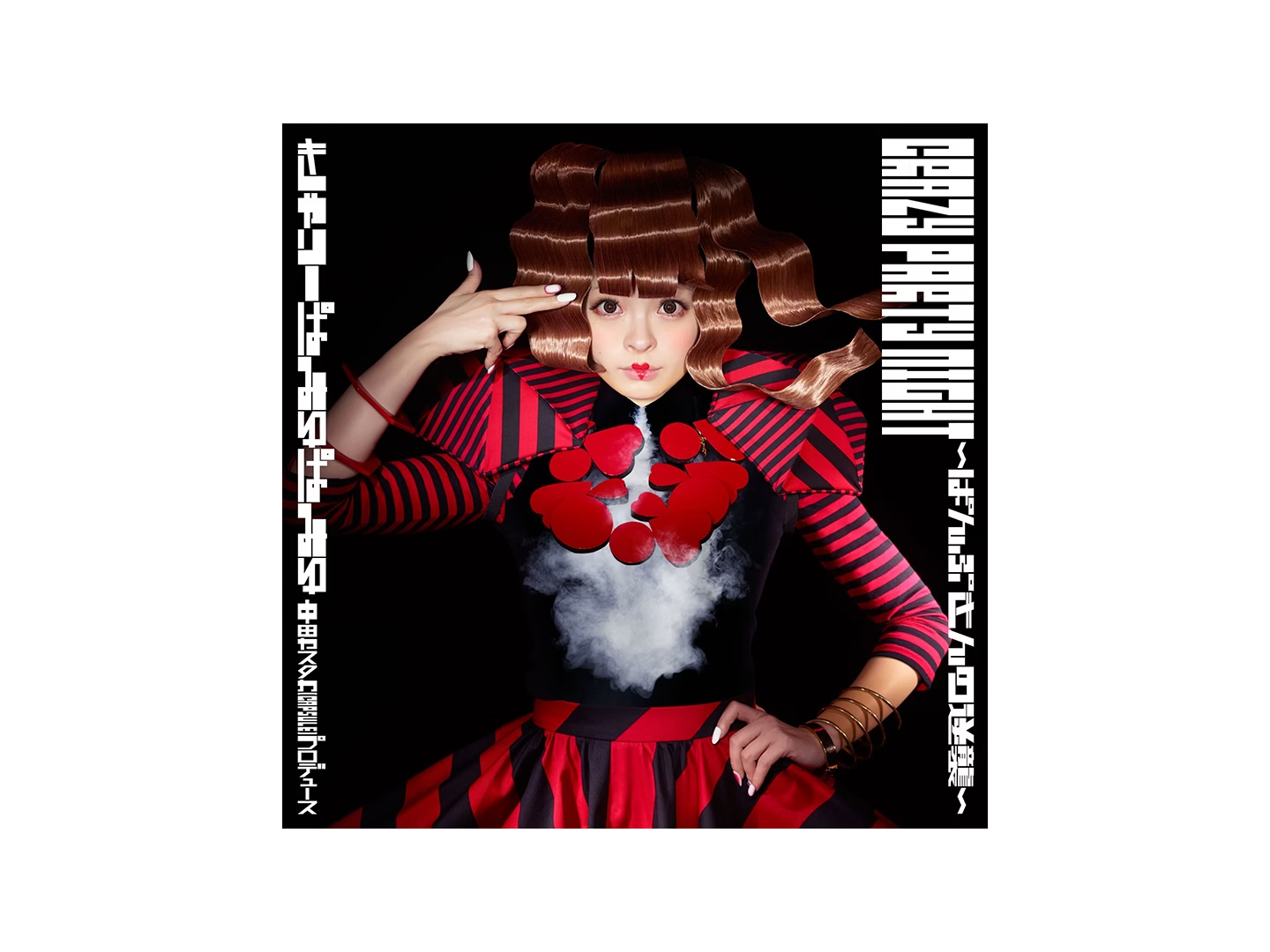
For the Halloween-themed Crazy Party Night, Nakamura imagined Kyary as a toy. The two close-up covers restrict their palettes to red and black or blue and black, pairing sharply sculpted hair and rigid poses with doll-like expressions. Against these restrained compositions, the stranger details become more visible: parts of her upper body appear transparent, with neon forms and smoke suspended inside. Kyary had specifically requested a close-up image that could remain forceful despite the simple design. The limited edition came in a paper jacket with a DVD containing five performances from the NHK-recorded Himitsu no Sweet Powder Room concert.
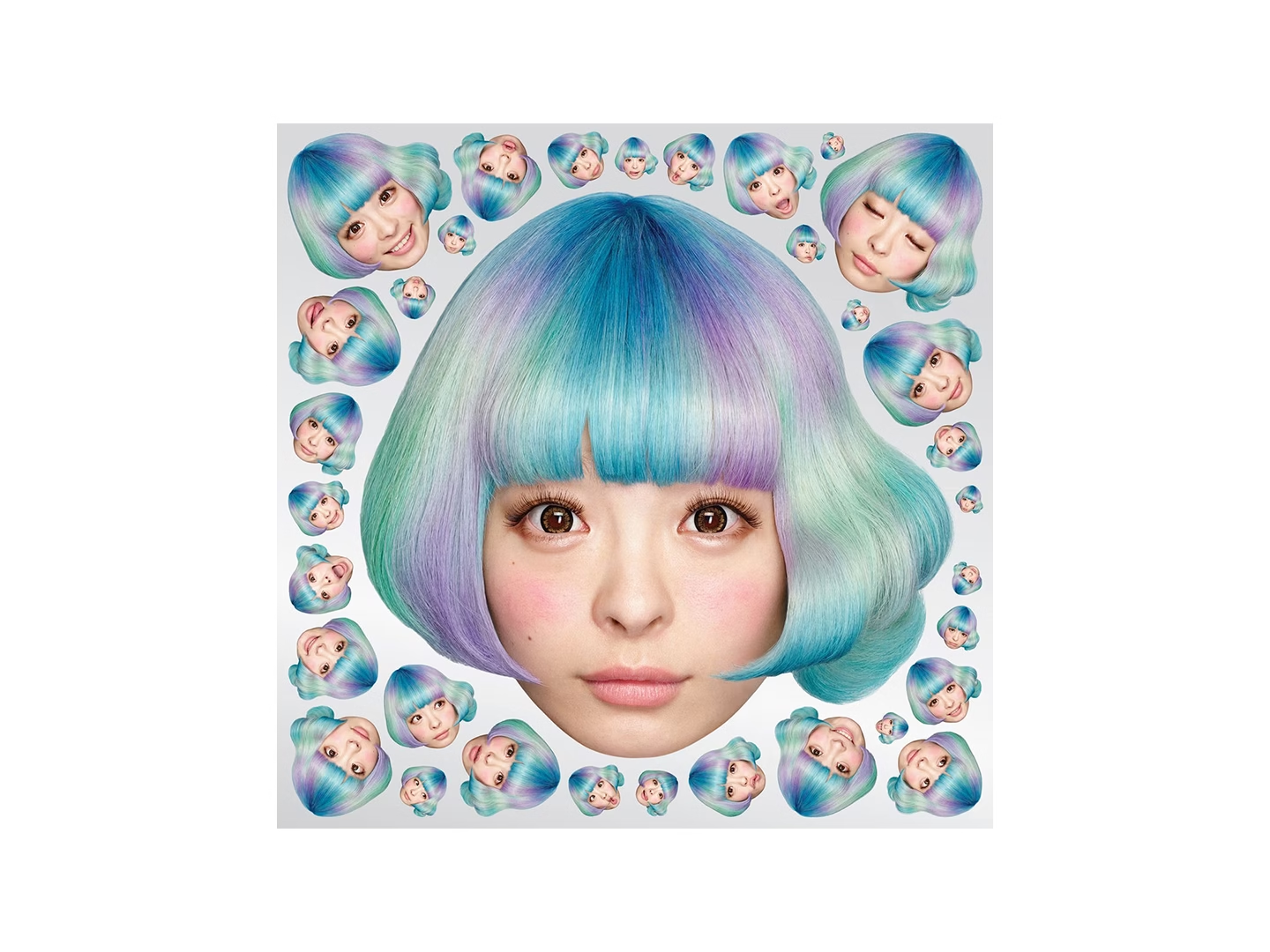
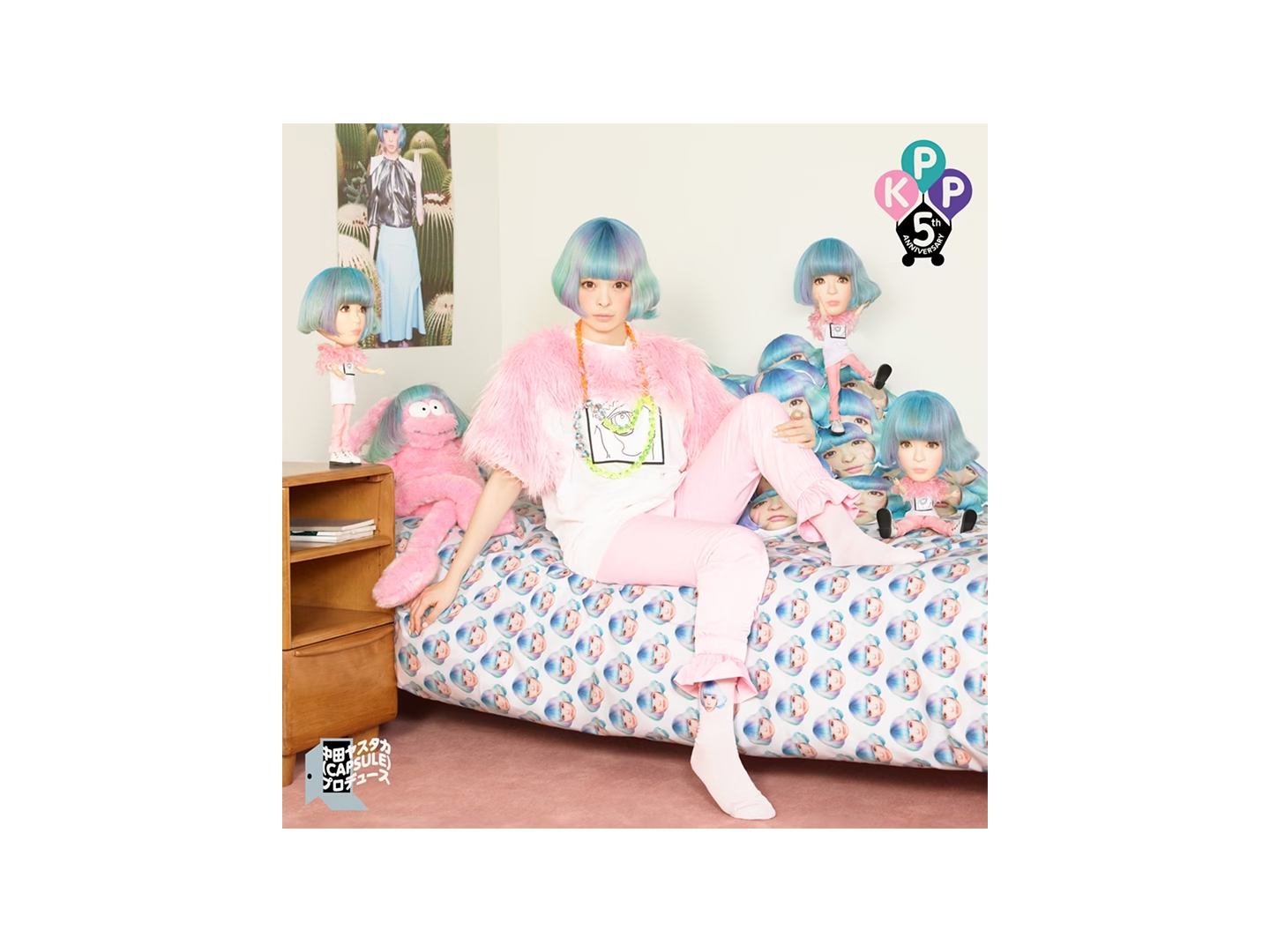
5. KPP Best (2016)
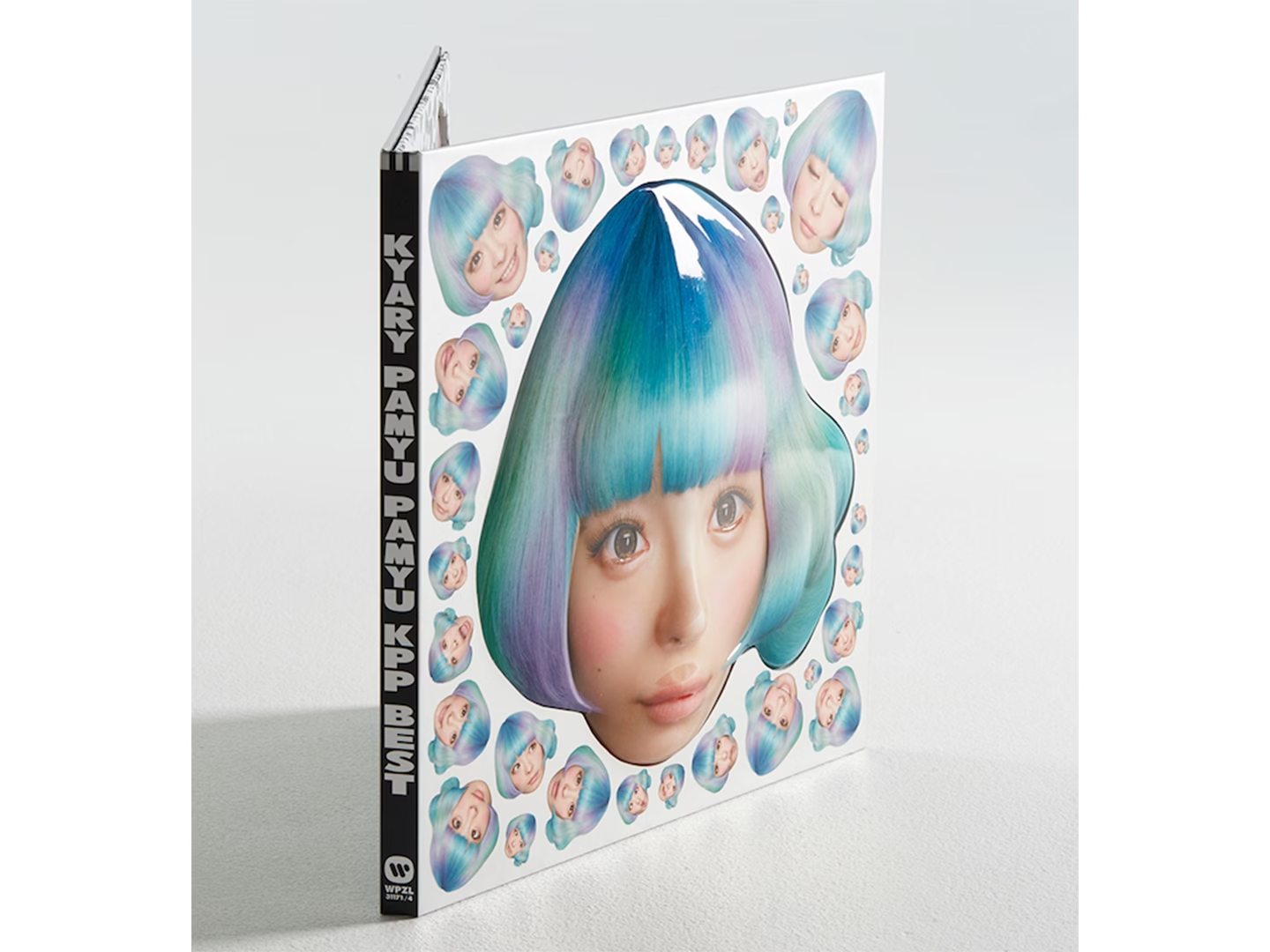
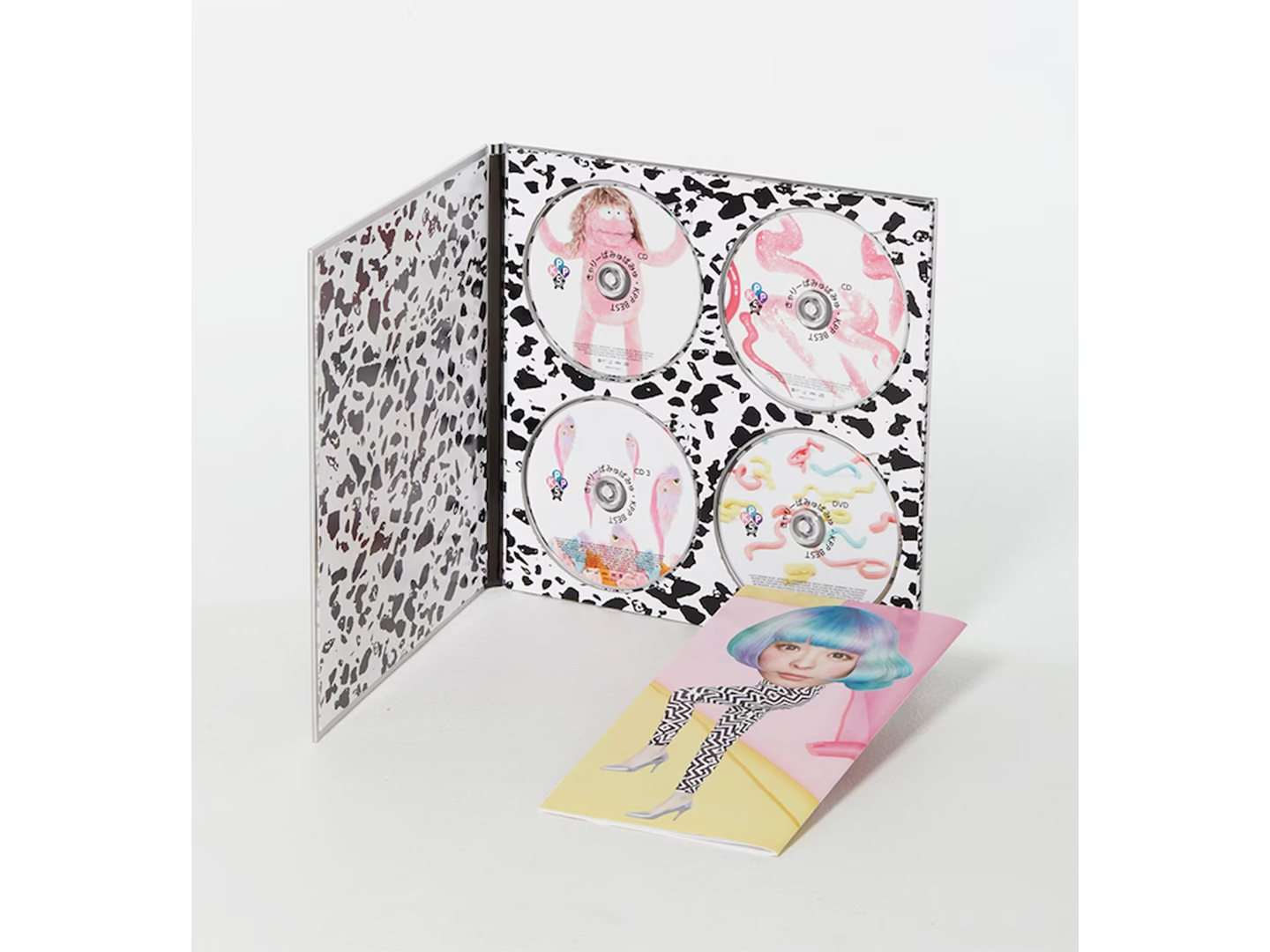
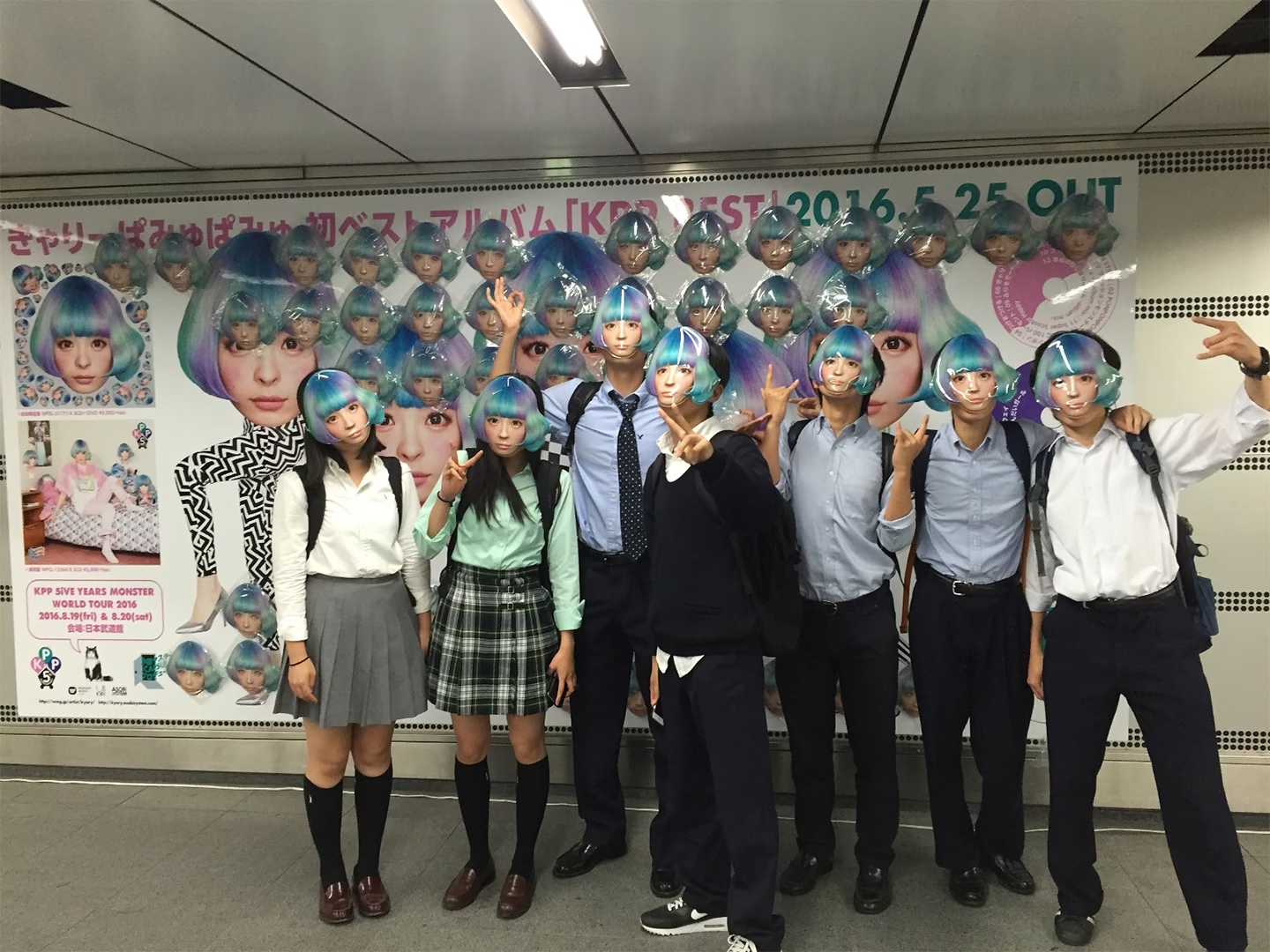
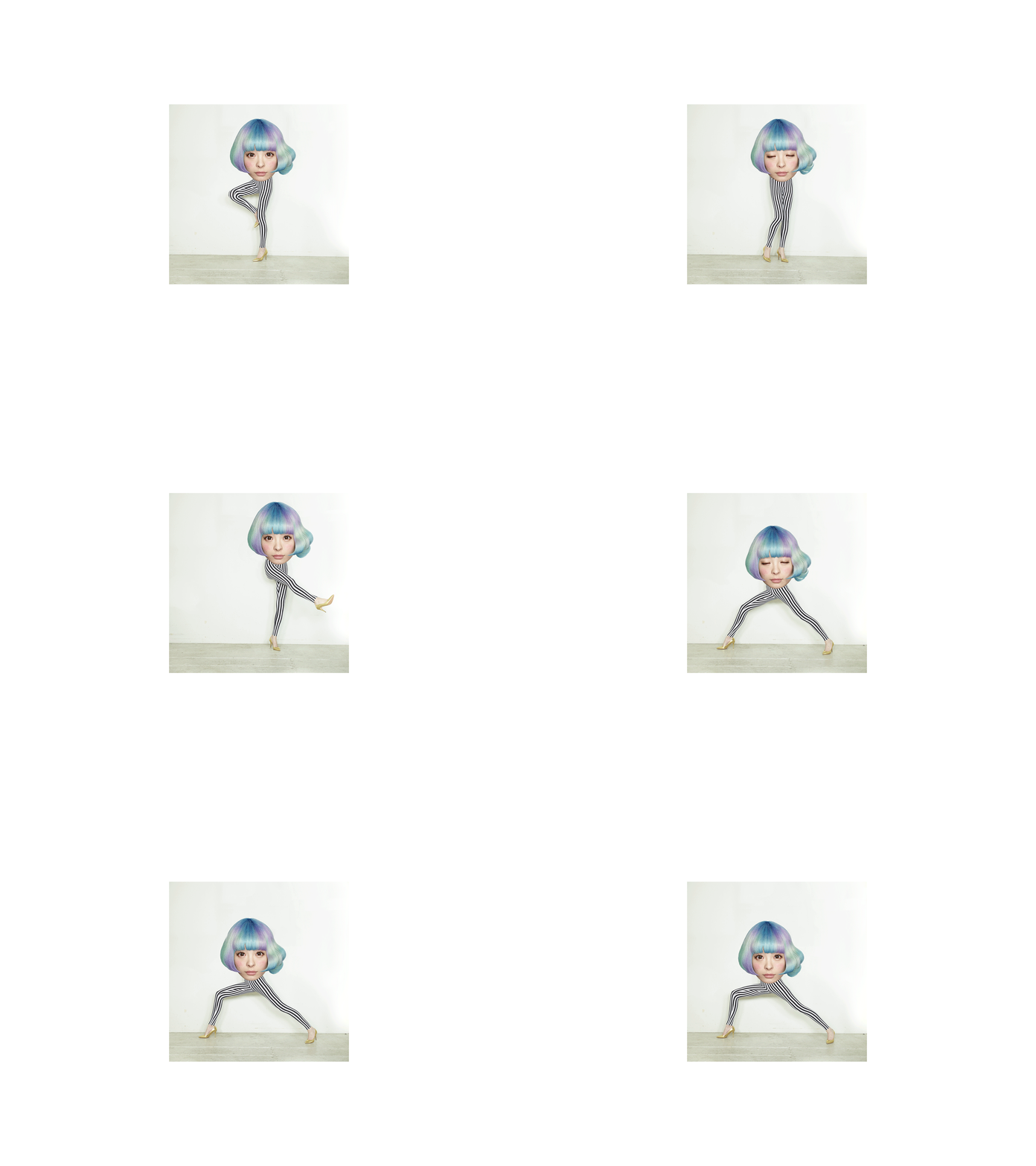
For KPP Best, Kyary’s face became the product itself through a 28-centimetre square silver package with a three-dimensional reproduction of her face protruding from the cover. Exactly 55,555 copies were produced, priced at 5,555 yen before tax. The regular edition pursued a different form of self-duplication, placing Kyary inside a bedroom filled with portraits, bedding and objects printed with her own image. The campaign continued outside the album packaging. A Shibuya advertisement allowed passersby to remove Kyary face masks from the display, with approximately one hundred disappearing within thirty minutes. A later Halloween version added a special sleeve to 5,555 copies of the regular album without changing its recorded content.
Images: Warner Music Japan Inc. Art direction and design by Steve Nakamura. Photography by Masami Sano and Takeshi Hanzawa. All rights remain with the respective copyright holders.