From 1970 to 1994, the World Cup match ball developed through a mostly monochrome design language. Across this period, adidas moved from the black-and-white Telstar panel system to the more decorative Tango-based patterns of the 1980s and early 1990s. The changes were gradual: coatings improved, leather gave way to synthetic materials, host-country references became more visible, and the ball became part of a wider tournament identity before color became central in 1998.
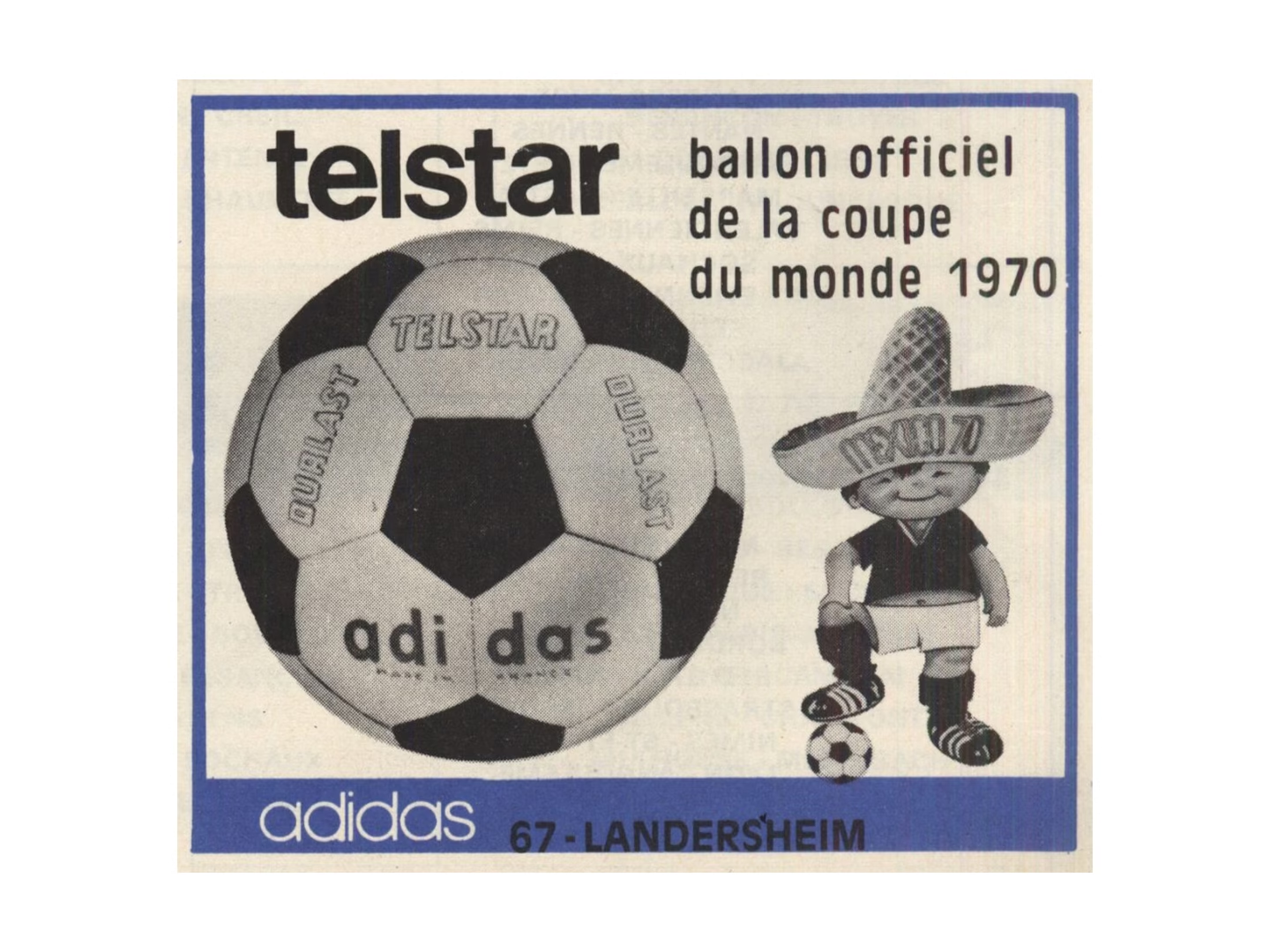
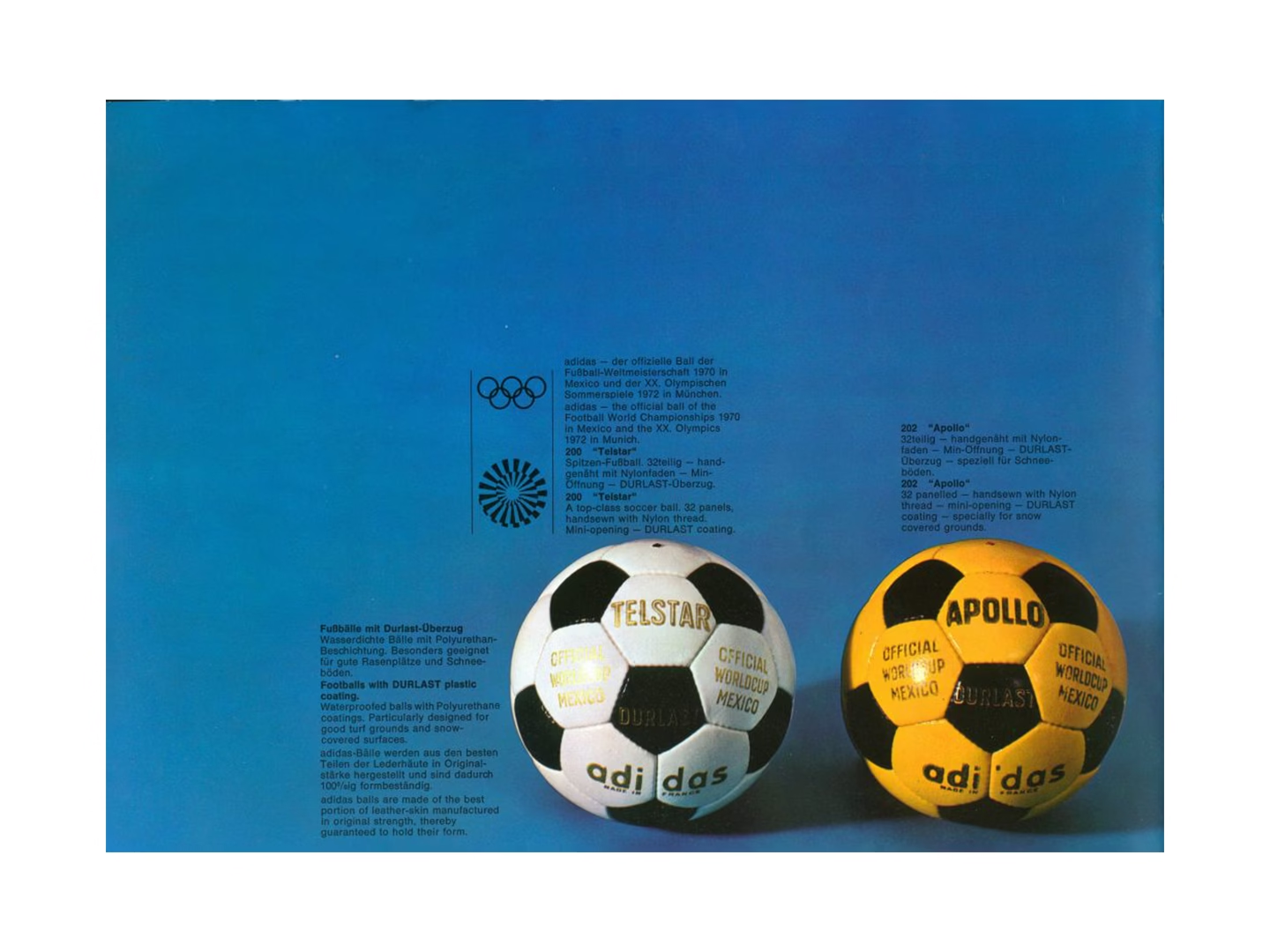
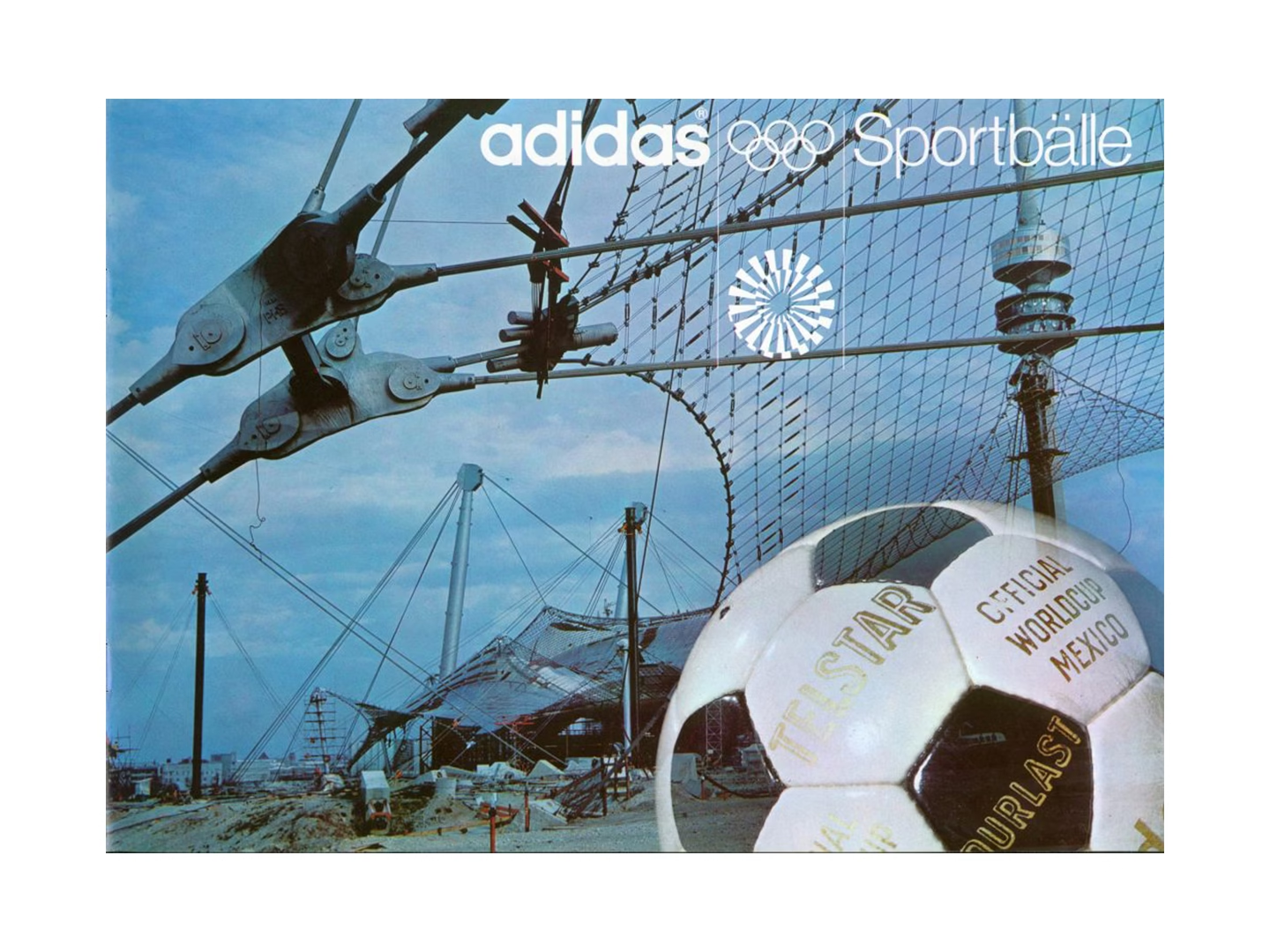
1. Telstar, 1970
The Telstar was introduced for the 1970 World Cup in Mexico and became closely associated with the televised image of football. Its black pentagons and white hexagons made the ball easier to follow on black-and-white broadcasts, while the name referenced the Telstar communications satellite, linking the object to the growing reach of live global television. Built from leather with a 32-panel structure, it turned a functional match ball into a clear graphic object. Mexico 1970 also gave the ball a strong historical setting, with Brazil winning its third World Cup and the final at the Estadio Azteca becoming one of the tournament’s most replayed moments.
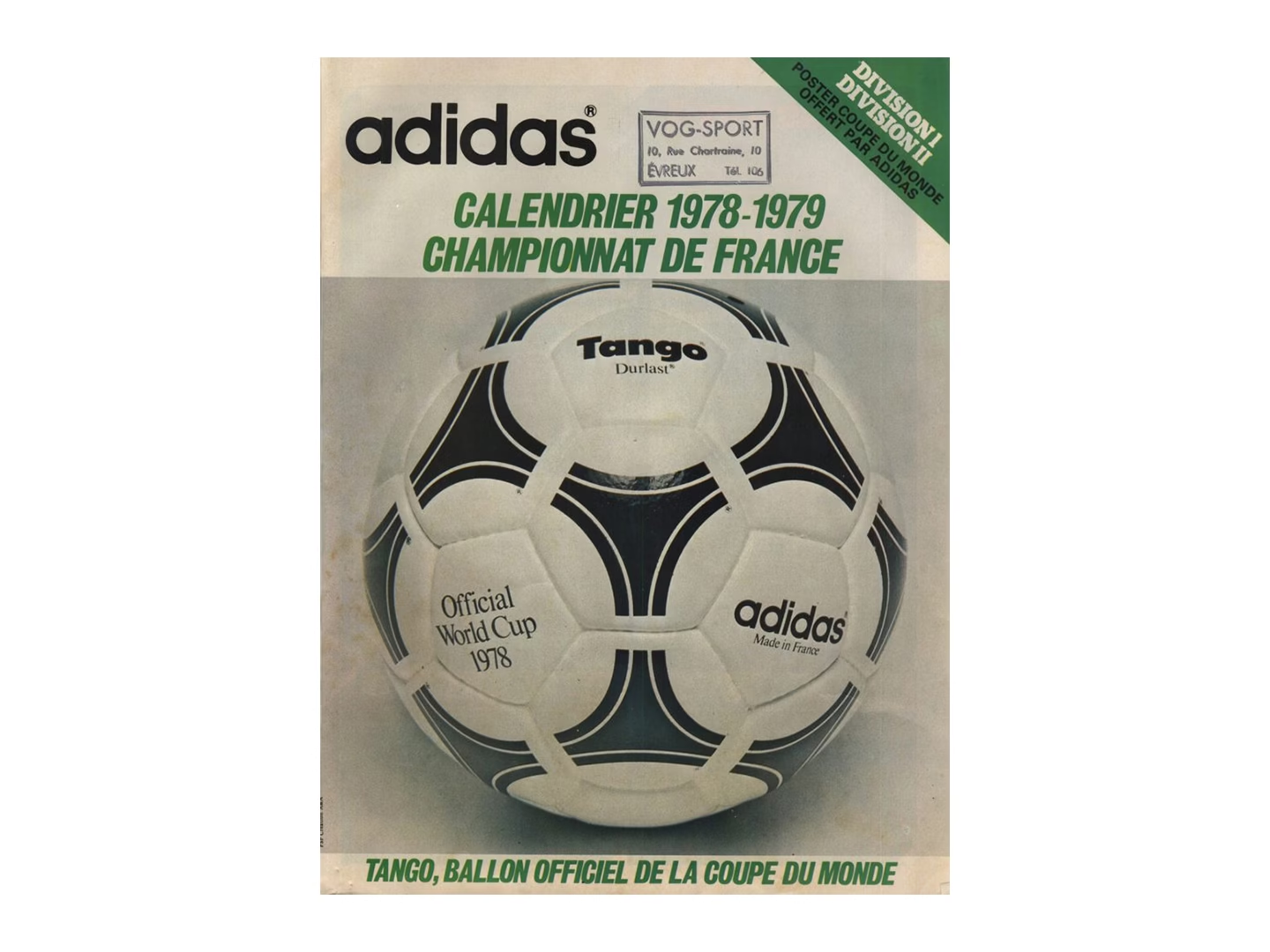
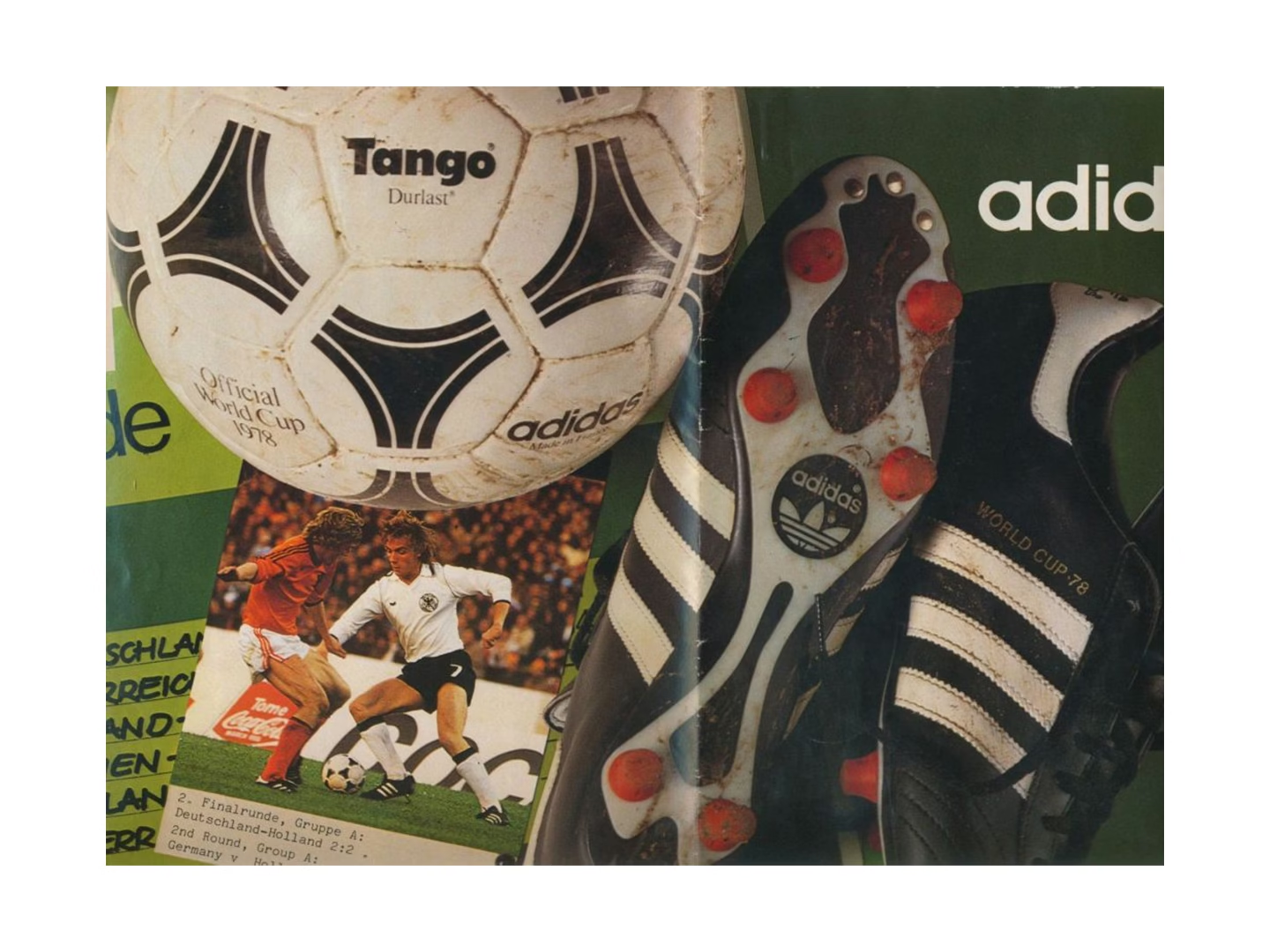
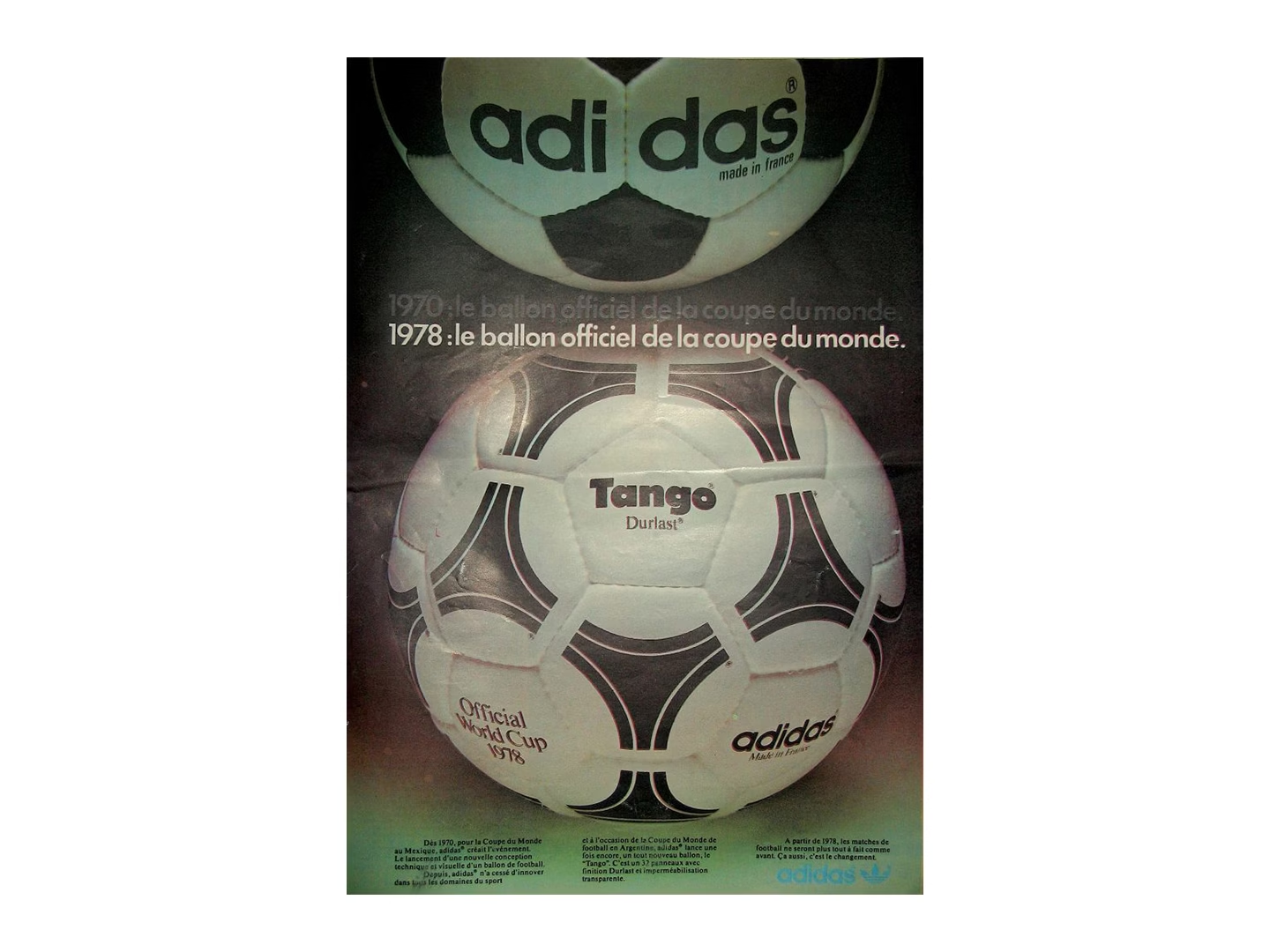
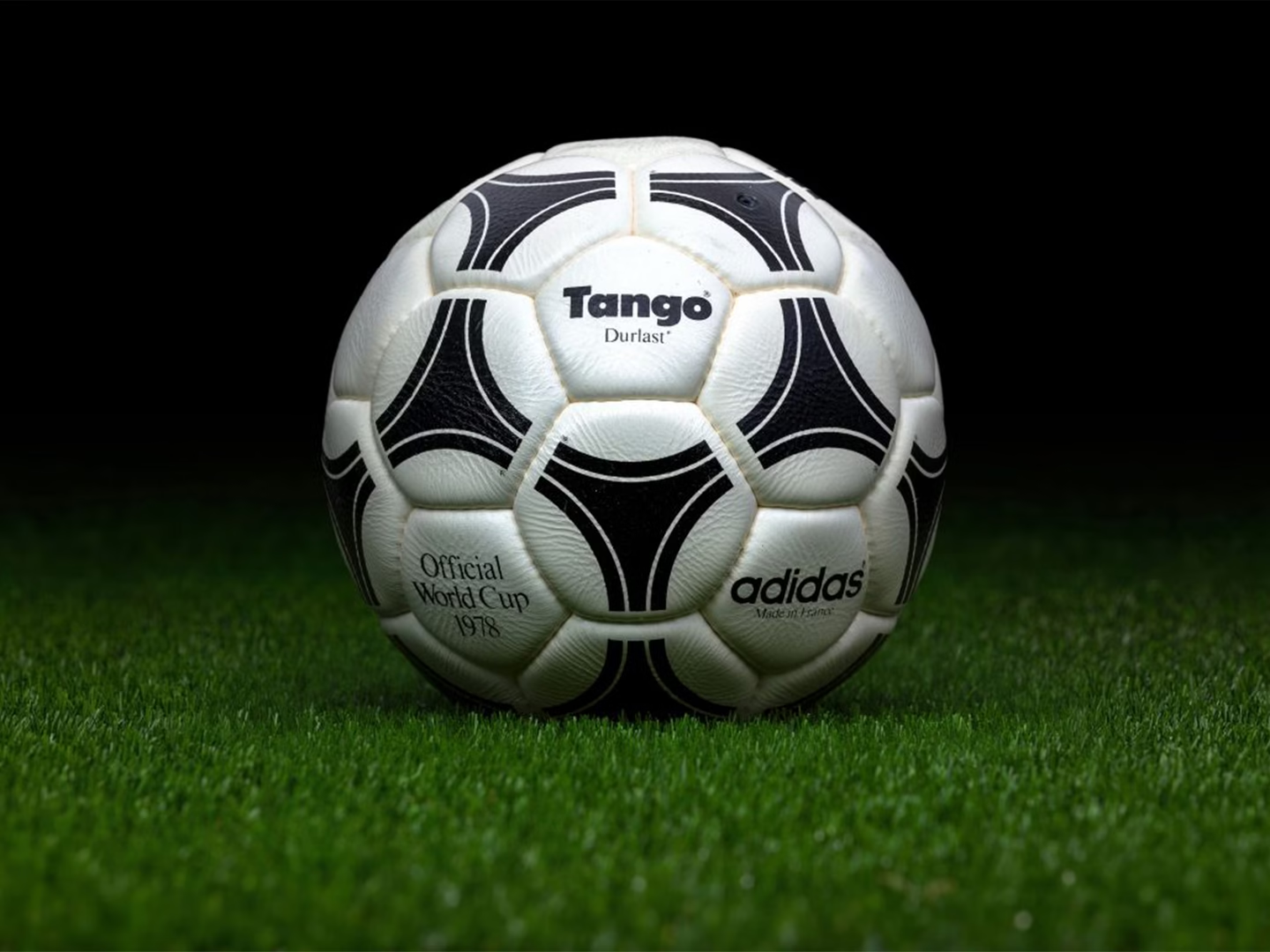
2. Tango Durlast, 1978
The Tango Durlast changed the surface language of the World Cup ball while keeping the familiar 32-panel construction. Instead of black pentagons, it used curved black triads that created the impression of circular movement across the white surface. The name referred to Argentina’s tango, but the design was not a literal illustration of dance. It was more of an optical system, giving the ball rhythm and motion when seen from a distance or on television. Argentina won the 1978 World Cup at home, while the tournament’s political context under the country’s military dictatorship gives the object a more complicated historical frame.
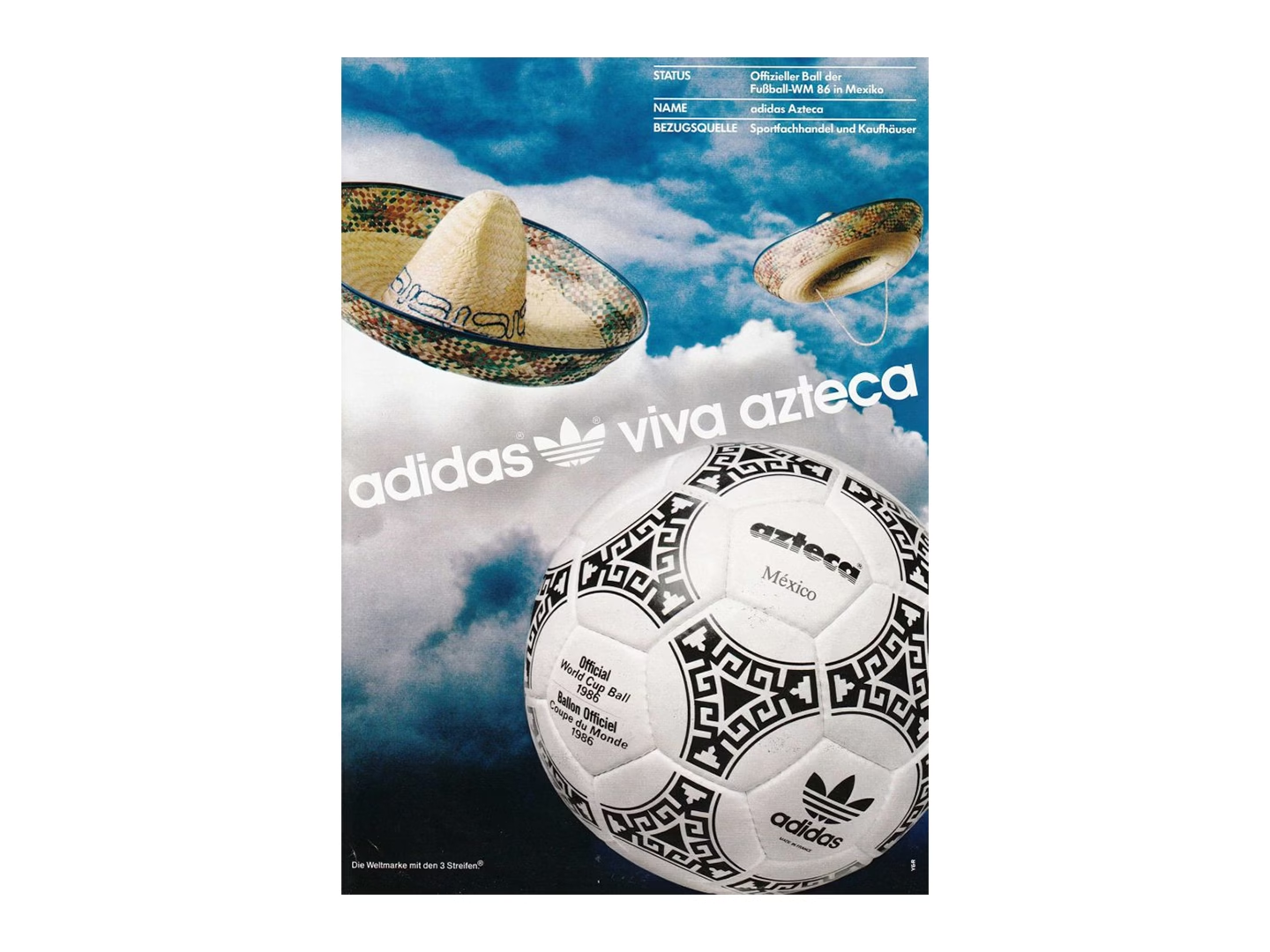
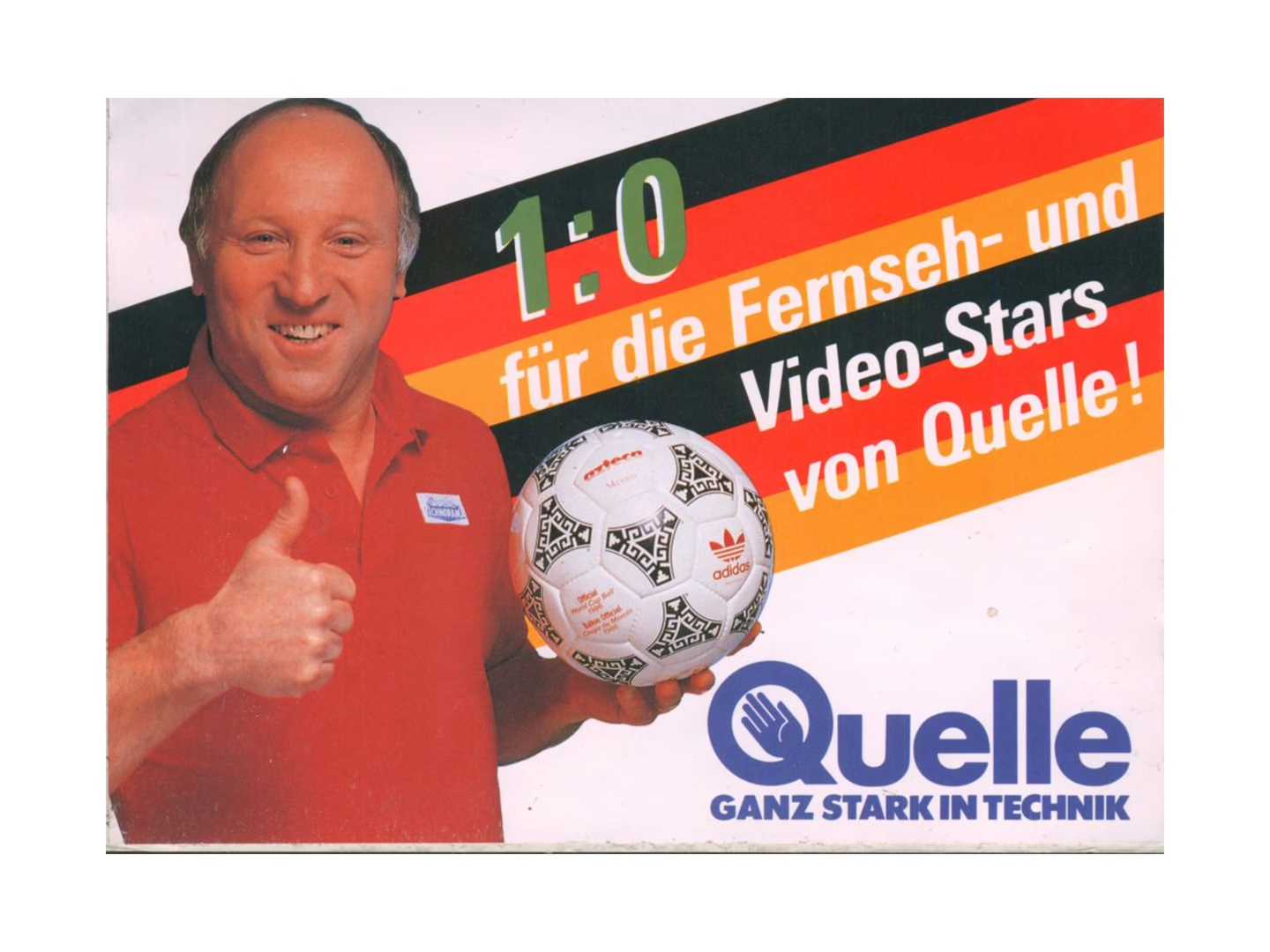
3. Azteca, 1986
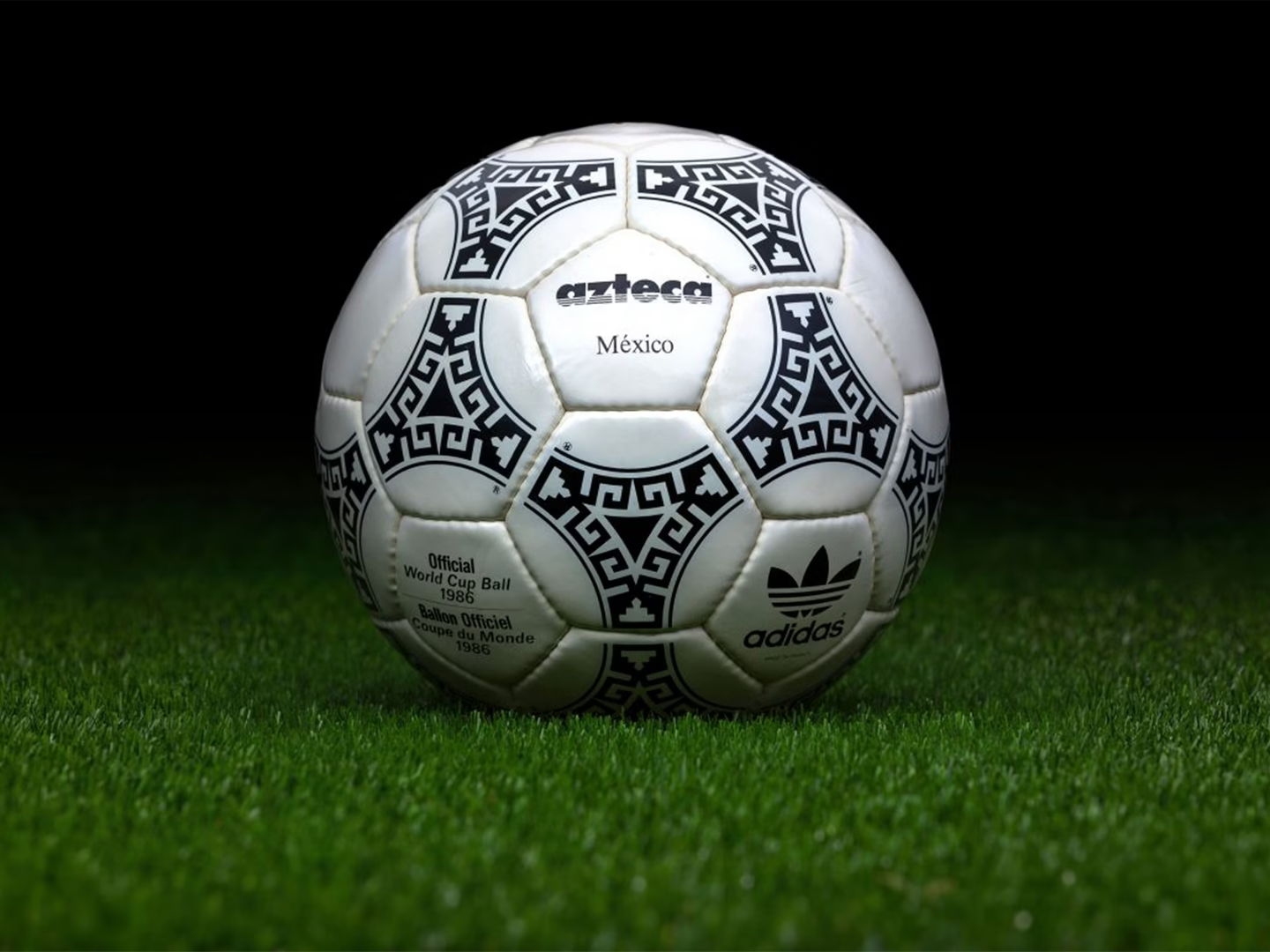
Azteca marked a clear material shift as the first fully synthetic World Cup match ball. The change was meant to improve durability, shape retention, and performance in wet conditions, moving the ball away from the limitations of leather. Its graphics kept the Tango structure but filled the black forms with patterns inspired by Aztec architecture and visual culture, connecting the ball directly to Mexico as host nation. The 1986 tournament is closely tied to Diego Maradona, especially the quarter-final against England at the Estadio Azteca, where both the “Hand of God” and the later solo goal became part of the ball’s wider memory.
4. Etrusco Unico, 1990
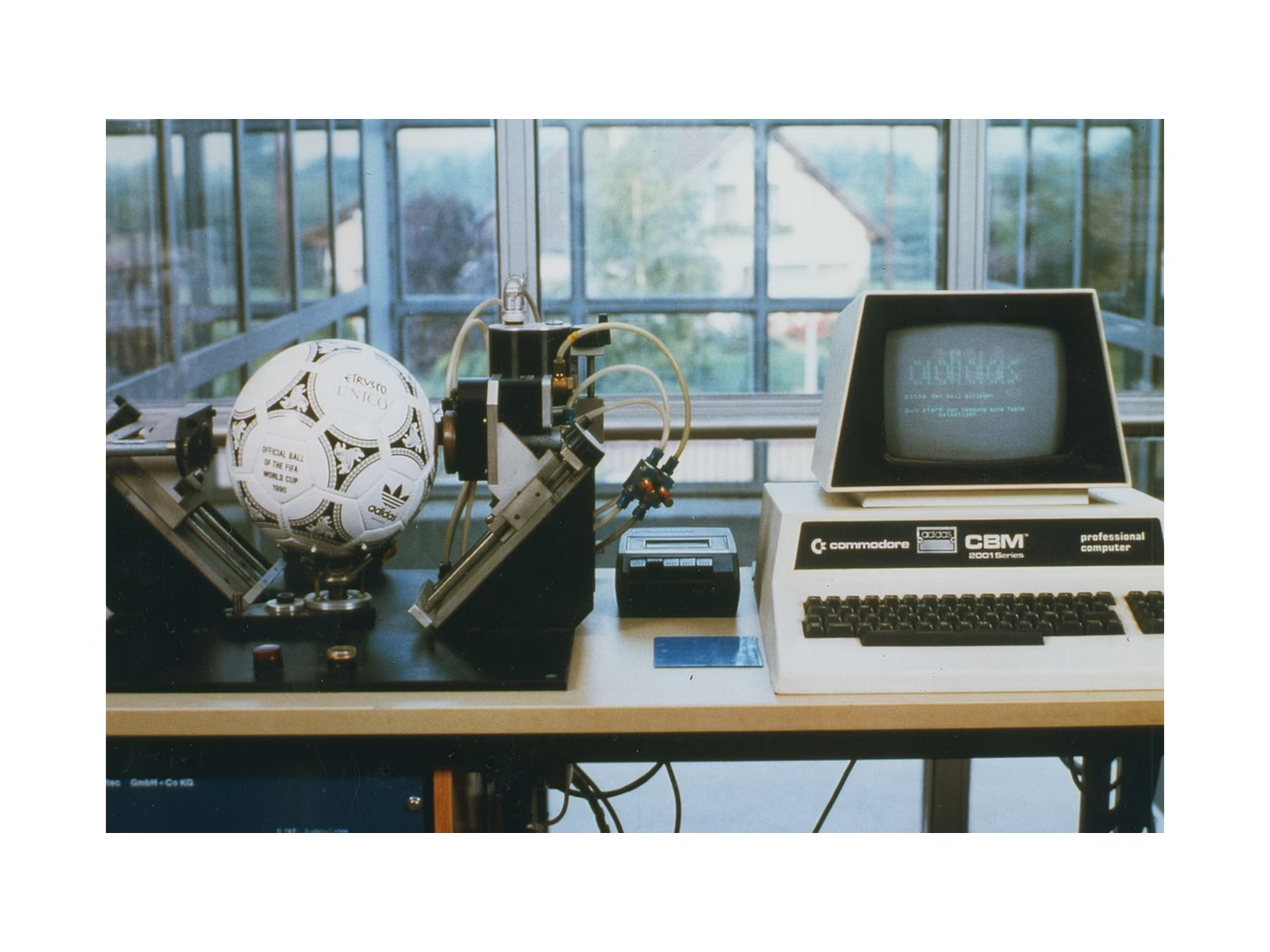
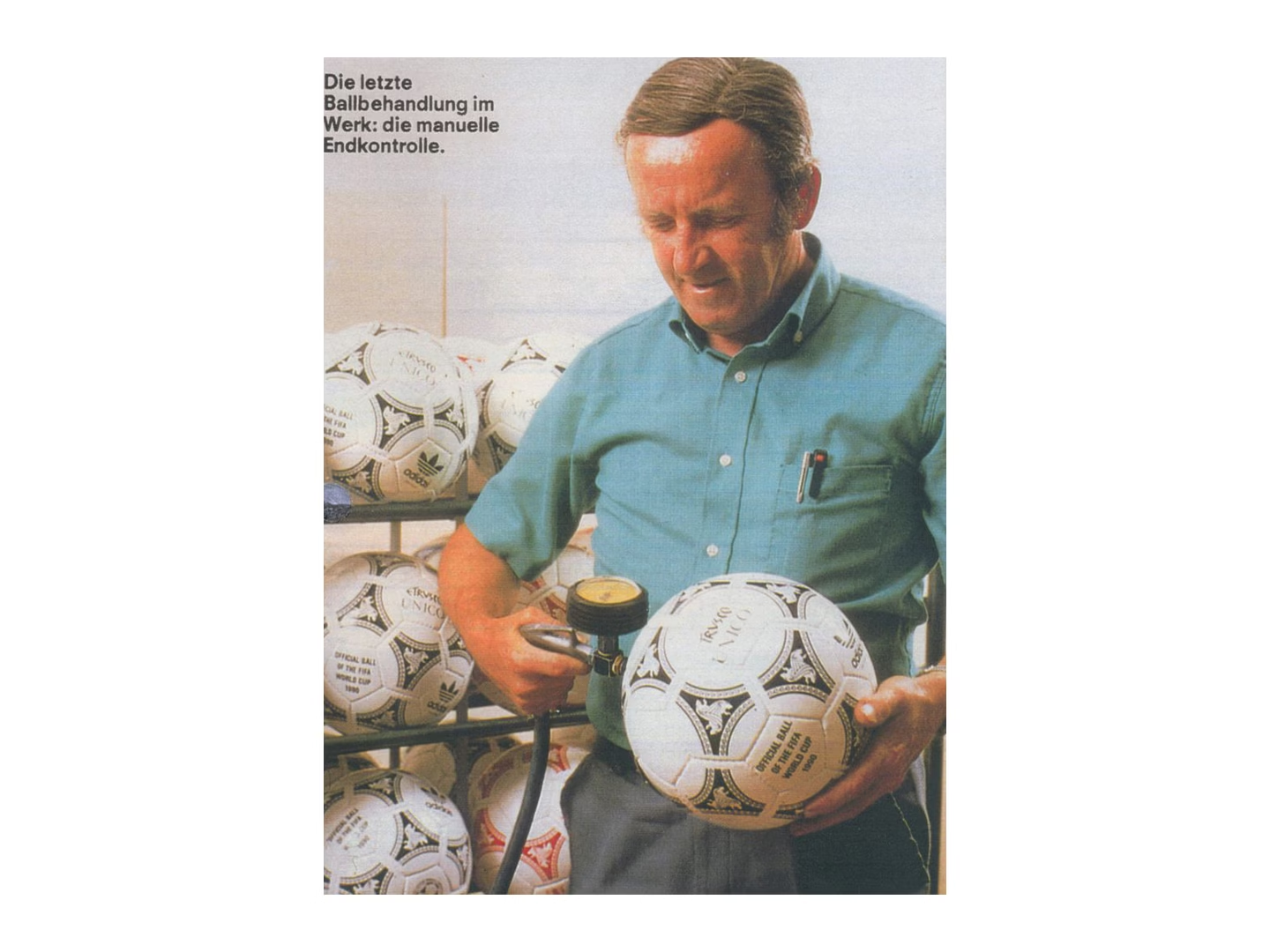
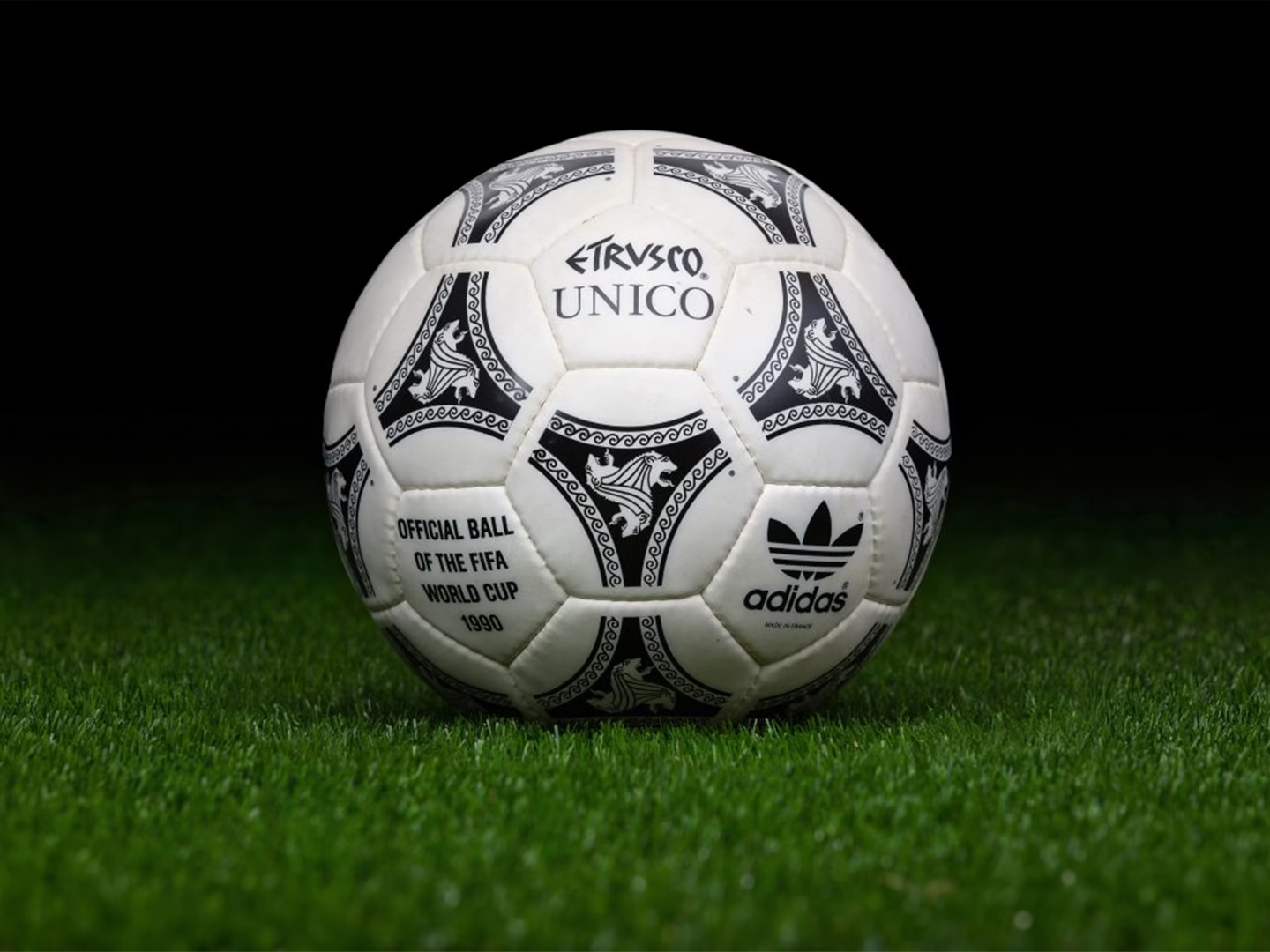
Etrusco Unico used the Tango framework again, but its surface drew from ancient Etruscan references, including small lion-head motifs inside the black triads. The result was still monochrome, though more ornamental than the earlier Tango designs. Technically, the ball introduced an internal foam layer that improved rebound and helped reduce water absorption. It was also connected to a wider product launch, with adidas extending the World Cup ball identity into footwear and apparel. Italia 90 was a low-scoring tournament shaped by defensive play, penalties, Cameroon’s run, Toto Schillaci’s goals, and West Germany’s final win over Argentina.
5. Questra, 1994
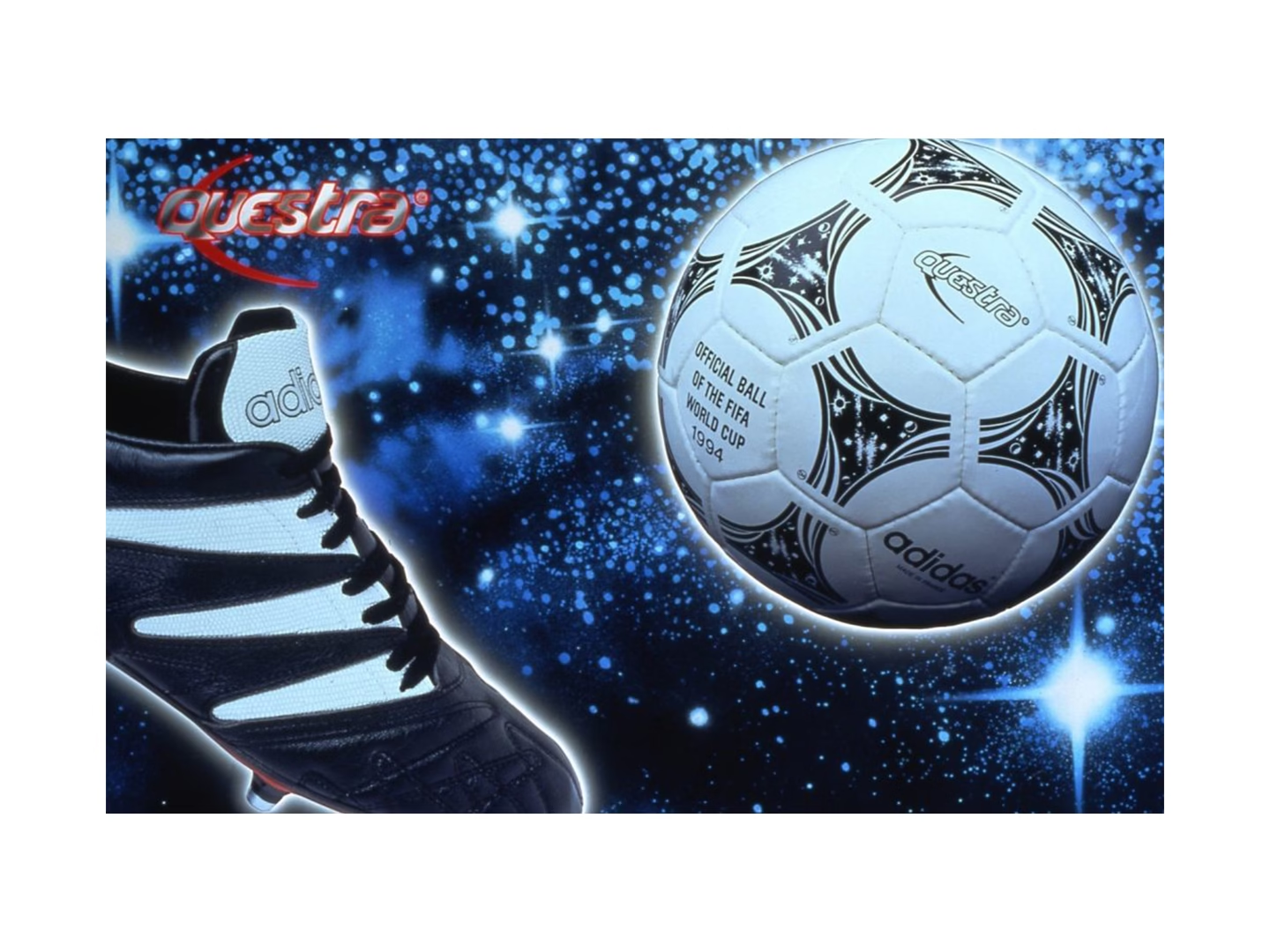
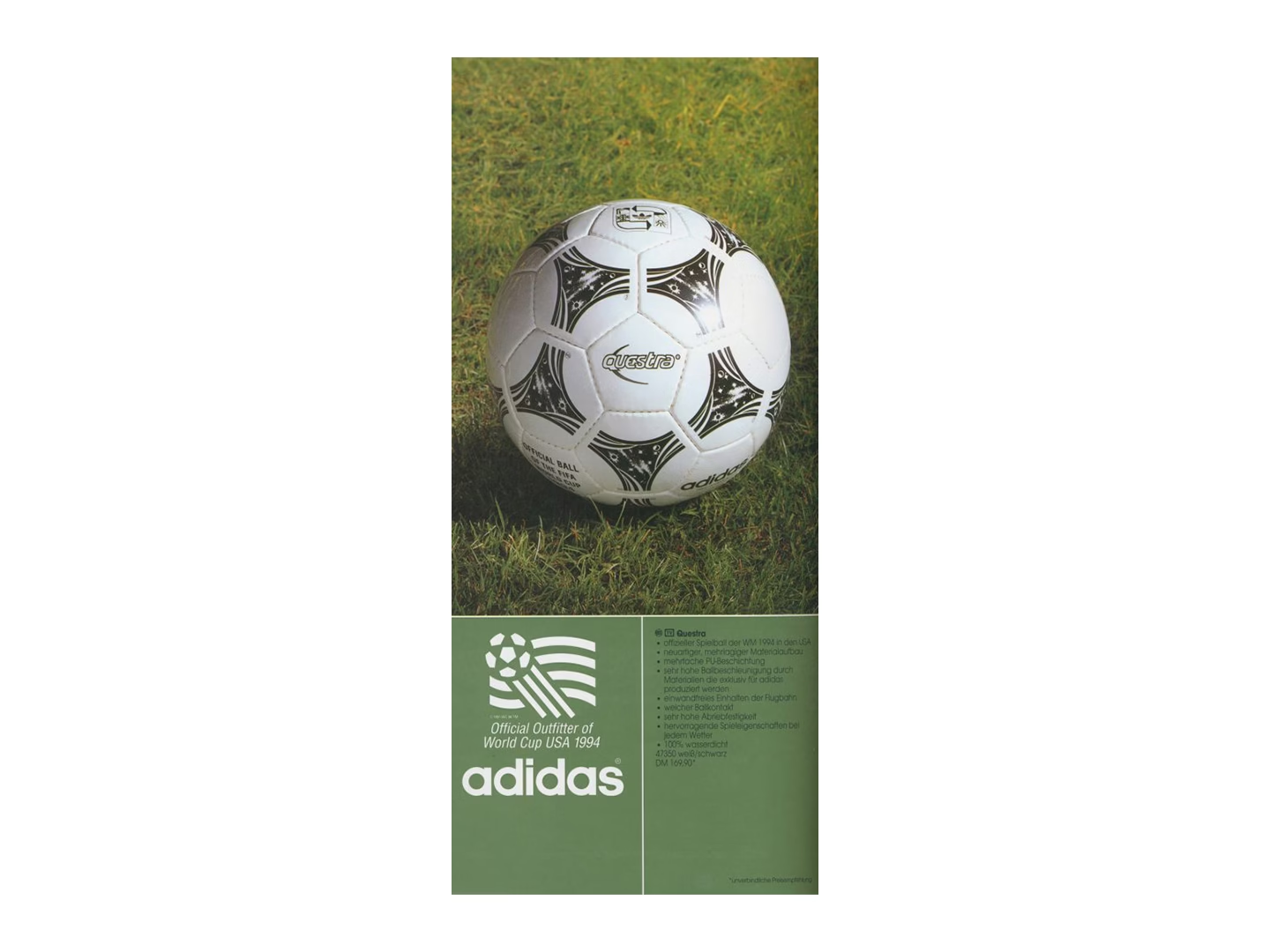
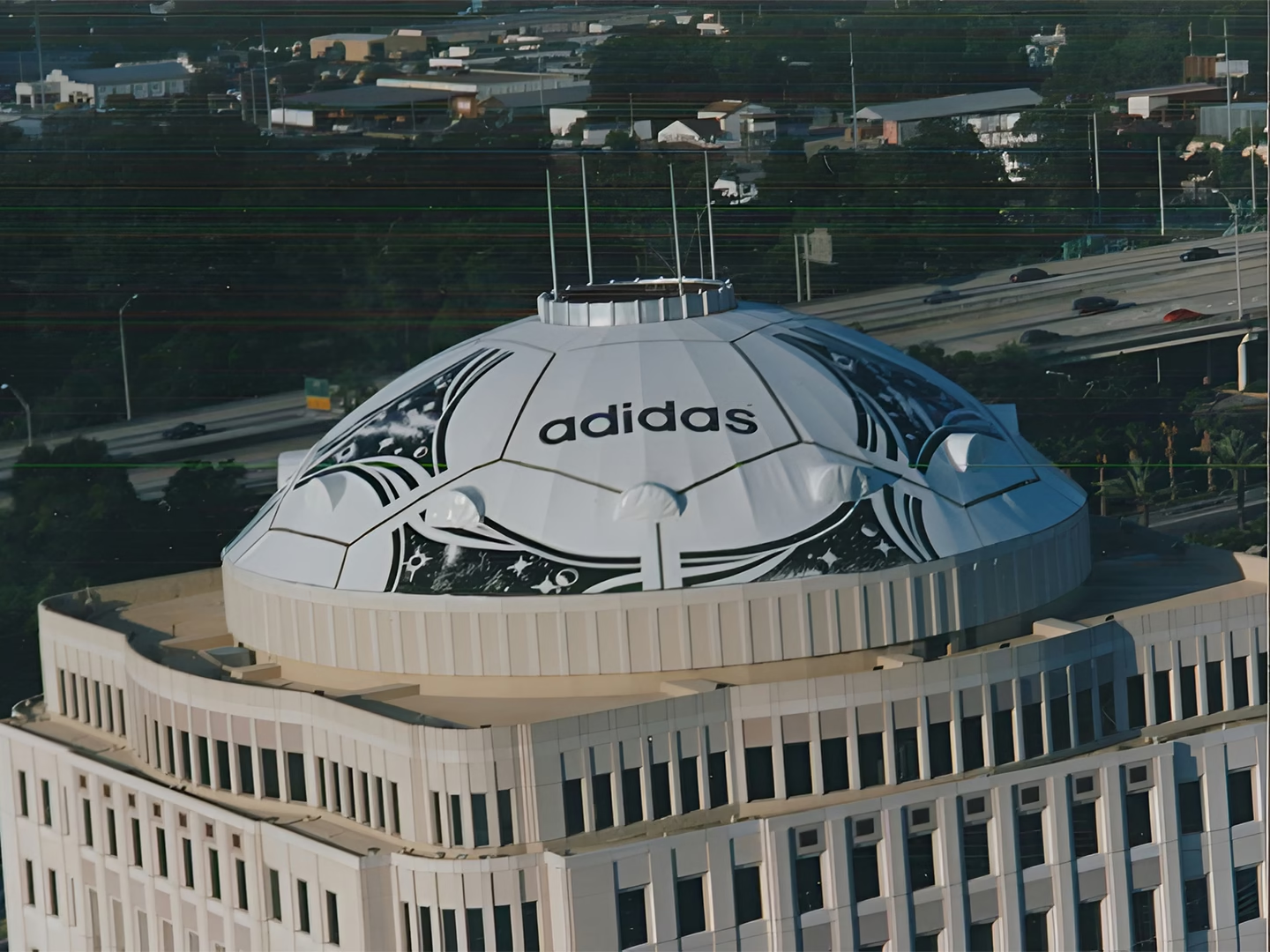
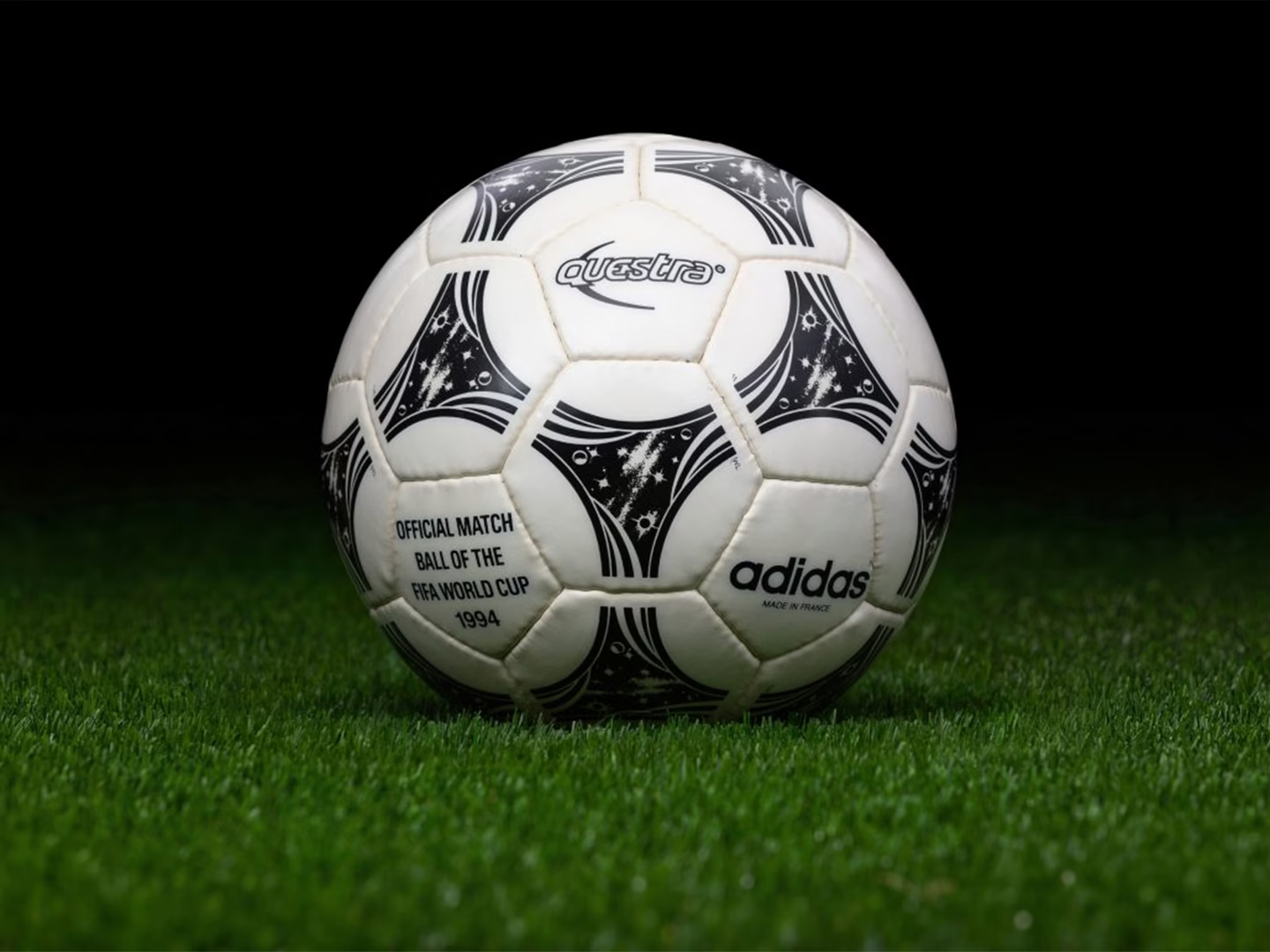
Questra carried the monochrome World Cup ball into a more visibly 1990s direction. Designed for the 1994 tournament in the United States, its graphics referenced space exploration and the 25th anniversary of the Moon landing, with stars and orbital forms worked into the familiar Tango-based layout. Its synthetic construction and foam layer gave it a softer touch and quicker response, though some goalkeepers found its movement difficult to read. USA 1994 was staged in large American stadiums and ended with Brazil beating Italy in the first World Cup final decided by penalties. In design terms, Questra sits near the end of the black-and-white period, just before the Tricolore introduced a more direct use of color in 1998.