Oakley began in 1975 with Jim Jannard selling motocross parts before moving into grips, goggles, and eventually sunglasses. That early connection to sport and equipment shaped the brand’s eyewear language. Instead of treating sunglasses as a fashion accessory first, Oakley often treated them like protective tools, optical systems, or wearable machines. Its strangest frames usually came from that logic. Some were made to reduce bounce, some to wrap the face, some to test metal construction, and some to push eyewear into the territory of costume, sculpture, or body gear.
1. Mars X-Metal Leather
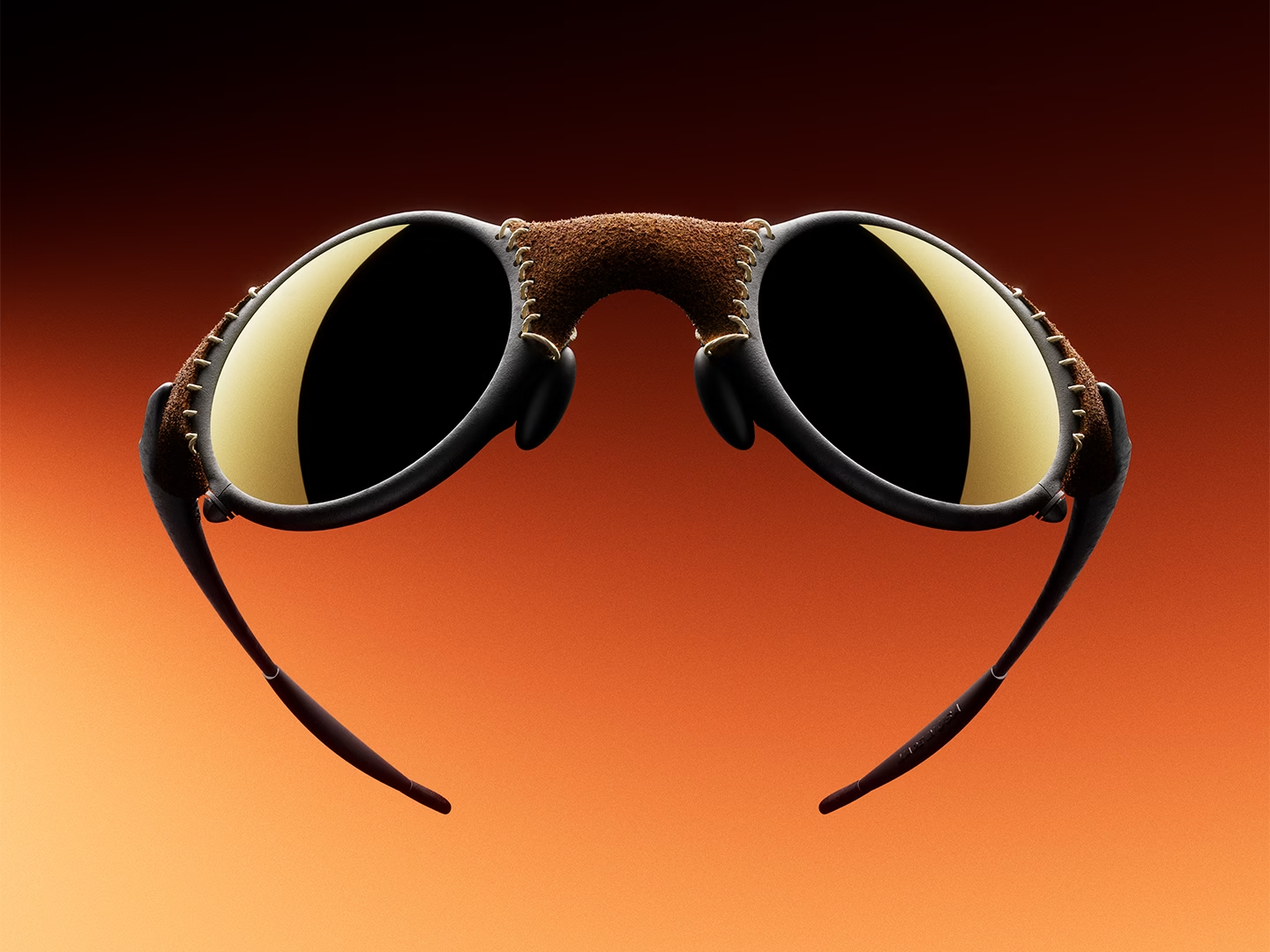
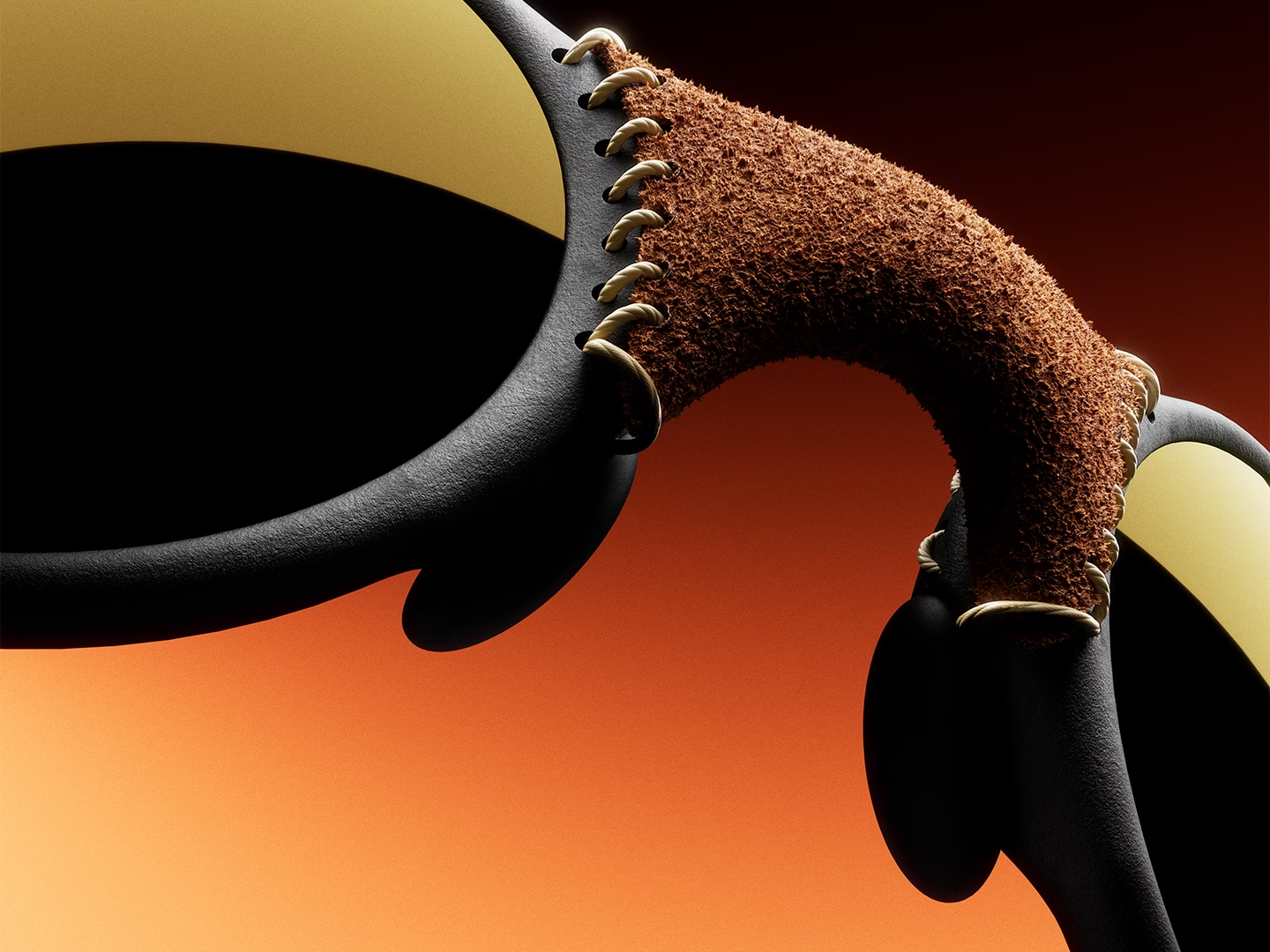
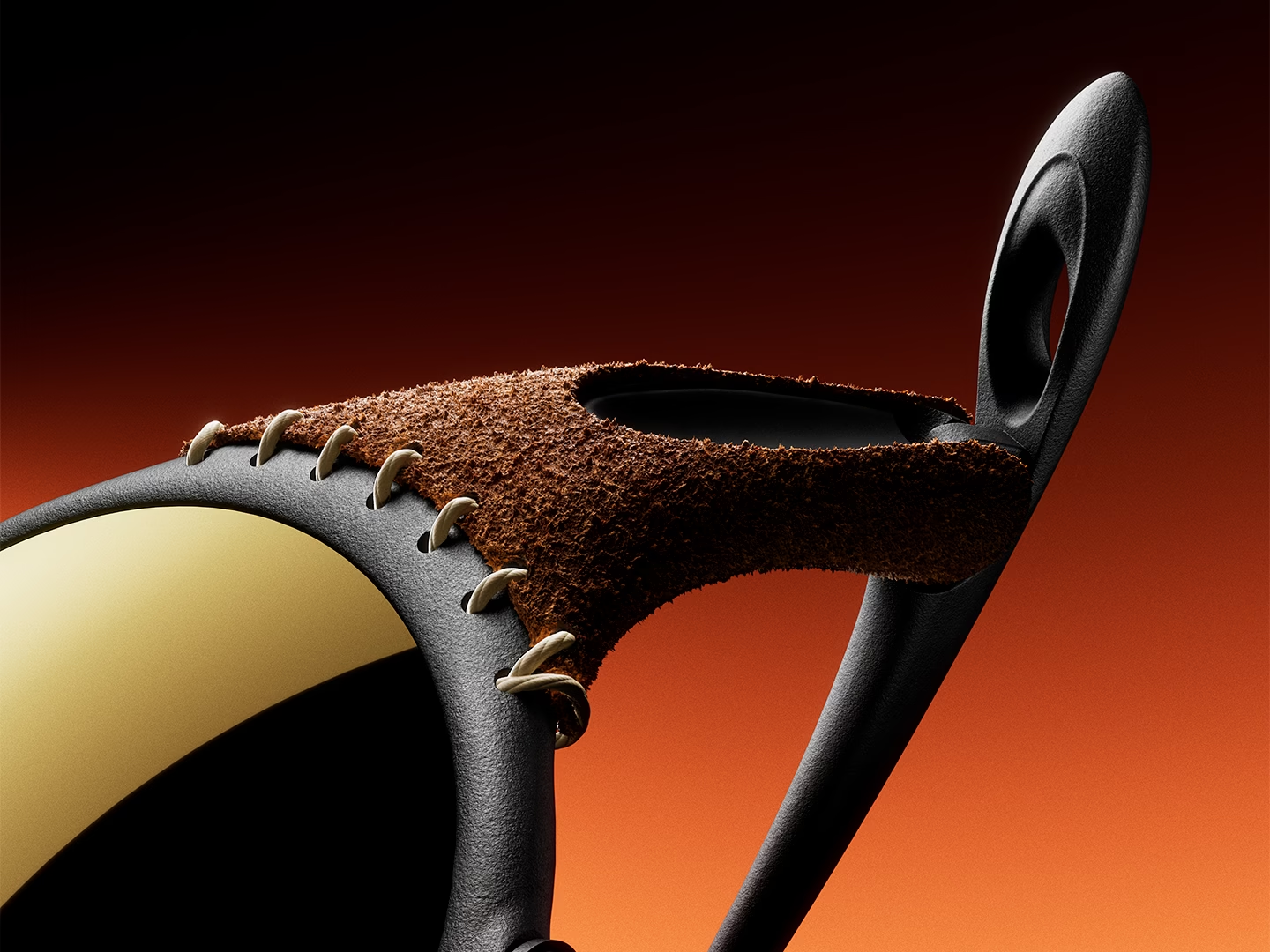
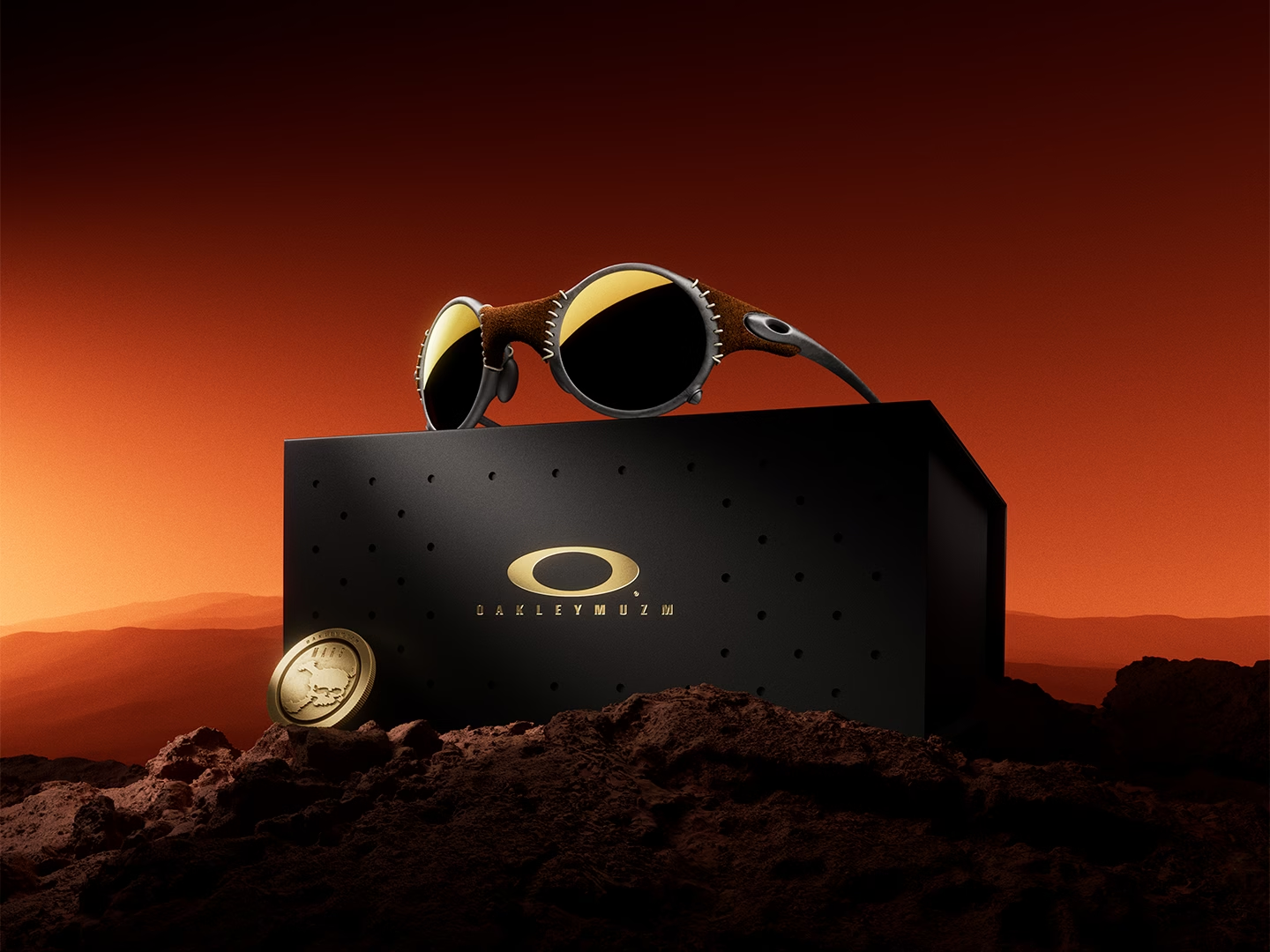
Originally released in 1998, Mars X-Metal Leather shows Oakley’s industrial side at one of its clearest points. The frame used a round lens shape, sculptural X-Metal construction, and leather detailing to create an object that felt both ancient and futuristic. Oakley has described the original Mars as a technically demanding design, produced through a complex machining process with extremely tight tolerances. When the model returned through the MUZM line in 2023, Oakley used direct metal laser sintering and hand-stitched suede leather, connecting the old X-Metal language to newer manufacturing methods.


2. OverTheTop
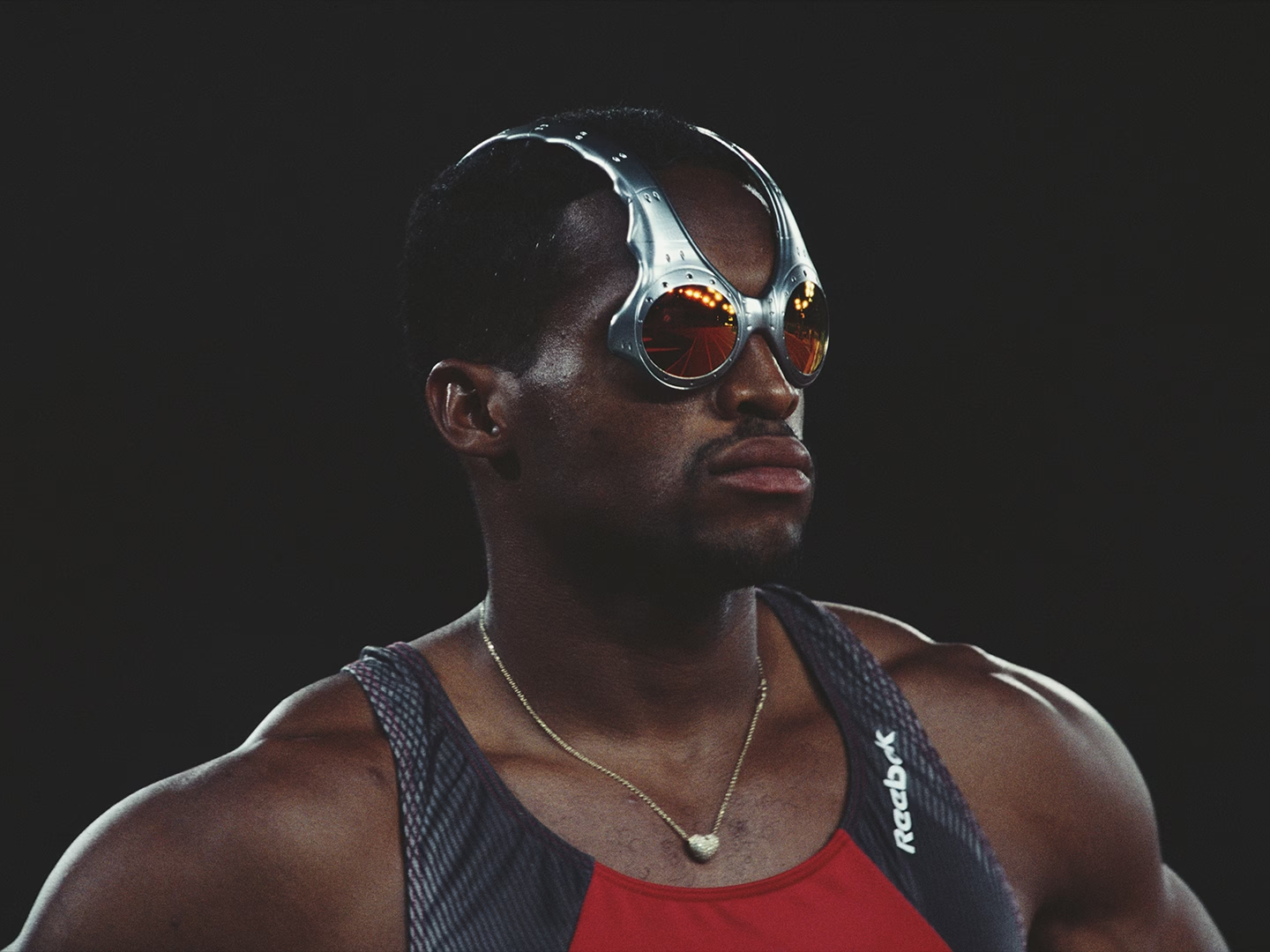
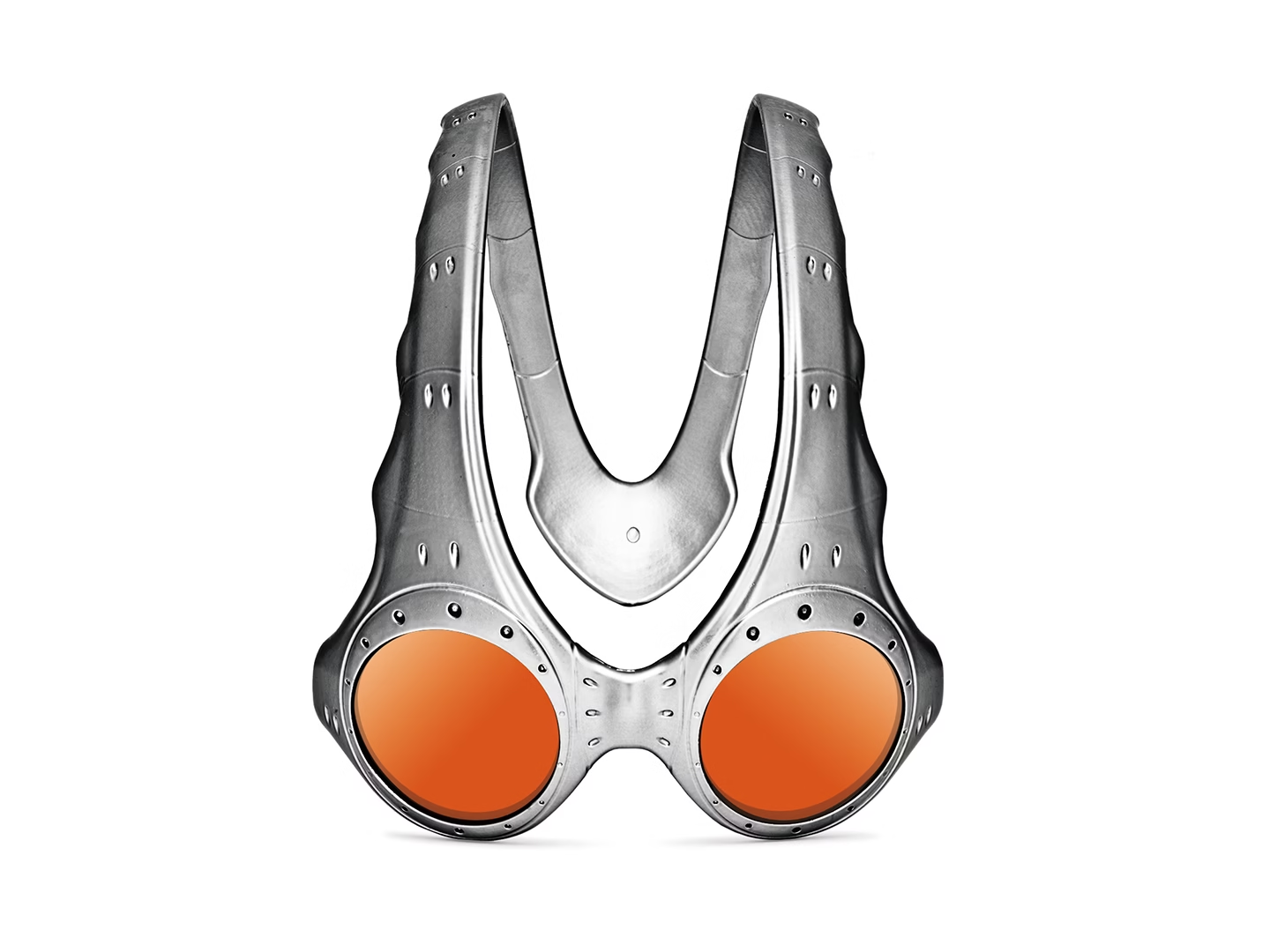
OverTheTop is one of Oakley’s examples of function turning into an unusual form. Instead of using standard temples that rest on the ears, the frame wraps over the top of the head. Oakley later explained that the design was created to reduce pressure points and keep eyewear from bouncing on a runner’s face. The shape became widely recognized after sprinter Ato Boldon wore it at the Sydney 2000 Olympic Games. It looked less like normal sports eyewear and more like a prototype that had escaped onto the track.
3. Thump
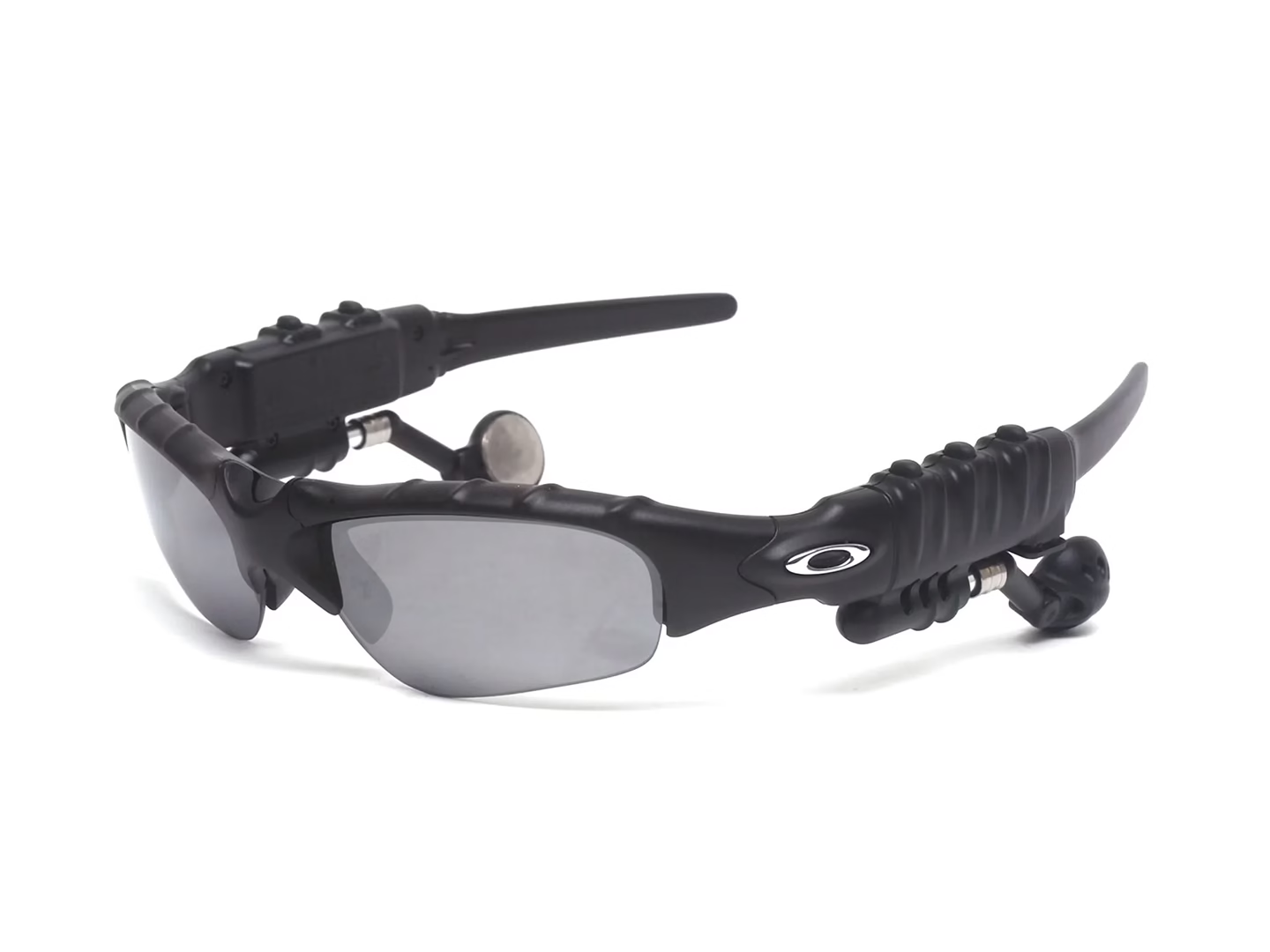
Released in 2004, Thump moved Oakley’s experimentation from shape into electronics. The frame combined sunglasses with a built-in MP3 player, turning eyewear into a self-contained music device. Earlier versions included storage, small control buttons, a rechargeable battery, and earphones built directly into the frame. At the time, portable music was still tied to separate players and wired headphones, so Thump tried to remove the loose pieces and fold them into one object. It now feels dated, but that is part of what makes it interesting. Before smart glasses became a more familiar category, Oakley had already imagined eyewear as a wearable device.


4. Medusa
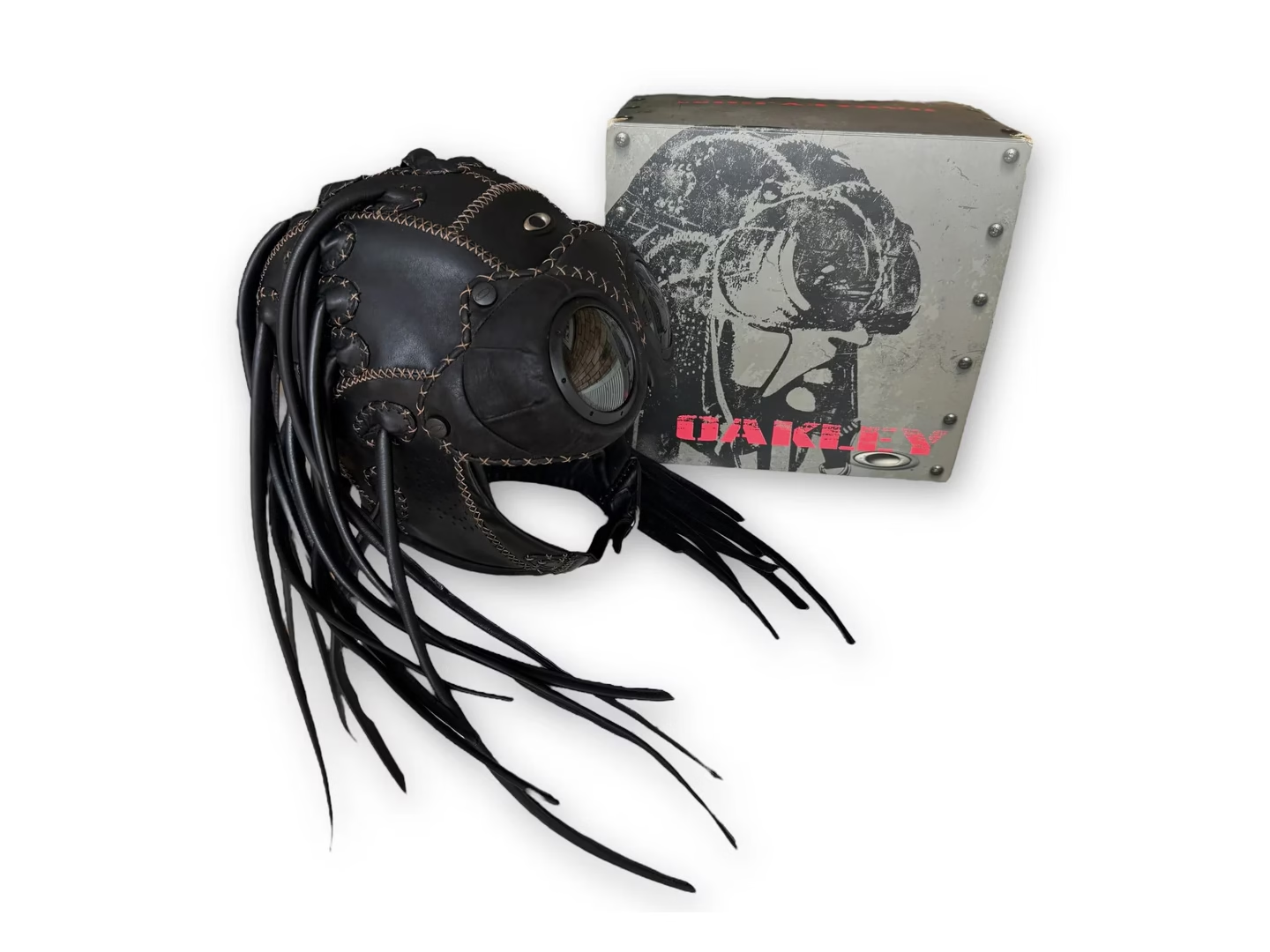
Medusa sits at the outer edge of Oakley’s experimental world. Publicly covered in 2008, it was less a conventional frame than a full headpiece system, pairing goggles with a leather helmet-like form covered in stitched, tube-like strands. The result felt closer to a costume object than a pair of sunglasses. While many Oakley designs exaggerate sport performance into something futuristic, Medusa moved in a more theatrical direction. It turned eyewear into a full visual identity, somewhere between protective gear, fantasy object, and post-apocalyptic accessory.
5. Plantaris
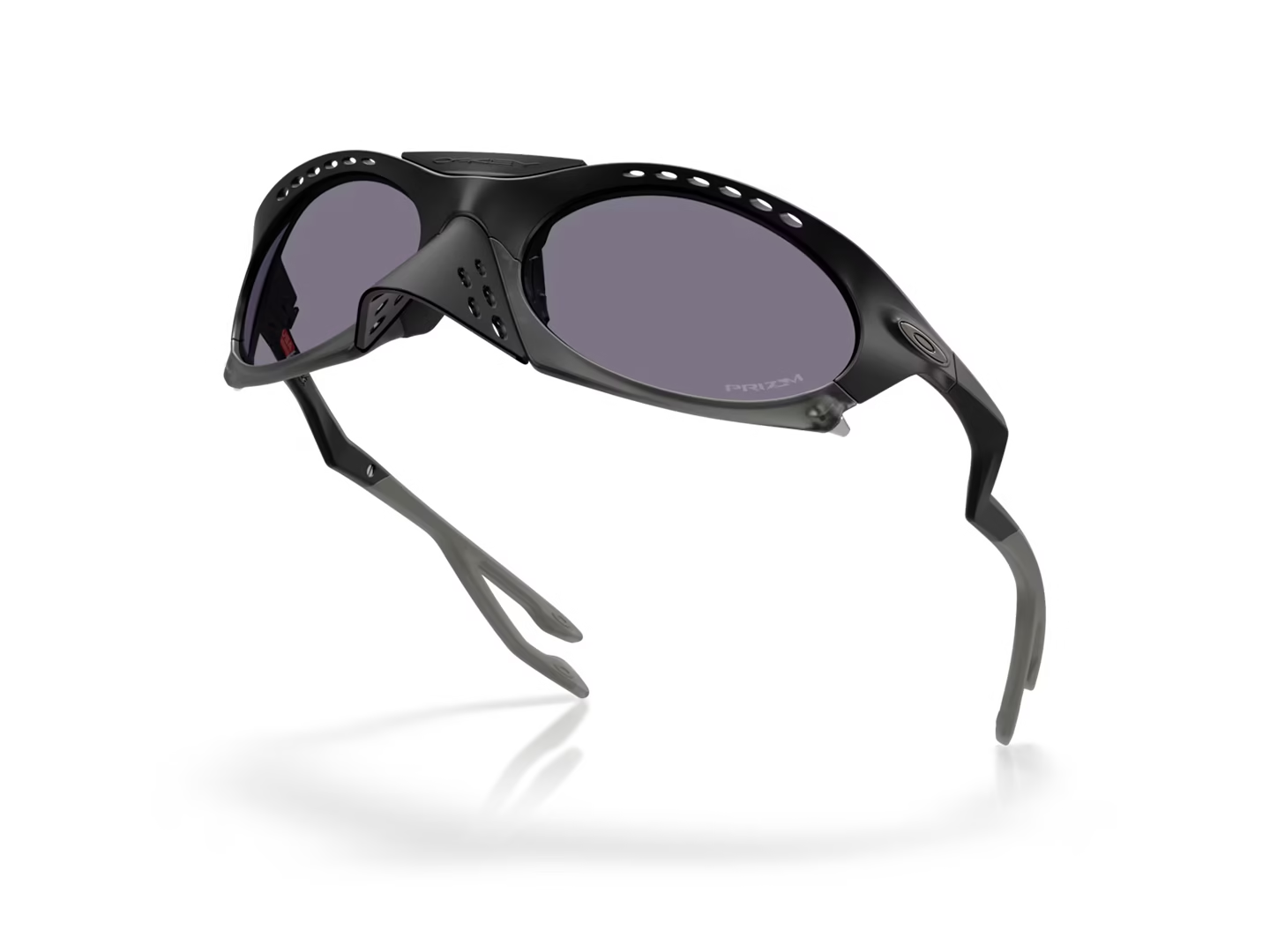
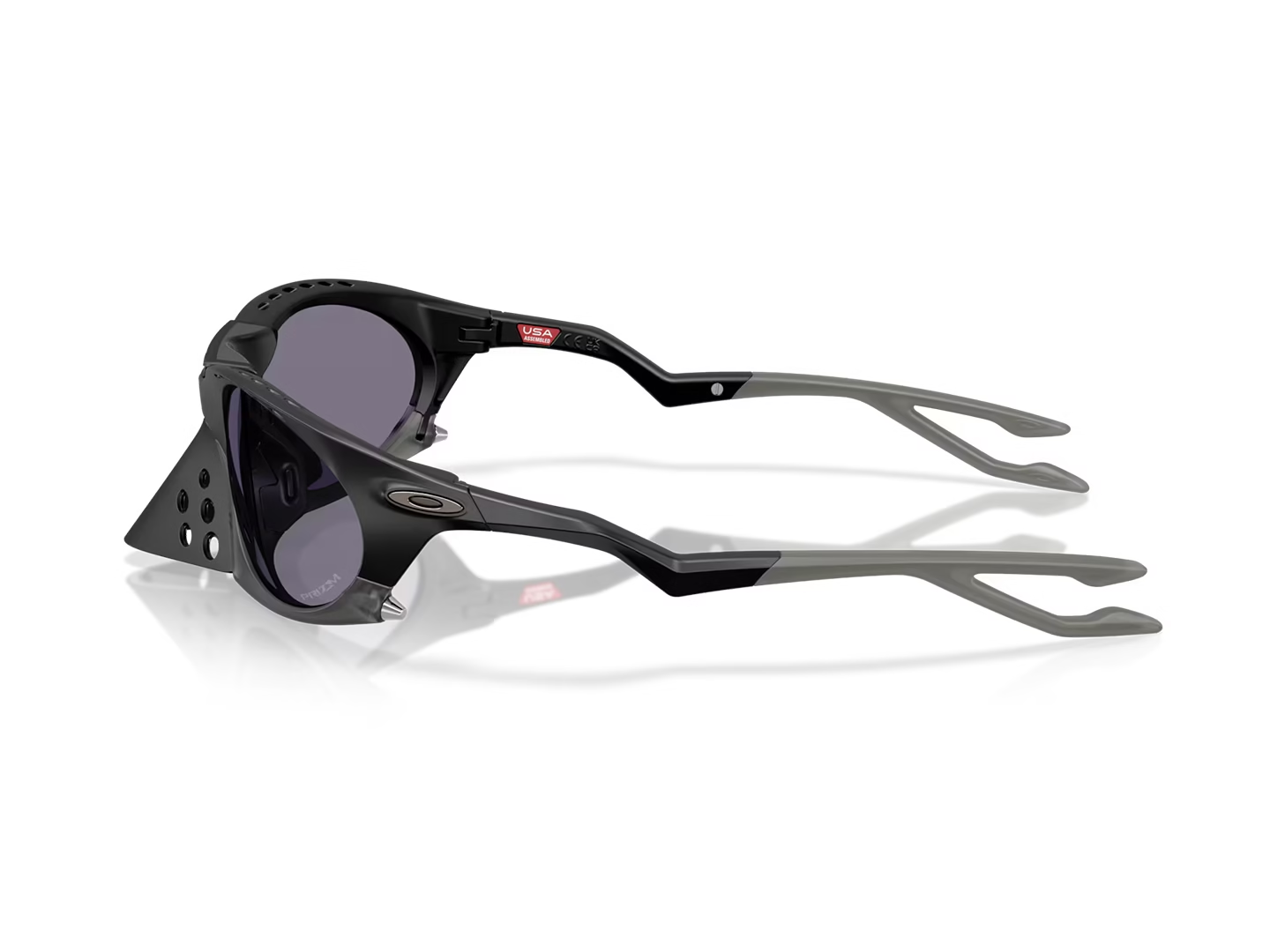
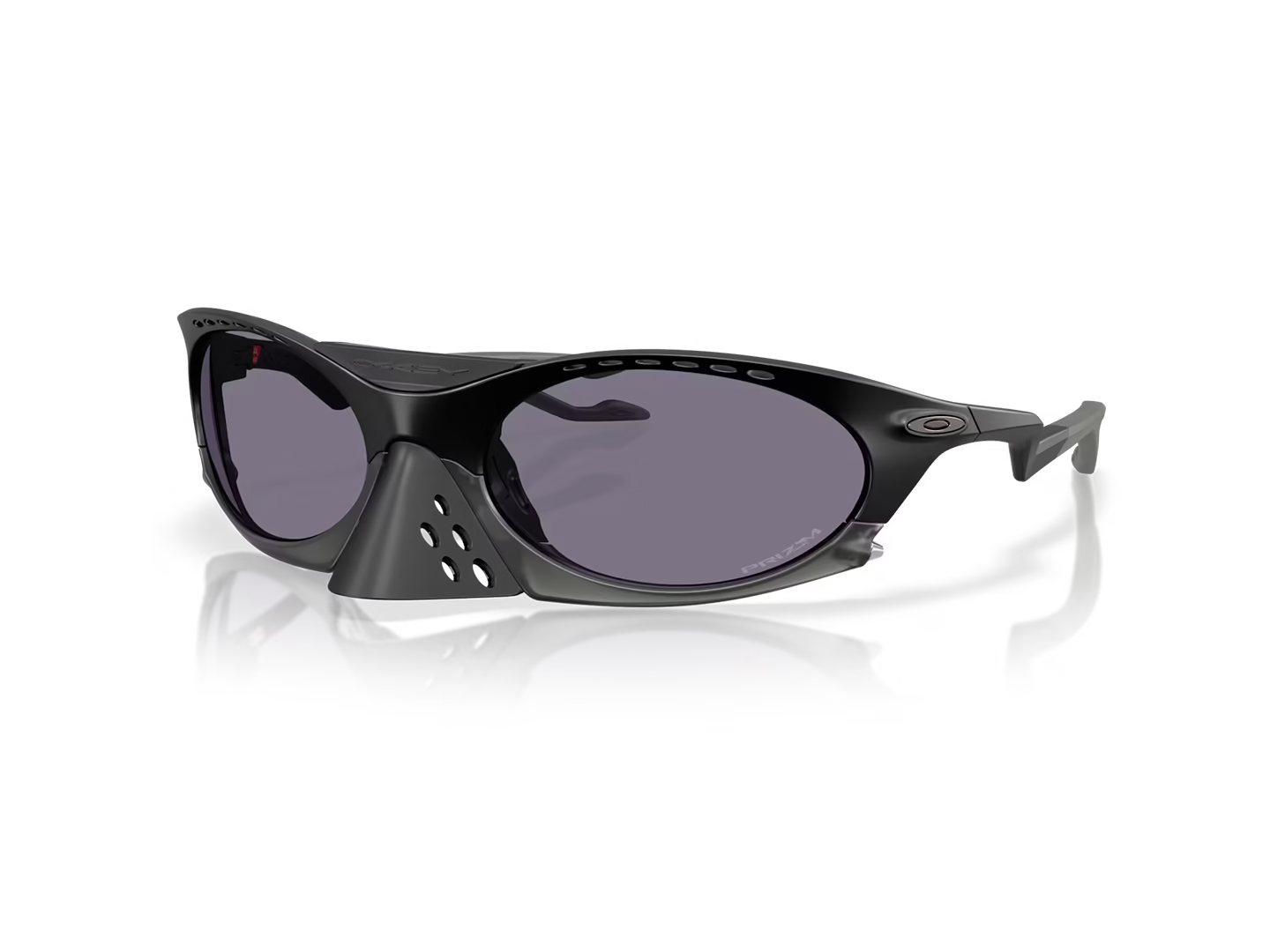
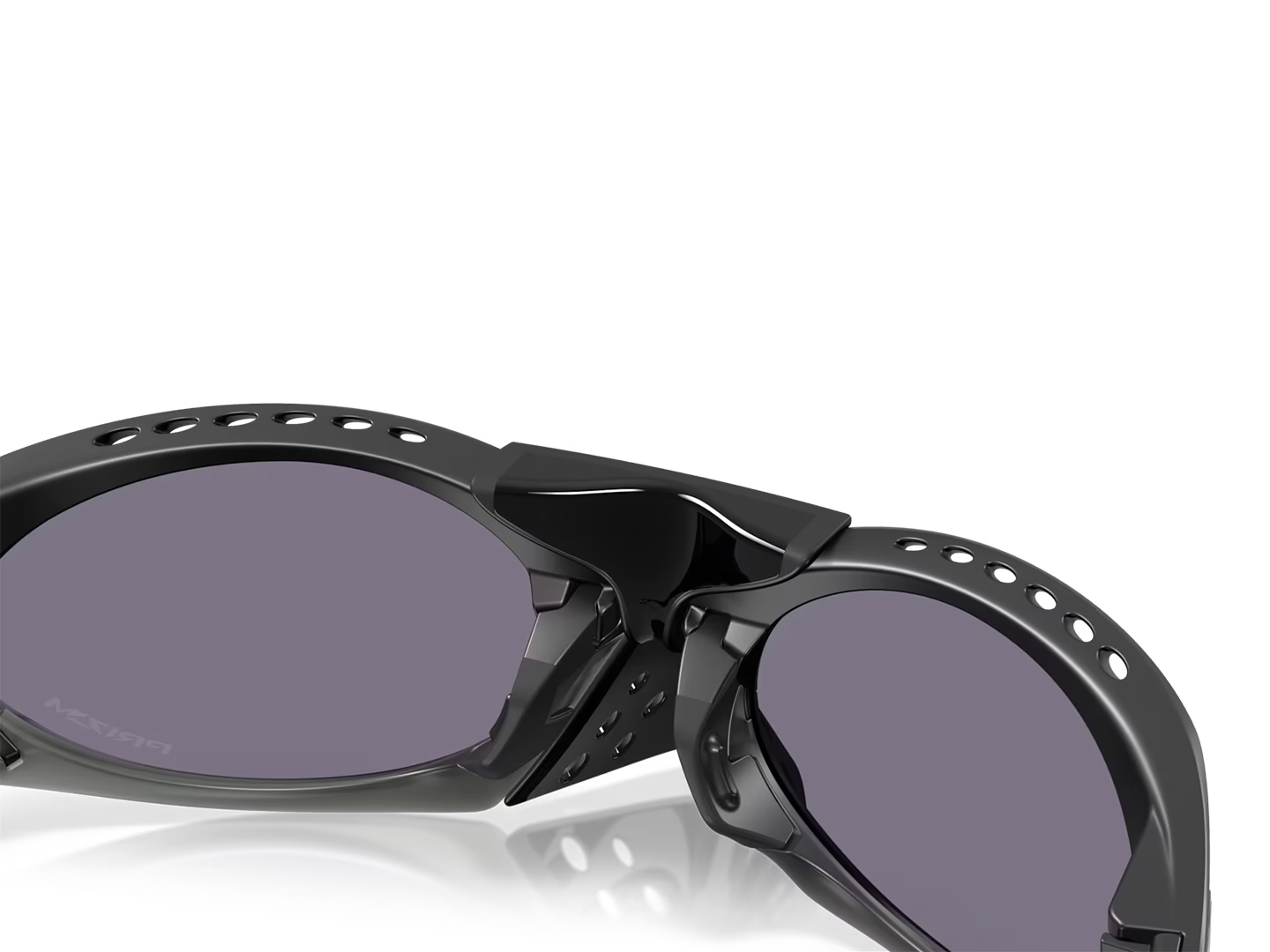
Plantaris brings Oakley’s experimental language into a more organic direction. Instead of the hard cyber-industrial feeling of X-Metal or OverTheTop, it draws from shapes and creatures found in nature. The temples split into frog-inspired feet with clear silicone tips, exposing a vein-like wire core inside the frame. A removable nosecone changes the look, while Switchlock technology allows the lenses to be swapped. Plantaris feels like a newer version of Oakley weirdness, less machine-like and more biomorphic, as if the frame were designed to grip the body like a small creature.