Across Japan, a number of unconventional playgrounds and play environments continue to exist across public parks, museums, and municipal spaces. Created between the late 1960s and the 2000s, these sites often combine sculpture, architecture, landscape design, and physical activity in ways that differ from standardized playground equipment commonly seen today. Some emerged through experimental public park projects, while others were developed by artists and architects exploring how people interact with space through movement. Though many older playground structures have disappeared due to redevelopment and changing safety standards, several notable examples still remain today.

1. Nishi-Rokugo Park
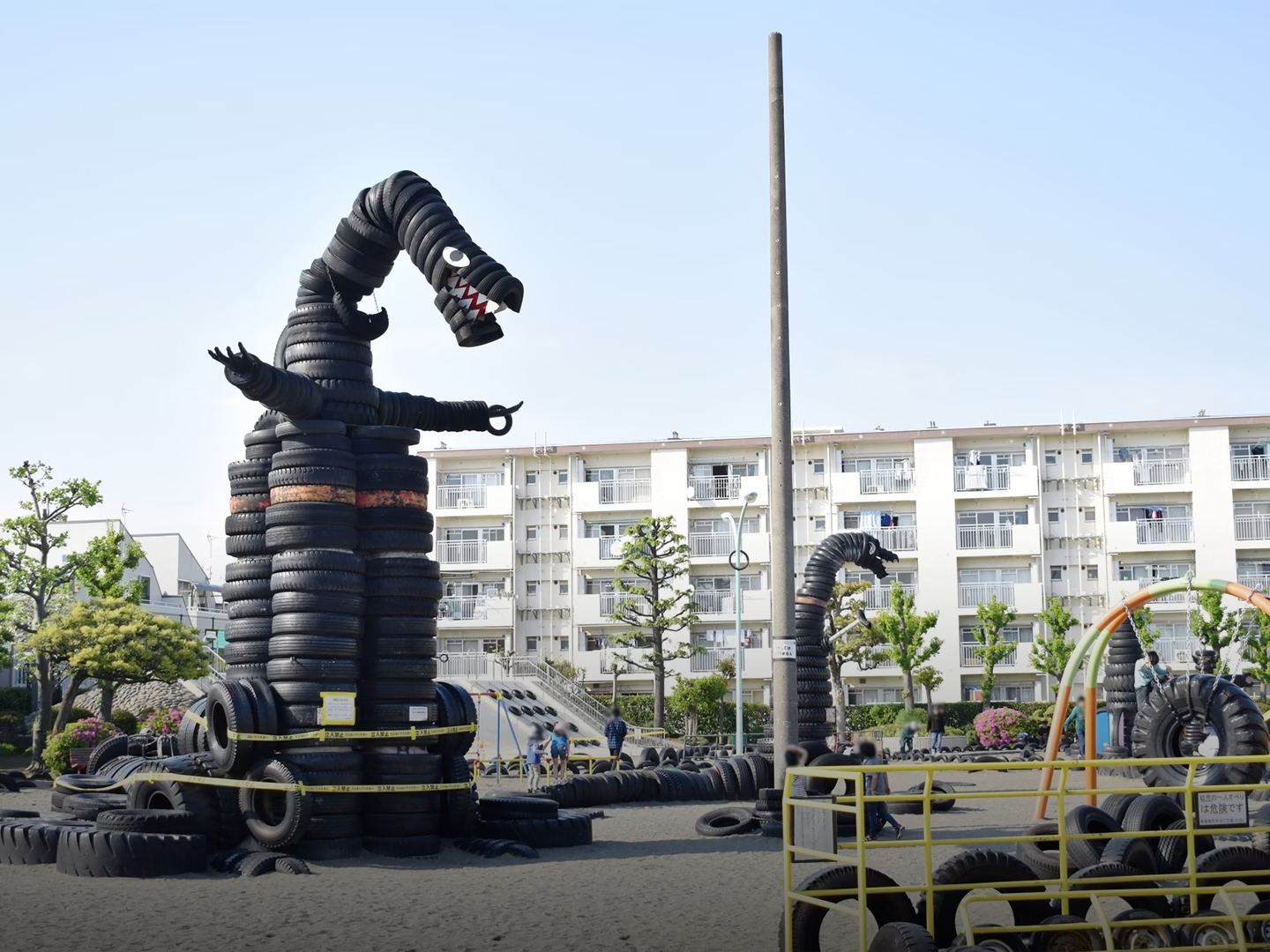
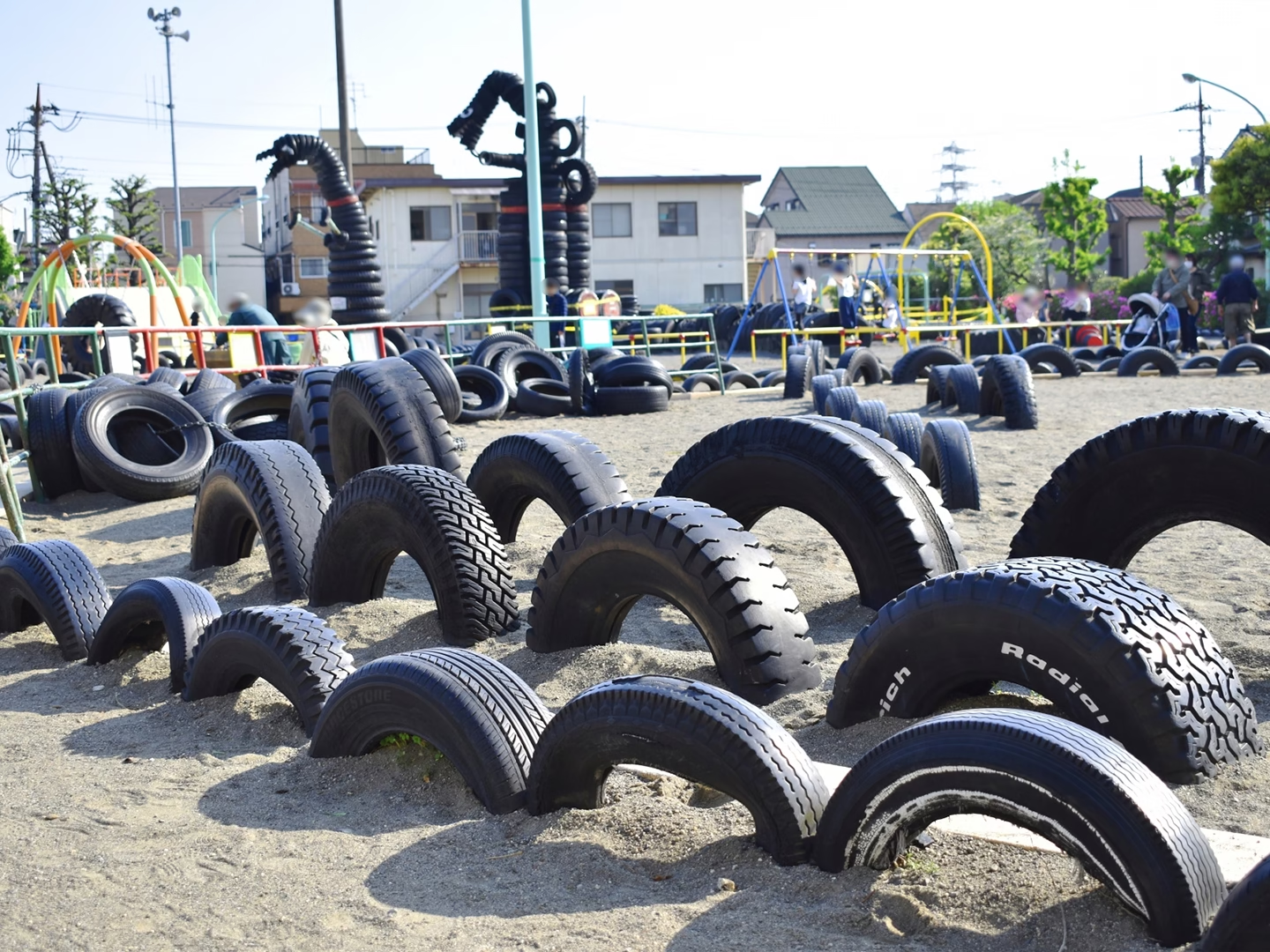
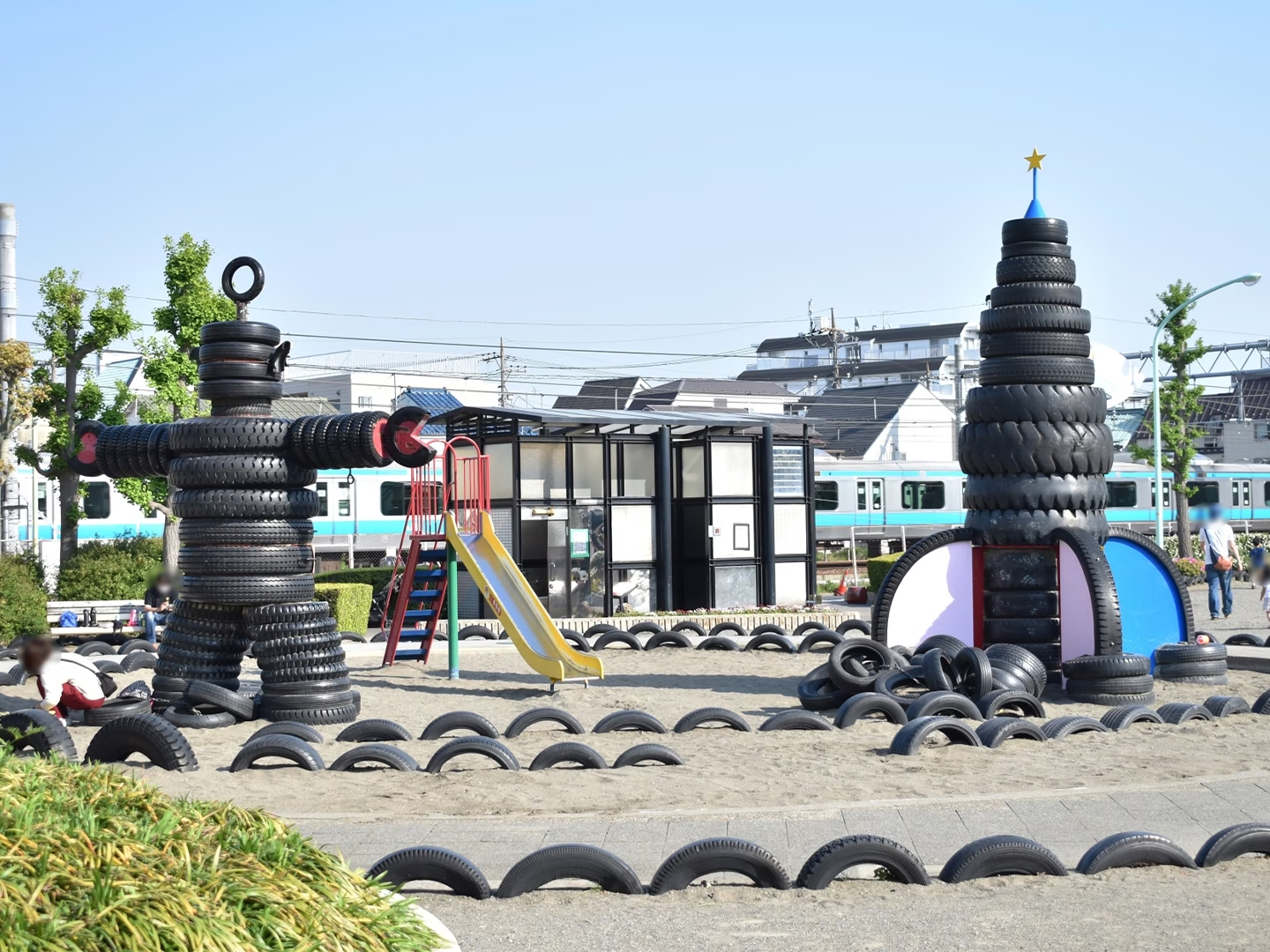
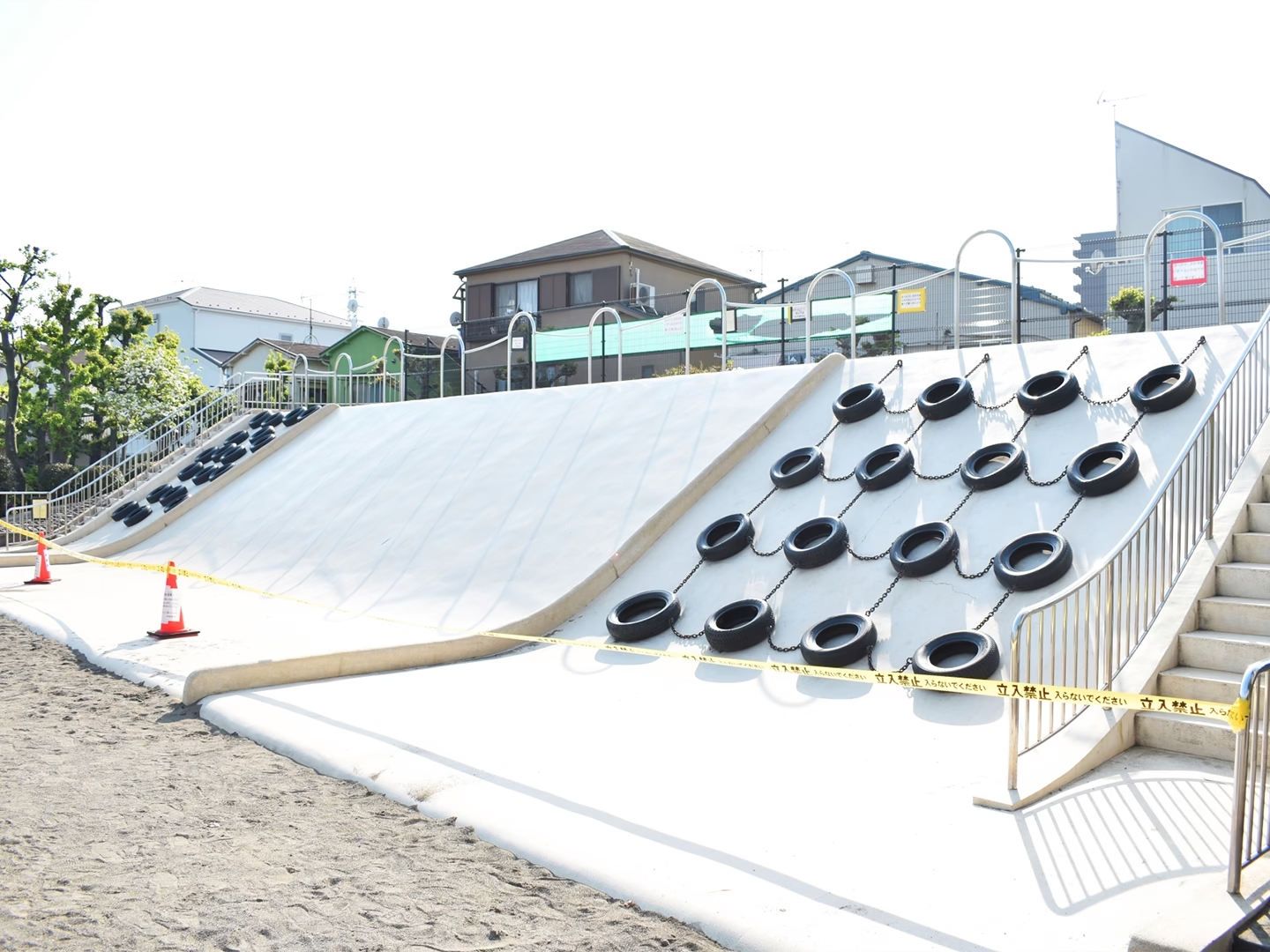
Often referred to as “Tire Park,” Nishi-Rokugo Park in Tokyo’s Ota ward uses recycled tires as the primary material for its playground structures. Opened in 1969, the park contains thousands of reused tires arranged into robots, animal forms, tunnels, swings, and climbing structures. The playground is one of Japan’s best-known examples of large-scale recycled-material play design from the late Showa period. The dense arrangement of black rubber structures gives the park a visual identity distinct from more conventional urban playgrounds.
Address: 1-6-1 Nishirokugo, Ota-ku, Tokyo 144-0056
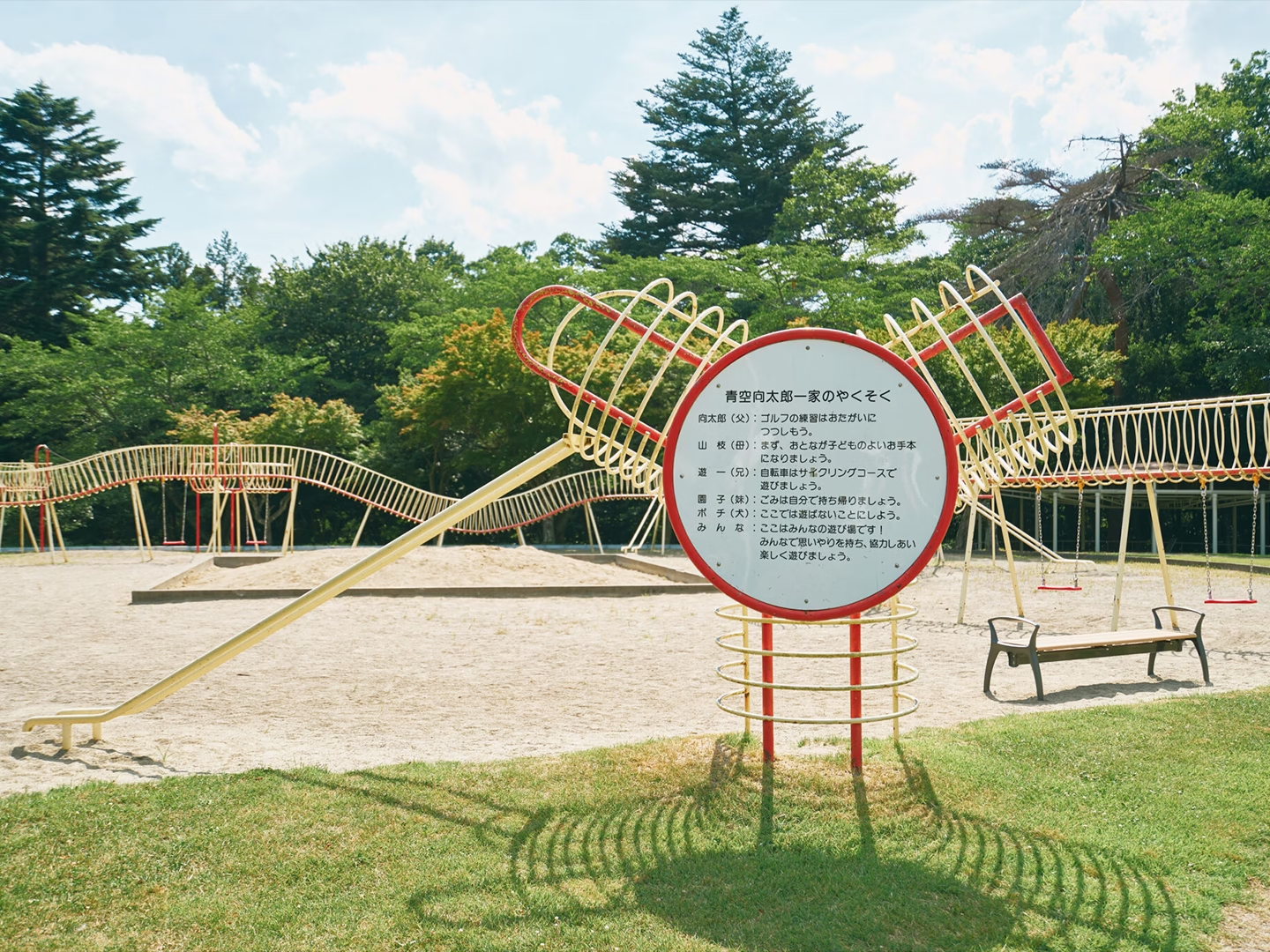
2. Mukaiyama Central Park
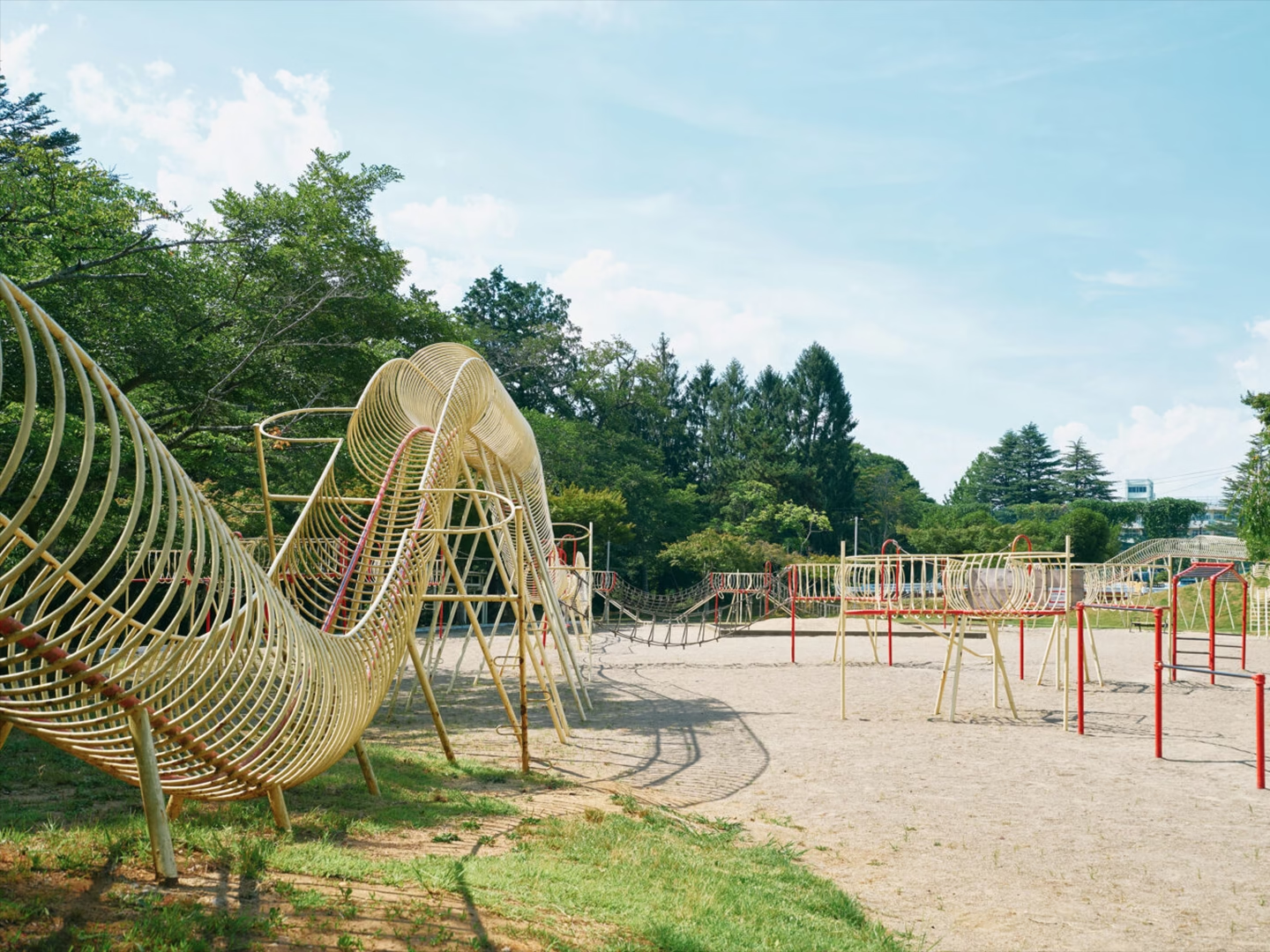
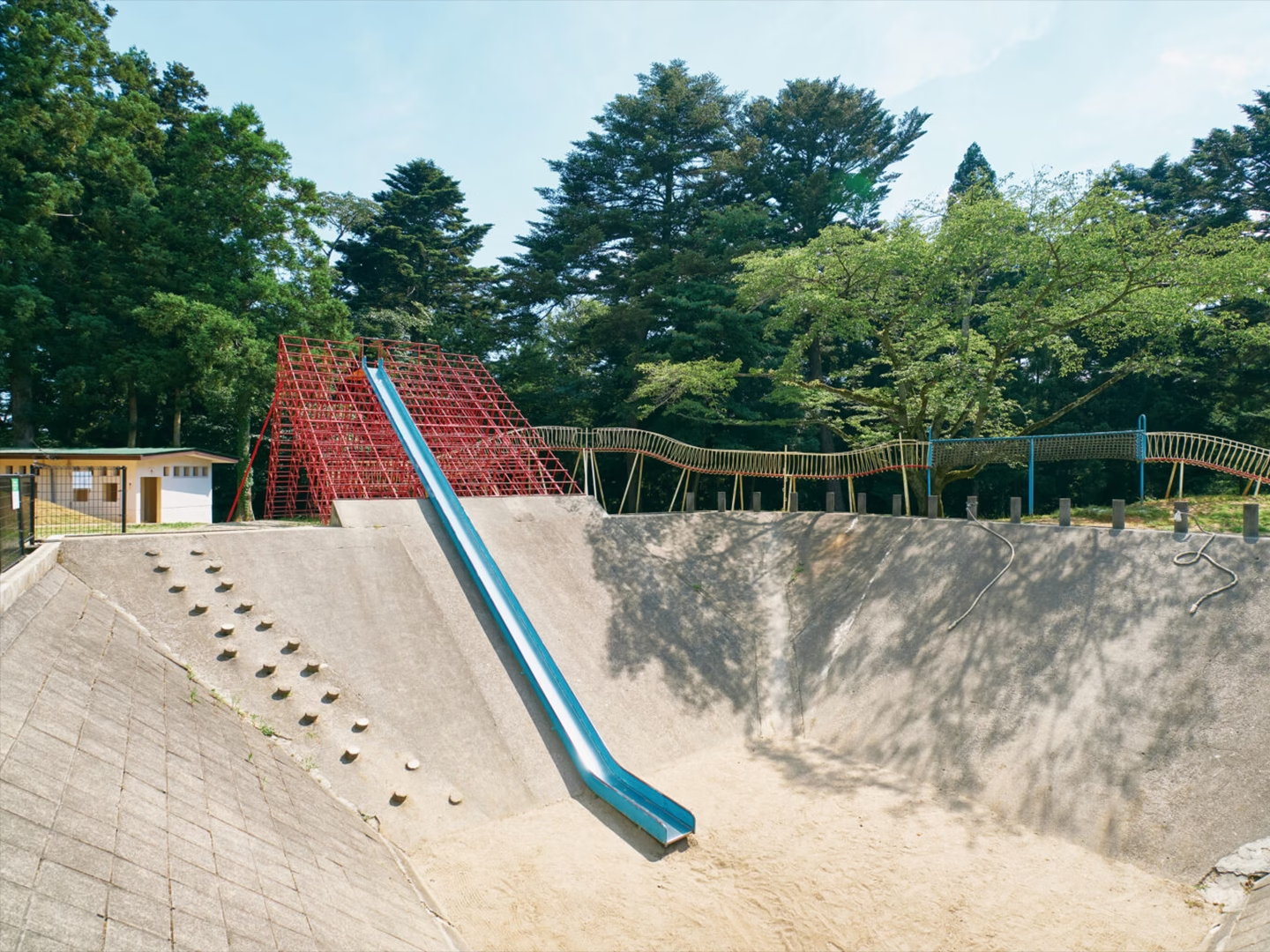
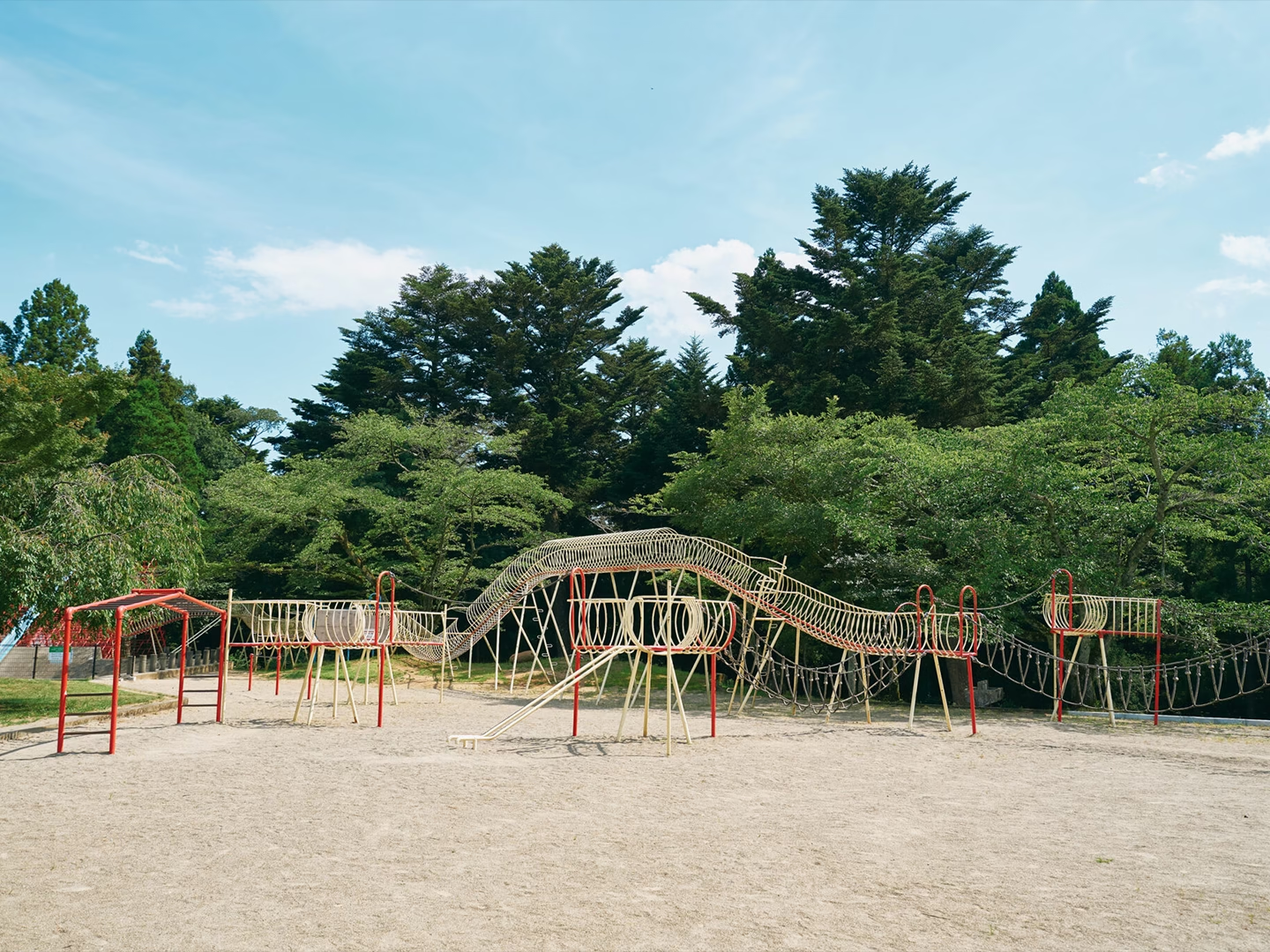
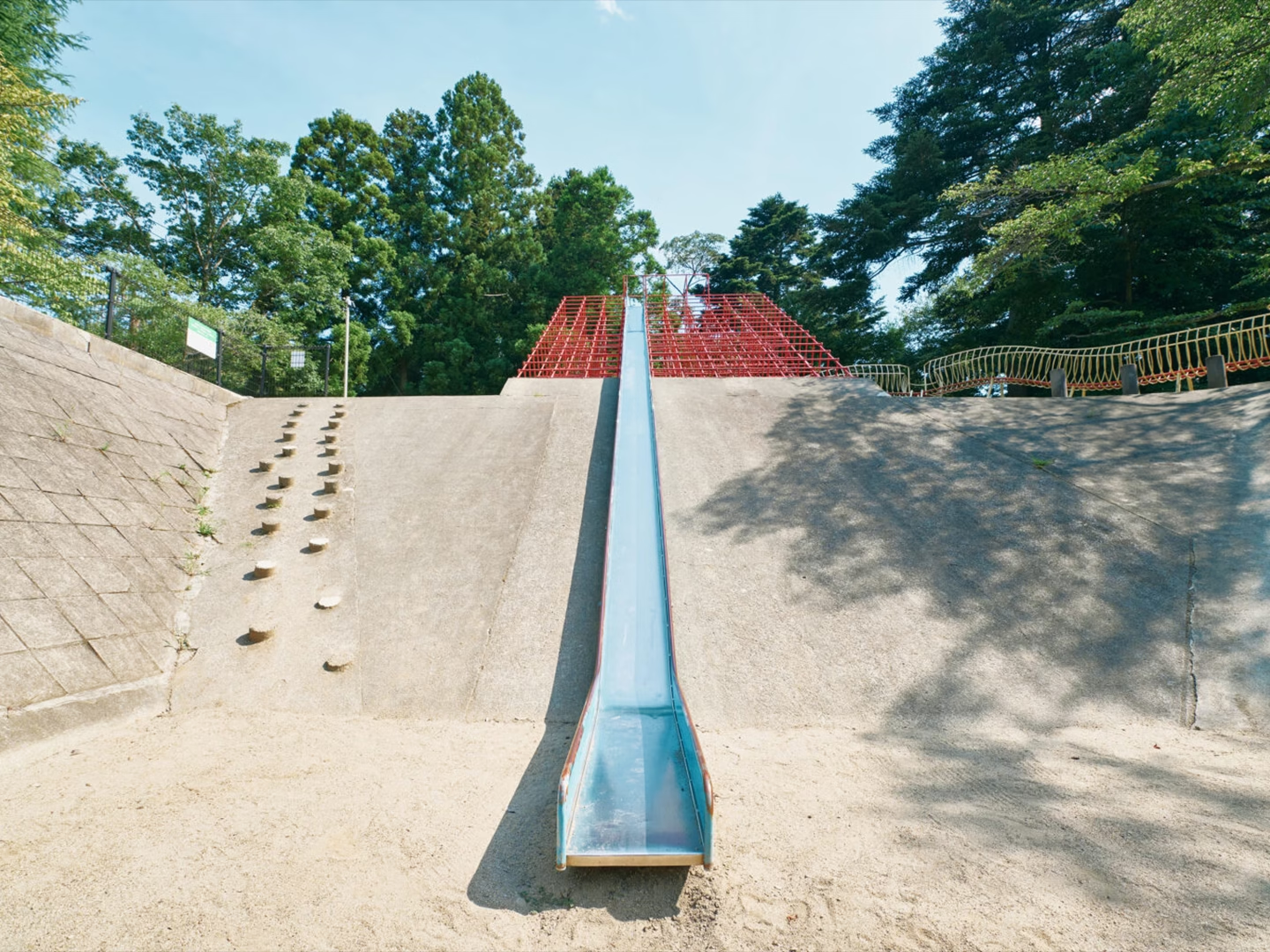
Located in Sendai, Mukaiyama Central Park contains a large circular playground structure designed by Japanese landscape architect Mitsuru Senda. Installed in 1969, the structure follows the slope of the site and combines bridges, elevated walkways, climbing areas, and a long slide into a continuous form. Senda was known for designing playgrounds that encouraged free movement and exploration rather than separating equipment into individual units. The park remains one of the more recognizable surviving examples of his early playground work.
Address: 3-18 Mukaiyama, Taihaku-ku, Sendai, Miyagi 982-0841
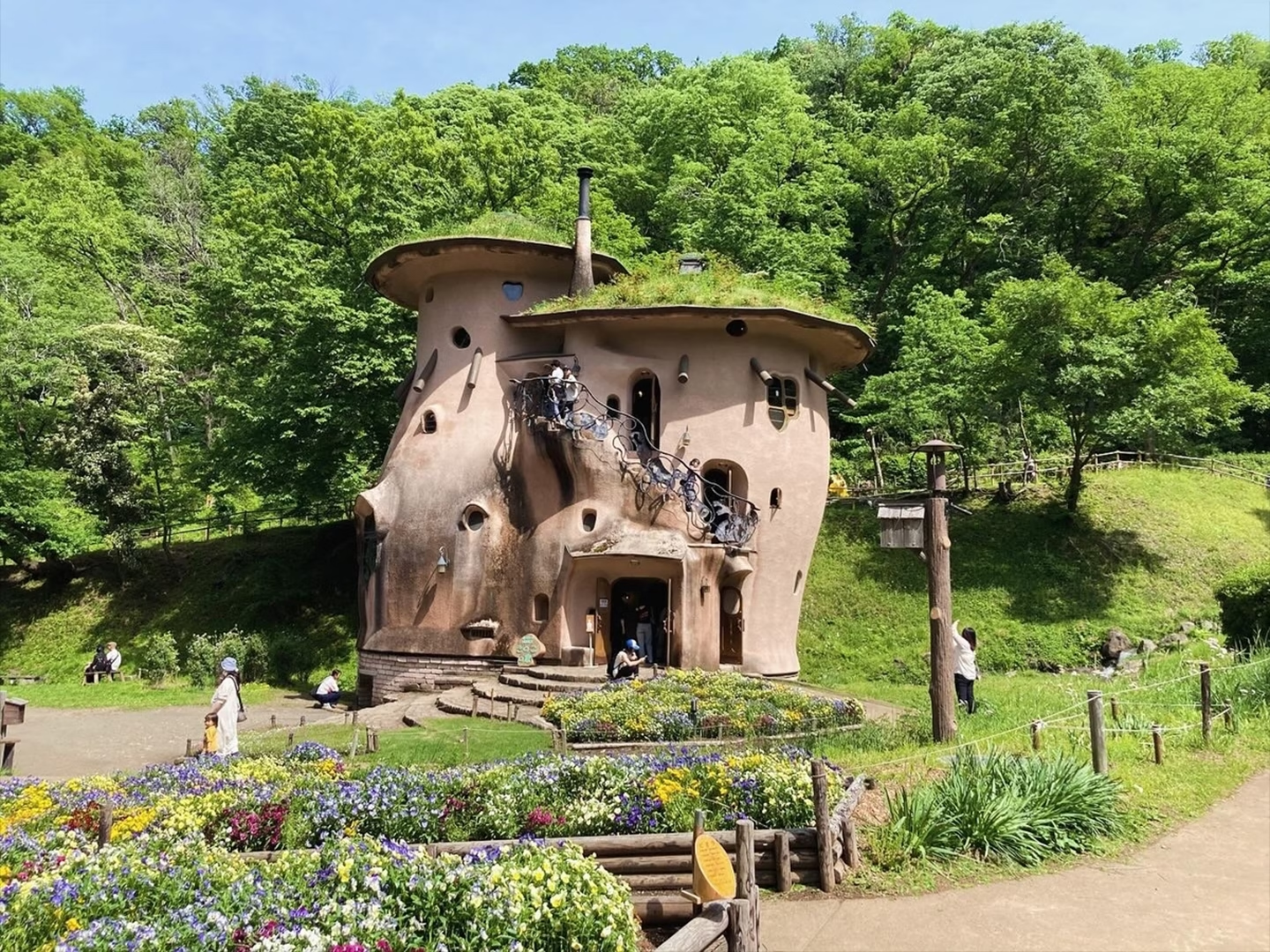
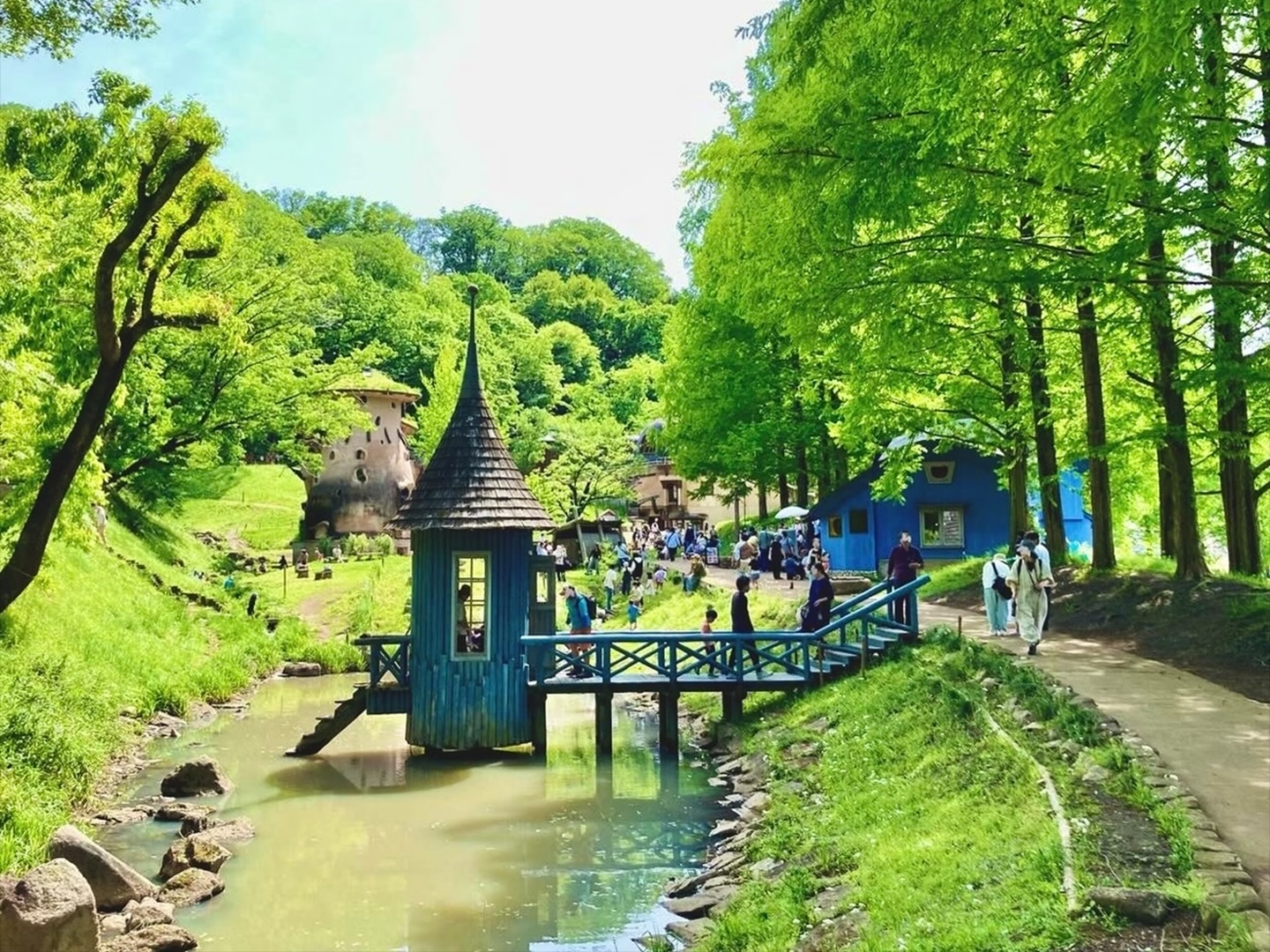
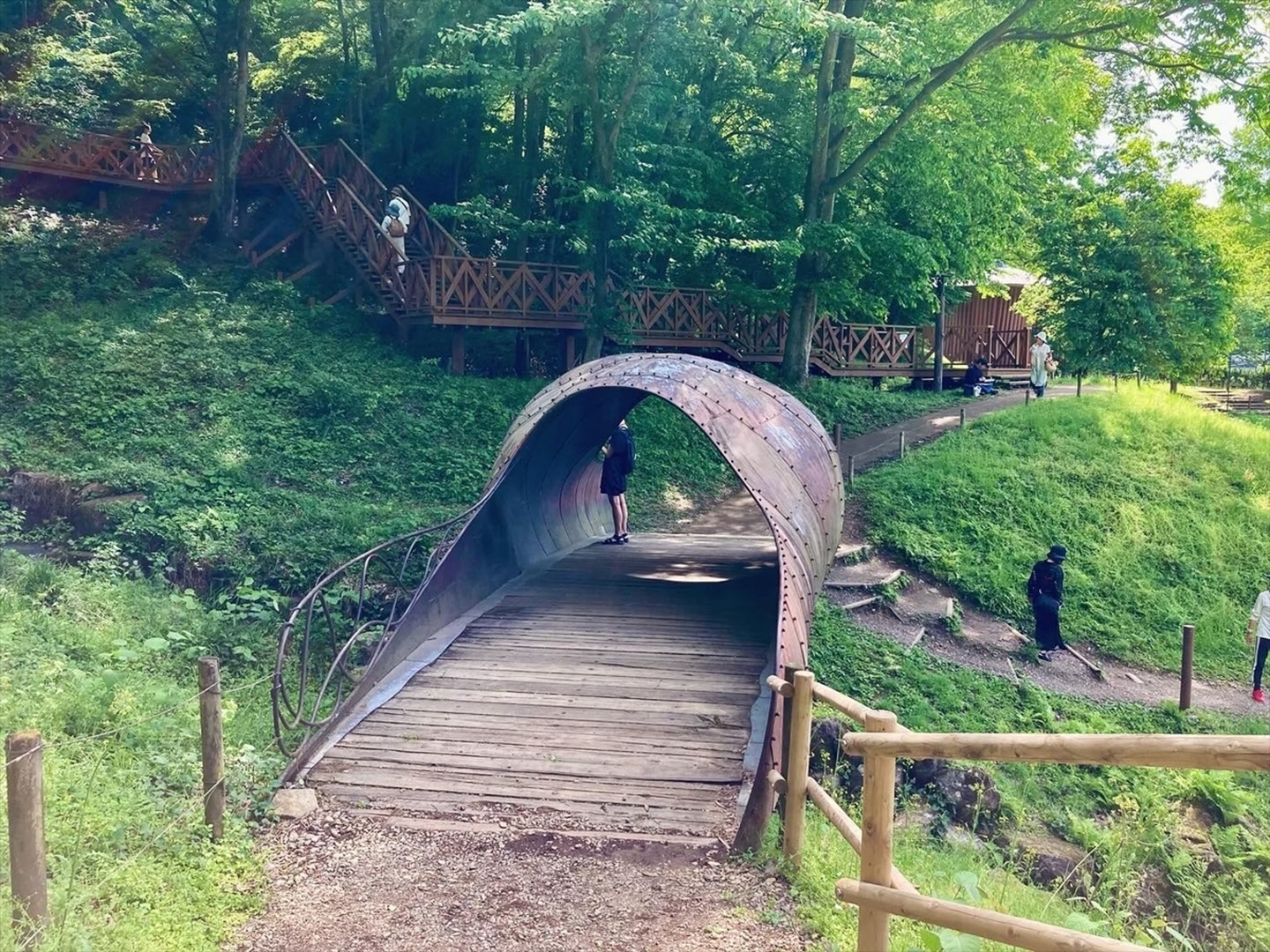
3. Akebono Children’s Forest Park
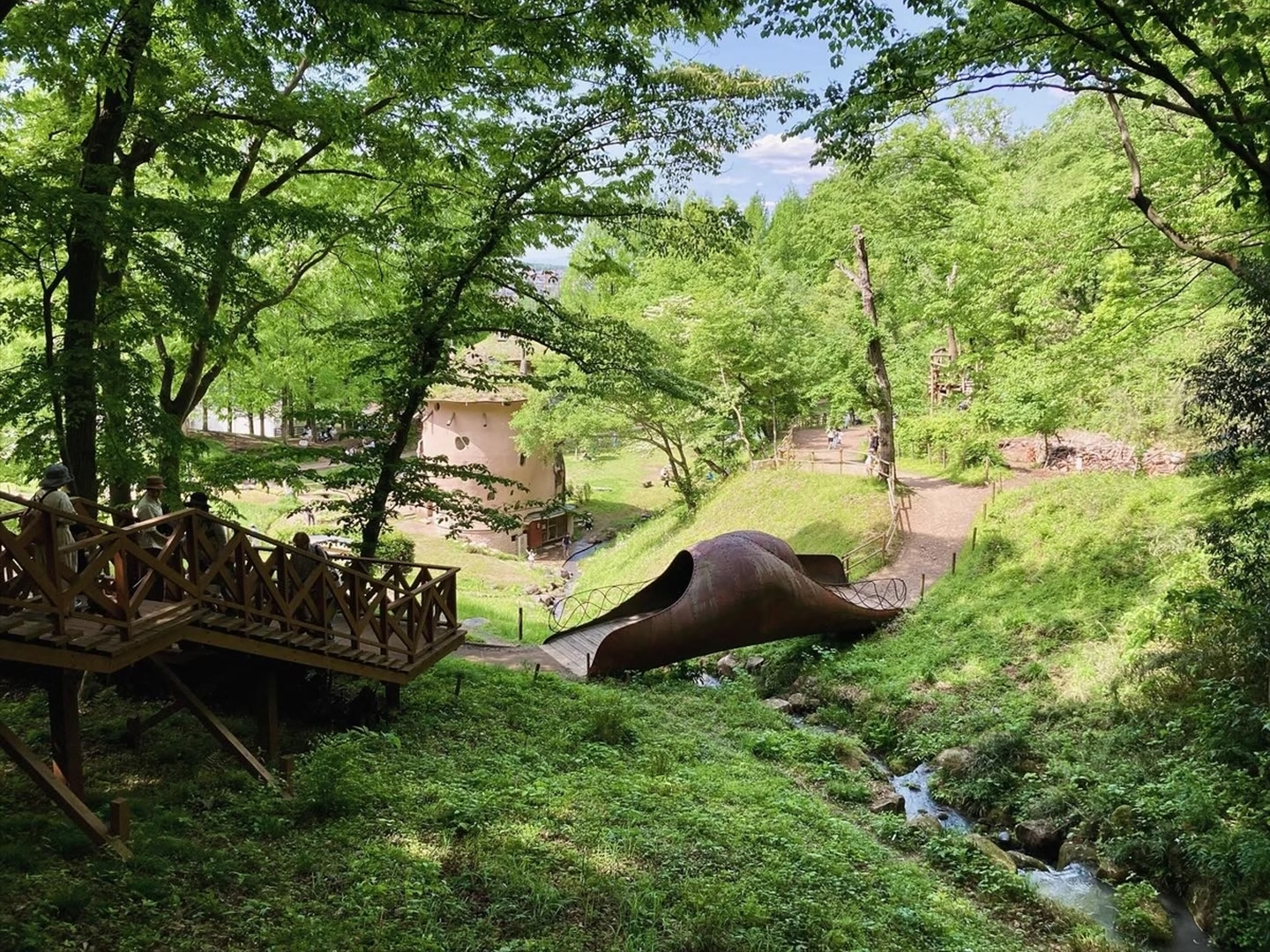
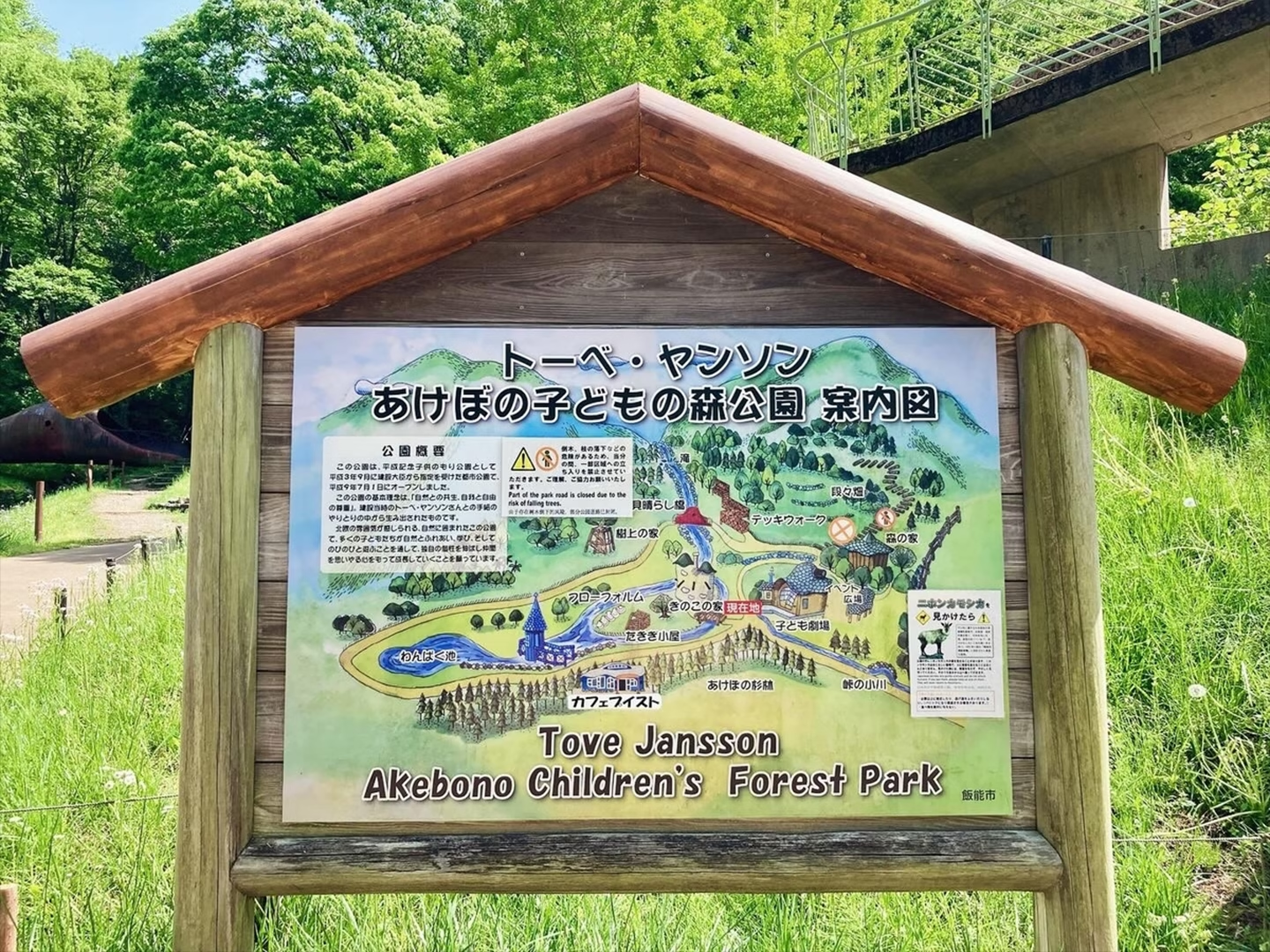
Opened in 1997 in Hanno, Saitama, Akebono Children’s Forest Park was developed with inspiration drawn from the stories and worldview of Finnish author Tove Jansson. The park features curved buildings, towers, winding staircases, and irregular interiors set within a wooded landscape. Although often associated with the Moomins, the park does not directly reproduce the characters or settings from the series. Instead, the architecture references the broader atmosphere found in Jansson’s work through organic forms and nonstandard spatial layouts.
Address: 893-1 Azu, Hanno, Saitama 357-0046
4. Woods of Net
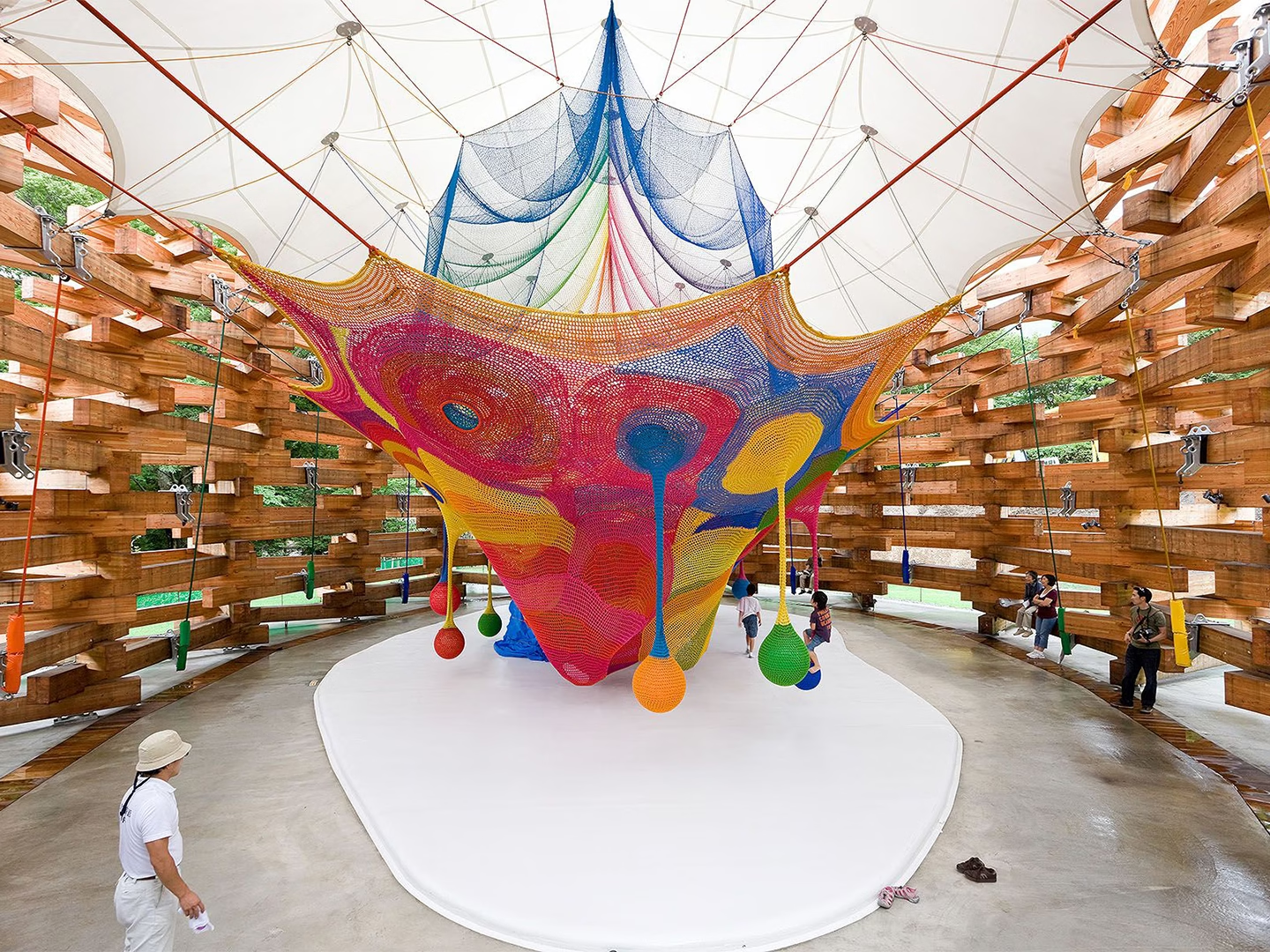
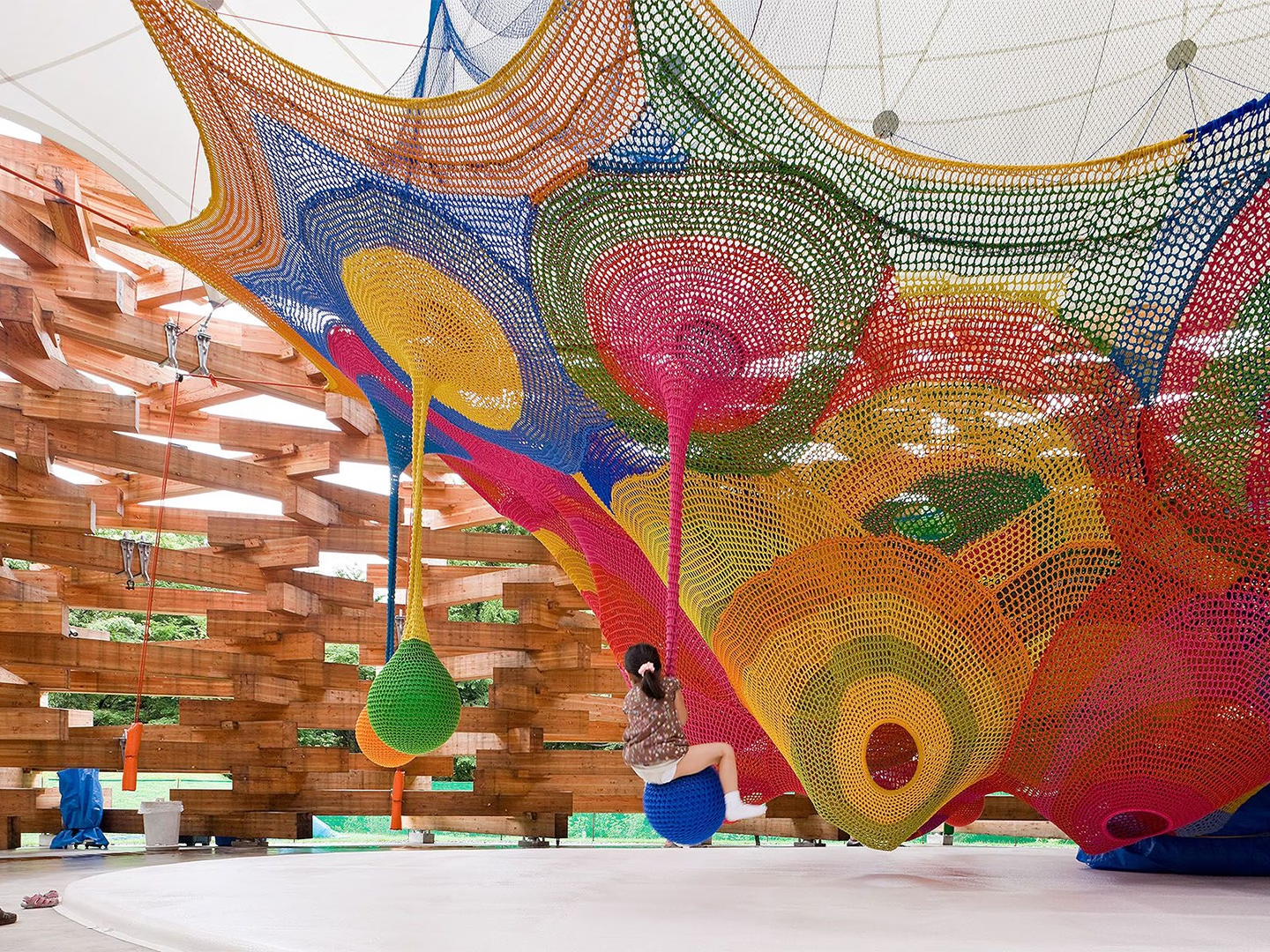
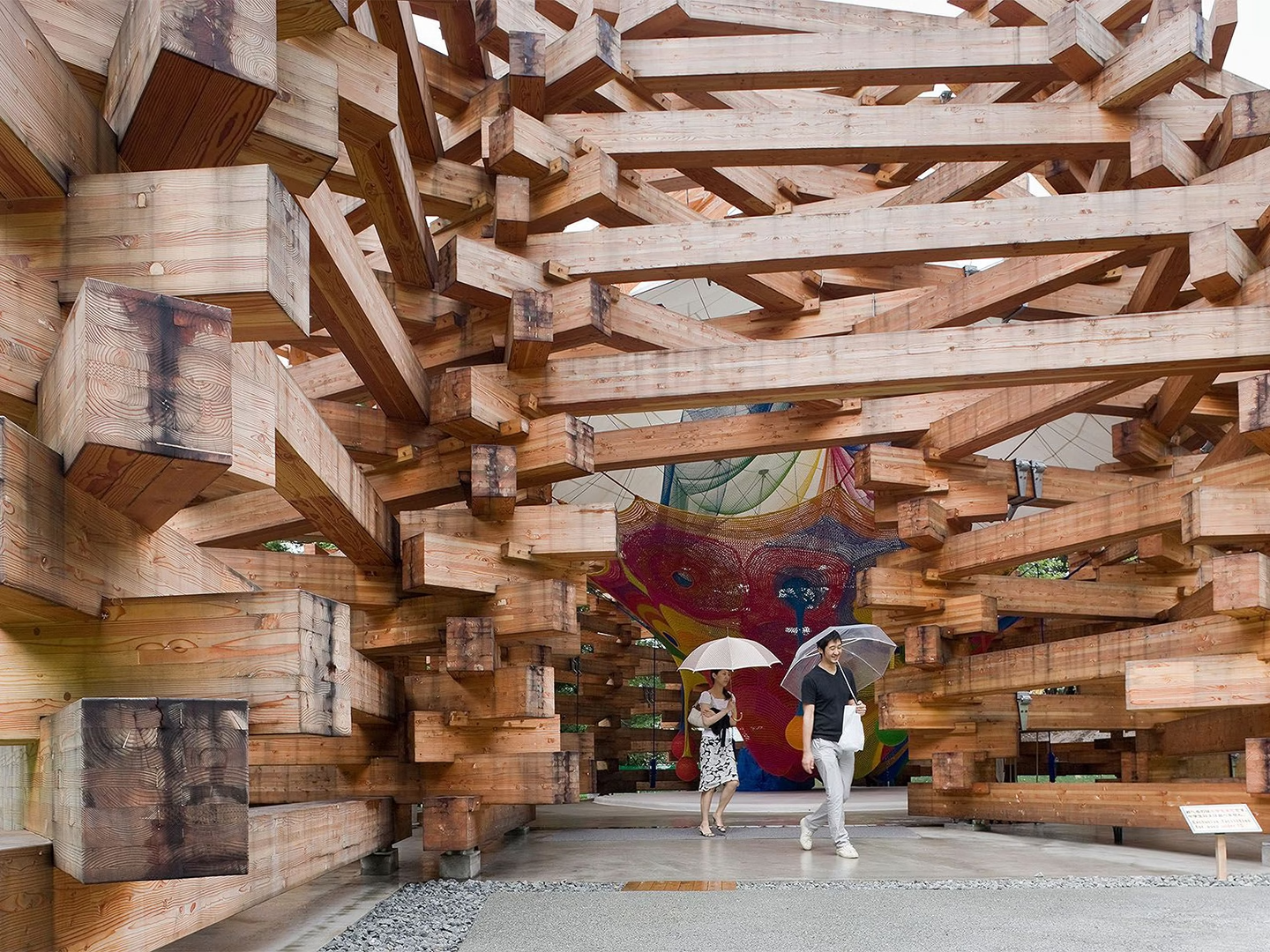
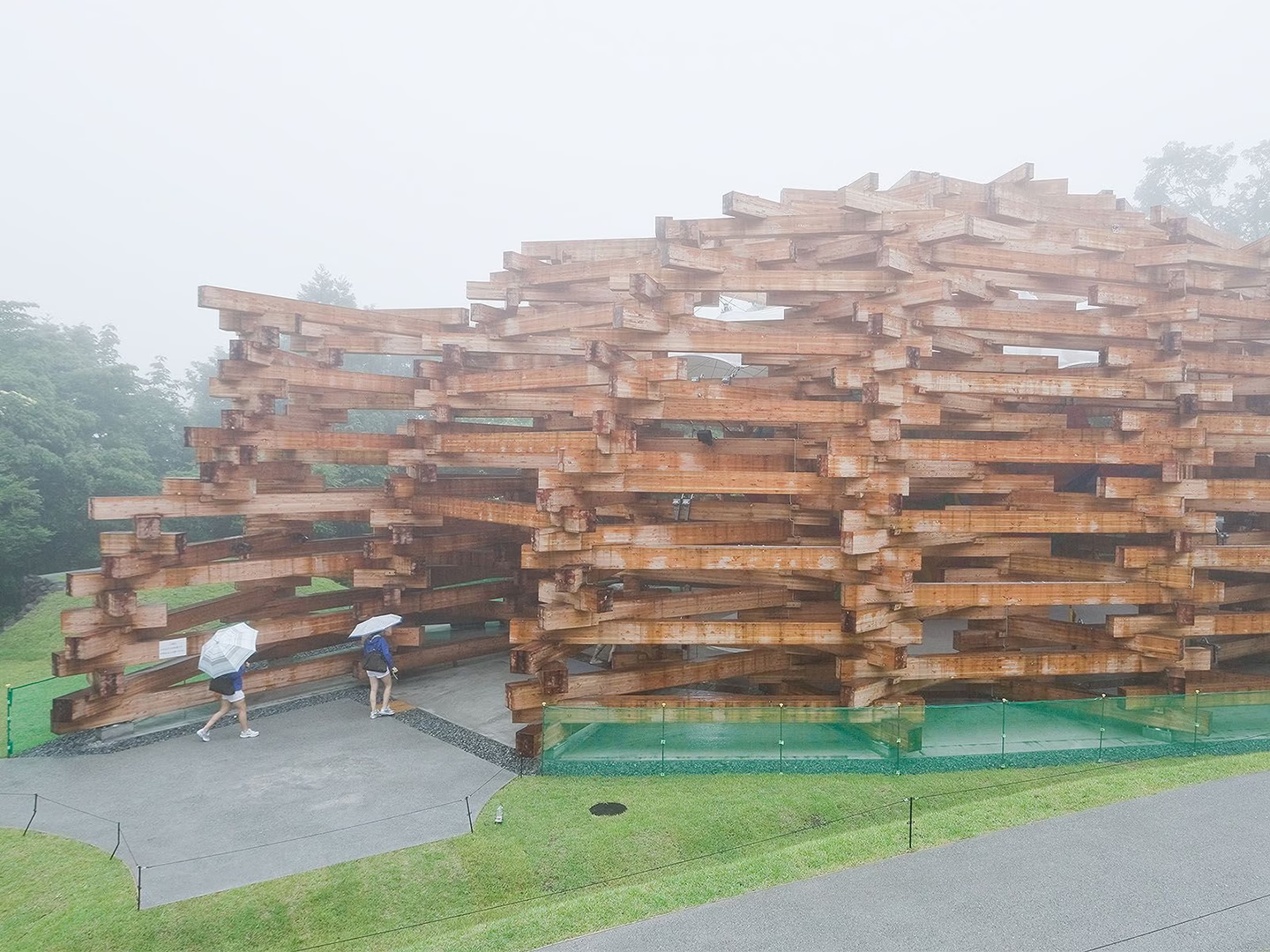
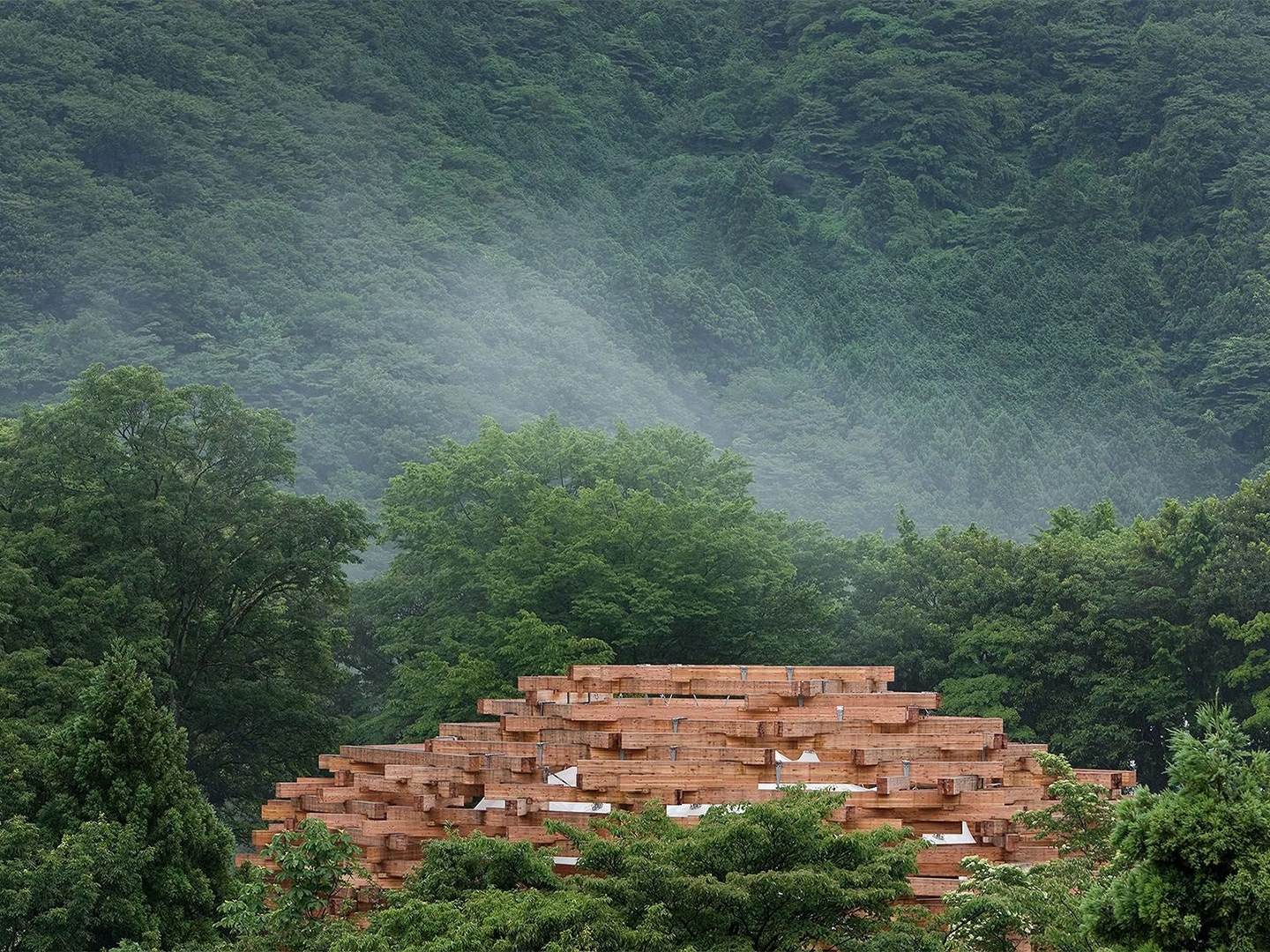
Created by textile artist Toshiko Horiuchi MacAdam inside the Hakone Open-Air Museum, Woods of Net is a large suspended crochet installation designed for physical interaction. Completed in 2009, the structure is made from handwoven textile forms stretched within a wooden pavilion. Visitors, particularly children, are able to climb and move through the installation as both an artwork and a play environment. The work was previously featured in our guide to immersive art sites in Japan, which you can read HERE.
Address: Hakone Open-Air Museum, 1121 Ninotaira, Hakone-machi, Ashigarashimo-gun, Kanagawa 250-0407
5. Site of Reversible Destiny
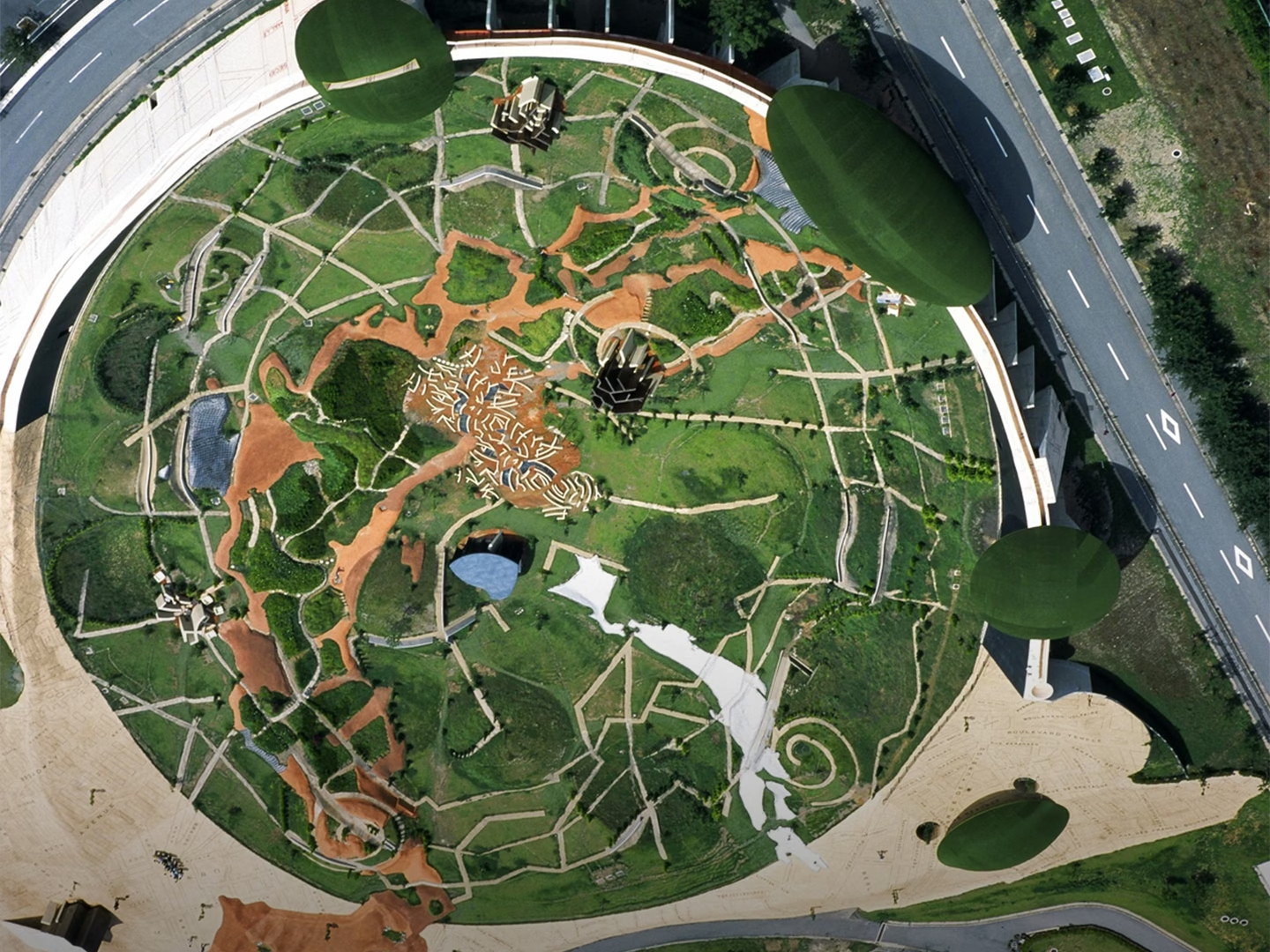
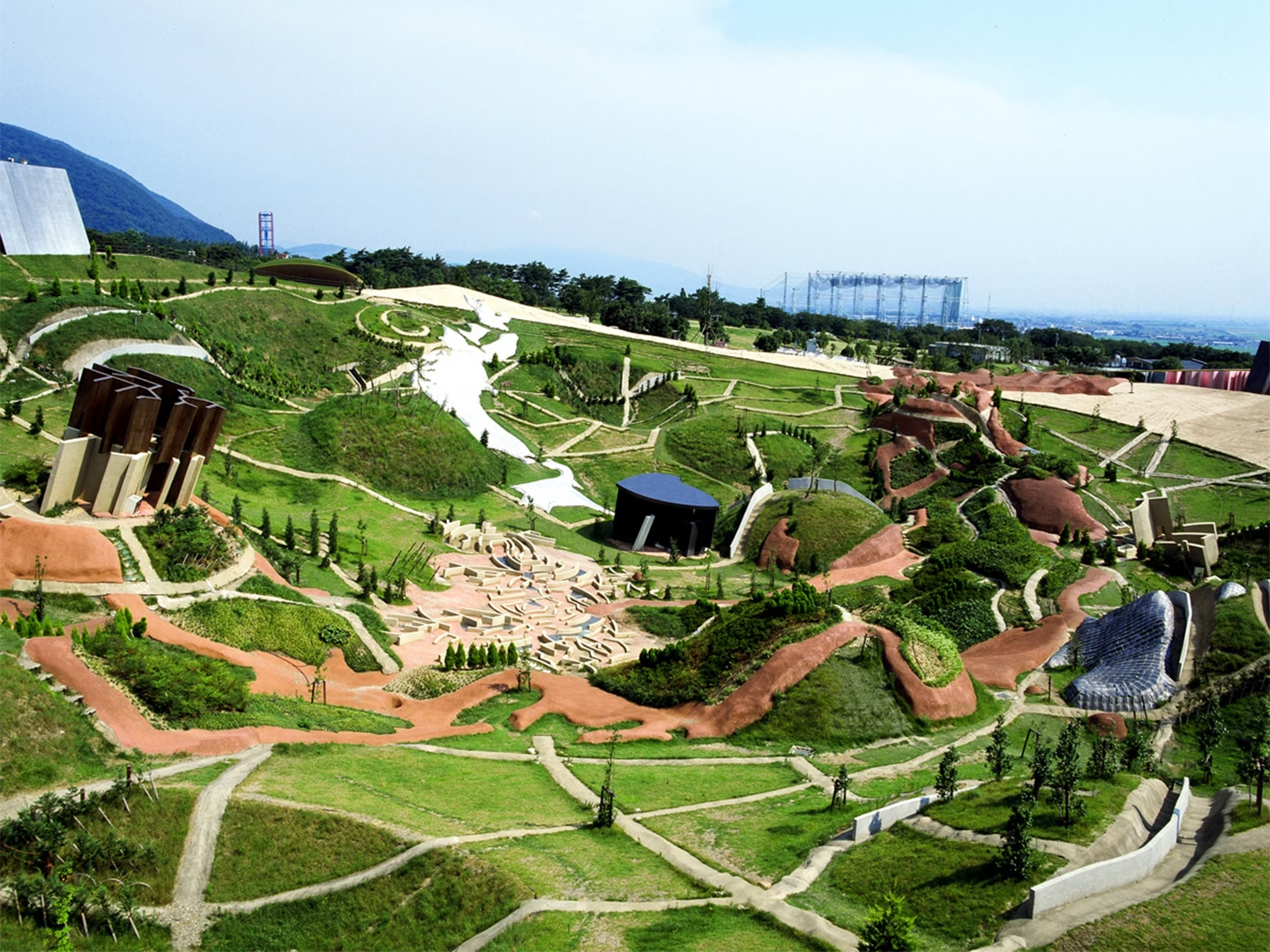
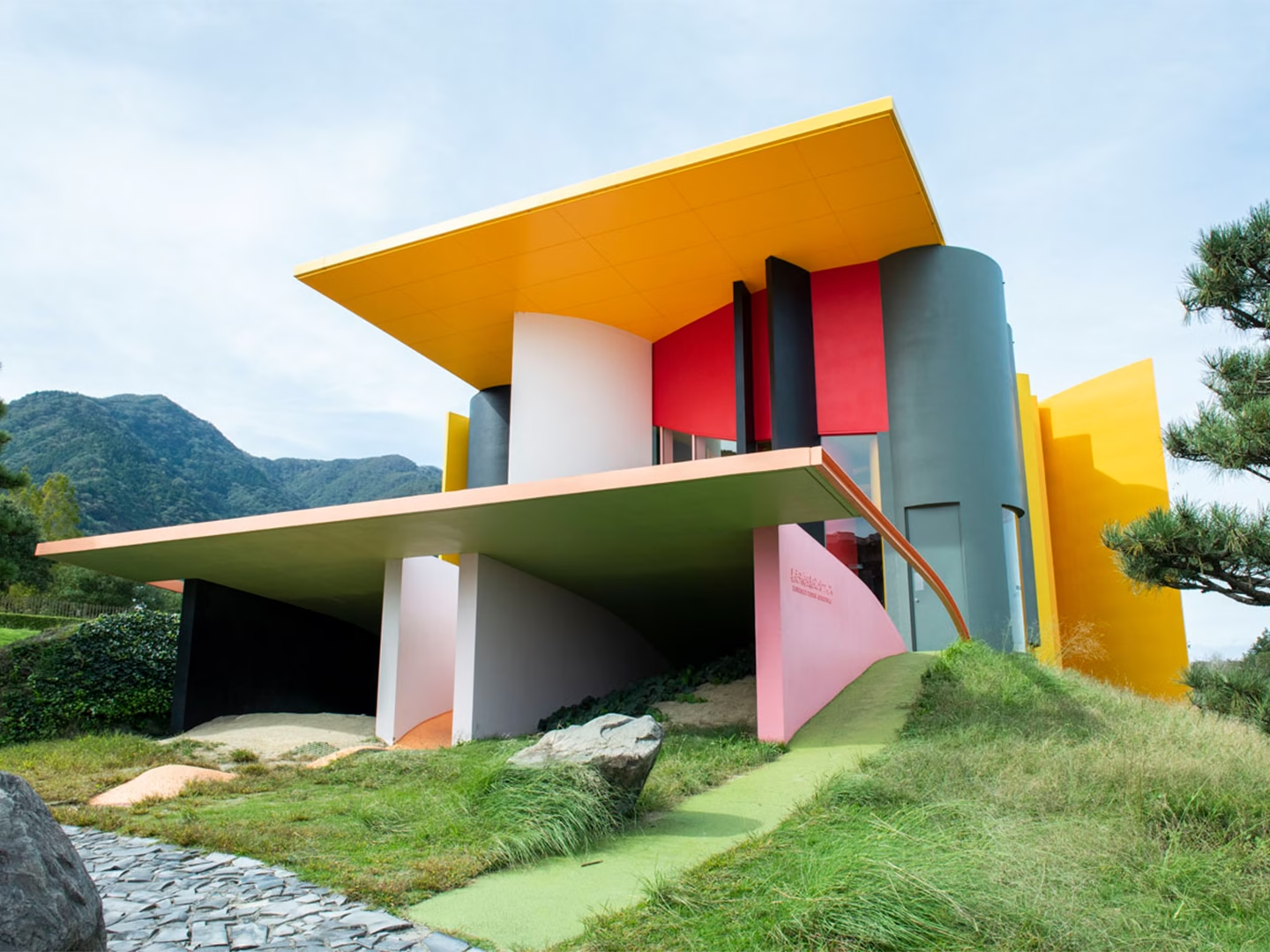
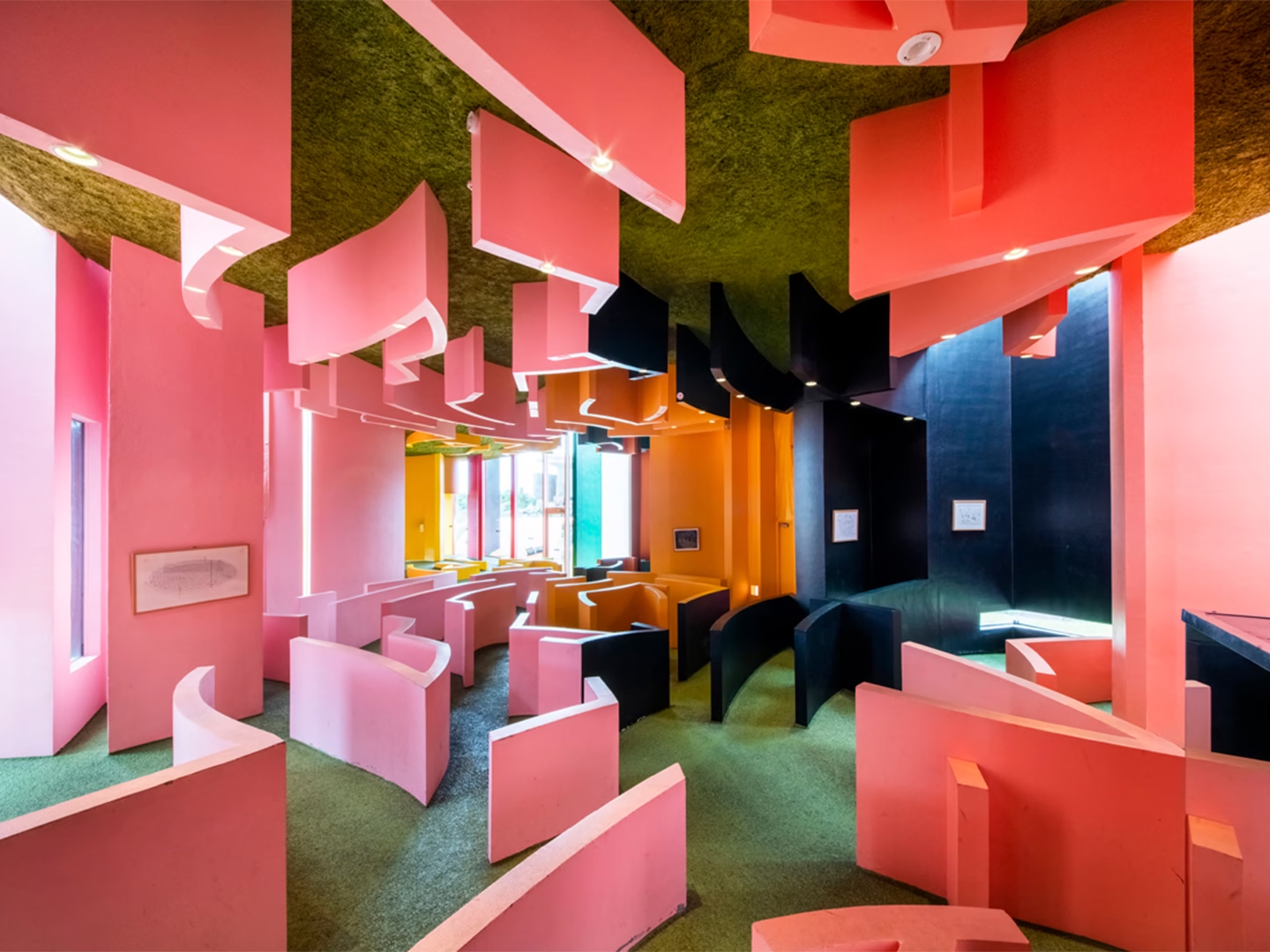
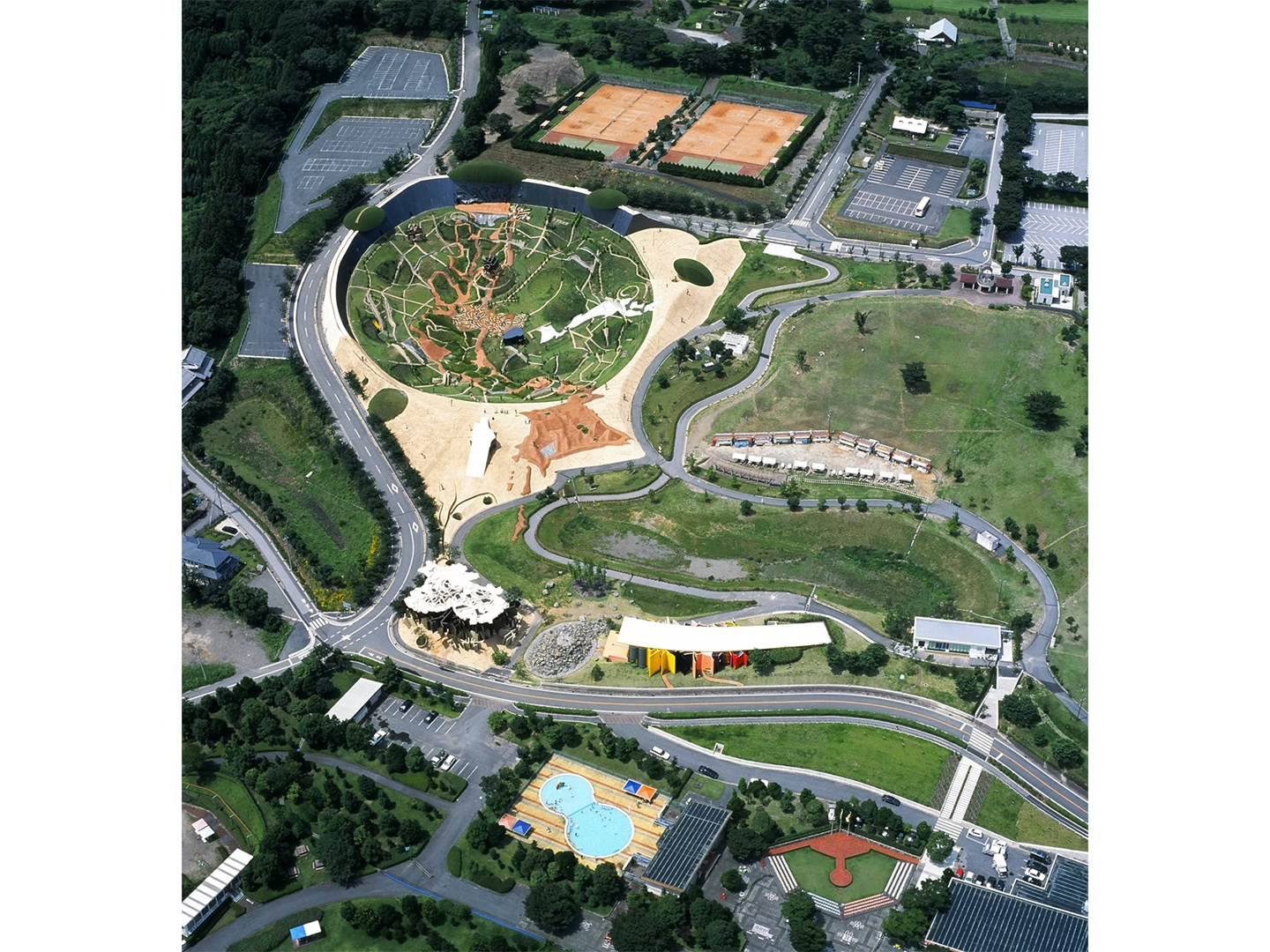
Site of Reversible Destiny was designed by artist and architect Shusaku Arakawa and writer Madeline Gins within Yoro Park in Gifu Prefecture. Opened in 1995, the site consists of sloped surfaces, uneven terrain, geometric structures, and disorienting architectural spaces intended to challenge bodily perception and balance. Rather than functioning as a conventional playground, the project was conceived as an experiential environment exploring the relationship between the body and architectural space. Visitors move through the site by navigating irregular pathways, tilted floors, and fragmented spatial layouts.
Address: 1298-2 Takabayashi, Yoro-cho, Yoro-gun, Gifu 503-1267