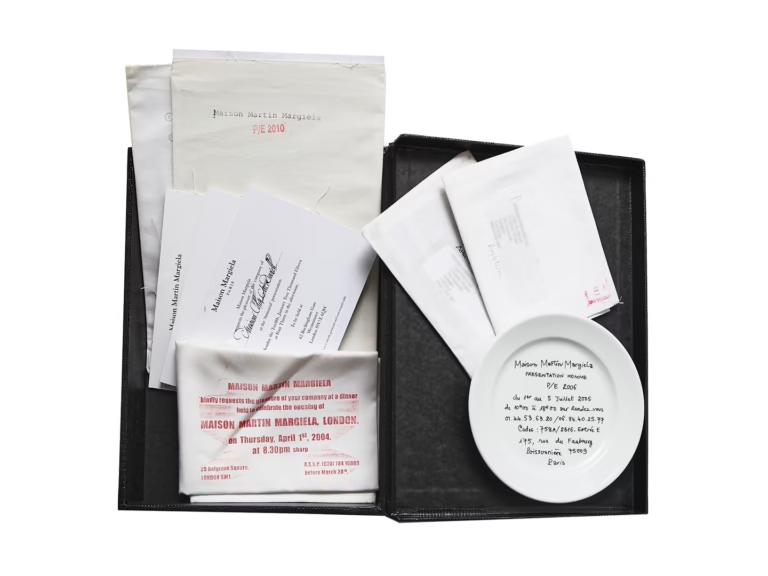
Urban Mobility began in 2007 as PUMA’s move into premium accessories, built around the routines of travel rather than the usual language of sport. The earliest pieces focused on transit, airport checks, and movement through the city. After Hussein Chalayan became PUMA’s creative director in 2008, the line expanded into apparel, footwear, and accessories that combined technical construction with a more fashion-led approach to utility. By Spring/Summer 2010, Urban Mobility had taken shape as a broader project for modern travel rather than a small accessories offshoot.
1. X-Ray Belt
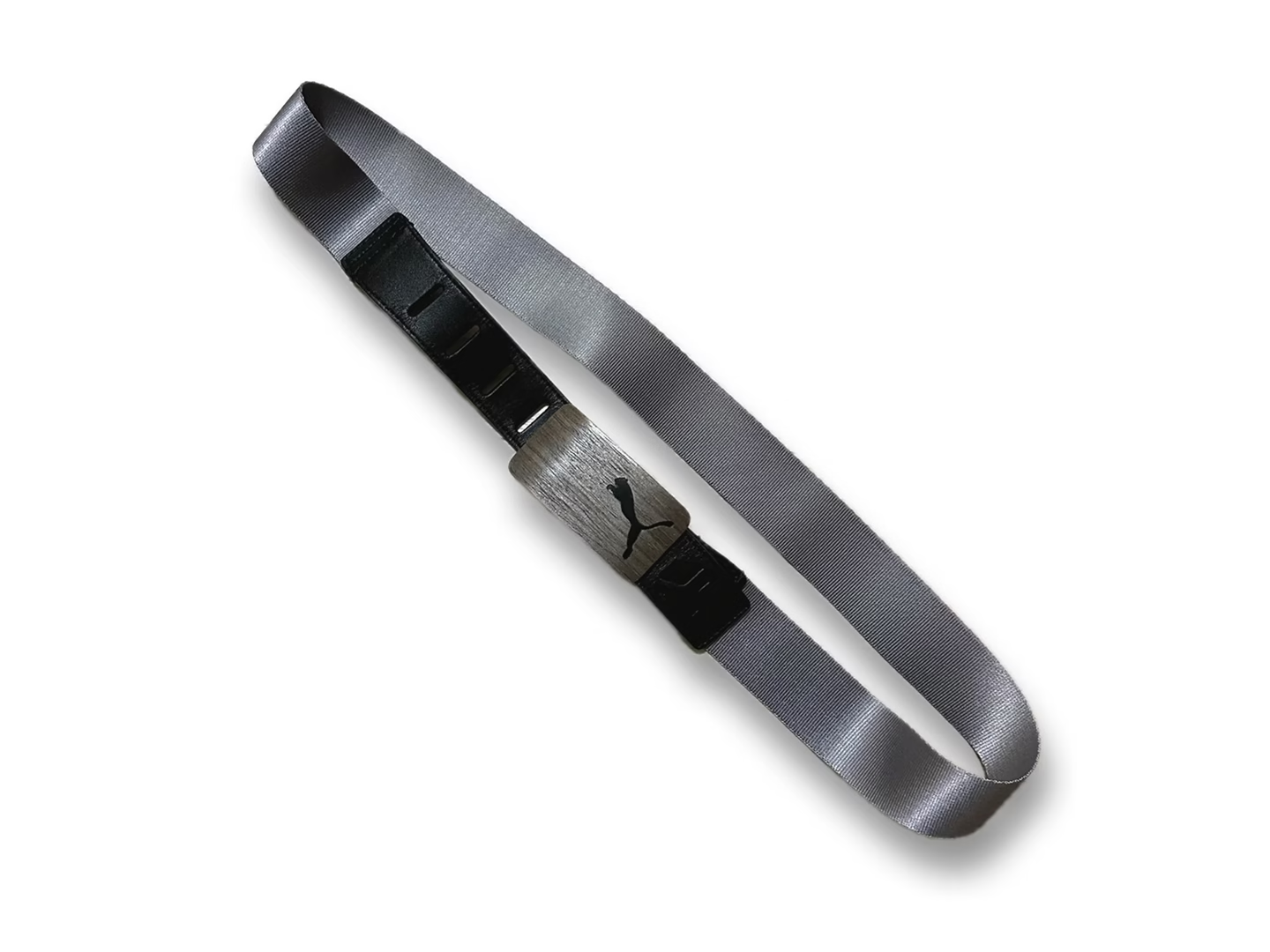
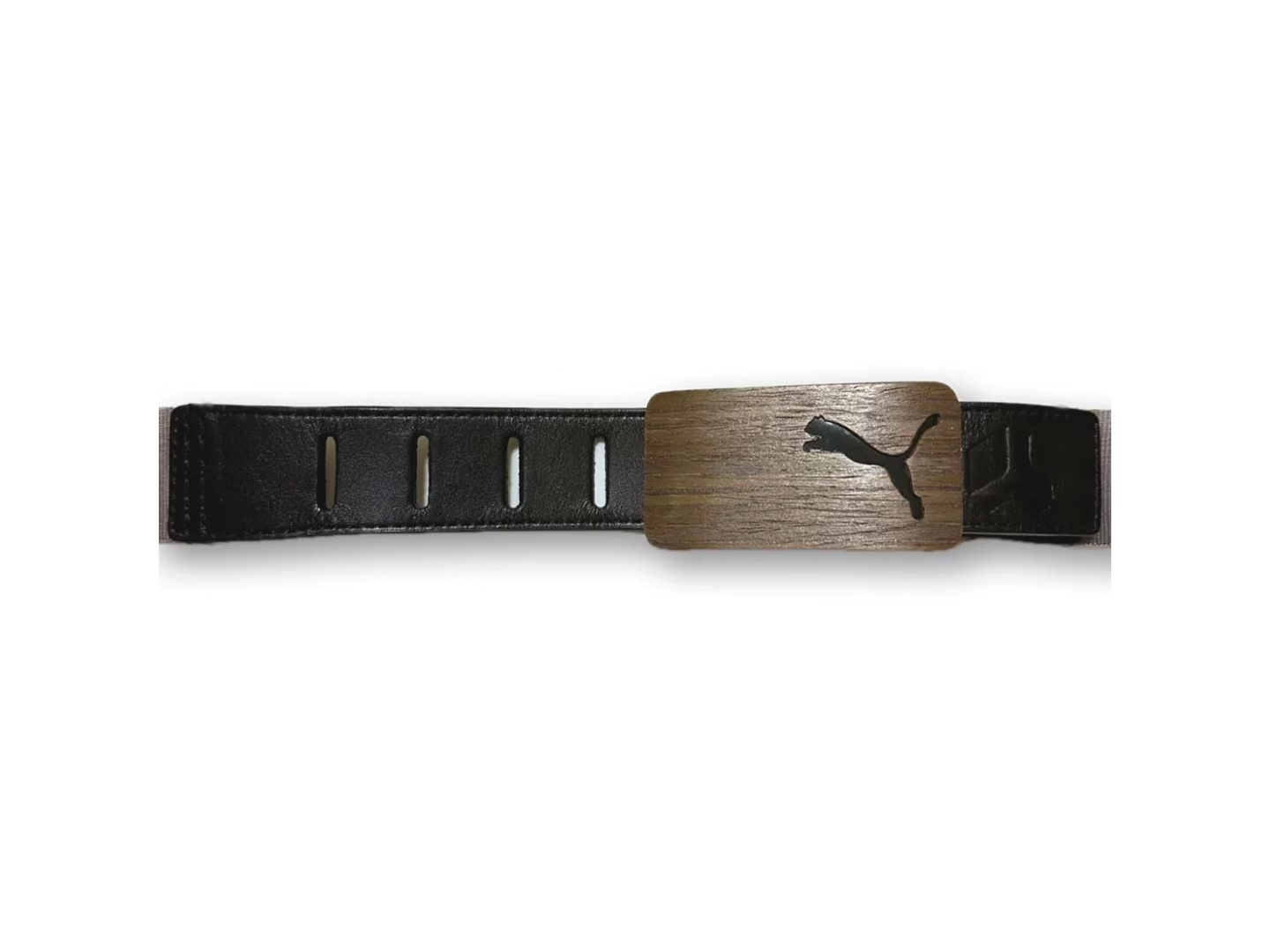
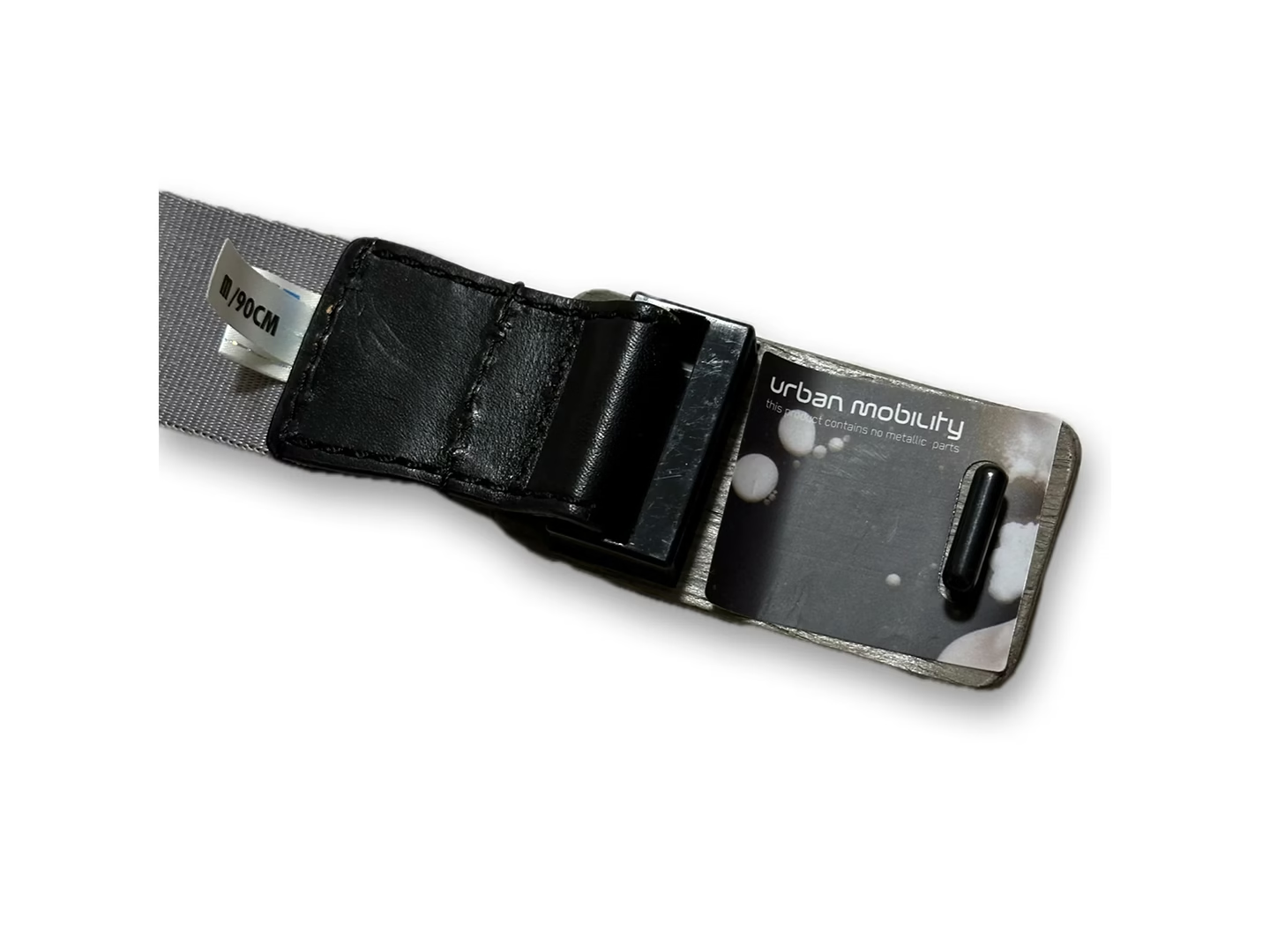
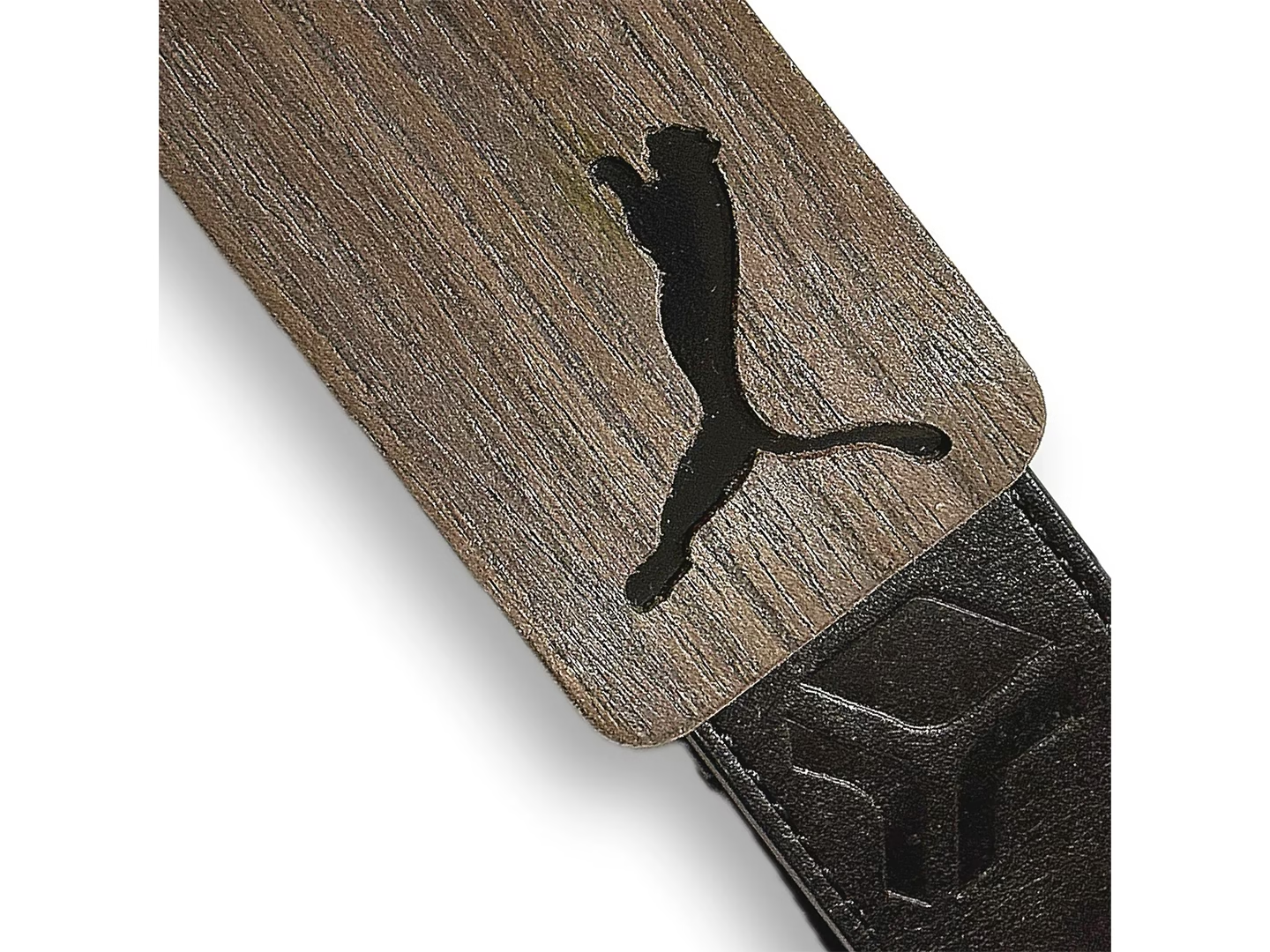
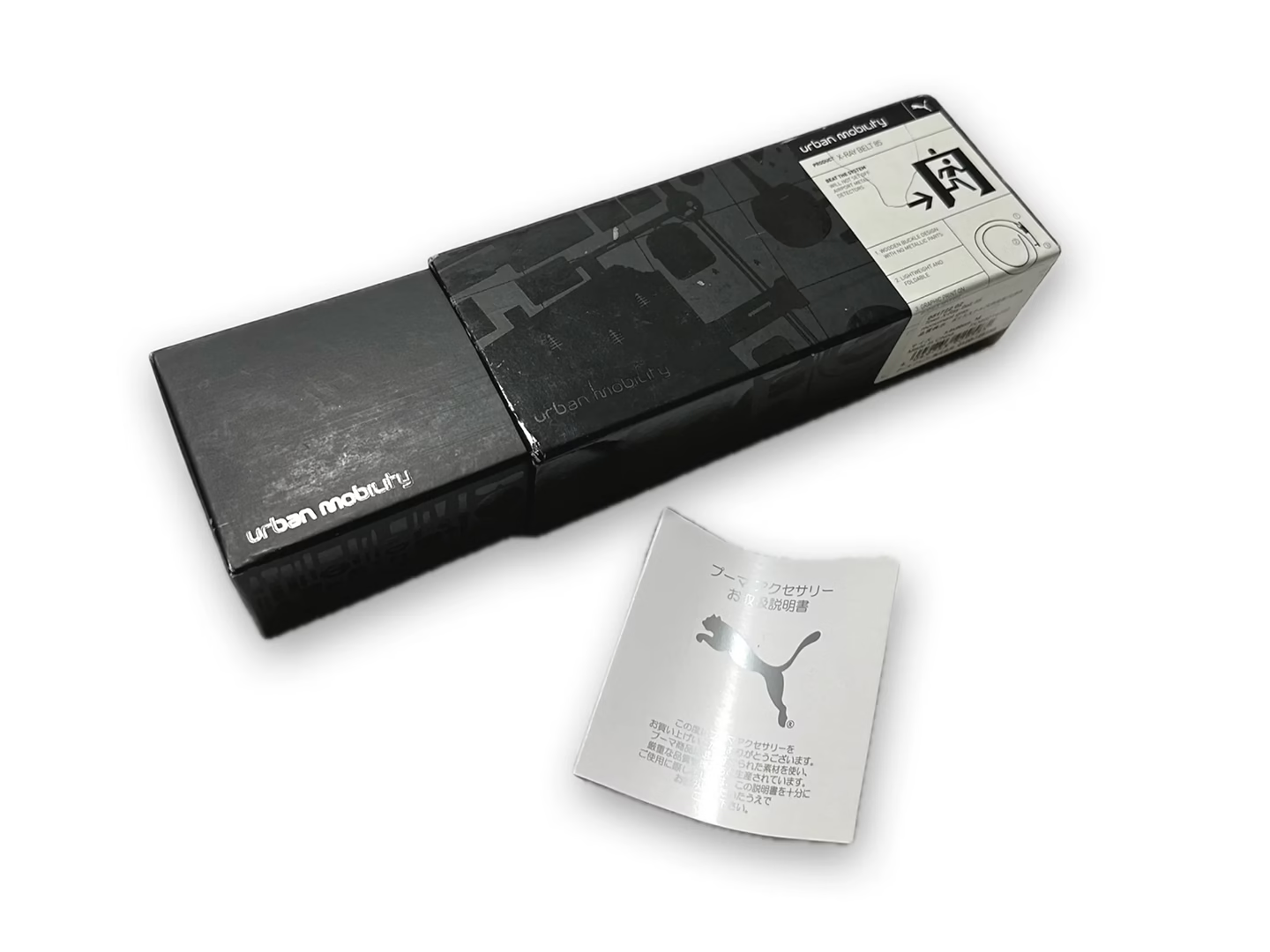
Airport security sat close to the line’s original brief, and the X-Ray Belt made that unusually direct. Part of the Autumn/Winter 2007 Urban Mobility collection, it was constructed without metal parts and used a wide wooden buckle so it could move through security checks without needing to be removed. That idea explains why Urban Mobility initially felt different from a standard accessories range. It was less about styling travel and more about designing around the small inconveniences built into it. The belt’s appearance in Virgin Atlantic’s inflight retail program only made that link clearer.
2. Wood Panel Bag
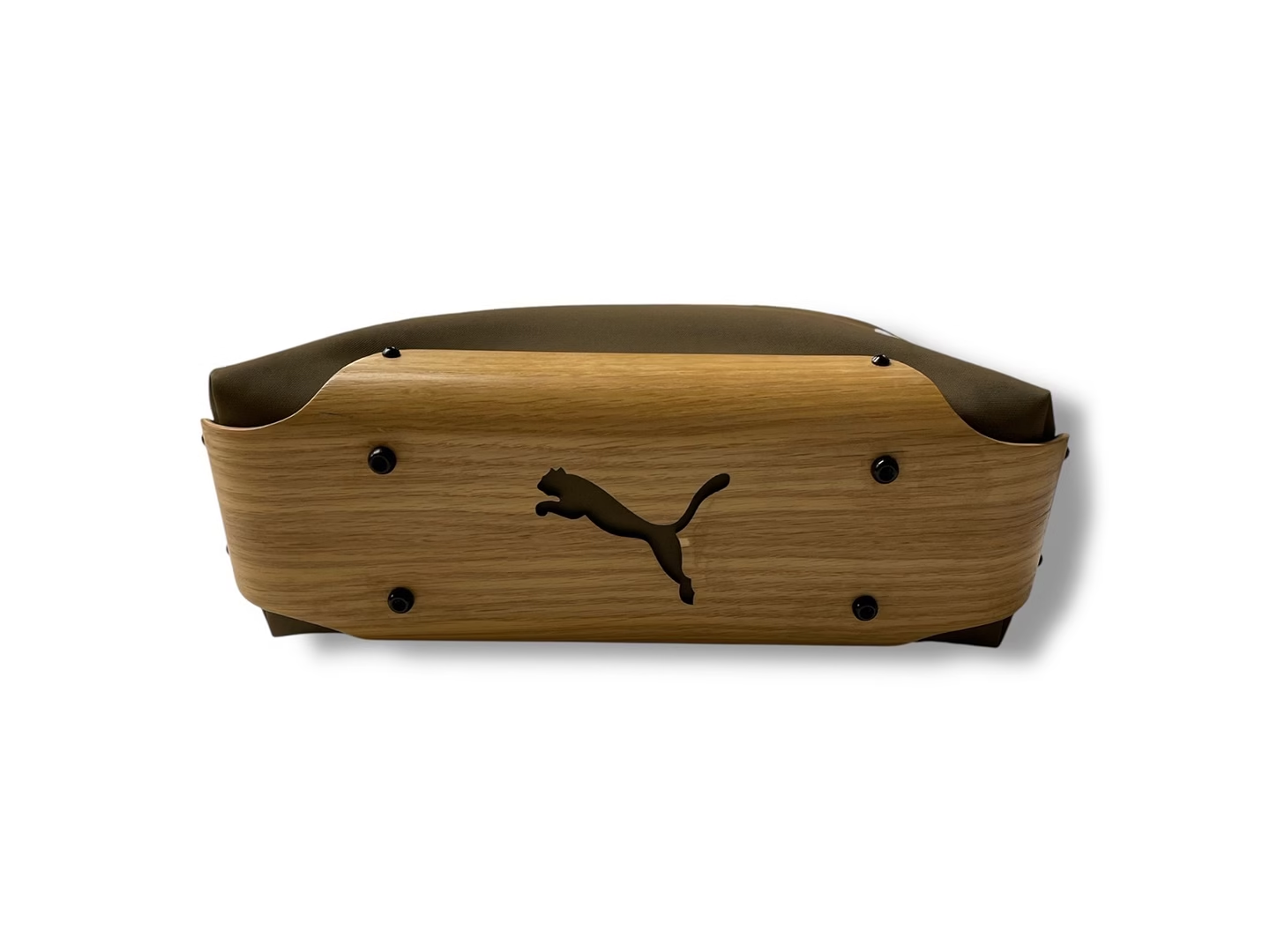
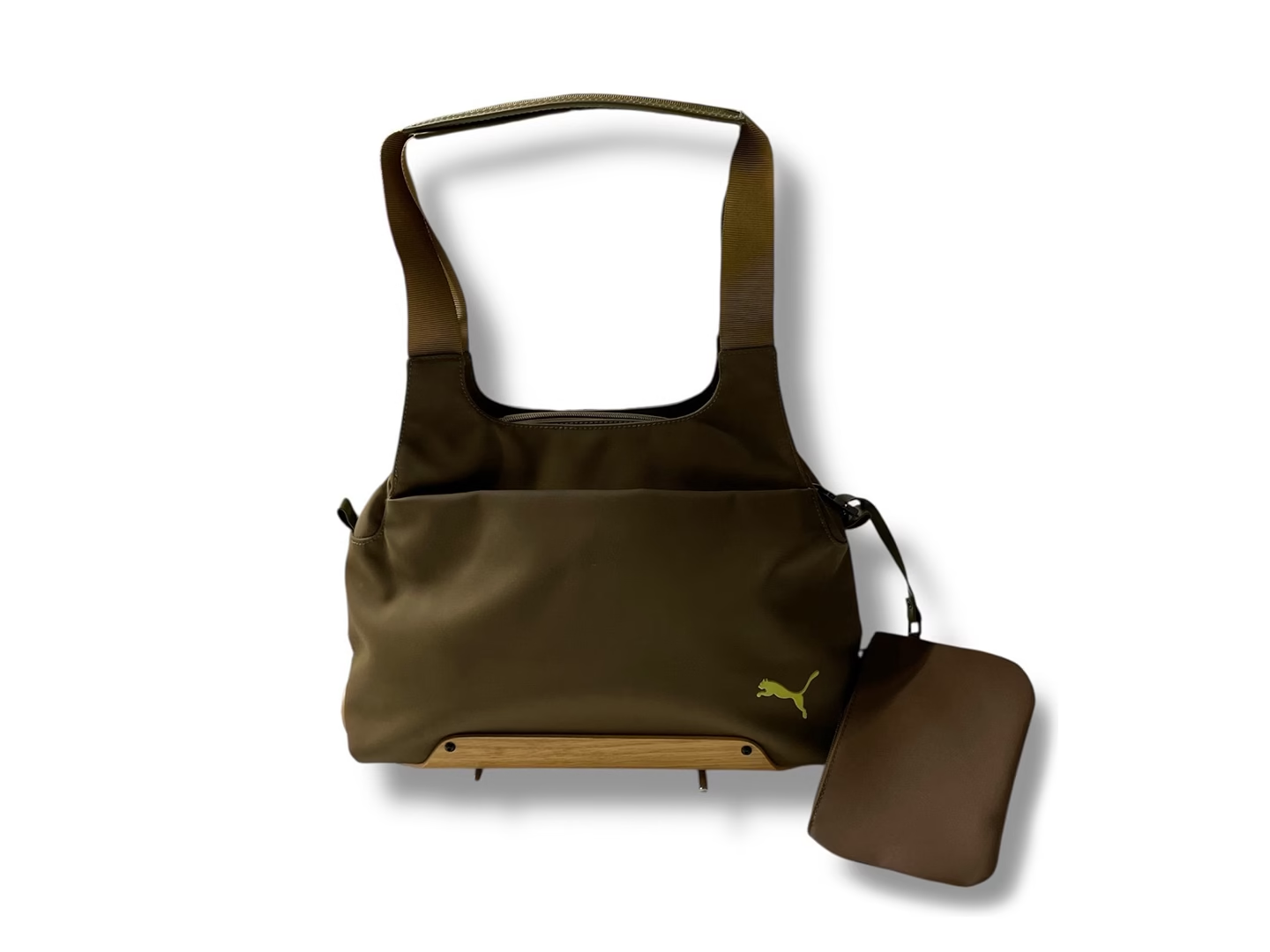
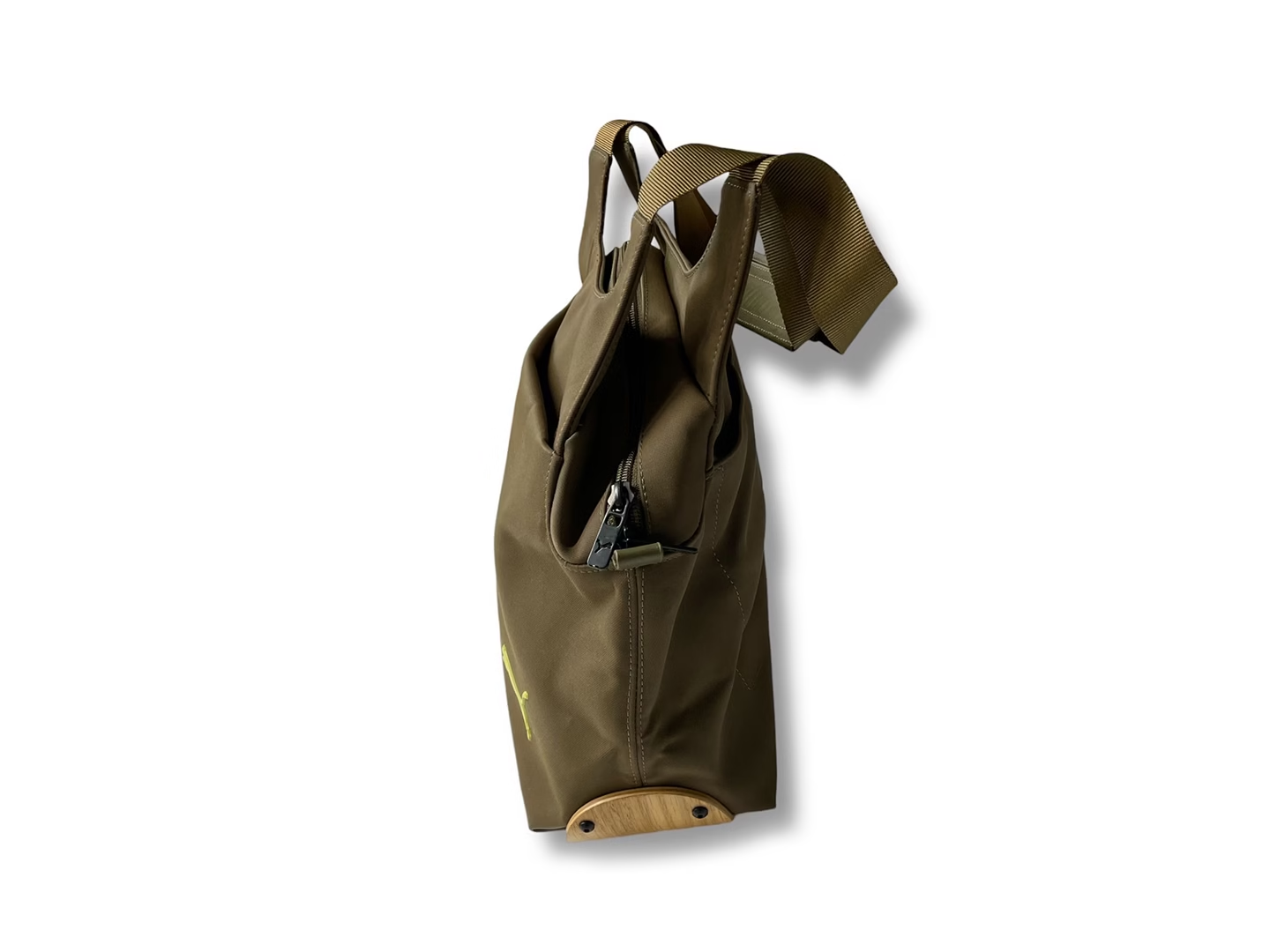
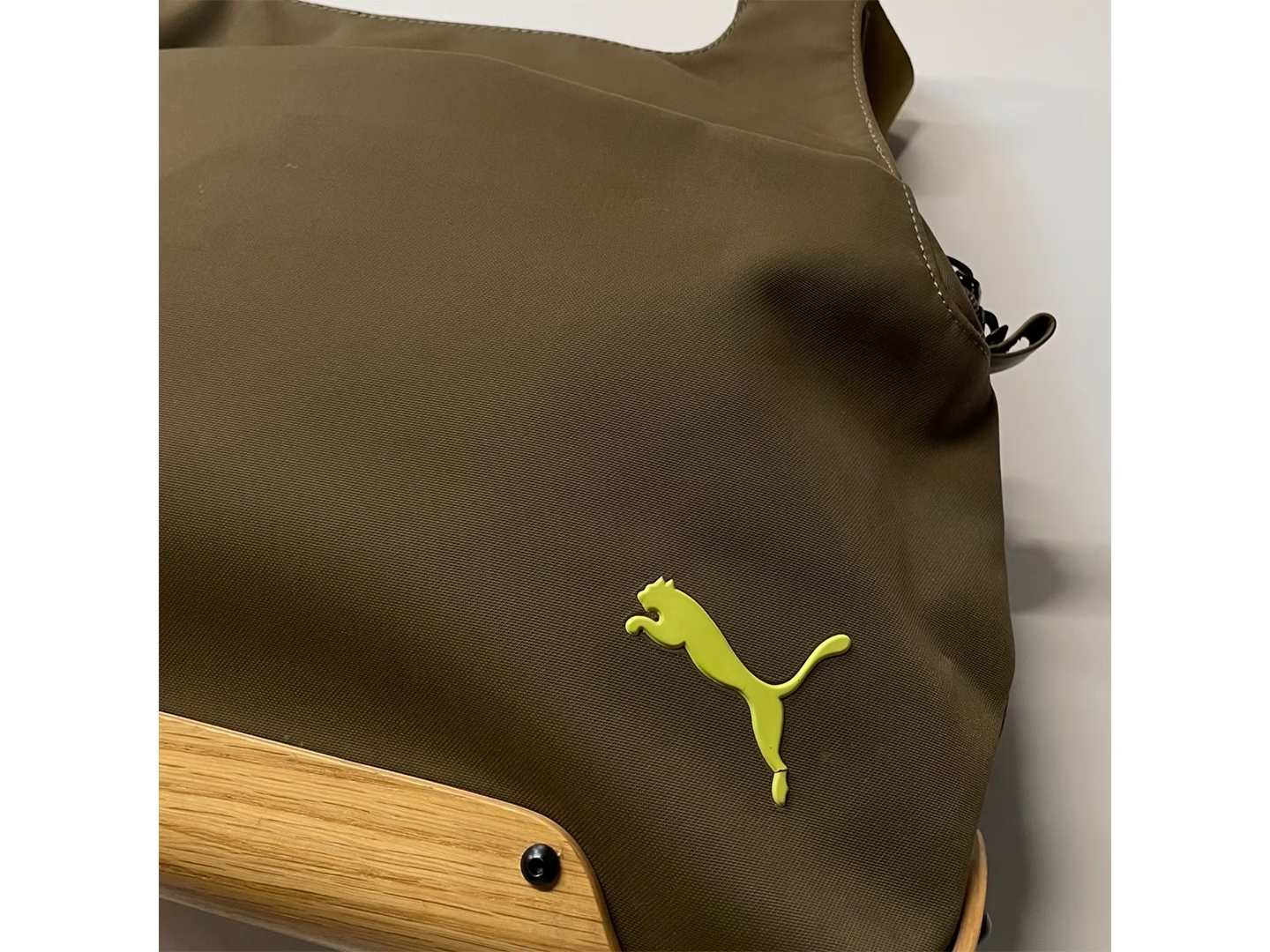
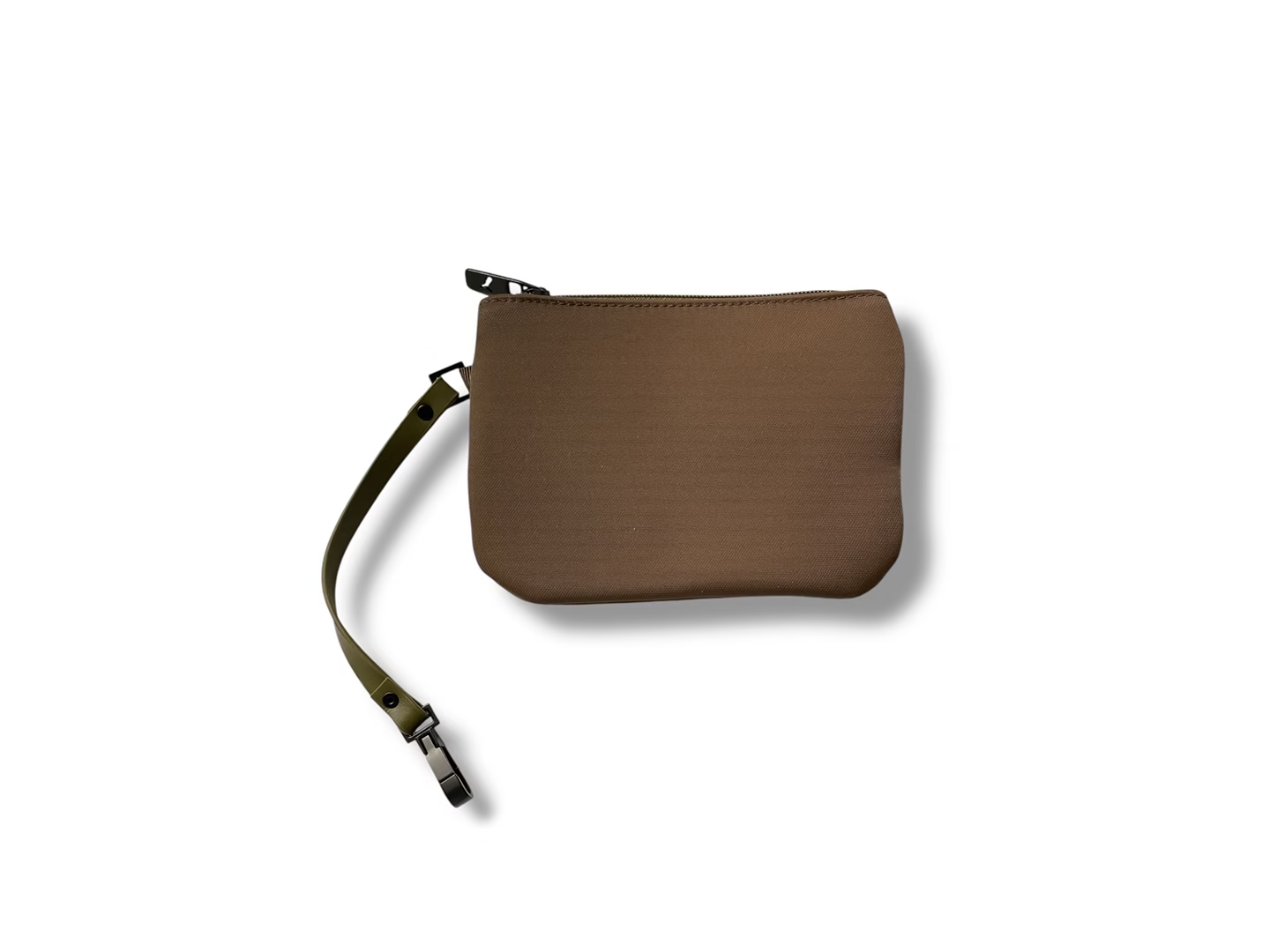
The Wood Panel Bag showed how Urban Mobility could move beyond straightforward utility into something more elevated. Across versions, the defining feature was the wood base panel, which gave the bag a more structured and distinctive presence than a standard sports bag. As part of the wider Urban Mobility range, it sat somewhere between travel gear, fashion accessory, and branded design object. It was less about solving one specific problem and more about showing how mobility products could be framed with a stronger sense of material character and presentation.
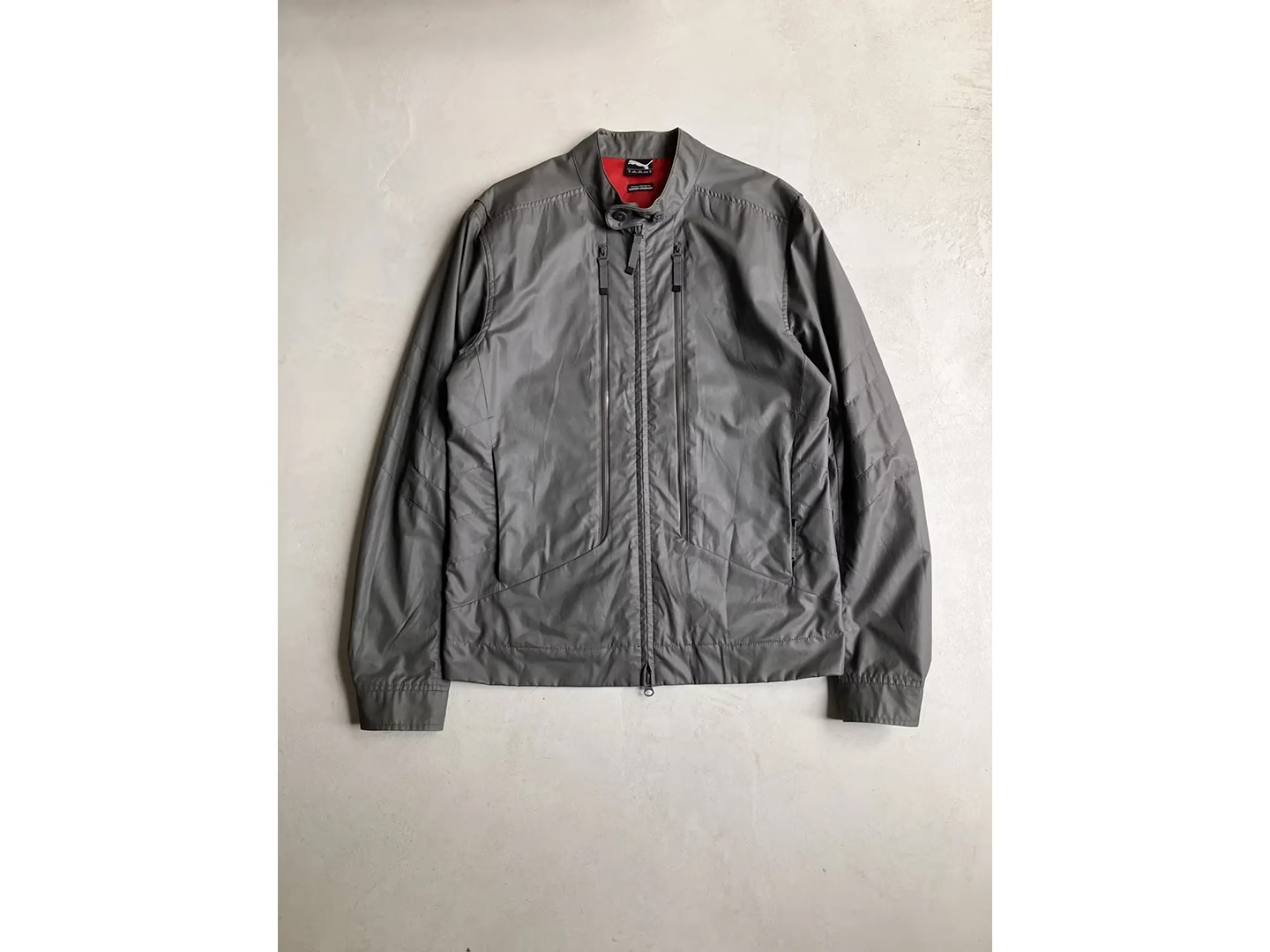
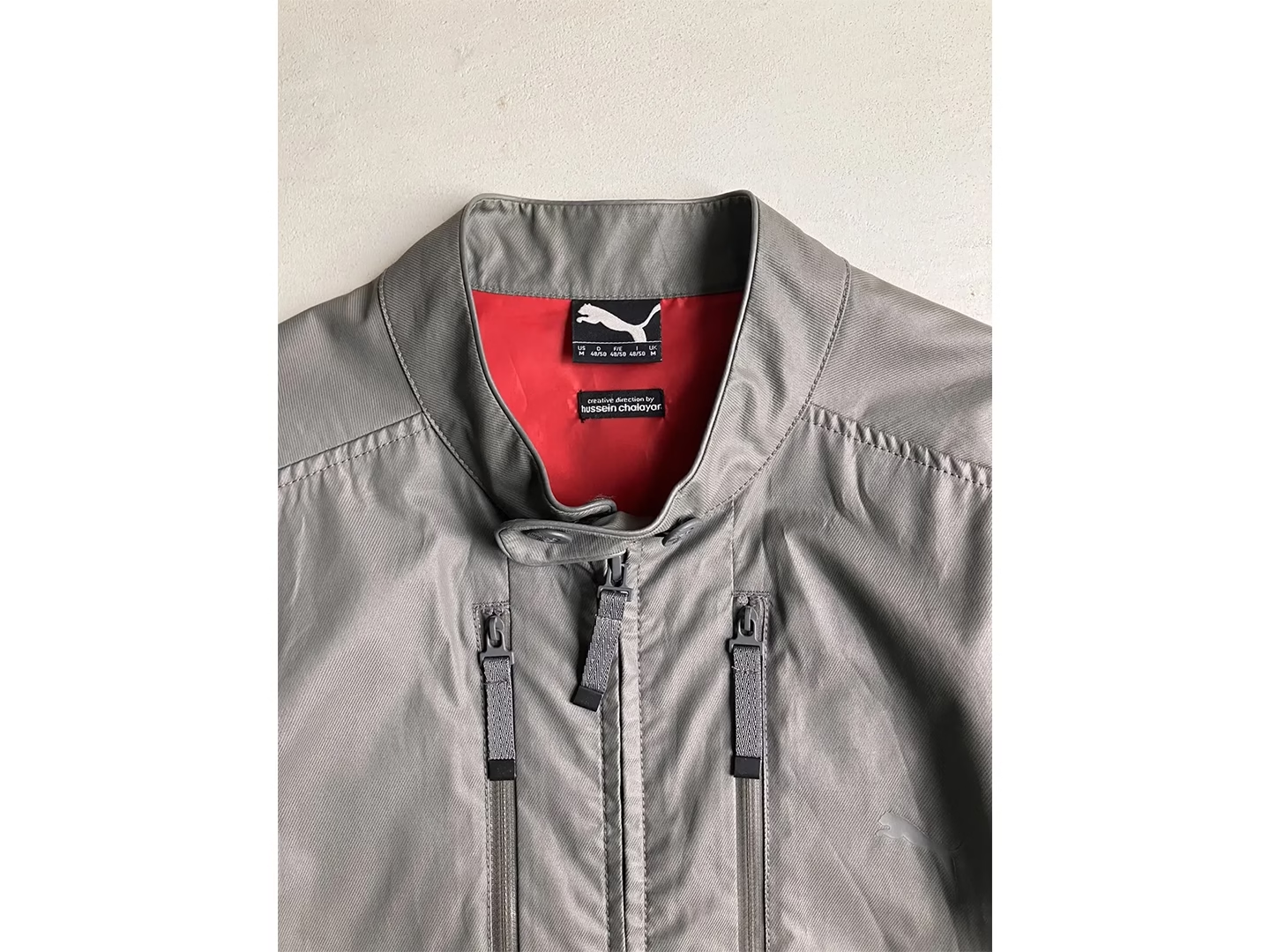
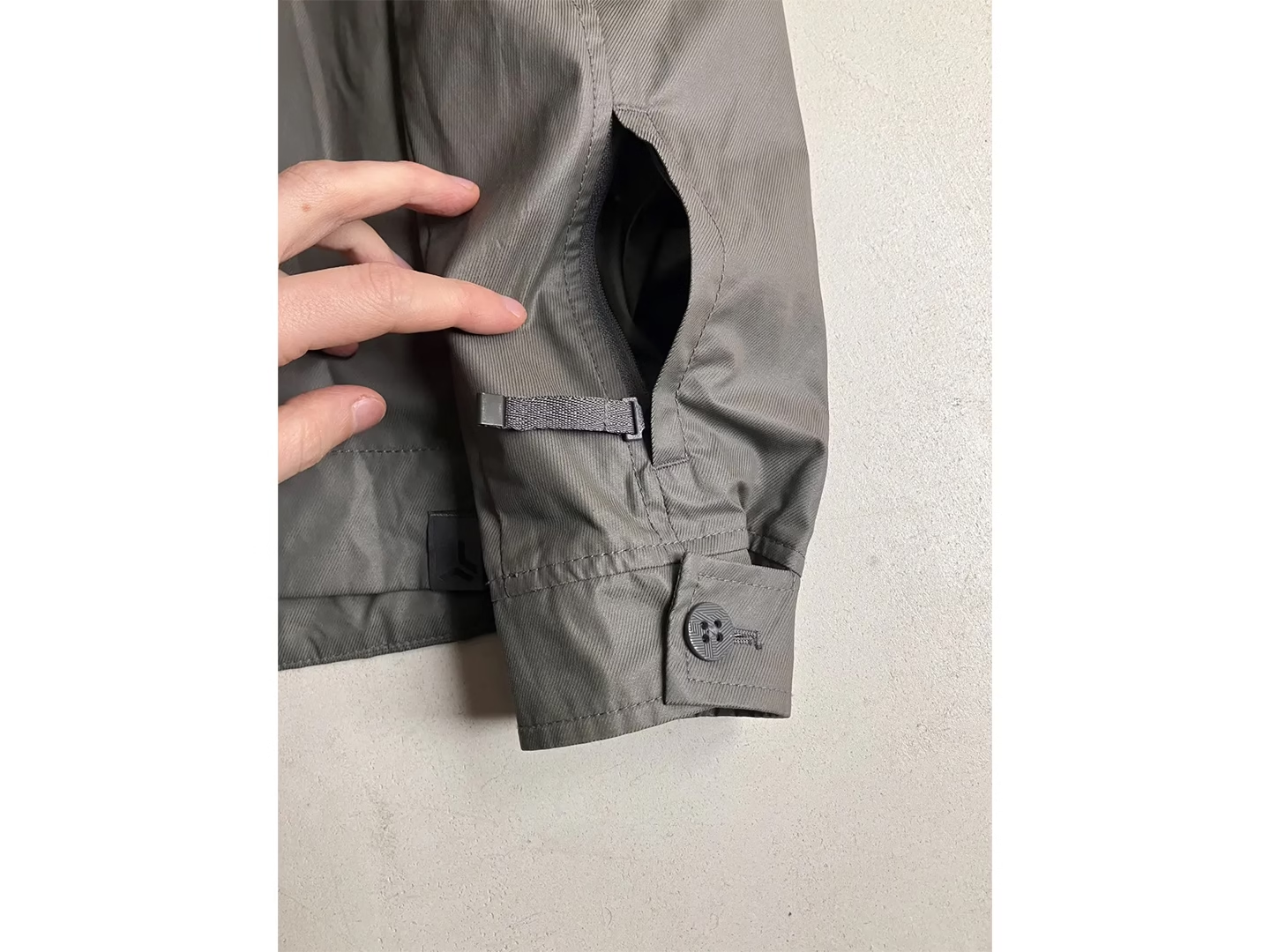
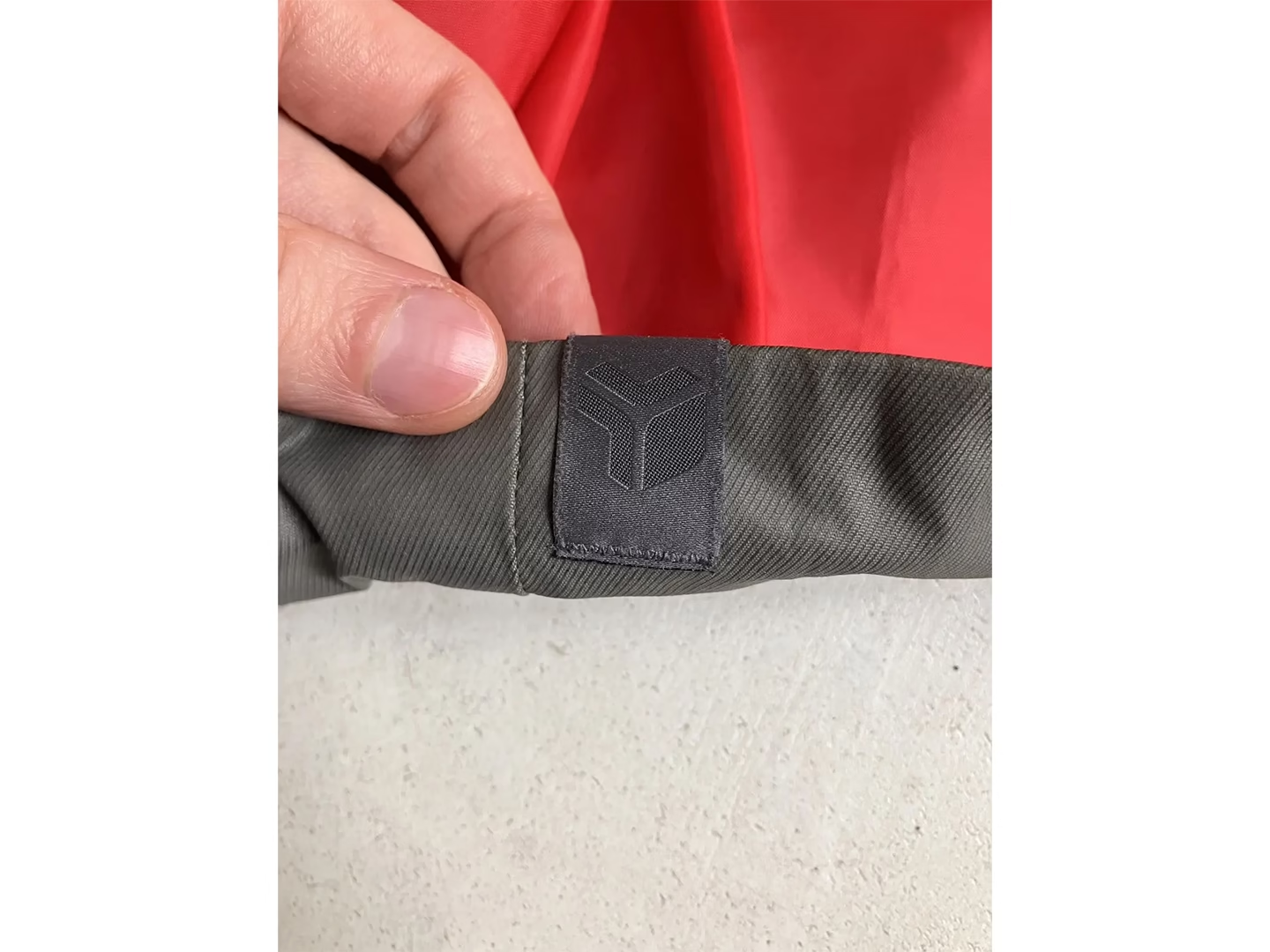
3. Traveller Jacket
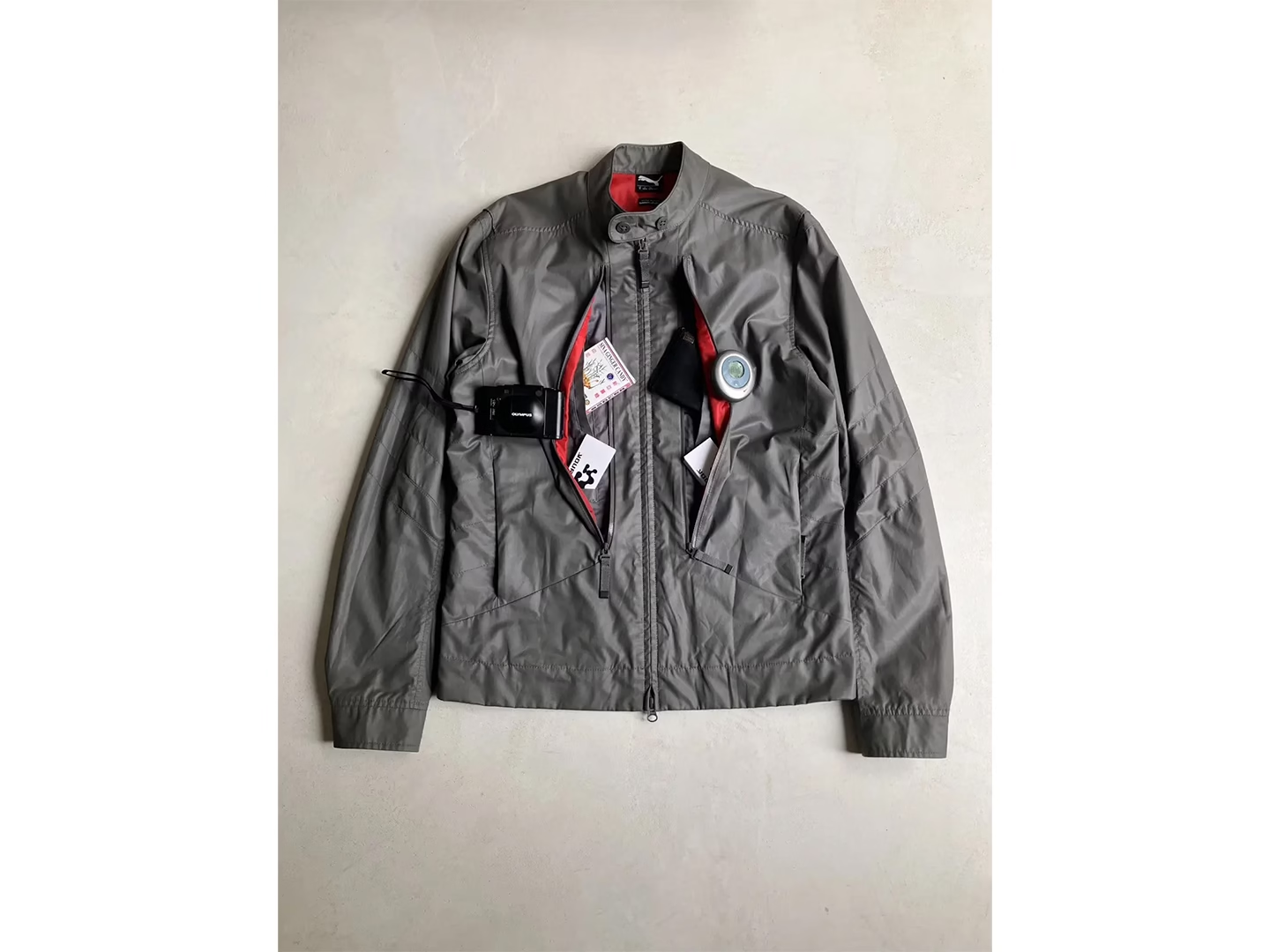
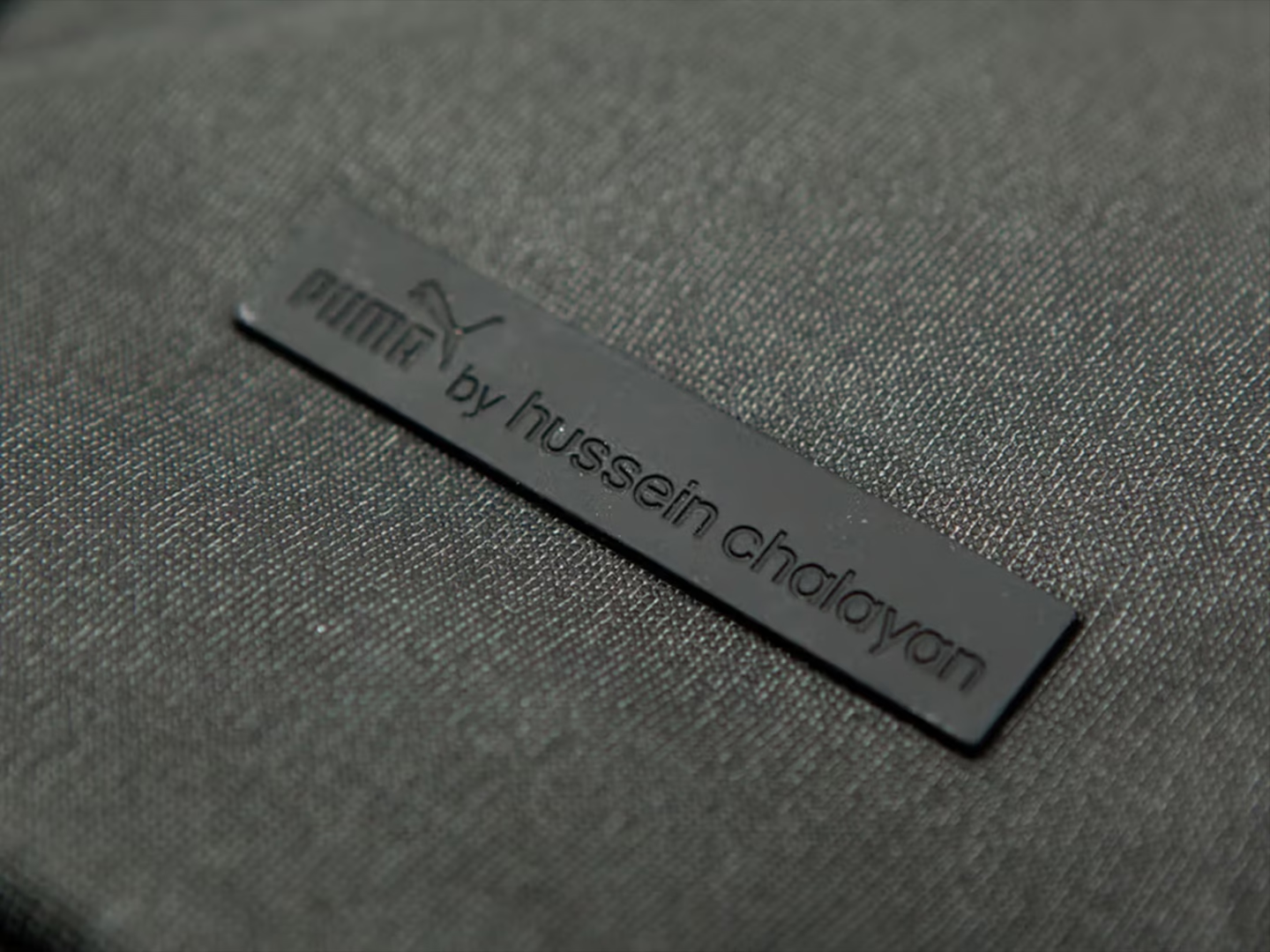
As the project developed, Urban Mobility had shifted from accessories into a more complete clothing system. The jacket belongs to the later Hussein Chalayan era of the project, when garments were increasingly tied to storage, organization, and movement. Around this period, the line included apparel designed to carry documents and small essentials on the body itself, reducing the need for a separate bag. The Traveller Jacket fits that logic well, treating outerwear as part of the travel system rather than just a layer worn over it.
4. Hooded Backpack
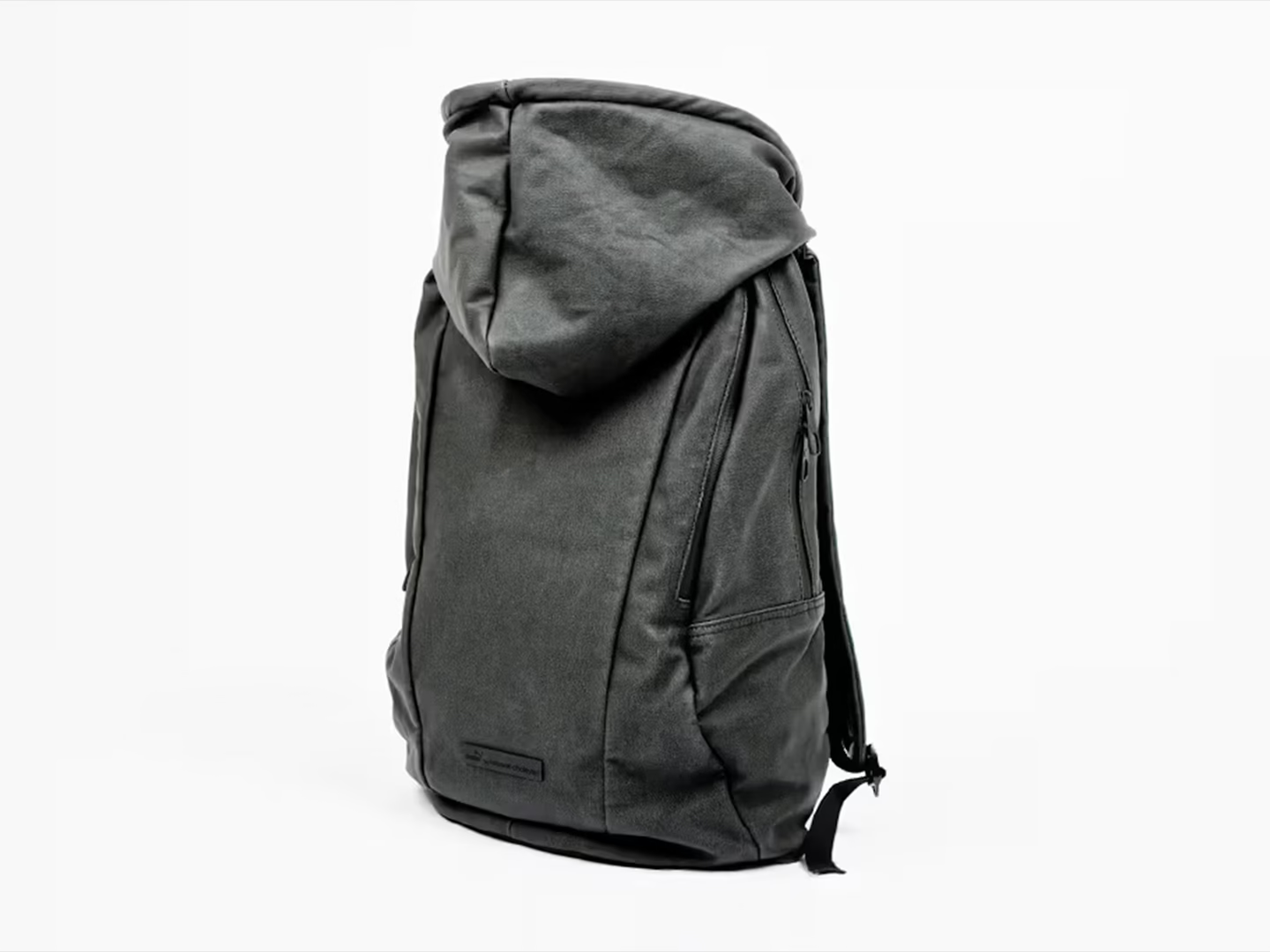
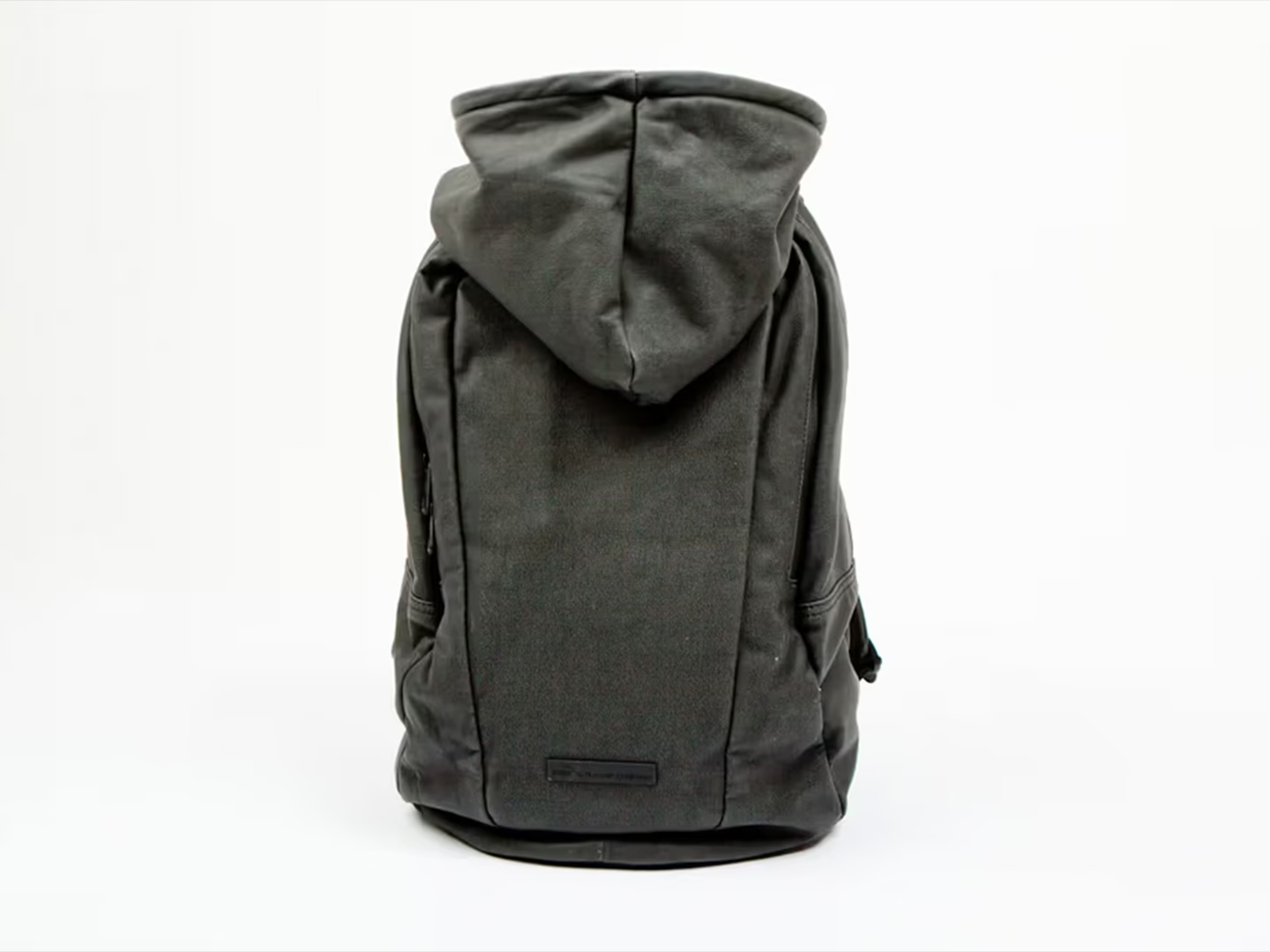
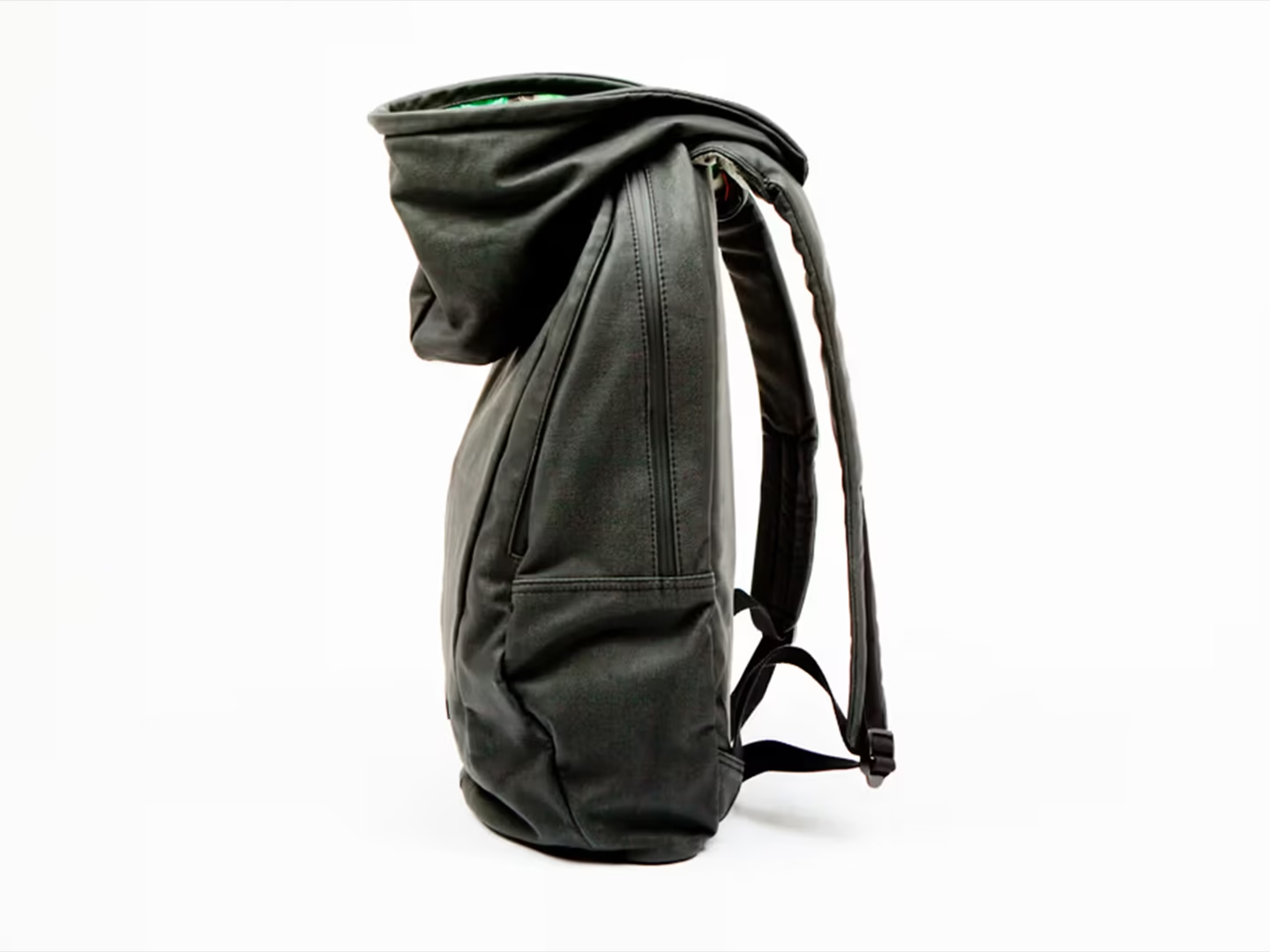
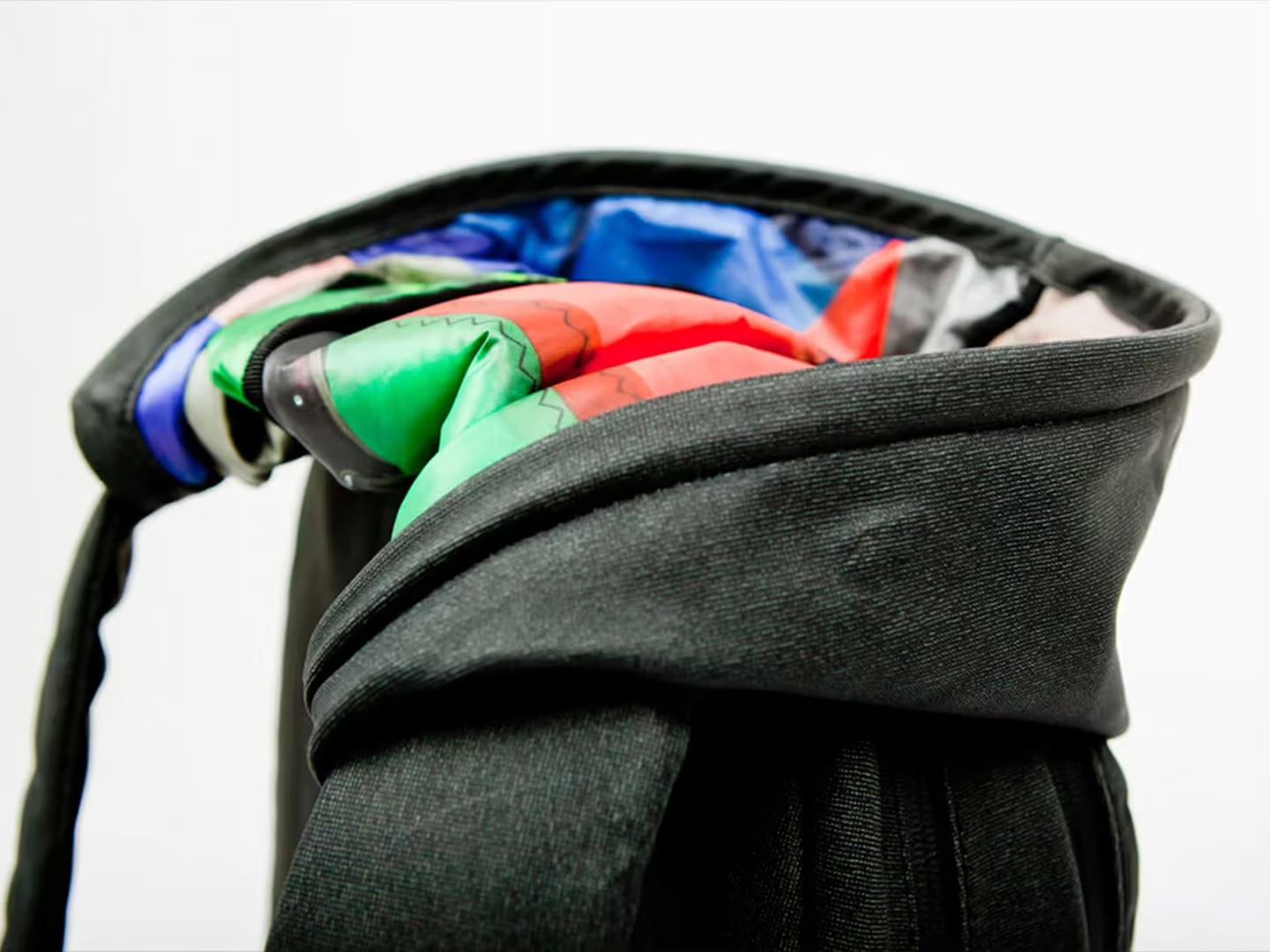
The Hooded Backpack brings in a different mood. By Spring/Summer 2011, Urban Mobility accessories were being described through the idea of “Emotive Ergonomy,” with bags built around metal frames that allowed them to be twisted, customized, and reworked. That gives the Hooded Backpack a slightly different role within the article. It still belongs to the world of carrying and mobility, but it introduces a more adjustable and expressive way of thinking about function. Rather than reading like a straightforward utility backpack, it suggests how the line began to treat accessories as flexible forms with some room for experimentation.
5. Urban Swift
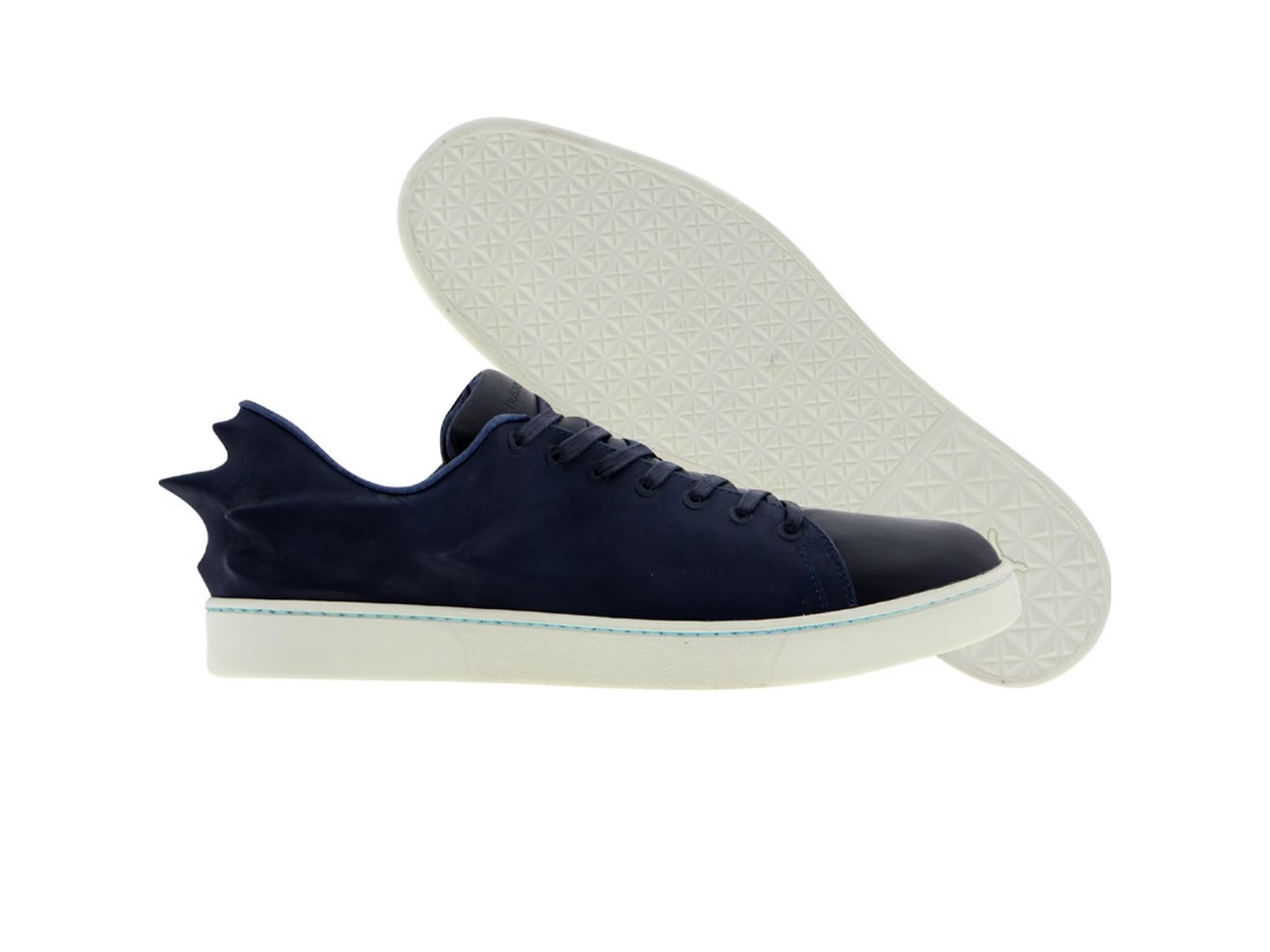
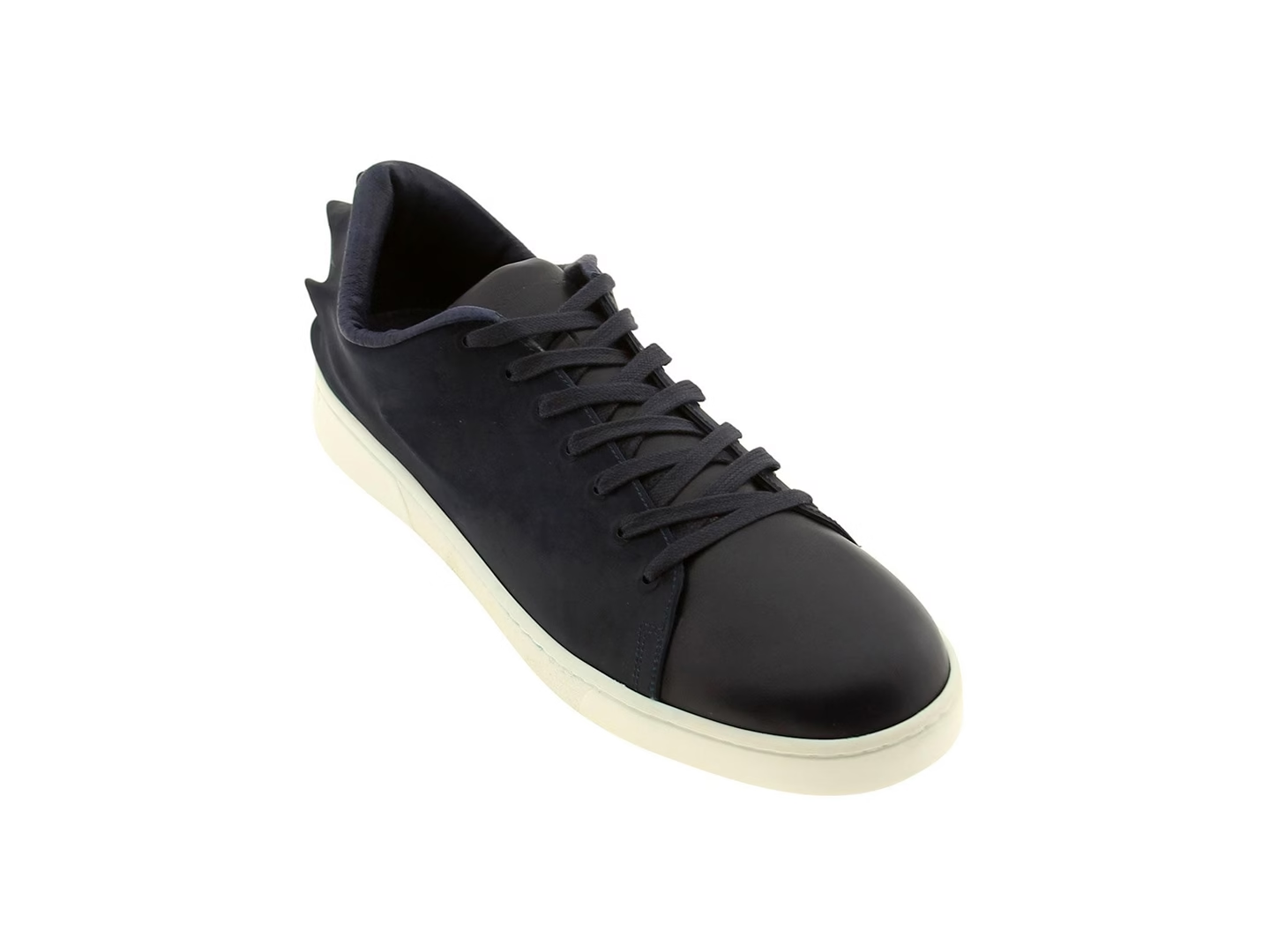
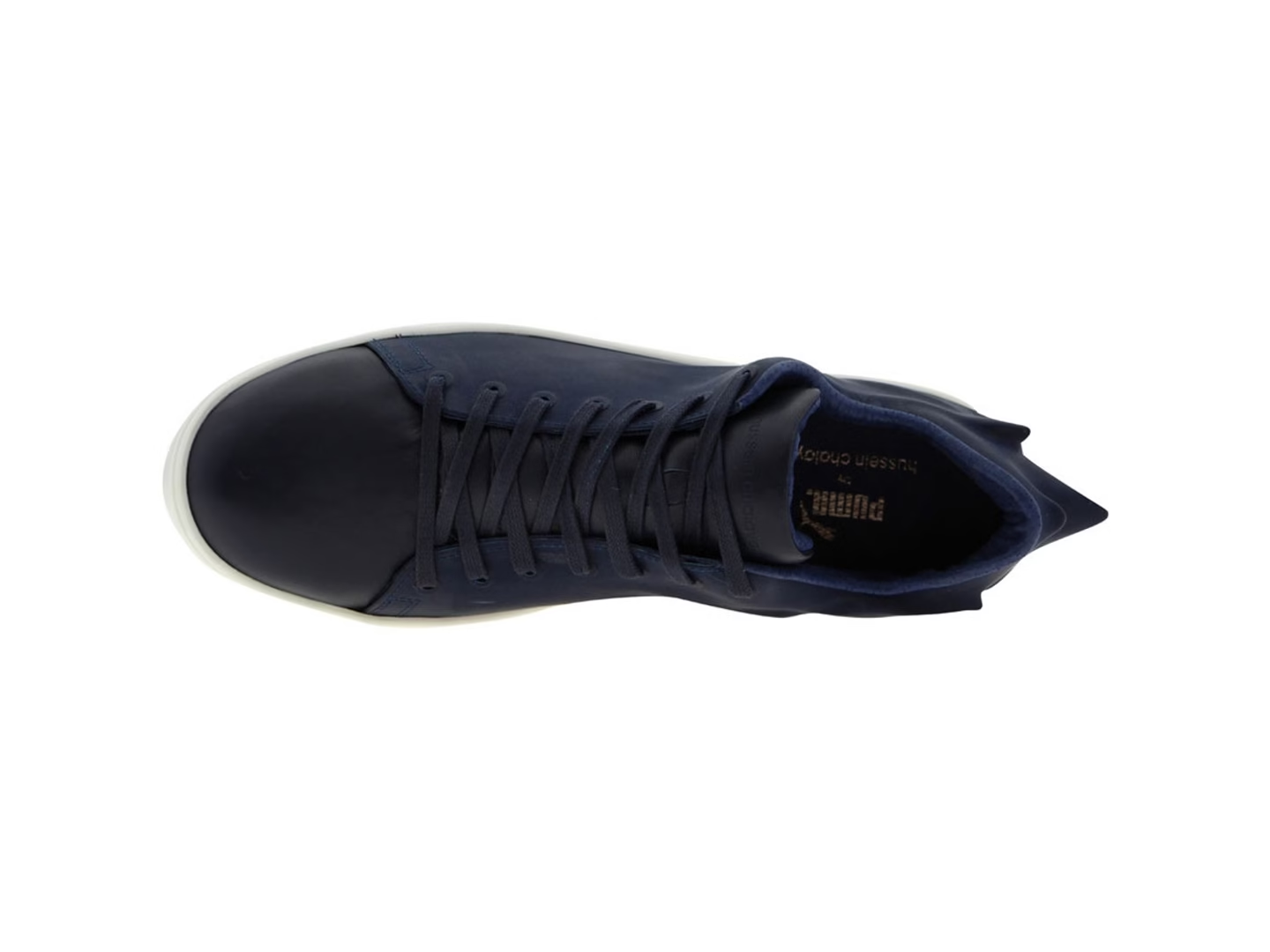
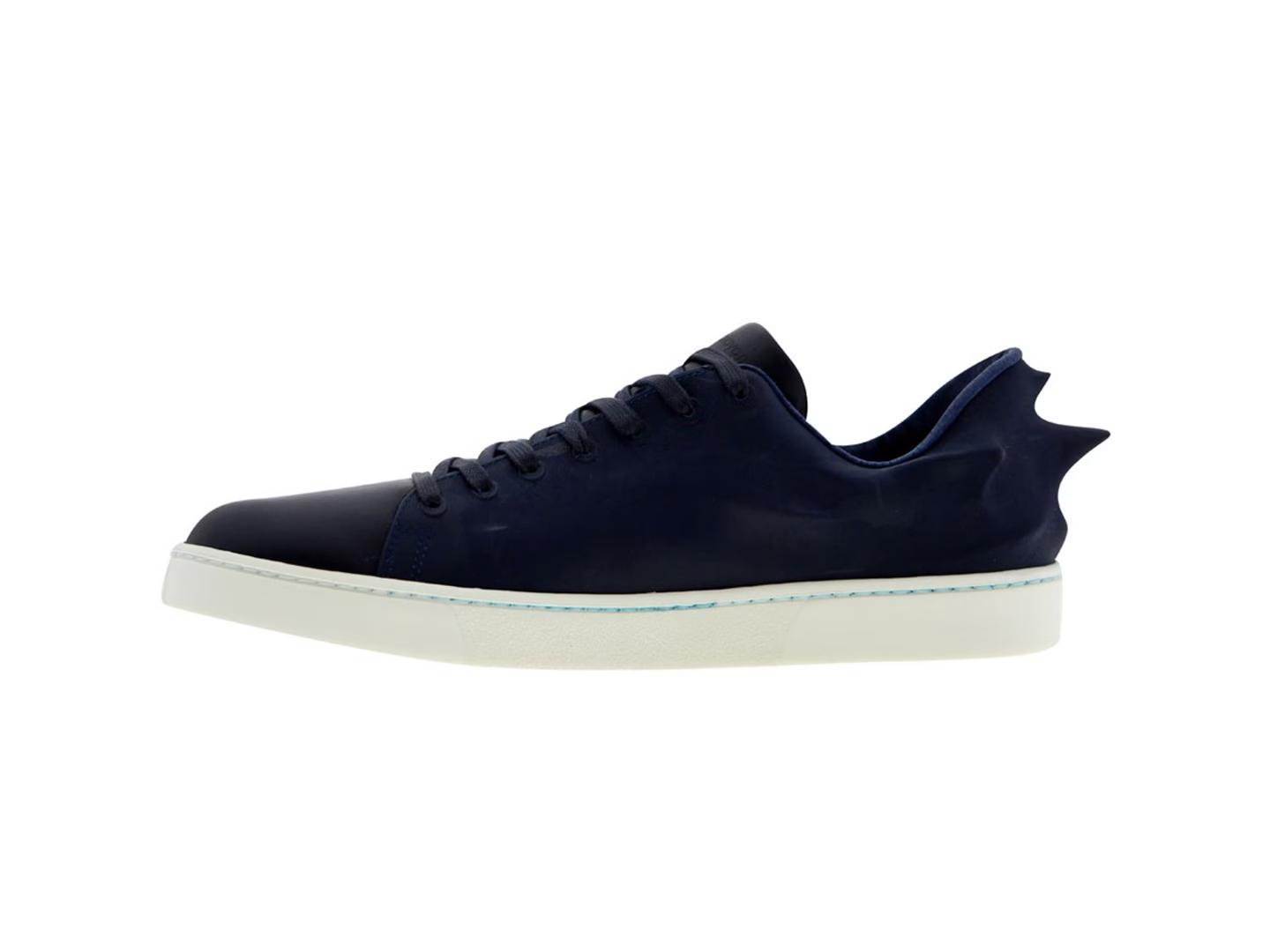
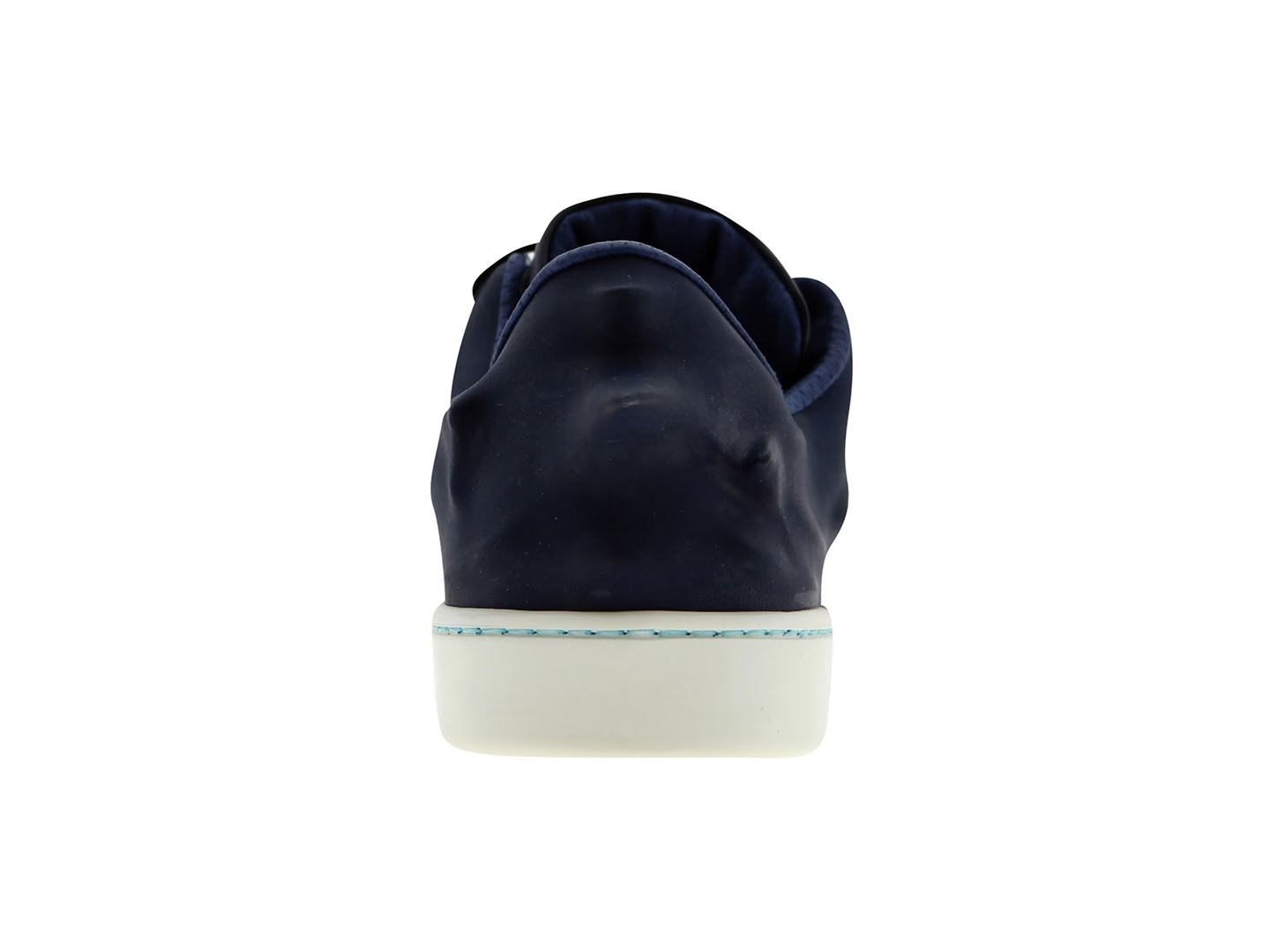
By the time the Urban Swift appeared, Urban Mobility had moved into a more sculptural direction. The shoe was built on a Clyde-based silhouette, but its quarter and back panels were treated with injected molded TPU, giving it a harder, more shaped profile than the earlier, more literal travel-oriented pieces in the line. It still belonged to the idea of movement, but it no longer needed to explain itself through obvious travel functions. As one of the later pieces in the project, it works well as a closing example because it shows Urban Mobility at its most sharpened and design-led.