Nissan’s Pike project began in the mid-1980s as a small design experiment rather than a conventional model program. It first appeared as a reference car at the 1985 Tokyo Motor Show, then developed into a short run of limited-volume vehicles shaped around the idea of “Nostalgic Modern.” The aim was not just to revisit older styling cues, but to use contemporary mechanical bases to create cars with softer forms and more distinctive identities. That is why the project still feels separate from ordinary late-1980s compact cars. These were not simply unusual transport tools, but vehicles designed with their own concepts, naming, and visual character.
1. Be-1
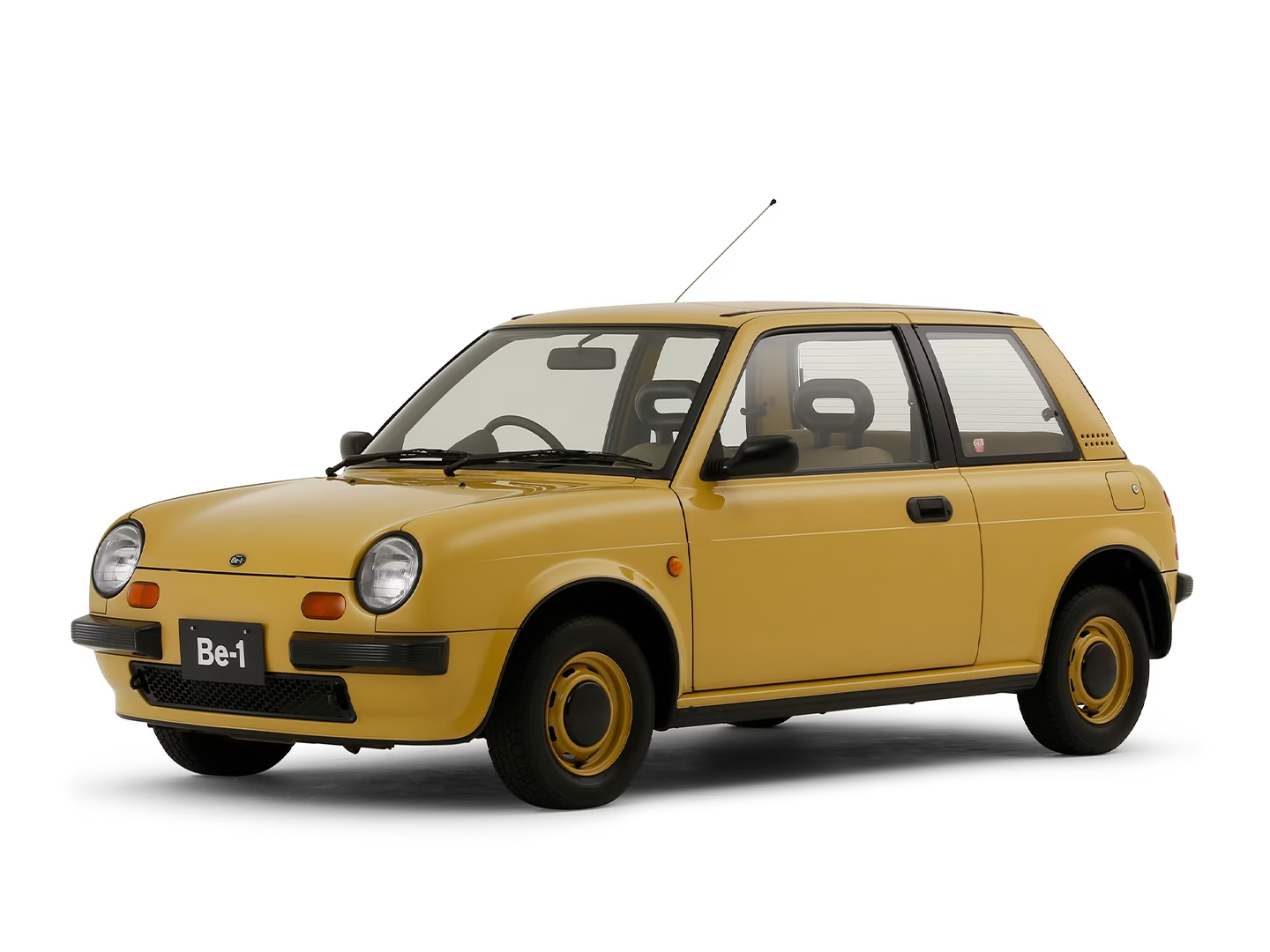
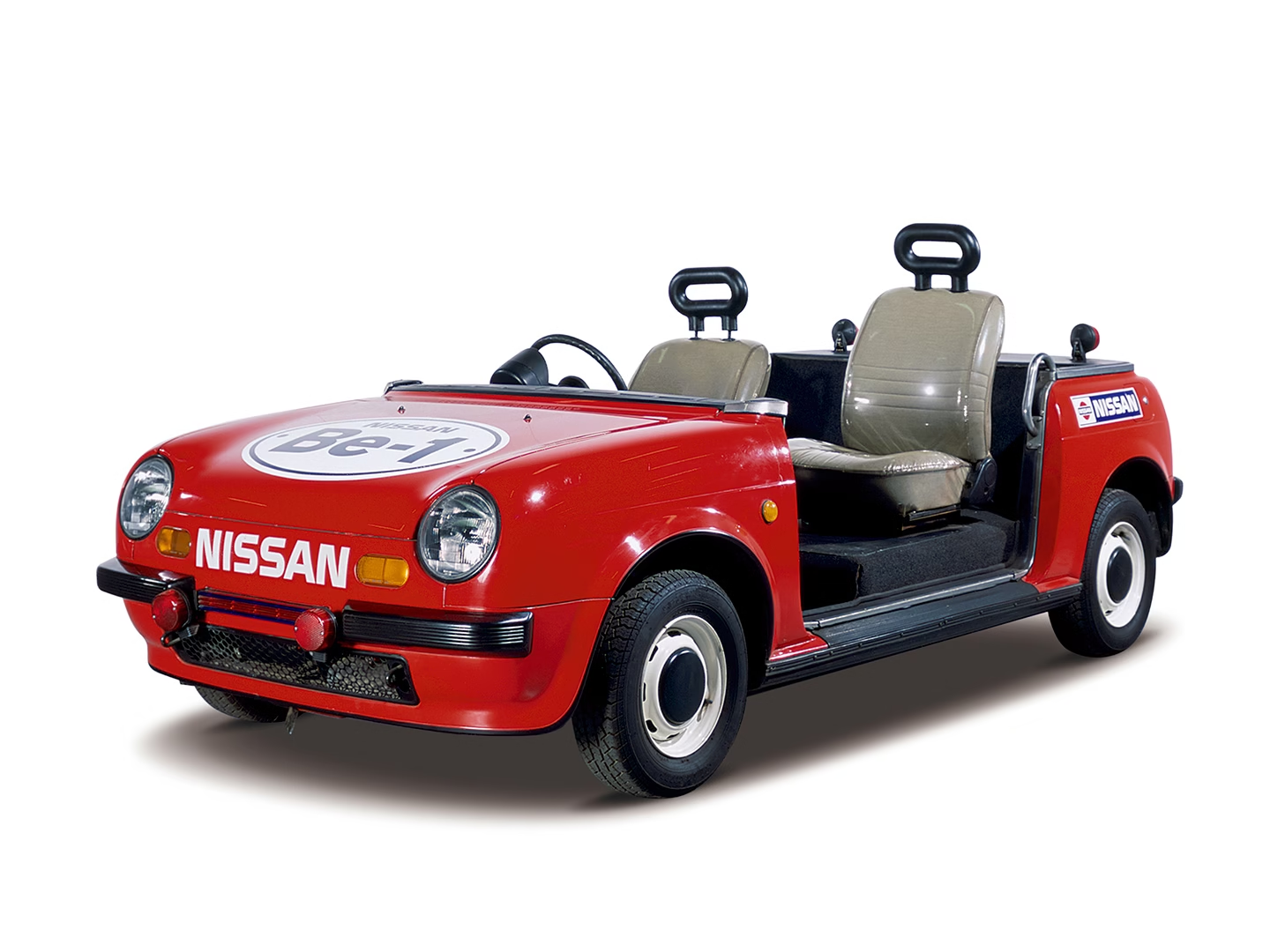
The Be-1 came first, setting the tone for everything that followed. Based on the first-generation March, it reworked a familiar compact platform into something rounder, calmer, and deliberately out of step with late-1980s small-car design. Its concept centered on coziness, and even the name developed from an internal “Plan B-1” into something simpler and more personal. When it went on sale in January 1987, demand exceeded the 10,000-unit production run and buyers were selected by lottery. That response established it as more than a one-off reference car and set the stage for the Pike series that followed.
2. Pao
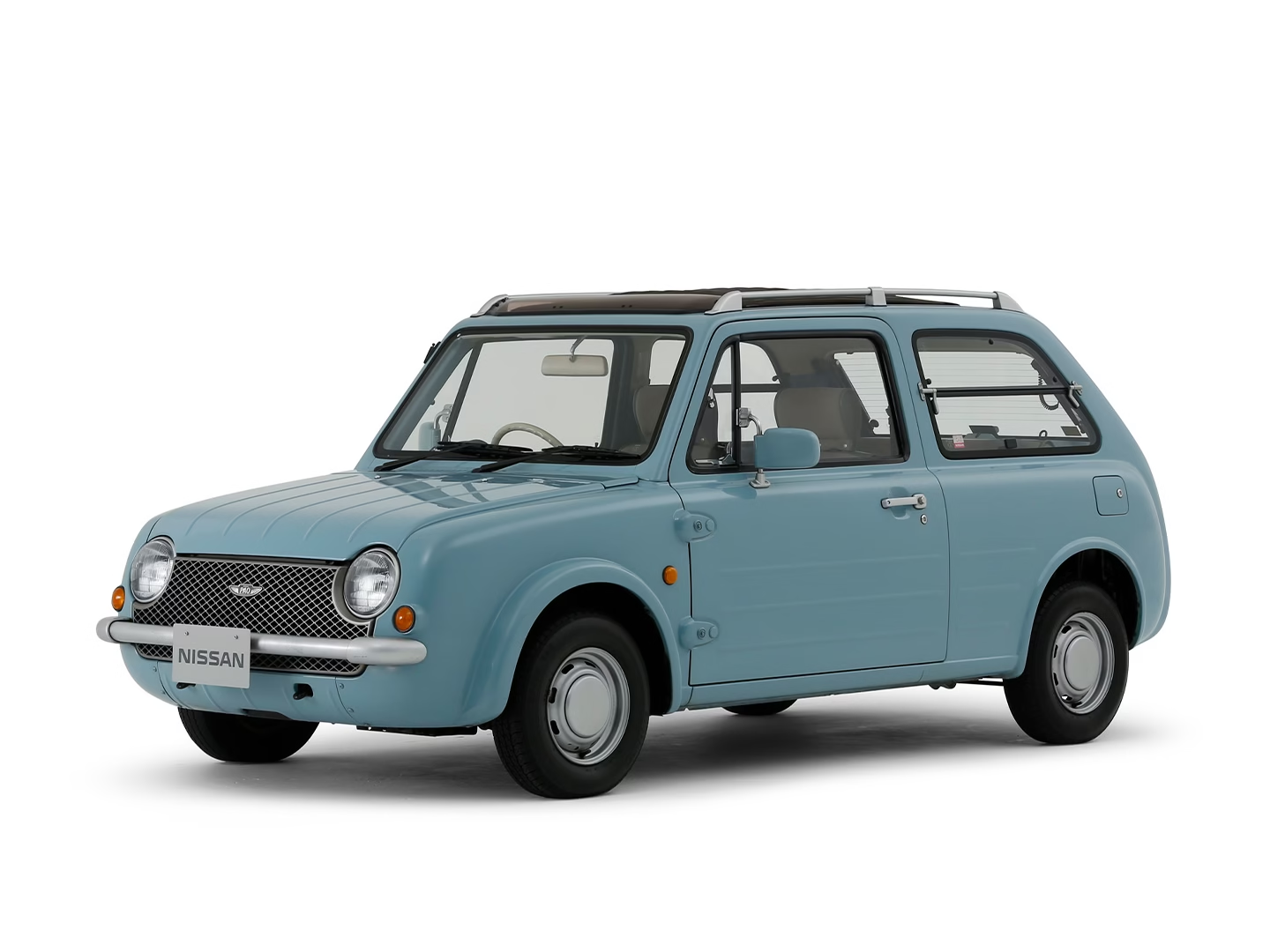
The second model shifted the project toward a more mobile, utility-minded mood. The Pao took its name from the portable Mongolian dwelling, which suited a car shaped around lightness, travel, and everyday use. Its styling drew on practical forms, but filtered them through a softer, more lifestyle-oriented lens, making it feel closer to well-designed equipment than to a standard hatchback of the period. Nissan accepted reservations over a fixed period and built all reserved cars, eventually producing more than 30,000 units. That broader release gave it a wider presence while keeping its distinct identity within the series.
3. S-Cargo
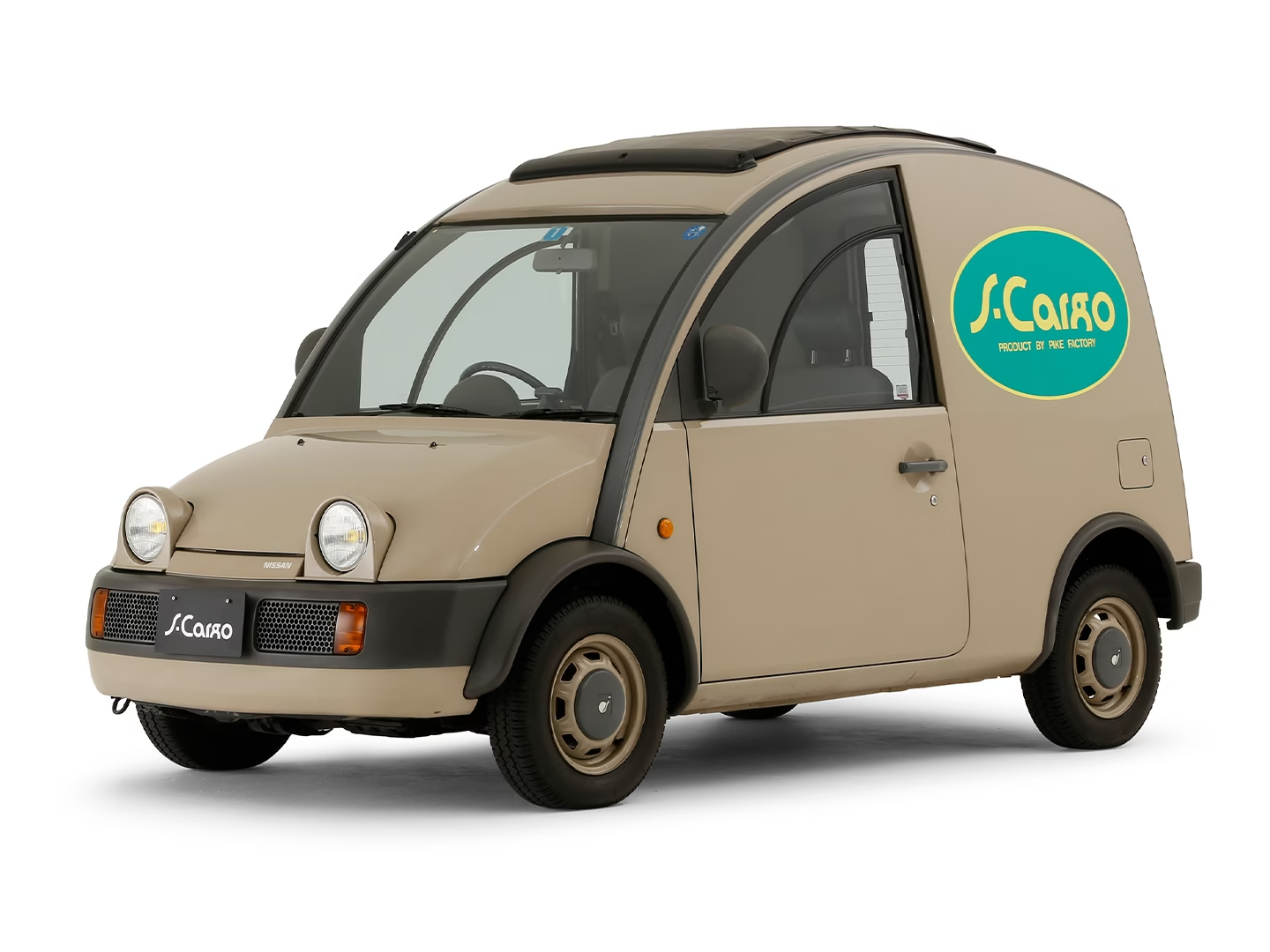
With the S-Cargo, the Pike approach moved into a commercial format. Its name combined escargot and cargo, and the design reflected that reference through a rounded body, raised roofline, and protruding lamps. Inside, the same thinking carried through in a cabin with a large central speedometer and a dashboard arranged with an unusual degree of softness for a utility vehicle. At the same time, it remained practical, with tall cargo space and body sides that were often used for advertising. That balance of function and character is a large part of why it remains memorable.
4. Figaro
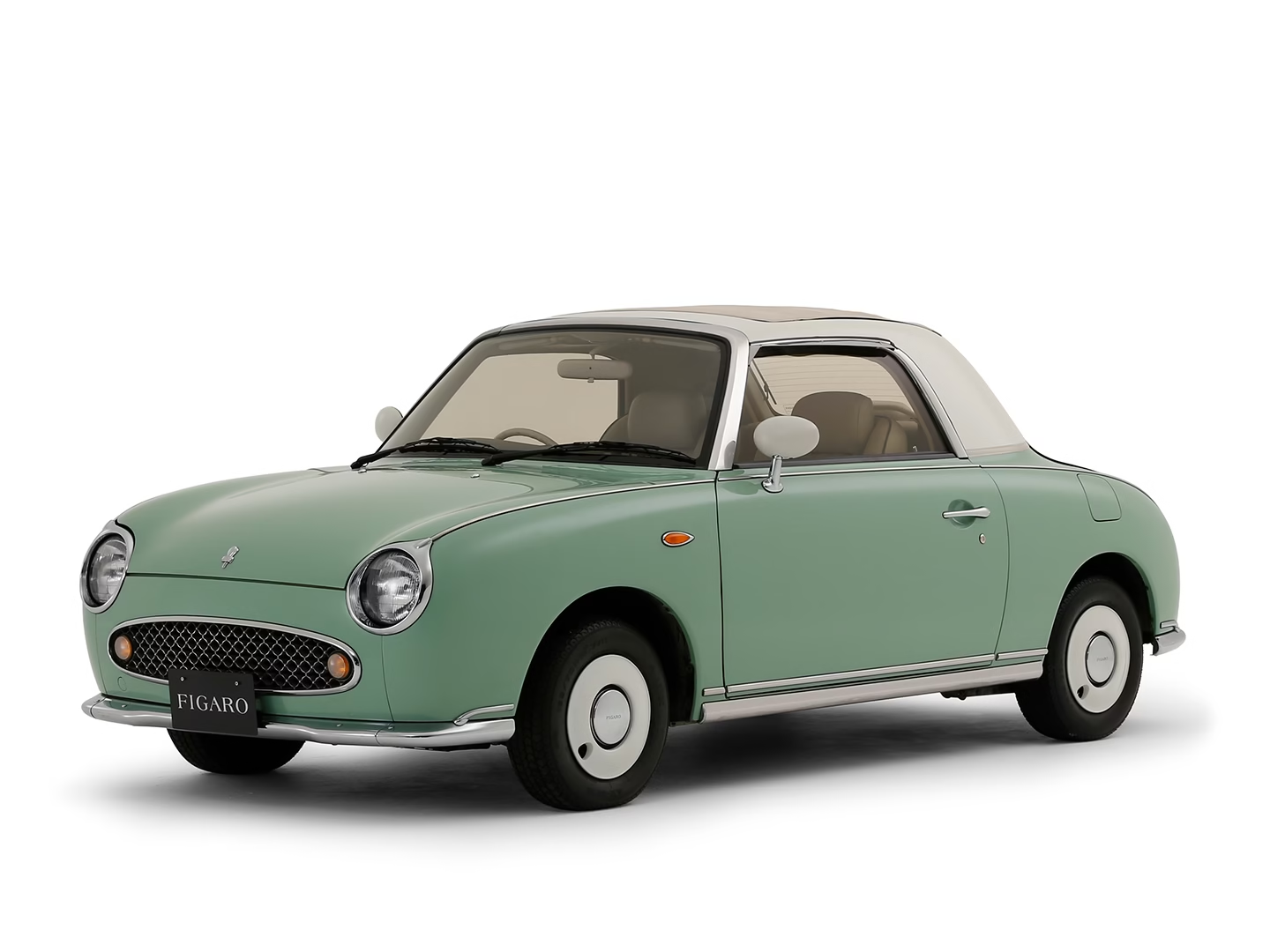
By the time the Figaro arrived, the Pike idea had become much more polished. Introduced at the 1989 Tokyo Motor Show and released in 1991, it extended beyond retro detailing into something closer to a fully art-directed object. Nissan framed it through the concept “Tokyo Nouvelle Vague,” supported by a short film trilogy, while the car itself followed through with equal precision: white leather trim, specially designed instruments, an open top, and a tightly controlled palette of named colors. Among the four official Pike cars, it presented the idea in its most fully staged form.
5. Rasheen
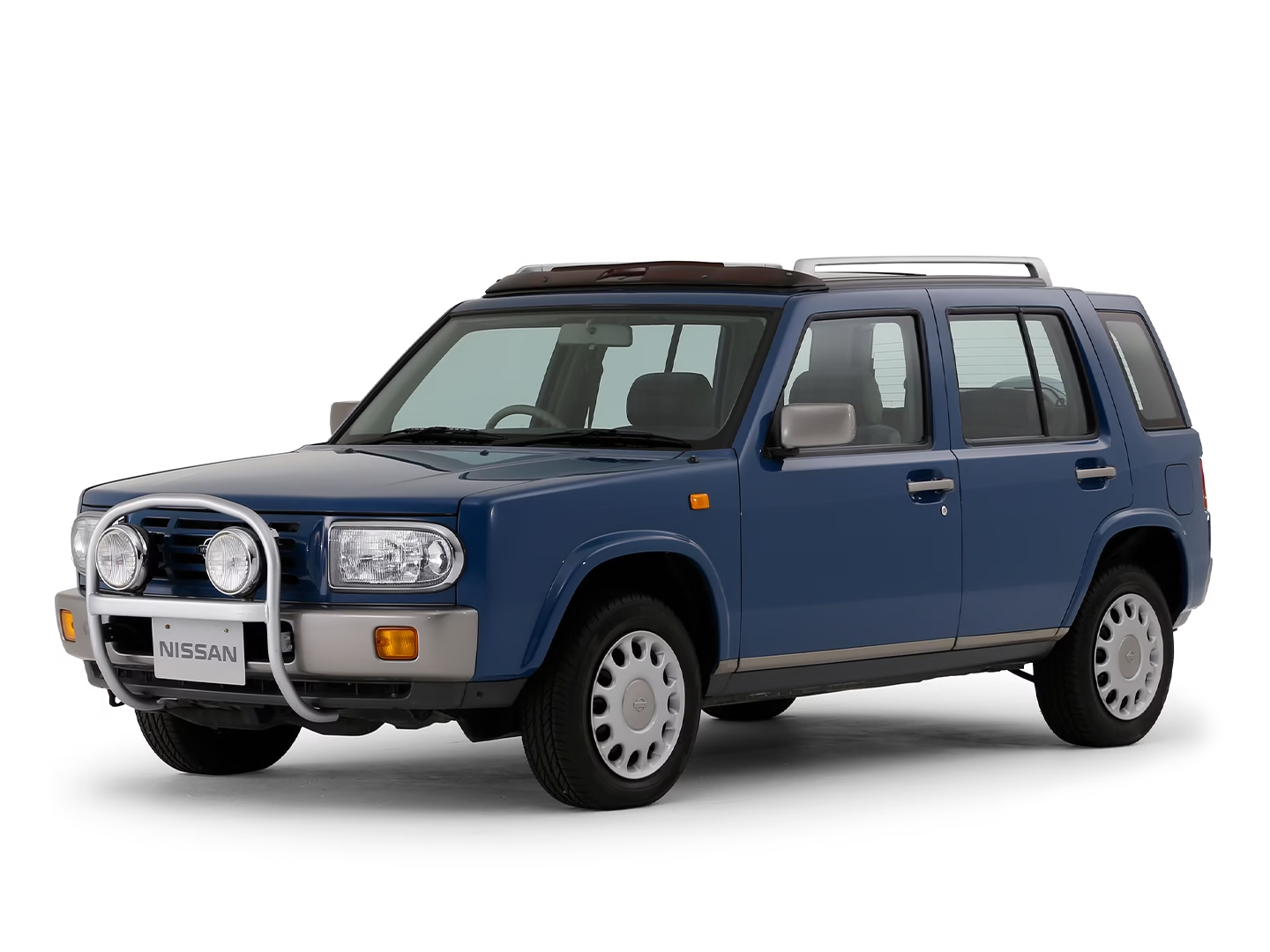
The official Pike series ended with four models, but the Rasheen still sits close to that lineage in spirit. Released in 1994 after its appearance at the 1993 Tokyo Motor Show, it was never part of the Pike line, yet it carried a related design logic into a compact 4WD format. Its boxy proportions, upright stance, and mild awkwardness gave it a clear identity, while its appeal came less from serious off-road capability than from its usefulness as an everyday urban vehicle. Production ended in 2000, but it continued to hold a following afterward. Seen alongside the Pike cars, it fits naturally as the strongest unofficial counterpart to the group.