Haruki Murakami’s fiction is often described as dreamlike, melancholic, and deeply interior. Over the years, filmmakers across the globe have taken on the challenge of adapting his stories for the screen. Some have aimed to preserve Murakami’s distinctive tone, while others have reimagined his themes through their own cinematic perspectives. The following works offer different interpretations of Murakami’s literary world.
1. Drive My Car (2021)
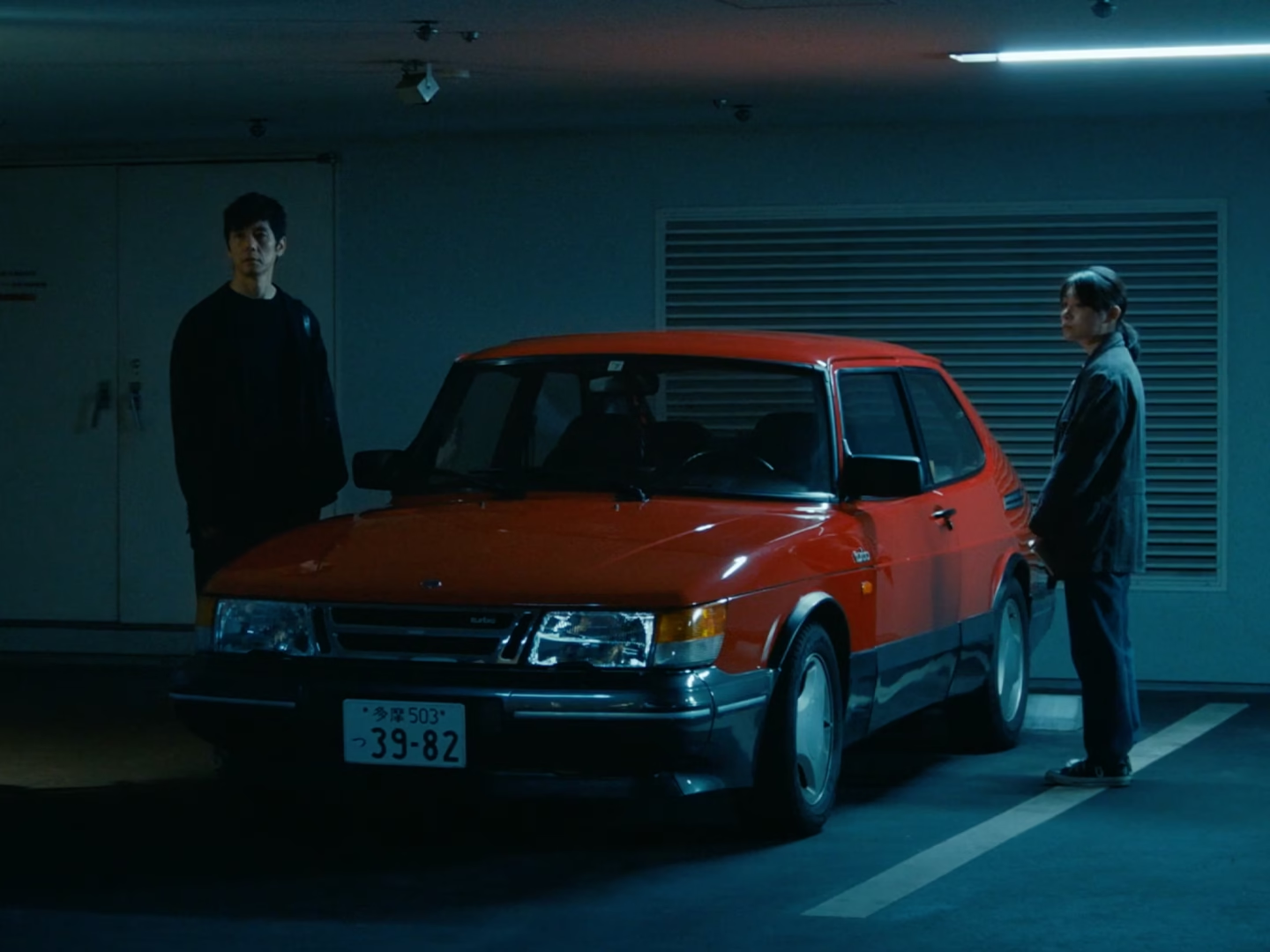
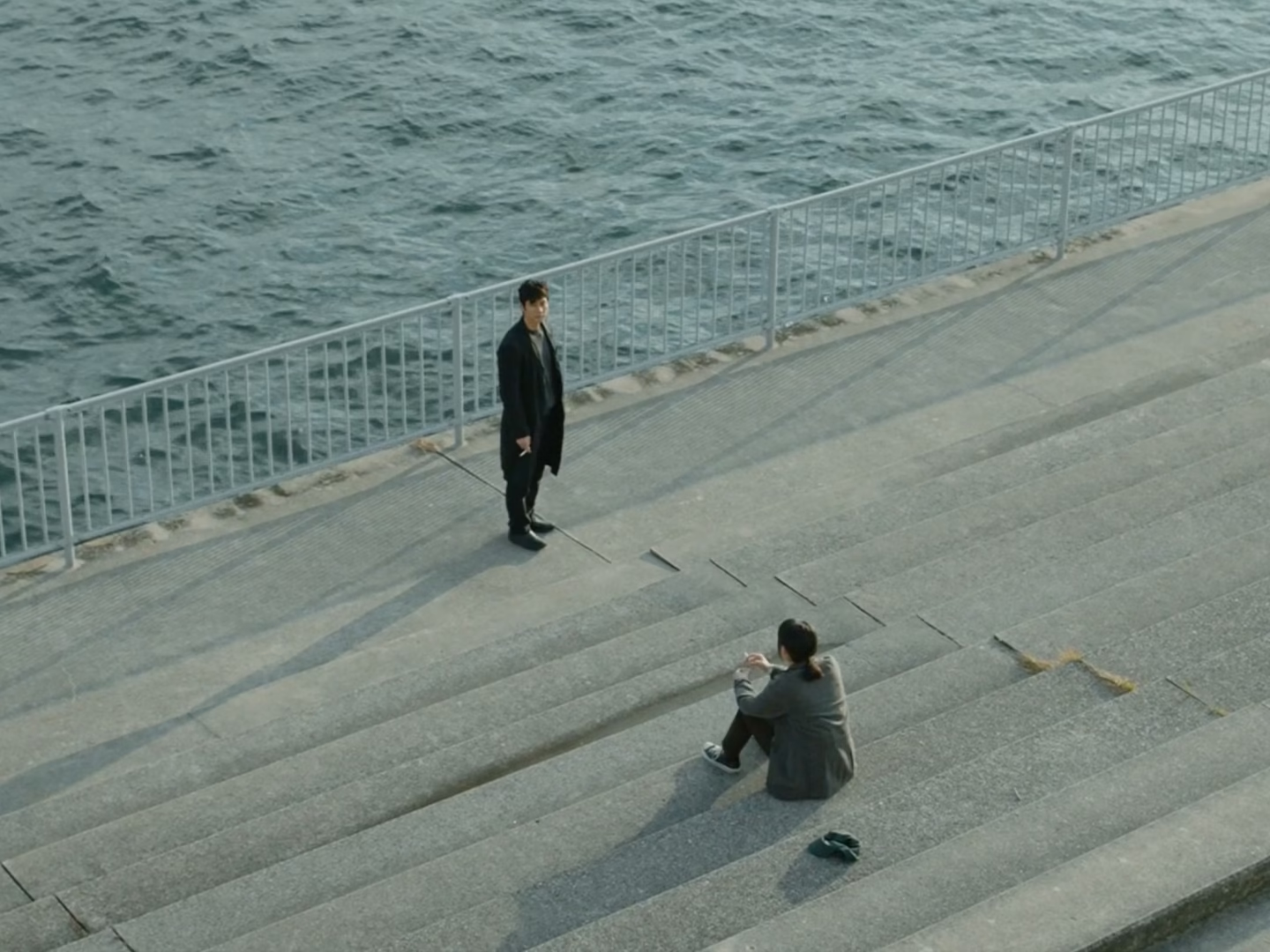
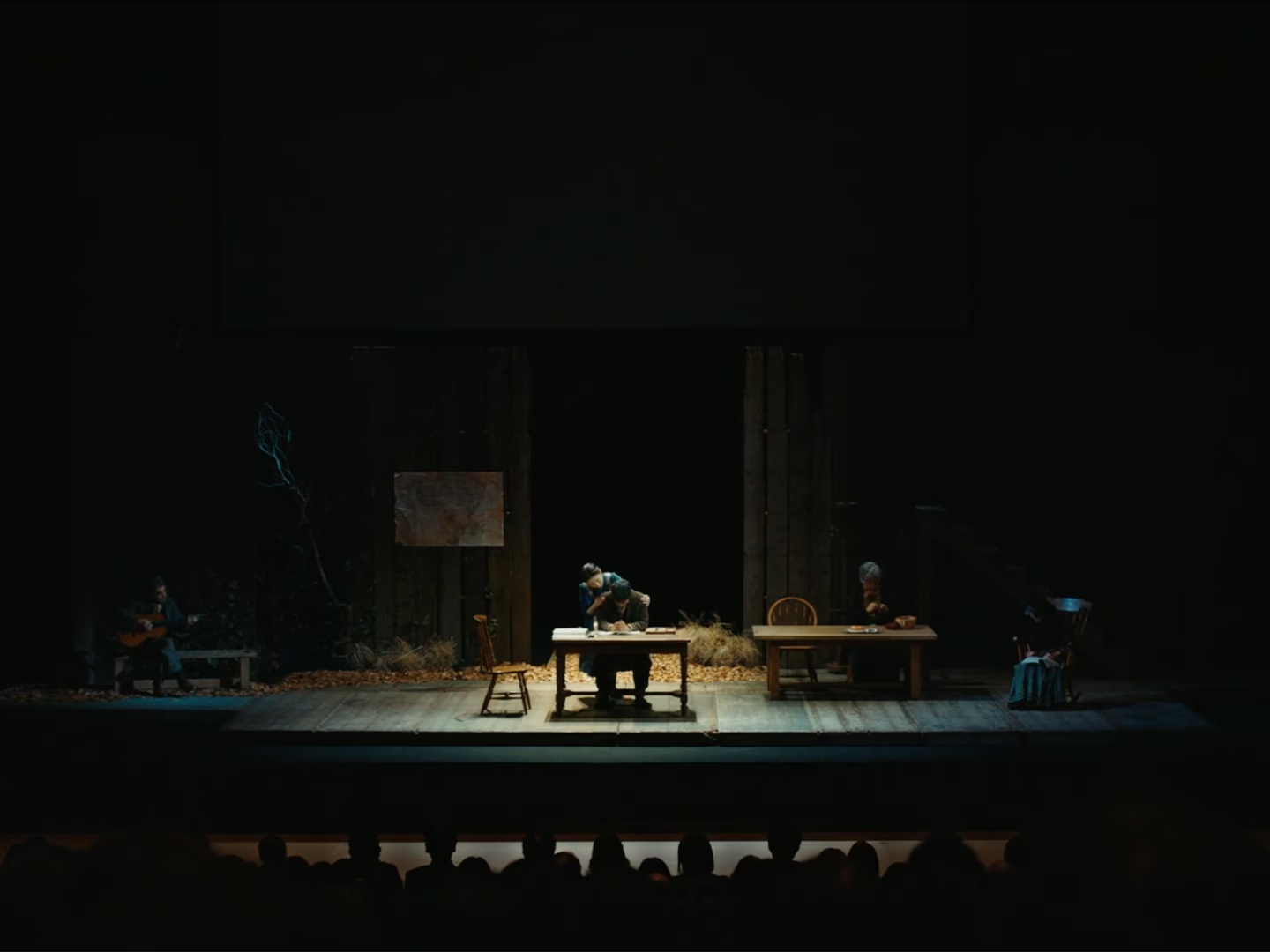
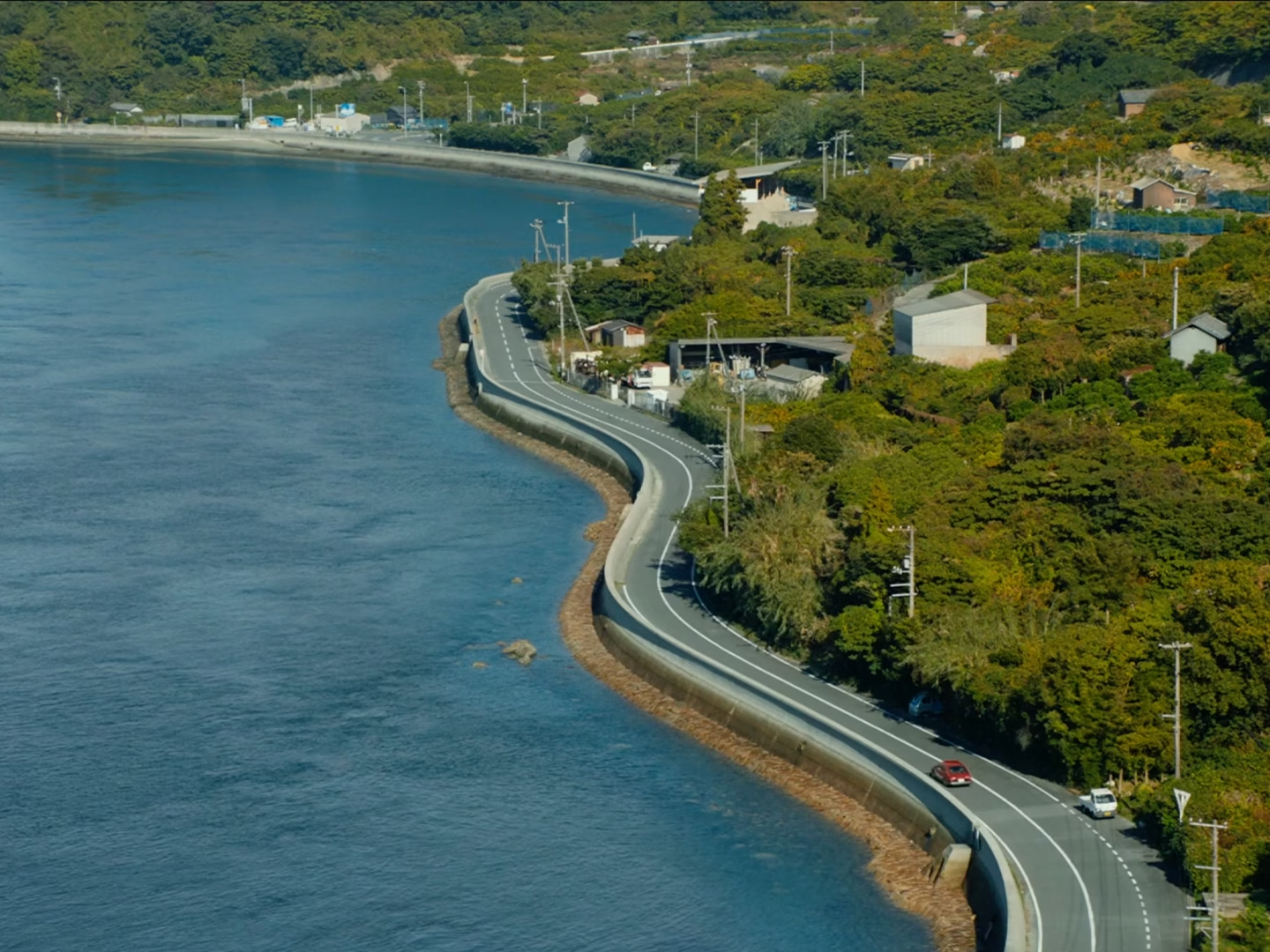
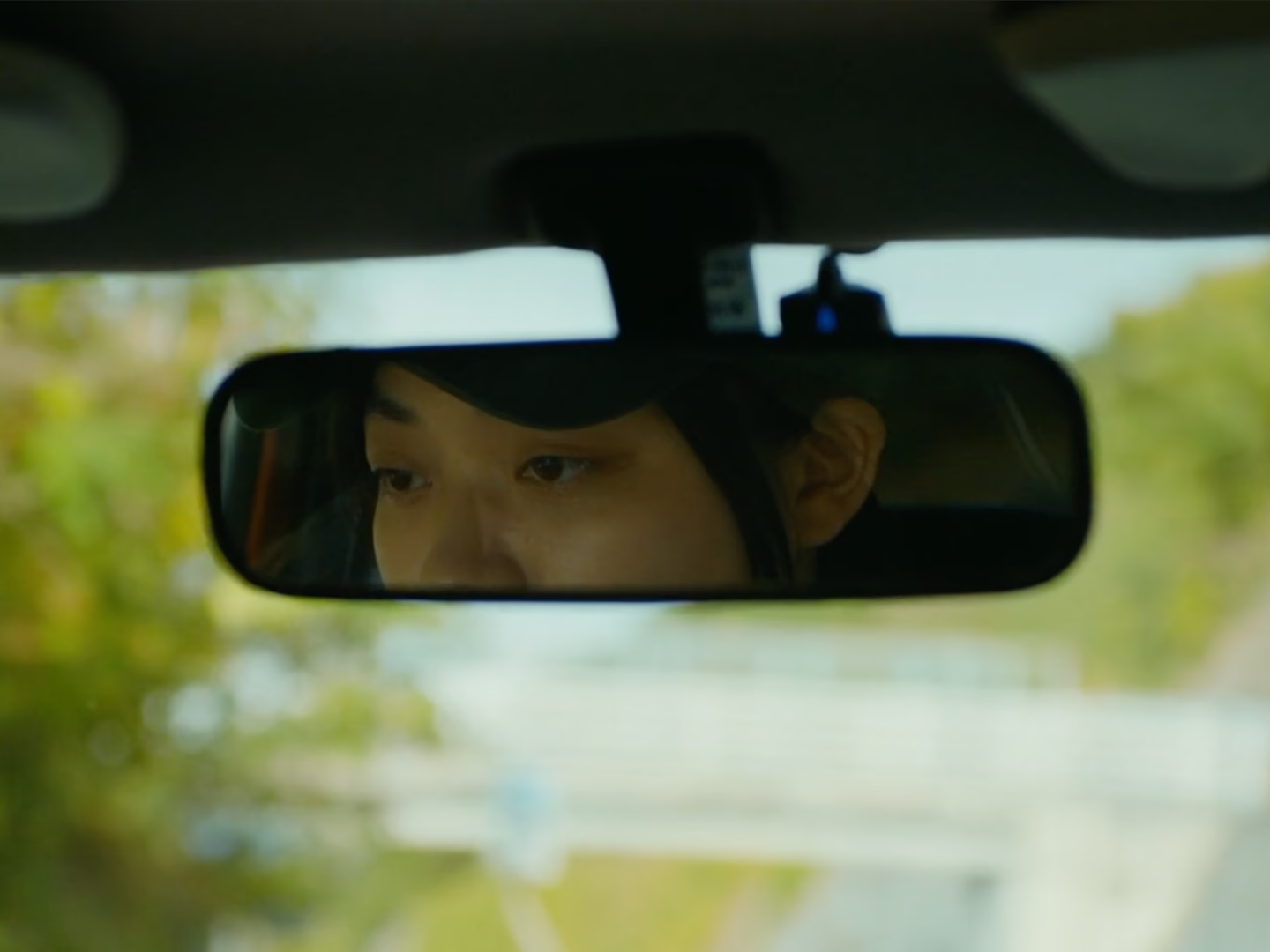
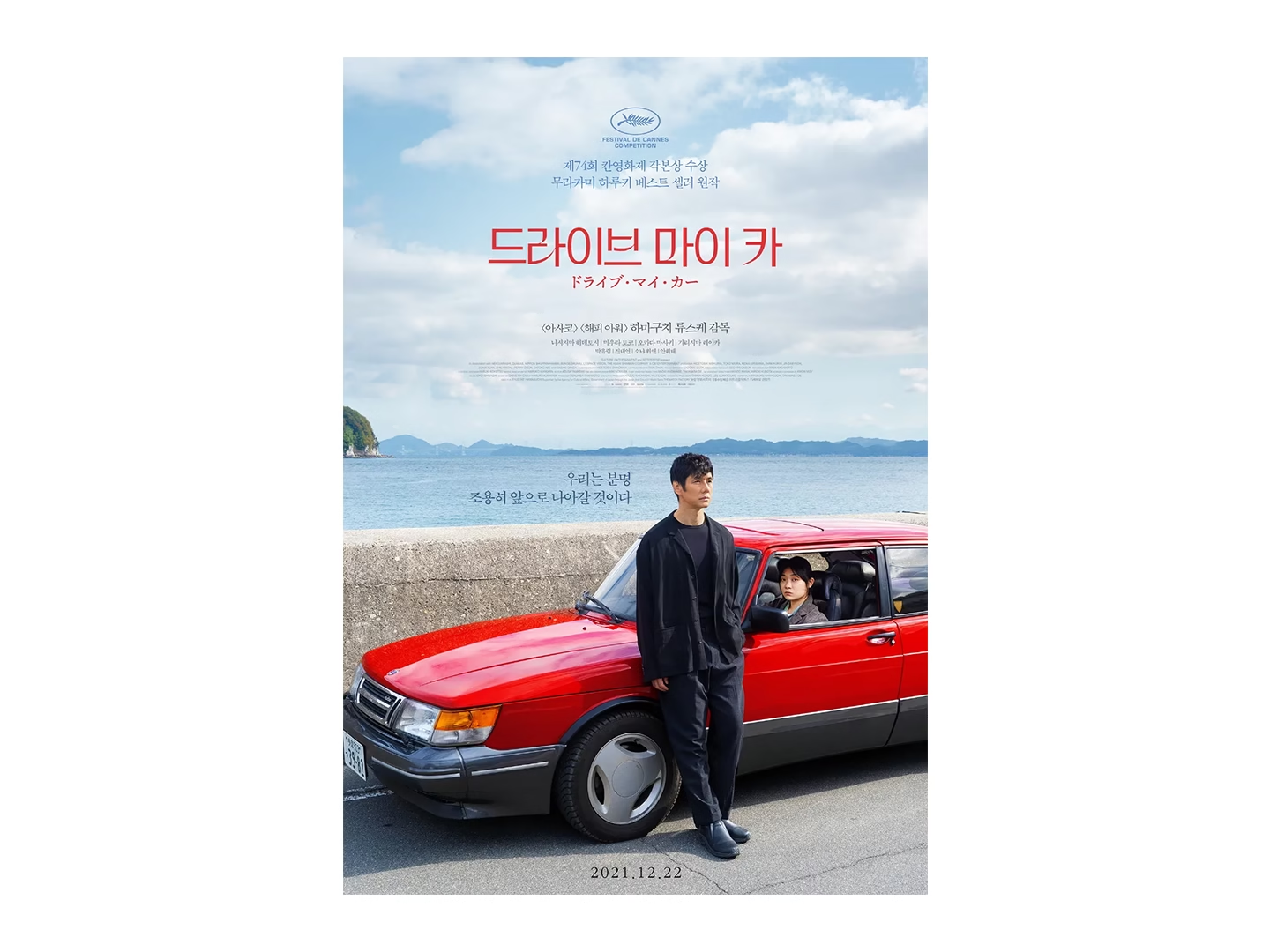
Based on the short story “Drive My Car” from the collection Men Without Women, this film is a meditation on grief, language, and human connection. Directed by Ryusuke Hamaguchi, the adaptation expands Murakami’s original into a nearly three-hour character study that unfolds through restrained performances and long, introspective scenes. The inclusion of multilingual theatre rehearsals adds further depth. Drive My Car won the Best International Feature at the Academy Awards and Best Screenplay at Cannes.
2. Burning (2018)
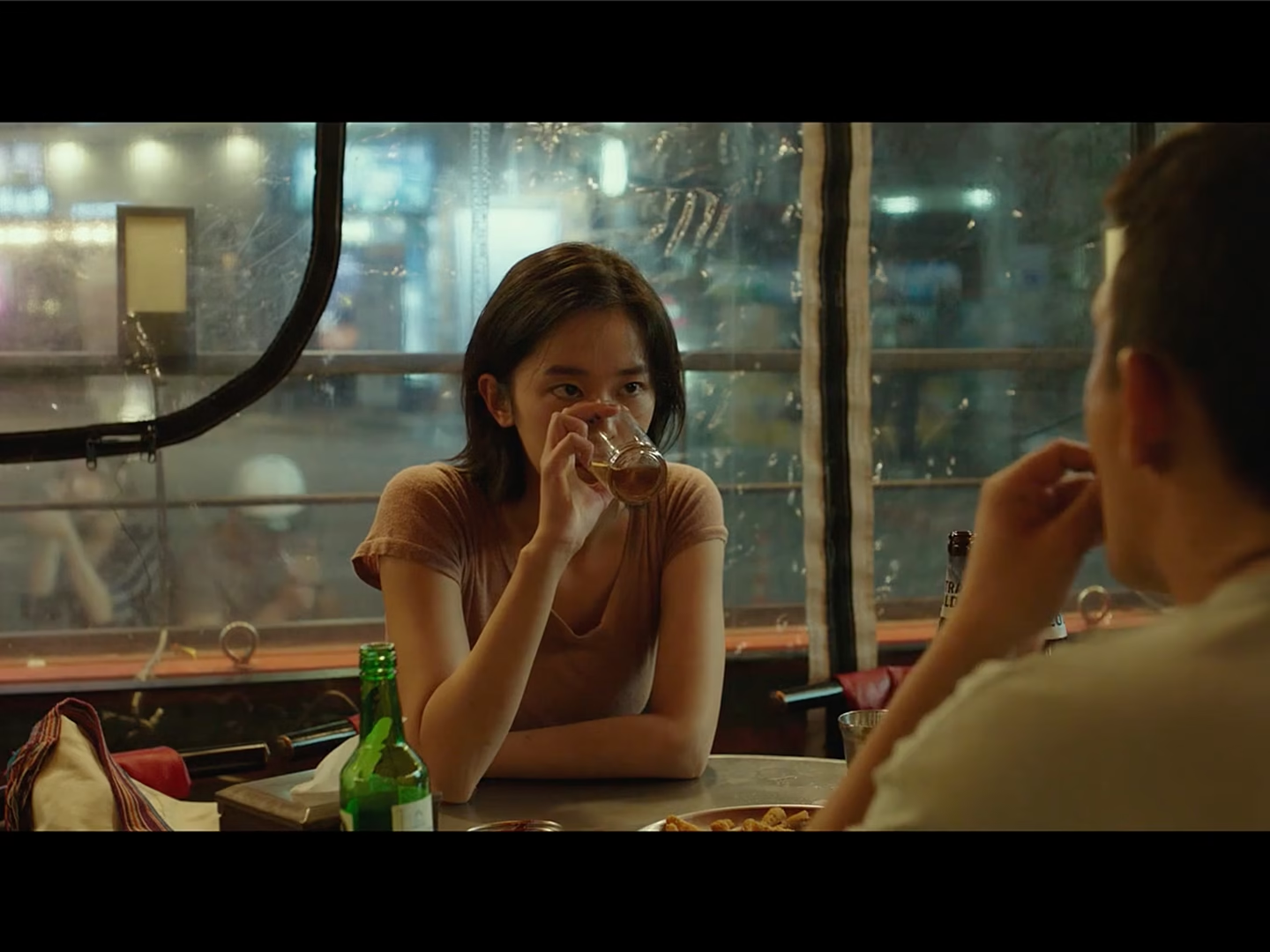
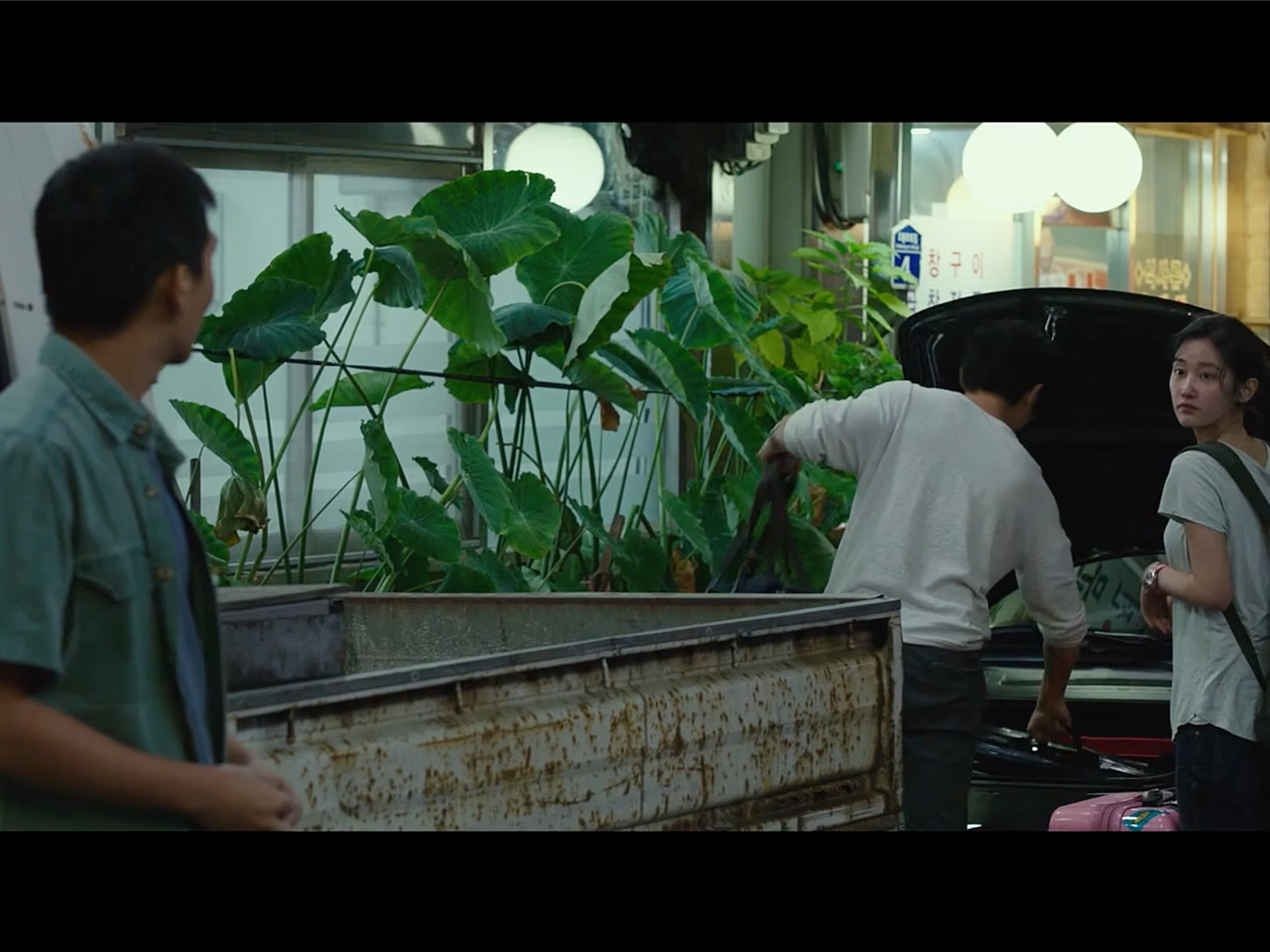
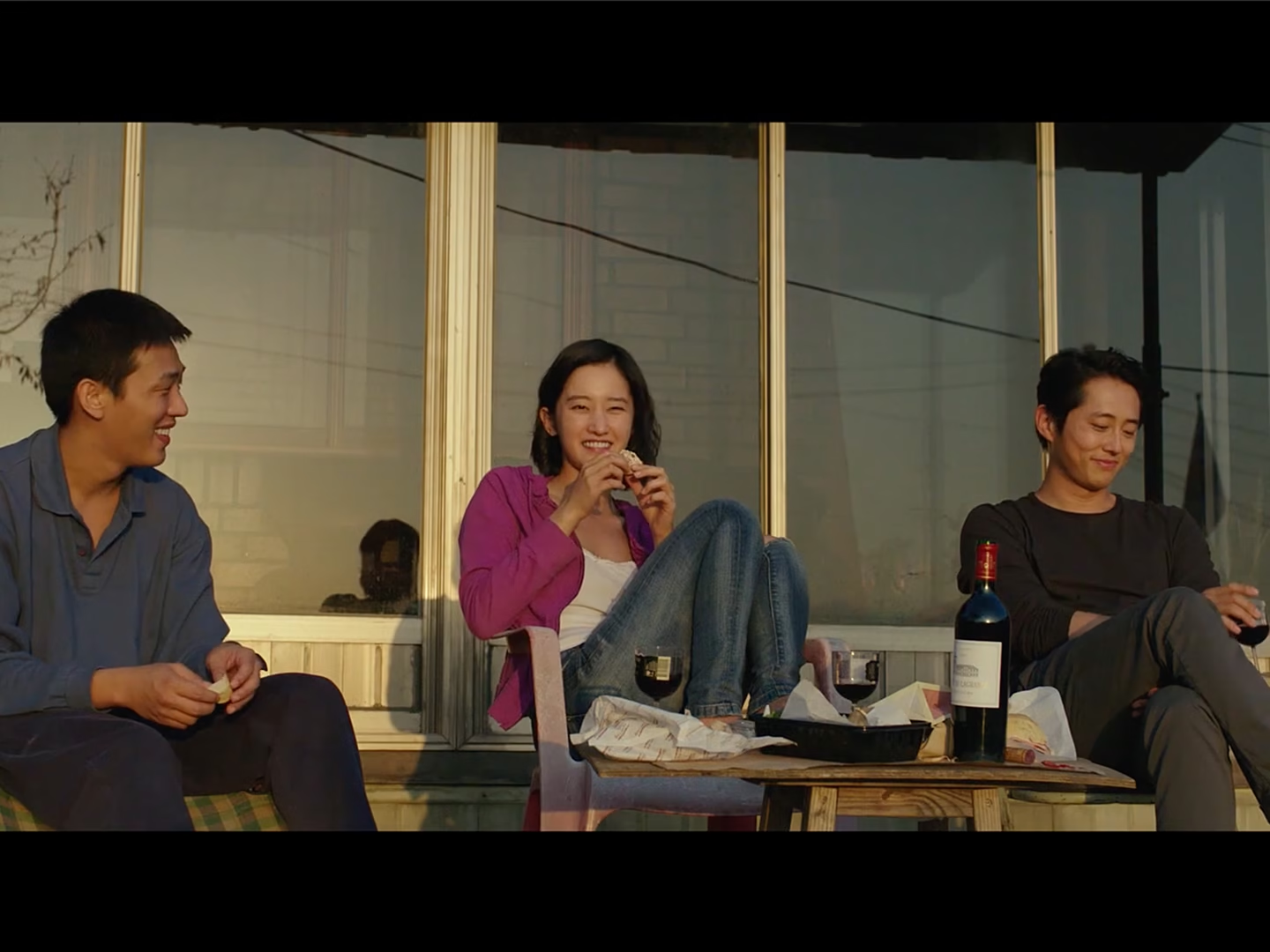
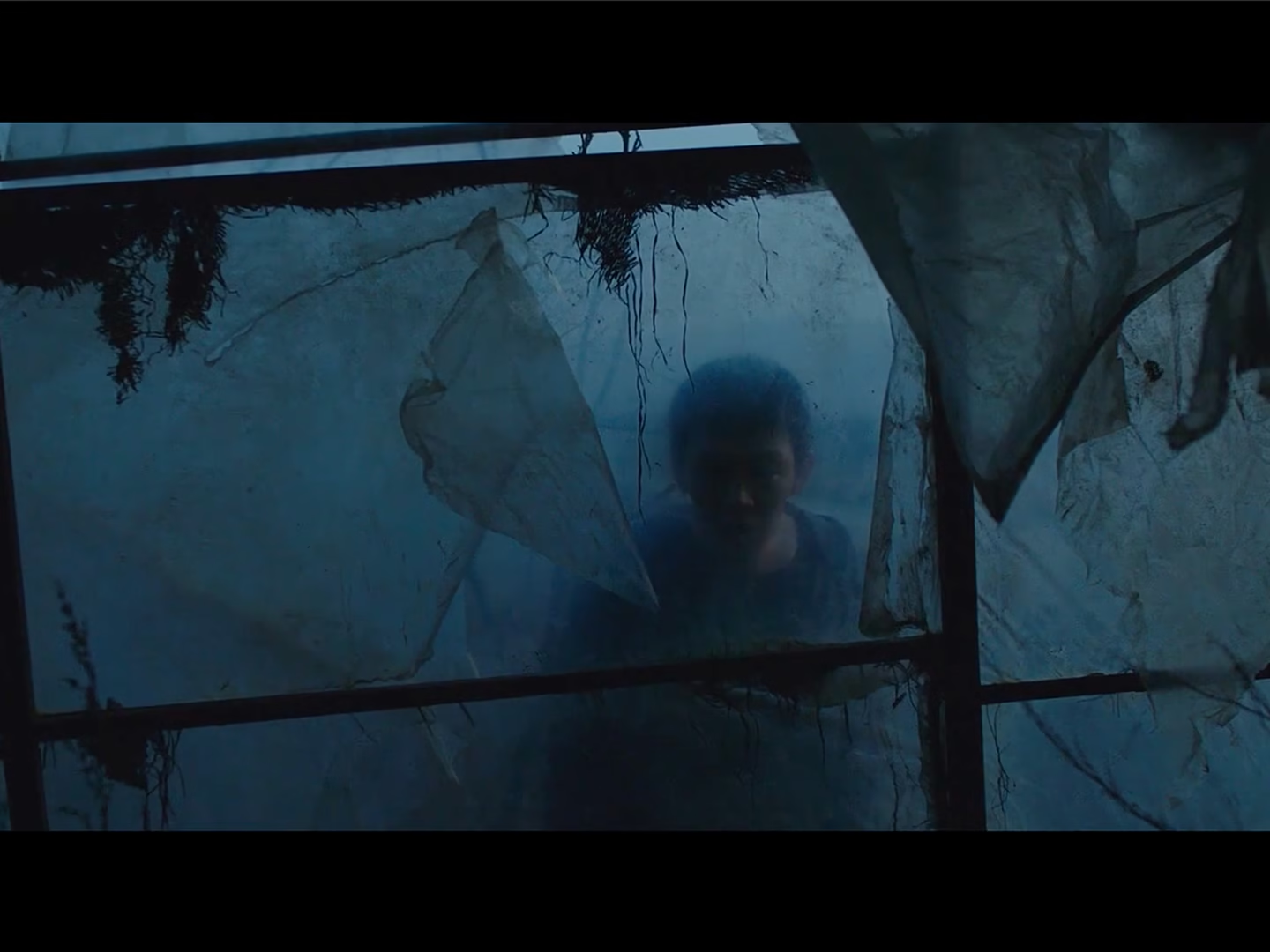
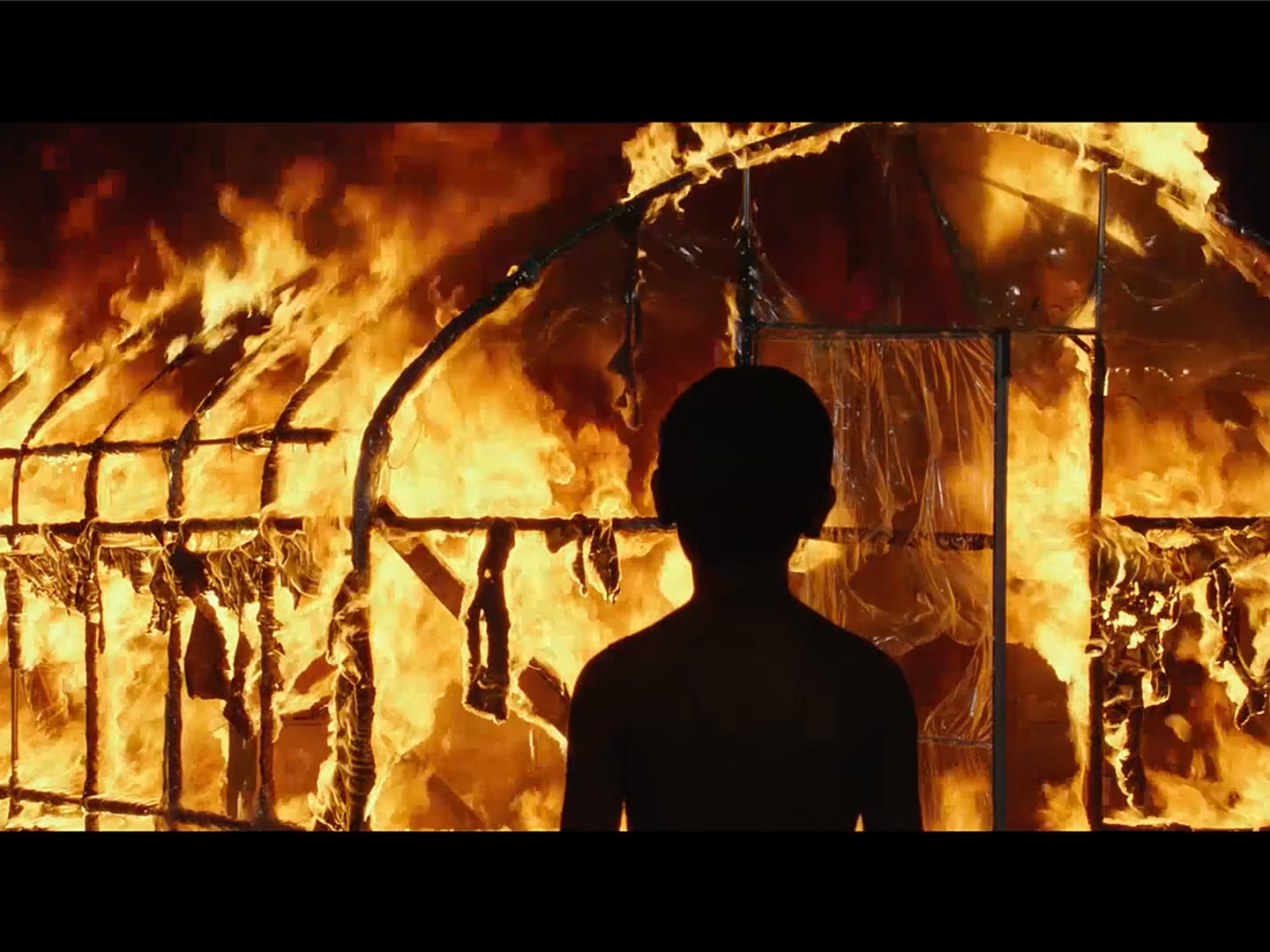
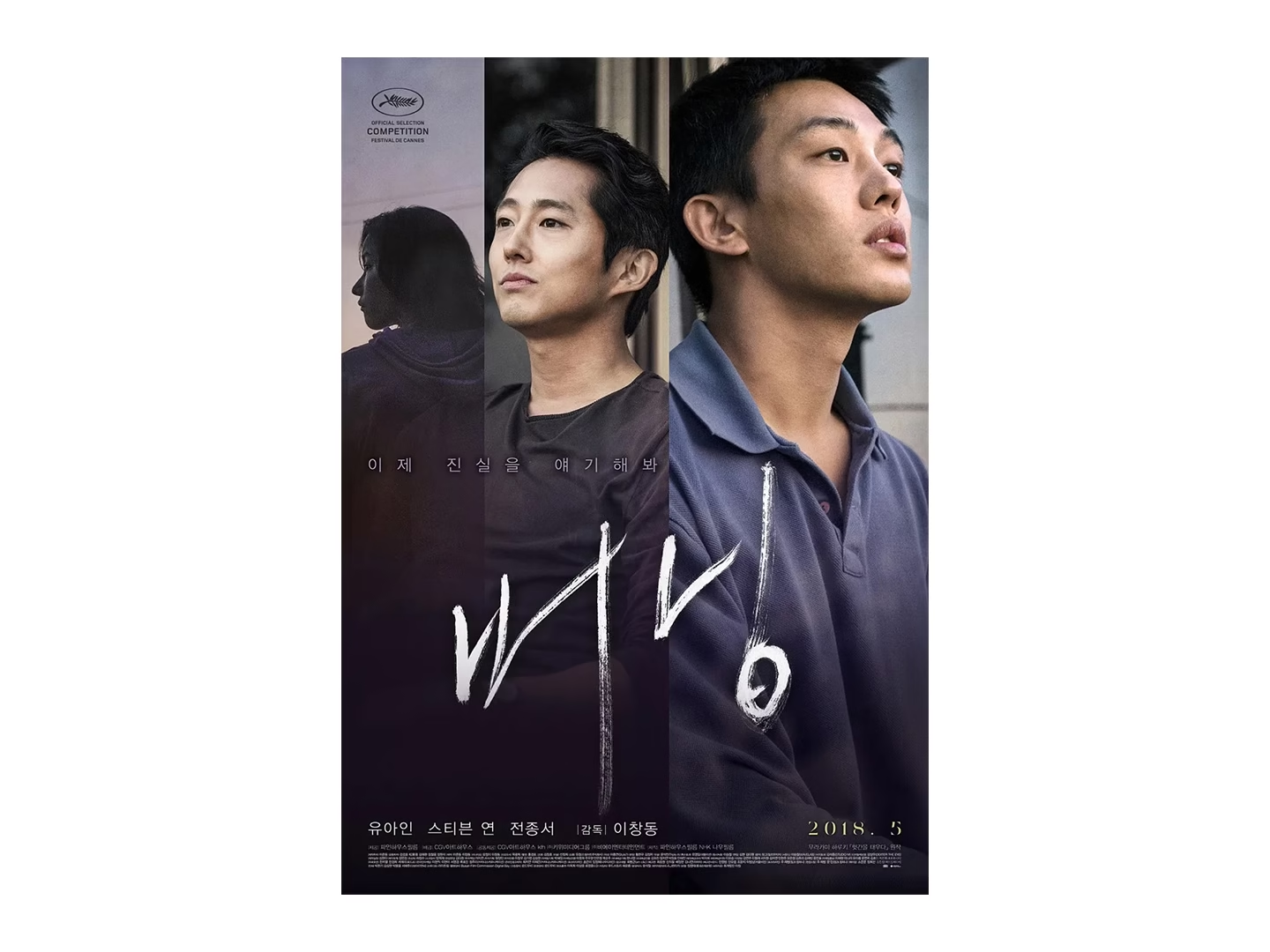
Inspired by the short story “Barn Burning” from the collection The Elephant Vanishes, this South Korean film reimagines the narrative as a psychological thriller. Directed by Lee Chang-dong, the film introduces themes of class disparity and suppressed anger, creating a narrative centered on an unreliable protagonist and a mysterious disappearance. It was noted for its ambiguity and direction. Burning earned the FIPRESCI Prize at Cannes and was listed among the best films of the decade by several critics.
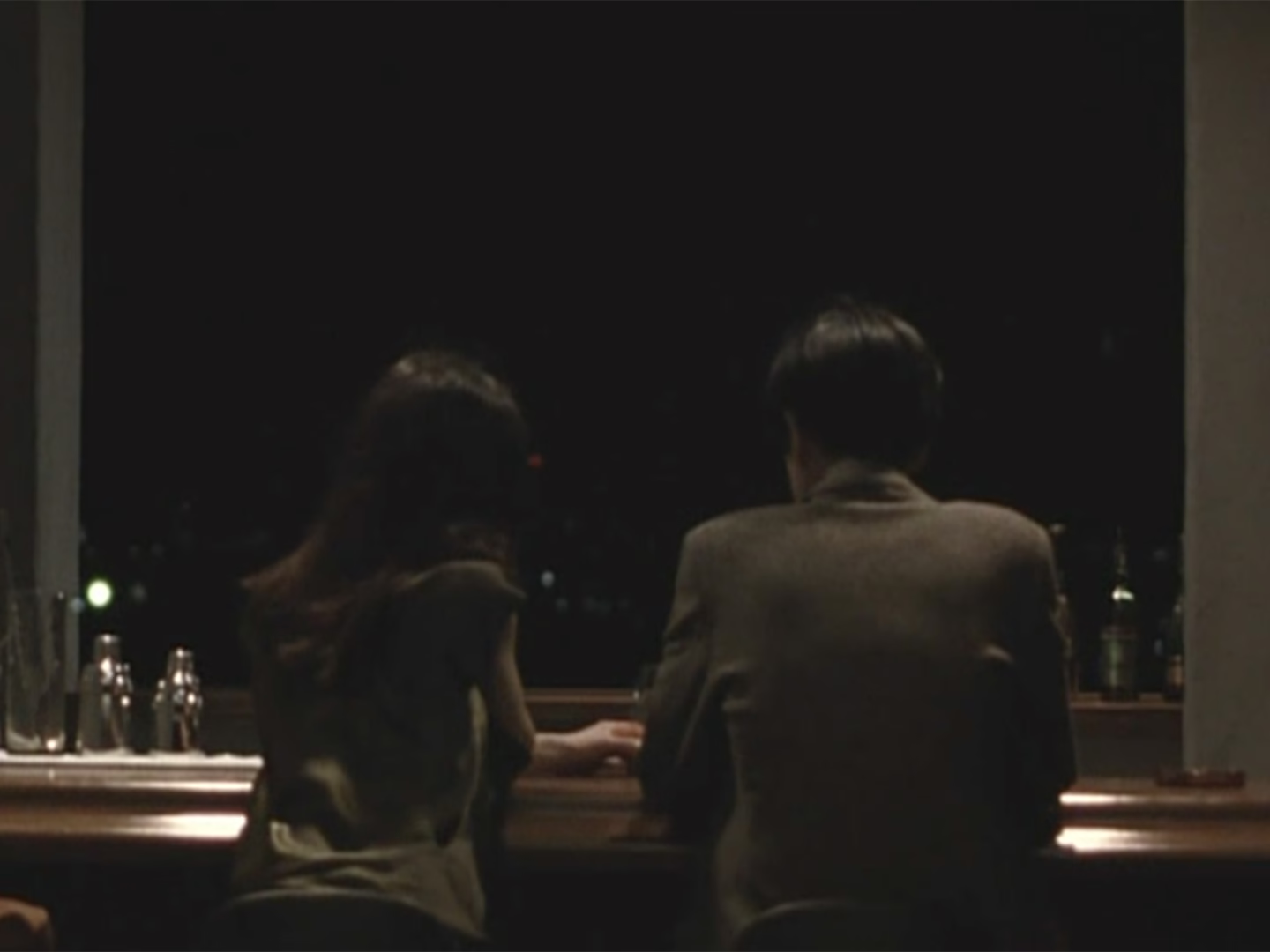
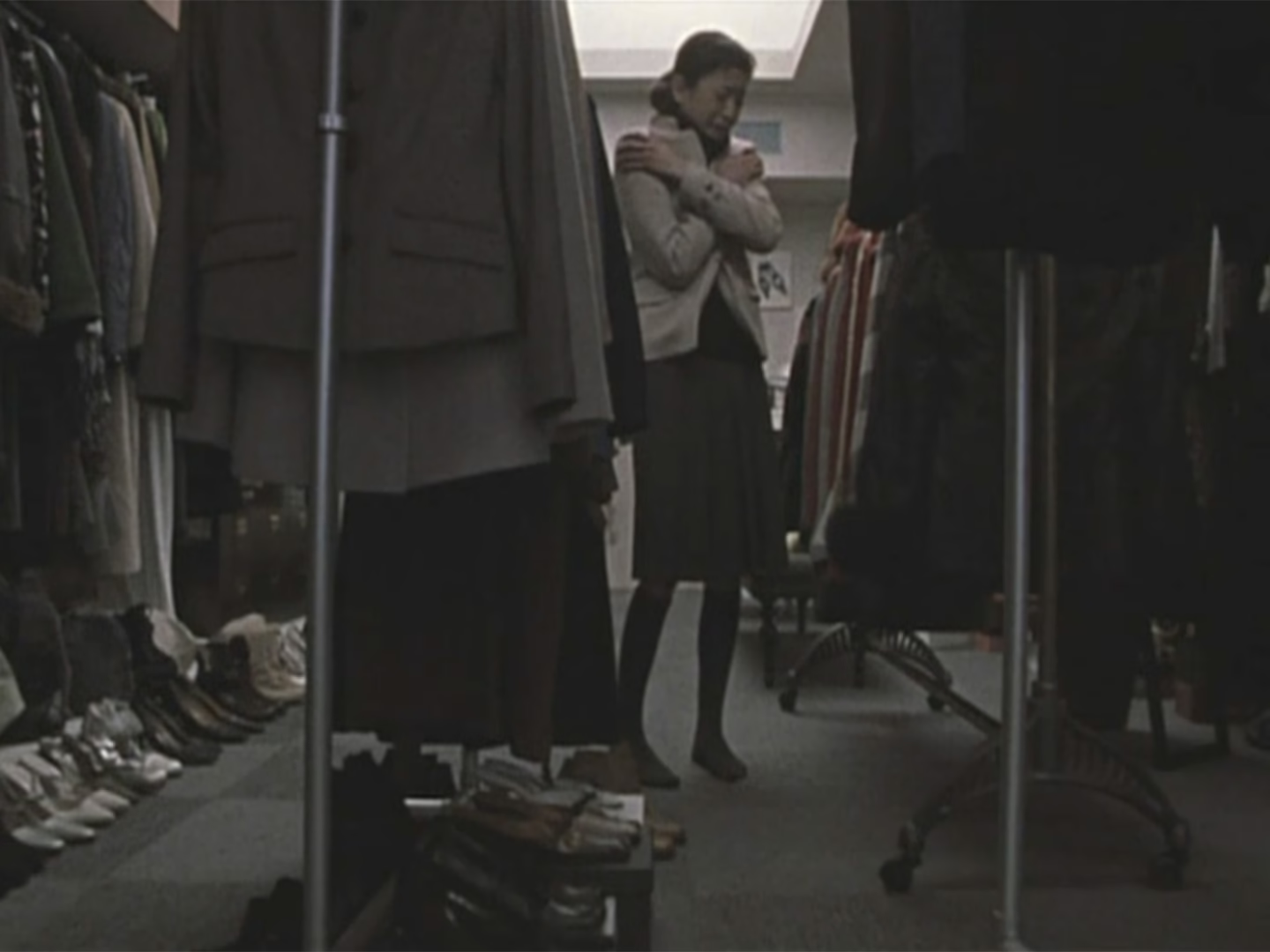
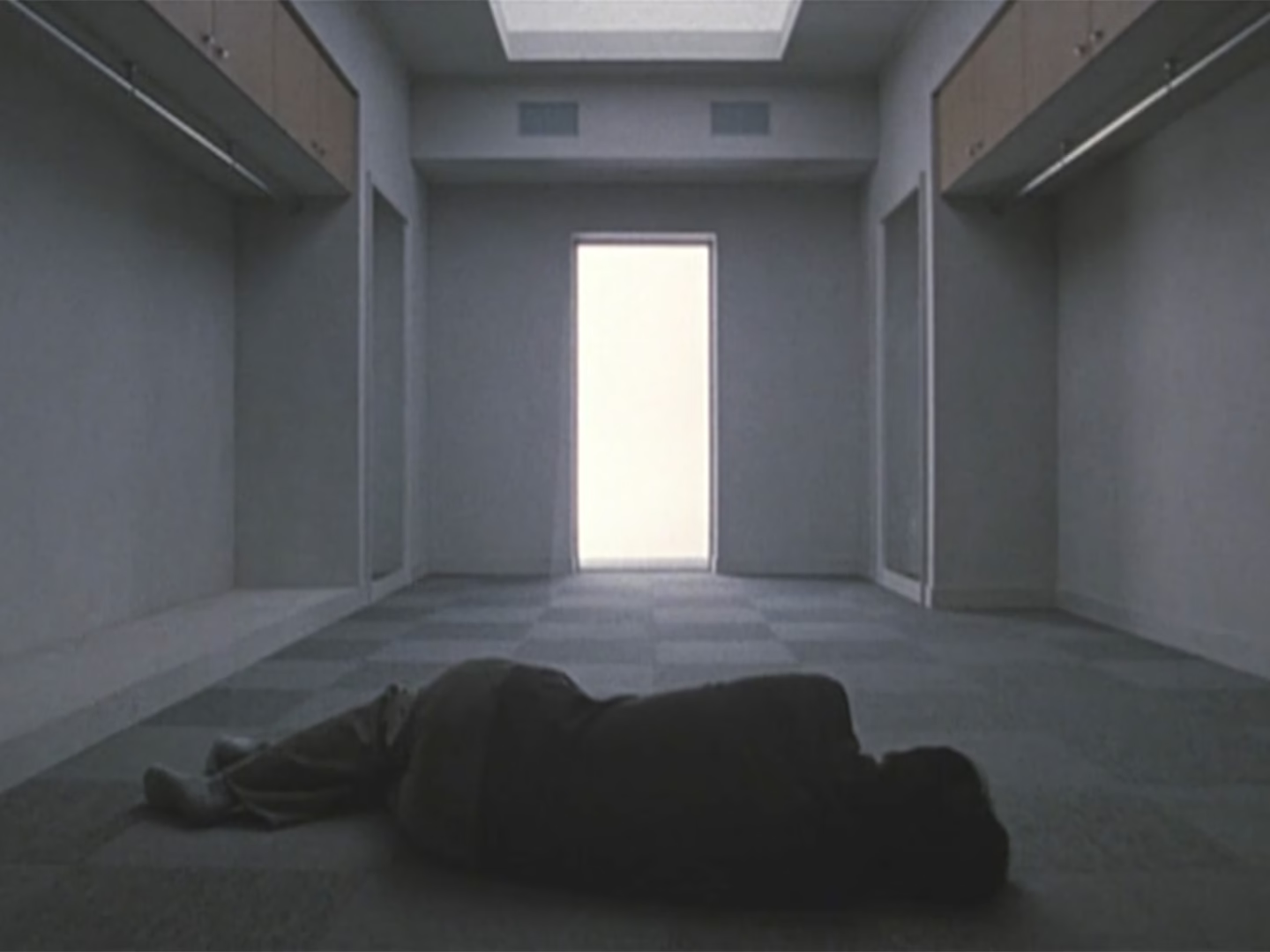
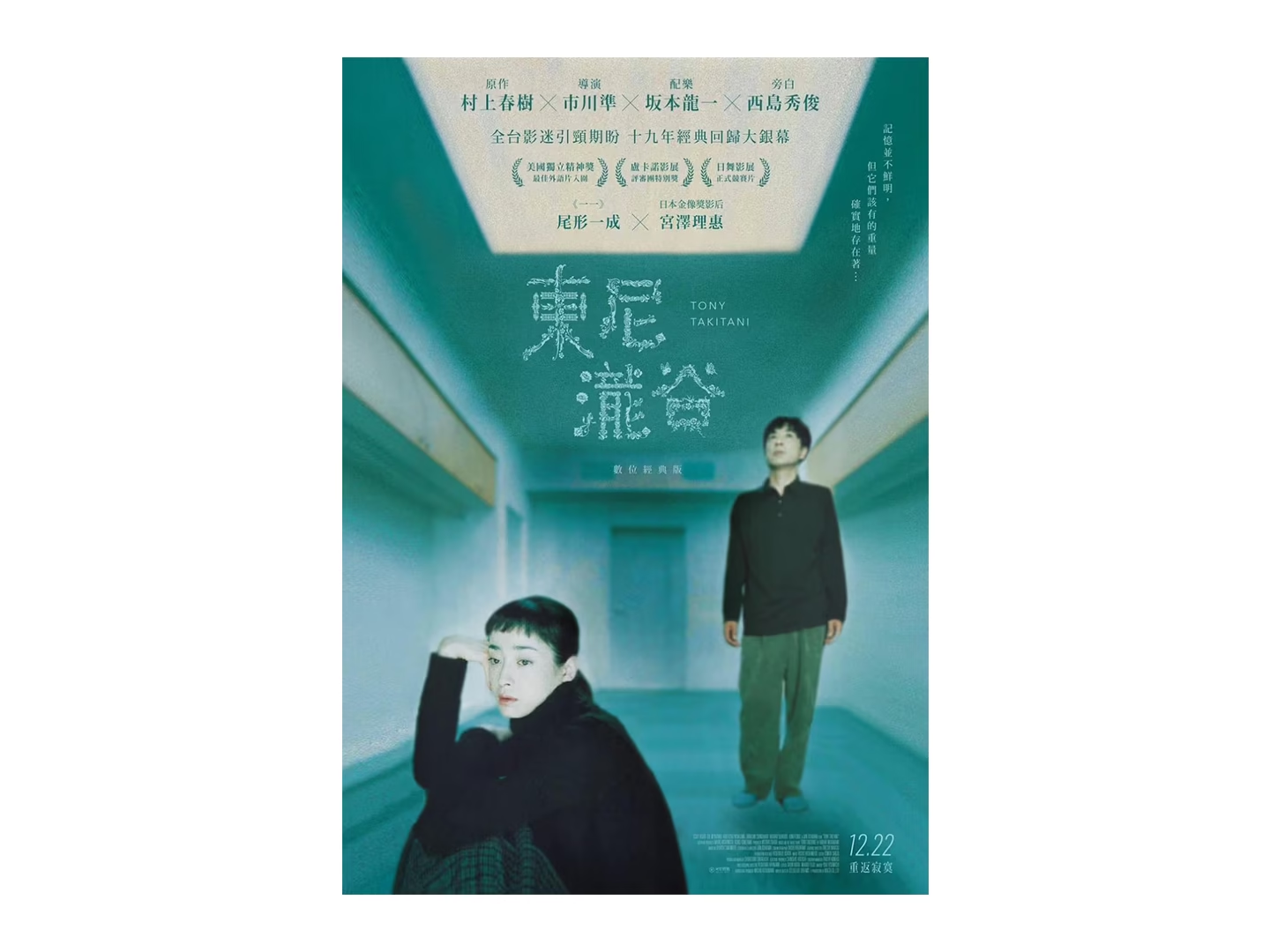
3. Tony Takitani (2004)
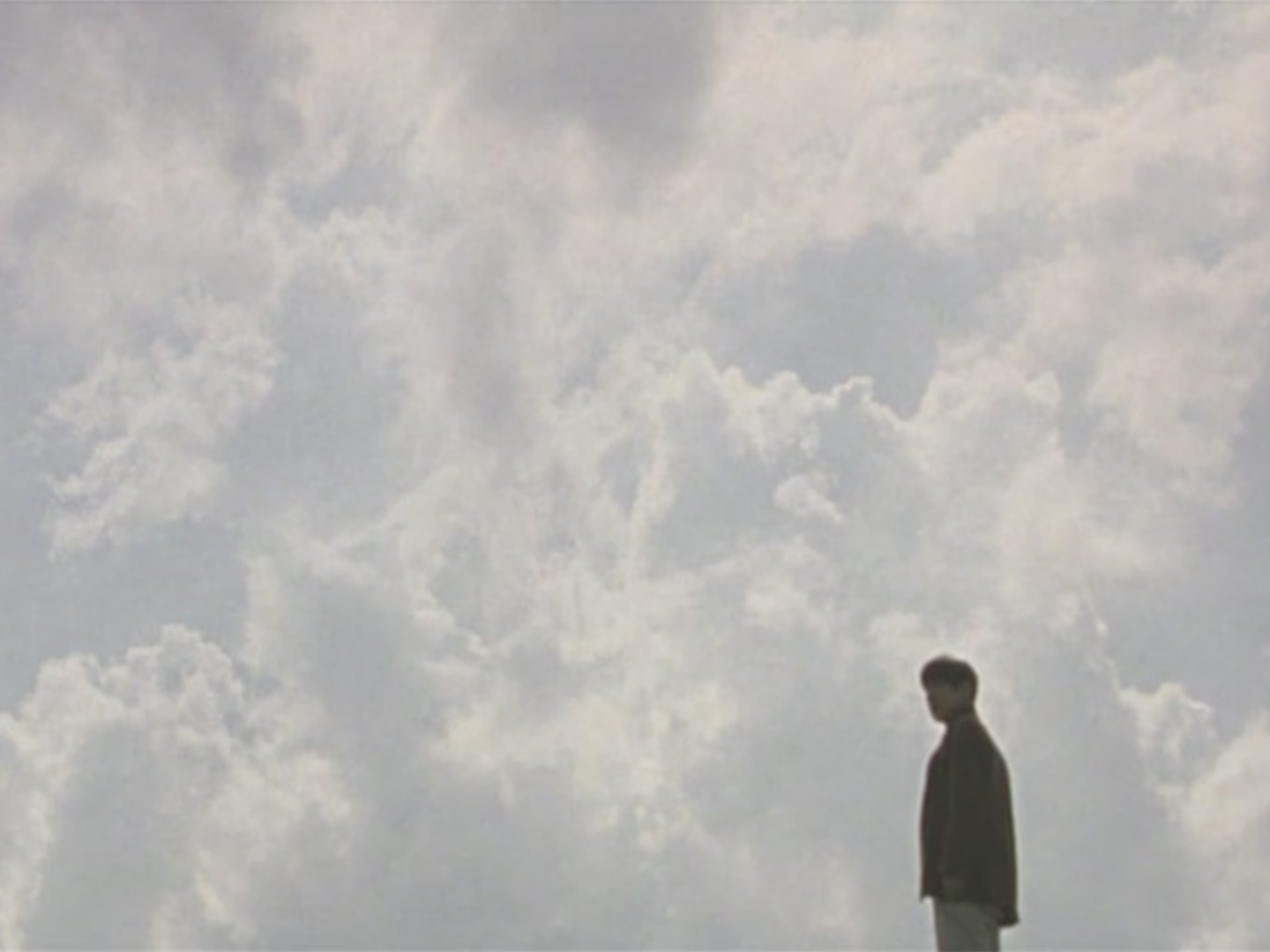
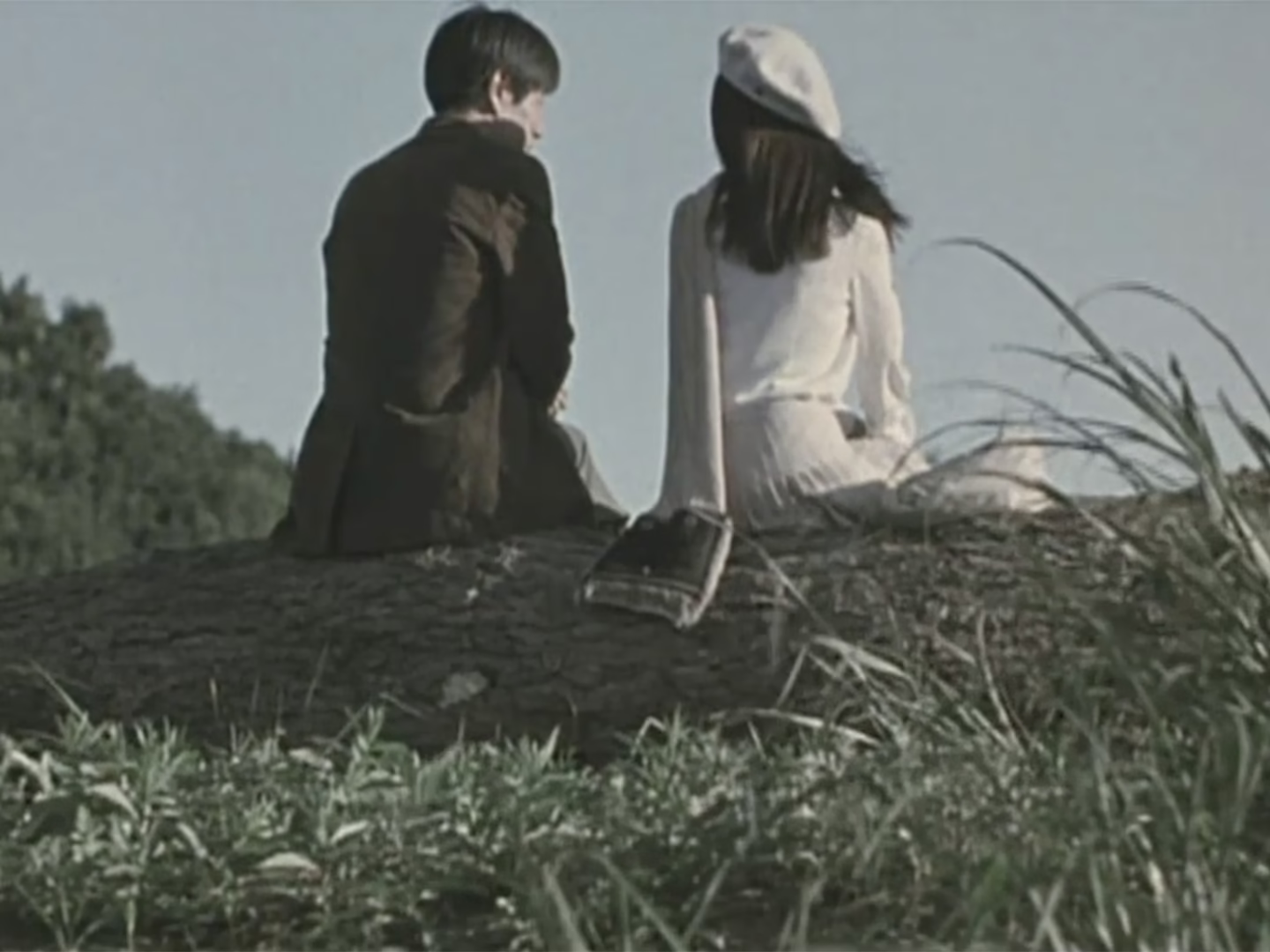
This minimalist adaptation is based on the short story “Tony Takitani,” which appeared in The New Yorker and later in Blind Willow, Sleeping Woman. The story follows a solitary technical illustrator and his brief love story. Directed by Jun Ichikawa, the film uses sparse dialogue and restrained cinematography to convey emotional isolation and introspection. The narration draws directly from Murakami’s prose. Tony Takitani received awards at the Locarno and Nantes festivals and is often cited for its tonal fidelity to the original.
4. Blind Willow, Sleeping Woman (2022)
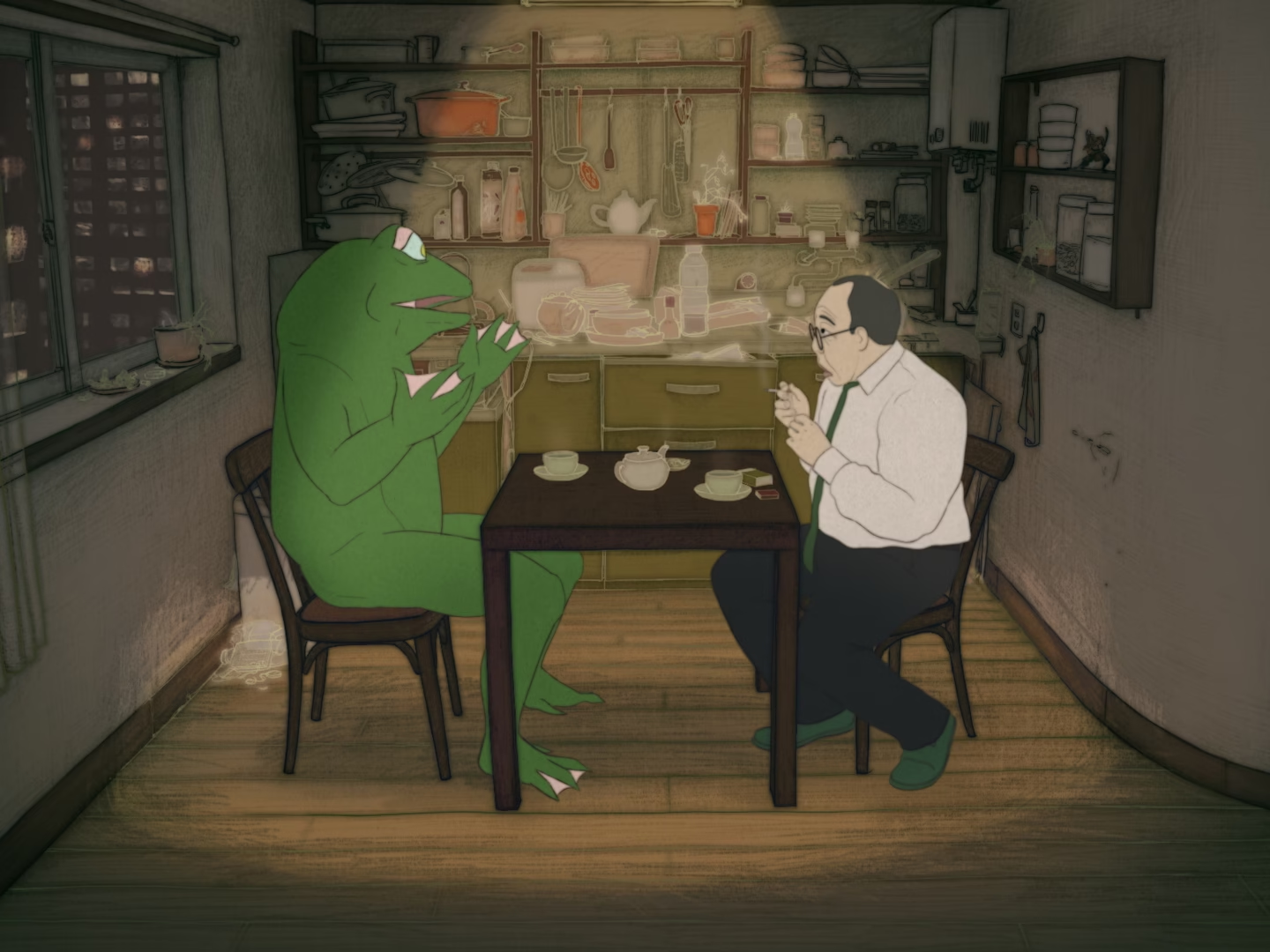
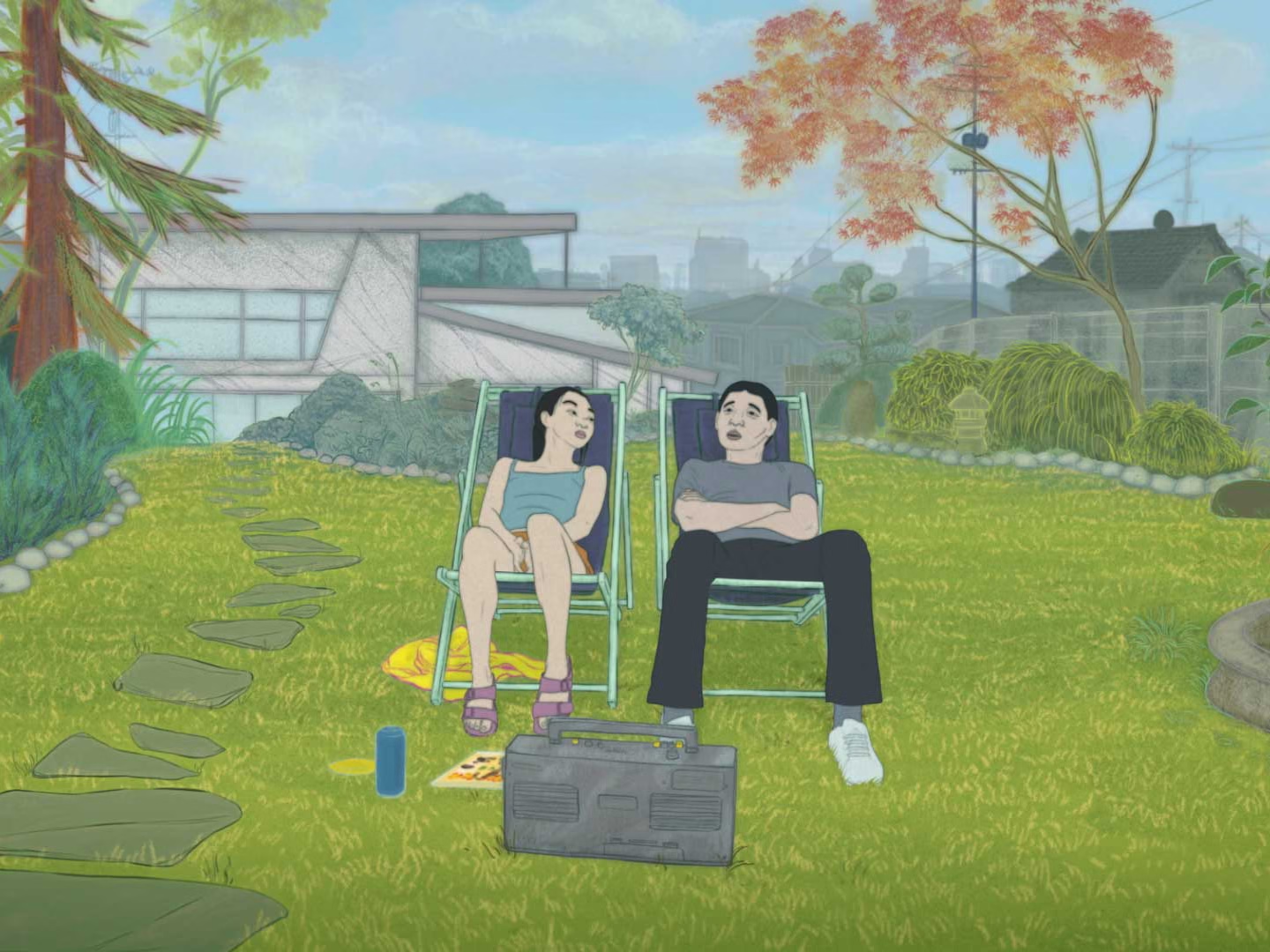
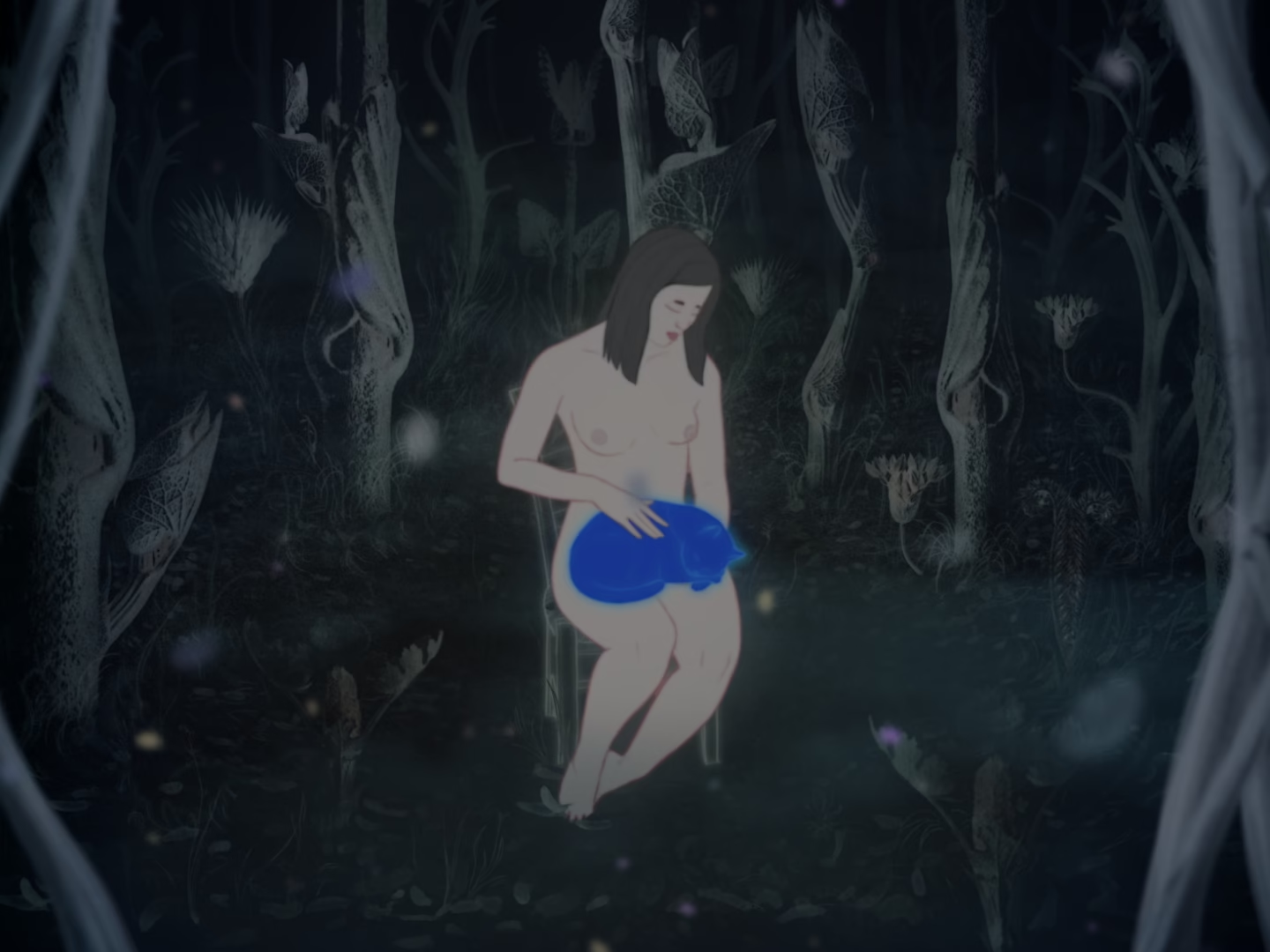
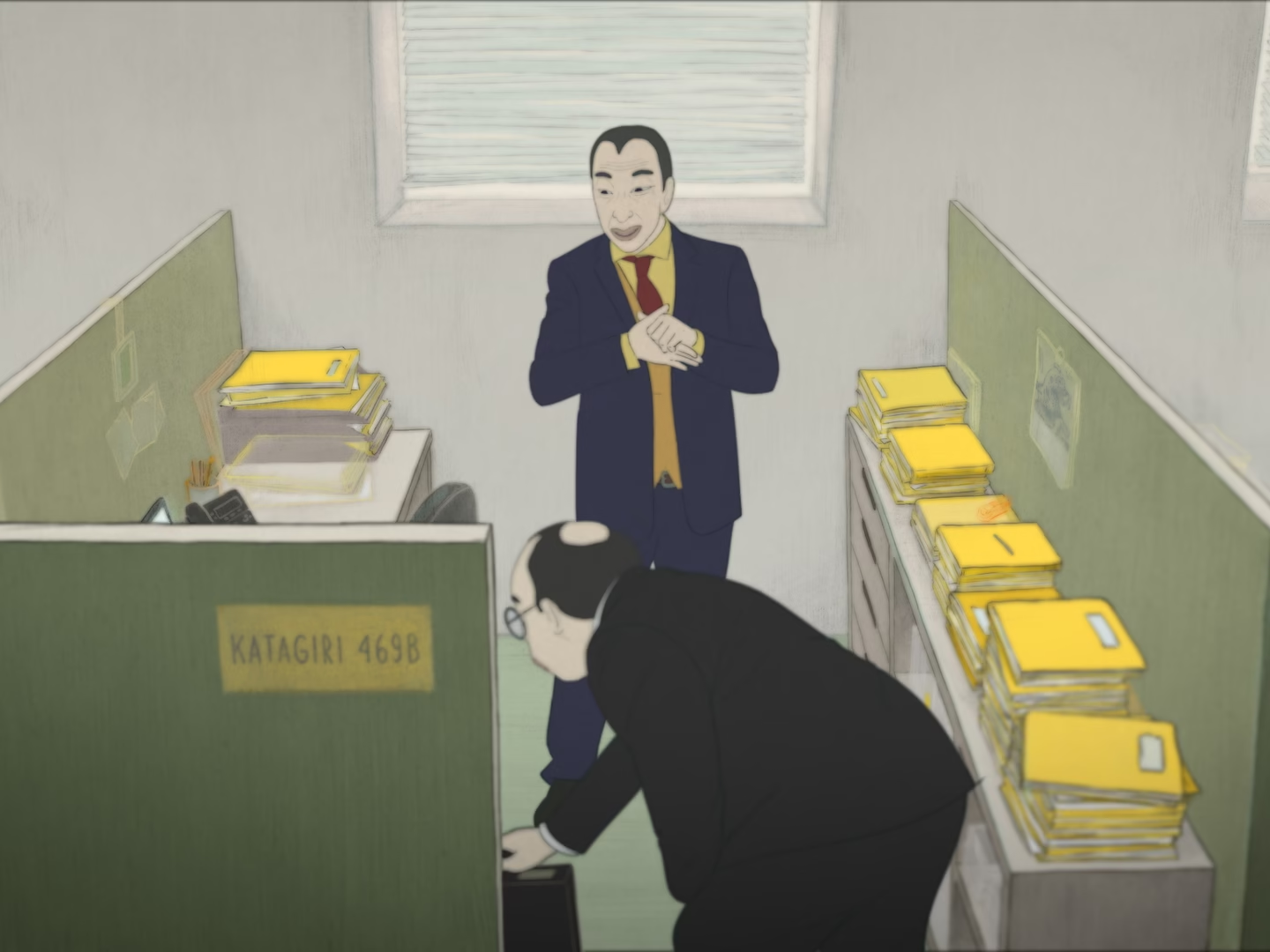
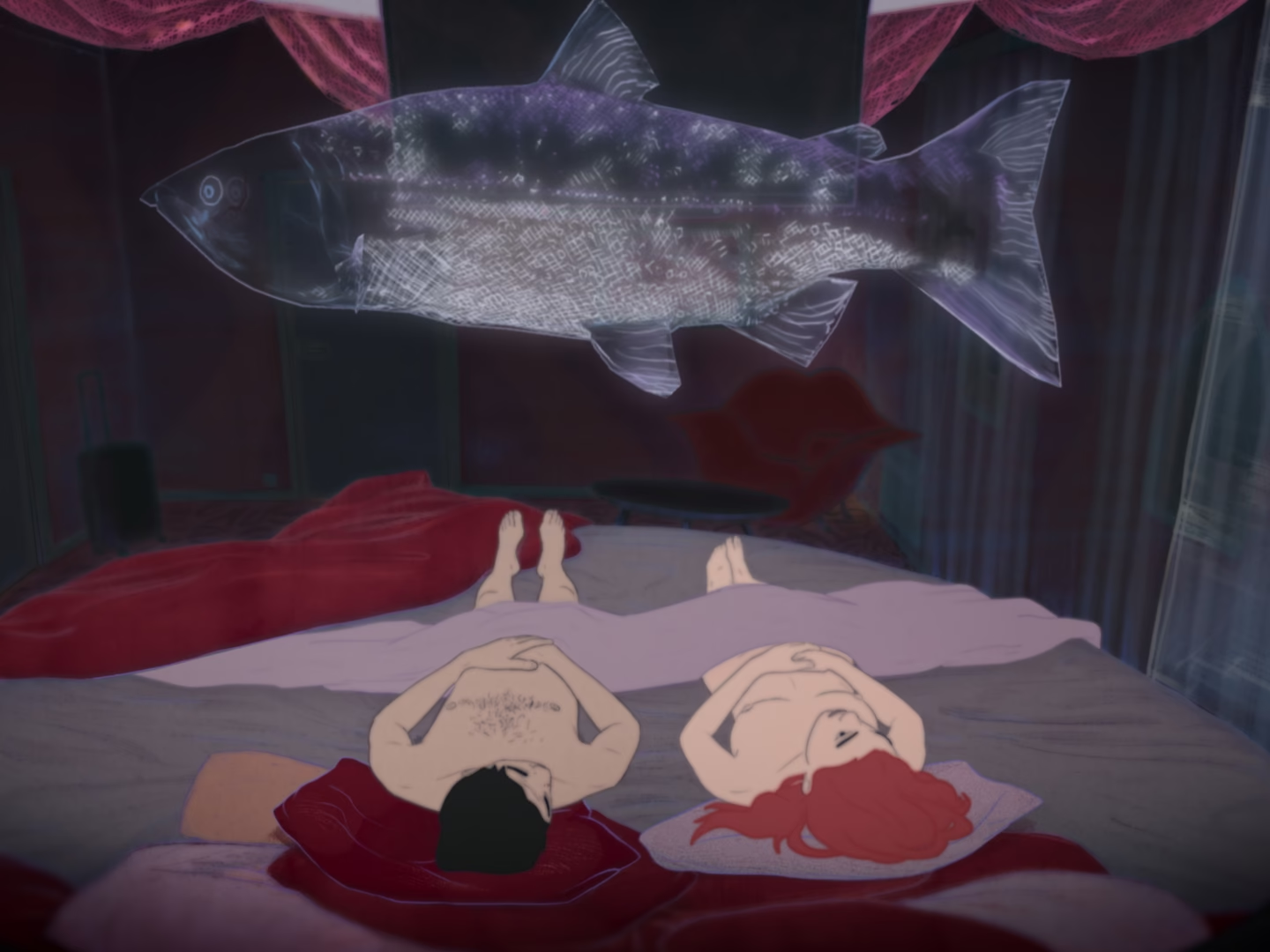
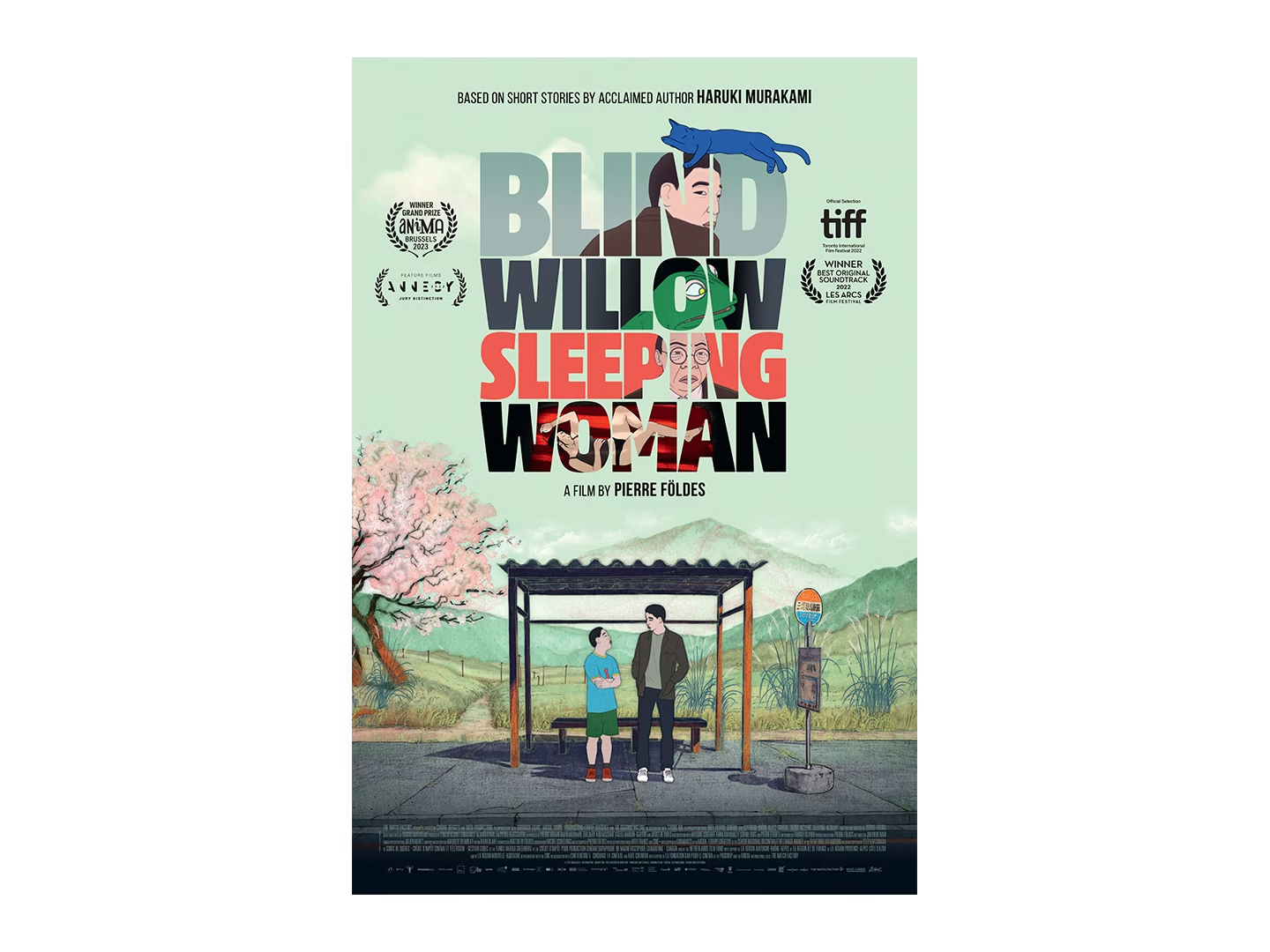
This animated feature adapts six short stories, including “Blind Willow, Sleeping Woman,” “Super-Frog Saves Tokyo,” and “The Mirror.” Directed by Pierre Földes, the film combines surreal imagery with grounded emotion, using a hybrid animation style suited to Murakami’s shifting realities. It was recognized for its originality and thematic consistency. Blind Willow, Sleeping Woman received a Special Mention at Annecy and won Best Feature at Anima Brussels.

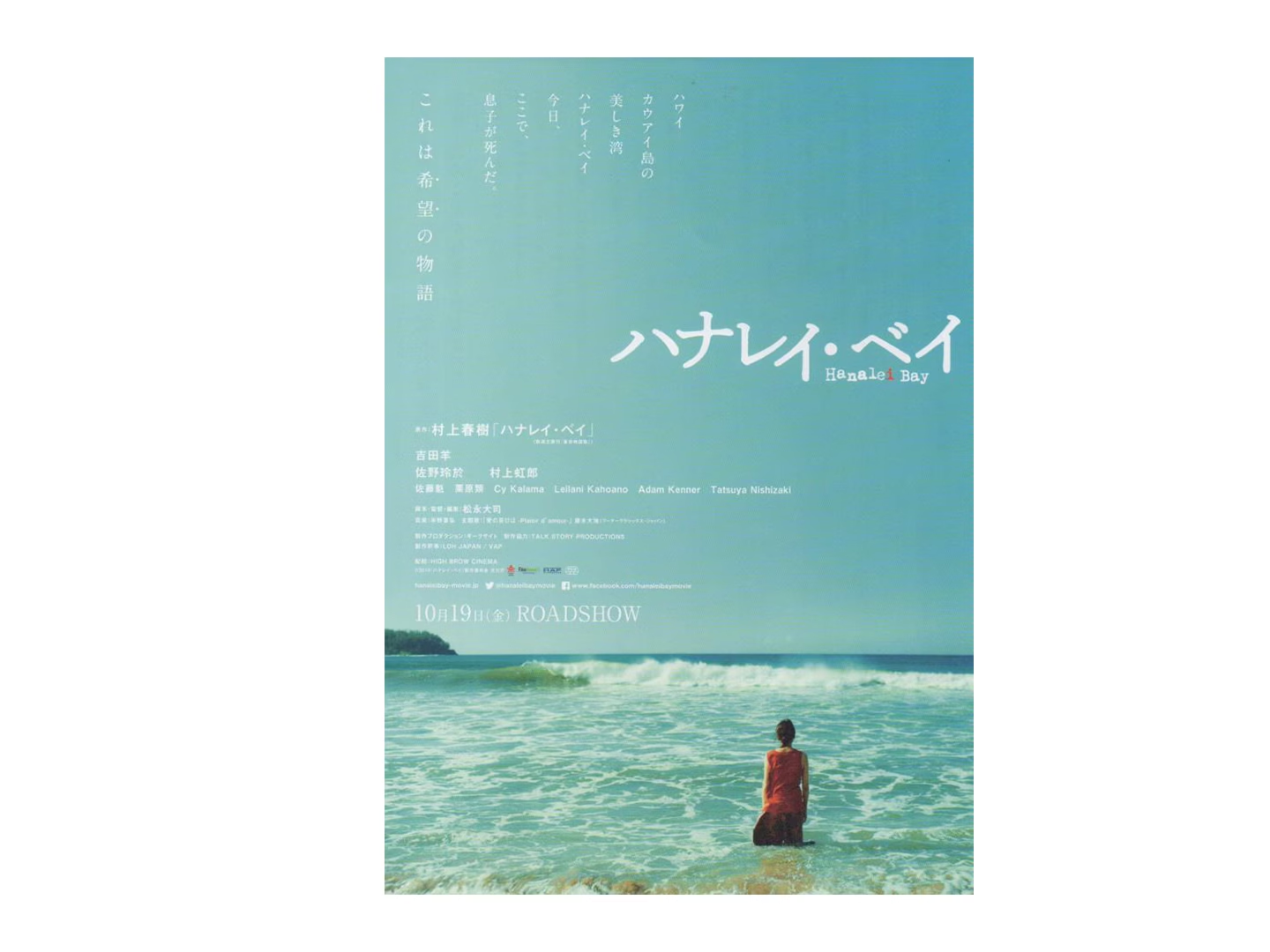
5. Hanalei Bay (2018)
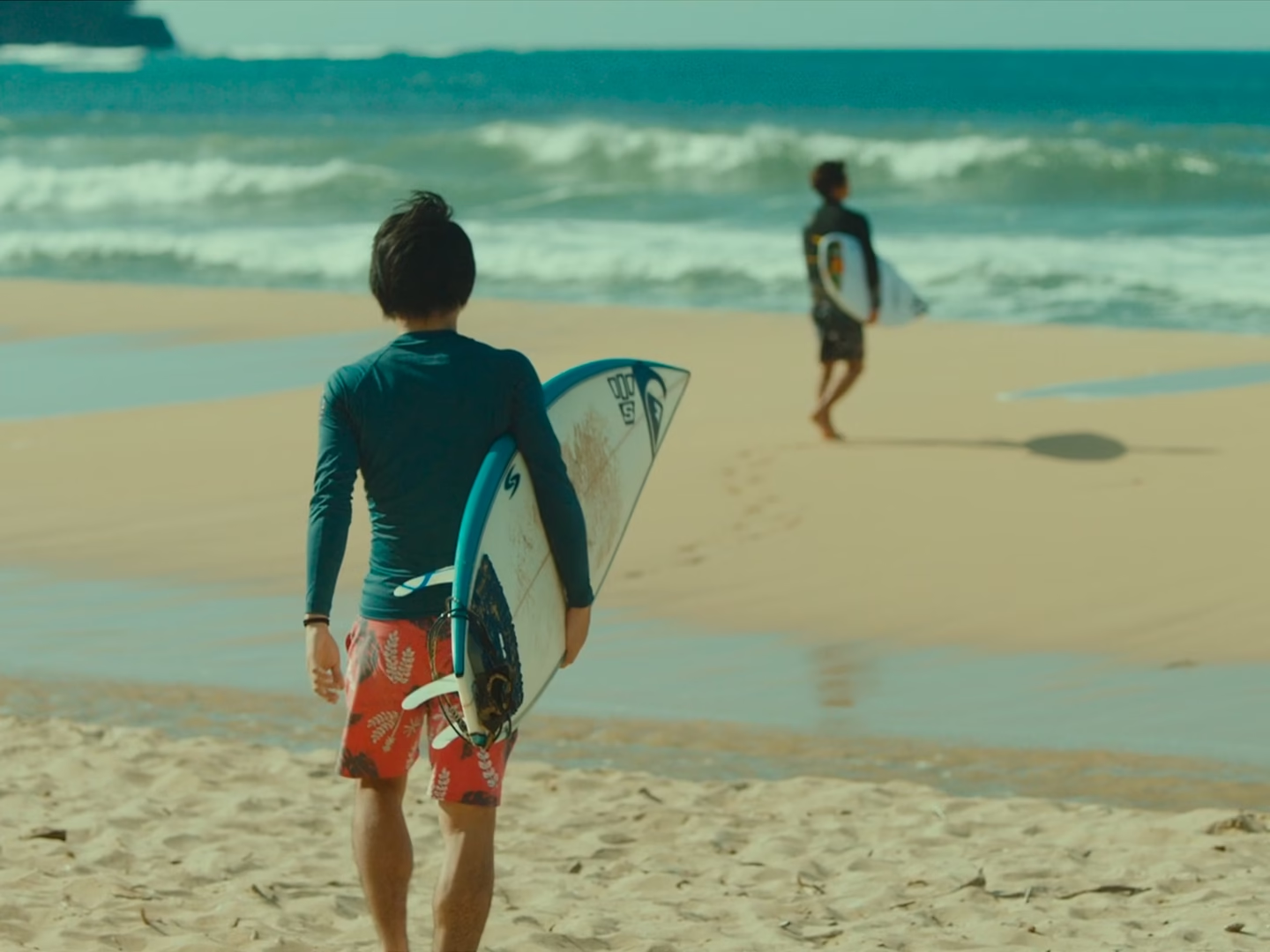
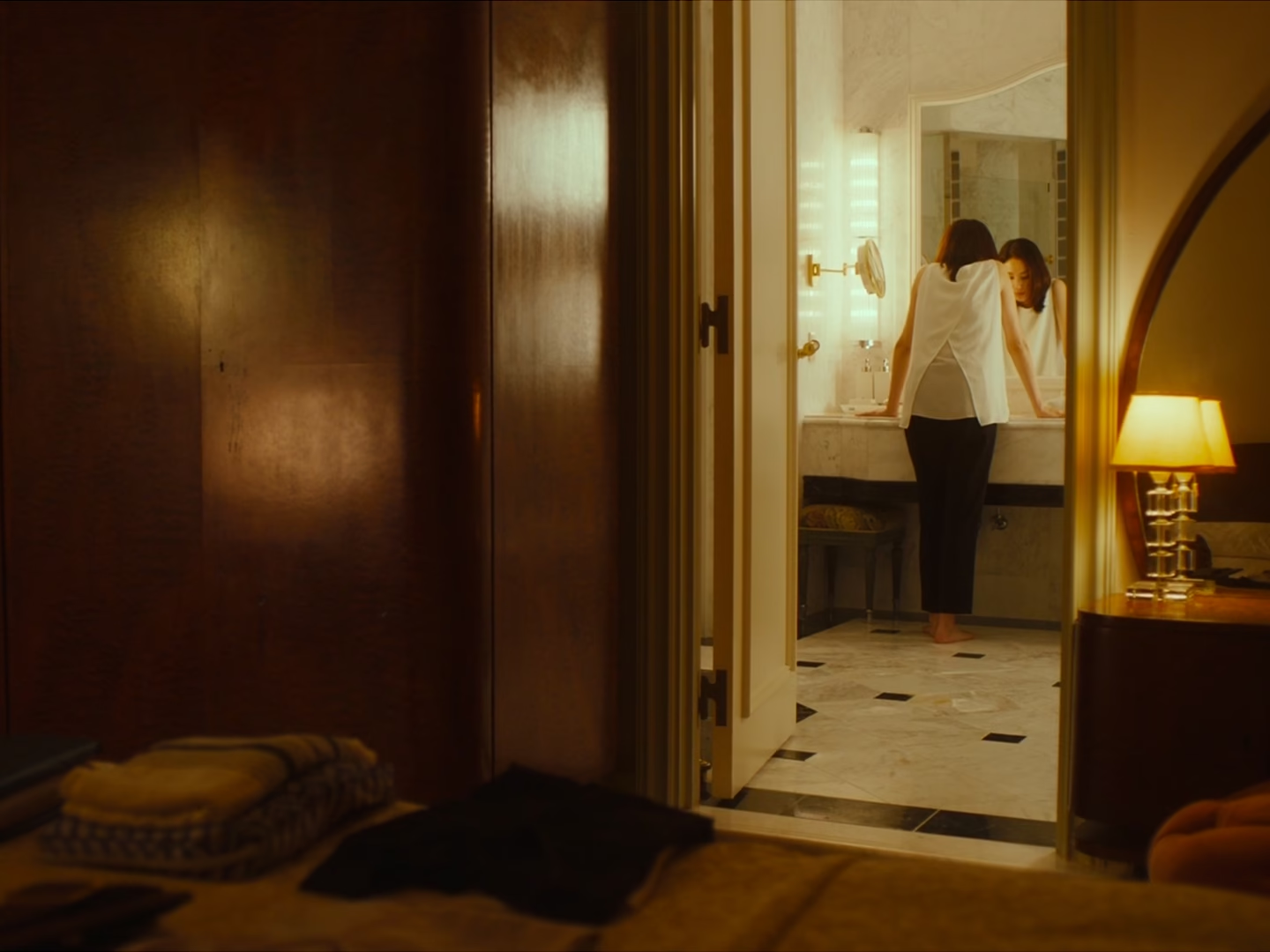
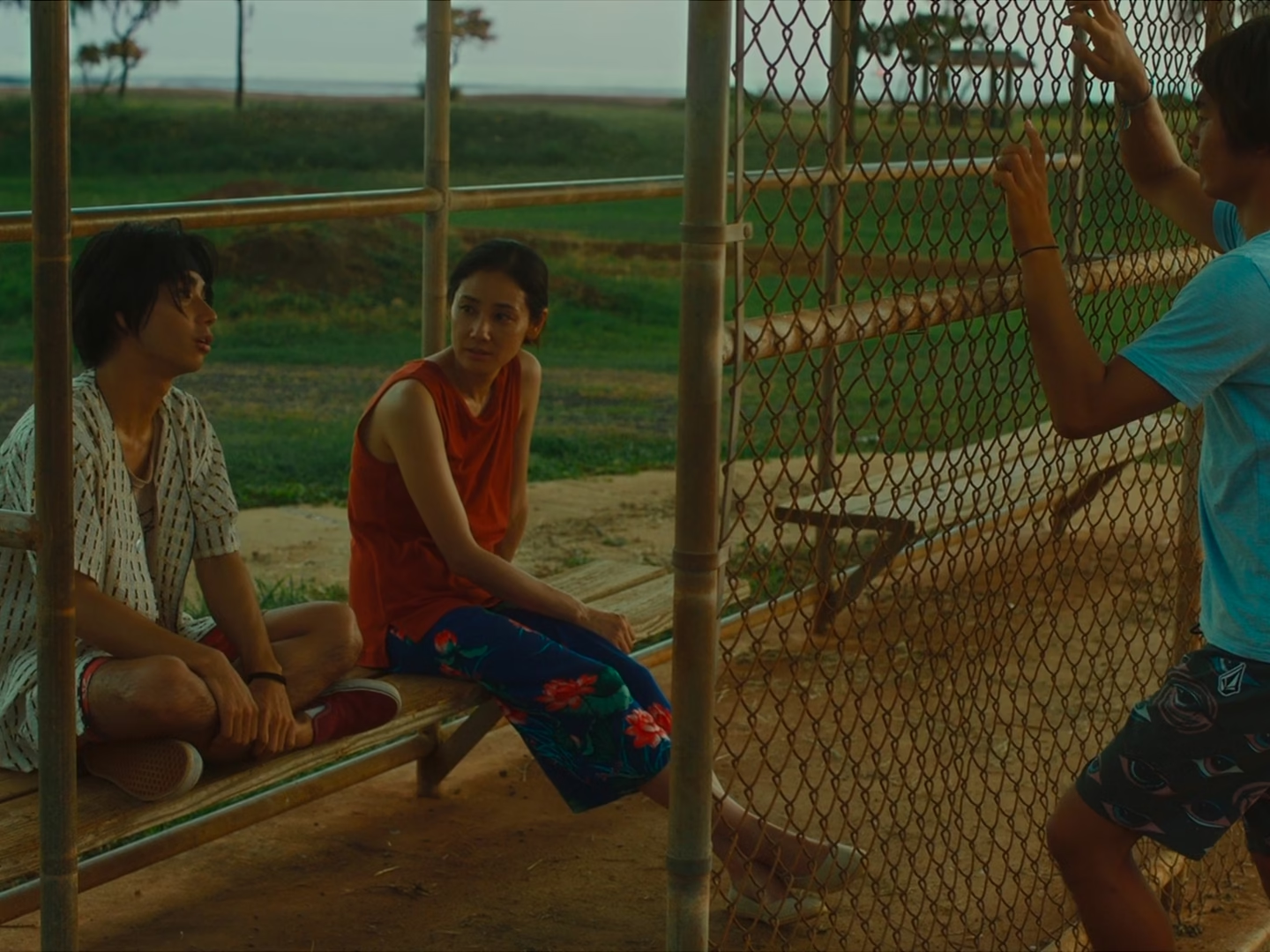
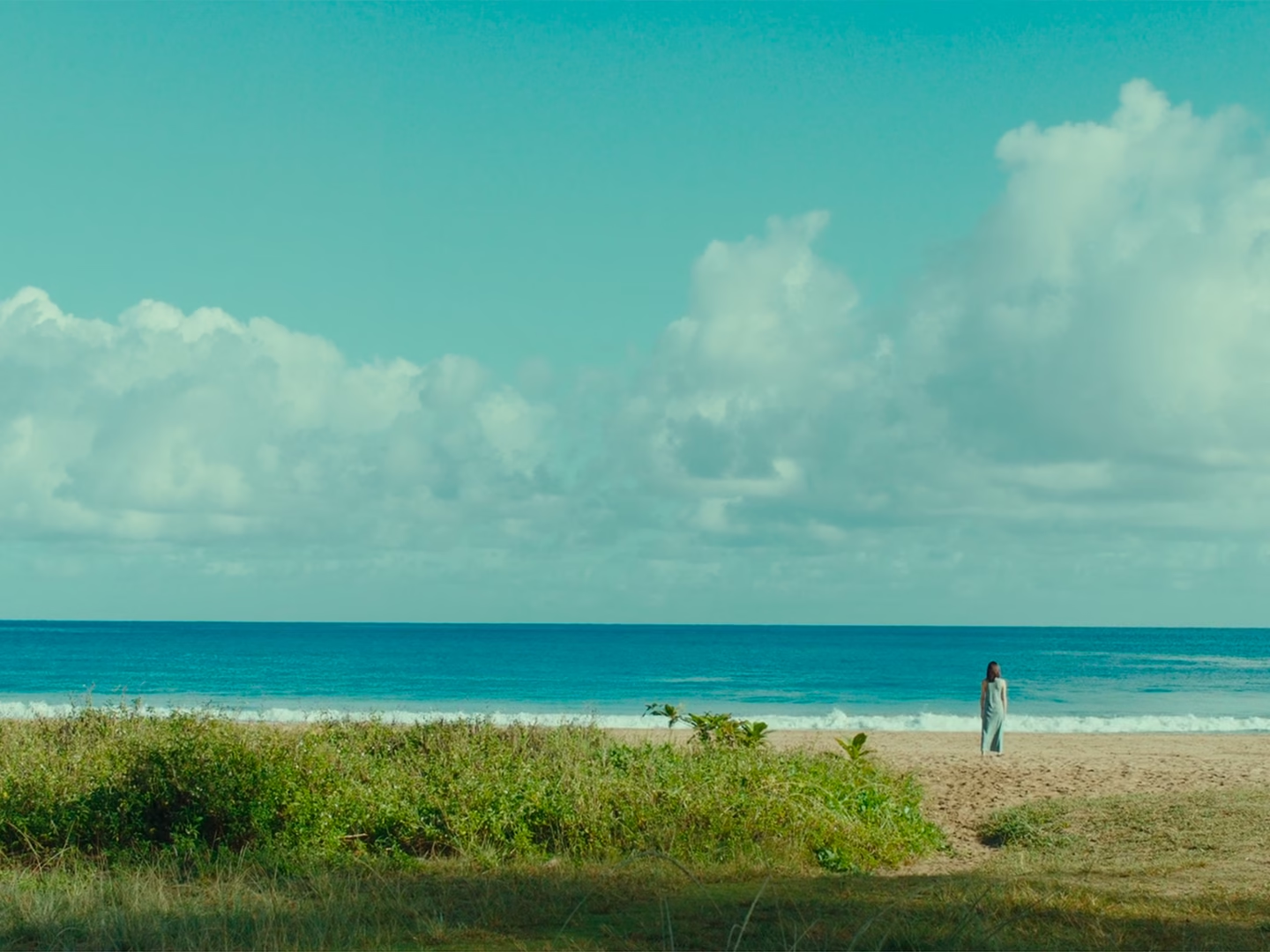
Based on the short story “Hanalei Bay” from the collection Tokyo Strange Tales, this film follows a Japanese mother who returns to the Hawaiian island where her son died. The film explores mourning and memory through quiet visuals and reflective pacing. Directed by Daishi Matsunaga, the film features cinematography by Ryuto Kondō that captures the location’s atmosphere, while the story focuses on the protagonist’s gradual transformation. It has been positively received by Murakami readers for its emotional fidelity to the source material.