Across 1990s Japan, designers sketched futures we still haven’t caught up to. These weren’t just gadgets. They were fully formed visions released a decade too early and gone before the world caught up. Wrist computers, movie goggles, photo phones, DOS planners. Strange, beautiful relics of imagined lives we never quite lived.
1. Seiko Ruputer (1998)
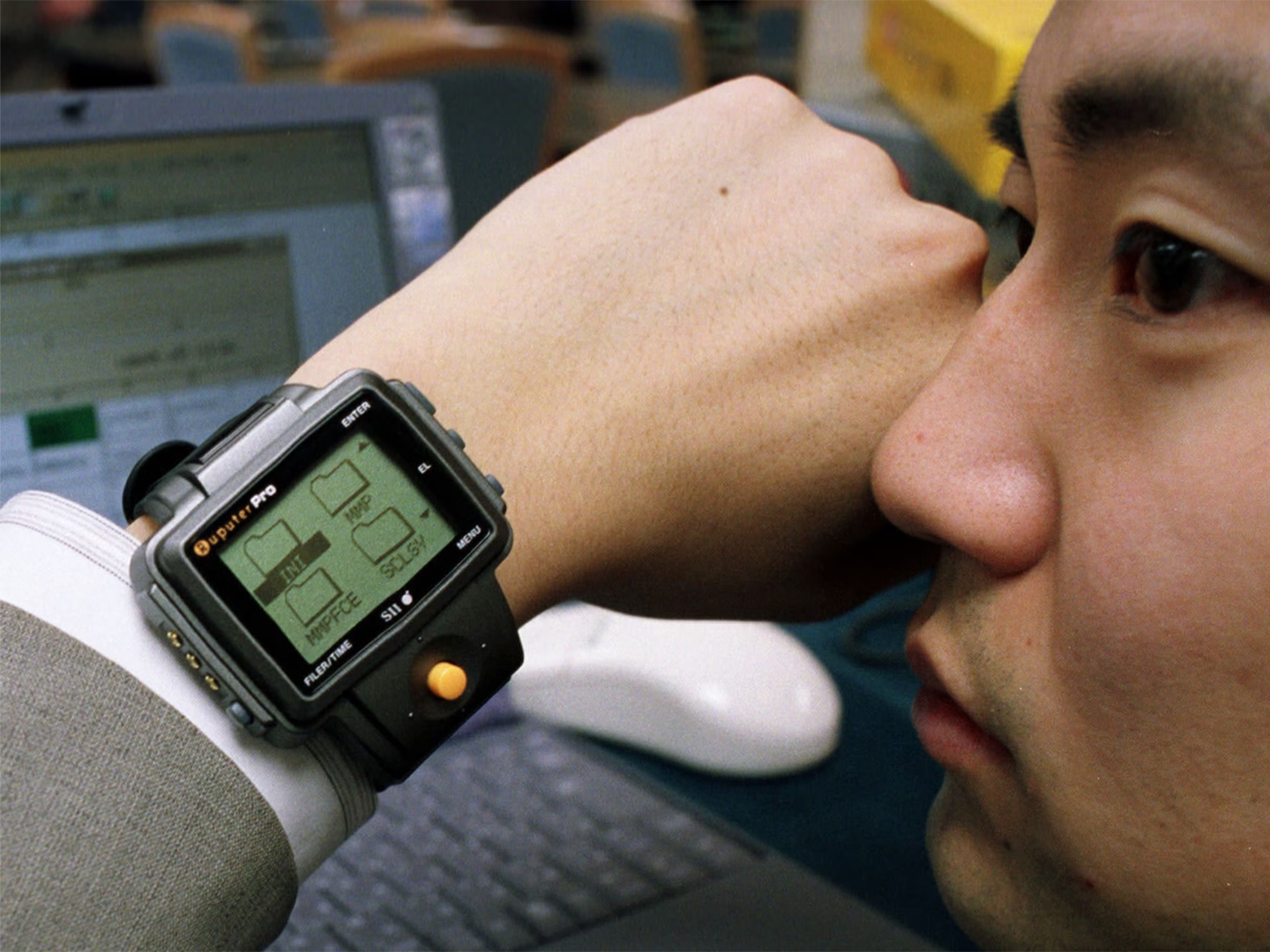
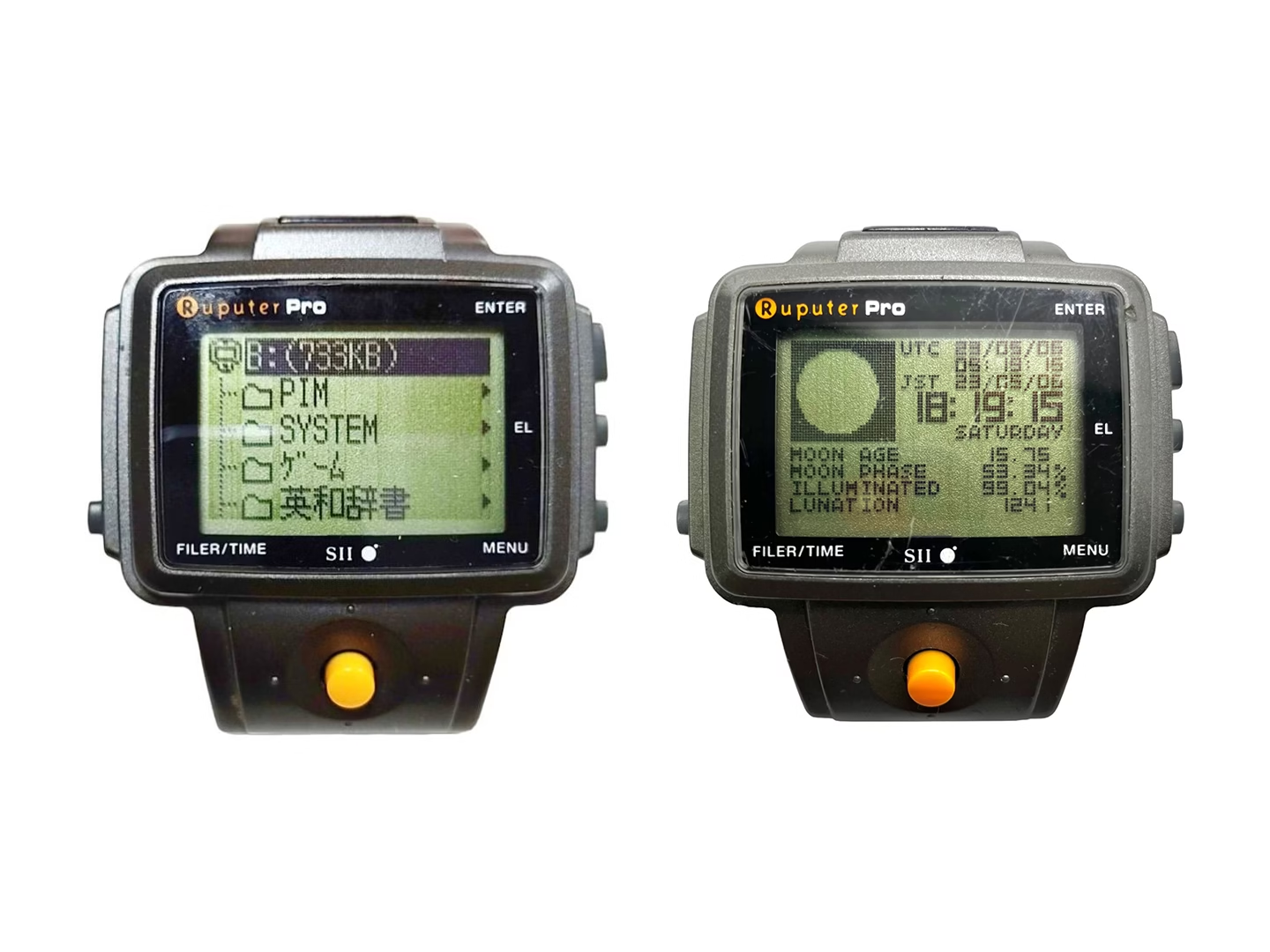
A joystick driven wrist computer running its own apps and storing memos, the Seiko Ruputer looked like a Game Boy fused with a pager. It imagined productivity shrinking to wrist size, letting you scroll through your calendar or play a game while commuting. But the screen was too small, the joystick too clunky, and battery life unreliable. Still, it unmistakably foreshadowed the smartwatch era. Seiko even released an SDK so hobbyists could write their own wrist mounted applications.
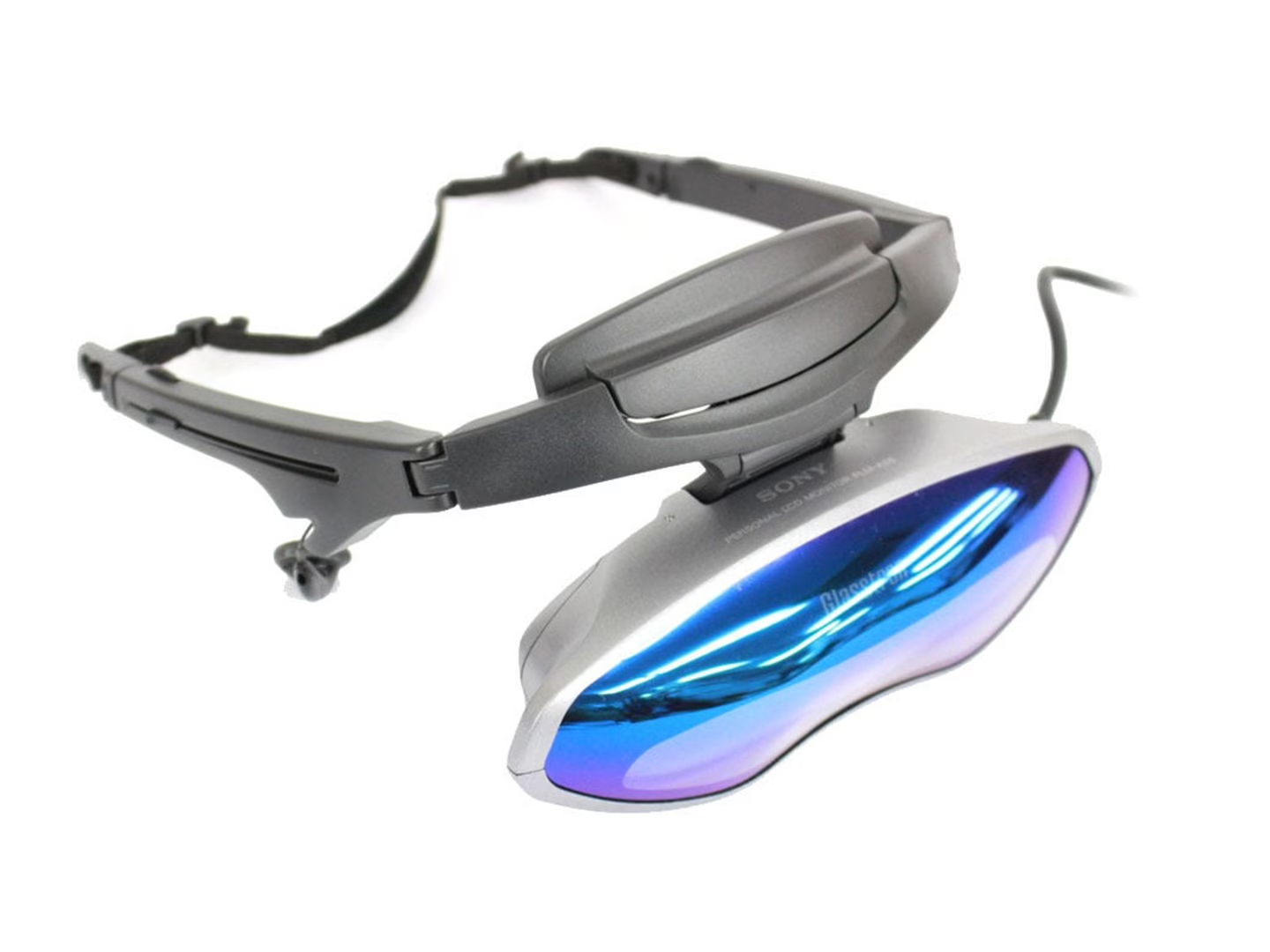
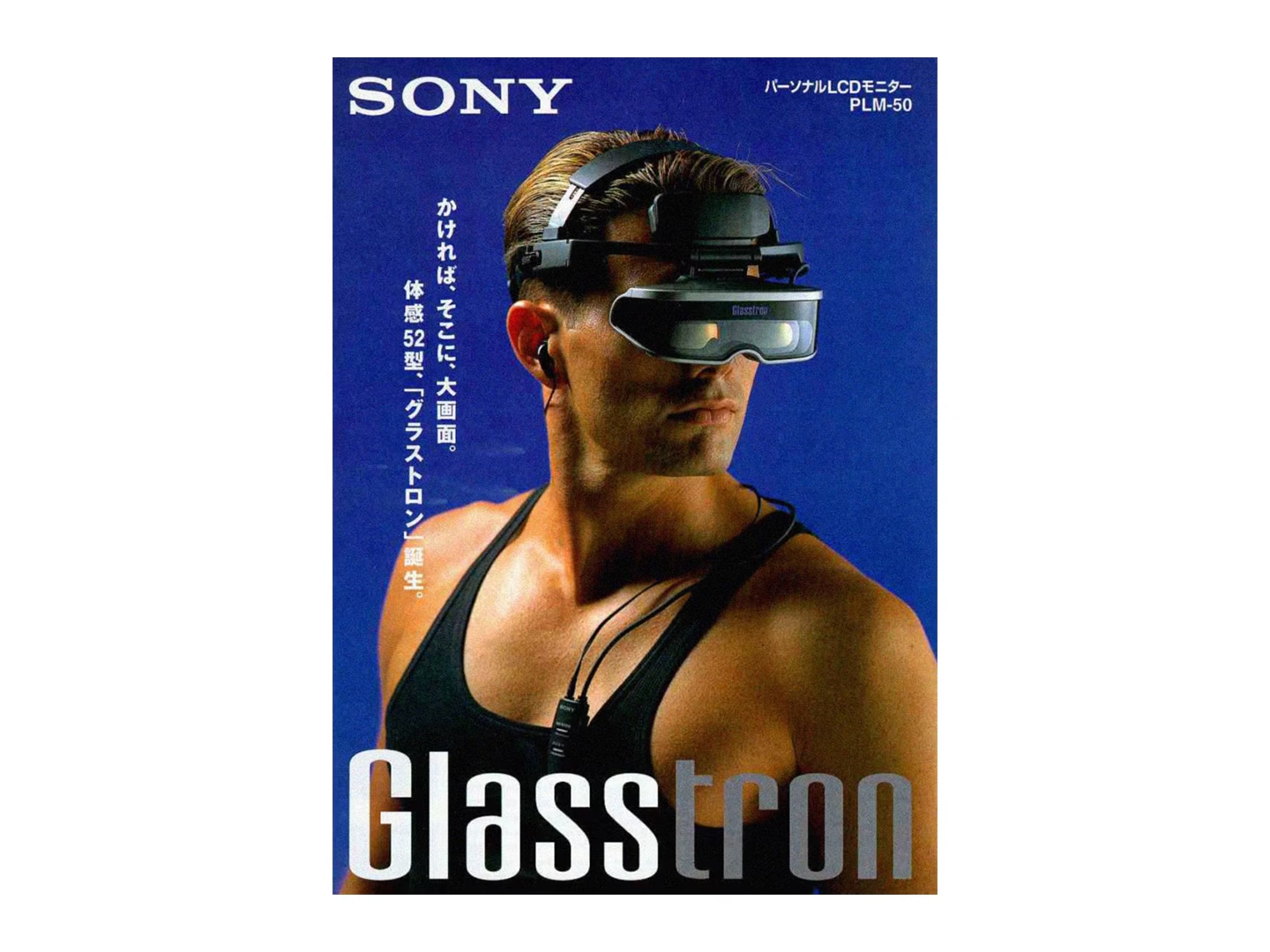
2. Sony Glasstron PLM-A35 (1997)
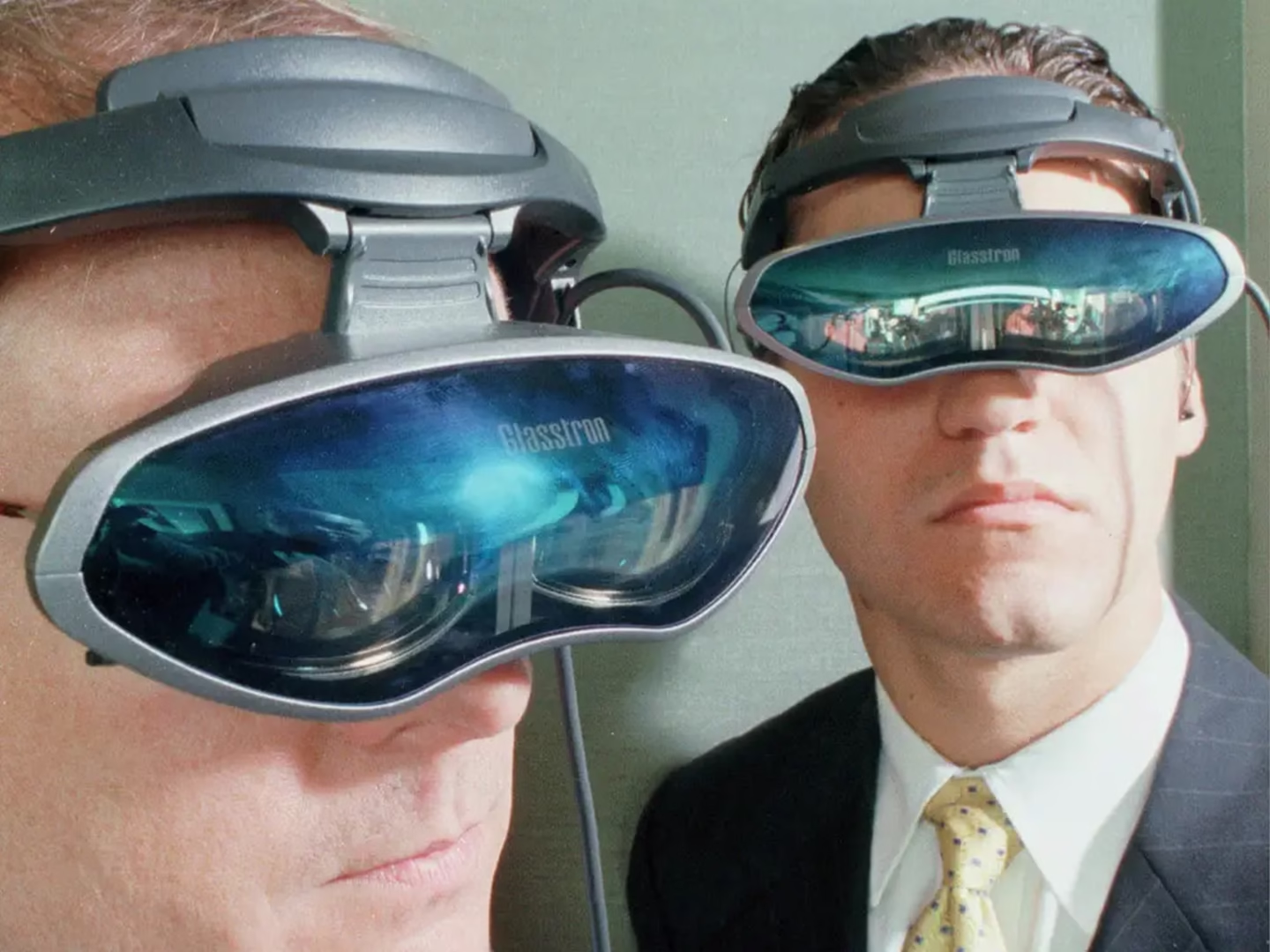
Sony’s Glasstron was a personal theater strapped to your head, projecting a 52 inch screen into your eyes via twin LCDs. Meant for VHS tapes or flight sims, it invited solitary immersion before VR had a name. But it was heavy, tethered, and impractical. An idea so far ahead it looped back to fiction. Early versions were even marketed as ideal for watching movies in bed without disturbing your partner.
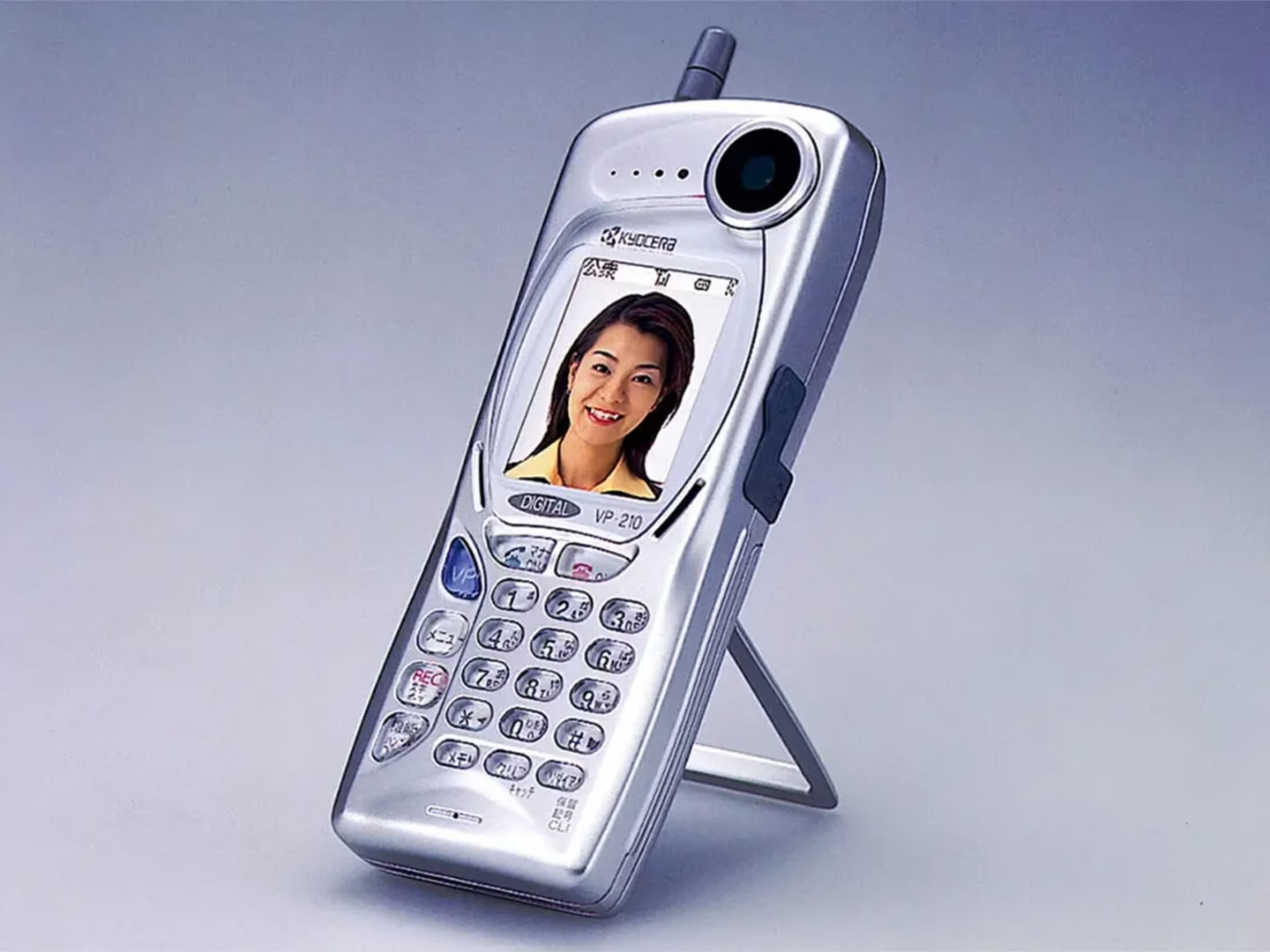
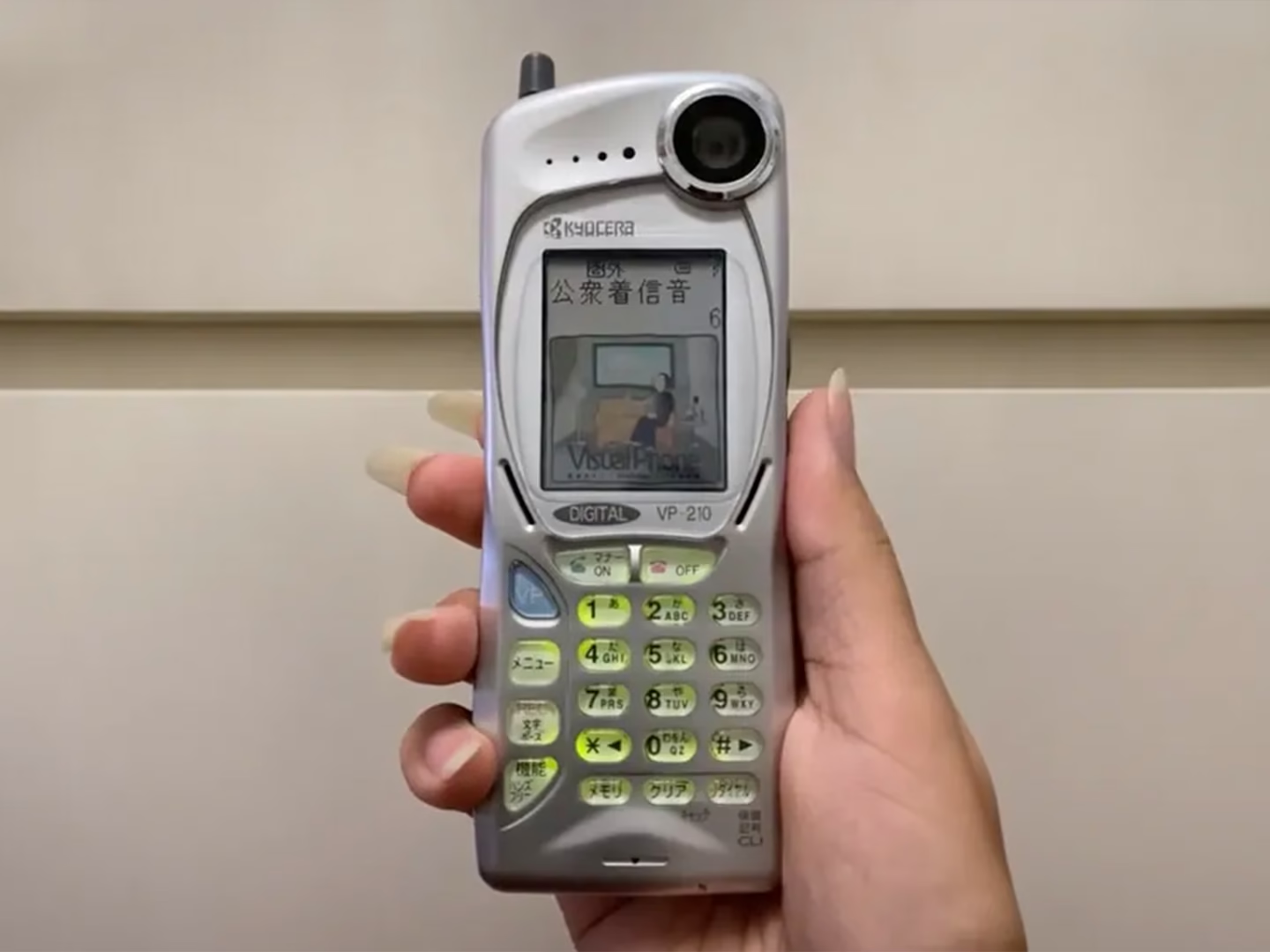
3. Kyocera VP-210 (1999)
Released in Japan in 1999, the Kyocera VP-210 VisualPhone was the world’s first mobile phone with a front-facing camera. It could snap selfies, send stills over email, and even manage low frame rate video calls on Japan’s PHS network. Kyocera marketed it as a visual communications breakthrough, not just hearing someone’s voice but seeing their face. The technology worked, but the world wasn’t ready. Limited network reach and high costs kept it niche. Still, it quietly sparked the era of camera phones.
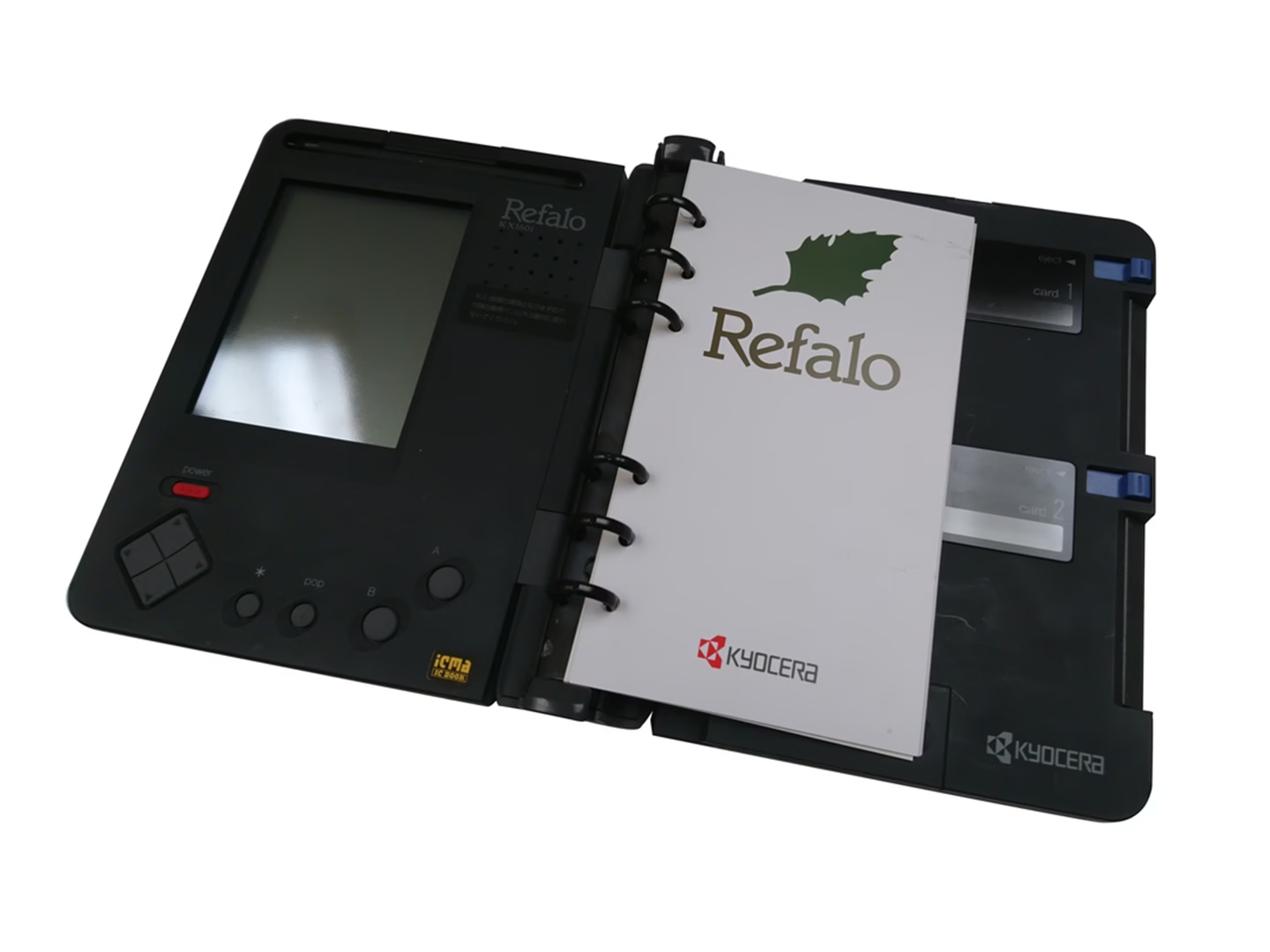
4. Kyocera Refalo (1990)
Refalo looked like a business binder but opened to reveal a DOS touchscreen on one flap and a transparent keypad overlay on the other. It ran Lotus 1 2 3 and had rudimentary handwriting recognition. A desk object designed to integrate computing into paper based workflows. It was heavier than most portables of the time and served a highly specific use case. Its internal rings even used magnetic induction to pass data between pages and screen without cables.
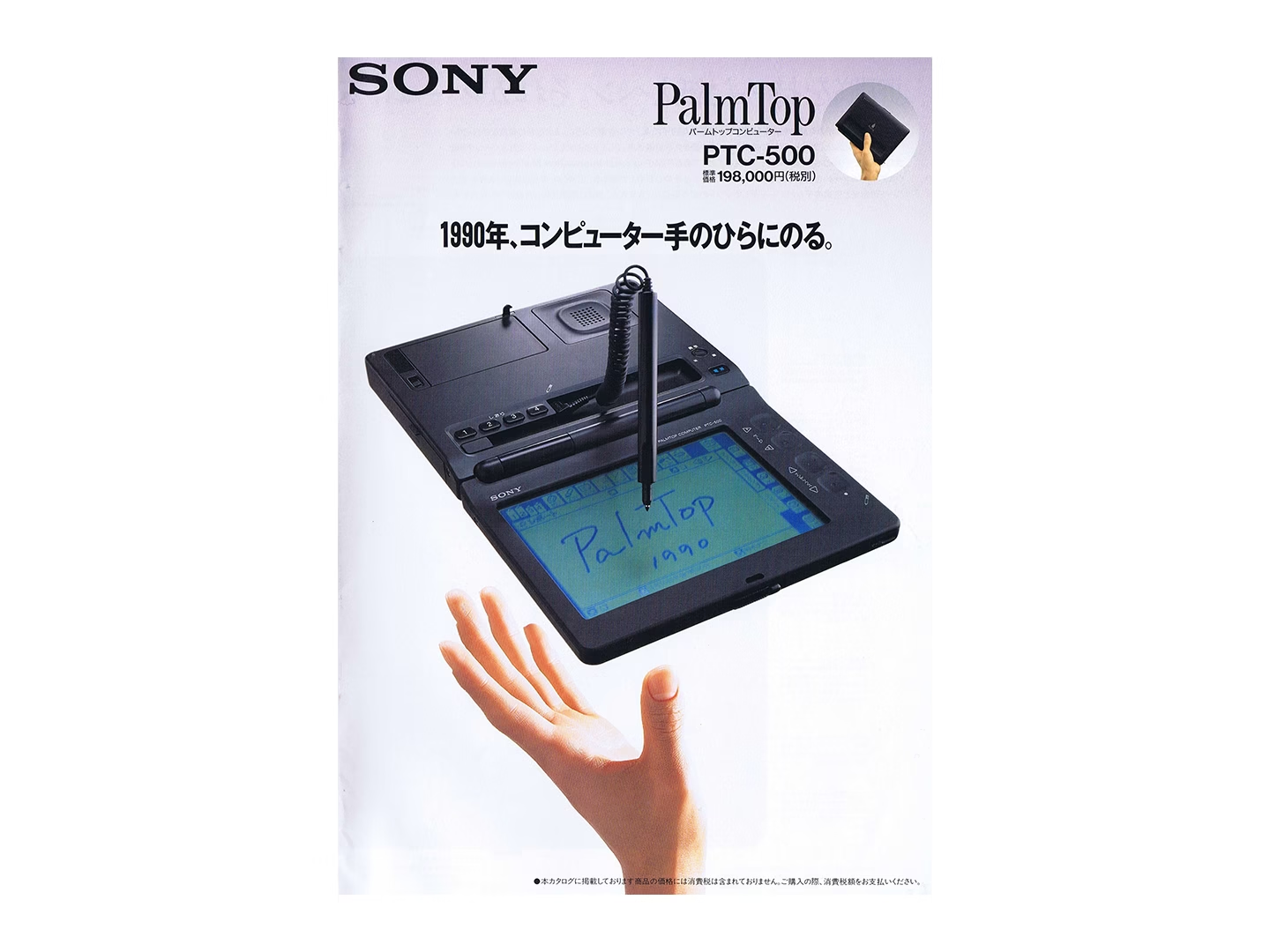
5. Sony PalmTop PTC-500 (1990)
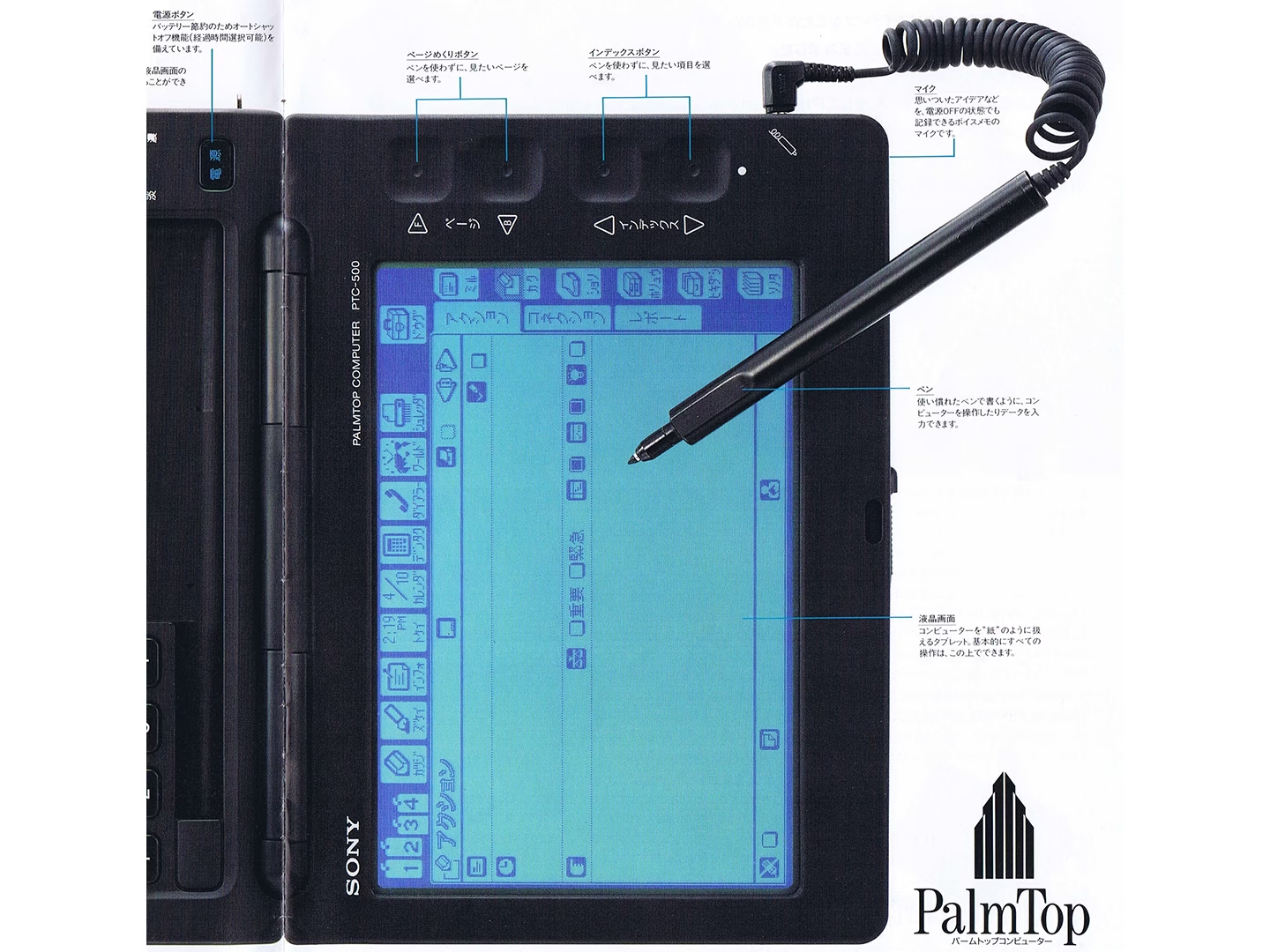
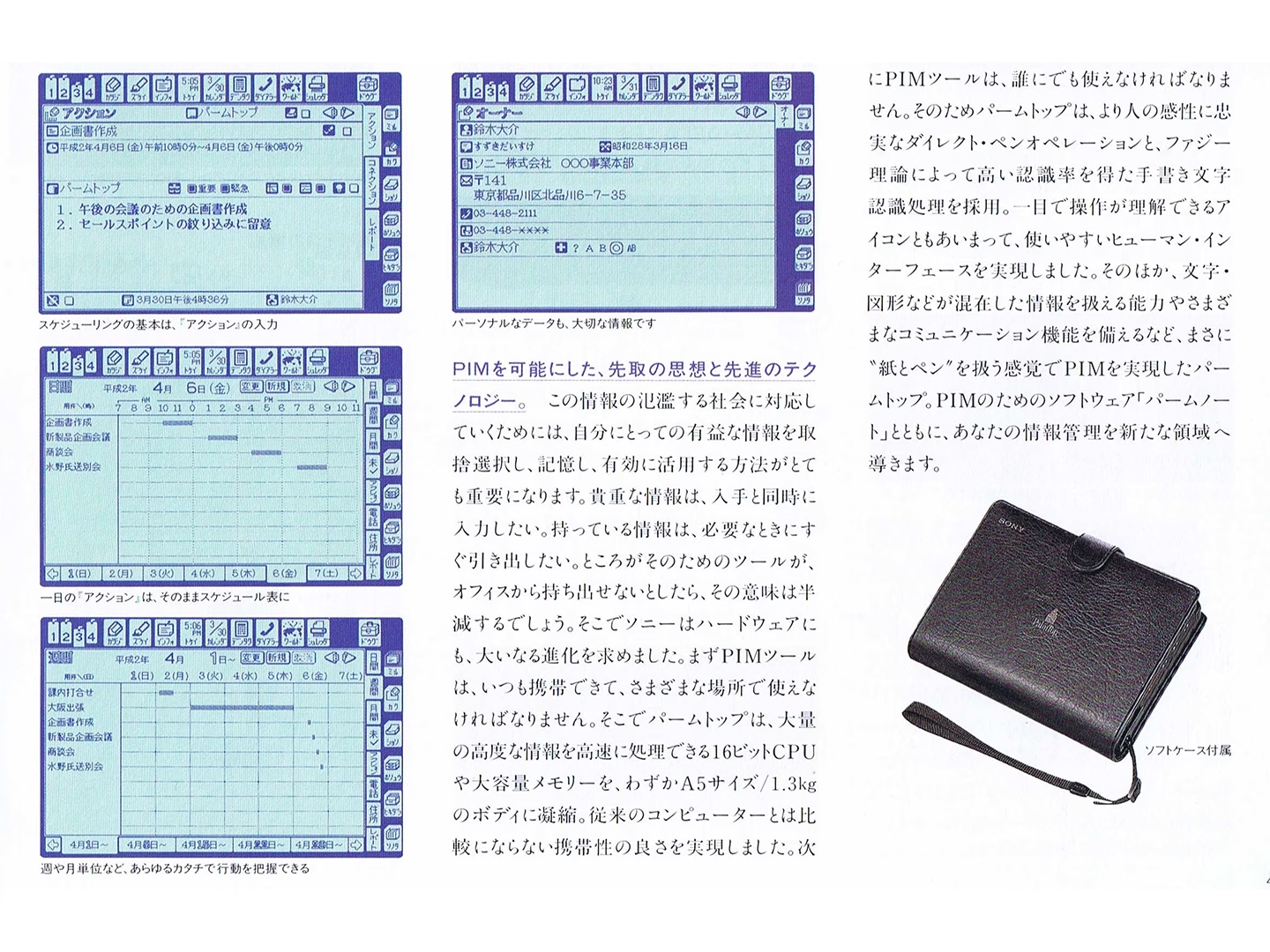
A leather bound book hiding a grayscale touchscreen, stylus, and contact manager, the PTC-500 was Sony’s quiet bid for the executive PDA. It even had a wired handset and could dial phone numbers. Heavy, expensive, and focused on business portability. It predicted tablets in the shape of a business novel. A later model included an acoustic coupler so it could send faxes over a phone line.