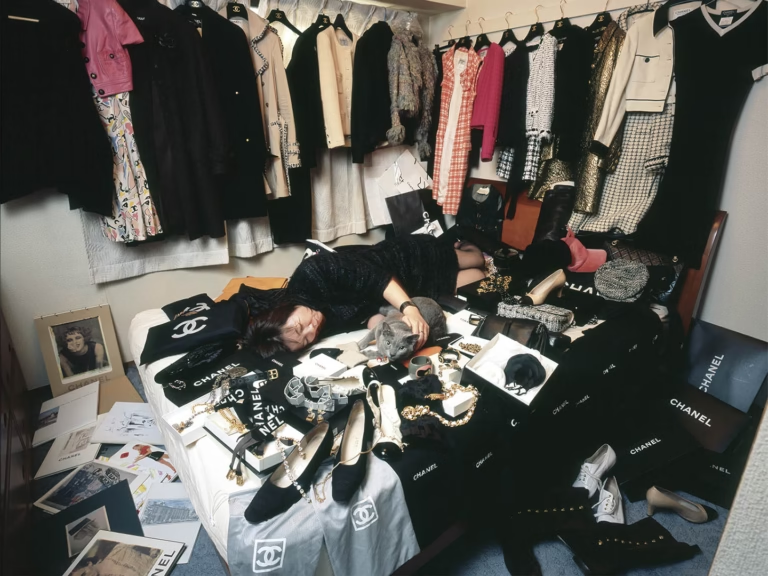
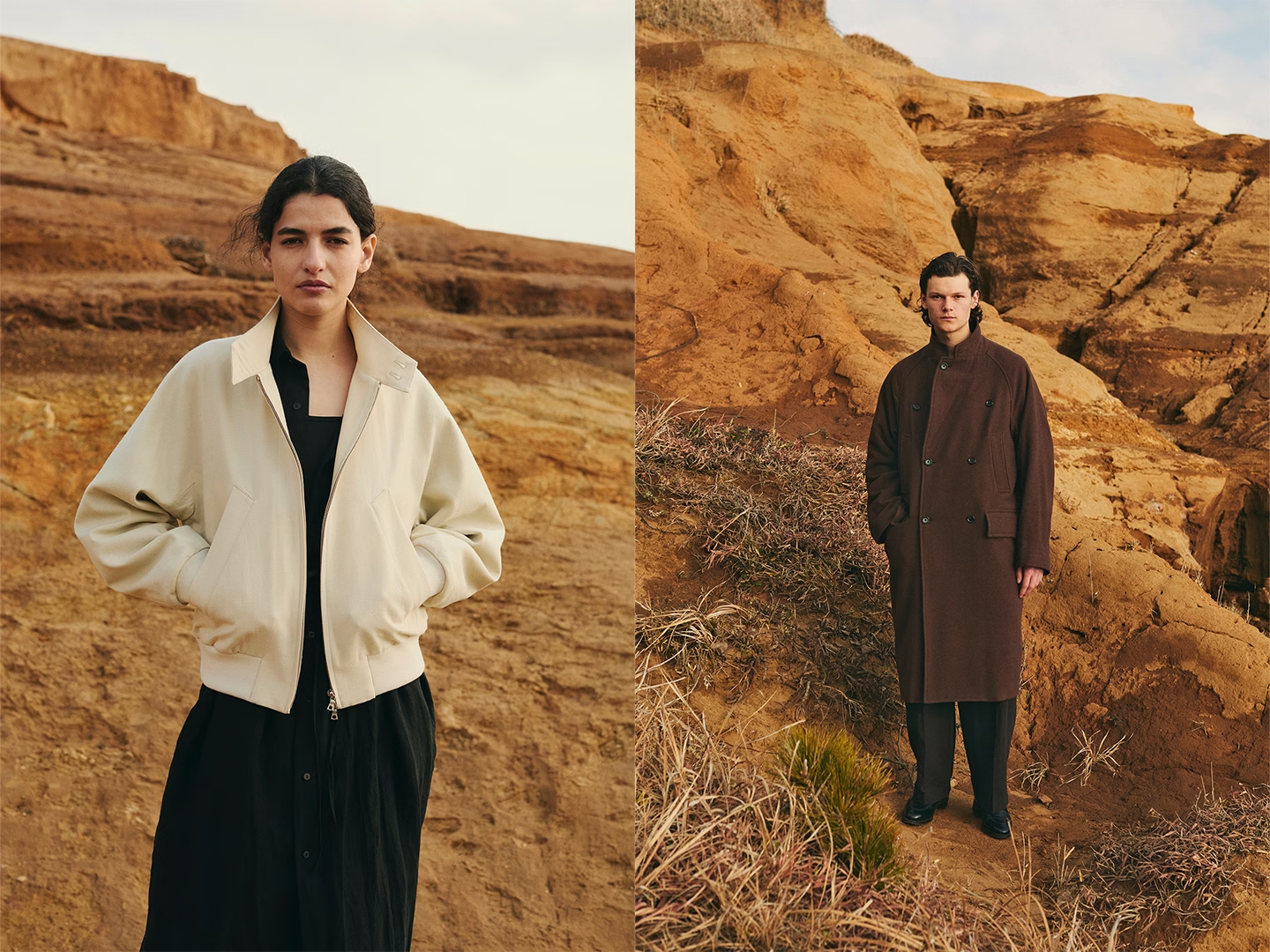
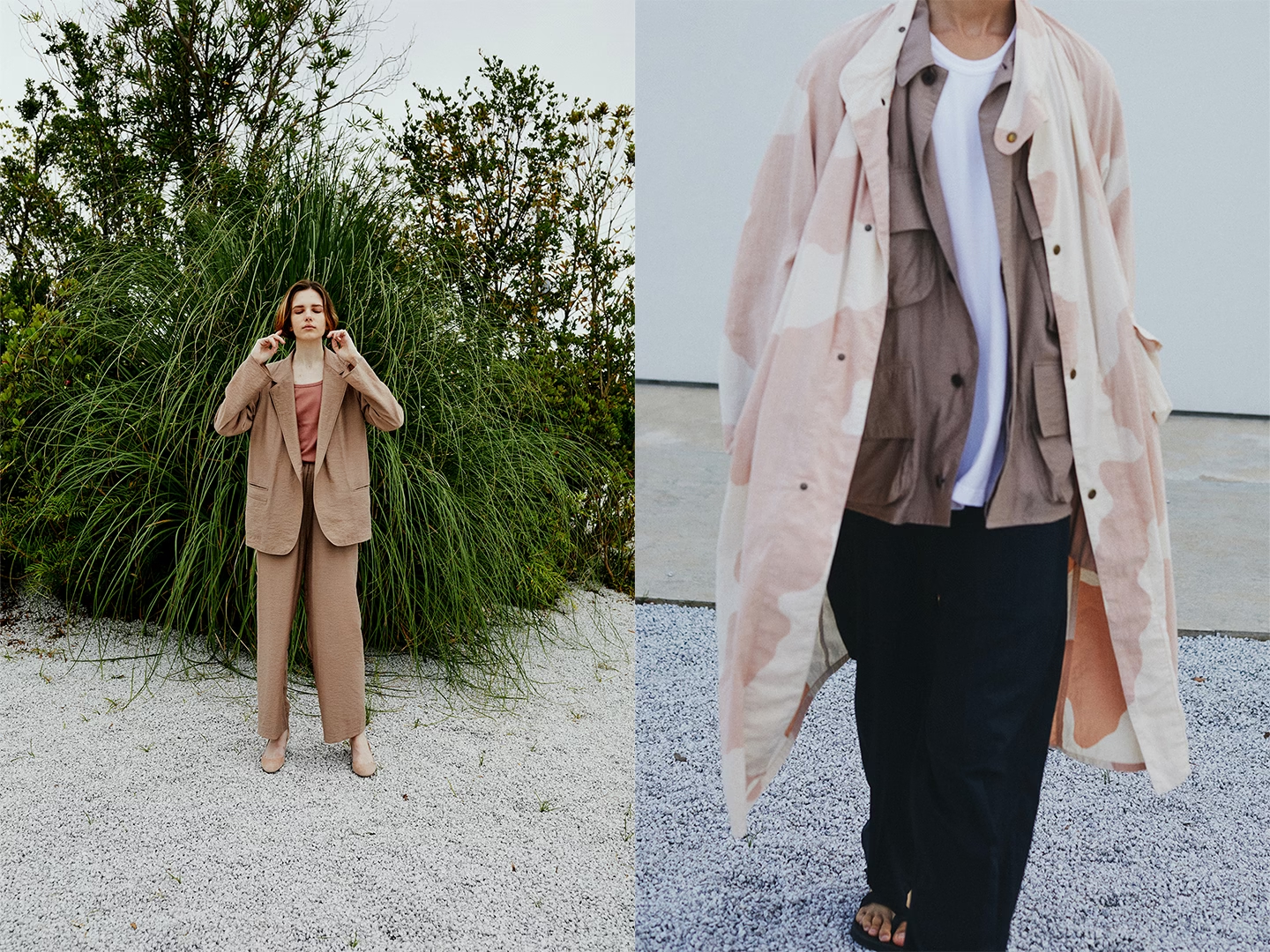
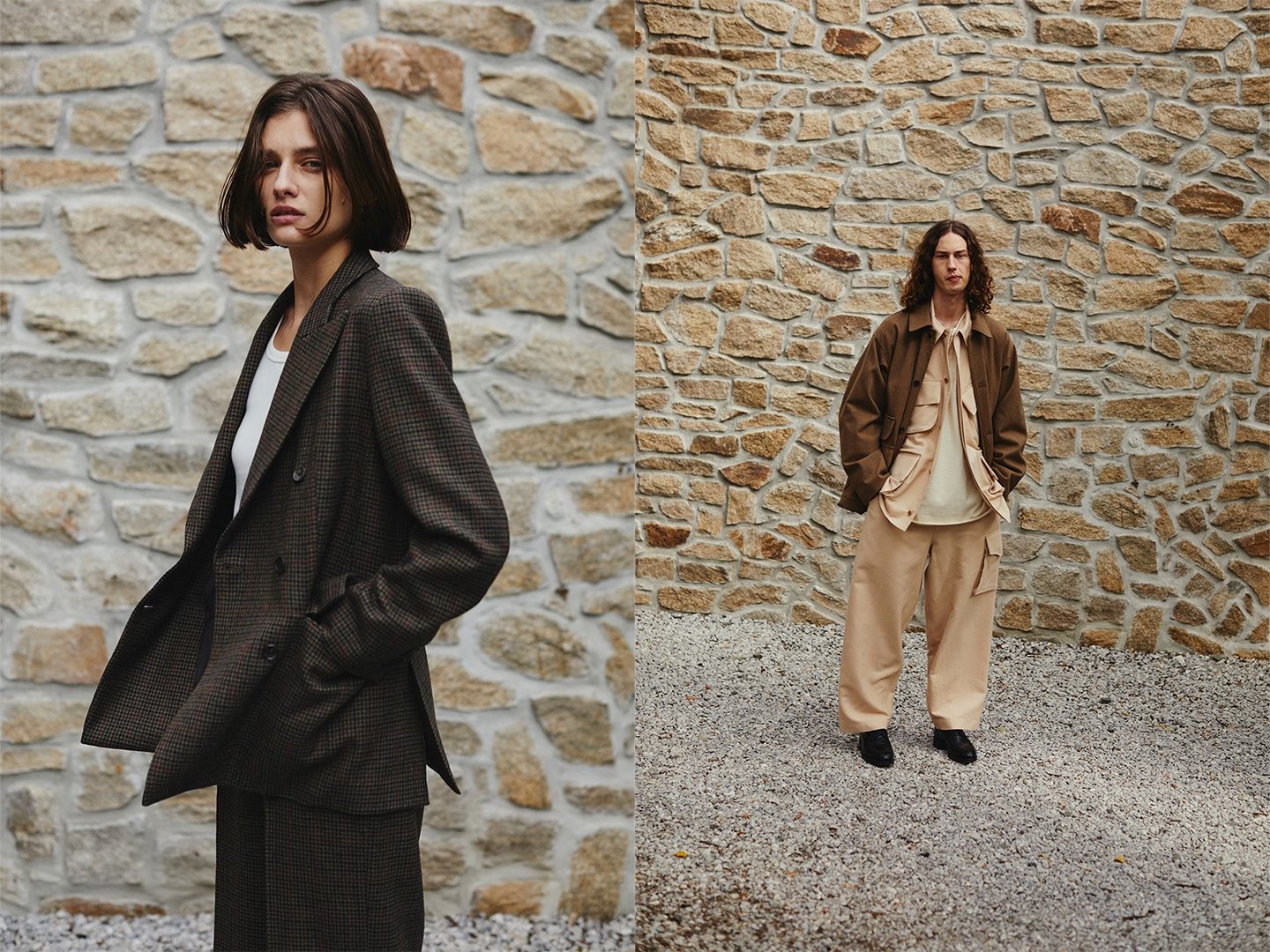
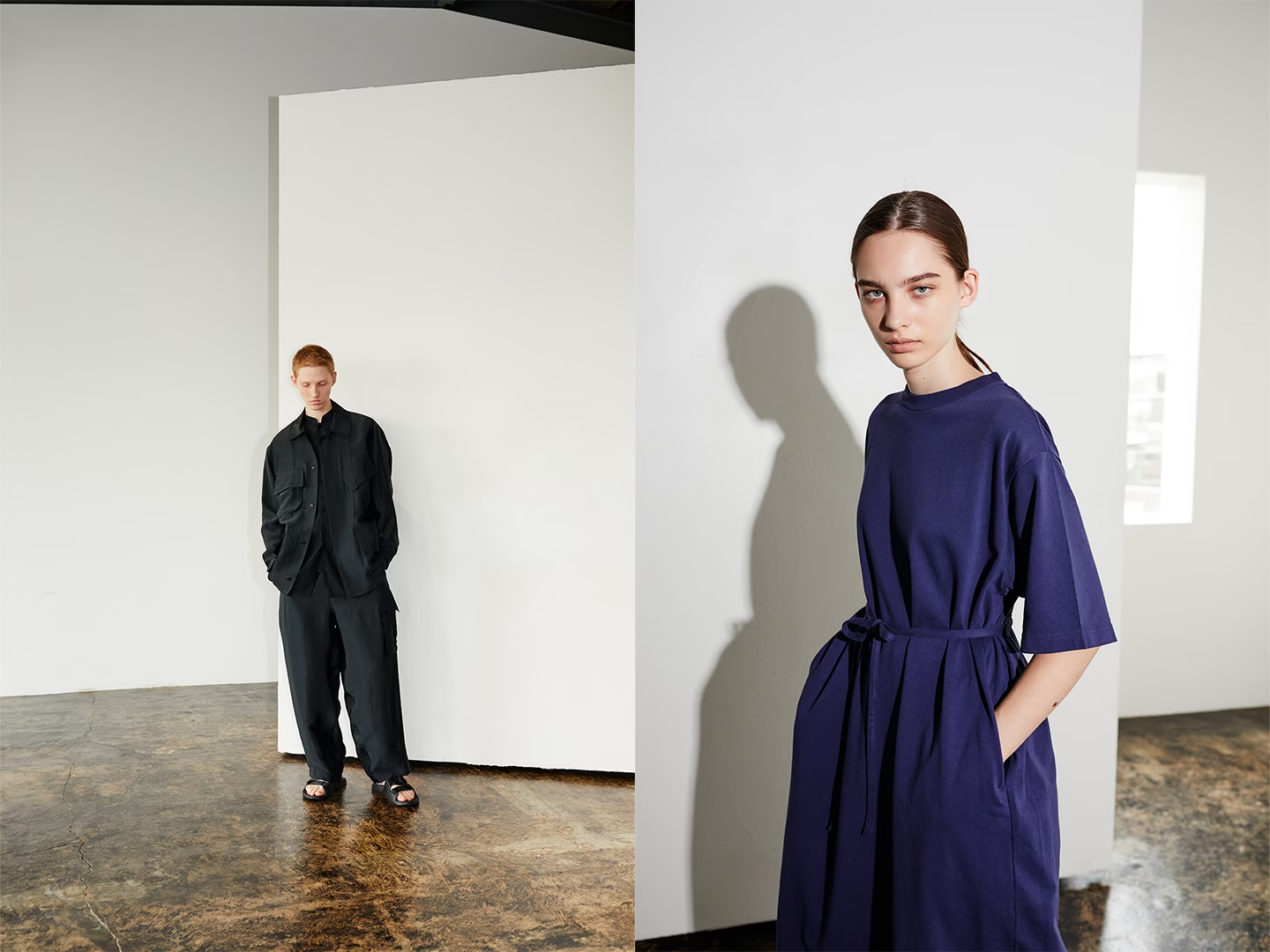
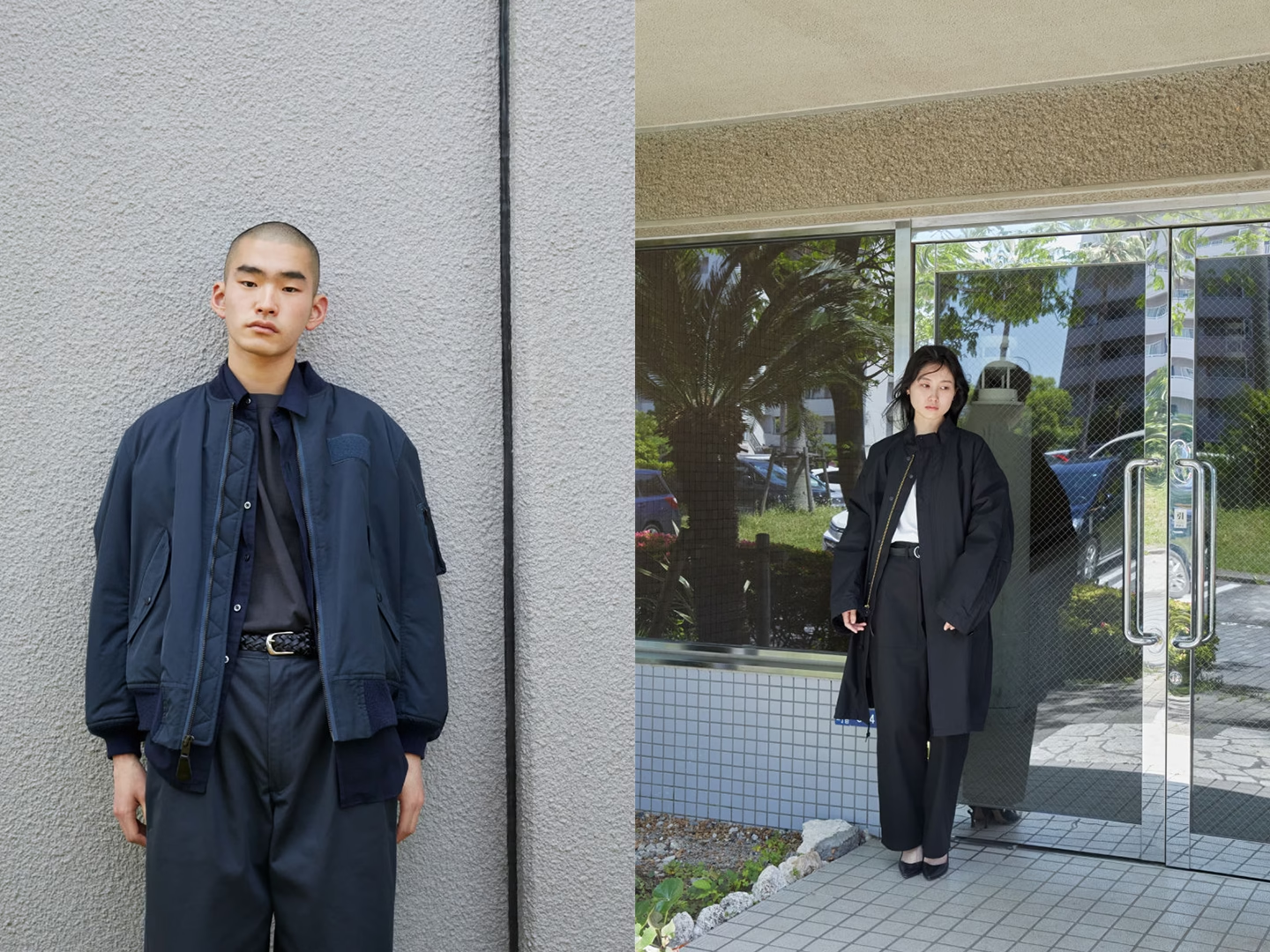
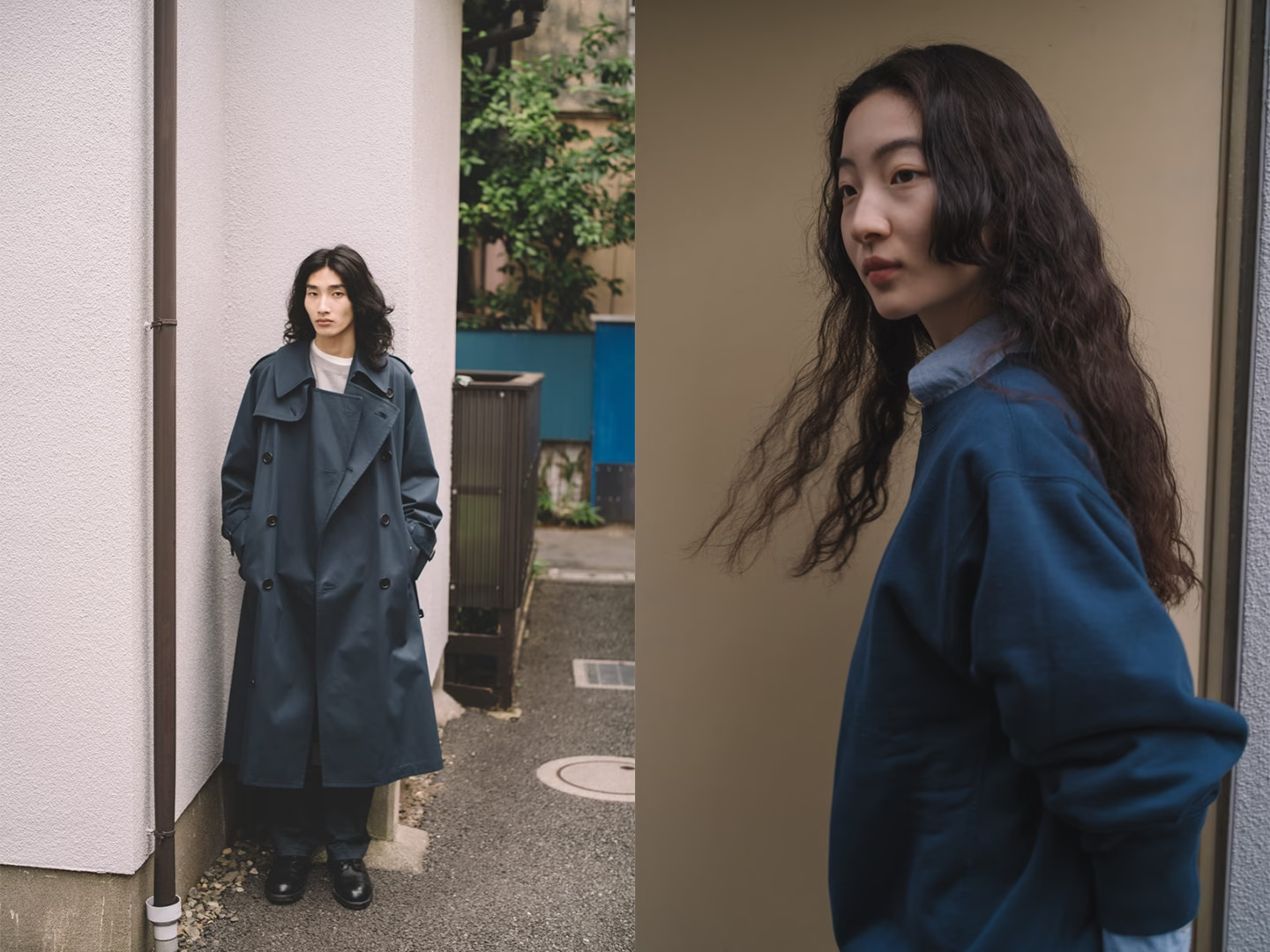
When normcore spread globally in the mid-2010s, its plain jeans and sweatshirts look took on a different form in Japan. Designers already attuned to subtlety and monozukuri redirected it toward fabric innovation, proportion, and domestic craft. By the late 2010s this “post-normcore” language had emerged: minimal at first glance, but textured, roomy, and quietly luxurious. These five labels capture the shift.
1. AURALEE
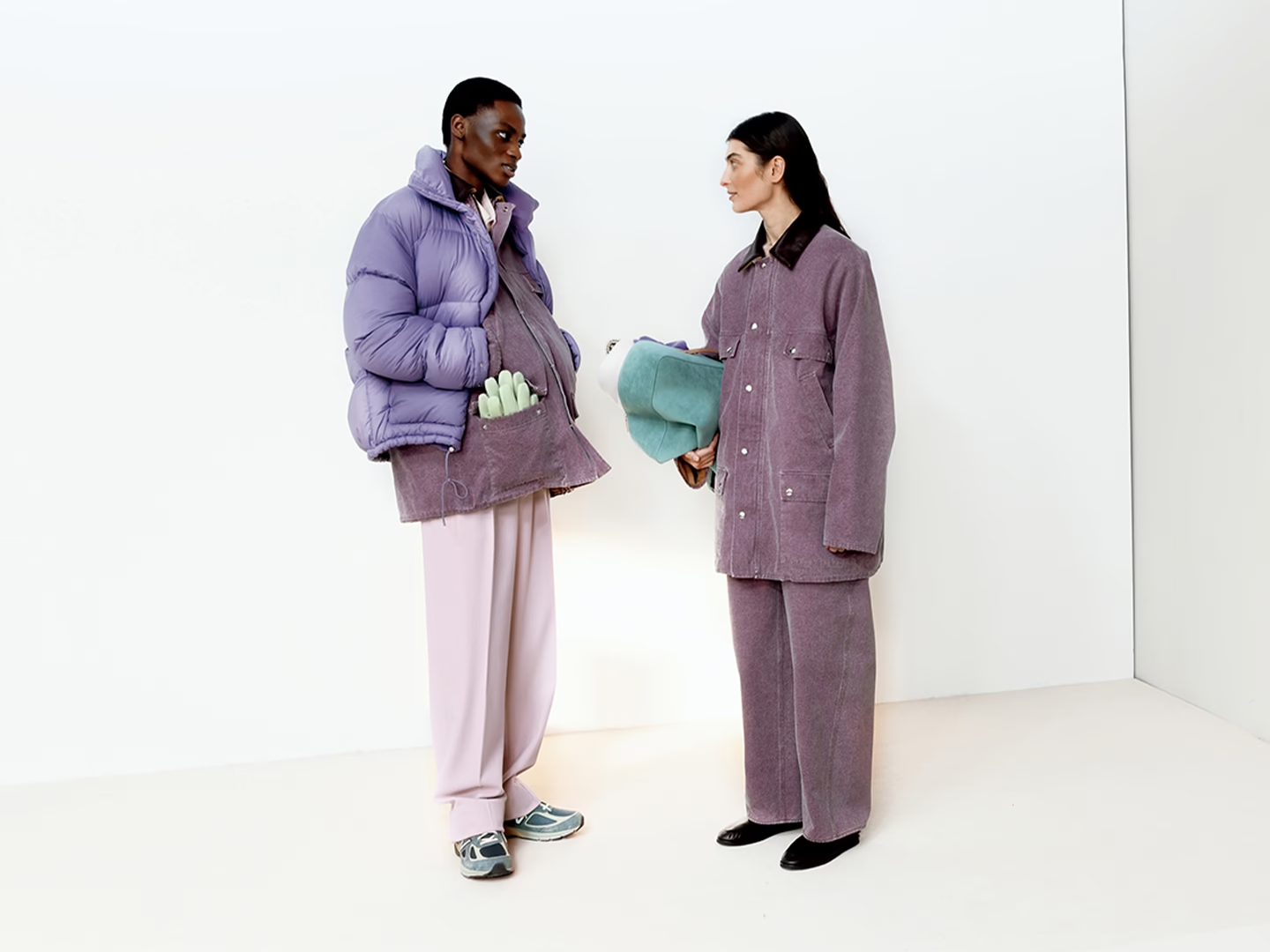
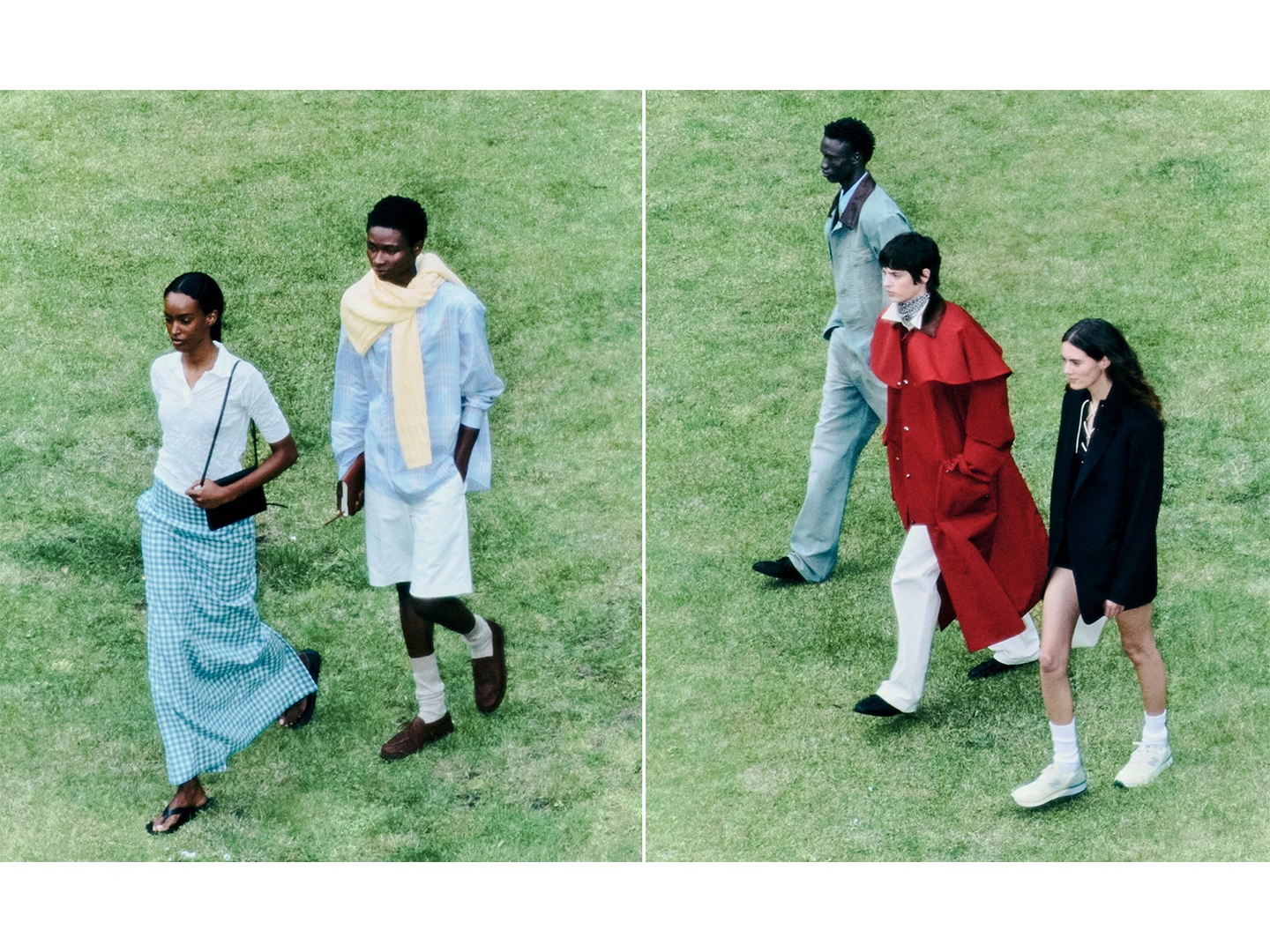
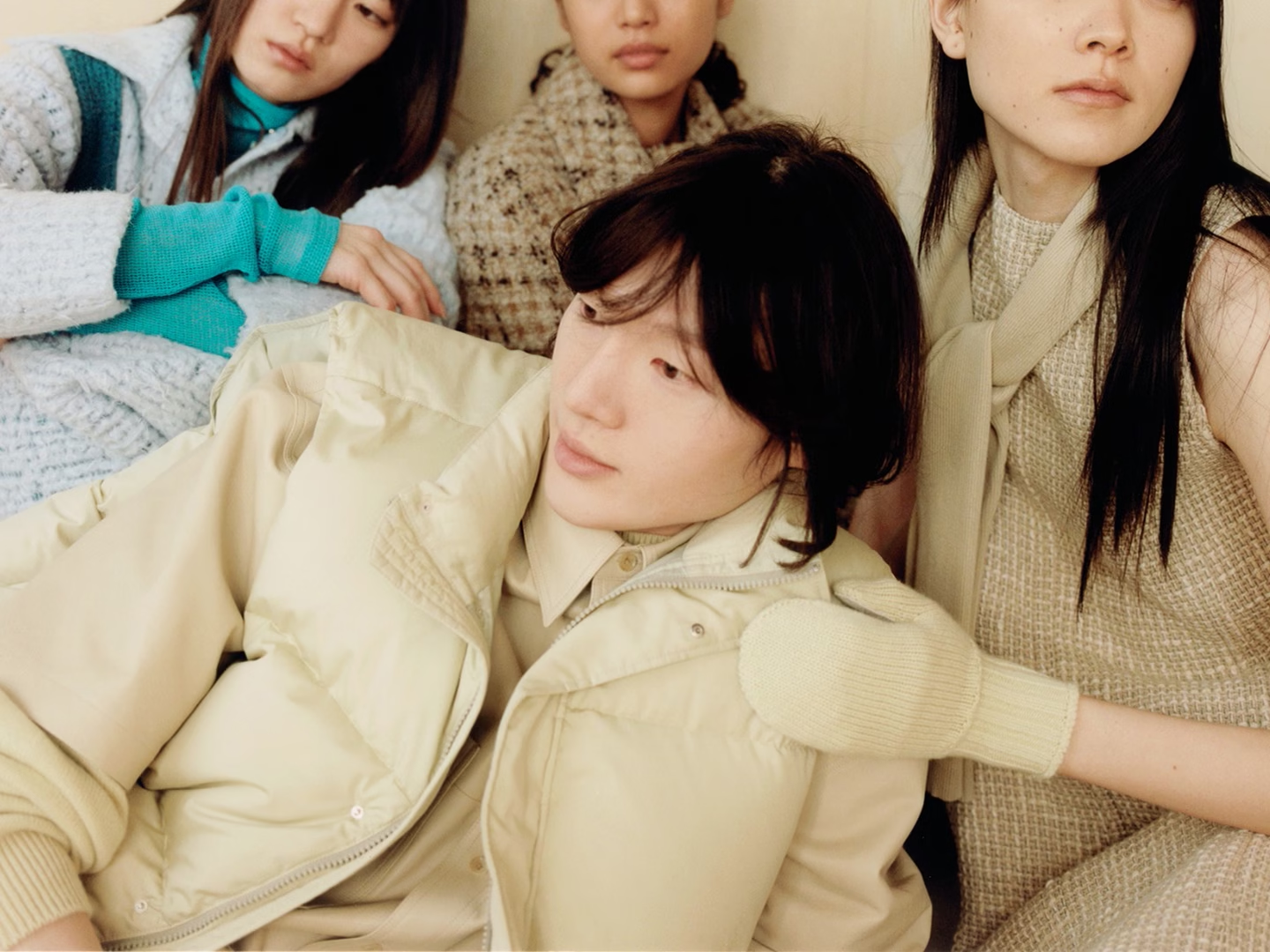
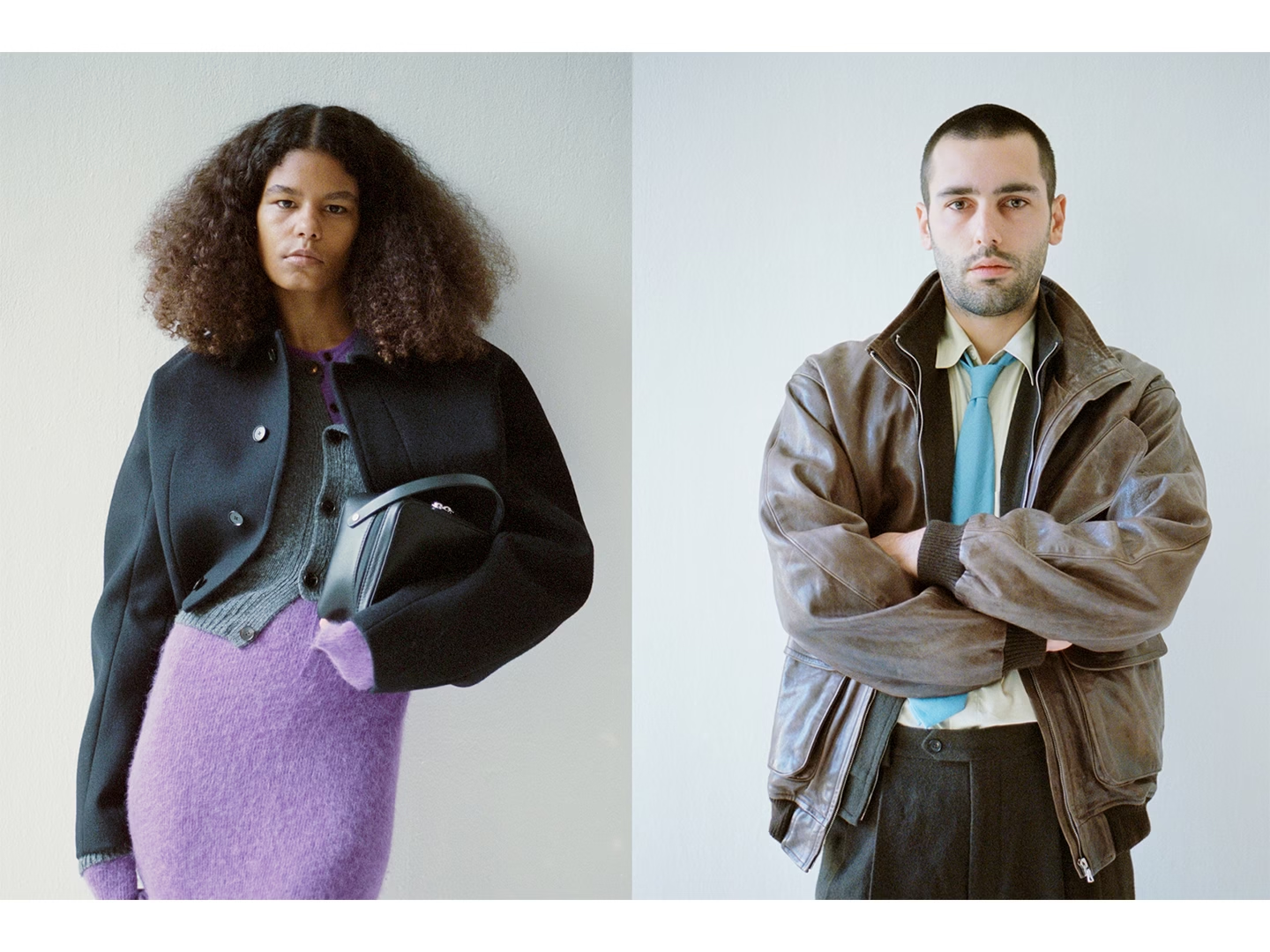
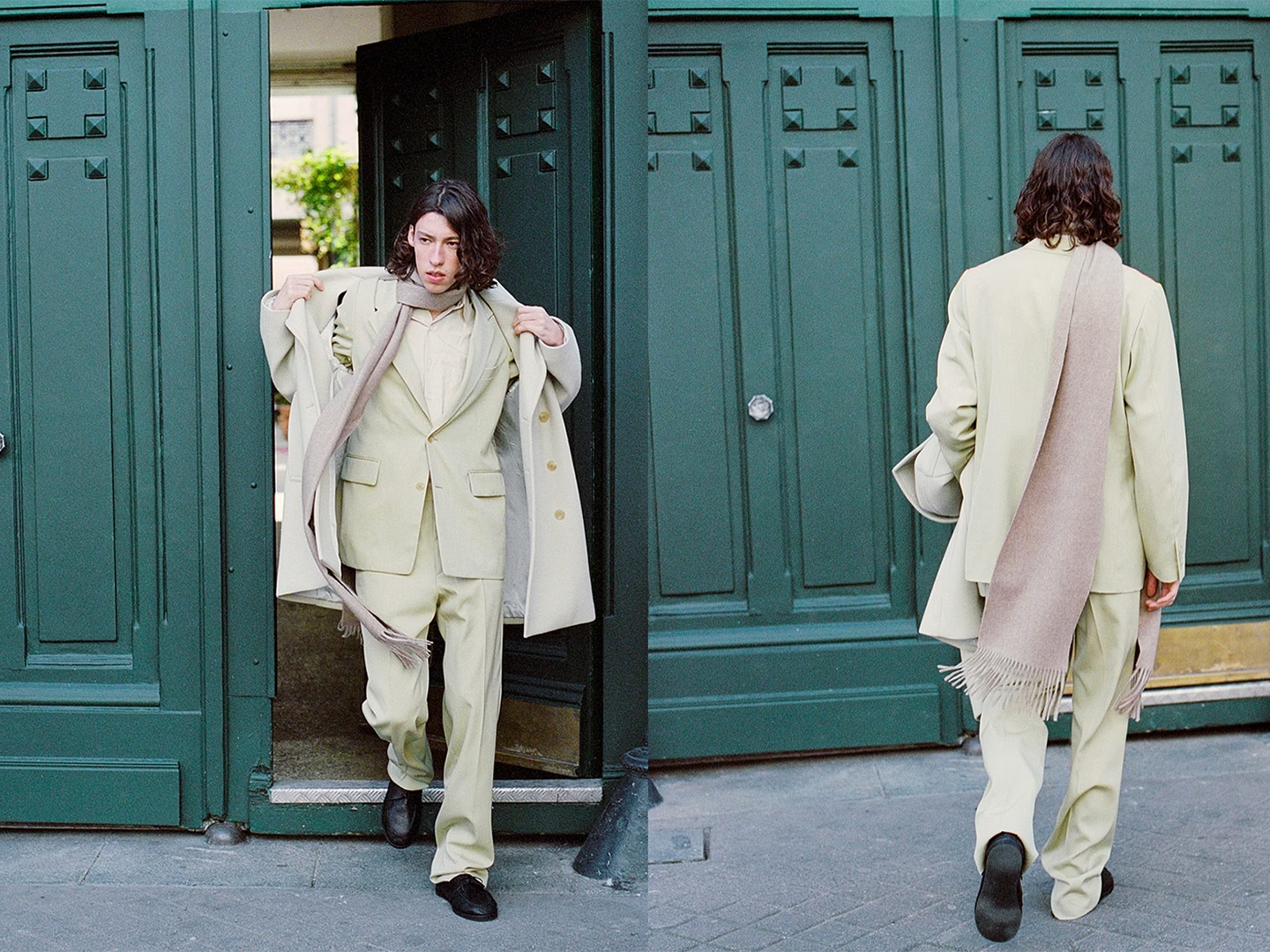
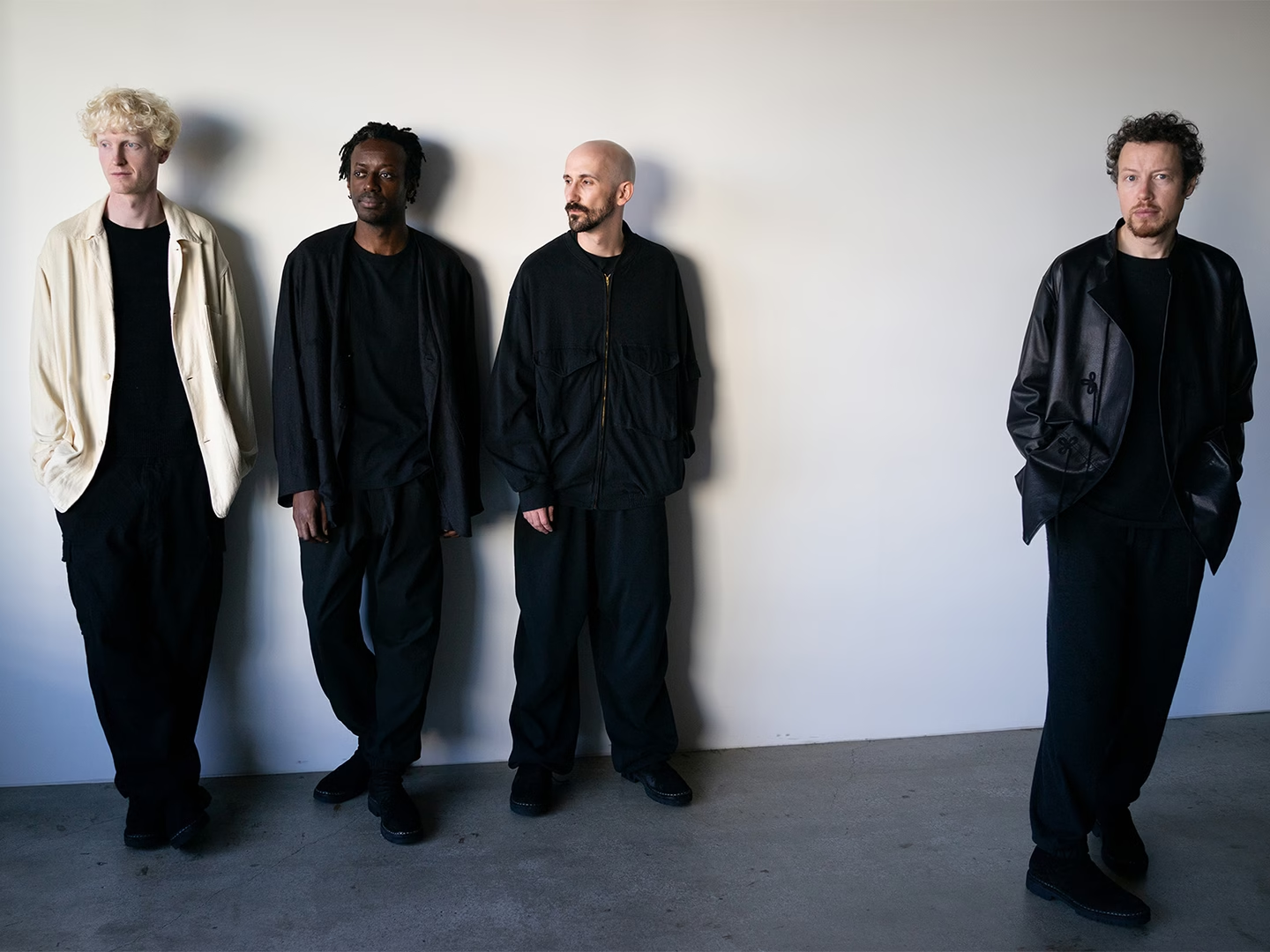
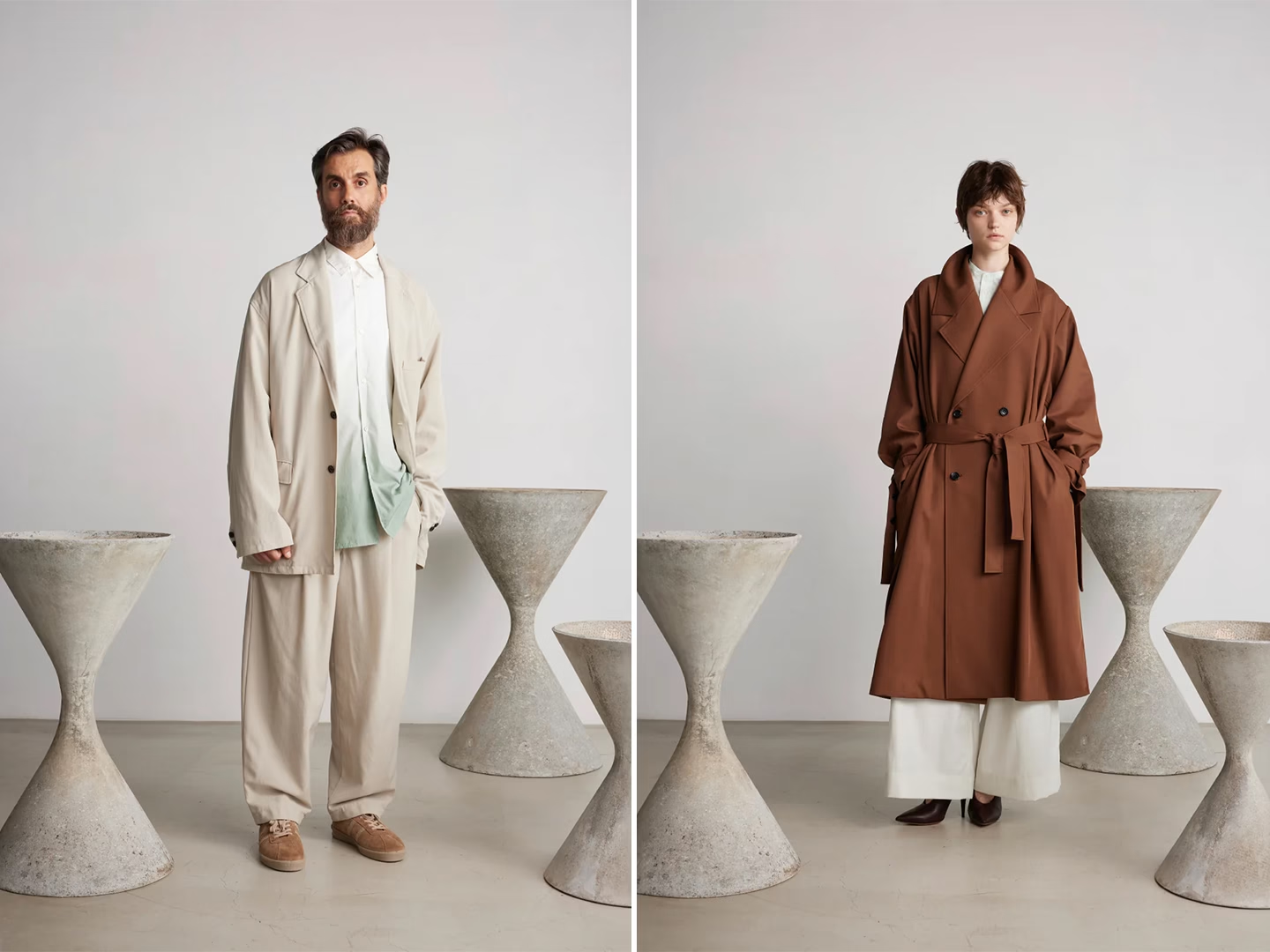
Founded in 2015 by Ryota Iwai, AURALEE made fabric the starting point of every collection. Rare Suvin cotton, fine wools, and proprietary blends are spun in Japanese mills before being cut into oversized tailoring and understated knitwear. Neutral pastels and clean silhouettes make its pieces appear simple, yet their drape and touch reveal a different depth.

2. COMOLI
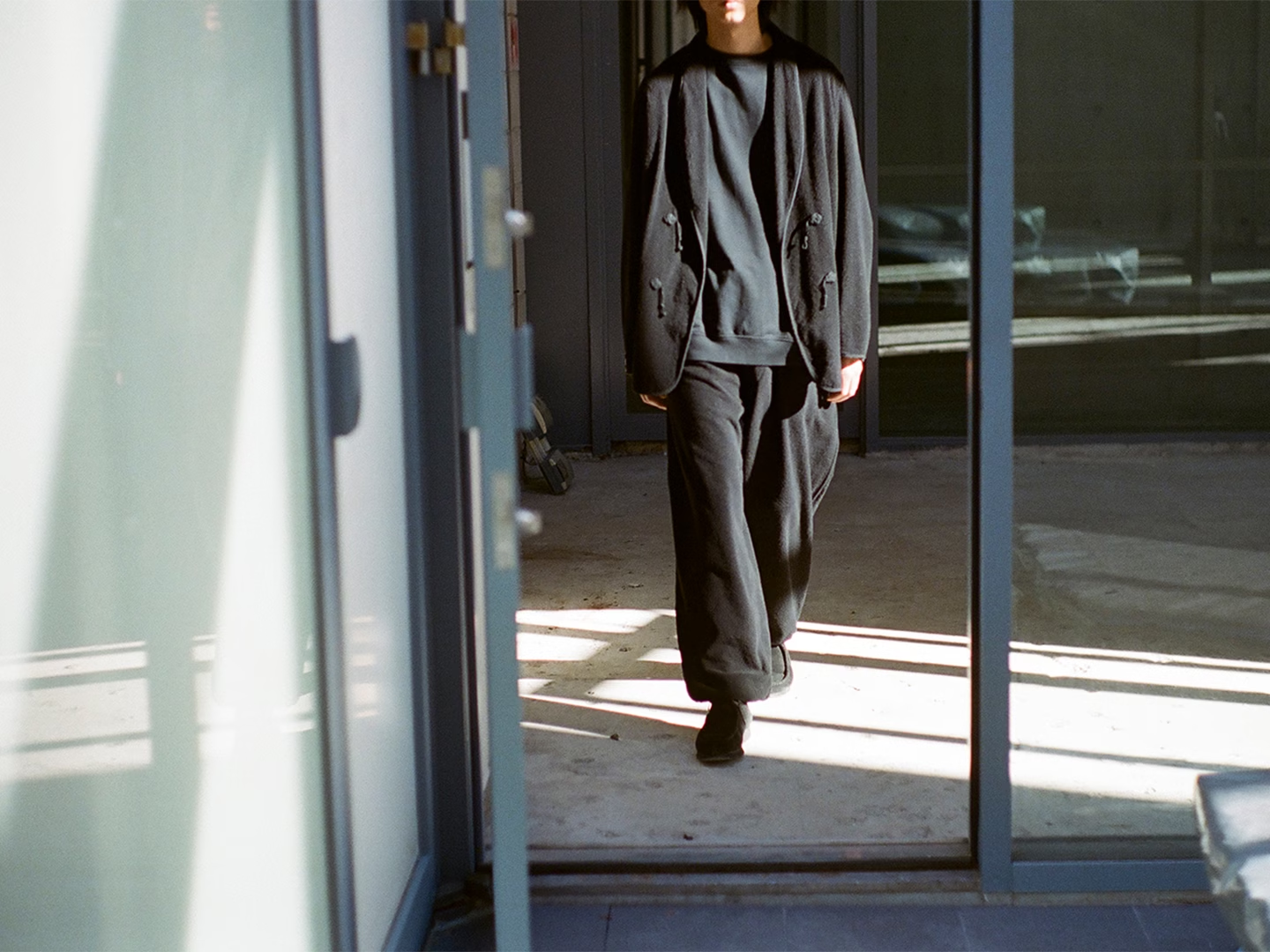
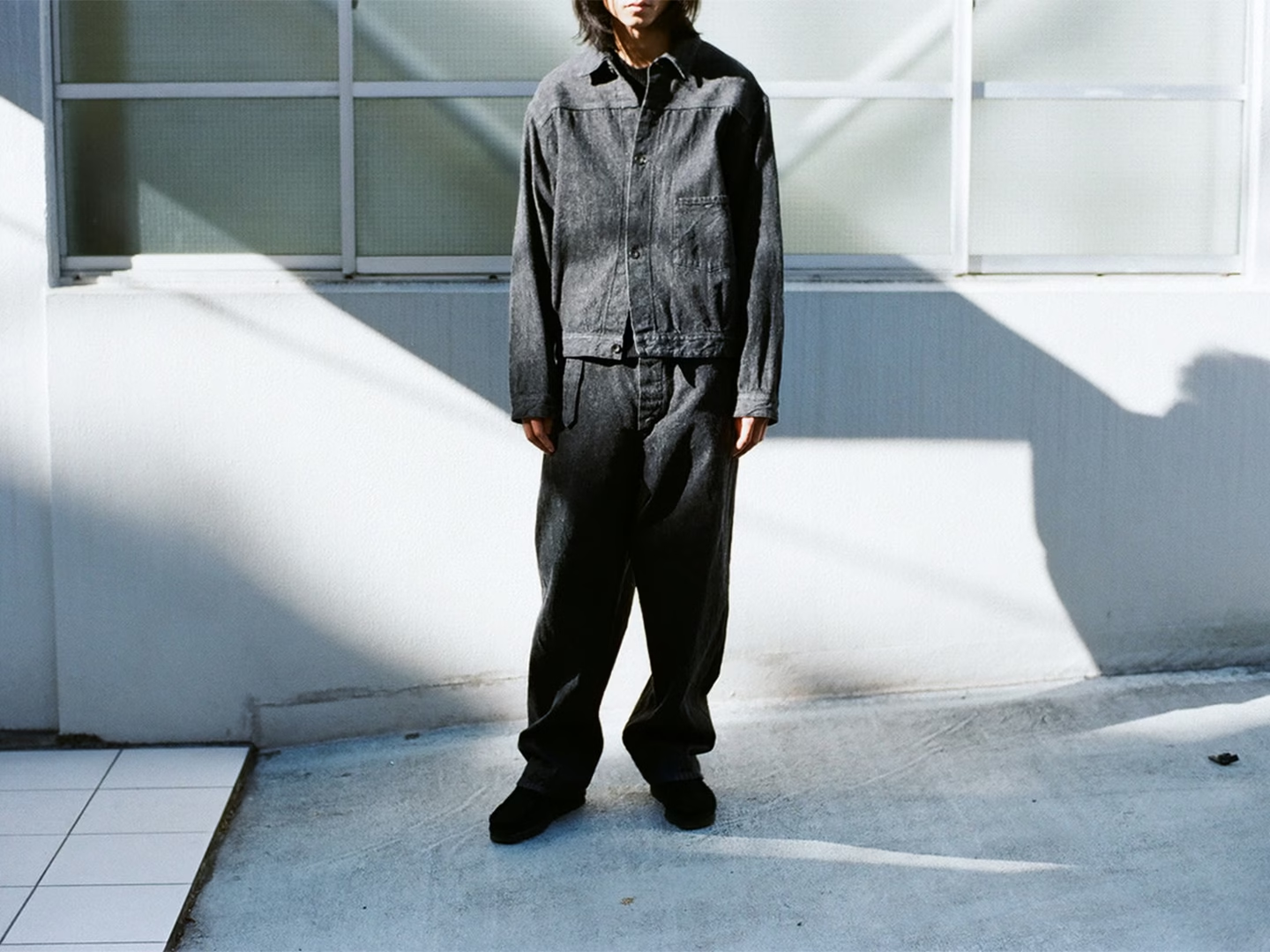
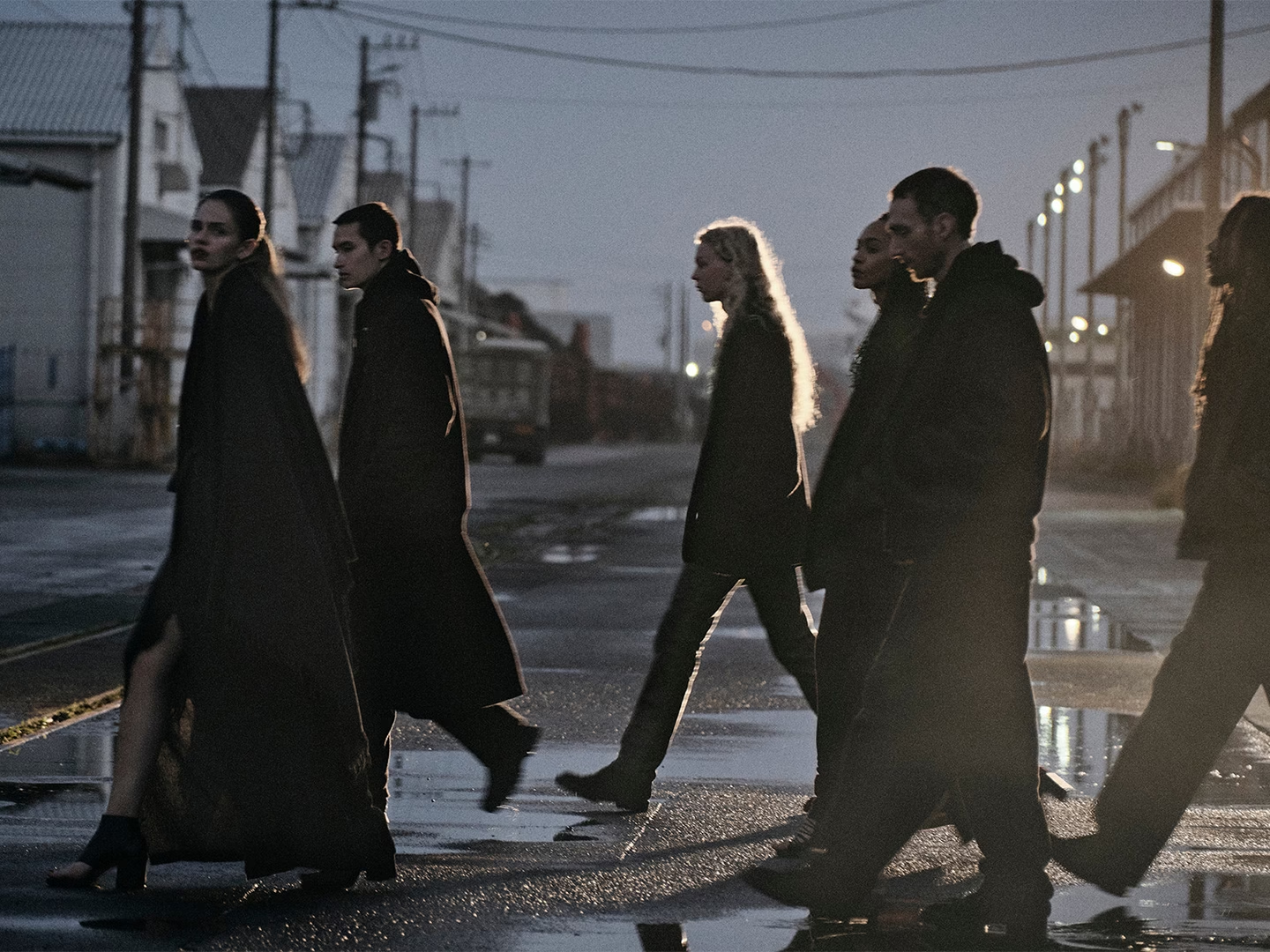
Keijiro Komori’s COMOLI is guided by the idea of “clothes that have always existed.” Navy jackets, washed band collar shirts, and easy trousers look familiar but carry a softness and ease that mark them apart. Established in 2011, the brand bridged normcore plainness with a more fabric sensitive approach, and is widely cited as formative for today’s minimalist labels.
3. Graphpaper
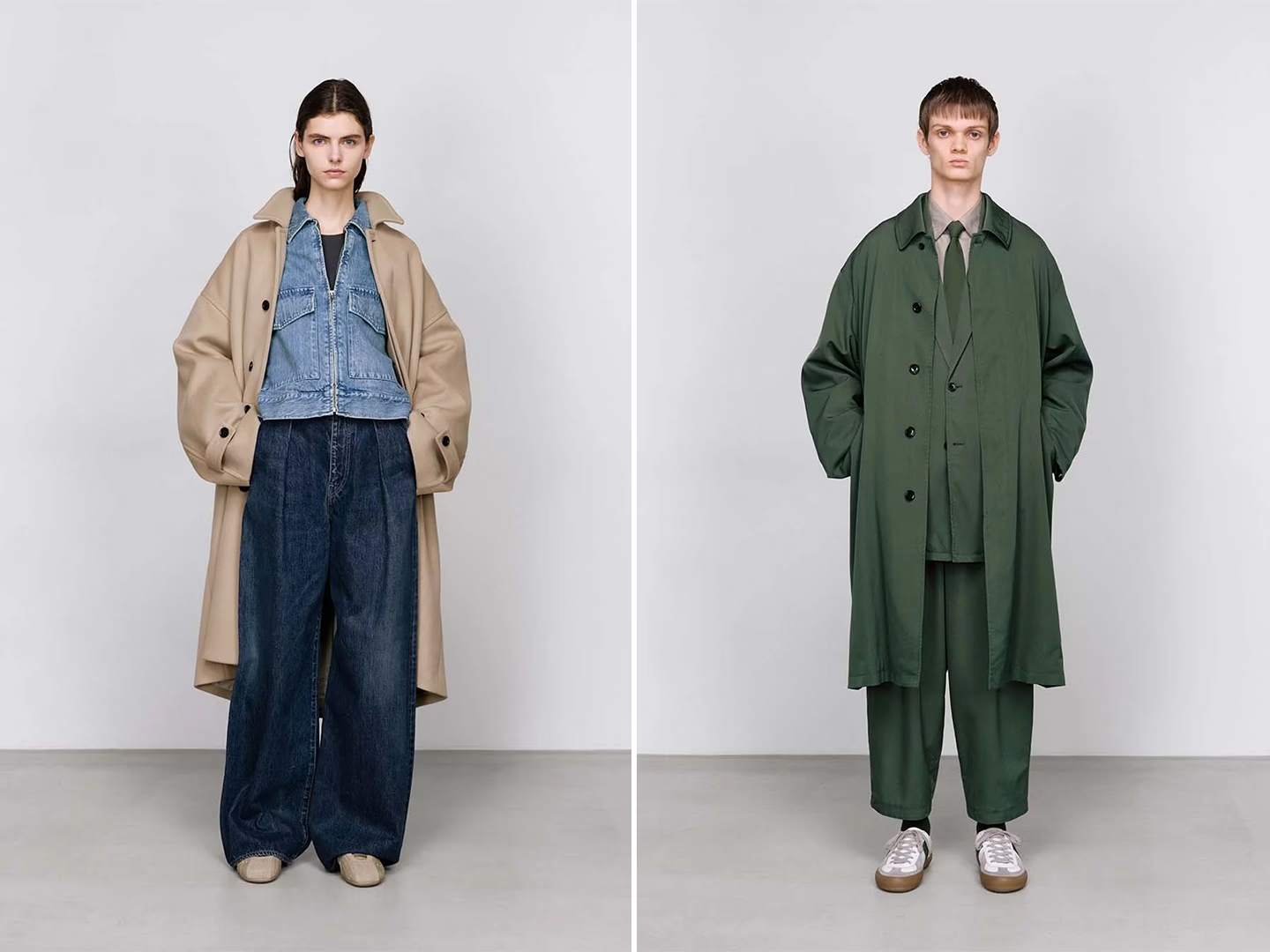
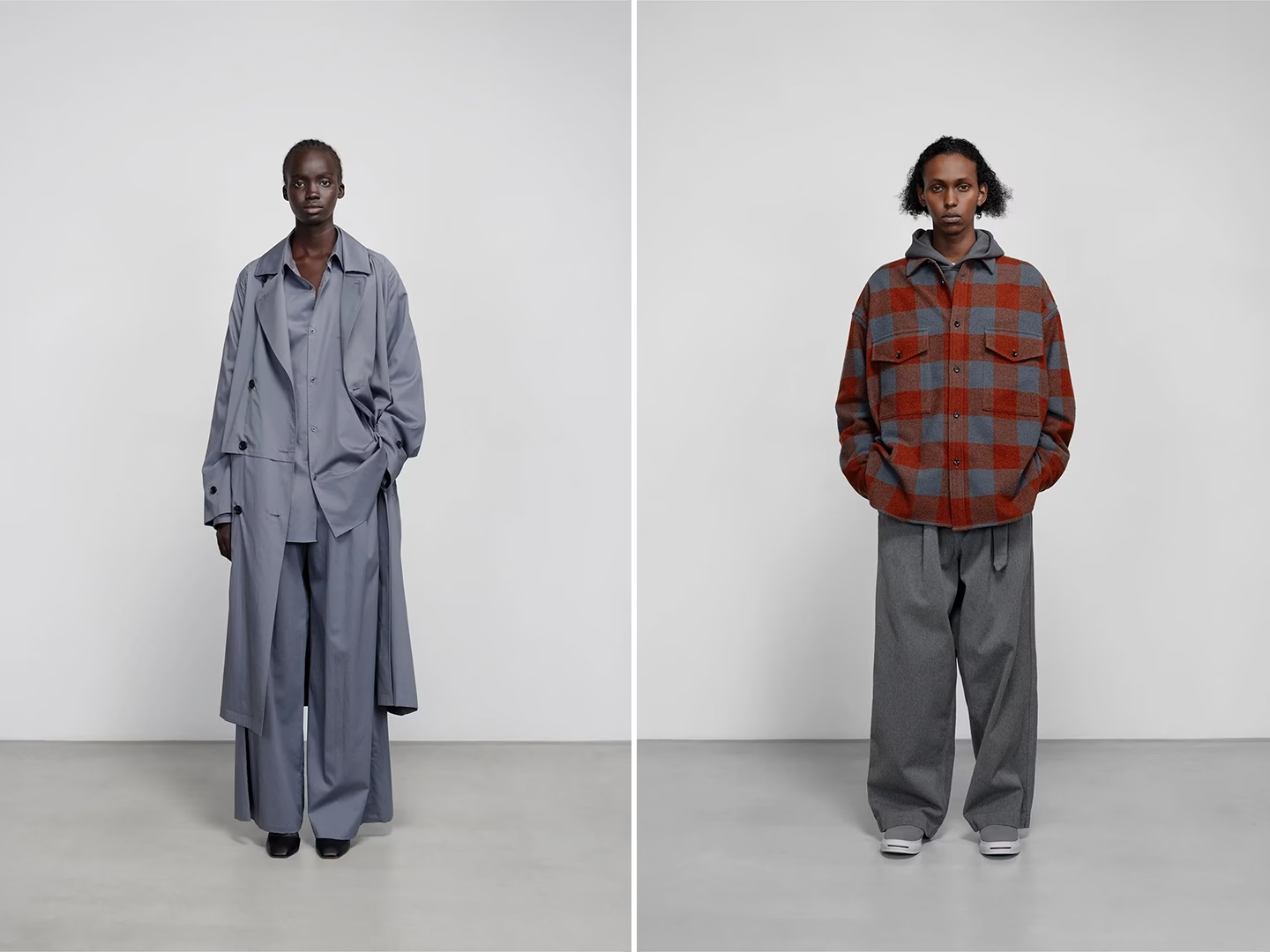
Oversized yet precise, Graphpaper turns wardrobe staples into architectural statements. Launched in 2015 by Takayuki Minami as both a select shop and brand, its collections often explore variation and controlled imperfection, most recently in SS25’s “kiln changes” theme. Voluminous coats, boxy shirts, and muted tones have become a quiet uniform in Tokyo’s creative districts.
4. blurhms
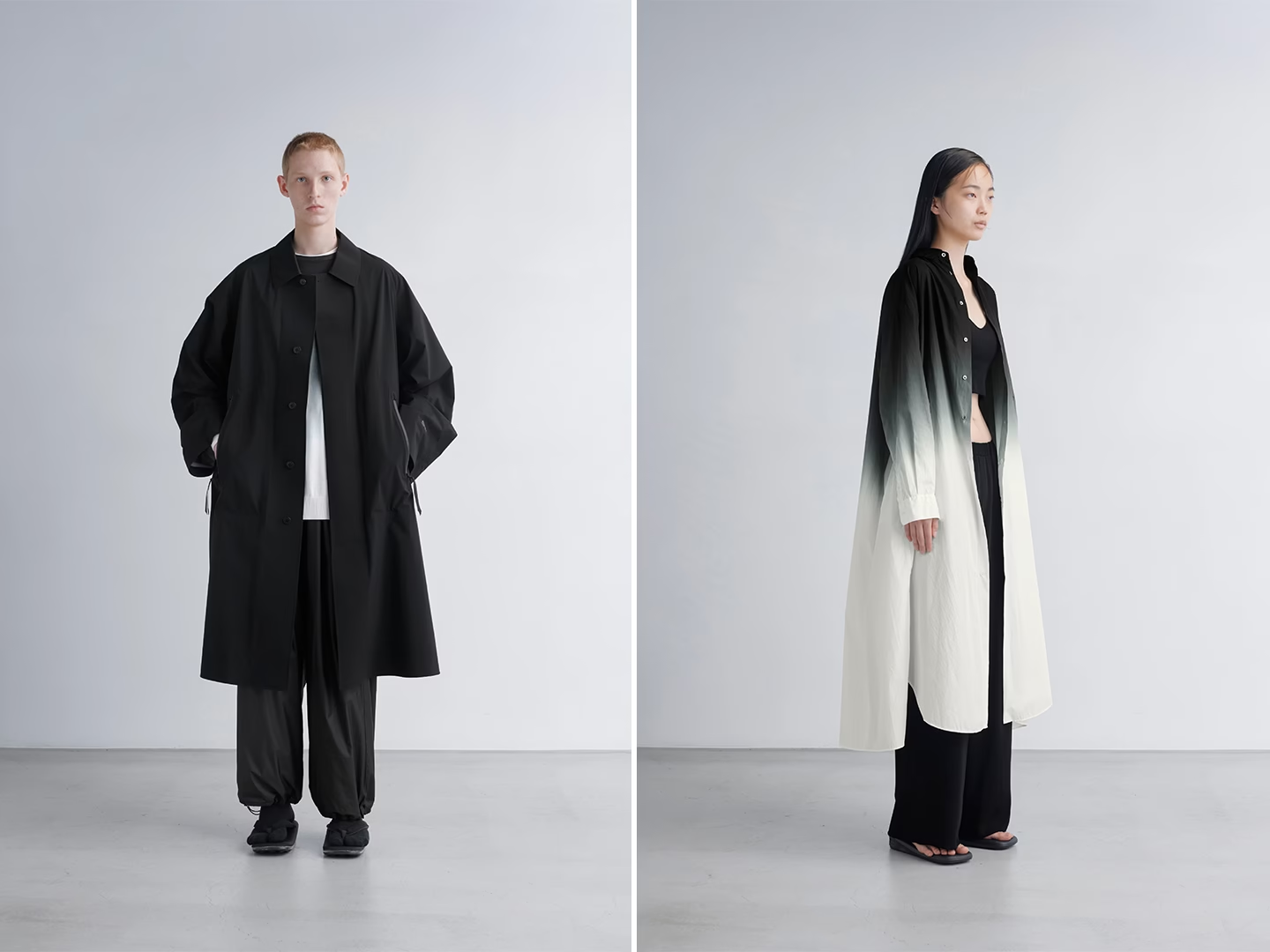
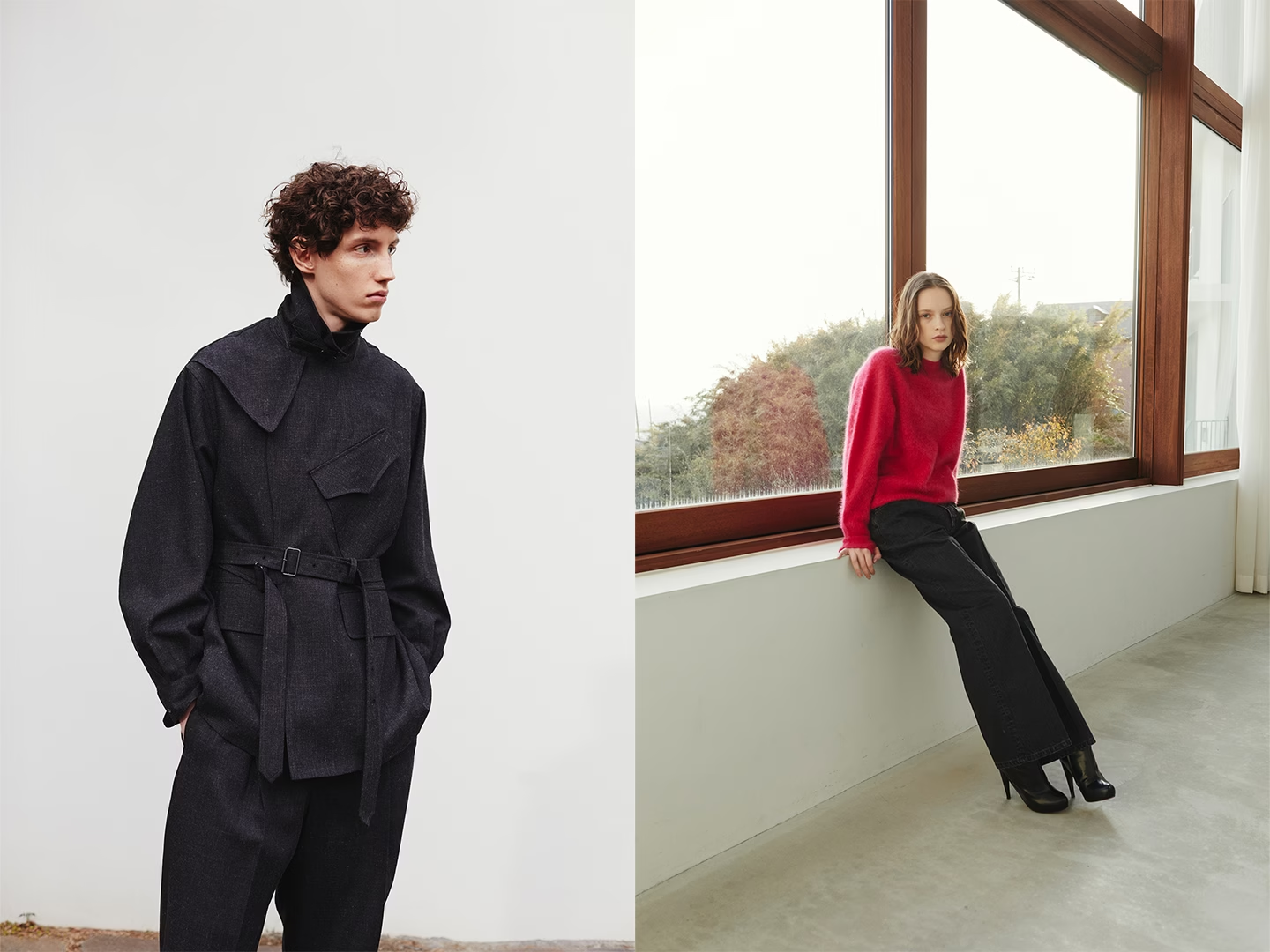
Softness defines blurhms. The brand’s “Long Life Product” philosophy elevates everyday essentials such as T shirts, sweats, and relaxed pants through proprietary yarns and domestic production. Founded in 2011 by Keigo Murakami, it creates clothes that look deliberately ordinary but wear better with age, offering a quietly luxurious form of daily dressing.
5. CIOTA
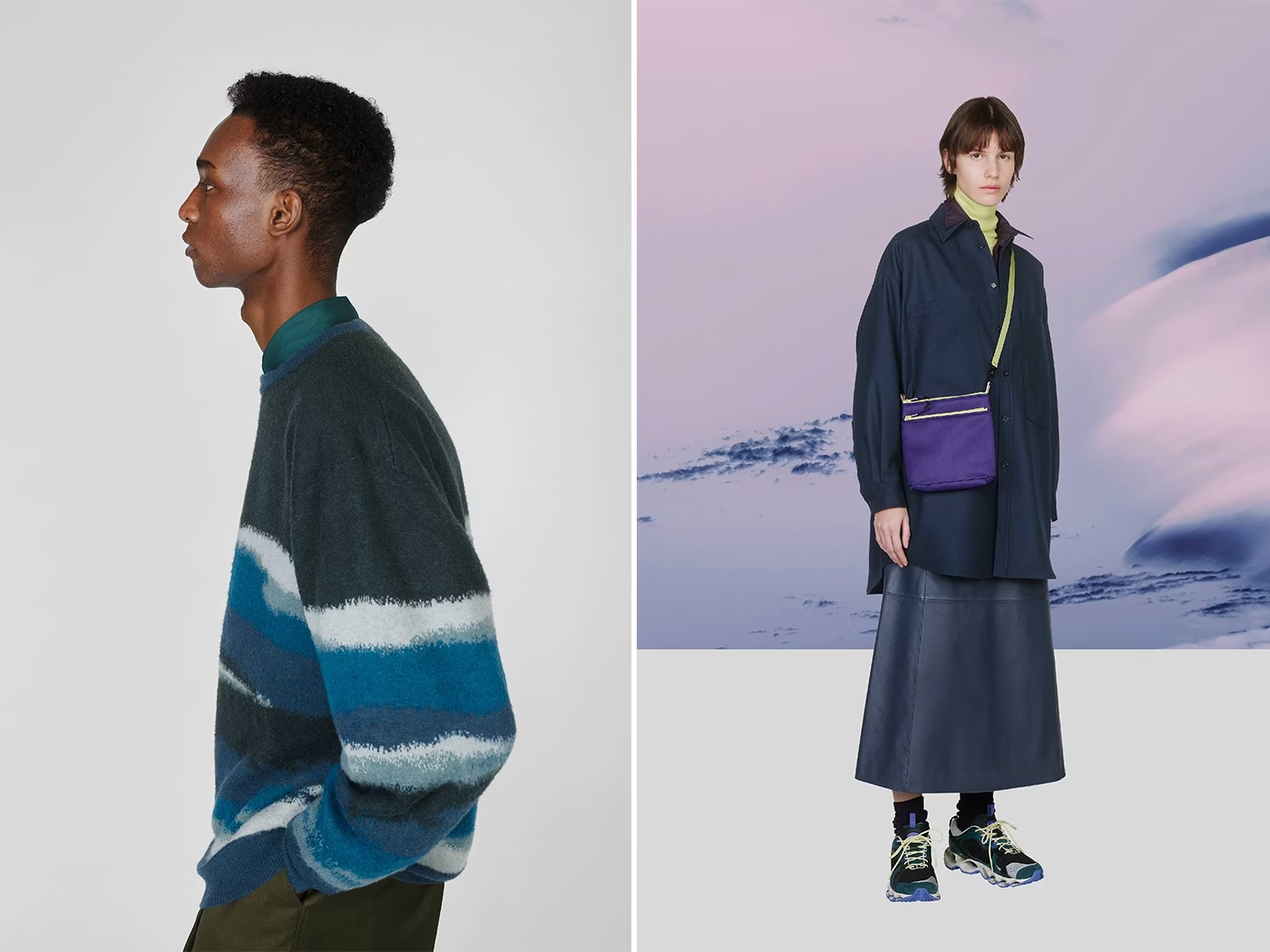
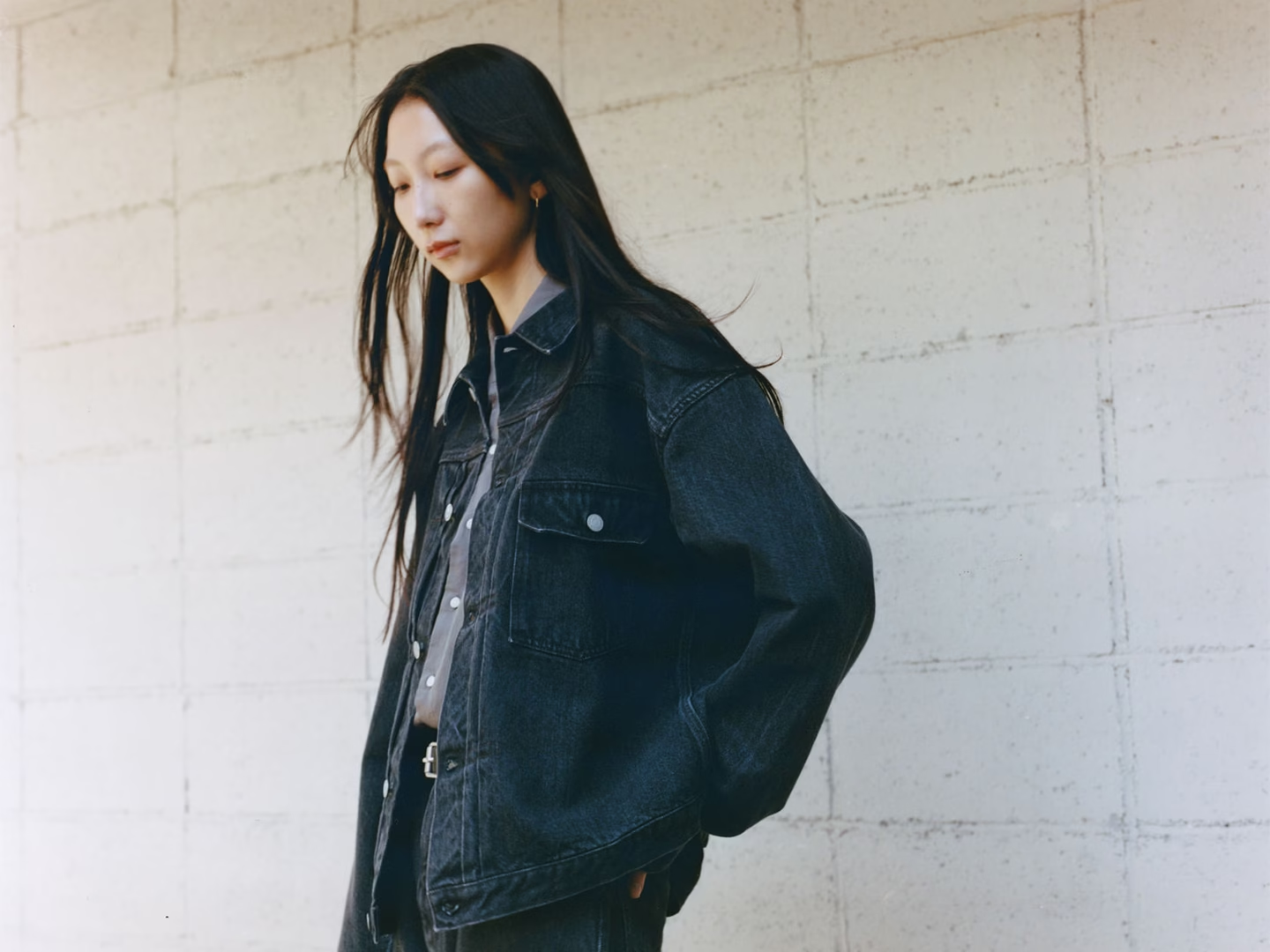
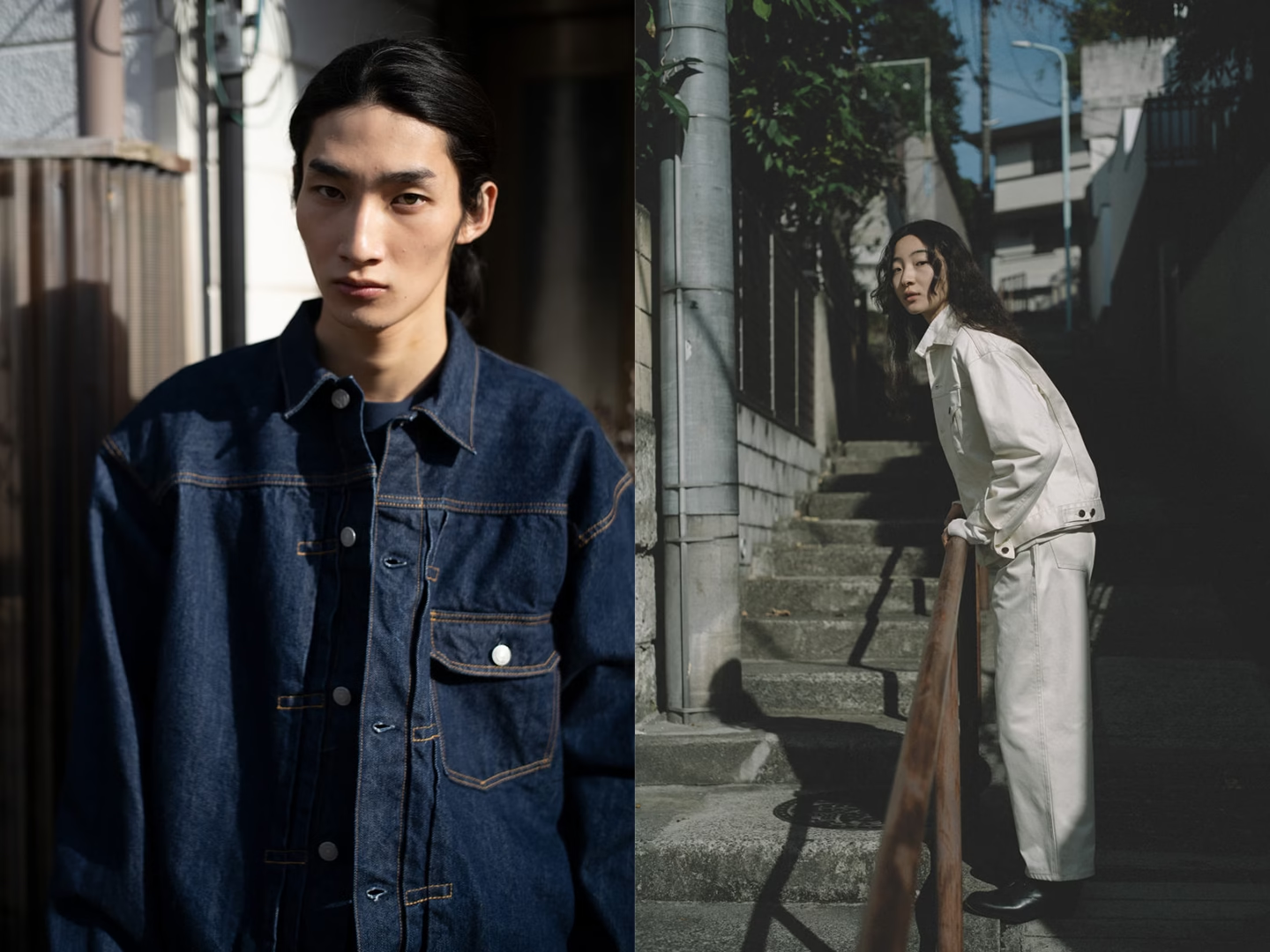
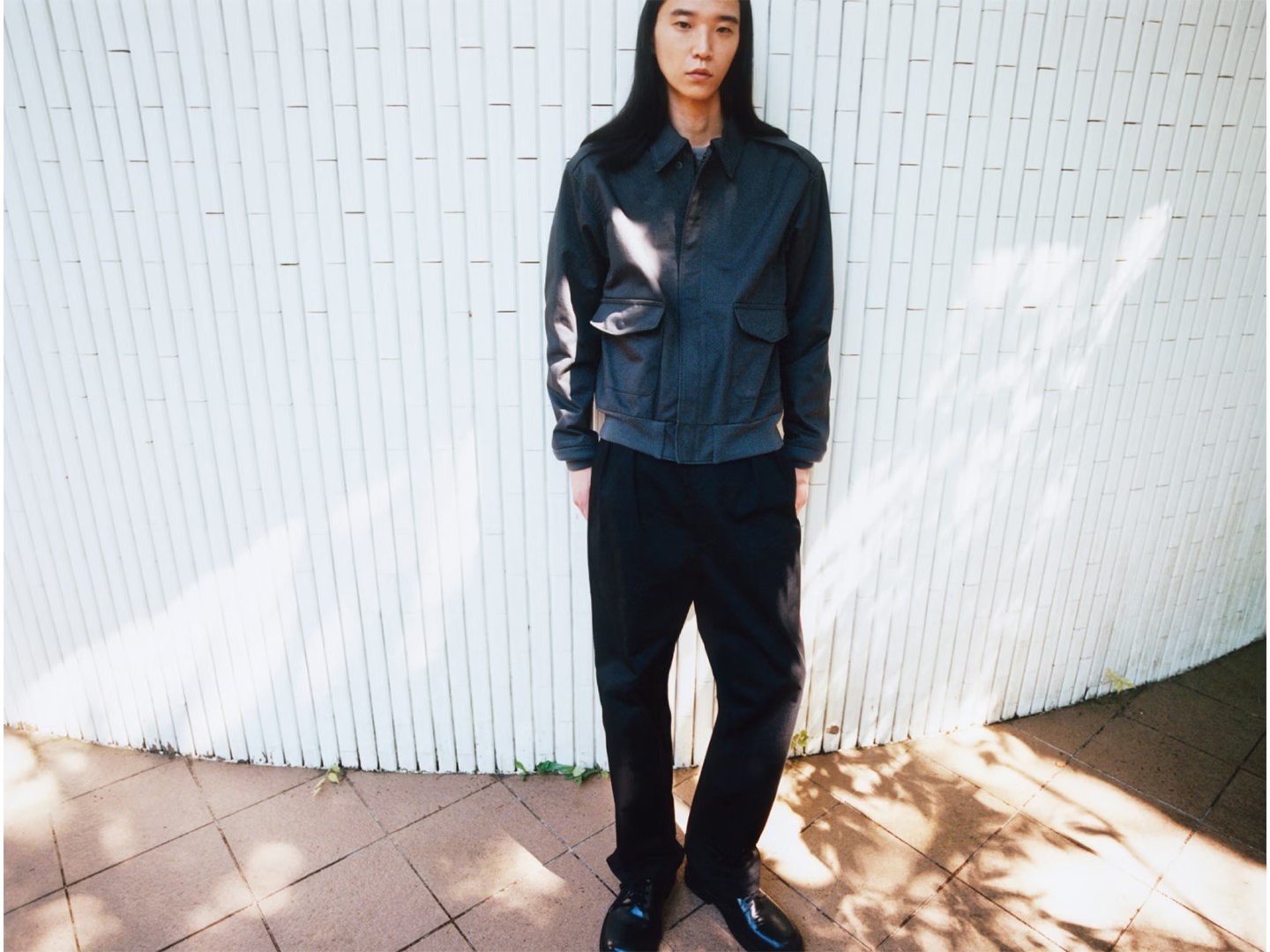
Launched in 2019 in Okayama by a long established textile manufacturer, CIOTA is distinctive for doing everything in house. Every garment is made from Suvin cotton, an ultra long staple variety prized for its sheen and smooth handfeel. Denim, chinos, and military jackets are rendered unusually soft while retaining utilitarian authenticity, anchoring heritage in the post normcore language of fabric integrity.