Japan’s mascot industry is famous for cute animals and cheerful regional ambassadors. Beyond that outer layer is a deeper ecosystem of characters that refuse to be merely friendly. These figures promote tourism, health awareness and civic pride while also challenging basic comfort thresholds. The following mascots have achieved notoriety not through charm, but through sheer visual resistance.

1. Melon Kuma
Predator in Produce Form
Melon Kuma represents Yubari in Hokkaido, a town known for expensive melons and frequent bear sightings. Rather than choosing between the two themes, designers fused them. The mascot’s head is a green melon with rind patterns. When the mouth opens, a realistic bear jaw extends outward with fangs and dripping tongue. At events, Melon Kuma is known to lunge at other mascots and pretend to bite them. Children often cry when approached. It remains one of the few publicity characters that actively simulates attack behaviour.
2. Okazaemon
Blank Stare of Okazaki
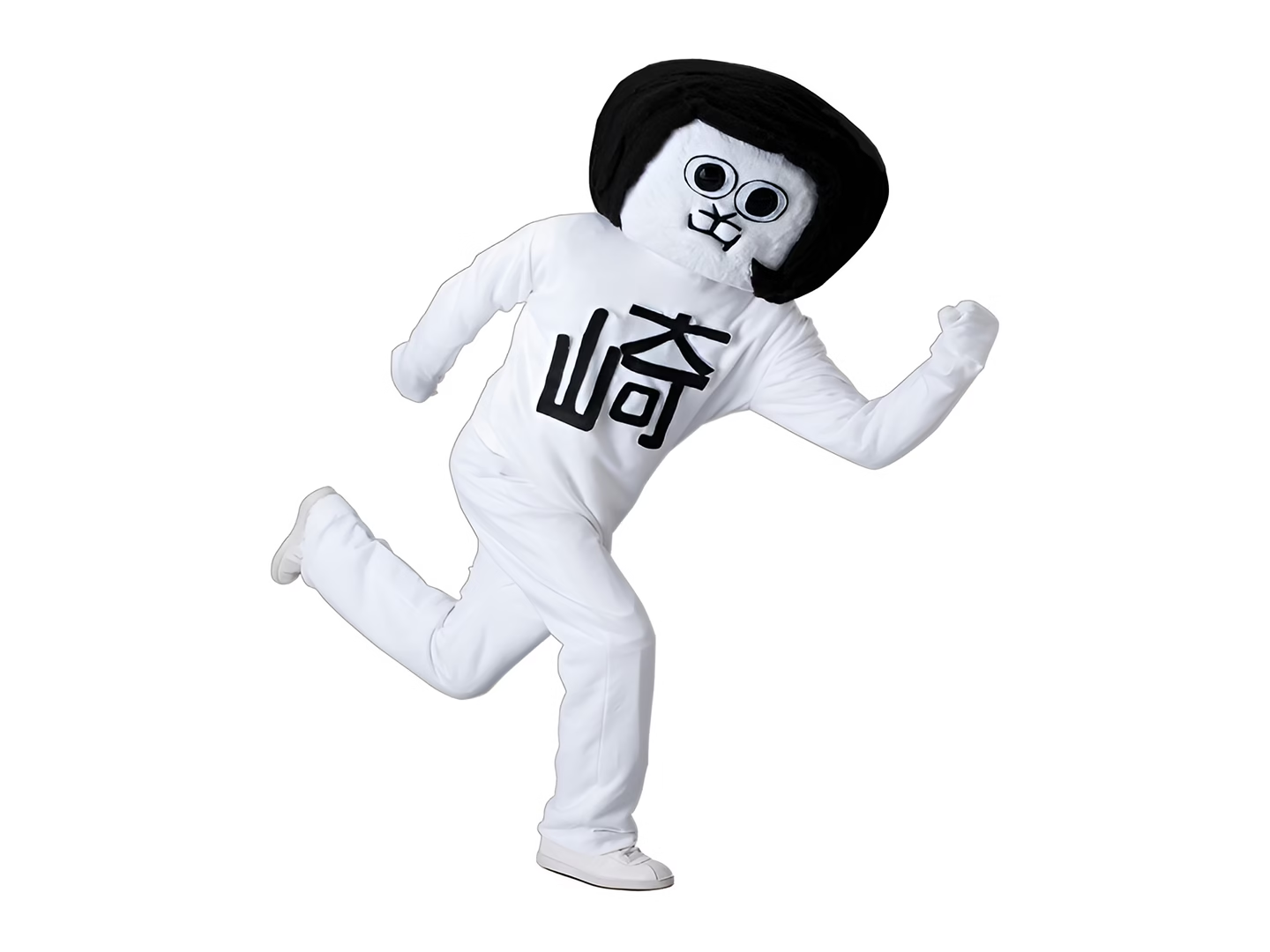
Okazaemon was created for Okazaki City in Aichi. Its body is completely white with a flat cartoon face featuring two empty black eyes and a thin mouth. The kanji for “Oka” and “zaki” are placed on its forehead and chest like labeling stickers. The character rarely moves expressively, choosing instead to stand motionless and stare. It became unexpectedly popular in national ranking polls despite looking less like a mascot and more like a sleep paralysis figure wearing hair.
3. Colon-chan
The Intestinal Hairdo of Miyako
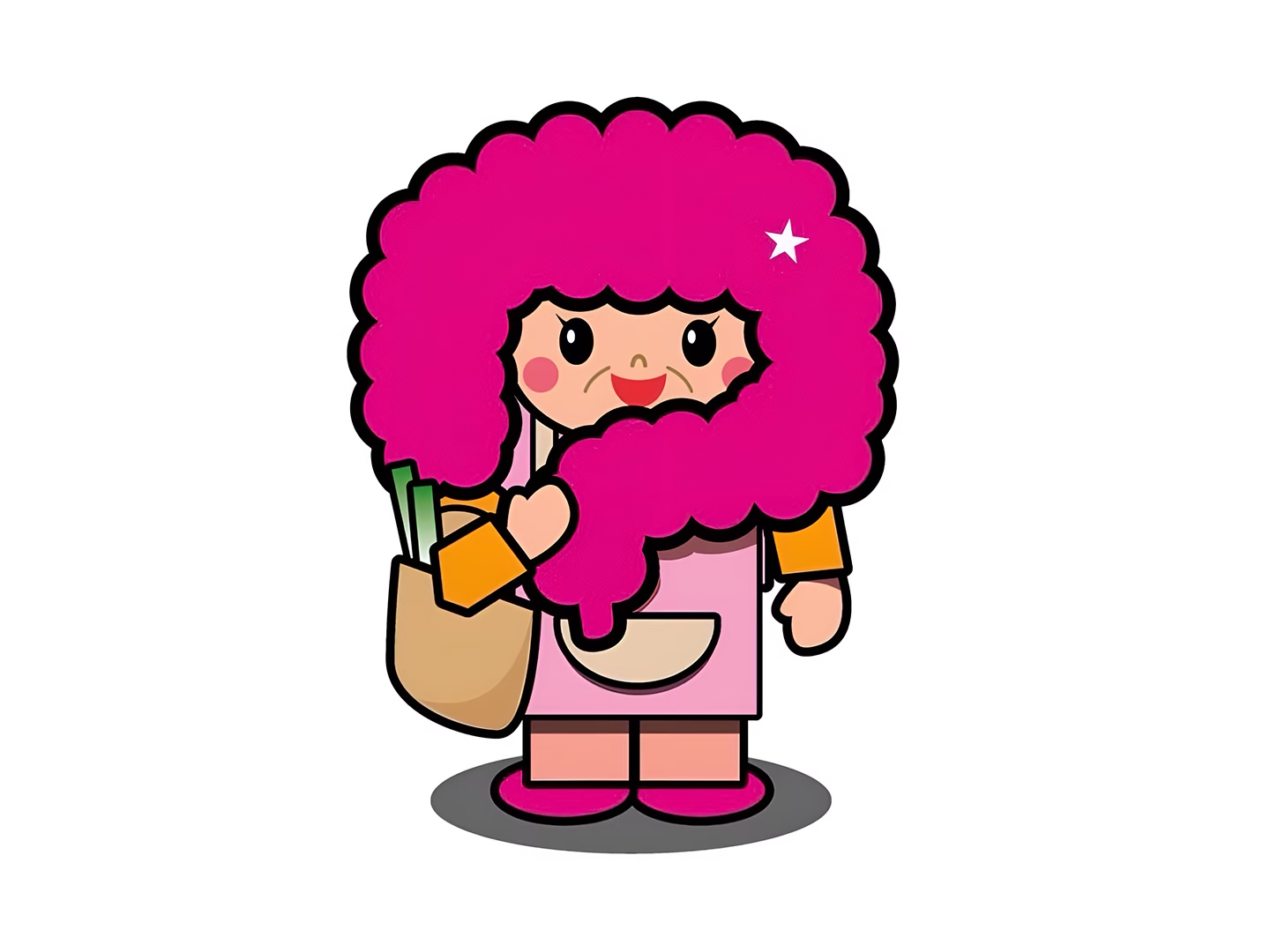
Colon-chan is a mascot created by Miyako City in Iwate Prefecture for its colorectal cancer screening campaign. The character has bright pink hair shaped like the large intestine, with a star on one side. She wears an apron and carries a shopping bag with groceries. Colon-chan is used in local health promotion materials to raise awareness of colorectal cancer screening.
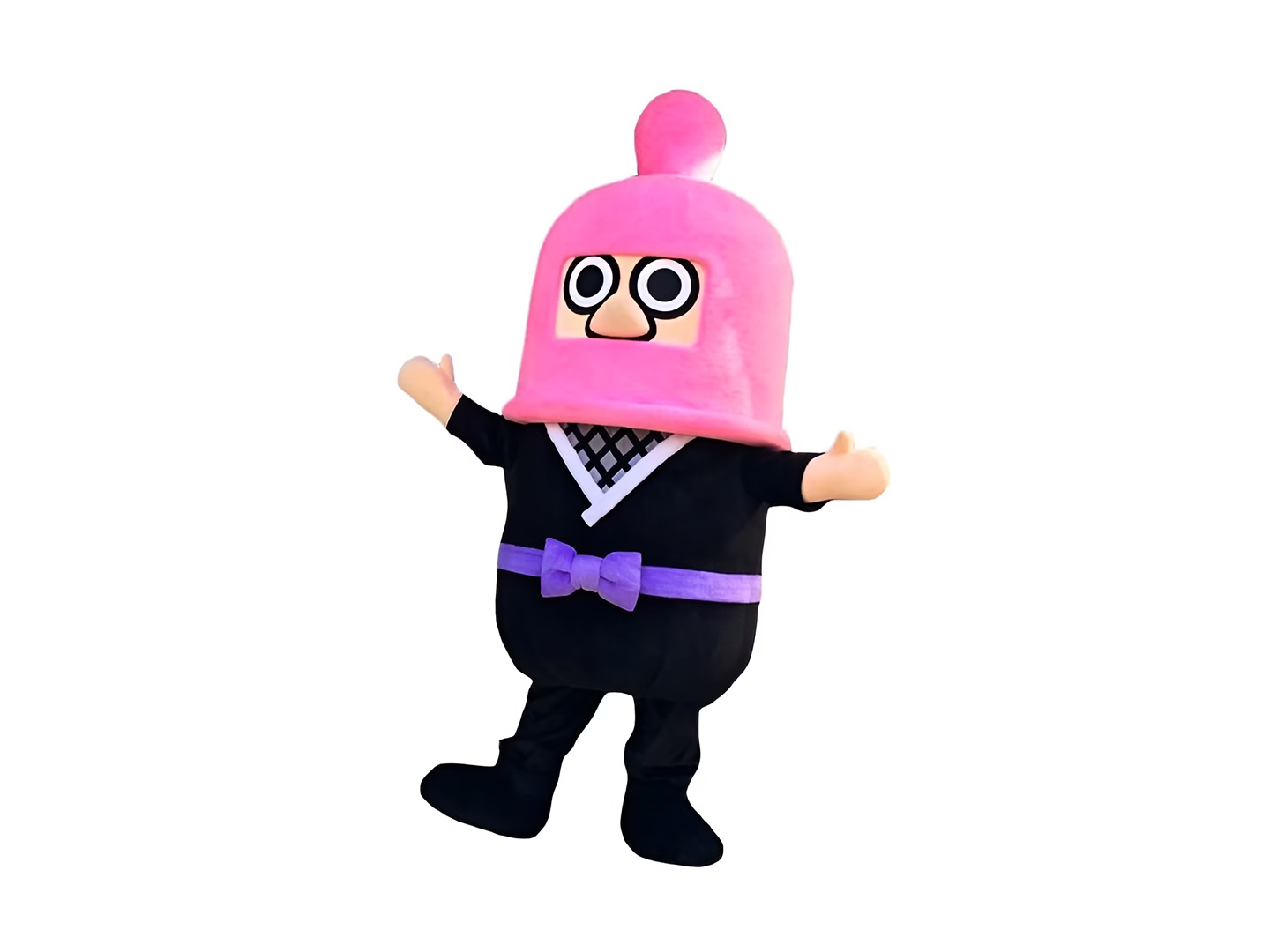
4. Jimmy Hattori
Ninja Condom of Aichi’s Safe-Sex Campaigns
Jimmy Hattori is a mascot from Aichi Prefecture used in HIV and STI prevention campaigns. Styled as a ninja, he wears a large pink headpiece shaped like a condom. In promotional material, he refers to condoms as “secret ninja tools.” He appears at World AIDS Day events, school visits, and community drives, promoting protection against infections and unintended pregnancies. His name references the historical ninja Hattori Hanzō, reimagined as a public-health character.
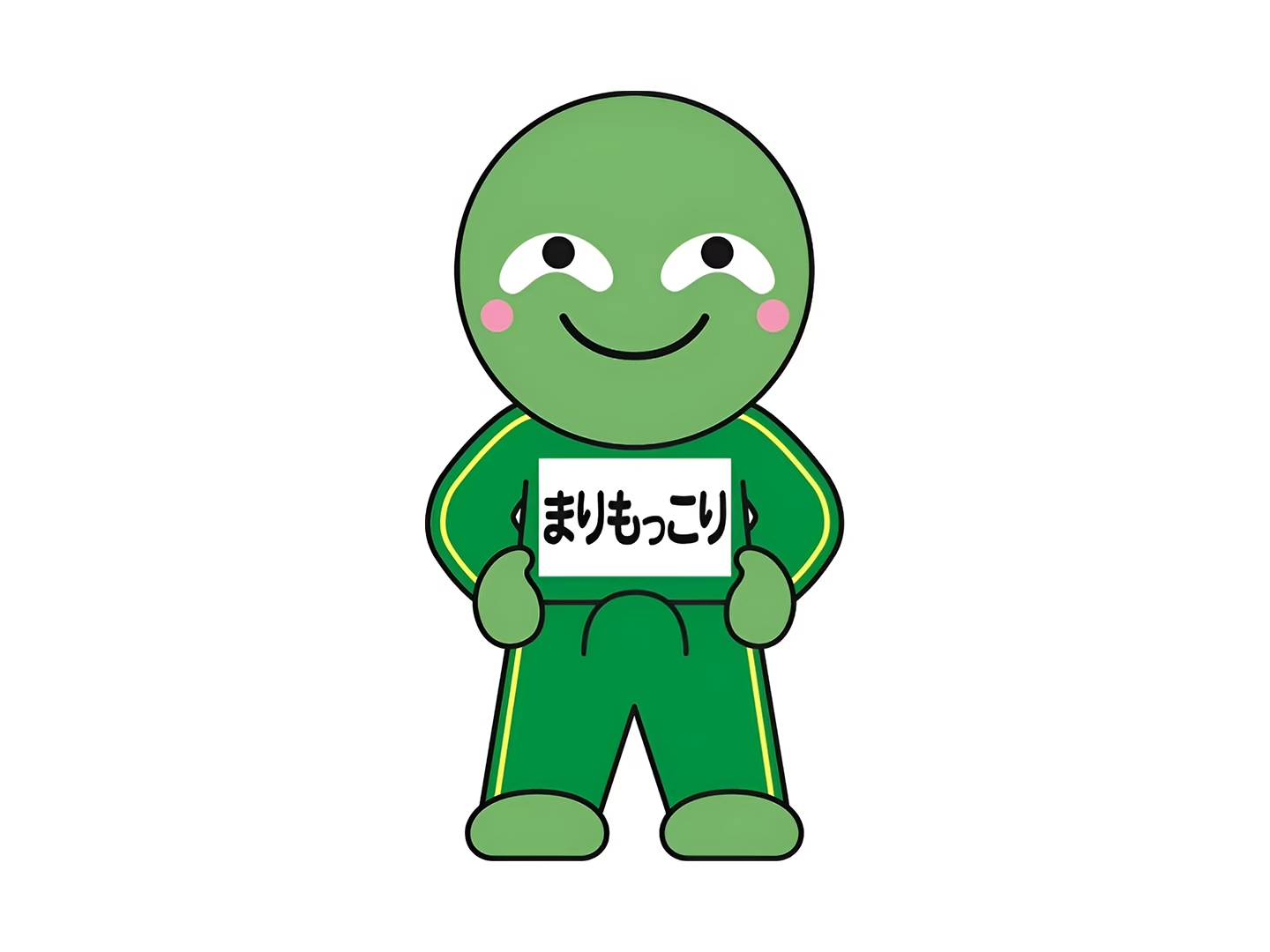
5. Marimokkori
Algae with Intent
Marimokkori represents Hokkaido’s lake algae. The name combines “marimo” (spherical moss) with “mokkori,” a slang term referring to visible groin swelling. The mascot is a green humanoid with an unwavering smile and a pronounced bulge. It is printed on children’s stationery and sold as plush toys. No clarification has ever been issued.